
El Cabanyal, Valencia | Exploring Spain
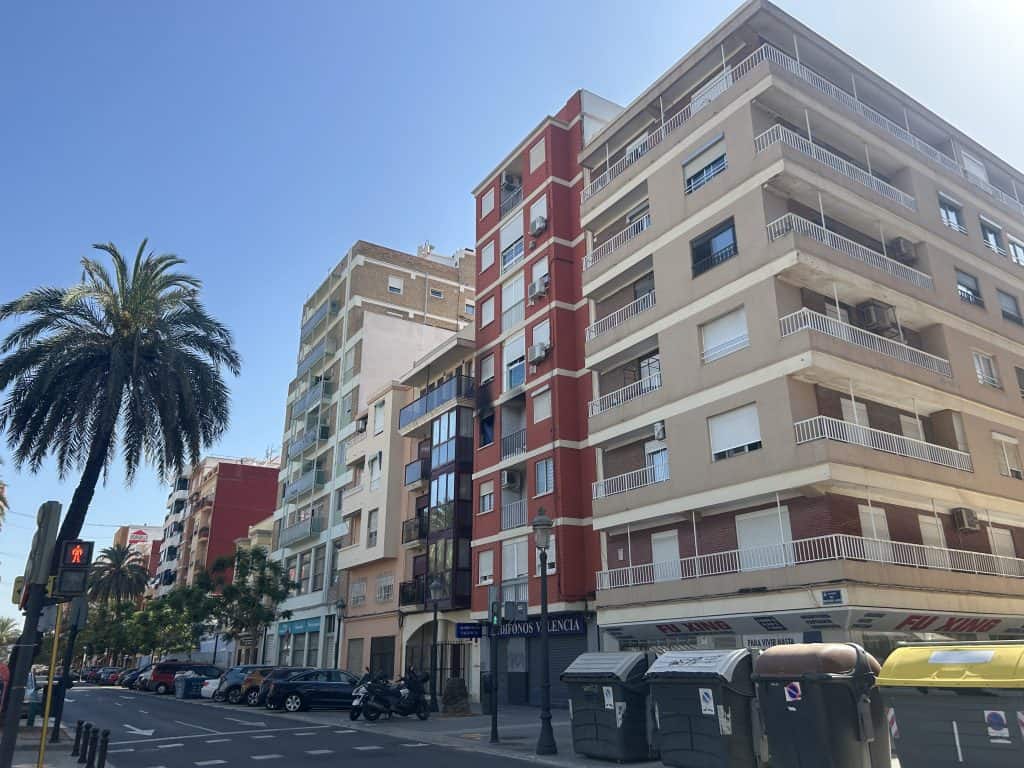
El Cabanyal is a historic neighborhood located in the maritime district of Valencia, Spain. Positioned directly west of the city’s main beaches, it began as a fishing village. Today, it is known for its grid of streets that runs parallel to the sea and for its buildings decorated with colorful tiles. The neighborhood retains a distinct character separate from the central districts of Valencia.
The area’s architectural heritage is a key part of its identity. A local preservation movement has resisted modern development plans that would have altered the neighborhood’s structure. This has resulted in a place that is both a protected historic area and an active residential community. El Cabanyal offers a look at a different side of Valencia’s urban development and social history.



A Short History of El Cabanyal
The history of El Cabanyal is directly tied to the sea and the city’s expansion. Its development from a small settlement of fishing cabins to a protected historic neighborhood shows its unique urban and social trajectory. This past is defined by its origins as an independent town, its annexation by the city, and its modern struggle for preservation.
From Fishermen’s Cabins to Town
The origins of El Cabanyal are found in its function as a settlement for local fishermen. The name itself comes from the simple cabins (cabañas) that they first built along the shore. Over time, these temporary structures were replaced with permanent homes, creating a proper town. It was officially established in the 19th century and remained an independent municipality for a period. Its urban plan, with long, straight streets parallel to the coastline, was designed to provide fishermen with direct access to the sea.
Annexation and 20th-Century Life
In 1897, the town of El Cabanyal was officially annexed by the city of Valencia. Throughout the 20th century, it maintained its distinct identity as a working-class maritime district. Its population was largely composed of families involved in fishing and other port-related activities. The neighborhood’s architecture developed its specific style during this time, with many homeowners decorating their two-story houses with bright ceramic tiles. This visual character became a hallmark of the area.
The Threat of Demolition and Preservation
In the late 20th century, El Cabanyal faced a significant threat. A controversial plan proposed to extend a major avenue, Blasco Ibáñez, directly to the sea. This extension would have required the demolition of over 1,600 historic homes, splitting the neighborhood in two. In response, a citizen-led movement fought for years to protect the area. Their efforts were ultimately successful, and El Cabanyal was saved. Today, it is designated as a protected historic area, and a process of regeneration is underway.

Things to Do and See
Exploring El Cabanyal is an experience centered on its architecture and local atmosphere. The neighborhood itself is the main attraction. Its primary points of interest are its tiled building facades, its central market, and its cultural and recreational facilities.
The Tiled Facades
The most noted feature of El Cabanyal is its architecture. Many buildings are decorated with brightly colored ceramic tiles, a style known as trencadís. This technique, also used by Art Nouveau architects like Gaudí, was adopted by local residents in a specific vernacular style. The facades display a wide variety of patterns and colors, reflecting the tastes of the original owners. Walking through streets like Carrer de la Reina and Carrer de Sant Pere is the best way to observe this open-air display.
Mercado del Cabanyal
The Mercado del Cabanyal is the commercial heart of the neighborhood. Housed in a large building from 1958, this indoor market is a central point for local life. Inside, there are dozens of stalls selling fresh produce from Valencia’s fertile farmlands. The fishmongers offer fresh seafood brought in from the nearby sea. The market is a primary food source for residents and functions as an important social hub for the community.
Museo del Arroz
Just on the edge of the neighborhood, you will find the Museo del Arroz (The Rice Museum). It is located in a refurbished rice mill from the early 20th century. The museum’s exhibitions explain the history of Valencia’s most important crop. Visitors can see the old machinery and learn about the entire process of cultivating and milling rice in the region. The museum provides insight into the agricultural and industrial heritage that shaped this part of the city.
Playa de las Arenas
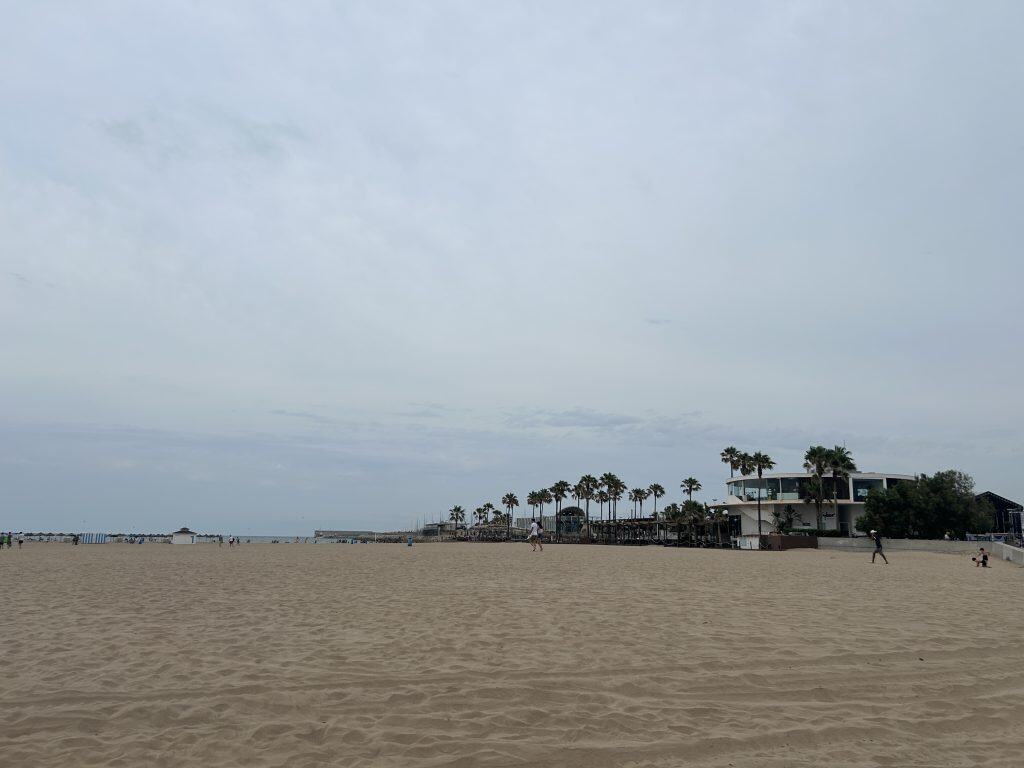
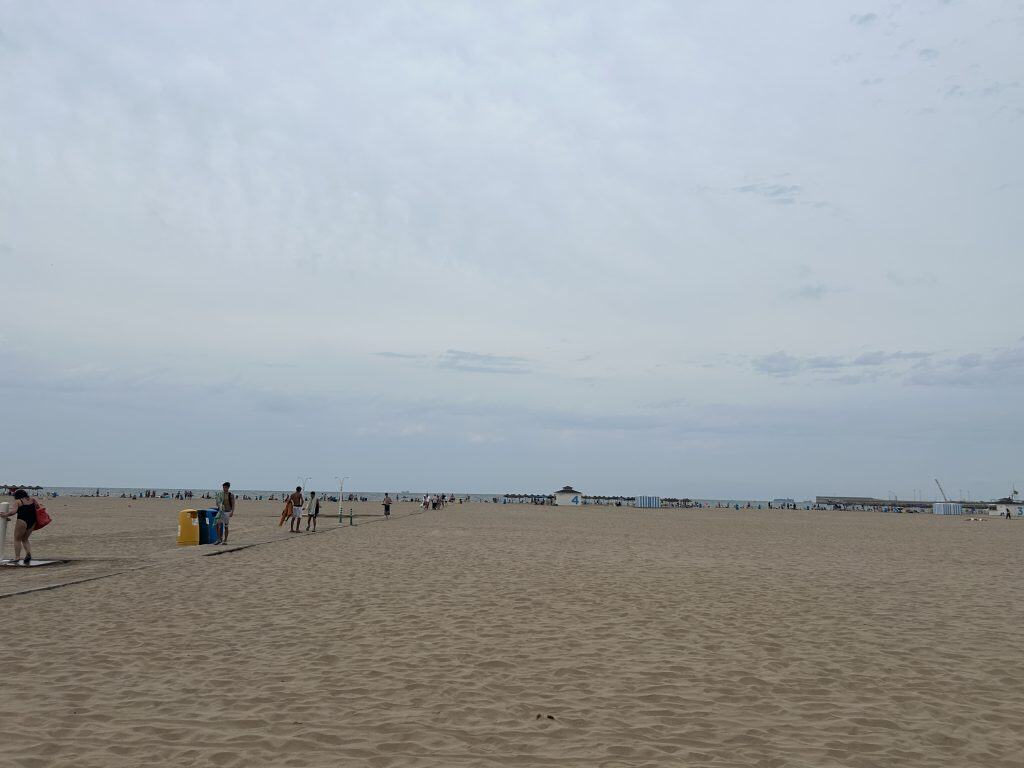
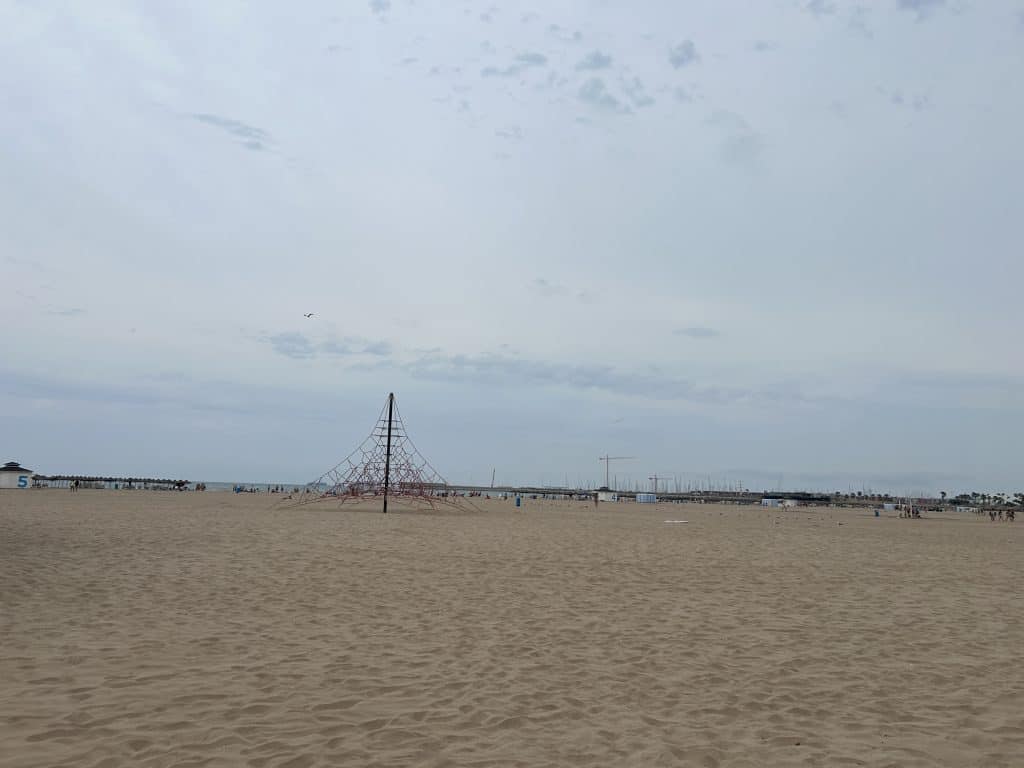
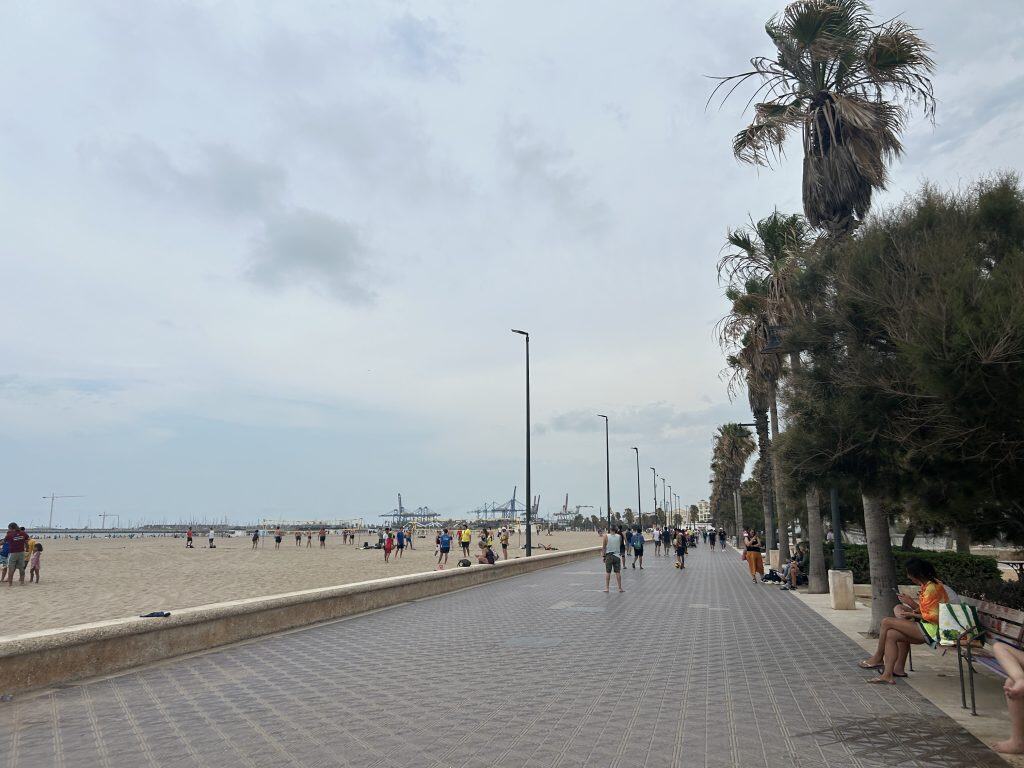
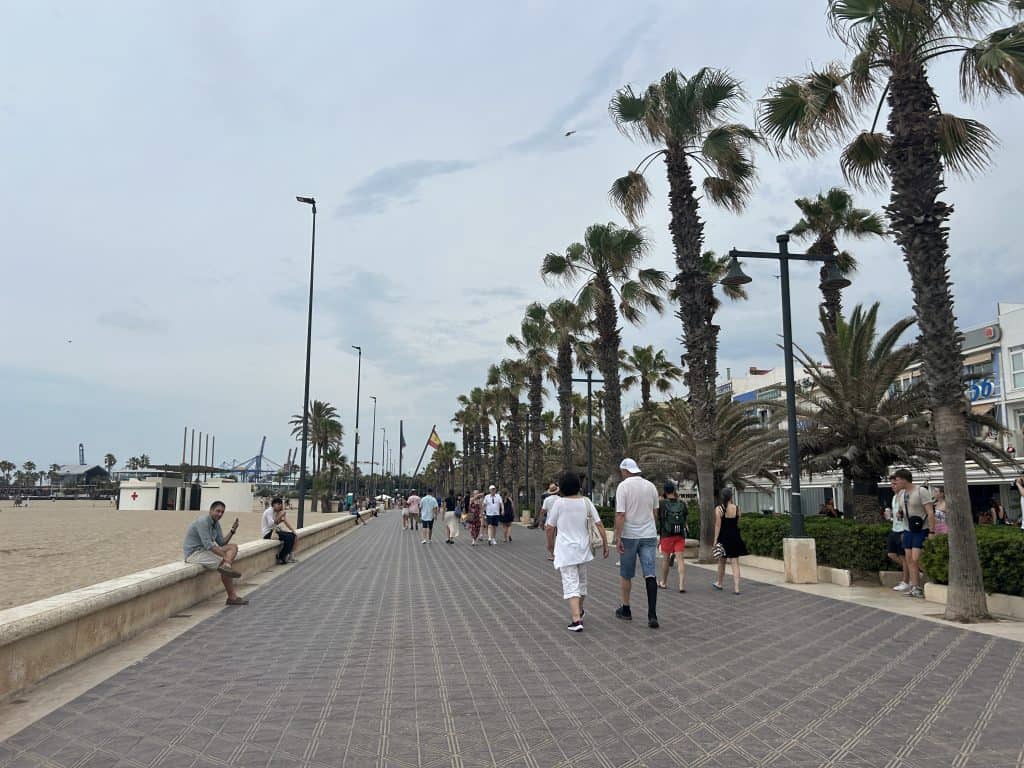
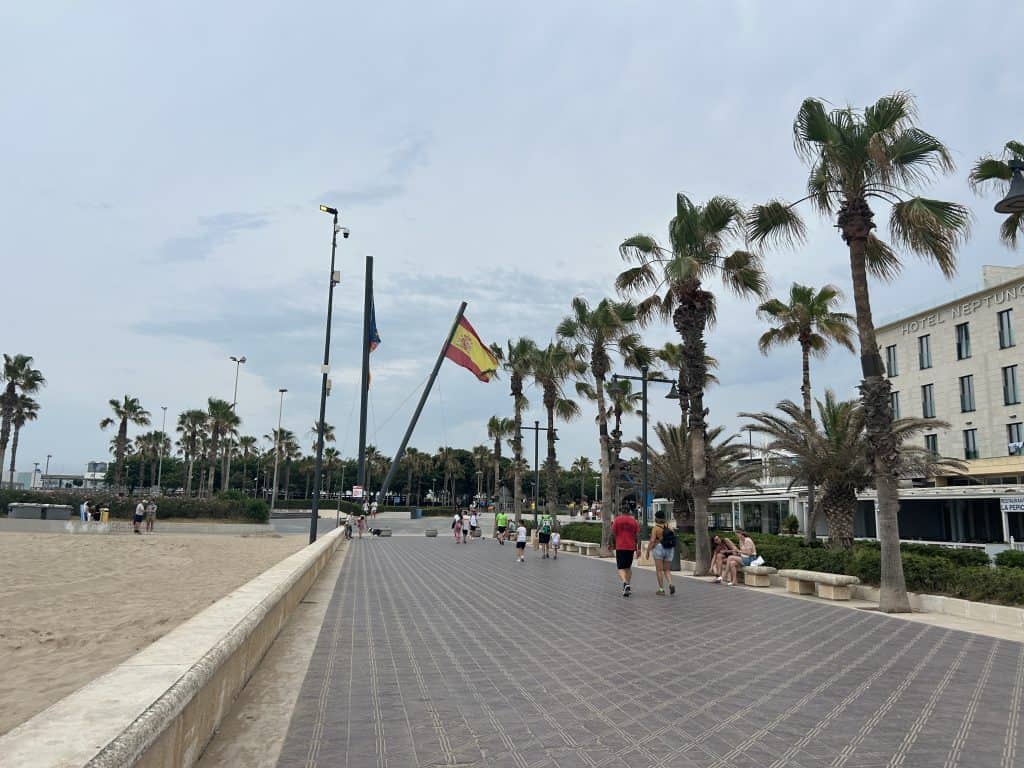
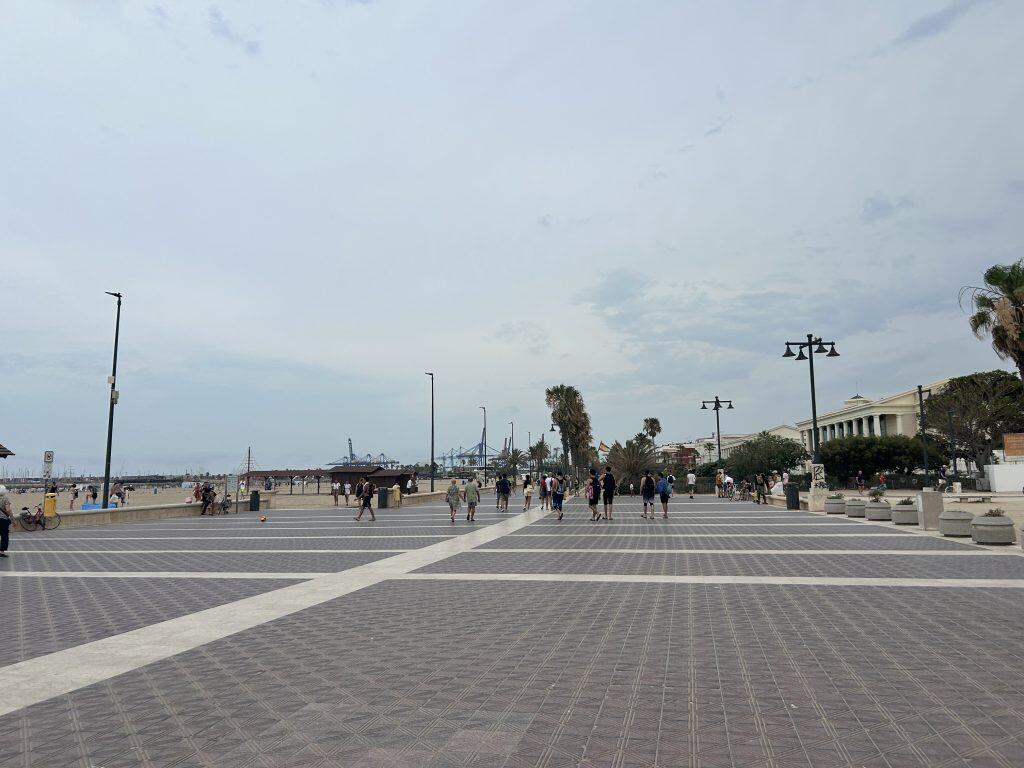
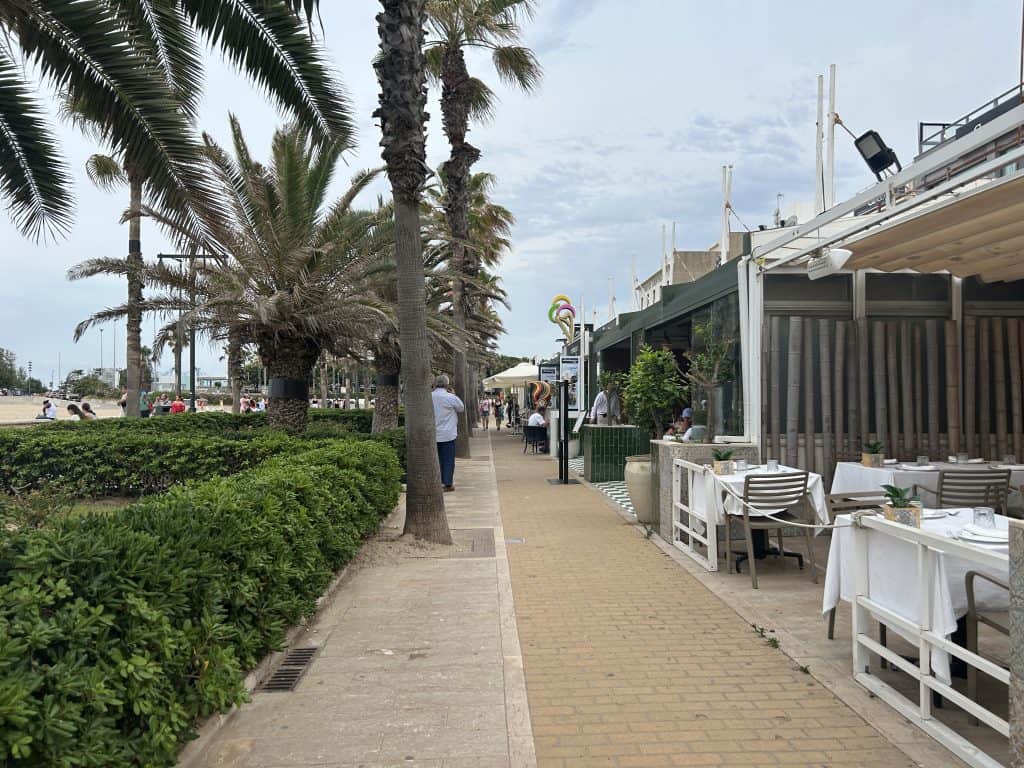
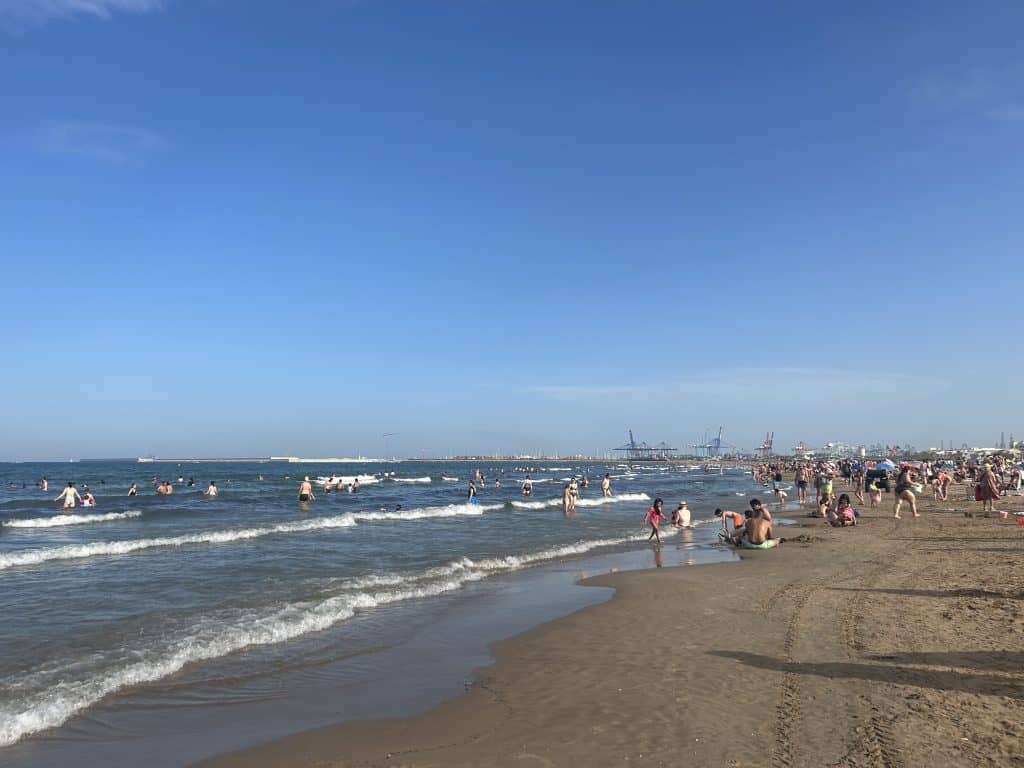
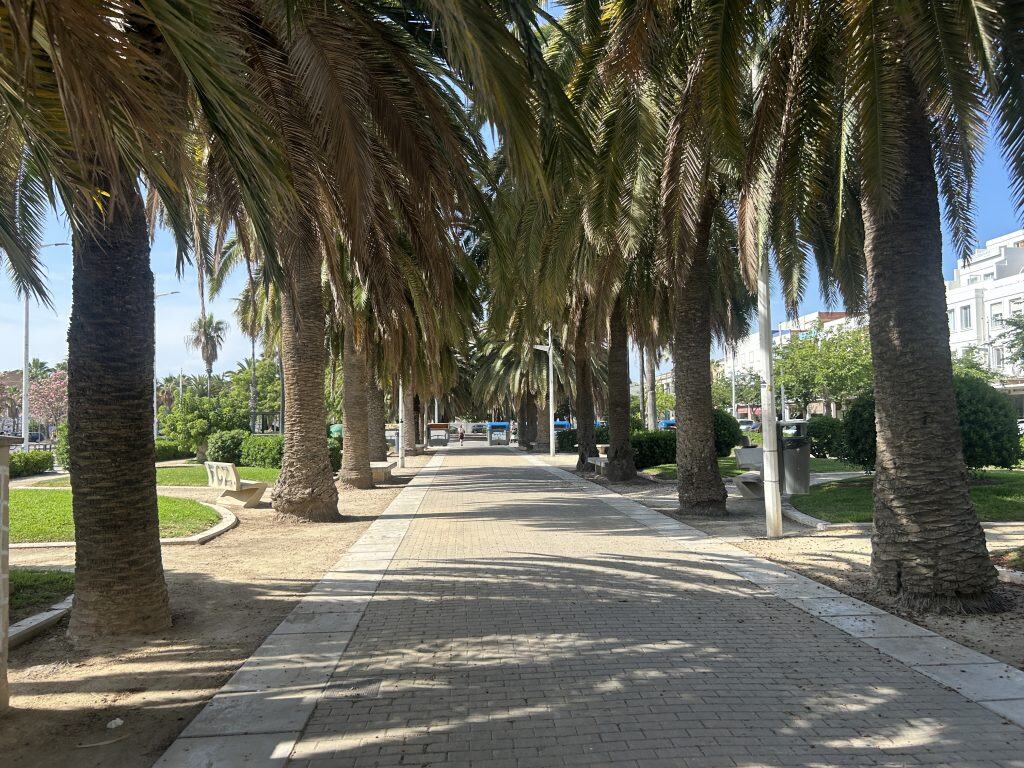
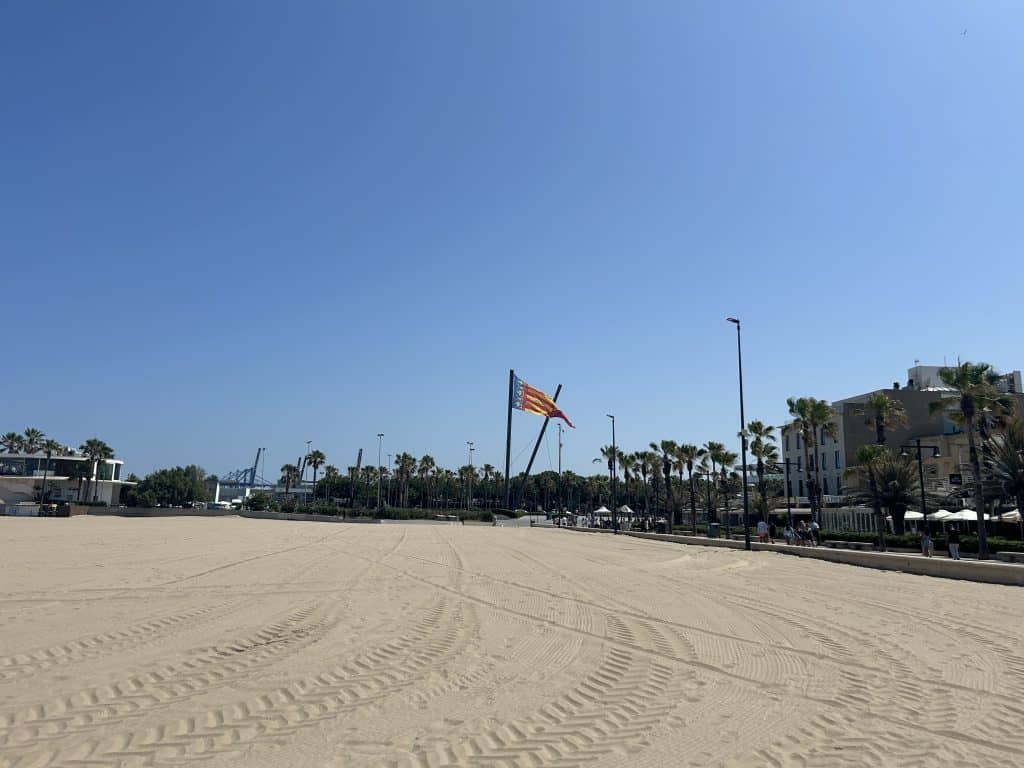
El Cabanyal is directly connected to Valencia’s main city beach, Playa de las Arenas. This wide expanse of sand serves as the neighborhood’s front yard. The beach is equipped with amenities such as volleyball nets, exercise areas, and children’s playgrounds. It blends seamlessly into the neighboring Malva-rosa beach, creating a vast coastline for walking and recreation. The beachfront promenade is lined with a wide array of restaurants, many specializing in local seafood.


How to Get to El Cabanyal
El Cabanyal is located just east of the city center and is well-connected to Valencia’s transport network. Its position between the urban core and the sea makes it easy to access via multiple forms of transport.
Connecting via Public Transport
Valencia’s public transport network makes the journey to El Cabanyal simple. Numerous city bus (EMT) lines run from central locations directly into the neighborhood. The Metrovalencia system is another effective option. Tram lines 4 and 6 have several stops in the area, while the nearby Marítim-Serrería station connects the metro and tram systems. Always check official sources for the most up-to-date ticket information.
An Excursion by Car
If you choose to drive, several main roads lead from the city center towards the maritime district. Be aware that the streets within El Cabanyal are often narrow and follow a one-way system. On-street parking can be difficult to find, especially on weekends. It is often easier to park in a designated public facility near the port or the beach and walk from there.
From the Airport and Main Stations
From Valencia Airport (VLC), you can take the metro directly to the Marítim-Serrería station and then switch to a tram. While from the city’s main train stations, Estació del Nord and Joaquín Sorolla, you can take the metro or a city bus to reach the neighborhood. A taxi is a more direct option and typically takes about 20-25 minutes from the airport, depending on traffic.
Driving Distances
The driving distance from 10 major regional cities, according to Google Maps:
- Zaragoza, Spain – 340 kilometers (3 h 30 min)
- Barcelona, Spain – 350 kilometers (3 h 40 min)
- Madrid, Spain – 352 kilometers (3 h 40 min)
- Bilbao, Spain – 618 kilometers (6 h 10 min)
- Seville, Spain – 654 kilometers (6 h 40 min)
- Toulouse, France – 706 kilometers (6 h 40 min)
- Lisbon, Portugal – 893 kilometers (8 h 30 min)
- Geneva, Switzerland – 1,021 kilometers (10 h 00 min)
- Paris, France – 1,355 kilometers (13 h 00 min)
- Rome, Italy – 1,489 kilometers (14 h 50 min)
Looking to Explore more of Spain and Europe?