Ålberga, Södermanland | Exploring Sweden
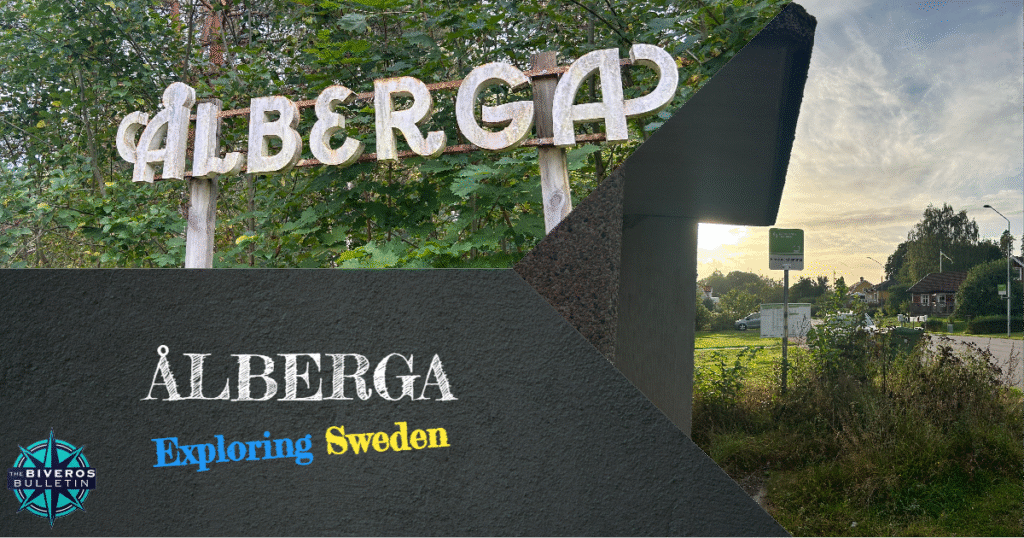
Ålberga is a locality in the province of Södermanland. It is a part of Nyköping Municipality and is located approximately 25 kilometers west of the city of Nyköping. The community that exists today originated as a stationssamhälle, a village that grew around the former railway station built on the line known as the Nyköpingsbanan. The surrounding landscape consists of forests and agricultural land, characteristic of the Södermanland countryside.
The primary function of Ålberga today is that of a quiet residential community. Its location in the countryside between Nyköping and Norrköping makes it a viable commuter settlement for those who work in either city but prefer to live in a rural setting. While it has limited commercial services, the village has a strong community identity. The locality’s character is defined by its origins as a railway hub, which distinguishes it from the older agricultural parishes and ironworks sites found elsewhere in the region.

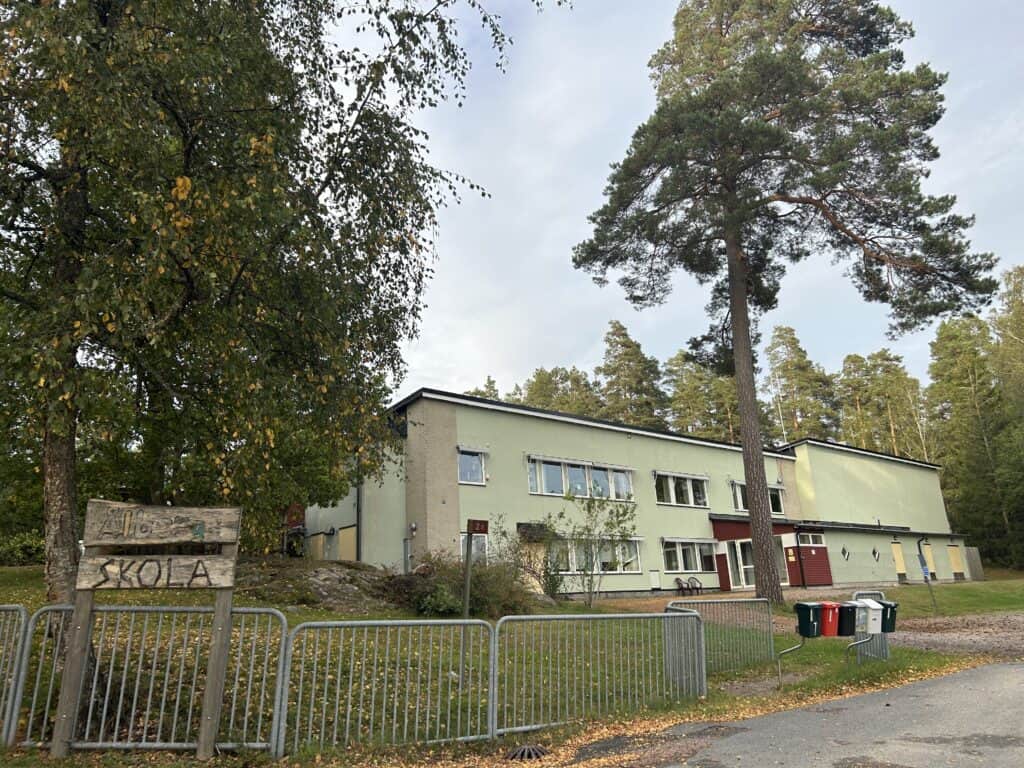
History of Ålberga
The history of the modern locality of Ålberga is that of a 20th-century railway community. However, the name “Ålberga” is much older and is historically associated with a significant ironworks and manor located a few kilometers north of the present-day village. The establishment of the railway station created an entirely new settlement that adopted the name of the old works. The history of the area is therefore a story of two separate but connected places: the old industrial site on the river and the new railway community that succeeded it as the local center.
The Historic Ålberga Ironworks
The original Ålberga was a classic Swedish ironworks, or bruk, founded in the 1630s. This industrial site was located a few kilometers north of the modern locality, on the banks of the Kilaån river. The river’s rapids provided the necessary water power for the forges and hammers. For over 250 years, the Ålberga ironworks and its associated manor, Ålberga Säteri, were a major center of iron production and the economic heart of the region. This entire community, with its manor house and workers’ cottages, was a distinct settlement on the river.
The Rise of a Railway Community
The pivotal moment in the creation of the modern locality of Ålberga was the construction of the railway line known as the Nyköpingsbanan. This railway, which connected Järna with Åby just outside of Norrköping, passed directly through the area. A station was established here in the early 20th century and was named Ålberga. This new station became a hub for transport and services, attracting new residents and businesses. It quickly surpassed the old, declining bruk village in importance, becoming the new center of the area.
Ålberga in the Modern Era
Passenger traffic on the railway line eventually ceased, but the community of Ålberga had already been firmly established. Following the closure of the ironworks in the 1930s, the railway village continued to be the main local settlement. In the later 20th century, it transitioned into its modern role as a peaceful residential community. Its location on a main regional road in the area between Nyköping and Norrköping ensured its continued connectivity. Today, the locality of Ålberga is a quiet village, with its history rooted in the railway.
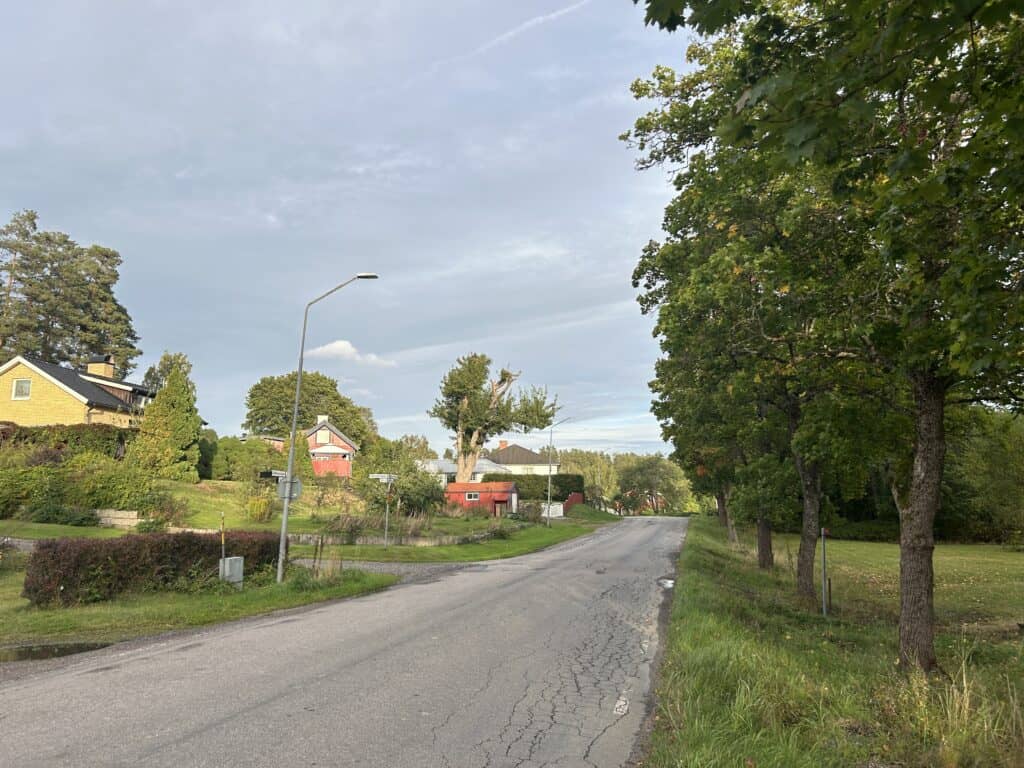
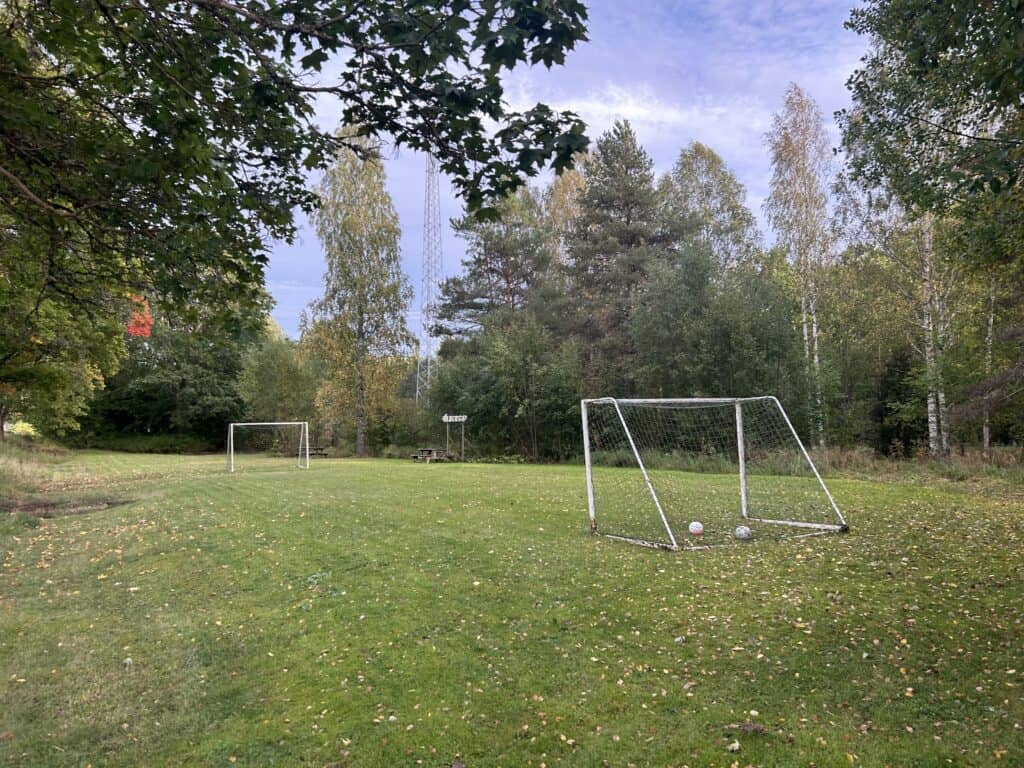

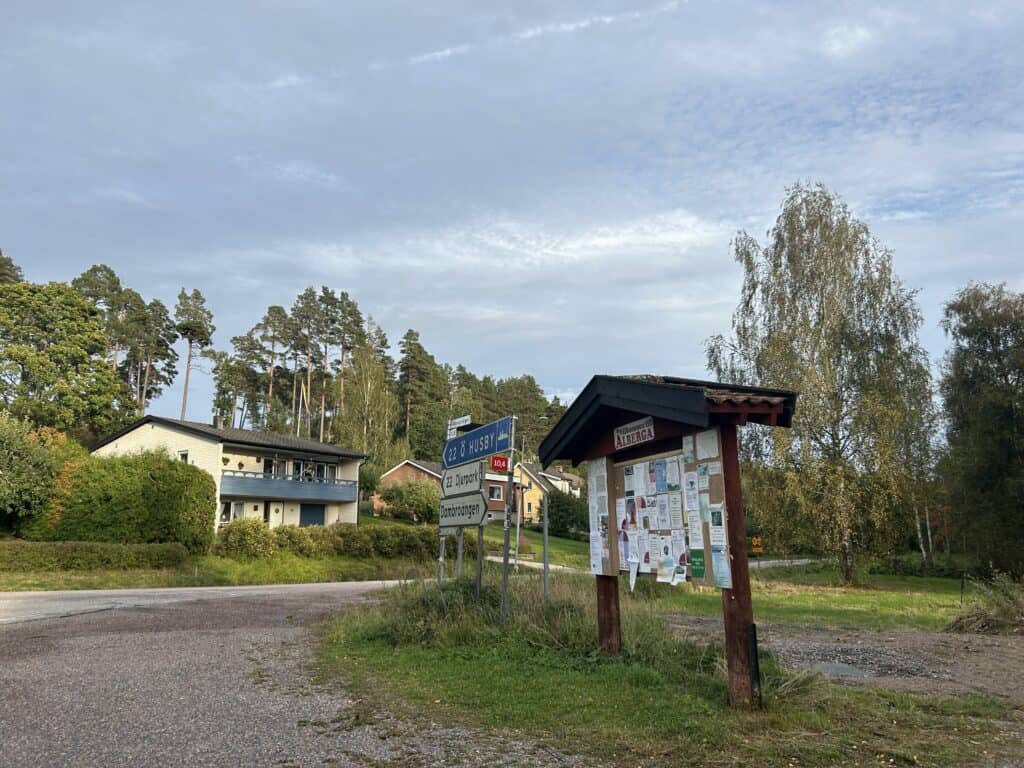
Sights at Ålberga
The sights in and around Ålberga reflect its dual history as both a historical ironworks site and a 20th-century railway community. The main points of interest are therefore located in two distinct areas: the modern locality itself, and the site of the old bruk a few kilometers to the north. A walk through the village reveals its past as a transport hub, with the former station area forming its historical core. The railway line itself, the Nyköpingsbanan, is still active with regular passenger and freight traffic passing directly through the settlement, though the station building has long been closed and is now a private residence.
A short drive north of the locality takes a visitor to the historical site of the Ålberga ironworks on the banks of the Kilaån river. Here, one can see the stone foundations of the old forges and the impressive Ålberga Manor (Ålberga Säteri), which was the home of the works’ owner. Also associated with this site are the well-preserved red-painted workers’ cottages known as a bruksgata. Exploring Ålberga therefore often involves experiencing these two separate historical layers: the quiet railway village and, nearby, the remnants of the industrial era that gave the area its name.

How to Get to Ålberga?
Reaching Ålberga is straightforward as it is located on a main regional road and is not far from the E4 motorway. The village is situated in the countryside in the area between Nyköping and Norrköping. The most common way to travel to Ålberga is by car, which offers the most direct route. However, arriving by public transport is also possible via the regional bus services from Nyköping. The journey to Ålberga takes you through the scenic agricultural and forest landscapes of Södermanland.
Most visitors will approach Ålberga via the city of Nyköping, which is the main transport hub for the region. Nyköping is well-connected by train, bus, and air. From Nyköping, the final leg of the journey to Ålberga is a short trip by car or bus heading west. The route is well-signposted, making the village easy to find. This accessibility makes Ålberga a convenient destination for a day trip to experience a historic Södermanland community.
Driving to Ålberga
The easiest way to get to Ålberga is by car. The village is located directly on road 52, approximately 25 kilometers west of Nyköping. From the E4 motorway, travelers can take exit 132 (Nyköping V) and follow the signs for road 52 towards Katrineholm. The drive from the motorway exit to Ålberga takes about 20 minutes. From central Stockholm, the total driving time is approximately 1 hour and 30 minutes.
Reaching Ålberga by Train
There is no train station in Ålberga. The closest major train station is in Nyköping. Nyköping Central Station is on the main southern railway line with frequent services from Stockholm and Norrköping. Upon arrival at Nyköping station, travelers can transfer to a regional bus from the adjacent bus terminal for the final journey to Ålberga. The bus ride from Nyköping to Ålberga takes approximately 30 minutes.
Traveling to Ålberga by Bus
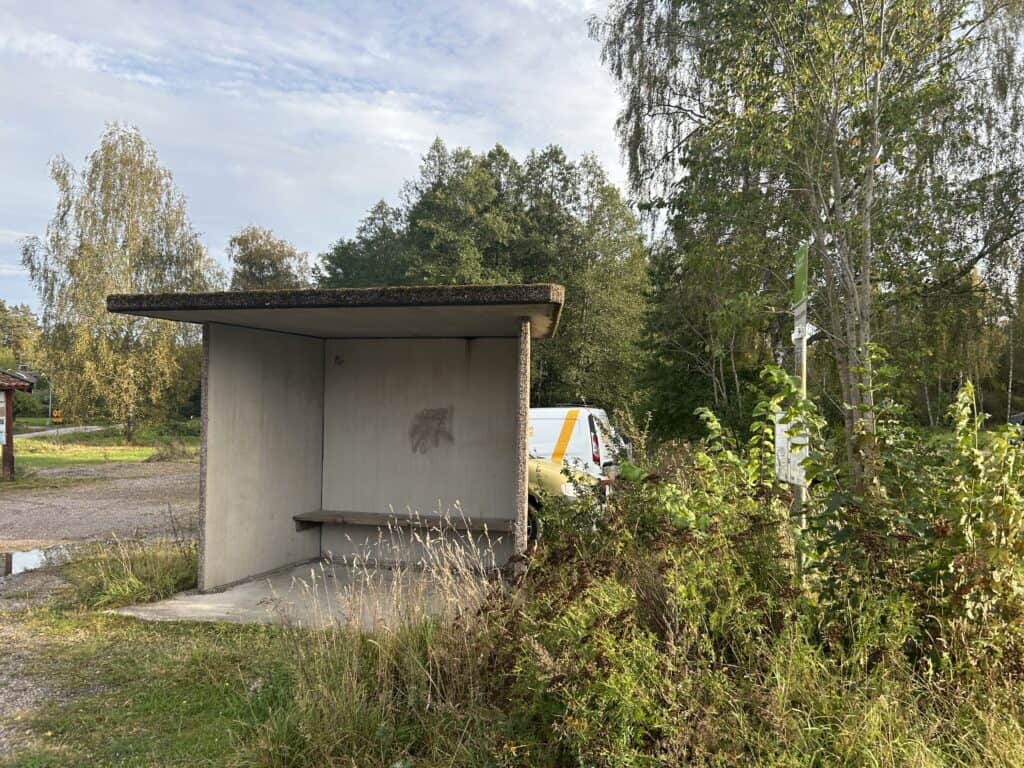
Ålberga is located on a regular bus route operated by Sörmlandstrafiken. Bus lines from Nyköping that travel west toward the surrounding countryside stop in the center of Ålberga. This makes the village directly accessible by public transport from the regional capital. For long-distance travelers, the route would involve taking a long-distance bus or train to Nyköping and then transferring to this local bus service.
Flights and Airports
The closest airport to Ålberga is Stockholm Skavsta Airport (NYO), located in Nyköping. The airport is approximately a 20-minute drive from the village. From the airport, travelers can take a taxi or a local bus into Nyköping and then transfer to a bus to Ålberga. The largest international airport, Stockholm Arlanda (ARN), is approximately a two-hour drive away.
Driving Distances
The driving distance from 20 regional cities, according to Google Maps:
- Nyköping, Sweden – 24 kilometers (0 h 20 min)
- Katrineholm, Sweden – 34 kilometers (0 h 30 min)
- Oxelösund, Sweden – 35 kilometers (0 h 30 min)
- Vingåker, Sweden – 45 kilometers (0 h 40 min)
- Eskilstuna, Sweden – 72 kilometers (1 h 0 min)
- Norrköping, Sweden – 75 kilometers (1 h 0 min)
- Örebro, Sweden – 95 kilometers (1 h 25 min)
- Södertälje, Sweden – 97 kilometers (1 h 5 min)
- Linköping, Sweden – 118 kilometers (1 h 30 min)
- Västerås, Sweden – 119 kilometers (1 h 35 min)
- Stockholm, Sweden – 130 kilometers (1 h 35 min)
- Uppsala, Sweden – 198 kilometers (2 h 20 min)
- Jönköping, Sweden – 249 kilometers (2 h 45 min)
- Gävle, Sweden – 306 kilometers (3 h 20 min)
- Kalmar, Sweden – 307 kilometers (3 h 40 min)
- Växjö, Sweden – 331 kilometers (3 h 45 min)
- Gothenburg, Sweden – 372 kilometers (4 h 5 min)
- Oslo, Norway – 387 kilometers (4 h 30 min)
- Helsingborg, Sweden – 484 kilometers (5 h 0 min)
- Malmö, Sweden – 535 kilometers (5 h 35 min)
Explore More of Södermanland and Sweden