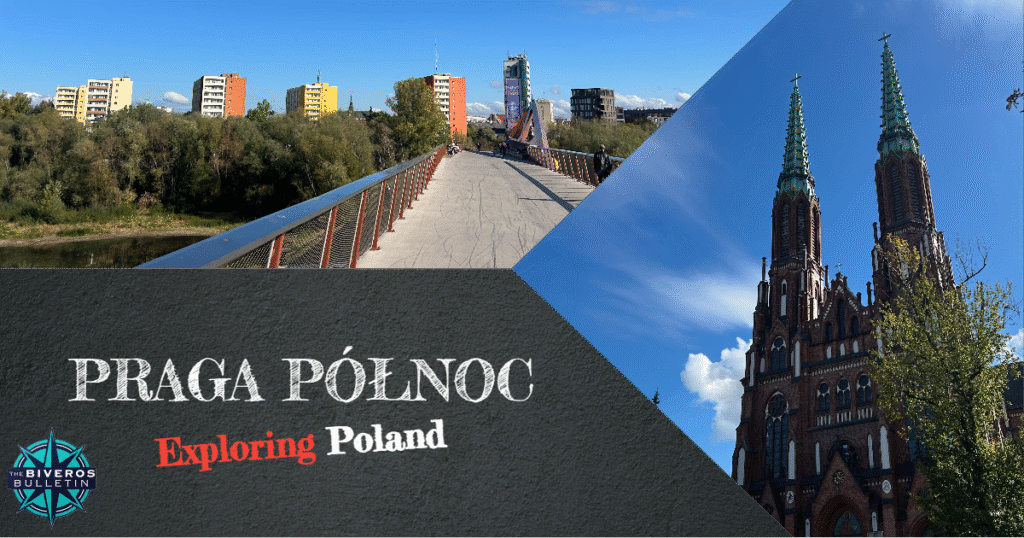
Praga Północ, Warsaw | Exploring Poland
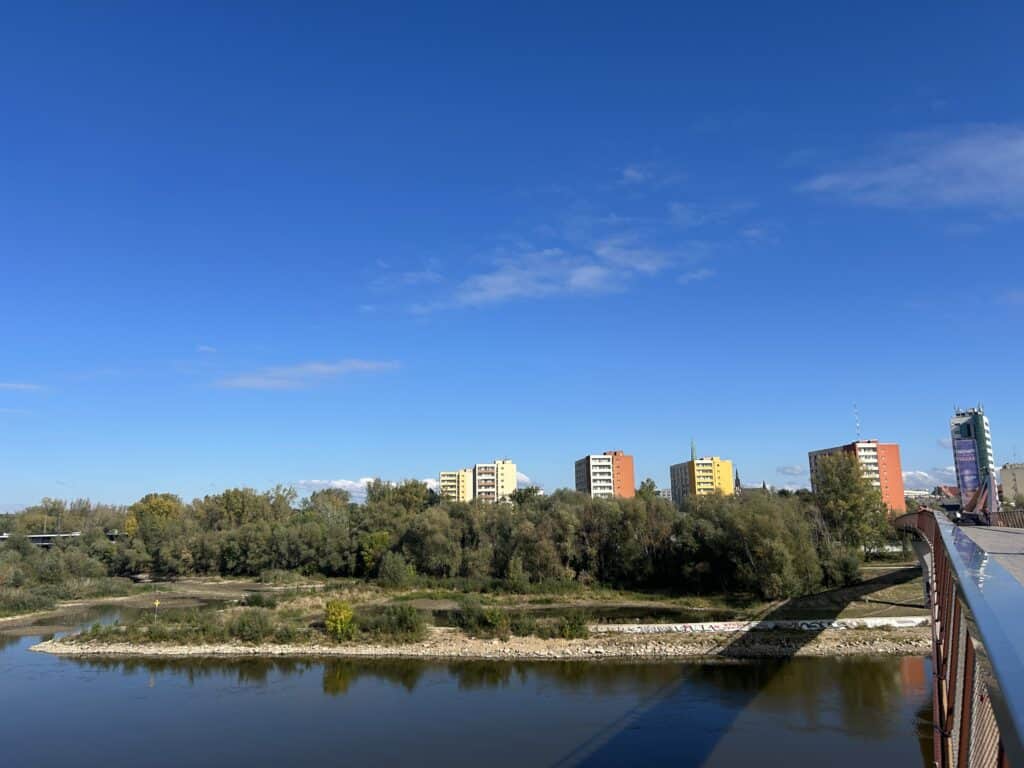
Praga-Północ, with its official name Dzielnica Praga-Północ m.st. Warszawy, is a district on the eastern bank of the Vistula River that represents the most authentic and historically preserved part of the capital. Unlike the left bank, which was almost entirely destroyed in World War II, Praga-Północ survived largely intact, leaving a unique landscape of pre-war tenement houses, cobbled streets, and hidden courtyards. For years considered neglected, the district has undergone a remarkable transformation, becoming a bohemian hub for artists, musicians, and creative entrepreneurs. Its main artery, Ząbkowska Street, and the revitalized Koneser Center are now filled with art galleries, alternative music venues, and trendy bars, creating a vibrant, gritty, and artistic atmosphere that is unique in Warsaw.
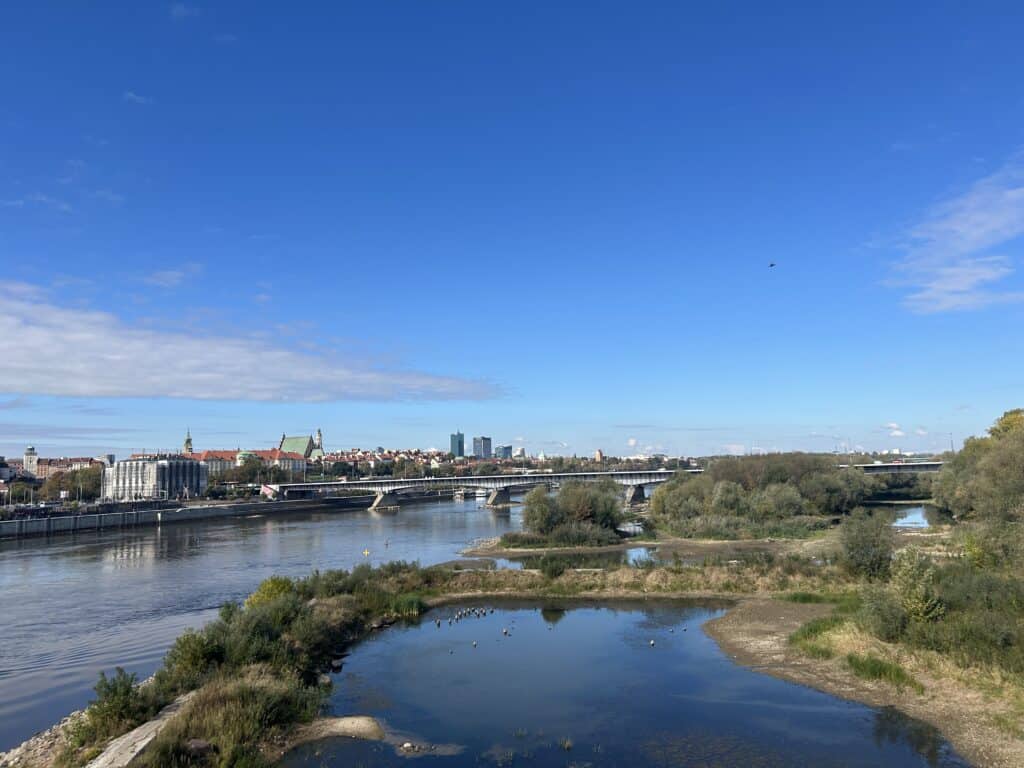
Covering an area of 11.42 square kilometers, Praga-Północ lies directly across the river from Warsaw’s Old Town, bordered by Targówek to the north and Praga-Południe to the south. As of the end of 2023, the district had a population of 58,958 residents. Its neighborhoods each have a distinct character, from the historic core of Stara Praga and Nowa Praga to the traditionally working-class area of Szmulowizna. The demographics reflect the district’s ongoing transformation, with a long-standing community of Praga natives now living alongside a growing population of artists and young professionals attracted by the area’s authenticity and more affordable prices, creating a dynamic and evolving social fabric.
History of Praga Północ
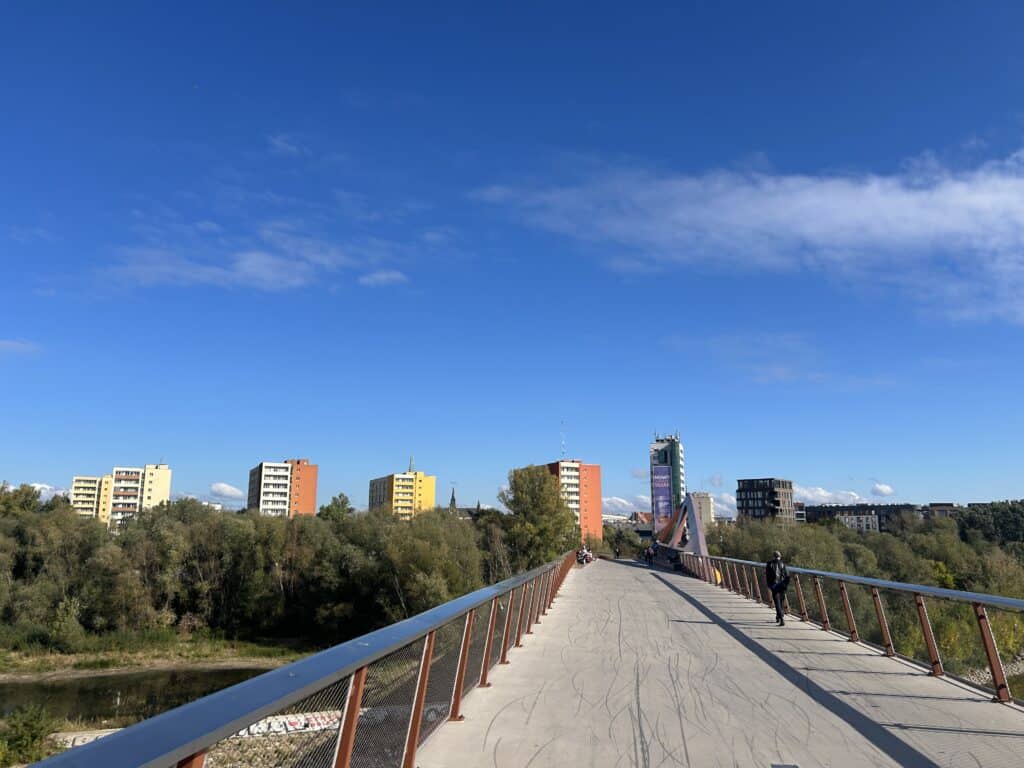
The history of Praga-Północ is that of a city with an identity separate from Warsaw for much of its existence. Located on the eastern bank of the Vistula, Praga developed as an independent town, a crucial trade and defensive outpost. It was often the first line of defense for the capital and bore the brunt of many military assaults throughout history. Its incorporation into Warsaw marked its transformation into a dynamic industrial and working-class hub, but its distinct, right-bank character has endured. Its survival during World War II has made it a living museum of pre-war Warsaw.
Praga Before Warsaw
For centuries, Praga was a separate entity from Warsaw, developing as a craft and trade settlement on the river’s edge. It was granted its own city charter in 1648 by King Władysław IV Vasa. Its strategic location made it a site of frequent conflict, and it was devastated during the Swedish Deluge in the mid-17th century. One of the most tragic events in its history was the Massacre of Praga during the Kościuszko Uprising in 1794, when the Russian army under Alexander Suvorov stormed the district and killed thousands of its civilian inhabitants. This event cemented Praga’s role as a place of both commerce and conflict.
An Industrial Working-Class Hub
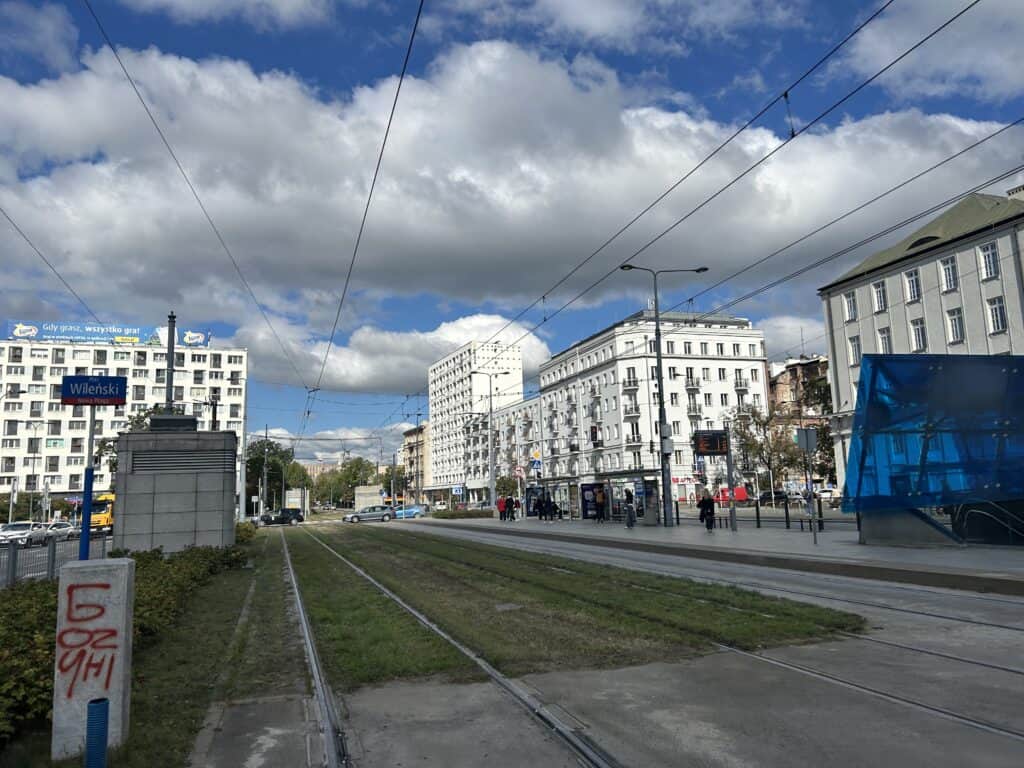
After being officially incorporated into Warsaw in 1791, Praga’s character was radically transformed by the Industrial Revolution in the 19th century. The construction of the Warsaw-Petersburg Railway and the establishment of the Warszawa Wileńska and Warszawa Wschodnia stations turned the district into a major transport and industrial hub. Large factories were built, including the Koneser vodka distillery, and the area was filled with dense tenement buildings to house the thousands of workers who flocked to the district. This period established Praga’s enduring identity as a gritty, industrial, and working-class part of the city.
Surviving the War and Post-War Neglect
While the left bank of Warsaw was systematically destroyed by German forces after the 1944 Uprising, Praga-Północ was spared a similar fate as it had already been captured by the advancing Soviet Red Army. This stroke of historical luck meant that its pre-war architecture, including hundreds of tenement houses, survived. During the post-war communist era, Praga was largely neglected, with little investment in its infrastructure. This neglect, however, inadvertently helped to preserve its authentic character, preventing the large-scale demolitions and redevelopment seen elsewhere. Since the fall of communism, Praga has been rediscovered, and it is now undergoing a steady process of revitalization and gentrification.


Sights in Praga Północ
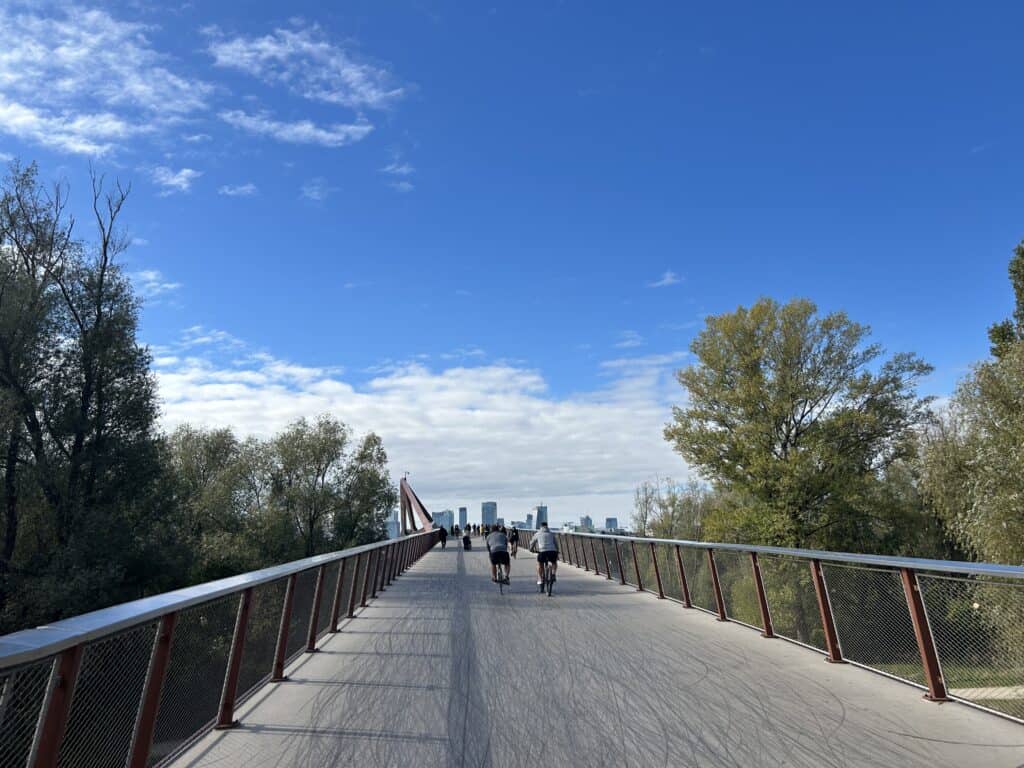
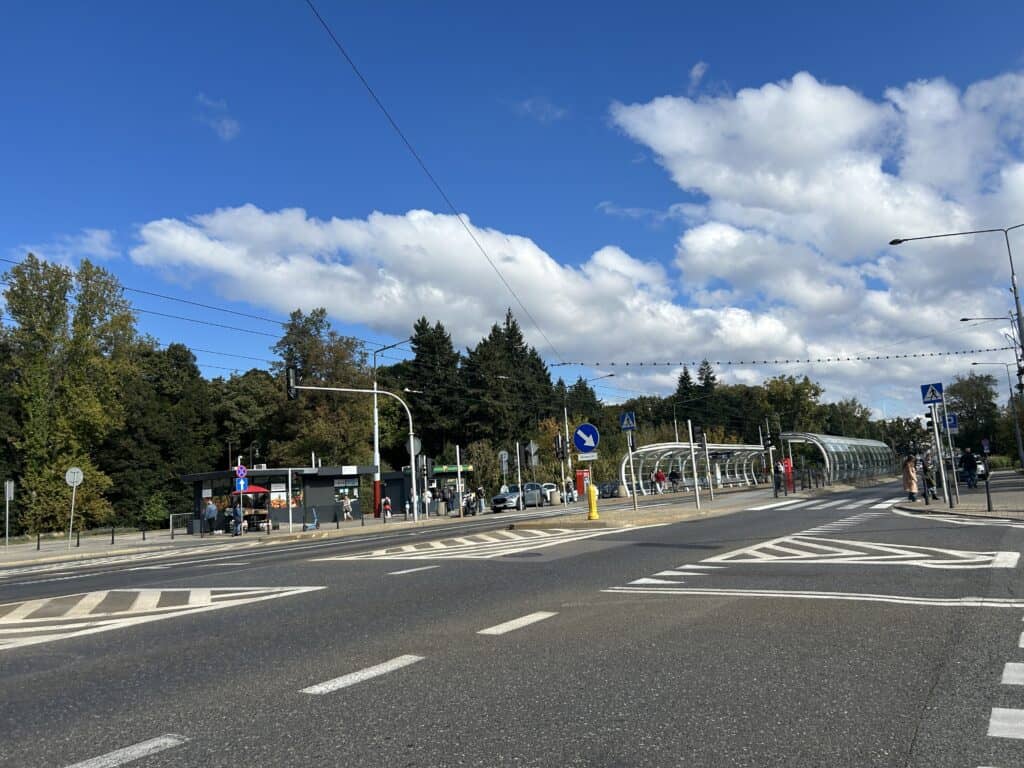
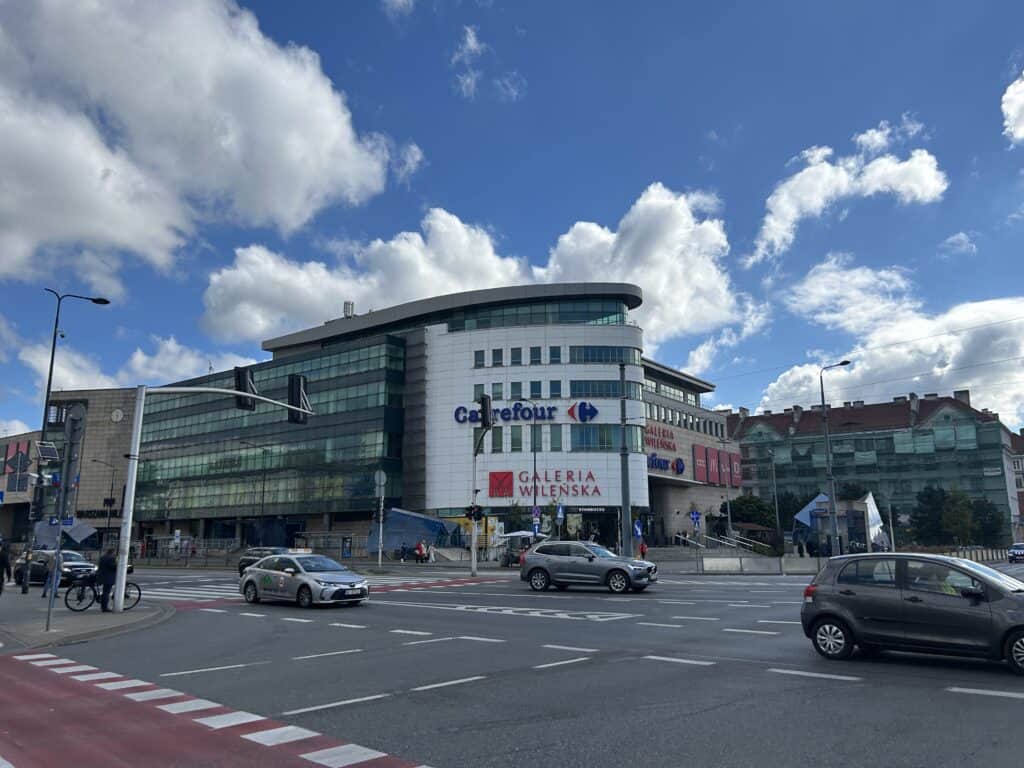
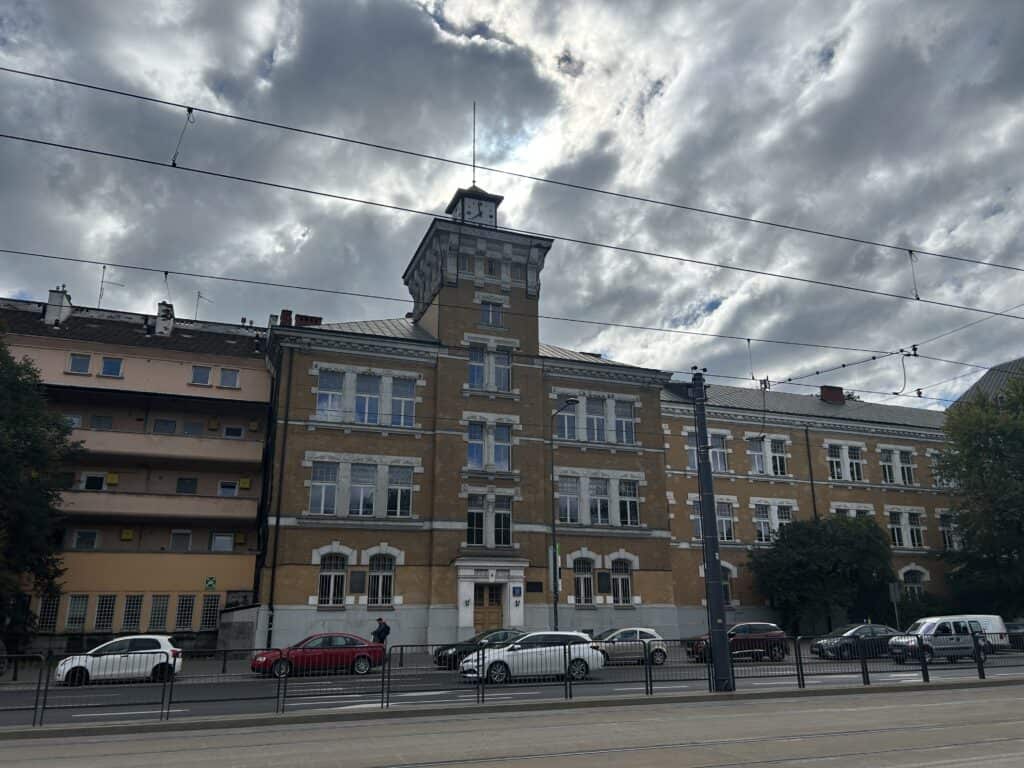
Praga-Północ offers a unique and compelling array of sights that stand in stark contrast to the rebuilt historic center on the other side of the river. The district is a treasure trove of authentic pre-war architecture, a living gallery of vibrant street art, and a hub of bohemian culture. A visit to Praga is an opportunity to see a different, more raw and unfiltered side of Warsaw, where history is not reconstructed but has been continuously lived in. The main attractions are its streets, its hidden courtyards with their unique shrines, and its revitalized industrial complexes.
Exploring Praga is an adventure in itself, rewarding those who wander off the beaten path. The district’s cultural landmarks, from its magnificent cathedrals to its legendary bazaar, tell the story of a multi-cultural community. The recent transformation of old factories into dynamic centers for art, food, and culture, like the Koneser Center, has added a new, modern layer to the district’s historic fabric. This blend of old and new, of grit and creativity, makes Praga-Północ one of the most exciting and rapidly evolving destinations in Warsaw.
Ząbkowska Street
Ząbkowska Street is the most iconic street in Praga-Północ and the vibrant heart of the district’s bohemian scene. Lined with historic, often unrenovated, 19th-century tenement buildings, the street has preserved its authentic pre-war character. Today, it is a bustling hub of creative energy, home to a dense concentration of art galleries, alternative music clubs, and trendy bars and restaurants. It is also the location of many cultural festivals and open-air events, especially during the summer. A walk down Ząbkowska Street is an essential Praga experience, offering a glimpse into the district’s past and its creative present.
Centrum Praskie Koneser
The Centrum Praskie Koneser is a spectacular example of urban revitalization and the modern symbol of Praga’s transformation. This vast complex is located on the site of the former “Koneser” Vodka Distillery, which was founded in 1897. The historic neo-Gothic factory buildings have been beautifully restored and integrated with modern architecture to create a mixed-use center. It now houses apartments, offices, shops, numerous restaurants and bars, and several important cultural institutions, including the Polish Vodka Museum. Koneser has become a major destination for food, culture, and entertainment.
St. Mary Magdalene Cathedral
The Metropolitan Cathedral of St. Mary Magdalene is the main cathedral of the Polish Orthodox Church. This beautiful church, with its striking green and white domes, was built in the 1860s to serve the growing Russian community in Warsaw at the time. It is one of the few Orthodox churches in the city that was not destroyed after Poland regained its independence in 1918. The interior is richly decorated with stunning frescoes and a magnificent iconostasis. The cathedral is an important spiritual center and a beautiful piece of architecture, representing the multicultural history of the Praga district.
Cathedral of St. Michael and St. Florian
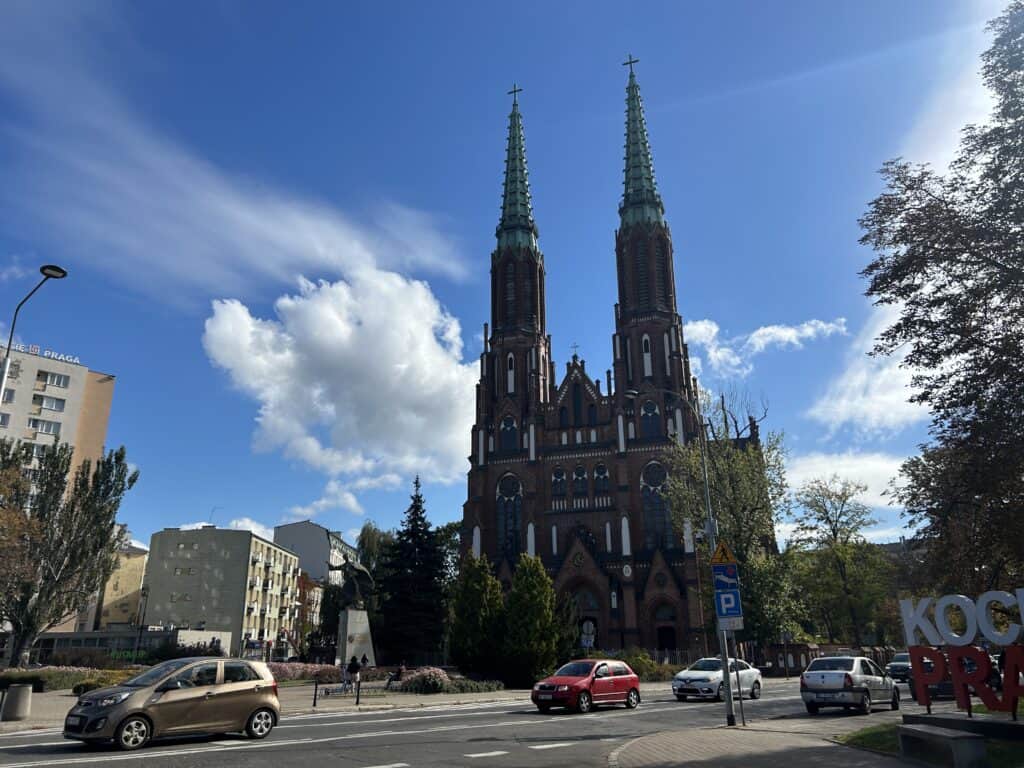
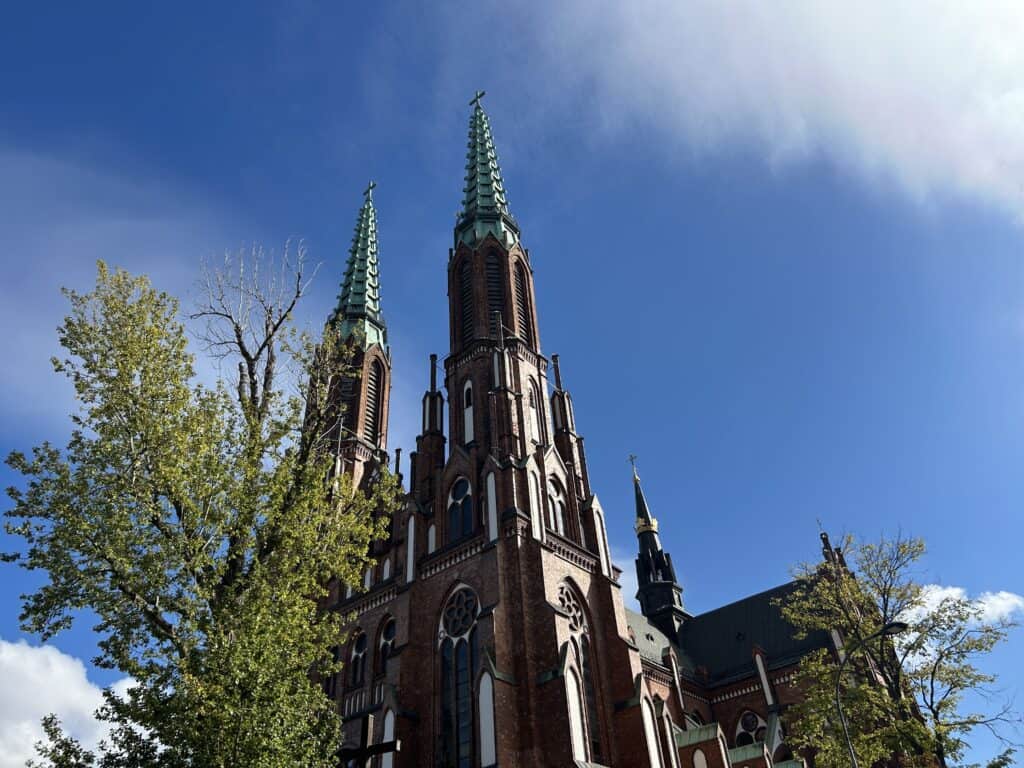
The Cathedral of St. Michael the Archangel and St. Florian the Martyr is the monumental Roman Catholic cathedral of the Warsaw-Praga diocese. Its two soaring, 75-meter-tall towers are a dominant feature of the district’s skyline. The church was built in the late 19th and early 20th centuries in a grand neo-Gothic style, partly as a protest against the dominance of the nearby Orthodox cathedral. The original building was deliberately destroyed by the Germans in 1944, but it was painstakingly rebuilt after the war.
Warsaw Zoo
The Warsaw Zoological Garden (Ogród Zoologiczny w Warszawie) is located in the beautiful Praga Park. Opened in 1928, the zoo is home to over 12,000 animals representing more than 500 species. It is a popular destination for families and animal lovers. During World War II, the zoo’s director, Jan Żabiński, and his wife, Antonina, heroically saved hundreds of Jews from the Warsaw Ghetto by hiding them in the empty animal enclosures and their own villa on the zoo’s grounds. This incredible story was popularized by the book and film “The Zookeeper’s Wife.”
Praga Museum of Warsaw
The Praga Museum of Warsaw is a branch of the Museum of Warsaw dedicated to the history of the right-bank districts. It is housed in a complex of historic buildings, including the oldest surviving residential house in Praga. The museum’s exhibitions tell the unique story of the area, focusing on its distinct history, its multi-ethnic heritage, and the daily life of its residents. It also contains a Jewish prayer house, which provides insight into the district’s significant pre-war Jewish community. It is the best place to gain a deep understanding of what makes Praga unique.
Różycki Bazaar
The Bazar Różyckiego is a legendary marketplace in Praga that has been in operation for over a century. Founded by Julian Różycki in the late 19th century, it was once the commercial heart of the district, a bustling place where you could buy almost anything. During the communist era, it was a famous hub for black market goods and hard-to-find items. While its glory has faded in recent years, the bazaar is still in operation and remains a powerful symbol of Praga’s entrepreneurial spirit and authentic, gritty character. It is a true piece of living history.
Praga’s Murals and Courtyard Shrines
Praga is an open-air art gallery, famous for the dozens of large-scale murals that adorn the sides of its tenement buildings. These works of street art range from historical and patriotic themes to playful and abstract designs, adding a vibrant layer of creativity to the urban landscape. Another unique feature of the district is its “kapliczki podwórkowe,” or courtyard shrines. These small, often lovingly decorated shrines, usually dedicated to the Virgin Mary, were built by residents in the hidden courtyards of their buildings, serving as places of prayer and community gathering, especially during the hardships of the war and the communist era.
Praga Park
Praga Park (Park Praski im. Żołnierzy 1 Armii Wojska Polskiego) is a large, historic park located between the Warsaw Zoo and the Vistula River. Established in the 19th century, it is one of the oldest public parks in the city. The park offers a shady and peaceful retreat from the urban bustle, with its mature trees, walking paths, and a large lake. It is also home to the historic bear enclosure, a popular attraction for children, which is located on the park’s edge along a major thoroughfare. The park serves as the main green space for the district.
Port Praski
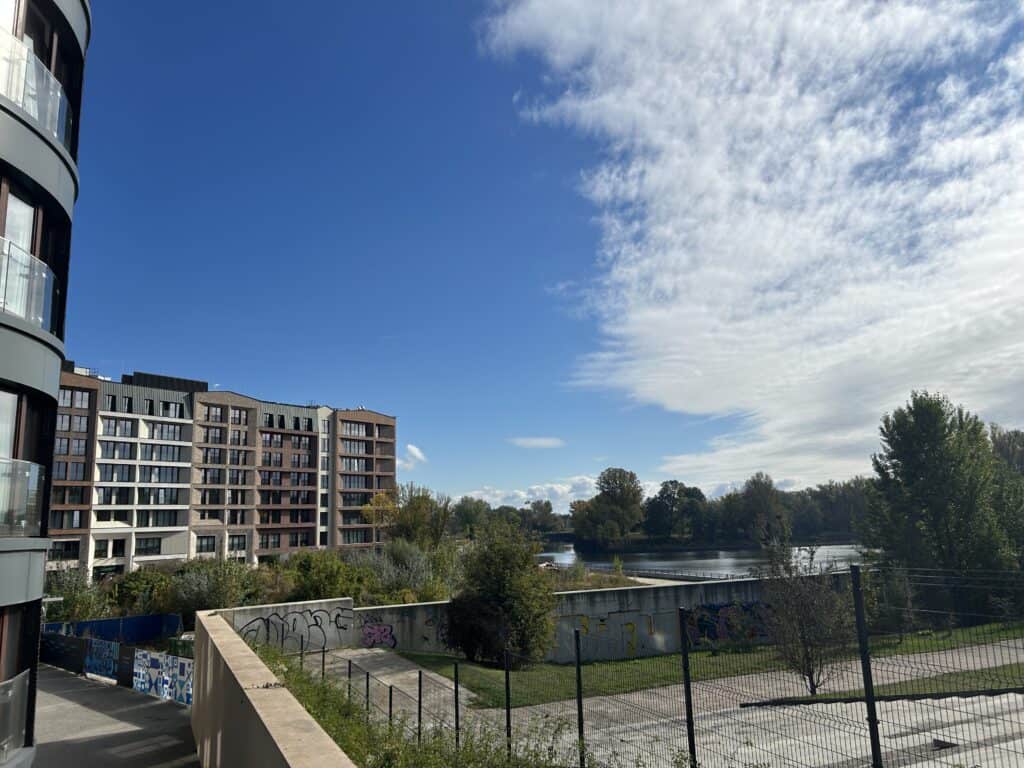
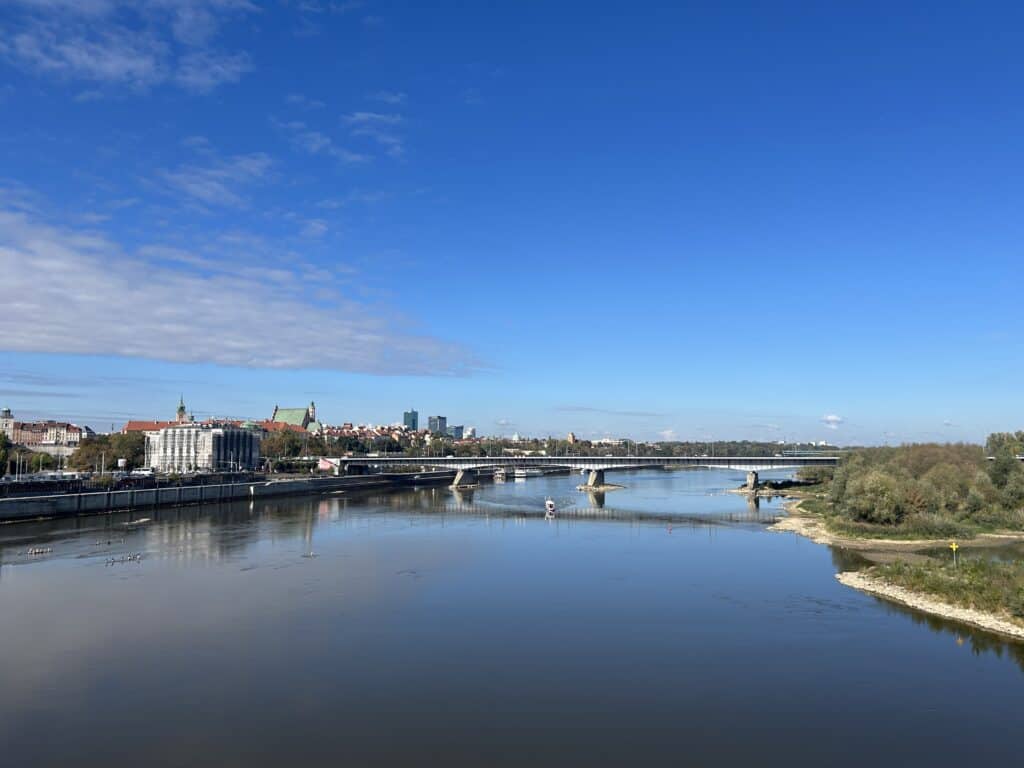
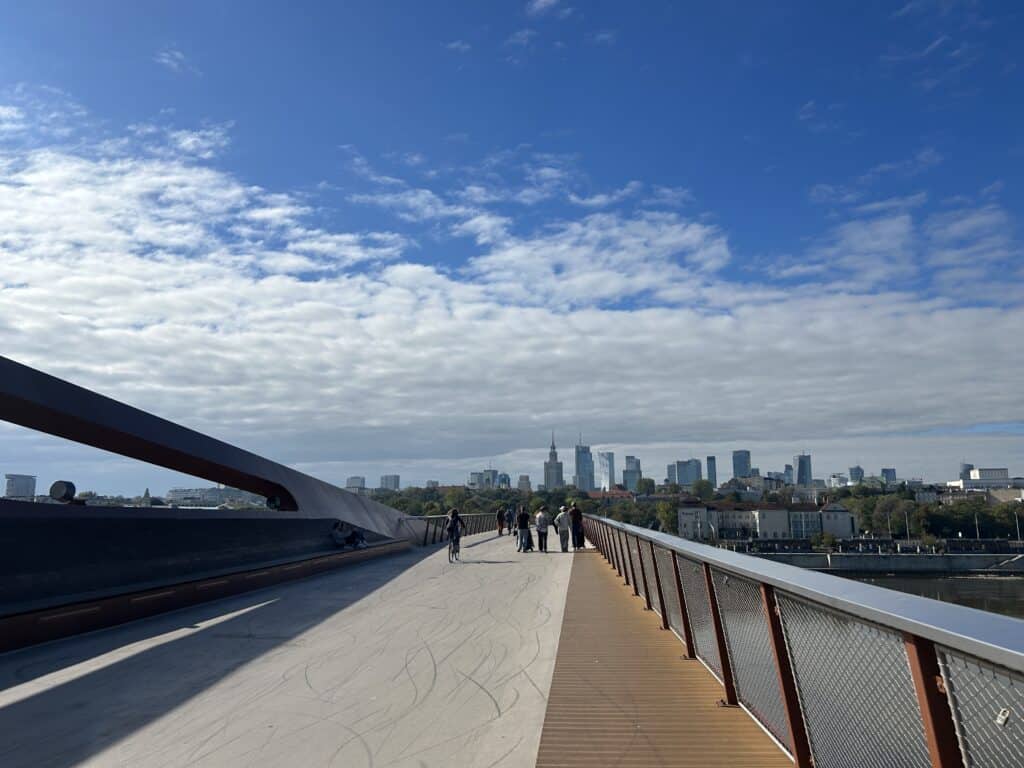
Port Praski is a former commercial river port on the Vistula, located at the southern edge of Praga-Północ. The area is currently undergoing a massive, long-term redevelopment project that aims to transform it into a modern, mixed-use district with apartments, offices, hotels, and public spaces. While still under construction, the project is set to radically change the character of the Praga waterfront. The area already hosts some venues and offers beautiful views of the Old Town across the river, showing the future direction of Praga’s evolution.


Getting Around in Praga Północ
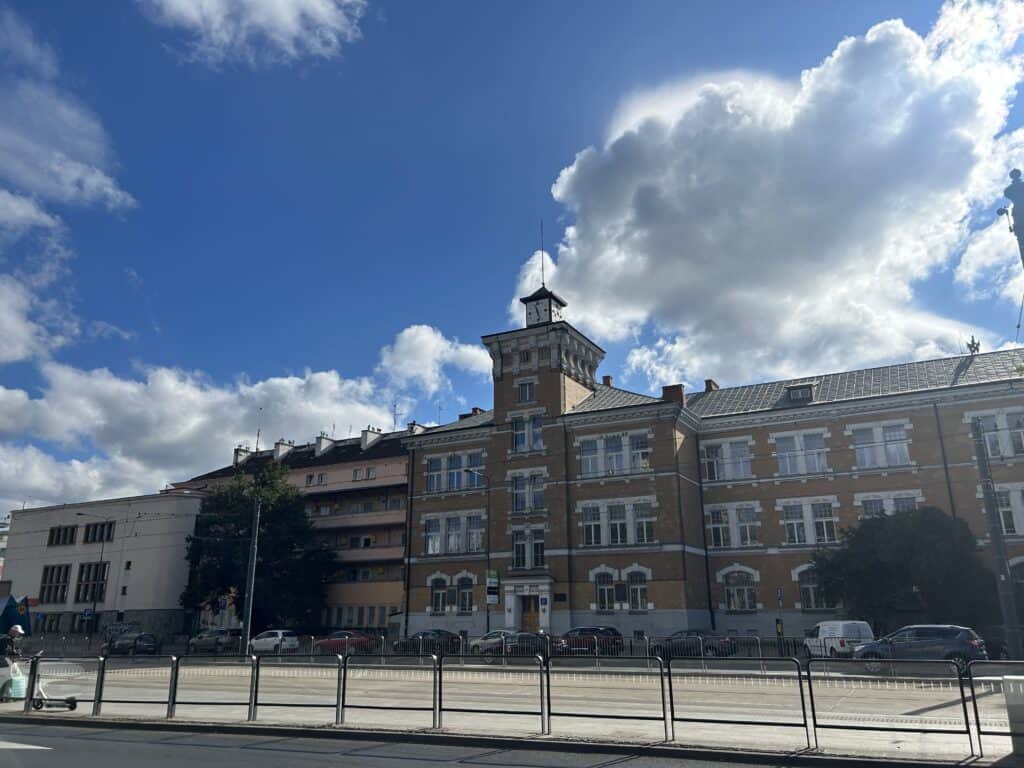
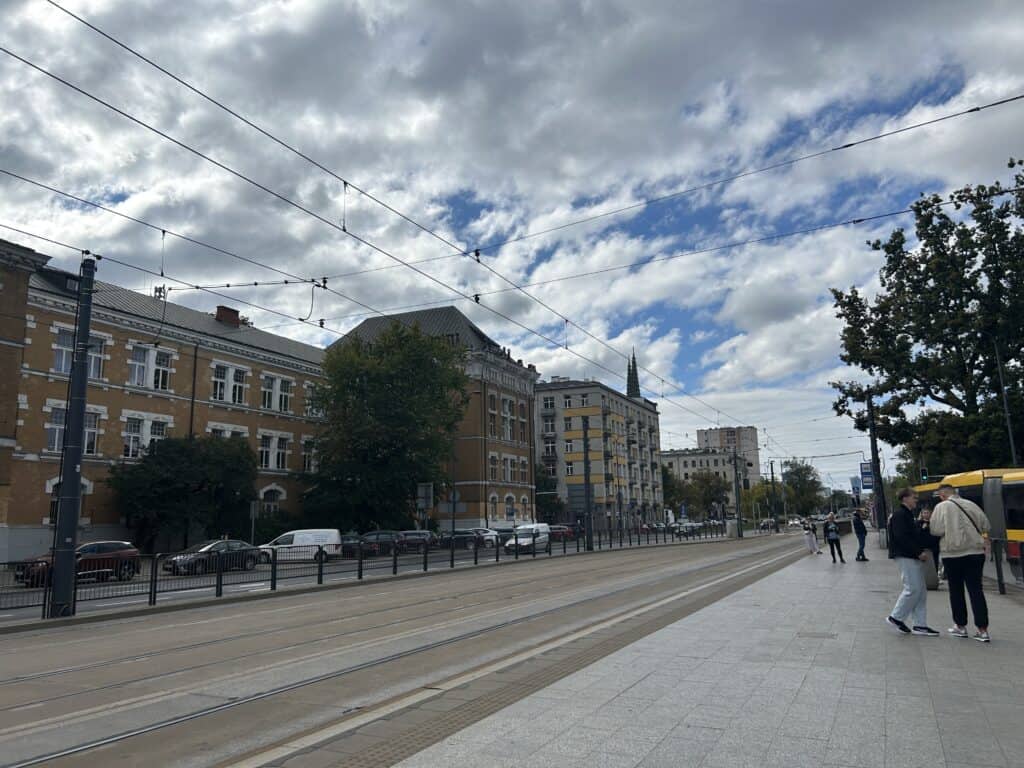
Getting around Praga-Północ and connecting to the city center is fast and efficient, thanks to its integration into Warsaw’s modern transport network. The district is a major transport hub for the right bank of the city, centered around the Dworzec Wileński interchange. It is served by the metro, numerous tram and bus lines, and two major railway stations, making it easy to travel both within the district and to other parts of Warsaw. Much of Stara Praga is also compact and highly walkable, with its main sights, cafes, and galleries located within a short distance of each other.
Crossing the Vistula: Metro, Trams, and Buses
The M2 metro line is the most important link between Praga-Północ and the left bank of Warsaw. The Dworzec Wileński and Stadion Narodowy stations provide a direct and rapid connection to the city center in just a few minutes. This is supplemented by several bridges that carry a dense network of tram and bus routes across the Vistula River. These services run with high frequency, ensuring that Praga is seamlessly connected to Śródmieście, the Old Town, and other districts, overcoming the historical separation caused by the river.
The Eastern Railway Hub: Warszawa Wschodnia
Praga-Północ is home to two major railway stations. Warszawa Wileńska is a terminus for many suburban lines serving the towns northeast of Warsaw. The larger and more important station is Warszawa Wschodnia (Warsaw East), which is a key hub for both long-distance and international trains, especially those traveling to and from Eastern Europe. Many express trains from other Polish cities also stop here after passing through the central station, making it a major point of arrival and departure for the eastern side of the city.
Exploring on Foot: The Streets of Old Praga
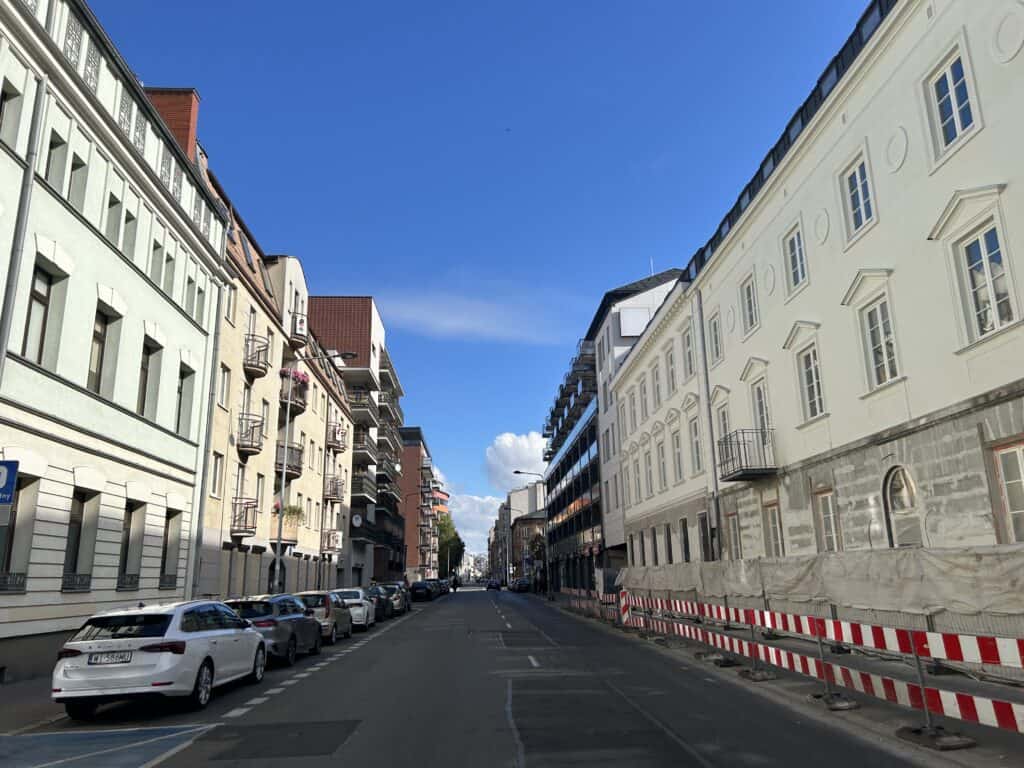
The best way to truly experience the unique atmosphere of Praga-Północ is on foot. The historic core, particularly the area around Ząbkowska and Brzeska streets and the Koneser Center, is a relatively compact area that is perfect for a walking tour. Wandering through its streets allows you to appreciate the details of the pre-war architecture, discover the hidden courtyard shrines, and stumble upon the vibrant street art that gives the district so much of its character. This is a district that rewards slow exploration and curiosity.


How to Get to Praga Północ?
Reaching Praga-Północ from other parts of Poland or from abroad is very straightforward, as it contains one of Warsaw’s main railway hubs and is well-connected to the city’s other transport links. Its location on the eastern side of the city makes it particularly convenient for those traveling from the east. Thanks to the M2 metro line and numerous bridges, the district is only minutes away from the city center, and the final leg of any journey into Praga is typically fast and uncomplicated.
Connecting from Warsaw’s Airports
Both of Warsaw’s airports offer good connections to Praga-Północ. From Warsaw Chopin Airport (WAW), the easiest way is to take the S2 or S3 urban rail line, which connects directly to the Warszawa Wschodnia station in Praga. Alternatively, one can take a train or bus to the city center and then transfer to the eastbound M2 metro line. From Warsaw Modlin Airport (WMI), dedicated shuttle buses often connect to the metro system or the main railway stations, from which Praga is easily accessible.
Rail Access via Warszawa Wschodnia and Centralna
Praga-Północ is home to Warszawa Wschodnia (Warsaw East), a major railway station that serves most long-distance and international trains passing through the capital. This provides direct rail access to the district from cities across Poland and Eastern Europe. For trains that terminate at Warszawa Centralna, Praga is just a short journey away. Travelers can take a suburban train one stop to Warszawa Wschodnia or take the M2 metro line from the nearby Świętokrzyska station for a direct, 5-minute ride to Dworzec Wileński.
Driving to the Right Bank: Bridges and Routes
Praga-Północ is accessible by car via several major bridges that cross the Vistula, including the Most Śląsko-Dąbrowski and the Most Świętokrzyski. The district is also located near the S8 expressway, which forms the northern part of Warsaw’s ring road, providing a connection to the national motorway network. Major thoroughfares like Targowa and Aleja Solidarności run through the district. However, like in other central districts, traffic can be heavy, and parking in the older parts of Praga can be extremely difficult to find.
Long-Distance Bus Terminals and Local Links
The main long-distance bus terminal in Warsaw is at the Dworzec Zachodni (West Station). To reach Praga-Północ from there, the most efficient method is to take a local city bus or suburban train to the city center and then transfer to the eastbound M2 metro line. The entire journey typically takes around 25-30 minutes. Some regional bus services from towns east of Warsaw may also terminate at hubs within Praga, such as the bus station at Warszawa Wschodnia.
Access from Baltic Sea Ports to East Warsaw
For travelers arriving in Poland by ferry to the Baltic Sea ports of Gdańsk or Gdynia, the journey to Warsaw is best completed by train. Fast express trains connect the Tri-City area with Warszawa Wschodnia station, often making it the first major stop in the capital. This provides a direct and seamless connection to Praga-Północ without the need to travel through the city center first. This makes Praga a very convenient destination for those arriving from the north of Poland.
Driving Distances
The driving distance from 20 regional cities, according to Google Maps:
- Ząbki, Poland – 7 kilometers (0 h 20 min)
- Marki, Poland – 11 kilometers (0 h 25 min)
- Sulejówek, Poland – 16 kilometers (0 h 30 min)
- Legionowo, Poland – 20 kilometers (0 h 30 min)
- Wołomin, Poland – 23 kilometers (0 h 35 min)
- Łódź, Poland – 140 kilometers (1 h 45 min)
- Lublin, Poland – 175 kilometers (2 h 10 min)
- Białystok, Poland – 195 kilometers (2 h 20 min)
- Brest, Belarus – 200 kilometers (3 h 00 min)
- Kraków, Poland – 300 kilometers (3 h 40 min)
- Gdańsk, Poland – 345 kilometers (3 h 30 min)
- Lviv, Ukraine – 385 kilometers (5 h 10 min)
- Vilnius, Lithuania – 460 kilometers (5 h 20 min)
- Berlin, Germany – 580 kilometers (5 h 40 min)
- Prague, Czechia – 620 kilometers (6 h 20 min)
- Vienna, Austria – 685 kilometers (6 h 50 min)
- Budapest, Hungary – 865 kilometers (8 h 00 min)
- Copenhagen, Denmark – 1050 kilometers (10 h 40 min)
- Stockholm, Sweden – 1060 kilometers (12 h 30 min)
- Rome, Italy – 1770 kilometers (17 h 40 min)
Looking to Explore more of Poland and Europe?