La Malva-Rosa, Valencia | Exploring Spain
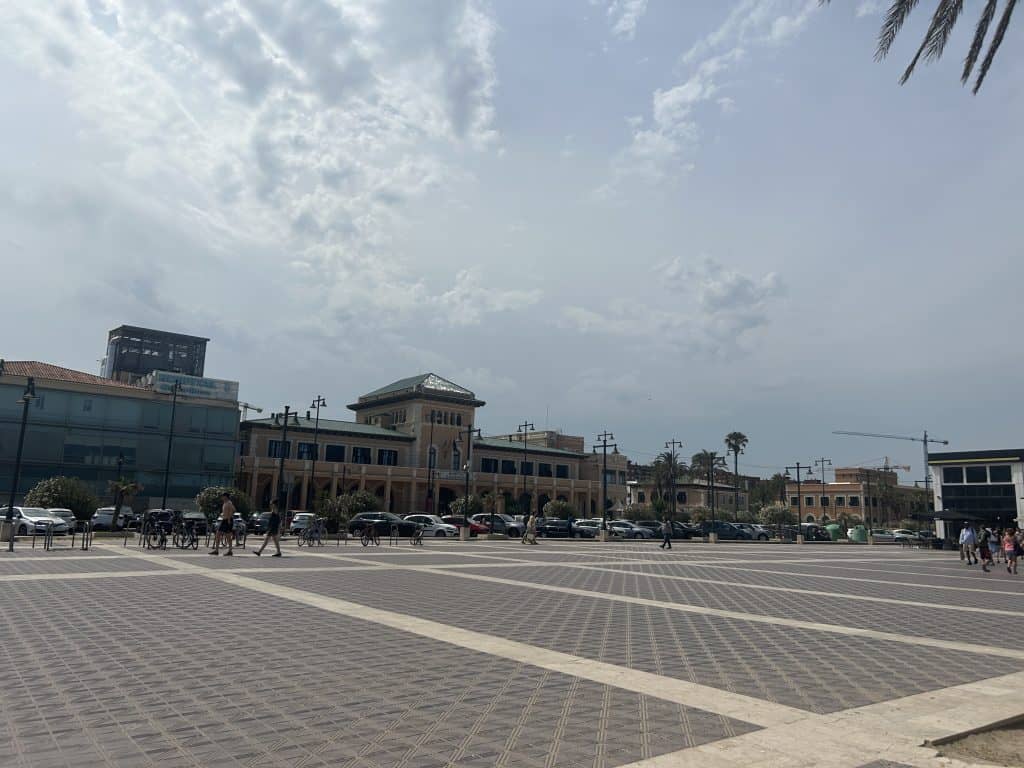
La Malva-rosa is a coastal neighborhood in Valencia, Spain. It lies on the eastern edge of the city, where the urban grid meets the Mediterranean Sea. The area is defined by its wide beach and the long promenade that borders it. For generations, it has been a primary seaside destination for the residents of Valencia. The neighborhood is known for seaside leisure and dining.
The area is a living neighborhood with a distinct character shaped by the sea. It was depicted in the paintings of Valencian artist Joaquín Sorolla. The writer Vicente Blasco Ibáñez also lived here and featured it in his works. This combination of local life, cultural history, and seaside access gives La Malva-rosa its specific character. It offers a different atmosphere from the city center, just a short journey away.




A Short History of La Malva-Rosa
The history of La Malva-rosa is one of transformation. The area evolved from undeveloped marshland into a 19th-century health resort, and later into the major public beach and residential district it is today. This development was driven by a combination of horticultural enterprise, the search for healthy seaside living, and the urban expansion of Valencia.
From Marshland to Flower Fields
The story of La Malva-rosa began in the 19th century. Originally, this area was a stretch of marshland that separated the city’s agricultural fields from the sea. The first settlements were simple cabins built by local fishermen. The neighborhood gets its name from the mallow flower, known as malva-rosa. A French botanist, Félix Robillard, bought a large piece of land here in 1848. He drained the marsh and started a plantation to cultivate these fragrant flowers for his perfume business.
A Seaside Health Resort
The transformation from swamp to flower fields was the area’s first step toward development. Soon, members of the Valencian bourgeoisie began to build summer residences along the coast. The neighborhood developed a reputation as a location for sea bathing and leisure. The fresh sea air was considered healthy. This led to the establishment of temporary hospitals and children’s colonies here in the late 19th and early 20th centuries.
20th-Century Urban Development
Over the course of the 20th century, La Malva-rosa grew into the public beach and residential area seen today. The construction of the main promenade provided a formal structure for public access and leisure. The neighborhood became more integrated with the city as Valencia expanded eastward. It retained its connection to its seaside origins while becoming a populated and established part of the city. Today, it is one of Valencia’s most well-known districts.
Things to Do and See
La Malva-rosa’s attractions are focused around its coastline. The main points of interest are the beach itself, the promenade that runs alongside it, and several cultural and historical sites. These sights are connected by the promenade, making the area easy to explore on foot.
Playa de la Malva-rosa
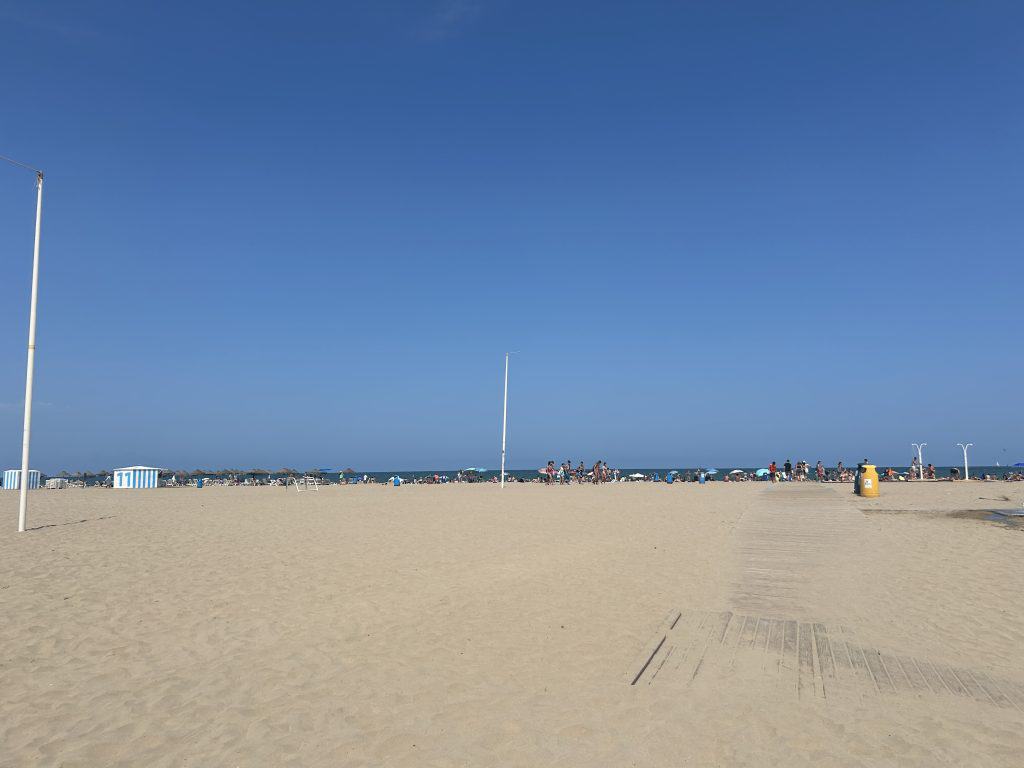
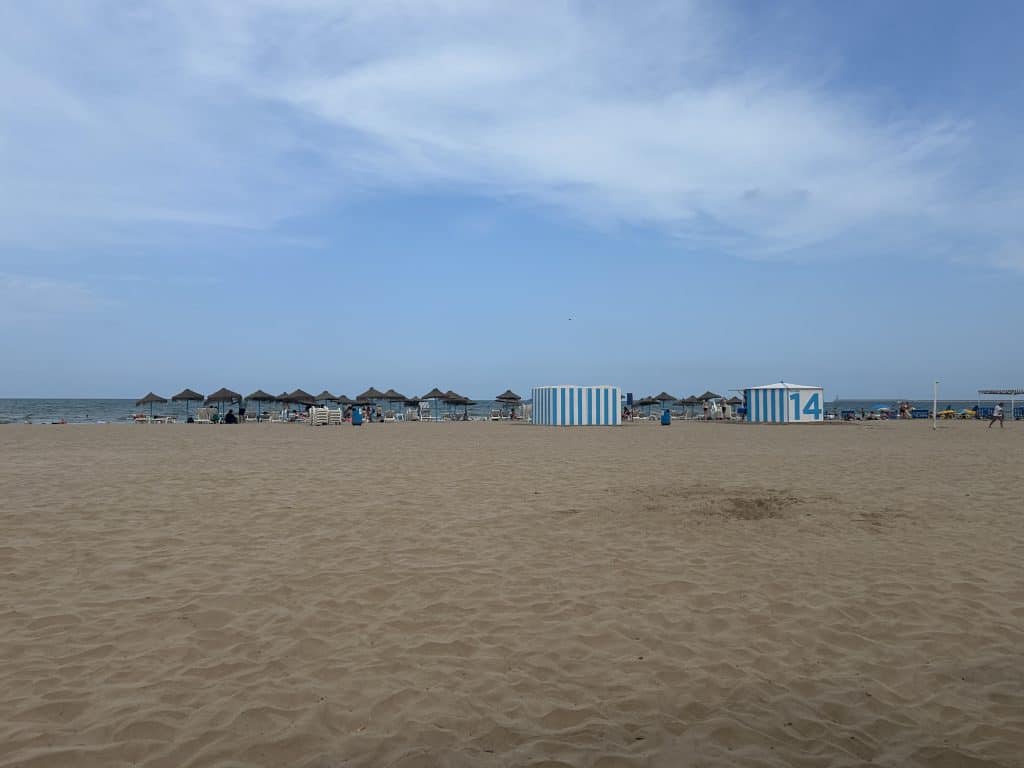
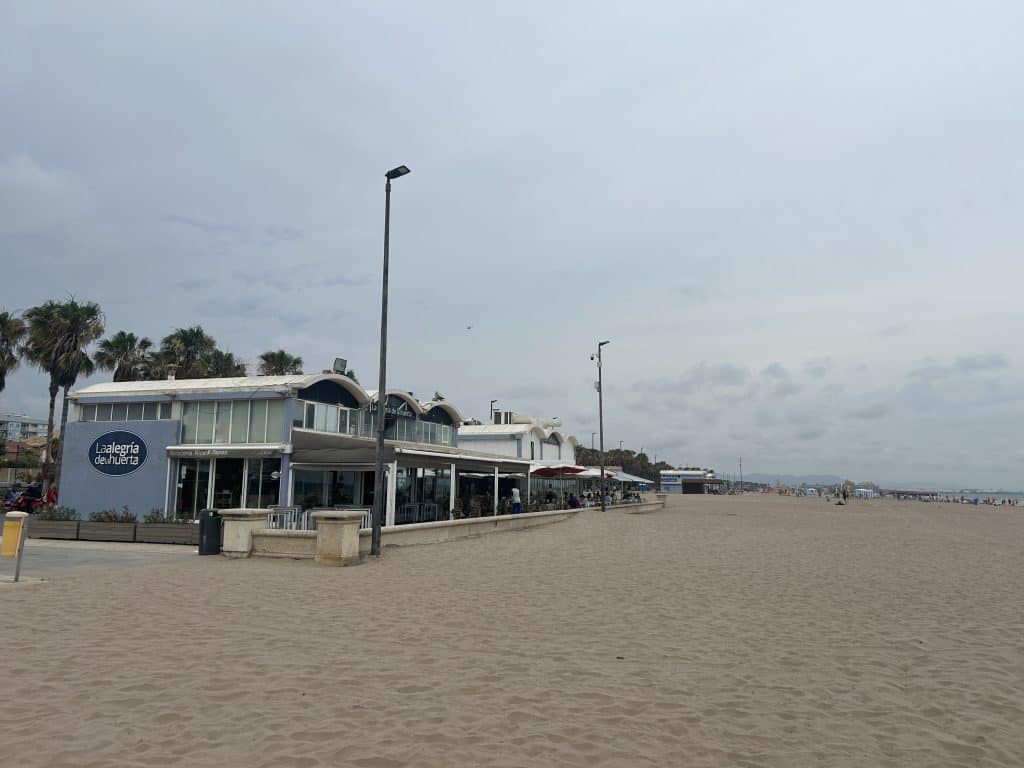
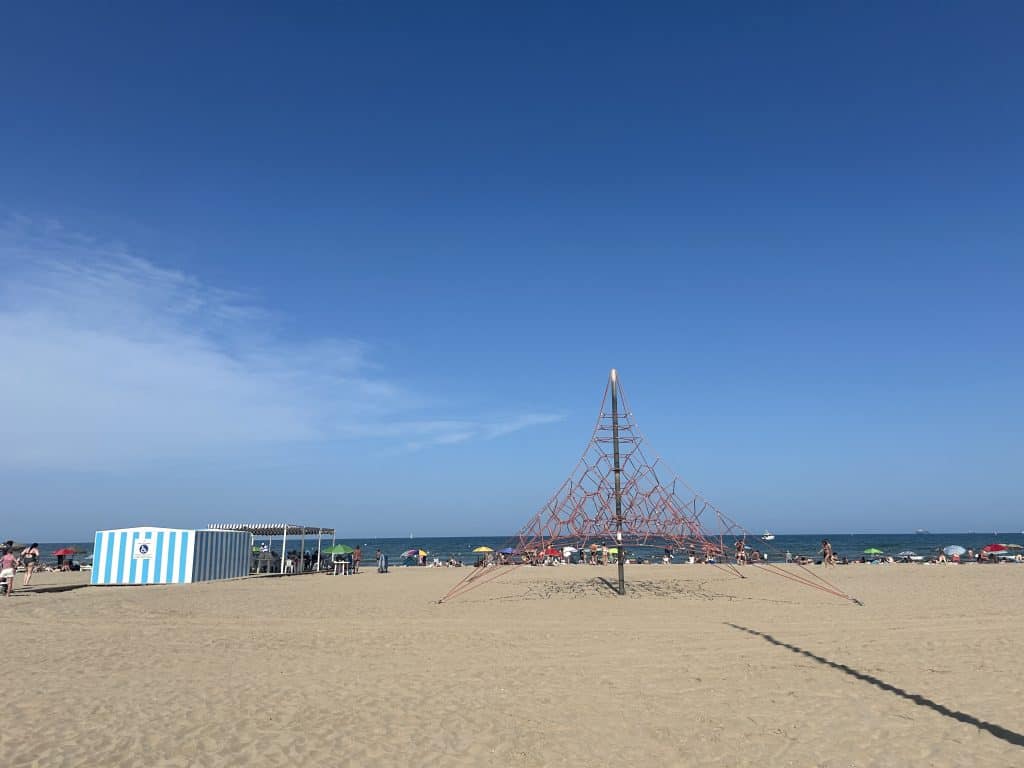
Playa de la Malva-rosa, or Malvarrosa Beach, is a wide stretch of fine, golden sand. It extends for more than a kilometer and is over 130 meters wide, providing ample space for visitors. The beach is maintained and offers many amenities, including lifeguard stations, public showers, and accessible entry points. Its calm waters are suitable for swimming during the warm months. The size of the beach means it can accommodate large numbers of people, even on busy summer days.
Paseo Marítimo
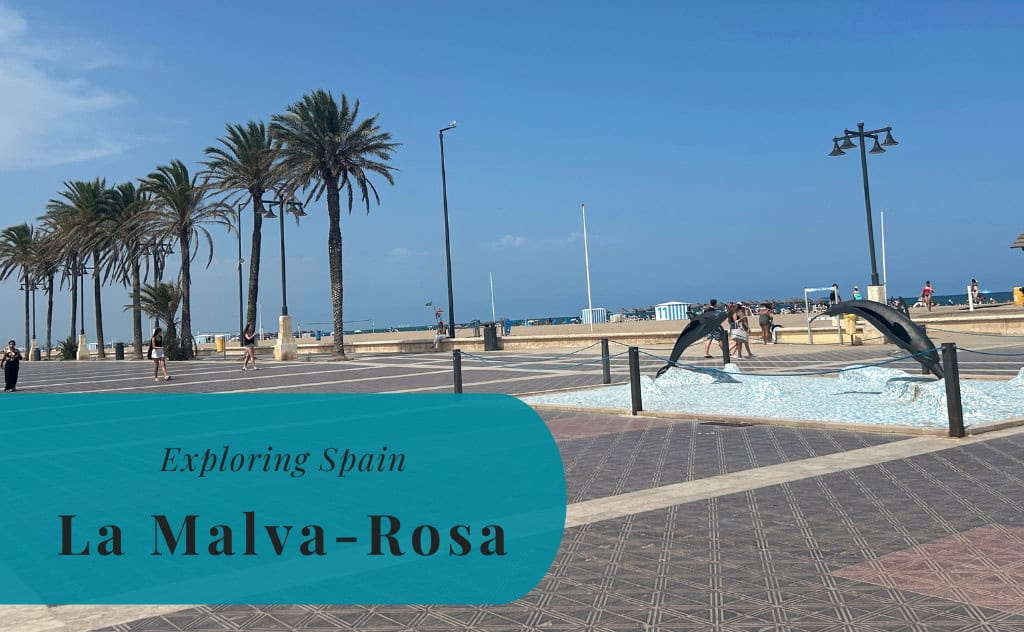
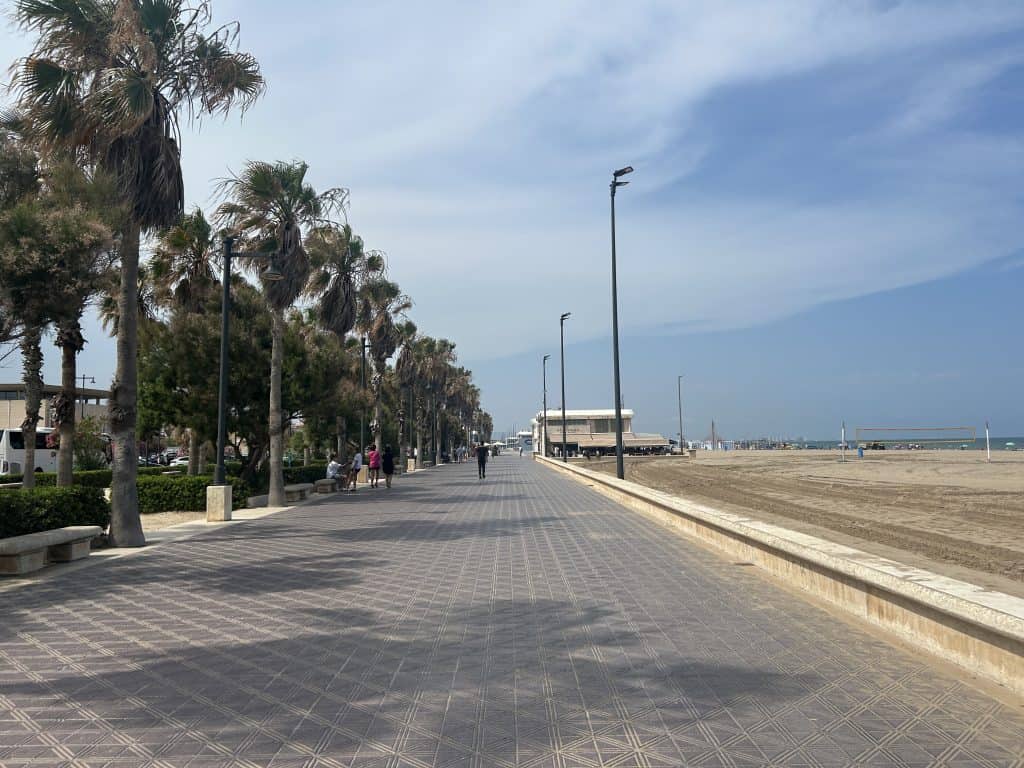
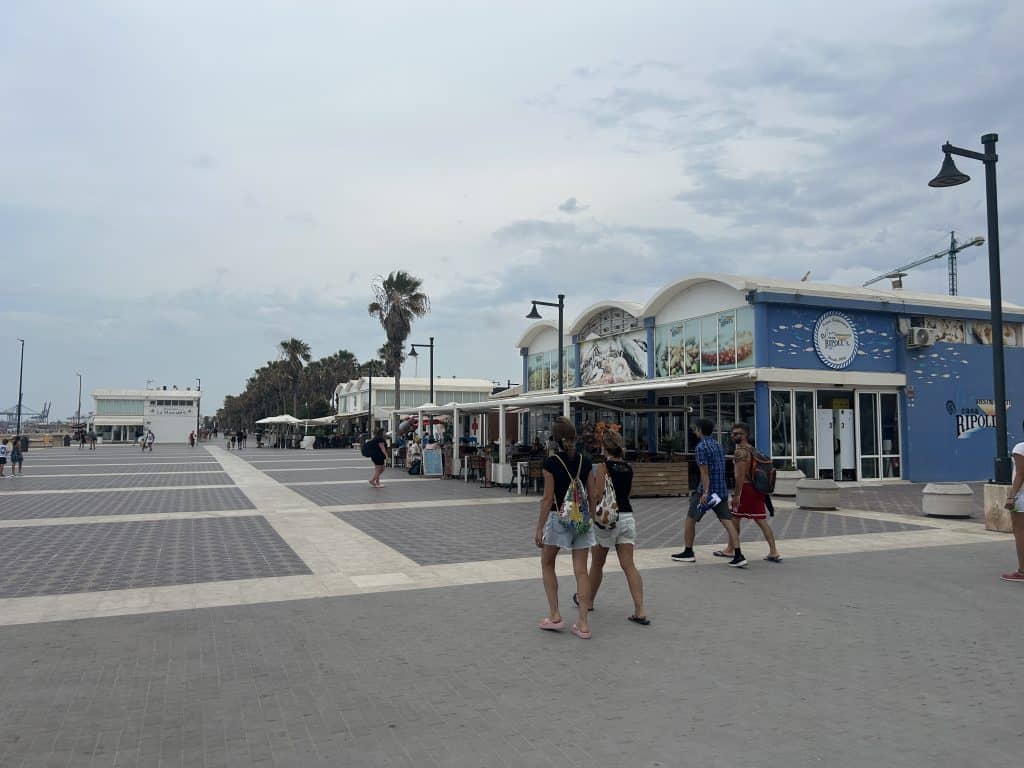
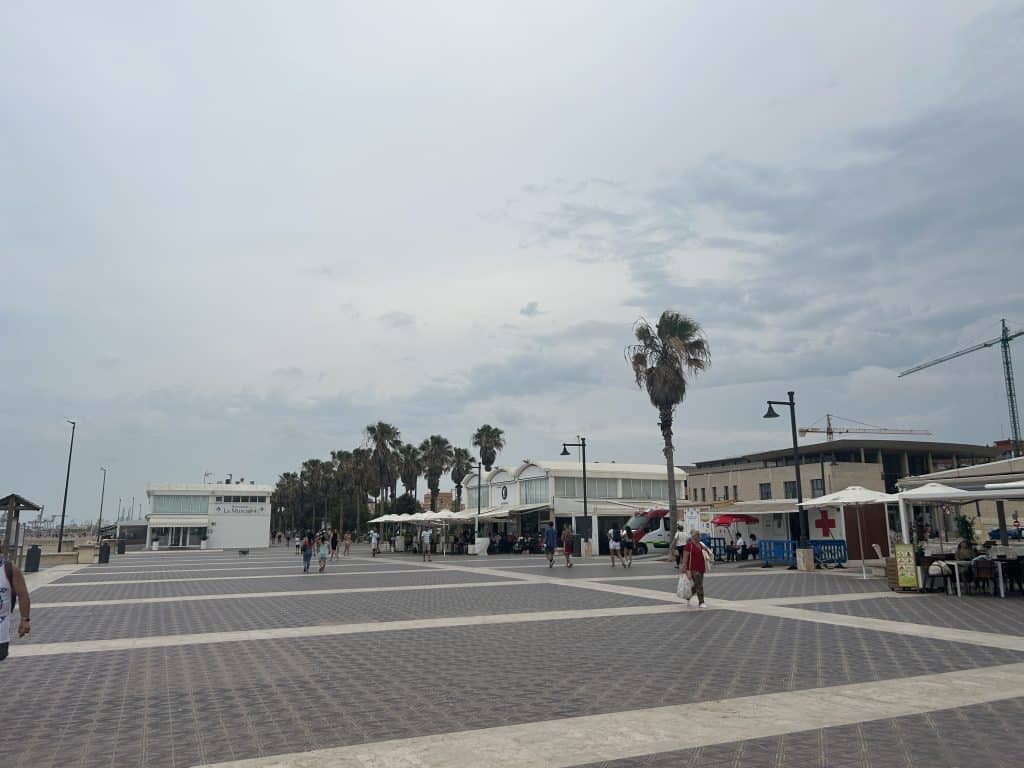
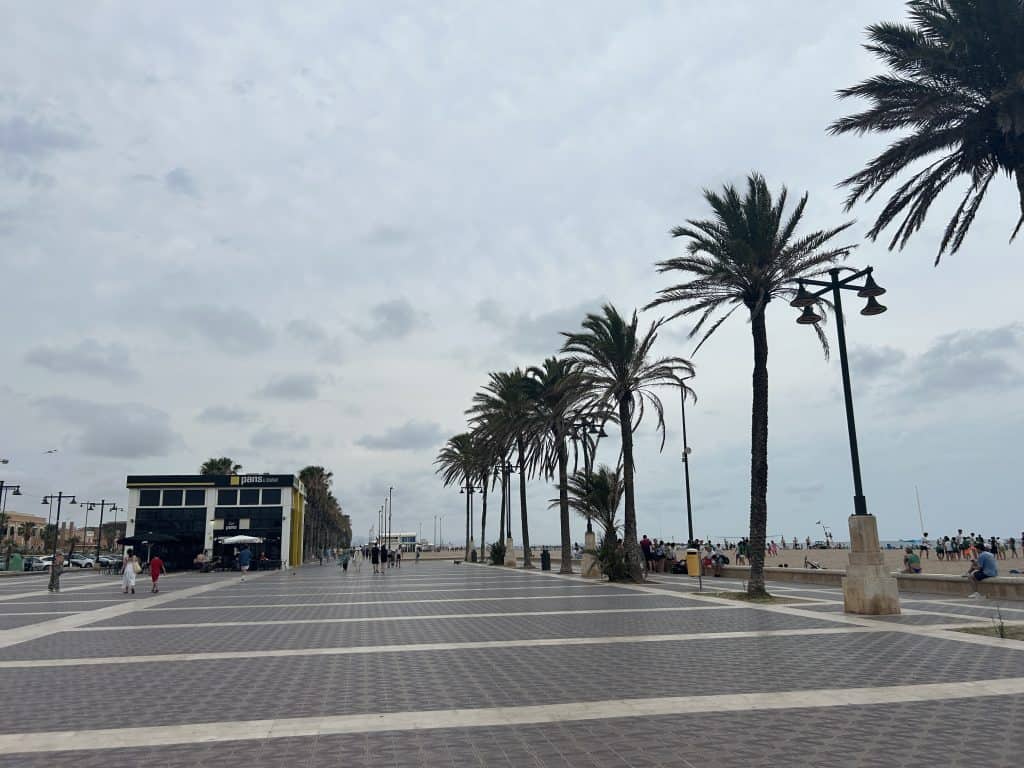
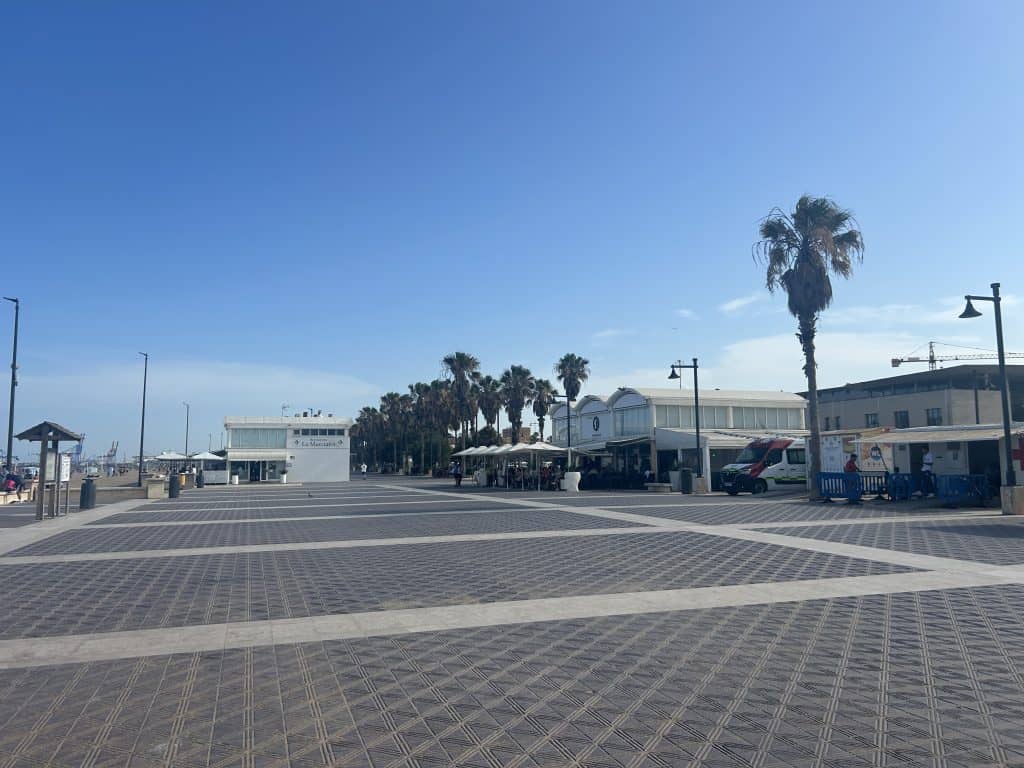
The Paseo Marítimo is the promenade that runs the length of the beach. It is a wide boulevard suitable for walking, jogging, or cycling. Lined with tall palm trees, it is a social hub for the neighborhood. Along the promenade, there are numerous restaurants, cafes, and ice cream parlors. It is where locals and tourists come together, especially for the traditional evening walk, or paseo, as the sun begins to set.
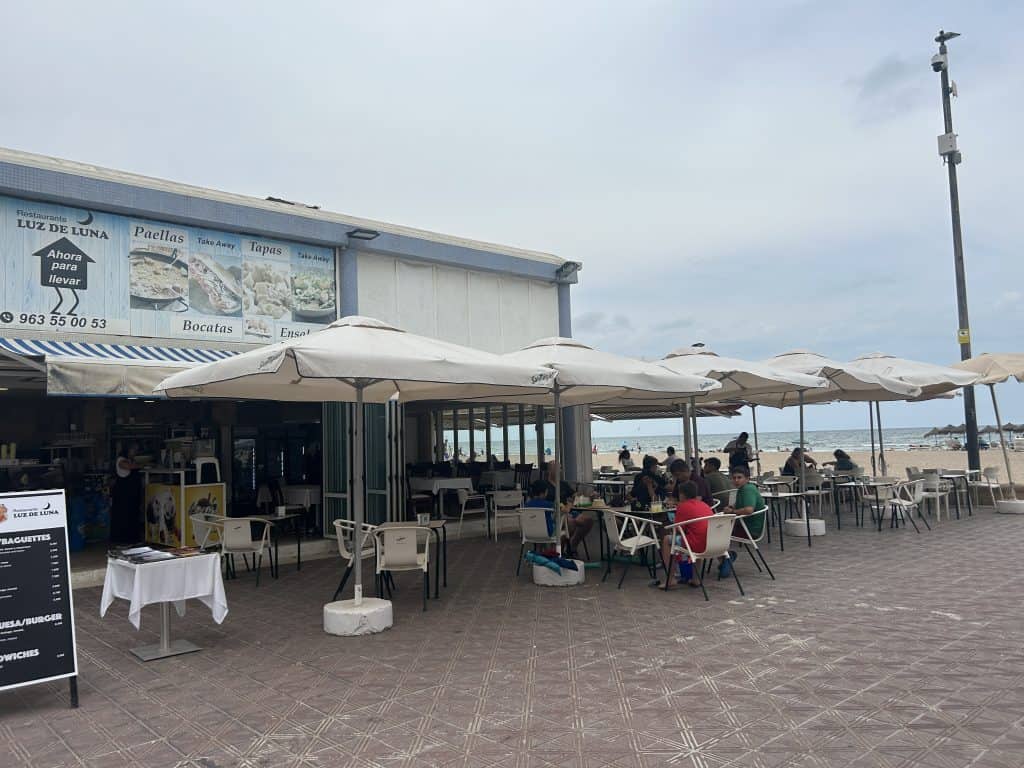
The long line of restaurants on the Paseo Marítimo are a key feature of La Malva-rosa. Many of these establishments have been in operation for decades. They are known for serving traditional Valencian cuisine, especially rice dishes like paella. Historic restaurants like La Pepica have been serving diners since the 19th century. These venues are a central part of the social and culinary life of the neighborhood. They offer diners a chance to eat with a direct view of the sea.
Casa-Museo Blasco Ibáñez
At the northern end of the beach stands the Casa-Museo Blasco Ibáñez. This building is a reconstruction of the villa where the Valencian writer lived. Today, it operates as a museum dedicated to his life and work. The ground floor hosts exhibitions about the author. The upper floors contain his personal study and library, with objects and documents from his life. It offers insight into the neighborhood’s cultural past at the turn of the 20th century.
Hospital Malvarrosa
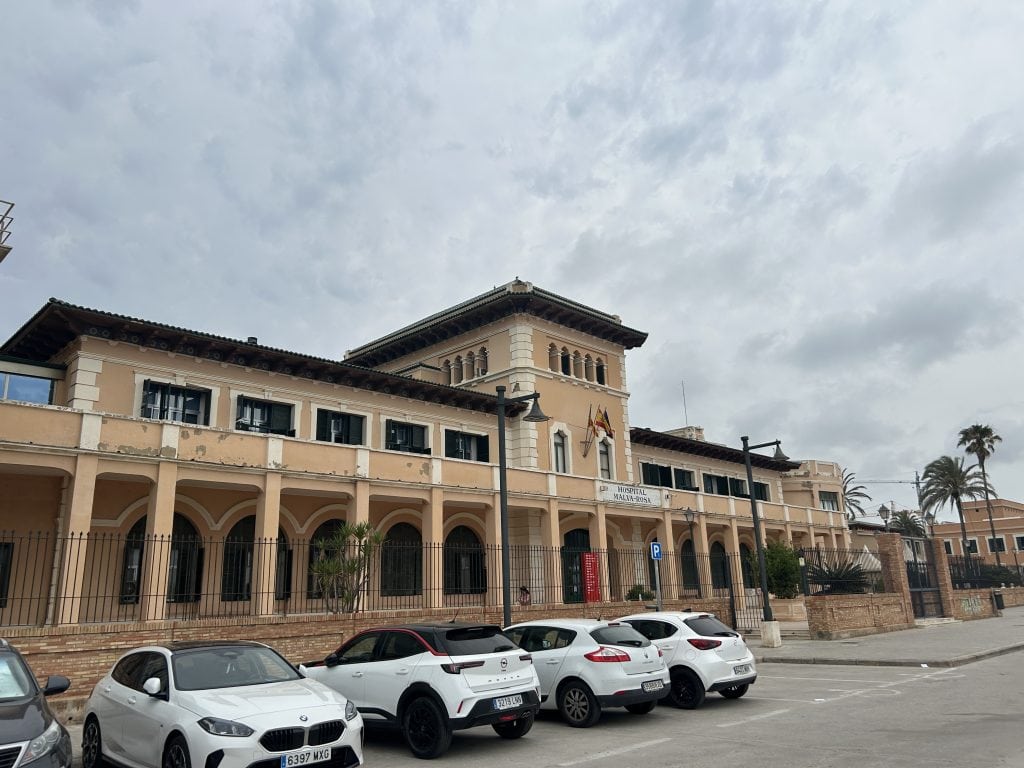
The Hospital Malvarrosa is a historic landmark in the neighborhood. The original building was established in the early 20th century as a sanatorium for treating children with tuberculosis. Its location by the sea was considered beneficial for health. Over the decades, it has been modernized and expanded into a full public hospital serving the local districts. The original historic pavilions are still part of the complex, representing the neighborhood’s long history as a place associated with health and sea air.


How to Get to La Malva-Rosa
Reaching La Malva-rosa from within Valencia is straightforward. The neighborhood is integrated into the city’s public transport network. It is also accessible by road, connecting to the city’s main avenues.
Connecting via Public Transport
Several city bus (EMT) lines run directly to the beach from central points like the Plaza del Ayuntamiento. This is often the most direct route. Alternatively, you can use the Metrovalencia system. Tram lines 4 and 6 have several stops along the edge of the neighborhood, just a short walk from the sand. The tram provides a connection to the city’s wider metro network. Always check official sources for up-to-date ticket information.
An Excursion by Car
If you are driving, the main roads from the city center will guide you towards the maritime district. Street parking in the residential parts of the neighborhood can be difficult to find, especially on weekends and in summer. There are some paid public and private parking lots available near the beach area. These are often a more reliable option for those arriving by car.
From the Airport and Main Stations
From Valencia Airport (VLC), the most direct option is to take a taxi, which takes about 20-25 minutes depending on traffic. For a more economical journey, you can take the metro from the airport to a station that connects with the tram lines, such as Marítim-Serrería. From there, you can transfer to the tram for the final part of your journey. From the city’s main train stations, numerous bus lines run directly to the beach area.
Driving Distances
The driving distance from 10 major regional cities, according to Google Maps:
- Zaragoza, Spain – 340 kilometers (3 h 30 min)
- Barcelona, Spain – 350 kilometers (3 h 40 min)
- Madrid, Spain – 352 kilometers (3 h 40 min)
- Bilbao, Spain – 618 kilometers (6 h 10 min)
- Seville, Spain – 654 kilometers (6 h 40 min)
- Toulouse, France – 706 kilometers (6 h 40 min)
- Lisbon, Portugal – 893 kilometers (8 h 30 min)
- Geneva, Switzerland – 1,021 kilometers (10 h 00 min)
- Paris, France – 1,355 kilometers (13 h 00 min)
- Rome, Italy – 1,489 kilometers (14 h 50 min)
Looking to Explore more of Spain and Europe?