Mokotów, Warsaw | Exploring Poland
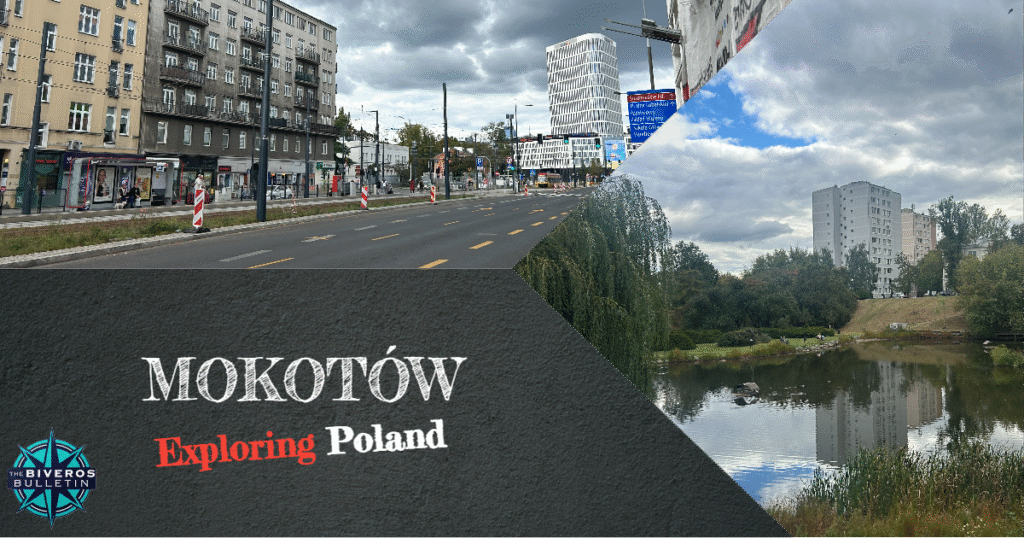
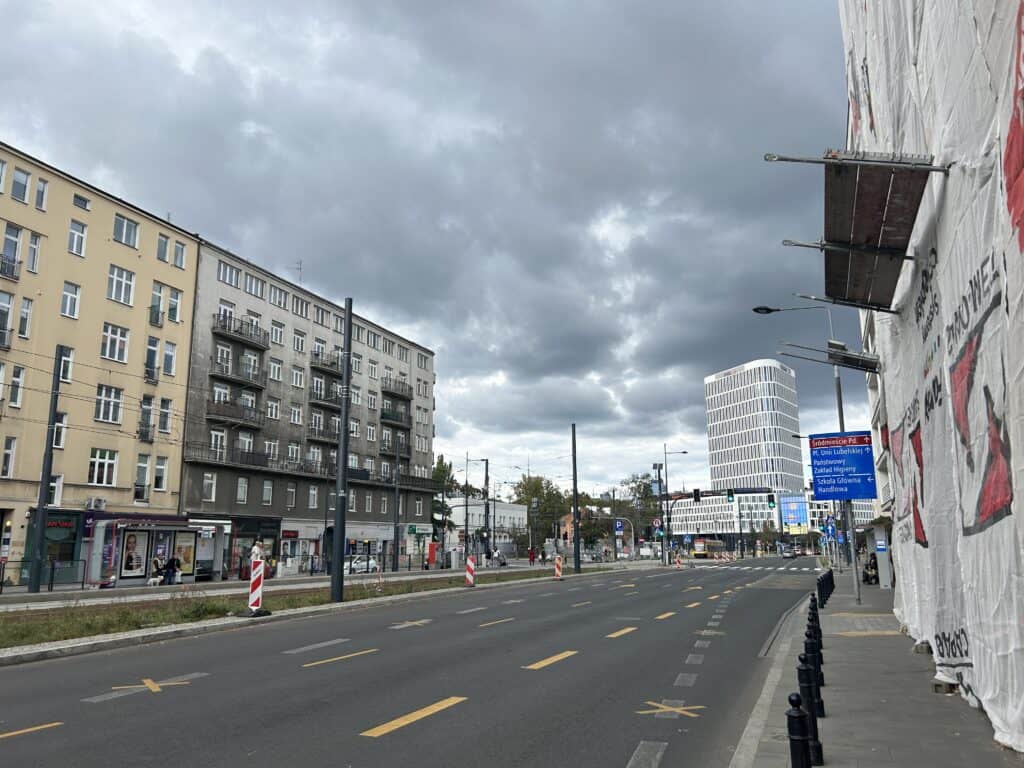
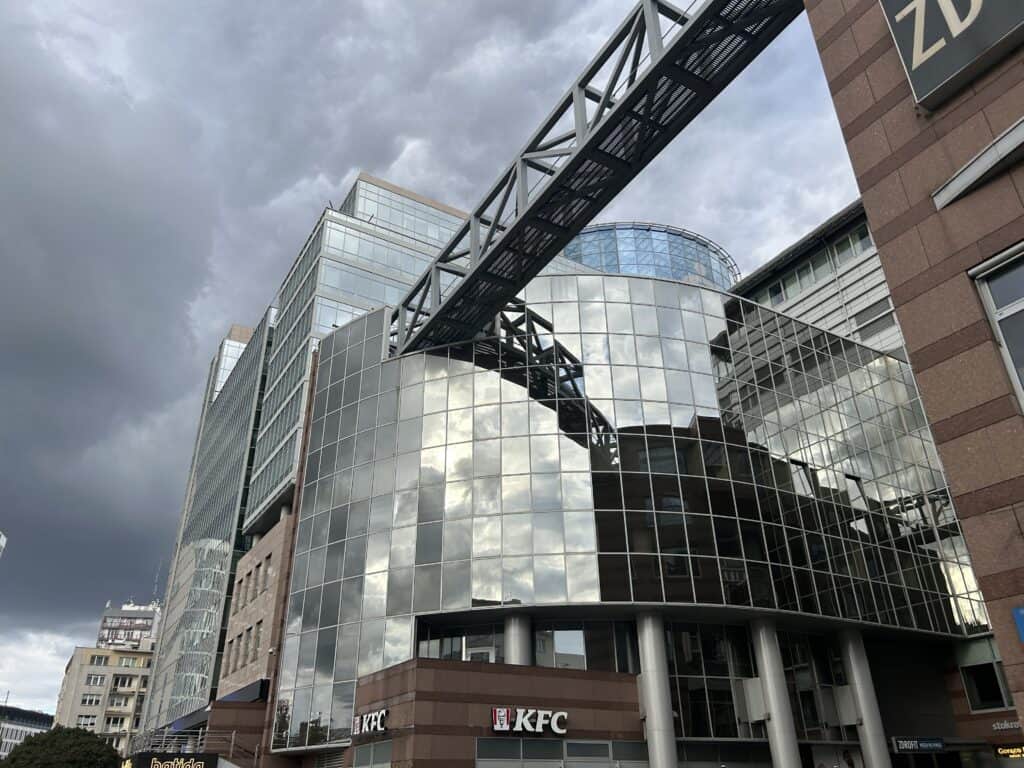
Mokotów, with its official name Dzielnica Mokotów m.st. Warszawy, is one of Warsaw’s largest and most prestigious districts, located directly south of the city center. Often described as a “city within a city,” it offers a remarkable diversity of landscapes and atmospheres. The district is famous for the elegant pre-war villas and leafy avenues of Stary Mokotów (Old Mokotów), which represent the height of modernist residential architecture. This tranquil, intellectual environment stands in stark contrast to the bustling corporate hub of Służewiec, nicknamed “Mordor,” where dozens of modern office buildings create a dynamic business center. With its vast parks, historic palaces, and vibrant cultural scene, Mokotów is a multifaceted district that combines residential prestige with both commercial and recreational importance.
Covering a vast area of 35.42 square kilometers, Mokotów is the most populous district in Warsaw, with around 227,000 residents as of the end of 2023. It is geographically divided into Górny Mokotów (Upper Mokotów), which is situated on the Vistula escarpment, and Dolny Mokotów (Lower Mokotów), which lies below it. These areas are further divided into distinct neighborhoods like the academic center around the SGH university, the large post-war housing estates of Stegny, and the lakeside enclave of Czerniaków. This geographical and architectural variety creates a diverse demographic, including affluent professionals, families, a large student population, and long-time residents, making Mokotów a complete and self-sufficient part of the capital.
History of Mokotów
The history of Mokotów traces its development from a collection of rural villages and aristocratic estates into a vast and integral part of modern Warsaw. Its name is believed to derive from the name of a Prussian village, Mokoto, that existed here in the medieval period. For centuries, the area was known for its beautiful location on the Vistula escarpment, which attracted Polish nobility who built their summer palaces and manors here. The district’s urban character began to form in the late 19th century with the construction of Tsarist fortifications, but its true growth began after it was incorporated into Warsaw in 1916.
Aristocratic Estates and Fortifications
Long before it became part of the city, the area of present-day Mokotów consisted of several independent villages, including Mokotów, Sielce, and Czerniaków. Its scenic landscape made it a favored location for the summer residences of Poland’s powerful magnate families. Palaces such as the Królikarnia and Szuster Palace were built, surrounded by extensive gardens and parks. In the late 19th century, as part of the Warsaw Fortress project, the Russian Empire constructed several large brick forts in the area, including Fort M-Che (Mokotów). These military structures, along with the aristocratic estates, were the dominant features of the landscape before its urban expansion.
The Interwar Boom
The period between the two World Wars was a time of dynamic growth for Mokotów, especially for its upper part, Stary Mokotów. After joining Warsaw in 1916, the district quickly became a fashionable residential area for the city’s elite, including high-ranking officials, intellectuals, and entrepreneurs. The area was developed with wide, tree-lined streets and filled with elegant villas and high-quality apartment buildings in the prevailing modernist style. This era of thoughtful urban planning gave Górny Mokotów the prestigious and harmonious character that it retains to this day.
Uprising and Post-War Transformation
Mokotów played a major and tragic role in the Warsaw Uprising of 1944, becoming one of the longest-fighting insurgent strongholds. For two months, soldiers of the Home Army’s “Baszta” regiment engaged in brutal battles against German forces, with the district suffering immense destruction. After the war, Mokotów underwent a significant transformation. While the historic villas were rebuilt, vast areas were used for the construction of large housing estates like Stegny and Służew nad Dolinką. In the 1970s, the Służewiec Industrial District was developed, which in the post-communist era evolved into Poland’s largest concentration of corporate office buildings.


Sights in Mokotów
Mokotów offers a rich and varied selection of sights, from historic palaces and charming pre-war streets to sprawling parks and modern architectural landmarks. The district is a showcase of Warsaw’s diverse identity, where the elegance of old Warsaw meets the dynamism of the modern capital. A tour of Mokotów is an exploration of contrasts, taking visitors from the quiet, intellectual atmosphere of Stary Mokotów to the bustling commercial energy of Galeria Mokotów and the corporate Służewiec. The district’s sights are spread across its large territory, making it an excellent area to explore over a full day or more.
The green spaces of Mokotów are attractions in their own right, providing beautiful natural settings for some of its most important cultural sites. Palaces are set within romantic parks, and historic forts are being reclaimed by nature and art. The district is also a center for culture, home to important museums, historic cinemas, and leading academic institutions like the Warsaw School of Economics. This blend of nature, history, and modern life ensures that Mokotów has something to offer every type of visitor, whether they are seeking relaxation, cultural enrichment, or a glimpse into the daily life of contemporary Warsaw.
Królikarnia Palace
The Królikarnia Palace, which translates to “The Rabbit House,” is a beautiful neoclassical palace modeled on the famous Villa Rotonda near Vicenza. Built in the 1780s, the palace is situated on a picturesque escarpment at the edge of a large park. After being destroyed during World War II, it was rebuilt to house the Xawery Dunikowski Museum of Sculpture, a branch of the National Museum in Warsaw. The palace hosts changing exhibitions of contemporary art and sculpture, and its surrounding park, Park Arkadia, is a popular spot for walks and relaxation.
Stary Mokotów
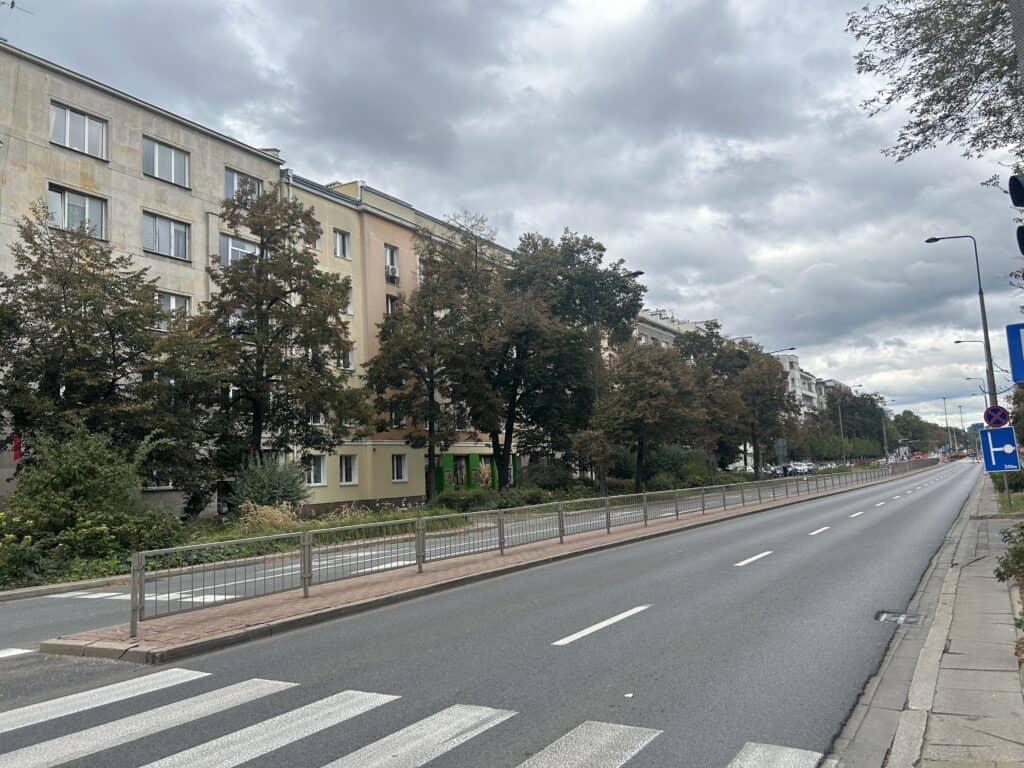
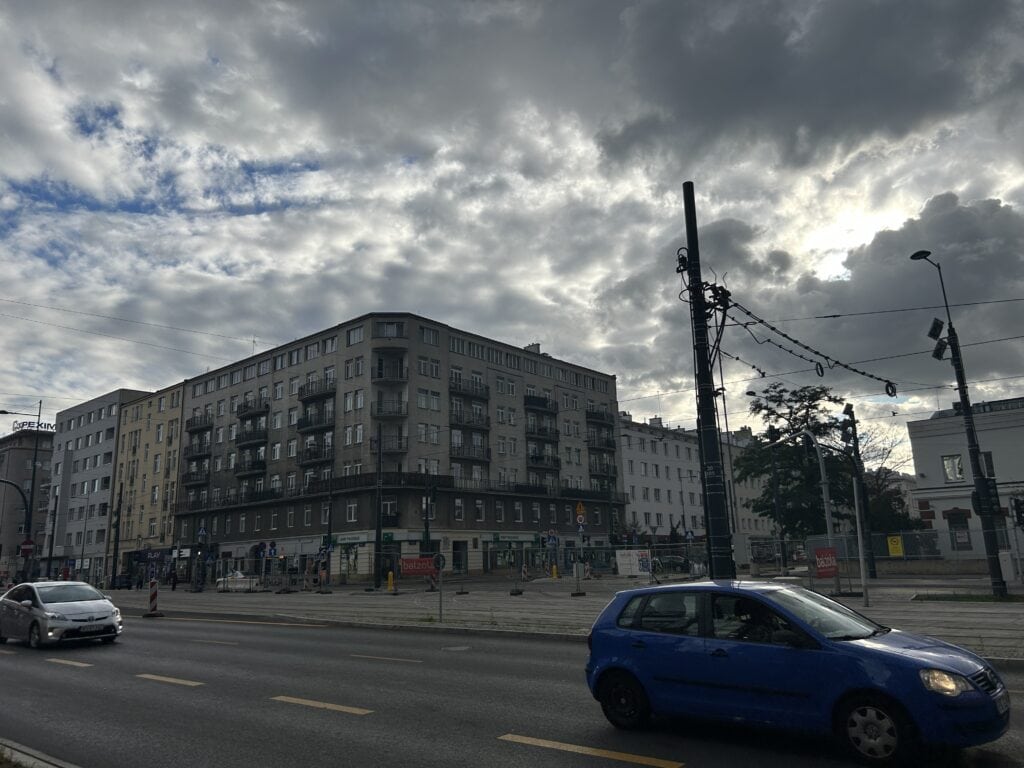
Stary Mokotów (Old Mokotów) is the historic, upper part of the district and is widely considered one of the most beautiful residential areas in Warsaw. Developed primarily in the interwar period, its streets are lined with well-preserved modernist villas and elegant apartment buildings. The area was designed with a “garden city” concept, featuring abundant greenery, quiet squares, and wide avenues. It is a prime destination for architectural tours and leisurely walks, offering a peaceful atmosphere and a glimpse into the sophisticated urban planning of 1930s Warsaw. The area is also home to many charming cafes, bookstores, and small galleries.
Pole Mokotowskie
The vast park of Pole Mokotowskie is one of Warsaw’s largest and most important green spaces, serving as a recreational hub for several districts. A large portion of this park lies within Mokotów’s borders. It is a favorite spot for students, families, and active people, offering wide-open lawns, a large pond, and an extensive network of paths for jogging and cycling. In the summer, the park comes alive with outdoor cafes, concerts, and various events. It is also home to the National Library of Poland, making it a unique intersection of nature, culture, and leisure.
Fort Mokotów
Fort M-Che, commonly known as Fort Mokotów, is a remnant of the 19th-century Warsaw Fortress built by the Russian Empire. For years, the historic fort was largely abandoned, but it has recently been revitalized and transformed into a creative and cultural hub. The old brick barracks and casemates now house a mix of restaurants, bars, event spaces, and offices for creative companies. This successful revitalization project has preserved the fort’s historic character while giving it a new, modern purpose, making it one of the most unique and trendy spots in the district.
Morskie Oko Park
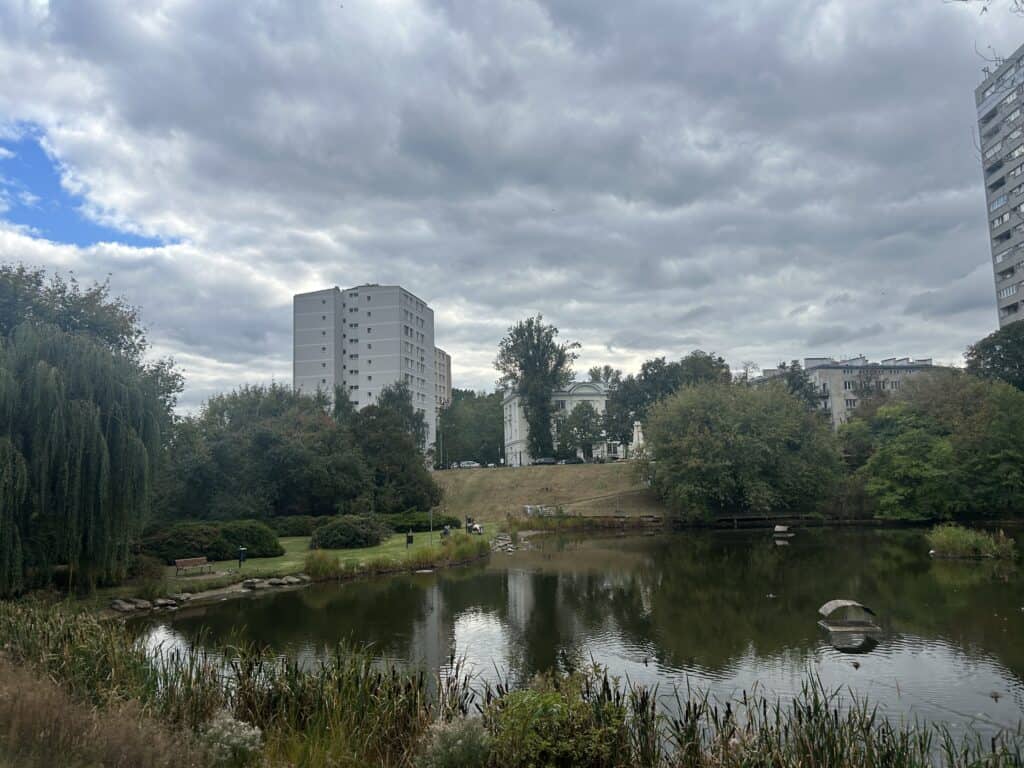
Morskie Oko Park is a historic and romantic park located in the heart of Stary Mokotów. It was established in the 18th century as the garden for an aristocratic residence. The park is known for its picturesque landscape, which includes a large pond, rolling hills, and a historic grotto. It also contains a monument to the soldiers of the “Baszta” Home Army regiment who fought in the area during the Warsaw Uprising. The park’s beautiful scenery and tranquil atmosphere make it a beloved spot for local residents seeking a quiet escape.
Warsaw School of Economics (SGH)
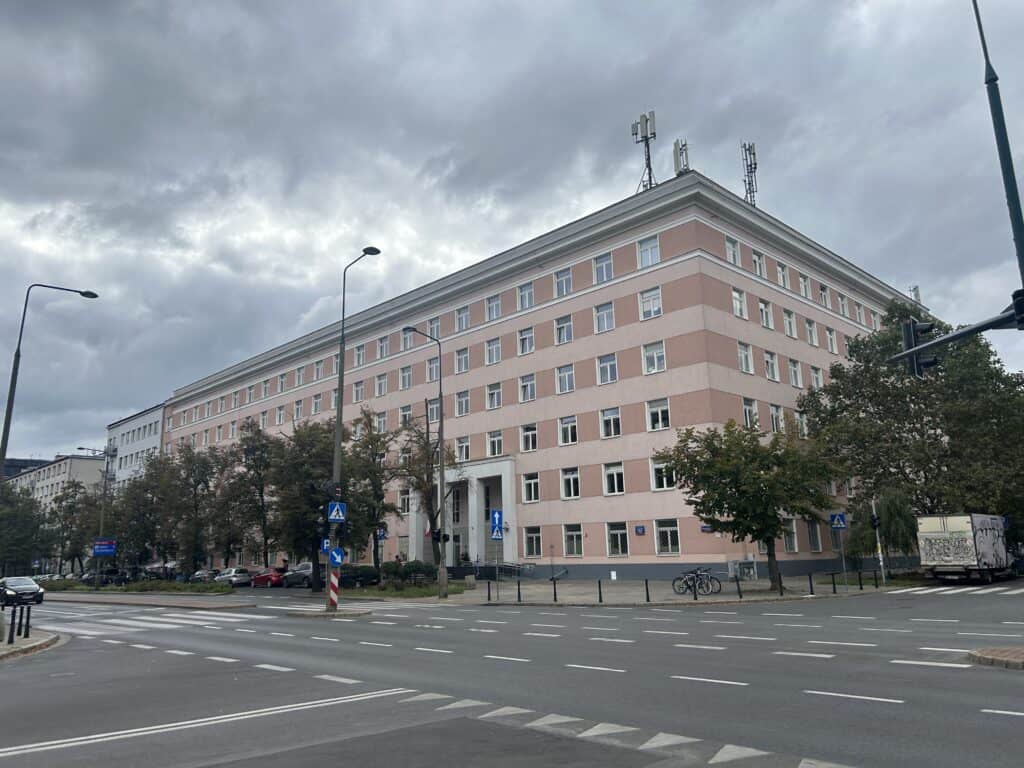
The main campus of the Warsaw School of Economics (Szkoła Główna Handlowa w Warszawie, SGH) is a major landmark of Mokotów. As Poland’s leading business and economics university, its presence heavily influences the character of the district. The main building, completed in the 1950s, is a notable example of socialist-era monumental architecture. The university brings thousands of students to the area, supporting a vibrant local ecosystem of cafes, pubs, and services, and contributing to the intellectual atmosphere of Upper Mokotów.
Iluzjon Cinema
The Iluzjon Cinema is a historic art-house cinema and a true gem for film lovers. Housed in the beautiful modernist building of a former theater from 1949, the Iluzjon is part of the National Film Archive. It specializes in showing classic films, retrospectives of famous directors, and independent cinema from around the world. The cinema has been beautifully restored, retaining its vintage charm while offering modern technology. It is a cherished cultural institution with a loyal following, offering a unique cinematic experience.
Wodny Park Warszawianka
Wodny Park Warszawianka is one of the largest and most modern aquatic centers in Poland. This massive complex offers a wide range of facilities for both sports and recreation. It includes an Olympic-sized swimming pool, a large recreational pool area with water slides, lazy rivers, and jacuzzis, as well as an outdoor pool for the summer. The center also has a state-of-the-art spa and wellness zone and extensive fitness facilities. It is a premier destination for families and sports enthusiasts from all over the city.
Galeria Mokotów
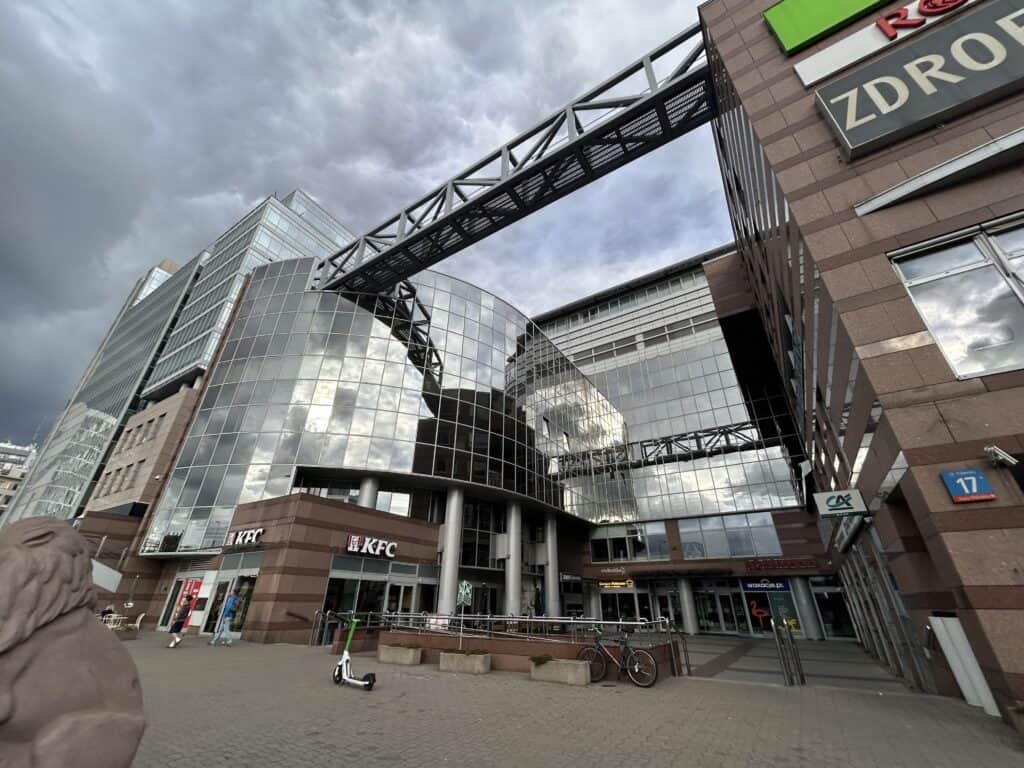
Galeria Mokotów is one of Warsaw’s most popular and well-regarded shopping centers. Opened in 2000, it offers a premium shopping experience with over 260 stores, including many international fashion brands, a multi-screen cinema, and a wide variety of restaurants and cafes. The mall is located near the Służewiec business district and is a major commercial hub for the southern part of Warsaw. It is known for its elegant design and comprehensive selection of goods and services, making it a top destination for shopping and leisure.
Czerniaków Lake Nature Reserve
The Czerniaków Lake Nature Reserve (Rezerwat przyrody Jeziorko Czerniakowskie) is a unique green oasis located in Dolny Mokotów. It protects the largest natural oxbow lake remaining within Warsaw’s city limits. The reserve is a haven for biodiversity, supporting numerous species of birds, fish, and plants. A popular wild beach and swimming area operates on one side of the lake during the summer, while the surrounding area has paths for walking and nature observation. It is a remarkable piece of wild nature preserved within a major European capital.


Getting Around in Mokotów
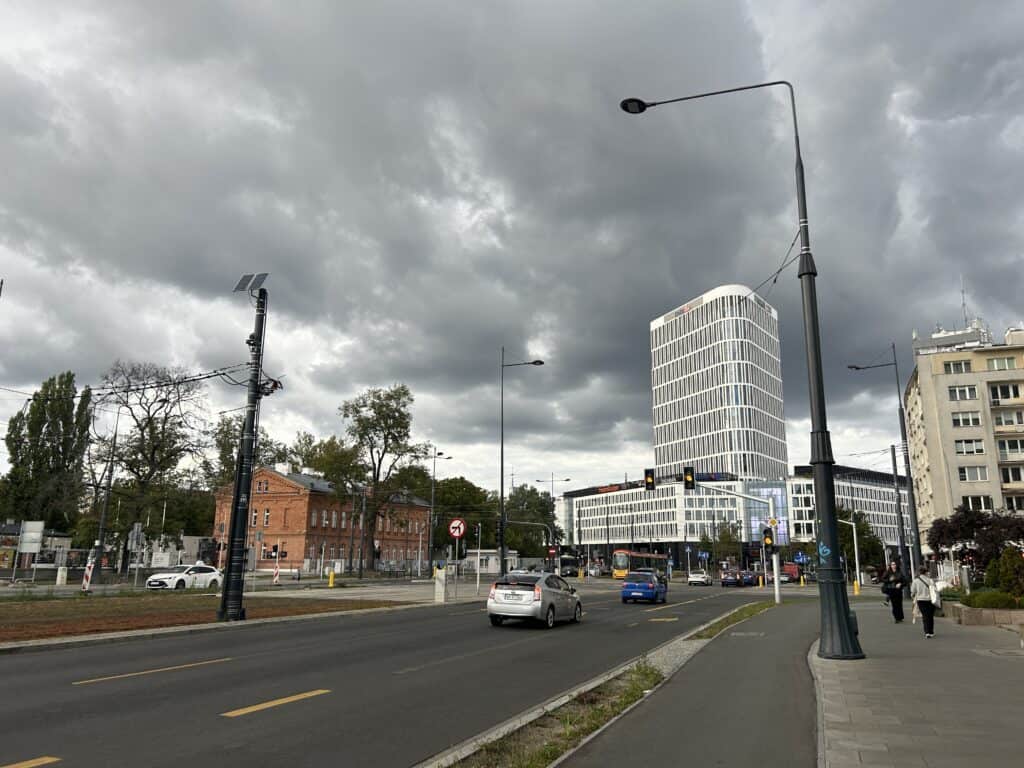
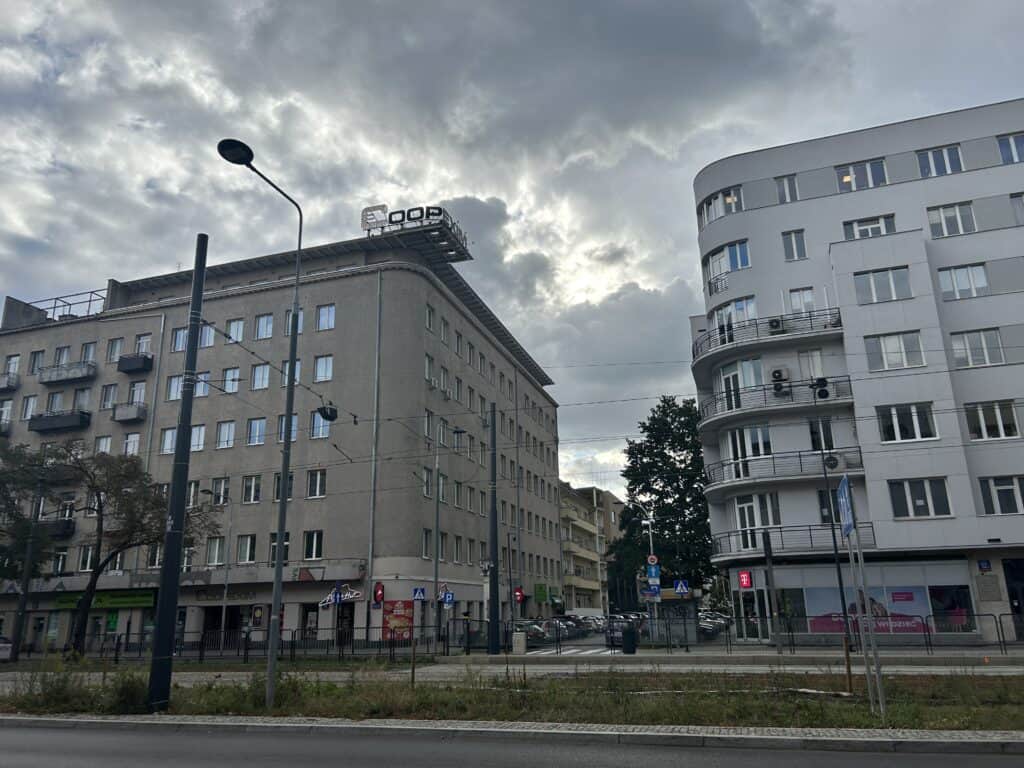
Getting around Mokotów is very convenient, thanks to its excellent public transport infrastructure, which includes the metro, trams, and buses. The district’s large size is well-covered by a dense network of routes that provide efficient connections between its different neighborhoods and the rest of Warsaw. Major north-south arteries like Puławska, Niepodległości, and Sobieskiego serve as main corridors for public transport. For shorter distances, the district is also very walkable, especially in the older, more pedestrian-friendly parts like Stary Mokotów.
The Southern Reach of Metro Line M1
The M1 metro line is the fastest way to travel through Górny Mokotów and connect to the city center. The line runs north-south through the western part of the district, with several key stations, including Pole Mokotowskie, Racławicka, Wierzbno, and Służew. This direct link to Śródmieście and the northern districts makes the metro the preferred choice for many commuters. The stations are well-integrated with bus and tram stops, allowing for easy transfers to other parts of Mokotów.
A Dense Network of Trams and Buses
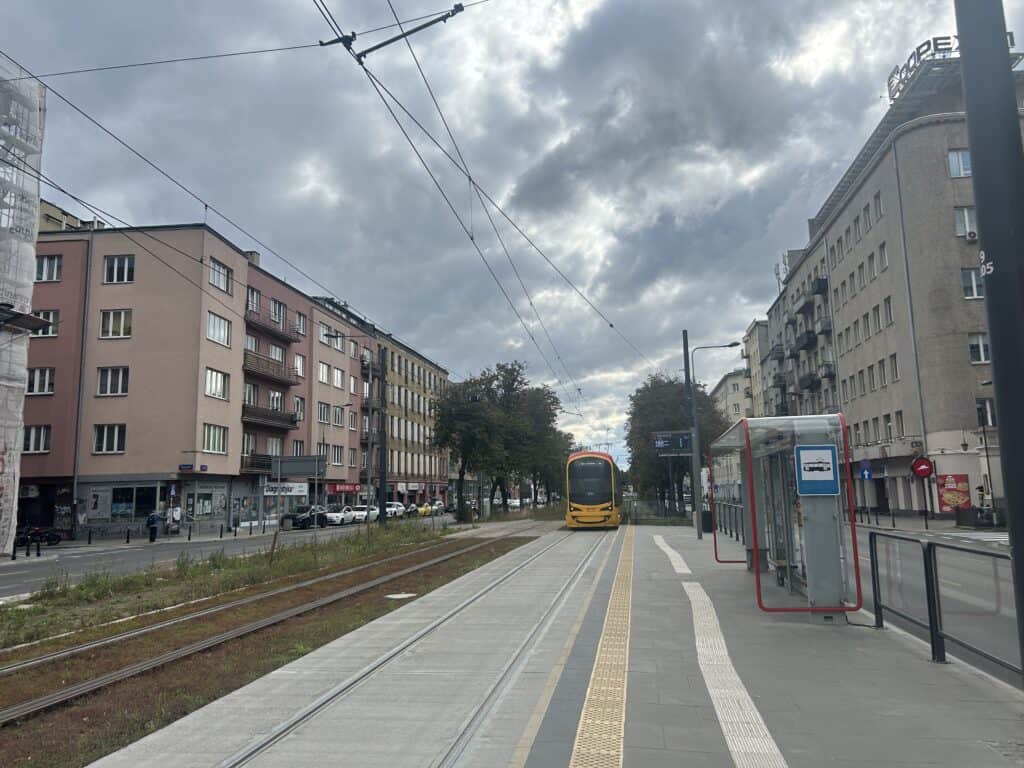
An extensive network of tram and bus lines provides comprehensive coverage for the entire district, including areas not served by the metro. Trams are particularly important, running along the main thoroughfares of Puławska, Woronicza, and Wołoska, connecting the residential areas with the Służewiec business hub and the city center. Buses supplement this network, providing crucial east-west connections between Górny and Dolny Mokotów and serving every neighborhood within the district. This robust system ensures that almost any location in Mokotów is easily reachable by public transport.
Cycling Through Mokotów’s Parks and Streets
Mokotów is an increasingly bike-friendly district, with a growing network of dedicated cycling paths. The vast expanse of Pole Mokotowskie offers a fantastic, car-free environment for recreational cycling. Major bike routes also run along key streets, and a popular path follows the Vistula escarpment, offering a scenic journey through the district’s parks. The city’s Veturilo bike-sharing system is widely available, with dozens of stations located near metro stops, major intersections, and residential areas, making cycling a practical and pleasant way to get around.
How to Get to Mokotów?
Reaching Mokotów from outside Warsaw is extremely convenient, thanks to its strategic location directly south of the city center and its proximity to major transportation hubs. The district is the first major residential and business area one encounters when traveling from Warsaw’s main airport into the city. It is well-connected to the national road and rail networks, ensuring that whether you arrive by plane, train, or car, the final journey to Mokotów is typically short and straightforward.
Direct Access from Chopin Airport (WAW)
Mokotów is the closest district to Warsaw Chopin Airport (WAW), making it exceptionally convenient for air travelers. A taxi or ride-sharing service from the airport to many parts of Mokotów can take as little as 10 minutes. Several major bus lines, including the 175 and 188, provide a direct and inexpensive link from the airport terminals to the heart of the district. The airport is also connected by SKM urban rail lines to the Służewiec station, which is located right next to the business district and Galeria Mokotów.
Connecting from Warsaw’s Central Train Stations
For those arriving by train at Warszawa Centralna (Warsaw Central Station), reaching Mokotów is a simple matter of taking the southbound M1 metro line. The Centrum metro station is a short walk from the railway station, and the journey to Mokotów’s main stations takes only 5-10 minutes. From Warszawa Zachodnia (Warsaw West Station), numerous bus lines and the suburban rail provide convenient connections to the district. This excellent integration with the city’s main railway hubs makes arriving by train very easy.
Driving to Mokotów via Major Arteries
Mokotów is accessible by car via several of Warsaw’s main southern arteries. Major north-south routes like Puławska, Niepodległości, and Sobieskiego run through the district, connecting it directly to the city center. The southern part of Mokotów is also bordered by the S79 expressway, which provides a direct link to the airport and the S2, Warsaw’s southern ring road. This connects the district to the A2 motorway. While road access is good, drivers should be aware that traffic, especially around the Służewiec business district, can be extremely heavy during rush hours.
Bus Terminals and Final Transit
Warsaw’s main long-distance bus terminal is located at the Dworzec Zachodni (West Station). From there, travelers can reach Mokotów via local city buses or by taking a suburban train one stop to the Rakowiec station, which borders Mokotów. Some regional and suburban bus lines also terminate at the Metro Wilanowska station in Mokotów, which serves as a major transport hub for the southern part of the city. This provides another direct entry point into the district for those arriving from nearby towns.
Travel from Baltic Sea Ports
Travelers arriving in Poland by ferry to the Baltic Sea ports of Gdańsk or Gdynia can easily continue their journey to Warsaw by train. Fast and comfortable express trains connect the Tri-City area with Warszawa Centralna in approximately 3 hours. Upon arrival at the central station, the M1 metro line offers a quick and direct connection to the heart of Mokotów. This efficient rail link makes the journey from the coast to the district seamless and convenient for those who begin their Polish journey with a sea voyage.
Driving Distances
The driving distance from 20 regional cities, according to Google Maps:
- Konstancin-Jeziorna, Poland – 12 kilometers (0 h 25 min)
- Piaseczno, Poland – 14 kilometers (0 h 25 min)
- Pruszków, Poland – 18 kilometers (0 h 30 min)
- Otwock, Poland – 23 kilometers (0 h 35 min)
- Góra Kalwaria, Poland – 29 kilometers (0 h 40 min)
- Łódź, Poland – 140 kilometers (1 h 40 min)
- Katowice, Poland – 290 kilometers (3 h 20 min)
- Kraków, Poland – 290 kilometers (3 h 30 min)
- Poznań, Poland – 320 kilometers (3 h 10 min)
- Gdańsk, Poland – 350 kilometers (3 h 30 min)
- Lviv, Ukraine – 385 kilometers (5 h 20 min)
- Vilnius, Lithuania – 485 kilometers (6 h 00 min)
- Bratislava, Slovakia – 530 kilometers (5 h 40 min)
- Berlin, Germany – 585 kilometers (5 h 40 min)
- Prague, Czechia – 610 kilometers (6 h 00 min)
- Vienna, Austria – 670 kilometers (6 h 30 min)
- Budapest, Hungary – 855 kilometers (7 h 40 min)
- Stockholm, Sweden – 1490 kilometers (16 h 40 min)
- Milan, Italy – 1480 kilometers (15 h 10 min)
- Paris, France – 1630 kilometers (15 h 50 min)
Looking to Explore more of Poland and Europe?