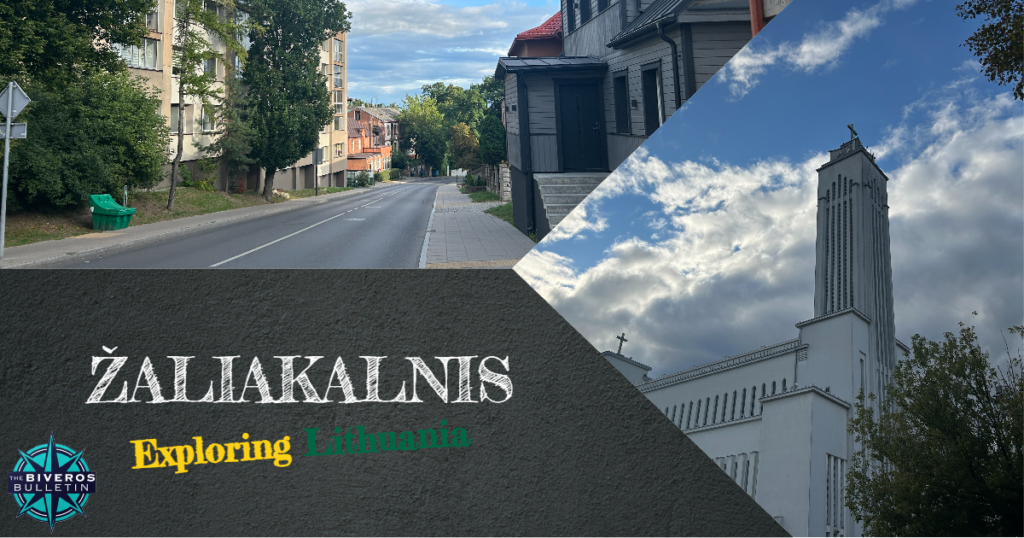
Žaliakalnis, Kaunas | Exploring Lithuania
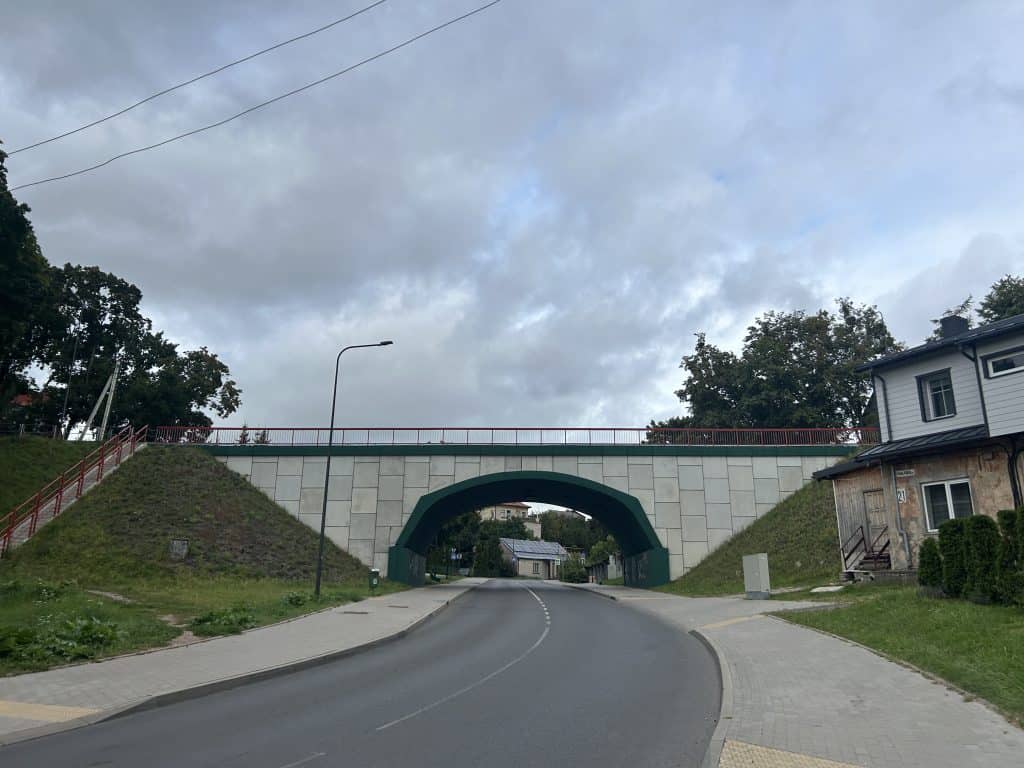
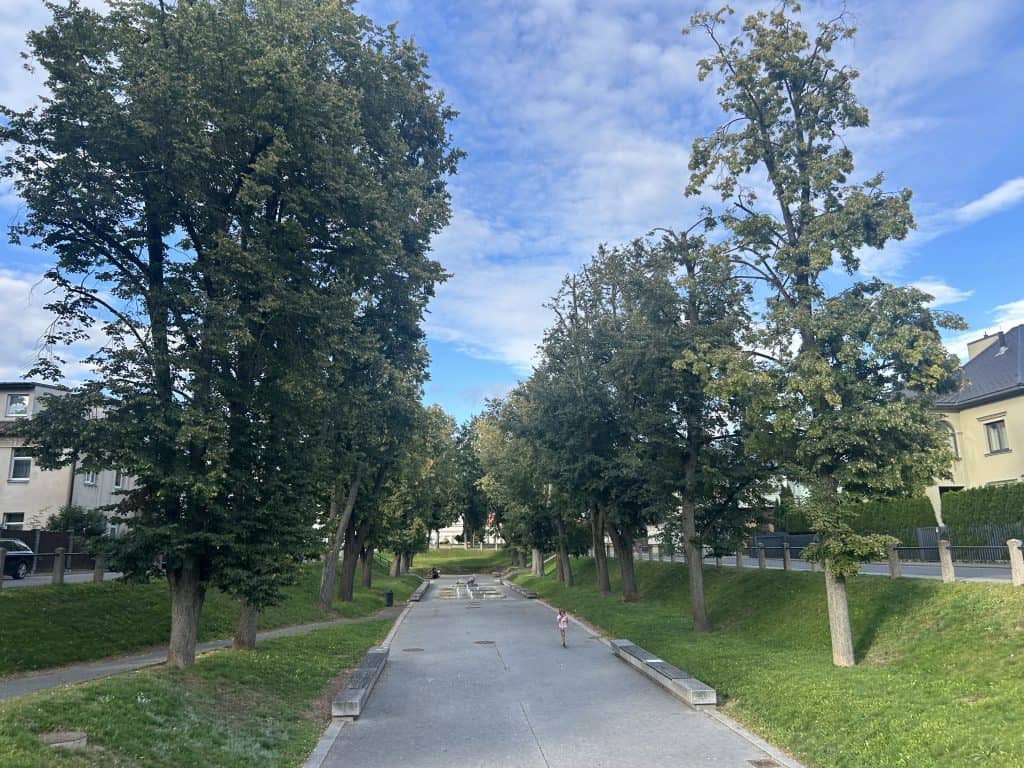
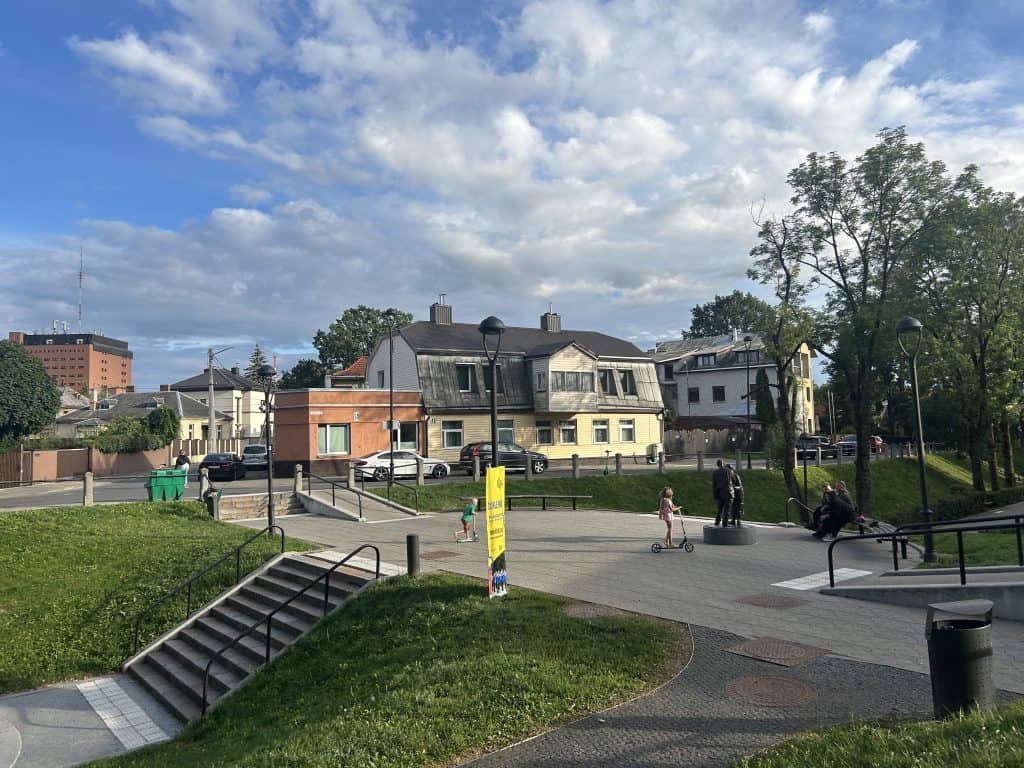
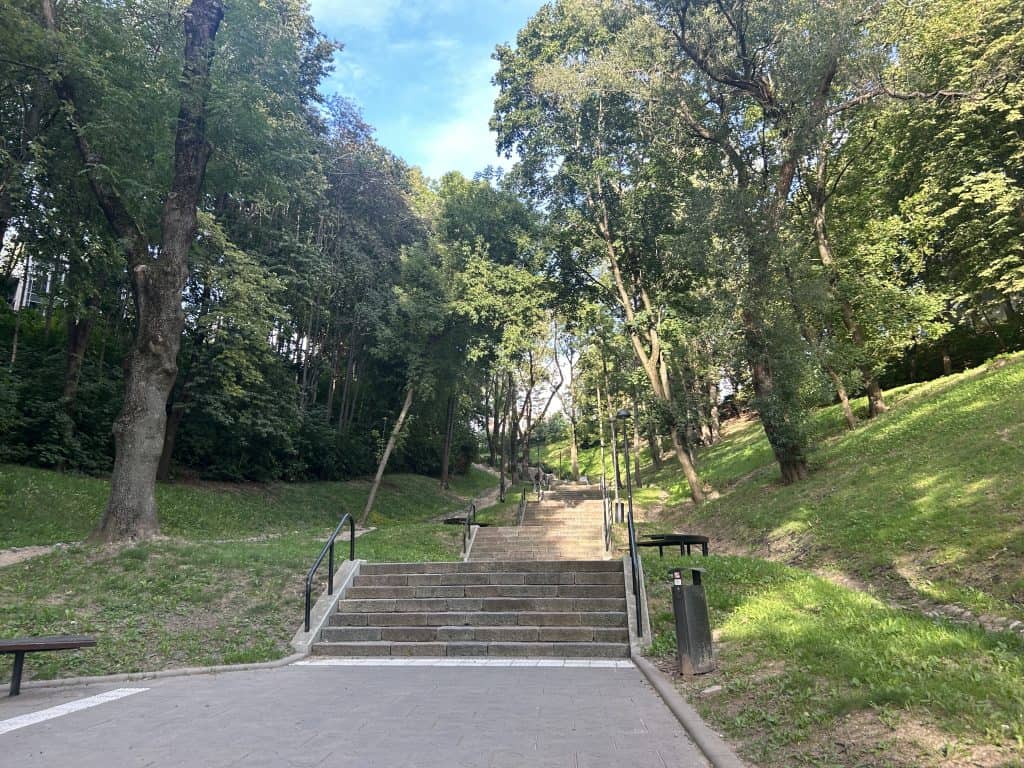
Žaliakalnis is a large residential neighborhood and an eldership in the city of Kaunas, Lithuania. The name of the district means “Green Hill” in Lithuanian, a name that reflects its setting on a prominent hill to the north of the city’s Old Town and central areas. With a population of over 21,000 inhabitants, Žaliakalnis is one of the largest residential areas in the city, and it is known for its distinct architectural character and its many parks and green spaces.
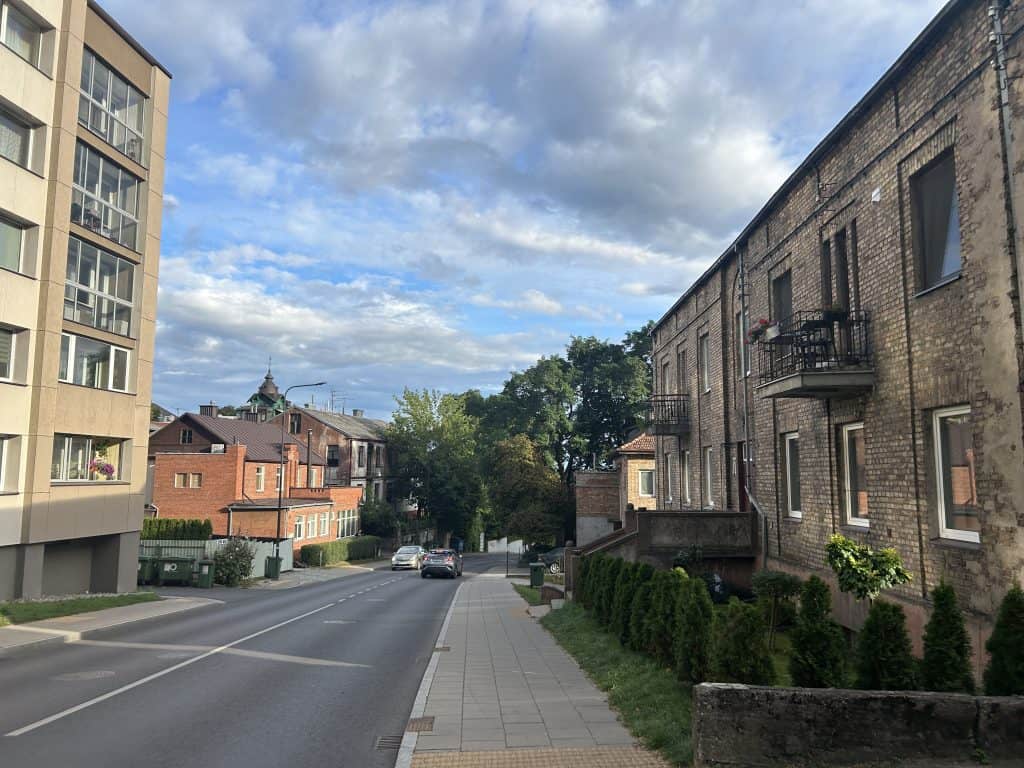
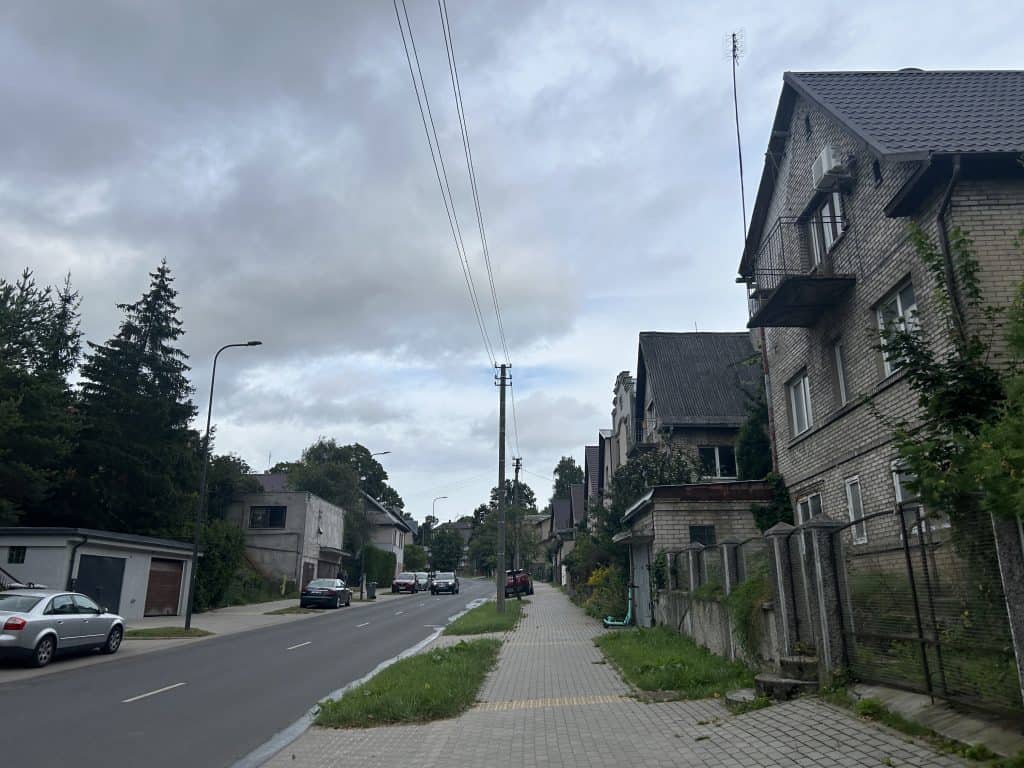
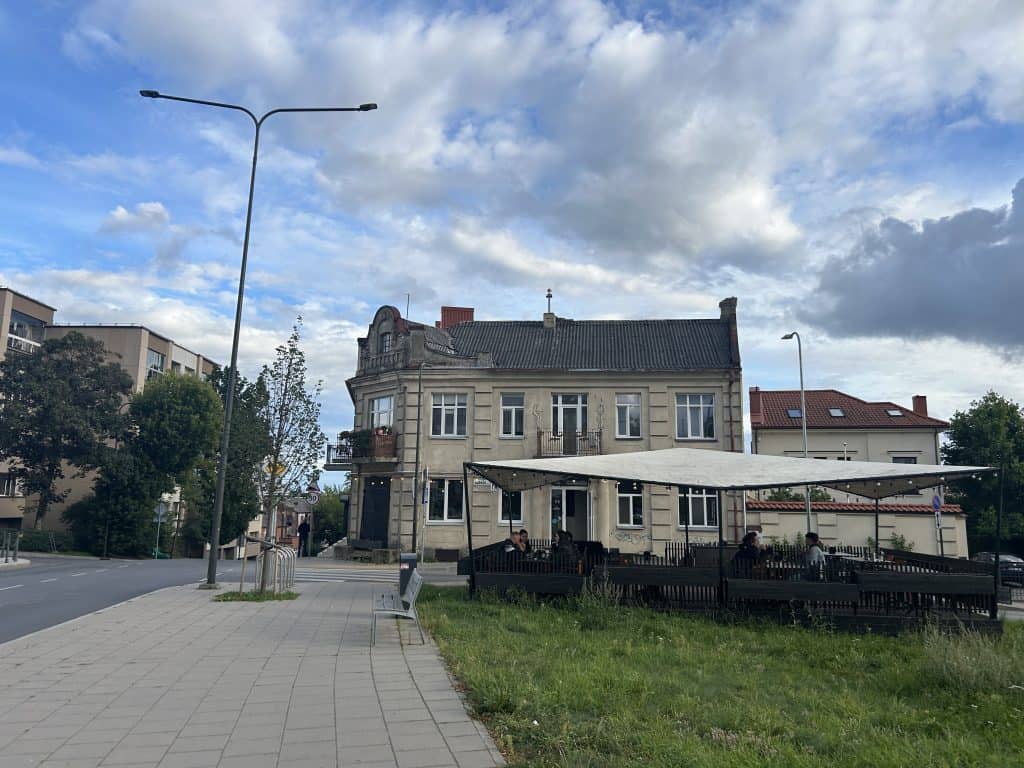
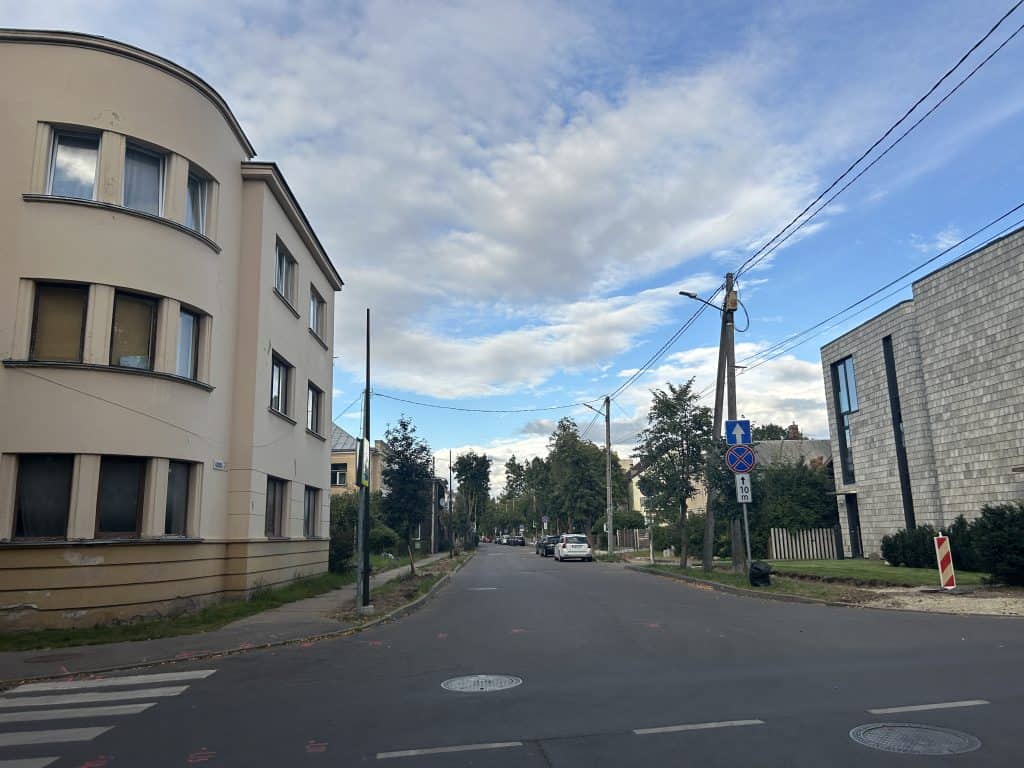
The identity of Žaliakalnis is that of a prestigious and historic residential district, which is particularly famous for its well-preserved Modernist architecture from the interwar period. This was the time when Kaunas served as the temporary capital of Lithuania, and Žaliakalnis became the preferred residential area for the city’s intellectuals, artists, and political figures. Today, the neighborhood retains much of its historic charm, and it is a popular upmarket residential area that offers a more tranquil atmosphere than the bustling city center below.


History of Žaliakalnis
The history of Žaliakalnis is a story of a rapid transformation from a sparsely populated rural area into a prestigious urban neighborhood. For centuries, the area was mostly forested land with only a few farmsteads. Its development began in the late 19th century but accelerated dramatically in the early 20th century after Kaunas became the temporary capital of Lithuania. This period of intense construction gave the neighborhood its unique and architecturally significant character, which has been preserved to this day.
Early Development
For most of its history, the area now known as Žaliakalnis was a large, forested hill overlooking the city of Kaunas. The first significant urban development began in the late 19th century, following the construction of the Kaunas-Daugavpils highway. This new road made the area more accessible and led to the first wave of urbanization. However, the most significant and defining period of development for the neighborhood was yet to come. The “Green Hill” was about to become the showcase of a modern, independent nation.
It was in 1919, after Vilnius was occupied by Poland, that Kaunas became the temporary capital of a newly independent Lithuania. This new status led to a massive and rapid expansion of the city. Žaliakalnis, with its strategic high ground and its clean, green environment, was incorporated into the city. It quickly became the most desirable place to live. In 1922, the Danish engineer M. Frandsen was invited to create a modern city plan, and in this plan, Žaliakalnis was envisioned as a key residential and administrative district.
The Interwar Architectural Boom
The period between 1919 and 1940 was the golden age for the development of Žaliakalnis. The neighborhood became the preferred residential area for the nation’s political, cultural, and intellectual elite. Many famous Lithuanians, including the writer Balys Sruoga and the opera singer Kipras Petrauskas, built their homes here. Between 1924 and 1925 alone, over 300 new plots of land were sold for development. This led to a construction boom that filled the neighborhood with beautiful new villas and houses.
These new buildings were designed in the most modern architectural styles of the day, primarily Functionalism and Art Deco, with elements of Lithuanian National Romanticism. This unique collection of interwar architecture is what makes Žaliakalnis so special today. The streets were laid out according to the modern city plan, with plenty of green spaces and gardens, and many were planted with specific species of trees. By 1940, on the eve of the Soviet occupation, the neighborhood was largely built up and had taken on the elegant, green character that it still retains.
The Soviet Era and Beyond
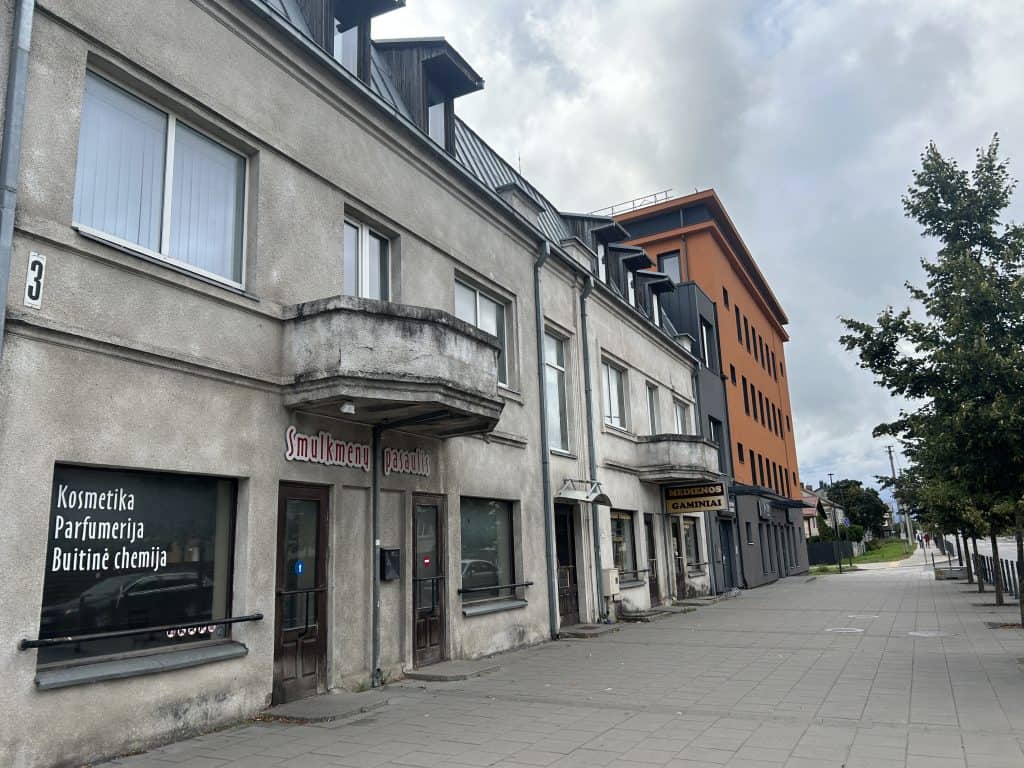
During the Soviet occupation of Lithuania, which began in 1940, the character of Žaliakalnis changed. Many of the large, private villas were nationalized and were either divided into smaller apartments or repurposed for state use. New, standardized apartment blocks were also built in some parts of the neighborhood, which contrasted with the elegant architecture of the interwar period. The neighborhood lost some of its exclusive character during this time, but it remained a desirable and important residential area.
Since Lithuania regained its independence in 1990, Žaliakalnis has experienced a cultural and architectural revival. Many of the historic interwar villas have been beautifully restored to their former glory. The neighborhood has once again become a very popular and prestigious upmarket residential area. The preservation of its unique architectural heritage has been a key focus, and this led, in part, to the city of Kaunas being awarded the European Heritage Label in 2015. The entire neighborhood stands as a living museum of the “optimistic architecture” of Lithuania’s first period of independence.

Sights in Žaliakalnis
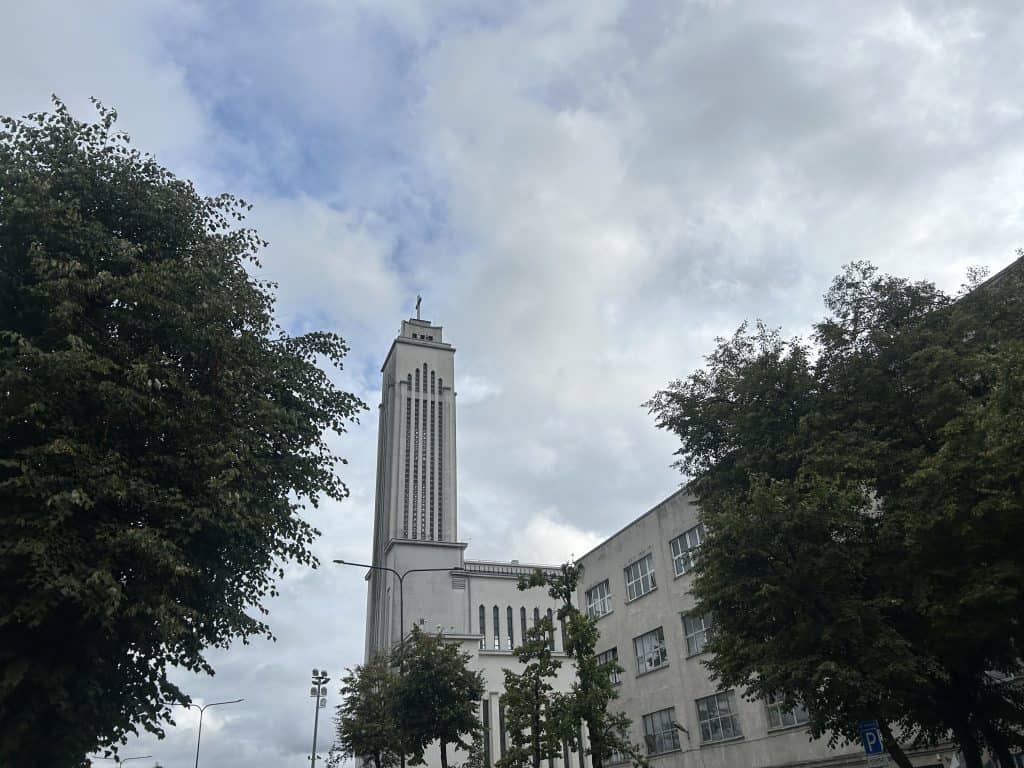
The sights in Žaliakalnis are centered around its unique collection of interwar architecture and its many beautiful parks and green spaces. The main attraction is the magnificent Christ’s Resurrection Church, a monumental landmark that offers spectacular panoramic views of the city. For a unique and historic mode of transport, the Žaliakalnis Funicular is a must-see. The neighborhood is also home to the vast Ąžuolynas Park, which is the largest urban oak grove in Europe, and the only zoological garden in Lithuania.
Christ’s Resurrection Church
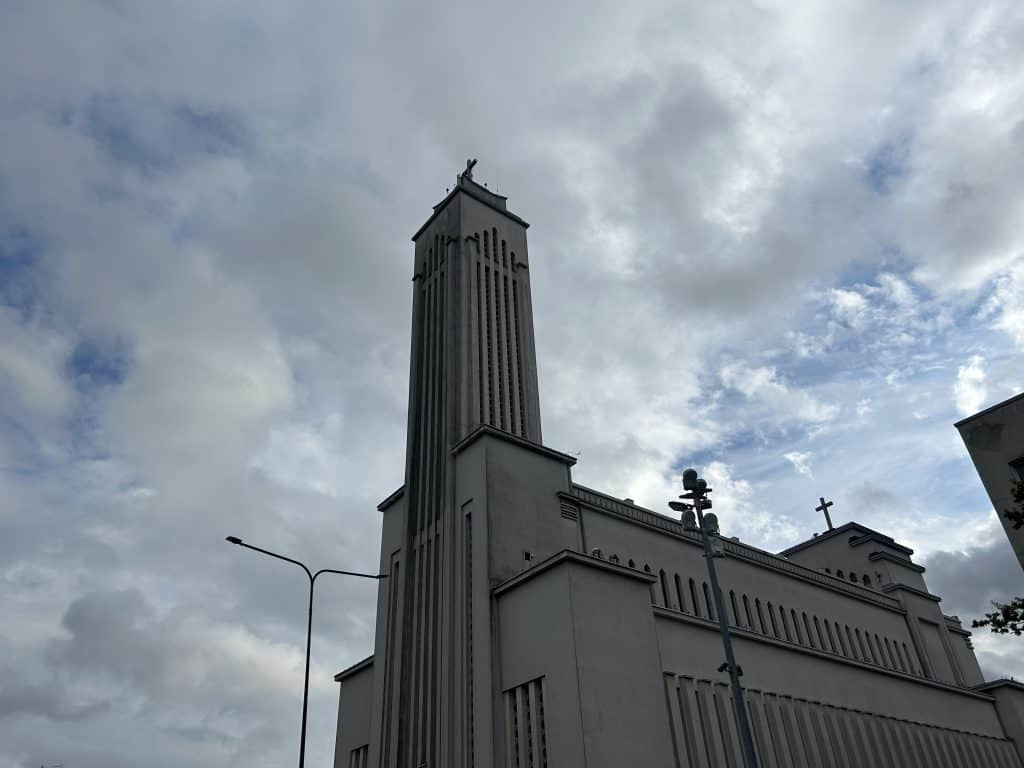
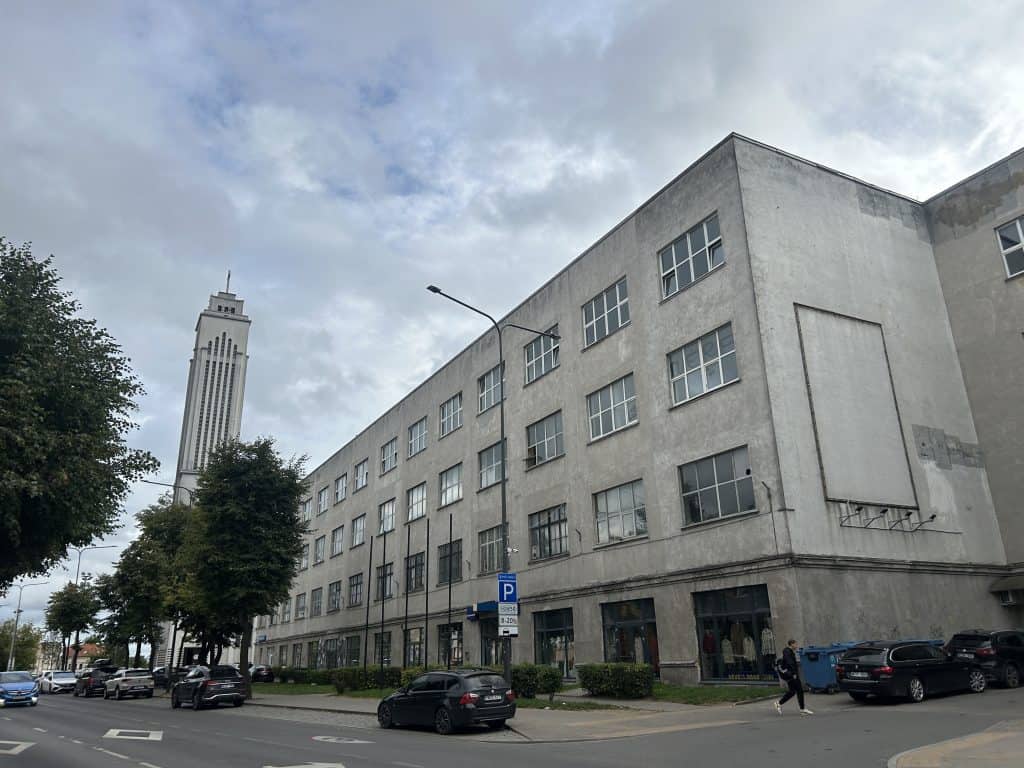
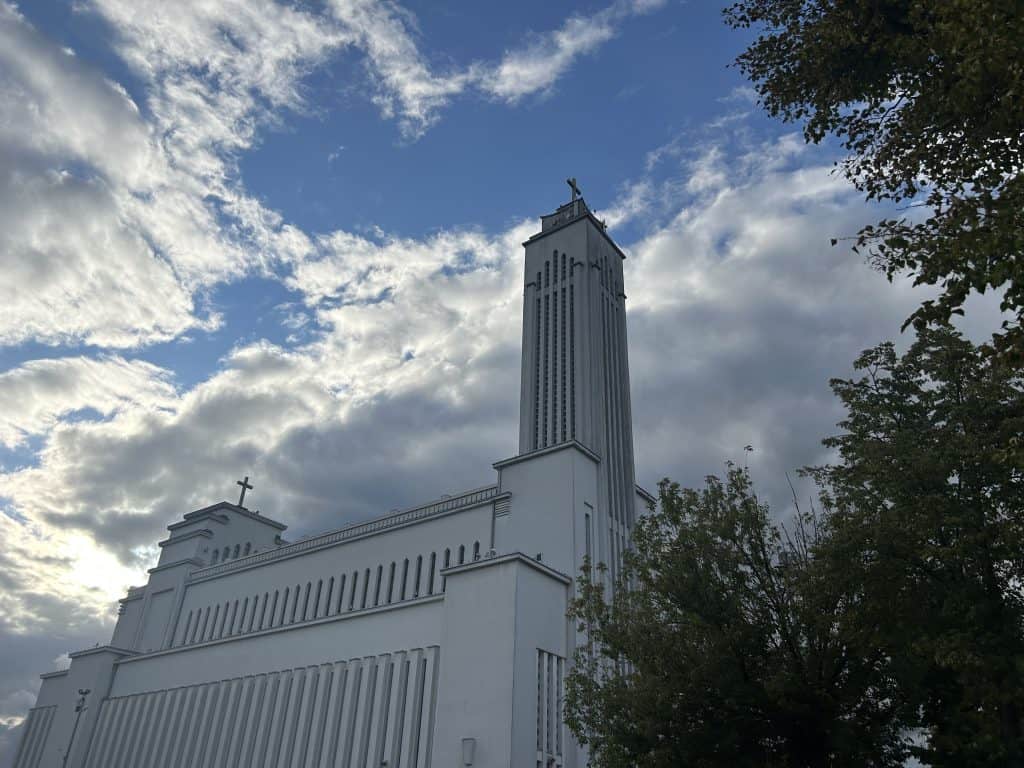
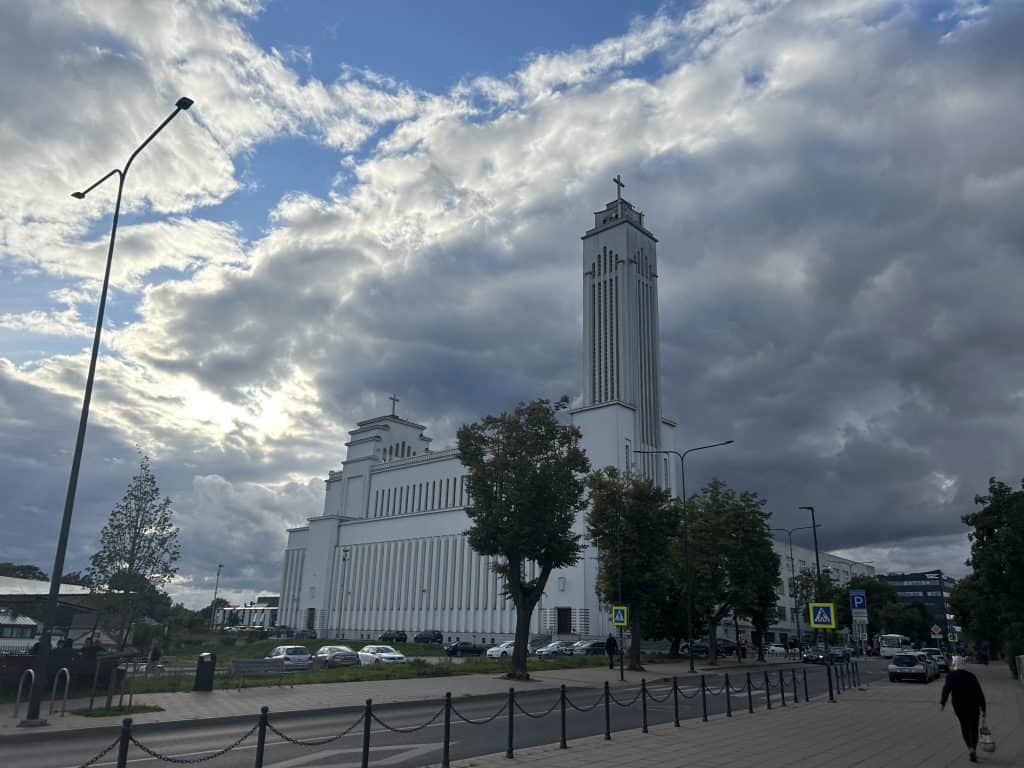
The Christ’s Resurrection Church is the most prominent and iconic landmark in Žaliakalnis, and its tall, white tower is a major feature of the Kaunas skyline. The magnificent church is a masterpiece of the Modernist architectural style. It was designed as a national monument to celebrate Lithuania’s regained independence in 1918. Construction began in 1934, but it was halted by the Soviet occupation. During the Soviet era, the building was used as a radio factory. After independence, the church was finally completed and was consecrated in 2004. It is possible to take an elevator to the rooftop terrace, which offers some of the most spectacular panoramic views of the entire city of Kaunas.
Žaliakalnis Funicular Railway
The Žaliakalnis Funicular is one of the oldest funicular railways in Europe that is still in operation. It was built in 1931 to provide an easy way for people to travel from the city center up the steep slope of the “Green Hill.” The charming, wood-paneled carriage takes you on a short but very scenic 142-meter journey. The ride takes just under two minutes. The funicular is a beloved symbol of the city and a unique piece of historic engineering. It is both a practical mode of transport and a popular tourist attraction.
Ąžuolynas Park
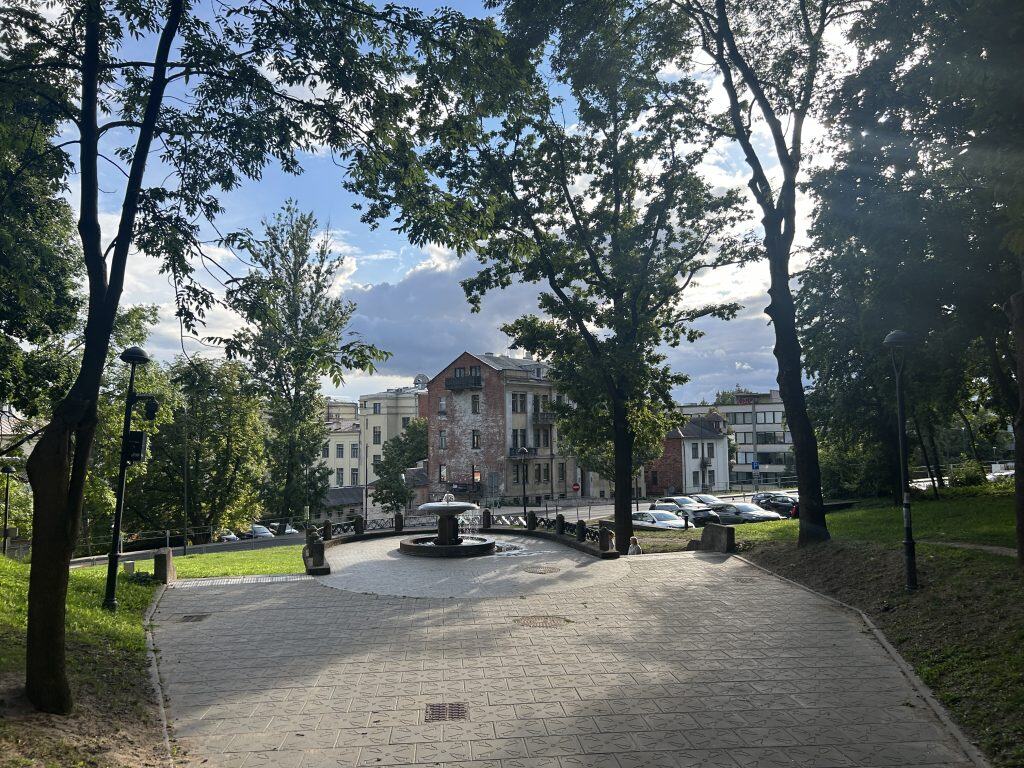
Ąžuolynas Park, which means “Oak Grove Park,” is the largest urban oak grove in all of Europe. This vast, 63-hectare park is a beautiful and ancient piece of nature right in the heart of the city. The park is home to hundreds of ancient oak trees, some of which are believed to be over 300 years old. The park is a very popular place for walking, jogging, and relaxing. It is a beautiful and peaceful natural oasis, and it is a key part of the “green” identity of the Žaliakalnis neighborhood.
Lithuanian Zoo
The Lithuanian Zoological Garden is the only zoo in all of Lithuania, and it is located in the Žaliakalnis neighborhood, right next to the magnificent Ąžuolynas Park. The zoo was founded in 1938. It is home to a wide variety of animals from all over the world. The zoo is a very popular attraction for families and children. A visit provides an opportunity to see and learn about many different species of animals in a beautiful parkland setting.
Sugihara House
The Sugihara House is a museum located in a historic villa in the Žaliakalnis neighborhood. The museum is dedicated to the life and work of the Japanese diplomat Chiune Sugihara. He served as the Japanese consul in Kaunas during World War II. Sugihara is famous for saving the lives of thousands of Jewish refugees by issuing them with transit visas to Japan, against the orders of his own government. The museum is located in the building that served as the Japanese consulate, and it tells the powerful and moving story of this heroic diplomat.


Getting Around in Žaliakalnis
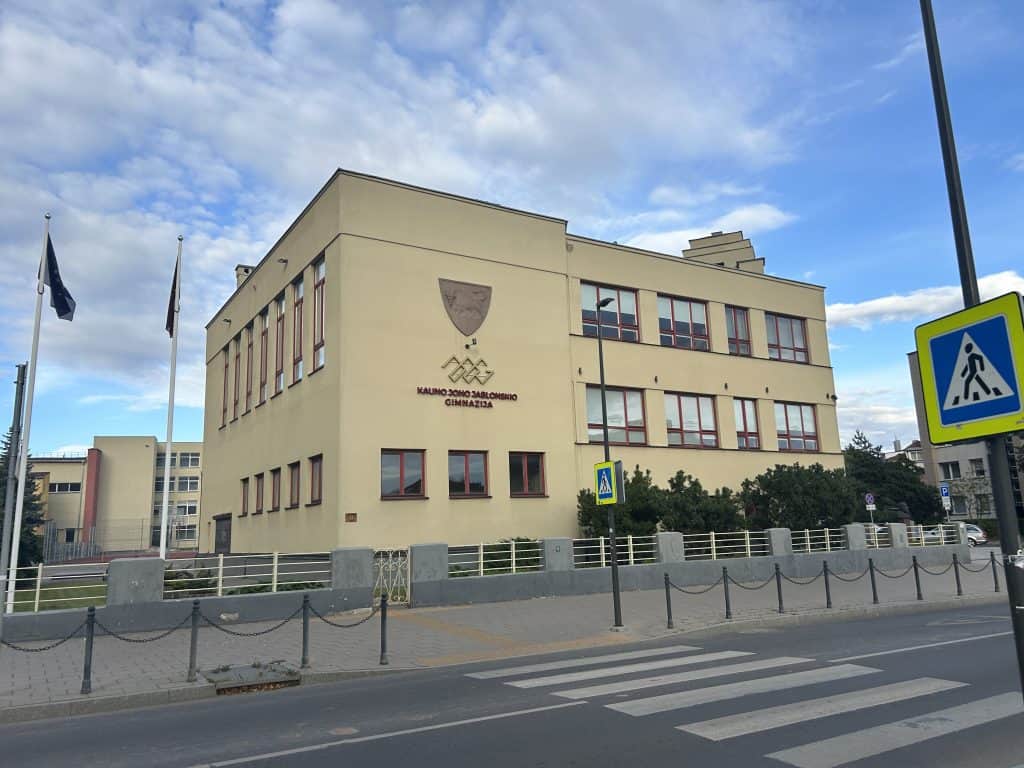
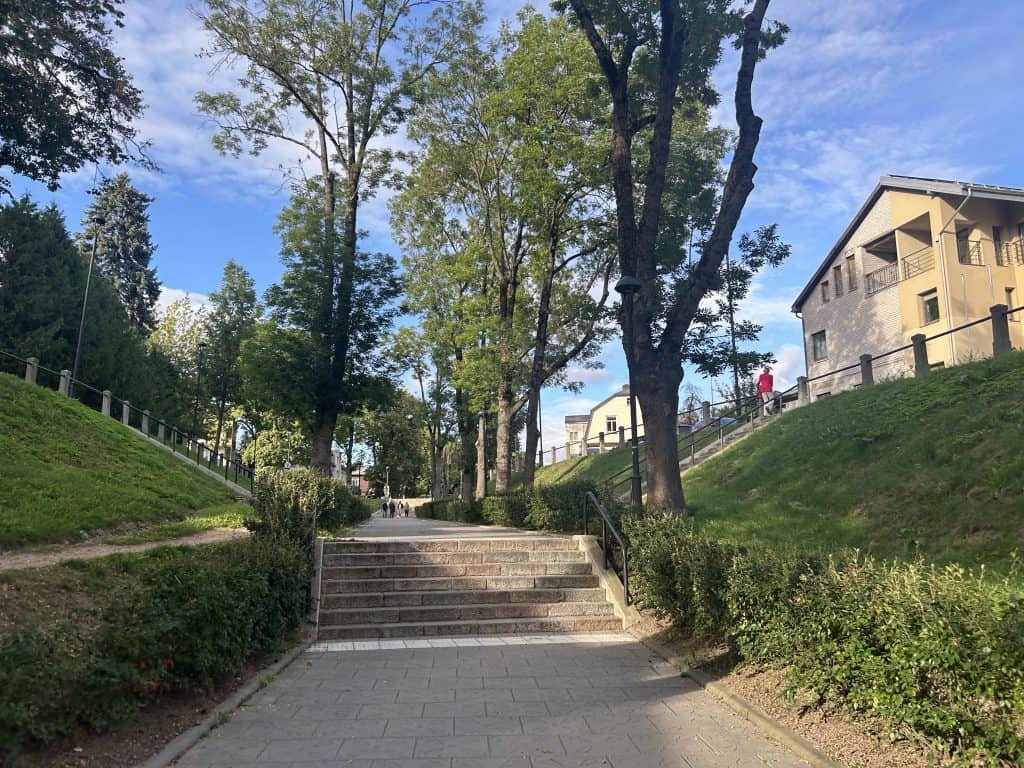
Navigating the neighborhood of Žaliakalnis is best done with a combination of walking and using the local public transport system. The neighborhood is quite large and hilly, so walking can be challenging for longer distances. The city’s extensive network of buses and trolleybuses provides excellent coverage of the entire area. For a unique and scenic way to get from the city center up to the top of the “Green Hill,” the historic Žaliakalnis Funicular is a must.
Local Buses and Trolleybuses
The public transport system in Kaunas is very efficient, and it provides numerous bus and trolleybus routes that run through the Žaliakalnis neighborhood. These services connect the area with the Old Town, the city center, and all the other districts of the city. The buses are a very practical and affordable way to get around. Tickets can be purchased from kiosks or directly from the driver, or by using a local transport app.
The Žaliakalnis Funicular
A unique and very charming way to travel up the steep slope from the city center to Žaliakalnis is by using the historic Žaliakalnis Funicular. This is one of the oldest funiculars in the world that is still in operation. The short but scenic journey is a popular attraction in itself, and it provides a direct connection to the magnificent Christ’s Resurrection Church at the top of the hill. It is a fun and very memorable way to experience a piece of the city’s living history.



How to Get to Žaliakalnis?
Žaliakalnis is a central neighborhood in the city of Kaunas. The main gateway for international visitors is Kaunas International Airport (KUN), which is located in the nearby town of Karmėlava. From the main city center and the Old Town of Kaunas, the journey to Žaliakalnis is very short and easy. The neighborhood is well-served by the city’s public transport system, and it is also easily accessible by car or on foot.
From the City Center
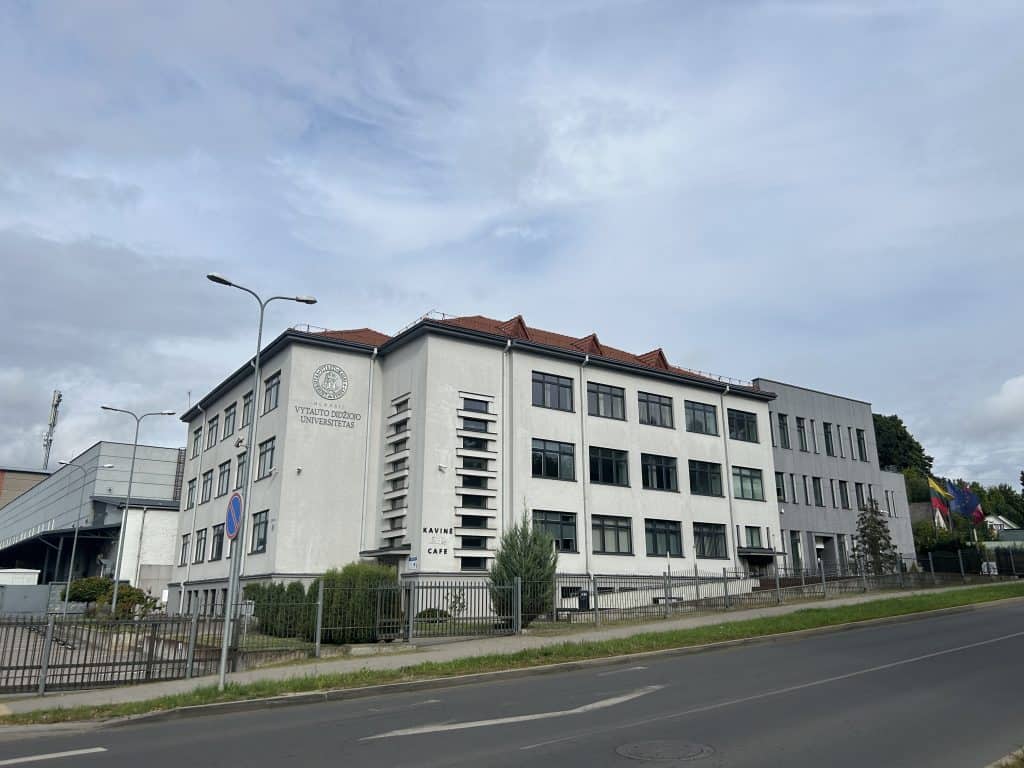
From the main city center and the Old Town of Kaunas, the easiest way to reach Žaliakalnis is by taking the historic Žaliakalnis Funicular. The lower station of the funicular is located just behind the Vytautas the Great War Museum. Alternatively, numerous city bus and trolleybus routes run from the city center up to the Žaliakalnis neighborhood. It is also possible to walk, but the climb up the hill is quite steep.
Driving into the Neighborhood
Driving to Žaliakalnis is very straightforward. The neighborhood is located directly to the north of the main city center. The main roads leading into the area are well-maintained and clearly signposted. There is on-street parking available throughout the neighborhood, although it can be busy in some of the more central parts. A car provides flexibility for exploring the different parts of this large and varied district.
Driving Distances
The driving distance from 10 regional cities, according to Google Maps:
- Vilnius, Lithuania – 100 kilometers (1 h 10 min)
- Panevėžys, Lithuania – 110 kilometers (1 h 20 min)
- Suwałki, Poland – 125 kilometers (1 h 30 min)
- Šiauliai, Lithuania – 160 kilometers (2 h 10 min)
- Klaipėda, Lithuania – 215 kilometers (2 h 00 min)
- Kaliningrad, Russia – 250 kilometers (3 h 30 min)
- Riga, Latvia – 260 kilometers (3 h 30 min)
- Minsk, Belarus – 280 kilometers (3 h 20 min)
- Warsaw, Poland – 400 kilometers (4 h 10 min)
- Tallinn, Estonia – 570 kilometers (7 h 00 min)
Looking to Explore more of Lithuania and Europe?