
Struer | Exploring Denmark
Struer is a town in the West Jutland region of Denmark. It is the main town and administrative center of Struer Municipality. The town is located on the shores of the Limfjord, the large body of water that separates the North Jutlandic Island from the rest of the Jutland peninsula. With a population of approximately 10,000 residents, Struer is a key commercial and transport hub for the region. It is situated just north of the larger city of Holstebro.
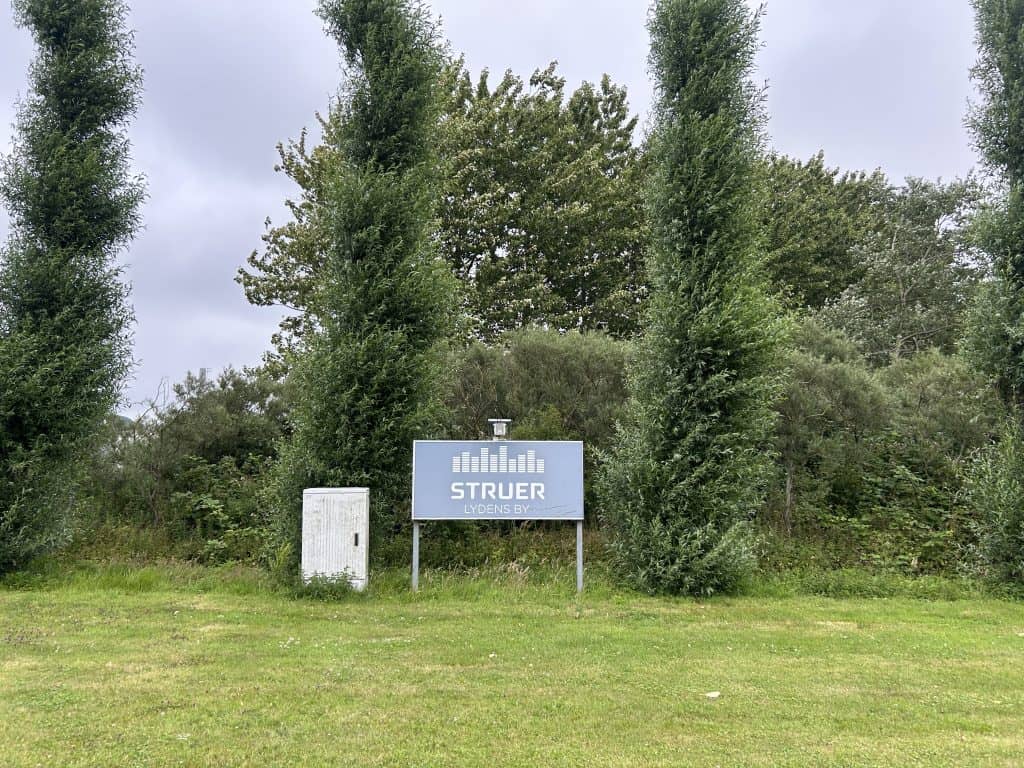
The character of Struer is defined by its strong connection to the Limfjord and its global identity as the “City of Sound” (Lydens By). This nickname comes from the fact that the town is the headquarters of the renowned high-end electronics manufacturer, Bang & Olufsen. The company has been the town’s largest employer for decades and has profoundly shaped its modern identity. This industrial and design heritage exists alongside the town’s history as a major railway junction and a busy port.


A Short History of Struer
The history of Struer is that of a small ferry crossing that was transformed into a major railway town and later into the center of a world-famous electronics company. Its location on the Limfjord has always been a key factor in its development. The arrival of the railway in the 19th century was the pivotal moment that spurred its growth from a minor settlement into a proper town. The subsequent founding of Bang & Olufsen in the 20th century cemented its place as a center of Danish industry and design.
A Small Ferry Crossing
For centuries, the site of Struer was a minor crossing point on the Limfjord. It was where the manor of Gimsinghoved was located. A small ferry service operated from here, connecting the Thy region to the north with the rest of Jutland. The settlement itself was very small and was overshadowed by the larger market town of Holstebro to the south. Its initial development was slow, as it did not have market town privileges for much of its early history.
The Arrival of the Railway
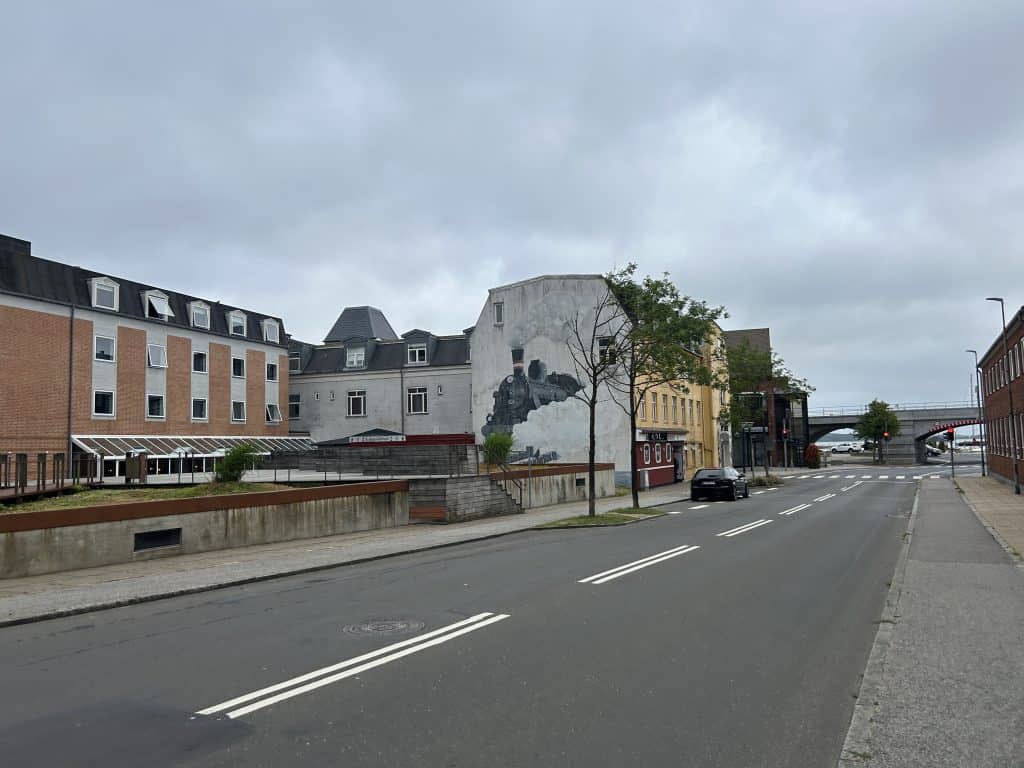
The defining event in Struer’s modern history was the arrival of the railway in the 1860s. The first railway line to West Jutland, connecting Langå and Skive, was extended to Struer in 1865. Soon after, lines were built connecting Struer with Holstebro and with the Thy region to the north. This turned Struer into the most important railway junction in West Jutland. The railway spurred the development of a large new harbor, and the town grew rapidly as a center for transport and commerce.
The City of Sound
In 1925, two young engineers, Peter Bang and Svend Olufsen, founded their radio company, Bang & Olufsen (B&O), in the nearby town of Quistrup. They soon moved their operations to Struer. The growth of this company over the 20th century transformed the town’s economy and identity. B&O became a world-renowned brand for its high-quality audio products and distinctive design. The company became the largest employer in the town, and Struer became known as the “City of Sound.” This legacy continues to define the town today.


Things to Do and See
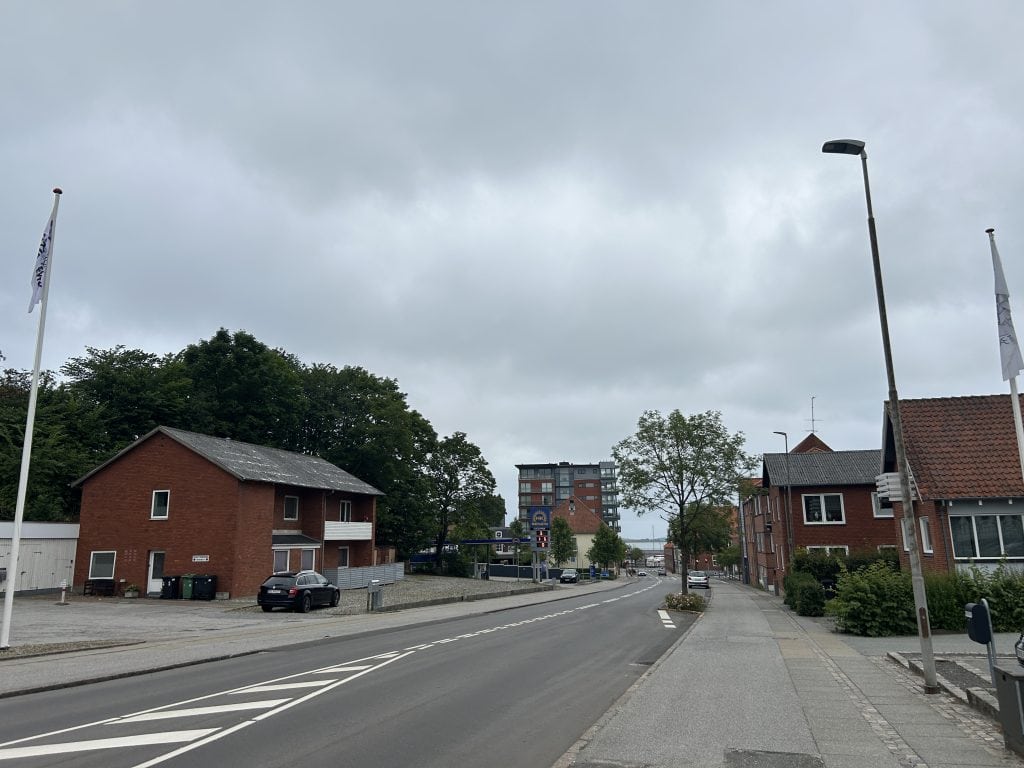
The sights in Struer are focused on its heritage as the “City of Sound,” its history as a railway town, and its location on the Limfjord. The main points of interest include a museum dedicated to the town’s history, which heavily features the story of Bang & Olufsen. The town also has an art and culture center located in a historic manor house. The surrounding natural landscapes of the fjord and the nearby island of Venø are also key attractions. These sights collectively provide a look into the industrial design, cultural life, and natural environment that define this part of West Jutland.
Struer Museum
The Struer Museum is the local cultural history museum, providing a comprehensive look at the region’s development. The museum is housed in several historic buildings, including the town’s oldest residential house which was the home of the writer Johannes Buchholtz. A significant part of the museum’s exhibition is dedicated to the history of Bang & Olufsen, detailing the story from its founding to its status as a global brand. The displays showcase iconic radio and television designs from throughout the company’s history. The museum also covers the history of Struer as a railway town and its connection to the Limfjord.
Gimsinghoved Art and Culture Center
The Gimsinghoved Art and Culture Center (Gimsinghoved Kunst- og Kulturcenter) is located in a historic manor house on the outskirts of the town. The manor of Gimsinghoved is one of the oldest buildings in the Struer area, with roots dating back to the late medieval period. Today, it functions as a public art gallery and a vibrant cultural center for the entire region. The center hosts a regular program of changing exhibitions, featuring works by both established and emerging Danish and international artists. The surrounding park is also open to the public and provides a pleasant setting for the venue.
The Harbour and Fjord
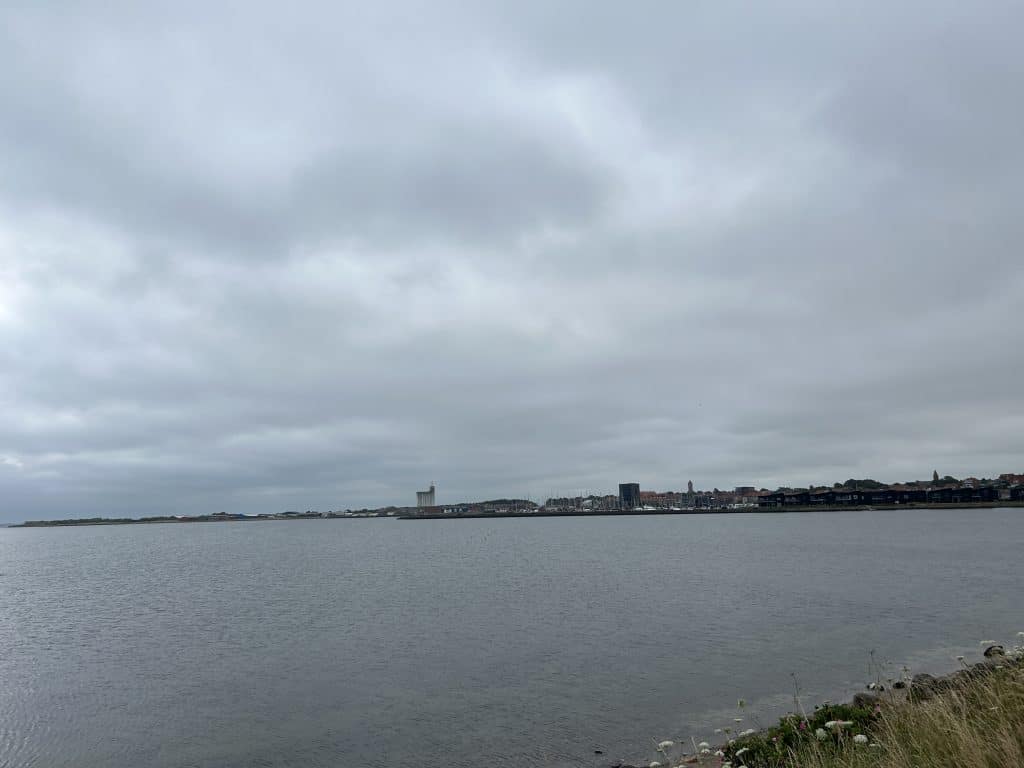
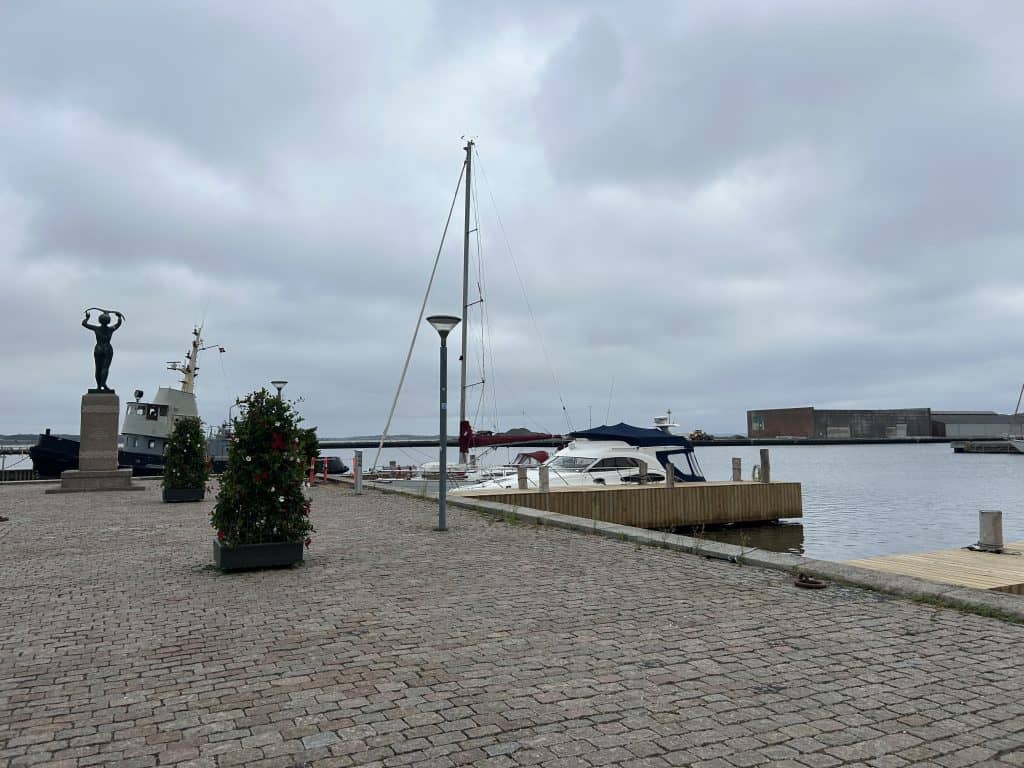
The harbor in Struer is a central feature of the town and a hub of activity. It is a large, modern port with several distinct areas, including a commercial and industrial section, a fishing port, and a large recreational marina (lystbådehavn). A walk along the harbor provides a direct look at the maritime life that is central to the town’s economy and identity. The marina is a popular spot for local and visiting sailors exploring the waters of the Limfjord. The fjord itself offers scenic views and is the primary natural landscape of the town.
Venø Island
The small island of Venø is located in the Limfjord, just a short distance north of Struer. The island is connected to the mainland by one of Denmark’s shortest car ferry routes, which takes only two minutes to cross. The island is known for its quiet, rural atmosphere, its natural beauty, and its specific local products, such as Venø potatoes and steaks. It is home to Venø Church, which is the smallest parish church in Denmark. The island is a popular destination for a day trip from Struer, offering opportunities for cycling and walking.
The Bang & Olufsen Main Building
While not a public museum, the main headquarters of Bang & Olufsen is a significant architectural landmark in Struer. The main building, known colloquially as “The Farm,” was designed by the renowned architect Jan Søndergaard. Its design reflects the company’s commitment to minimalist and functionalist aesthetics. The company’s presence is felt throughout the town, as it has been the main employer for generations. The building stands as a testament to the innovative design and engineering that has made the company, and by extension the town, famous worldwide.
Sports in Struer
The sporting life in Struer is centered on its local community clubs and the many recreational activities offered by its location on the Limfjord. The town has a strong tradition in team sports, with football and handball clubs that are a key part of the social fabric. The modern Struer Energi Park serves as a central hub for many of these indoor and outdoor sports. In addition to organized team sports, the fjord itself is a major arena for water-based activities like sailing and rowing. This combination of community club sports and maritime recreation defines the active lifestyle in the town.
Football
Football is a popular sport in Struer, with a local club that has a long and continuous history in the town. The club is an important part of the community, with a strong focus on developing players of all ages, from the youngest children to the senior team. It represents the town in the regional leagues of the Danish Football Association (DBU). Home games at the local stadium are community events that draw local supporters. The club serves as a key institution for the sport in this part of West Jutland.
Struer Boldklub
Struer Boldklub is the town’s main football club, founded in 1901. Over its long history, the club has competed at various levels of Danish football, primarily in the regional leagues of Jutland. They play their home matches at the Struer Stadion, which is part of the larger Struer Energi Park complex. The club has a significant youth department that provides training for hundreds of young players from the town and surrounding areas. It is a central part of the local community’s sporting identity.
Handball
Handball is another key team sport in the town, with a dedicated local club that is active in the Danish handball league system. The sport is popular in West Jutland, and the club in Struer provides a focus for local players and supporters. It has sections for both men’s and women’s teams across various age groups. The club plays an important role in the local community, especially through its youth development programs. Home matches are held at the town’s main indoor sports facility.
Struer Håndbold
The main handball club is Struer Håndbold, which was founded in 1941. The club’s senior teams compete in the lower divisions of the Danish handball league system. They are a central institution for the sport in the region, with a large and active youth program. The club plays its home games at the Struer Energi Park. Its focus on community participation makes it a key part of the local sports scene.
Sailing
Sailing is a major recreational sport in Struer, which is a direct result of the town’s prime location on the protected waters of the Limfjord. The fjord offers ideal conditions for both leisure sailing and competitive regattas. The town’s large marina is a hub of activity throughout the summer sailing season. The local sailing club is one of the most active in the Limfjord region. It provides training and organizes events for sailors of all ages.
Rowing
Rowing is another traditional water sport with a strong presence in Struer, thanks to the calm waters of the Limfjord. The local rowing club, Struer Roklub, has a long history in the town and is located at the harbor. The club is active in both recreational rowing and competitive coastal rowing. It provides facilities and training for members, promoting the sport in the community. Rowing on the fjord offers a way to experience the local nature while engaging in physical activity.

Getting Around in Struer
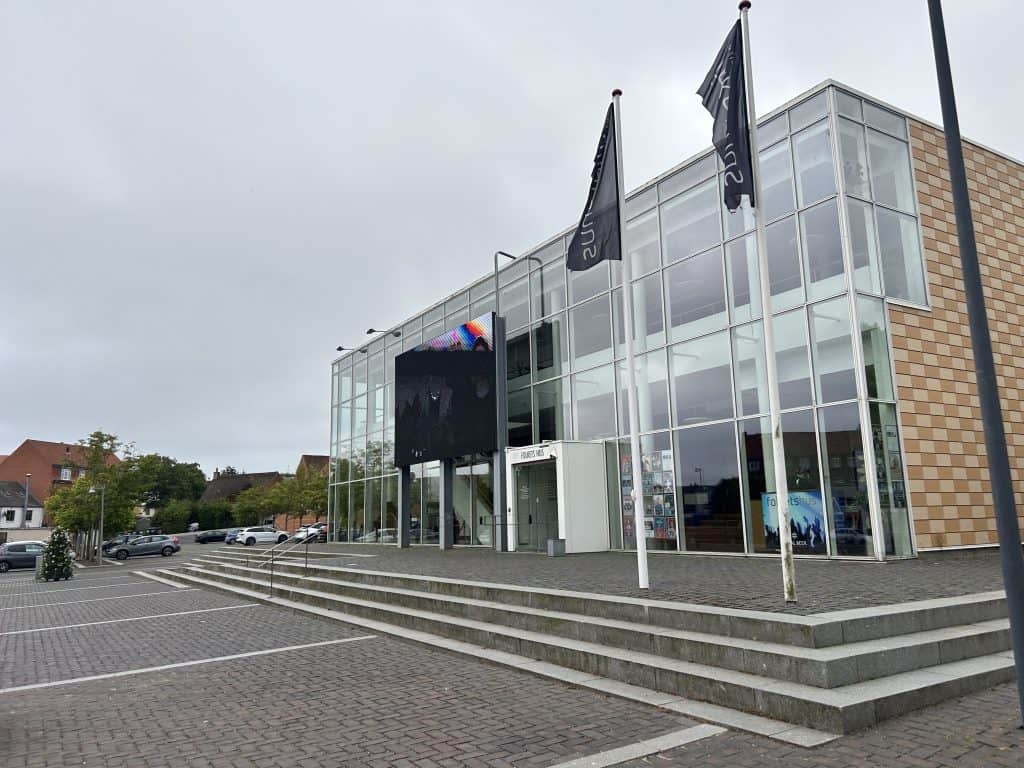
Navigating Struer is straightforward due to its compact town center and well-organized public transport. The core of the town, including the main shopping areas and the harbor, is best explored on foot. For travel to the surrounding residential areas or nearby attractions, a network of local buses and regional trains provides reliable service. The town’s main train and bus station is a central hub where these different transport modes are integrated. This makes it simple for visitors to move between local and regional destinations. The area is also very suitable for cycling, with paths that follow the scenic coastline of the Limfjord. This combination of a walkable center, efficient public transport, and good cycling infrastructure makes getting around the town convenient. Most visitors find that a car is not necessary for exploring the town itself.
On Foot: The Town Center
Walking is the most practical way to explore the central part of Struer. The main shopping street is a pedestrianized zone (gågade), which makes for a pleasant and safe walking environment. Key sights like the Struer Museum and the Gimsinghoved Art and Culture Center are located within a short walk of each other. The harbor and marina are also easily accessible on foot from the town center. The paths along the fjord provide scenic routes for a leisurely stroll with views of the water.
Local Buses and Trains
The public transport in Struer and the wider region is primarily operated by Midttrafik for buses and Arriva for regional trains. A network of local city buses serves the different parts of Struer and connects the town with nearby villages. The Struer Station is a key railway junction in West Jutland, with frequent train services to Holstebro, Skive, and Thisted. This makes the train a key mode of transport for getting around the wider Limfjord region. The bus and train services are integrated at the town’s traffic terminal.
On Two Wheels: Cycling
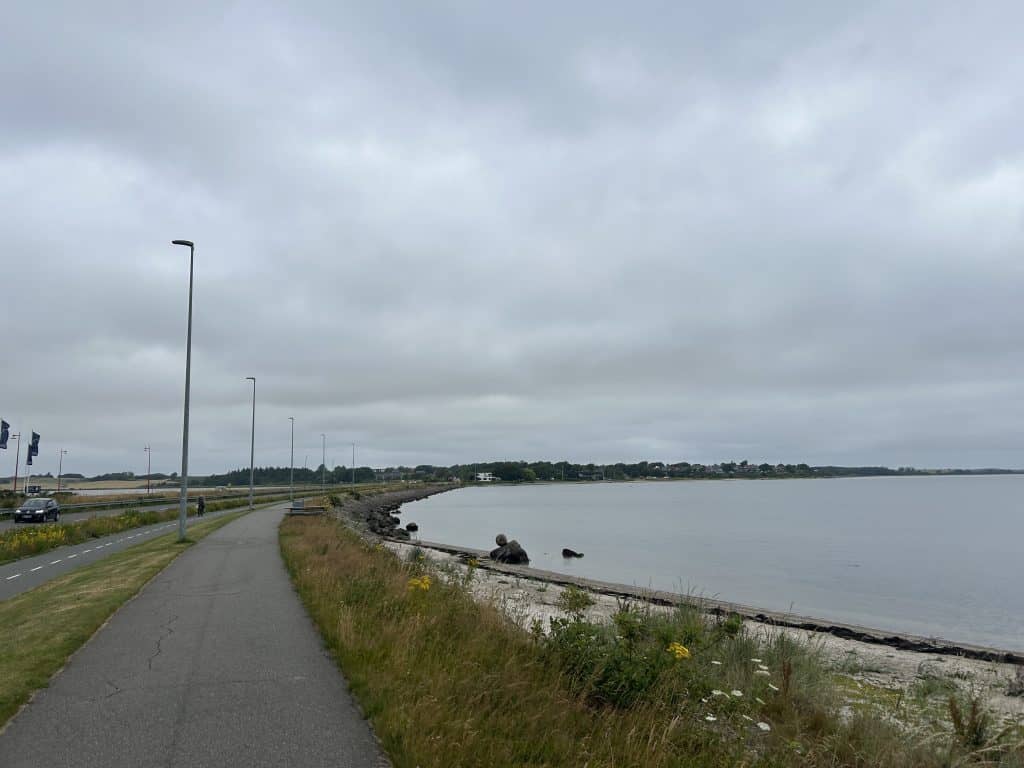
Cycling is a very popular and practical way to get around Struer and its scenic surroundings. The town has a good network of dedicated cycle paths (cykelstier) that connect the residential areas with the town center and the harbor. The relatively flat terrain along the coast makes it suitable for cyclists of all abilities. A popular route is the path that follows the coastline of the Limfjord, offering expansive views. Bike rentals are available in the area, allowing visitors to easily explore the natural landscape.

How to Get to Struer
Reaching Struer is convenient by road and rail, as it is a major railway junction in the West Jutland region. The town is well-connected to the Danish road and rail networks, making it accessible from all parts of the country. While it is located in a more rural part of Denmark, its historical importance as a transport hub has ensured that modern infrastructure is in place. For international visitors, the journey typically involves flying into a major regional airport like Billund and completing the trip by car or public transport.
The primary modes of transport for reaching the town are by car and train, with the latter being particularly efficient due to the station’s central role. Long-distance buses also provide an economical, though often less direct, option. The town’s location on the Limfjord also makes it part of a wider maritime region, though direct international ferry access is limited. This variety of options ensures that visitors can plan a journey that suits their needs.
The Open Road: Driving to West Jutland
Driving to Struer offers flexibility for exploring the scenic Limfjord region. The town is located at the junction of several Danish primary routes, including Primary Route 11, which runs north-south, and Primary Route 16. These roads connect Struer with the main E45 motorway via larger towns like Holstebro and Viborg. The road network in Jutland is well-maintained and generally experiences less traffic than the area around Copenhagen. The drive from Aarhus takes approximately 1 hour and 45 minutes, offering views of the central Danish landscape.
Arriving by Air: Karup Airport
The closest airport to Struer is Midtjyllands Lufthavn, also known as Karup Airport (KRP), located approximately 45 kilometers to the southeast. This small airport primarily offers domestic flights to Copenhagen, providing a key link to the national capital. For more extensive international connections, the larger Billund Airport (BLL) is located about 110 kilometers to the south. Billund is Denmark’s second-busiest airport and is a major hub for numerous airlines, including low-cost carriers. From either airport, a rental car or a combination of bus and train services via a major hub like Herning or Holstebro is required to reach Struer.
Connecting by Coach
There are limited direct long-distance bus services to Struer itself, as most routes focus on larger hubs. Travel by coach would typically involve taking a service from a company like FlixBus to a major city such as Aarhus or Herning. From these cities, travelers would then need to transfer to a regional train service operated by Arriva or DSB to complete the final leg of the journey to Struer. While this is an economical option, it requires more planning and can be more time-consuming than traveling by train. The main regional bus operator, Midttrafik, also provides connections from nearby towns.
On Track: A Key Railway Junction
Traveling to Struer by train is highly efficient, as the Struer Station is a key railway junction in West Jutland. The station is a major hub for trains operated by both DSB (Danish State Railways) and Arriva. It is the meeting point for several regional lines, including the Thy Line from the north, the line from Vejle via Herning, and the line from Langå via Viborg. This provides frequent train connections to major Danish hubs like Aarhus, Herning, and Skjern. From these cities, it is easy to connect to the wider Danish and European rail networks.
An International Ferry Approach
There is no direct international ferry access to the inland fjord town of Struer. The closest major international ferry ports are located in Hirtshals and Frederikshavn in northern Jutland. These ports have frequent connections to Norway (with companies like Fjord Line and Stena Line) and to Iceland and the Faroe Islands (with Smyril Line). Another key port is Esbjerg on the west coast. From any of these ports, the journey to Struer must be completed by train or car, a drive of over 100 kilometers.
Driving Distances
The driving distance from 10 regional cities, according to Google Maps:
- Holstebro, Denmark – 15 kilometers (0 h 20 min)
- Aalborg, Denmark – 117 kilometers (1 h 40 min)
- Esbjerg, Denmark – 122 kilometers (1 h 40 min)
- Aarhus, Denmark – 124 kilometers (1 h 40 min)
- Odense, Denmark – 210 kilometers (2 h 30 min)
- Kiel, Germany – 297 kilometers (3 h 20 min)
- Hamburg, Germany – 389 kilometers (4 h 00 min)
- Copenhagen, Denmark – 399 kilometers (4 h 10 min)
- Gothenburg, Sweden – 404 kilometers (6 h 40 min, includes ferry)
- Oslo, Norway – 583 kilometers (8 h 20 min, includes ferry)
Looking to Explore more of Denmark and Europe?