Wrocław, Lower Silesia | Exploring Poland
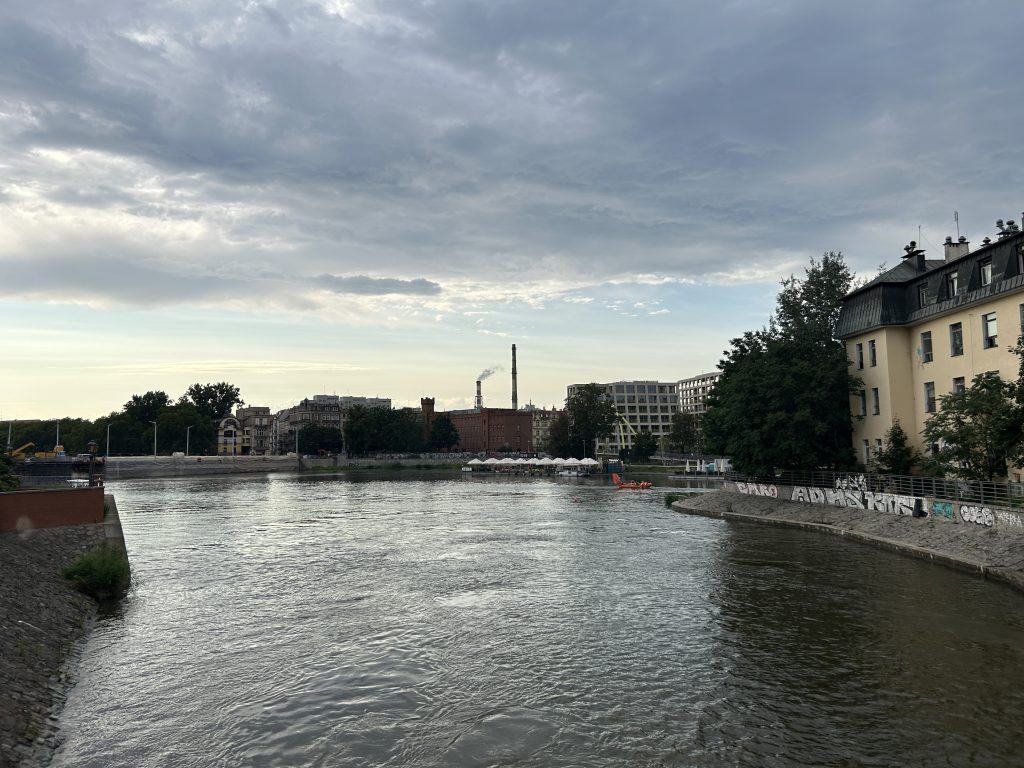
Wrocław is a city in southwestern Poland and the capital of the Lower Silesian Voivodeship. With a population of around 674,000 inhabitants, it is the third-largest city in Poland. Wrocław is not only home to people; it is also known for the several hundred small bronze gnome statues that are spread out across its streets. The city is located along the Oder River, and its many islands and bridges create a picturesque urban landscape defined by its historical waterways.
For centuries, the city was known by its German name, Breslau, and was a part of Prussia and later Germany. It did not become a part of Poland until the aftermath of World War II, when its name was changed back to the Polish Wrocław. This complex history has left a rich and layered heritage, visible in the city’s architecture and cultural institutions. Today, Wrocław is a major center for education, technology, and culture, having been recognized as a European Capital of Culture in 2016.







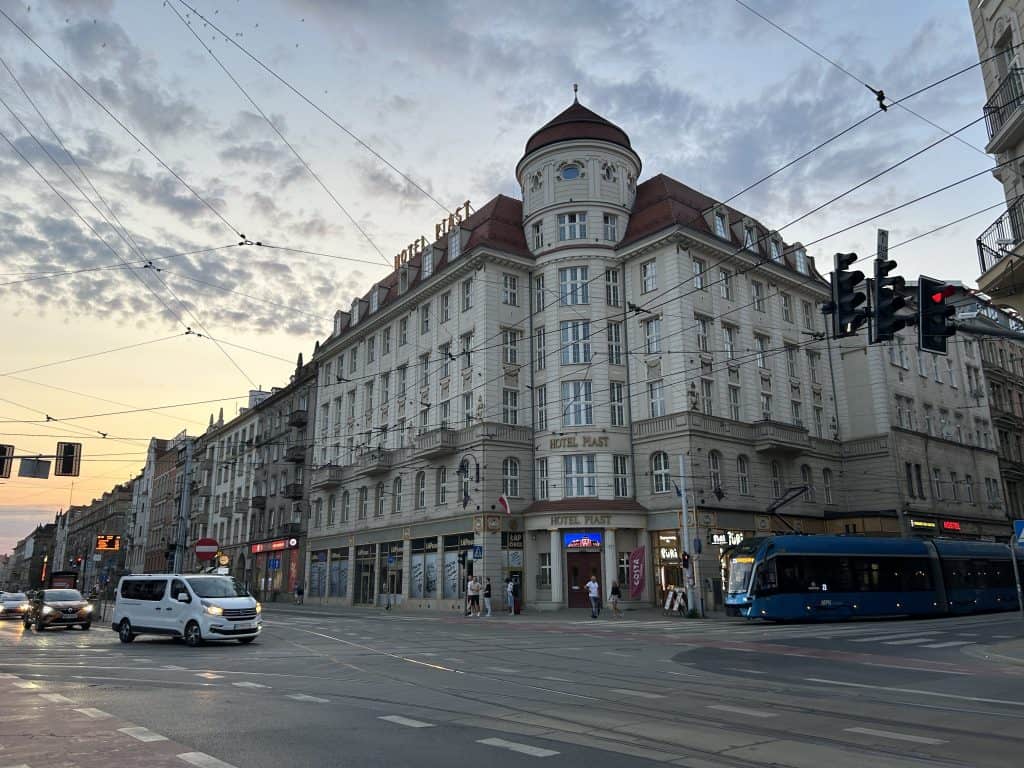
History of Wrocław
Wrocław is one of the oldest cities in Poland, and its history has been shaped by several different rulers and many significant events in European history. It has been a part of the Kingdom of Poland, the Kingdom of Bohemia, the Habsburg Monarchy, Prussia, and Germany, before once more becoming a part of Poland. This complex past is reflected in the city’s diverse architecture and its status as a multicultural hub. From its early days as a Piast dynasty stronghold to its modern identity, the city has been a center of trade and culture in Central Europe.
Early Polish and Bohemian Rule
The origins of Wrocław date back to the 10th century, when it was part of the early Polish state under the Piast dynasty. It became a significant settlement and was established as a bishopric in the year 1000, which solidified its religious and political importance in the region. By the 13th century, Wrocław was a flourishing trade center and a member of the Hanseatic League. After the Mongol invasion in 1241, the city was rebuilt and fortified. It fell under the control of the Kingdom of Bohemia in 1335, beginning centuries of shifting rule away from the Polish crown.
Habsburg and Prussian Dominance
In 1526, Wrocław came under the rule of the Habsburg Monarchy as part of the Bohemian crown lands. This period lasted for over two centuries. In 1741, following the Silesian Wars, the city was annexed by the Kingdom of Prussia under Frederick the Great. During the subsequent period of Prussian and later German control, the city, known as Breslau, grew into a major industrial and cultural hub. It became one of the largest and most important cities in the German Empire, with a predominantly German-speaking population and a grand architectural landscape.
World War II and Modern Poland
During World War II, Breslau was declared a fortress city (Festung Breslau) by the Nazis and was heavily damaged in a long and brutal siege in the final stages of the war. After the war, the city became part of Poland under the terms of the Potsdam Agreement. The existing German population was expelled, and the city was resettled by Poles, many of whom were from the eastern Polish territories that had been annexed by the Soviet Union. Its name was officially restored to the Polish Wrocław. The post-war years were dedicated to rebuilding, and today, Wrocław thrives as a dynamic Polish city.
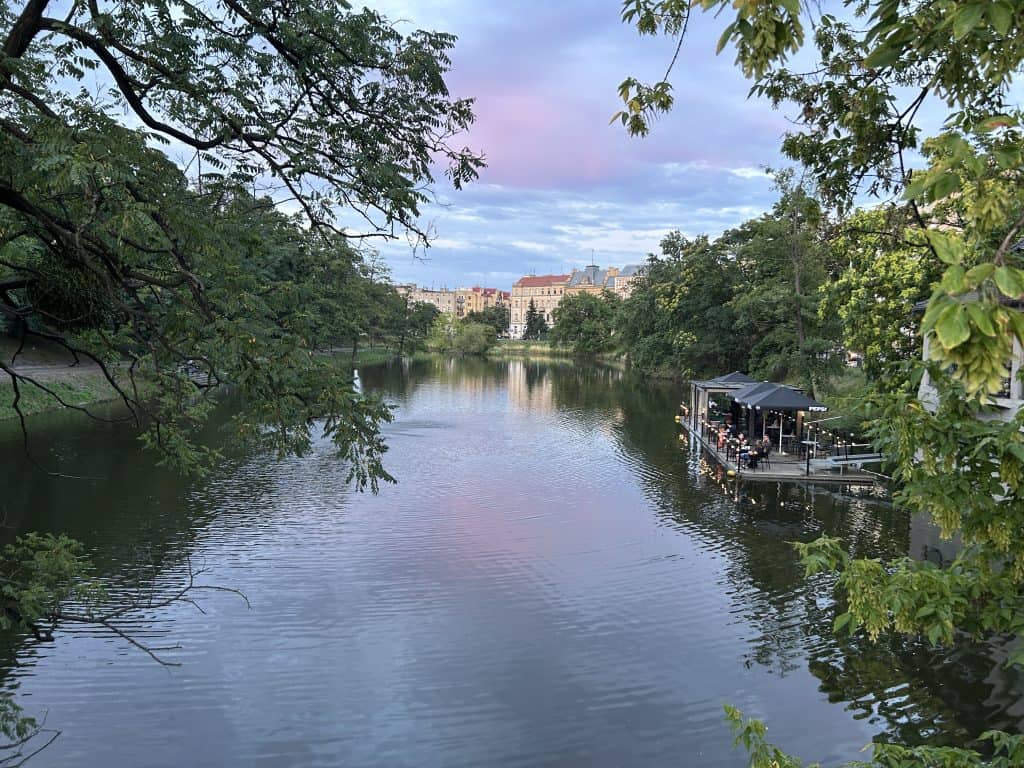

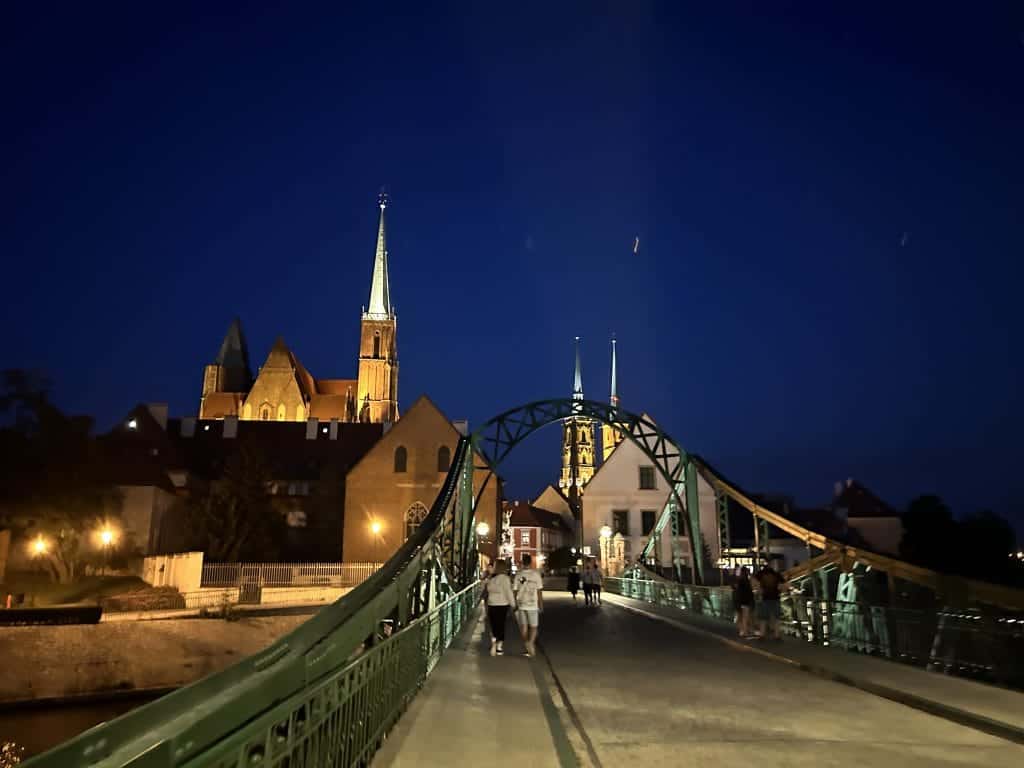








Sights in Wrocław
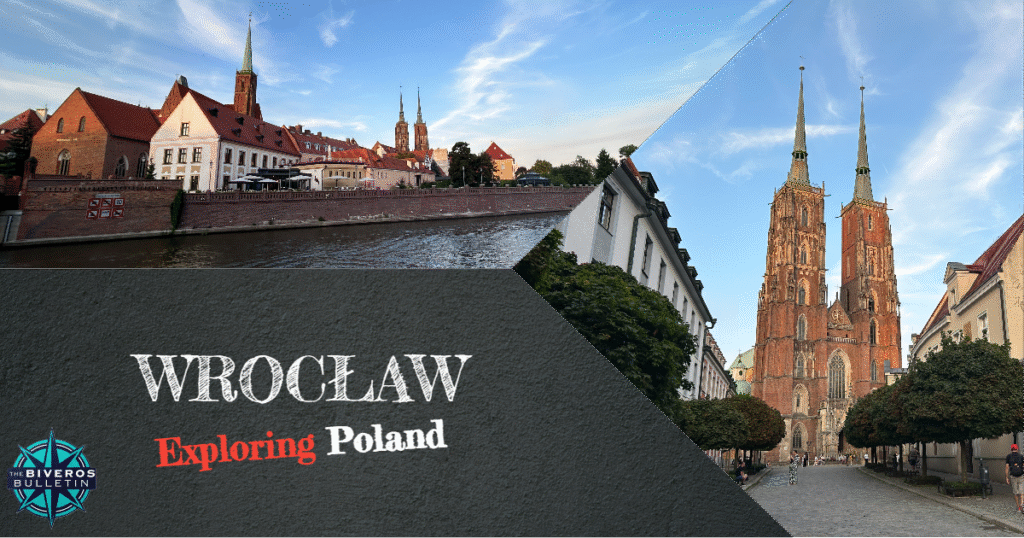
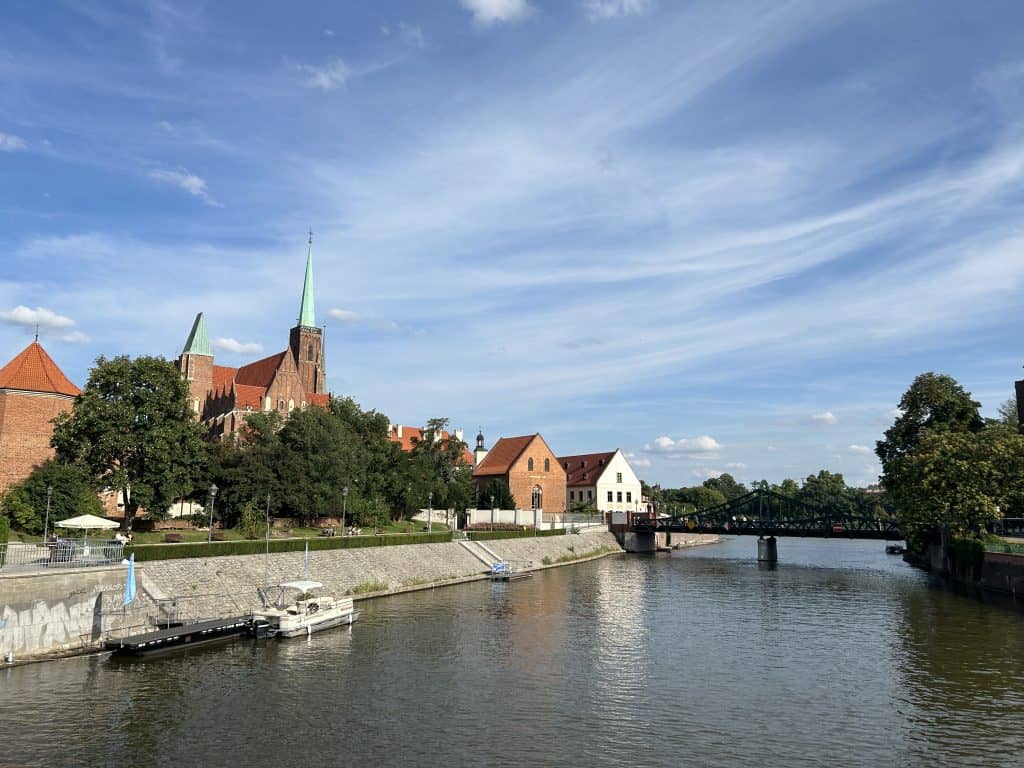
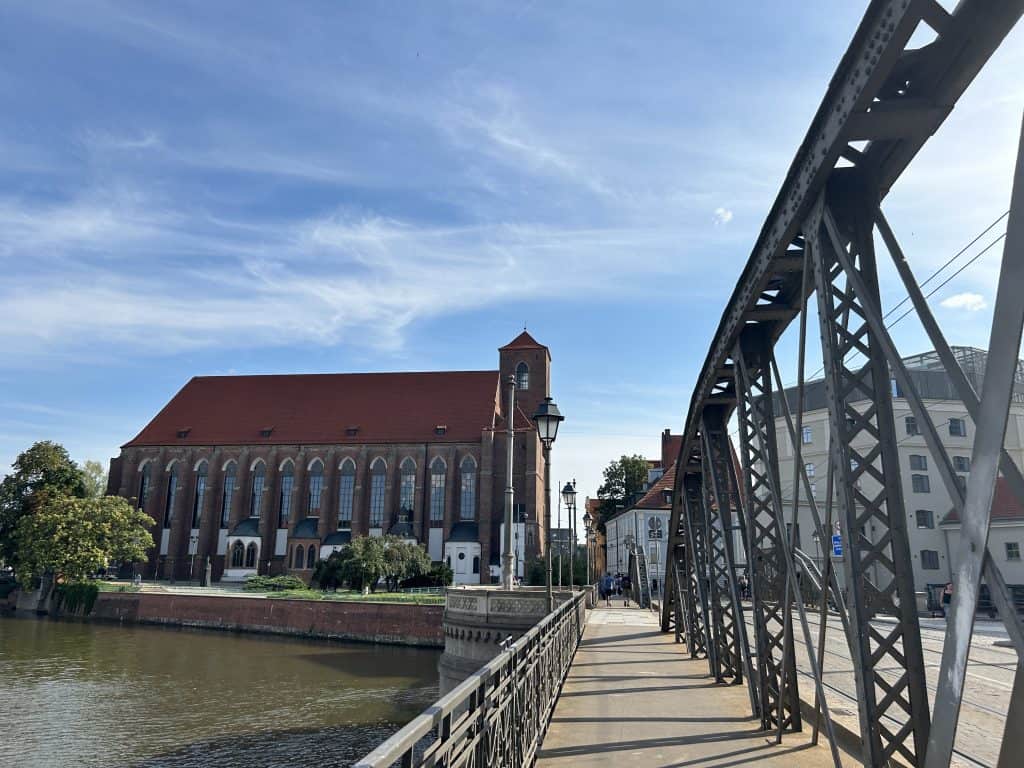
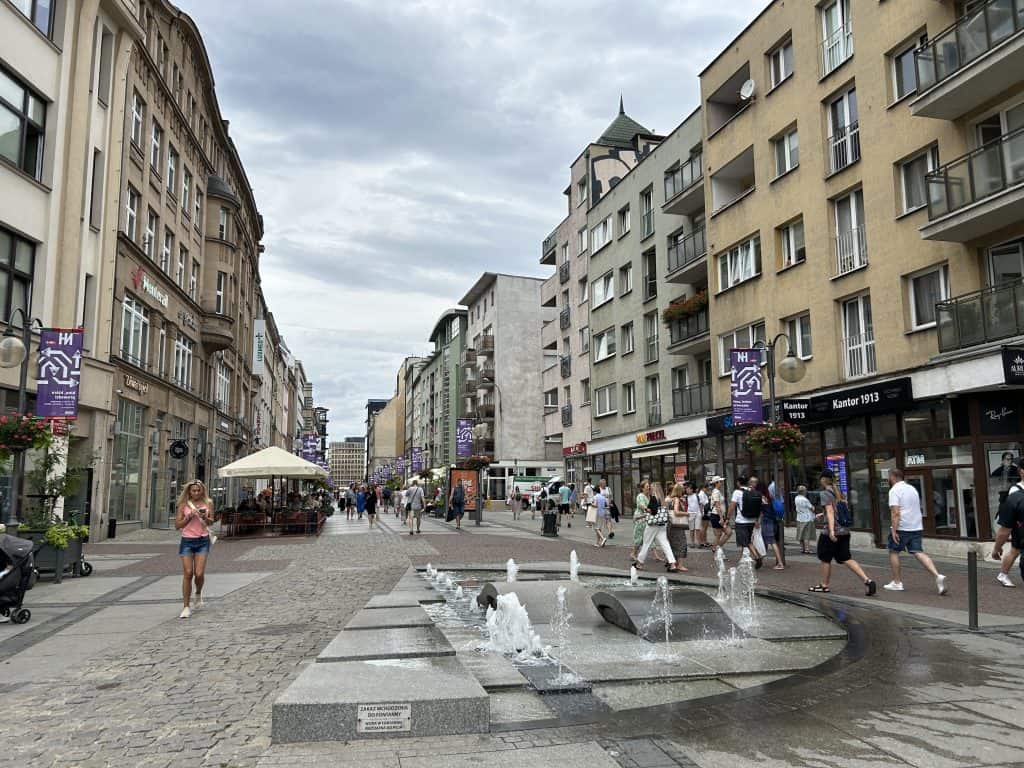
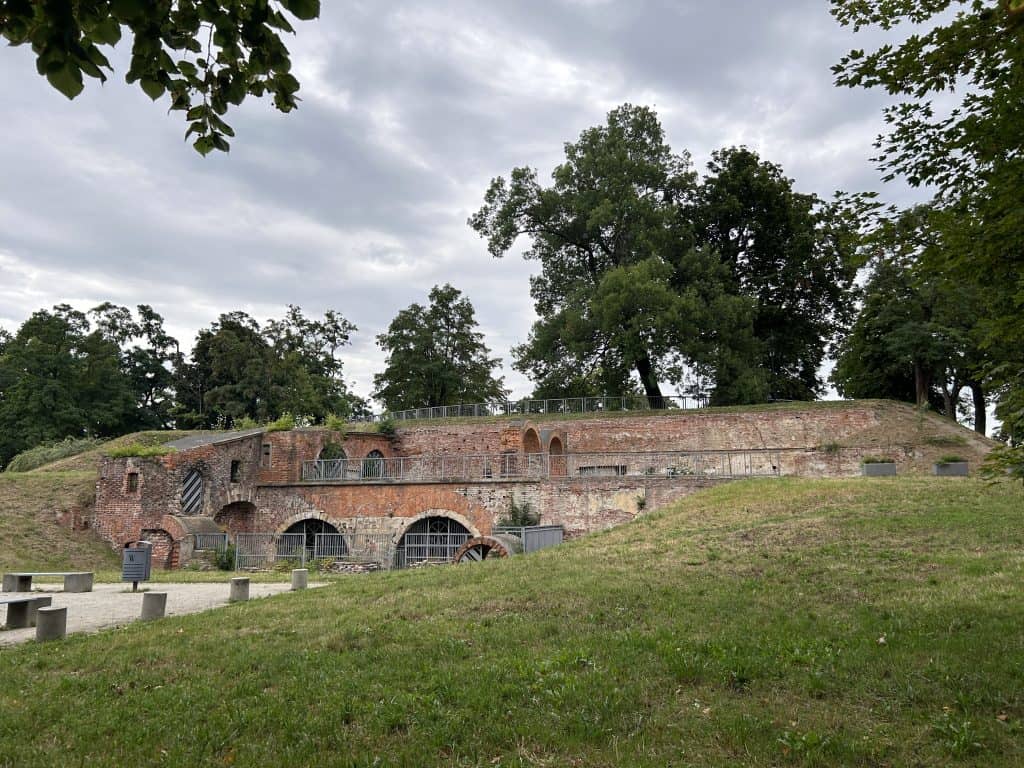
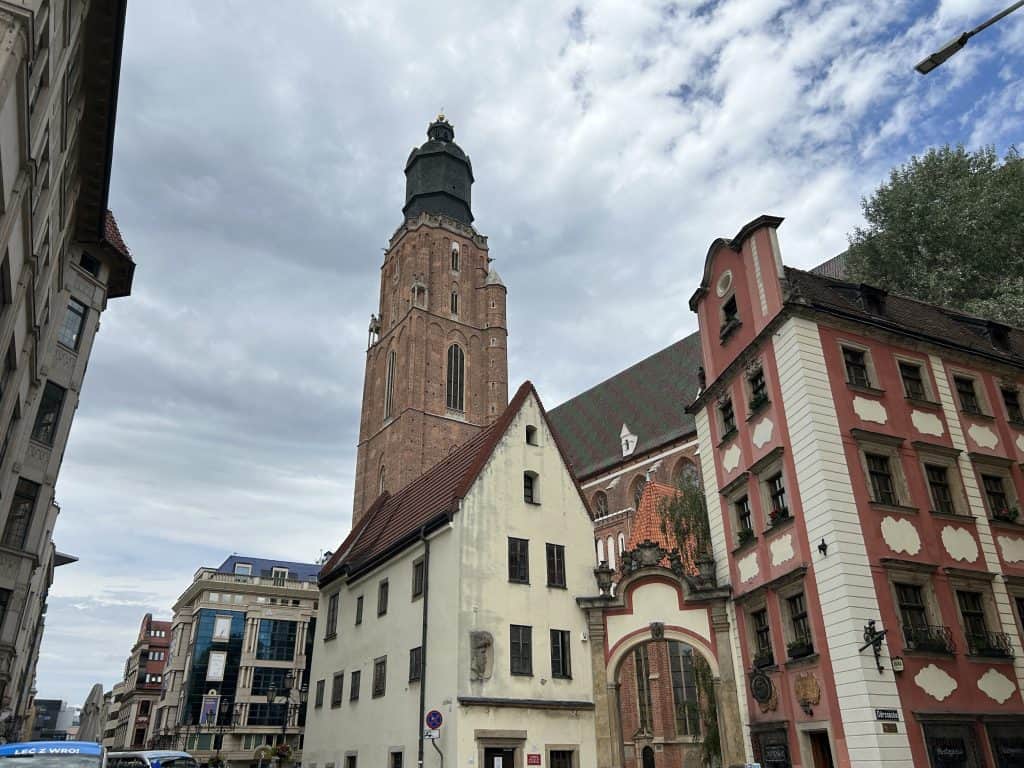
Wrocław is a city with a great deal to explore, from its historic heart on the islands of the Oder River to its unique modern attractions. The oldest part of the city, Ostrów Tumski, or “Cathedral Island,” is a tranquil area of churches and cobblestone streets. This is connected to the bustling Rynek, or Market Square, which is the center of the Old Town and one of the largest medieval squares in Europe. Beyond these historical centers, the city is home to world-class museums, including the National Museum and the famous Racławice Panorama.
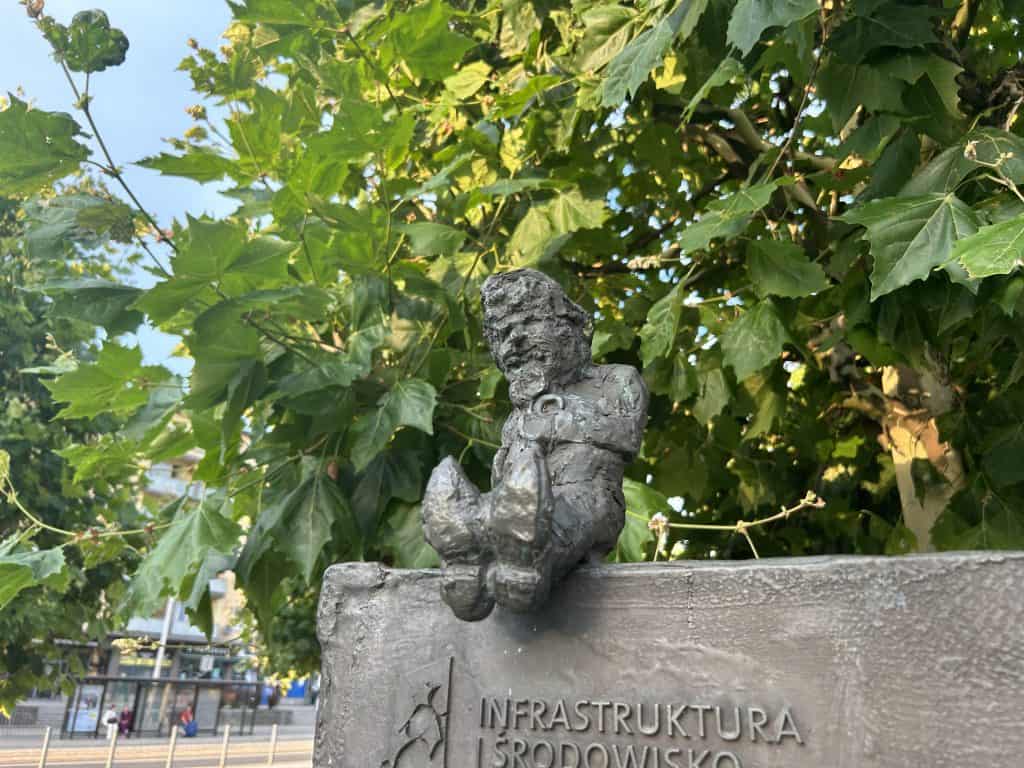
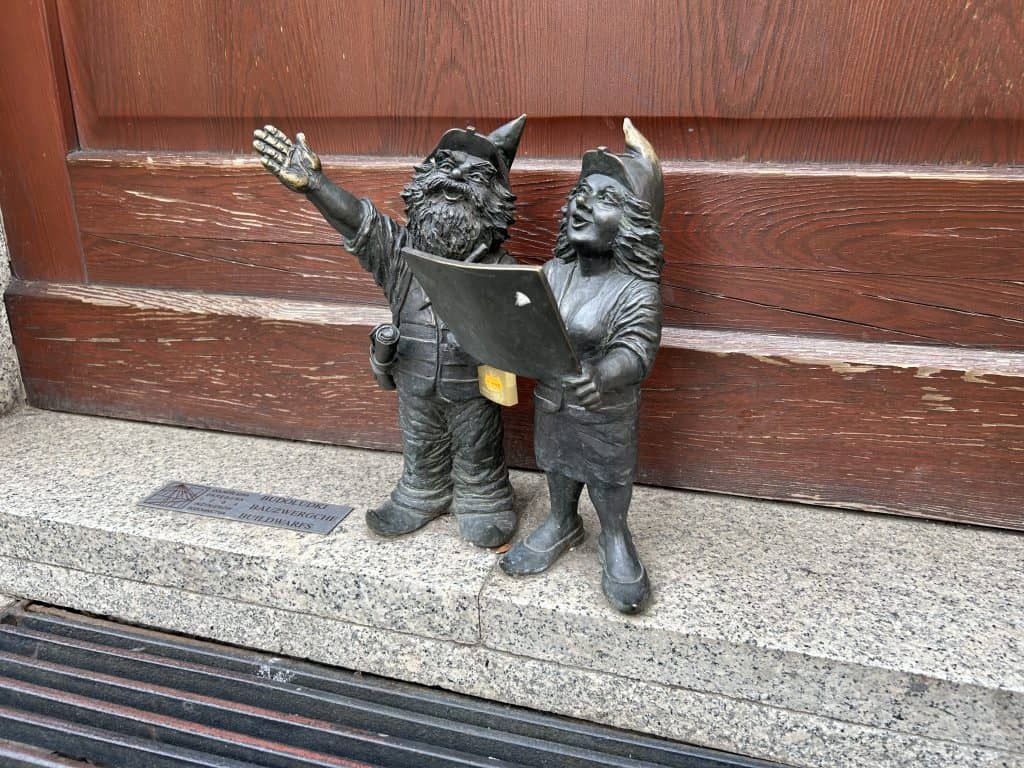
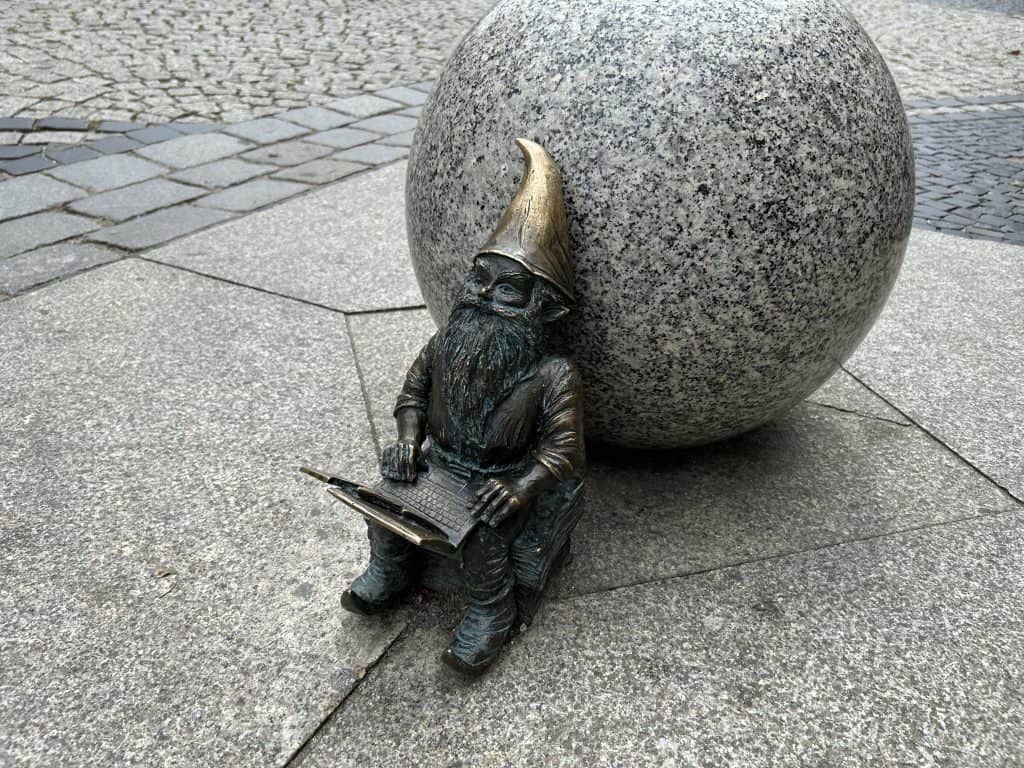
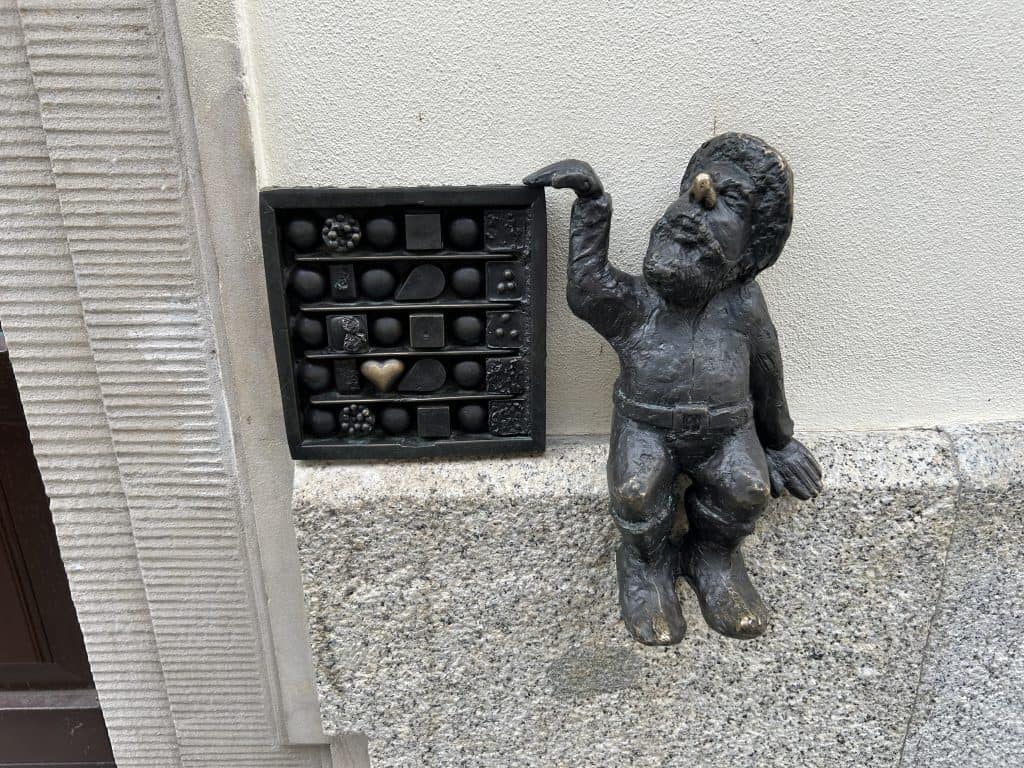
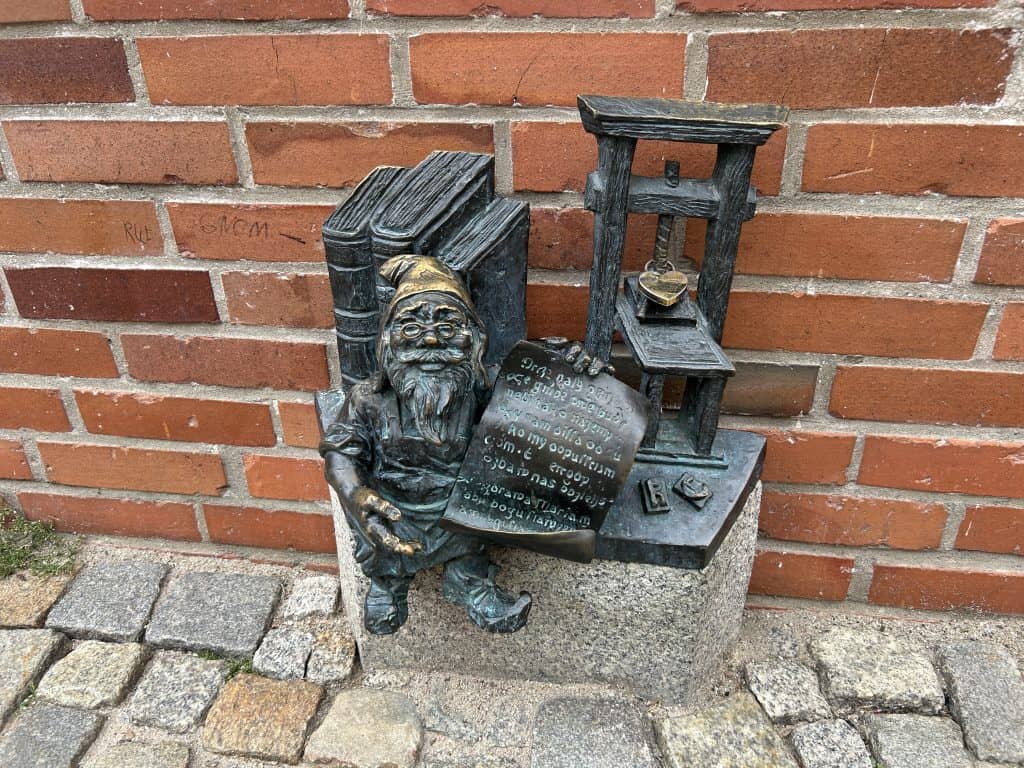
A unique feature of the city is its hundreds of small bronze gnome statues, known as Krasnale. These can be found in the most unexpected places around the city. For those interested in science and technology, the Hydropolis center offers an interactive experience dedicated to water. The city is also known for its impressive UNESCO World Heritage site, the Centennial Hall. This combination of medieval history, unique art, and modernist architecture provides a diverse range of sights for any visitor.
Rynek (Market Square)
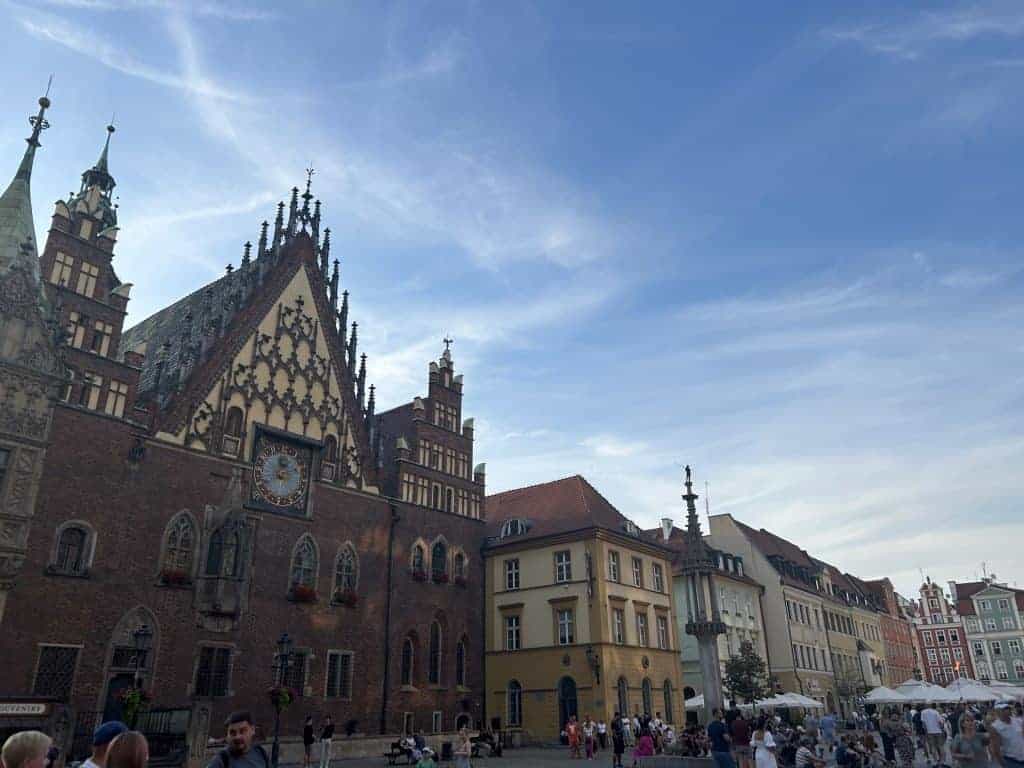
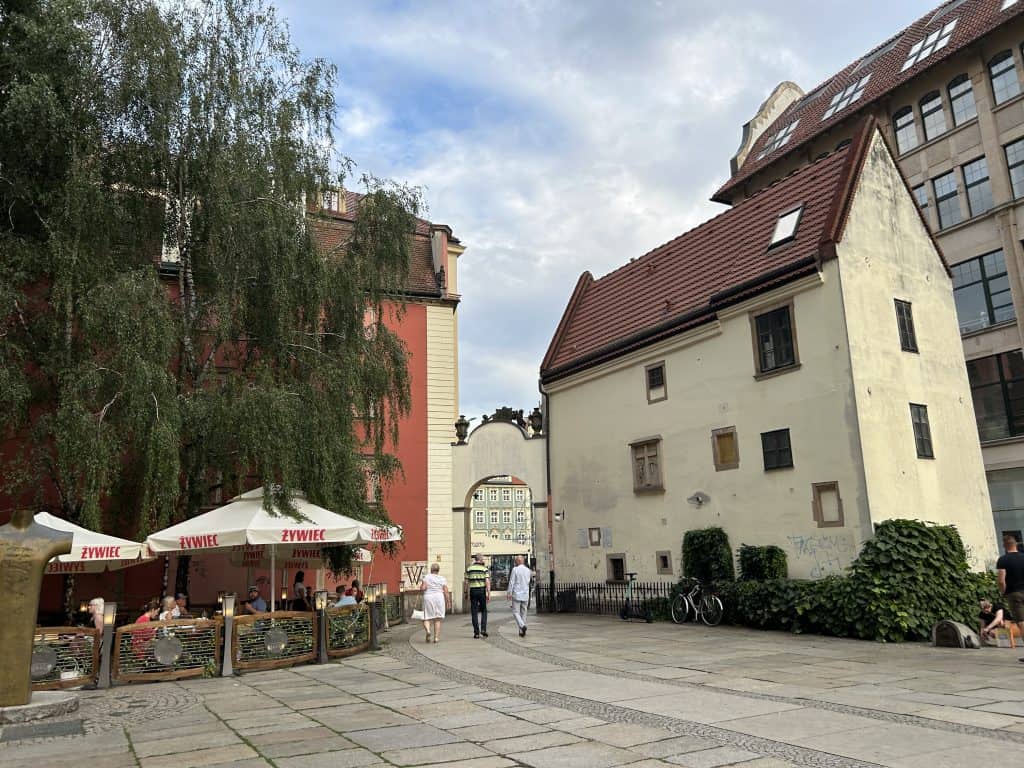
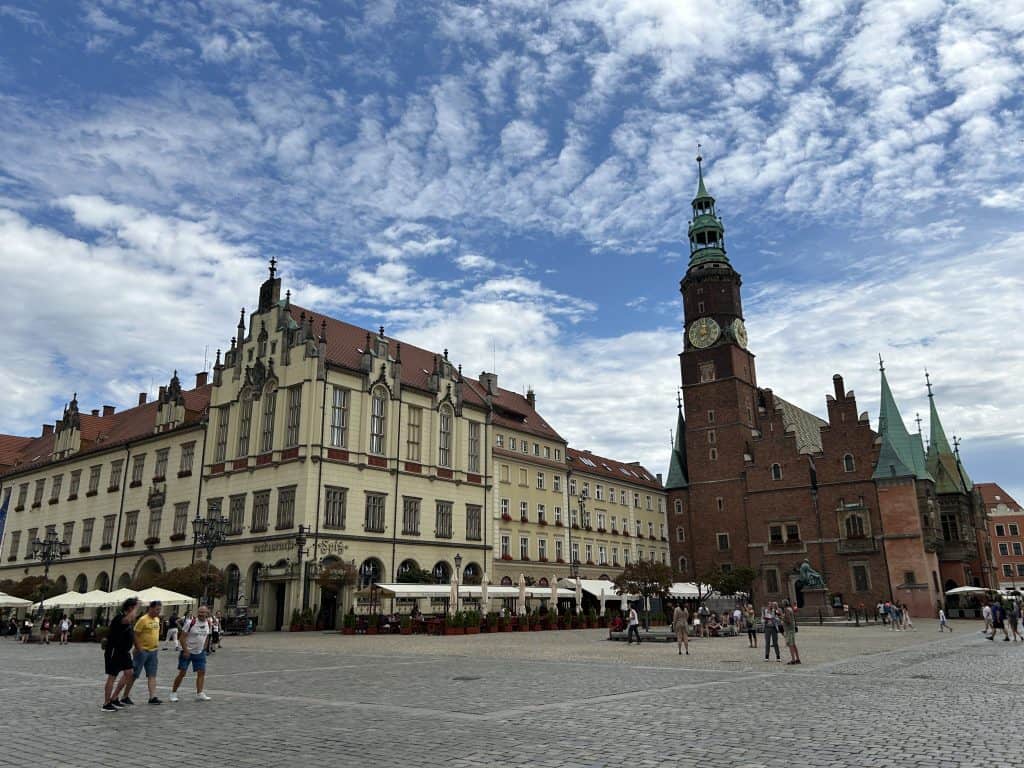
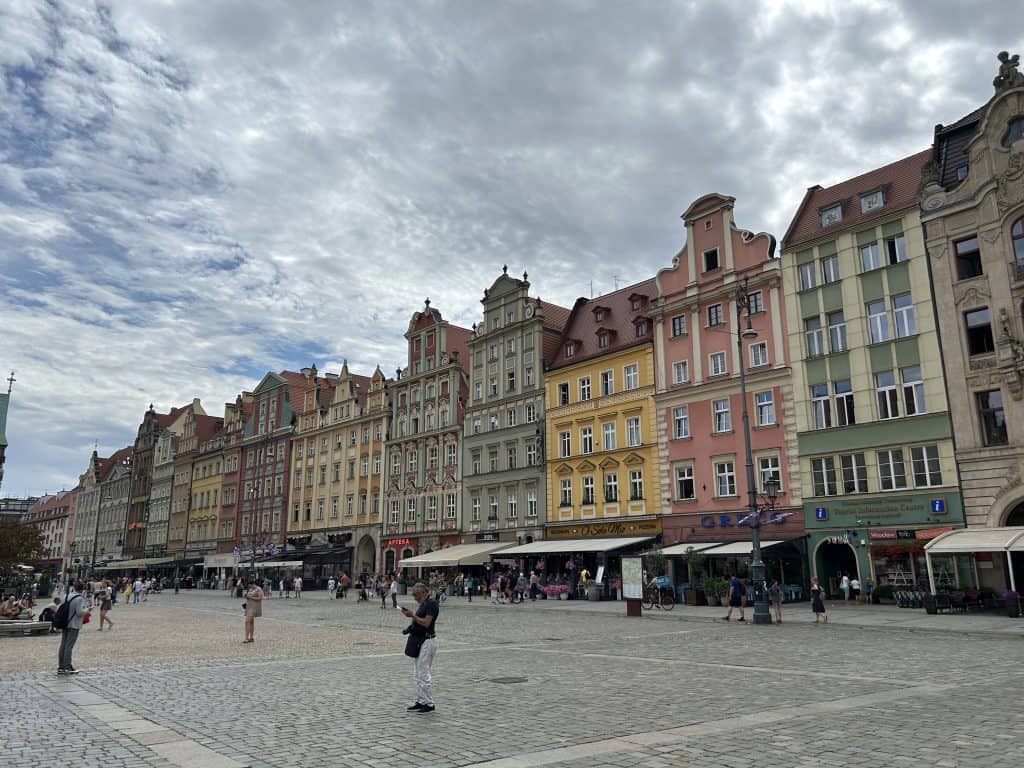
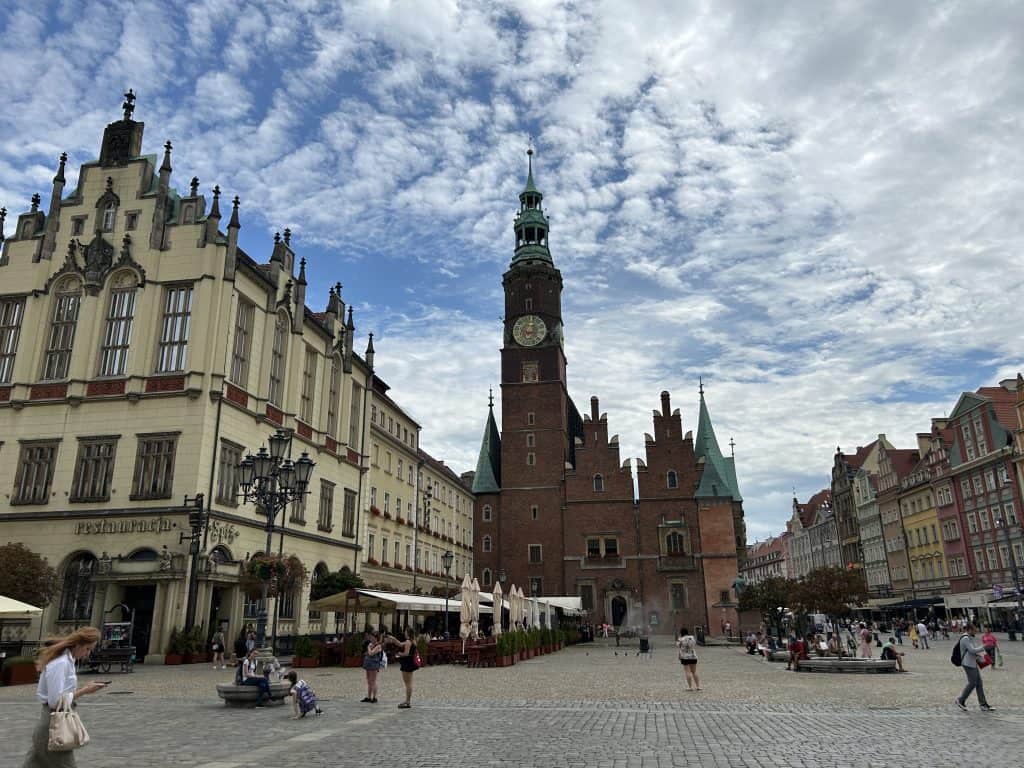
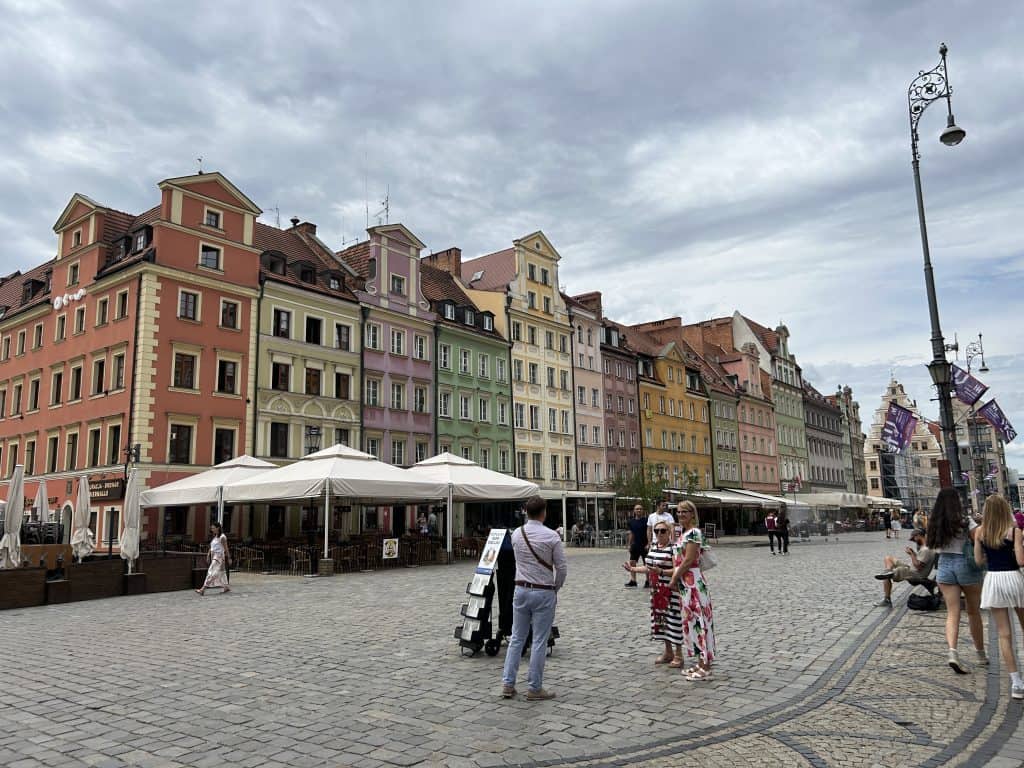
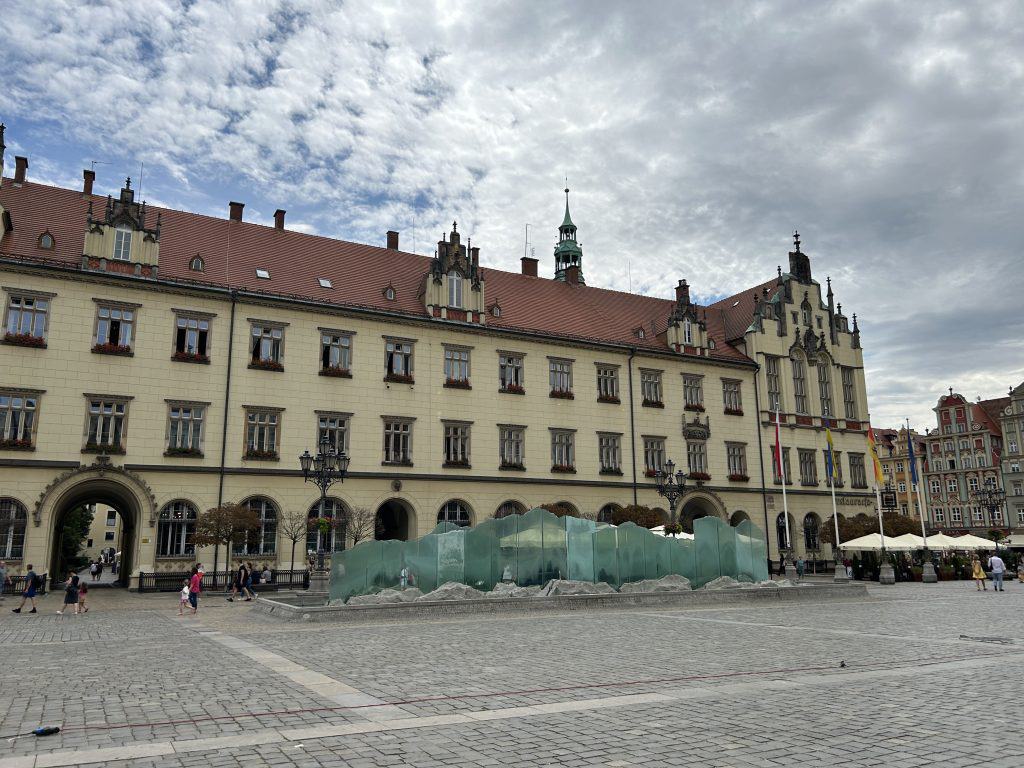
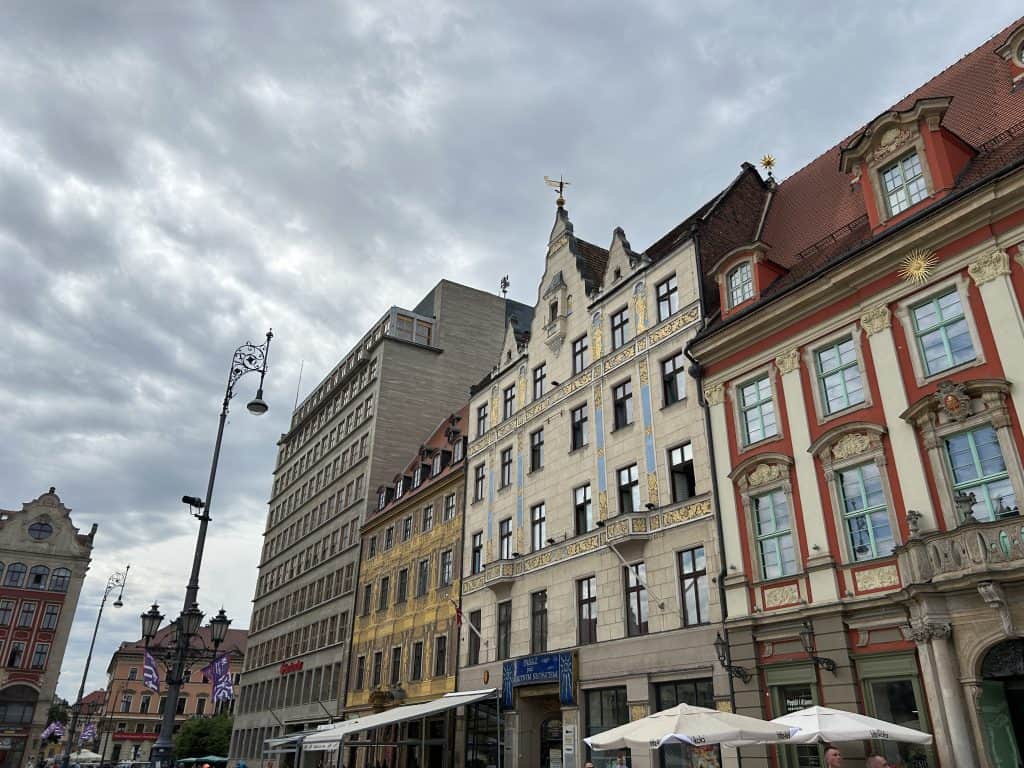
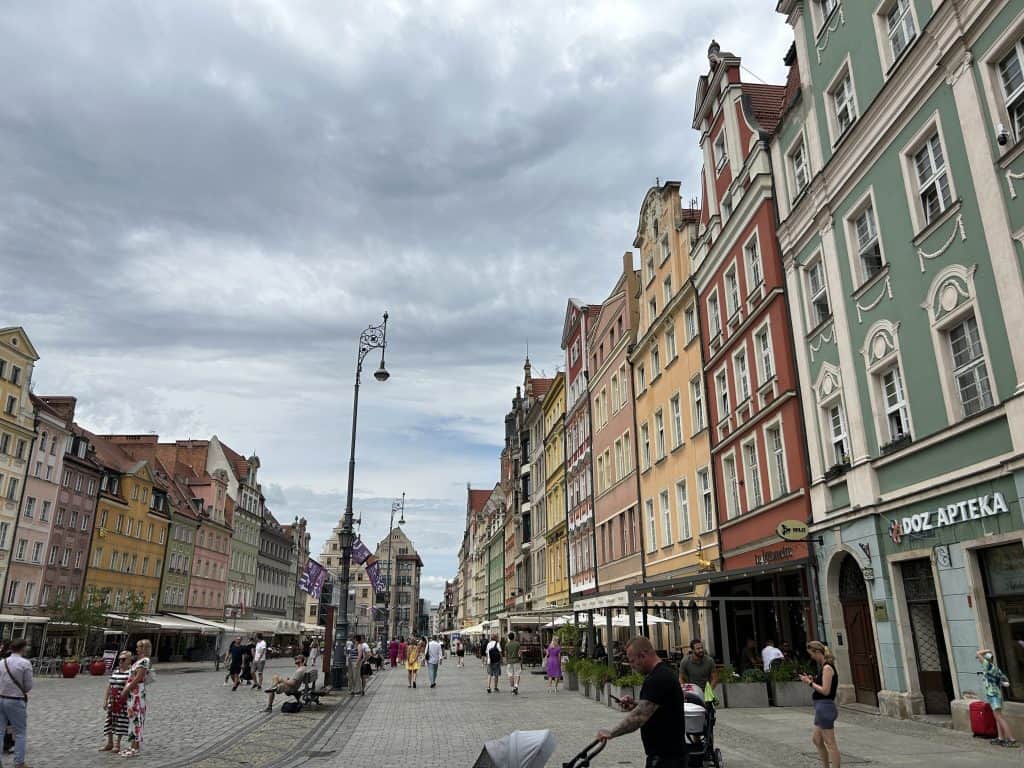
The Rynek, or Market Square, is the center of Wrocław’s Old Town. This large medieval square houses not only the magnificent Old Town Hall but also the New Town Hall. The square is surrounded by colorful and beautifully restored tenement houses, many of which now contain restaurants and cafes at ground level. It is one of the largest market squares in Europe and has been the commercial and social heart of the city for centuries. The square is a hub of activity year-round, hosting markets, festivals, and concerts.
Ostrów Tumski (Cathedral Island)
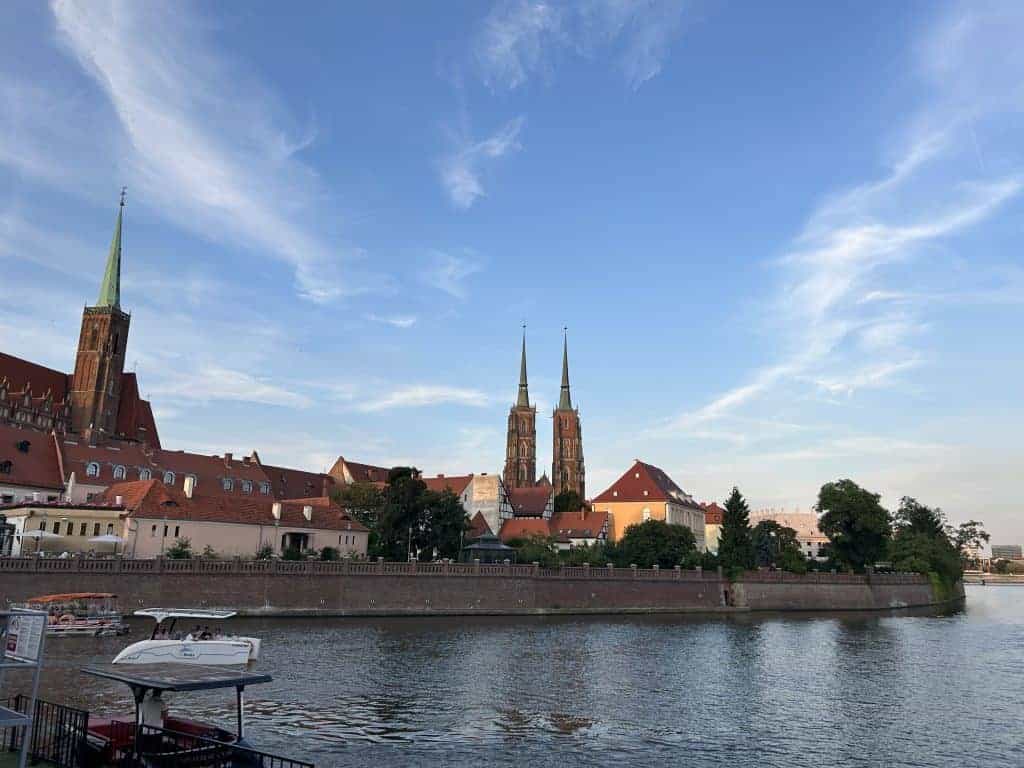
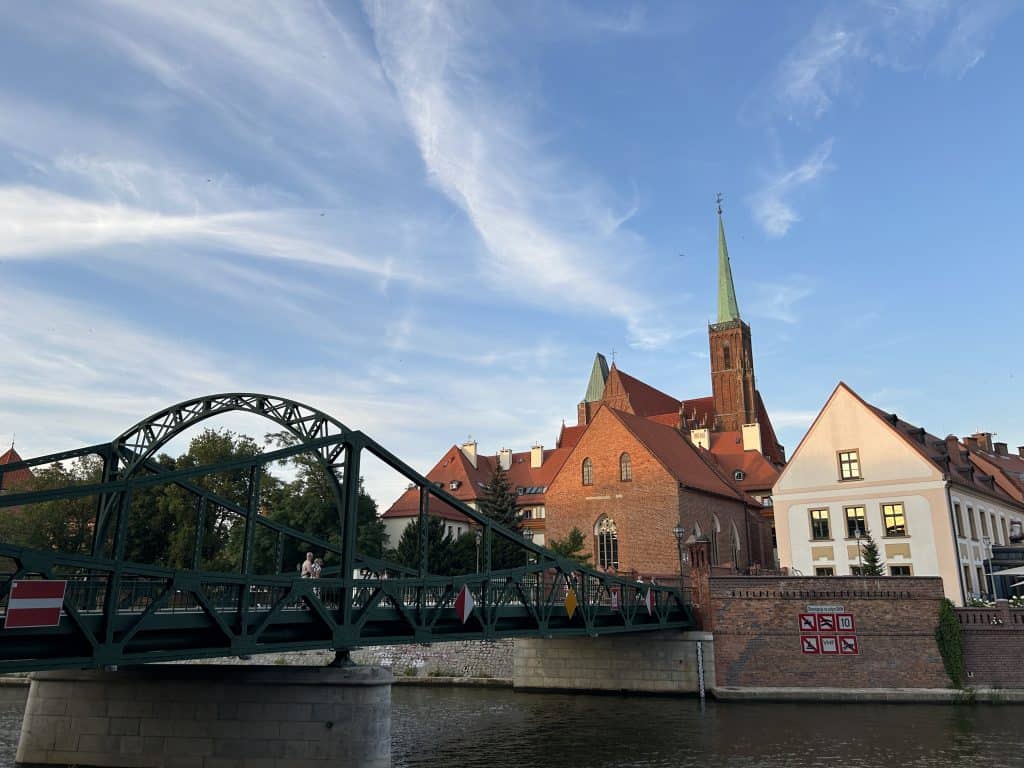
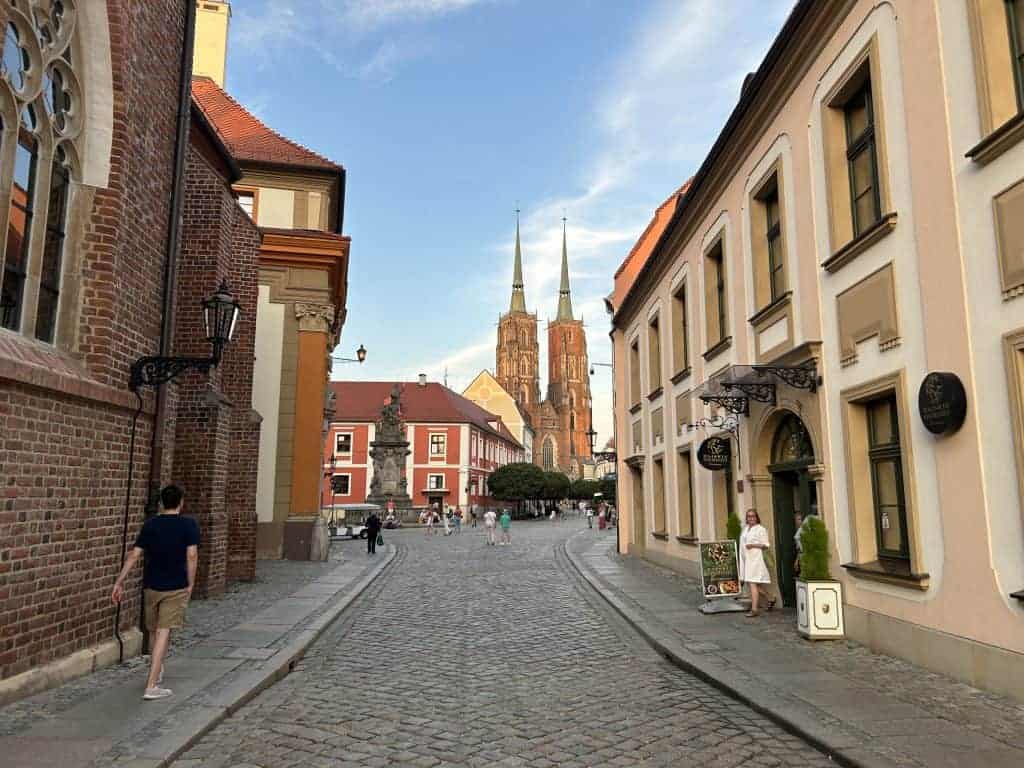
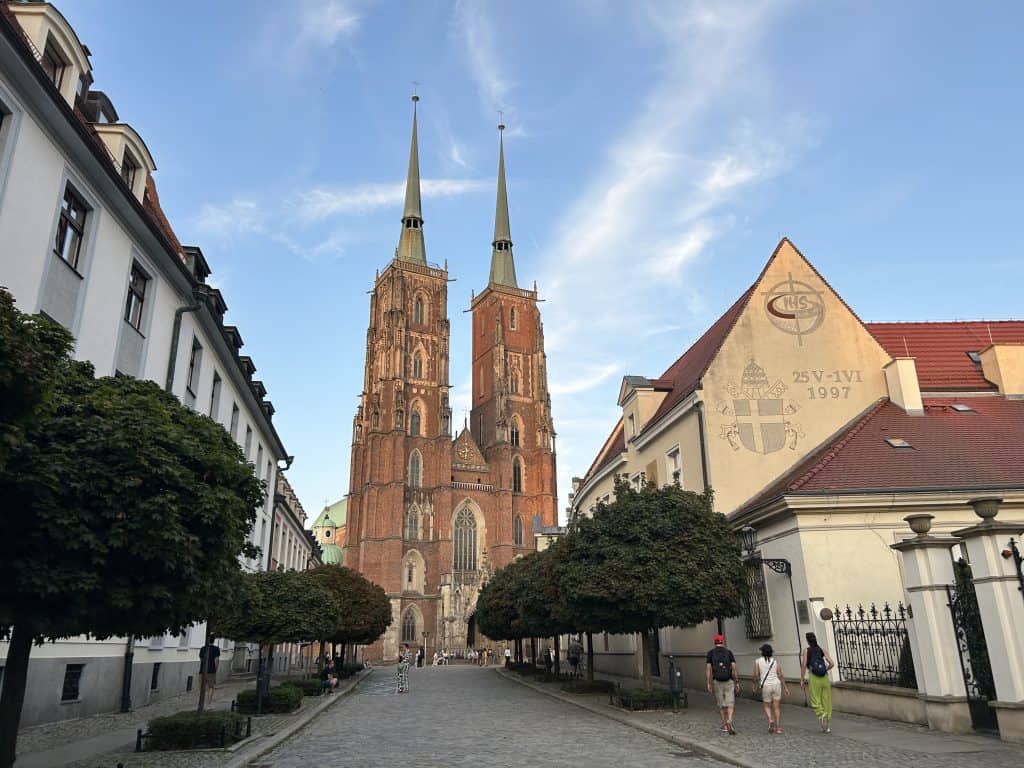
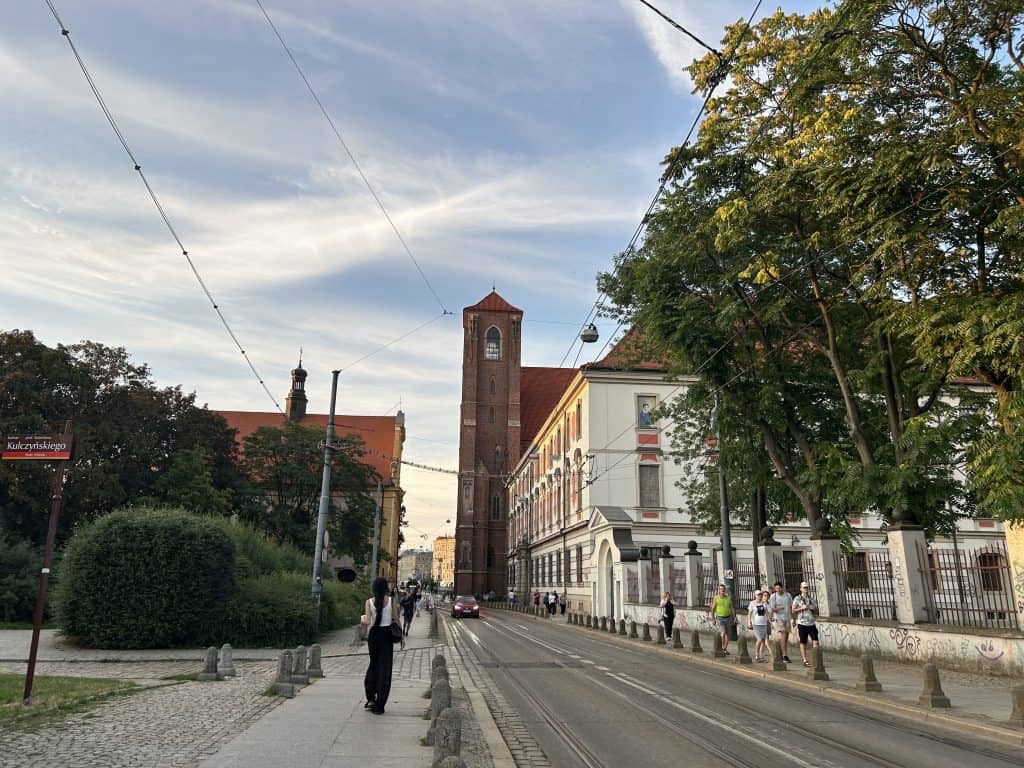
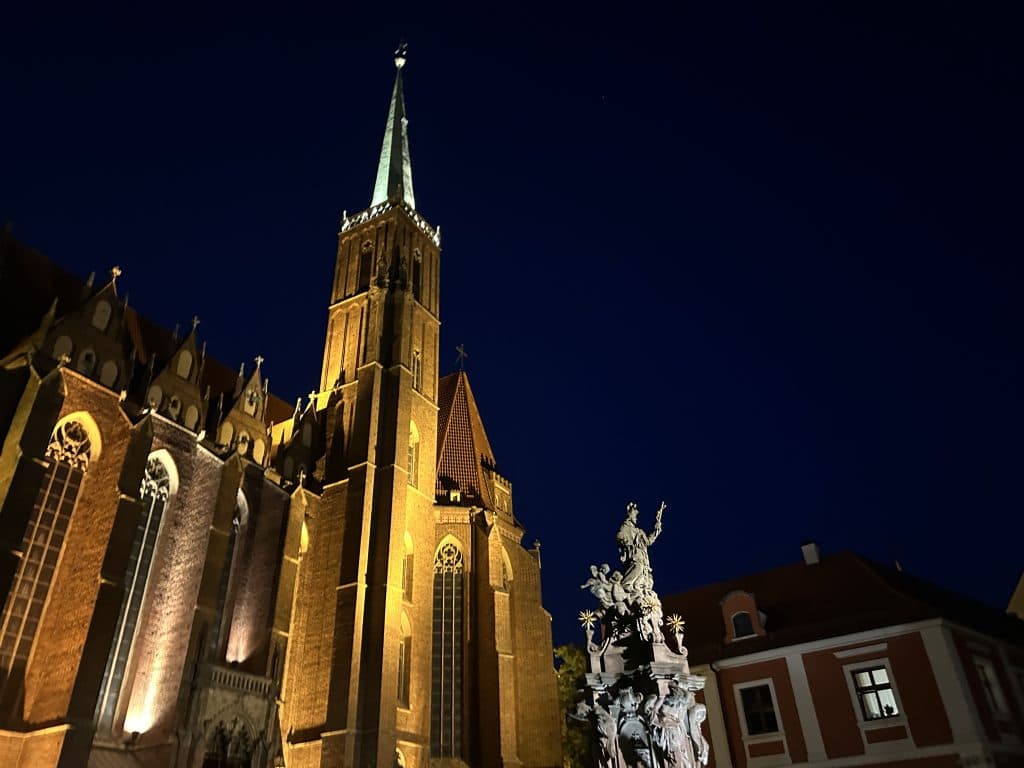
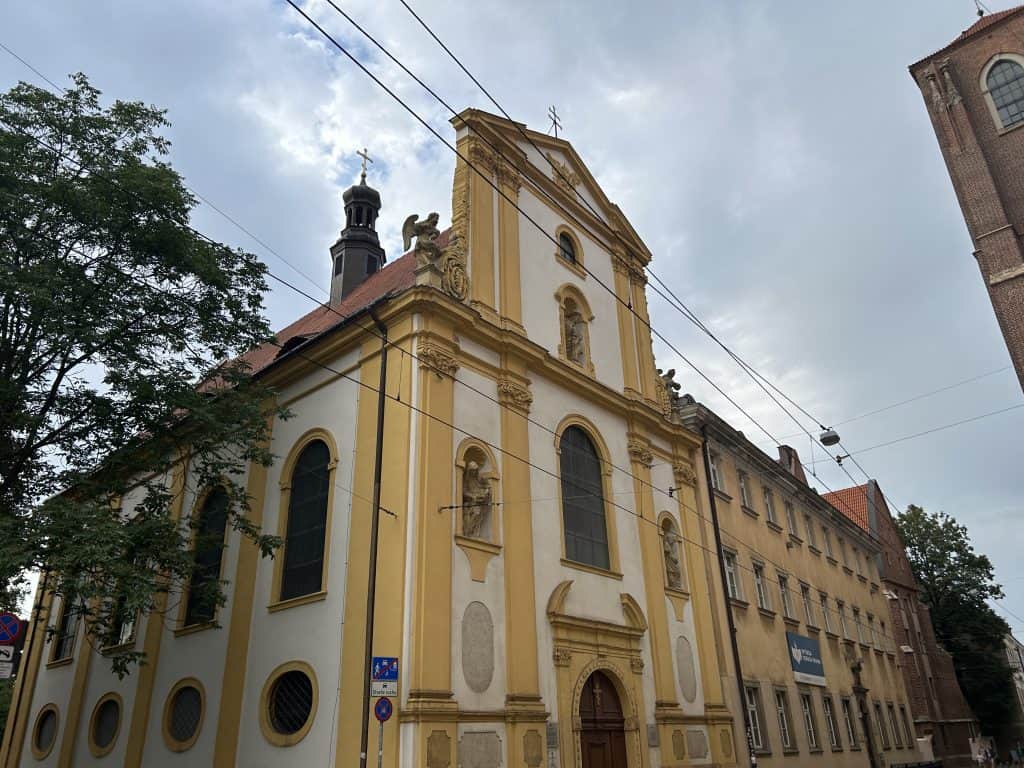
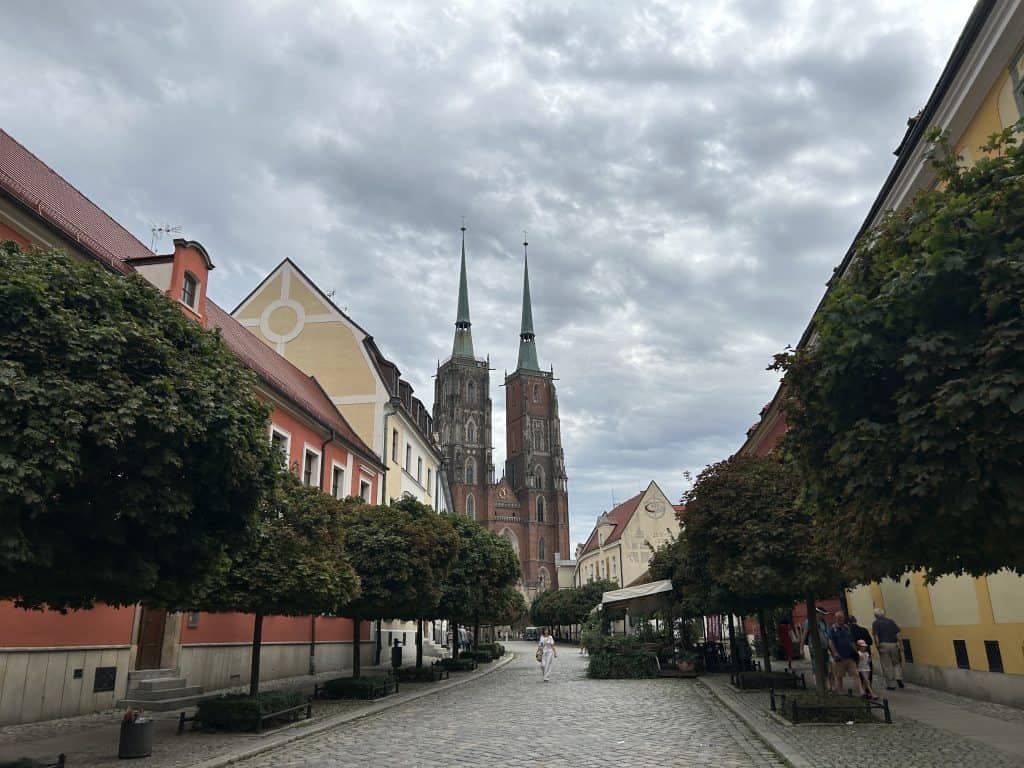
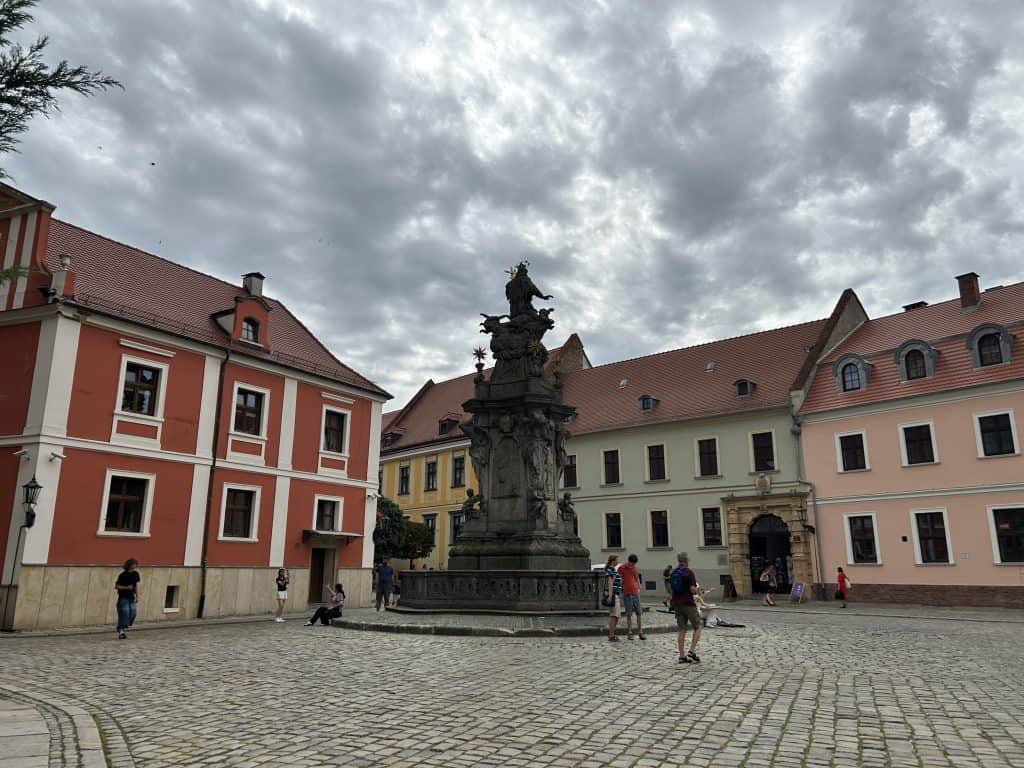
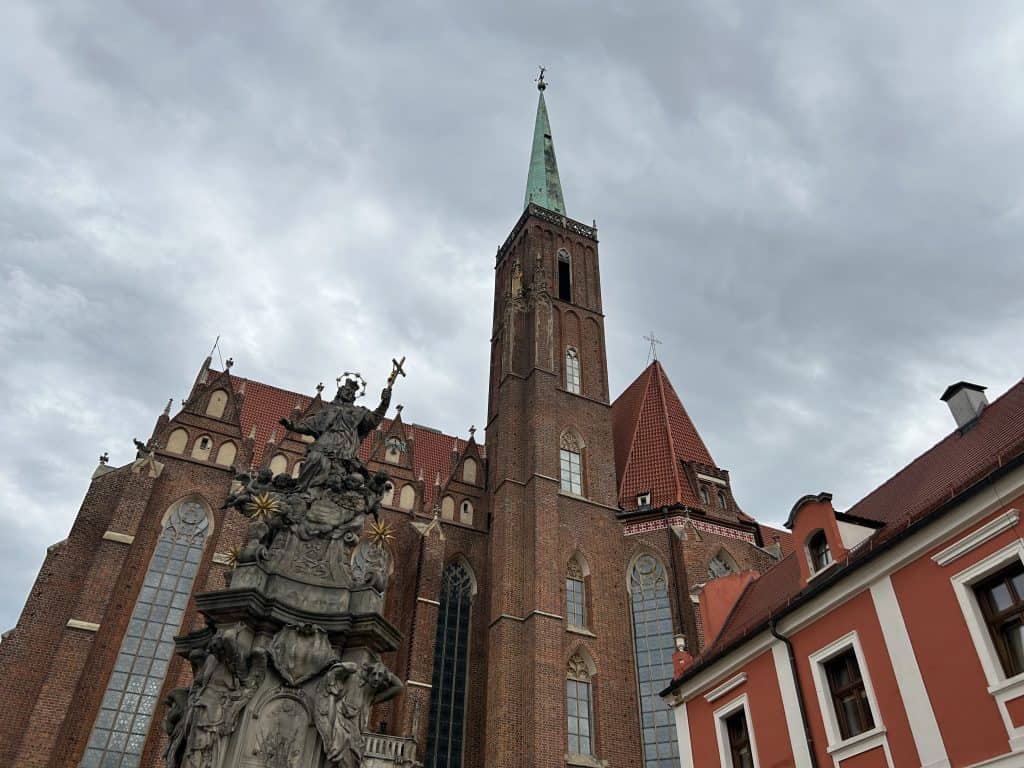
Ostrów Tumski, which translates to “Cathedral Island,” is the oldest part of Wrocław. This historic district is an island of palaces and impressive church buildings. At its center stands the impressive St. John the Baptist Cathedral. This Gothic church with twin spires that dominate the skyline. Another large church here is the Collegiate Church of the Holy Cross and St. Bartholomew. The area is known for its peaceful atmosphere and its historic gas lamps, which are still lit by hand every evening by a lamplighter.
Wrocław’s Gnomes (Krasnale)
The gnomes, or Krasnale, of Wrocław are one of the city’s most unique and beloved attractions. There are supposedly over 600 of these small bronze statues spread out across the city. The gnomes first appeared as a symbol of the Orange Alternative, an anti-communist movement in the 1980s. Today, they have become a fun way to explore the city, with each gnome having its own theme or story, often related to its location. Hunting for these gnomes can be found doing various activities and is a popular activity for both children and adults.
Centennial Hall (Hala Stulecia)
The Centennial Hall (Hala Stulecia) is a landmark of modernist architecture and a UNESCO World Heritage Site. It was built between 1911 and 1913 to commemorate the 100th anniversary of the Battle of Leipzig. Designed by the architect Max Berg, it was a pioneering work of reinforced concrete engineering, featuring the largest dome of its kind in the world at the time of its construction. Today, the hall is used as a multi-purpose venue for conferences, concerts, and sporting events. It is surrounded by a park that includes the impressive Wrocław Multimedia Fountain.
Racławice Panorama
The Racławice Panorama is a monumental cycloramic painting depicting the Battle of Racławice from 1794. The painting is immense, measuring 15 by 114 meters, and is displayed in a specially built rotunda. Viewers stand on a central platform, and a combination of the circular painting and special lighting and terrain effects creates a unique 360-degree, three-dimensional illusion. The painting is a national treasure and a symbol of Polish patriotism. It is one of the most popular tourist attractions in the city.
Wrocław Zoo & Afrykarium
The Wrocław Zoological Garden is the oldest zoo in Poland, first opened in 1865. It is home to over 10,000 animals representing over 1,000 different species, making it one of the most biodiverse zoos in the world. The zoo’s most famous and modern attraction is the Afrykarium. This is a large oceanarium complex dedicated exclusively to the ecosystems of Africa. It features large pools and underwater tunnels with hippos, crocodiles, sharks, and penguins. The Afrykarium is a world-class facility and a major destination for families.
Hydropolis
Hydropolis is a modern science center dedicated entirely to the subject of water. It is the only one of its kind in Poland. The museum is housed in a historic 19th-century underground water reservoir. It features a series of interactive and multimedia exhibits that teach visitors about the science of water, from its role in the universe to its importance for life on Earth. The exhibitions cover topics like the states of water, ocean life, and the history of water engineering. It is an engaging and educational attraction for all ages.
National Museum
The National Museum in Wrocław is the main art museum for the region of Silesia. It holds a vast collection of Polish and European art, spanning from the Middle Ages to the present day. The museum is particularly known for its extensive collection of medieval Silesian art, which is one of the most important in Europe. The collection also includes significant works of Polish contemporary art. The museum is housed in a prominent building on the banks of the Oder River, making it a key cultural landmark in the city.
University of Wrocław
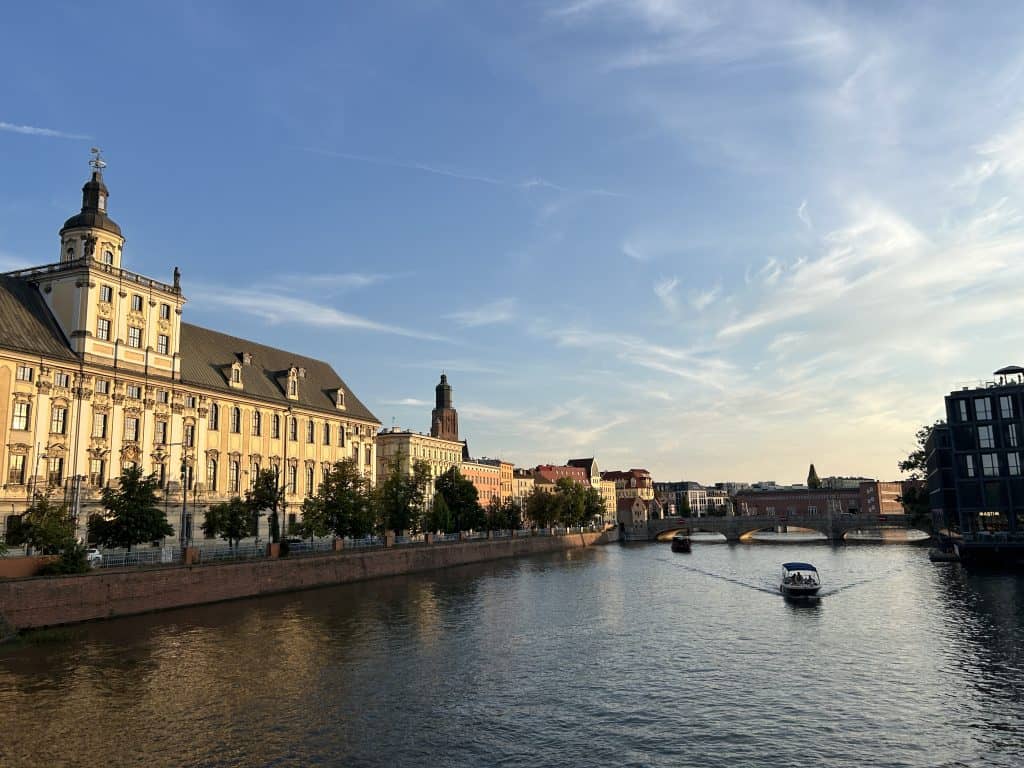
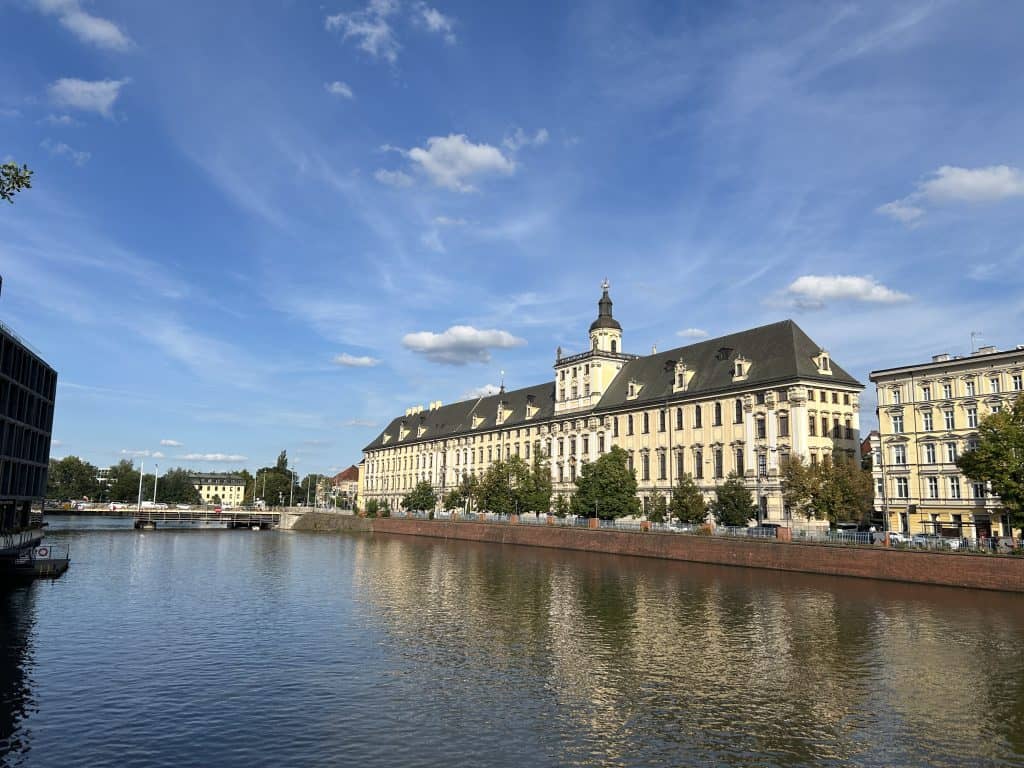
The main building of the University of Wrocław is a magnificent example of Baroque architecture. Located on the bank of the Oder River, the historic complex was built for a Jesuit academy in the early 18th century. Its most famous interior is the Aula Leopoldina, a lavishly decorated ceremonial hall with intricate stucco work, sculptures, and ceiling frescoes. It is considered one of the finest Baroque interiors in Poland. Visitors can take tours of the Aula Leopoldina and the university’s mathematical tower, which offers a panoramic view of the city.
Japanese Garden
The Japanese Garden in Wrocław is located within Szczytnicki Park, near the Centennial Hall. It was originally created for the World Exhibition of 1913. The garden was designed with the help of Japanese specialists and is a beautiful and authentic example of Japanese garden design. It features a picturesque pond with a traditional arched bridge, stone lanterns, and a variety of plants native to Japan. It is a very popular spot for walks and relaxation, offering a tranquil and exotic escape from the city.
Traveling with Kids
Wrocław is an exceptionally family-friendly city, offering a wide array of activities that are perfect for children of all ages. The city’s most famous and unique attraction for kids is hunting for the hundreds of small gnome statues (Krasnale) that are hidden all over the city. This turns a simple walk through the Old Town into an exciting scavenger hunt. Beyond the gnomes, the city is home to several world-class attractions that are designed to be both educational and highly entertaining for a family audience.
The city’s location on the Oder River provides many opportunities for outdoor fun, including boat trips and walks along the riverbanks. Wrocław also boasts one of the oldest and best zoos in Poland, complete with a modern oceanarium. For those interested in science, the Hydropolis water museum offers a fully interactive experience. This combination of unique city features, major attractions, and numerous parks makes Wrocław an ideal destination for a memorable family vacation.
Activities for Kids in Wrocław
For families seeking engaging activities, Wrocław delivers world-class experiences that are both fun and educational. The city’s zoo and its modern Afrykarium provide an unforgettable journey into the animal kingdom, while the unique Hydropolis science center makes learning about water an interactive adventure.
Wrocław Zoo & Afrykarium
The Wrocław Zoo is the oldest in Poland and a top destination for families. It is home to an incredible diversity of animals. The zoo’s main highlight is the Afrykarium, a massive oceanarium complex dedicated solely to the wildlife of Africa. This attraction takes visitors on a journey through different African ecosystems, from the Red Sea coral reefs to the Congo rainforest. The underwater viewing tunnels, where sharks and rays swim overhead, are a particularly popular feature. The combination of a traditional zoo and a world-class oceanarium provides a full day of entertainment.
Hydropolis Science Center
Hydropolis is a modern science center that is entirely dedicated to the theme of water. It is an excellent activity for school-aged children and teenagers. The museum is housed in a historic underground water reservoir and uses interactive multimedia technology to explain the science of water. The exhibits are very hands-on, allowing kids to learn about everything from deep-sea creatures to how water systems power cities. The center is designed to be both fun and educational, making complex scientific concepts accessible and exciting for a family audience.
Playgrounds in Wrocław
Wrocław features numerous public playgrounds located throughout the city, providing essential spaces for children’s recreation. These play areas are typically found within city parks and offer safe and well-equipped environments for fun. A stop at a playground is a simple and effective way to break up a day of sightseeing.
Playground in Szczytnicki Park
The playground located inside Szczytnicki Park is one of the best in the city. The park itself is a large, historic park located near the Centennial Hall and the Japanese Garden, making it a convenient stop for families visiting these attractions. The playground is modern and features a wide variety of play equipment, including unique climbing structures and zip lines. Its location within a beautiful and expansive park provides plenty of space for children to run around and play in a natural setting.
Playground on Wyspa Słodowa
Wyspa Słodowa (Malt Island) is an island on the Oder River in the city center that is a popular gathering spot, especially for young people. The island also features a creative and well-designed public playground. This playground has a great location, with views of the river and the university building. It is a perfect spot for a play break while exploring the islands of the Oder. The combination of a fun playground and a unique riverside location makes it a memorable place for children to play.
Sports in Wrocław
Wrocław has a rich and diverse sports scene with several professional clubs that compete at the highest levels in Poland. The city’s main multi-sport club is Śląsk Wrocław, which has historically been a powerhouse in both football and basketball, winning numerous national championships in both disciplines. Another hugely popular sport in the city is speedway, with Sparta Wrocław being one of the top teams in the world’s best speedway league. In recent years, American football has also become very popular, with the Panthers Wrocław establishing themselves as a dominant force both domestically and in Europe.
Śląsk Wrocław (Football)
Śląsk Wrocław is the city’s premier professional football club. Founded in 1947, the club has a long and successful history in Polish football. They compete in the Ekstraklasa, the top tier of the Polish league system. Śląsk Wrocław has won the Polish Championship twice and has also won the Polish Cup multiple times. They play their home matches at the Tarczyński Arena Wrocław, a modern stadium with a capacity of over 45,000, which was built to host matches for the UEFA Euro 2012 tournament.
Śląsk Wrocław (Basketball)
The basketball section of Śląsk Wrocław is the most decorated basketball club in the history of Poland. The team has won the Polish Basketball League championship a record 18 times. They have a long and storied history of success, both domestically and in European competitions. The team plays its home games at the Hala Stulecia (Centennial Hall), a unique and historic UNESCO World Heritage site. The club’s rich history and numerous titles make it a legendary institution in Polish basketball.
Sparta Wrocław (Speedway)
Speedway is an extremely popular motorsport in Wrocław. The city’s team, WTS Sparta Wrocław, is one of the top clubs in the PGE Ekstraliga, which is widely considered the best and most competitive speedway league in the world. The club has won the Polish Team Championship multiple times. They host their home meetings at the Olympic Stadium, a historic venue that has been modernized for speedway. The matches draw large and passionate crowds, creating an electric atmosphere of noise and excitement.
Panthers Wrocław (American Football)
American football has grown rapidly in popularity in Poland, and the Panthers Wrocław are one of the best and most successful teams in the country. The club has won the Polish Bowl championship multiple times. They have also established themselves as a major force on the international stage, competing in the European League of Football (ELF), which is the premier professional league for the sport in Europe. They play their home games at the Olympic Stadium. The club’s success has made Wrocław a major center for American football in Europe.
Gwardia Wrocław (Volleyball)
Volleyball is another popular sport in the city, with Gwardia Wrocław being the main historic club. The club is particularly known for its successful men’s team, which has won the Polish Championship multiple times in the past. While the men’s team currently competes in the second tier, the women’s team, competing as #VolleyWrocław, plays in the Tauron Liga, the top women’s volleyball league in Poland. They play their home games at the Hala Orbita, a multi-purpose indoor arena.
Wrocław Marathon
The Wrocław Marathon is a major annual running event that attracts thousands of participants from Poland and abroad. The race has been held for over 30 years and is one of the largest marathons in the country. The course takes runners through the historic streets of the city, passing by many of its most famous landmarks, including the Rynek and Ostrów Tumski. The event has a festive atmosphere, with strong support from spectators along the route. It is a major highlight of the city’s annual sporting calendar.







Getting Around in Wrocław
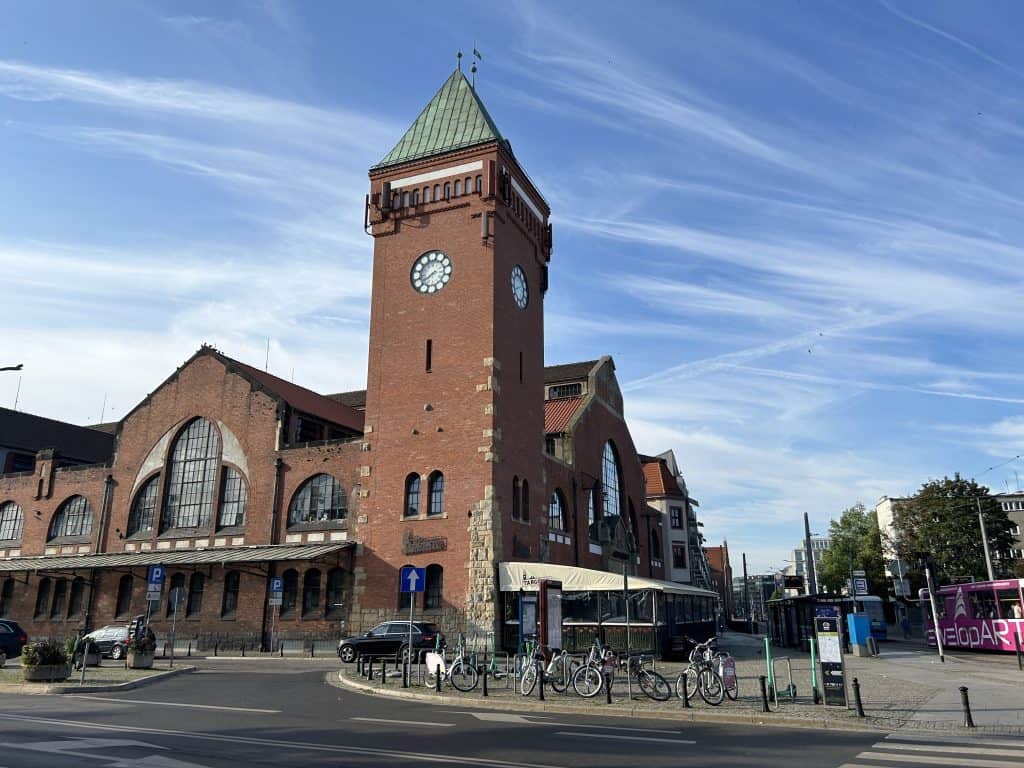
Navigating Wrocław is facilitated by a comprehensive and efficient public transport system, managed by the municipal authority MPK Wrocław. The backbone of this system is an extensive network of trams and buses that cover the entire city and its suburbs. For exploring the historic heart of the city, including the Old Town and Ostrów Tumski, walking is by far the best option, as these areas are largely pedestrian-friendly. The city also has a popular public bike-sharing system, which provides another convenient way to get around, especially along the scenic paths of the Oder River.
Using Trams and Buses
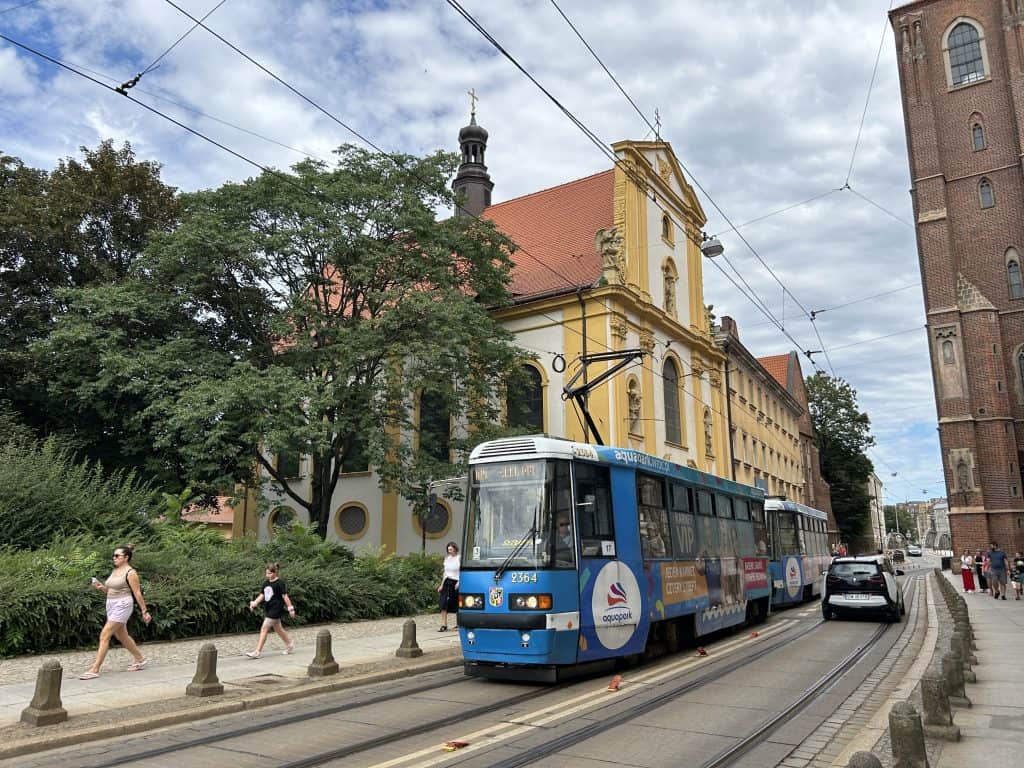
The public transport system in Wrocław is one of the largest in Poland. The most iconic and efficient mode of transport is the tram, with a dense network of lines that has been in operation for over a century. The blue trams are a ubiquitous sight and are the best way to travel along the main corridors. Buses complement the tram network, providing access to areas not served by the tram lines. The entire system is operated by MPK, and a single ticket is valid for travel on both modes of transport. Tickets can be purchased from machines at most stops or through mobile apps.
Exploring by Foot
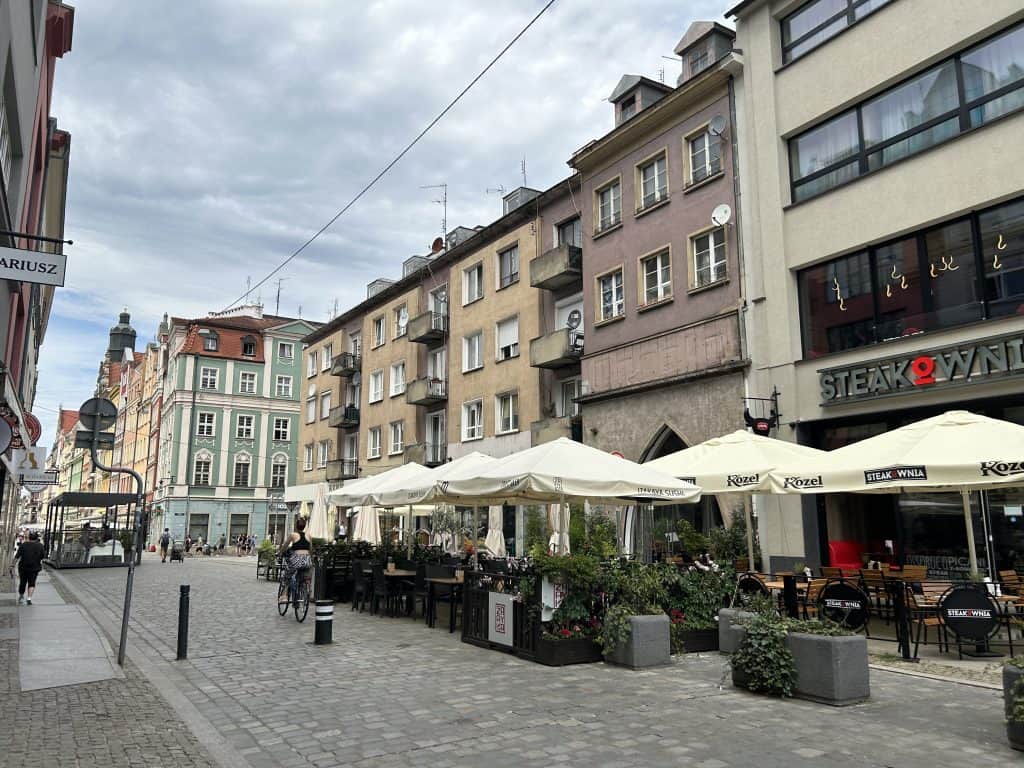
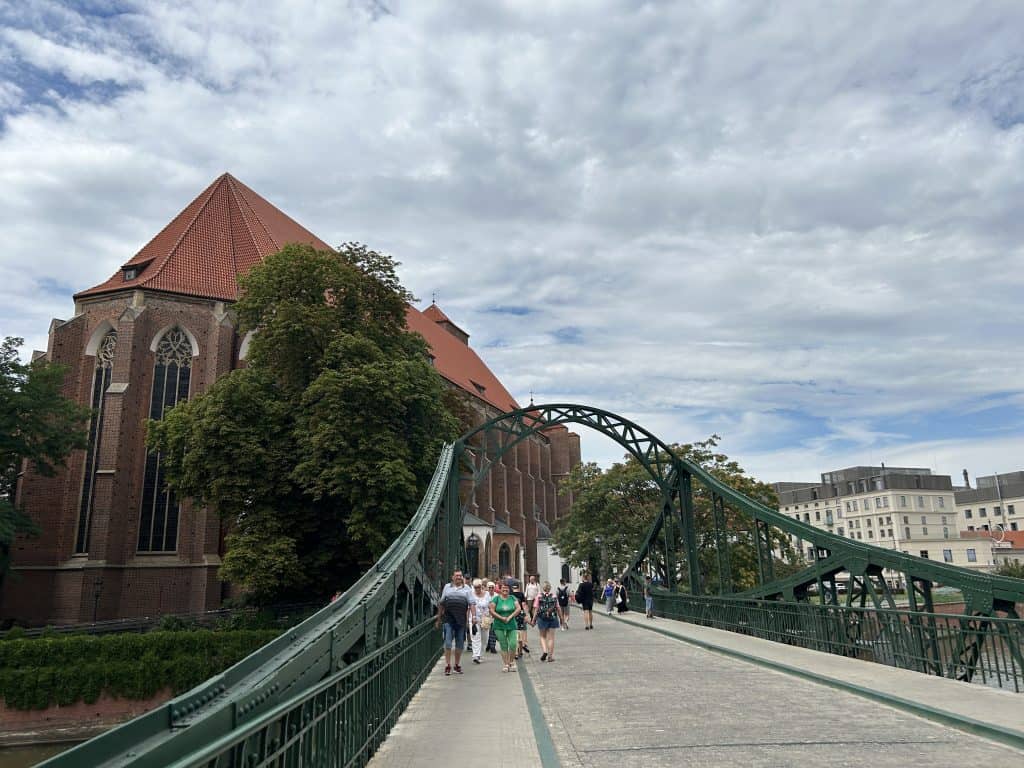
The historical and commercial heart of Wrocław is best explored on foot. The Rynek (Market Square) and the surrounding Old Town are largely pedestrianized, with a maze of cobbled streets that are a pleasure to wander through. From the Rynek, it is an easy and scenic walk to other key areas, such as the University of Wrocław and across the bridges to the peaceful island of Ostrów Tumski. Walking is the most immersive way to experience the city’s unique architecture and to hunt for the famous Wrocław gnomes.
Cycling with the City Bike
The Wrocławski Rower Miejski (WRM) is the city’s public bike-sharing system, offering a convenient and eco-friendly way to get around. The system includes hundreds of stations located throughout the city, making it easy to pick up and drop off a bike. This is a great option for medium-distance journeys or for exploring the city’s many parks and extensive riverside paths. Wrocław is a very bike-friendly city, with a growing network of dedicated bike lanes. Using a city bike is a popular choice for both locals and tourists, especially during the warmer months.
How to Get to Wrocław
Wrocław, located in southwestern Poland, is a well-connected city that is easily accessible through various transportation options. Its position near the borders with the Czech Republic and Germany makes it a key transportation hub in Central Europe. The city is served by its own international airport, is at the junction of major motorways, and has a main train station with numerous domestic and international connections. Planning a journey to Wrocław is straightforward, whether you are traveling from within Poland or from abroad.
Arriving by Air
Flying is a very popular way to reach Wrocław. The city is served by Wrocław Nicolaus Copernicus Airport (WRO). The airport is located about 10 kilometers west of the city center. It is a major hub for low-cost airlines like Ryanair and Wizz Air, as well as legacy carriers like LOT Polish Airlines. There are direct connections to many major cities across Europe. From the airport, you can easily reach the city center by public bus, which is the most economical option, or by taxi and ride-sharing services.
Driving into the City
Driving to Wrocław offers great flexibility as the city is a major hub in Poland’s modern motorway network. The A4 motorway, which runs east-west, passes just south of the city. It provides a direct, high-speed link to Kraków and Katowice to the east, and to the German border and Dresden to the west. The S8 expressway connects Wrocław with Warsaw and Białystok, while the S5 expressway connects it with Poznań. The road infrastructure is modern and well-maintained.
Journey by Rail
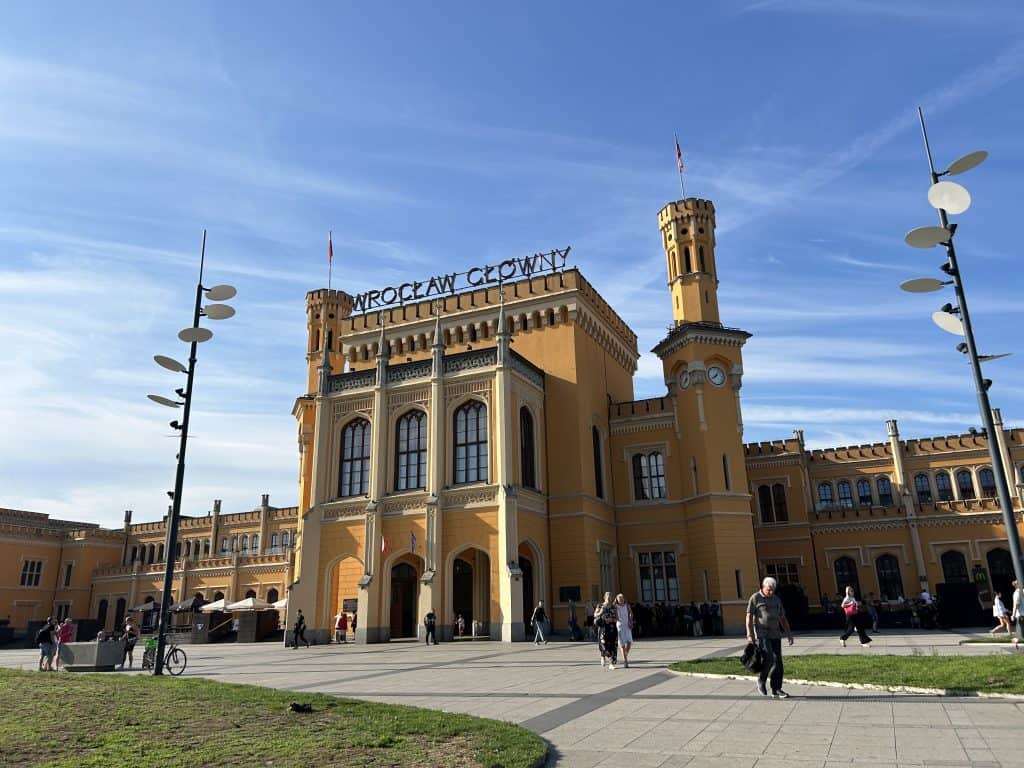
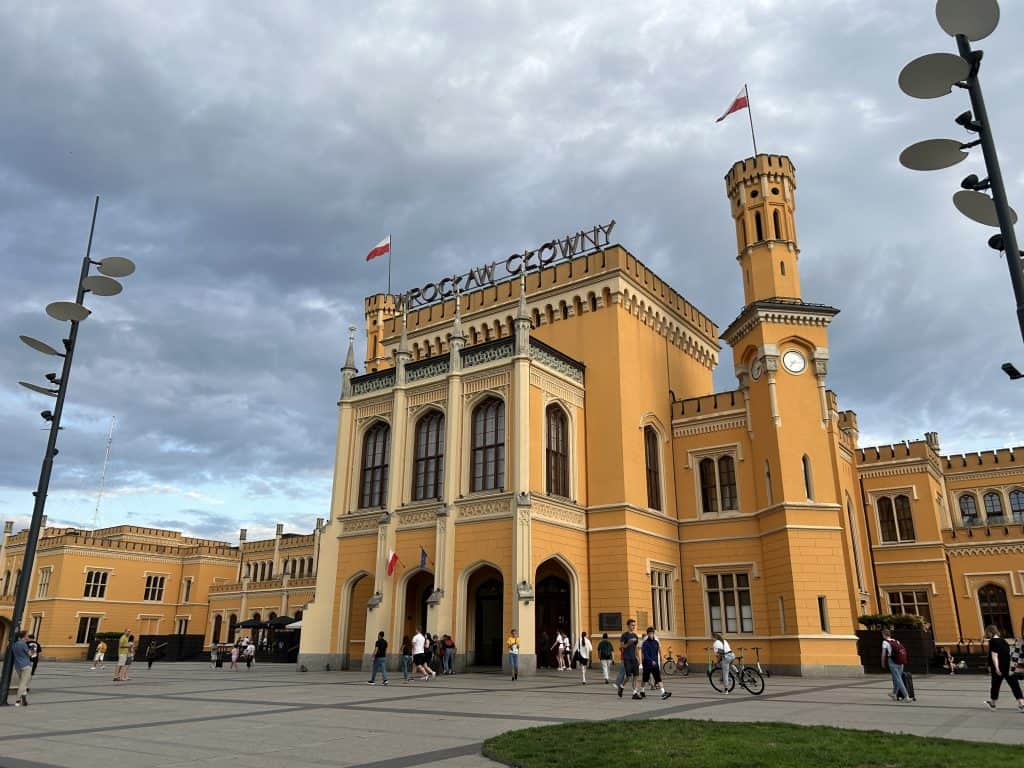
Train travel to Wrocław is convenient and efficient. The city’s main station, Wrocław Główny, is a central railway hub and one of the most beautiful historic train stations in Poland. It handles numerous domestic and international train services. High-speed and intercity trains operated by PKP (Polish State Railways) connect Wrocław to all major Polish cities, including Warsaw, Kraków, and Gdańsk. International connections are also available to cities like Berlin and Prague. The main station is centrally located, with easy access to public transport.
Connecting by Bus
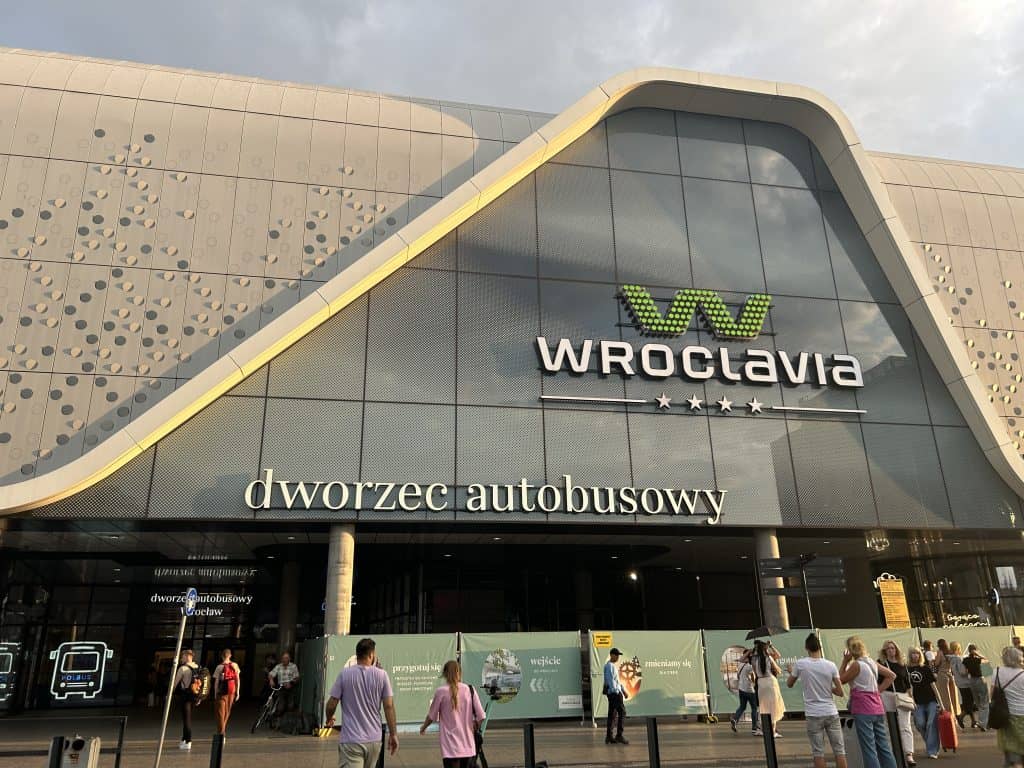
Buses provide an affordable and comprehensive travel option for reaching Wrocław. The city’s main bus station, Wroclavia, is a large and modern facility that is integrated with a shopping center and located next to the main train station. Numerous domestic and international bus companies, such as FlixBus, operate routes to Wrocław. You can find direct connections from all across Poland and from many other European countries. Bus travel is often the most cost-effective option and provides direct access to the city center.
River Transport on the Oder
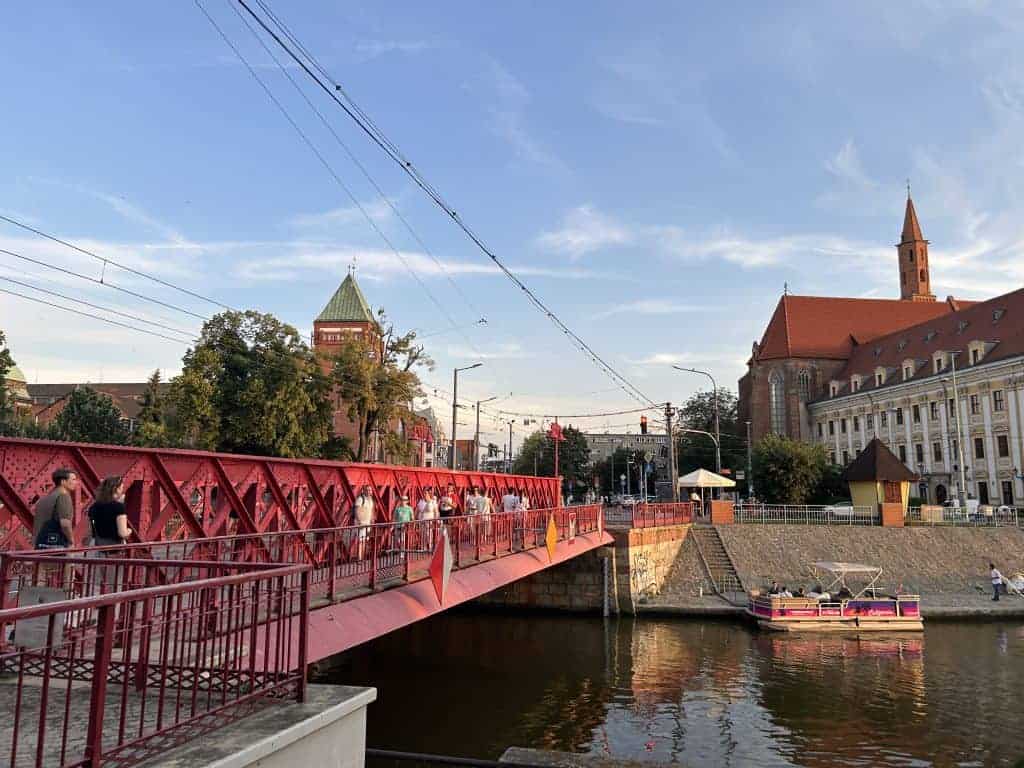
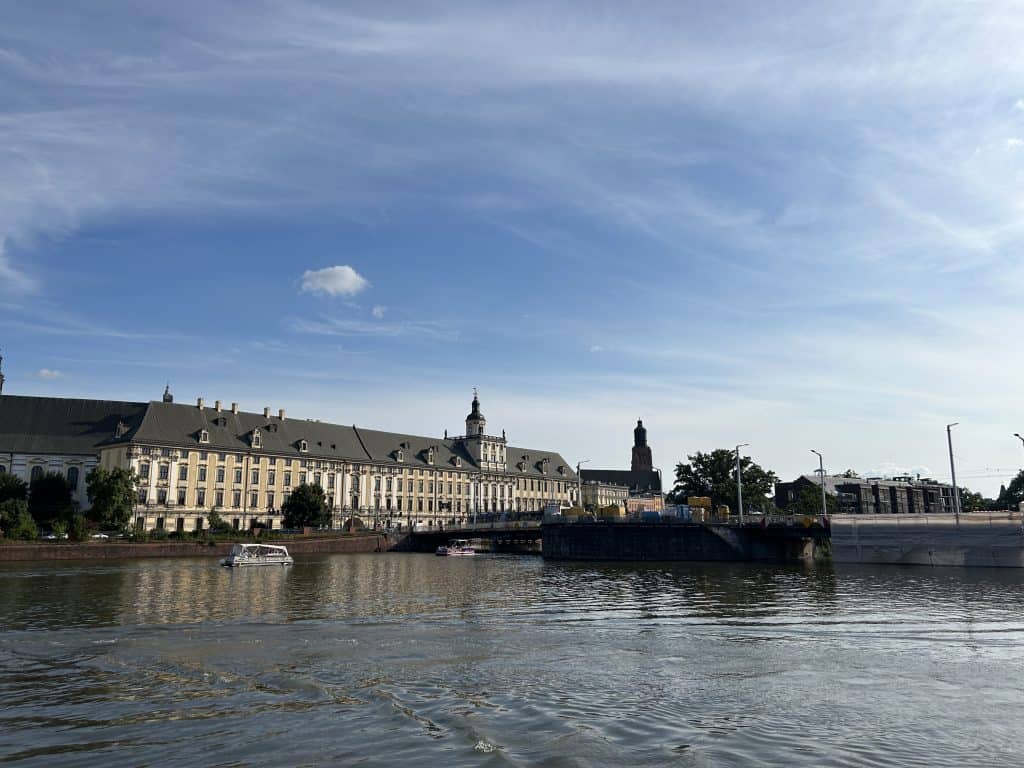
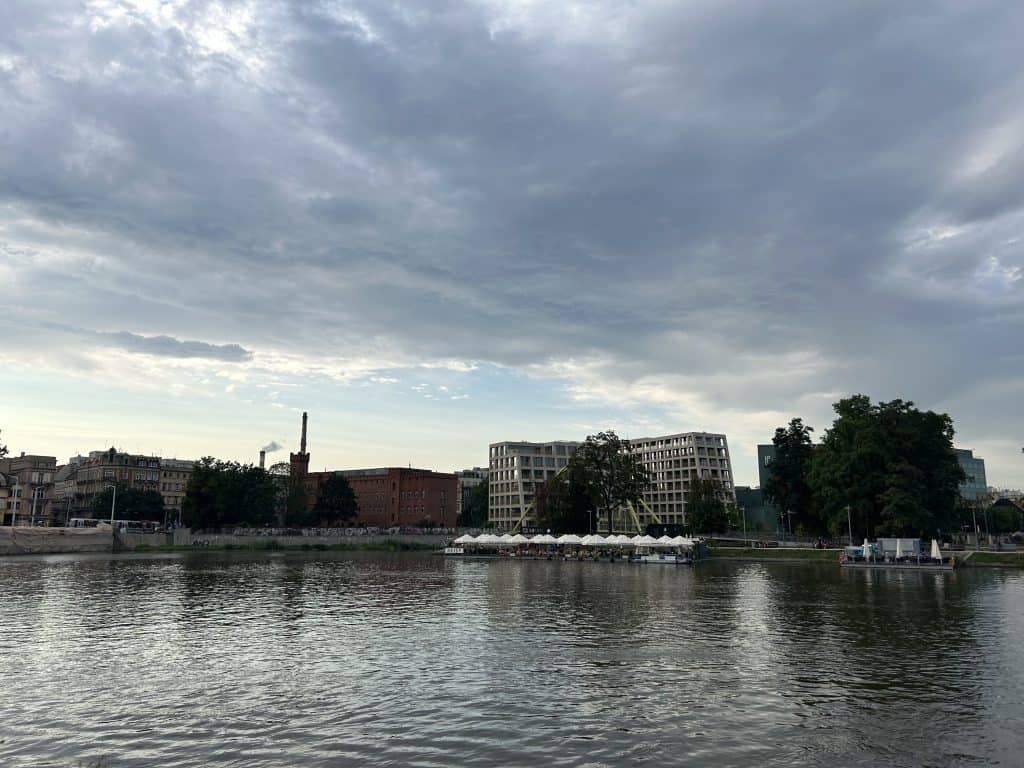
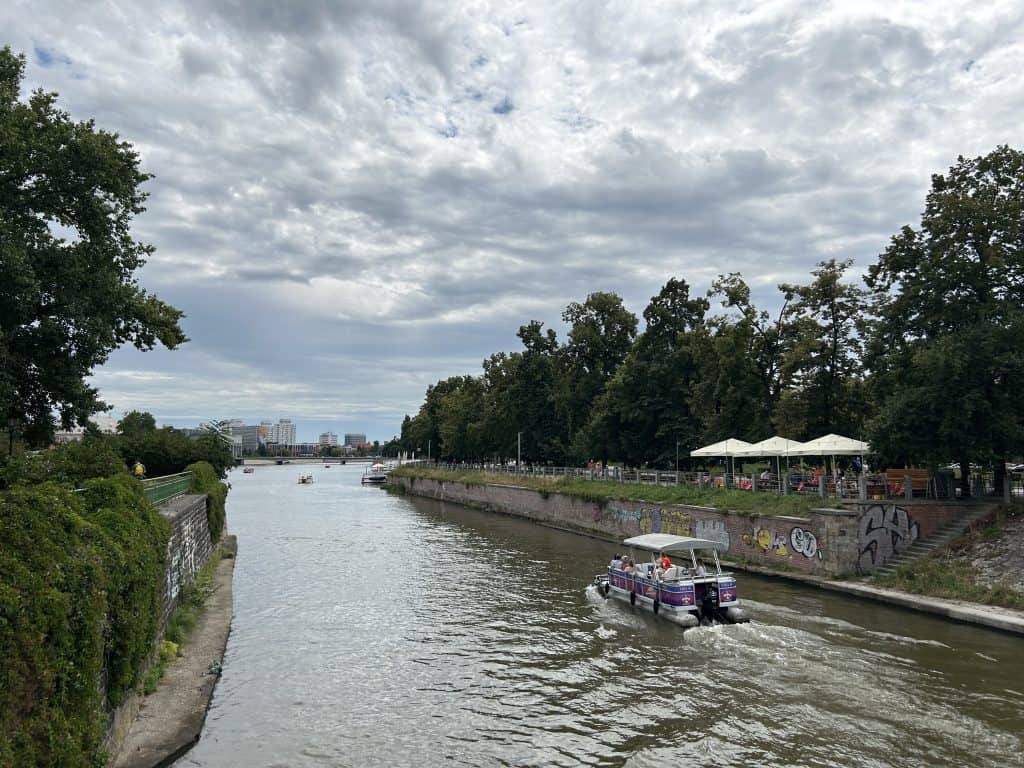
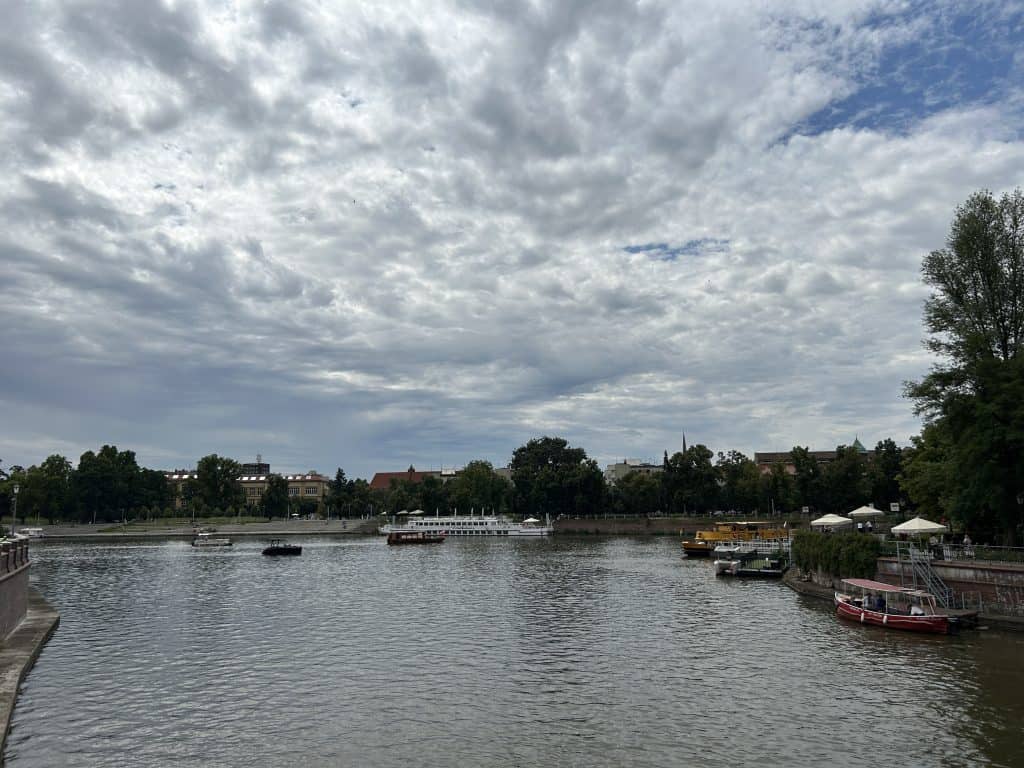
While not a primary mode of transport for arriving in the city, river transport on the Oder River is a unique way to experience Wrocław. Several companies offer tourist cruises on small passenger boats and historic vessels. These cruises provide a different perspective of the city’s most famous landmarks, including Ostrów Tumski and the university building. The boat trips typically last about an hour and are a very popular activity, especially during the summer. It is a relaxing way to see the city’s many bridges and its beautiful riverside architecture.
Driving Distances
The driving distance from 20 regional cities, according to Google Maps:
- Ostrava, Czech Republic – 175 kilometers (1 h 40 min)
- Poznań, Poland – 185 kilometers (2 h 00 min)
- Katowice, Poland – 193 kilometers (1 h 50 min)
- Łódź, Poland – 215 kilometers (2 h 10 min)
- Kraków, Poland – 275 kilometers (2 h 40 min)
- Dresden, Germany – 275 kilometers (2 h 50 min)
- Brno, Czech Republic – 330 kilometers (3 h 10 min)
- Prague, Czech Republic – 335 kilometers (3 h 30 min)
- Berlin, Germany – 340 kilometers (3 h 30 min)
- Warsaw, Poland – 354 kilometers (3 h 20 min)
- Szczecin, Poland – 370 kilometers (3 h 40 min)
- Gdańsk, Poland – 483 kilometers (4 h 30 min)
- Lublin, Poland – 522 kilometers (5 h 00 min)
- Vienna, Austria – 530 kilometers (5 h 10 min)
- Bratislava, Slovakia – 535 kilometers (5 h 00 min)
- Budapest, Hungary – 735 kilometers (7 h 00 min)
- Copenhagen, Denmark – 760 kilometers (8 h 20 min)
- Vilnius, Lithuania – 860 kilometers (9 h 40 min)
- Amsterdam, Netherlands – 900 kilometers (9 h 00 min)
- Kyiv, Ukraine – 1100 kilometers (13 h 30 min)
Looking to Explore more of Poland and Europe?

This post was first published 2025-05-24 and was updated 2025-07-29