
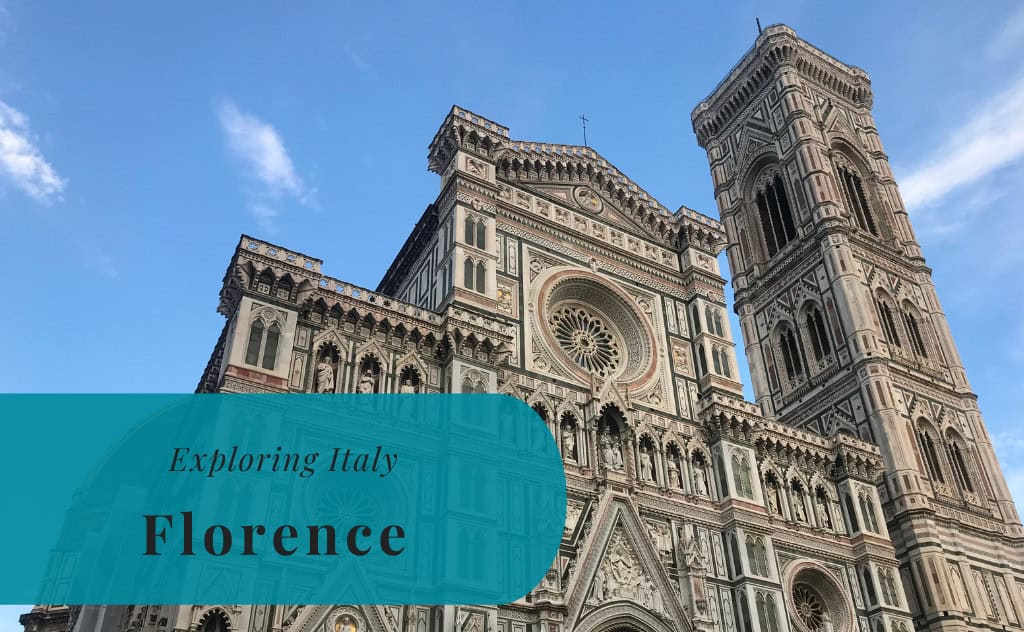
Florence, Tuscany | Exploring Italy
Florence, or Firenze in Italian, is the capital of Tuscany in central Italy. It is one of the historical centers of power on the Italian peninsula and is by many considered to be the birthplace of the Renaissance. The city is a popular tourist destination and there are a lot more people in the city than the around 362.000 inhabitants. The metropolitan area around the city has around 989.000 inhabitants.
You might have seen photos of the Ponte Vecchio or Cathedral of Santa Maria del Fiore before. But there is something different with standing in front of these iconic sights. Florence is famous for its cultural and historical importance. It is almost impossible to walk along the streets in the city center without getting a feeling of that atmosphere.
Our Visit to Florence
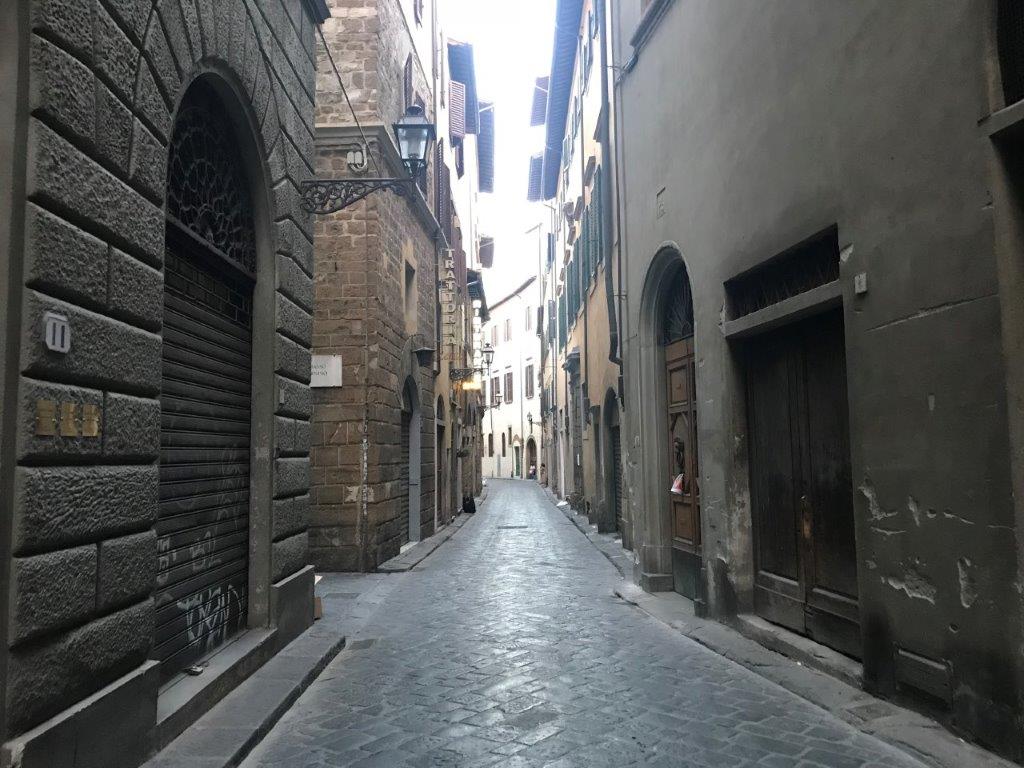
We visited Florence in 2018 as a stop on our way from Pisa to Bergamo. Florence and Milan were our stops along the way and we spent one night at a small guest house in the city. From time to time long walks took us away from the crowded tourist streets. One thing we learned was that it is possible to find calm streets even with the tourist madness going on.


A Short History of Florence
Florence has its origins in the Roman Empire. It began as a roman colony and developed into an important city for trade and banking. The city became known as the birthplace of the Renaissance and flourished in the 14th to 16th century. At the time it was one of the most important cities in Europe and by so the world. It became a center for culture, economy, and politics and its influence was far-reaching. Its influence on the Italian peninsula was so great that its language and dialect became the founding stone for what is today the Italian language.
The Kingdom of Italy was established in 1861. A few years later in 1865 its capital was moved from Turin to Florence. Even though it only lasted until 1871 when the capital was moved to Rome, it still makes Florence one of only three official capitals of Italy.
During the Second World War Florence was occupied by Germany in 1943. The city stayed under occupation for about a year before the Germans began retreating. During the retreat the Germans destroyed all bridges across the Arno River, except one. The Ponte Vecchio survived the war. Florence was liberated in 1944 by troops from New Zealand, South Africa, and the United Kingdom.


Things to Do and See
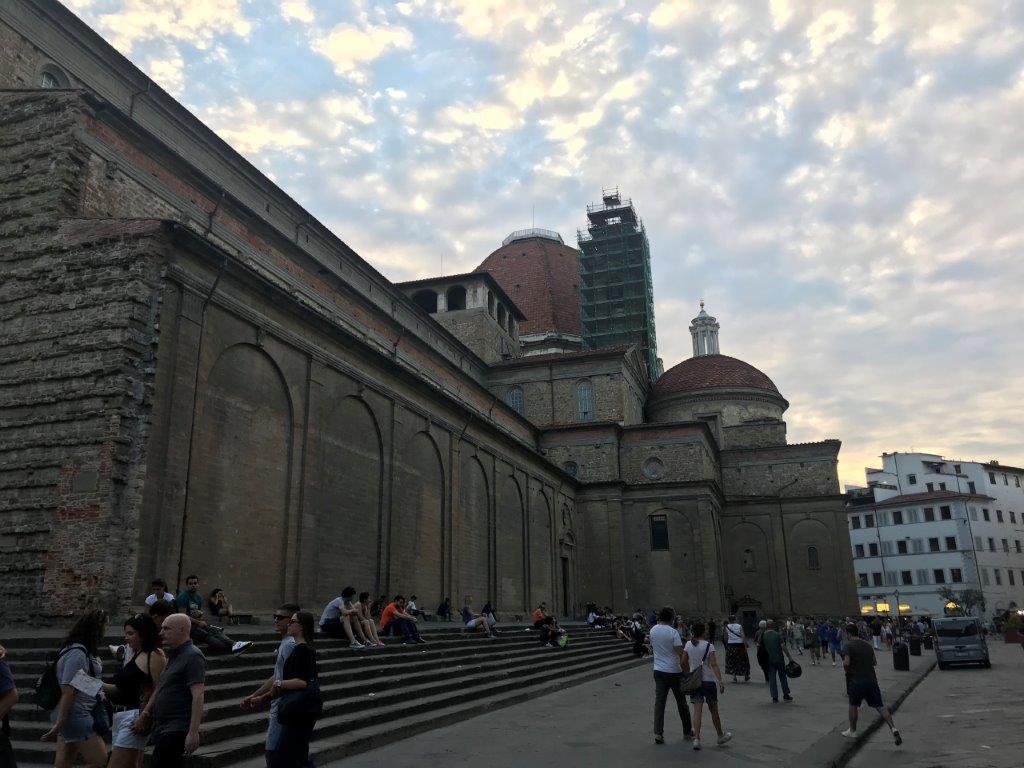
The Historical Center of Florence is a UNESCO World Heritage Site since 1982. Expect a lot of tourists along the streets of Via Por Santa Maria, Via Calimala, and Via Roma. These streets connects the famous bridge Ponte Vecchio with the Cathedral of Santa Maria del Fiore, two of the main sights in the city. Another bridge across the River Arno is the Ponte Santa Trinita, from where many also go to get a good view of the Ponte Vecchio. Tourists are everywhere, but there are many small narrow streets with cozy restaurants to explore and if you are lucky you will find your own calm place.
Let us have a look at five of the main sights.
Cathedral of Santa Maria del Fiore
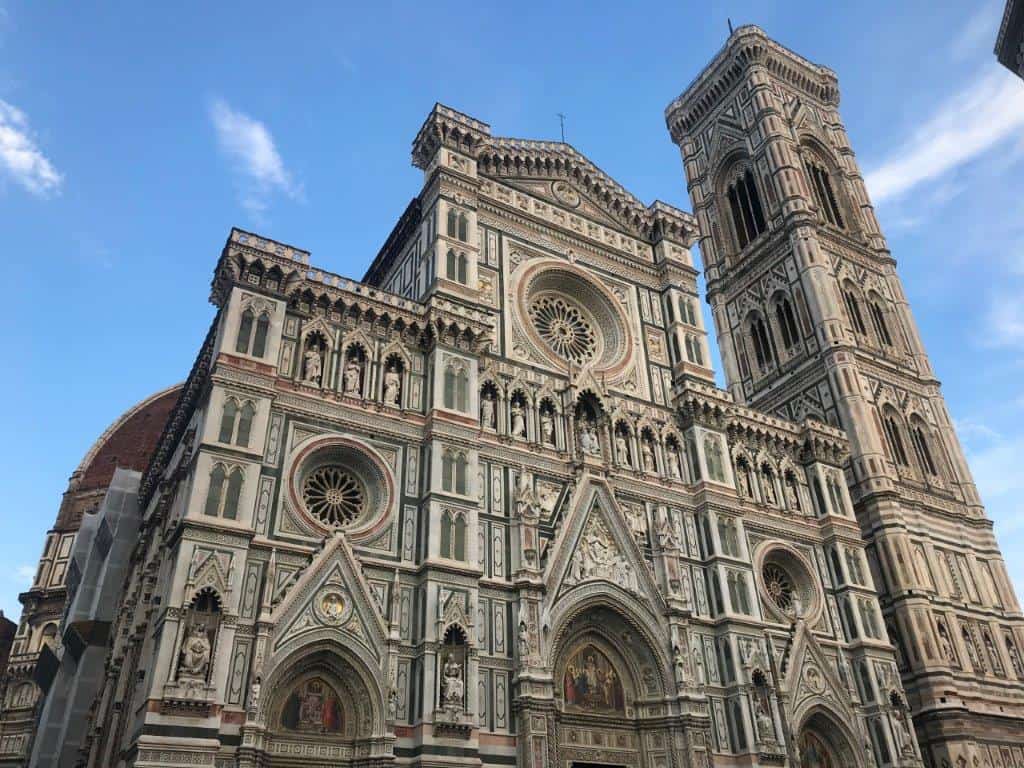
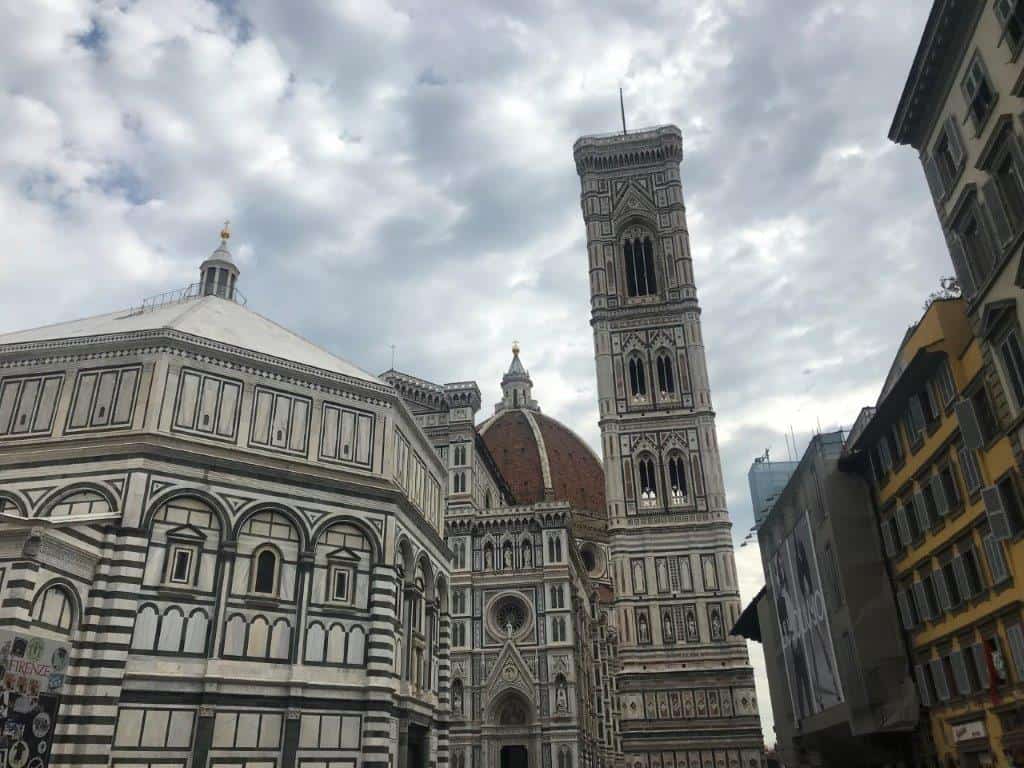
Cathedral of Santa Maria del Fiore, or the “Duomo”, is one of the city’s main landmarks. It is located at the square Piazza del Duomo, but its 115-meter high dome is visible from far away. The construction of the cathedral began already in 1296 and the main structure was completed by 1436. There are in total three buildings making of the cathedral complex here. In addition to the cathedral there is also the Baptistery and the Giotto’s Campanile. The Baptistery is a octagonal building dating back to the 11th century. The Giotto’s Campanile is the impressive bell tower. It reaches almost 85 meters into the sky.
Ponte Vecchio
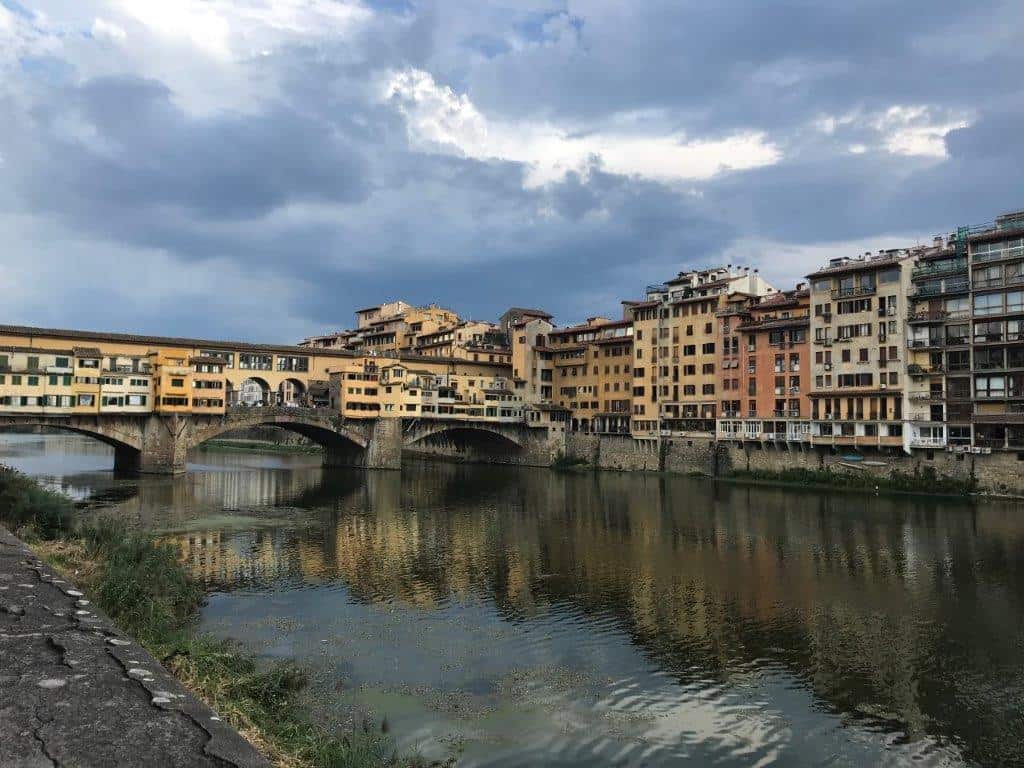
Ponte Vecchio, or the “Old Bridge”, is the sole surviving bridge after the Second World War. It is a medieval stone bridge, but it is not as any other bridge. This is an enclosed bridge, it almost looks like it is a house that have been places across the river. The building on the bridge has and is still housing different kinds of shops. The more practical and necessary shops of the past has, however, today been replaced by shops focused on the many tourists.
Palazzo Vecchio
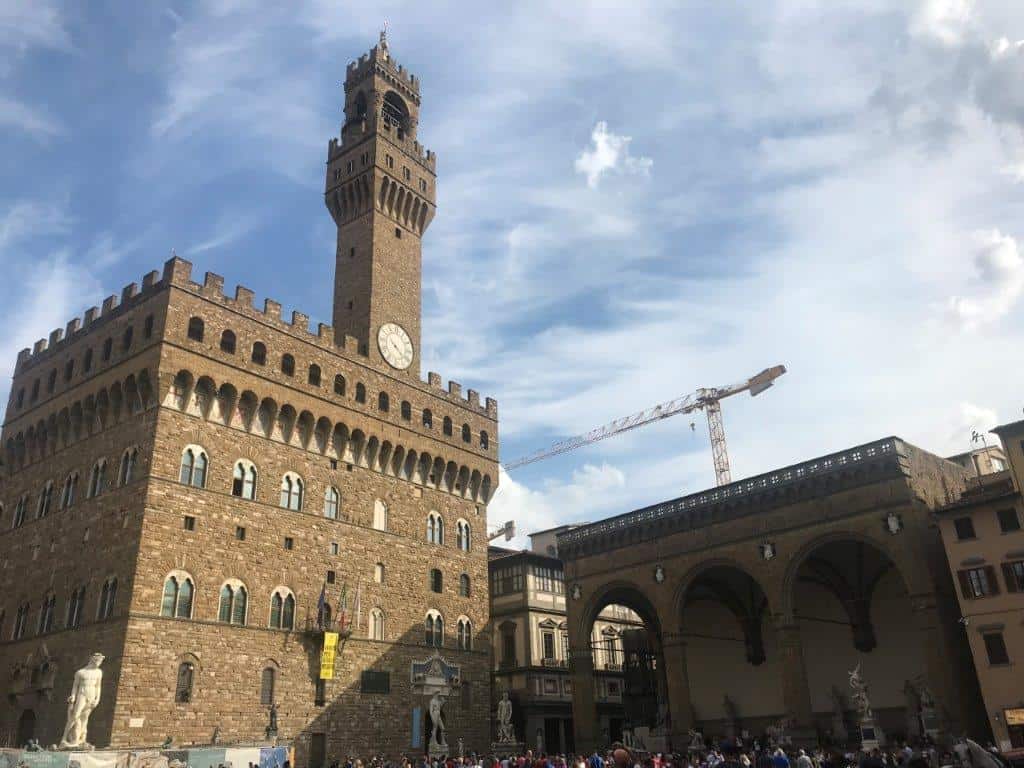
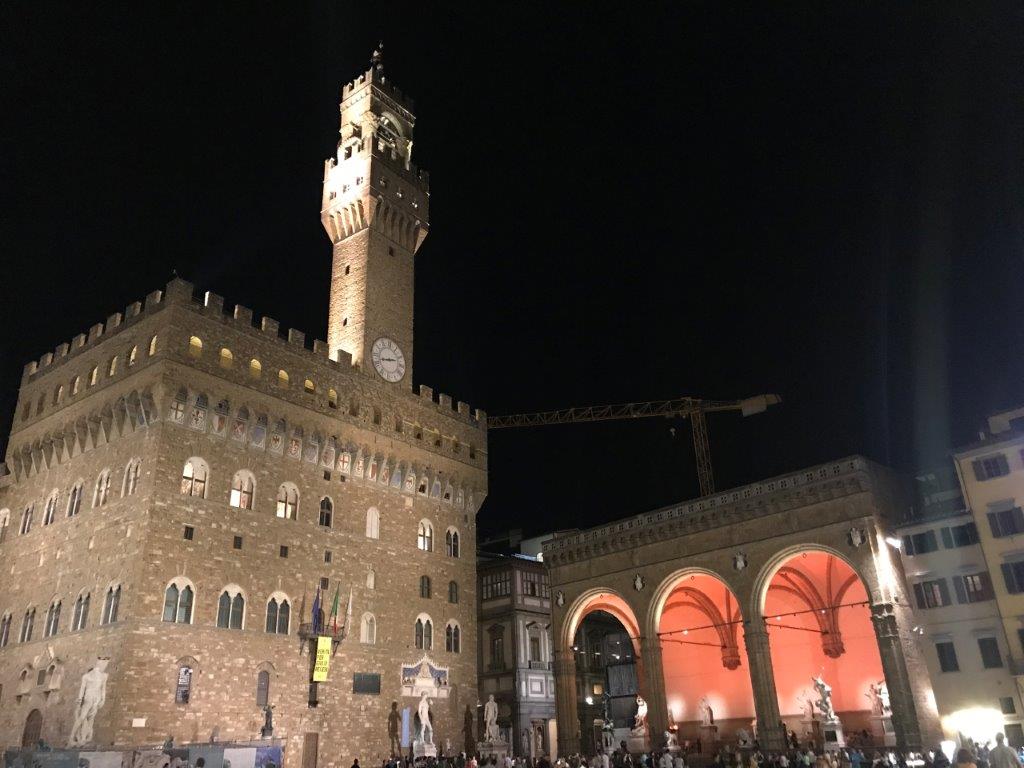
Palazzo Vecchio is the town hall of Florence and one of the most famous buildings in the city. The palace dates back to the year 1299 and stands at the Piazza della Signoria. This is one of the more iconic squares in Florence and does in addition to the Palazzo Vecchio also house a copy of Michelangelo’s David sculpture.
Palazzo Pitti
Palazzo Pitti lies on the other side of the Arno River. Banking estates have a tendency of being grand also today. Palazzo Pitti is no exception. It was originally built by the banker Luca Pitti in 1458. It has since expanded and several times and has seen several ruler coming and going. The palace is today the largest museum by area in the city and houses several galleries and exhibitions. For visitors staying outside, the large Boboli Gardens is a must-see. The gardens was first opened to the public in 1766 and the different parts are in themselves impressive. They do also offer a magnificent view of Palazzo Pitti.
Piazzale Michelangelo
In regards to views, there is probably no other place in Florence that is open to the public and can beat the view from Piazzale Michelangelo. The square is located on the southern side of the river and is known for its panoramic view of the city. From here you can see all of the four earlier mentioned sights in addition to many more. There are plenty of towers in the skyline of Florence, but there is also the impressive city wall that is still standing in some parts. Just next door is also the Basilica San Miniato al Monte with its fortified cemetery Cimitero delle Porte Sante.

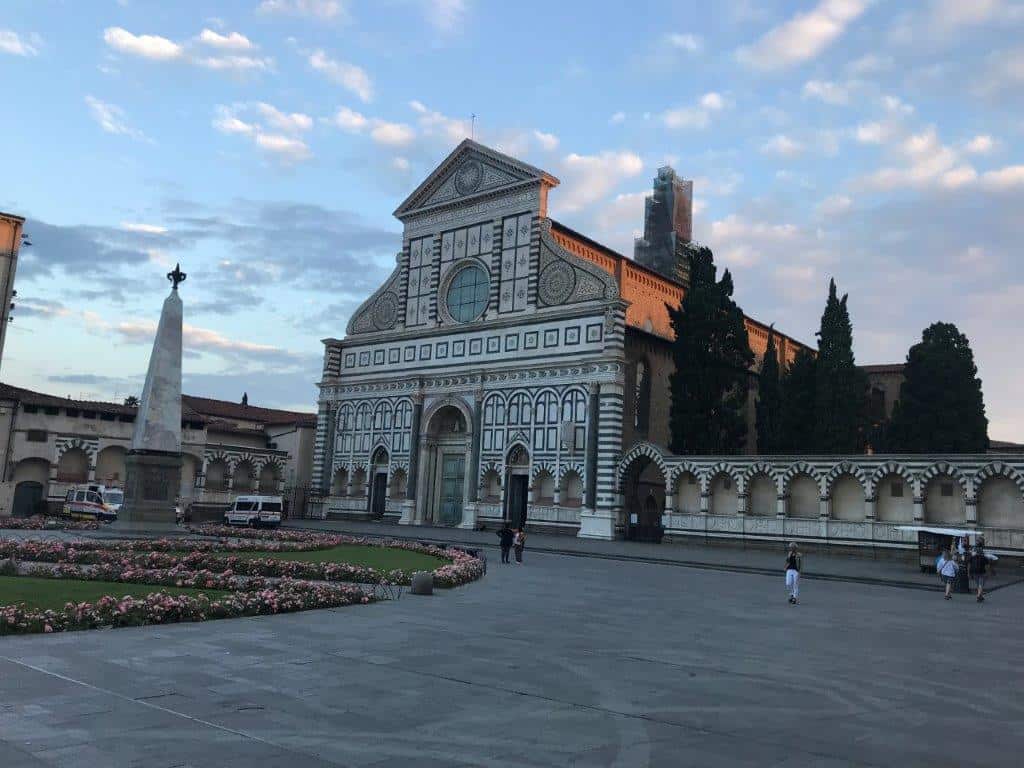


How to Get to Florence
- Flights: Florence Airport (FLR) is just to the northwest of the city center. This fairly small airport has multiple international connections around Europe.
- Car: Florence lies at the intersection of several larger roads. To the west lies Pisa and Livorno, to the north Bologna and Modena, to the east Ravenna and San Marino, and quite far to the south lies Rome.
The driving distance from 5 major Italian cities, according to Google Maps:
- Rome – 271 kilometers (2 h 50 min)
- Milan – 315 kilometers (3 h 10 min)
- Venice – 268 kilometers (2 h 50 min)
- Naples – 470 kilometers (4 h 20 min)
- Palermo – 1173 kilometers (11 h 40 min)
Looking to Explore more of Italy and Europe?




One of my favorite Italian cities.