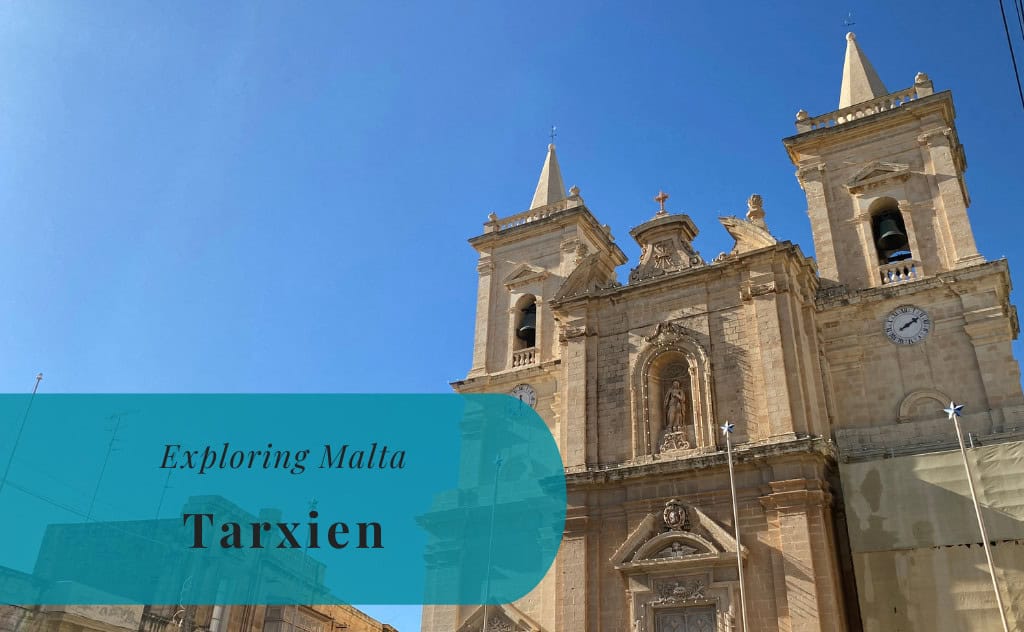
Tarxien | Exploring Malta
Tarxien, known in Maltese as Ħal Tarxien, is a town in the Port Region of Malta. It is located in the inner harbor area, a short distance from the capital, Valletta, and adjacent to the town of Paola. With a population of approximately 9,100 residents as of 2025, Tarxien is a historic residential community. The town is most famous for its prehistoric temple complex, which is one of the most important archaeological sites in the world.
The character of Tarxien is defined by its role as the home of the Tarxien Temples, a UNESCO World Heritage Site. This ancient heritage gives the town a unique identity. This history exists alongside the character of a traditional Maltese town, with a large Baroque parish church, a central square, and a network of narrow residential streets. The town’s motto, “Tyriae sic nos,” which means “Thus from Tyre,” is a reference to the supposed Phoenician origins of the area.
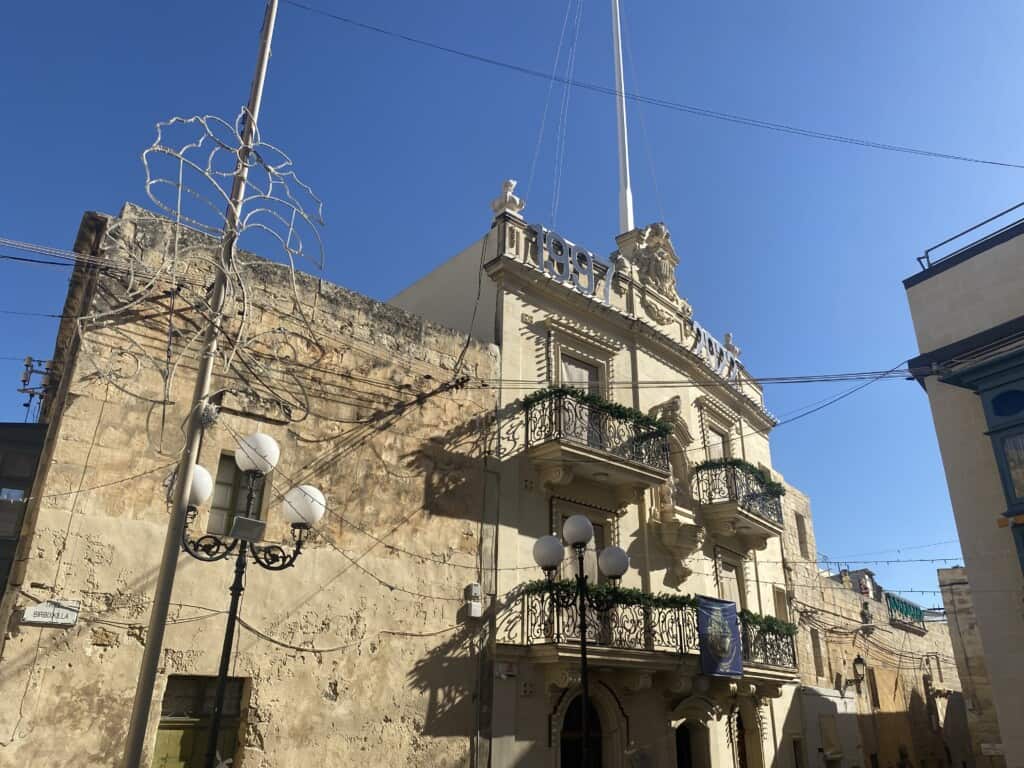


A Short History of Tarxien
The history of the area of Tarxien is one of the longest in Malta, stretching back over 5,000 years to the Neolithic period. The story of the modern town, however, is that of a rural parish that grew into a larger residential community. The area’s development reflects the different chapters of Maltese history, from its ancient temple-building civilization to the era of the Knights of St. John and its growth into a modern town. The rediscovery of its prehistoric sites in the early 20th century brought it international fame.
Prehistoric Origins
The land on which Tarxien is built has been a center of human activity since the Neolithic period. This is evidenced by the presence of the Tarxien Temples, a major megalithic temple complex that was built between 3600 and 2500 BC. The presence of this large and complex religious site indicates that this part of Malta was a major center for the ancient temple-building civilization. The site was used for rituals and animal sacrifices. The nearby Hypogeum of Ħal Saflieni, a subterranean necropolis, is from the same period, further highlighting the area’s prehistoric importance.
A Rural Parish
After the decline of the temple-building civilization, the area remained in use. The modern town of Tarxien developed as a rural parish (raħal) in the medieval period. The parish of Tarxien was officially established in 1592. For centuries, it remained a small agricultural community. Its life was centered around its parish church and the cultivation of the surrounding fields. During the time of the Knights of St. John and the subsequent British period, it continued its existence as a quiet rural village.
Modern Development
The major rediscovery of the Tarxien Temples in 1913 by local farmers brought a new international significance to the town. The subsequent excavation of the site by the archaeologist Sir Themistocles Zammit revealed one of the best-preserved temple complexes in Malta. In the 20th century, the town grew significantly as a residential area, with its population expanding. It is now part of the dense urban conurbation of the southern harbor region of Malta.


Things to Do and See
The sights in and around Tarxien are dominated by its world-class prehistoric monuments. These sites offer a direct look into the ancient civilization that flourished in Malta over 5,000 years ago. The town also has other points of interest, including its main parish church.
Tarxien Temples
The Tarxien Temples are the most significant sight in Tarxien. This is a large megalithic temple complex that is a designated UNESCO World Heritage Site. The complex consists of four temple structures that were built between 3600 and 2500 BC. The temples are known for their intricate stone carvings, which include spiral designs and reliefs of domestic animals. The site also features a famous statue of a “fat lady,” which represents a fertility goddess. The temples are protected by a large tent structure and are served by a modern visitor center.
Hypogeum of Ħal Saflieni
Located in the neighboring town of Paola, just a short walk from the Tarxien Temples, is the Hypogeum of Ħal Saflieni. This is a subterranean necropolis from the Neolithic period, dating back to around 4000 BC. The complex consists of a series of interconnected chambers that were carved out of the solid limestone. It is a designated UNESCO World Heritage Site. Due to the need to preserve its delicate microclimate, access to the Hypogeum is strictly limited. It is essential to book tickets many months in advance.
Parish Church of the Annunciation
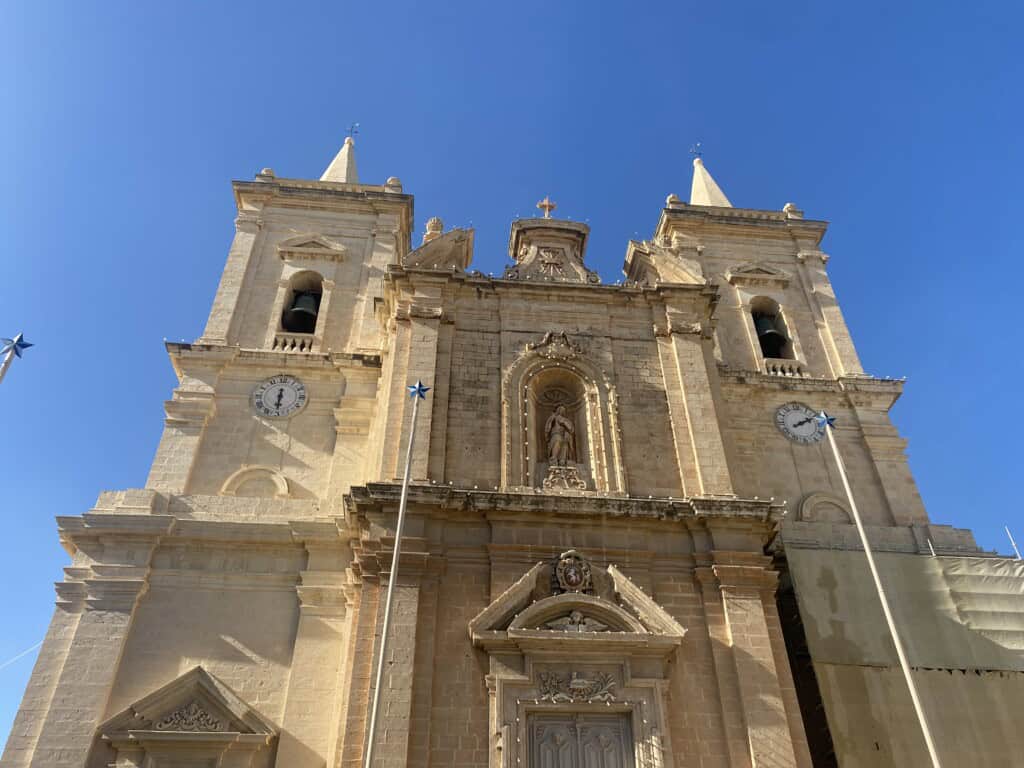
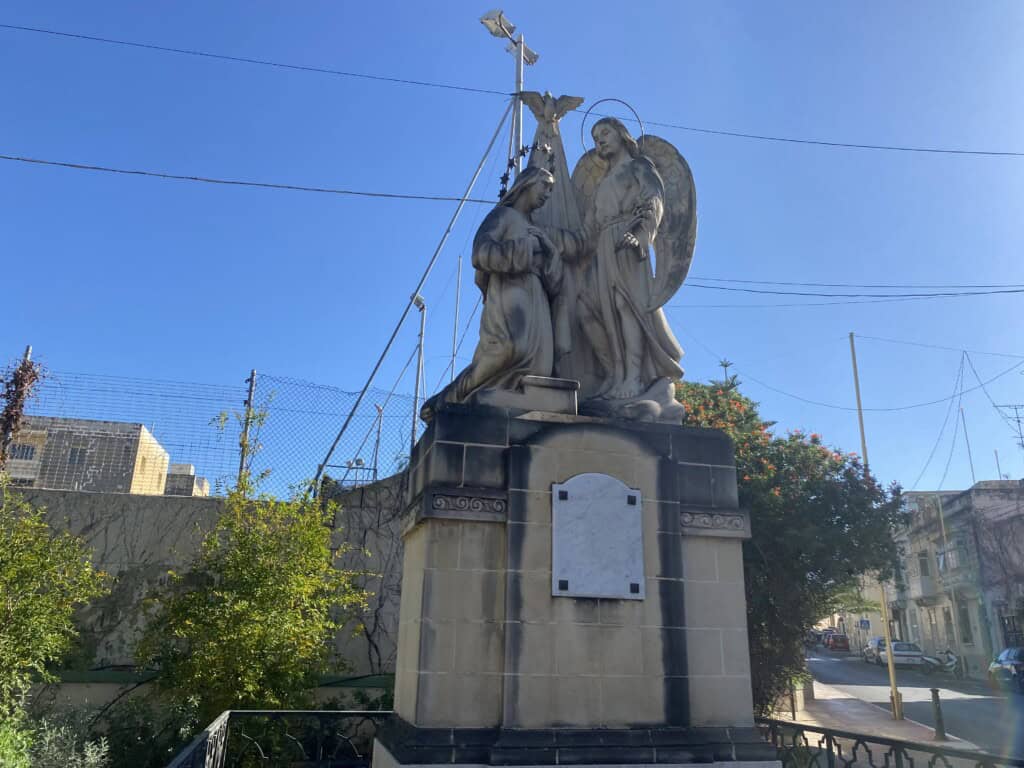
The main church in Tarxien is the Parish Church of the Annunciation. The church is a large, impressive building constructed in the Baroque style. It was built in the mid-17th century. The church is a major landmark in the town and is known for its large dome and its ornate interior. It contains several important works of art, including paintings by the Maltese artist Giuseppe Calì. The church is the spiritual center of the local community and is the focus of the annual village festa.
The Village Core
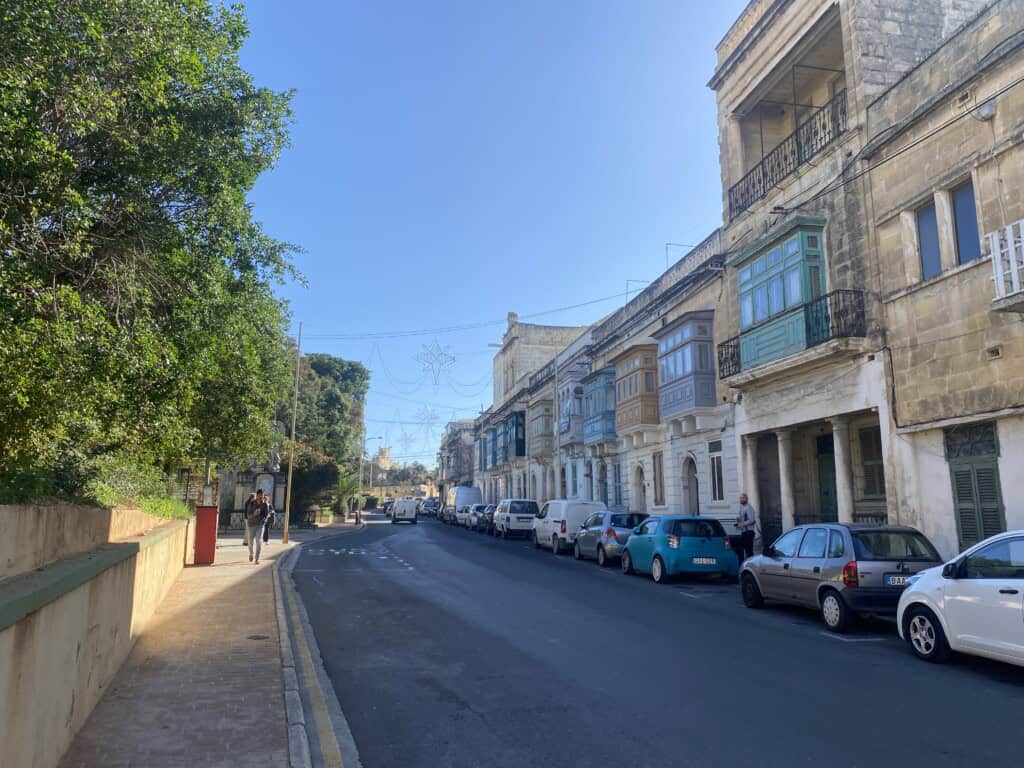
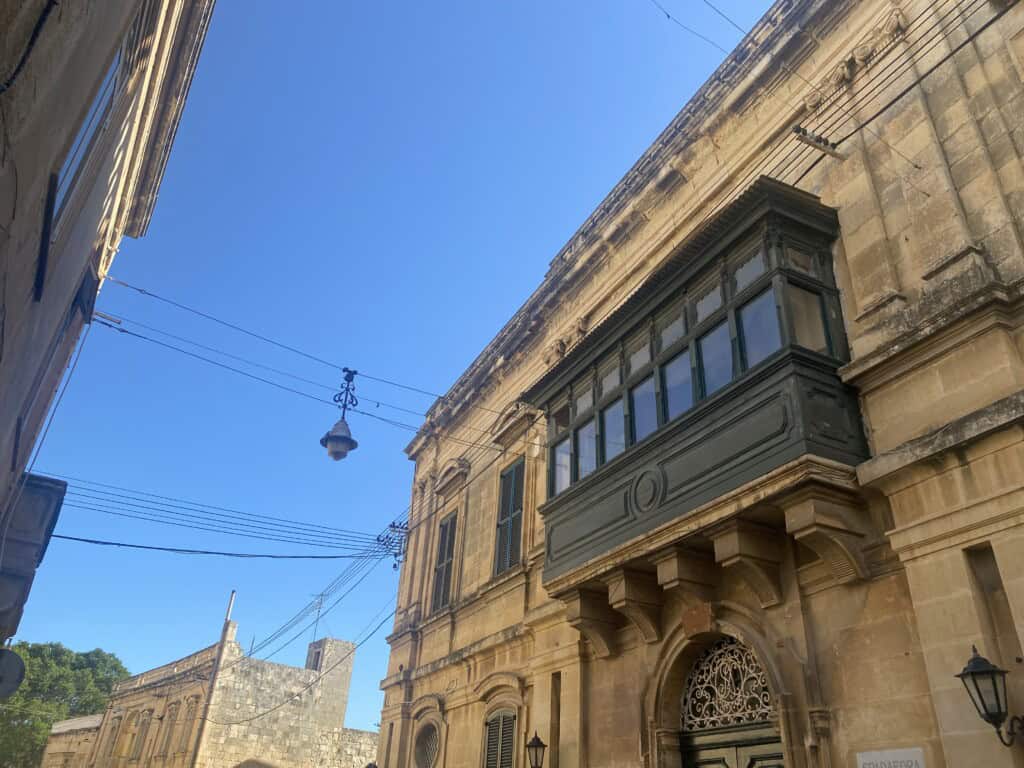
The historic village core of Tarxien is the area surrounding the parish church. This part of the town retains the character of a traditional Maltese village. It features a network of narrow, winding streets lined with traditional Maltese houses with their colorful wooden balconies (gallarija). A walk through the old part of the town provides a look at the daily life of the community, away from the main tourist sites.


Sports in Tarxien
The sporting life in Tarxien is focused on football. The town is home to a football club that has a history of competing at the highest level of Maltese football. The club is a key part of the local identity.
Football
Football is a major sport in Tarxien, as it is throughout Malta. The local club has a dedicated following from the town and the surrounding areas. The club is an important part of the community, with a focus on youth development.
Tarxien Rainbows F.C.
The main football club is Tarxien Rainbows F.C. The club was founded in 1944. They have a history of competing in the Maltese Premier League, the top tier of Maltese football. They play their home games at the Tony Cassar Sports Ground. The club’s colors are blue and white. They have a strong local rivalry with the nearby club Hibernians F.C. from Paola.


Getting Around in Tarxien
Navigating the town of Tarxien and its immediate surroundings is best done on foot or by local bus. The town is small, and its main points of interest are located close to each other.
On Foot: The Town Center
Walking is a suitable way to explore the central part of Tarxien. The main square, the parish church, and the Tarxien Temples are all located within a short walking distance of each other. The Hypogeum of Ħal Saflieni in the neighboring town of Paola is also just a short walk away. Comfortable shoes are recommended for exploring the area.
Local Buses
The public transport in Malta is based on an extensive network of buses operated by Malta Public Transport. Several bus routes pass through Tarxien, connecting it with the main bus terminal at Valletta, the airport, and other towns and villages. The bus is the primary mode of public transport for traveling around the island.
How to Get to Tarxien
Reaching the town of Tarxien is straightforward, as it is centrally located in the most densely populated part of Malta. The country’s single international airport is a very short drive away, and the town is well-served by the national bus network.
The Open Road: Driving to Tarxien
Driving is a common way to reach Tarxien. The town is connected by a network of local roads to the main road system of Malta. From the area around the airport, the drive takes only about 10-15 minutes, depending on traffic. Be aware that the streets within the historic town center can be very narrow, and parking can be difficult to find.
Arriving by Air: Malta International Airport
The primary and sole gateway to the country is Malta International Airport (MLA). It is located in the town of Luqa, approximately 5 kilometers from Tarxien. The airport is well-connected to major cities across Europe, the Middle East, and North Africa. From the airport, a taxi or a direct local public bus service can be used to reach Tarxien in a very short amount of time.
Connecting by Coach
There are no major long-distance coach services in Malta due to the small size of the island. The entire country is served by the integrated national bus network operated by Malta Public Transport. The main bus terminal is located just outside the city gates of Valletta. Numerous routes from this terminal, as well as from the airport, serve Tarxien directly.
On Track: The Absence of Rail
There is no train service in Malta. The country does not have a railway network. Therefore, it is not possible to reach Tarxien by train. All overland travel on the island must be done by road or by other means such as the harbor ferries.
An International Ferry Approach
It is possible to arrive in Malta by ferry. The main ferry terminal is located at the Valletta Waterfront. There are regular car and passenger ferry services that connect Malta with the port of Pozzallo in Sicily, Italy. From the ferry terminal in Valletta, it is a short journey by bus or taxi to reach the nearby town of Tarxien.
Driving Distances
The driving distance from 10 Maltese cities, according to Google Maps:
- Paola, Malta – 1 kilometer (0 h 10 min)
- Birgu, Malta – 4 kilometers (0 h 10 min)
- Marsaxlokk, Malta – 5 kilometers (0 h 10 min)
- Valletta, Malta – 6 kilometers (0 h 20 min)
- Sliema, Malta – 10 kilometers (0 h 30 min)
- St. Julian’s, Malta – 11 kilometers (0 h 30 min)
- Mosta, Malta – 11 kilometers (0 h 30 min)
- Mdina, Malta – 12 kilometers (0 h 30 min)
- Buġibba, Malta – 18 kilometers (0 h 40 min)
- Mellieħa, Malta – 23 kilometers (0 h 50 min)
Looking to Explore more of Malta and Europe?