
Oberweis, Rhineland-Palatinate | Exploring Germany
Oberweis is a municipality in the Eifelkreis Bitburg-Prüm district, located in the state of Rhineland-Palatinate, Germany. As part of the Verbandsgemeinde (collective municipality) of Südeifel, Oberweis is a small rural community with a population of approximately 590 residents. The village is situated in the Southern Eifel region, a landscape of rolling hills and river valleys. It is located on the banks of the Prüm River, about 8 kilometers southwest of the larger town of Bitburg.
The character of Oberweis is that of a traditional Eifel agricultural village. Its identity is defined by its quiet, rural setting and its well-preserved historic church. The village consists of a small cluster of houses and traditional farmsteads, all surrounded by fields and forests. Its location within the Southern Eifel Nature Park places it in a wider protected landscape. This makes it a destination for visitors seeking to experience the natural environment of the region.
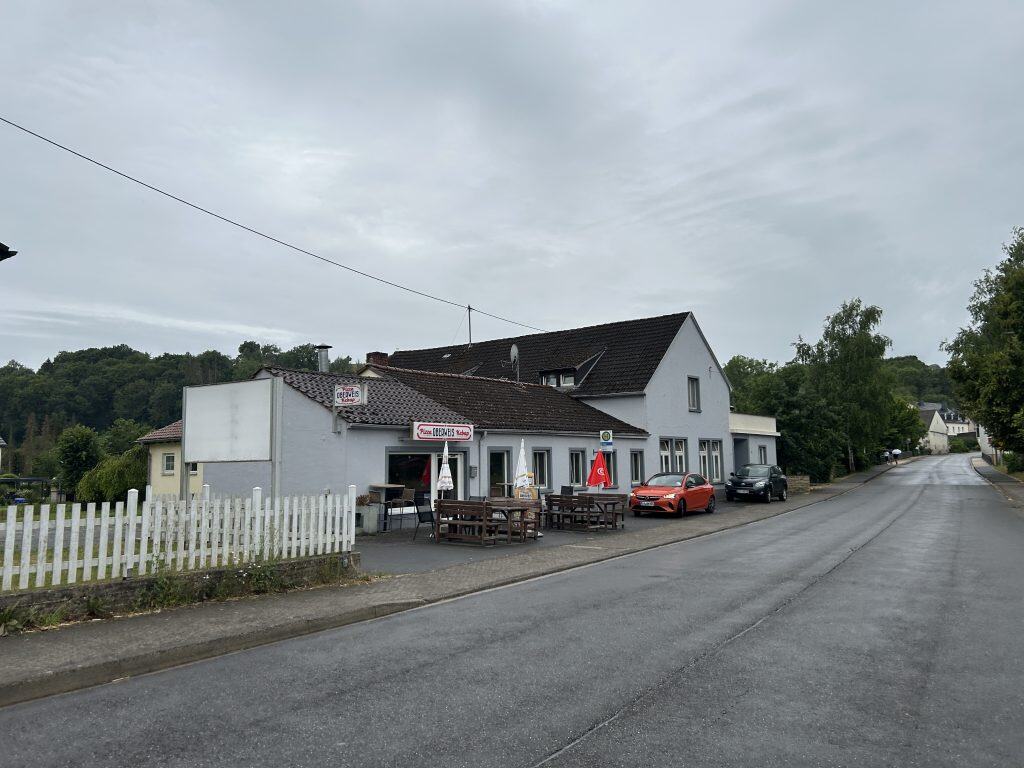

A Short History of Oberweis
The history of Oberweis is that of a small agricultural settlement that has maintained its rural character for centuries. Its development reflects the history of the Eifel region, from its early medieval origins to its modern administrative structure. The village’s story is one of a stable community whose life has been centered around its church and the cultivation of the surrounding land. For much of its history, it was part of the territory controlled by the powerful lords of the region.
Medieval Origins
The history of settlement in the Oberweis area is long, with the village first being mentioned in historical documents in the 13th century. For most of its history, the village was a small agricultural parish. It was part of the County of Luxembourg for much of the medieval period. The local economy was based entirely on agriculture and the use of the surrounding forests. The village grew around its church, which served as the spiritual and social center for the local population.
Modern Era
For centuries after the medieval period, Oberweis remained a small, isolated agricultural village. Its life was defined by the local church and the rhythm of farming. After the end of the feudal system during the Napoleonic era, the region was incorporated into the Kingdom of Prussia in the 19th century. The village largely avoided the industrialization that affected other parts of Germany, which helped to preserve its historic character. In the 20th century, it became part of the modern state of Rhineland-Palatinate and is now part of the Verbandsgemeinde Südeifel.

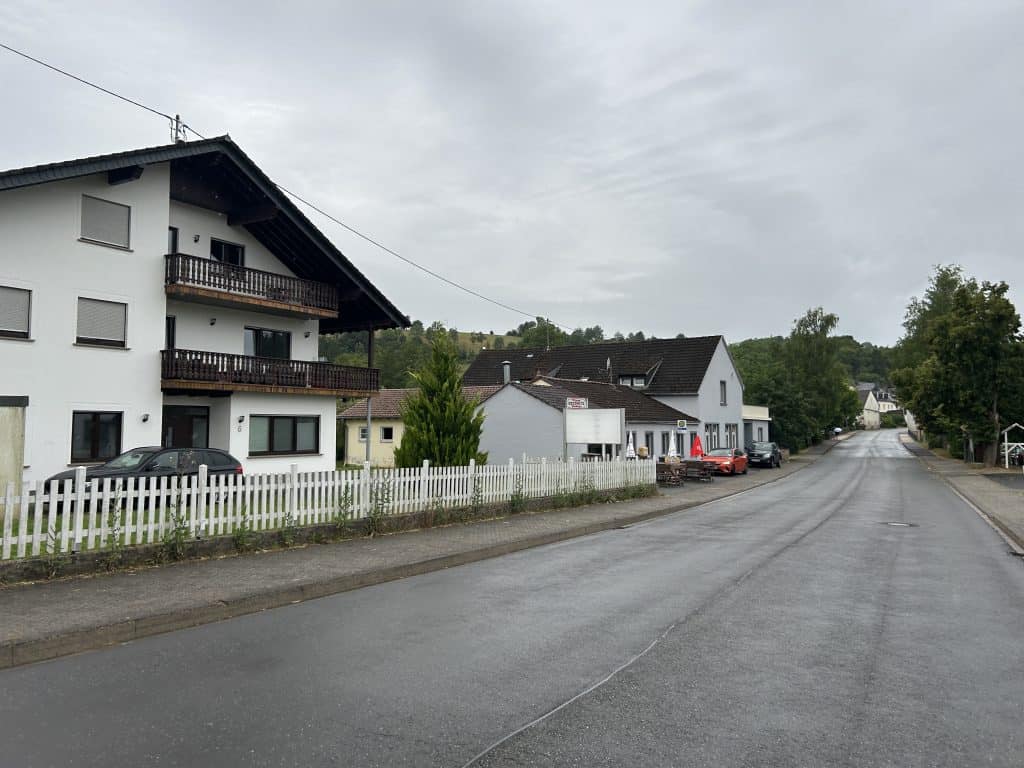

Things to Do and See
The sights in and around the small village of Oberweis are focused on its historic church and the surrounding natural and cultural landscape. The main points of interest offer a look into the history and traditions of this rural Eifel village. A key nearby landmark is the impressive Baroque castle in the neighboring village of Niederweis. A major regional cycle path also passes directly through Oberweis, making the route itself a sight for recreational visitors. These attractions collectively showcase the blend of built heritage, agricultural tradition, and natural beauty that characterizes the Southern Eifel region.
St. Remigius’ Parish Church
The St. Remigius’ Parish Church (Pfarrkirche St. Remigius) is the primary landmark and historical centerpiece of Oberweis. The current church is a neo-Gothic hall church that was constructed in the late 19th century to replace an older medieval building on the same site. Its tall stone tower is a prominent feature in the local landscape and is visible from the surrounding countryside. The church serves as the spiritual heart of the local Catholic community. Inside, it contains furnishings and stained glass windows that are characteristic of the 19th-century revivalist architectural style.
The Village Center
The historic village center of Oberweis retains the character of a traditional Eifel village. The area around the church is the heart of the community. The streets are lined with traditional stone houses and farmsteads, many of which date from the 18th and 19th centuries and are typical of the Eifeler Bauernhaus style. A walk through the village provides a look at the rural architecture of the region. The village is surrounded by open fields and agricultural land, which is integral to its character.
Niederweis Castle
Located in the neighboring village of Niederweis, just a short distance from Oberweis, is Niederweis Castle (Schloss Niederweis). This is the most significant historical building in the immediate area. It is a well-preserved Baroque water castle that was built in 1751 for a local lord. The castle is a four-winged complex built around a central courtyard and is a key example of the residential architecture of the nobility from that period. Today, the castle is privately owned and is used as a venue for events and contains a restaurant.
The Prüm River Valley
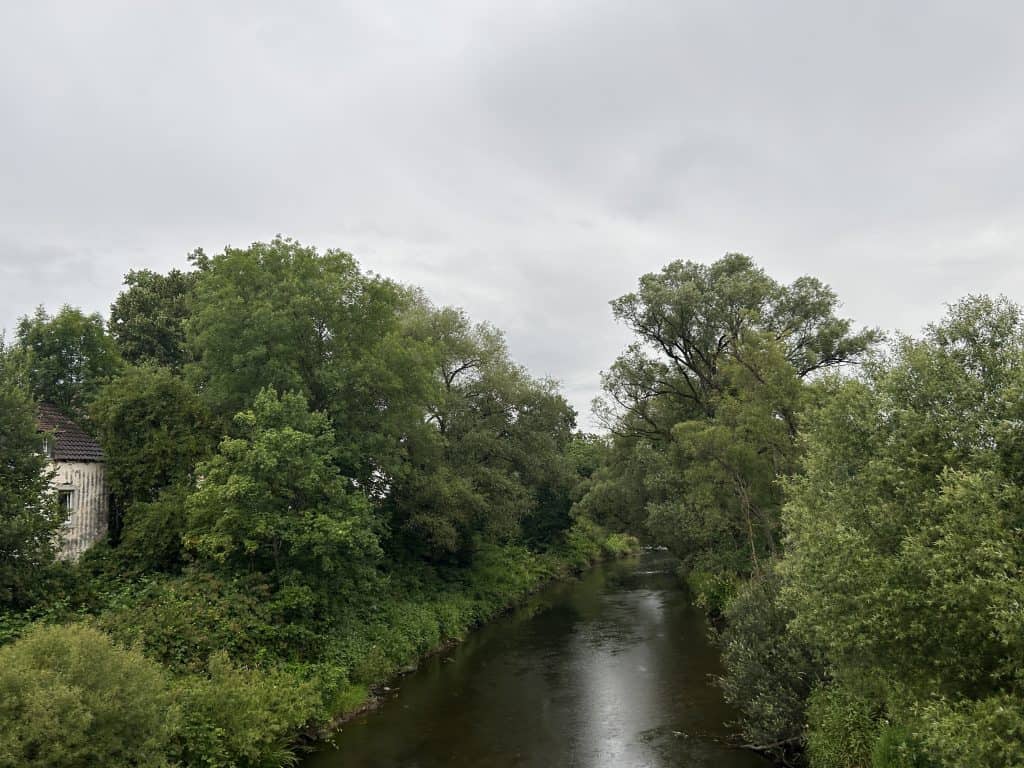
The Prüm River Valley is the primary natural feature of the area. This river is a tributary of the Sauer River, and it flows through a scenic valley with rolling hills, lush meadows, and forests. The landscape surrounding Oberweis is a key part of its character. The valley is popular for outdoor activities such as fishing and walking. It also serves as an important ecological corridor for local wildlife.
Prümtal Cycle Path
The Prüm Valley Cycle Path (Prümtal-Radweg) is a major recreational route that passes directly through Oberweis, making it a key sight for visitors. The path follows the course of the Prüm River for approximately 98 kilometers, from the town of Prüm down to Minden at the confluence with the Sauer. It is known for its scenic journey through the Southern Eifel landscape, connecting several towns and villages. The route is relatively flat in many sections, making it suitable for family cycling. Its presence in Oberweis highlights the village’s integration into the region’s tourism and recreation infrastructure.


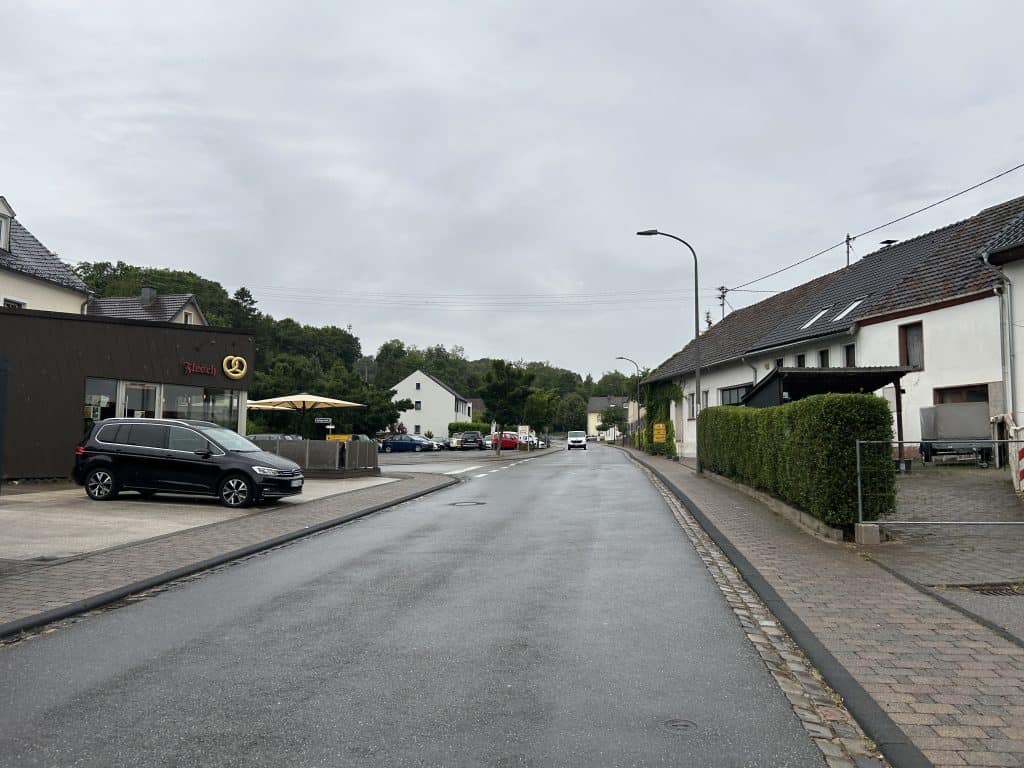
How to Get to Oberweis
Reaching the village of Oberweis requires travel to the Eifel region of western Germany, near the border with Luxembourg. A car is the most practical means of transport for visiting the village and exploring the surrounding area. Public transport options are very limited and are primarily designed for local school and commuter travel.
The Open Road: Driving to the Eifel
Driving is the most straightforward way to reach Oberweis. The village is located on a local road just a short drive from the B51, which is a main regional road connecting Bitburg and Trier. The A60 motorway (Autobahn) is also located a short distance away. This highway provides a direct link to the city of Trier and to the Belgian border. A car is essential for exploring the rural Eifel region.
Arriving by Air: Nearby Gateways
The closest and most convenient major international airport is Luxembourg Airport (LUX), located approximately 40 kilometers away. Another nearby option is Frankfurt-Hahn Airport (HHN), which is primarily served by low-cost carriers and is about 65 kilometers away. From either of these airports, a rental car is the most practical option for completing the journey to Oberweis, as public transport connections would be indirect and time-consuming.
On Track: A Journey by Rail and Bus
Oberweis does not have its own train station. The closest train station is Bitburg-Erdorf, which is located about 15 kilometers away. This station is on a small branch line. A more practical option for train travel is to arrive at the main station in Trier. Trier Hauptbahnhof has frequent connections to major German cities. From Trier or Bitburg, a local bus service or a taxi is required to reach Oberweis.
Connecting by Coach
There are no direct long-distance bus services to the small village of Oberweis. Travel by coach would typically involve taking a service from a company like FlixBus to a larger nearby city, such as Trier or Luxembourg City. From these cities, travelers would then need to rent a car or use a combination of regional buses to complete the journey, which can be difficult due to infrequent services.
Driving Distances
The driving distance from 10 regional cities, according to Google Maps:
- Trier, Germany – 28 kilometers (0 h 30 min)
- Luxembourg City, Luxembourg – 43 kilometers (0 h 40 min)
- Metz, France – 107 kilometers (1 h 30 min)
- Liège, Belgium – 117 kilometers (1 h 30 min)
- Cologne, Germany – 142 kilometers (1 h 50 min)
- Frankfurt, Germany – 195 kilometers (2 h 20 min)
- Strasbourg, France – 216 kilometers (2 h 40 min)
- Brussels, Belgium – 218 kilometers (2 h 30 min)
- Amsterdam, Netherlands – 356 kilometers (4 h 00 min)
- Paris, France – 409 kilometers (4 h 30 min)
Looking to Explore more of Germany and Europe?