Birds of Eden | Exploring South Africa
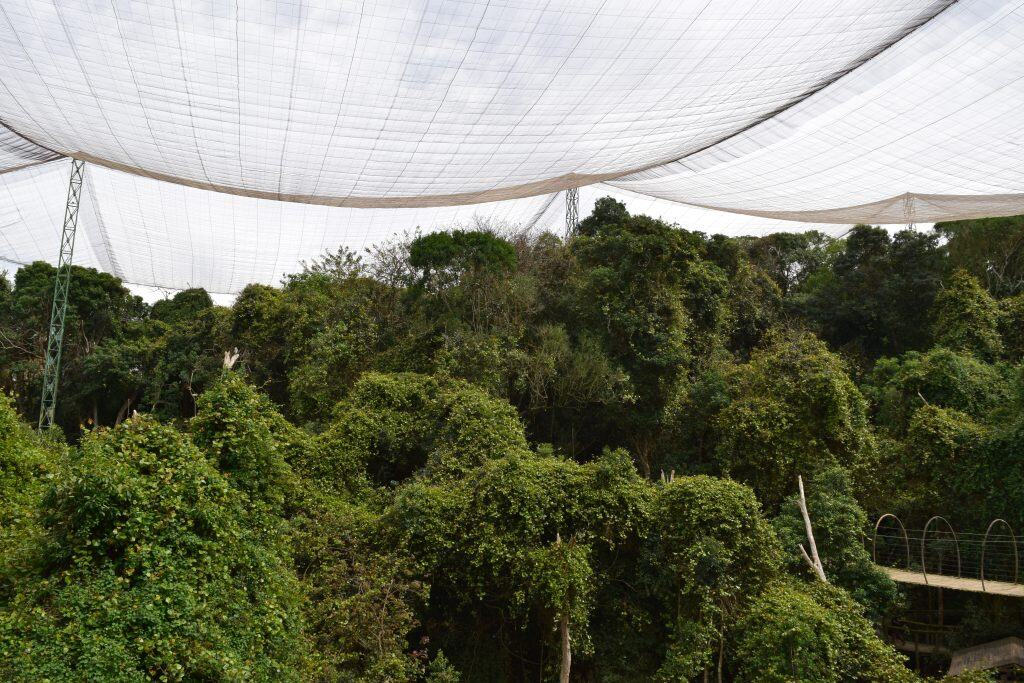
Birds of Eden is a free-flight bird sanctuary located in the Western Cape province of South Africa. It is situated in an area known as The Crags, near the popular tourist town of Plettenberg Bay, along the scenic Garden Route. The sanctuary is not a traditional zoo but a unique environment designed to provide a forever home for previously caged birds. The entire sanctuary is enclosed by the world’s largest single-span mesh dome, which covers 2.3 hectares of indigenous forest.
The identity of Birds of Eden is that of a “true sanctuary.” It is one of four sanctuaries managed by The South African Animal Sanctuary Alliance (SAASA), an organization dedicated to ethical animal tourism. The sanctuary’s primary purpose is to offer a safe and naturalistic environment where a diverse collection of birds, many of them ex-pets, can live a life of free flight. The experience for visitors is one of walking through a living forest, with the chance to see over 3,500 birds from more than 220 species flying and living freely around them.


History of Birds of Eden
The history of Birds of Eden is a modern story of conservation and the creation of a unique sanctuary for birds. The sanctuary was developed out of a need to provide a safe and appropriate home for a large collection of free-flight African birds, as well as for birds that had been kept as pets. The ambitious project to build the world’s largest free-flight aviary was a major undertaking. The sanctuary opened its doors to the public in December 2005 and has since become one of the premier wildlife attractions on the Garden Route.
The Creation of a Sanctuary
The decision to develop Birds of Eden stemmed from the need to create a safe environment in which to release a large collection of free-flight African birds. The project was conceived by the founders of the nearby Monkeyland Primate Sanctuary. They saw a similar need for a sanctuary for birds that had been kept as pets in small cages and could not be released back into the wild. The design of the sanctuary was groundbreaking, with the construction of a massive mesh dome that would enclose a natural gorge of indigenous forest, allowing the birds to fly freely in a vast, protected space.
Rehabilitation and Release
A key part of the sanctuary’s history and ongoing work is the rehabilitation of the birds that arrive there. Many of the birds at Birds of Eden have a history of being caged in small environments and have never encountered other birds. Before being released into the main aviary, all new arrivals go through a process of rehabilitation in large outdoor pre-release aviaries. Here, they are given the chance to build up their flight muscles and to socialize with other birds. This process is crucial for ensuring their successful integration into the main sanctuary.
An Award-Winning Sanctuary
In the modern era, Birds of Eden has established itself as a world-class institution and a leader in ethical animal tourism. The sanctuary, as part of SAASA, has won numerous national and international awards for its work in animal welfare and sustainable tourism. It is a forever home for its avian residents, and it also plays an important role in educating the public about bird conservation and the problems associated with the pet bird trade. The sanctuary is a successful model of how tourism can be used to support genuine conservation efforts.
Sights at Birds of Eden
The sights at Birds of Eden are centered on the immersive experience of walking through a vast, living aviary. The main attraction is the incredible diversity of birdlife that can be seen flying freely throughout the indigenous forest. The sanctuary has been designed to be a beautiful and engaging environment for visitors, with a network of walkways, a mysterious ruin with a walk-behind waterfall, and a canopy walk. The entire experience is a journey through a lush, green world filled with the sounds and colors of hundreds of different bird species.
The Free-Flight Aviary
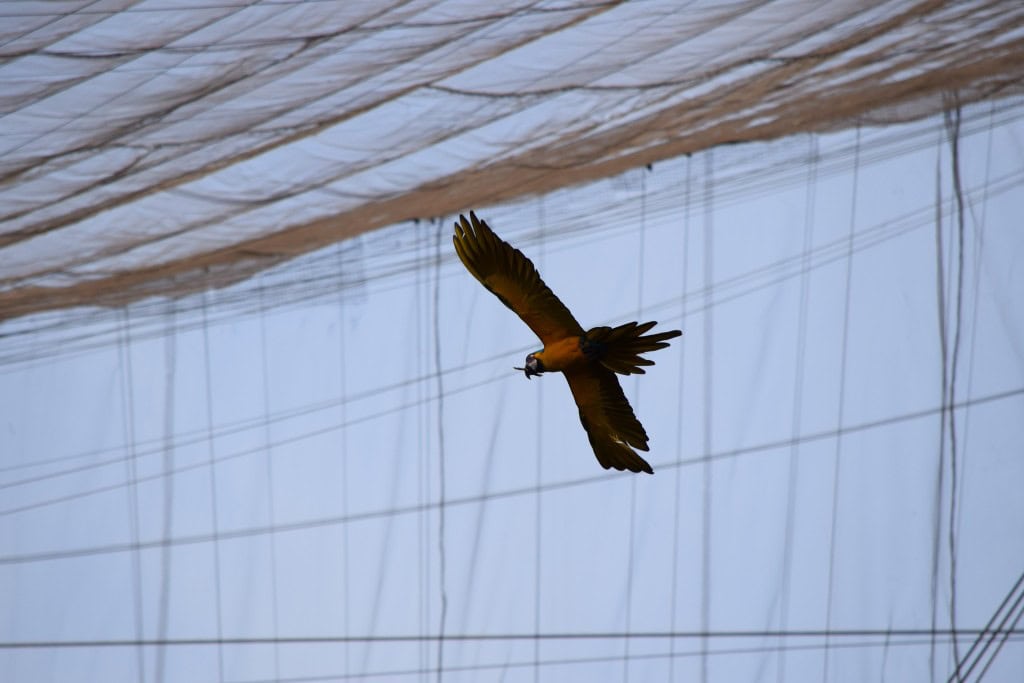
The main sight is, of course, the aviary itself. Birds of Eden is the largest free-flight aviary in the world. The unique two-hectare dome spans over a natural gorge of indigenous forest. This massive enclosure, which reaches a height of up to 55 meters, allows the birds to fly freely and live in a habitat that is as natural as possible. Visitors can explore the aviary at their own pace, following a 1.2-kilometer network of walkways that wind their way through the forest and across the gorge.
The Birdlife
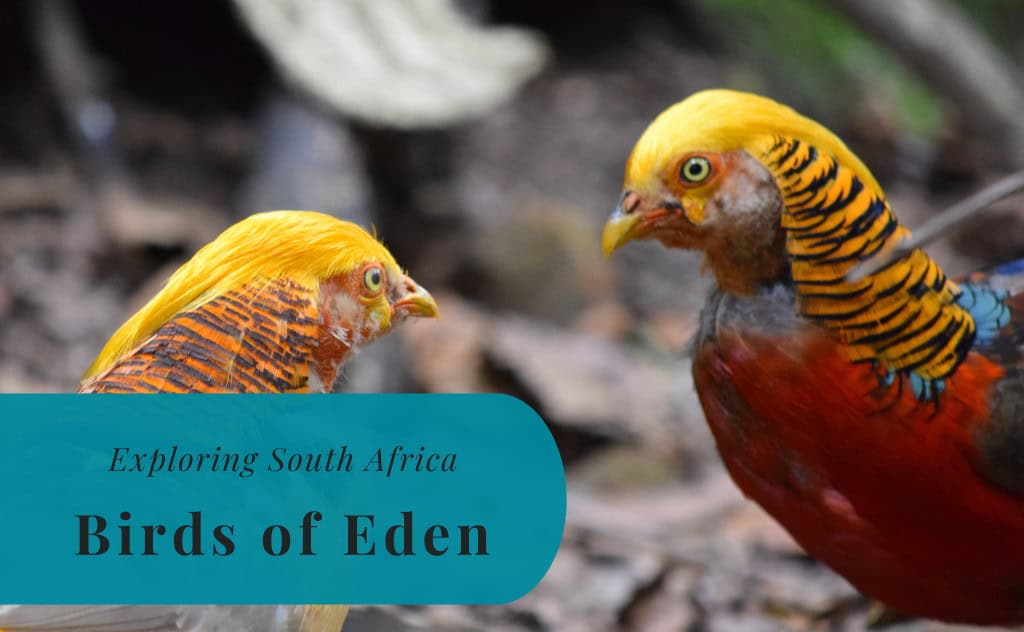
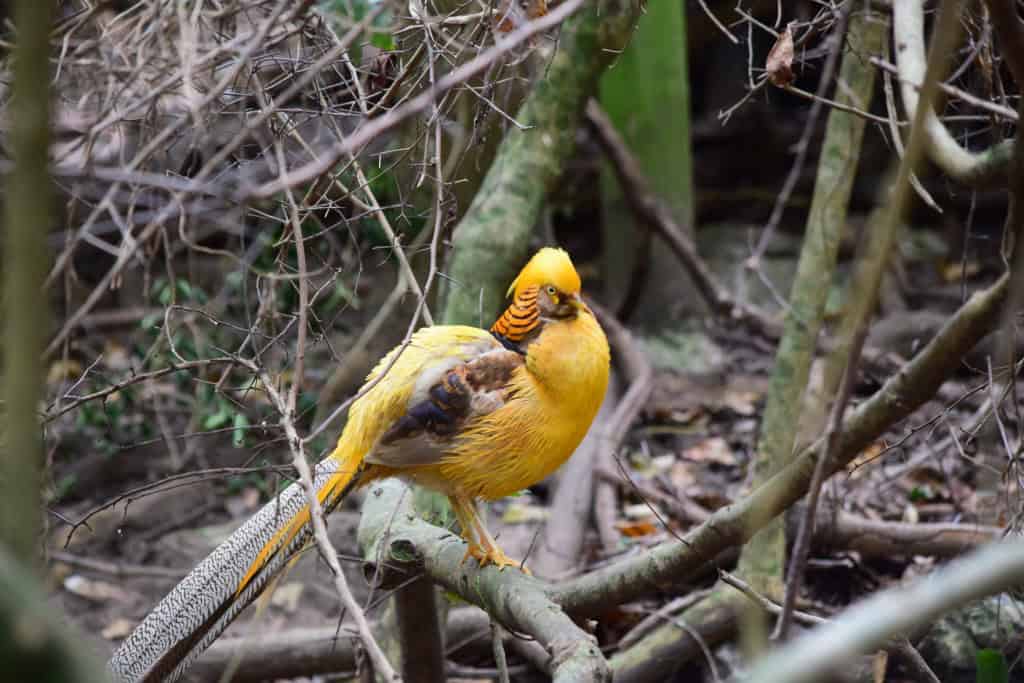
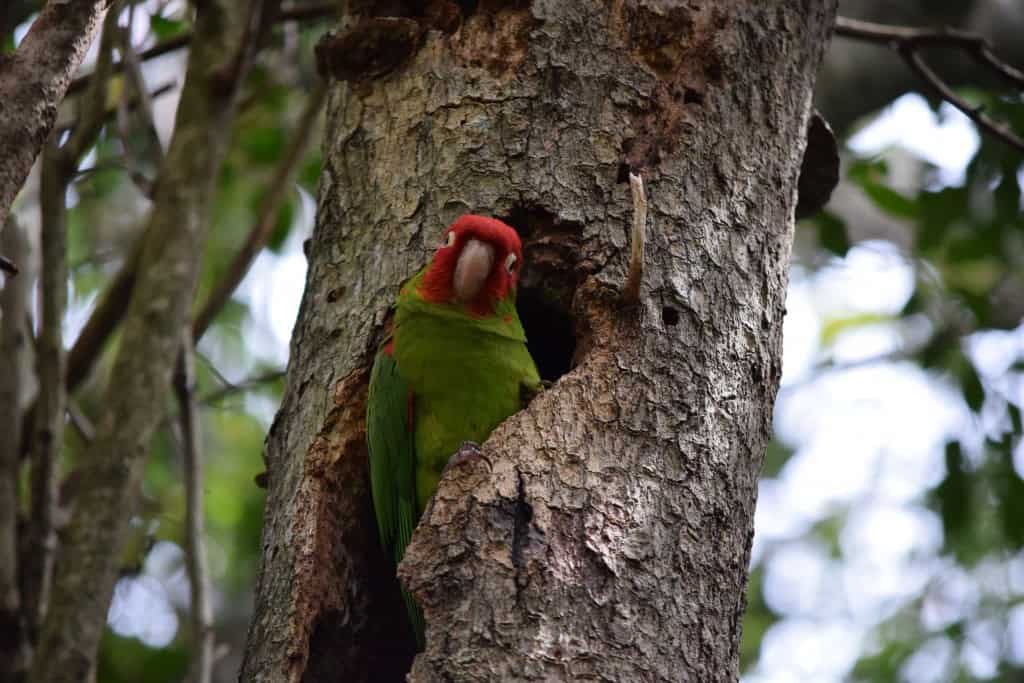
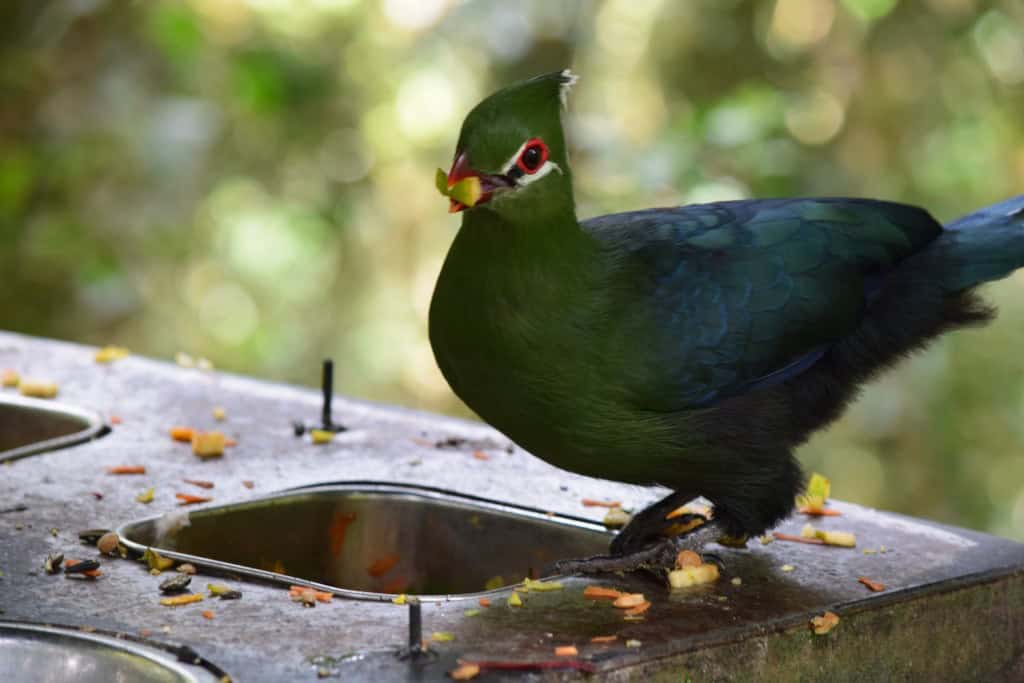
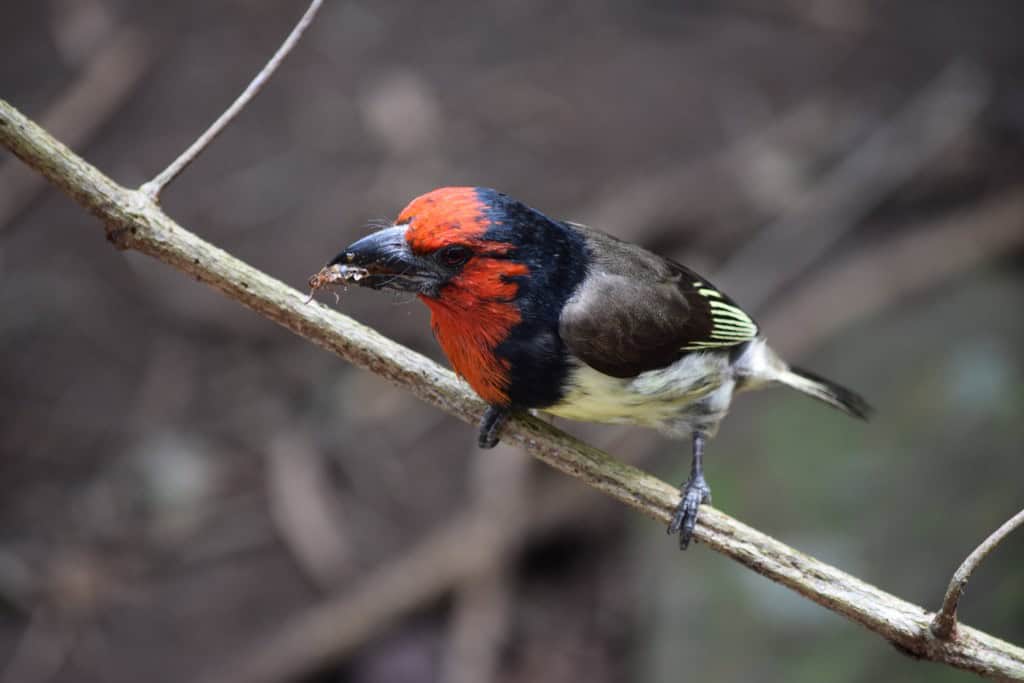
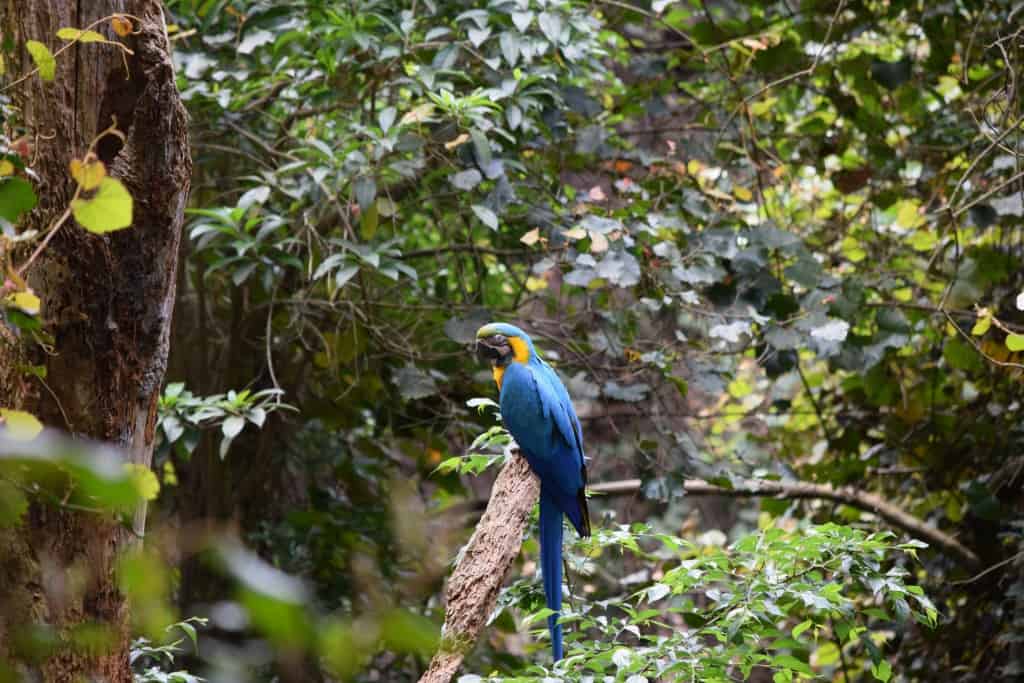
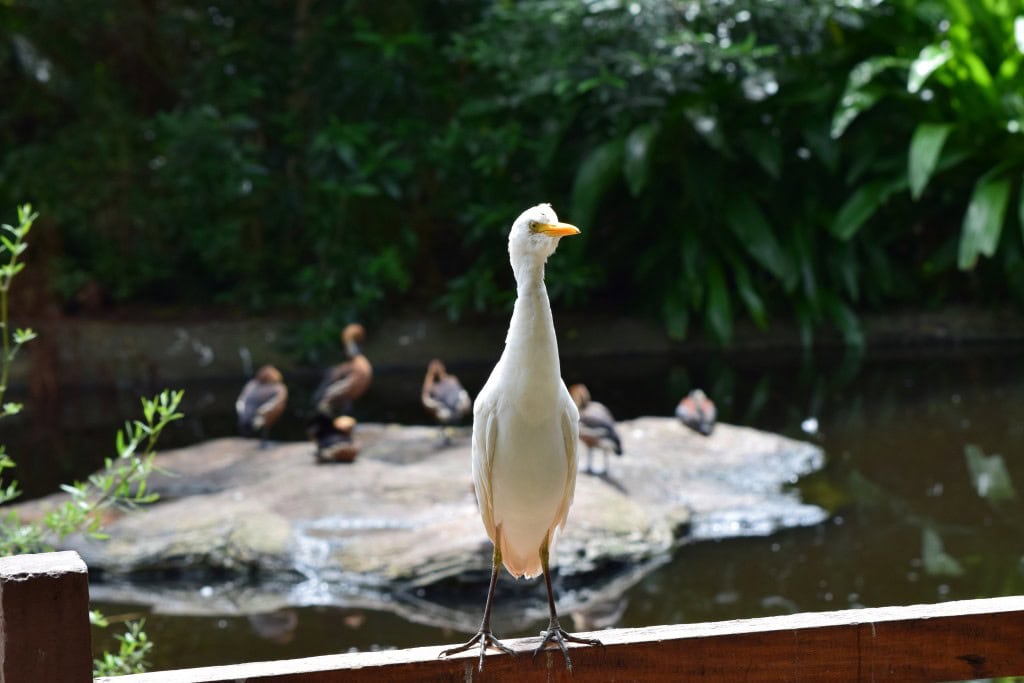
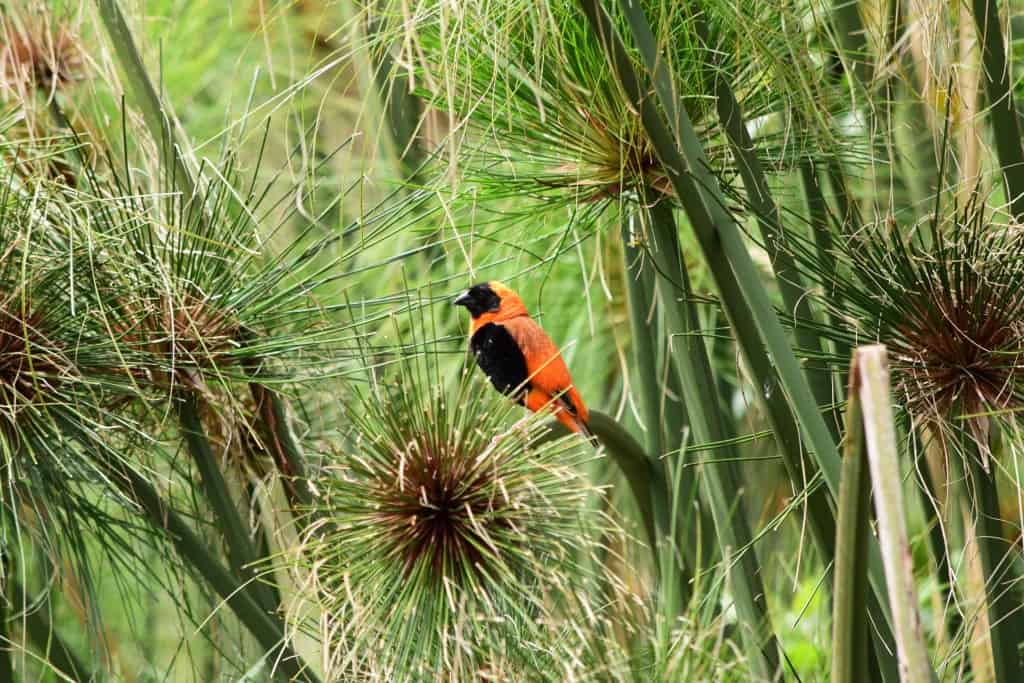
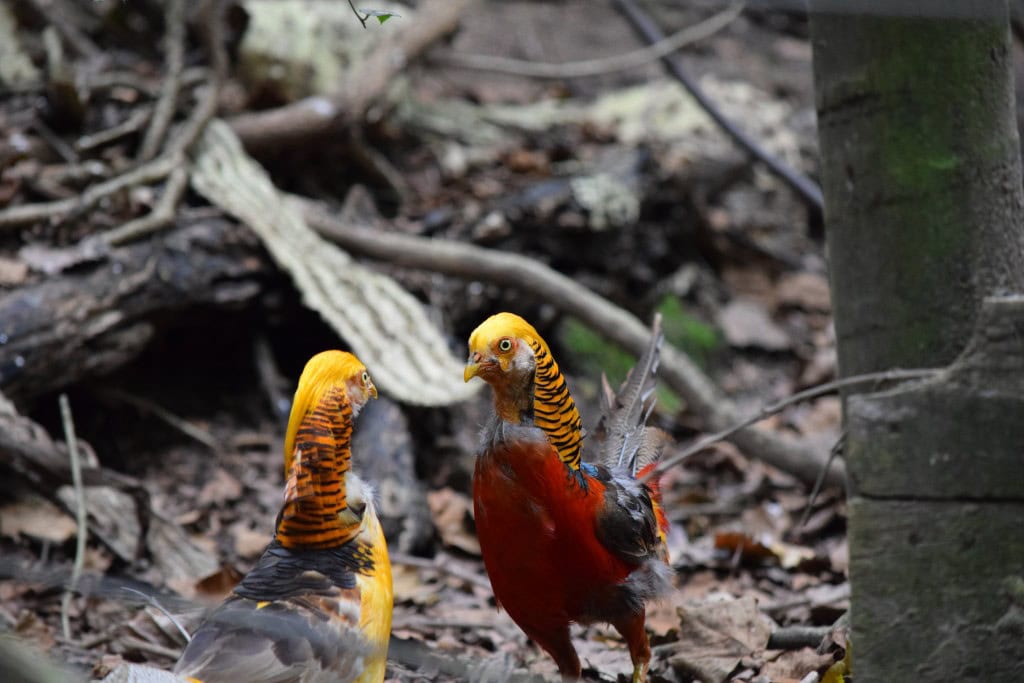
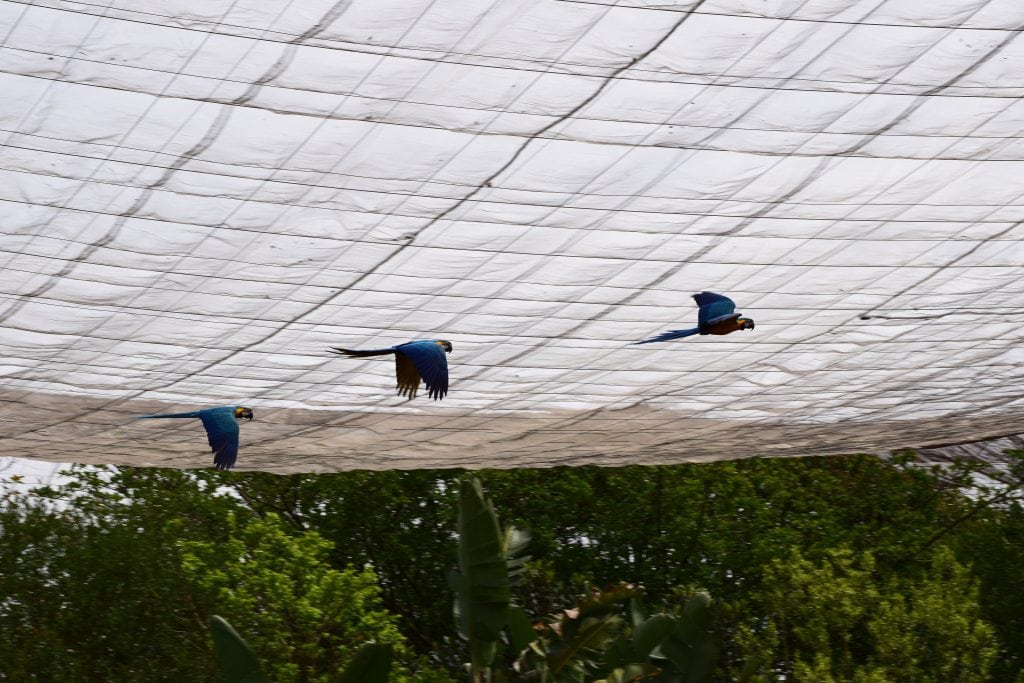
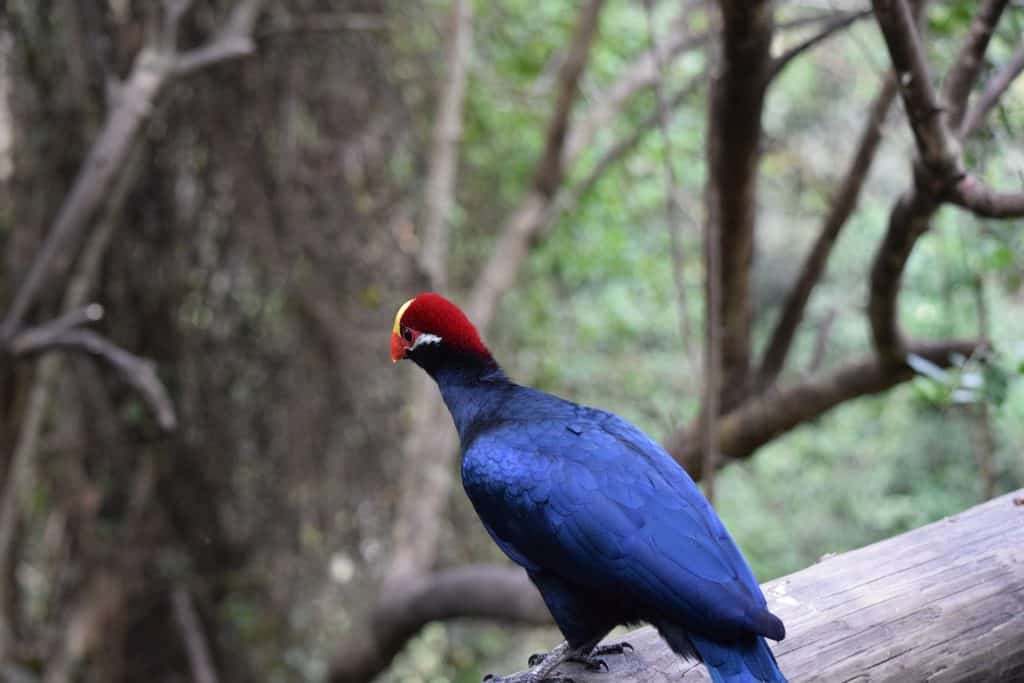
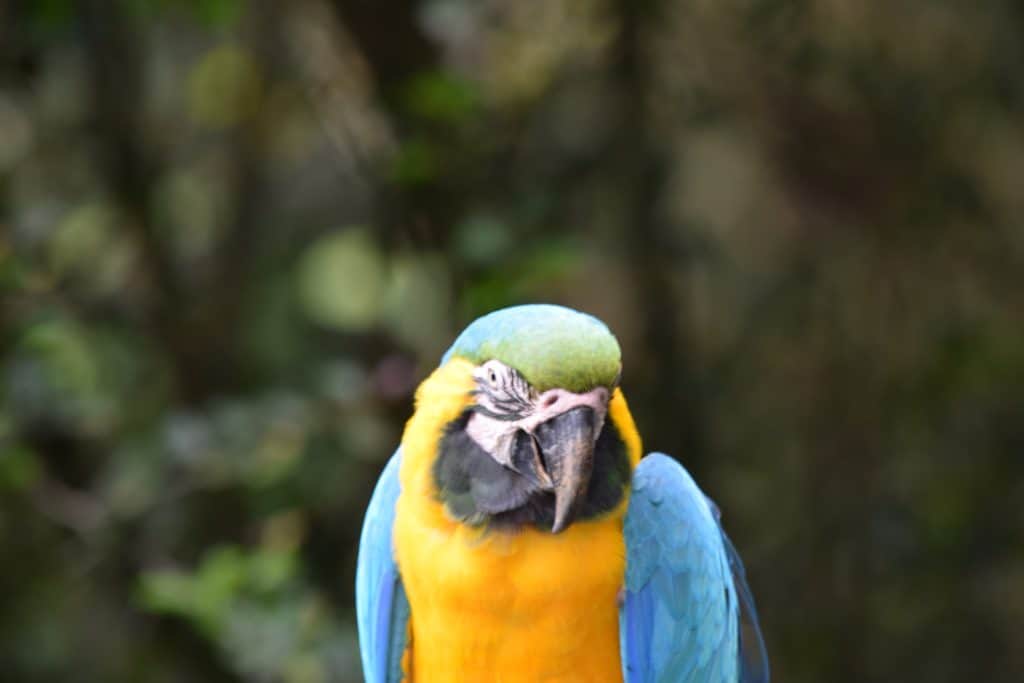
The sanctuary is home to over 3,500 birds from more than 220 species. The collection is a mix of African and exotic birds. The inhabitants include a large number of parrots and parakeets, many of which are ex-pets and are unafraid of humans. You can also see a variety of other birds, such as turacos, cranes, flamingos, and hornbills. The diversity of the birdlife is incredible, and the thrill of spotting the different species in the dense forest is a key part of the experience.
The Canopy Walk and Waterfall
Like its sister sanctuary, Monkeyland, Birds of Eden also features a canopy walk. This elevated walkway takes you through the treetops of the forest, providing a different perspective of the aviary and allowing you to see the birds that live in the upper canopy. The sanctuary also has its own “mysterious ruin,” which incorporates a beautiful walk-behind waterfall. This is a popular spot for taking photos and for enjoying the cool mist from the water.
The Amphitheatre
Within the aviary, there is a 200-seat amphitheater that is used for educational presentations and other events. The amphitheater is set in a beautiful clearing in the forest. It provides a comfortable and scenic place to sit and rest during your walk through the sanctuary. It is another feature that adds to the unique and well-designed visitor experience at Birds of Eden.



How to Get to Birds of Eden?
Birds of Eden is located in an area known as The Crags, which is situated on the Garden Route in the Western Cape province of South Africa. It is approximately 16 kilometers east of the popular tourist town of Plettenberg Bay. The primary way to get to the area is to drive along the main N2 national highway. The closest airports are in the nearby towns of Plettenberg Bay and George.
Arriving by Air
The closest airport to Birds of Eden is the small Plettenberg Bay Airport (PBZ), which has limited scheduled flights from Johannesburg and Cape Town. The larger and more convenient airport for the region is George Airport (GRJ), which is located about a 1.5-hour drive to the west. George Airport has regular flights from all the major cities in South Africa. From either of these airports, you would need to rent a car or take a shuttle service to reach The Crags.
Driving to the Sanctuary
Driving to Birds of Eden is very straightforward. The sanctuary is located just two kilometers off the main N2 national highway. The turn-off is located at the Engen Garage in The Crags. The sanctuary is well-signposted from the N2. If you are driving from Cape Town (a journey of about six hours), you would pass through the towns of Knysna and Plettenberg Bay on the N2. If you are driving from Port Elizabeth (a journey of about two and a half hours), you would pass the turn-off for Nature’s Valley.
Connecting by Bus
Long-distance bus companies like Intercape and Greyhound operate services that run along the Garden Route on the N2 highway. These buses stop in the town of Plettenberg Bay. From the bus station in Plettenberg Bay, you would then need to take a local taxi or a pre-booked shuttle service for the final 16-kilometer journey to the sanctuary in The Crags.
Driving Distances
The driving distance from 20 regional cities, according to Google Maps:
- Plettenberg Bay, South Africa – 16 kilometers (0 h 20 min)
- Knysna, South Africa – 45 kilometers (0 h 40 min)
- George, South Africa – 100 kilometers (1 h 20 min)
- Mossel Bay, South Africa – 150 kilometers (1 h 45 min)
- Oudtshoorn, South Africa – 160 kilometers (2 h 00 min)
- Port Elizabeth (Gqeberha), South Africa – 240 kilometers (2 h 30 min)
- Swellendam, South Africa – 340 kilometers (3 h 30 min)
- Beaufort West, South Africa – 400 kilometers (4 h 00 min)
- Graaff-Reinet, South Africa – 430 kilometers (4 h 30 min)
- East London, South Africa – 530 kilometers (5 h 30 min)
- Cape Town, South Africa – 540 kilometers (5 h 30 min)
- Upington, South Africa – 850 kilometers (8 h 30 min)
- Kimberley, South Africa – 860 kilometers (8 h 30 min)
- Bloemfontein, South Africa – 900 kilometers (9 h 00 min)
- Maseru, Lesotho – 950 kilometers (10 h 00 min)
- Durban, South Africa – 1180 kilometers (12 h 00 min)
- Johannesburg, South Africa – 1280 kilometers (12 h 30 min)
- Pretoria, South Africa – 1340 kilometers (13 h 00 min)
- Mbabane, Eswatini – 1500 kilometers (15 h 00 min)
- Windhoek, Namibia – 1750 kilometers (18 h 00 min)
Looking to Explore more of South Africa and Africa?