
Okahandja | Exploring Namibia
Okahandja is a town located in the Otjozondjupa Region of central Namibia. It is situated on the main B1 road, approximately 70 kilometers north of the capital city, Windhoek. The town lies at the confluence of the normally dry Okahandja and Okakango rivers. With a population of approximately 24,000 residents, Okahandja serves as an important commercial and administrative center for the surrounding district. The town is a key stopping point for travelers journeying between the capital and the northern parts of the country, including Etosha National Park.
The character of Okahandja is defined by its deep significance to the Herero people, for whom it is a traditional administrative and spiritual center. This cultural heritage exists alongside its history as a German colonial settlement. The town is widely known for its large, permanent woodcarvers’ markets, which are located on the main road and are a major attraction for tourists. This combination of cultural importance, local craft, and its function as a transport hub gives the town its specific identity.


A Short History of Okahandja
The history of Okahandja is that of a key pre-colonial settlement that became a center of conflict and administration during the colonial era. Its location at the meeting point of two riverbeds made it a desirable location for settlement for centuries. The town’s story is central to the history of the Herero people, as it was the seat of their paramount chiefs. This history has been marked by internal conflicts, resistance against German colonization, and its modern role as a center for cultural commemoration.
A Center of the Herero People
In the 19th century, Okahandja became an important settlement for the Herero people. The site was chosen by the Herero leader Tjamuaha, who settled here. His son, Maharero, who became a key figure in Namibian history, expanded the settlement. Okahandja became the de facto capital for the Herero people. It was the site of tribal councils and a center for political power in the region before the arrival of European colonists.
Missionaries and Colonial Conflicts
The first Europeans to establish a permanent presence in the area were German missionaries from the Rhenish Mission Society, who arrived in the 1850s. They established a mission station in the town. The late 19th century was a period of conflict between the Herero and the Nama peoples, with several battles taking place in the area. The subsequent arrival of German colonial forces led to further conflict. Okahandja was a key site during the Herero Wars of 1904-1907, which resulted in the defeat of the Herero and the consolidation of German colonial rule.
Modern Town and Commemoration
Under German and later South African administration, Okahandja continued to develop as an administrative center for the surrounding commercial farming district. The construction of the railway and the main road further cemented its role as a transport hub. In independent Namibia, the town has retained its importance as a center for the Herero community. Every year in August, thousands of Herero people gather in Okahandja for a pilgrimage to the historic graves of their paramount chiefs. This event, known as Herero Day, is a major cultural commemoration.
Things to Do and See
The sights in and around Okahandja are primarily related to its cultural heritage as a center for the Herero people and its local craft industry. The town’s main points of interest include its large woodcarvers’ market, the historic graves of Herero leaders, and its old mission church. The nearby Von Bach Dam also provides a major recreational area for the region.
Mbangura Woodcarvers Market
The Mbangura Woodcarvers Market is one of the most well-known attractions in Okahandja. The market is located directly on the main B1 road as it passes through the town. It is a large, permanent craft market where artisans from the region sell their hand-carved wooden goods. The market offers a wide variety of items, including animal figures, masks, bowls, and furniture. It is a major stopping point for tourists traveling between Windhoek and the north.
Herero Graves
The historic graves of the Herero chiefs are a key cultural and historical site in Okahandja. The cemetery contains the graves of several important Herero leaders, including Tjamuaha, Maharero, and Hosea Kutako, who was a key figure in the early Namibian independence movement. The graves are the focal point of the annual Herero Day commemoration. During this event, members of the Herero community march in traditional dress to the graves to pay their respects to their ancestors.
Friedenskirche (Church of Peace)
The Friedenskirche is the historic Rhenish mission church in Okahandja. The church was built by the German missionaries and consecrated in 1876. The original church building was destroyed during the conflicts of the period. The current building was reconstructed and has served the local Lutheran community for over a century. The church and the old mission station are important landmarks from the early colonial period in the town’s history.
Von Bach Dam
The Von Bach Dam is a large reservoir located just a few kilometers south of Okahandja. The dam is built on the normally dry Swakop River. It serves as a primary water source for the capital city of Windhoek. The lake created by the dam is also a major recreational area for the region. It is a popular destination for fishing, boating, and other water sports. The area around the dam is a nature reserve.
Sports in Okahandja
The sporting life in Okahandja is centered on its community sports clubs, with football being the most popular and widely followed sport. The town has a long history of supporting local teams that compete in the national league system of Namibia. These clubs are a key part of the social fabric of the town, particularly in the Nau-Aib residential area. Matches are important local events that draw supporters from the community. The main sports facilities are located in the town and provide a hub for both training and official competitions.
Football
Football is the primary organized sport in Okahandja, with several clubs representing the town at various levels of Namibian football. The sport has a dedicated following among local residents, who support their teams with passion. The main clubs provide a platform for local talent to develop. They also serve as an important focus for community identity and pride. The local derby matches between Okahandja-based teams can generate significant local interest.
Okahandja United FC
The town’s main football club is Okahandja United FC. The club has a history of competing in the Namibia Premier Football League, which is the top tier of the sport in the country. They play their home games at the Nau-Aib Stadium in Okahandja. The team is a key representative of the town on the national sports stage. The club also has a youth development system that provides opportunities for young players in the Okahandja community.

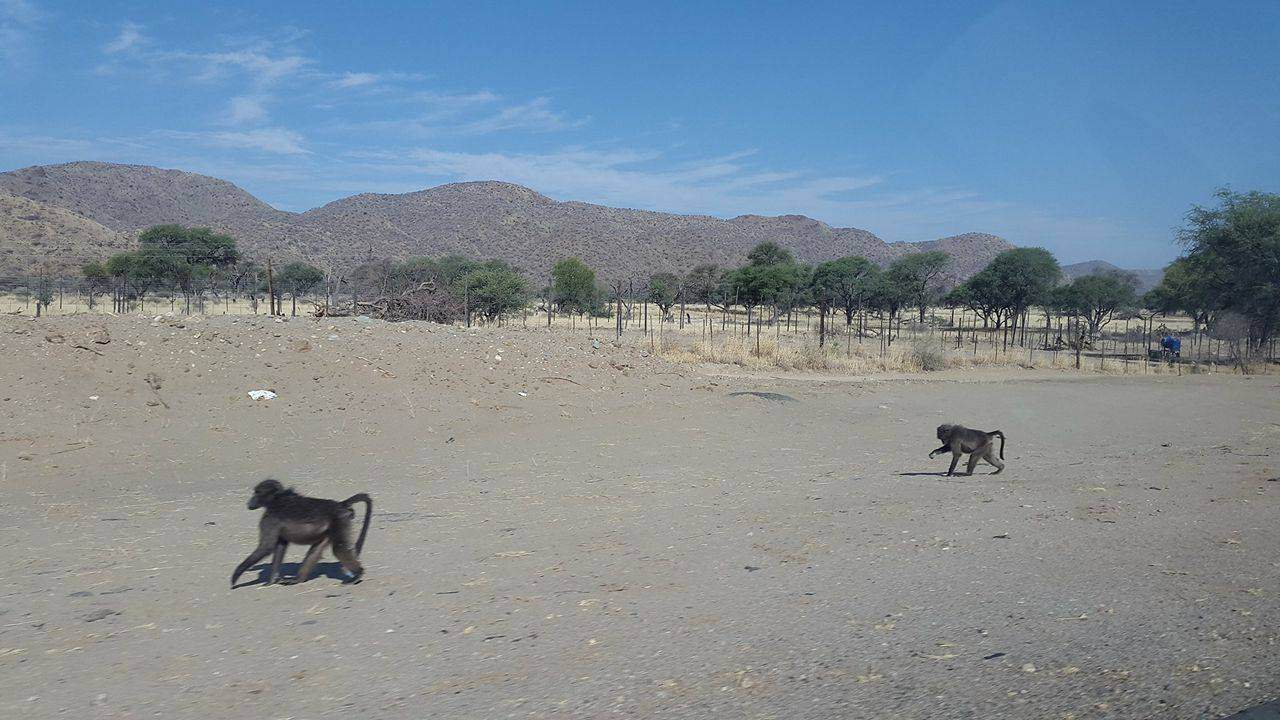
Getting Around in Okahandja
Navigating the town of Okahandja is straightforward. The town center is small and compact, making it easy to explore on foot. For any travel to the surrounding areas, such as the Von Bach Dam, a private vehicle is necessary.
On Foot: The Town Center
Walking is the best way to explore the central part of Okahandja. The main street, the woodcarvers’ markets, and local services are all within a short walking distance of each other. The historic Herero graves and the Friedenskirche are also located in the central area of the town. This allows visitors to see the main sights at a relaxed pace.
Local Taxis
For transport within the town beyond the immediate center, local taxis are available. These can be hired for short trips between different parts of the town. They do not typically operate on a meter system, so it is advisable to agree on a fare with the driver before starting the journey. Taxis are the only form of public transport available for getting around Okahandja itself.
How to Get to Okahandja
Reaching Okahandja is very straightforward by road, as it is located on Namibia’s most important highway. It is a key stop for all traffic moving between the capital and the populous northern regions of the country.
The Open Road: Driving the B1
Driving is the most common and practical way to travel to Okahandja. The town is situated directly on the B1 road. This is the main paved highway that runs the length of the country, from the South African border in the south to the Angolan border in the north. The road is well-maintained. The drive from Windhoek to Okahandja is approximately 70 kilometers and takes under an hour.
Arriving by Air
The primary international gateway to Namibia is Hosea Kutako International Airport (WDH), located near the capital, Windhoek. From the airport, travelers would typically rent a car or take a shuttle service to drive north to Okahandja. The town of Okahandja also has its own local airstrip that can be used by small charter flights.
Connecting by Coach
Long-distance bus services in Namibia make regular stops in Okahandja. The main operator is Intercape. Their bus services connect Windhoek with towns in the north of Namibia, such as Otjiwarongo and Tsumeb, and Okahandja is a major scheduled stop on this route. The buses are comfortable and provide a reliable option for those who do not wish to drive.
On Track: A Journey by Rail
Okahandja has a train station and is a key stop on the TransNamib railway line. The national rail operator runs passenger services, known as the StarLine, that connect Windhoek with the northern parts of the country. The train provides a different kind of travel experience, though it is generally much slower than traveling by road. The train station is located in the center of the town.
Driving Distances
The driving distance from 10 regional cities, according to Google Maps:
- Windhoek, Namibia – 70 kilometers (1 h 00 min)
- Karibib, Namibia – 123 kilometers (1 h 20 min)
- Otjiwarongo, Namibia – 184 kilometers (1 h 50 min)
- Swakopmund, Namibia – 303 kilometers (3 h 20 min)
- Walvis Bay, Namibia – 334 kilometers (3 h 40 min)
- Keetmanshoop, Namibia – 575 kilometers (5 h 40 min)
- Gaborone, Botswana – 1,048 kilometers (12 h 00 min)
- Cape Town, South Africa – 1,598 kilometers (16 h 30 min)
- Johannesburg, South Africa – 1,701 kilometers (17 h 20 min)
- Lusaka, Zambia – 1,749 kilometers (22 h 00 min)
Looking to Explore more of Namibia and Africa?