Söderby-Karl, Uppland | Exploring Sweden
Söderby-Karl is a locality and parish in Norrtälje Municipality, located in the Roslagen region of Uppland, Sweden. The locality is situated in the historical Sjuhundra härad (hundred). According to 2020 data, the defined urban area of Söderby-Karl has a population of approximately 220 residents. Its geography is characterized by a blend of forests, open farmland, and proximity to several lakes. Nearby towns include Älmsta, about 15 kilometers away, and the municipal center of Norrtälje, about 25 kilometers away.
The character of Söderby-Karl is defined by its rural setting and its deep historical roots, which date back to the Viking Age. The area is not a commercial center but rather a quiet community centered around its medieval church. Its main points of interest are this church and the numerous ancient remains found in the surrounding landscape. The area offers a look into the long history of settlement and agriculture in this part of Uppland.
A Short History of Söderby-Karl
The history of Söderby-Karl reflects its origins as a Viking Age settlement and its long-standing role as the center of a rural parish. Its development has been shaped by its agricultural economy and its position within the historical landscape of Roslagen.
Viking Age and Medieval Origins
The history of Söderby-Karl stretches back to the Viking Age and earlier. Evidence of early settlement exists in the form of numerous grave fields and several runestones found in the area. These ancient stones serve as documents of the people who lived here over a thousand years ago. The parish was formally established in the medieval period. This was centered around the construction of its stone church, which solidified the locality’s role as a religious and social hub.
The Church and Agricultural Life
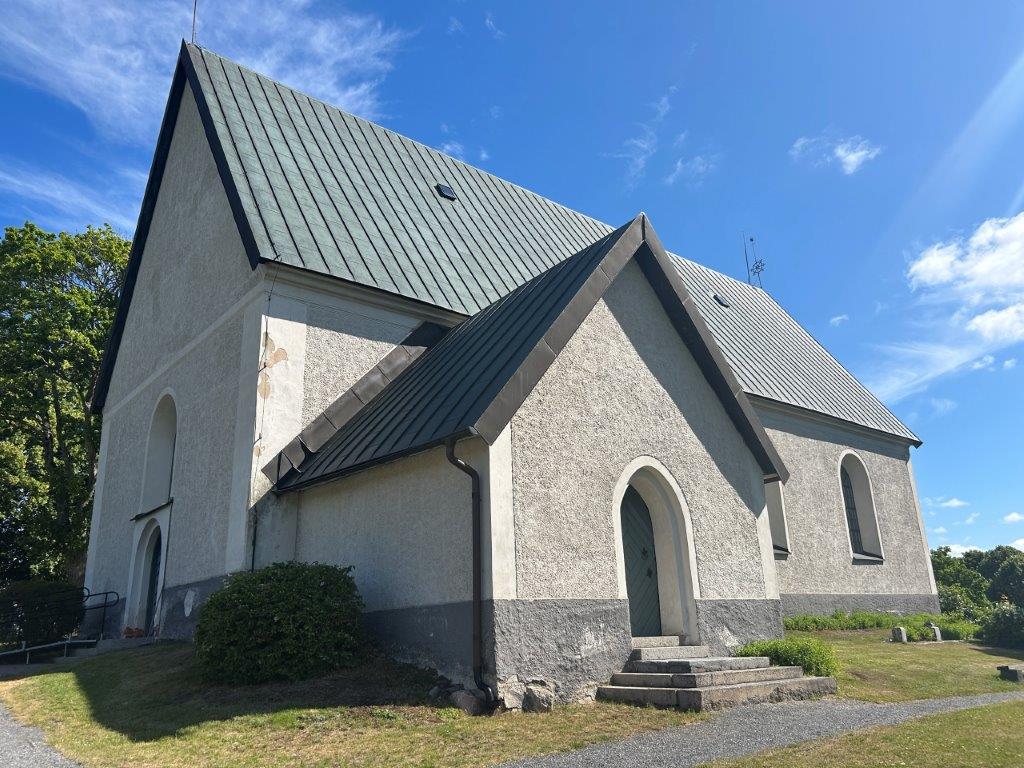
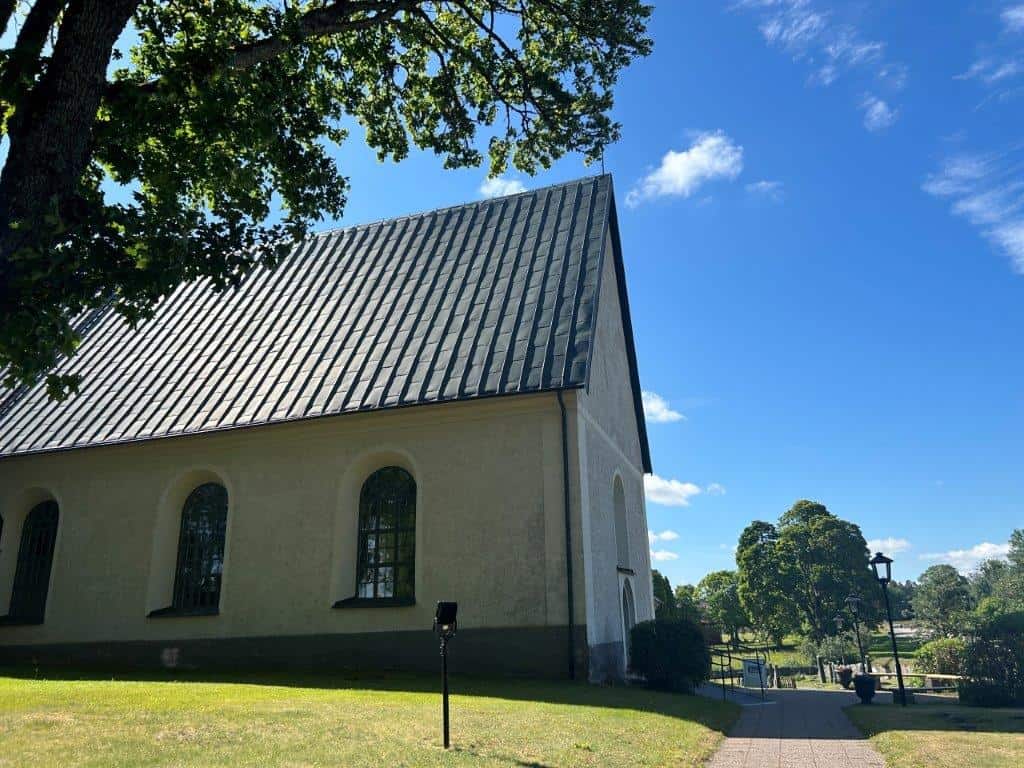
The Söderby-Karl Church itself dates back to the 13th century. For centuries, the church served as the spiritual and communal center for the surrounding agricultural community. The local economy was almost entirely based on farming, with the church being the main landmark in a landscape of fields and farmsteads. Throughout the medieval and early modern periods, life in the parish revolved around the cycles of land cultivation and the religious calendar.
Conflicts and Preservation
The wider Roslagen region was impacted by historical conflicts, including the Russian Pillage of 1719, which saw many coastal towns and industrial sites burned. While some churches in the region were damaged, the stone church at Söderby-Karl survived this period. The parish continued its life as a rural community through the following centuries. Today, Söderby-Karl has maintained its rural character, and its historical church and ancient remains are preserved as part of Sweden’s cultural heritage.

Things to Do and See
Söderby-Karl’s sights are a direct reflection of its long history. The main points of interest are the medieval church with its historic objects, and the documented Viking Age remains, such as runestones and grave fields, that are found throughout the parish.
Söderby-Karls Kyrka
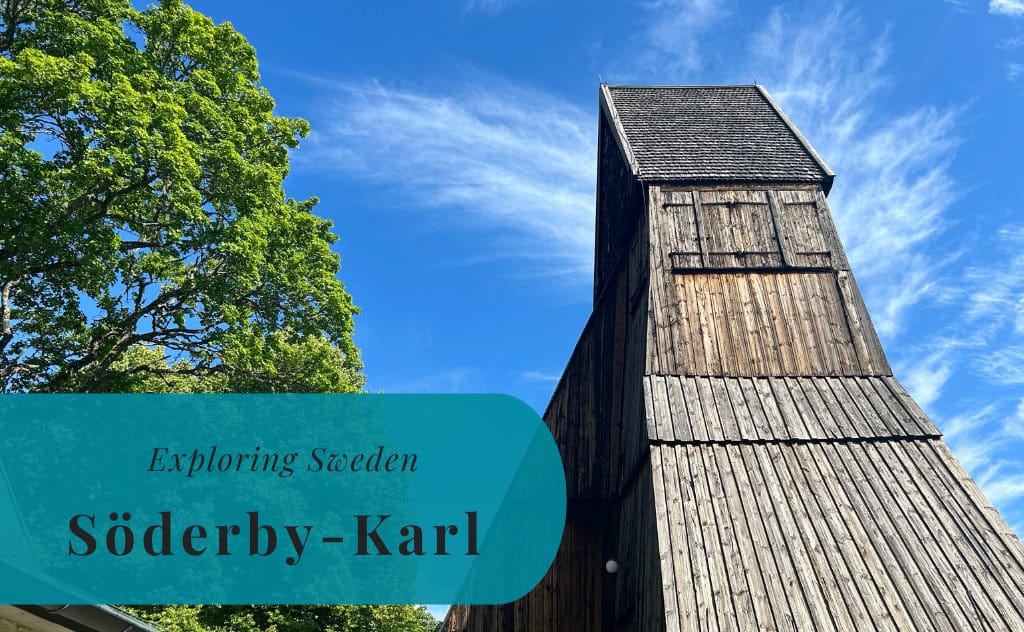
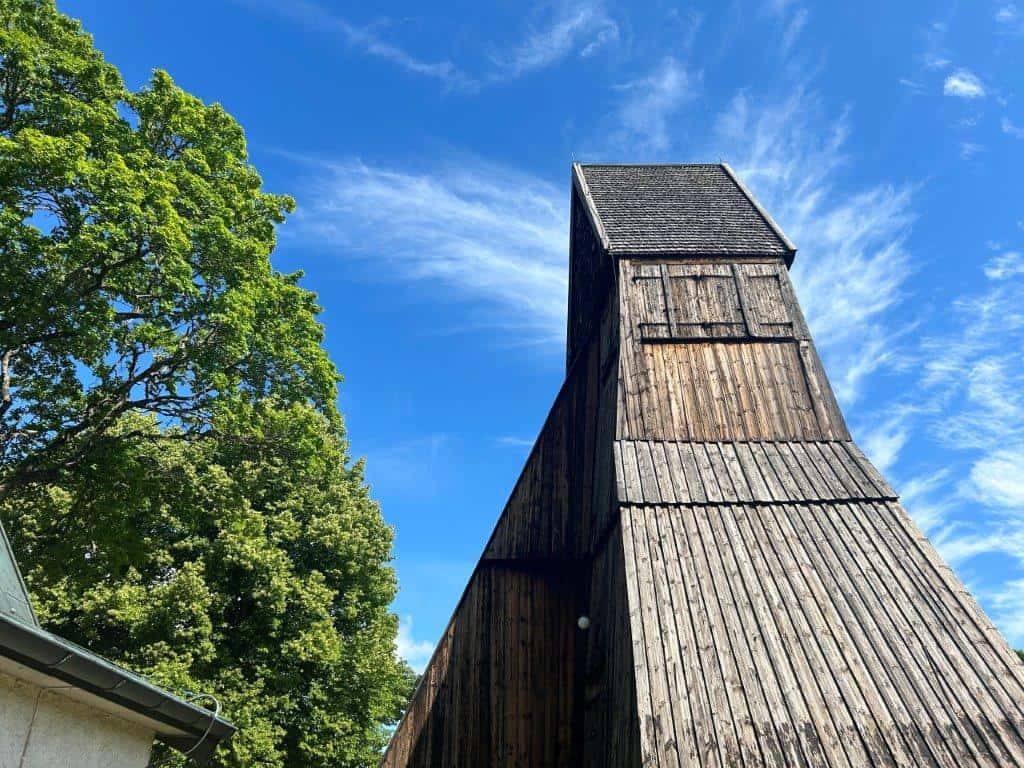
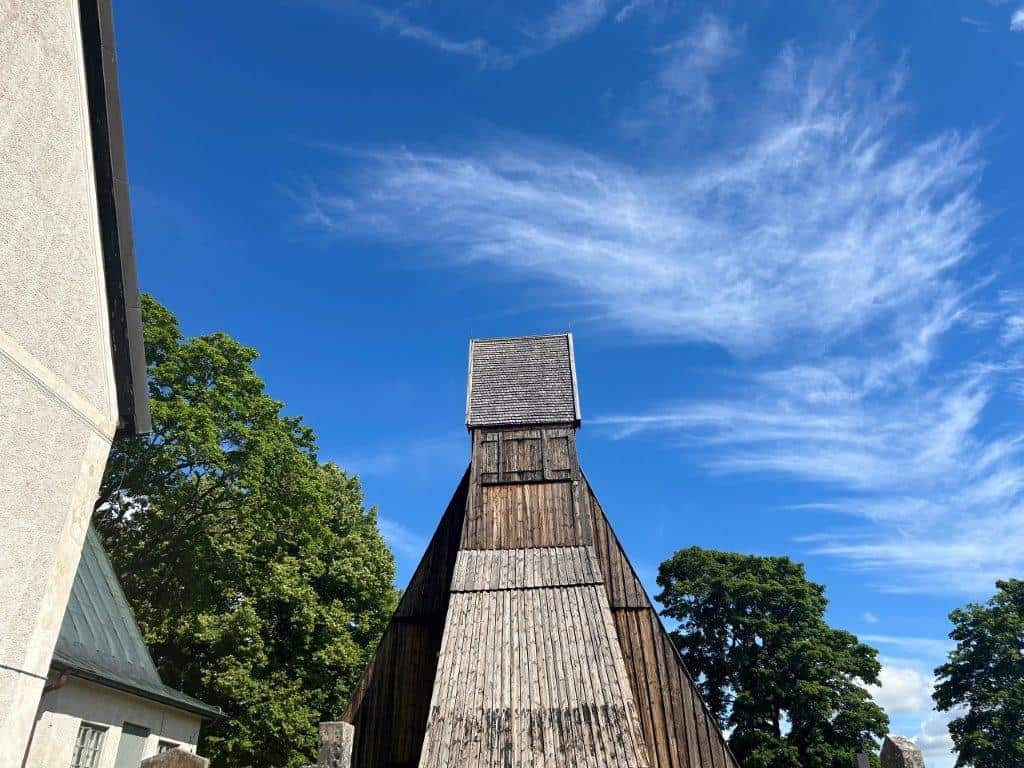
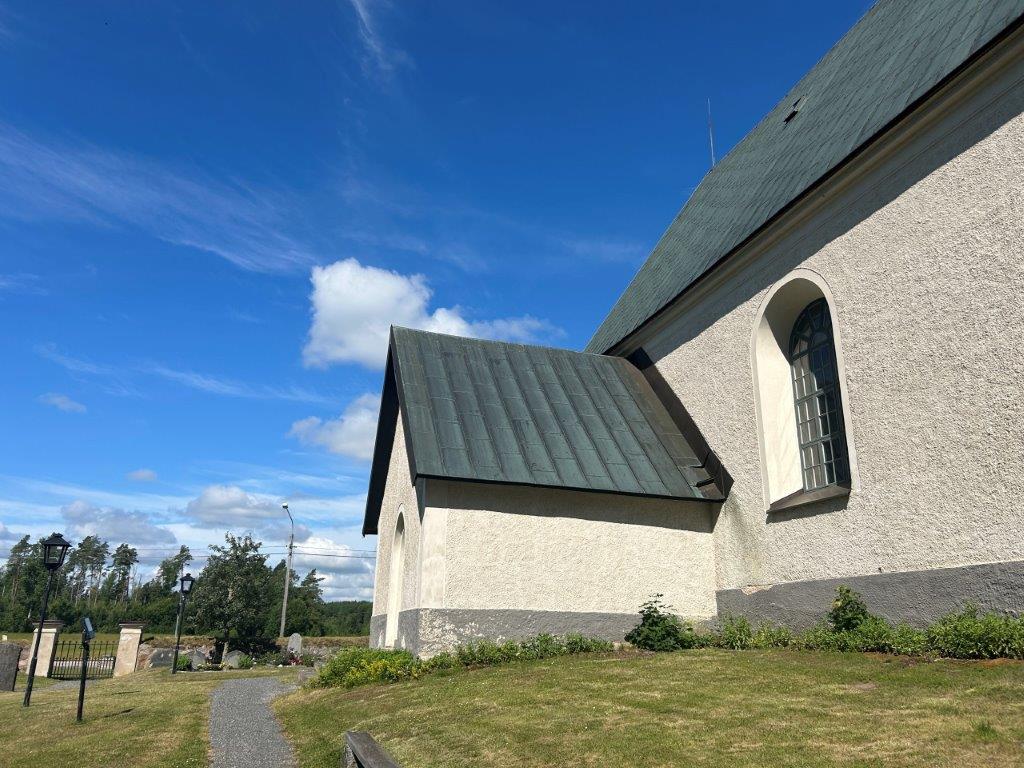
The Söderby-Karl Church (Söderby-Karls kyrka) is the central landmark of the locality. Its oldest parts, including the nave and sacristy, date from the 13th century. The church features a distinctive Baroque altarpiece from 1709 and a pulpit from 1650. It also houses several medieval wooden sculptures, reflecting its long history as a place of worship. A separate wooden bell tower, typical for many Swedish churches in the region, stands in the churchyard and houses the church bells.
The Runestones
The parish of Söderby-Karl has a documented history of Viking Age runestones, though visitors should be aware of their current status. The most famous stone associated with the church, designated U 582, has been registered as lost since the 19th century and is no longer visible. Historical records show it stood outside the church door and told of a man killed in Finland. Today, only fragments of another stone, U 583, are visible, as they are embedded in the southern wall of the church’s sacristy. Therefore, there are no complete, standing runestones for public viewing at the church itself.


How to Get to Söderby-Karl
Reaching the historic locality of Söderby-Karl requires travel through the Roslagen region, typically connecting through the municipal center of Norrtälje. The area is served by a network of roads and regional public transport links.
Arriving by Air: The Arlanda Gateway
The primary airport for reaching Söderby-Karl is Stockholm Arlanda Airport (ARN), located approximately 70 kilometers to the southwest. As Sweden’s largest international airport, it offers extensive global connections. From Arlanda, the most direct way to continue is by rental car. Alternatively, travelers can take public transport to Stockholm or Uppsala, and then connect to a bus heading towards Norrtälje for a final transfer.
The Open Road: Driving to Roslagen
Driving is the most flexible option for reaching Söderby-Karl. From Stockholm, the main route is the E18 motorway towards Norrtälje. From Norrtälje, drivers should follow Road 76 north towards Hallstavik and Älmsta. A turn onto a smaller local road, Route 283, leads directly to Söderby-Karl. The total drive from Stockholm is approximately 85 kilometers and takes about 1 hour and 10 minutes. Parking is available at the church.
Connecting by Coach: A Regional Journey
Bus services provide a public transport link to the area. The journey requires a transfer in Norrtälje, which is the main regional bus hub. SL (Storstockholms Lokaltrafik) operates express buses, such as the 676, from Stockholm to Norrtälje. From the Norrtälje bus station, local bus services, like line 637, run north towards Älmsta, with a stop named “Söderbykarl kyrka” located at the church.
On Track: A Journey by Rail and Bus
There is no direct train service to Söderby-Karl. The journey involves taking a train to a major regional hub and then transferring to the bus network. Travelers can take a long-distance or commuter train (pendeltåg) to Stockholm Central Station. From there, one must connect to the bus network to reach Norrtälje. The final leg of the journey from Norrtälje to Söderby-Karl must be completed by local bus.
The Baltic Sea Route: Arriving by Ferry
For international visitors arriving by sea, the primary passenger port is the Port of Stockholm. From the ferry terminals in Stockholm, travelers would need to use local public transport to reach a bus terminal for the onward journey. The regional port of Kapellskär, also in Norrtälje Municipality, offers some ferry connections as well, requiring a shorter onward road journey.
Driving Distances
The driving distance from 5 major Swedish cities, according to Google Maps:
- Stockholm – 83 kilometers (1 h)
- Gothenburg – 552 kilometers (6 h)
- Malmö – 694 kilometers (7 h 20 min)
- Linköping – 281 kilometers (3 h 20 min)
- Kiruna – 1214 kilometers (13 h 50 min)
Explore More of Uppland and Sweden