Chișinău | Exploring Moldova
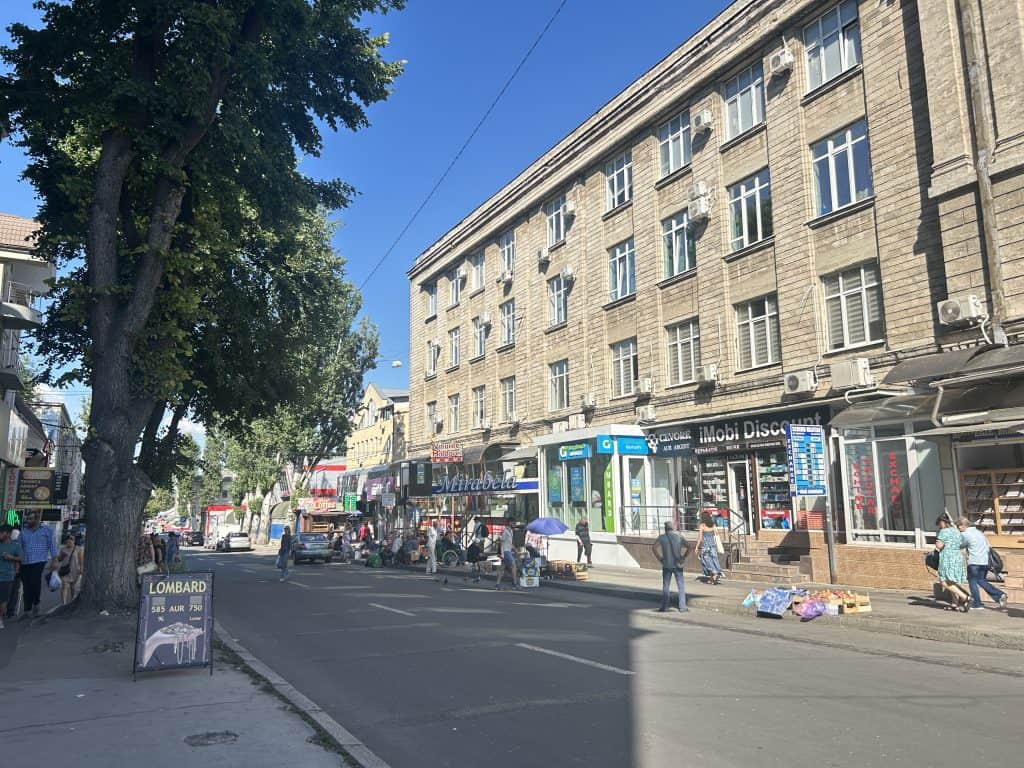
Chișinău, the capital and largest city of the Republic of Moldova, is located in the central part of the country. It is situated on the Bîc River, a tributary of the Dniester. With a population of approximately 640,000 residents in the city proper, Chișinău serves as the nation’s primary political, economic, and cultural center. The city is set within a landscape of rolling hills and fertile agricultural land, which is a key part of its geography. Chișinău is the main transport hub for the country, connecting it to neighboring Romania and Ukraine.
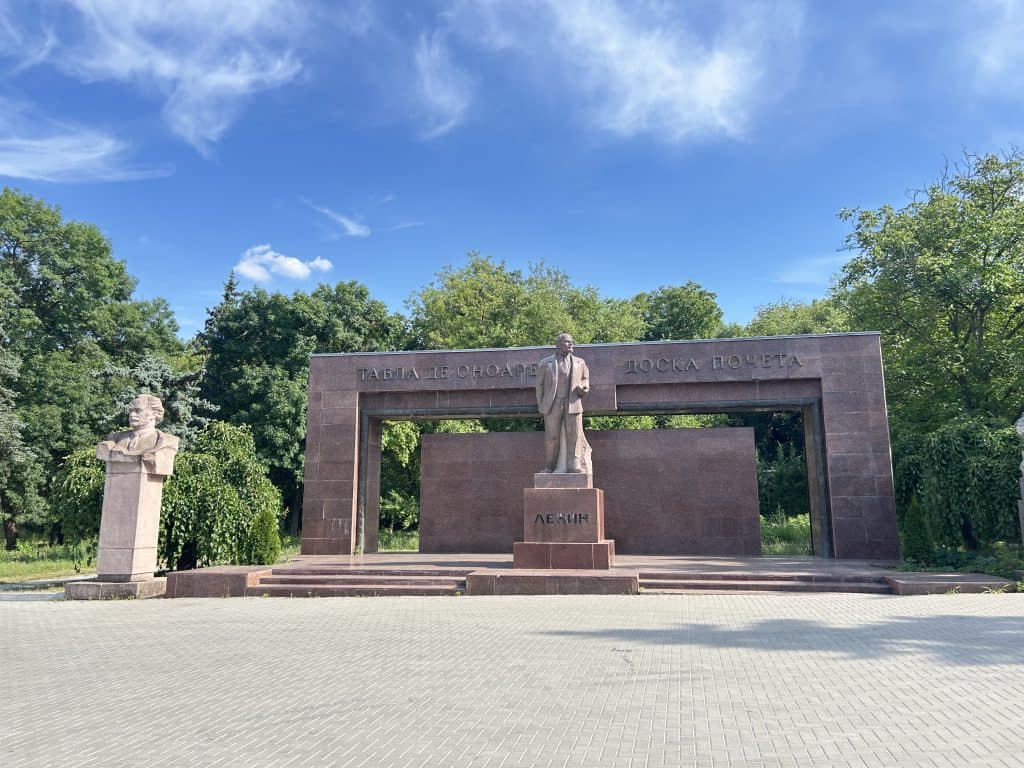
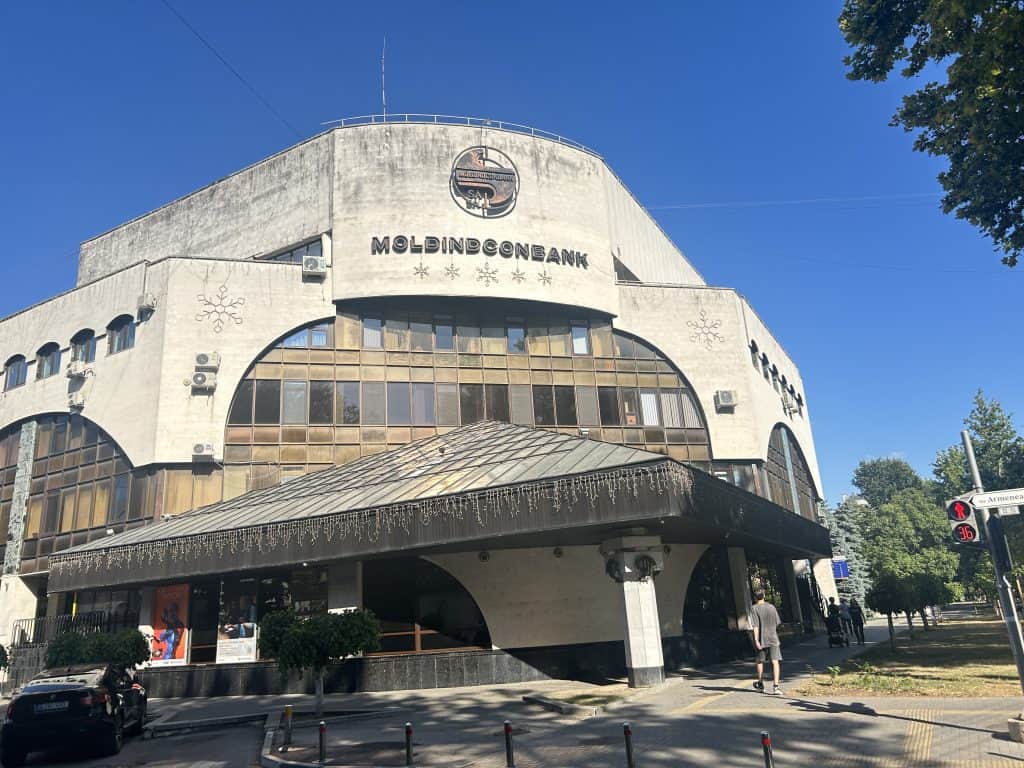
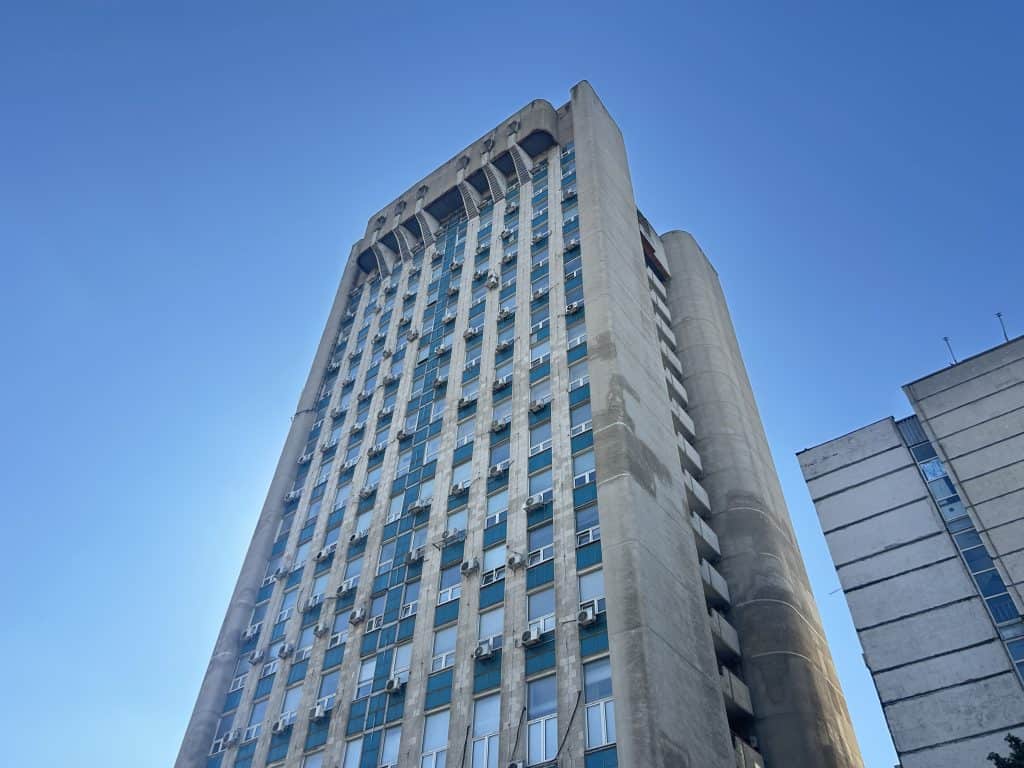
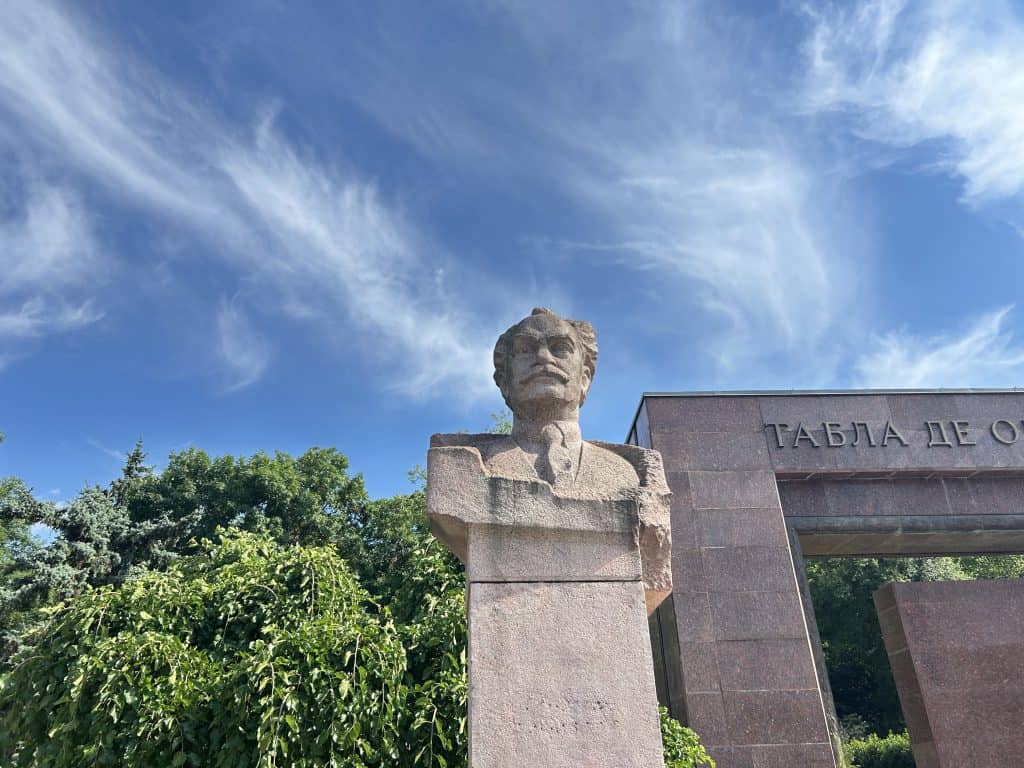
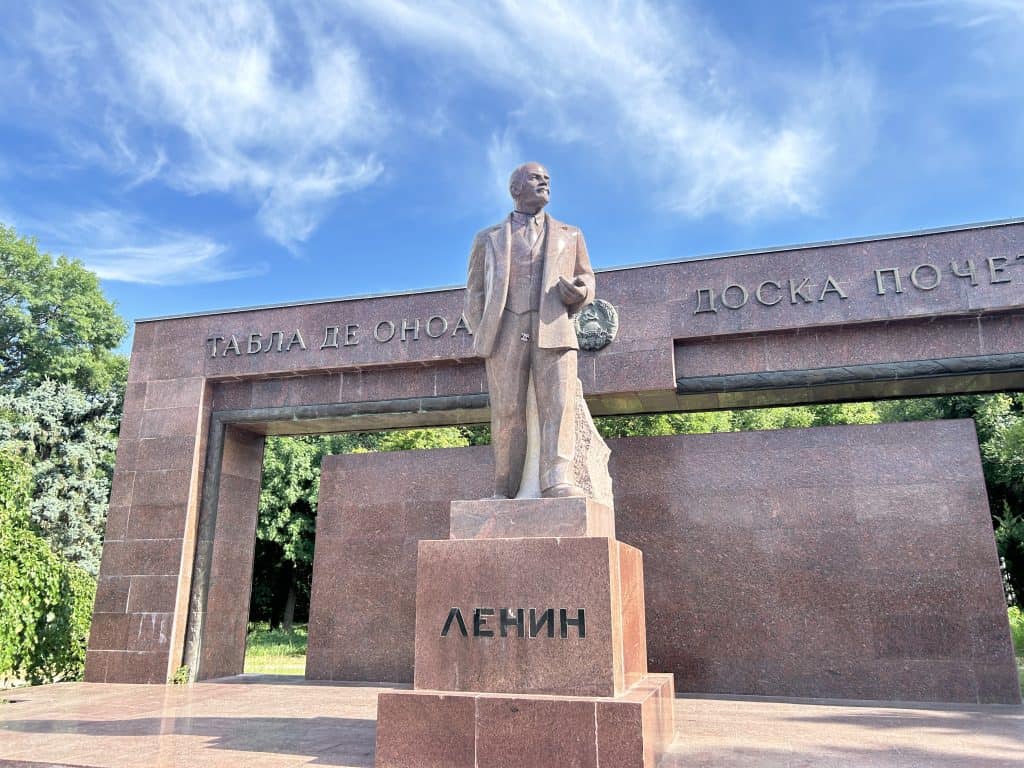
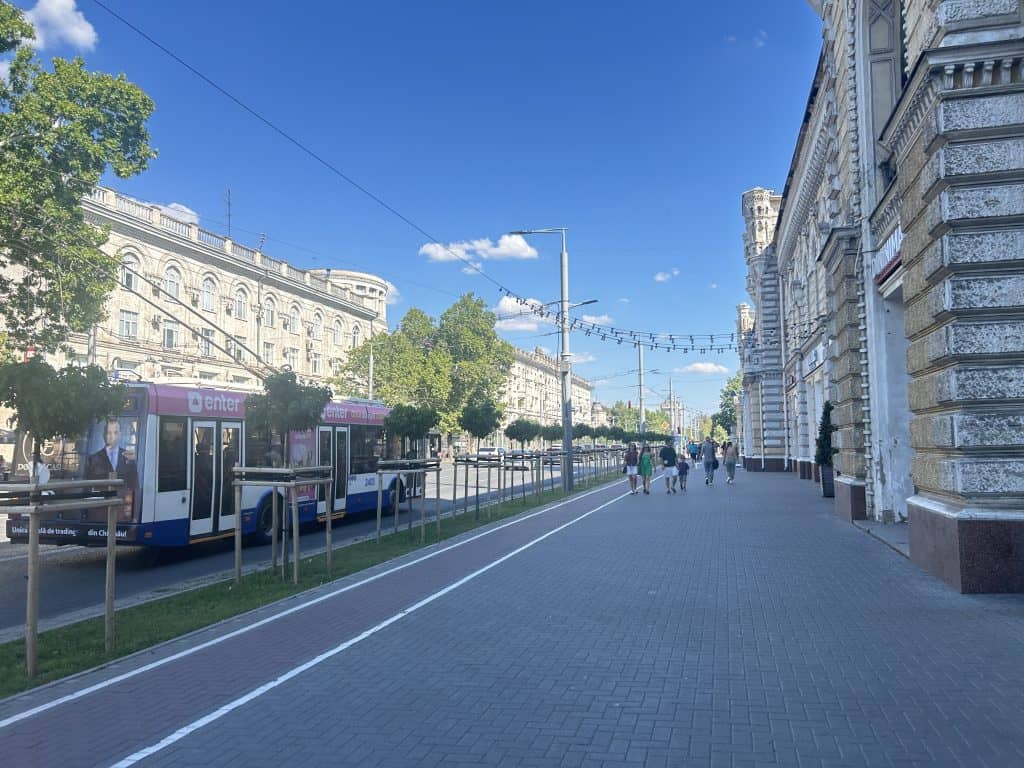
The character of Chișinău is defined by a blend of its Soviet-era past and its modern identity as the capital of an independent European state. Its urban landscape features wide boulevards and large public parks, which has earned it a reputation as one of the greenest cities in Europe. This exists alongside extensive examples of Soviet modernist and Brutalist architecture, which were constructed during a major rebuilding phase after World War II. This architectural style gives the city a specific and distinct atmosphere.
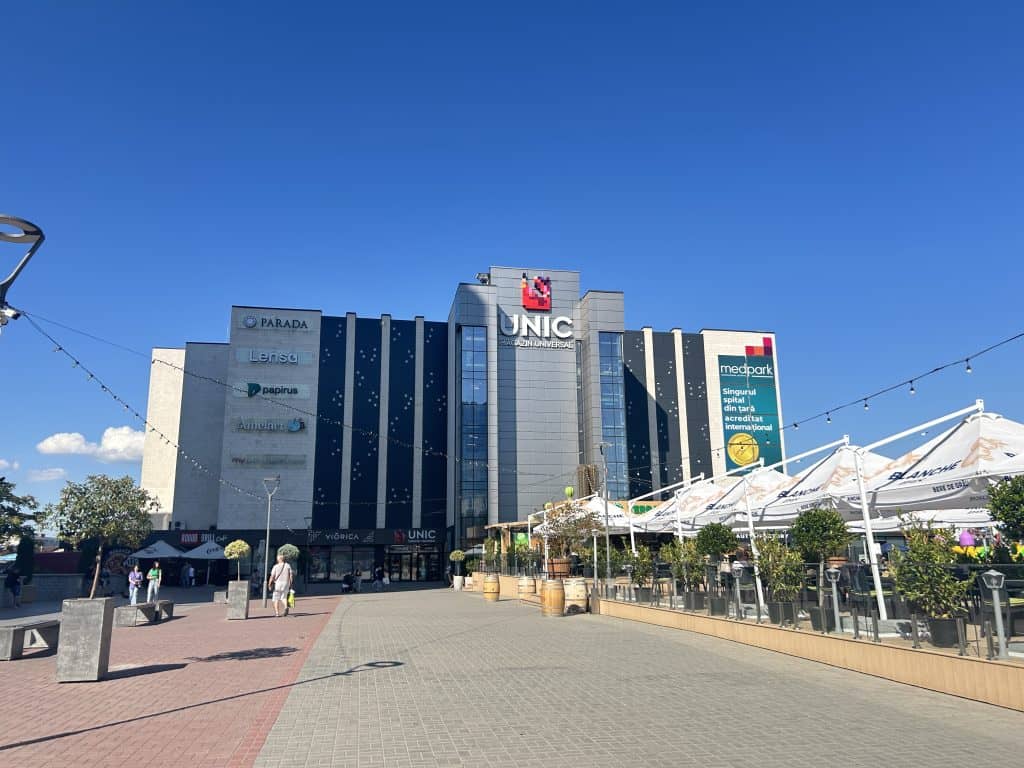
As the main commercial and administrative hub of Moldova, Chișinău contains all the major government institutions, national cultural bodies, and the headquarters of Moldovan businesses. The city’s districts show its diverse character, from the central district with its parks and administrative buildings to the large-scale residential areas known as “sectors.” The city is also the center of Moldova’s renowned wine industry, with famous wineries located just outside its limits. This combination of functions, history, and a green urban env2ironment gives the city its unique character.

Good to Know When Visiting Chișinău
To help with planning a visit, here are several practical points covering daily essentials, timing, and efficient exploration of the city. Understanding these details can make a trip to Chișinău more convenient. This information is intended to provide a general overview for travelers preparing to visit this major Eastern European capital.
The Daily Essentials
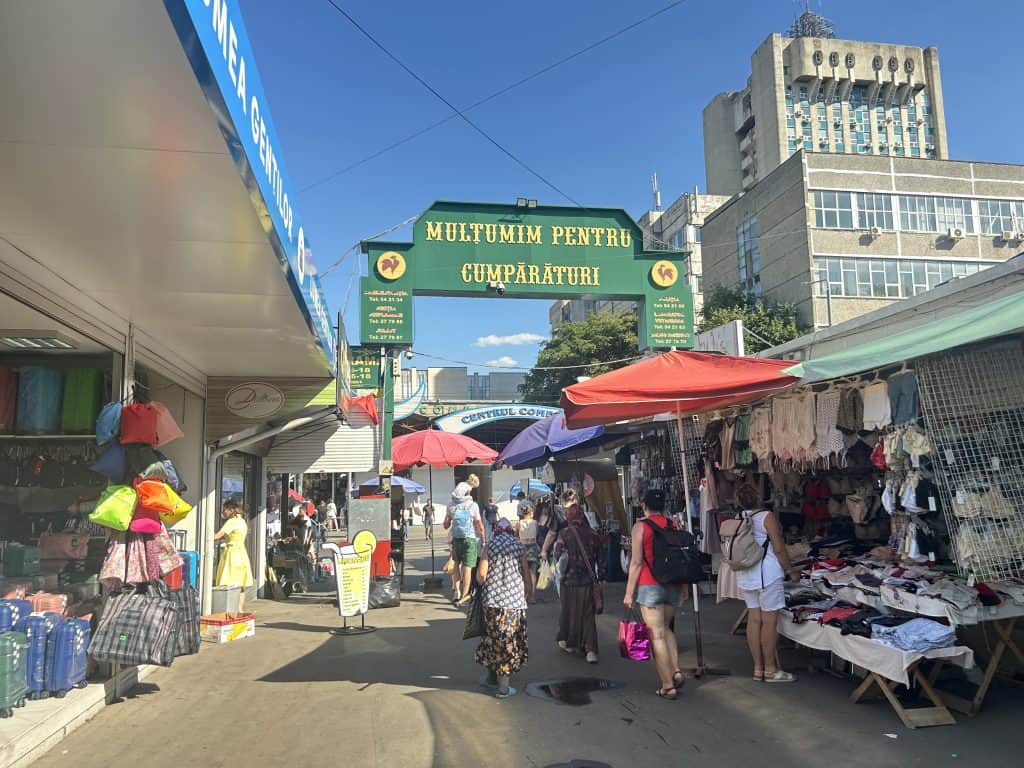
The official currency used in Chișinău is the Moldovan Leu (MDL). While credit and debit cards are accepted in many larger hotels, restaurants, and shops, Moldova is still a largely cash-based economy. It is highly advisable to carry cash for smaller establishments, markets, and for public transport like trolleybuses and marshrutkas.
The official language is Romanian, which is locally referred to as Moldovan. Russian is also very widely spoken and understood, especially by the older generation. English is spoken in most major hotels and by younger people, but less so in smaller, local establishments. Tipping is not obligatory but is appreciated; rounding up the bill or leaving a tip of around 10% for good service is a common practice. The tap water is generally not recommended for drinking by tourists; bottled water is widely available and should be used instead. The electrical system uses Type C and F sockets with a standard voltage of 230V.
Planning Your Calendar
Chișinău has a continental climate with four distinct seasons. The summers are warm and sunny, while the winters are cold and can be snowy. The spring and autumn months are often considered the best time to visit, with mild and pleasant weather for exploring the city. A key national event that is centered in Chișinău is the National Wine Day, which takes place on the first weekend of October. This major festival celebrates the country’s wine harvest and features wine tastings, folk music, and traditional food in the city’s main square. For a first visit, two to three full days is generally sufficient to explore the main sights in the city center. A longer stay would allow for day trips to the famous nearby wineries of Cricova and Mileștii Mici.
A Tourist’s Toolkit for Exploration
The central part of Chișinău, particularly the area around Ștefan cel Mare Boulevard and the main parks, is best explored on foot. For longer distances, the city has an extensive and very affordable public transport system. This is primarily based on trolleybuses and a network of private minibuses known as marshrutkas. There is no integrated smart card system, and fares are typically paid in cash directly to the driver or conductor. It is advisable to have small notes and coins for this. Ride-sharing apps like Uber and Bolt are not widely available, but local apps like Yandex Go are very popular and are the most convenient way to use taxis. It is a good idea to book tours for the major wineries like Cricova and Mileștii Mici in advance, as they are very popular and require reservations.


A Short History of Chișinău
The history of Chișinău is that of a small monastery town that was transformed into a major provincial capital under the Russian Empire and later into the capital of the Soviet Republic of Moldova. Its story is marked by periods of rapid growth, as well as by destruction during wars and political turmoil in the 20th century. The city’s modern layout and much of its architecture are a direct result of its time as part of the Russian Empire and the Soviet Union. This has left a lasting legacy on its urban fabric and its cultural identity.
Foundation and Principality of Moldavia
The history of settlement in the Chișinău area is long, but the town itself was first mentioned in a document from 1436. The document refers to a settlement located near a monastery. For several centuries, Chișinău remained a small monastery town and market center within the Principality of Moldavia. This historic principality was often a vassal state of the Ottoman Empire. The town’s location on the Bîc River and its position on the trade routes of the region allowed for slow but steady growth.
During this long period, the town was a small provincial center. Its economy was based on local trade and agriculture. The town was sacked several times during conflicts between the Ottoman Empire and other regional powers. Its early history was modest compared to the major development that would come in the 19th century under Russian rule. This period, however, established its identity as a Moldavian settlement.
Russian Imperial and Romanian Periods
A pivotal moment in the city’s history came in 1812. Following a war between the Russian and Ottoman Empires, the eastern part of the Principality of Moldavia, a region known as Bessarabia, was annexed by the Russian Empire. The Russians made Chișinău the capital of the newly formed Bessarabia Governorate. This new status led to a period of rapid growth and transformation. A new imperial city was built with a grid street plan and neoclassical buildings, and the population grew significantly.
This period also had its dark chapters. In the early 20th century, the city was the site of two major and violent anti-Jewish pogroms, in 1903 and 1905. These events brought international attention to the city. After the Russian Revolution and World War I, Bessarabia, including Chișinău, voted to unite with Romania in 1918. For the next two decades, the city was part of Greater Romania and continued to develop as a major regional center.
The Soviet Era and Independence
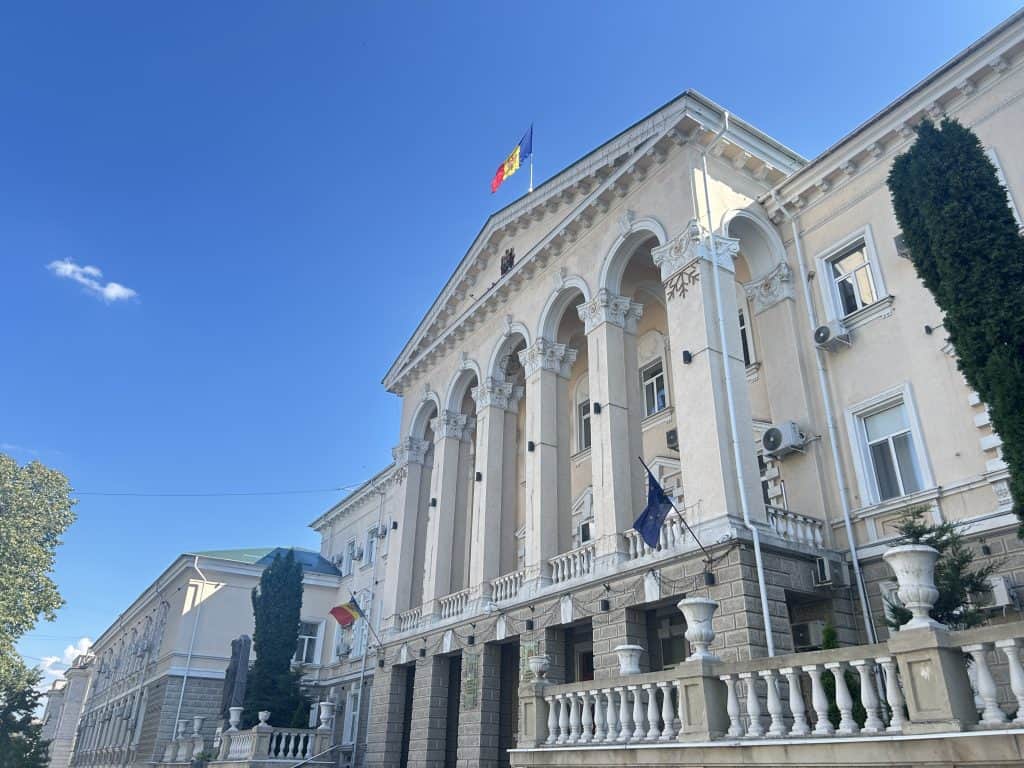
During World War II, Chișinău was the site of heavy fighting and was almost completely destroyed by a combination of a major earthquake in 1940 and subsequent military action. After the war, the region, now known as the Moldavian Soviet Socialist Republic, was incorporated into the Soviet Union. Chișinău was rebuilt as a model Soviet city. The reconstruction was done in the Stalinist and later Brutalist architectural styles. This period gave the city its wide boulevards and large, functionalist public buildings.
The city served as the capital of the Moldavian SSR for the entire Soviet period. In the late 1980s, with the weakening of the Soviet Union, Chișinău became a center of the Moldovan national revival movement. Following the dissolution of the Soviet Union, Moldova declared its independence in 1991, and Chișinău became the capital of the new republic. Since then, the city has undergone a period of transition as it continues to develop its modern identity as a European capital.


Things to Do and See
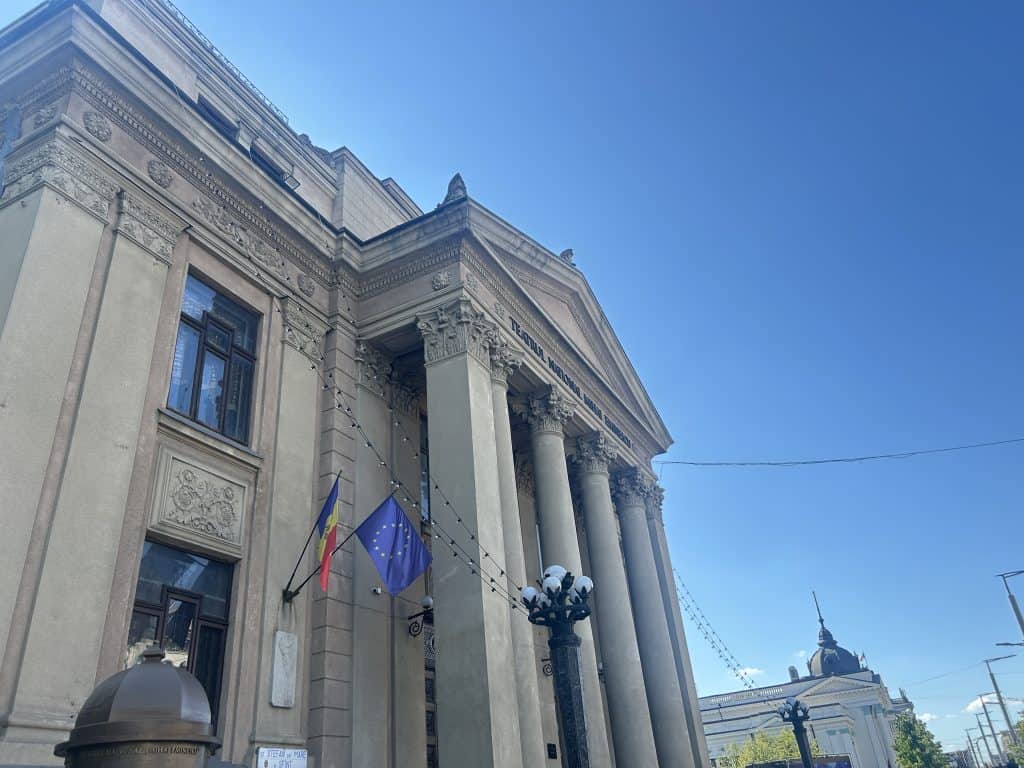
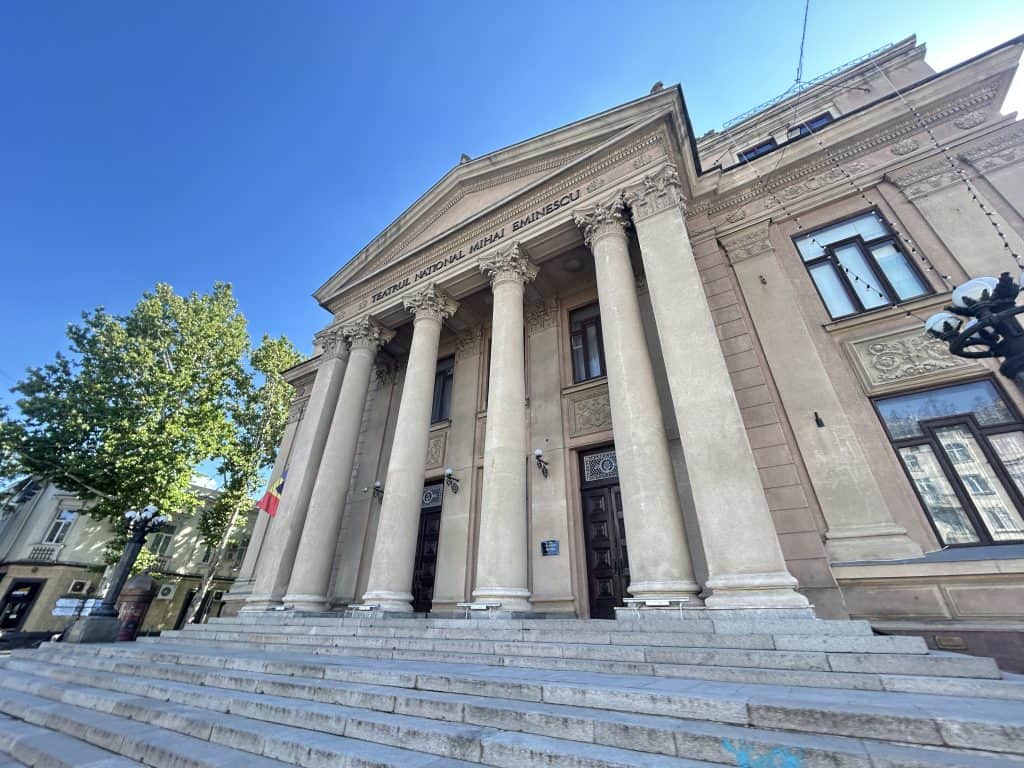
Chișinău’s sights reflect its complex history, with landmarks from its time as a Russian provincial capital, a part of Romania, and a model Soviet city. The city is known for its extensive green spaces, with numerous large parks that are a key part of the urban landscape. The main attractions are concentrated in the city center, along the main artery of Ștefan cel Mare Boulevard. These sights provide a look into the cultural and political history of Moldova.
A visit to Chișinău allows for an exploration of different architectural styles, from the neoclassical of its 19th-century buildings to the monumentalism of the Soviet era. The city’s main Orthodox cathedral, its triumphal arch, and its national museums are all located in the central district. Just outside the city are the world-famous wineries of Cricova and Mileștii Mici, which are major tourist destinations in their own right and are a key part of the experience of visiting the capital.
Ștefan cel Mare Monument and Central Park
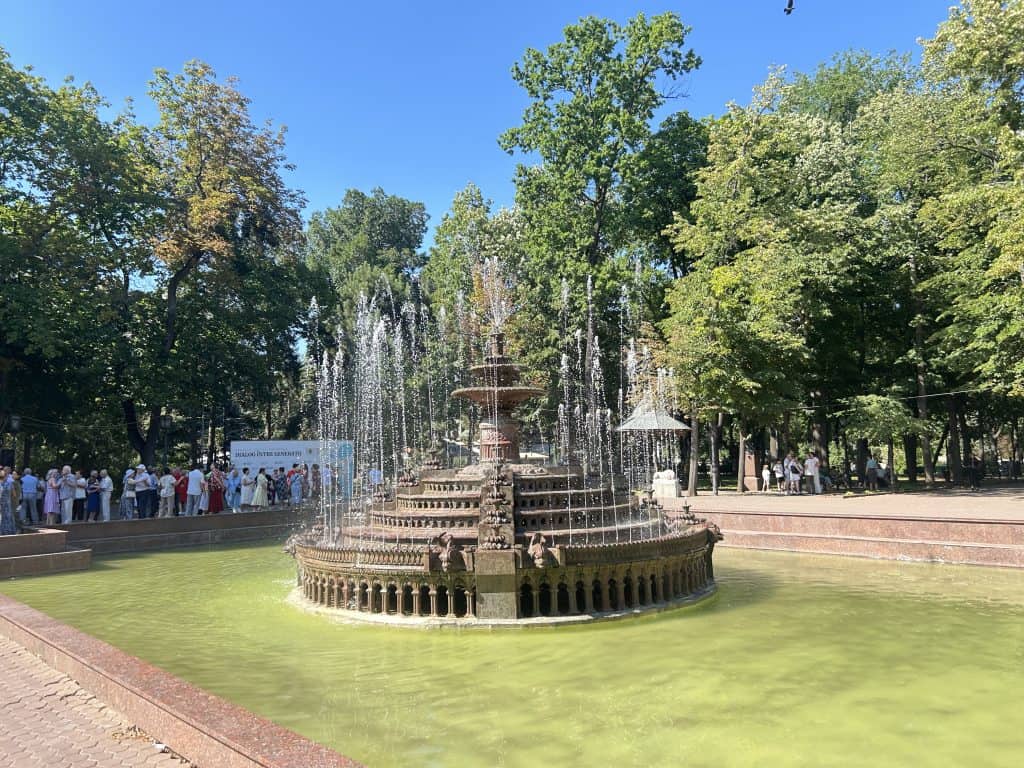
The Ștefan cel Mare Monument is one of the most important national symbols in Moldova. The bronze statue, created by the sculptor Alexandru Plămădeală, was unveiled in 1928. It depicts Stephen the Great, the Prince of Moldavia in the 15th century, who is the country’s most important national hero. The monument stands at the main entrance to the city’s central park. The park, which is also named after Stephen the Great, is the oldest in the city. It is a popular public space with fountains, tree-lined alleys, and benches. It is a key social hub in the heart of the city.
Nativity of Christ Metropolitan Cathedral
The Nativity of Christ Metropolitan Cathedral is the main Romanian Orthodox cathedral in Chișinău. It is located in the central Cathedral Park. The church was built in the 1830s in the neoclassical style. It was designed by the architect Avraam Melnikov. The cathedral was damaged during World War II and was used for other purposes during the Soviet period when its bell tower was demolished. Both the church and its separate bell tower were restored after Moldova’s independence. The cathedral is the main religious site in the city.
The Triumphal Arch
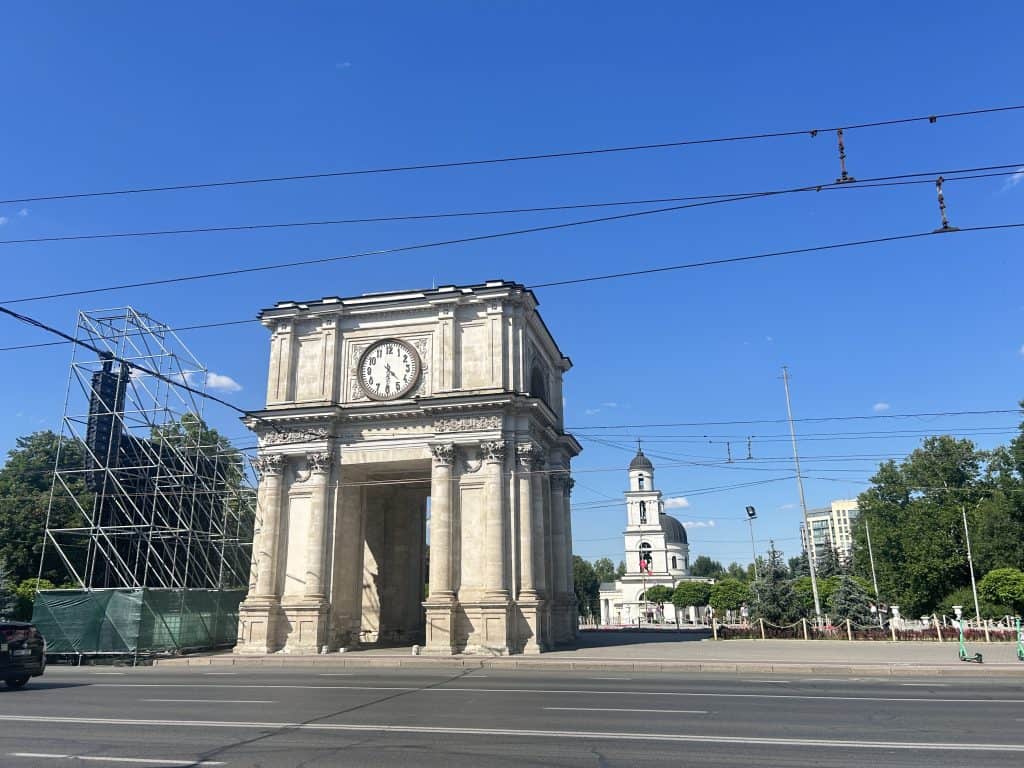
The Triumphal Arch (Arcul de Triumf), also known as the Holy Gates (Porțile Sfinte), is a monument located in the center of Chișinău, in front of the cathedral. The arch was built in 1840 to commemorate the victory of the Russian Empire over the Ottoman Empire. It was designed by the architect I. Zauschevic. A large bell, which weighs over 6 tons and was cast from captured Ottoman cannons, is located in the arch. The arch is a key landmark in the city and is located on the main central axis of the city’s 19th-century urban plan.
National Museum of History of Moldova
The National Museum of History of Moldova is the country’s main historical museum. It is located in a historic building on the main boulevard in the city center. The museum’s extensive collections cover the history of the region from the prehistoric era to the present day. It contains over 300,000 artifacts. The exhibits include major archaeological finds, such as artifacts from the Cucuteni-Trypillia culture and the Golden Horde. The museum provides a comprehensive overview of the history and cultural heritage of Moldova.
Valea Morilor Park
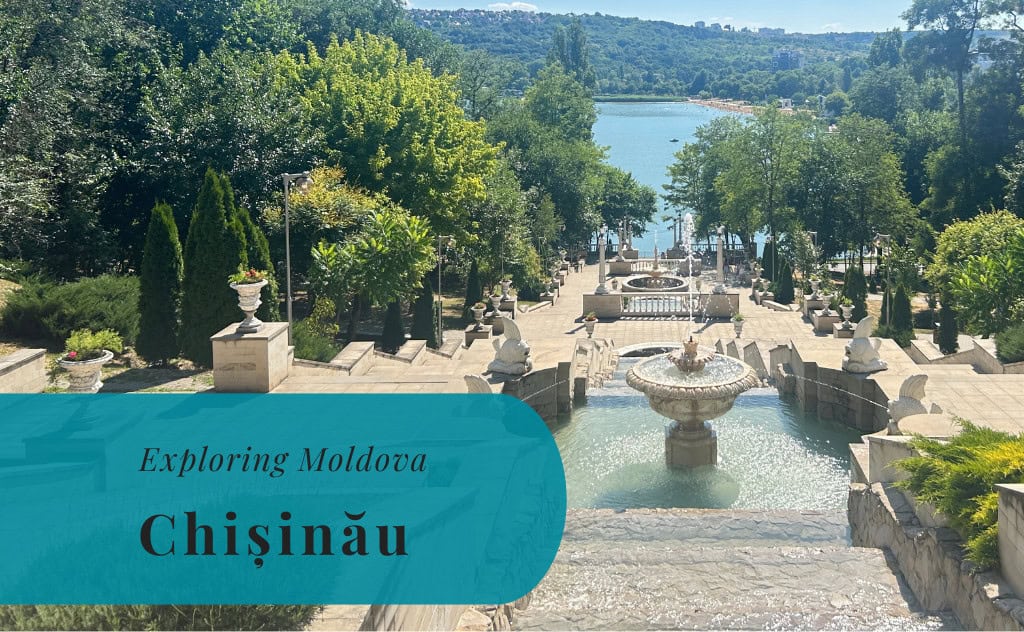
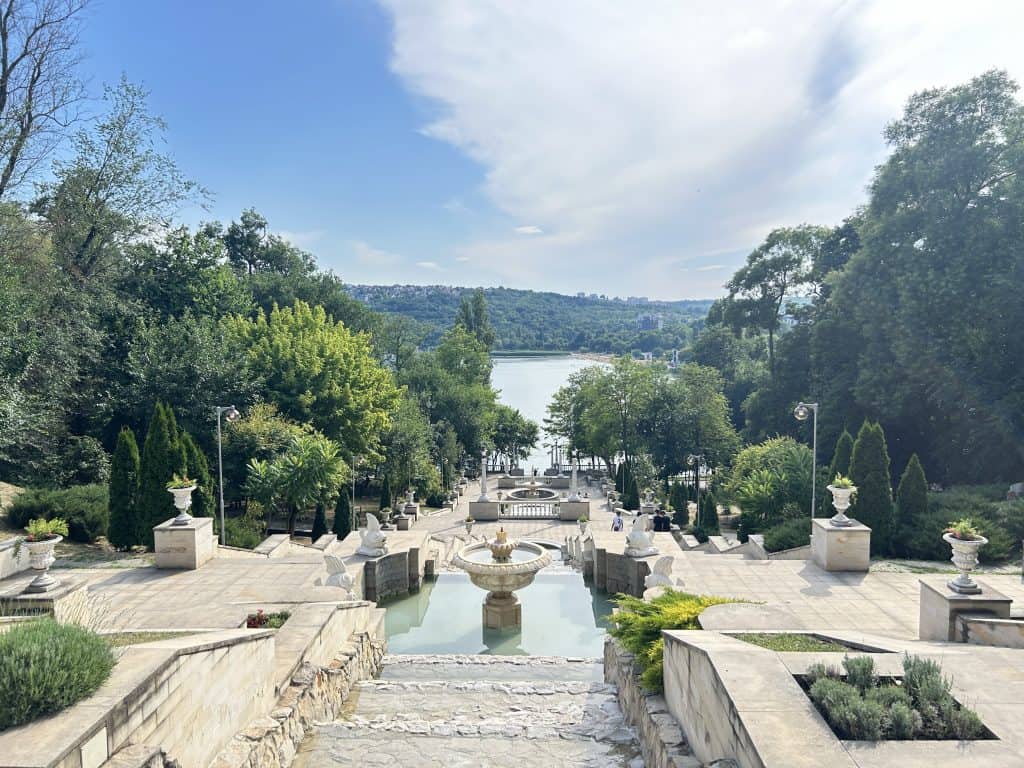
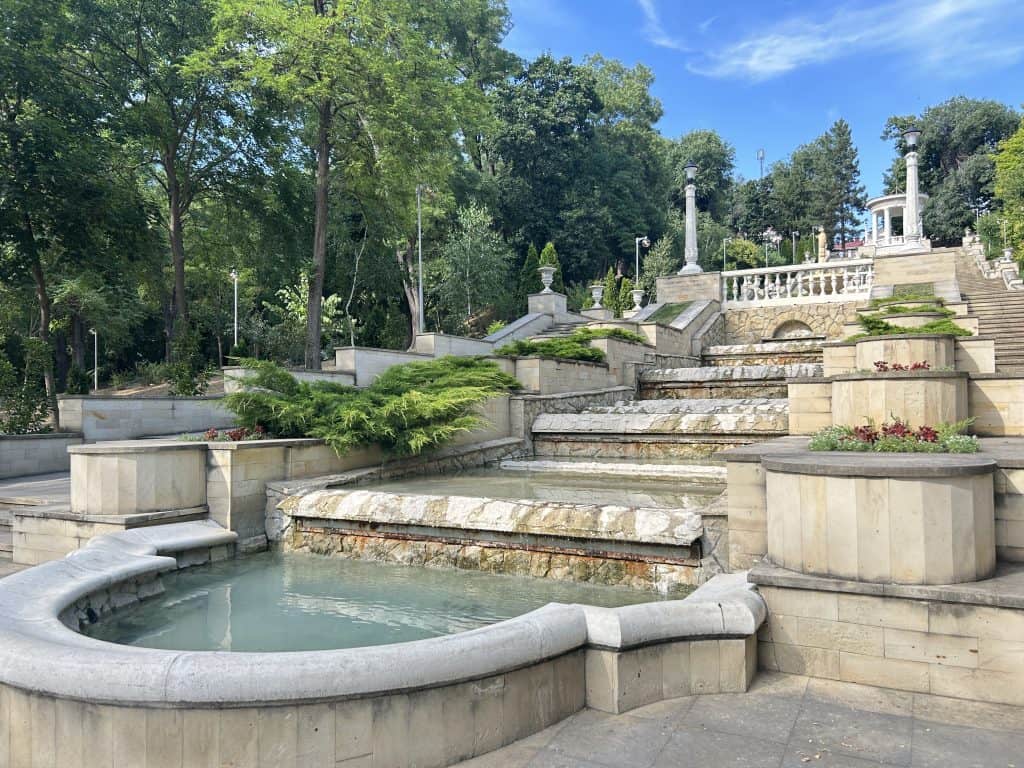
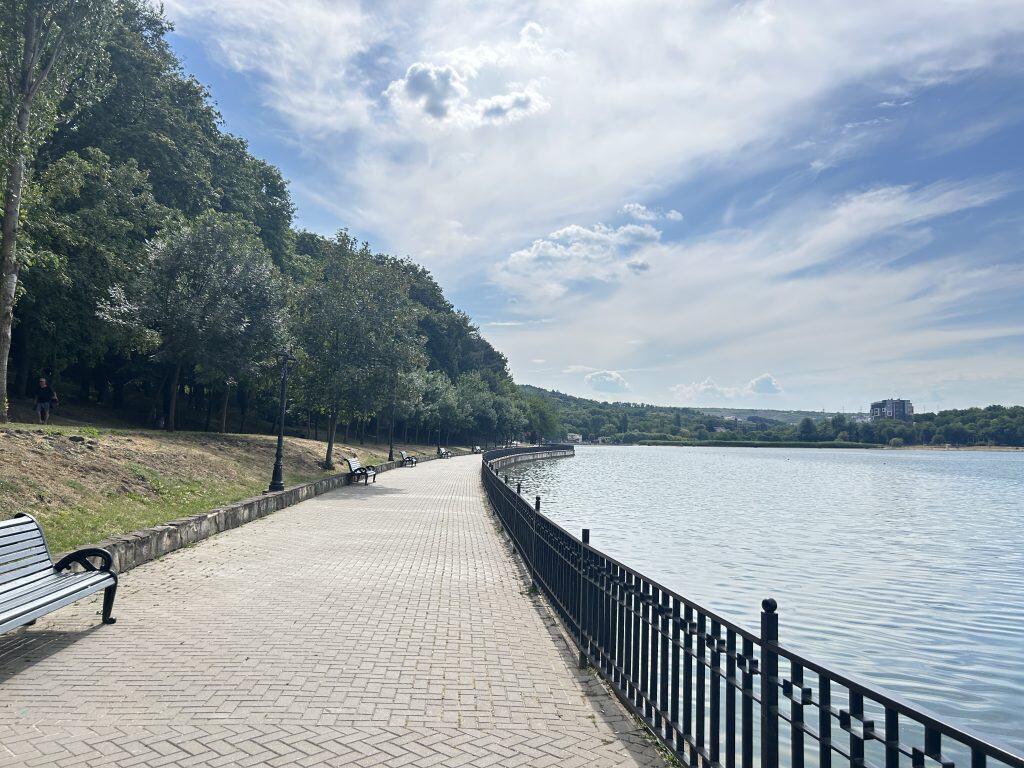
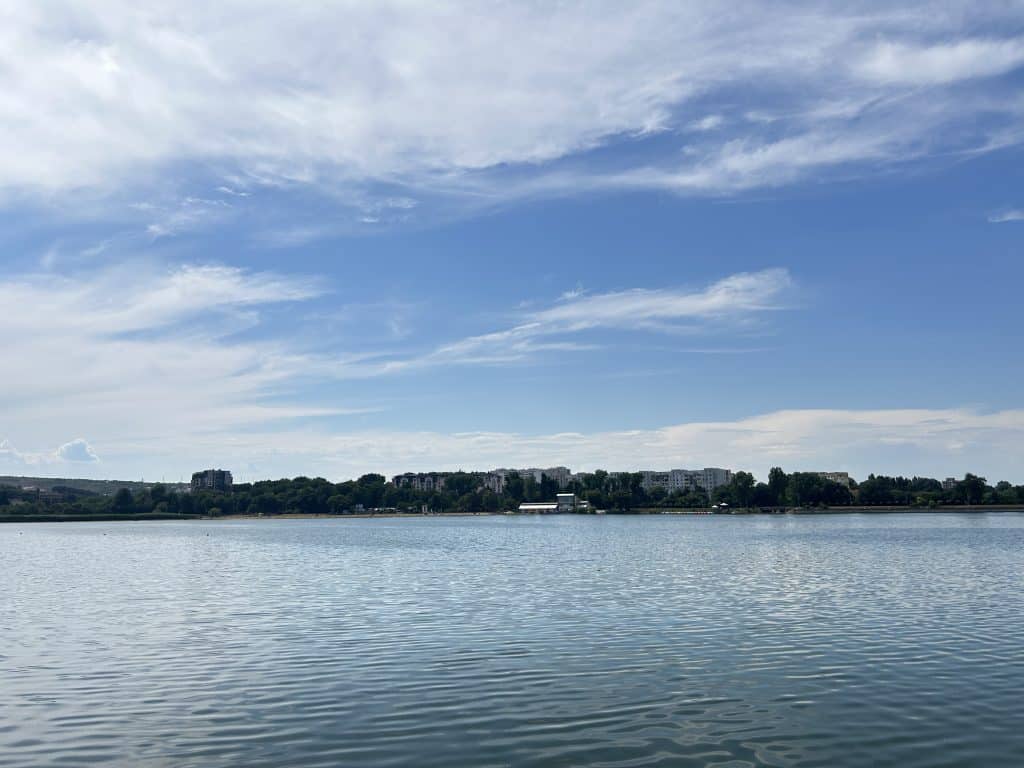
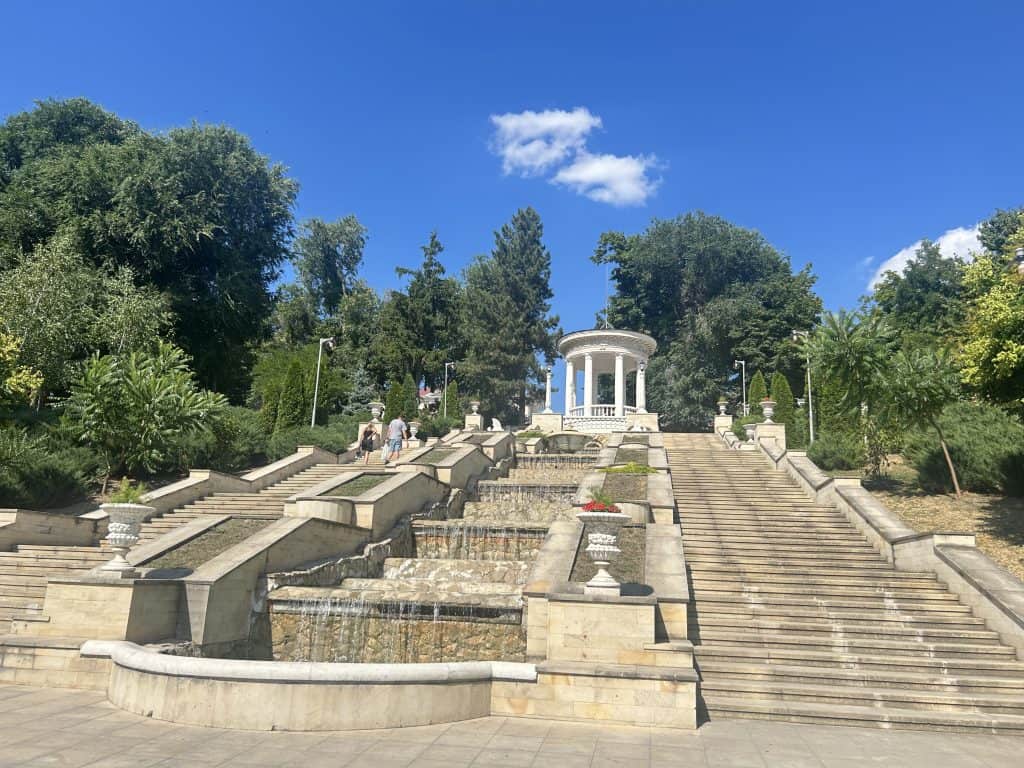
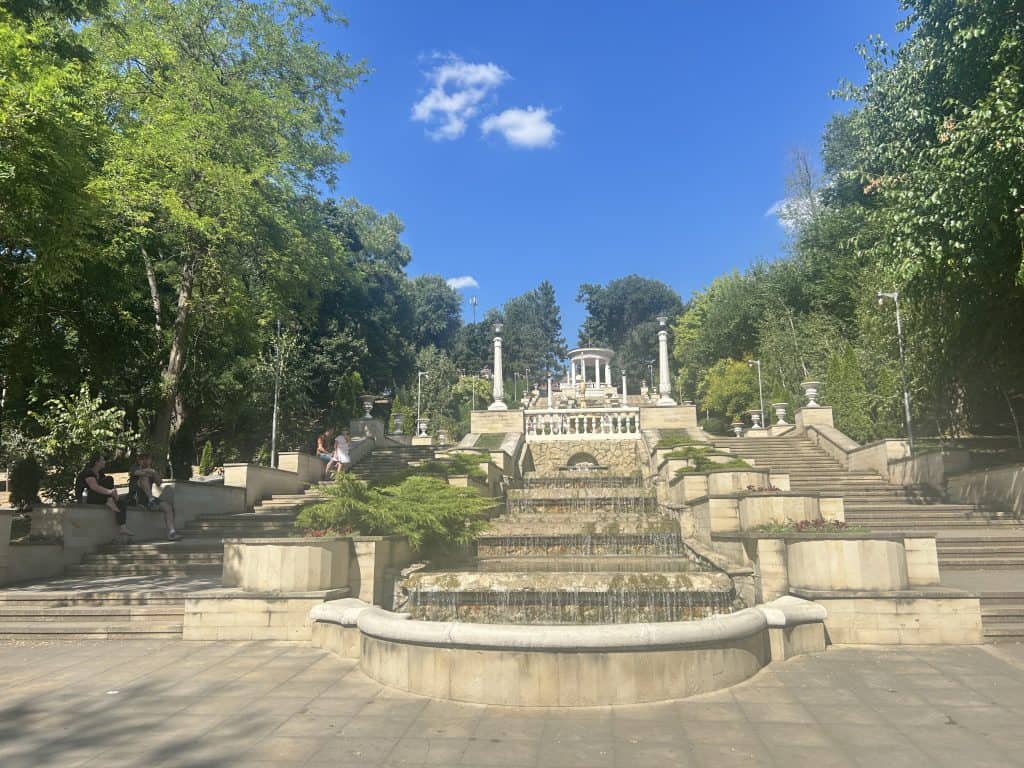
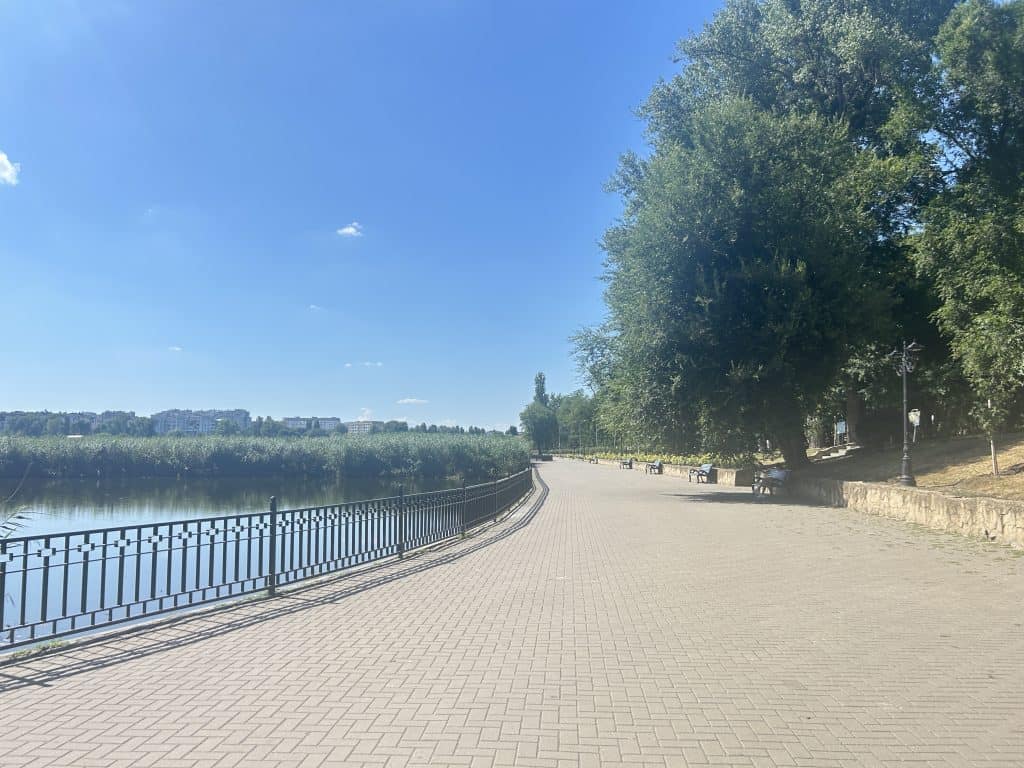
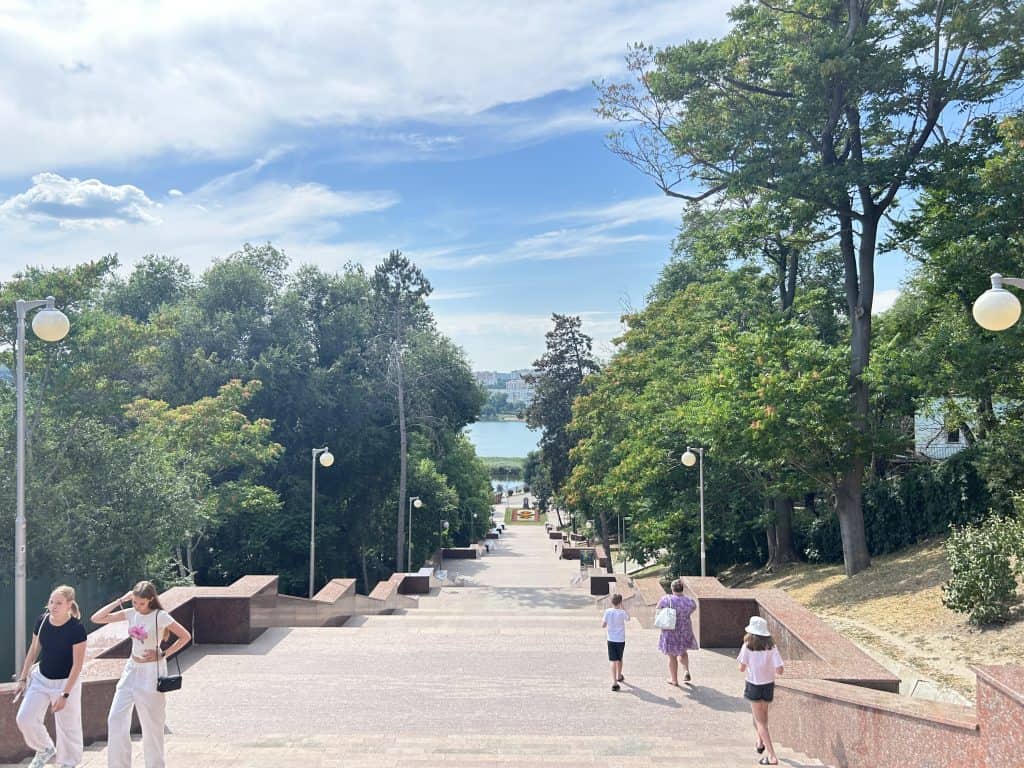
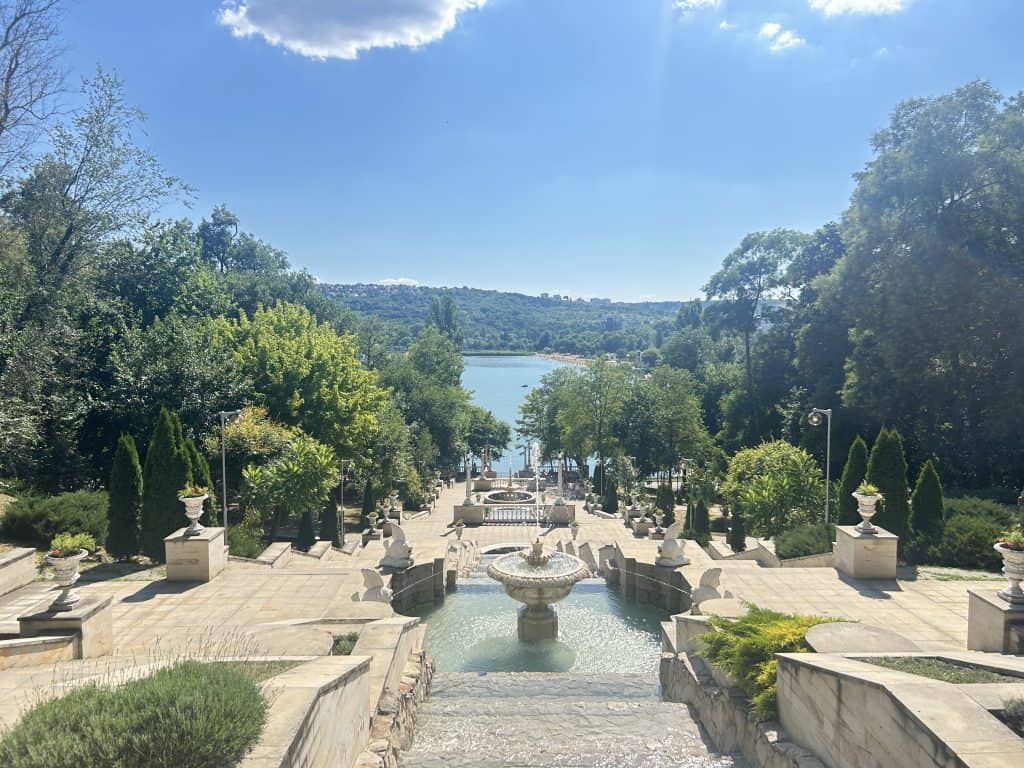
The Valea Morilor Park is one of the largest and most popular parks in Chișinău. The park is centered around a large lake. The main feature of the park is a grand, cascading staircase that leads down from the upper part of the park to the lake. The park was established in the 1950s. It is a popular destination for walking, running, and recreation. During the summer, it is possible to rent boats on the lake. The park is a key part of the city’s extensive network of green spaces.
Cricova Winery (nearby)
The Cricova Winery is one of Moldova’s most famous wineries. It is located in the town of Cricova, about 15 kilometers north of Chișinău. The winery is renowned for its vast network of underground wine cellars, which stretch for over 120 kilometers. These limestone tunnels were originally created from mining operations and provide the perfect conditions for aging wine. The cellars are large enough to be navigated by car. Cricova is particularly known for its high-quality sparkling wines, which are produced using the traditional French method. Guided tours of the underground cellars, including a wine tasting, are a major tourist attraction.
Mileștii Mici Winery (nearby)
The Mileștii Mici Winery is another major winery located near Chișinău. It is most famous for holding the Guinness World Record for the largest wine collection in the world. The winery has an immense network of underground cellars that stretch for approximately 200 kilometers. These cellars store over 1.5 million bottles of wine. The collection, which is known as the “Golden Collection,” is a national cultural heritage site. Like Cricova, Mileștii Mici offers guided tours of its underground cellars, which are explored by vehicle.



Sports in Chișinău
The sporting life in Chișinău is focused on its professional football clubs, which compete at the highest level in Moldova. The city has a strong tradition in several sports and is home to the main national stadiums and sports federations. The success of the clubs from the breakaway region of Transnistria has created a strong rivalry in the national football league, which is a key feature of the country’s sporting landscape. The city also hosts major annual running events that attract international participants. This combination of professional team sports and public athletic events shapes the city’s active character.
The city’s sports infrastructure includes several key venues. The Zimbru Stadium is a modern, football-specific stadium that hosts both club and national team matches. The Dinamo Stadium is another historic multi-use venue in the city center. These facilities allow Chișinău to host a range of national and international competitions. The city’s sports clubs are an important part of the community, with youth academies that develop local talent. The rivalries between the capital’s clubs and those from other regions are a major part of the national sporting conversation.
Football
Football is the most followed sport in Chișinău and across Moldova. The city is home to several of the country’s most historically successful football clubs. These clubs compete in the Moldovan Super Liga, the top tier of Moldovan football. The main club from the city, Zimbru Chișinău, has a long-standing rivalry with FC Sheriff Tiraspol, the dominant club from Transnistria. This rivalry is the most important in Moldovan football and is a central event in the sporting calendar.
Zimbru Chișinău
FC Zimbru Chișinău is one of the most historically successful football clubs in Moldova. The club was founded in 1947. They have won the Moldovan national league title eight times, making them one of the most decorated clubs in the country’s history. They were a dominant force in the league in the 1990s, after Moldova’s independence. The team is known as the “Yellow-Greens.” They play their home games at the Zimbru Stadium, a modern, football-specific stadium that was opened in 2006. The stadium has a capacity of over 10,000 and has also hosted matches for the Moldovan national team.
Rugby
Rugby union also has a presence in Chișinău, with the sport growing in popularity in Moldova. The city is home to several of the country’s top rugby clubs, which form the backbone of the Moldovan national rugby team. The national team is a competitive force in the lower divisions of European rugby, often playing its home matches in the capital. The sport provides another important outlet for athletic activity in Chișinău.
Running
Running is a popular recreational activity in Chișinău, thanks to the city’s numerous large parks, such as Valea Morilor. The city also hosts a major annual international running event. This event attracts thousands of participants from Moldova and other countries. It has become a key part of the city’s sporting calendar, promoting a healthy lifestyle and showcasing the city to an international audience. The race route typically passes by many of the city’s main landmarks.
Chișinău International Marathon
The Chișinău International Marathon is the city’s main annual running event. The race is typically held in the autumn. The event attracts thousands of participants from Moldova and other countries. The course for the race runs through the main streets of the city center. It passes by many of the city’s main landmarks, including the Triumphal Arch and the Nativity Cathedral. The event includes a full marathon, a half marathon, and other shorter races, making it accessible to runners of all levels.



Getting Around in Chișinău
Navigating Chișinău is best done using a combination of walking and the city’s extensive and affordable public transport system. The city center is relatively compact, but the main sights are spread out along the long central boulevard. The public transport network is the primary way for residents to move around the city. It consists of a large network of trolleybuses and a less formal system of minibuses.
The public transport system does not use an integrated smart card. Fares for the trolleybuses and minibuses are paid in cash directly to the conductor or driver. It is essential to have small notes and coins for this. The fares are very low. The network is very dense and can seem complex to a first-time visitor, but it is an effective way to get around. Ride-sharing apps are also a very convenient and popular option for transport.
On Foot: The Central District
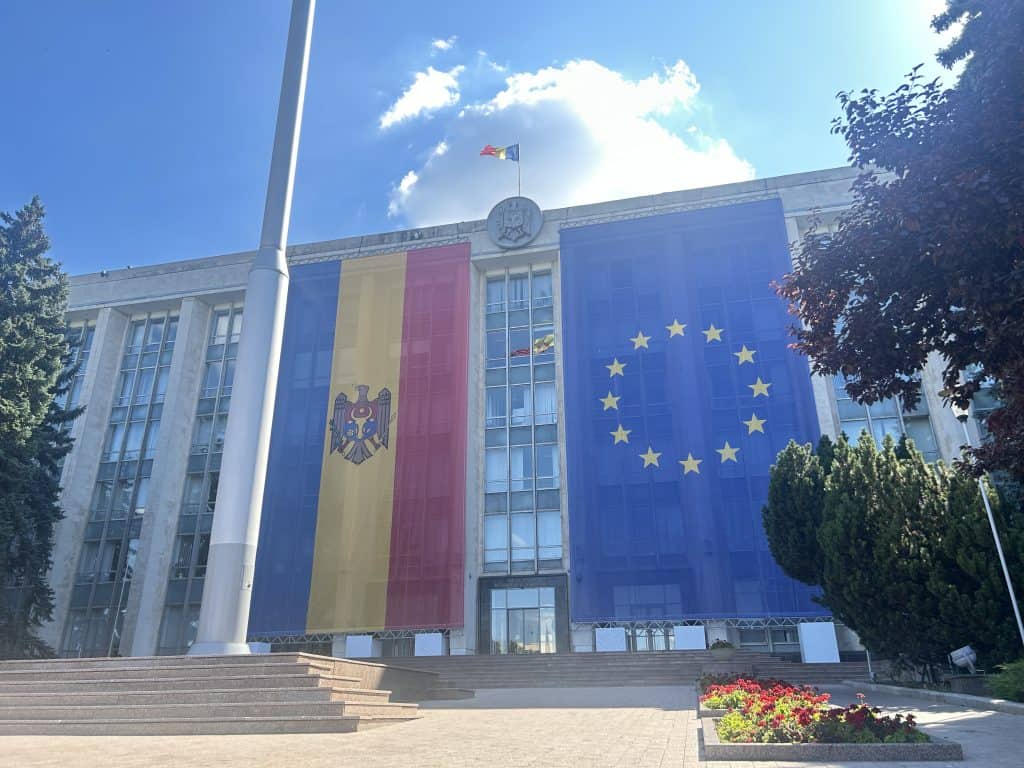
Walking is a suitable way to explore the central part of Chișinău. The main artery, Ștefan cel Mare Boulevard, connects many of the key sights, including the Triumphal Arch, the cathedral, and the main government buildings. The large parks, such as the Ștefan cel Mare Central Park and the Cathedral Park, are also best explored on foot. The Old Town area is less preserved than in many other European capitals, but the central district is pleasant for a stroll.
Riding the Trolleybuses and Marshrutkas
The backbone of Chișinău’s public transport is its extensive network of trolleybuses. These electric buses run on overhead wires and serve almost all parts of the city. They are a very common and economical way to travel. In addition to the trolleybuses, there is a large network of private minibuses known as marshrutkas. These operate on fixed routes but do not always have fixed stops; they can often be hailed from the side of the road. They are faster than the trolleybuses but can be very crowded.
A Quick Ride: Taxis and Ride-Sharing
Taxis and ride-sharing services are a very popular and convenient way to get around Chișinău. While traditional taxis are available, it is generally recommended to use a ride-sharing app to avoid issues with overcharging. The most popular app in the city is Yandex Go. It provides a simple way to book a ride with an upfront fare. This is often the most efficient and comfortable way to travel between different parts of the city, especially for visitors.




How to Get to Chișinău
Reaching Chișinău, the capital of Moldova, is most convenient by air. The city is served by a single international airport that connects it to major hubs across Europe. The city is also accessible by road and rail from its neighboring countries, Romania and Ukraine. This makes it a key transport hub for the region.
Arriving by Air: Chișinău International Airport
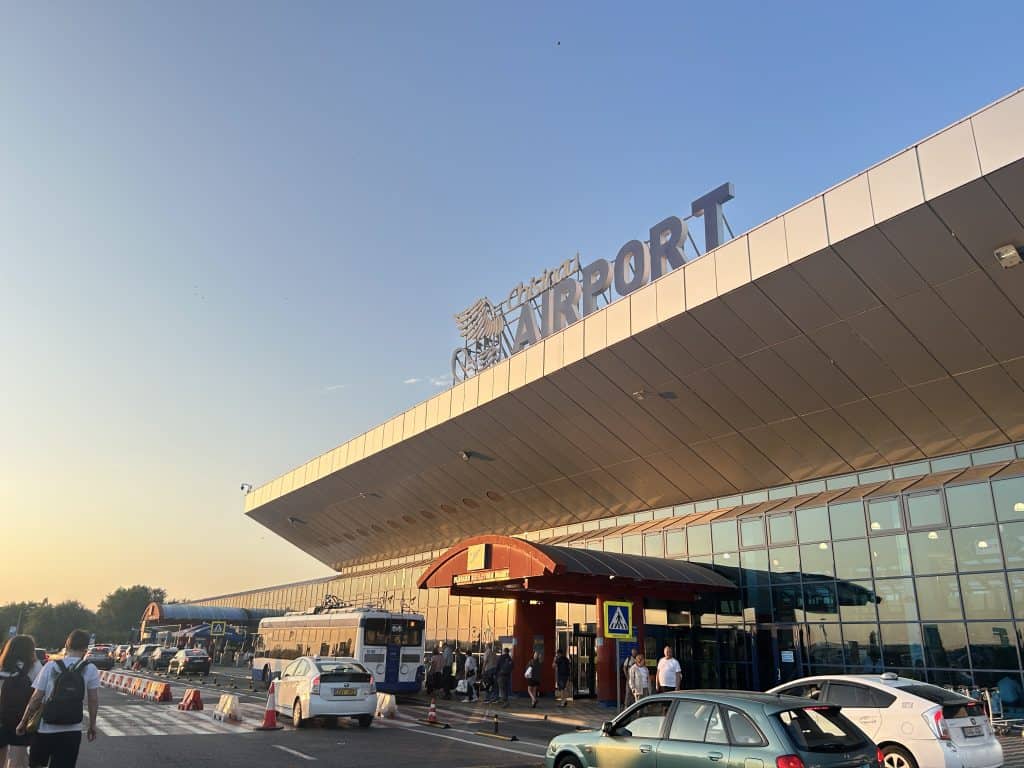
The primary and sole international gateway to the country is Chișinău International Airport (KIV). It is located approximately 13 kilometers southeast of the city center. The airport is the base for the national carrier, Air Moldova, as well as a hub for low-cost carriers like Wizz Air. It offers direct flights to numerous major cities across Europe, including London, Frankfurt, Paris, and Istanbul. From the airport, a public trolleybus service and taxis provide connections to the city center.
The Open Road: Driving to the Capital
Driving to Chișinău offers flexibility for exploring the wider country. The city is connected to a network of national roads. The main road connections are with Romania to the west and Ukraine to the north and east. A key border crossing with Romania is at Leușeni. The roads in Moldova can be of variable quality, especially in rural areas. An e-vignette is required to use the country’s roads and can be purchased online or at the border.
Connecting by Coach
International bus services are a very common and economical way to reach Chișinău. The main bus terminals in the city are the Gara de Sud (South Station), Gara de Nord (North Station), and the one at the Central Market. There are frequent and reliable bus and minibus services that connect Chișinău with major cities in Romania (such as Iași and Bucharest) and Ukraine (such as Odesa and Kyiv). These services are used by both locals and travelers.
On Track: A Journey by Rail
Traveling to Chișinău by train is another option, though it is often slower than bus travel. The Chișinău Railway Station is located near the city center. The Moldovan Railways (CFM) operates the services. The most famous international route is the “Prietenia” (Friendship) overnight train that connects Chișinău with Bucharest, Romania. There are also connections to Ukraine, though these can be subject to change.
Driving Distances
The driving distance from 10 regional cities, according to Google Maps:
- Tiraspol, Moldova – 102 kilometers (1 h 50 min)
- Iași, Romania – 136 kilometers (3 h 00 min)
- Bălți, Moldova – 137 kilometers (2 h 10 min)
- Odesa, Ukraine – 191 kilometers (3 h 20 min)
- Bucharest, Romania – 436 kilometers (7 h 30 min)
- Kyiv, Ukraine – 479 kilometers (7 h 30 min)
- Cluj-Napoca, Romania – 489 kilometers (8 h 30 min)
- Varna, Bulgaria – 559 kilometers (8 h 30 min)
- Sofia, Bulgaria – 828 kilometers (12 h 50 min)
- Belgrade, Serbia – 885 kilometers (13 h 10 min)
- Budapest, Hungary – 899 kilometers (12 h 40 min)
- Istanbul, Turkey – 933 kilometers (12 h 20 min)
- Warsaw, Poland – 965 kilometers (13 h 40 min)
- Minsk, Belarus – 988 kilometers (13 h 20 min)
- Bratislava, Slovakia – 1,102 kilometers (14 h 40 min)
- Vienna, Austria – 1,183 kilometers (15 h 20 min)
- Zagreb, Croatia – 1,281 kilometers (16 h 00 min)
- Prague, Czech Republic – 1,304 kilometers (17 h 20 min)
- Ankara, Turkey – 1,390 kilometers (16 h 50 min)
- Athens, Greece – 1,514 kilometers (20 h 20 min)
Looking to Explore more of Moldova and Europe?