
Ängsö, Västmanland | Exploring Sweden
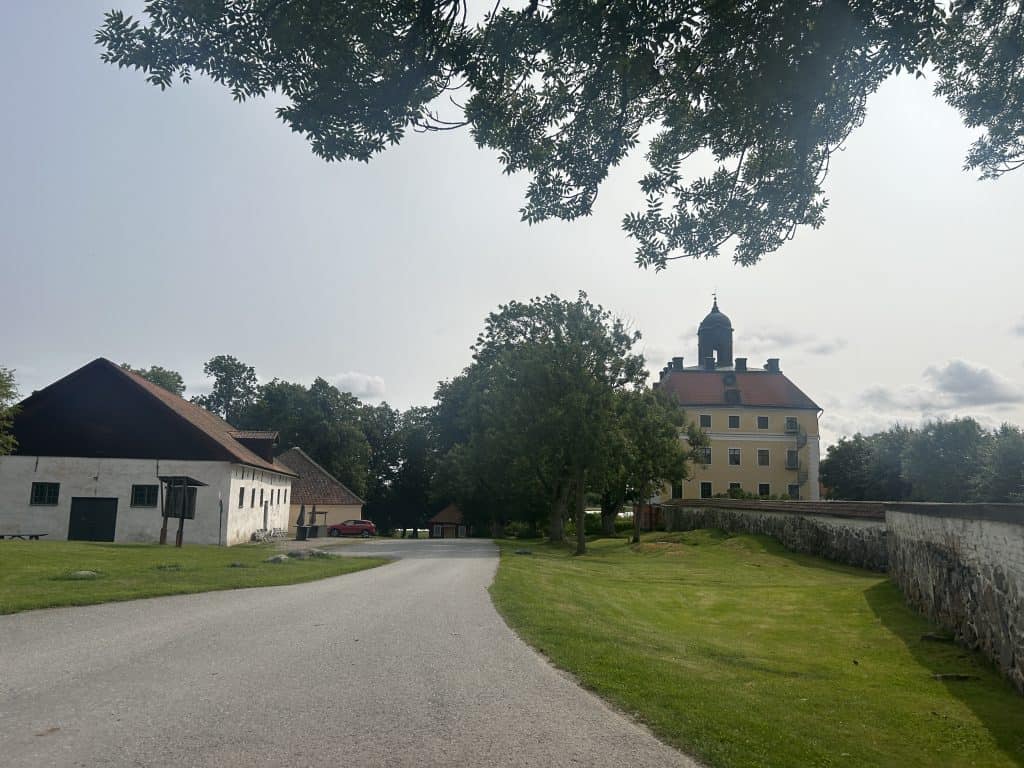
Ängsö is an island and a historic parish located in the province of Västmanland, Sweden. It is situated in Lake Mälaren, the country’s third-largest lake, and it is a part of the Västerås Municipality. The island is most famous for Ängsö Castle, a magnificent and well-preserved castle that has been the center of the island’s life for centuries. With a very small permanent population, Ängsö is a tranquil rural area, known for its rich history, its beautiful nature, and its status as a popular destination for excursions.
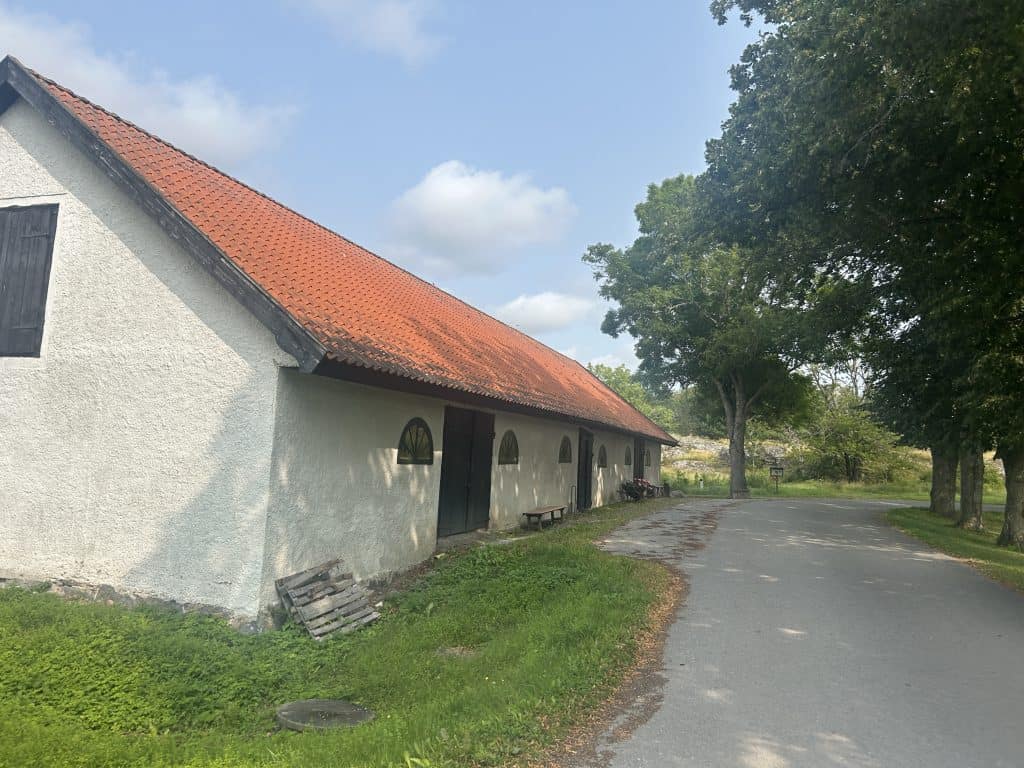
The island’s identity is defined by this connection to its castle and its aristocratic past. For centuries, it was a large estate owned by powerful noble families. This history is visible not only in the castle itself but also in the surrounding landscape, which includes a medieval church and historic farm buildings. The island is also a designated nature reserve, and it is known for its ancient oak trees and rich birdlife. This combination of cultural heritage and natural beauty makes Ängsö a unique and significant destination in the Lake Mälaren valley.


A Short History of Ängsö
The history of Ängsö is largely the history of its magnificent castle and the noble families who owned it. The island has been a center of power in the Lake Mälaren region since at least the 12th century. The estate was first mentioned in a papal bull from this period. The castle was established in the Middle Ages, and it was expanded and rebuilt over the following centuries. The island’s strategic location in the lake made it an important site. Its history reflects the broader development of the Swedish nobility and the changing architectural styles of the different eras.
The Medieval Stronghold
The first stone building on the island was likely a defensive keep built in the 12th century. During the 15th century, the estate was owned by the privy councilor Bengt Fadersson (Sparre). He is credited with building the large, square stone house that forms the core of the current castle. This medieval stronghold was built for defense, and it served as a secure base for one of the powerful nobles of the realm. The castle’s early history is a story of power and influence in the heart of the medieval Swedish kingdom.
The Piper and von Fersen Era
In the 18th century, the castle and the island entered a new era of splendor. In 1710, the estate was acquired by Christina Piper, a wealthy and influential countess. She and her descendants, including the famous statesman Axel von Fersen the Younger, transformed the medieval castle into a more comfortable and modern aristocratic residence. They added new wings to the castle and decorated its interiors in the latest styles of the era. This period of ownership by the Piper and von Fersen families was a golden age for the castle, and it cemented its status as one of the great country houses of Sweden.
A Modern Cultural Monument
The last private owner of the castle was the family of Sophie Piper, who lived there until the 1950s. In 1959, the castle was sold to a foundation and was opened to the public as a museum. A few years later, in 1965, the castle became a state building monument, ensuring its preservation for the future. In 1969, the Ängsö Nature Reserve was established, protecting the island’s unique landscape with its ancient oak trees and coastal meadows. Today, the island is managed to preserve both its unique cultural heritage and its rich natural environment.



Sights in Ängsö
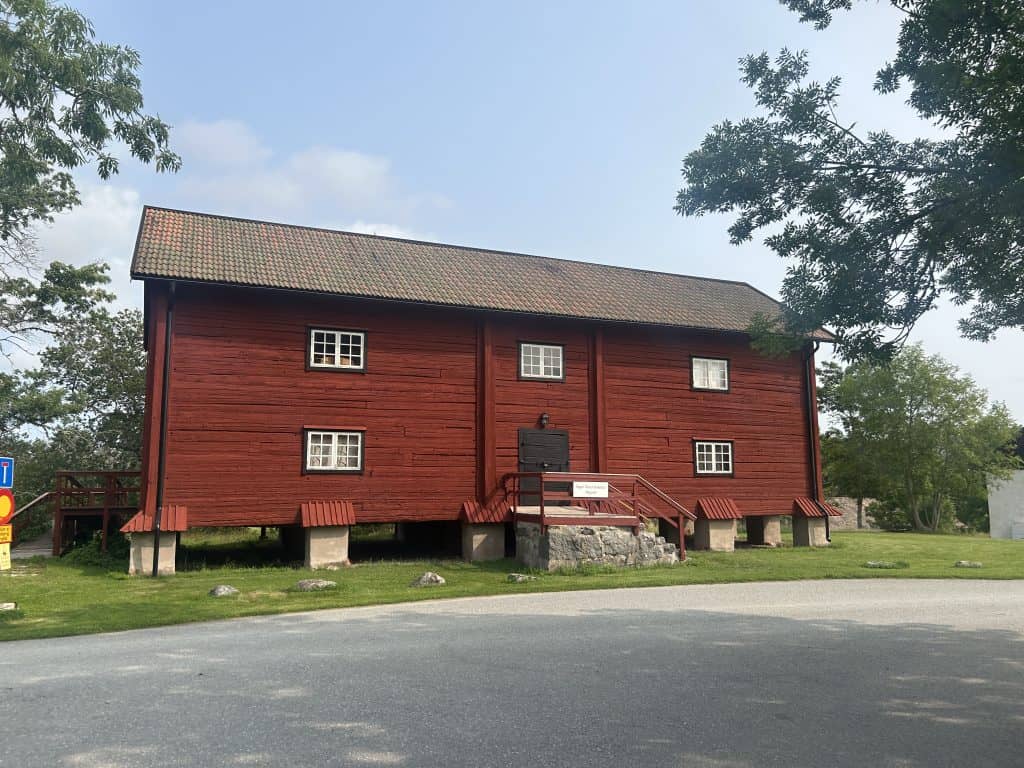
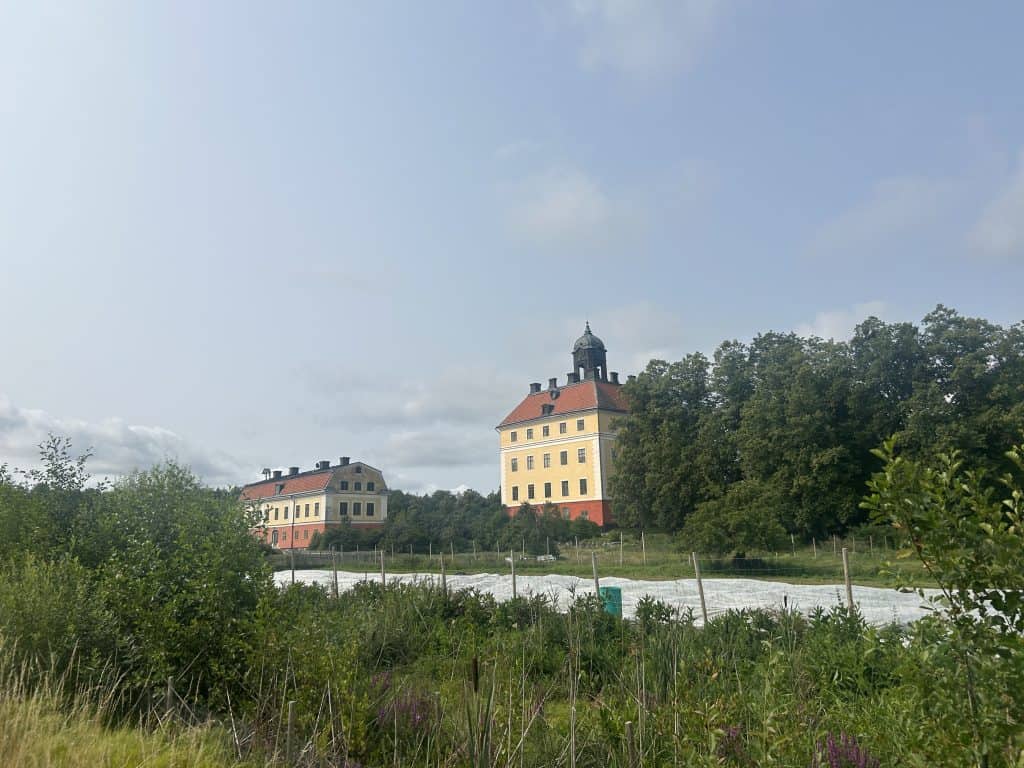
The sights on Ängsö are centered around its magnificent castle, its historic church, and the beautiful nature of the Ängsö Nature Reserve. The main attraction is Ängsö Castle, which offers a journey through centuries of Swedish aristocratic life. The nearby Ängsö Church is a beautiful medieval church with a rich history. The entire island is a scenic destination, with its beautiful landscapes of old oak trees, coastal meadows, and the sparkling waters of Lake Mälaren. A visit to Ängsö is a complete experience, combining history, architecture, and nature in a single, beautiful location.
Ängsö Castle
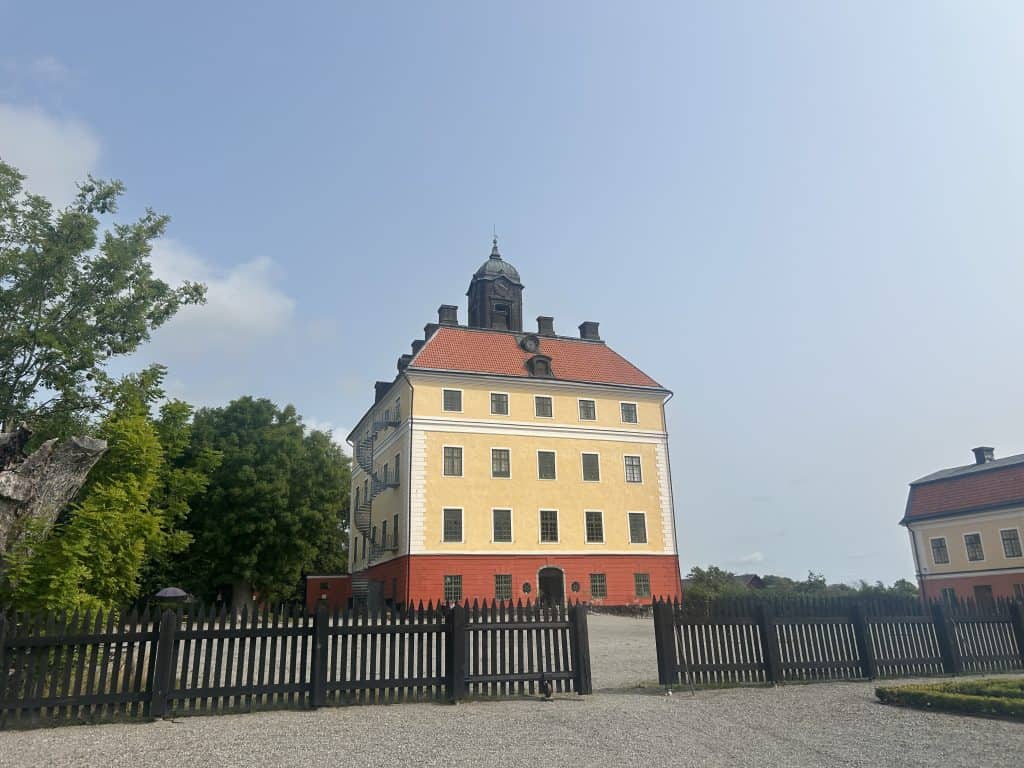
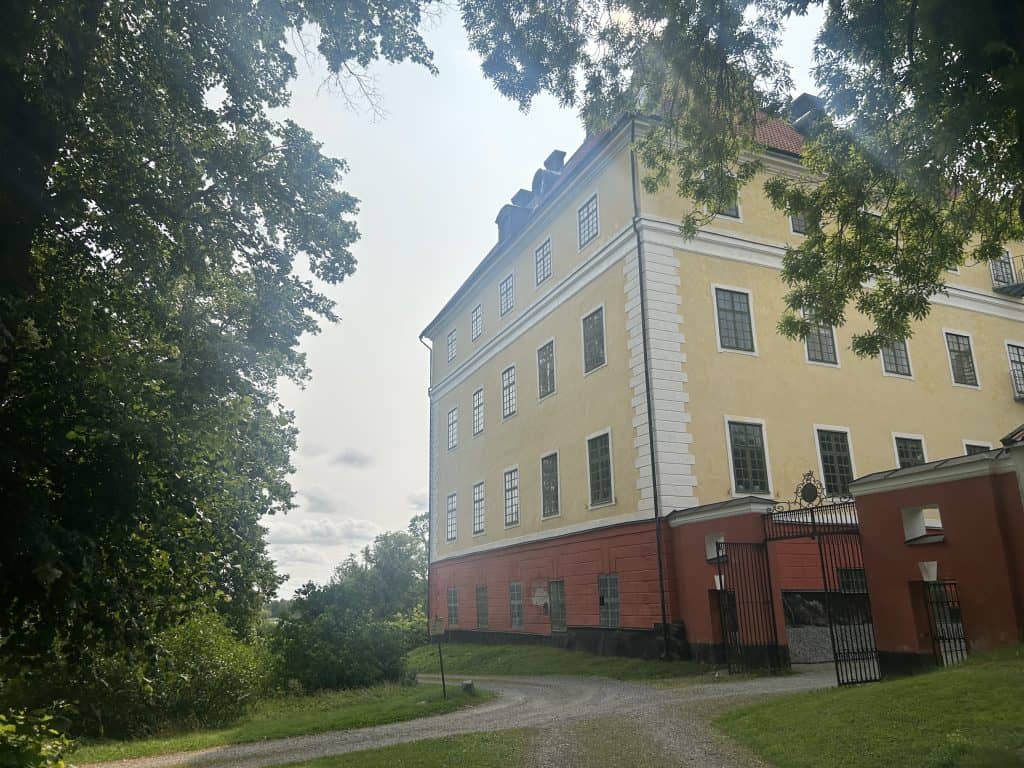
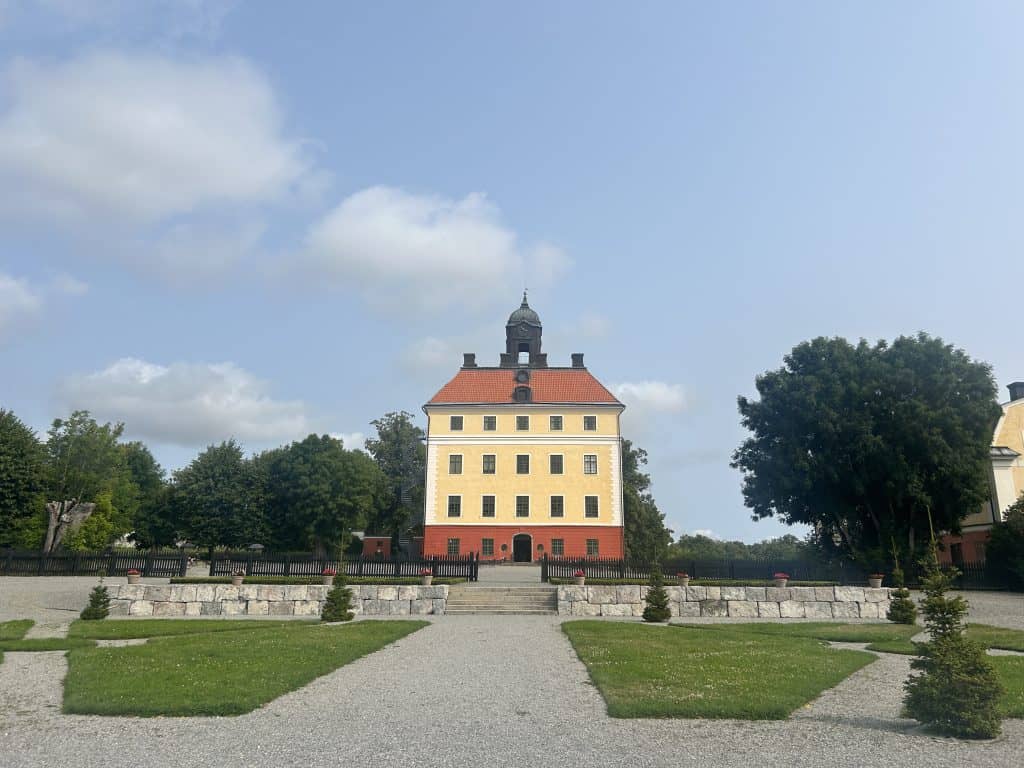
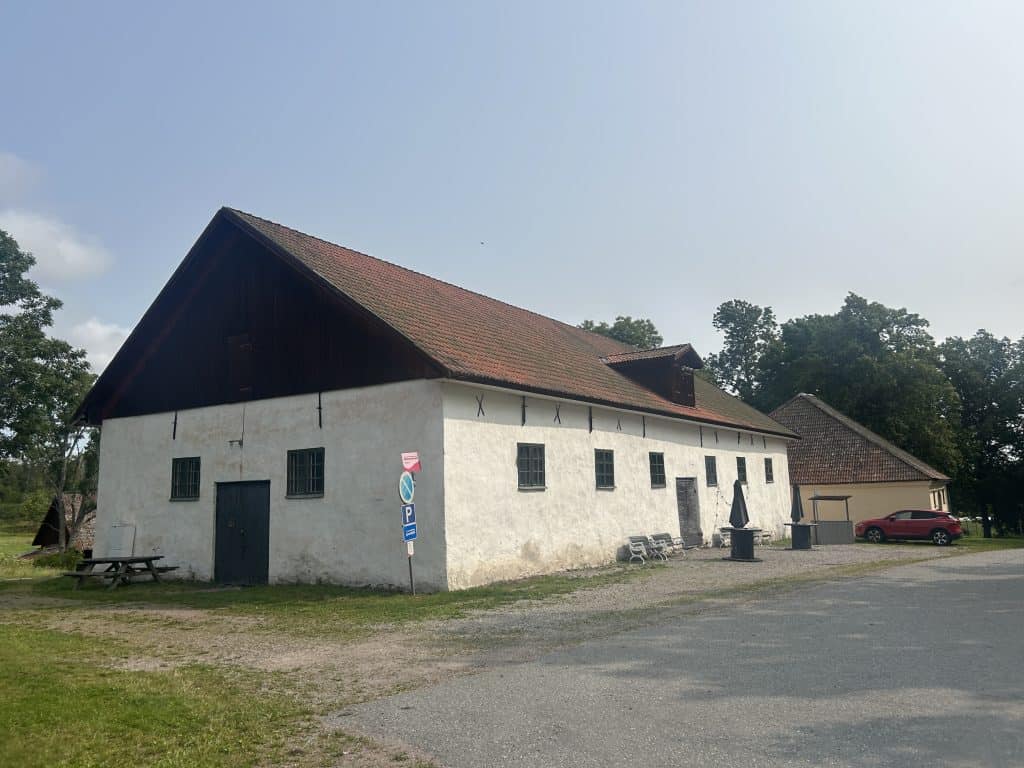
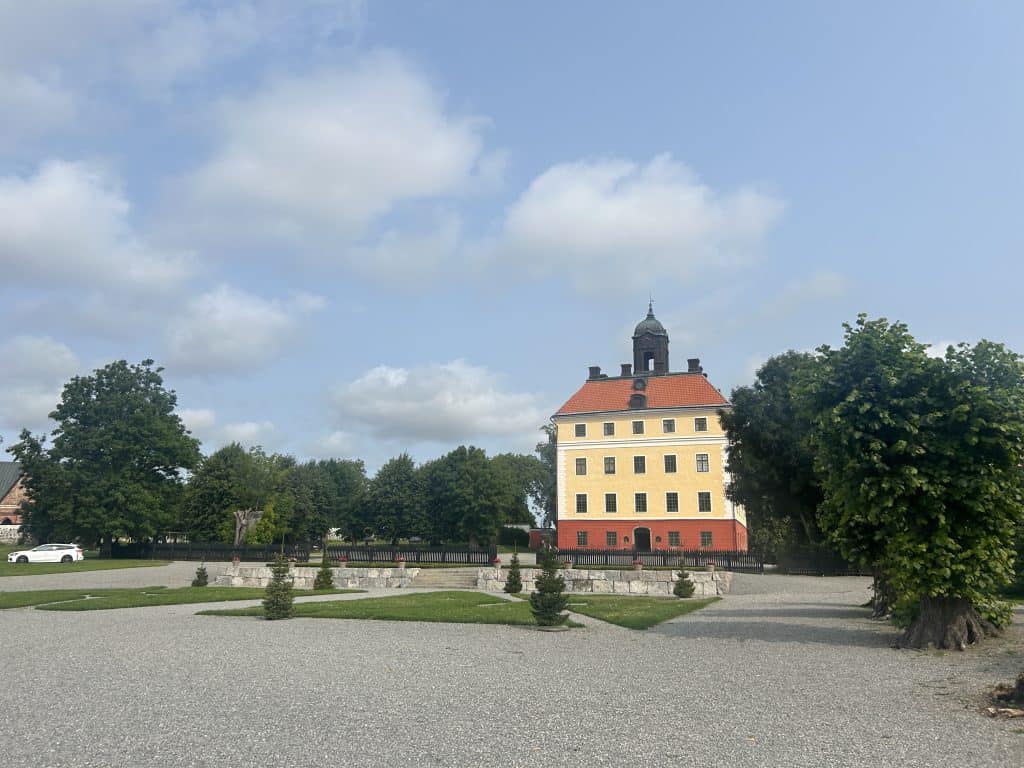
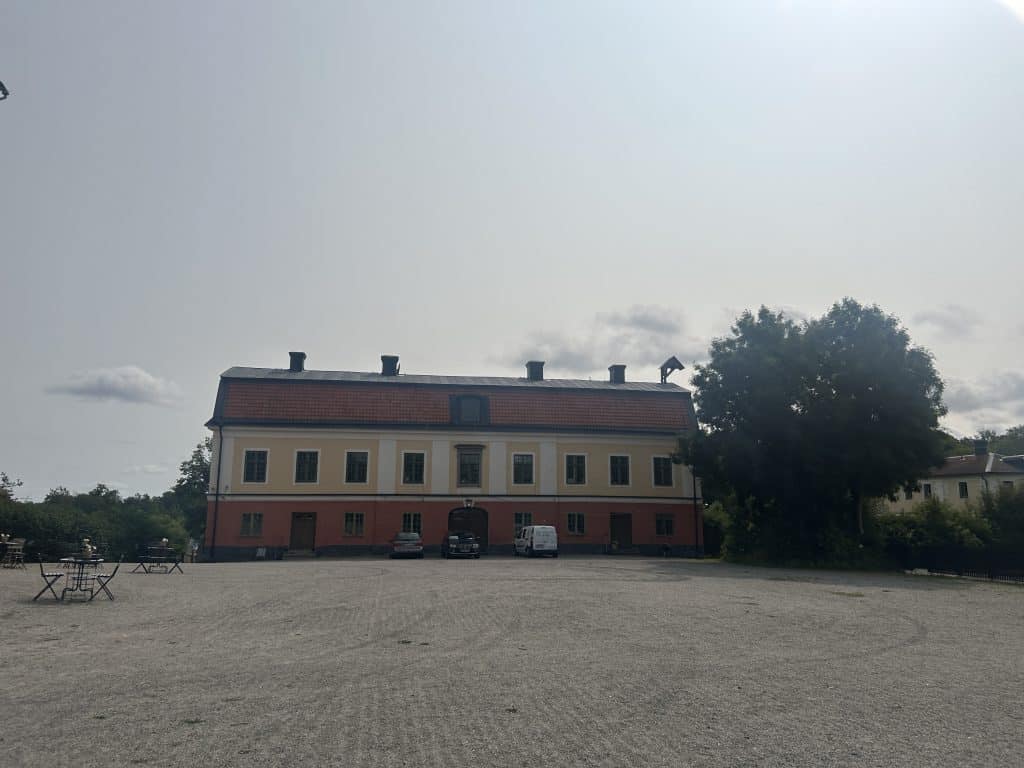
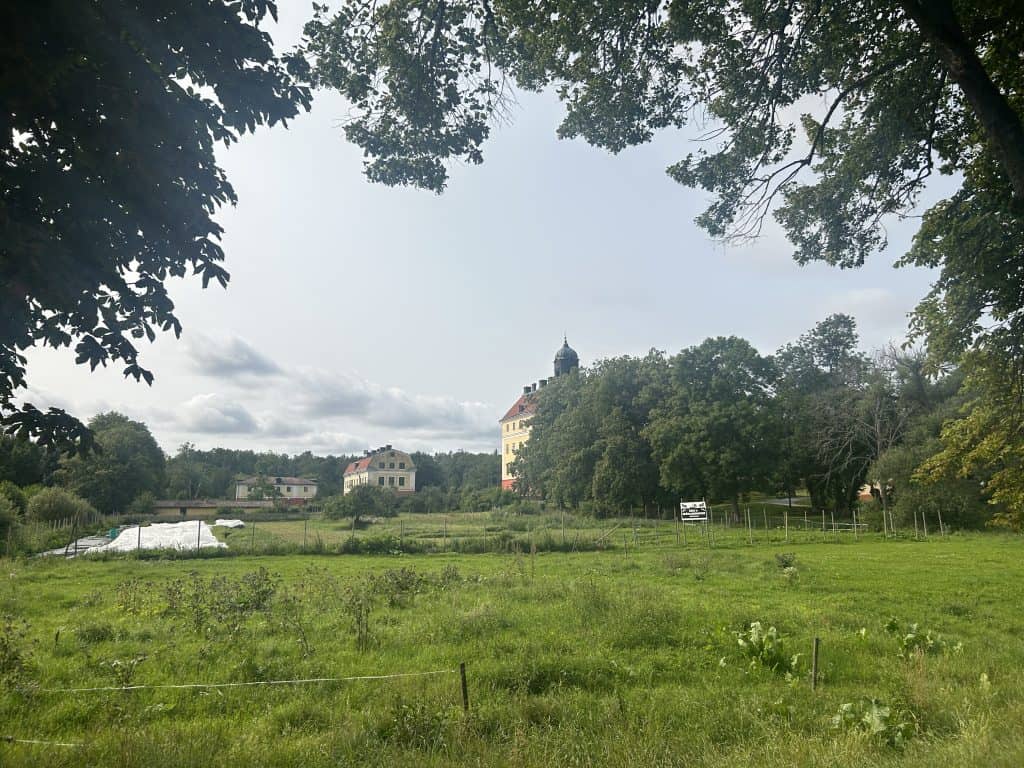
Ängsö Castle (Ängsö slott) is the undisputed centerpiece of the island. The castle is a large, four-story stone building that has its origins in the 15th century. It was rebuilt and expanded in the 17th and 18th centuries. The castle is famous for being one of the best-preserved aristocratic homes in Sweden from this period. It is open to the public as a museum during the summer months. Visitors can take guided tours through the historic rooms, which are filled with original furniture, paintings, and art from different centuries. The castle is also famous for its many ghost stories.
Ängsö Church
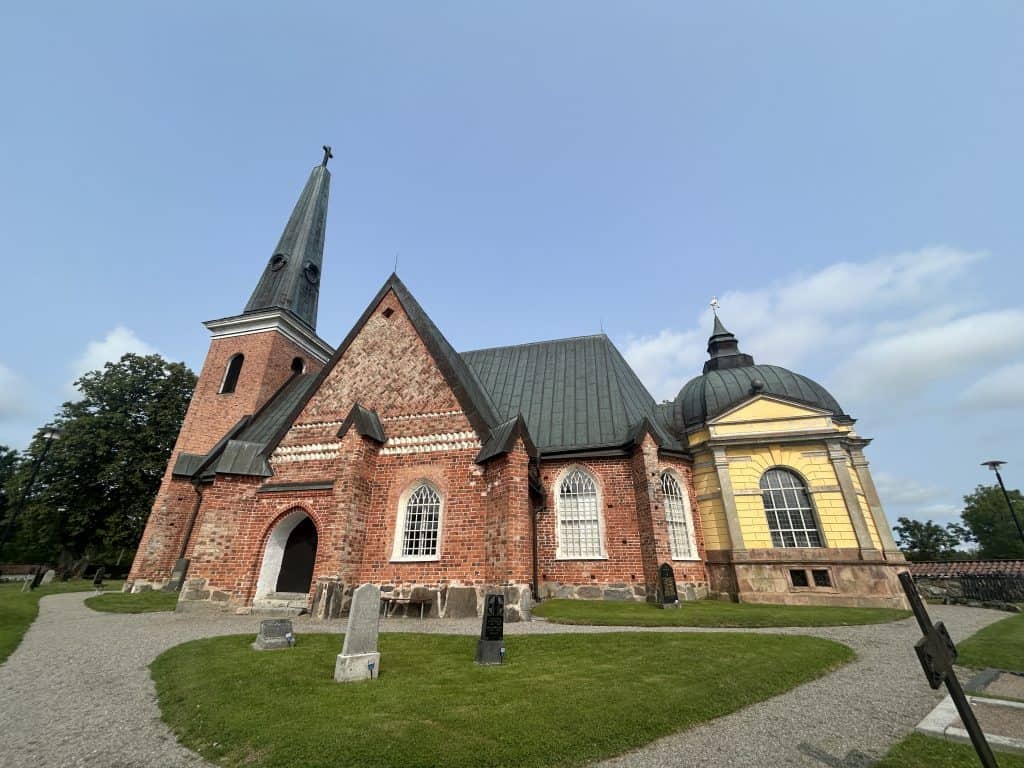
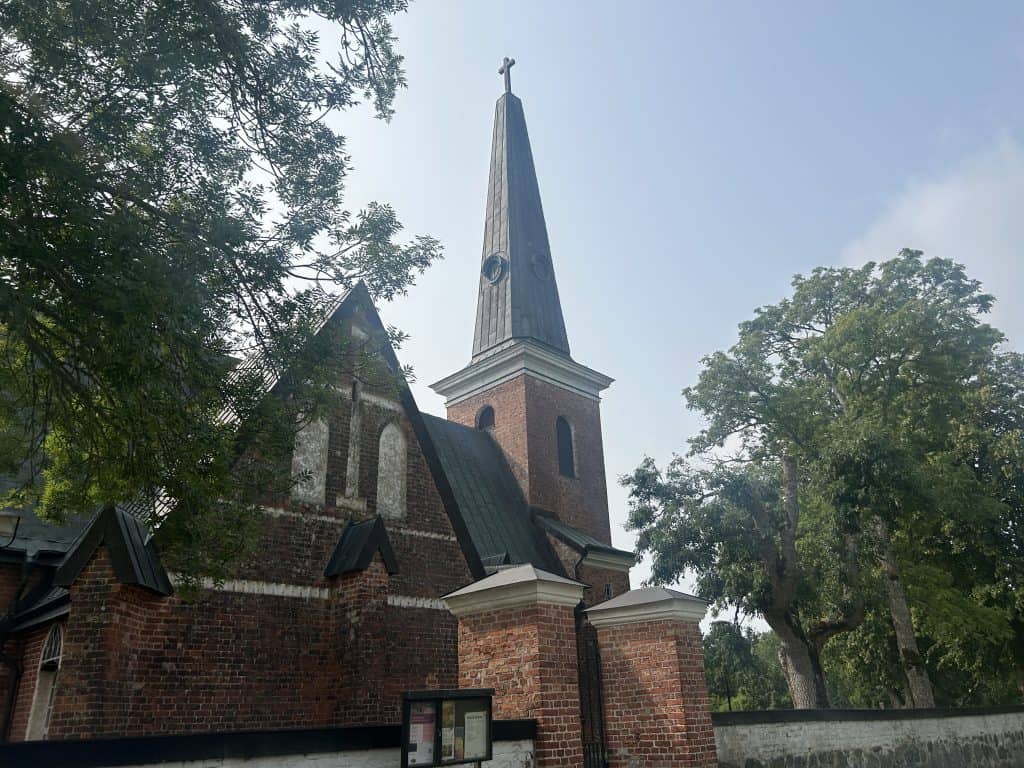
Ängsö Church (Ängsö kyrka) is a beautiful medieval church located near the castle. The stone church was first built in the 14th century, and it was the private church for the owners of the castle. The church has a beautiful interior with medieval frescoes and a magnificent altarpiece from the 18th century. It is also the burial place for many of the members of the noble families who owned the island, including the Piper and von Fersen families. The church is still an active parish church and is a beautiful and peaceful place to visit.
Ängsö Nature Reserve
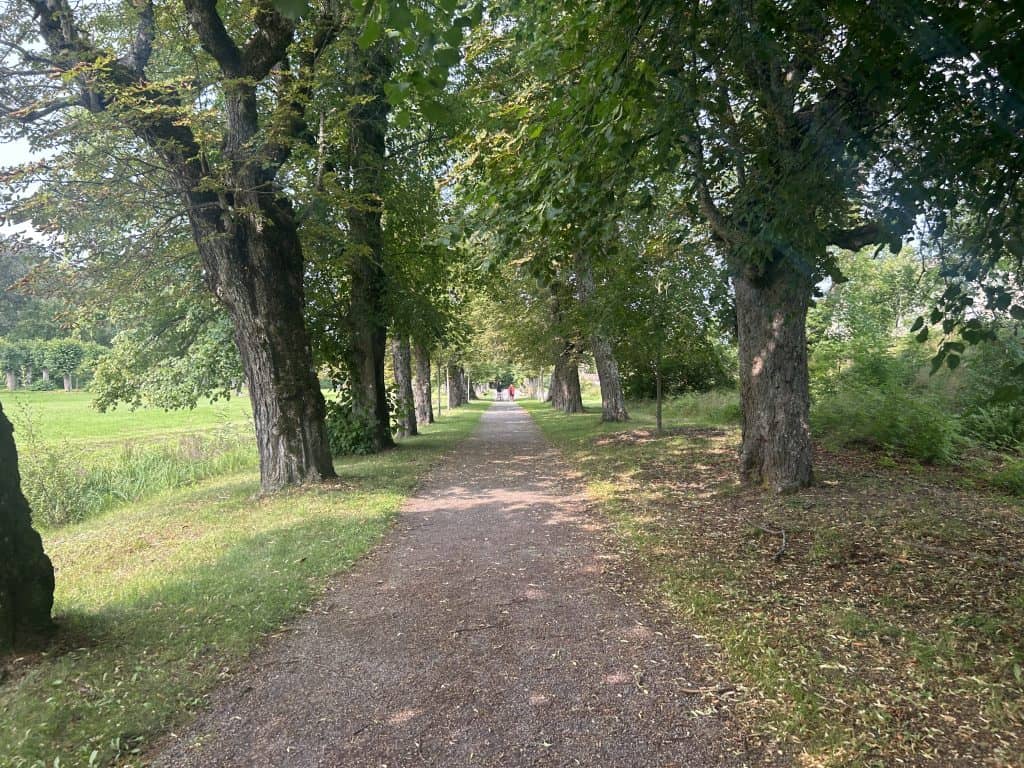
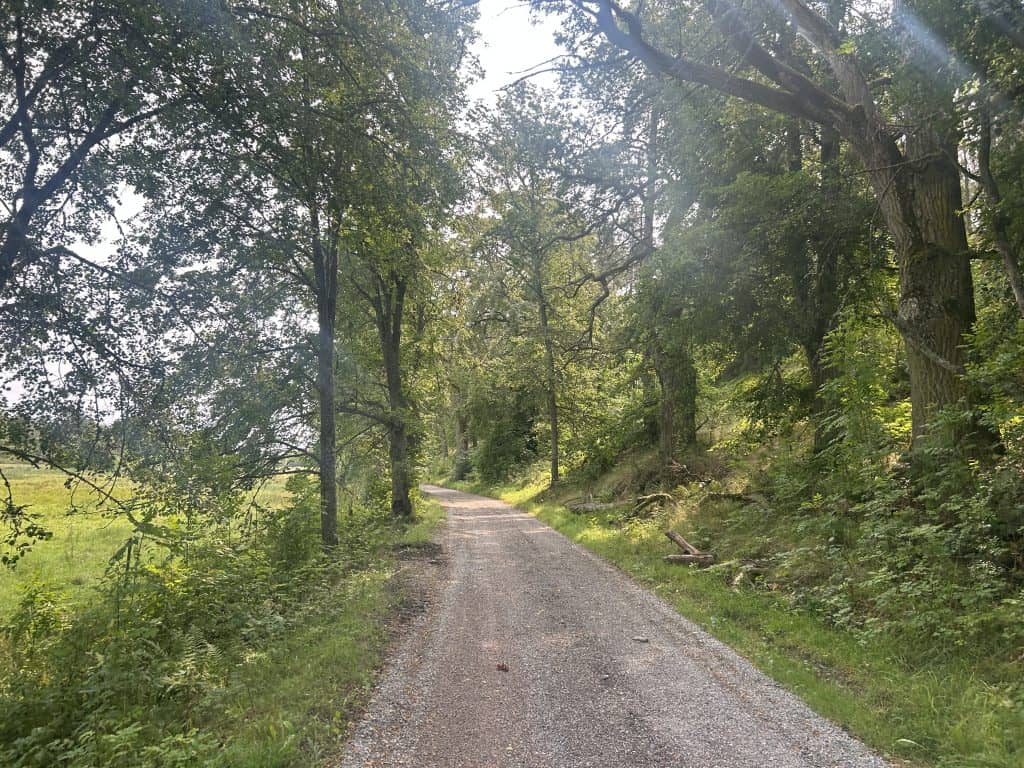
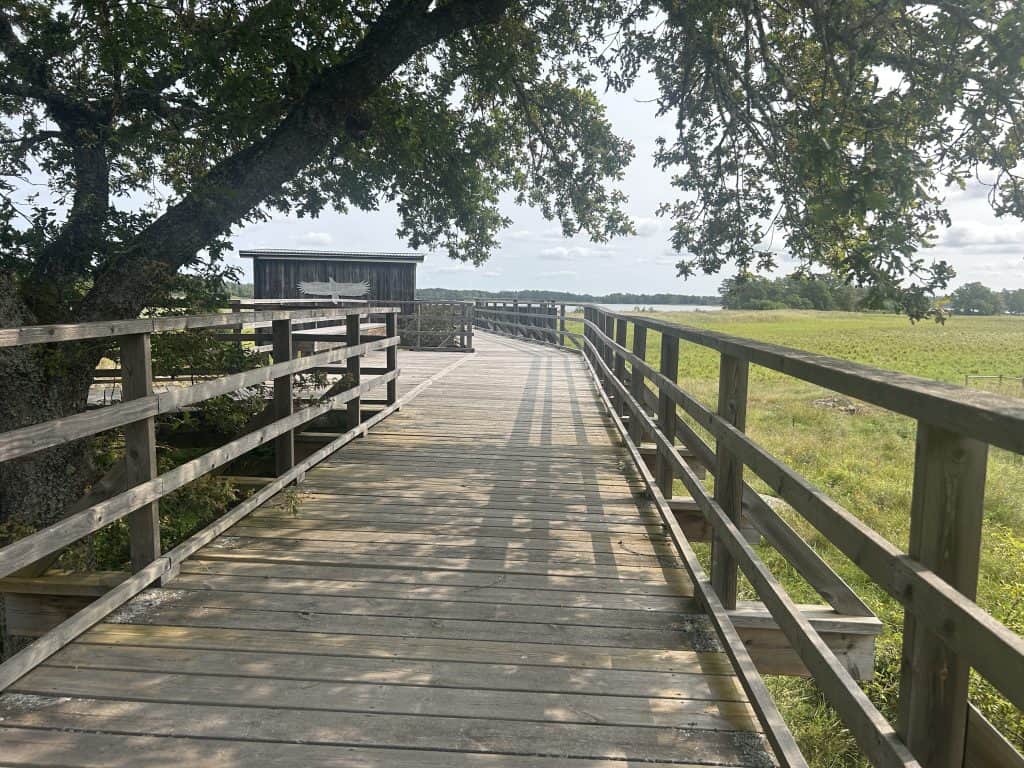
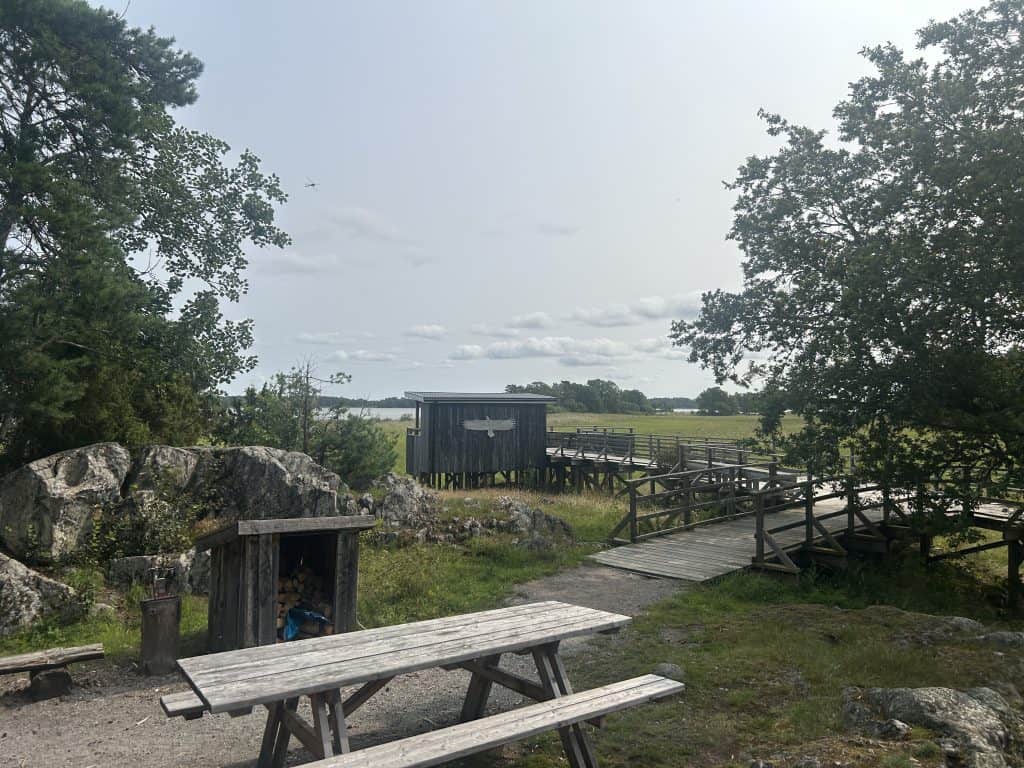
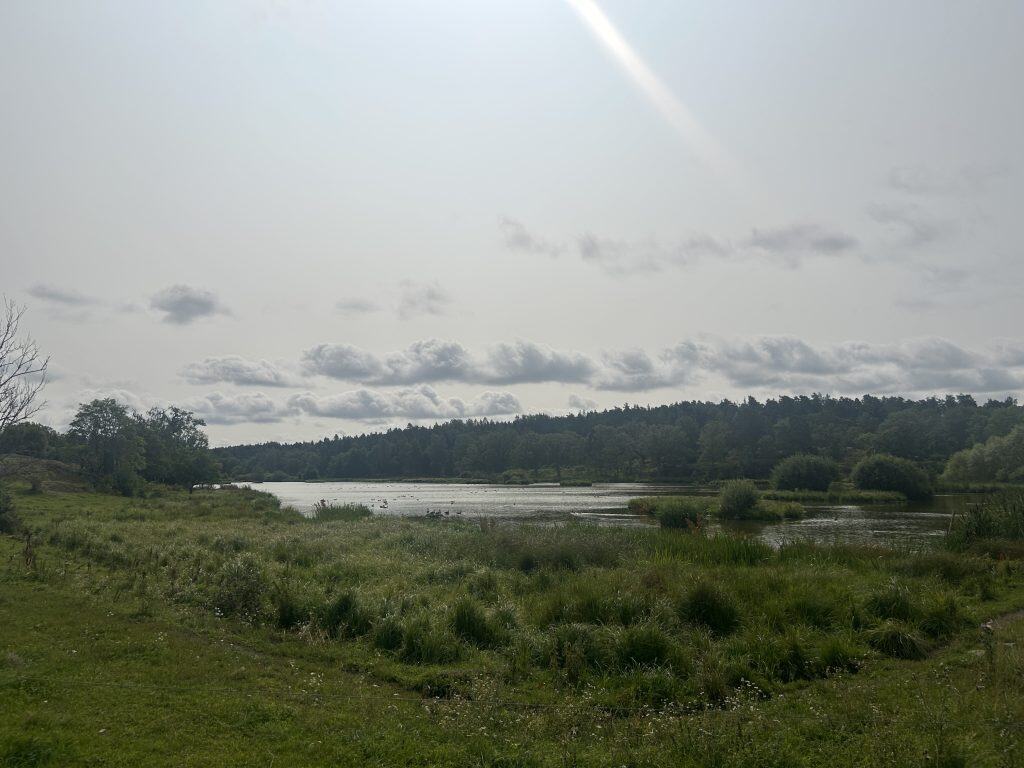
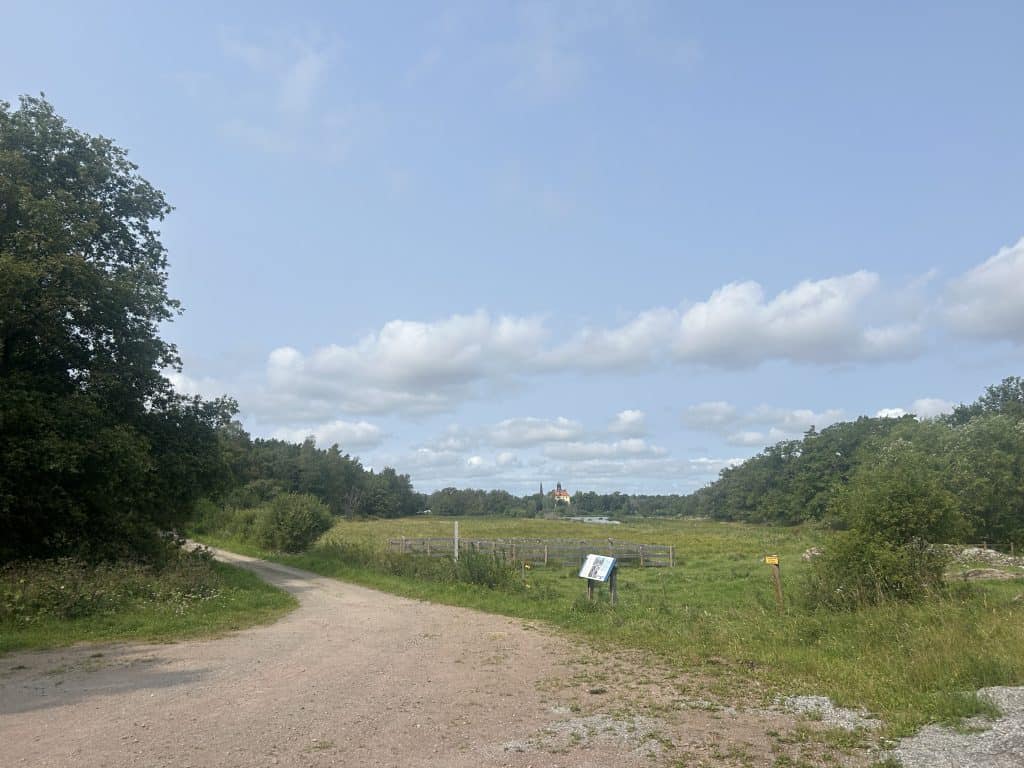
The Ängsö Nature Reserve covers a large part of the island of Ängsö. It was established in 1969 to protect the island’s unique and valuable landscape. The reserve is particularly famous for its very large and ancient oak trees, some of which are many hundreds of years old. The area also includes beautiful flowering meadows and a rich birdlife. The reserve is a paradise for hikers and nature lovers, and a network of marked trails leads through the beautiful scenery.
The English Park
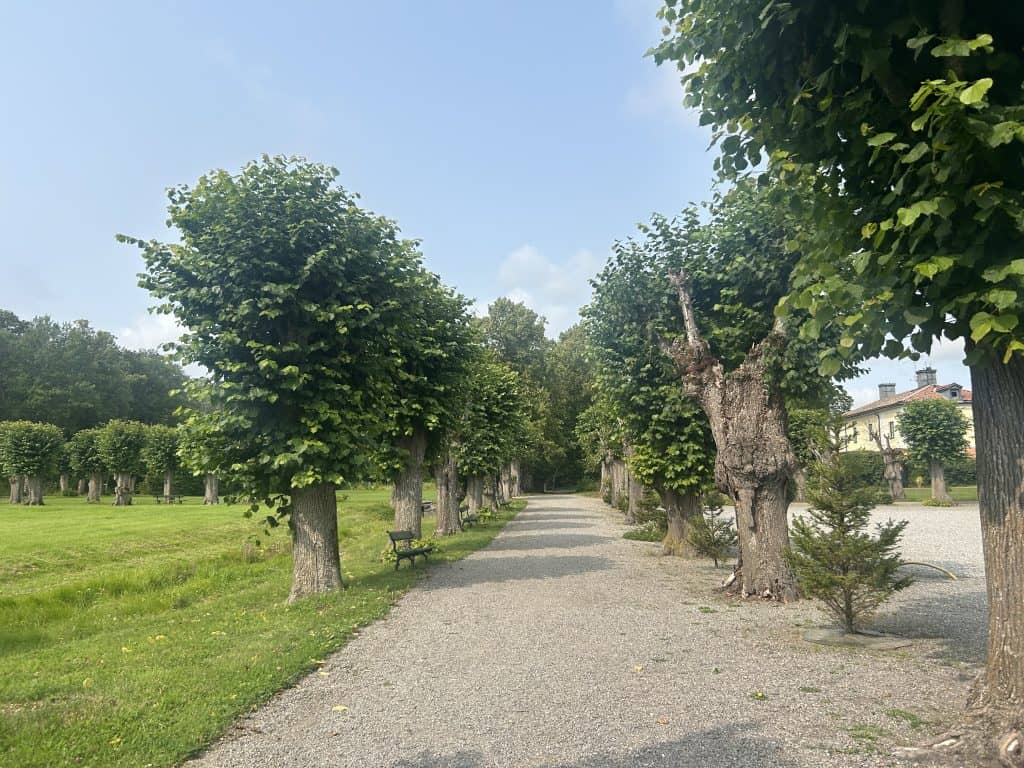
Surrounding Ängsö Castle is a beautiful English Park. This romantic landscape park was created in the late 18th century. It features winding paths, open lawns, and beautiful old trees. A walk through the park is a key part of the experience of visiting the castle. The park was designed to provide beautiful views of the castle and the surrounding lake. It is a peaceful and scenic place for a walk and a picnic.
Traveling with Kids
Ängsö is a fantastic destination for families with children who enjoy history and being outdoors. The main attraction, Ängsö Castle, can be an exciting adventure for kids. The castle’s many rooms and its famous ghost stories can spark a child’s imagination about what life was like in the past. The vast, open spaces of the Ängsö Nature Reserve are a giant natural playground where children can run freely and explore nature in a safe environment.
The island offers a good balance of educational and recreational activities. Families can combine a historical exploration of the castle with a family walk or a bike ride through the beautiful nature reserve. The nearby city of Västerås offers a much wider range of dedicated family attractions, including one of Sweden’s best action water parks and several excellent playgrounds, making a combined trip a great option for a varied family vacation.
Activities for Kids in Ängsö
For families seeking memorable outings, Ängsö and its surroundings offer unique experiences. A visit to the historic Ängsö Castle provides a journey back in time, while a day at the Kokpunkten water park in Västerås offers thrilling modern adventures.
Exploring Ängsö Castle
A visit to Ängsö Castle is the top activity for families on the island. The guided tours of the castle are engaging for all ages. Children will enjoy hearing the famous ghost stories, including the tale of the “black dog.” The castle’s many historic rooms are filled with interesting objects that can spark a child’s curiosity about the past. The large, open grounds around the castle are also a great place for kids to run around and play. It is a fun and educational experience for the whole family.
A Family Hike in the Nature Reserve
A family hike through the Ängsö Nature Reserve is a must-do activity. The reserve has several easy and well-marked hiking trails that are perfect for little legs. The trail that leads through the ancient oak forest and out to the coastal meadows is particularly beautiful. The hike provides a great opportunity to see the unique nature of the island and to spot some of its rich birdlife. It is a perfect way to combine a bit of exercise with a beautiful nature experience.


Getting Around
Navigating the island of Ängsö is primarily done by car or bicycle, as the island is connected to the mainland by a bridge. The island’s network of small country roads is scenic and has light traffic. For exploring the Ängsö Nature Reserve, walking on the marked trails is the only option. Public transport to the island is very limited, so a private vehicle is the most practical way to visit.
Navigating by Car
A car is the most convenient way to reach Ängsö and to explore the island. The island is connected to the mainland by a road and a bridge. A car makes it easy to travel to the main parking area for the castle and the nature reserve. The roads on the island are narrow, so caution is advised. Having a car also allows you to easily combine a visit to Ängsö with other sights in the wider Västmanland region.
Exploring by Bicycle
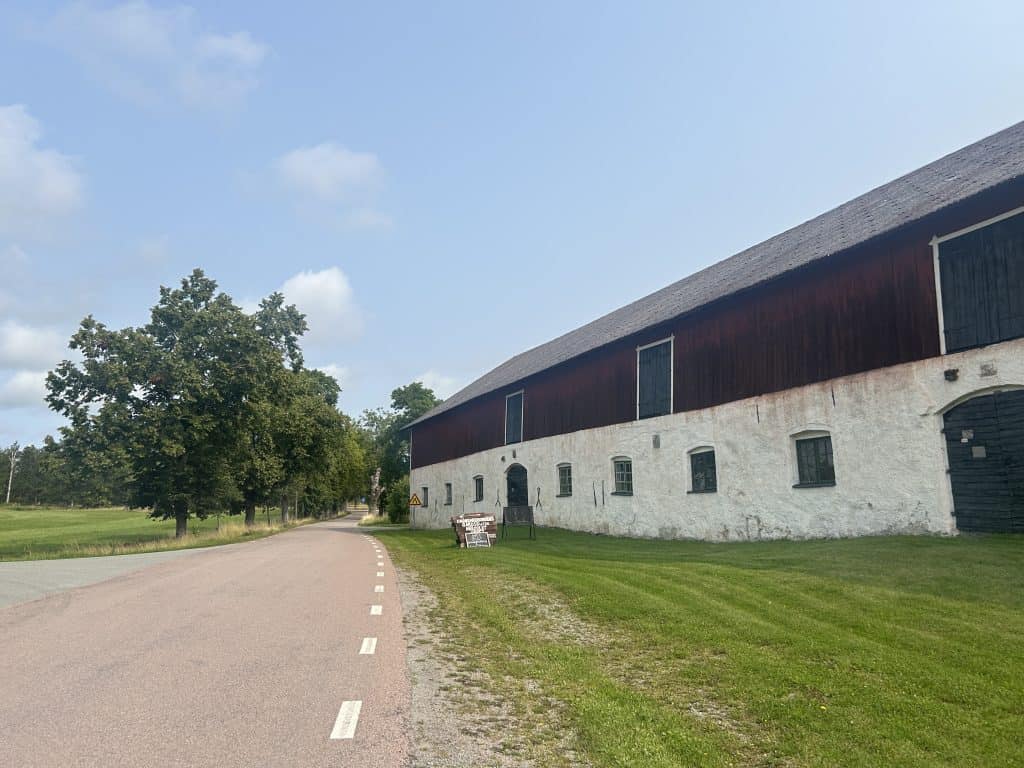
The island of Ängsö is a beautiful area for cycling. The landscape is relatively flat, and the small country roads that wind their way through the fields and forests are perfect for a bike ride. A bicycle is a great way to explore the different parts of the island at a leisurely pace. It is a popular destination for local cyclists from the Västerås area, especially on weekends during the summer.
Using Local Buses
Public transport to the rural island of Ängsö is very limited. A regional bus service operated by VL may run to the island, but the services are likely to be very infrequent, especially on weekends. It is essential to check the current timetable in advance if you plan to rely on public transport. For most visitors, a private car or a taxi from Västerås is a much more practical option.


How to Get to Ängsö?
Ängsö is an island in Lake Mälaren, located in the province of Västmanland in central Sweden. The island is connected to the mainland by a bridge, making it accessible by car. The primary way to get to the area is to first travel to the city of Västerås, which is the main transportation hub for the region. From Västerås, it is a scenic drive through the countryside to reach the island.
Arriving by Air
The closest and most convenient airport is Stockholm Västerås Airport (VST). This airport is located just a few kilometers east of the city of Västerås. It is a hub for low-cost airlines like Ryanair. For a much wider range of international and long-haul connections, Stockholm Arlanda Airport (ARN), which is Sweden’s largest airport, is located about a one-hour drive away.
Driving to the Island
Ängsö is easy to reach by car. From the main E18 motorway, which connects Stockholm with Västerås, you take the exit for the road that leads towards the harbor town of Enköping. From this road, you follow the signs for Ängsö. The journey takes you through a beautiful rural landscape of farms and forests. The final part of the journey takes you across a bridge and onto the island itself.
Journey by Rail
The closest main train station is in the city of Västerås. The Västerås Central Station is a major hub on the Swedish railway network. There are frequent and fast train services from Stockholm that take about one hour. There are also direct train connections to other major cities like Gothenburg and Uppsala. From the train station in Västerås, you would then need to take a taxi or a pre-booked car to reach the island of Ängsö.
Connecting by Bus
Long-distance bus companies like Flixbus operate services to the main bus terminal in Västerås. From the bus terminal in Västerås, you would then need to check the local bus timetable with VL to see if there are any services that run out to the island of Ängsö. The services are likely to be very limited, so a car or a taxi is a more reliable option.
Driving Distances
The driving distance from 20 regional cities, according to Google Maps:
- Enköping, Sweden – 20 kilometers (0 h 25 min)
- Västerås, Sweden – 30 kilometers (0 h 35 min)
- Uppsala, Sweden – 60 kilometers (0 h 50 min)
- Eskilstuna, Sweden – 65 kilometers (1 h 00 min)
- Stockholm, Sweden – 80 kilometers (1 h 10 min)
- Södertälje, Sweden – 80 kilometers (1 h 10 min)
- Örebro, Sweden – 125 kilometers (1 h 40 min)
- Gävle, Sweden – 140 kilometers (1 h 40 min)
- Norrköping, Sweden – 190 kilometers (2 h 20 min)
- Linköping, Sweden – 230 kilometers (2 h 40 min)
- Karlstad, Sweden – 220 kilometers (2 h 50 min)
- Jönköping, Sweden – 330 kilometers (3 h 30 min)
- Växjö, Sweden – 420 kilometers (4 h 30 min)
- Gothenburg, Sweden – 420 kilometers (4 h 30 min)
- Kalmar, Sweden – 460 kilometers (5 h 00 min)
- Oslo, Norway – 470 kilometers (5 h 30 min)
- Helsingborg, Sweden – 580 kilometers (5 h 50 min)
- Malmö, Sweden – 640 kilometers (6 h 20 min)
- Copenhagen, Denmark – 670 kilometers (6 h 50 min)
- Hamburg, Germany – 960 kilometers (10 h 20 min)
Explore More of Västmanland and Sweden