Råsta, Södermanland | Exploring Sweden
Råsta is a historical farmstead located in the province of Södermanland. It is a part of Nyköping Municipality and lies within the ancient boundaries of the Kila parish. The farm is situated in the scenic Kiladalen valley, a few kilometers from Kila Church. Råsta is an agricultural property and a representative example of a long-standing farmstead in the region.
Råsta is a private agricultural property, an active farm with a history that likely stretches back for centuries. Its importance is as an authentic and representative part of the traditional Södermanland farming landscape. The farmstead exists as a key component of the wider cultural and historical environment of the Kila parish.


History of Råsta
The history of Råsta is the long story of a single farmstead and its place within the agricultural life of the Kila parish. While the farm may have ancient origins, its documented history is tied to the records of the parish. It represents one of the many such farms that formed the economic and social backbone of the region for centuries. Unlike communities that grew around a church or a railway station, Råsta’s history is one of continuity and connection to the land. Its story reflects the broader agricultural development of the Kiladalen valley.
Ancient Origins
While specific records from the Viking Age at this exact site are unconfirmed, the surrounding Kila parish is rich in ancient remains. This suggests that the land where Råsta is located has been cultivated for over a thousand years. The name itself is of old origin. It would have been one of several significant farms in the area that answered to the medieval Kila Church. The earliest history of the farm is the history of the taming of the landscape and the establishment of permanent agricultural settlements in the fertile valley.
Råsta as a Parish Farm
For centuries, Råsta existed as a farm within the well-defined structure of the Swedish parish system. It would have been listed in church and tax records, with its occupants owing duties to the church and the Crown. The farm’s production would have contributed to the local agrarian economy. Its inhabitants would have attended services at Kila Church, which was the center of all social and spiritual life. The history of Råsta during this long period is representative of the life of a typical, medium-sized farmstead in Södermanland.
The Farm in Modern Times
Today, Råsta continues to be a private, active farmstead. The land is still cultivated, and the farm’s buildings are a feature of the rural landscape. The farm’s appearance contributes to the traditional agricultural environment of the Kiladalen valley. While specific buildings have likely been replaced over the centuries, the farm’s location and function have remained constant. This continuity makes it a clear example of the area’s long agricultural heritage. The farm exists as a quiet part of the countryside, in contrast to the more recent developments in nearby Jönåker and Nyköping.
Sights at Råsta
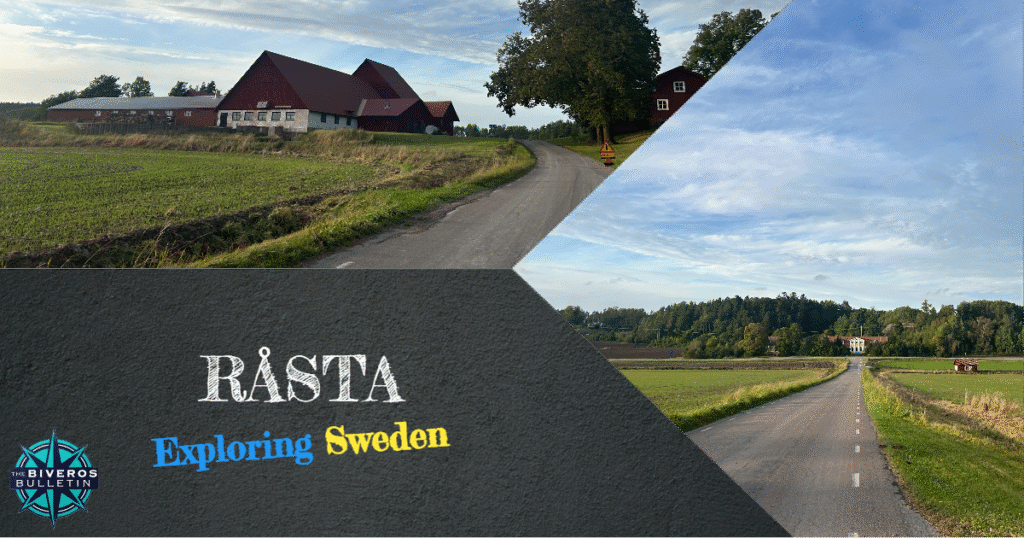
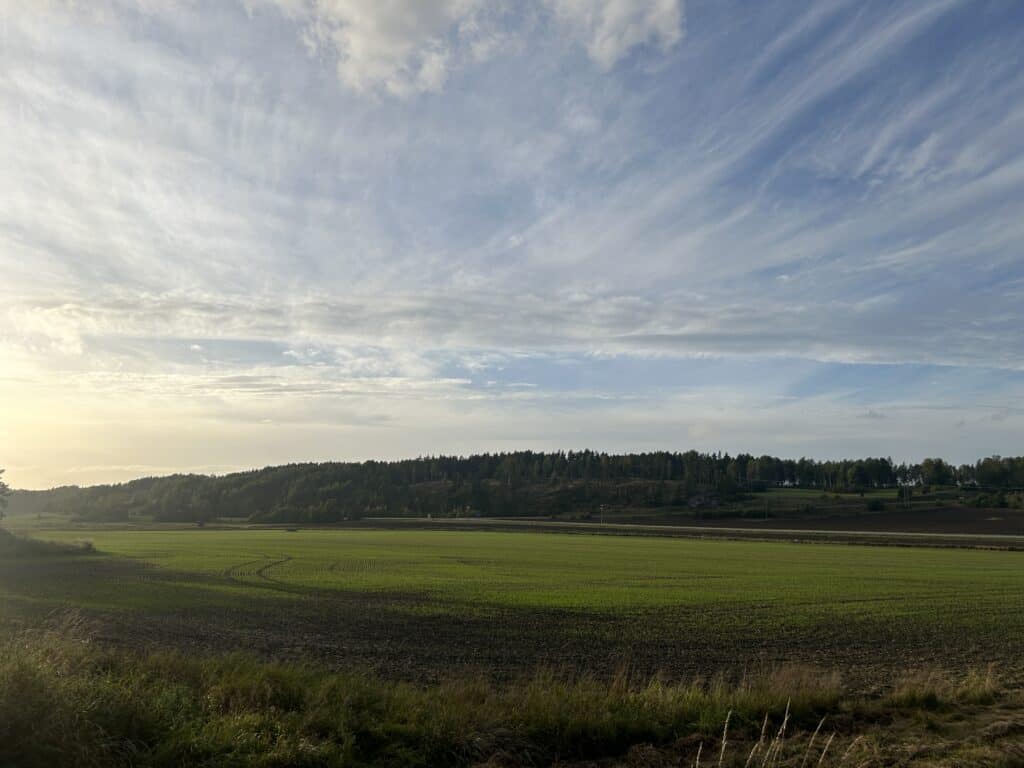
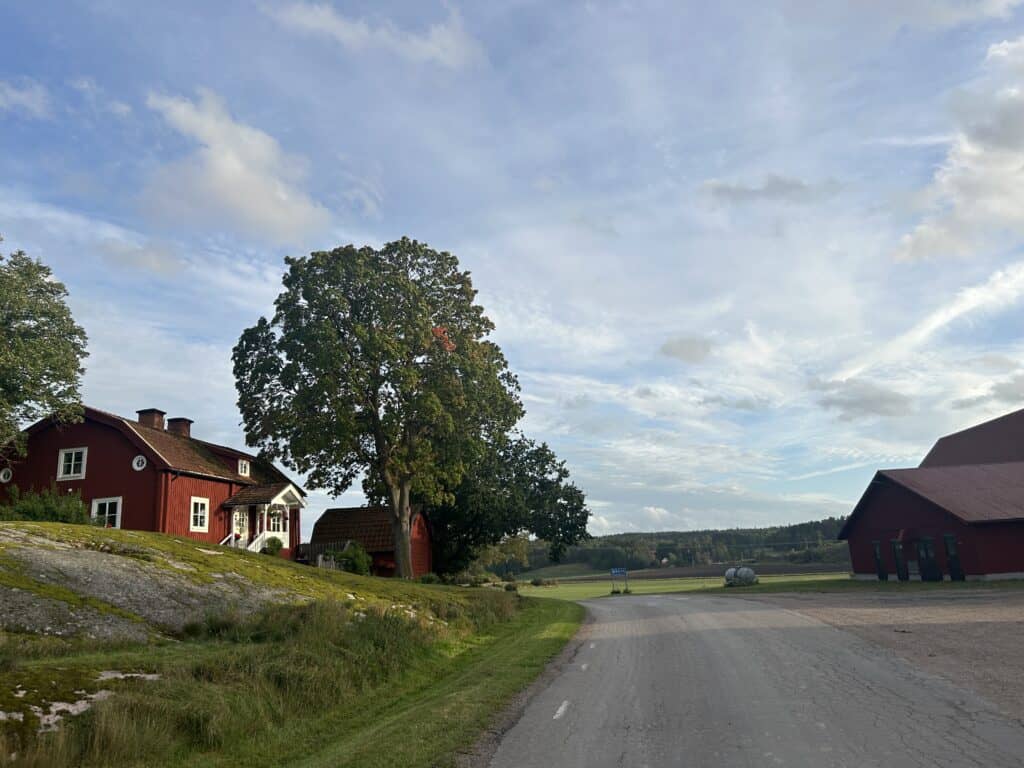
The main sight in the Råsta area is the complete historical and natural environment of the farmstead itself. Unlike a traditional tourist attraction, Råsta does not have a single point to visit but is instead an experience of a landscape. The sight consists of viewing the private farm from a distance, set within its authentic agricultural context. This perspective allows one to see a living piece of the Södermanland countryside. A visit is therefore an opportunity to appreciate a well-preserved rural setting. This visual experience captures the essence of the region’s long farming history.
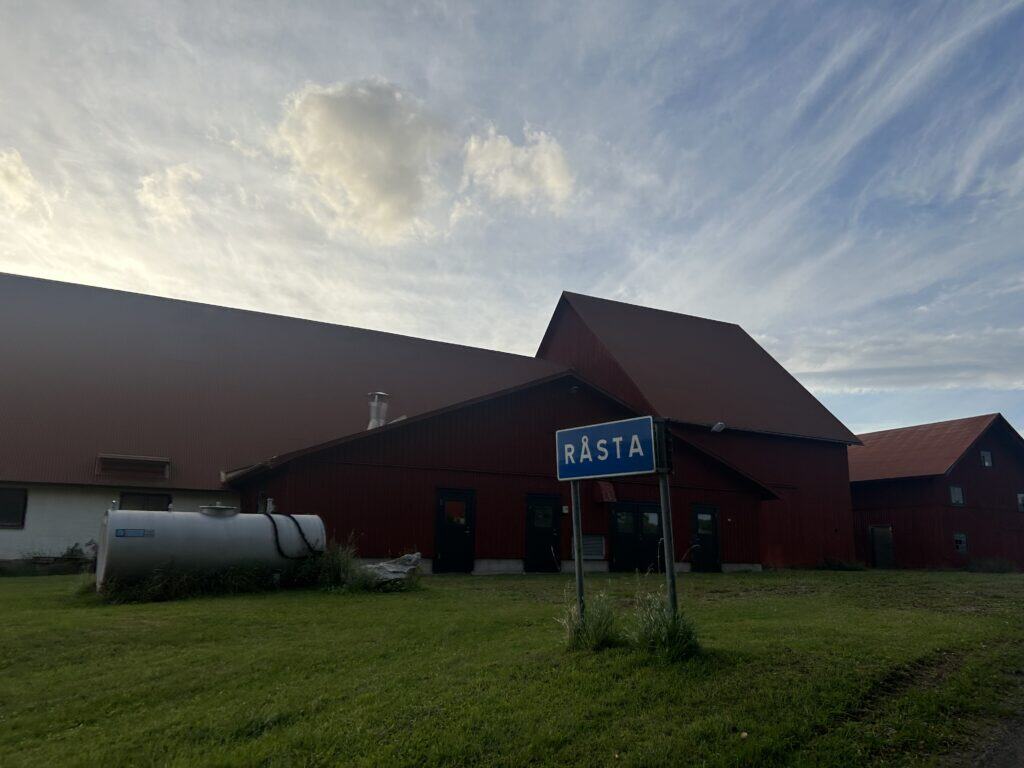
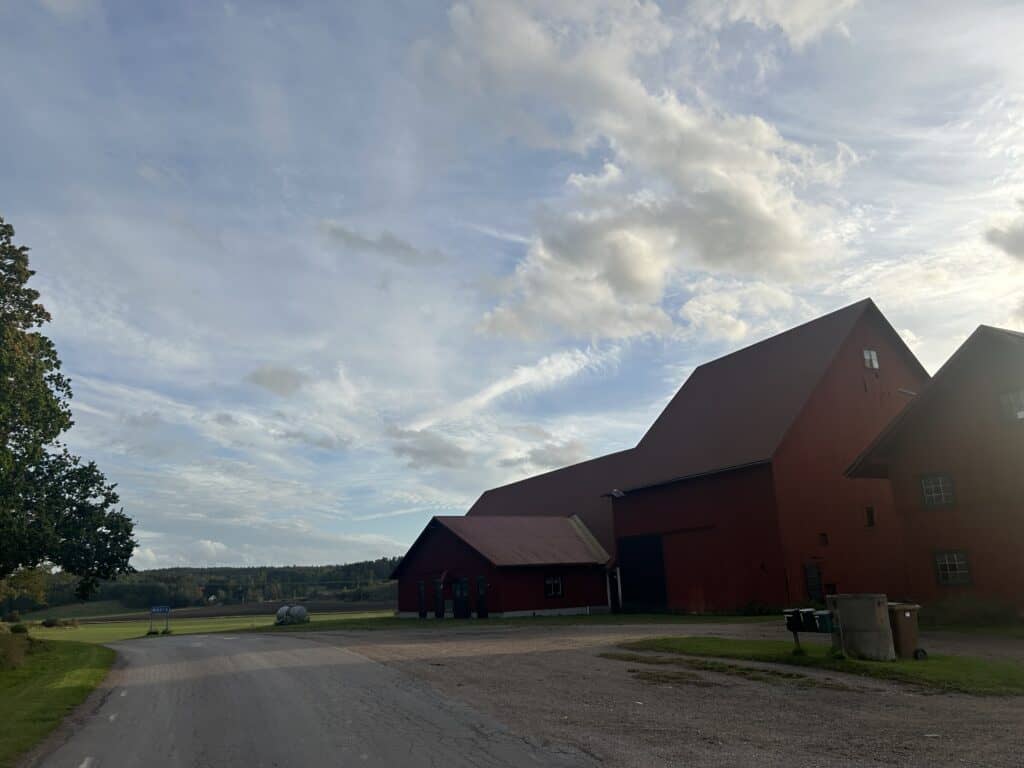
Råsta is a private residence and an active agricultural business, so visitors should not enter the property. The farm and its historical environment can be appreciated from the public country roads that pass through the area. Visible from afar, the farmstead’s buildings stand as a traditional feature in the scenic Kiladalen valley. The sight is that of a classic Swedish farm, with its red-painted barns and main house set against open fields and the edge of the forest. Appreciating Råsta is best done as part of a scenic drive or bicycle tour, offering an authentic glimpse into the agricultural landscape of the Kila parish.
How to Get to Råsta?
Reaching the Råsta farmstead requires traveling to a specific, rural location within the Kila parish. While a private car is the most convenient method, it is possible to reach the general area by public transport, though this requires some planning and a considerable walk. The farm is located on a small local road, so finding it requires a detailed map or a GPS navigator. The journey takes you through the scenic countryside of the Kiladalen valley.
The most common approach for visitors is to first travel to the city of Nyköping, which is the regional transport hub. From Nyköping, Råsta is a short drive by car. For those using public transport, a regional bus service runs through the area, with stops on the main roads. From these stops, it is a walk of a few kilometers to reach the Råsta farmstead.
Driving to Råsta
The only practical way to see Råsta is by car. From the E4 motorway, travelers should take exit 129 (Jönåker). From there, one follows a series of smaller, paved country roads for approximately 10 kilometers, passing through the area of Kila Church. The drive from Nyköping takes approximately 20-25 minutes. Due to the rural location and lack of major signs, using a GPS is highly recommended. Parking is available on the verge of the small local road next to the farm.
Reaching the Råsta by Bus
The Råsta area is served by regional buses operated by Sörmlandstrafiken. The bus line that runs between Nyköping and Bettna passes through the Kiladalen valley. The closest bus stop to the Råsta farm is Skällsta, which is located on road 800. From the Skällsta bus stop, it is a walk of approximately 2.5 kilometers along smaller country roads to reach Råsta. This option is most suitable for visitors prepared for a walk through the countryside, as the roads do not have sidewalks. It is essential to check the current bus schedule, as services in rural areas can be infrequent.
Reaching the Råsta by Train
There is no train service that goes directly to the Råsta farm. The closest major train station is in Nyköping. From Nyköping Central Station, a visitor would need to take a taxi or transfer to the regional bus service (with the final walk from a stop like Skällsta) to complete the journey. Therefore, relying on the train for the entire trip is not possible without arranging for a car or taxi for the final leg.
Reaching the Råsta by Other Means
Cycling to the site from Nyköping or Jönåker is possible for experienced cyclists who are comfortable navigating a network of rural roads. The journey is scenic and passes through the heart of the Kiladalen valley. As with arriving by car, a detailed map or GPS is necessary to find the specific location of the Råsta farmstead.
Driving Distances
The driving distance from 20 regional cities, according to Google Maps:
- Nyköping, Sweden – 19 kilometers (0 h 25 min)
- Oxelösund, Sweden – 29 kilometers (0 h 30 min)
- Katrineholm, Sweden – 40 kilometers (0 h 40 min)
- Norrköping, Sweden – 61 kilometers (0 h 55 min)
- Eskilstuna, Sweden – 81 kilometers (1 h 15 min)
- Södertälje, Sweden – 85 kilometers (1 h 5 min)
- Linköping, Sweden – 102 kilometers (1 h 20 min)
- Örebro, Sweden – 113 kilometers (1 h 50 min)
- Stockholm, Sweden – 118 kilometers (1 h 30 min)
- Västerås, Sweden – 125 kilometers (1 h 50 min)
- Uppsala, Sweden – 187 kilometers (2 h 15 min)
- Jönköping, Sweden – 249 kilometers (2 h 45 min)
- Kalmar, Sweden – 289 kilometers (3 h 30 min)
- Gävle, Sweden – 295 kilometers (3 h 15 min)
- Växjö, Sweden – 313 kilometers (3 h 30 min)
- Gothenburg, Sweden – 384 kilometers (4 h 10 min)
- Oslo, Norway – 396 kilometers (4 h 40 min)
- Helsingborg, Sweden – 476 kilometers (5 h 0 min)
- Malmö, Sweden – 527 kilometers (5 h 30 min)
- Copenhagen, Denmark – 569 kilometers (6 h 10 min)
Explore More of Södermanland and Sweden