Żoliborz, Warsaw | Exploring Poland
Żoliborz, with its official name Dzielnica Żoliborz m.st. Warszawy, is a district in the northern part of Warsaw, widely regarded as one of the city’s most prestigious and greenest areas. Its name originates from the French phrase Joli Bord, meaning “beautiful bank,” a name given in the 18th century that perfectly captures its scenic location on the high bank of the Vistula River. Today, Żoliborz is celebrated for its tranquil atmosphere, its unique pre-war modernist architecture, and its intellectual heritage. The district is composed of several distinct areas, from the charming villas of Stary Żoliborz (Old Żoliborz) to the green expanses of Kępa Potocka park, offering a peaceful residential haven just north of the bustling city center.
Covering an area of 8.47 square kilometers, Żoliborz is one of Warsaw’s smallest districts by size, bordered by Bielany to the north, Wola and Śródmieście to the south, and the Vistula River to the east. As of the end of 2023, it had a population of around 53,200 residents. The district’s demographics are characterized by a well-established community, including many artists, academics, and professionals, which contributes to its reputation as a cultural and intellectual hub. Its neighborhoods are varied, with the historic core of Stary Żoliborz featuring unique cooperative housing from the interwar period, while areas like Sady Żoliborskie and Marymont-Potok offer a mix of post-war blocks and modern apartments. This blend of architecture and a stable, highly-educated community makes Żoliborz a sought-after and distinctive part of the capital.


History of Żoliborz
The history of Żoliborz is a compelling story of a planned urban community, shaped by ideals of modernist architecture and social cooperation, which later became a bastion of resistance during the Warsaw Uprising. Before its development, the area consisted of rural villages, military training grounds, and the imposing Warsaw Citadel built by the Russian Empire. The district as it is known today truly began to take shape in the 1920s, when it was chosen as the site for innovative housing projects. This period of idealistic construction was cut short by the outbreak of World War II, during which the district played a heroic and tragic role.
The Birth of a Modernist Suburb
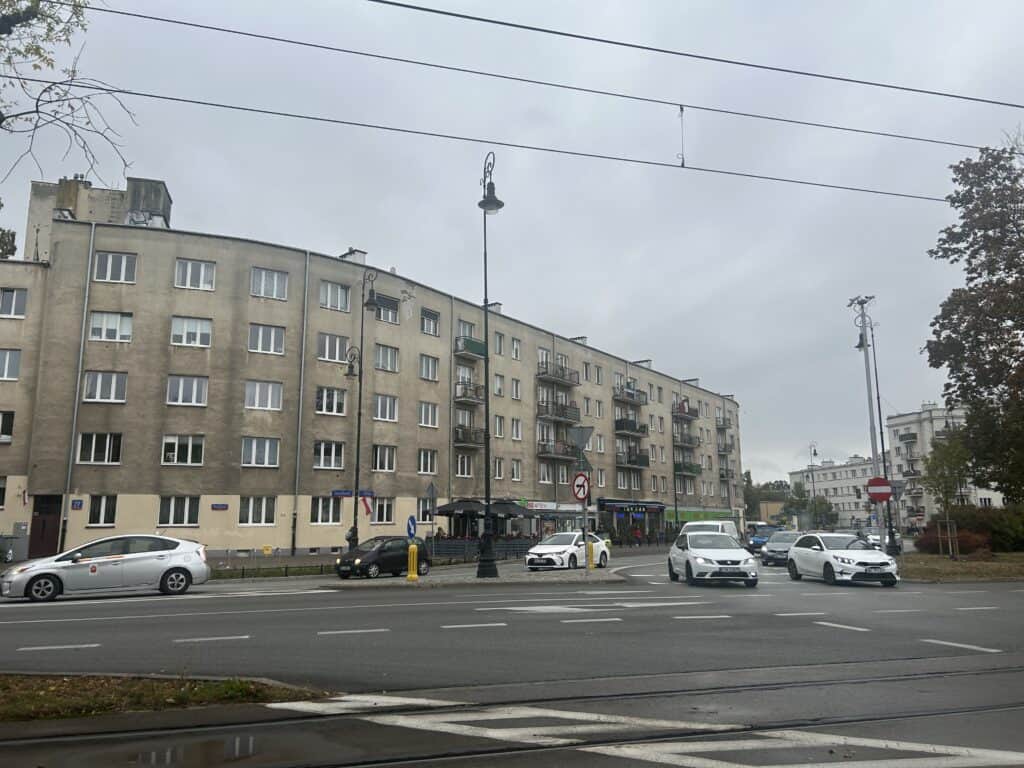
The character of Żoliborz was defined in the interwar period, between the 1920s and 1930s. It became a testing ground for modernist architectural and social ideas, largely driven by the Warsaw Housing Cooperative (Warszawska Spółdzielnia Mieszkaniowa, WSM). Influential architects like Barbara and Stanisław Brukalscy designed functionalist housing estates with a strong emphasis on community spaces, sunlight, and surrounding greenery. These projects aimed to provide high-quality, affordable housing for workers and intellectuals. This thoughtful urban planning resulted in the harmonious and human-scale environment that still defines the historic parts of the district today.
A Stronghold of the Home Army
During World War II, Żoliborz was a major center of activity for the Polish Underground State and the Home Army (Armia Krajowa). The district was a key insurgent stronghold during the Warsaw Uprising in 1944. In fact, the first shots of the uprising were fired here, slightly ahead of the designated “W-hour” on August 1, 1944. For 63 days, the soldiers of the “Żywiciel” group fought fiercely against overwhelming German forces, defending their sector with incredible determination. The district suffered immense damage, and its heroic defense became a legendary chapter in the history of the uprising.
Post-War Preservation and Prestige
After the war, Żoliborz was rebuilt, but unlike many other parts of Warsaw, great care was taken to preserve its unique pre-war character. Many of the modernist villas and cooperative apartment buildings were carefully restored, maintaining the district’s original architectural harmony. In the post-war decades, Żoliborz solidified its reputation as a desirable address for artists, writers, and the intellectual elite of Warsaw. This prestige has endured to the present day, with the district remaining one of the city’s most expensive and sought-after residential areas, valued for its peaceful atmosphere, abundant greenery, and unique history.
Sights in Żoliborz
Żoliborz offers visitors a unique collection of sights that revolve around its architectural heritage, its beautiful parks, and its significant historical landmarks. A visit to this district is a journey into the heart of 20th-century Warsaw, showcasing the idealism of the interwar period and the solemn history of the war. Unlike the reconstructed Old Town, much of Żoliborz’s charm lies in its original, preserved modernist architecture, which creates a cohesive and authentic atmosphere. Exploring its leafy streets, historic squares, and riverside parks provides a rewarding experience away from the main tourist crowds.
The district’s main attractions are seamlessly integrated into its residential fabric, making a simple walk an act of discovery. From the monumental Warsaw Citadel, now a complex of important museums, to the quiet grave of a martyred priest, the sights of Żoliborz tell powerful stories about Poland’s past. The area also excels in blending culture with nature, with theaters and cafes nestled within lush parklands. This combination of history, culture, and tranquility makes Żoliborz a fascinating destination for those looking to understand the deeper layers of Warsaw’s identity.
Plac Wilsona
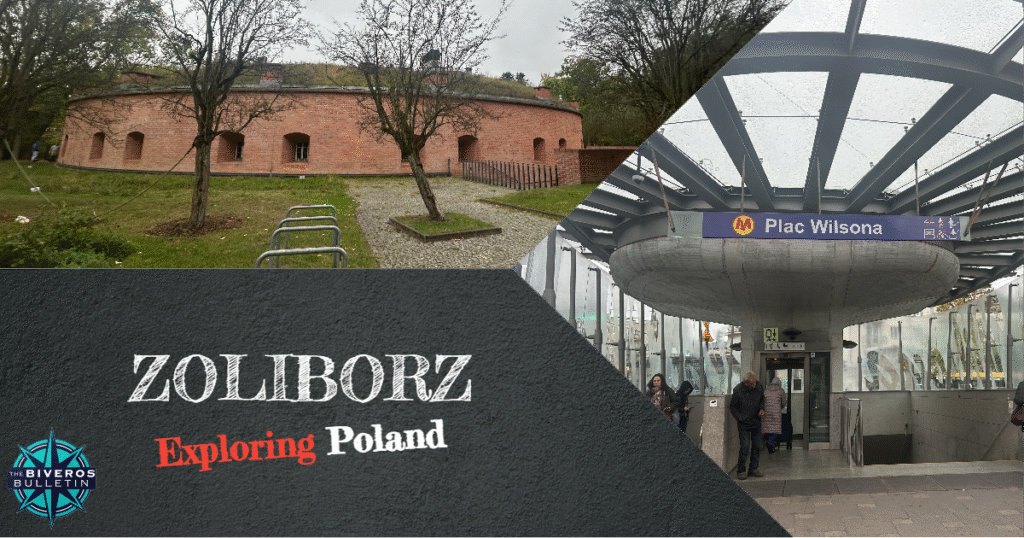
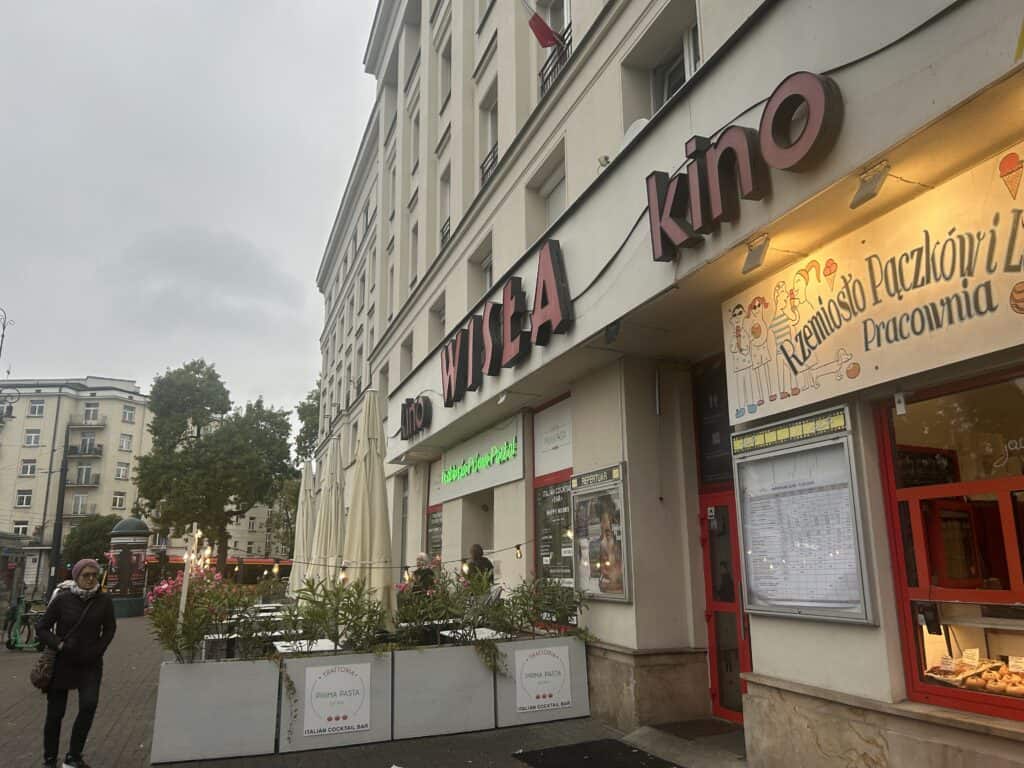
Plac Wilsona (Wilson Square) is the central point of Żoliborz and one of the most famous squares in Warsaw. Named after the American president Woodrow Wilson, it is a major transport hub and a local landmark. The square is best known for its metro station, which opened in 2005 and has been acclaimed internationally for its unique and futuristic design, featuring an elliptical, spaceship-like dome that illuminates the platform below. The surrounding area is filled with cafes, shops, and the historic Park Żeromskiego, making the square a vibrant heart of the district.
Stary Żoliborz
Stary Żoliborz (Old Żoliborz) is the historic core of the district and a must-see for anyone interested in architecture. This area consists of charming, quiet streets lined with villas and low-rise apartment buildings constructed in the 1920s and 1930s. It is considered one of the best-preserved examples of Polish modernist and functionalist architecture. Key areas within Stary Żoliborz include the Żoliborz Oficerski (Officers’ Żoliborz) and Żoliborz Dziennikarski (Journalists’ Żoliborz), each with its own distinct character. Strolling through these streets feels like stepping back into the elegant, idealistic Warsaw of the interwar period.
The Warsaw Citadel
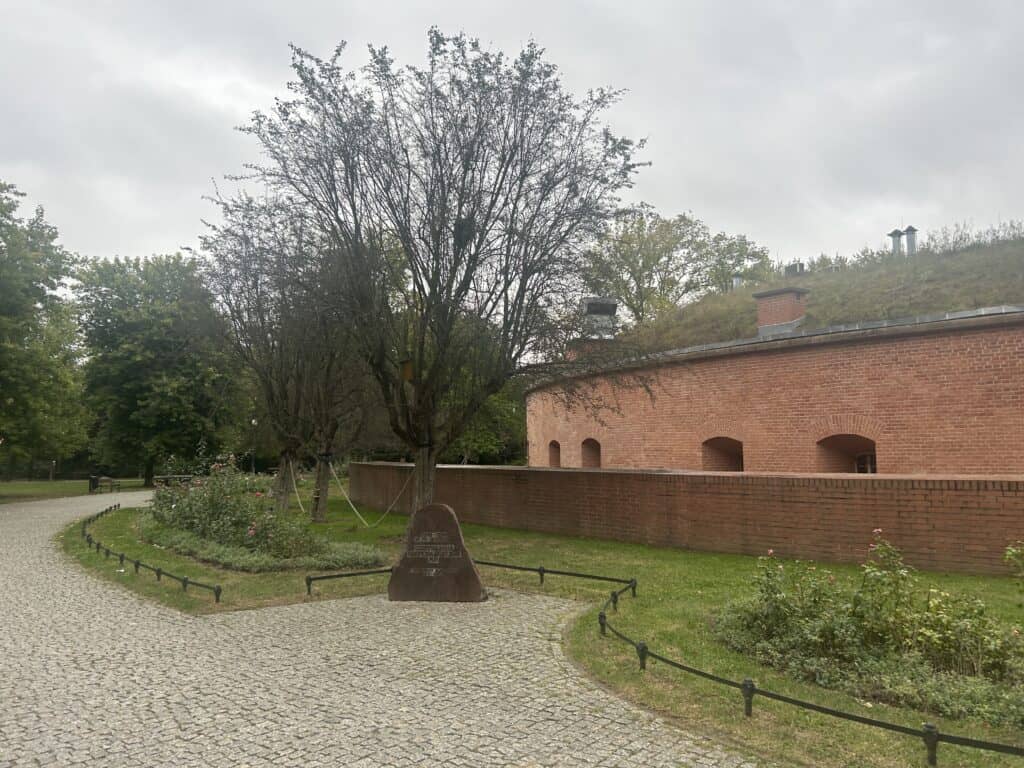
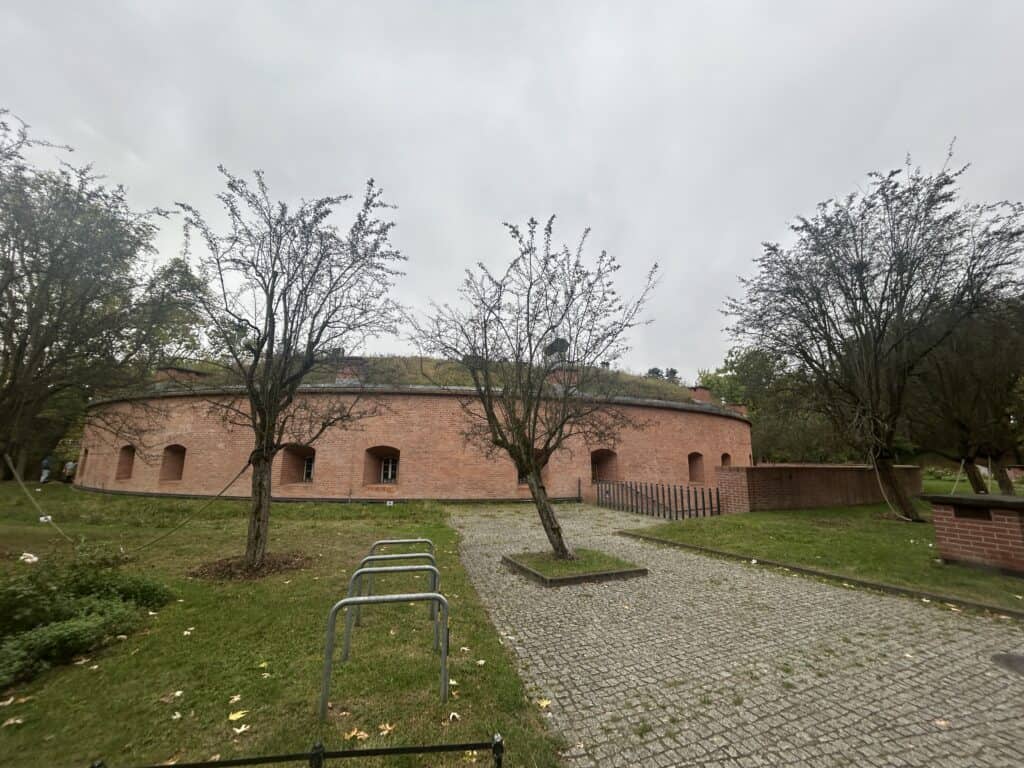
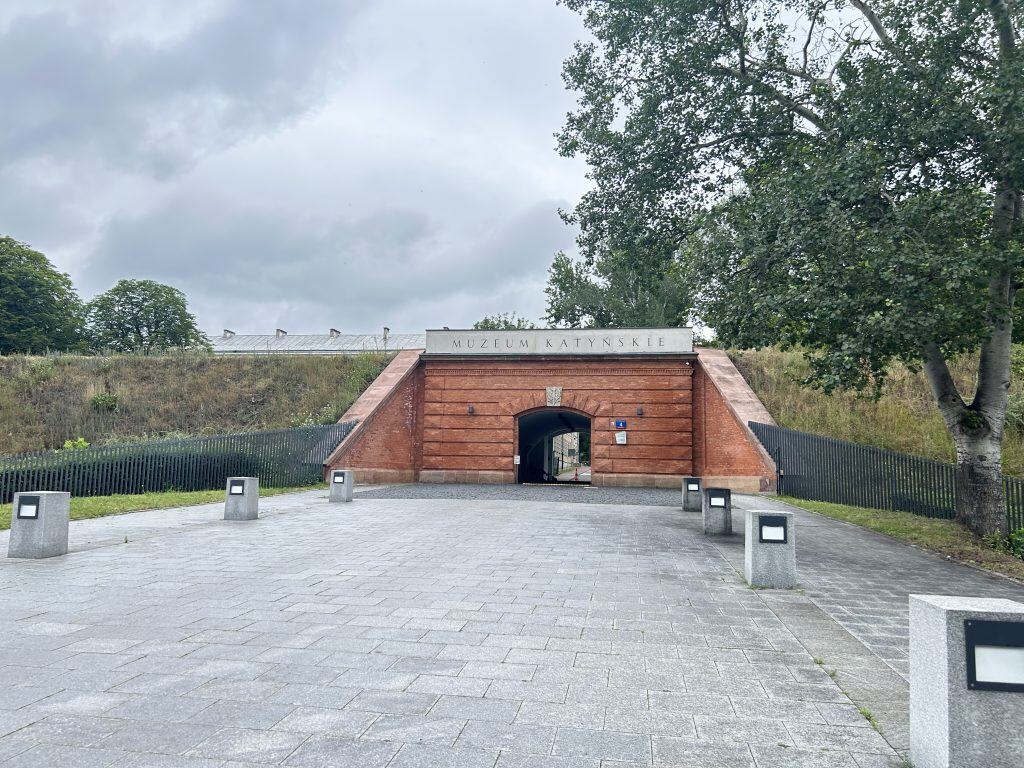
The Warsaw Citadel (Cytadela Warszawska) is a massive 19th-century fortress built by the Russian Empire after the suppression of the November Uprising of 1830. For decades, it served as a notorious political prison and a symbol of Russian oppression over Poland. Today, this vast complex has been transformed into a public park and a major museum hub. The Citadel’s historic grounds are home to several important institutions, including the new main location of the Polish Army Museum and the Katyń Museum, making it one of the most significant historical and cultural sites in Warsaw.
Museum of the 10th Pavilion
Located within the Warsaw Citadel, the Museum of the 10th Pavilion is a powerful museum dedicated to the Polish struggle for independence. The 10th Pavilion itself was the main political prison within the Citadel, where thousands of Polish patriots, revolutionaries, and activists were incarcerated by the Tsarist regime between 1834 and 1915. The museum preserves the original prison cells and tells the stories of its famous inmates, including figures like Józef Piłsudski and Roman Dmowski, the founding fathers of modern Poland. It is a solemn and moving tribute to those who fought for the country’s freedom.
Katyń Museum
Also situated on the grounds of the Warsaw Citadel, the Katyń Museum is a state-of-the-art institution commemorating the 1940 massacre of nearly 22,000 Polish military officers and intelligentsia by the Soviet NKVD. The museum is housed in a repurposed part of the fortress, and its award-winning design creates a deeply evocative and somber atmosphere. Through personal artifacts, documents, and multimedia displays, it tells the story of the crime and the long, difficult struggle for the truth to be officially acknowledged. It is a profoundly important and moving memorial to a national tragedy.
St. Stanislaus Kostka Church
The Church of St. Stanislaus Kostka is one of the most important pilgrimage sites in modern Poland. This is because it was the church of Blessed Jerzy Popiełuszko, a charismatic priest and a key figure in the Solidarity movement who was brutally murdered by the communist secret police in 1984. His grave, located in the churchyard, attracts visitors and pilgrims from all over the world. The church also houses a museum dedicated to his life and ministry. The site serves as a powerful symbol of faith and peaceful resistance against oppression.
Park Żeromskiego
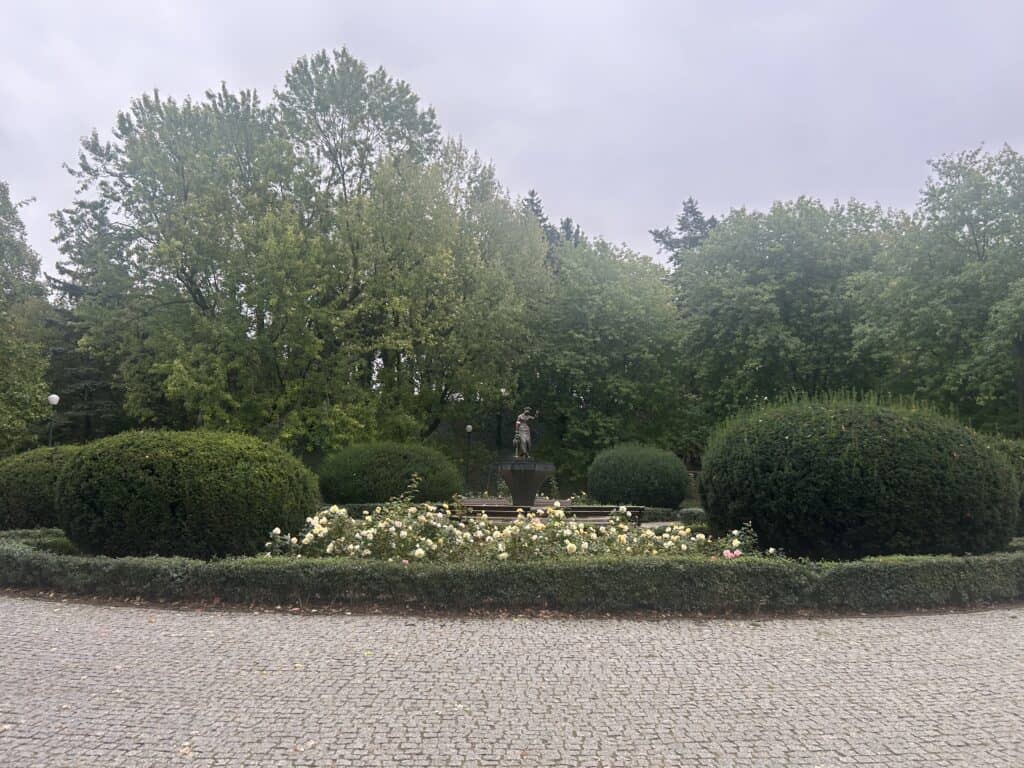
Park Żeromskiego is a beautiful and historic park located adjacent to Plac Wilsona. Established in the 1930s, it is known for its mature trees, romantic atmosphere, and thoughtful landscape design. The park contains the historic Sokół Fort, a remnant of the old Russian fortifications, which now houses the popular cafe and cultural venue Prochownia Żoliborz. With its charming pond, playgrounds for children, and the iconic “Alina” fountain, Park Żeromskiego is a beloved green oasis for local residents and a perfect place for a peaceful walk.
Kępa Potocka
Kępa Potocka is a large, scenic park located in the northeastern part of Żoliborz, situated along an old oxbow lake of the Vistula River. It is a popular destination for sports and recreation, with an extensive network of paths for running, cycling, and rollerblading. The park’s open spaces are ideal for picnics and open-air activities, and it hosts numerous events, including concerts and breakfast markets, during the summer. Its naturalistic landscape and beautiful views of the water make it a favorite weekend spot for families and active Varsovians.
Teatr Komedia
Teatr Komedia is a well-known Warsaw theater located in Żoliborz, specializing in comedies, musicals, and farces. Founded in 1957, it has a long tradition of providing high-quality entertainment and has hosted many of Poland’s most famous comedic actors on its stage. The theater is a major cultural landmark in the district and enjoys great popularity among Warsaw audiences. It offers a diverse repertoire of both classic and contemporary works, making it a key institution in the city’s vibrant theatrical scene.
Prochownia Żoliborz
Located inside a former 19th-century gunpowder depot within Park Żeromskiego, Prochownia Żoliborz is one of the most atmospheric cafes and cultural venues in Warsaw. This unique spot combines a relaxed cafe atmosphere with a dynamic program of cultural events, including outdoor film screenings, small concerts, debates, and workshops. It is a hugely popular meeting place for the local community, especially during the warmer months when its large outdoor seating area fills up with people enjoying the park. Prochownia perfectly embodies the creative and intellectual spirit of Żoliborz.




Getting Around in Żoliborz
Getting around Żoliborz is exceptionally easy and efficient, thanks to its well-planned layout and excellent public transport connections. The district is served by all major modes of Warsaw’s transport system, including the metro, trams, and buses, making travel both within Żoliborz and to other parts of the city quick and convenient. Its relatively small size and abundant green corridors also make it an ideal district for walking and cycling. The combination of efficient public transit and a pedestrian-friendly environment means that residents and visitors can navigate the area with ease, often without needing a car.
Navigating by Metro, Tram, and Bus
The backbone of Żoliborz’s public transport is the M1 metro line, which runs north-south through the district with key stations at Plac Wilsona and Marymont. The metro provides the fastest connection to the city center and other districts. This is supplemented by a dense network of tram and bus lines that run along major streets like Aleja Jana Pawła II, Popiełuszki, and Mickiewicza. This multi-layered system ensures that almost every part of the district is within a short walk of a convenient public transport stop.
Cycling Along the Vistula
Żoliborz is one of the most bike-friendly districts in Warsaw, offering a superb network of cycling paths. The most popular route is the scenic Wisłostrada path, which runs north-south along the Vistula riverbank, offering beautiful views and a flat, uninterrupted ride for kilometers. This route is part of a larger city-wide system that connects Żoliborz with the city center, Bielany, and the southern districts. The city’s Veturilo bike-sharing system is also widely available, with numerous stations making it easy to hop on a bike for a short trip.
Local Rail and Road Networks
While the metro is the main rail link, the northern edge of Żoliborz is also close to the Warszawa Gdańska railway station. This station serves regional and long-distance trains and is connected to the M1 metro line, providing an additional transport hub. For drivers, the main artery is the Wisłostrada expressway, which offers a fast north-south route along the river. However, the narrow, historic streets of Stary Żoliborz are not designed for heavy traffic, and parking can be very limited, which encourages the use of public transport.
How to Get to Żoliborz?
Reaching Żoliborz from outside Warsaw is straightforward, as the district is well-connected to the city’s main transport hubs. Its location just north of the city center means that it is easily accessible from Warsaw’s airports, central railway stations, and long-distance bus terminals via a short trip on public transport. The final leg of the journey is almost always simple and quick, thanks to the district’s excellent metro and tram connections. This accessibility makes Żoliborz a convenient and attractive starting point for exploring the capital.
Arriving by Air to Warsaw Airports
Warsaw is served by two main airports, both of which offer convenient access to Żoliborz. Warsaw Chopin Airport (WAW), the main international gateway, is located in the south of the city. From there, the easiest way to reach Żoliborz is by taking a taxi or ride-sharing service, or by using public transport, which involves a train or bus to the city center followed by a quick ride on the M1 metro line. Warsaw Modlin Airport (WMI), used primarily by low-cost carriers, is located to the northwest and is connected by shuttle buses to the city’s transport network, including the M1 metro line.
Connections from Warsaw’s Mainline Train Stations
Most national and international trains arrive at Warszawa Centralna (Warsaw Central) or Warszawa Wschodnia (Warsaw East) stations. From Warszawa Centralna, the most direct way to get to Żoliborz is by taking a short tram or bus ride to the Centrum metro station and then catching the northbound M1 line for a few stops to Plac Wilsona. The Warszawa Gdańska station, which borders Żoliborz, also serves a growing number of long-distance trains and offers direct access to the district, as it has its own M1 metro station.
Driving to Żoliborz via Expressways
For those arriving by car, Żoliborz is easily accessible from Poland’s main motorway network. The city is encircled by expressways, and the S8 route runs close to the northern edge of the district, providing a convenient connection to the A2 motorway (east-west) and the S7 route (north-south). The main north-south road running through the district itself is the Wisłostrada (Gdańskie Wybrzeże). Drivers should be aware that parking within the historic parts of Żoliborz is scarce and often restricted to residents.
Long-Distance Bus Terminals and Local Transit
The main terminal for long-distance buses in Warsaw is Dworzec Autobusowy Warszawa Zachodnia (Warsaw West Bus Station). From this terminal, which is located southwest of the city center, the best way to reach Żoliborz is by taking a local city bus or suburban train to the center, and then transferring to the M1 metro line. The journey typically takes around 30-40 minutes depending on traffic. This efficient public transport link makes it easy to complete the journey from the bus station to the district.
Access via Baltic Sea Ports
For travelers arriving in Poland by ferry from Scandinavia, the main ports of entry are Gdańsk, Gdynia, and Świnoujście on the Baltic Sea coast. From these cities, Warsaw is easily reachable via a comfortable express train journey, which usually takes around 3 hours from the Gdańsk/Gdynia area. These trains arrive at Warsaw’s central stations, from where Żoliborz is just a short metro ride away. This well-established train connection makes combining sea and land travel a convenient option for reaching the capital.
Driving Distances
The driving distance from 20 regional cities, according to Google Maps:
- Łomianki, Poland – 11 kilometers (0 h 20 min)
- Legionowo, Poland – 18 kilometers (0 h 25 min)
- Nowy Dwór Mazowiecki, Poland – 30 kilometers (0 h 35 min)
- Pruszków, Poland – 20 kilometers (0 h 30 min)
- Wołomin, Poland – 28 kilometers (0 h 40 min)
- Łódź, Poland – 140 kilometers (1 h 40 min)
- Białystok, Poland – 200 kilometers (2 h 30 min)
- Poznań, Poland – 320 kilometers (3 h 10 min)
- Kraków, Poland – 300 kilometers (3 h 40 min)
- Gdańsk, Poland – 330 kilometers (3 h 10 min)
- Grodno, Belarus – 280 kilometers (4 h 10 min)
- Vilnius, Lithuania – 470 kilometers (5 h 30 min)
- Berlin, Germany – 580 kilometers (5 h 40 min)
- Bratislava, Slovakia – 540 kilometers (6 h 00 min)
- Prague, Czechia – 630 kilometers (6 h 20 min)
- Vienna, Austria – 690 kilometers (6 h 50 min)
- Copenhagen, Denmark – 1040 kilometers (10 h 30 min)
- Budapest, Hungary – 870 kilometers (8 h 00 min)
- Amsterdam, Netherlands – 1240 kilometers (12 h 20 min)
- Rome, Italy – 1770 kilometers (17 h 30 min)
Looking to Explore more of Poland and Europe?