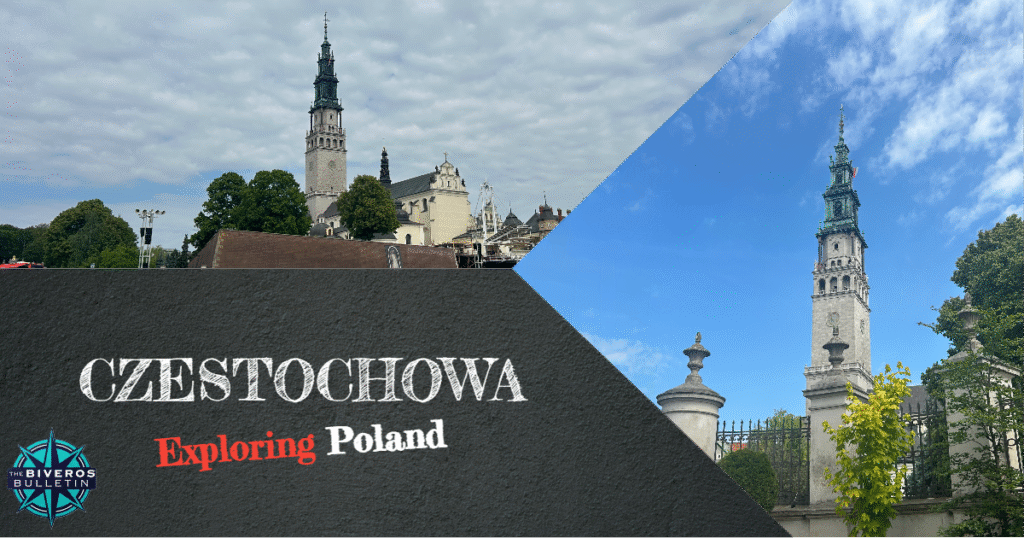
Częstochowa, Silesia | Exploring Poland
Częstochowa is a city in southern Poland and a key urban center in the Silesian Voivodeship, although it historically belongs to the Lesser Poland region. Positioned on the Warta River, it serves as a significant economic, cultural, and administrative hub. With a population of approximately 214,000 residents, Częstochowa is the thirteenth-largest city in Poland. The city is located within the Kraków-Częstochowa Upland, an area known for its limestone rock formations and the ruins of medieval castles.
The city’s global recognition is primarily due to the Jasna Góra Monastery, which houses the Black Madonna icon. This sacred painting makes the monastery one of the most important Catholic pilgrimage sites in the world, attracting millions of visitors each year. Beyond its role as a religious center, Częstochowa has a long industrial history and a well-developed academic and cultural scene. Its location near major cities like Katowice and Kraków establishes it as a central point in a region with numerous attractions.


History of Częstochowa
The origins of Częstochowa trace back to the early Middle Ages, with the first documented mention of a village in the area dating to 1220. A pivotal moment in the city’s history arrived in 1382 when Prince Władysław Opolczyk established the Pauline monastery of Jasna Góra and brought the Black Madonna icon to it. This single act established the city as a major center for Marian devotion. The city saw significant development through the centuries, spurred by trade, industry, and the strategic importance of the fortified monastery, which famously withstood a Swedish siege in the 17th century.
The Founding of Jasna Góra
While the settlement of Częstochowa was granted city status in 1377, its primary identity was forged five years later in 1382. It was then that Prince Władysław Opolczyk founded the Pauline monastery on the hill known as Jasna Góra, or “Bright Mount.” He entrusted the monks with the care of the Black Madonna icon, a revered painting of the Virgin Mary. The presence of this icon quickly transformed the monastery into a major pilgrimage destination. Consequently, the town of Częstochowa began to grow in its vicinity, catering to the needs of the thousands of pilgrims who visited.
Strategic Importance and Development
Throughout the 15th and 16th centuries, Częstochowa developed as a trading and craft hub. Fortifications were built around Jasna Góra beginning in 1620, and these defenses proved crucial during the Swedish invasion known as the Deluge. In 1655, a small force successfully defended the monastery against a much larger Swedish army, an event that became a symbol of Polish resistance. The opening of the Warsaw-Vienna railway in 1846 further spurred the city’s urban and industrial expansion, connecting it to the major economic networks of Europe.
The 20th Century and Beyond
The 20th century brought both dynamic industrial growth and the events of World War II to Częstochowa. The city’s large Jewish community, which had been a significant part of its social fabric for centuries, was almost entirely annihilated during the Holocaust. After the war, under the new communist government, the city continued to grow as an industrial center. Today, Częstochowa continues to evolve, balancing its profound historical and spiritual legacy as Poland’s spiritual capital with the development of modern infrastructure and a diverse local economy.


Sights in Częstochowa
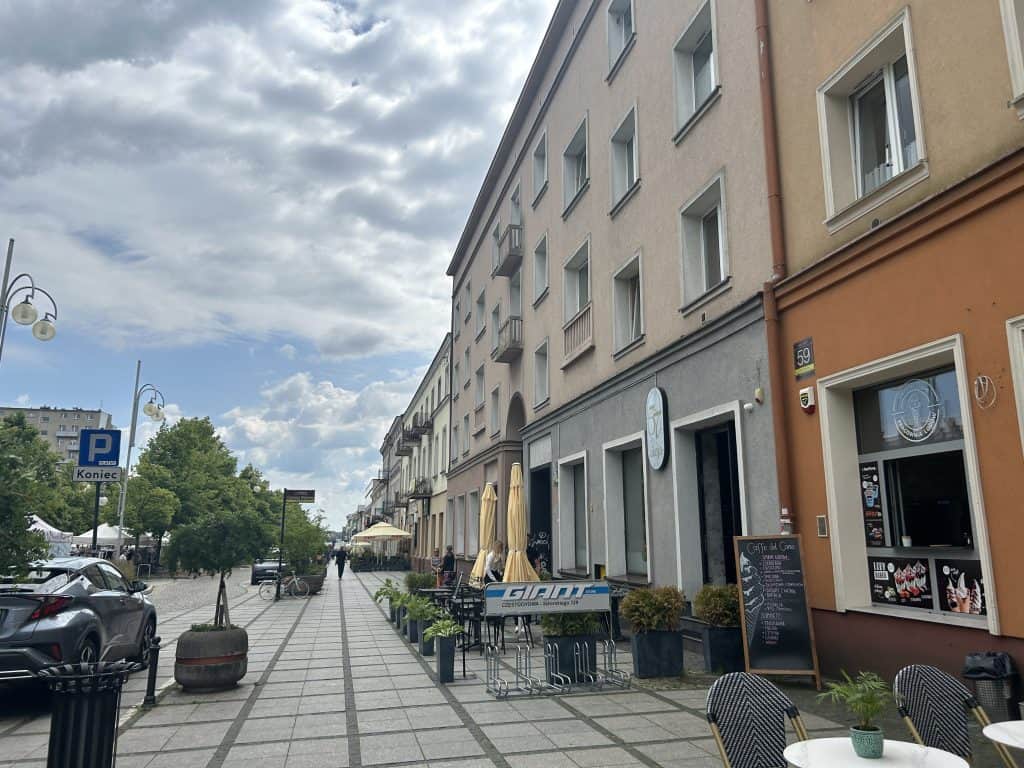
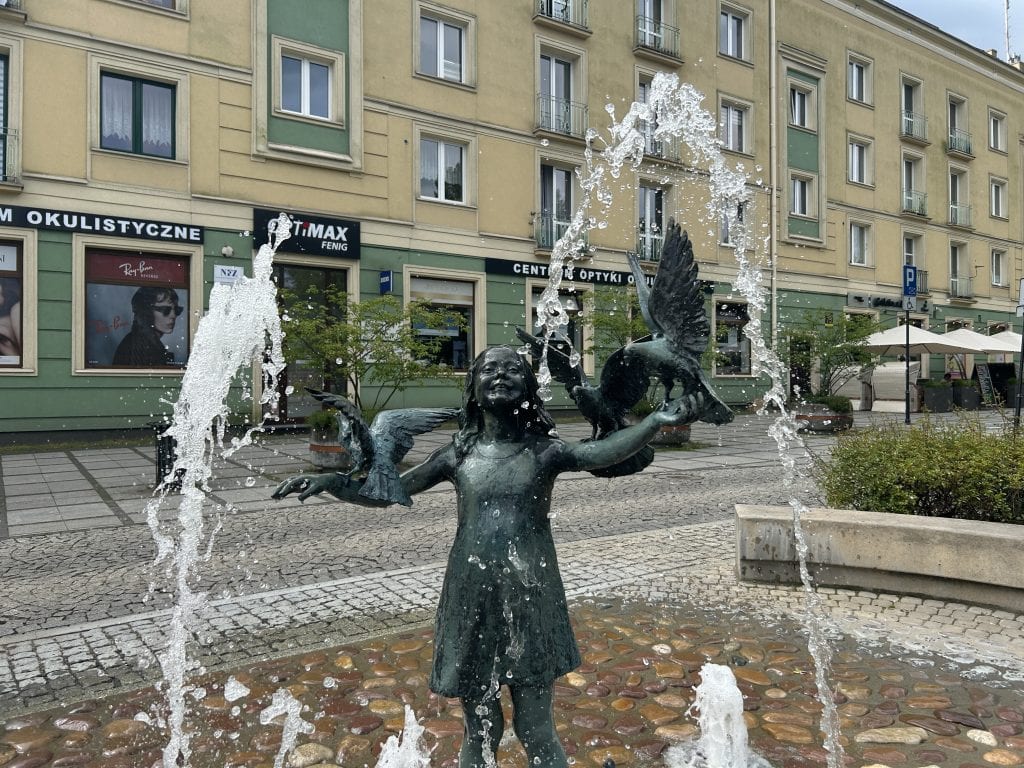
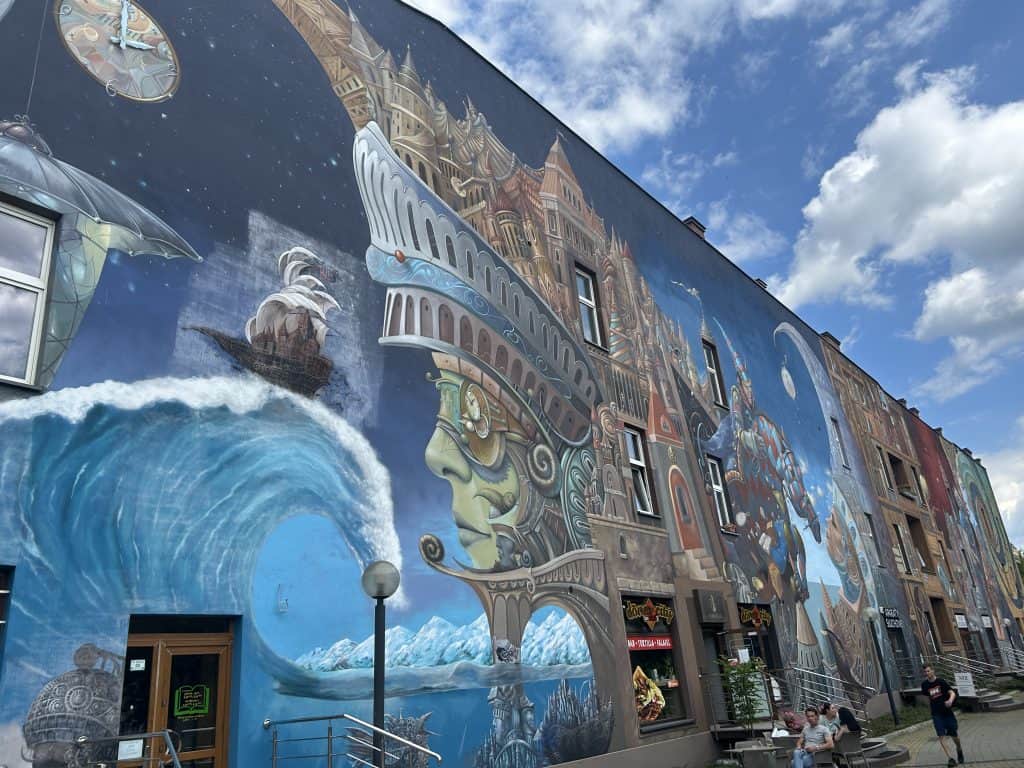
The sights in Częstochowa reflect the city’s deep and layered history. The undisputed center of attention is the Jasna Góra Monastery, a sprawling complex that is both a place of worship and a national historical sanctuary. The monastery’s architecture, rich treasury, and the revered icon of the Black Madonna make it an essential visit. The city itself also contains numerous other historical and cultural landmarks that are worthy of exploration.
The urban landscape features a large neo-Gothic cathedral, an Old Market Square, and several museums that detail the region’s history, art, and unique industrial past. For those seeking a break from the historical sights, the city offers large and well-maintained green spaces, such as Park Lisiniec, which provide a place for recreation. This variety of experiences allows visitors to explore the many facets of Częstochowa’s identity.
Jasna Góra Monastery
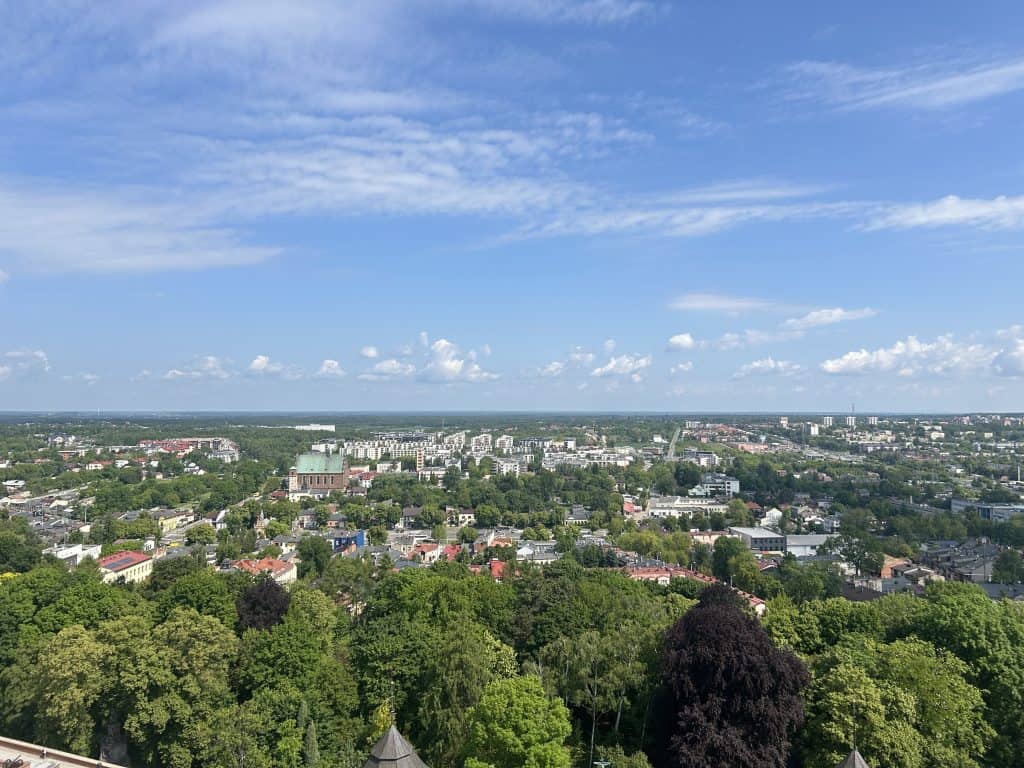
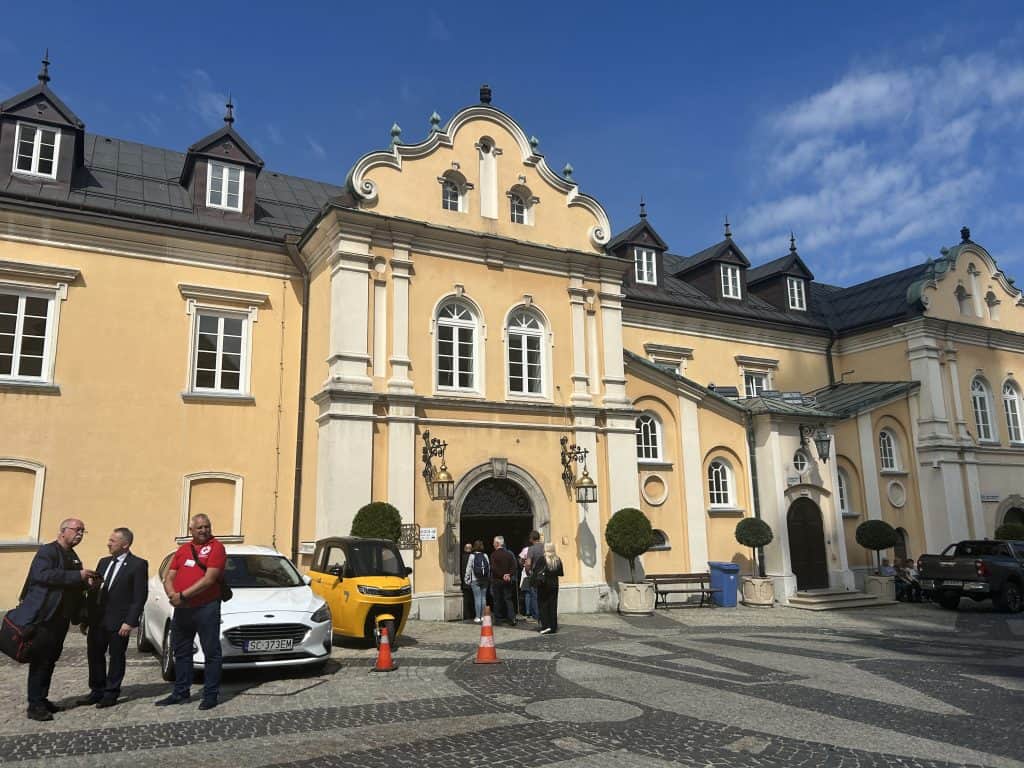
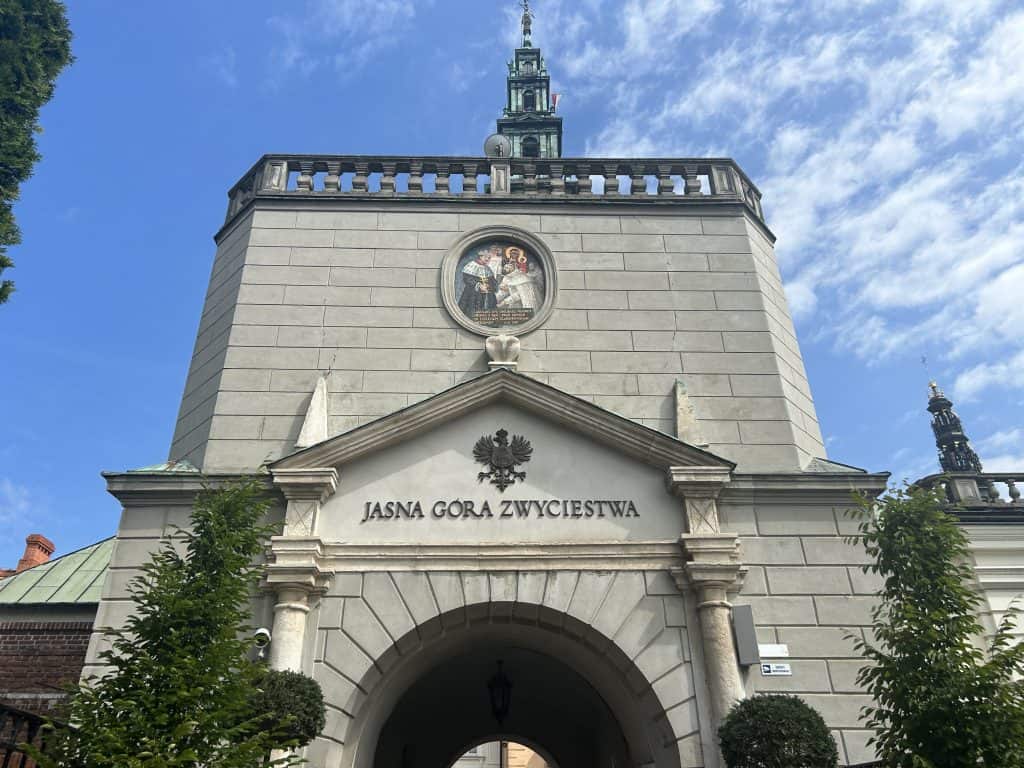
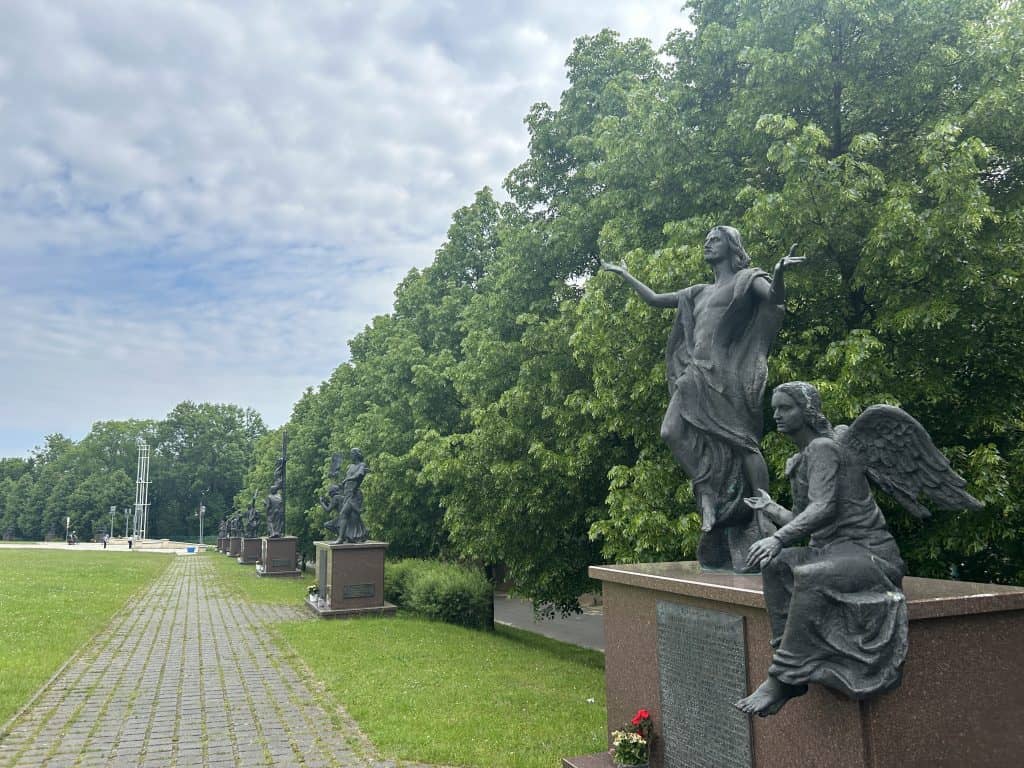
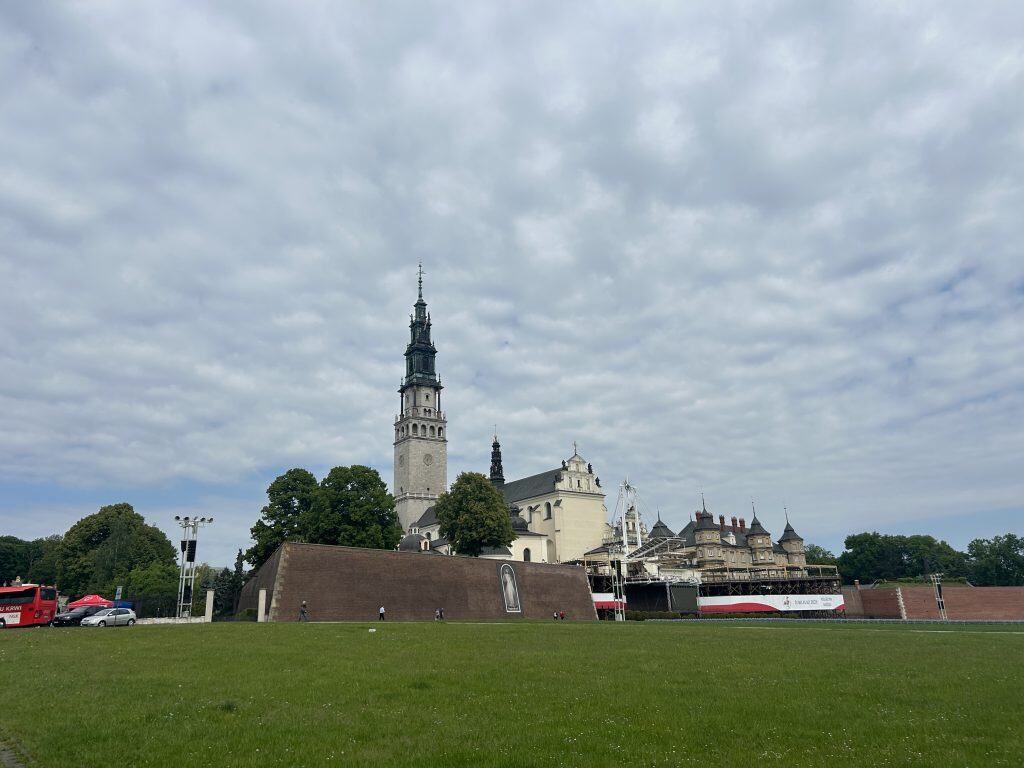
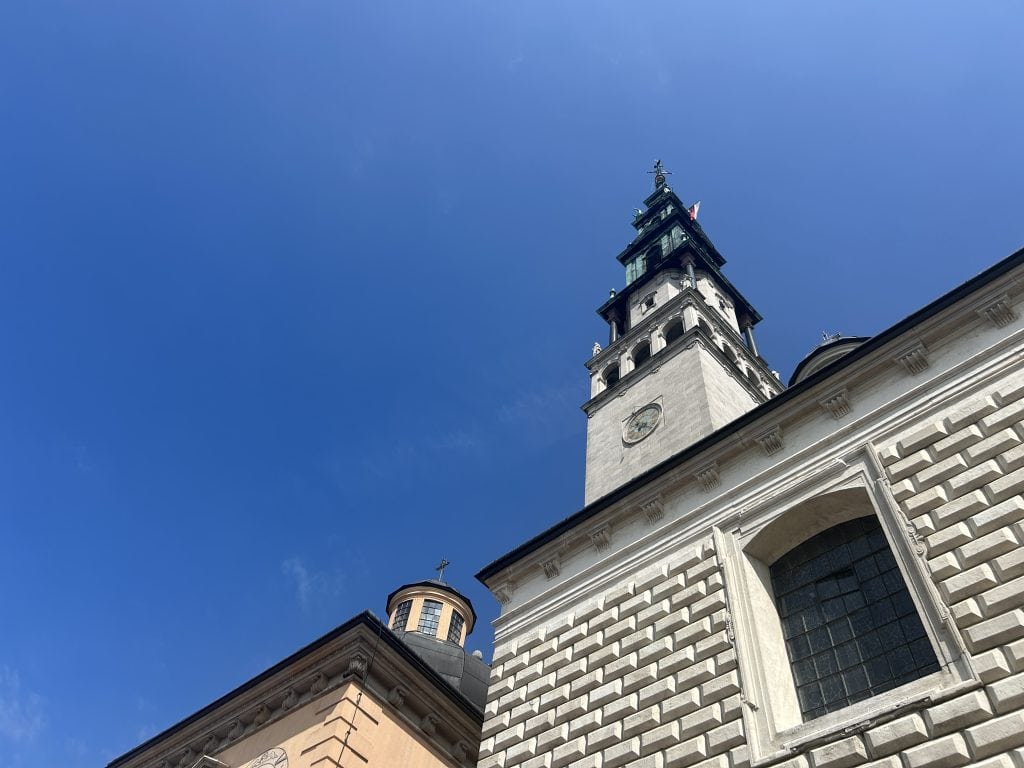
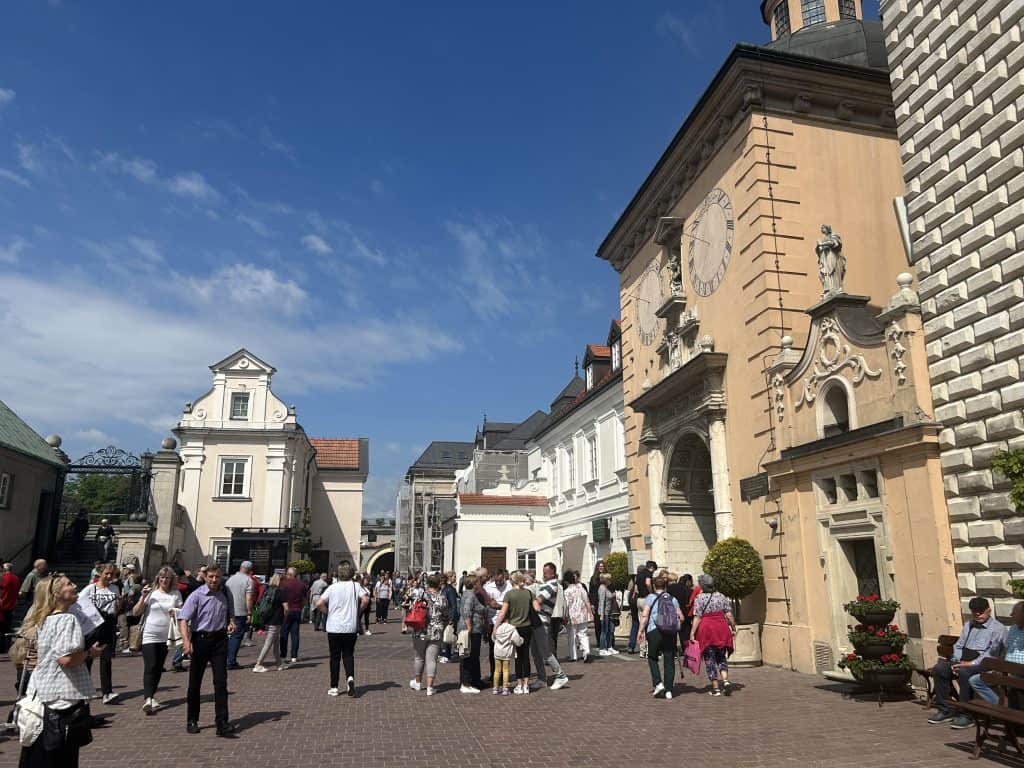
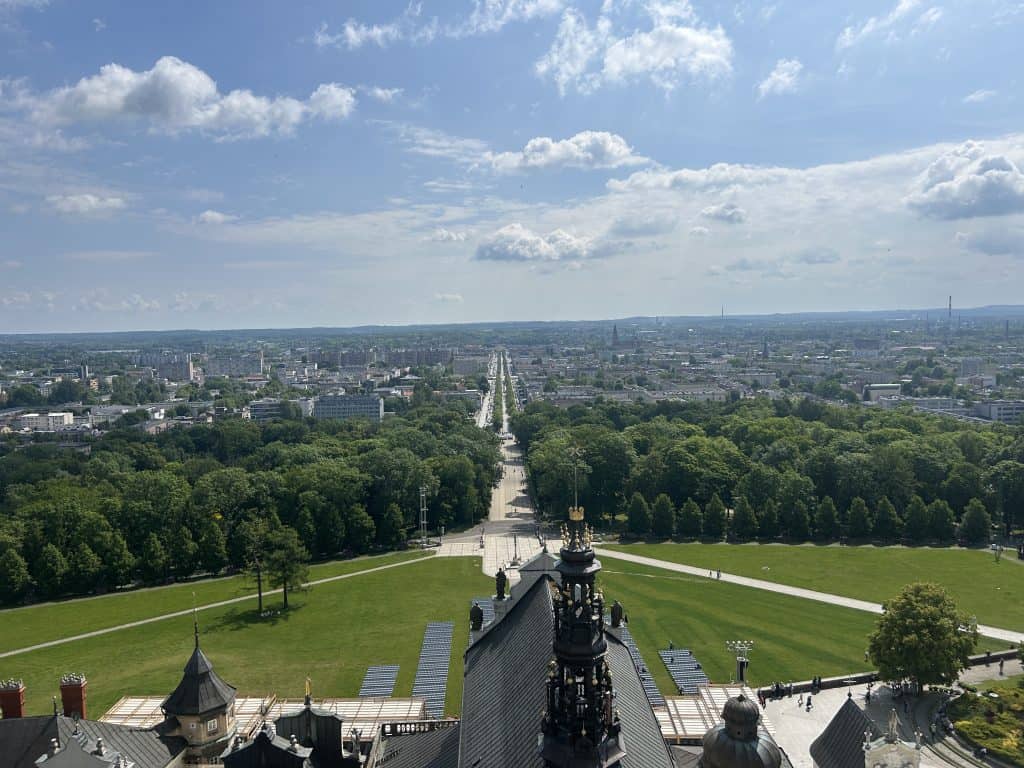
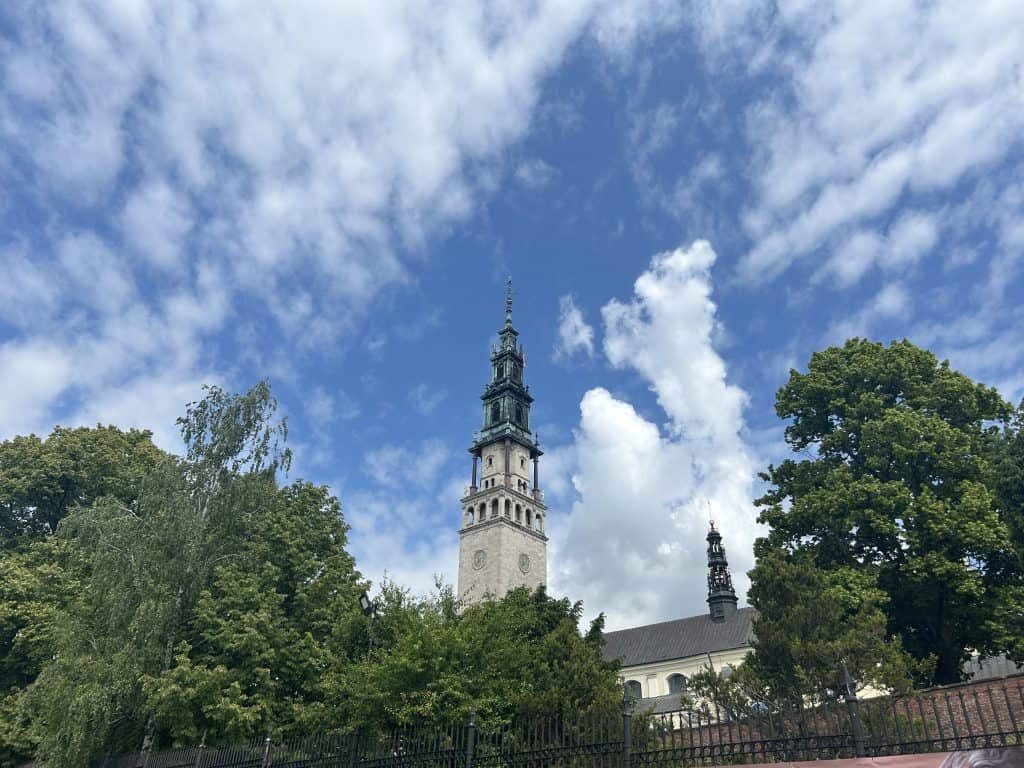
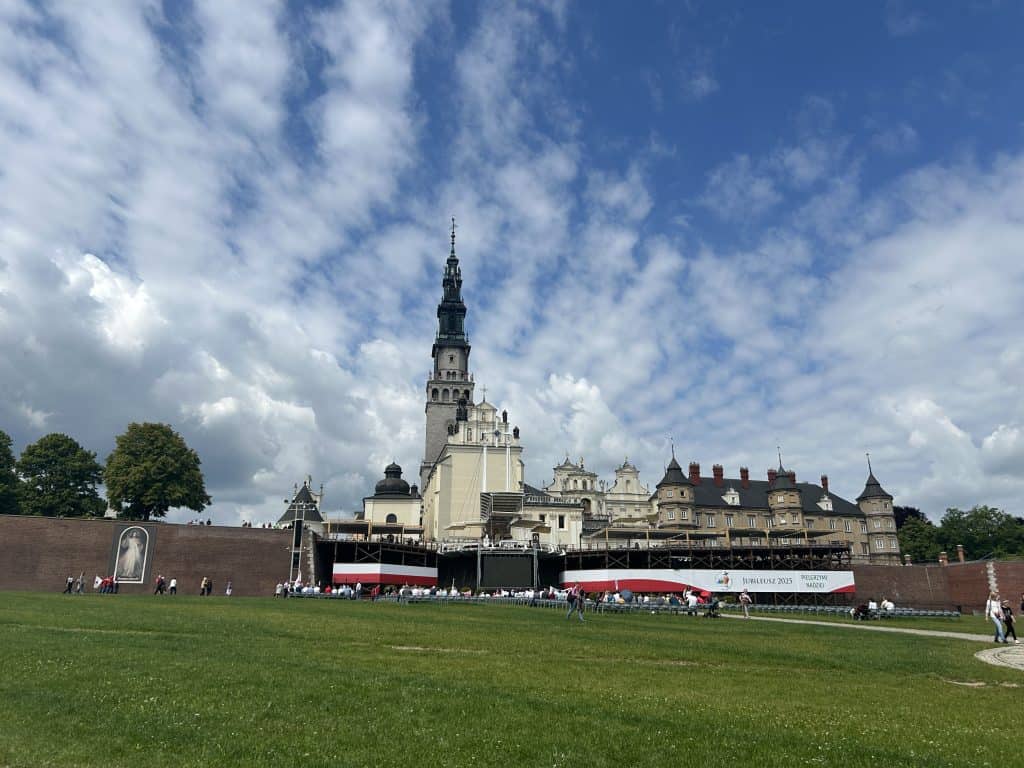
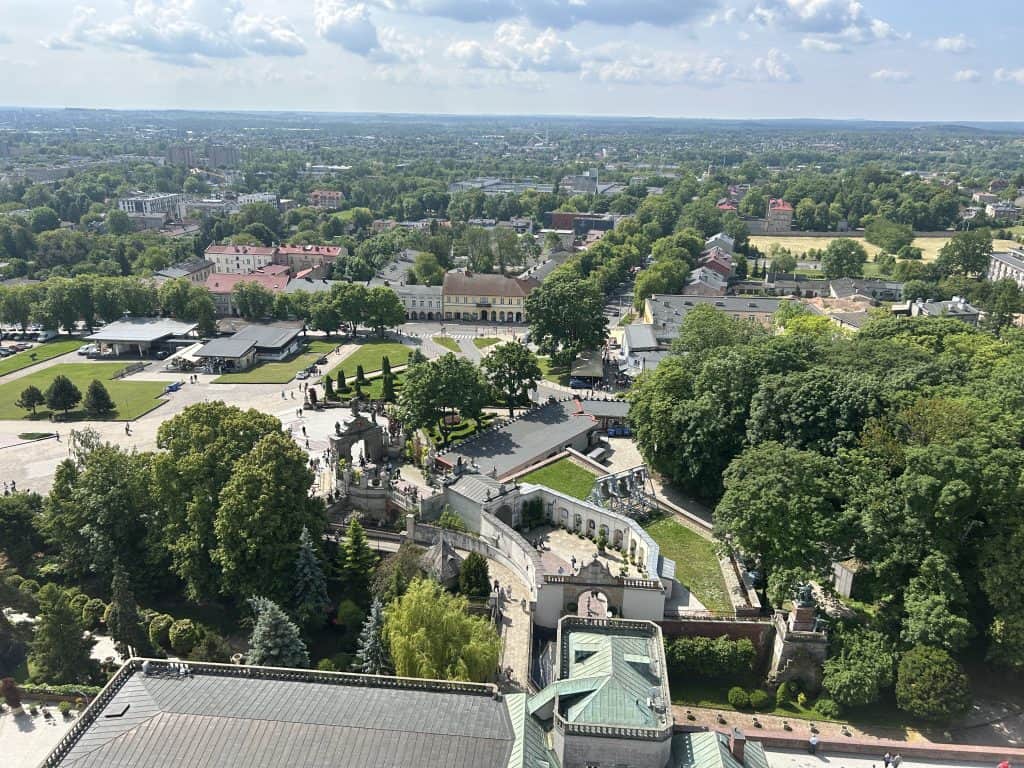
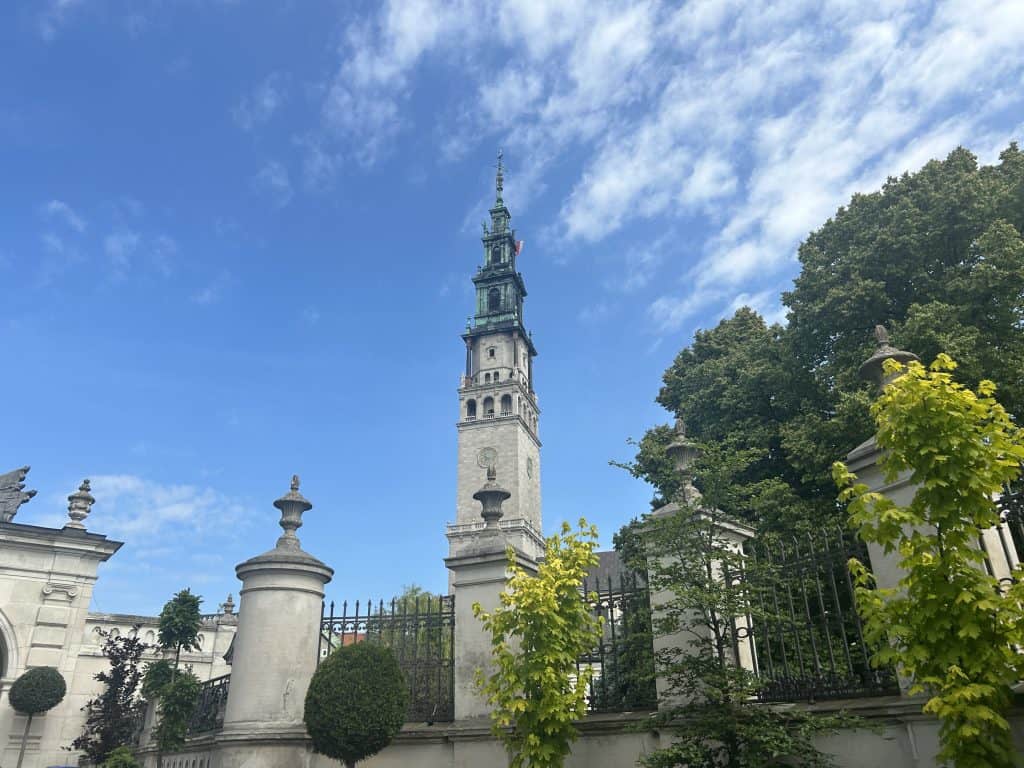
Częstochowa is synonymous with the Jasna Góra Monastery. This Roman Catholic shrine is home to the Black Madonna of Częstochowa, an icon that attracts millions of pilgrims annually from over 80 countries. Visitors can explore the monastery’s architecture, including the towering Jasna Góra Basilica with its baroque interior. Other key sights within the complex include the Knights’ Hall, the treasury filled with historical votive offerings, and the extensive defensive ramparts that provide panoramic views of the city. The entire complex is a Historic Monument of Poland and a site of immense cultural and spiritual importance.
Cathedral of the Holy Family
The Cathedral of the Holy Family is a large-scale example of neo-Gothic architecture and one of the largest churches in Poland. This cathedral dominates the city skyline with its soaring twin towers, which reach a height of over 80 meters. Construction began in the early 20th century. Inside, visitors can observe the vast, vaulted ceilings, the stained glass windows, and the intricate details of its design. It serves as the archcathedral of the Archdiocese of Częstochowa and is an impressive testament to the architectural ambitions of its era.
Old Market Square
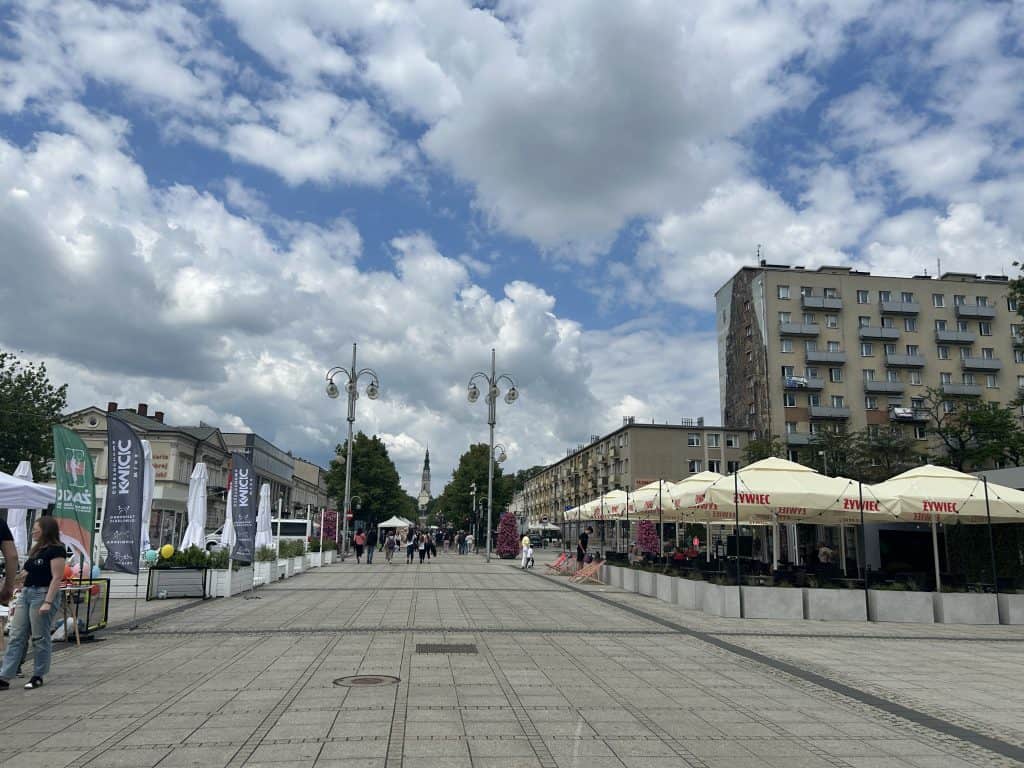
The Stary Rynek, or Old Market Square, was the historical center of the old town of Częstochowa before it merged with the settlement around the monastery. While it is quieter today than the main avenues, it retains its historical layout. A unique feature of the square is an outdoor exhibition of Jerzy Kędziora’s balancing statues. These 14 sculptures are suspended on wires and appear to defy gravity, creating a notable visual display. This installation adds an element of modern art to the historic setting, blending the old with the new.
Częstochowa Town Hall
The elegant 19th-century neo-classical building known as the Częstochowa Town Hall is another key landmark. Located on Biegański Square, it is a well-preserved example of architecture from the period of the city’s urban expansion. The building is no longer used for administrative purposes; instead, it now serves as a major branch of the Częstochowa Museum. Its exhibits provide insights into the city’s history, its development, and the lives of its inhabitants through various displays and historical artifacts. The tower of the town hall also offers a viewing platform.
Museum of Iron Ore Mining
Visitors can learn about Częstochowa’s industrial past at the Museum of Iron Ore Mining. The museum is ingeniously set within a network of underground corridors built in a former iron ore mine in the Park Staszica. It offers a unique opportunity to learn about the region’s significant mining heritage. The underground route features authentic machinery, mining tools, and displays that showcase the working conditions of the miners. It is an educational attraction that highlights an important part of the area’s history.
Museum of Match Production
A unique attraction in Częstochowa is the Museum of Match Production. The museum is housed in the historic match factory, which was founded in 1882 and was in continuous operation until 2010. It is the oldest match factory in Poland. Visitors can take a guided tour to see the original production line from the 1930s, which is still in working order. The tour demonstrates the entire process of how matches were made. The museum provides a detailed look at industrial technology from a bygone era.
Park Lisiniec
Spanning over 40 hectares, Park Lisiniec is a large and popular recreational park. The park boasts three well-maintained water reservoirs: Bałtyk, Adriatyk, and Pacyfik. One of the reservoirs features a large, sandy beach that is a popular spot for relaxation and swimming during the summer. The park also has extensive recreational paths that are used for walking, jogging, and cycling amidst the greenery. It is a favorite spot for locals to unwind and enjoy outdoor activities.
Art Gallery Konduktorownia
For art enthusiasts, the Art Gallery Konduktorownia is a contemporary art gallery housed in a former tram depot. The name itself means “conductor’s office.” This unique post-industrial space provides a distinctive backdrop for modern art. The gallery showcases works by local and national artists, hosting a diverse program of exhibitions throughout the year. It is an important part of the city’s contemporary cultural scene, promoting new artistic talent. The gallery is located near the main train station, making it an accessible cultural stop.
Third Millennium Park
Located on the grounds near the Jasna Góra Monastery, the Park Miniatur Sakralnych Złota Góra, also known as the Third Millennium Park, offers a unique experience. This park features miniature replicas of famous cathedrals and sacred buildings from around the world, including St. Peter’s Basilica and the Church of the Holy Sepulchre. The models are crafted with significant detail. The park provides a tranquil setting for relaxation, often used by pilgrims and locals alike. It combines art, religion, and nature in a single attraction.
Częstochowa Museum
The main Częstochowa Museum is a large institution that is spread across several historical buildings in the city, including the Town Hall. It provides a comprehensive overview of the region’s cultural and historical evolution. Its various branches house extensive collections, including archaeological findings from the Lusatian culture, ethnographic exhibits showcasing local folk traditions, and a significant collection of Polish art. A visit to its different branches allows for a deep dive into the rich heritage of the city and the surrounding Kraków-Częstochowa Upland.
Traveling with Kids
Częstochowa is a city with a good selection of activities suitable for families with children. The city offers a mix of educational museums, large outdoor parks, and dedicated play areas. The Jasna Góra Monastery, while a religious site, can be an impressive sight for all ages due to its scale and historical fortifications. The city’s many large parks are a major asset for visitors with children, providing ample space for play and relaxation. These green spaces are perfect for a break from sightseeing, allowing kids to run around and enjoy the outdoors.
The city has invested in modern recreational facilities and unique museums that are designed to be engaging for a family audience. From the sandy beach at Park Lisiniec to the underground tunnels of the Museum of Iron Ore Mining, there are opportunities for both fun and learning. These attractions ensure that a family visit to Częstochowa can be a well-rounded experience, balancing the city’s deep historical and spiritual significance with activities that will entertain children.
Activities for Kids in Częstochowa
For families looking for memorable outings, Częstochowa provides activities that blend recreation with education. A day at the expansive Park Lisiniec offers classic summer fun with its beach and playgrounds, while a trip into a former mine provides a unique and exciting adventure. These activities allow families to create lasting memories together.
A Day at Park Lisiniec
Park Lisiniec is one of the best destinations in Częstochowa for a full day of family fun. The park’s main draw is its large water reservoir, which features a well-maintained sandy beach. The shallow water near the shore makes it a safe place for children to swim and splash around during the summer. The park also features extensive walking and cycling paths, a skate park, and a ropes course, offering activities for all ages. With plenty of open grassy areas for picnics and games, it is the perfect place for a family to relax and enjoy the outdoors.
Exploring the Iron Ore Mine Museum
The Museum of Iron Ore Mining offers an educational adventure for families, especially those with older children. The experience of going underground into the authentic corridors of a former mine is a unique one. The museum features interactive displays, realistic sound effects, and exhibits of real mining machinery that make the history of the industry come alive. It provides a fascinating look at the difficult work of the miners and the industrial heritage of the region. This is a memorable activity that is very different from a typical museum visit.
Playgrounds in Częstochowa
Częstochowa features many public playgrounds located throughout its city parks and residential areas. These play areas provide essential spaces for children’s recreation, offering safe and well-equipped environments for fun. They are important social spots for local families and are a welcome sight for visitors traveling with children.
Playground in Park Lisiniec
The playground located within Park Lisiniec is a key feature of this popular recreational area. It is modern and well-equipped, featuring a variety of play structures suitable for different age groups. It includes swings, slides, sandpits, and climbing frames. Its location near the main beach and the park’s walking paths makes it a convenient spot for families to take a break. The combination of a good playground and the natural surroundings of the park makes it a top choice for a family outing.
Playground near Jasna Góra
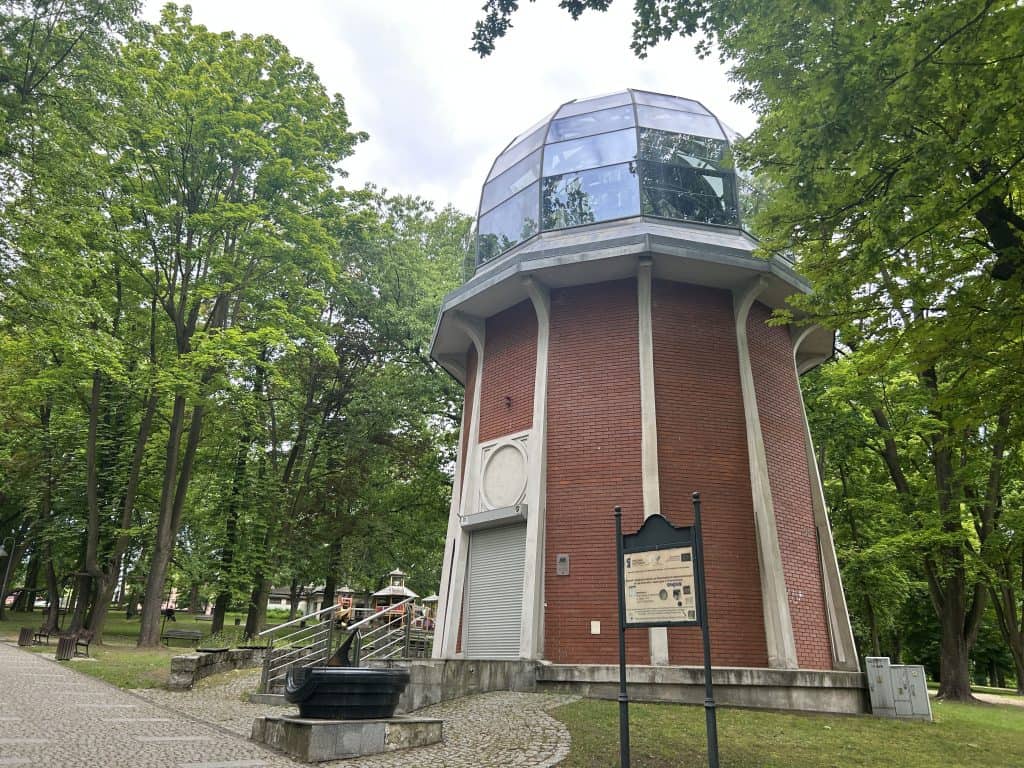
In the park areas at the base of the Jasna Góra Monastery, such as the Stanisław Staszic Park, there are also playgrounds available for children. These play areas are perfectly situated for families who are visiting the famous monastery. After a tour of the sacred grounds, children can enjoy some time to play freely. These playgrounds provide a much-needed opportunity for recreation after a period of sightseeing. Their location allows families to easily balance the cultural and spiritual aspects of their visit with some simple, fun playtime for the kids.
Sports in Częstochowa
Częstochowa is a city with a robust and enthusiastic sports culture, featuring several professional clubs that compete at the highest national levels in some of Poland’s most popular sports. A major passion in the city is speedway, a thrilling motorsport where the local team, Włókniarz Częstochowa, is a powerhouse in the nation’s top league. Football also has a very strong following, with the club Raków Częstochowa having achieved remarkable recent success, including winning the national championship. The city’s sporting identity is further enriched by a strong tradition in volleyball, as well as clubs for other disciplines like American football and futsal, making for a diverse and exciting local sports scene.
Włókniarz Częstochowa (Speedway)
Speedway, a high-octane motorsport, is a major attraction in Częstochowa. The city’s team, Włókniarz Częstochowa, is affectionately known as the “Lions” and is a powerhouse club in the Polish Ekstraliga, the nation’s top speedway league. The club has secured multiple Polish Team Championship titles throughout its long history. Race days at the Miejski Stadion Raków are vibrant events, characterized by roaring engines and intense competition, creating an unforgettable spectacle for the passionate fans.
Raków Częstochowa (Football)
Football is another of the city’s most cherished sports, with Raków Częstochowa as the premier professional club. The club has experienced a meteoric rise in recent years, culminating in winning the Ekstraklasa, the highest professional football league in Poland, for the first time in their history in the 2022/2023 season. They have also won the Polish Cup multiple times. Their home matches are played at the Miejski Stadion Raków. The team’s recent success has brought national and European attention to the city.
AZS Częstochowa (Volleyball)
Volleyball holds a prominent place in Częstochowa’s sporting identity. The city is home to AZS Częstochowa, a historic and successful professional volleyball club. AZS Częstochowa has a rich legacy of competing at the highest levels of Polish volleyball, including a long history in the PlusLiga, Poland’s premier professional league. The team has also represented Poland in various European competitions. Their matches are held at the Sport Hall Częstochowa and are known for their electric atmosphere, drawing enthusiastic and loyal fan support.
Skra Częstochowa (Football)
Skra Częstochowa is another of the city’s professional football clubs, providing a local rivalry with Raków. Founded in 1926, the club has a long history and has spent most of its time in the lower divisions of Polish football. However, they achieved a historic promotion to the I liga, the second tier of Polish football, for the 2021/2022 season. They play their home matches at the Stadion Skry Częstochowa. While not as decorated as their city rivals, Skra plays an important role in the local football community and has a dedicated fanbase.
KS Rudary (American Football)
American football is a growing sport in Poland, and the city is represented by the Klub Sportowy Rudary team, often referred to as the Częstochowa Saints in the past. The club competes in the Polish Football League (PFL), the top level of American football in the country. The team provides an opportunity for local athletes to participate in a different and dynamic sport. They are part of the development of American football in the Silesian region, helping to grow the sport’s popularity outside of its traditional North American base.
AZS-AWF Częstochowa (Futsal)
Futsal, an indoor variant of football, is also popular in the city, particularly at the academic level. The AZS-AWF Częstochowa team is a university club affiliated with the local Jan Długosz University. The club competes in the Polish university leagues and provides a platform for student-athletes to play the sport at a competitive level. Futsal is known for its fast-paced, technical style of play, and the university team contributes to the diverse and active sports culture within the city, especially among its large student population.



Getting Around in Częstochowa
Navigating Częstochowa is facilitated by a comprehensive public transport system and a city layout that is conducive to walking, especially along its main routes. The primary mode of public transportation is an extensive network of buses and trams, which are managed by the municipal authority MPK Częstochowa. These services connect the city center with all residential districts and attractions on the outskirts. For exploring the main pilgrimage route and the city center, walking is an excellent option. Taxis and ride-sharing services are also widely available for more direct travel.
Using Trams and Buses
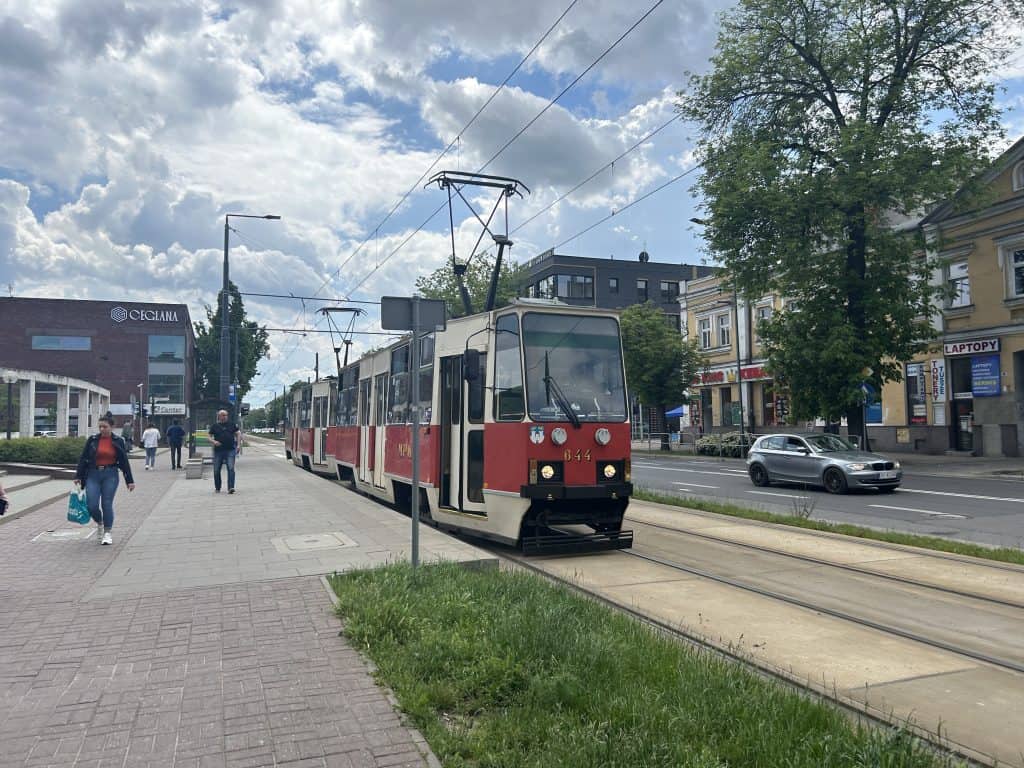
The public transport system is the backbone of transportation in Częstochowa. The network is managed by the city’s municipal transport authority, MPK (Miejskie Przedsiębiorstwo Komunikacyjne). The system includes both a large fleet of buses and a tram network with several lines that run through the city’s main corridors. This makes it easy to travel from the central train and bus stations to key destinations like the Jasna Góra Monastery. Tickets can be purchased at kiosks, from ticket machines, or through mobile apps. This system is an efficient and affordable way to navigate the city.
Exploring by Foot
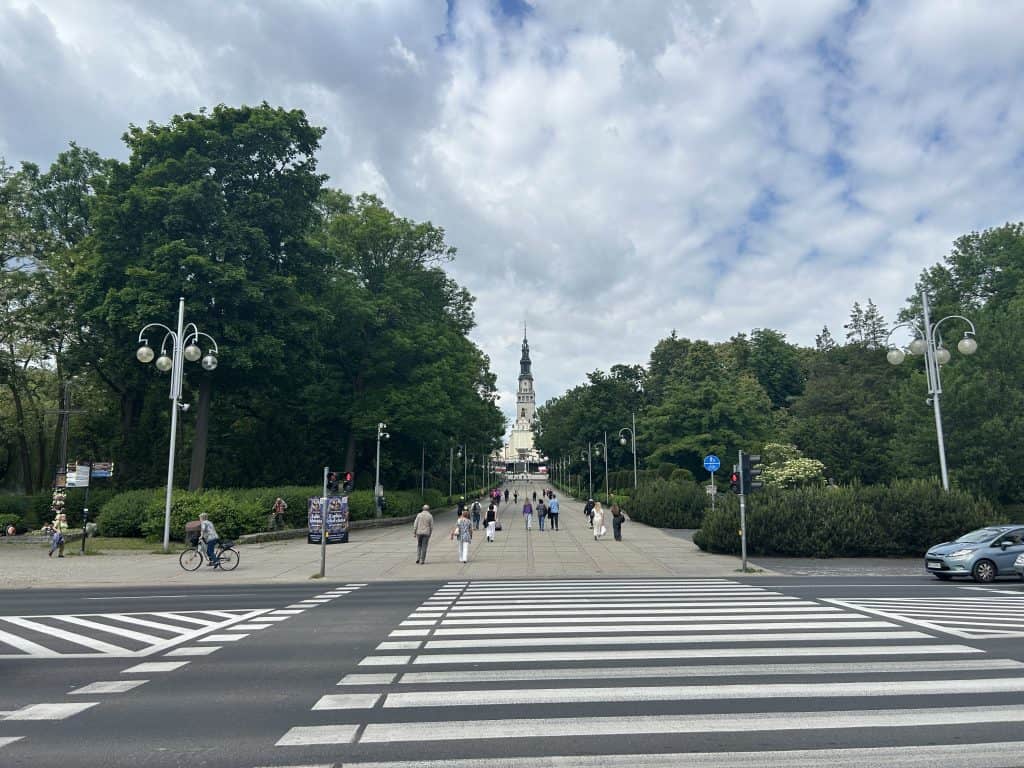
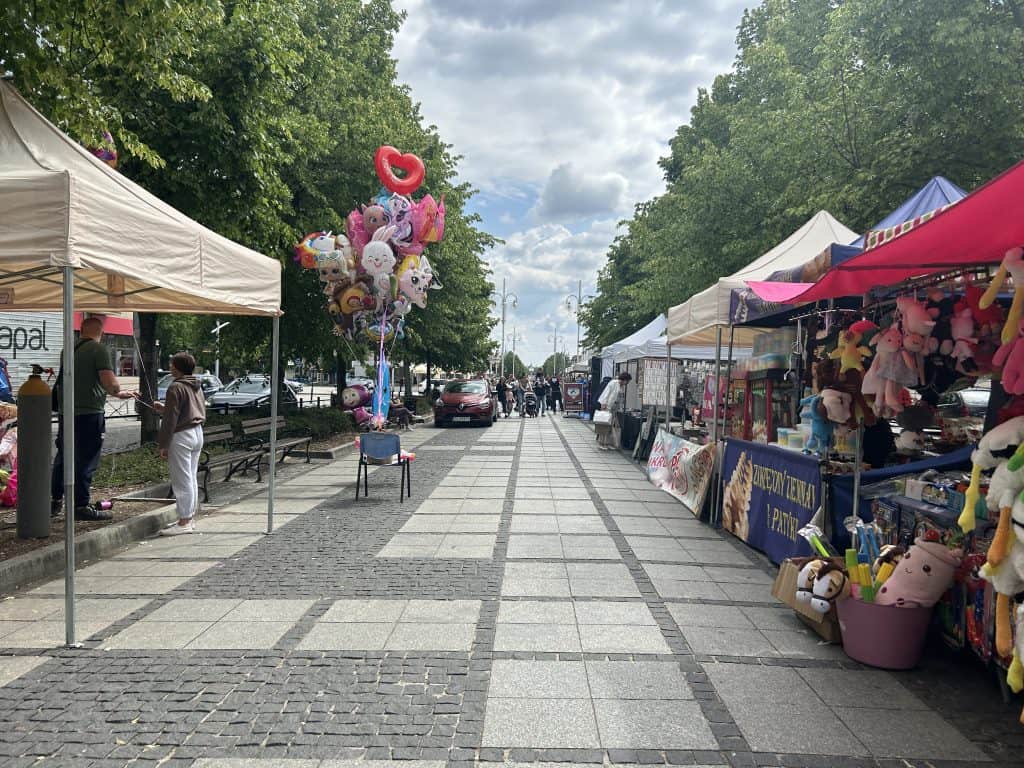
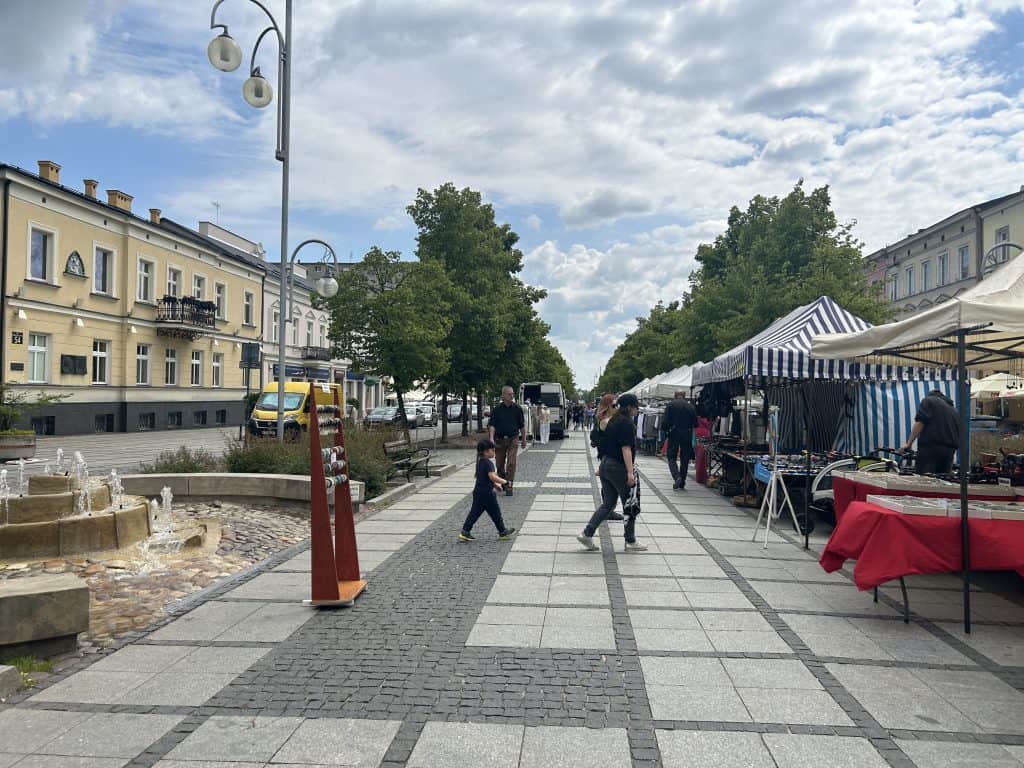
Walking is an ideal way to experience the most important parts of Częstochowa. The main thoroughfare, Aleja Najświętszej Maryi Panny (Avenue of the Blessed Virgin Mary), is a wide, tree-lined boulevard. It stretches from the city center directly to the base of the Jasna Góra Monastery. This avenue is a pleasant and popular walk for both pilgrims and tourists. The historic Old Town, with its market square, is also a compact area that is best explored on foot. Walking allows for a more direct experience of the city’s unique spiritual and historical atmosphere.
Using Taxis and Ride-Sharing
For direct and convenient travel, taxis are readily available throughout Częstochowa. They can be found at designated taxi ranks, such as at the main train station, or can be booked by phone from various local companies. In addition to traditional taxis, popular ride-sharing services like Uber and Bolt also operate in the city. They can be accessed through their smartphone apps. These services often offer competitive pricing and are a popular choice. Using a taxi or a ride-sharing service is a good option for traveling with luggage or for reaching destinations not directly on a tram or bus line.
How to Get to Częstochowa
Częstochowa is an accessible city in southern Poland. Its location near major transportation arteries makes it easy to reach for both domestic and international visitors. The closest major international airport is in Katowice, providing numerous flight connections. The city lies at the junction of key motorways, making driving a popular choice. The main railway station is a major hub in the Polish rail system, with frequent connections to all major cities. Long-distance buses also offer a flexible and affordable way to travel.
Arriving by Air
While there is no passenger airport directly in Częstochowa, the city is primarily served by Katowice International Airport (KTW). This airport is the closest major hub, located approximately 60 kilometers south of the city. KTW serves numerous European destinations with a mix of traditional and low-cost carriers. From the airport, there are direct bus transfers available that connect to Częstochowa’s main bus station. Another major option is Kraków John Paul II International Airport (KRK), which is located about 120 kilometers away and has more extensive international and intercontinental flight connections.
Driving into the City
Driving to Częstochowa is an efficient choice due to Poland’s well-developed road network. The city is situated at the junction of several major roads. The most important of these is the A1 motorway, which passes just to the west of the city. This modern highway provides a direct, high-speed link connecting Częstochowa with Gdańsk in the north and Katowice and the Czech border in the south. National Road 91 also runs through the city. These excellent road connections make car travel from any part of Poland very straightforward.
Journey by Rail
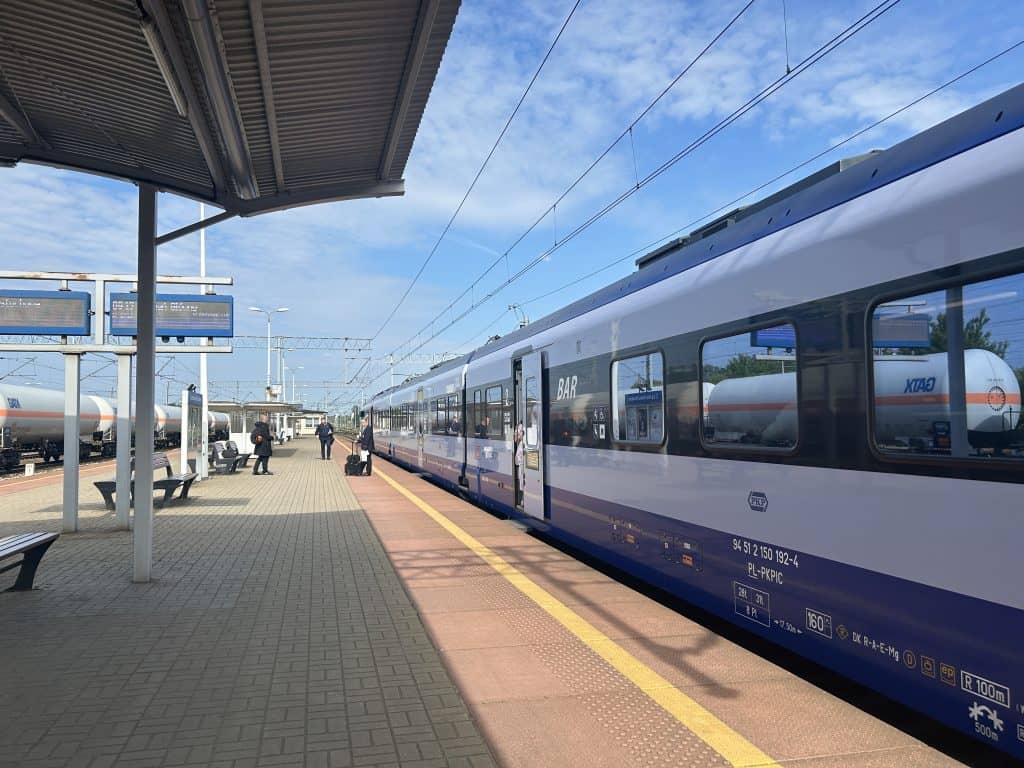
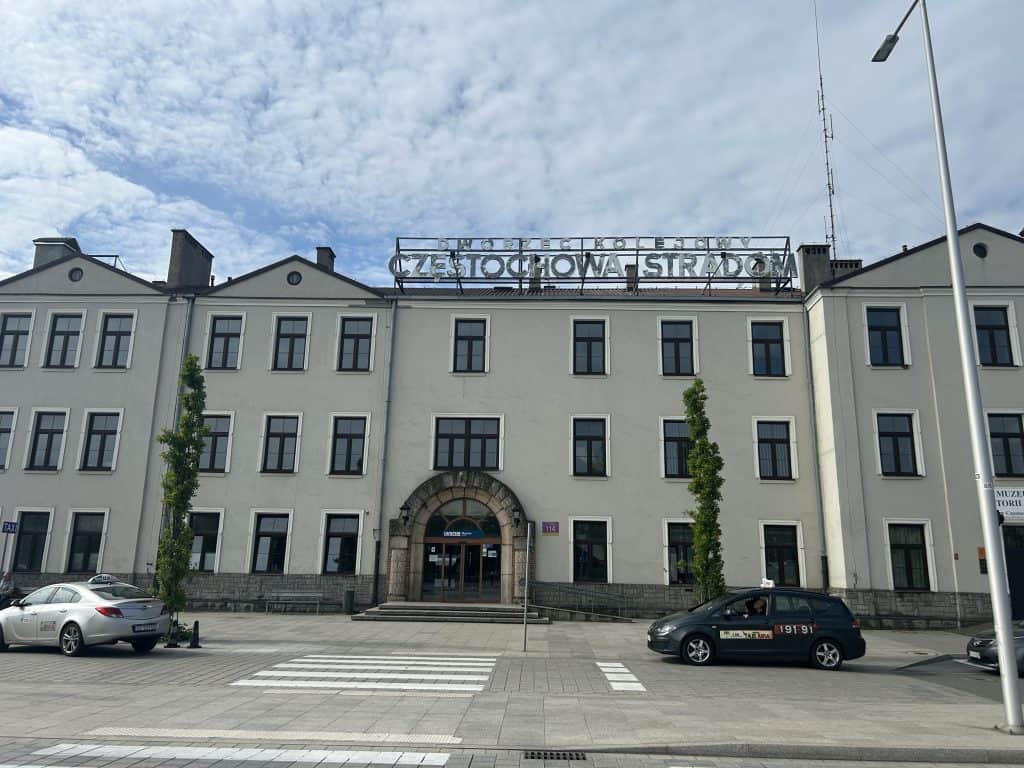
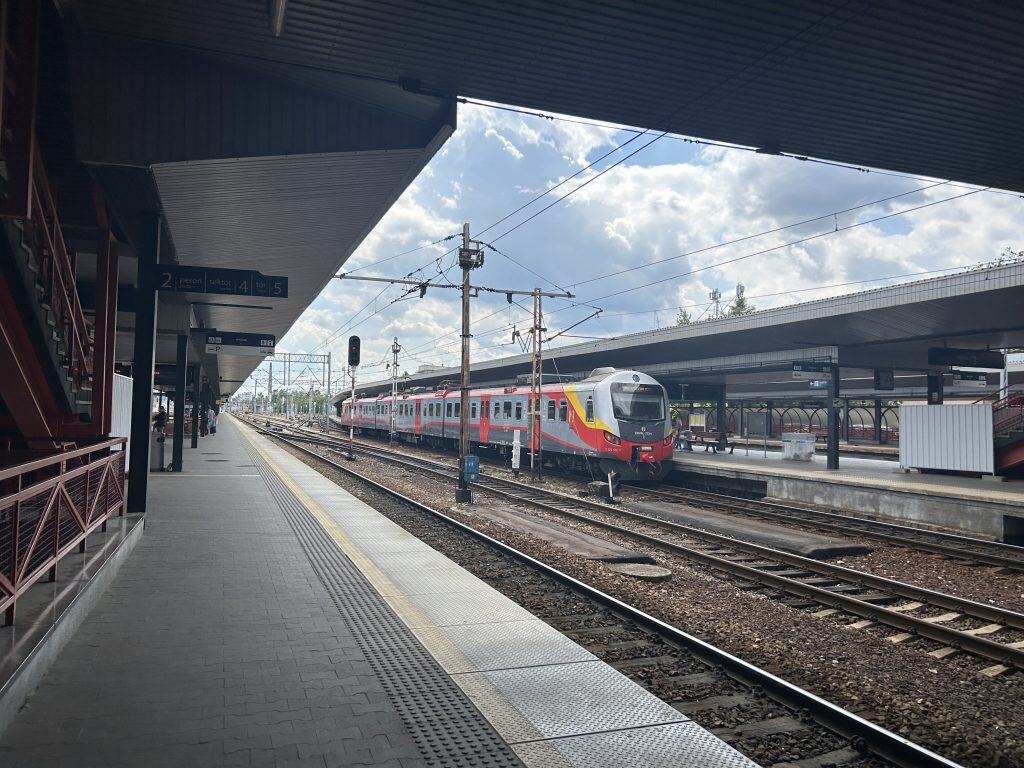
Traveling by train to Częstochowa is both comfortable and convenient. The city’s main station, Częstochowa Osobowa, is a major rail hub in the Polish railway system. It is well-integrated into the network operated by PKP (Polish State Railways). There are direct and frequent train services connecting Częstochowa with all key cities in Poland, including Warsaw, Kraków, Katowice, and Wrocław. Modern InterCity (IC) and Express InterCity (EIC) trains offer fast and comfortable journeys. The train station is centrally located, providing easy access to the city’s public transport system.
Connecting by Bus
Buses offer a flexible and affordable way to reach Częstochowa from a wide range of locations. The city’s main bus station is centrally located, adjacent to the main railway station. Numerous national bus companies operate routes to Częstochowa, providing direct connections from most major Polish cities. Popular and frequent routes include those from Warsaw, Kraków, and Katowice. In addition to domestic services, international bus routes also connect Częstochowa with neighboring countries, making it an accessible destination for travelers from across Europe.
From Katowice Airport
For most international visitors arriving by air, the journey will begin at Katowice International Airport (KTW). Reaching Częstochowa from the airport is a simple process. The most direct and convenient option is to take one of the dedicated bus services. These buses run from the airport’s terminals directly to the Częstochowa bus station. The services are timed to coincide with flight arrivals and offer a comfortable journey of about one hour. Alternatively, travelers can take a bus from the airport to the Katowice city center and then catch one of the frequent trains or buses from there to Częstochowa.
Driving Distances
The driving distance from 20 regional cities, according to Google Maps:
- Katowice, Poland – 72 kilometers (0 h 50 min)
- Kraków, Poland – 123 kilometers (1 h 40 min)
- Łódź, Poland – 125 kilometers (1 h 30 min)
- Ostrava, Czech Republic – 165 kilometers (1 h 40 min)
- Wrocław, Poland – 173 kilometers (2 h 30 min)
- Warsaw, Poland – 219 kilometers (2 h 20 min)
- Poznań, Poland – 295 kilometers (3 h 20 min)
- Lublin, Poland – 306 kilometers (3 h 20 min)
- Brno, Czech Republic – 330 kilometers (3 h 20 min)
- Gdańsk, Poland – 444 kilometers (3 h 50 min)
- Bratislava, Slovakia – 450 kilometers (4 h 20 min)
- Lviv, Ukraine – 460 kilometers (5 h 00 min)
- Prague, Czech Republic – 490 kilometers (4 h 50 min)
- Berlin, Germany – 495 kilometers (4 h 50 min)
- Vienna, Austria – 515 kilometers (5 h 00 min)
- Budapest, Hungary – 550 kilometers (5 h 20 min)
- Szczecin, Poland – 585 kilometers (5 h 40 min)
- Vilnius, Lithuania – 750 kilometers (8 h 30 min)
- Copenhagen, Denmark – 870 kilometers (9 h 20 min)
- Amsterdam, Netherlands – 1070 kilometers (10 h 30 min)
Looking to Explore more of Poland and Europe?

This post was first published 2025-06-10 and was updated 2025-07-29