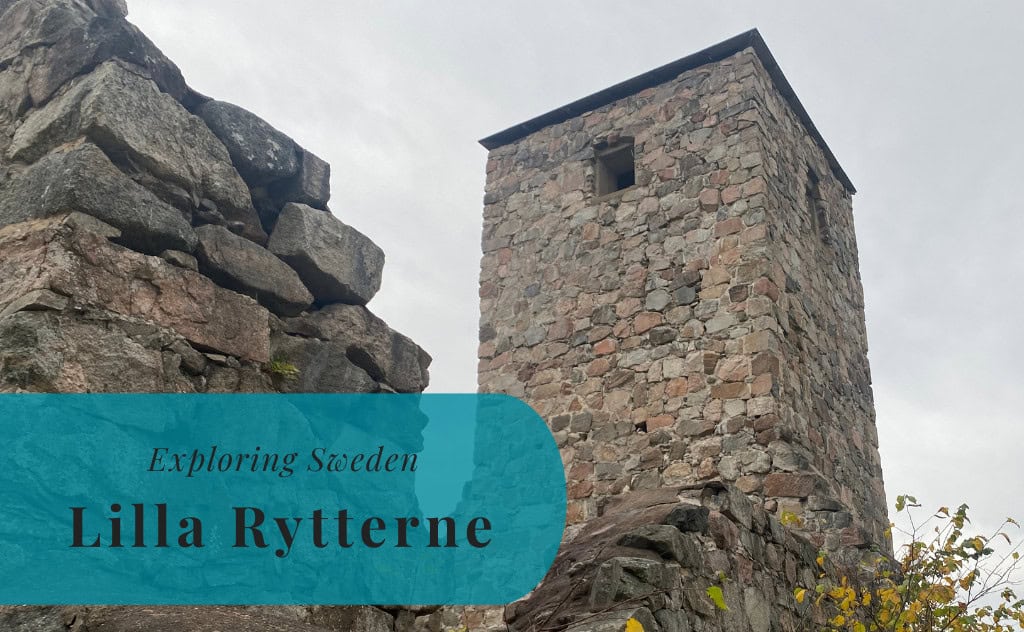

Skärblacka, Östergötland | Exploring Sweden
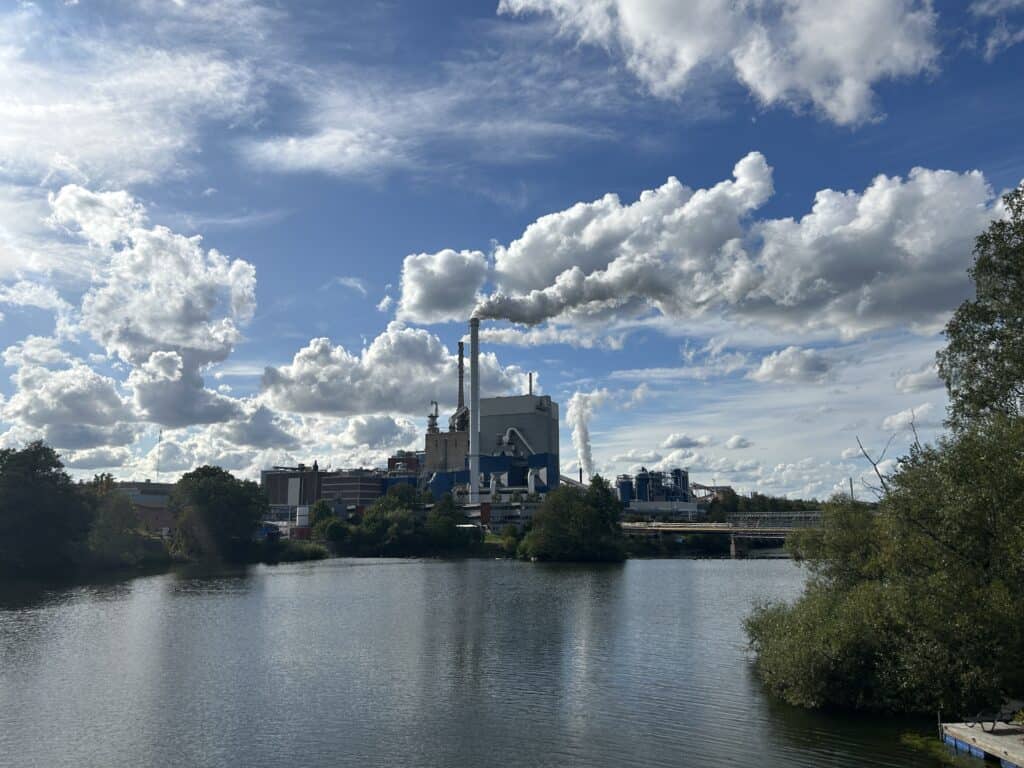
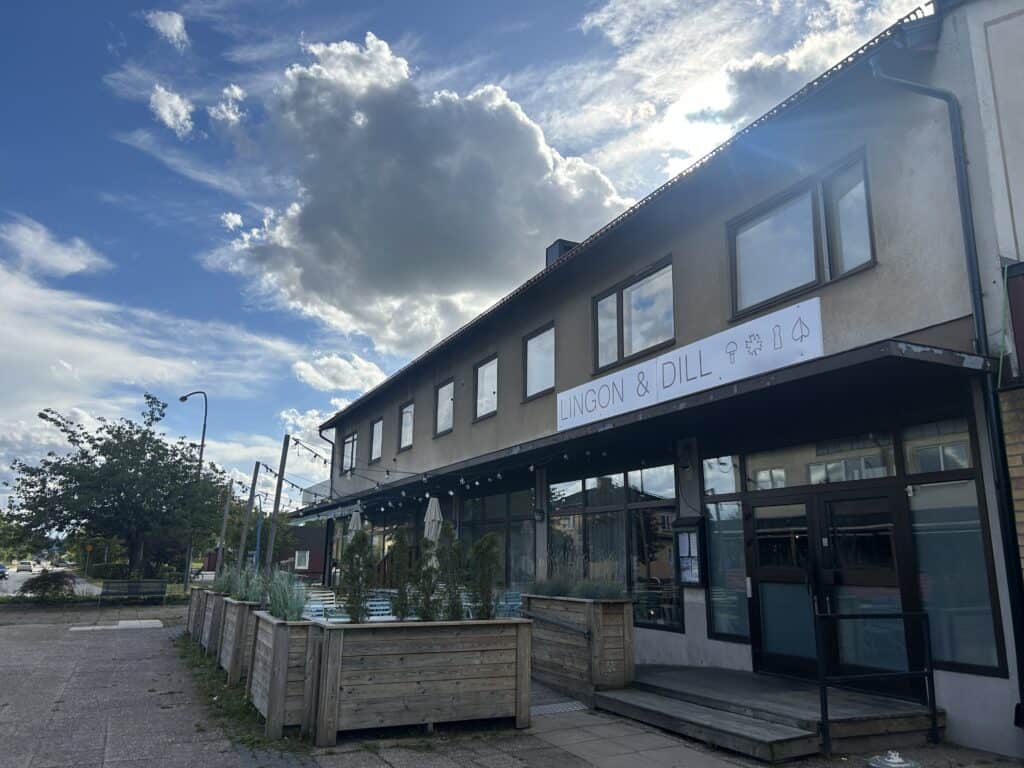
Skärblacka is a locality in Östergötland County, located within Norrköping Municipality where the Motala ström river flows into Lake Glan. This strategic position provides the necessary water and power for the town’s defining feature, the Billerud paper mill. Because the town’s development has centered around this single industrial plant for over a century, Skärblacka is known as a typical Swedish “bruksort.” The mill remains the area’s most prominent landmark in the area and the most significant employer within the local economy.
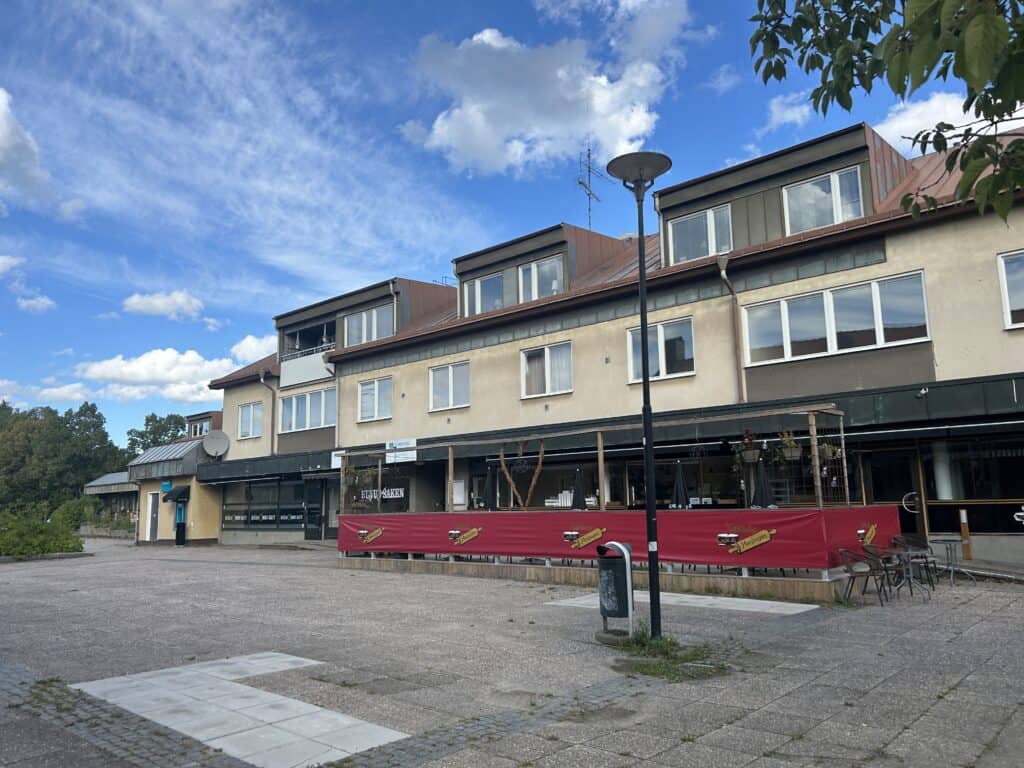
In addition to its industrial base, Skärblacka’s character is shaped by its strategic location in the province. The town is situated centrally between the major cities of Norrköping and Linköping. This proximity makes it a popular residential town for people who commute to work in these larger urban centers for employment. While the large mill is a significant employer, the town center also supports a variety of smaller local businesses. These include grocery stores, restaurants, and other essential services that cater to the daily needs of the residents. This allows the community to function with a degree of self-sufficiency while being well-integrated into the wider regional economy.
History of Skärblacka
The history of Skärblacka clearly illustrates how 19th-century industrialization transformed rural Sweden. Before the establishment of its main industry, the area was primarily agricultural land with scattered farms. The arrival of the paper mill acted as a catalyst for growth, attracting workers and spurring the development of a structured community. This growth was further accelerated by the construction of the railway, which connected the town’s industry to the rest of the country. Skärblacka’s history, therefore, reflects Sweden’s broader journey into the industrial era.
Early History and Foundation
Before the mid-19th century, the area where Skärblacka now stands was sparsely populated. The town’s name is connected to the historical Skärblacka farm, which was located near the rapids of the Motala ström. While the river’s power had been used for centuries to run smaller mills in the region, its full potential was not realized until entrepreneurs chose the site for a large-scale enterprise. The parish church in nearby Kullerstad dates back to the 12th century, indicating a long history of settlement in the wider area, but a centralized community did not exist until industrialization began.
The Rise of the Paper Mill
The turning point in Skärblacka’s history came in 1872 with the founding of the Skärblacka Pappersbruk. The location was ideal because of the power from the rapids and the abundant timber from the surrounding forests. As the mill quickly grew, the demand for labor led to the construction of worker housing, schools, and shops, which formed the new town. Development was significantly boosted when the town was connected to the national railway network, allowing for efficient transport of raw materials and finished paper products. The mill became the town’s economic heart, employing a large portion of the local population.
Modern Development and Community
Throughout the 20th century, the paper mill continued to expand and modernize through several changes in ownership. After merging with other companies, it eventually became part of what is today the Billerud group, a major international producer of paper and packaging materials. The town grew alongside the mill, with new residential areas and public services being added over the decades. While the mill remains the dominant employer, the town’s economy has seen some diversification. Today, Skärblacka is a modern community that still functions as a “bruksort” while also serving as a residential town for commuters.


Sights in Skärblacka
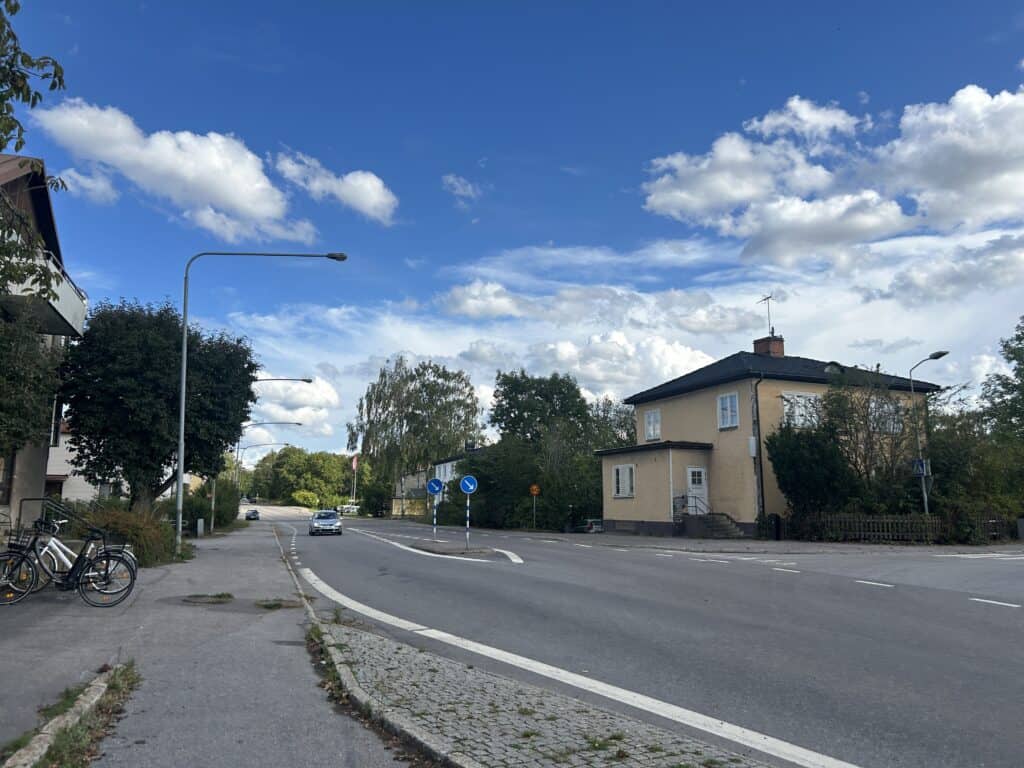
The sights in and around Skärblacka are centered on its industrial heritage and the natural beauty of the surrounding Östgöta landscape. While the town does not have a large number of conventional tourist attractions, it offers visitors a direct look into the life of a Swedish industrial community. The paper mill, the scenic river that flows through the town, and the nearby forests and lakes are the main points of interest. These sights provide opportunities for outdoor recreation and for observing the area’s history, showcasing the direct interplay between industry and nature.
The Skärblacka Paper Mill
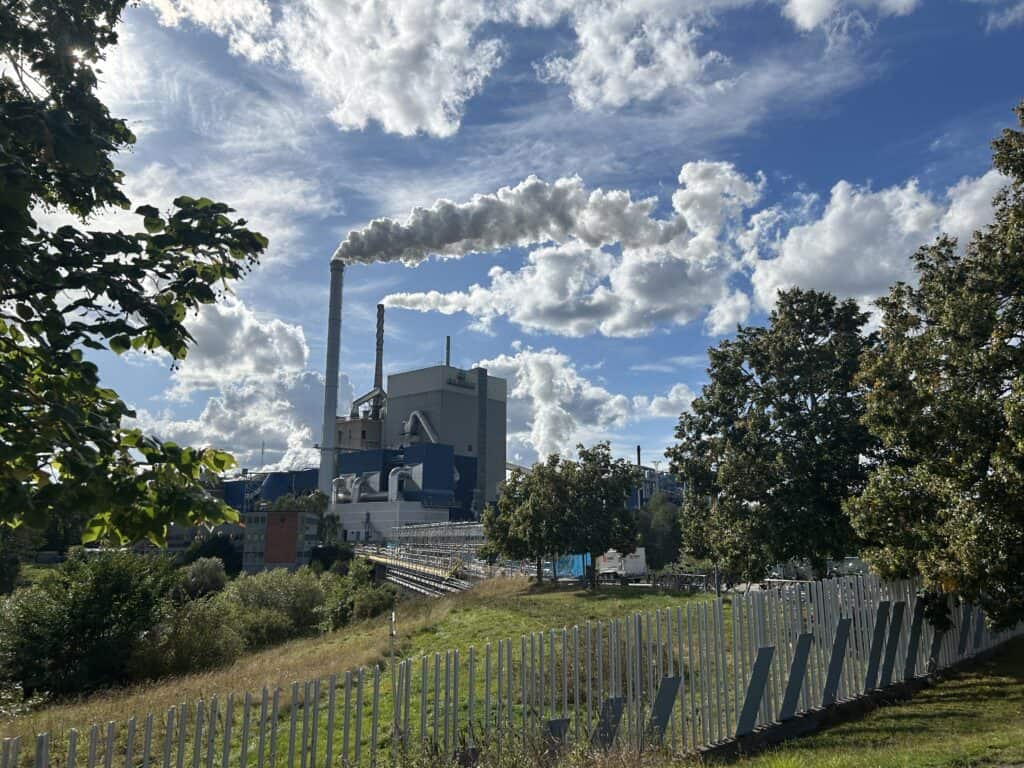
The Billerud paper mill is the most significant landmark in Skärblacka. While the facility is not open for public tours, its large scale makes it an impressive sight that dominates the town’s skyline. The complex of buildings, chimneys, and woodpiles is a visible reminder of the industry that built and sustains the community. Observing the mill from a distance conveys the scale of the industrial processes central to the town. At night, the illuminated factory creates a unique industrial vista against the dark sky.
Motala Ström
The river Motala ström is the natural artery of Skärblacka and the original reason for the town’s location. Flowing through the center of the community, its banks provide scenic areas for walking and recreation. The river is a known spot for recreational fishing for species like pike and perch. Its calm stretches are also well-suited for canoeing and kayaking, offering a unique perspective of the town from the water. The rapids that once powered the mill are now managed, but the river remains a central and beautiful feature of the town.
Skärblacka Church
Skärblacka Church is a central building in the community, located in the heart of the town. The parish built the church in the 1920s to serve the growing population that the paper mill had attracted. Designed in a National Romantic style popular in Sweden during that period, its architecture provides a contrast to the industrial buildings elsewhere in the town. The church is an active part of the community, and its well-maintained grounds provide a peaceful green space for residents and visitors alike.
Lake Glan
Just to the east of Skärblacka, the Motala ström flows into the large lake Glan. This lake is a major recreational area for residents of the town and the wider region, offering opportunities for a variety of water-based activities. There are several designated swimming spots, known as badplatser, along its shores that are popular during the summer months for swimming and boating. The lake’s expansive waters and its shoreline of forests and farmland provide beautiful natural scenery near the town.
Kullerstad Church
Located just outside Skärblacka, Kullerstad Church is one of the oldest buildings in the region. Its oldest parts date back to the late 12th century, serving as a reminder of the area’s long history before industrialization. Built in the Romanesque style, the church features well-preserved medieval frescoes of significant historical and artistic value. Situated in a traditional rural parish setting and surrounded by a historic cemetery, a visit to Kullerstad Church offers a powerful contrast to the industrial town and provides insight into the area’s deep agricultural past.


Sports in Skärblacka
The sports scene in Skärblacka is typical of a small Swedish industrial town, with a focus on community-based club activities that are central to social life. The main sports venue in the locality is Skärblacka IP (Idrottsplats), which has pitches for football and facilities for other athletics. The most popular sport in the town is football, which has a long tradition. Other sports such as floorball also have a presence, supported by dedicated volunteers who run the town’s recreational offerings.
Skärblacka IF (Football)
Skärblacka IF is the main local sports club, with its primary focus on football. Founded in 1924, the club has been a central institution in the town for nearly a century, operating teams for a wide range of age groups. The senior teams compete in the lower divisions of the Swedish football league system. The club’s activities are based at Skärblacka IP, and its home matches are community events that draw local crowds.
Skärblacka IBK (Floorball)
Floorball, or innebandy, is another popular sport in Skärblacka, represented by the club Skärblacka IBK. The club gives local residents an opportunity to participate in one of Sweden’s most popular indoor sports. Like the football club, the floorball club is driven by community engagement, providing organized training and matches for various age levels. The team plays its home games in the local sports hall, which becomes a lively venue during the winter season.
IFK Norrköping (Football)
IFK Norrköping is the major professional football club in the region, based in the nearby city of Norrköping. As one of Sweden’s most historic and successful clubs, it has a large following throughout Östergötland, including in Skärblacka. Many residents are supporters who travel to Norrköping to watch home matches at the Platinumcars Arena. The club’s high profile and success represent the highest level of sport in the area.
HC Vita Hästen (Ice Hockey)
Based in Norrköping, HC Vita Hästen is the most prominent ice hockey club in the area. The club competes in the professional leagues and has a dedicated fan base, including supporters from surrounding towns like Skärblacka. Ice hockey is a major sport in Sweden, and Vita Hästen’s games at the Himmelstalundshallen arena attract significant attention during the season. The club is an important part of the regional sporting identity.


How to Get to Skärblacka?
Reaching Skärblacka is relatively easy due to its proximity to the major city of Norrköping and main transportation arteries. Although the town is not located directly on a major highway or railway line, it is well-connected by a network of regional roads and public transport. This makes it accessible for travelers coming from various parts of Sweden. The final leg of the journey will typically involve travel on a smaller regional road or by a local bus, which is common for reaching smaller communities.
The most common approach for visitors is to travel to the regional hub of Norrköping first and then make the short onward journey to Skärblacka. Norrköping is a major transport node with a well-connected train station, an airport, and access to the E4 motorway. From there, frequent and reliable local bus services provide the final link. This connectivity ensures that despite its smaller size, Skärblacka is not isolated. The journey itself offers a transition from a bustling city to the calmer pace of a smaller town.
On the Open Road
Traveling to Skärblacka by car is a convenient option. The town is located a short drive from the E4 motorway, the main highway running along Sweden’s east coast. From the E4, travelers would exit at Norrköping and then follow the regional roads west for approximately 20 kilometers to reach Skärblacka. The roads are well-signposted and maintained. Driving allows for flexibility and is the easiest way to bring luggage or to plan further exploration of the surrounding countryside.
The Railway Connection
Travelers arriving by train have two main options, depending on their point of origin. For those coming from major cities like Stockholm, Malmö, or Copenhagen, the destination is Norrköping Central Station. This is the region’s primary hub for high-speed SJ trains. Upon arriving in Norrköping, travelers can transfer to a local bus for the final 30-minute journey to Skärblacka. For regional travelers, however, the closest station is Kimstad station, located just 6 kilometers away. Kimstad is a stop on the Östgötapendeln commuter train line, which connects the cities of Norrköping and Linköping, making it an excellent alternative for those already in the area.
Regional Bus Services
Skärblacka is well-served by the regional bus network operated by Östgötatrafiken. Several bus lines connect Norrköping’s central bus terminal with Skärblacka, with these departures running frequently throughout the day. This is the most common and direct form of public transport to the town. For travelers coming from further away, long-distance bus companies like Flixbus operate routes to Norrköping, from where a transfer to the local bus is necessary.
Flights to the Region
The nearest local airport is Norrköping Airport (NRK), which has a limited number of connections. A more practical option for most international travelers is to fly into Stockholm Skavsta Airport (NYO). This airport, located near Nyköping, is served by several low-cost airlines. From Skavsta, one can take an airport bus to Norrköping and then a local bus to Skärblacka. The largest international airport in the region is Stockholm Arlanda Airport (ARN), from which travelers can take a direct train to Norrköping.
A Scenic Arrival by Bike
For travelers within the region, arriving in Skärblacka by bicycle is a viable option. The area is part of a wider network of regional cycling routes that crisscross the Östergötland countryside. The terrain is relatively flat and the roads are generally low-traffic, making for pleasant cycling conditions. Routes from nearby towns like Norrköping or Linköping offer a journey of a few hours through farmland and forests. This mode of transport is ideal for cycle tourists looking to experience the region at a slower pace.
Driving Distances
The driving distance from 20 regional cities, according to Google Maps:
- Norrköping, Sweden – 21 kilometers (0 h 24 min)
- Finspång, Sweden – 23 kilometers (0 h 23 min)
- Linköping, Sweden – 30 kilometers (0 h 30 min)
- Söderköping, Sweden – 36 kilometers (0 h 35 min)
- Nyköping, Sweden – 82 kilometers (1 h 0 min)
- Örebro, Sweden – 118 kilometers (1 h 35 min)
- Västerås, Sweden – 156 kilometers (2 h 0 min)
- Jönköping, Sweden – 162 kilometers (1 h 50 min)
- Stockholm, Sweden – 183 kilometers (2 h 0 min)
- Uppsala, Sweden – 217 kilometers (2 h 30 min)
- Kalmar, Sweden – 226 kilometers (2 h 50 min)
- Växjö, Sweden – 229 kilometers (2 h 45 min)
- Karlstad, Sweden – 242 kilometers (2 h 55 min)
- Gothenburg, Sweden – 296 kilometers (3 h 15 min)
- Gävle, Sweden – 327 kilometers (3 h 25 min)
- Oslo, Norway – 370 kilometers (4 h 20 min)
- Helsingborg, Sweden – 389 kilometers (3 h 50 min)
- Malmö, Sweden – 419 kilometers (4 h 10 min)
- Copenhagen, Denmark – 461 kilometers (4 h 50 min)
- Sundsvall, Sweden – 528 kilometers (5 h 15 min)
Explore More of Östergötland and Sweden