
Gildehaus, Lower Saxony | Exploring Germany
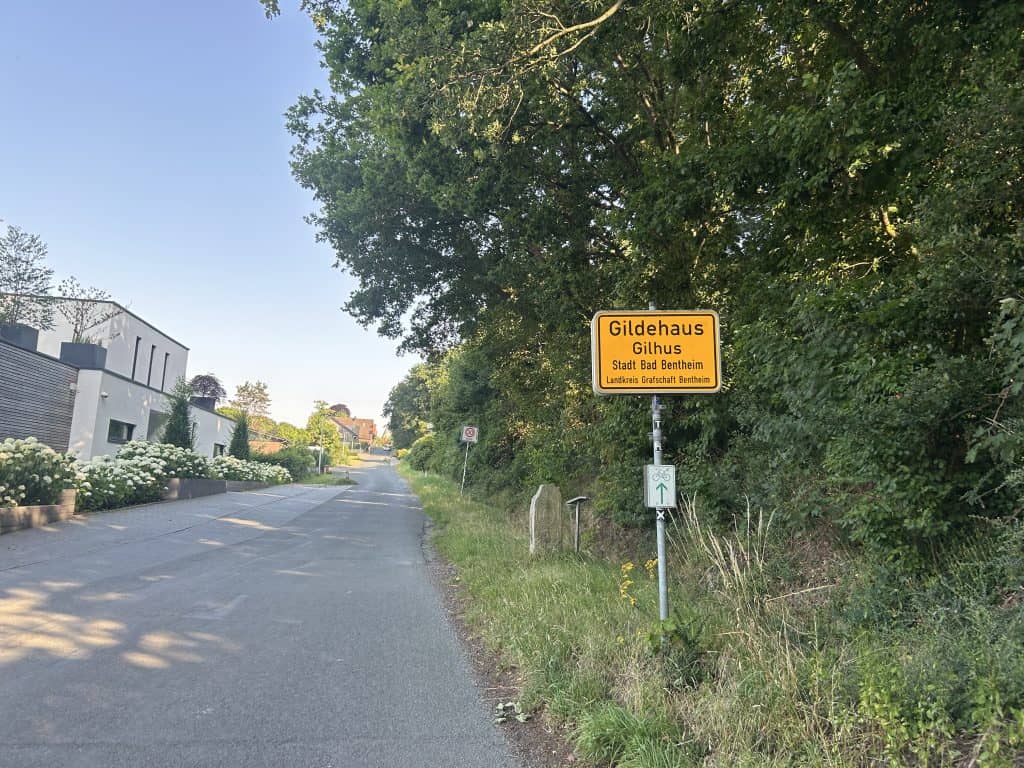
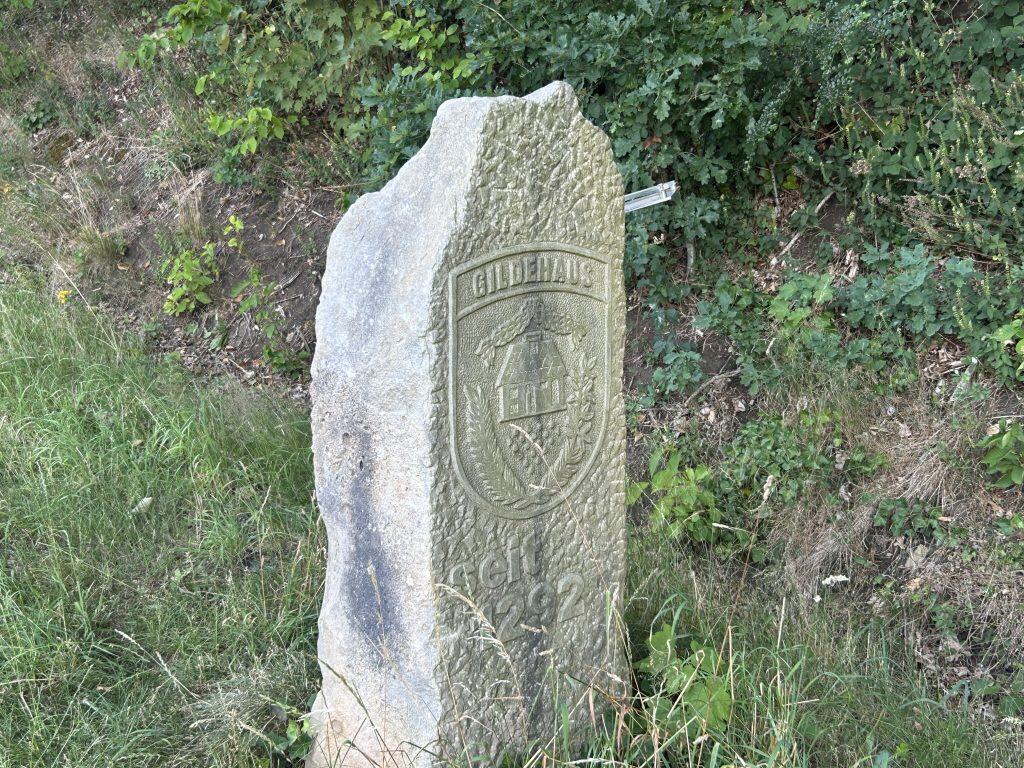
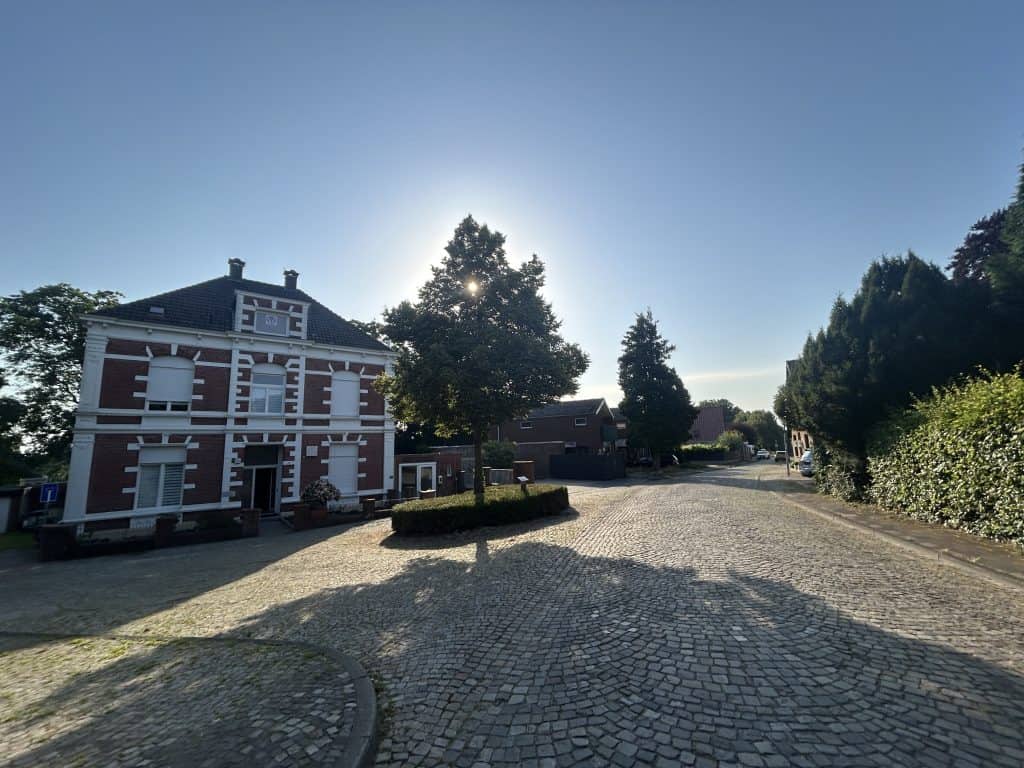
Gildehaus is a village and a district (Ortsteil) of the town of Bad Bentheim, located in the Grafschaft Bentheim district of Lower Saxony, Germany. The village is situated directly on the German-Dutch border. With a population of approximately 4,000 residents, Gildehaus is a significant residential community. It is located on the Bentheim Ridge (Bentheimer Höhenrücken), a small range of hills that rises above the surrounding North German Plain. This elevated position has earned it the local nickname of a “mountain village” (Bergdorf).
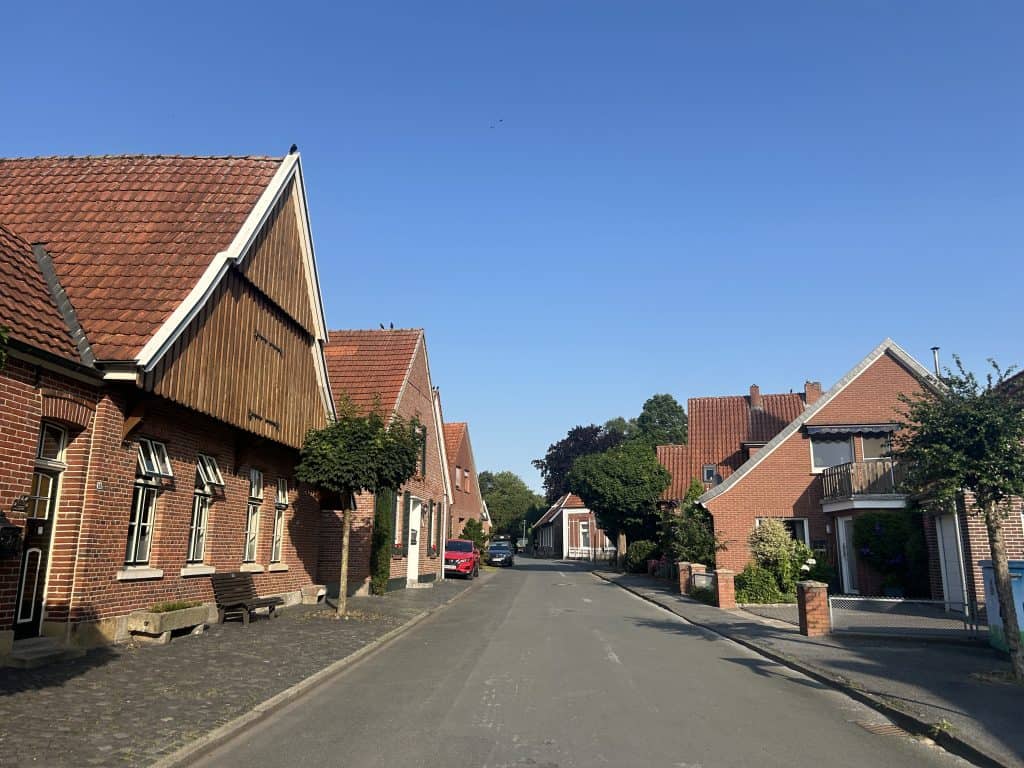
The character of Gildehaus is that of a historic border village that has preserved much of its traditional charm. Its identity is closely tied to its two historic windmills and its history of sandstone quarrying. The village has a well-preserved core with a historic church and older houses. This exists alongside its modern function as a residential area for the larger town of Bad Bentheim. Its location on the Dutch border also gives it a cross-border character, with close ties to the neighboring communities in the Netherlands.
A Short History of Gildehaus
The history of Gildehaus is that of a small village whose economy was shaped for centuries by its valuable sandstone deposits. Its development reflects its long history as part of the County of Bentheim and its strategic location on the border. The story of Gildehaus is one of a stable rural community that was later integrated into the larger town of Bad Bentheim, while still retaining its own distinct identity.
Early Origins and Sandstone
The history of settlement in the Gildehaus area is long, with the village first being mentioned in historical documents in the 11th century. The village grew on the northern slope of the Bentheim Ridge. For centuries, its economy was dominated by the quarrying of the famous “Bentheimer Gold” sandstone. This high-quality sandstone was a major export product from the 16th to the 18th centuries. It was transported on the Vecht river to the Netherlands and was used in the construction of many famous buildings, including the Royal Palace in Amsterdam.
A Border Village and Modern Integration
Gildehaus has always been a border village. For centuries, it was part of the County of Bentheim, a small state of the Holy Roman Empire. The village was located directly on the border with the Netherlands. A key moment in its modern history was the administrative reform of 1974. During this process, the formerly independent municipality of Gildehaus was incorporated into the town of Bad Bentheim. Despite this merger, Gildehaus has maintained its own distinct character and local identity.
Things to Do and See
The sights in and around Gildehaus are focused on its historic windmills, its connection to the sandstone industry, and the surrounding natural landscape. The main points of interest offer a look into the history and culture of this unique border village.
The East Mill
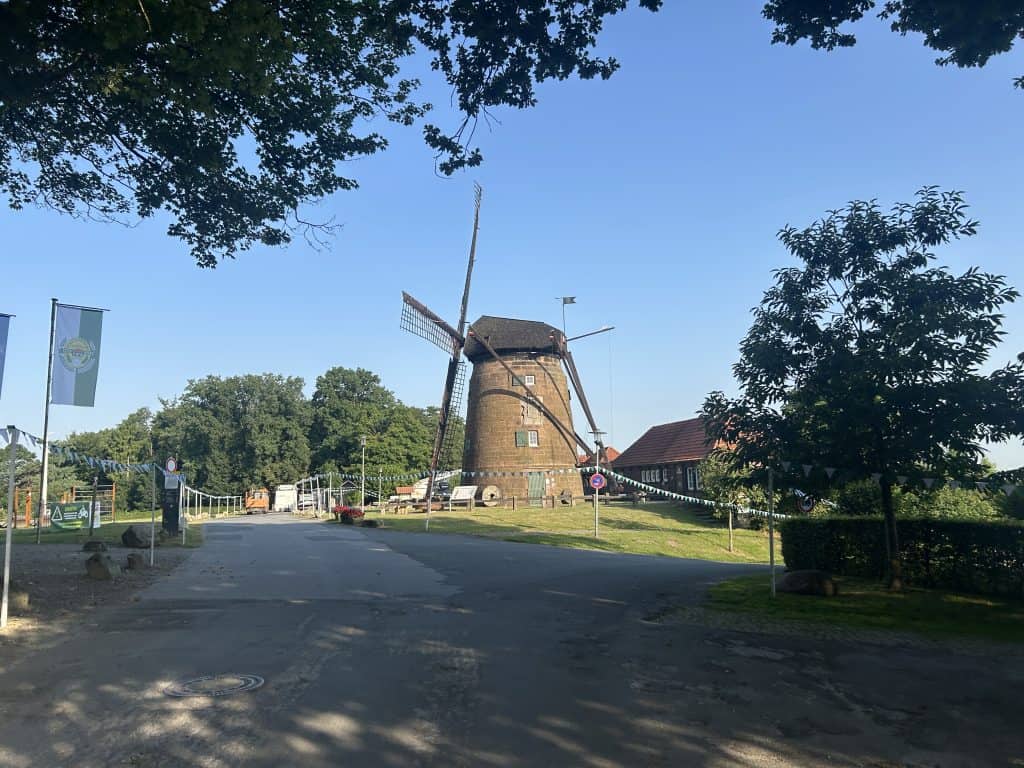
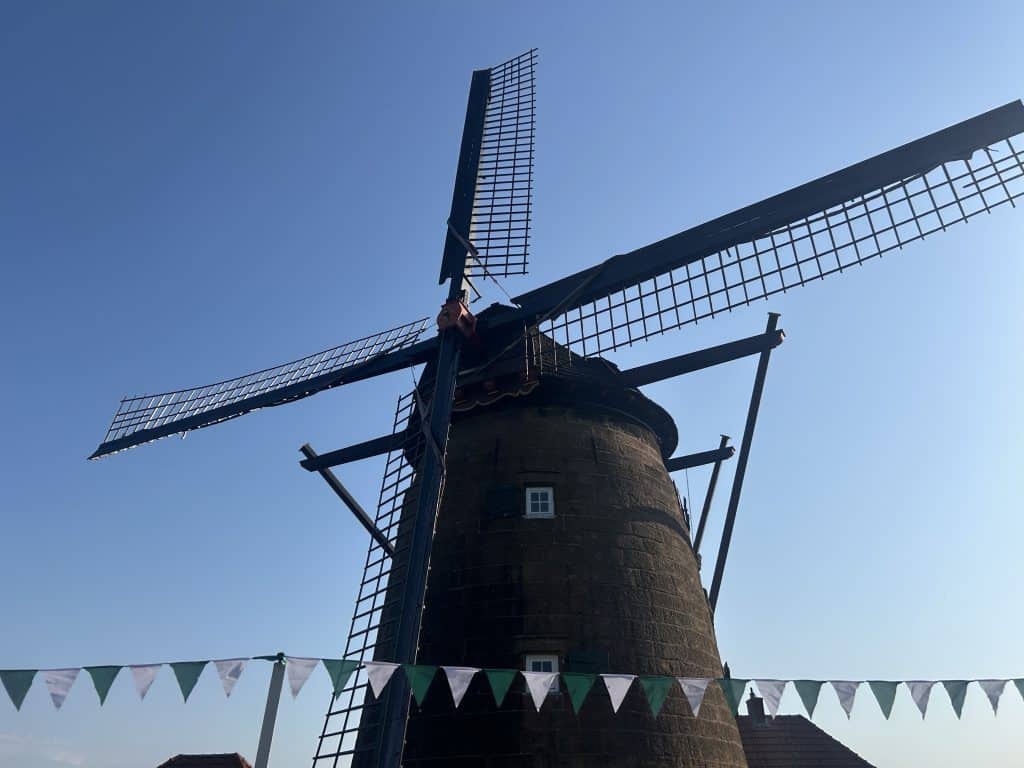
The East Mill (Ost-Mühle) is the primary landmark of Gildehaus. It is a historic Dutch-style tower windmill that was built in 1750. The mill stands on a hill on the eastern side of the village and is a prominent feature of the local skyline. It was in operation as a grain mill until the mid-20th century. Today, the mill is preserved as a historical monument and is open to the public on certain days, allowing visitors to see its historic milling equipment.
The Village Church
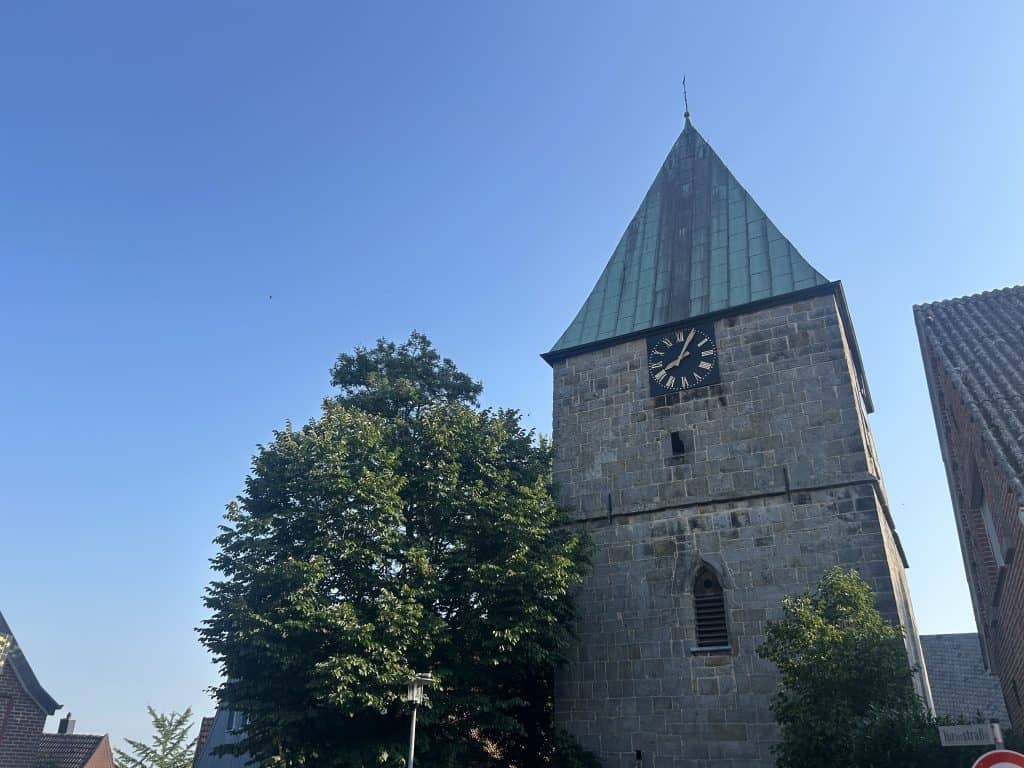
The Evangelical-Reformed Church (Evangelisch-reformierte Kirche) is the historic church in the center of the village. The church is a large, Gothic-style hall church that was built in the 16th century. It replaced an older, smaller church that stood on the same site. The church is built from the local Bentheim sandstone. Its tower is a key landmark in the village center. It remains the spiritual heart of the local Protestant community.
Otto Pankok Museum
The Otto Pankok Museum is a small art museum located in Gildehaus. The museum is dedicated to the life and work of the German artist Otto Pankok, who lived and worked in the area for a period. The museum showcases a collection of his paintings, drawings, and prints. It provides insight into the work of this important German artist, who was persecuted by the Nazis as a “degenerate artist.”
Geologic Open-Air Museum
The Geologic Open-Air Museum (Geologisches Freilichtmuseum) is a unique site located in a former sandstone quarry. The museum showcases the geological history of the region and the history of the Bentheim sandstone industry. The main feature is the quarry wall, where the different layers of rock are visible. The site also includes examples of historic quarrying equipment. It provides a direct look at the natural resource that shaped the village’s history.
The Gildehauser Venn
The Gildehauser Venn is a large, cross-border nature reserve located just west of Gildehaus. The reserve is an area of moorland, heath, and wetlands. It is an important habitat for a variety of rare plant and animal species. The reserve has an extensive network of marked trails for hiking and walking. It is a popular destination for nature enthusiasts from both Germany and the Netherlands.
Sports in Gildehaus
The sporting life in Gildehaus is centered on its local community sports club. Football is the primary organized sport in the village. The surrounding natural landscape also provides extensive opportunities for outdoor recreational activities.
Football
Football is a popular sport in Gildehaus, with a local sports club that is a key part of the community. The club provides a platform for local players of all ages. The team competes in the regional leagues of Lower Saxony.
TuS Gildehaus
The town’s main sports club is the TuS Gildehaus. While it is a multi-sport association, its football section is the most prominent. The club was founded in 1906. The senior football team competes in the lower tiers of the German football league system, such as the Bezirksliga. They play their home games at a local sports ground in the village.



How to Get to Gildehaus
Reaching the village of Gildehaus requires travel to the Grafschaft Bentheim district on the German-Dutch border. The village is well-connected by the regional road network. The nearby town of Bad Bentheim serves as the main transport hub for the area.
The Open Road: Driving to Gildehaus
Driving is the most common and practical way to reach Gildehaus. The village is located just a few kilometers from the A30 motorway (Autobahn), which is a major east-west European route connecting Amsterdam with Berlin. It is also close to the A31 motorway, which is a north-south route. A car provides the necessary flexibility for exploring the surrounding rural area.
Arriving by Air: Münster/Osnabrück Airport
The closest international airport is Münster/Osnabrück International Airport (FMO). It is located approximately 55 kilometers to the southeast of Gildehaus. The airport offers connections to several major German cities and European destinations. From the airport, a rental car or a combination of bus and train services via the town of Bad Bentheim is required to complete the journey.
On Track: A Journey by Rail and Bus
Gildehaus does not have its own train station. The closest train station is located in the main town of Bad Bentheim, about 4 kilometers away. The Bad Bentheim station is a key stop on the international railway line between Amsterdam and Berlin. From the train station, a local regional bus service provides the final connection to Gildehaus.
Connecting by Coach
There are no direct long-distance bus services to the small village of Gildehaus itself. Travel by coach would typically involve taking a service from a company like FlixBus to the nearby town of Bad Bentheim or to a larger city like Münster. From these stops, travelers would then need to transfer to a regional bus or train service.
Driving Distances
The driving distance from 10 regional cities, according to Google Maps:
- Münster, Germany – 60 kilometers (0 h 50 min)
- Osnabrück, Germany – 62 kilometers (0 h 50 min)
- Utrecht, Netherlands – 156 kilometers (1 h 50 min)
- Amsterdam, Netherlands – 161 kilometers (2 h 00 min)
- Cologne, Germany – 166 kilometers (1 h 50 min)
- Rotterdam, Netherlands – 230 kilometers (2 h 40 min)
- Antwerp, Belgium – 251 kilometers (2 h 50 min)
- Hamburg, Germany – 272 kilometers (2 h 50 min)
- Brussels, Belgium – 312 kilometers (3 h 20 min)
- Berlin, Germany – 495 kilometers (5 h 00 min)
Looking to Explore more of Germany and Europe?