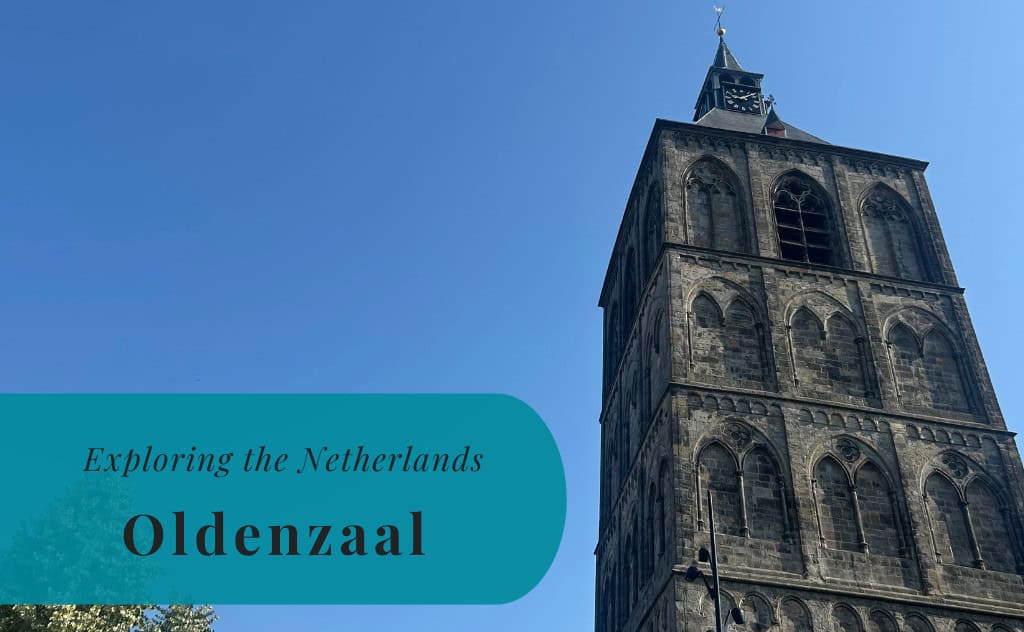
Oldenzaal | Exploring the Netherlands
Oldenzaal is a city in the province of Overijssel, located in the eastern part of the Netherlands. It is part of the Twente region and is the main town of the municipality of Oldenzaal. With a population of approximately 32,000 residents, it serves as a key commercial and cultural hub for the surrounding area. The city is situated just a few kilometers from the German border. This location has given it a long history as a strategic and commercial center.
The character of Oldenzaal is defined by its long history as a Hanseatic city and its modern reputation for its extensive Carnival celebrations. The historic city center is centered around the impressive St. Plechelmus Basilica and the old market square. This historical core exists alongside a modern town with a range of shops and services. The city is often referred to as “De Glimlach van Twente” (The Smile of Twente), a nickname that reflects its active social and cultural life.


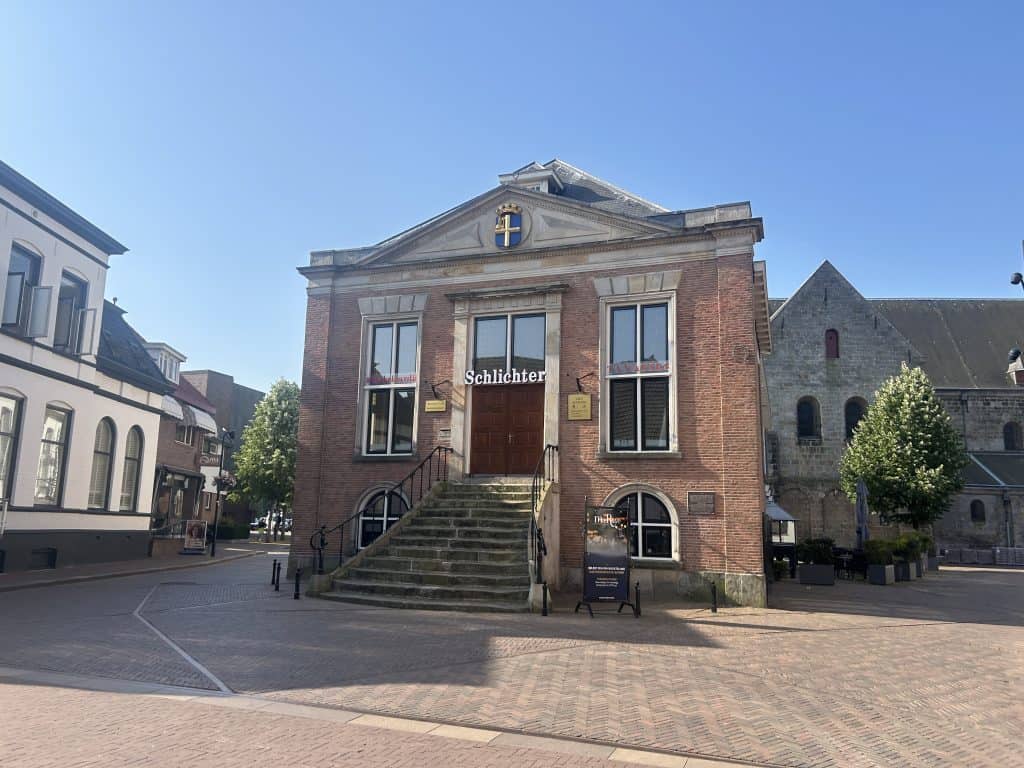
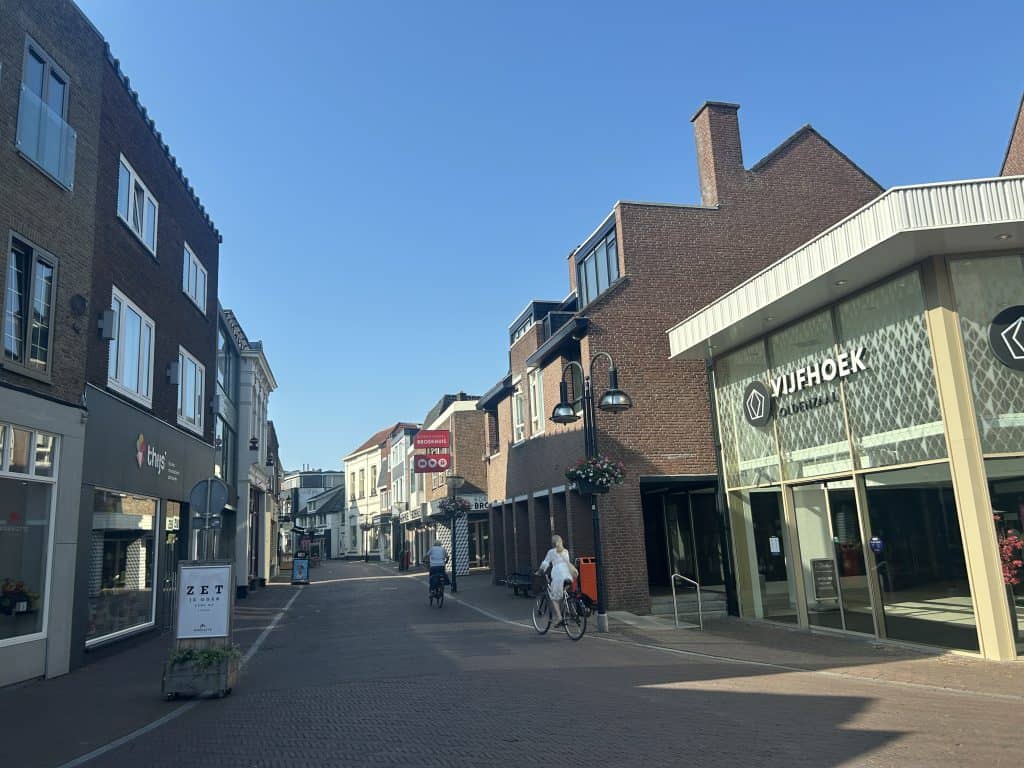
A Short History of Oldenzaal
The history of Oldenzaal is that of one of the oldest towns in the Twente region. Its development was shaped by its early establishment as a religious center, its role as a fortified member of the Hanseatic League, and its strategic position on the border. The city’s story reflects centuries of trade, conflict, and cultural development. This long history is visible today in its historic basilica and the layout of its old town.
Early Origins and a Bishop’s Court
The history of settlement in the Oldenzaal area is long, with evidence suggesting a possible Roman presence. The town’s formal history began in the early Middle Ages. In the 8th century, it was the site of a court belonging to the Bishop of Utrecht. The English missionary Saint Plechelmus founded a chapter here and built a church, which established the settlement as a major religious center for the region. This ecclesiastical foundation was the key to its early growth and importance.
A Hanseatic Trading Town
A pivotal moment in the city’s history came in 1049, when Emperor Henry III granted Oldenzaal the right to hold a market and a toll. This, along with its earlier city rights, solidified its status as a commercial hub. During the late Middle Ages, Oldenzaal became a member of the Hanseatic League, the powerful trading confederation of Northern Europe. The city was fortified with a wall and gates. It became a major center for the textile trade, which brought prosperity to its merchants.
Conflicts and Modern Development
During the Eighty Years’ War (1568-1648), Oldenzaal’s strategic location made it a target for both Spanish and Dutch forces. The city was captured and changed hands several times. After this period of conflict, its importance as a fortress declined. In the 19th and 20th centuries, the city developed as an industrial and commercial center for the Twente region. In the modern era, it has become particularly known for its vibrant Carnival celebrations, which are among the largest in the Netherlands outside of the southern provinces.

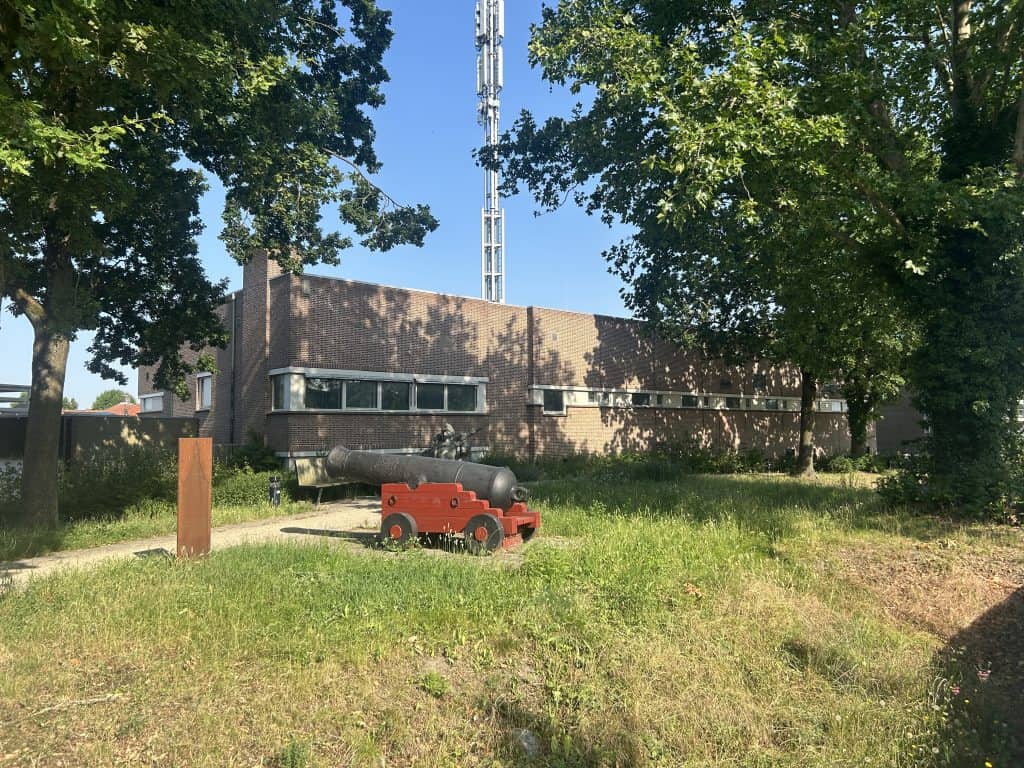
Things to Do and See
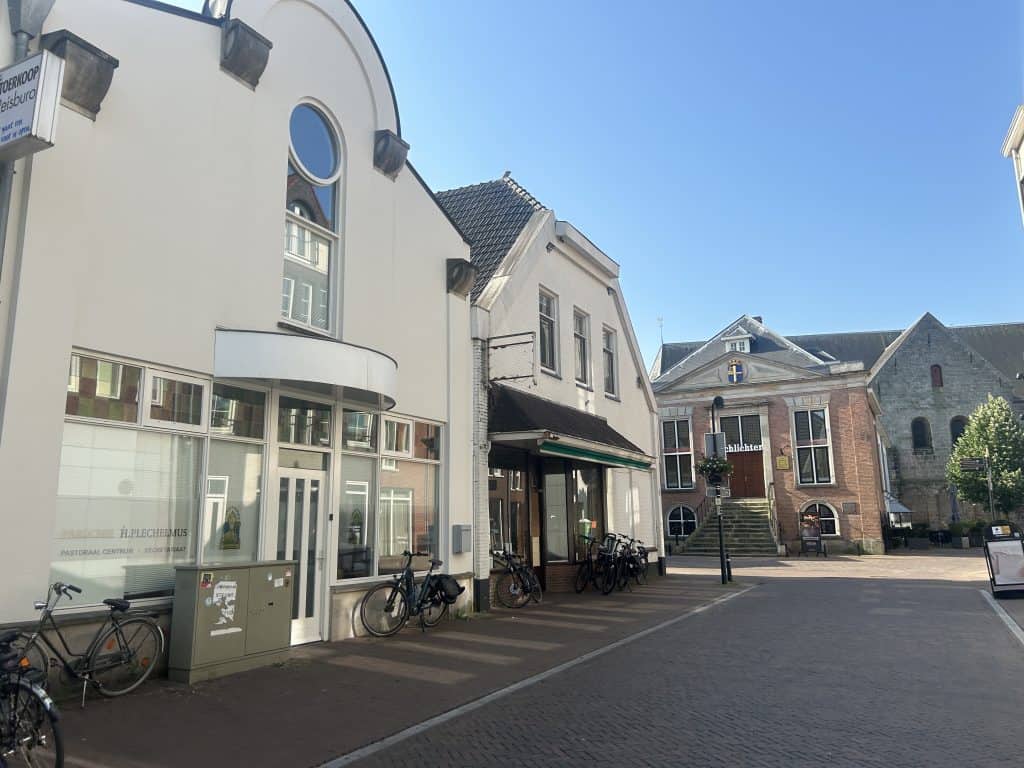
The sights in Oldenzaal are concentrated in its historic city center. The main points of interest include its large basilica, which is one of the most significant Romanesque churches in the country, and the surrounding market square. A local history museum provides insight into the city’s long past. Just outside the city, a large recreational park offers access to nature.
St. Plechelmus Basilica
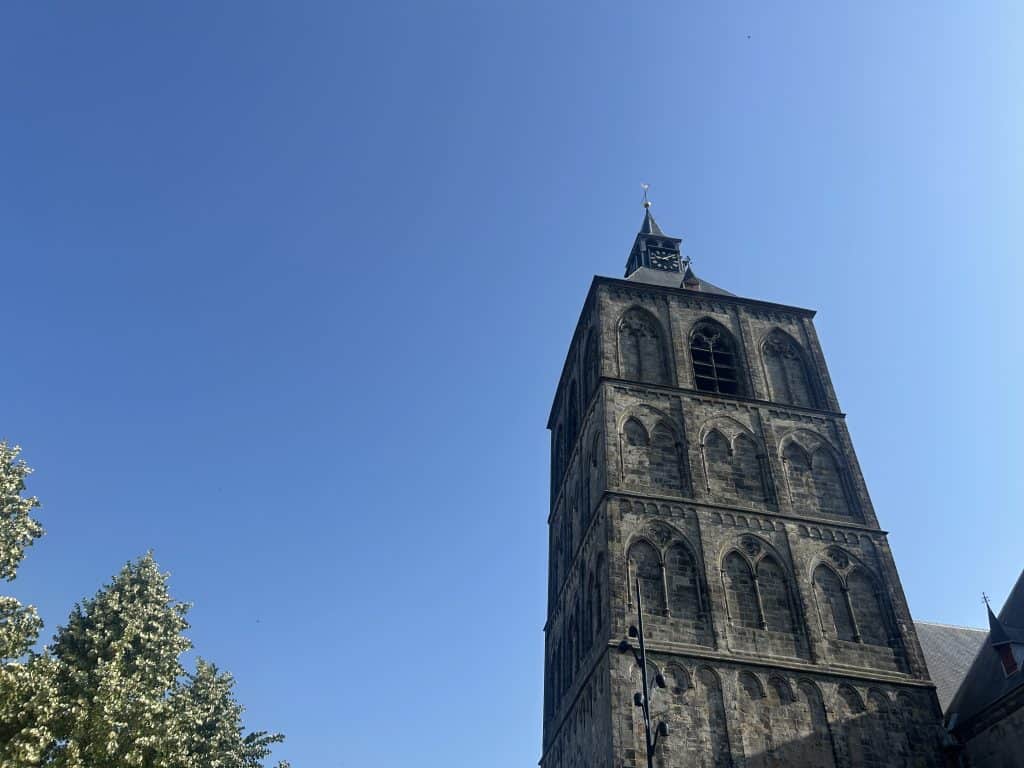
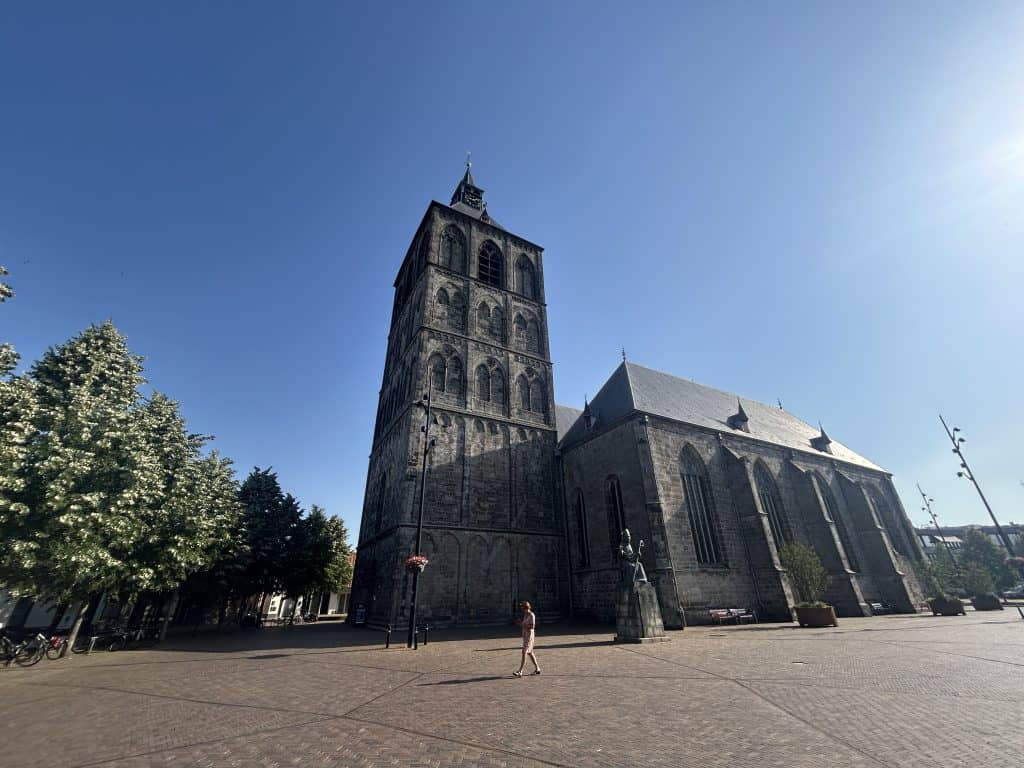
The St. Plechelmus Basilica (Sint-Plechelmusbasiliek) is the most significant historical and architectural landmark in Oldenzaal. The church is a large Romanesque stone basilica. Its oldest parts, including the impressive tower, date back to the 12th century. The basilica is dedicated to Saint Plechelmus, the 8th-century missionary who is central to the city’s history. The church’s massive tower is a key feature of the city’s skyline. The basilica’s treasury contains important religious artifacts.
The Old Market Square
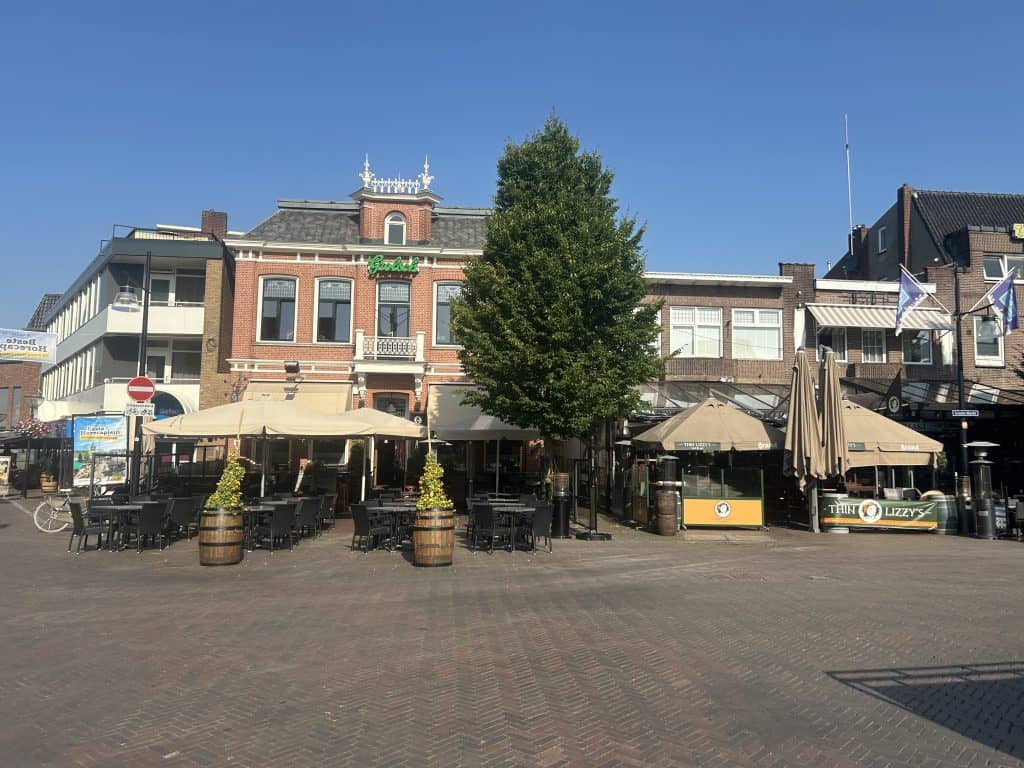
The Old Market Square (Groote Markt) is the historic heart of the city, located at the foot of the St. Plechelmus Basilica. The square has been the center of public and commercial life in Oldenzaal for centuries. It is surrounded by a mix of historic and modern buildings, including numerous cafes and restaurants with outdoor terraces. The square is the main venue for the city’s famous Carnival celebrations and other public events throughout the year. It remains a key social hub for the city’s residents.
Palthehuis Museum
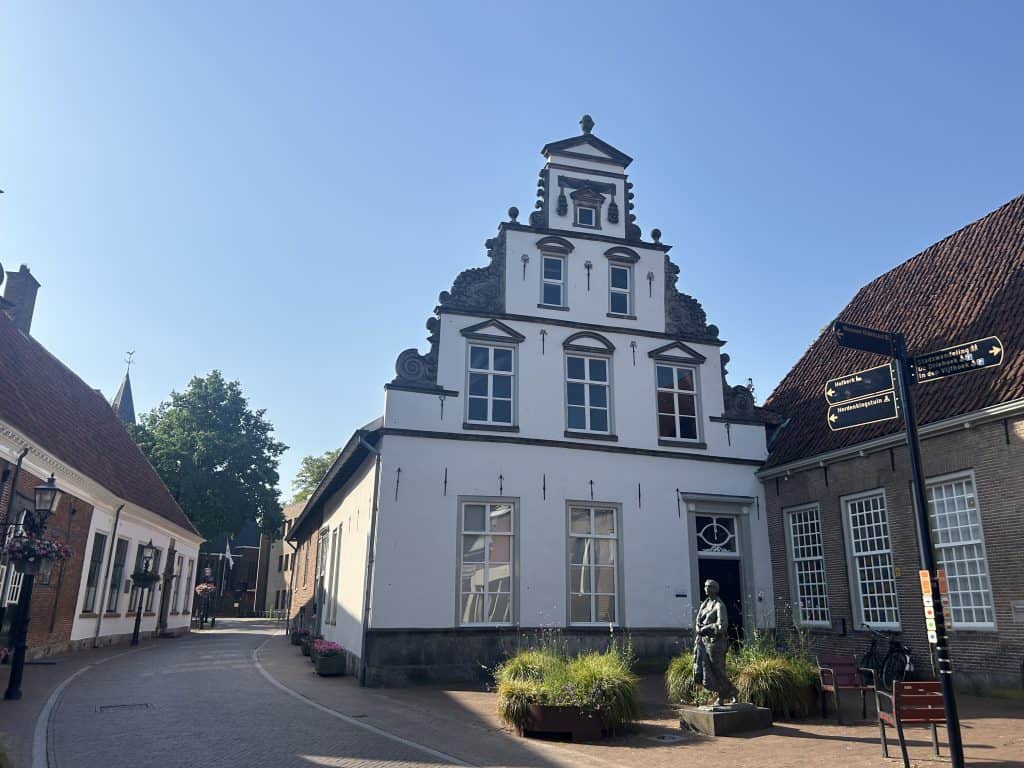
The Palthehuis Museum is the local history museum of Oldenzaal. The museum is housed in a historic building from the 17th century. This preserved patrician’s house was once the home of the Palthe family of ministers. The museum’s rooms are furnished in the style of the 18th and 19th centuries, providing a look into the life of a wealthy family from that period. The museum also has exhibitions on the history of Oldenzaal and the Twente region.
Het Hulsbeek Recreational Park
Located just outside the main city is the Het Hulsbeek Recreational Park. This large park is a major destination for outdoor activities for the entire region. The park features several lakes for swimming and water sports. It also has extensive sandy beaches, lawns for picnicking, and a network of paths for walking and cycling. The park’s facilities make it a popular destination for families, especially during the summer months.
The Carnival
While it is an event rather than a permanent sight, the annual Carnival is central to Oldenzaal’s identity. The city is known as “Boeskoolstad” (“Cabbage Town”) during the Carnival season. Oldenzaal hosts one of the largest and most famous Carnival parades in the Netherlands outside of the southern provinces. The Great Twente Carnival Parade (Grote Twentse Carnavalsoptocht) attracts tens of thousands of visitors each year. The event is a key part of the city’s cultural calendar.


Sports in Oldenzaal
The sporting life in Oldenzaal is centered on its large and active local multi-sport clubs, which are a key part of the community’s social fabric. These clubs provide opportunities for residents of all ages to participate in a wide range of organized sports. The most popular and widely followed sports in the town are football, handball, and volleyball, with local clubs competing at high levels of the Dutch amateur league system. The town has excellent sports facilities, including the large Sportpark Vondersweijde, which serves as a central hub for many of the clubs’ activities. This strong focus on community-based club sport defines the athletic character of the city.
Football
Football is a very popular sport in Oldenzaal, with several clubs representing the city. The main local club has a long history and is one of the most important amateur clubs in the region. The club has a large youth development program and is a central institution for the sport in the Twente region. Home matches are important local events that draw supporters from the town and the surrounding areas. The club has a history of competing at the highest levels of amateur football in the Netherlands.
Quick ’20
The city’s main football club is Quick ’20. The club was founded in 1920. They have a long and successful history of competing at the highest levels of amateur football in the Netherlands, including seasons in the Derde Divisie. The senior team plays its home games at the Sportpark Vondersweijde. The club is a key part of the local community and is particularly known for its large and well-regarded youth academy, which has produced several professional players.
Handball
Handball is another key sport in Oldenzaal, with a local club that has a strong presence in the community. The club has teams for both men and women, as well as an extensive youth section. The sport has a dedicated following in the Twente region, which is a traditional stronghold for handball in the Netherlands. The club’s teams compete in the regional and national amateur league systems of the Nederlands Handbal Verbond (NHV).
Hacol ’90
The main handball club in Oldenzaal is Hacol ’90. The club provides training and competition for hundreds of players, from young children to senior teams. They play their home games at a local indoor sports hall, the Sporthal de Kolk. The club is a key institution for the development of the sport in the region. Their focus on community participation makes them a central part of the local sports scene.
Volleyball
Volleyball has a very strong and successful presence in Oldenzaal. The city is home to a club whose women’s team has a history of competing at the highest professional level in the Netherlands. The sport has a dedicated following in the town. Home games for the top team are major events that draw large and enthusiastic crowds to the main indoor sports hall.
V.V. Pollux
The most prominent volleyball club in the city is Volleybalvereniging Pollux. The club’s women’s team has a history of competing in the Eredivisie, the top professional volleyball league in the Netherlands. They have won the national championship and the national cup in their history. They play their home games at the Sporthal de Vondersweijde. The club is a key part of the city’s sporting identity and has produced many players for the Dutch national team.

Getting Around in Oldenzaal
Navigating the town of Oldenzaal is straightforward due to its compact city center and the Netherlands’ excellent infrastructure for cycling and public transport. The historic core of the city is best explored on foot, allowing visitors to appreciate its architecture and atmosphere at a leisurely pace. For travel to the surrounding areas and the larger recreational park Het Hulsbeek, the city is very well-suited for cycling, with dedicated paths connecting most key locations. The regional bus network provides reliable connections to other towns in the Twente region. A regional train line also connects the city to the main Dutch railway network. This combination of a walkable center, extensive cycling paths, and efficient public transport makes getting around the city convenient.
On Foot: The City Center
Walking is the best way to explore the central part of Oldenzaal. The Groote Markt, the St. Plechelmus Basilica, and the main shopping streets are all located within a short walking distance of each other. This allows visitors to see the architecture and access local shops and cafes on foot. The historic core is pleasant for a stroll, with many streets being either fully pedestrianized or having low levels of traffic. The Palthehuis Museum is also easily reached from the main square on foot.
On Two Wheels: Cycling
Cycling is a very popular and practical way to get around Oldenzaal and the wider Twente region. The Netherlands has an excellent network of dedicated cycle paths (fietspaden), and Oldenzaal is no exception. The city is part of the Dutch cycle node network (fietsknooppuntennetwerk), which allows for easy navigation of signposted routes throughout the region. The relatively flat terrain makes the area suitable for cyclists of all abilities. A bicycle is the ideal mode of transport for reaching the nearby Het Hulsbeek Recreational Park. Bike rentals are available in the city.
Local Buses
The public transport in the region is operated by Twents, which is part of the Keolis company. A network of regional buses connects Oldenzaal with the surrounding villages and with larger nearby cities like Enschede and Hengelo. These buses are the primary mode of public transport for traveling within the Twente region when not using the train. The bus station is located near the main train station, allowing for easy transfers.
Regional Trains
The Oldenzaal station is located on the Almelo–Salzbergen railway line. This international line connects the Netherlands with Germany. Regional train services, operated by companies like Blauwnet, provide a direct link to major Dutch railway hubs like Hengelo and Enschede. From these stations, it is easy to connect to the wider Dutch Intercity network, which provides fast services to cities like Amsterdam and Utrecht. The train is an efficient way to travel between the main towns of the Twente region.
How to Get to Oldenzaal
Reaching Oldenzaal is convenient by road and rail, as it is located on a major transport corridor connecting the Netherlands and Germany. The city’s proximity to the A1 motorway and its position on an international railway line make it highly accessible from major European hubs like Amsterdam and Berlin. This strategic location has been a key factor in its history as a trading town. For international visitors, the journey typically involves flying into a major regional airport and completing the trip by car or public transport. The efficient Dutch and German transport networks ensure that connections are frequent and reliable. Long-distance buses provide an economical alternative for reaching the wider Twente region. The city serves as an excellent gateway for exploring both the eastern Netherlands and the neighboring German state of Lower Saxony. This combination of transport options makes Oldenzaal an easy-to-reach destination.
The Open Road: Driving the A1 Motorway
Driving is a very common and practical way to reach Oldenzaal, offering flexibility for exploring the Twente region. The city is located directly on the A1 motorway, a major east-west highway in the Netherlands that connects Amsterdam with the German border. Just east of Oldenzaal, the A1 becomes the German A30 motorway, providing a direct link to cities like Osnabrück and Hanover. This makes the city highly accessible by car from both countries. When traveling from the west, drivers would typically use the Oldenzaal exit from the A1.
Arriving by Air: Nearby Gateways
The closest major international airport to Oldenzaal is Münster/Osnabrück International Airport (FMO) in Germany, located approximately 60 kilometers away. For more extensive global connections, Amsterdam Airport Schiphol (AMS) is the primary hub for the Netherlands and is about a two-hour drive. Another nearby option is Düsseldorf Airport (DUS) in Germany. From any of these airports, a rental car is the most practical option for completing the journey. Alternatively, it is possible to take a train from the airports to Hengelo and then transfer to a regional train to Oldenzaal.
On Track: An International Rail Link
Traveling to Oldenzaal by train is an efficient option, as the Oldenzaal station is located on the international Almelo–Salzbergen railway line. This line connects the Dutch and German rail networks. The regional train service, operated by Blauwnet, provides a direct link to major Dutch railway hubs like Hengelo and Enschede. From these stations, it is easy to connect to the wider Dutch Intercity network with fast services to Amsterdam and Utrecht. The international Intercity train from Berlin to Amsterdam also stops at Hengelo, allowing for a simple transfer to Oldenzaal.
Connecting by Coach
Direct long-distance bus services to the town of Oldenzaal itself are limited. Travel by coach would typically involve taking a service from a company like FlixBus to a larger nearby city, such as Enschede or Hengelo in the Netherlands, or Münster in Germany. These cities have major bus terminals with frequent international connections. From these hubs, travelers would then need to transfer to a regional train or a local bus service to complete the final short journey to Oldenzaal. This multi-stage journey can be an economical option for budget-conscious travelers.
Driving Distances
The driving distance from 10 regional cities, according to Google Maps:
- Münster, Germany – 61 kilometers (1 h 00 min)
- Osnabrück, Germany – 65 kilometers (1 h 00 min)
- Utrecht, Netherlands – 134 kilometers (1 h 30 min)
- Amsterdam, Netherlands – 156 kilometers (1 h 50 min)
- Cologne, Germany – 157 kilometers (1 h 50 min)
- Rotterdam, Netherlands – 205 kilometers (2 h 10 min)
- Antwerp, Belgium – 242 kilometers (2 h 40 min)
- Hamburg, Germany – 286 kilometers (2 h 50 min)
- Brussels, Belgium – 302 kilometers (3 h 20 min)
- Berlin, Germany – 487 kilometers (4 h 50 min)
Looking to Explore more of the Netherlands and Europe?