
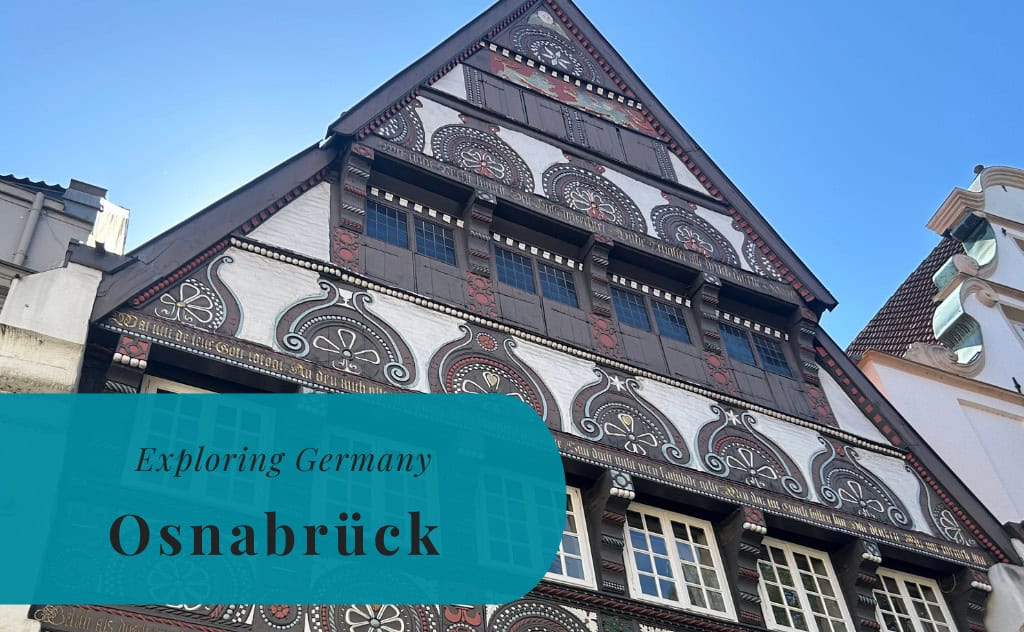
Osnabrück, Lower Saxony | Exploring Germany
Osnabrück is an independent city in the state of Lower Saxony, Germany. The city is located in a valley between the Wiehen Hills to the north and the Teutoburg Forest to the south. It lies on the banks of the Hase River. With a population of approximately 165,000 residents, Osnabrück is one of the four largest cities in Lower Saxony. It is a key economic, administrative, and educational center for the surrounding region.
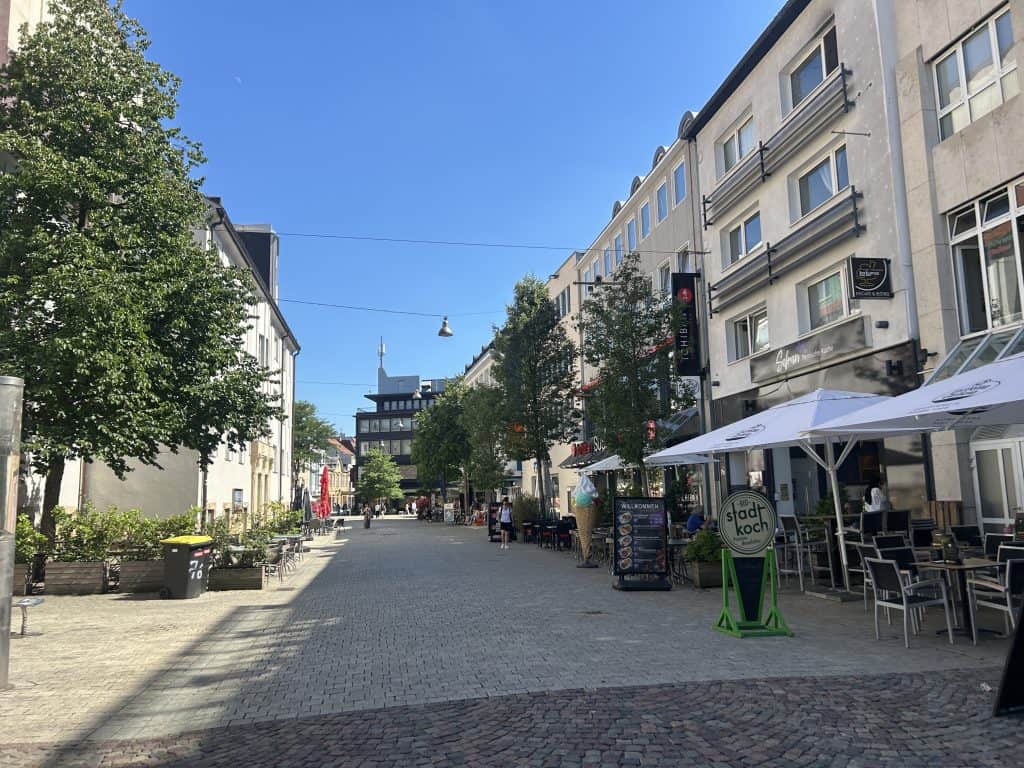
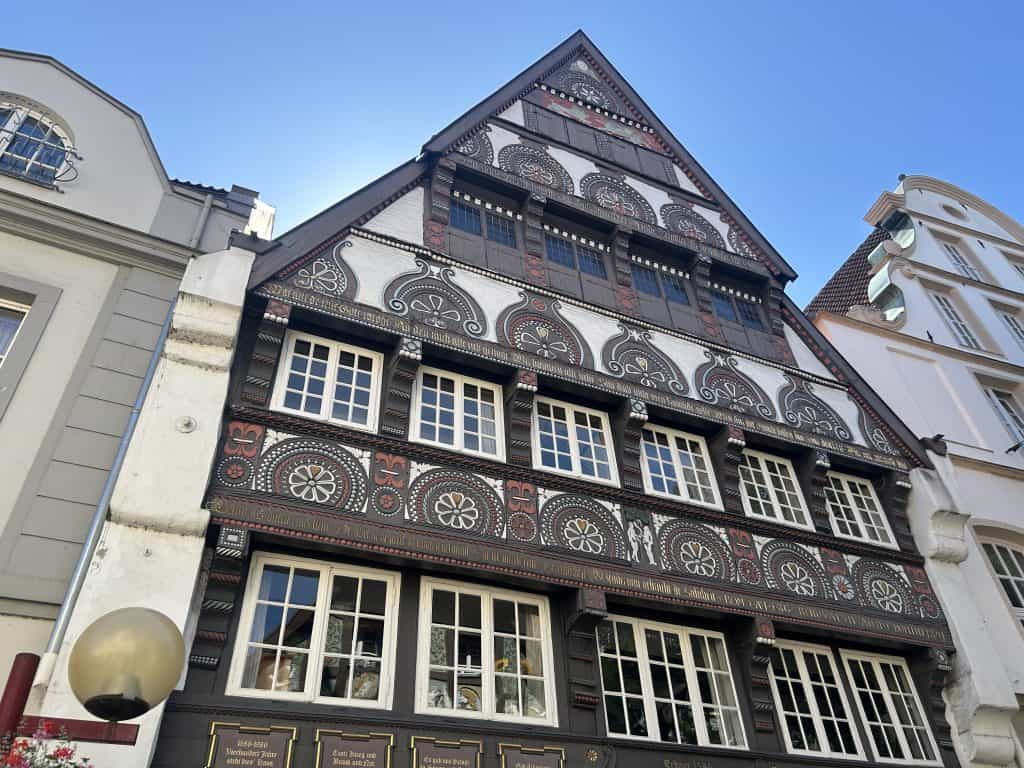
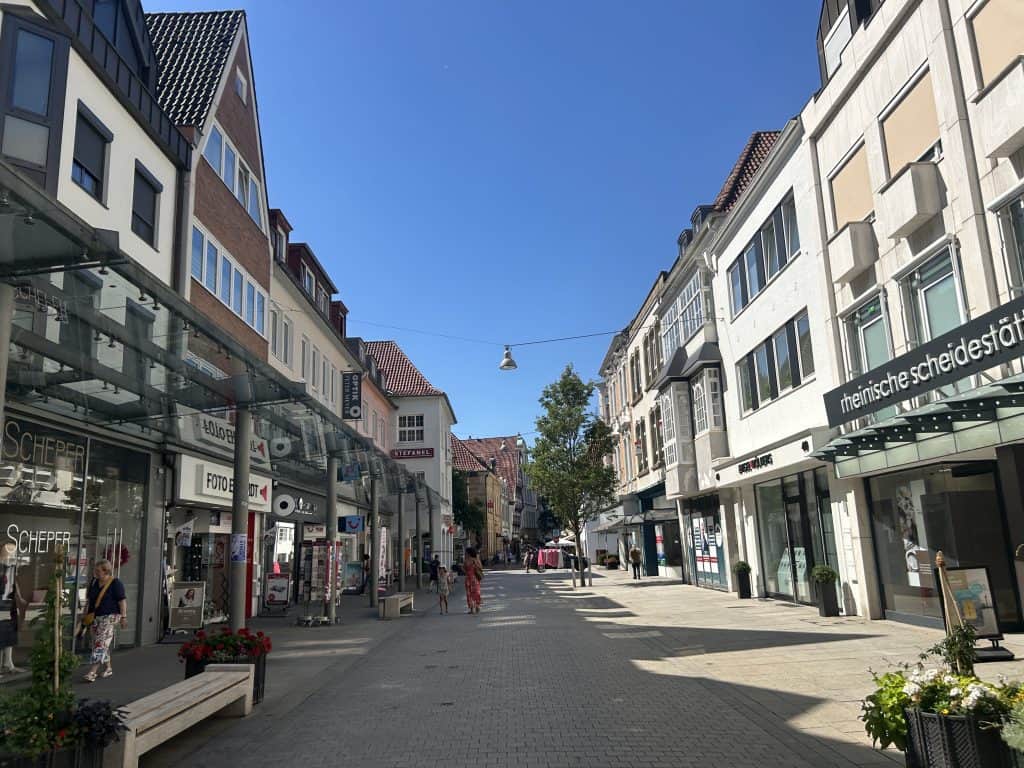
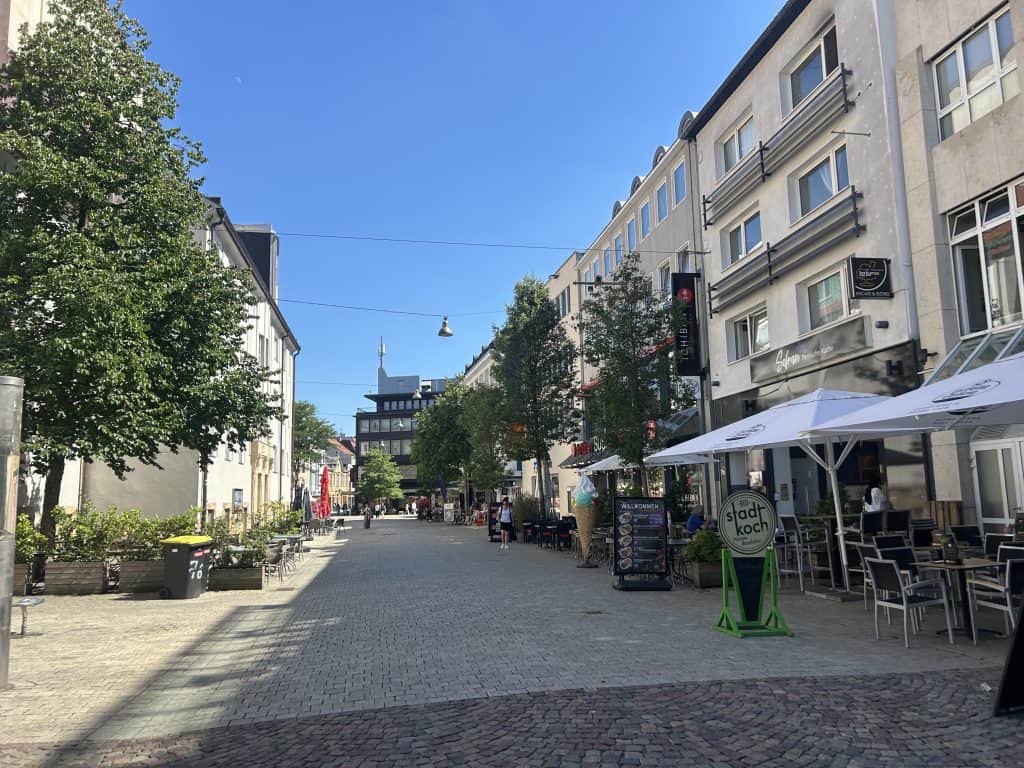
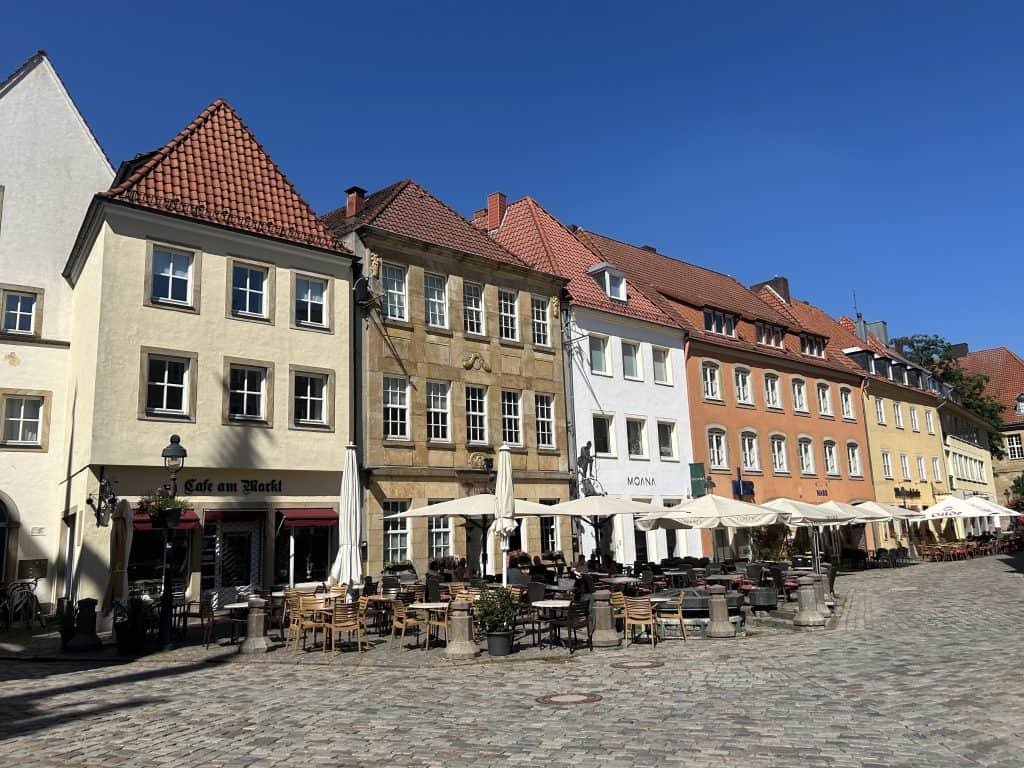
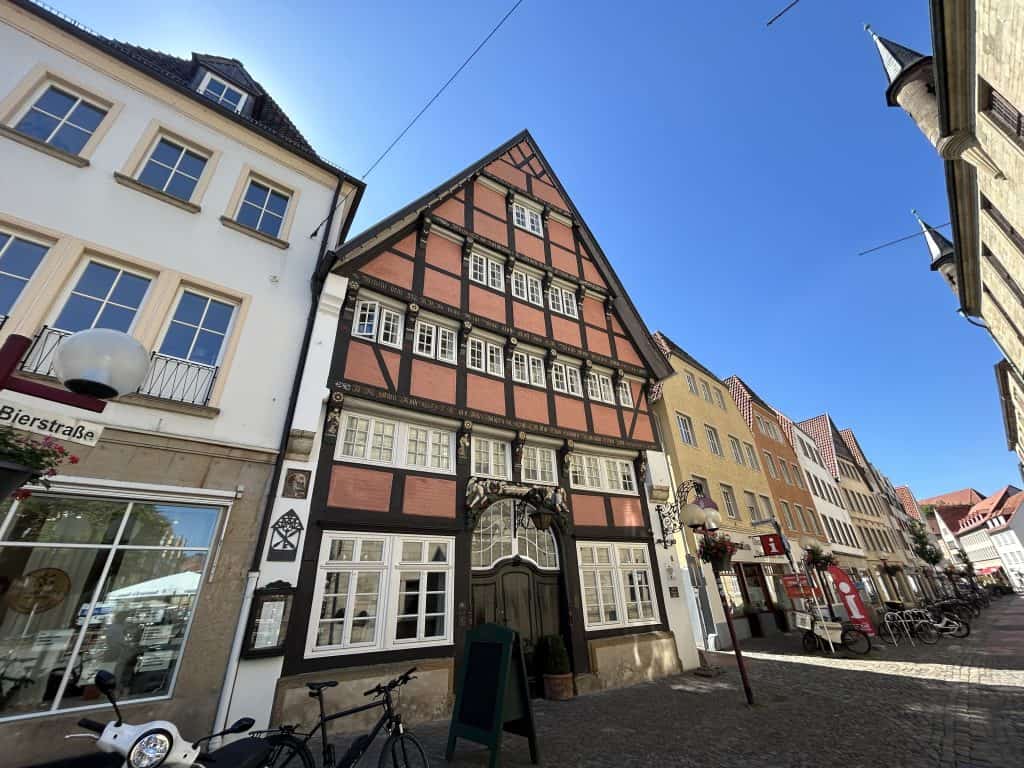
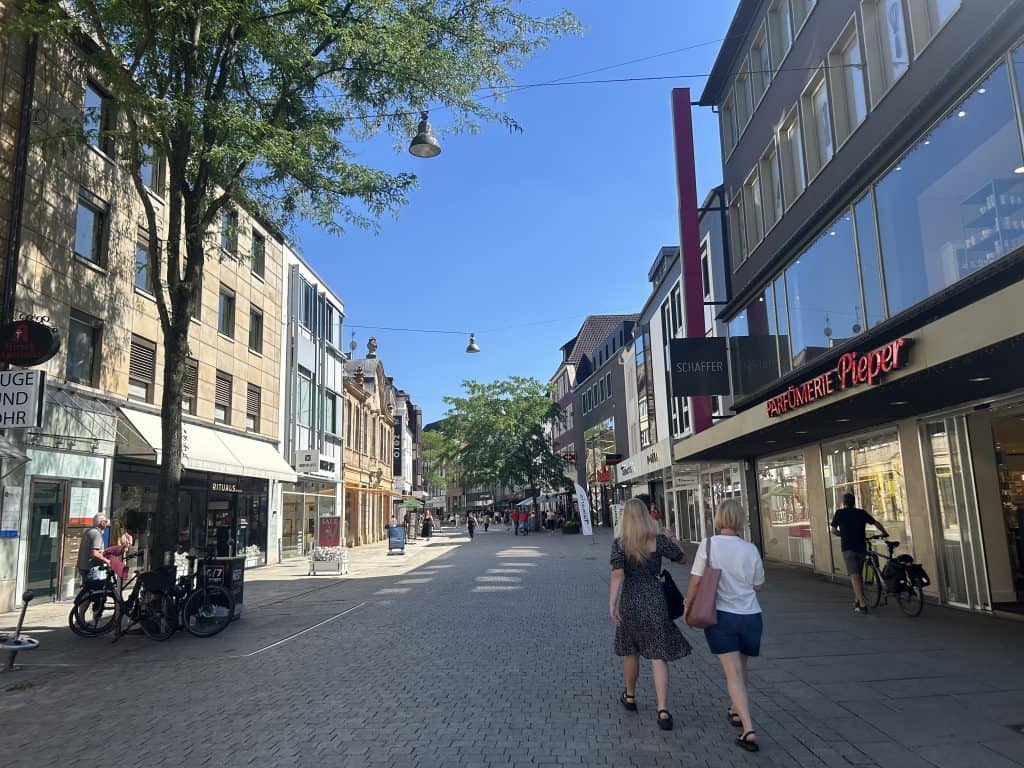
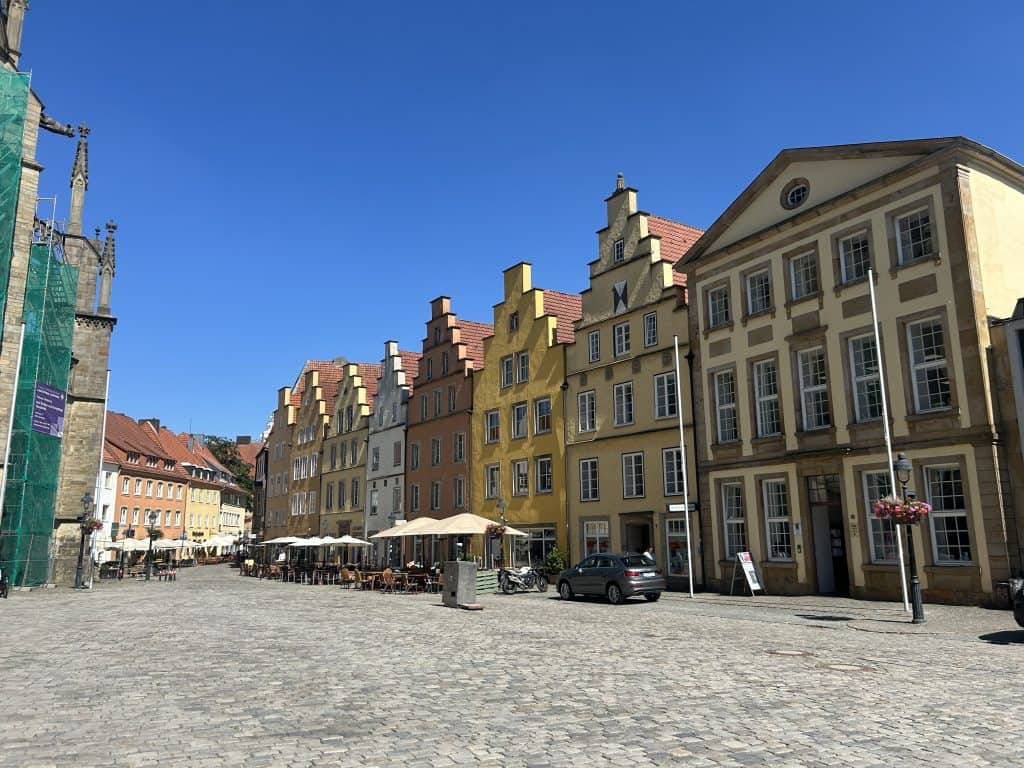
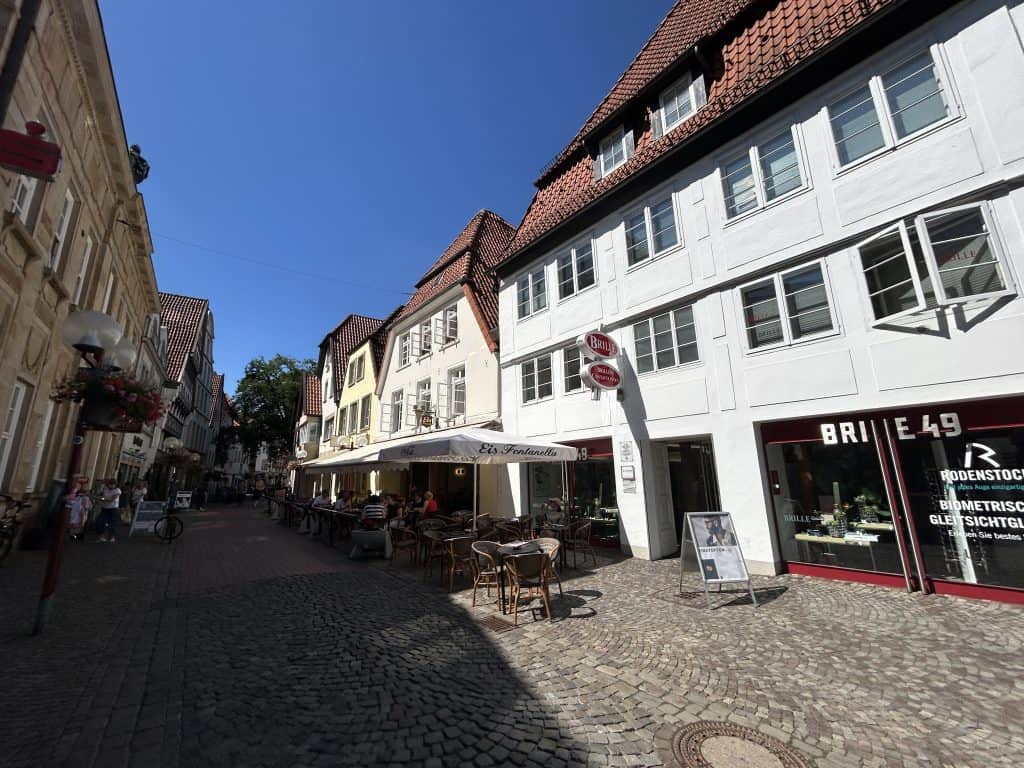
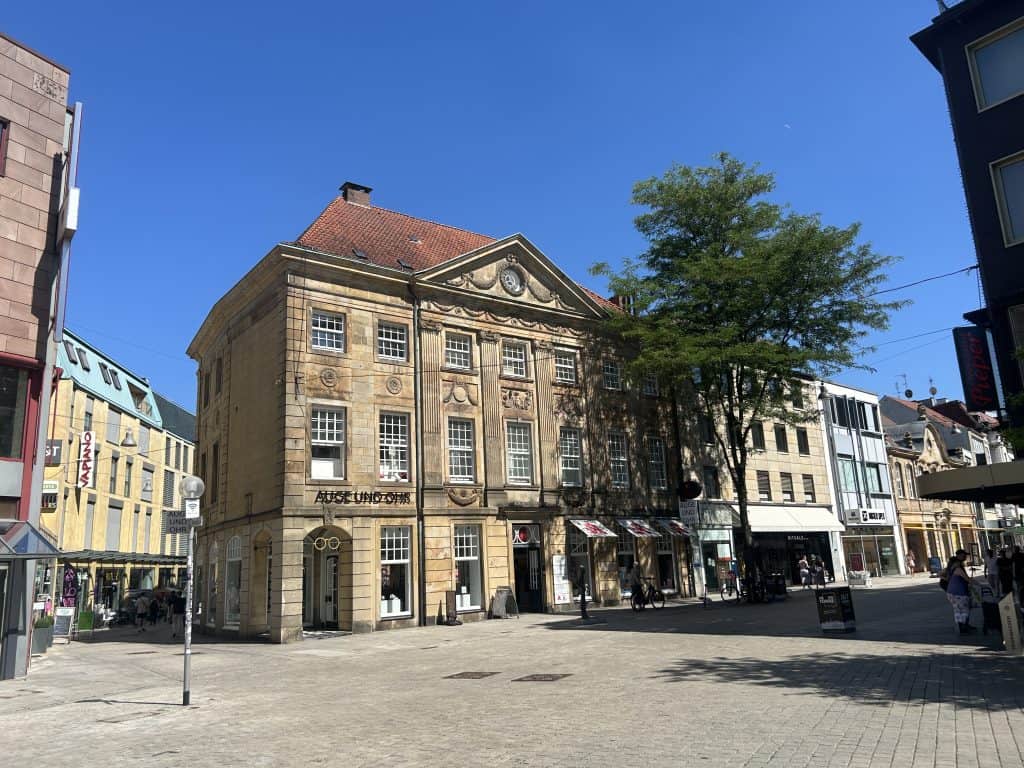
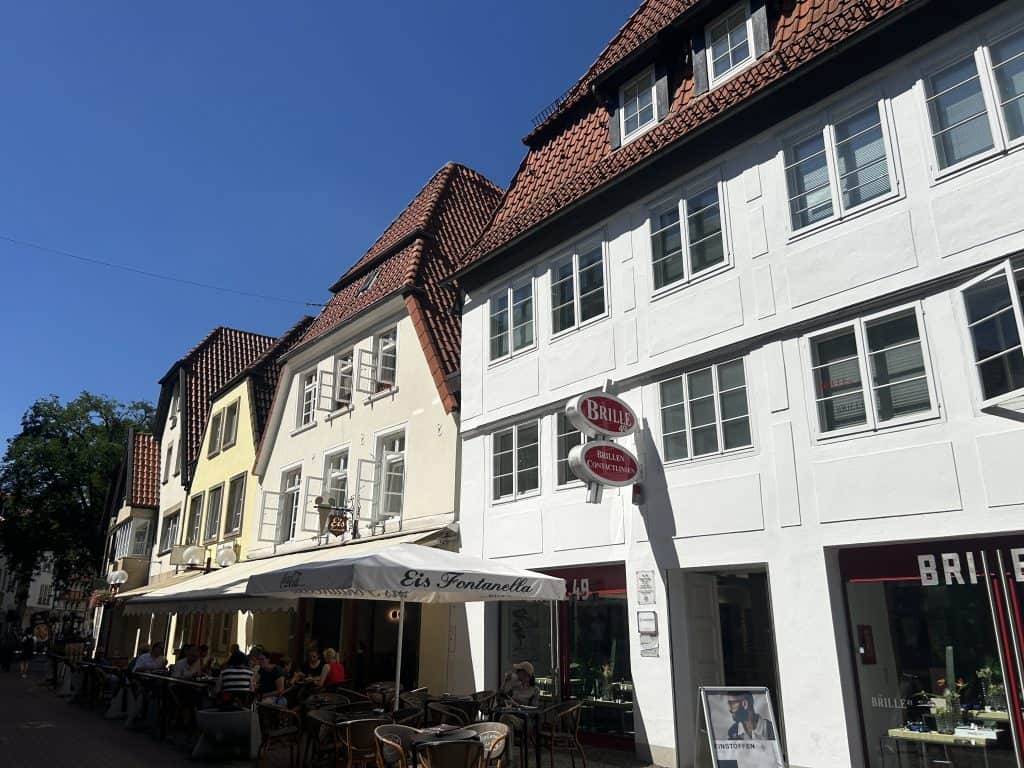
The character of Osnabrück is profoundly shaped by its history as a key site for the peace negotiations that ended the Thirty Years’ War. This has earned it the official title of the “City of Peace” (Friedensstadt). This historical identity is a central part of its civic life and is reflected in its monuments and cultural institutions. The city’s landscape features a well-preserved medieval Old Town (Altstadt) with narrow streets and gabled houses, which exists alongside modern commercial areas.
As home to the University of Osnabrück and a university of applied sciences, the city has a large student population that contributes to an active and youthful atmosphere. It is the only German city located within a UNESCO Global Geopark, the TERRA.vita Nature and Geopark, which highlights its unique geological setting. This combination of a deep historical legacy, a strong academic presence, and a unique natural environment gives the city its specific character.

Good to Know When Visiting Osnabrück
To help with planning a visit, here are several practical points covering daily essentials, timing, and efficient exploration of the city. Understanding these details can make a trip to Osnabrück more convenient. This information is intended to provide a general overview for travelers preparing to visit this major German city.
The Daily Essentials
The official currency used in Osnabrück is the Euro (EUR). Credit and debit cards are widely accepted in most hotels, restaurants, and larger shops, but it is advisable to have some cash for smaller purchases at local markets or some cafes. The official language is German. Due to the large university population, English is commonly spoken, especially in the city center and by younger generations. Tipping is not obligatory, as service is included in the bill, but it is common to round up the bill or leave a small tip of 5-10% for good service. The tap water in Osnabrück is of high quality and is considered safe to drink. The electrical system uses Type F sockets with a standard voltage of 230V. Osnabrück is generally a very safe city, with a low crime rate and a relaxed atmosphere.
Planning Your Calendar
Osnabrück is a year-round destination, but the experience varies by season. The spring and summer months (April to September) are often considered the best time to visit, with pleasant weather for exploring the Old Town on foot and enjoying the city’s outdoor cafes. A key annual event is the Maiwoche (May Week), a large city festival with live music and food stalls that takes place in May. The city also has a historic Christmas market in December. For a first visit, two to three full days is generally sufficient to explore the Old Town, the main museums, and other key sights. This allows time to appreciate the city’s history and its modern cultural offerings.
A Tourist’s Toolkit for Exploration
The historic Old Town of Osnabrück is compact and best explored on foot. For longer distances, the city has an efficient public bus system operated by Stadtwerke Osnabrück (VOS). A day ticket (TagesTicket) can be an economical option for visitors planning to use the network frequently. Tickets can be purchased on the bus, at vending machines, or via a mobile app. It is advisable to book accommodation in advance, especially if visiting during a major event like the Maiwoche. It is also a good idea to check the opening hours for specific museums, as many are closed on Mondays. The city’s tourist information office is located in the Bier-Hase-Haus on the market square.


A Short History of Osnabrück
The history of Osnabrück is that of a major ecclesiastical and commercial center that became a symbol of peace in European history. Its development was shaped by its role as a bishopric founded by Charlemagne and its membership in the Hanseatic League. The city’s most defining historical moment was its role as a host for the negotiations of the Peace of Westphalia, which ended one of Europe’s most devastating religious wars. This legacy as a “City of Peace” remains central to its identity.
Foundation and Hanseatic League
The city of Osnabrück was founded by Charlemagne, the King of the Franks, in 780 AD. He established a bishopric on the banks of the Hase River. This made Osnabrück one of the oldest dioceses in Germany. A market grew around the cathedral and the bishop’s residence, and the settlement was granted market rights in 889. The city’s location on the trade route between the Rhine and the Baltic Sea contributed to its growth as a commercial center.
During the Middle Ages, Osnabrück became a member of the powerful Hanseatic League, a trading confederation of merchant guilds and market towns in Northern Europe. This membership brought wealth and prestige to the city. The large stone houses of the merchants in the Old Town and the impressive St. Mary’s Church on the market square are testaments to this period of prosperity. The city was also a member of the Westphalian Federation of Cities.
The Peace of Westphalia
The most significant period in Osnabrück’s history was its role in ending the Thirty Years’ War. From 1643 to 1648, the city, along with the nearby city of Münster, served as the location for the peace negotiations. These complex negotiations involved nearly all the major powers of Europe. Osnabrück was the site where the Protestant powers, primarily Sweden and the Protestant estates of the Holy Roman Empire, negotiated. The Catholic powers negotiated in Münster. The signing of the Peace of Westphalia in 1648 ended the long and brutal war.
This event cemented Osnabrück’s identity as a “City of Peace.” The negotiations also resulted in a unique arrangement for the governance of the Prince-Bishopric of Osnabrück. It was decided that the rule of the bishopric would alternate between a Catholic bishop and a Protestant prince from the House of Brunswick-Lüneburg. This power-sharing agreement was a unique solution to the religious conflicts of the era.
Industrialization and Modernity
After the Napoleonic era, the Prince-Bishopric of Osnabrück was dissolved, and the city was incorporated into the Kingdom of Hanover and later into the Kingdom of Prussia in 1866. The 19th century brought industrialization to the city. It became a center for the textile and metalworking industries. The arrival of the railway connected Osnabrück to the wider German transport network and spurred its growth.
The city suffered heavy damage from Allied bombing raids during World War II. Much of the historic Old Town was destroyed. After the war, the city was rebuilt, with a focus on restoring the historic appearance of its main buildings, including the Town Hall and the major churches. The city is also the birthplace of the famous anti-war novelist Erich Maria Remarque and the artist Felix Nussbaum. In the modern era, the city has continued its development as a major university town, a logistics hub, and a center for peace studies.


Things to Do and See
Osnabrück offers a range of attractions that showcase its history as a medieval Hanseatic city and its legacy as the “City of Peace.” The city’s main landmarks are concentrated in its well-preserved Old Town. These sights include its historic Town Hall, two large medieval churches, and a unique museum quarter. These attractions provide a look into the city’s rich past and its contributions to European history and art.
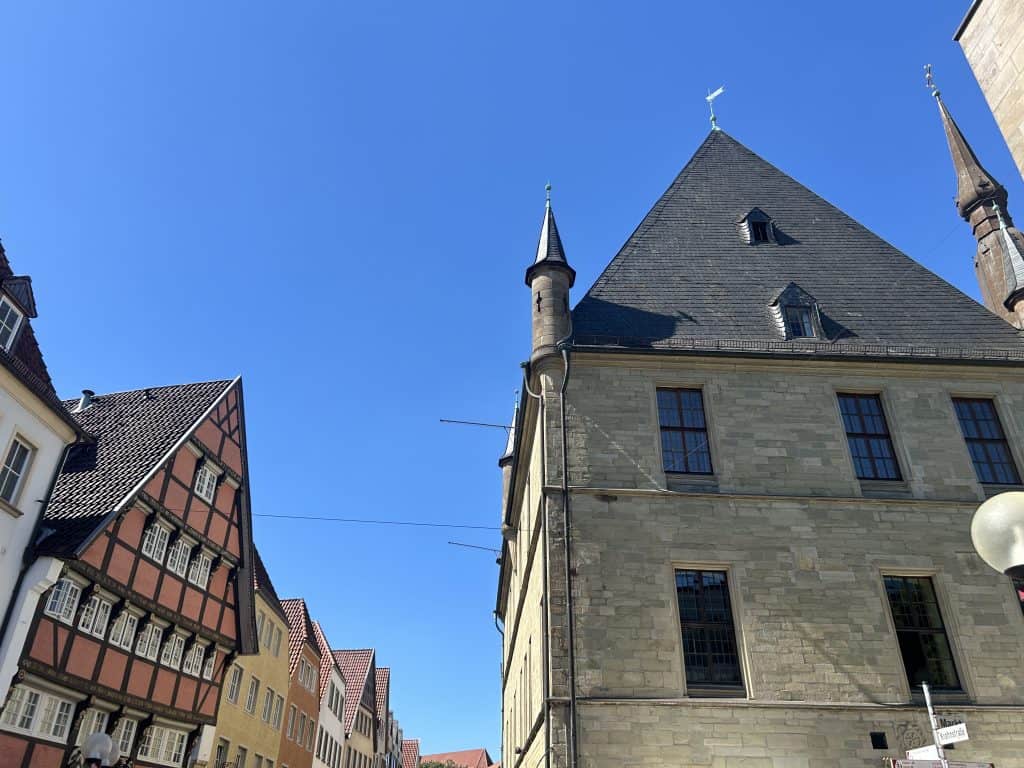
A visit to Osnabrück allows for an exploration of different architectural styles, from the Romanesque of its cathedral towers to the late Gothic of its Town Hall and the modern, deconstructivist architecture of the Felix-Nussbaum-Haus. The city’s market square is the heart of its public life. The museums provide deep insights into the city’s most famous historical event and its most notable artists. The surrounding TERRA.vita Nature and Geopark also provides access to a unique natural landscape.
Historic Town Hall
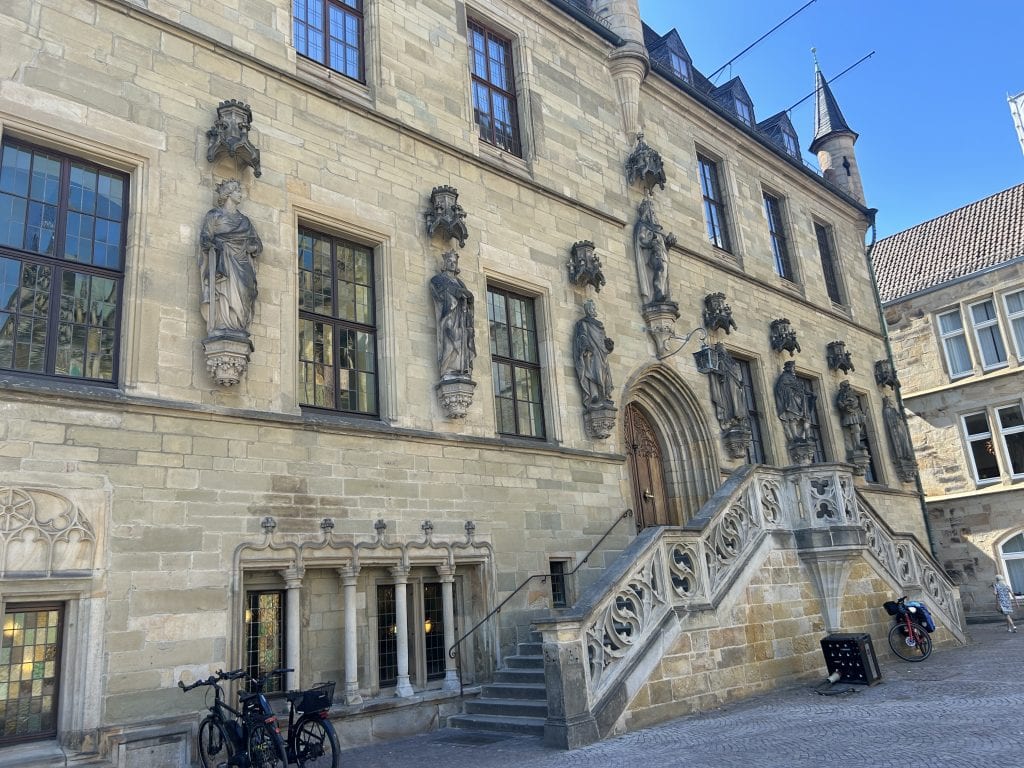
The Historic Town Hall (Rathaus) of Osnabrück is the city’s most important landmark. It is a late Gothic building that was completed in 1512 after 25 years of construction. The building is famous for its role in the Peace of Westphalia. The peace treaty was negotiated in its famous Friedenssaal (Hall of Peace). The hall contains portraits of the 42 envoys who participated in the peace congress, as well as a large portrait of the Swedish Queen Christina. The Town Hall is still the seat of the city’s mayor and council. It is a key symbol of Osnabrück’s identity as the “City of Peace.”
St. Peter’s Cathedral
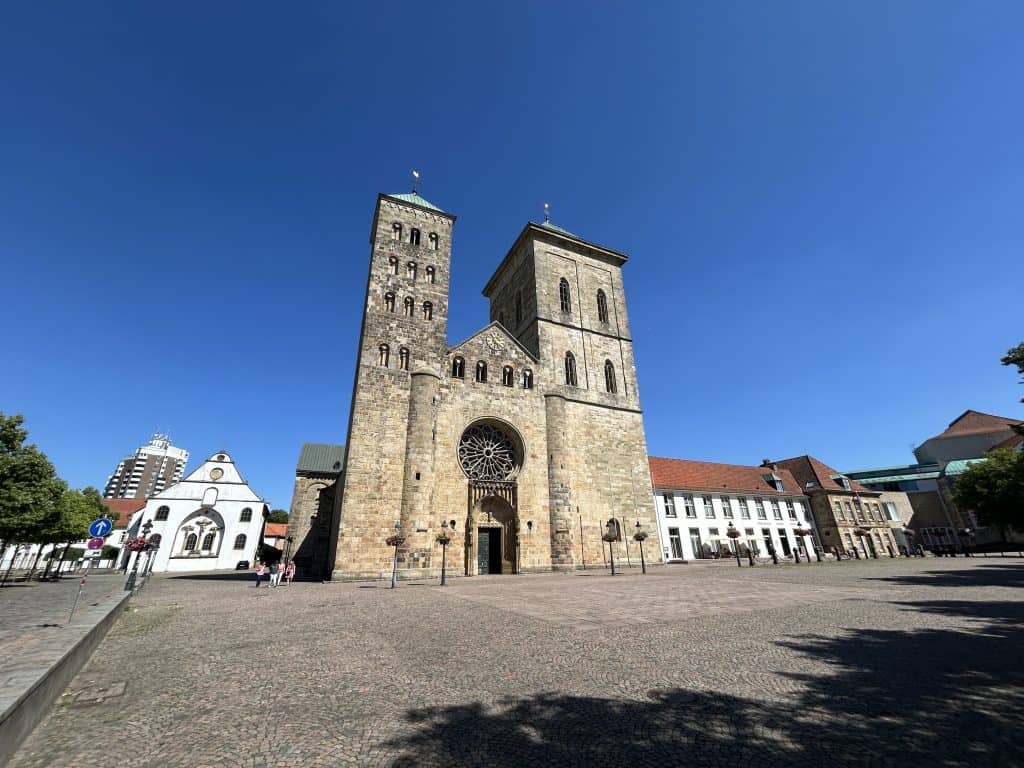
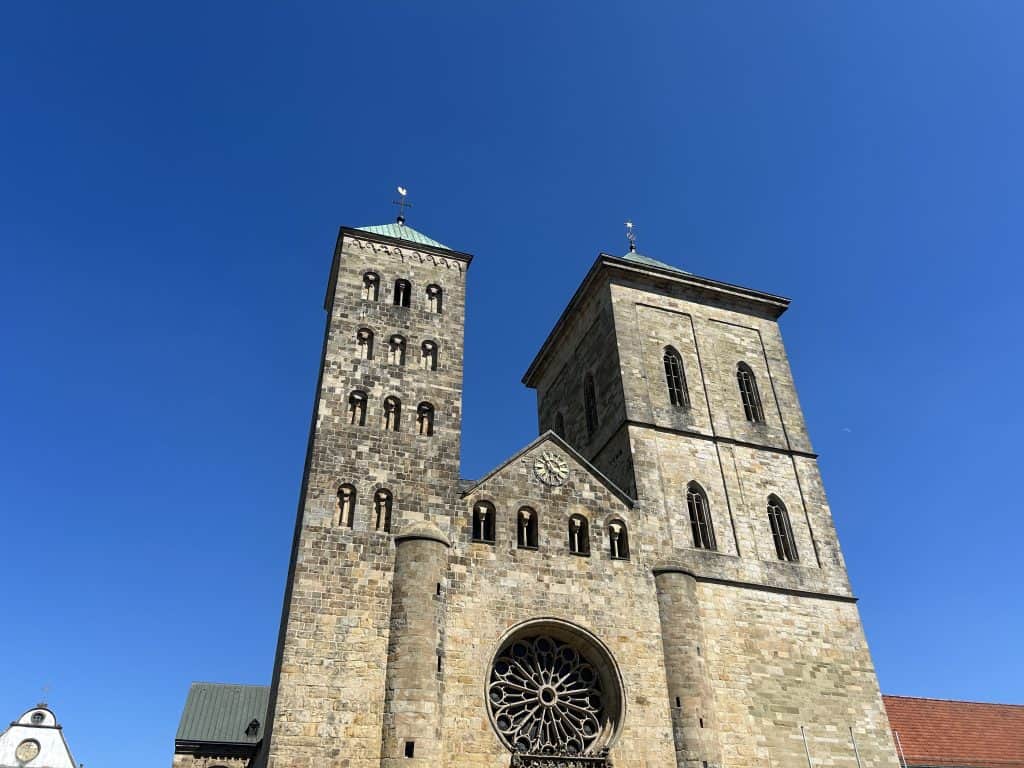
St. Peter’s Cathedral (Dom St. Peter) is the main Catholic cathedral in Osnabrück. The church’s history dates back to the founding of the bishopric by Charlemagne in 780. The current building is a large cathedral with a mix of architectural styles. It is primarily known for its two large, identical Romanesque towers on the western facade. The main nave is in the Gothic style. The interior contains numerous important works of art, including a large triumphal cross from the 13th century and a historic bronze baptismal font from the 12th century.
Felix-Nussbaum-Haus
The Felix-Nussbaum-Haus is a museum dedicated to the works of the Jewish artist Felix Nussbaum, who was born in Osnabrück in 1904 and murdered in the Holocaust in 1944. The museum’s building is a major work of modern architecture, designed by the world-renowned architect Daniel Libeskind. The deconstructivist design, with its sharp angles and disorienting spaces, is intended to reflect the tragic life of the artist. The museum houses the largest collection of Nussbaum’s paintings in the world. It is connected to the city’s main cultural history museum.
Museumsquartier Osnabrück
The Museumsquartier Osnabrück is a complex of four interconnected museums in the heart of the city. The main building is the Cultural History Museum, which details the history of the city and the region from ancient times to the present day. The complex also includes the Felix-Nussbaum-Haus. Another part is the Villa Schlikker, a historic villa that houses exhibitions on the Nazi period in Osnabrück. The fourth part is the Akzisehaus, which focuses on folk art. This museum quarter provides a comprehensive look at the art and history of the region.
Erich Maria Remarque Peace Centre
The Erich Maria Remarque Peace Centre is located on the market square, next to the Town Hall. The center is dedicated to the life and work of the famous author Erich Maria Remarque, who was born in Osnabrück in 1898. Remarque is best known for his anti-war novel All Quiet on the Western Front. The center contains a permanent exhibition on his life and a research archive. It also hosts events and awards a peace prize, continuing the city’s tradition as a center for peace and reconciliation.
St. Mary’s Church
St. Mary’s Church (Marienkirche) is the main Lutheran church in Osnabrück. It is located on the main market square, directly opposite the Town Hall. The church is a key example of Brick Gothic architecture in the region. Construction on the current building began in the 13th century. Its large west tower is a prominent feature of the city’s skyline. The interior contains several important works of art, including a large triumphal cross from the 15th century and a historic altarpiece from Antwerp.
Heger Tor (Waterloo Gate)
The Heger Tor, also known as the Waterloo Gate, is a historic city gate located on the western edge of the Old Town. The gate was built in 1817 in the style of a classical triumphal arch. It was funded by a local citizen to commemorate the soldiers from Osnabrück who fought in the Battle of Waterloo against Napoleon. The gate is a key landmark and provides an entrance to the Heger-Tor-Viertel, a district of the Old Town known for its art galleries and small shops.
Osnabrück Castle
The Osnabrück Castle (Schloss Osnabrück) is a large, four-winged palace located on the edge of the city center. The current Baroque-style castle was built in the late 17th century. It was the residence of the Protestant Prince-Bishops from the House of Brunswick-Lüneburg. The castle was heavily damaged during World War II and was later rebuilt. Today, the castle is the main administrative building of the University of Osnabrück. The castle’s garden is open to the public.

Sports in Osnabrück
The sporting life in Osnabrück is focused on its professional football and basketball clubs, which command a loyal local following. The city has modern facilities that allow it to host national-level competitions. The clubs are a key part of the city’s social fabric and foster a strong sense of local identity. The city also supports a range of other sports at the community level.
Football
Football is the most popular sport in Osnabrück. The city’s primary professional football club has a long and storied history and a very passionate fanbase. The club’s home games are major events in the city. The team’s performance is closely followed by the local community. The club has experienced periods of success, including competing in the second tier of German football.
VfL Osnabrück
The city’s main professional football club is VfL Osnabrück. The club was founded in 1899. They are known for their purple and white colors. They play their home matches at the Stadion an der Bremer Brücke, which is known for its intense atmosphere and is often referred to as simply “the Bremer Brücke.” The club has a history of competing in the 2. Bundesliga, the second tier of German football, and the 3. Liga. They have a strong and dedicated following, with a fierce rivalry with the nearby club Preußen Münster.
Basketball
Basketball also has a significant presence in Osnabrück, particularly in the women’s professional game. The city’s top team has a long and successful history in the German national league. The sport has a dedicated following in the city. Home games are popular events that showcase high-level basketball.
GiroLive-Panthers Osnabrück
The professional women’s basketball team is the GiroLive-Panthers Osnabrück. The team competes in the Damen-Basketball-Bundesliga (DBBL), which is the top professional women’s basketball league in Germany. The club has a long history of success and has won the German Championship multiple times. They are a consistent presence in the top league. They play their home games at the Schlosswallhalle.
Getting Around in Osnabrück
Navigating Osnabrück is straightforward due to its compact city center and efficient public transport system. The historic Old Town is best explored on foot. For travel to other parts of the city and the surrounding region, a comprehensive bus network provides service. The city’s layout, with a central pedestrianized core, makes it very accessible for visitors. The public transport system is managed by the Verkehrsgemeinschaft Osnabrück (VOS), which ensures integrated ticketing.
On Foot: The Old Town
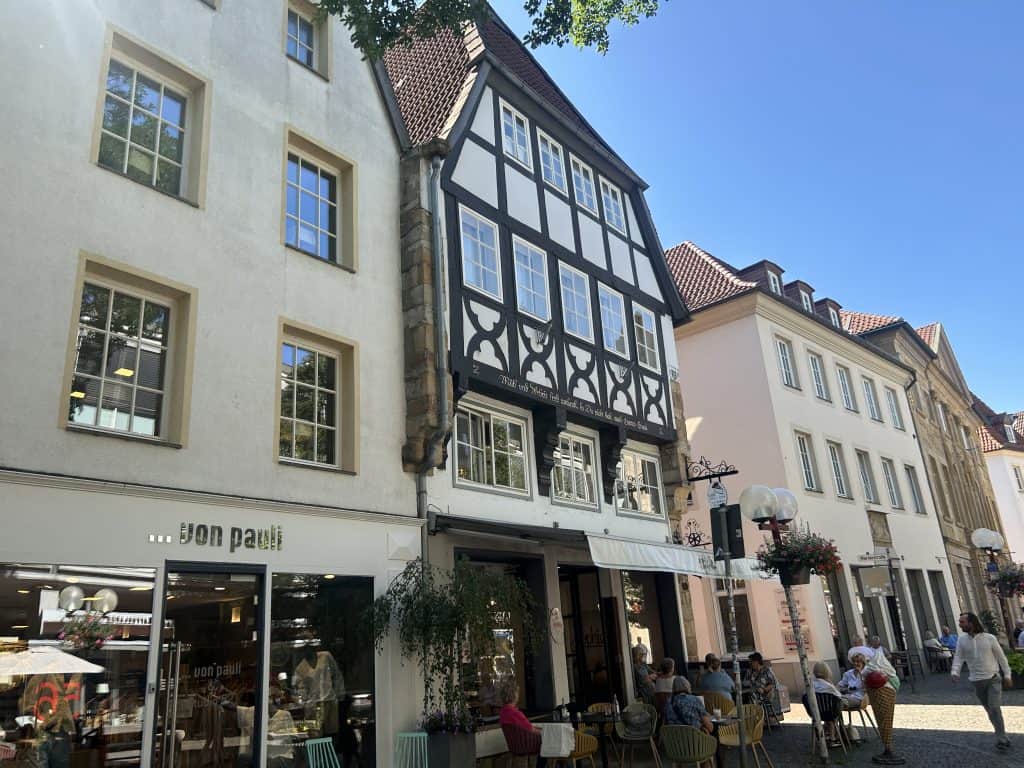
Walking is the best way to explore the historic center of Osnabrück. The Altstadt, with its narrow cobblestone streets, the market square, and the main cathedrals, is a large pedestrian-friendly zone. Most of the major sights, including the Town Hall, the Felix-Nussbaum-Haus, and the Heger Tor, are located within a short walking distance of each other. Comfortable shoes are recommended for exploring the historic streets.
Local Buses
The public transport in Osnabrück is based on an extensive network of buses. The city bus system, operated by Stadtwerke Osnabrück, covers all parts of the city and its suburbs. The main bus hub is located at Neumarkt in the city center. The buses are modern and frequent. A night bus network also operates on weekends. Tickets can be purchased on the bus, from vending machines, or via a mobile app.
On Two Wheels: Cycling
Cycling is a popular way to get around Osnabrück. The city has a good network of dedicated cycle paths, and the relatively flat terrain in many parts of the city makes it suitable for cyclists. The city is located on several long-distance cycle routes, including the Friedensroute (Peace Route), which connects Osnabrück and Münster. Bike rentals are available for visitors who wish to explore the city and its green surroundings on two wheels.

How to Get to Osnabrück
Reaching Osnabrück is convenient by road and rail, as it is located at the junction of major transport corridors in northwestern Germany. The city is a key hub on the German railway network and is located on a major motorway. This makes it highly accessible from all parts of Germany and from neighboring countries like the Netherlands.
Arriving by Air: Münster/Osnabrück Airport
The closest international airport is Münster/Osnabrück International Airport (FMO). It is located approximately 35 kilometers to the southwest of the city. The airport offers flights to several major German hubs, such as Munich and Frankfurt, as well as to numerous European destinations. An express bus service, the X150, provides a direct connection between the airport and the Osnabrück Hauptbahnhof (main train station). The journey takes about 40 minutes.
The Open Road: Driving on the Autobahn
Driving to Osnabrück is very efficient. The city is located at the intersection of two major motorways (Autobahn). The A1 motorway is a key north-south route that connects Hamburg with Cologne. The A30 motorway is a major east-west route that connects Amsterdam with Berlin. This makes the city very easy to reach by car. The city is encircled by a ring road that helps to distribute traffic.
On Track: A Key Railway Hub
Traveling to Osnabrück by train is highly efficient. The Osnabrück Hauptbahnhof (main train station) is a major railway junction. It is a stop for long-distance ICE (Intercity-Express) and IC (Intercity) trains. Direct trains connect Osnabrück with major German cities like Hamburg, Berlin, Cologne, and Munich. International trains also connect to Amsterdam. The station is one of the few in Germany that is a “tower station,” with platforms on two different levels.
Connecting by Coach
Long-distance bus services from companies like FlixBus have regular stops in Osnabrück. The main long-distance bus stop is located near the central train station. These services provide an economical option for reaching the city from major German cities like Berlin and Hamburg, as well as from international destinations. This provides an alternative to train travel.
Driving Distances
The driving distance from 10 regional cities, according to Google Maps:
- Münster, Germany – 51 kilometers (0 h 50 min)
- Dortmund, Germany – 107 kilometers (1 h 20 min)
- Bremen, Germany – 122 kilometers (1 h 30 min)
- Hanover, Germany – 139 kilometers (1 h 40 min)
- Cologne, Germany – 186 kilometers (2 h 00 min)
- Hamburg, Germany – 240 kilometers (2 h 30 min)
- Amsterdam, Netherlands – 242 kilometers (2 h 40 min)
- Frankfurt, Germany – 309 kilometers (3 h 20 min)
- Brussels, Belgium – 380 kilometers (4 h 00 min)
- Berlin, Germany – 434 kilometers (4 h 30 min)
Looking to Explore more of Germany and Europe?




I visited Osnabrück for a month in my teens. I was on a Rotary Exchange. It looks as charming in your pictures as I remember it. Maggie