
Râșnov | Exploring Romania
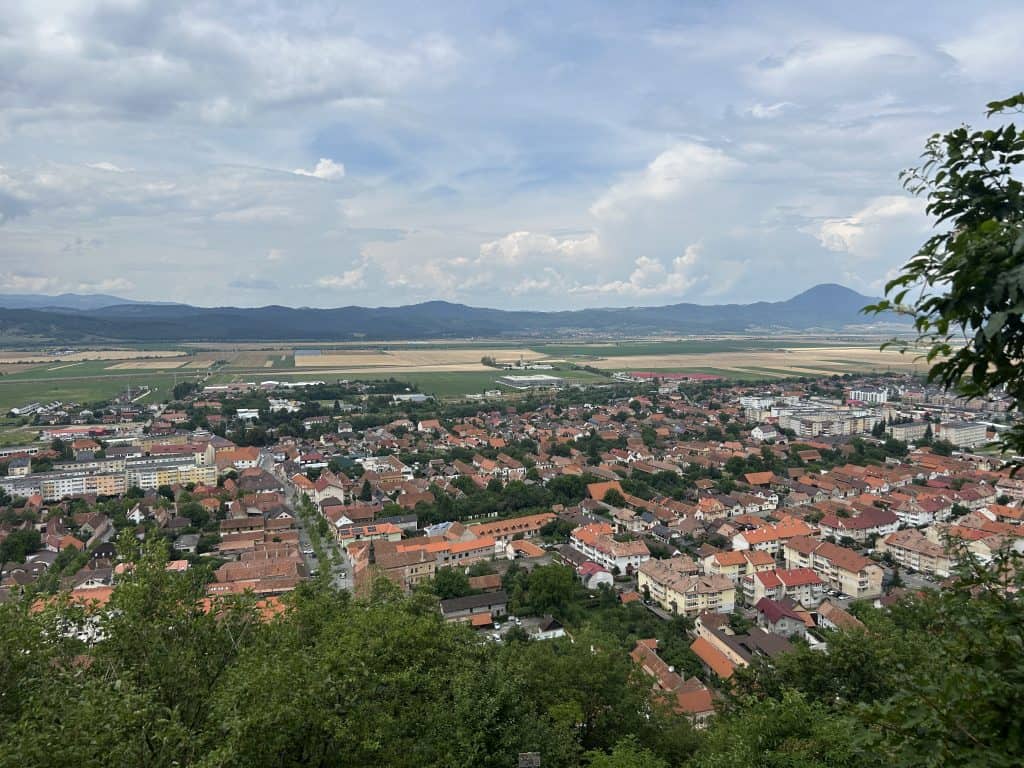
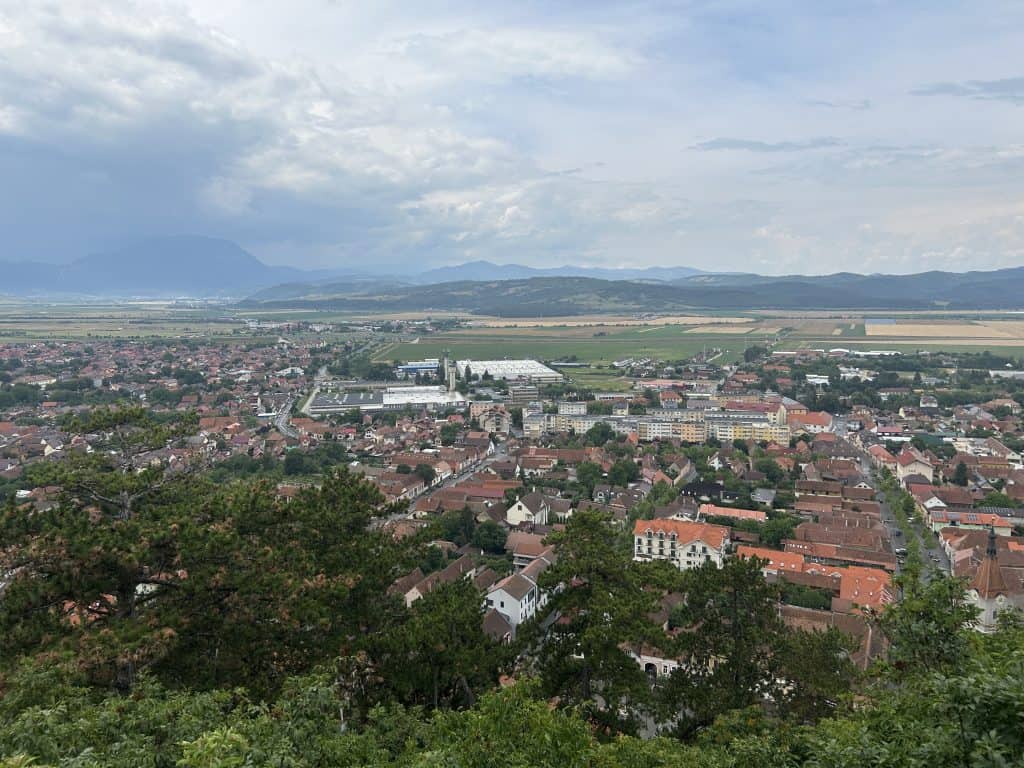
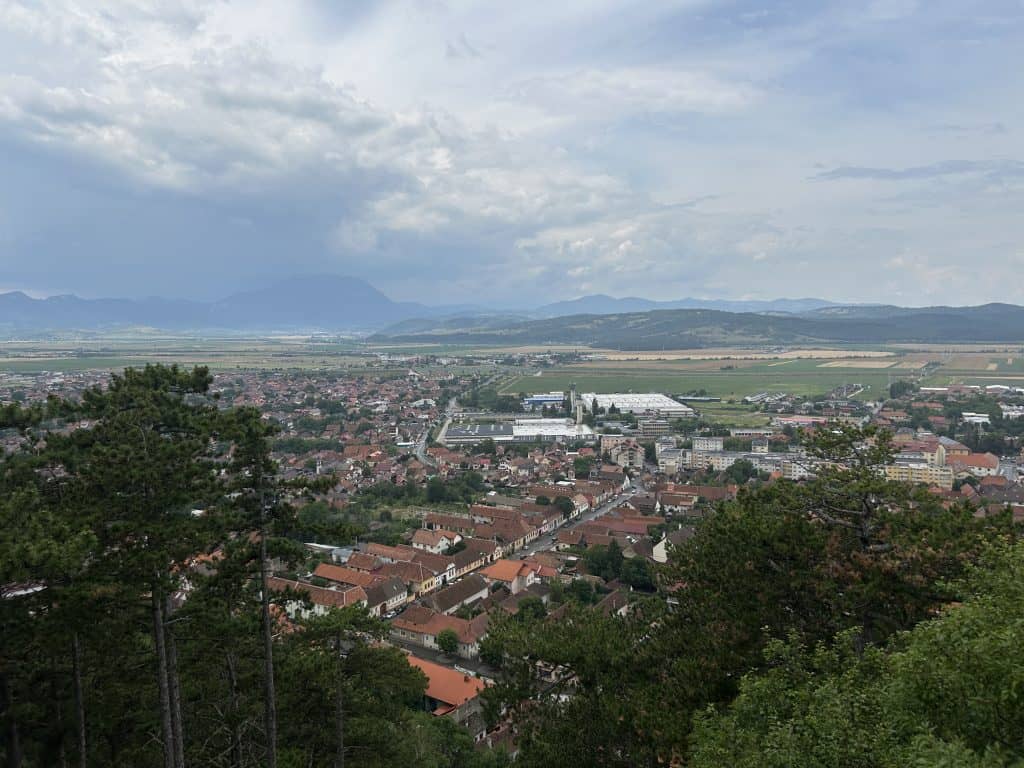
Râșnov is a town in Brașov County, located in the Transylvania region of Romania. The town is situated between the larger cities of Brașov and Bran, making it a key point on the regional tourist circuit. With a population of approximately 15,000 residents, Râșnov serves as an important historical and cultural center. The town is located in a valley at the foot of the Carpathian Mountains, near the Piatra Craiului and Bucegi mountain ranges. This location has been strategically important for centuries.
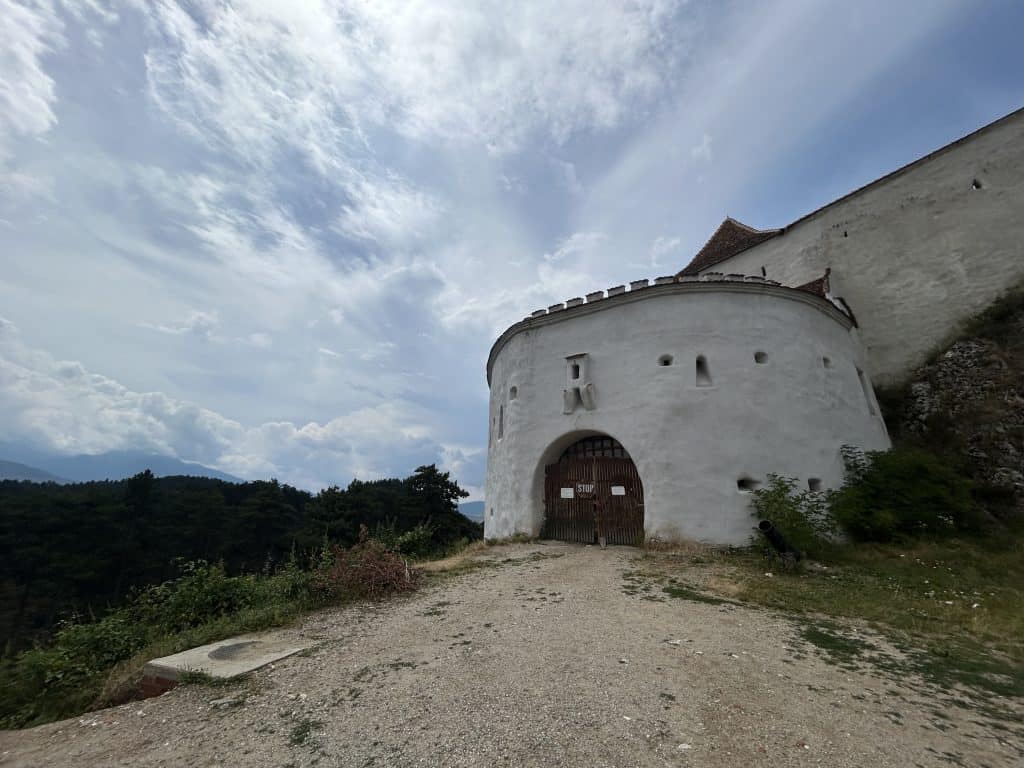
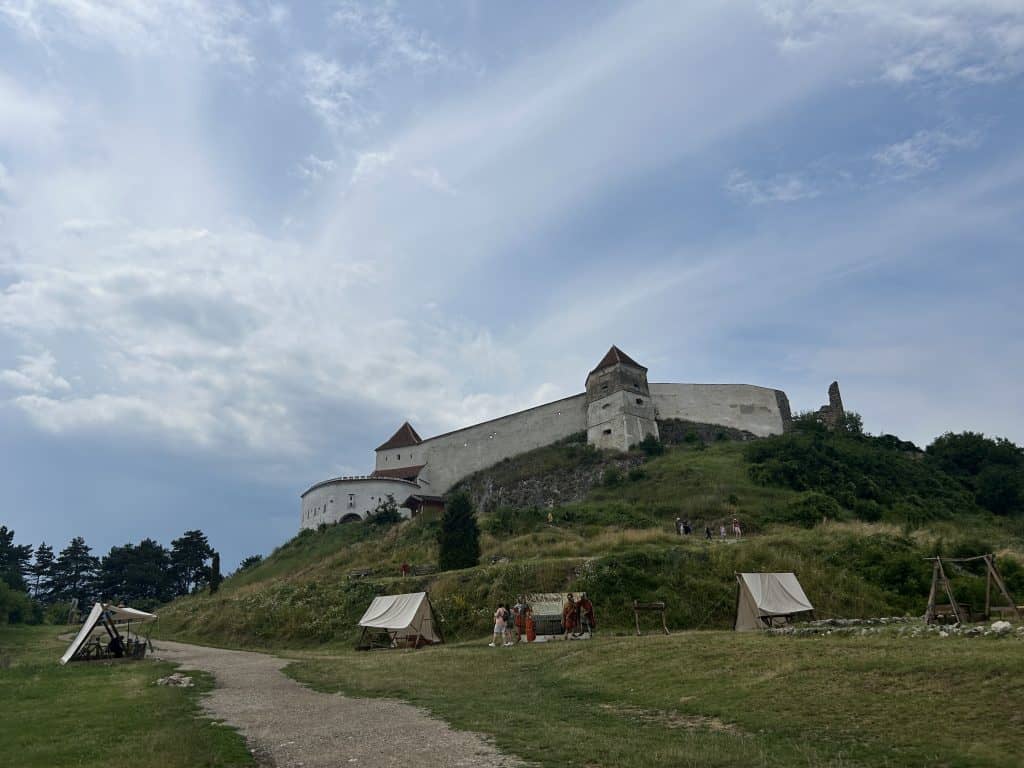
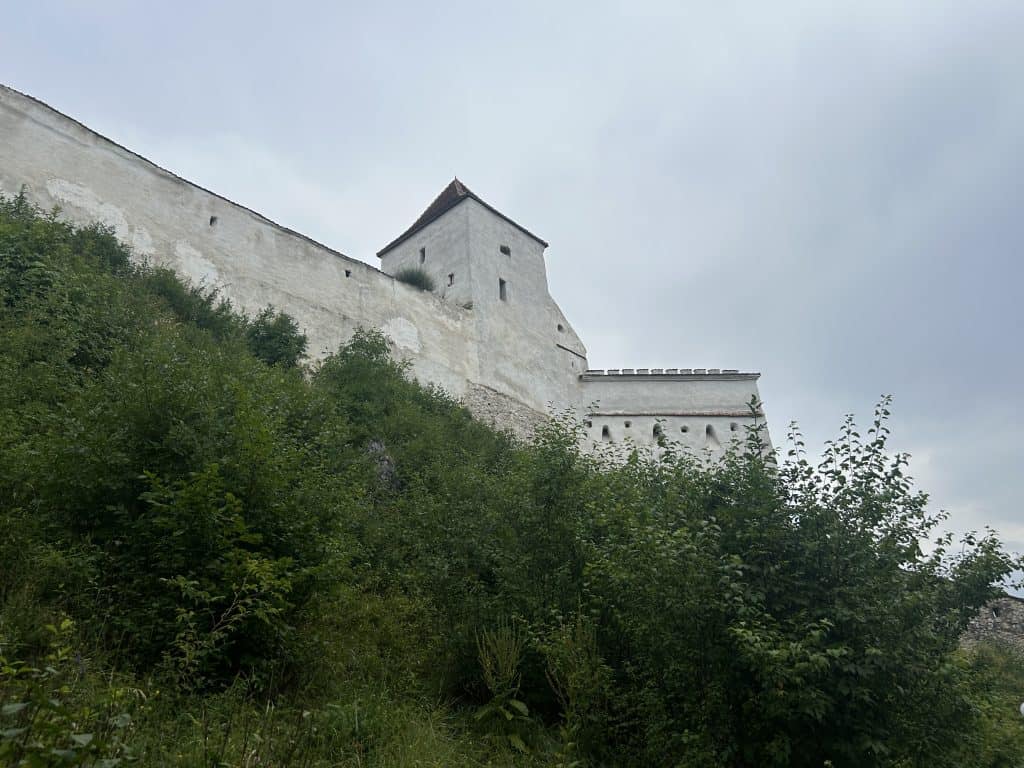
The character of Râșnov is defined by its large, well-preserved peasant citadel that sits on a rocky hill overlooking the modern town. This fortress is the primary landmark and the main reason for the town’s fame. The historic center of the town, which was founded by Transylvanian Saxons, lies at the base of this hill. In the modern era, Râșnov has also become a center for winter sports, with the construction of a major ski jumping complex. This combination of medieval history, Saxon heritage, and modern sporting infrastructure gives the town its specific identity.



A Short History of Râșnov
The history of Râșnov is that of a fortified market town that served as a place of refuge for its inhabitants for centuries. Its development was shaped by its strategic location on the trade routes connecting Transylvania and Wallachia. The story of the town is dominated by its impressive citadel, which was built not for a king or a noble, but for the common people of the town to protect themselves during times of invasion. This legacy of community defense and resilience is a key part of the town’s history.
Foundation and the Peasant Citadel
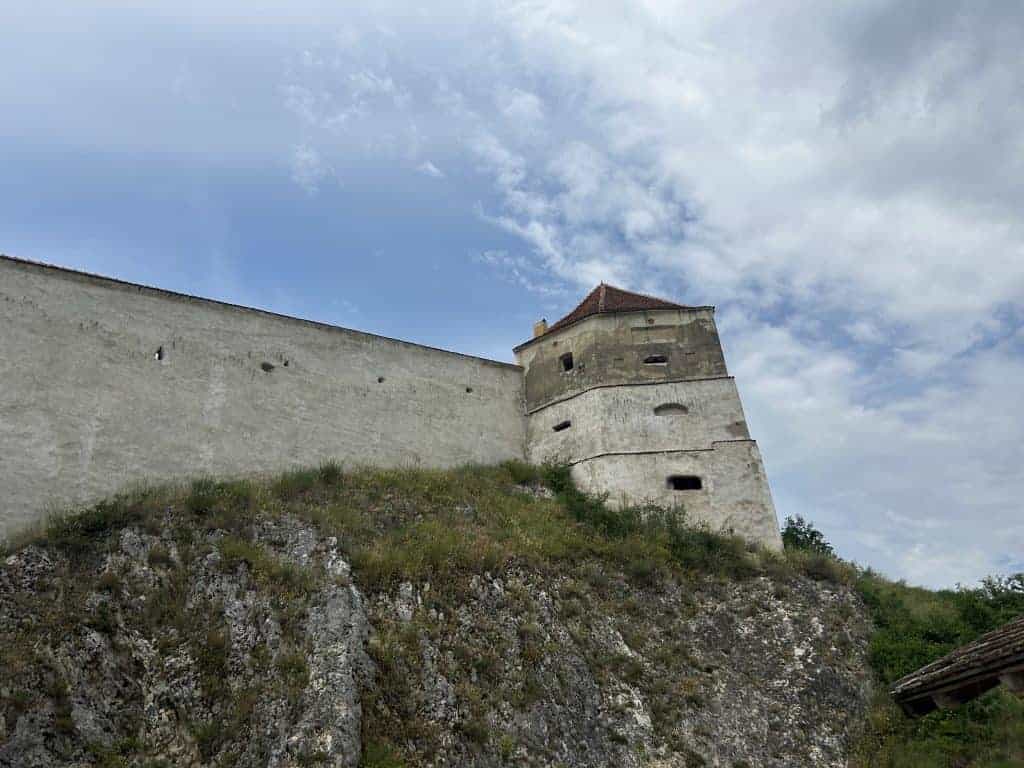
The history of settlement in the Râșnov area dates back to the Roman period. The modern town, however, was founded in the early 13th century by German colonists who would become known as the Transylvanian Saxons. The first fortress on the site was a wooden structure built by the Teutonic Knights around 1215. After the knights were expelled, the local Saxon villagers began the construction of the large stone peasant citadel (Cetatea Râșnov) on the hilltop. This fortress was designed to be a place of refuge for the entire community during the frequent invasions by Tatars and other forces.
A Saxon Market Town
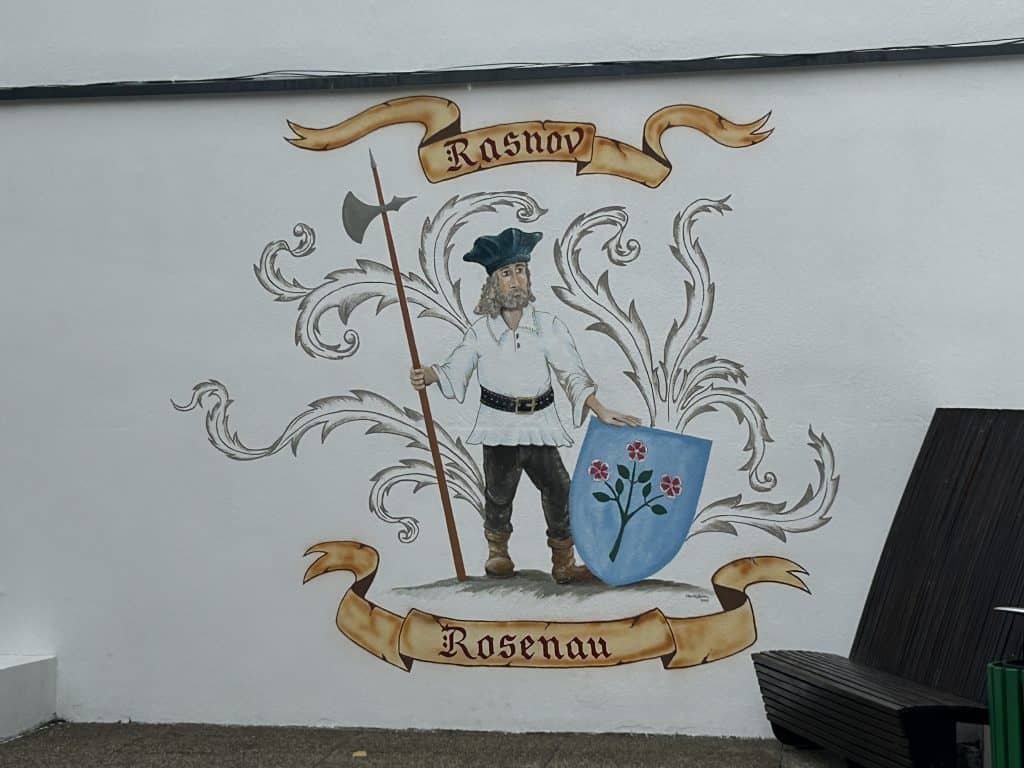
For centuries, the town, known in German as Rosenau, developed as a prosperous Transylvanian Saxon market town. Its economy was based on agriculture and craftsmanship. The powerful citadel provided security for the residents, who would retreat inside its walls during times of war. The citadel was designed to be a self-sufficient village, with houses, a school, and a chapel, allowing the population to withstand long sieges. The town of Râșnov below the hill grew as a commercial center, benefiting from its location on a key trade route.
Modern Era and Tourism
Râșnov’s history continued to be tied to the wider region of Transylvania. After World War I, it became part of the Kingdom of Romania. During the communist period, the town’s industry was developed. In the modern era, following the Romanian Revolution of 1989, Râșnov has become a major tourist destination. The restoration of its citadel and the development of other nearby attractions, such as a large dinosaur theme park, have made it a key stop for visitors exploring Transylvania. Its recent development as a center for winter sports has also added to its modern identity.

Things to Do and See
The sights in and around Râșnov are focused on its famous citadel and its location at the foot of the Carpathian Mountains. The main points of interest offer a journey through the region’s medieval history and its natural environment. These attractions are all located within a short distance of the town center.
Râșnov Citadel
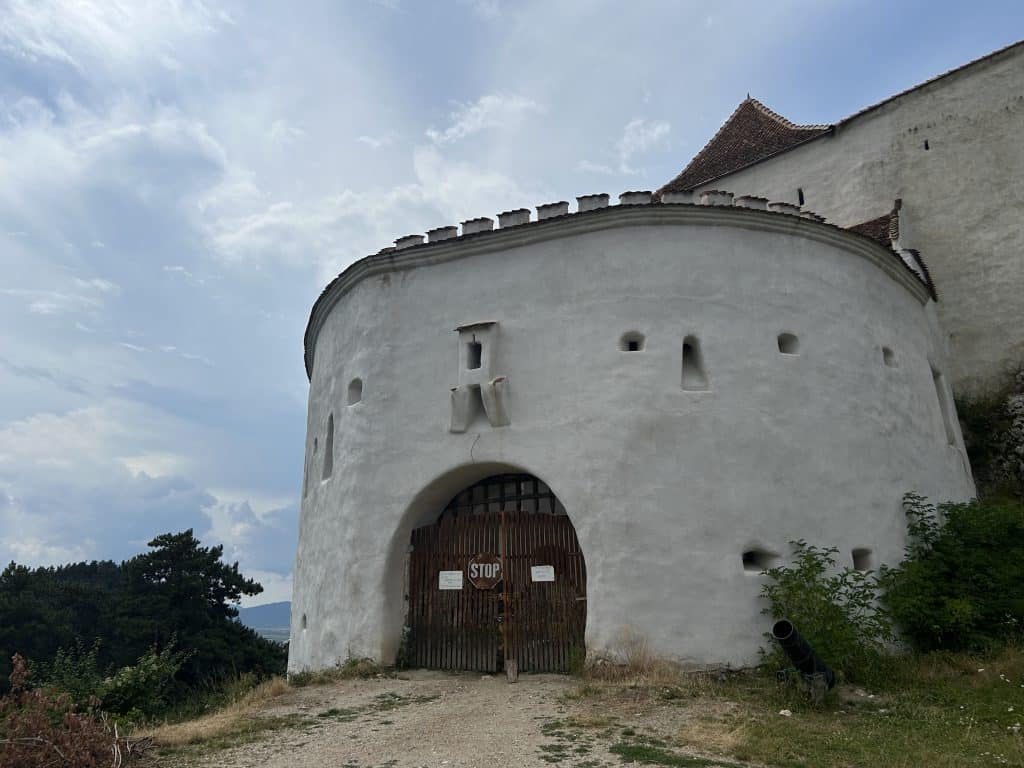
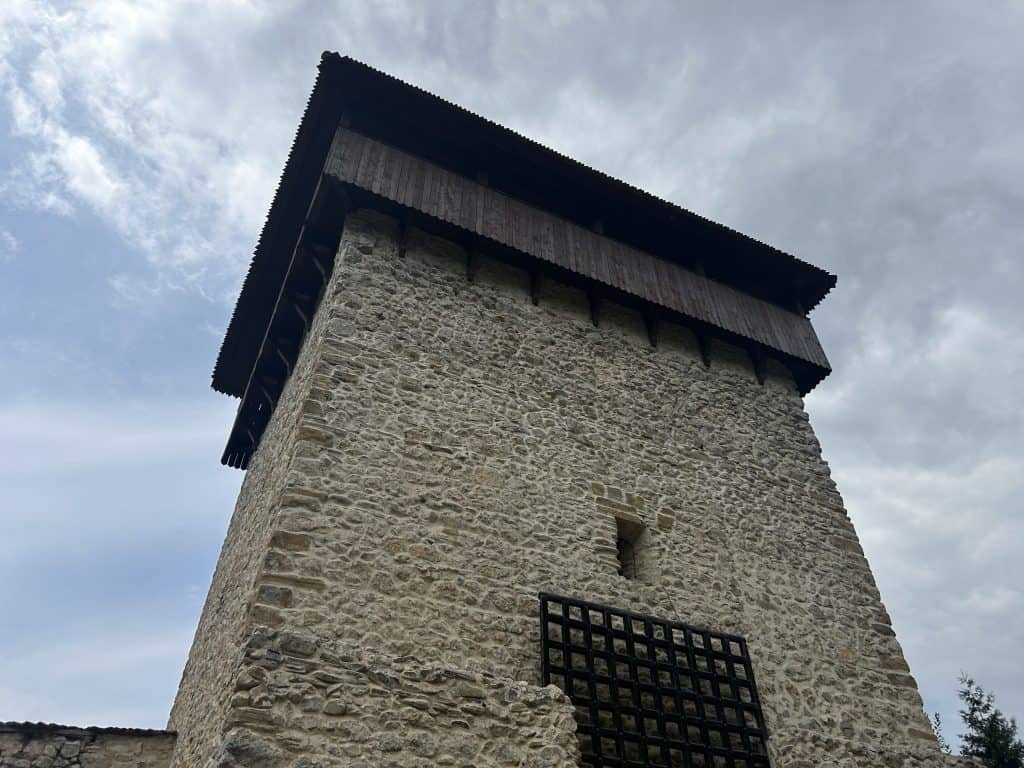
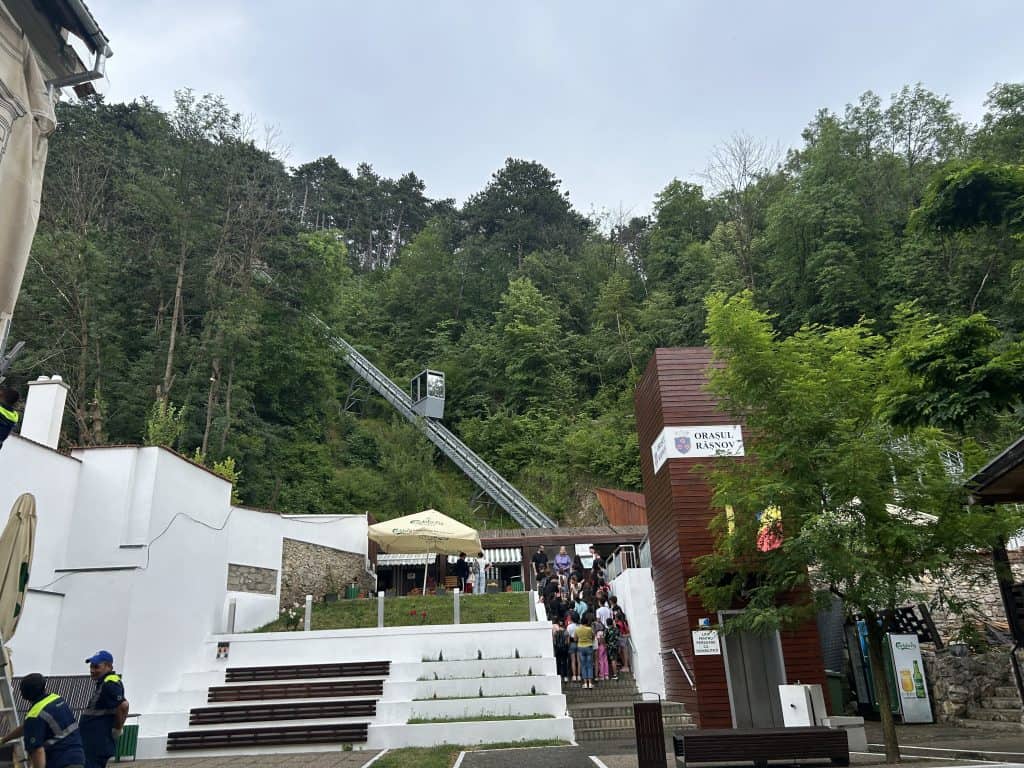
The Râșnov Citadel (Cetatea Râșnov) is the primary and most significant sight in the area. This large peasant citadel is located on a rocky hill overlooking the town. It was built in the 14th and 15th centuries by the local Saxon community as a place of refuge. The fortress contains the ruins of over 30 houses, a school, and a chapel, as well as extensive defensive walls and towers. A key feature is the deep well, which was said to have been dug by two Turkish prisoners over 17 years. An inclined lift now connects the town with the citadel entrance.
Dino Parc
Located in the forest next to the path leading up to the Râșnov Citadel is Dino Parc. This is a large, open-air theme park that is dedicated to dinosaurs. It is the largest dinosaur-themed park in Southeastern Europe. The park features over 100 life-sized, scientifically accurate replicas of different dinosaur species. The exhibits are set within a natural forest environment. The park also includes playgrounds, a 9D cinema, and other interactive exhibits, making it a major attraction for families.
Valea Cetății Cave
The Valea Cetății Cave (Peștera Valea Cetății) is a large show cave located just a few kilometers from Râșnov. The cave was discovered in the mid-20th century and was opened to the public after being developed with walkways and lighting. Guided tours lead visitors through its large main chamber, which is known for its impressive stalactite and stalagmite formations. The main chamber has excellent acoustics and is sometimes used for concerts.
The Old Town
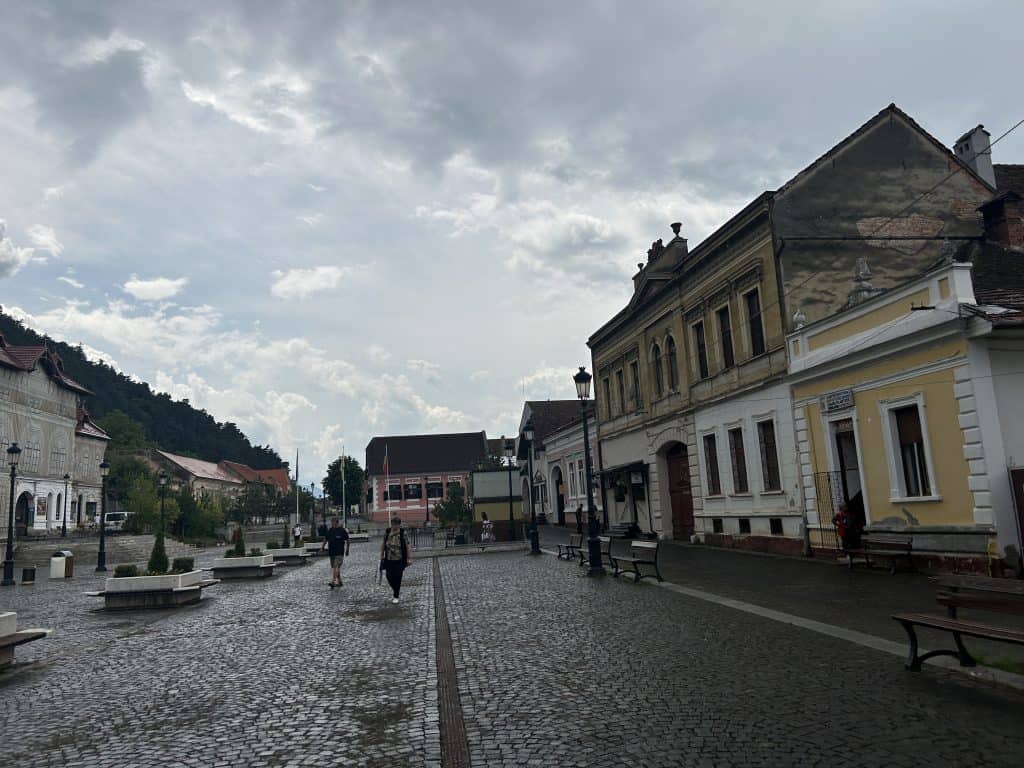
The historic Saxon center of the town is located at the base of the citadel hill. The old town is characterized by its traditional Saxon houses, with their solid walls and large gates. The central part of the town contains the main square and the historic churches. A walk through the old town provides a look at the layout of a traditional Transylvanian Saxon market town. Many of the buildings have been preserved and restored.
The Evangelical Church
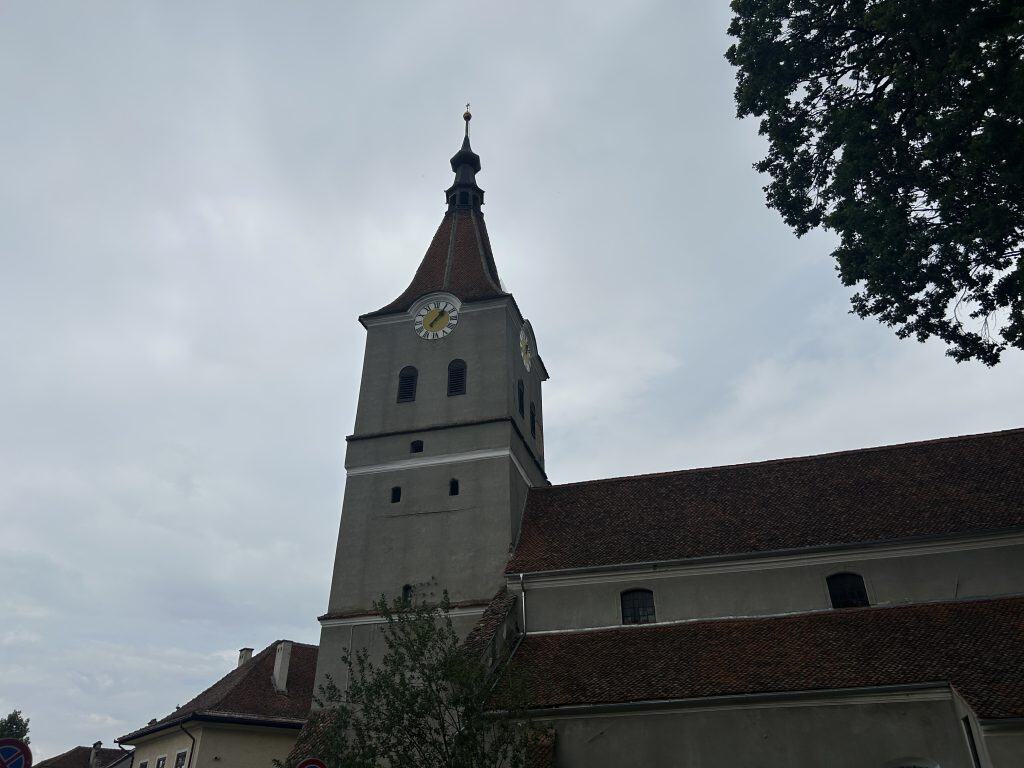
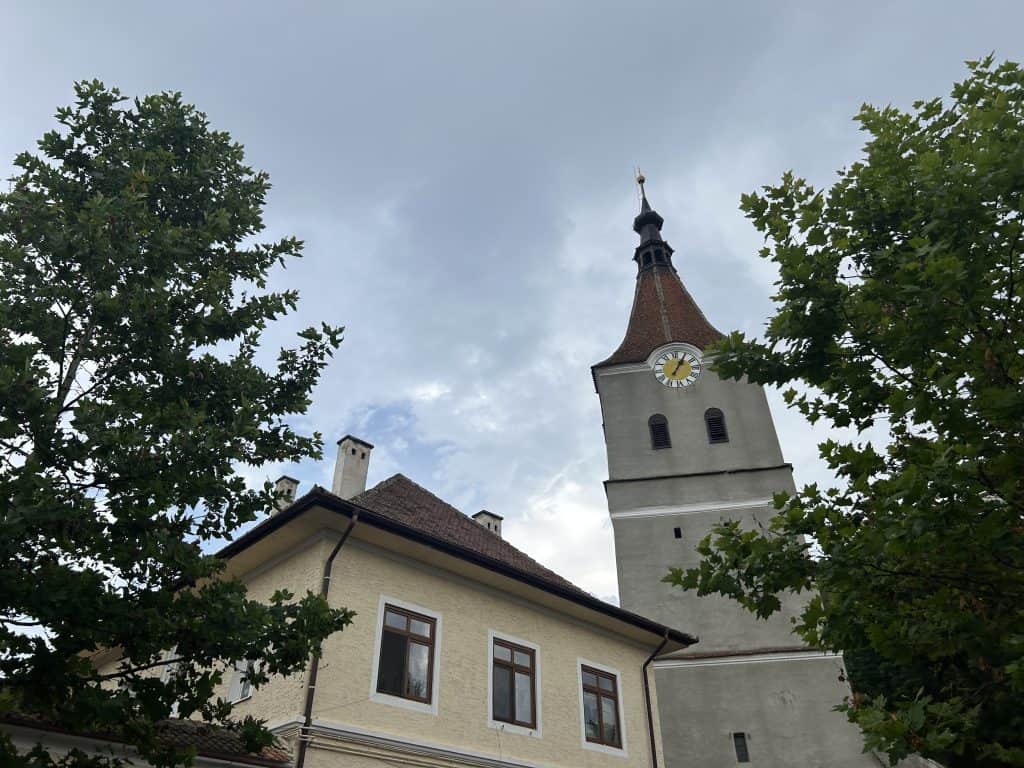
The Evangelical Church in Râșnov is a key historic landmark in the old town. The church has its origins in the 13th century, though it has been rebuilt and modified several times over its history. The current building is a large hall church with Gothic and Romanesque elements. Its defensive walls and fortified tower are a testament to the turbulent history of the region. The church was the center of the local Transylvanian Saxon Lutheran community.


Sports in Râșnov
The sporting life in Râșnov is dominated by winter sports. The town’s location in the Carpathian Mountains and its modern facilities have made it the primary center for ski jumping and other Nordic disciplines in Romania. This has given the town an international sporting identity, hosting major world-class competitions. The facilities serve as a national training center and have raised the profile of winter sports within the country. This focus on a specific sporting niche has become a key part of the town’s modern character.
Beyond its role as a winter sports hub, the town also supports community-level team sports, with a local football club that is a part of the local social fabric. The surrounding mountains also provide a vast natural arena for a wide range of recreational sports, particularly hiking and mountain biking. This combination of elite international competition venues and accessible outdoor recreation makes Râșnov a significant sporting destination in Romania. The town has successfully leveraged its natural geography to build a strong sporting reputation.
Winter Sports
Râșnov has established itself as a major international center for ski jumping and other Nordic ski disciplines. The town has a modern, state-of-the-art ski jumping complex that can host international competitions year-round, even in the summer, due to its artificial surfaces. This facility has made it a key training and competition venue for athletes from across the world. The investment in these facilities was a strategic decision to position Râșnov as the heart of winter sports in Romania. The complex is a source of national pride and has helped to develop a new generation of Romanian winter sports athletes.
Râșnov Ski Jump Complex
The Râșnov Ski Jump Complex (Complexul Olimpic de Sărituri cu Schiurile) is located in the Valea Cărbunării, just outside the town. The complex was built for the 2013 European Youth Olympic Winter Festival. It features several ski jumping hills of different sizes, including a large hill (K90) that is used for FIS Ski Jumping World Cup events. The complex has made Râșnov a regular stop on the international ski jumping circuit for both men’s and women’s competitions. The facility is a major landmark and has made Râșnov a key location on the international winter sports calendar.
Football
Football is a popular sport in Râșnov at the community level. The local club provides opportunities for residents to participate in the sport. The team competes in the regional leagues of Brașov County. The club is a key part of the local social life and represents the town in the national football system, albeit at a lower amateur level.
Impuls Râșnov
The local football club is CSO Impuls Râșnov. The club’s senior team competes in the lower tiers of the Romanian football league system, such as the county leagues of Brașov County. They play their home games at a local stadium in the town. The club is primarily focused on youth development and community participation. It provides a platform for local players to engage in organized sport.


Getting Around in Râșnov
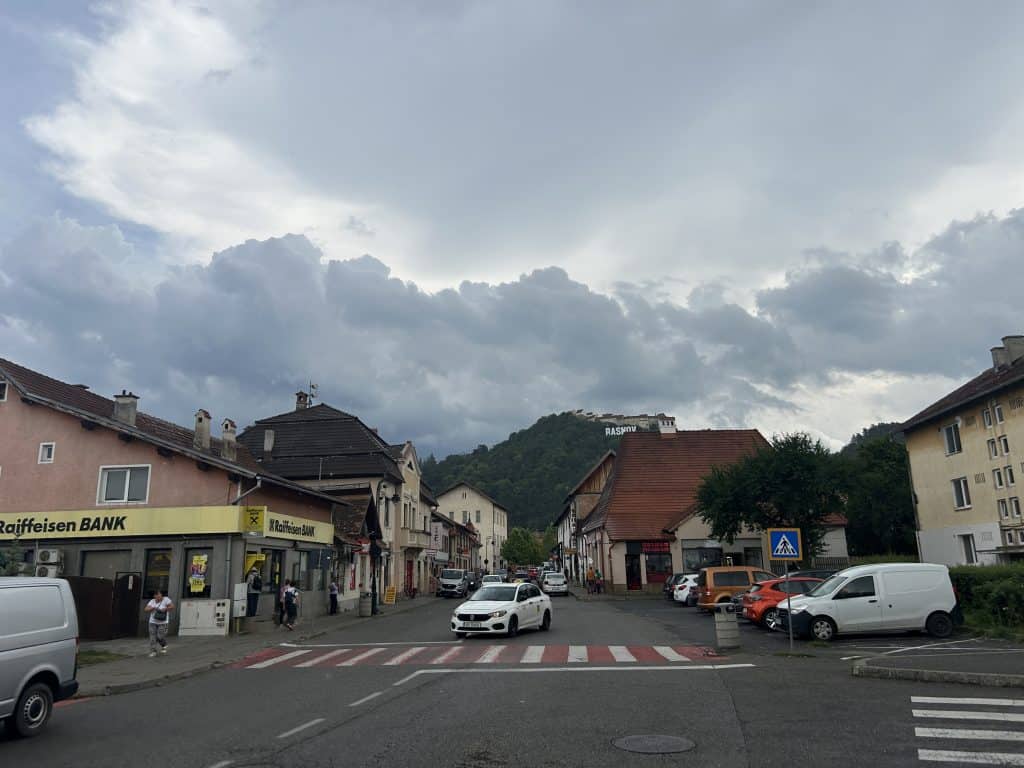
Navigating the town of Râșnov is straightforward, as the main urban area is compact and easy to explore on foot. For travel to the citadel, which is located on a steep hill above the town, there are specific transport options available. The public transport system is primarily based on a regional bus network that connects Râșnov with the surrounding towns and the main city of Brașov. A private car is not essential for exploring the town itself but is useful for visiting the wider region.
The town’s layout is centered on a main square and a primary road that runs through the valley. The historic Saxon part of the town is easily walkable, while the newer residential areas are spread out further. For visitors, the main challenge is the ascent to the citadel, which has been made accessible by modern infrastructure. The local bus system is reliable for regional travel, and taxis are also available for shorter trips.
On Foot: The Town Center
Walking is the best way to explore the central part of Râșnov. The main square, the historic Evangelical Church, and the surrounding streets of the old town are all located within a small, walkable area. The walk from the town center up the hill to the citadel entrance is also a popular option for those who are physically able. This route passes by the Dino Parc. Comfortable shoes are highly recommended for the cobblestone streets and the steep incline. The walk provides numerous views of the town and the surrounding mountains.
Inclined Lift to the Citadel
For visitors who do not wish to walk up the steep hill to the citadel, a modern inclined lift (ascensor inclinat) is available. The lift connects a parking area in the town with the entrance to the citadel. The journey takes only a couple of minutes and runs up the side of the limestone hill. It provides views of the surrounding landscape as it ascends. This makes the fortress easily accessible to all visitors, including those with limited mobility. The lift is a key piece of the town’s tourism infrastructure.
Local Buses
A network of regional buses connects Râșnov with the nearby city of Brașov and the village of Bran. These buses, operated by private companies, run frequently throughout the day and are the primary mode of public transport for traveling between these three major tourist destinations. The main bus stop in Râșnov is located in the center of the town, making it a convenient hub. The buses are an economical way to travel the short distances between these key Transylvanian sights.
How to Get to Râșnov
Reaching Râșnov is convenient, as it is located on a major tourist route in the Transylvania region of Romania. The town is situated between the major city of Brașov and the famous Bran Castle, making it easily accessible by road. The nearby city of Brașov serves as the main transport hub for the area, with a new international airport and a major train station. The final part of the journey to Râșnov must be completed by road or a local train line. The town’s popularity ensures that transport links are well-established.
The Open Road: Driving through Transylvania
Driving is the most common and practical way to reach Râșnov. The town is located directly on the DN73, which is the main national road connecting the cities of Brașov and Pitești. This road also leads directly to the nearby village of Bran. From Brașov, the drive to Râșnov is approximately 15 kilometers and takes about 20-30 minutes, depending on traffic. A car provides the flexibility to explore the surrounding region, including the other castles and the mountain national parks. Parking is available in public lots in the town.
Arriving by Air: Brașov Airport
The closest airport to Râșnov is the Brașov-Ghimbav International Airport (BRV). The airport is a new facility that opened in 2023 and is located approximately 15 kilometers away. It offers direct flights to several destinations in Europe, with services from airlines like Wizz Air and Dan Air. For more extensive global connections, the main international airport for the country is Henri Coandă International Airport (OTP) in Bucharest. From either of these airports, a rental car or a combination of train and bus services via Brașov is required to reach Râșnov.
On Track: A Journey by Rail
Traveling to Râșnov by train is another efficient option. The Râșnov train station is located in the town. It is a stop on the regional railway line that connects Brașov and Zărnești. The train service, operated by a private company, runs several times a day. The journey from the main Brașov train station takes approximately 30 minutes. This provides a scenic way to reach the town, traveling through the agricultural landscape at the foot of the mountains. The station is located a short walk from the town center.
Connecting by Coach
There are frequent bus services that connect the city of Brașov with the town of Râșnov. The buses depart from the Autogara 2 bus terminal in Brașov, which is located near the city’s main train station. The journey takes approximately 20-30 minutes and is a very common and economical way for visitors to travel between the two locations. Long-distance bus services from other parts of Romania would typically terminate in Brașov, requiring a transfer to this local bus service.
Driving Distances
The driving distance from 10 regional cities, according to Google Maps:
- Brașov, Romania – 15 kilometers (0 h 20 min)
- Sibiu, Romania – 132 kilometers (2 h 10 min)
- Bucharest, Romania – 166 kilometers (3 h 00 min)
- Cluj-Napoca, Romania – 291 kilometers (4 h 20 min)
- Iași, Romania – 351 kilometers (5 h 50 min)
- Chișinău, Moldova – 496 kilometers (8 h 50 min)
- Sofia, Bulgaria – 558 kilometers (8 h 30 min)
- Belgrade, Serbia – 593 kilometers (7 h 50 min)
- Budapest, Hungary – 700 kilometers (7 h 50 min)
- Kyiv, Ukraine – 989 kilometers (14 h 40 min)
Looking to Explore more of Romania and Europe?