
Jeffreys Bay | Exploring South Africa
Jeffreys Bay, often referred to as J-Bay, is a town located in the Eastern Cape province of South Africa. It is situated on the coast of the Indian Ocean, approximately 75 kilometers southwest of the city of Gqeberha (formerly Port Elizabeth). With a population of around 27,000 inhabitants, Jeffreys Bay is famous throughout the world as a premier surfing destination. It is renowned for its long, fast, right-hand point break at Supertubes Beach.
The identity of Jeffreys Bay is defined by its laid-back surf culture. The town was once a small and quiet fishing village, but it was transformed in the 1960s and 1970s when it was discovered by international surfers. Today, it is a bustling resort town with a thriving local craft industry and numerous surf shops. The town’s atmosphere is relaxed and informal, and it attracts surfers and beach lovers from all over the globe. Its combination of world-class waves and beautiful natural surroundings makes it a unique and iconic destination.
History of Jeffreys Bay
The history of Jeffreys Bay is a story of a small fishing village that became a global surfing icon. The town was established in the mid-19th century, and for a long time, its economy was based on fishing and the trade of seashells. The major turning point in its history came in the 1960s with the release of the classic surf film “The Endless Summer,” which brought the town’s perfect waves to the attention of the international surfing community. This event transformed Jeffreys Bay forever.
A Small Fishing Village
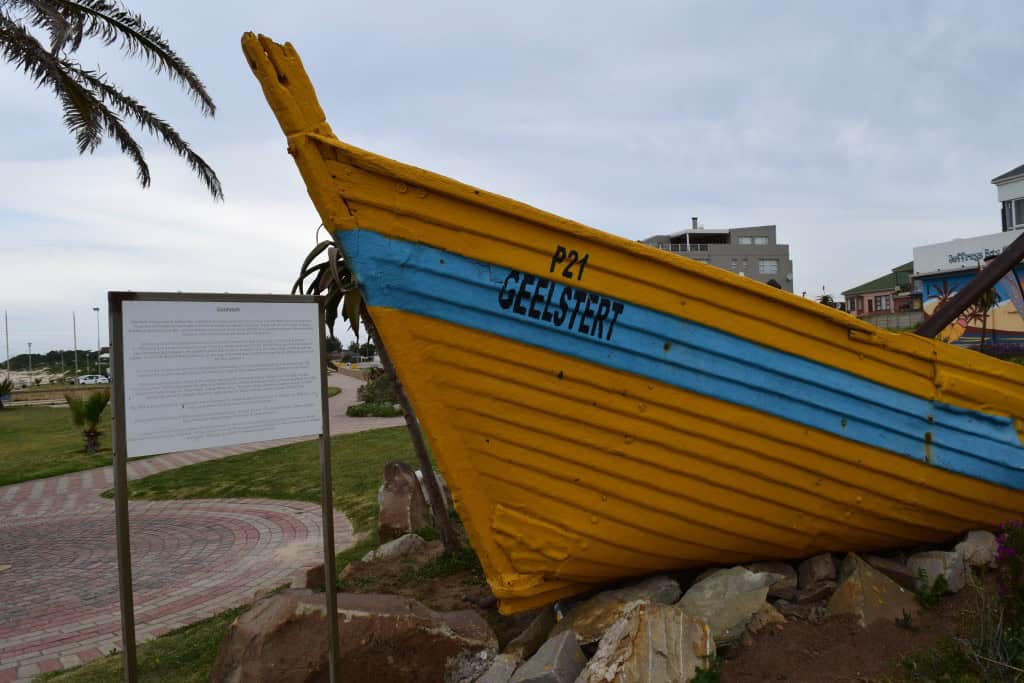
The town of Jeffreys Bay was established in 1849. It developed as a small and quiet fishing village. The early economy was based on fishing, and the town was also known for its incredible abundance of seashells, which were collected and sold. For most of its early history, it was a remote and relatively unknown holiday spot. Its beautiful beaches and pristine natural environment were its main assets.
The Surfing Boom
The transformation of Jeffreys Bay into a surfing mecca began in the 1960s. The town’s legendary right-hand point break was discovered by a small group of pioneering surfers. Its international fame was cemented after it was featured in the iconic 1966 surf documentary “The Endless Summer.” This film showcased the incredibly long and perfect waves at Supertubes, and it brought surfers from all over the world to the small town. This influx of surfers in the 1960s and 1970s created the laid-back and alternative culture that still defines the town today.
A Modern Resort Town
In the modern era, Jeffreys Bay has grown from a small surf town into a major international tourist destination. The town has expanded significantly, with new residential areas and a modern tourism infrastructure. It is now the seat of the Kouga Municipality. Despite this growth, the town has managed to retain its relaxed, surfer-oriented atmosphere. It continues to host a major international professional surfing competition each year, which further solidifies its status as one of the world’s premier surfing destinations.
Sights in Jeffreys Bay
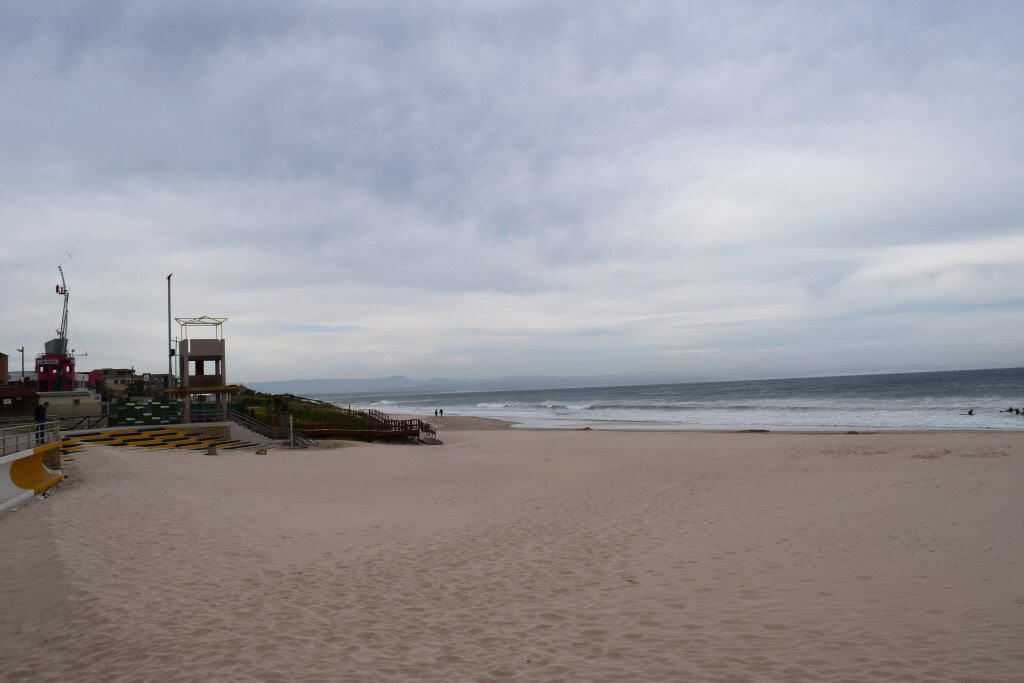
The sights in Jeffreys Bay are centered around its world-famous beaches and its vibrant surf culture. The main attraction is, of course, the legendary surf break at Supertubes Beach, where visitors can watch some of the best surfers in the world ride the long, perfect waves. The town’s main beach, Dolphin Beach, is a beautiful and family-friendly spot for swimming and sunbathing. For those interested in the local culture, the Shell Museum and the many surf shops and factory outlets are key attractions.
Supertubes Beach
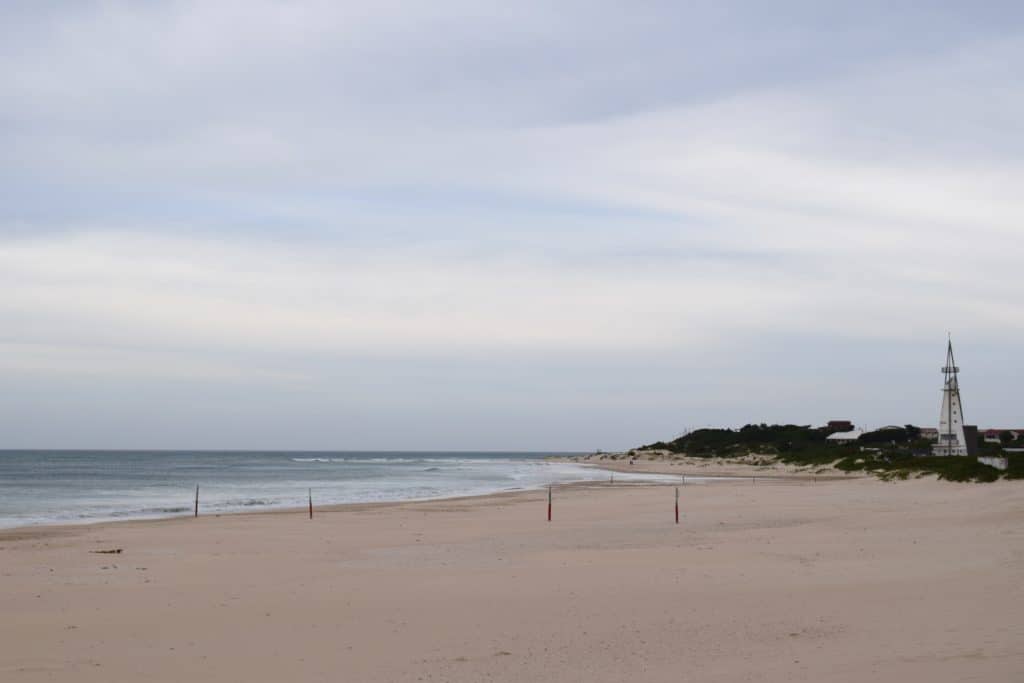
Supertubes Beach is the main reason that Jeffreys Bay is famous. It is home to what is widely considered to be one of the best right-hand point breaks in the entire world. The wave here is incredibly long, fast, and hollow, making it a dream wave for experienced surfers. During the winter months, when the swells are at their best, you can sit on the beach and watch as local and international surfers ride these magnificent waves for hundreds of meters. It is the main venue for the annual professional surfing competition.
Dolphin Beach
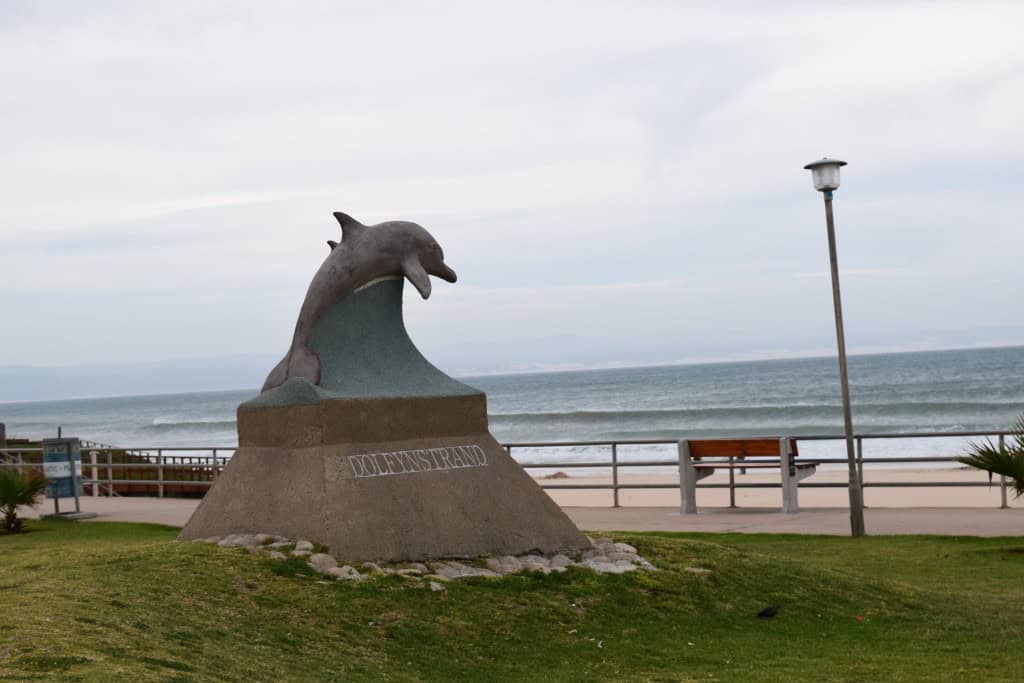
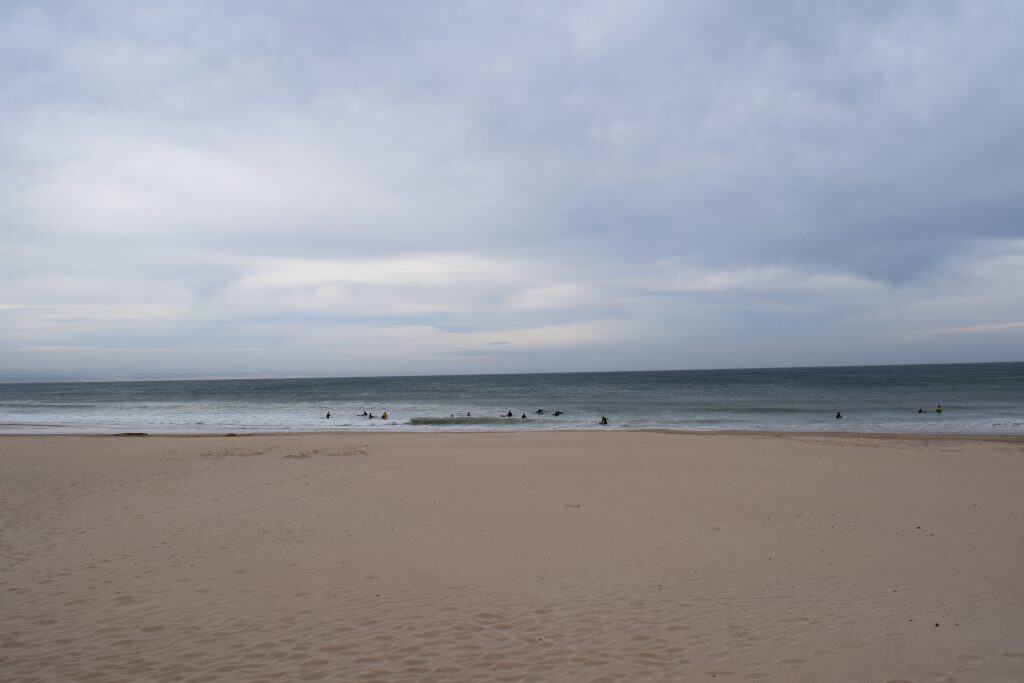
Dolphin Beach is the main swimming beach in Jeffreys Bay, and it is located in the center of the town. It is a beautiful, long, and wide sandy beach. It has been awarded the Blue Flag status for its cleanliness and safety. The beach is a popular spot for families, and it is great for swimming, sunbathing, and learning to surf. It is also common to see large pods of dolphins playing in the waves just offshore, which is how the beach got its name.
The Shell Museum
The Jeffreys Bay Shell Museum showcases one of the largest and most varied collections of seashells in South Africa. The beaches of Jeffreys Bay are famous for the incredible abundance and variety of shells that can be found there. The museum has a vast collection of these local shells, as well as shells from other parts of the world. It is a small but interesting museum that provides a look into the natural history of the region.
The Surf Village and Factory Shops
The Surf Village is the commercial heart of the surfing industry in Jeffreys Bay. This area is home to the flagship stores and factory outlets of many of the world’s biggest surf brands, such as Billabong, Quiksilver, and Rip Curl. Surfers and shoppers from all over the country come here to find the latest surf gear and to hunt for bargains at the factory shops. The area is a key part of the town’s surf-oriented culture and economy.
Sports in Jeffreys Bay
The sports scene in Jeffreys Bay is completely dominated by surfing. The town is one of the most famous surfing destinations in the world, and it is a major hub for the sport in South Africa. The town hosts a major international professional surfing competition each year. In addition to surfing, the area also offers opportunities for a variety of other water sports. The nearby nature reserves are a great destination for hiking and mountain biking.
The J-Bay Open
Jeffreys Bay is the venue for a major international professional surfing competition, the J-Bay Open. This event is a part of the World Surf League (WSL) Championship Tour, which is the premier professional surfing tour in the world. The competition is held annually in the winter, typically in July, when the waves at Supertubes are at their best. The event attracts the world’s top professional surfers and thousands of spectators, and it is a major festival of surfing culture.
Windsurfing and Kitesurfing
The long, sandy beaches and the consistent winds of Jeffreys Bay also make it a popular destination for windsurfing and kitesurfing. The main beach, Dolphin Beach, and the nearby Paradise Beach are popular spots for these sports. The area offers a variety of conditions suitable for both beginners and more experienced riders. Several local shops offer equipment rentals and lessons.
Sandboarding
The large sand dunes that are located near Jeffreys Bay, particularly in the area of Paradise Beach, are a popular destination for sandboarding. This fun and exciting activity is like snowboarding but on sand. Several local companies offer guided sandboarding tours, which include all the necessary equipment and instruction. It is a great activity for the whole family and a unique way to experience the coastal landscape.
Getting Around in Jeffreys Bay
Navigating the town of Jeffreys Bay is relatively easy. The town is spread out along the coast, and a car is the most convenient way to get around, especially for traveling between the different surf spots and beaches. The main town center and the area around Dolphin Beach are walkable. For those without their own vehicle, local taxi services are available.
Navigating by Car
A car provides the most flexibility for exploring Jeffreys Bay and the wider Eastern Cape region. Having your own vehicle makes it easy to travel between the different surf breaks, from Supertubes to Paradise Beach. A car is also essential for taking day trips to the nearby nature reserves and to the city of Gqeberha. Parking is generally available and easy to find throughout the town.
Exploring by Foot
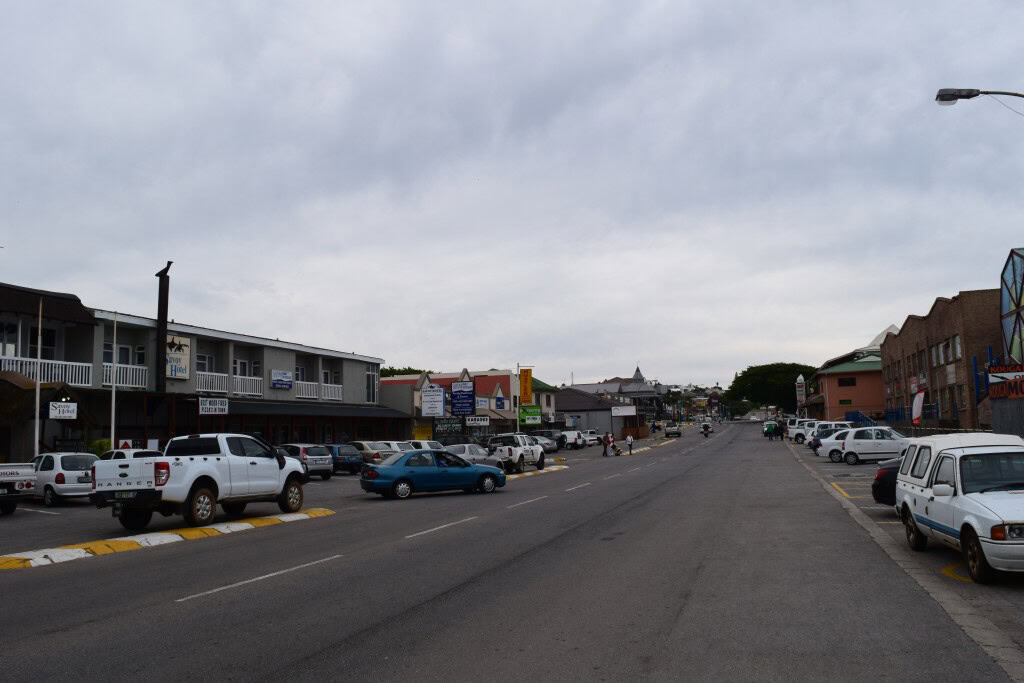
The central part of Jeffreys Bay, especially the area along the main beach and the main commercial street, Da Gama Road, is very walkable. This area is filled with surf shops, restaurants, and cafes. A walk along the beach from Dolphin Beach towards Supertubes is a popular activity for both locals and tourists.
How to Get to Jeffreys Bay?
Jeffreys Bay is located in the Eastern Cape province of South Africa. The town is situated directly on the main N2 national highway, which runs along the southern coast of the country. This makes it very easy to reach by car. The primary gateway for international and domestic visitors arriving by air is the airport in the nearby city of Gqeberha. Long-distance buses also provide connections to the town.
Arriving by Air
The closest and most convenient airport is the Chief Dawid Stuurman International Airport (PLZ) in the city of Gqeberha. The airport is located about a one-hour drive from Jeffreys Bay. It has regular flights from all the major cities in South Africa, including Johannesburg and Cape Town. From the airport, you would need to rent a car or take a shuttle service for the final journey to Jeffreys Bay.
Driving into the Town
Driving to Jeffreys Bay is very straightforward. The town is located just off the main N2 national highway. If you are driving from Cape Town (a journey of about eight hours), you would follow the N2 east along the famous Garden Route. If you are driving from Gqeberha, the journey on the N2 west is very short, taking only about one hour. The excellent road access is a key part of the town’s popularity.
Driving Distances
The driving distance from 20 regional cities, according to Google Maps:
- Gqeberha, South Africa – 75 kilometers (1 h 00 min)
- Plettenberg Bay, South Africa – 160 kilometers (1 h 45 min)
- Knysna, South Africa – 190 kilometers (2 h 10 min)
- Graaff-Reinet, South Africa – 250 kilometers (2 h 45 min)
- George, South Africa – 250 kilometers (2 h 45 min)
- East London, South Africa – 300 kilometers (3 h 15 min)
- Oudtshoorn, South Africa – 300 kilometers (3 h 20 min)
- Mossel Bay, South Africa – 300 kilometers (3 h 10 min)
- Beaufort West, South Africa – 430 kilometers (4 h 30 min)
- Swellendam, South Africa – 500 kilometers (5 h 00 min)
- Bloemfontein, South Africa – 650 kilometers (6 h 30 min)
- Cape Town, South Africa – 750 kilometers (7 h 30 min)
- Kimberley, South Africa – 780 kilometers (8 h 00 min)
- Maseru, Lesotho – 780 kilometers (8 h 30 min)
- Upington, South Africa – 900 kilometers (9 h 00 min)
- Durban, South Africa – 930 kilometers (9 h 30 min)
- Johannesburg, South Africa – 1050 kilometers (10 h 30 min)
- Pretoria, South Africa – 1100 kilometers (11 h 00 min)
- Mbabane, Eswatini – 1300 kilometers (13 h 00 min)
- Windhoek, Namibia – 1700 kilometers (17 h 30 min)
Looking to Explore more of South Africa and Africa?