Budapest | Exploring Hungary
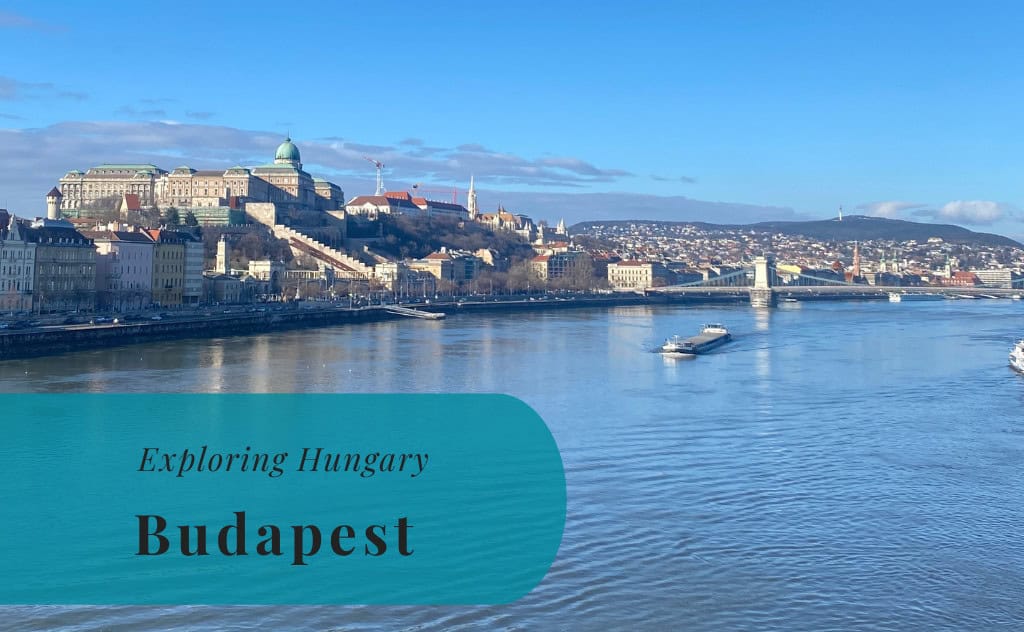
Budapest, the capital of Hungary, is a city of rich history and vibrant culture. It stands on the banks of the Danube River, which divides the city into two distinct parts: Buda and Pest. Buda is known for its hills and historic castle district, while Pest is the flatter, bustling heart of the city. With a population of approximately 1.7 million people, Budapest is the most populous city in Hungary and a significant cultural and economic hub in Central Europe.
Budapest is also famed as the “City of Spas.” It boasts over 120 thermal springs, a tradition dating back to Roman times when the settlement of Aquincum flourished here. The city’s Millennium Underground, inaugurated in 1896 to commemorate the thousandth anniversary of the Hungarian conquest of the Carpathian Basin, is the oldest electrified underground railway system in continental Europe. This highlights Budapest’s early embrace of innovation and its importance during the Austro-Hungarian Empire.


A Short History of Budapest
The story of Budapest began with Celtic settlements, followed by the Roman city of Aquincum, which became a key provincial capital. After the Magyars arrived in 896 AD, Buda and Pest evolved into important medieval towns. The Mongol invasion in the 13th century led to the construction of the first Buda Castle for enhanced defense. For centuries, Buda served as the royal seat. From 1541, the cities endured nearly 150 years of Ottoman rule. This period left a mark with Turkish baths, some still functional today, and mosques. The Habsburgs reconquered the area in 1686, initiating a new phase of reconstruction and development.
The 19th century was transformative. The Austro-Hungarian Compromise of 1867 elevated Hungary’s status, and in 1873, Buda, Pest, and Óbuda officially united to form Budapest. This marked the beginning of a golden age of rapid growth, making Budapest a grand European capital. The 20th century brought severe trials: the aftermath of World War I, significant destruction during World War II, and the Siege of Budapest. Following the war, Hungary fell under communist influence, a period highlighted by the 1956 Uprising against Soviet domination. The fall of the Iron Curtain in 1989 ushered in a democratic era, allowing Budapest to re-emerge as a vibrant and open international city.


Things to Do and See
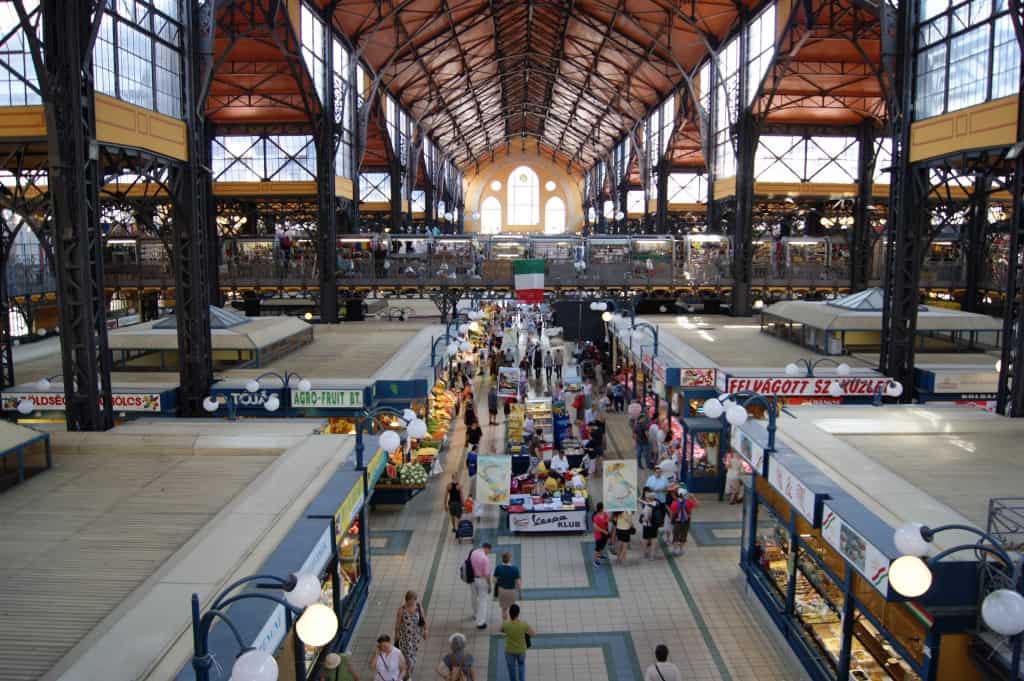
Budapest’s renowned sights line the majestic Danube River, from the historic Buda Castle to the impressive Parliament Building. Beyond these famous icons, the city invites exploration of charming smaller spots, like the bustling Great Market Hall. Here, you can immerse yourself in local life and savor traditional Hungarian dishes like hearty Goulash. Budapest also offers historic bridges for scenic walks, unique memorials that tell a story, and diverse shopping areas for every taste.
Buda Castle
The Buda Castle is historic castle and palace complex was first completed in 1265. The current Baroque palace largely dates from the mid-18th century. It now houses the Hungarian National Gallery and the Budapest History Museum. The complex sits atop Castle Hill, offering panoramic views. Beneath the castle lies a network of caves and tunnels. Some were used as a hospital during World War II.
Hungarian Parliament Building
Located on the Pest side, by the Danube, the Hungarian Parliament Building is an iconic symbol of Budapest. It is the world’s third-largest parliament building. Construction began in 1885 and finished in 1904. It features 691 rooms and a 96-meter high central dome. About 40 million bricks and 40 kilograms of 22-carat gold were used in its construction. The building’s height of 96 meters is symbolic, referencing the year 896, the settlement of the Magyars in Hungary.
Chain Bridge
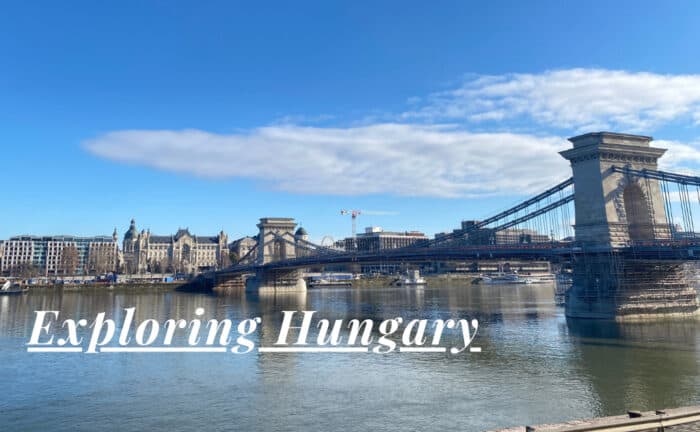
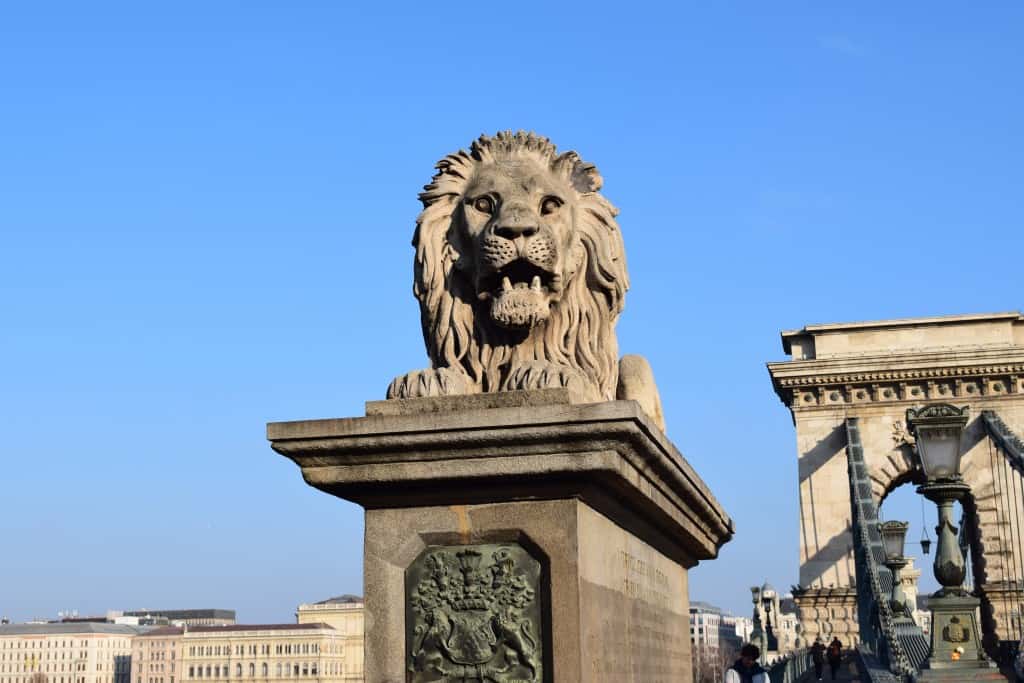
The first permanent bridge connecting Buda and Pest, the Chain Bridge opened in 1849. Designed by English engineer William Tierney Clark, it became a symbol of unity and progress. Lion sculptures at each end guard the bridge. Legend has it that the sculptor forgot to give the lions tongues, a detail often debated.
St. Stephen’s Basilica
Named after Stephen I, the first King of Hungary, this neoclassical church is impressive. Its construction spanned from 1851 to 1905. The basilica’s dome reaches 96 meters, the same height as the Parliament Building, symbolizing the balance between church and state. It houses Hungary’s most sacred relic: the right hand of St. Stephen. The basilica can hold up to 8,500 people. Visitors can climb to the dome for panoramic city views.
Fisherman’s Bastion
Te fairytale-like Fisherman’s Bastion is a terrace on Castle Hill offering stunning views over Pest and the Danube. Built between 1895 and 1902 in a neo-Gothic and neo-Romanesque style. Its seven towers represent the seven Magyar tribes that settled in the Carpathian Basin in 895. It was built on the site of a former fish market and defended by the fishermen’s guild.
Gellért Hill
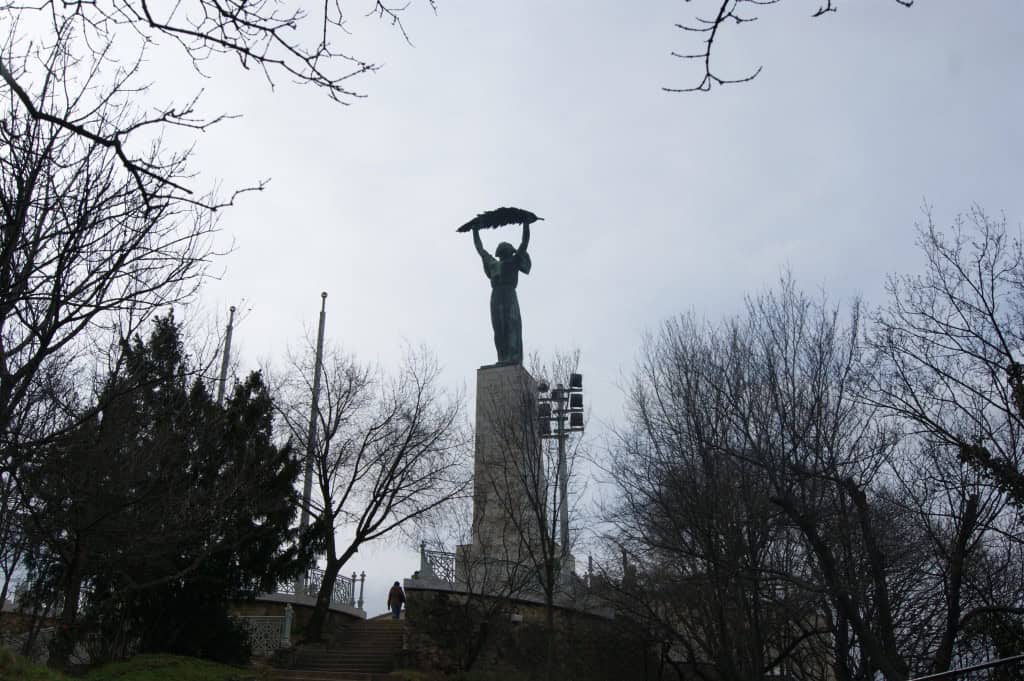
Rising 235 meters above the Danube, Gellért Hill offers some of the most stunning panoramic views of Budapest. It is named after Saint Gerard (Gellért Sagredo), a bishop who, according to legend, was thrown to his death from the hill by pagans in 1046. The hill is topped by the Citadella, a fortress built by the Habsburgs after the 1848-49 Hungarian Uprising. The Liberty Statue (Szabadság-szobor), a prominent landmark visible from many parts of the city, also stands on Gellért Hill. It was erected in 1947 to commemorate the Soviet liberation of Hungary from Nazi rule. The hillside also contains the Gellért Hill Cave Church.
Matthias Church
Officially the Church of Our Lady of Buda, this Roman Catholic church is located in the heart of the Buda Castle District. Originally built in a Romanesque style in 1015, the current Gothic structure dates to the 14th century. It witnessed several coronations of Hungarian kings, including Franz Joseph I. Its vividly colored Zsolnay tiled roof is a distinctive feature.
Heroes’ Square
This major square in Budapest is known for its iconic Millennium Monument. The monument features statues of the Seven Chieftains of the Magyars and other important Hungarian historical figures. The Museum of Fine Arts and the Palace of Art (Műcsarnok) flank the square. The square was largely completed in 1900 to commemorate the 1000th anniversary of the Magyar conquest.
Margaret Island
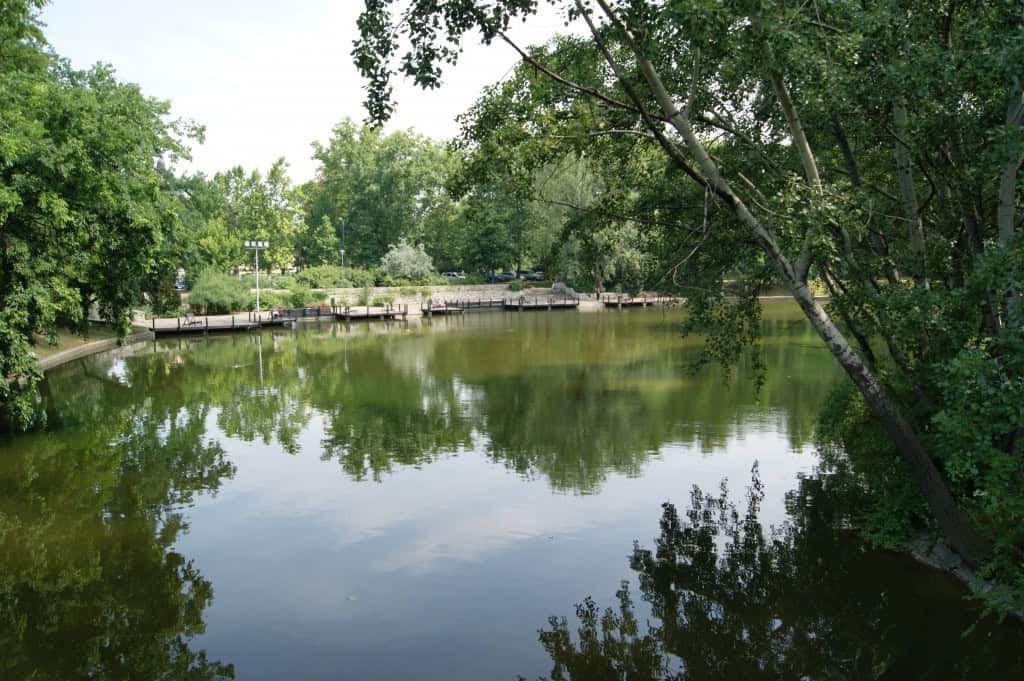
Margareth Island is a 2.5-kilometer-long island in the middle of the Danube. It is a peaceful green oasis, perfect for recreation. Attractions include a musical fountain that has shows synchronized with music, medieval ruins of a Franciscan church and Dominican convent, a small zoo focusing on native Hungarian wildlife, and dedicated jogging tracks. The island is largely car-free.
Dohány Street Synagogue
Also known as the Great Synagogue, this is the largest synagogue in Europe and the second largest in the world. Completed in 1859 in a Moorish Revival style, it can seat up to 3,000 people. It stands as a center of Neolog Judaism. The complex includes the Hungarian Jewish Museum and the Holocaust Memorial.
Sports in Budapest
Budapest boasts a vibrant and diverse sporting scene, deeply intertwined with its culture and geography. From the Danube River enabling popular water sports like polo, swimming, and canoeing, to the passionate following of its historic football clubs and the modern Puskás Aréna. Beyond these, Budapest supports a strong tradition in handball, athletics, fencing, and gymnastics, offering numerous facilities for both professional athletes and recreational enthusiasts.
Football
Football is a widely followed sport in Hungary. Budapest is home to several prominent football clubs with passionate fan bases and historic rivalries. Ferencvárosi TC, Újpest FC, and Budapest Honvéd FC are among the most successful, with rich histories in Hungarian and European competitions. The Puskás Aréna, a UEFA Category 4 stadium, was completed in 2019. It has a capacity of over 67,000. Named after the legendary Hungarian footballer Ferenc Puskás, captain of the “Mighty Magyars” of the 1950s, it hosts major football matches, including international fixtures and cup finals, as well as other large-scale events.
Water Sports
Given its location on the Danube and its thermal springs, water sports are prominent. Hungarians excel in water polo, consistently being a top nation in international competitions. Swimming and canoeing are also very popular. The Alfred Hajós National Swimming Stadium on Margaret Island, designed by the first Hungarian Olympic swimming champion, has hosted numerous European and World Championships. The city also offers rowing and dragon boating on the Danube. Aquaworld Resort Budapest is one of Europe’s largest indoor water theme parks, providing year-round aquatic fun.
Other Sports
Handball is another popular team sport in Hungary, with strong leagues for both men and women. Budapest clubs often feature in top European handball competitions. Athletics has a strong tradition, and Budapest has hosted international athletic events. Fencing is a historically successful sport for Hungary, with many Olympic champions hailing from Budapest. Gymnastics also has deep roots and dedicated training facilities in the city. The city offers numerous facilities for recreational sports. These include running tracks, particularly on Margaret Island and along the Danube, numerous tennis courts, and ice rinks in winter, such as the large City Park Ice Rink. The Budapest Marathon, held annually, attracts thousands of international and local runners. The city has also hosted or co-hosted numerous World Championships in various sports, showcasing its capability to manage large international sporting events.





How to Get to Budapest
For traveling to Budapest, flying is the fastest option, with direct flights to Budapest Ferenc Liszt International Airport (BUD) available from various European cities. Driving offers flexibility via major European highways, but remember Hungary’s electronic vignette system and potential parking challenges. Bus travel is a budget-friendly choice, with international services arriving at Népliget Bus Station. For a relaxed journey, trains provide excellent international connections to Budapest’s main stations (Keleti, Déli, Nyugati) from major European cities. Lastly, while direct long-distance ferries aren’t available, the Danube River offers scenic river cruise options from nearby countries like Austria and Slovakia.
By Plane
Flying is often the quickest way to get to Budapest, especially for longer distances. Budapest Ferenc Liszt International Airport (BUD) is the main hub, located about 16 km southeast of the city center. Many airlines, including low-cost carriers like Ryanair and Wizz Air, offer direct flights from various European cities. For travelers from further afield, connecting flights are widely available, often via major European hubs like London, Frankfurt, or Amsterdam. Booking flights in advance usually secures better deals for your trip to Hungary.
By Car
Driving to Budapest offers flexibility and a chance to explore the European landscape. Budapest is well-connected to major European highways, such as the E60, E65, and E75, making it accessible from various directions. Remember that Hungary uses an electronic vignette system for its motorways; purchase one before entering to avoid fines. Parking in Budapest can be challenging, so consider using parking garages or park-and-ride facilities on the outskirts. Ensure your vehicle is in good condition and carry all necessary documents like your driver’s license, vehicle registration, and insurance for your European road trip.
By Bus
Bus travel to Budapest is a budget-friendly option, particularly for travelers coming from nearby European cities. International buses typically arrive at Népliget Bus Station. Companies like FlixBus and BlaBlaCar Bus offer extensive networks across Europe, providing comfortable journeys with amenities like Wi-Fi and power outlets. Bus trips can be longer, but they often provide scenic routes and are a great way to save on travel costs for your Budapest adventure.
By Train
For a relaxed trip, take the train to Budapest. The city has great international rail links. Budapest has three main international stations. These are Keleti, Déli, and Nyugati. Direct trains often connect Budapest with big European cities. Vienna, Bratislava, Prague, Munich, and Berlin are examples. Overnight services are also available. Book train tickets early for savings. Train travel offers great scenery. You arrive right in the heart of this historic European city.
By Ferry
Direct car ferries from distant ports won’t reach Budapest. However, the Danube River offers a unique approach. If you’re coming from nearby countries, like Austria or Slovakia, consider a hydrofoil or river cruise. These go directly into Budapest. These services are often seasonal. They offer amazing views along the Danube. They drop you near the city center. It’s slower, but unforgettable. It’s a great way to arrive. Especially if you like river travel and scenic European routes.
Driving Distances
The driving distance from 4 major Polish cities, according to Google Maps:
- Debrecen – 233 kilometers (2 h 10 min)
- Szeged – 175 kilometers (1 h 40 min)
- Pécs – 238 kilometers (2 h 10 min)
- Győr – 121 kilometers (1 h 10 min)
Looking to Explore more of Hungary and Europe?