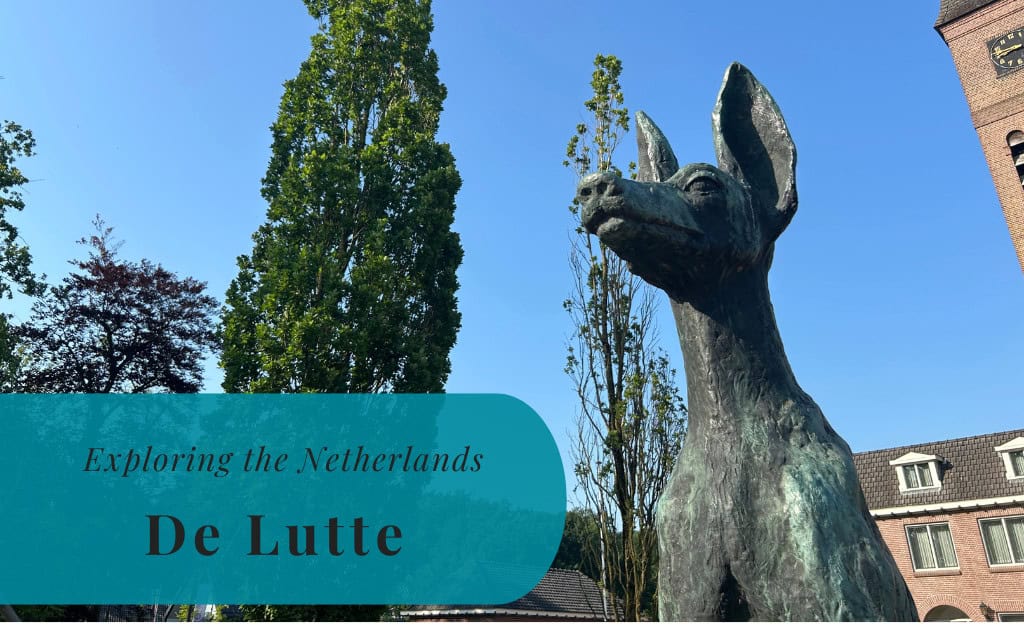
De Lutte | Exploring the Netherlands
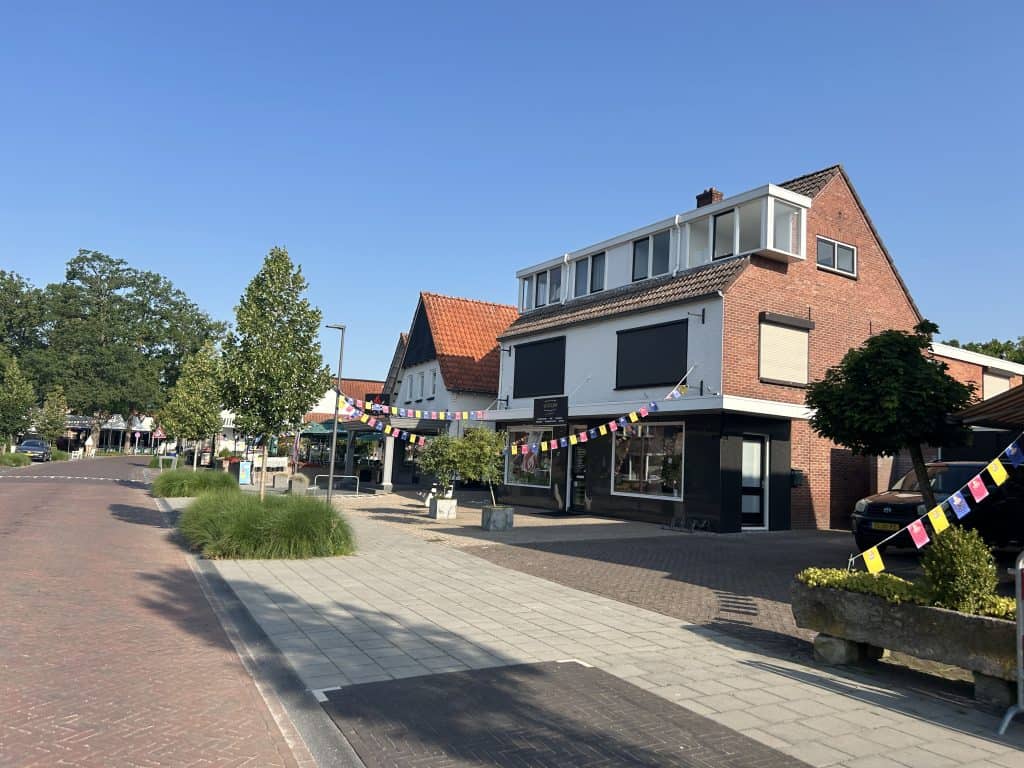
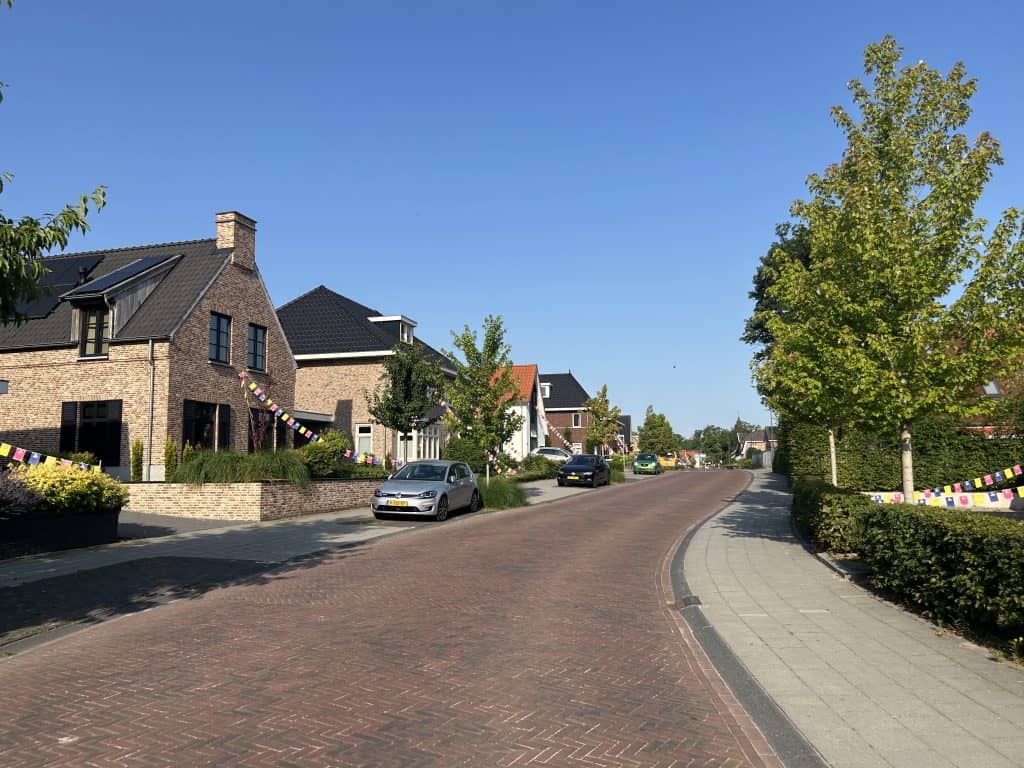
De Lutte is a village in the province of Overijssel, located in the eastern part of the Netherlands. As part of the municipality of Losser, it is situated in the region of Twente. With a population of approximately 3,900 residents, De Lutte is a rural community with a distinct local character. The village is located directly on the German border, with the German town of Bad Bentheim just a few kilometers to the east. The closest major Dutch town is Oldenzaal, which serves as a nearby commercial center.
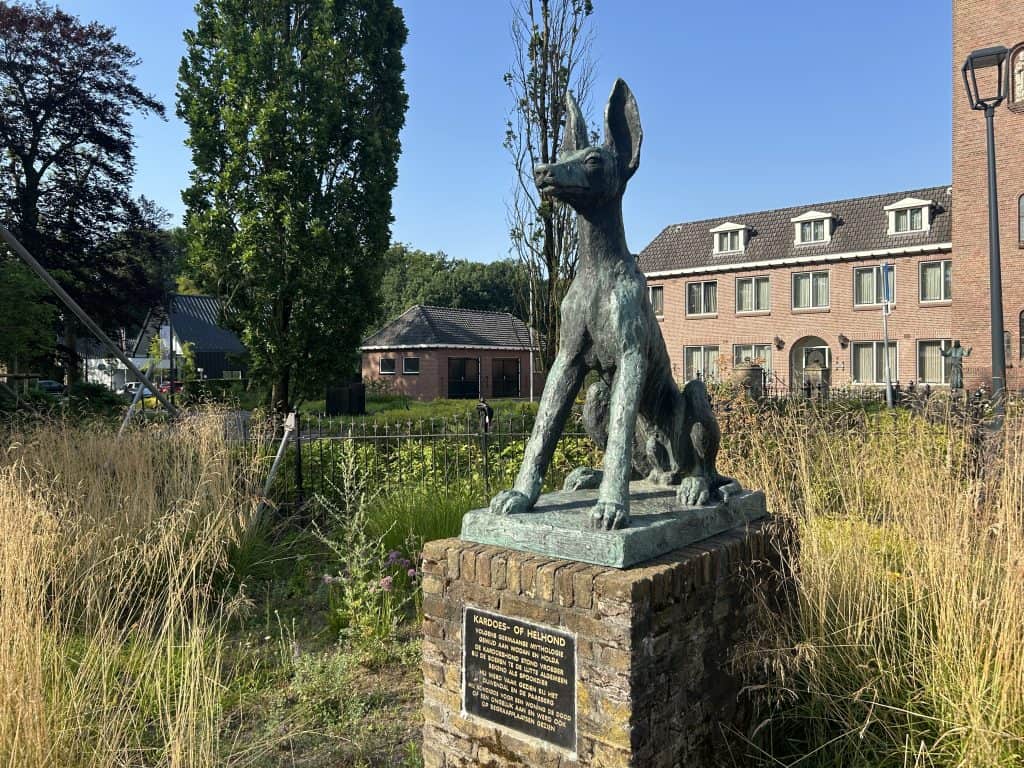
The character of De Lutte is defined by its location within a scenic and varied landscape. The village is surrounded by forests, rolling hills, and the unique sand drifts of the Lutterzand nature reserve. Its identity is that of a quiet border village that has become a popular destination for nature tourism, hiking, and cycling. The area is also rich in local folklore, most famously the legend of Kardoes the Hellhound, which is said to haunt the nearby Tankenberg hill. This recreational function exists alongside its traditional role as an agricultural community, creating a blend of tourism and local life.
A Short History of De Lutte
The history of De Lutte is that of an ancient farming community that has been shaped by its location on a major border and its unique natural landscape. For centuries, it was a small, rural settlement within the Twente region. Its modern history has been influenced by its development as a tourist destination. The story of De Lutte is one of a stable rural community that has adapted to its role as a gateway to one of the region’s most important nature reserves.
An Ancient Landscape
The history of settlement in the De Lutte area is long, with evidence of prehistoric activity, including ancient burial mounds, in the surrounding landscape. The village itself developed as a small farming community, or boerschap, in the Middle Ages. For centuries, its economy was based on agriculture. It was one of several small, scattered settlements in the rural landscape of the Twente region. Its location on the border with the County of Bentheim also gave it a strategic position.
A Border Village and Tourism
De Lutte has always been a border village. Its location directly on the border with Germany meant it was a route for local trade and, at times, for smuggling (smokkelen). In the 20th century, the village began to develop as a tourist destination. This was driven by the natural beauty of the surrounding area, particularly the Lutterzand. The establishment of hotels and campgrounds catered to visitors from both the Netherlands and Germany who were drawn to the area for its hiking and cycling opportunities.
Things to Do and See
The sights in and around De Lutte are primarily focused on its unique natural landscapes and recreational areas. The main points of interest include a major nature reserve, the highest point in the province, and a large botanical garden. The region’s extensive network of hiking and cycling trails are also key attractions for visitors.
Het Lutterzand
Het Lutterzand is the most significant attraction in the area. It is a large nature reserve located just outside the village of De Lutte. The reserve is characterized by its unique landscape of sand drifts, heathland, and pine forests. The Dinkel River meanders through the reserve, creating steep, eroded banks. The area offers an extensive network of marked trails for hiking and walking. It is a major destination for nature tourism in the eastern Netherlands.
The Tankenberg
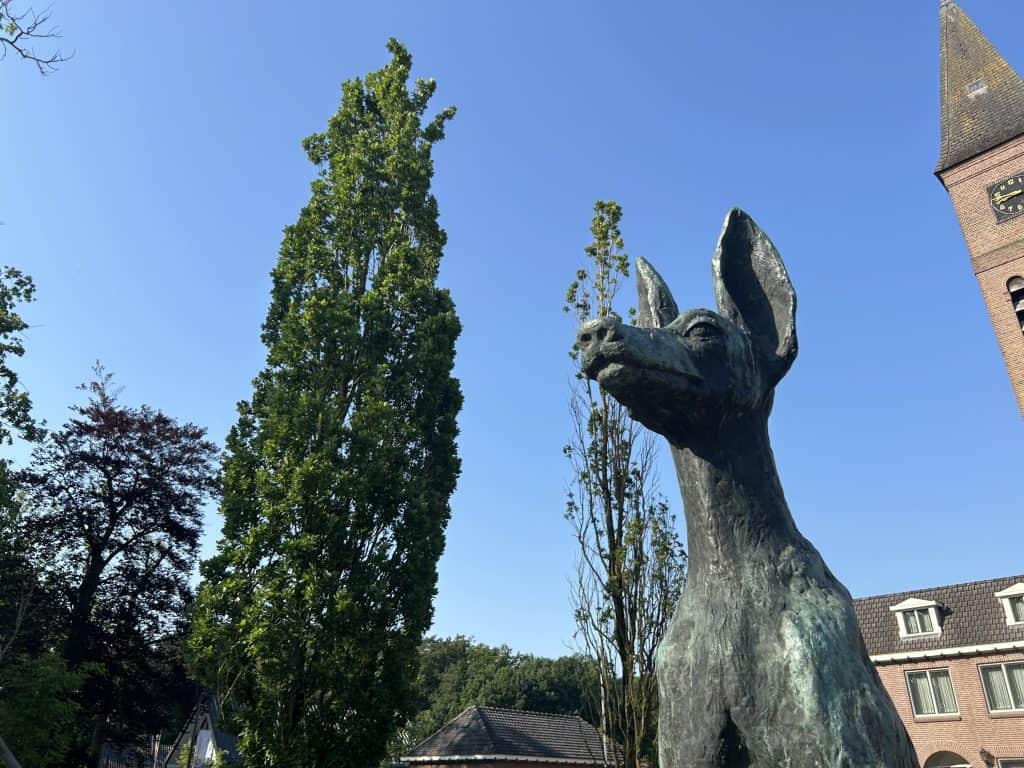
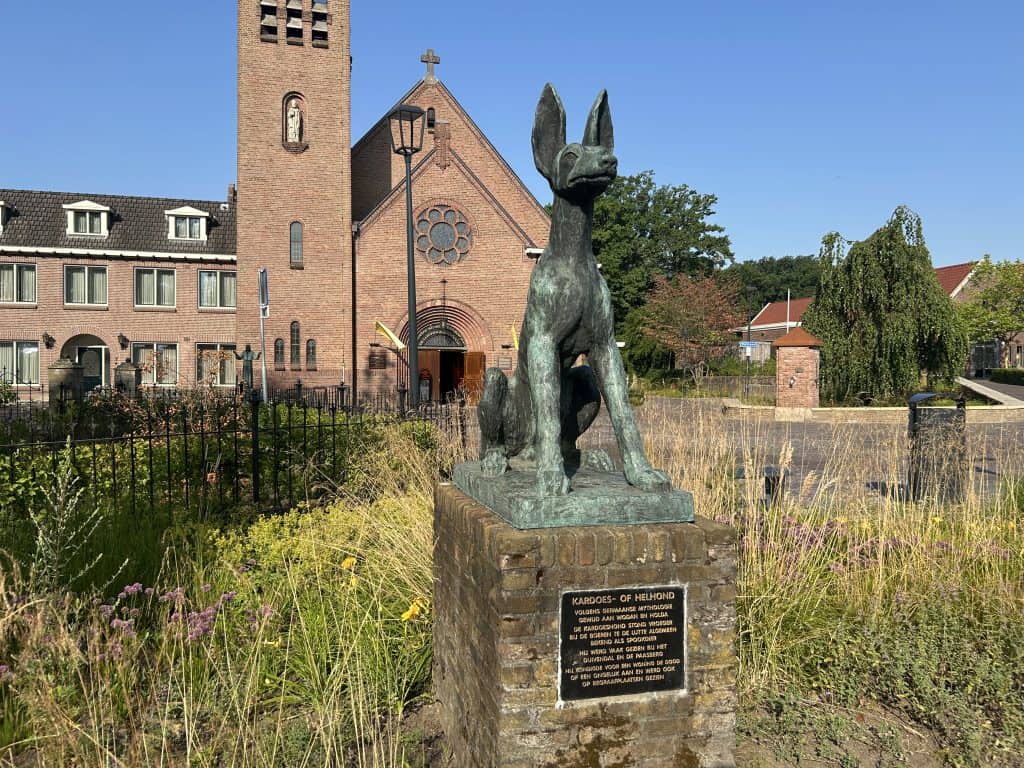
The Tankenberg is a hill located near De Lutte. At 85 meters, it is the highest point in the province of Overijssel. The hill is part of a larger moraine that was formed during the ice ages. The area is covered in forest and has several marked hiking trails that lead to the summit. A small, historic chapel is located at the top of the hill. The Tankenberg is also central to local folklore, as it is said to be the haunting ground of Kardoes the Hellhound, the ghost of a poacher and his demonic dog.
Arboretum Poort Bulten
The Arboretum Poort Bulten is a large botanical garden located near De Lutte. The arboretum covers an area of over 19 hectares. It features a large collection of native and exotic trees and shrubs from around the world. The garden is designed with a series of ponds and walking paths. It is a major center for nature education in the region. The arboretum provides a different kind of natural experience from the more rugged landscape of the Lutterzand.
Plechelmus Church
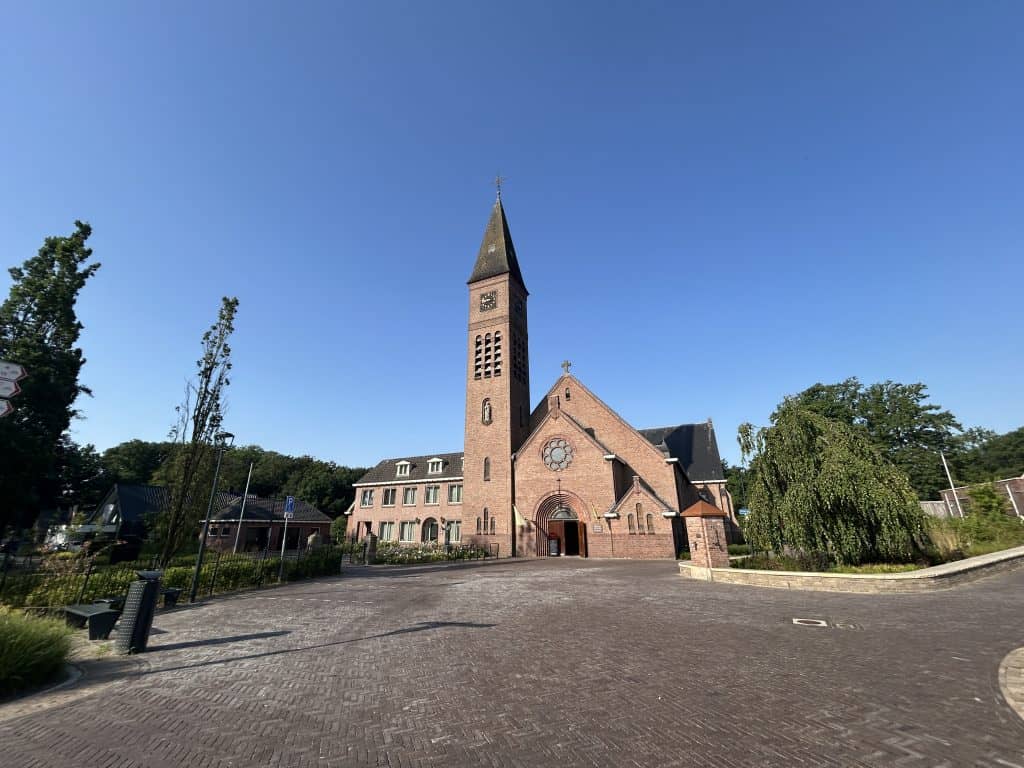
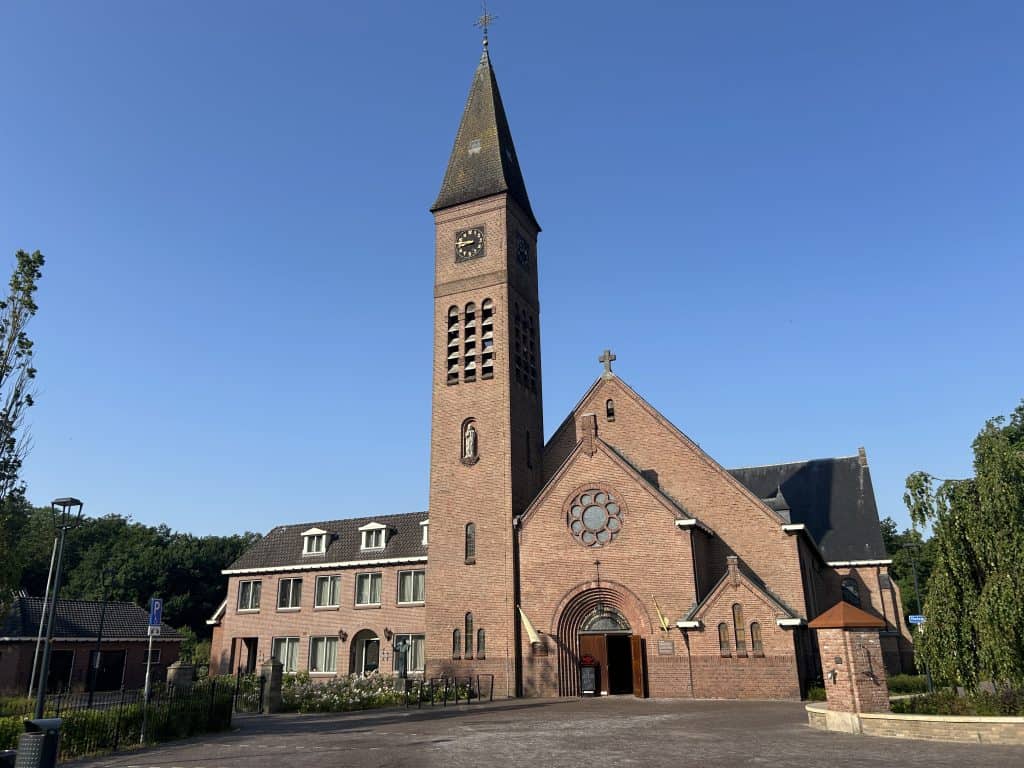
The Plechelmus Church (Sint-Plechelmuskerk) is the main Catholic church in the village of De Lutte. The current church is a neo-Gothic building that was constructed in the early 20th century. It is dedicated to Saint Plechelmus, an English missionary who was active in the region in the 8th century. The church’s tall spire is the most prominent landmark in the village itself. It serves as the spiritual center of the local community.
Hiking and Cycling Trails
The region around De Lutte is a major destination for hiking and cycling. The area is part of the extensive Wandelnetwerk Twente and Fietsknooppuntennetwerk (cycle node network). These systems of signposted trails allow visitors to easily create their own routes of varying lengths. The routes lead through the diverse landscapes of the region, including the Lutterzand and the area around the Tankenberg. These trail networks are a key sight for recreational visitors.


Sports in De Lutte
The sporting life in De Lutte is centered on its large local multi-sport club, which is a key part of the community. The club provides opportunities for residents of all ages to participate in a variety of organized sports. Football and handball are two of the most popular sports offered by the club. The club’s facilities serve as a hub for both training and local league competitions.
Football
Football is a popular sport in De Lutte. The local club has a strong presence in the community, with a focus on youth development. The club provides a platform for local players to compete in the regional amateur leagues of the Netherlands. Home games are important local events that draw supporters from the village.
SV De Lutte
The village’s main sports club is the SV De Lutte. While it is a multi-sport association, its football section is the most prominent. The club was founded in 1945. The senior football team competes in the lower tiers of the Dutch amateur football league system, part of the KNVB. They play their home games at a local sports ground in the village, De Stockakker.
Handball
Handball is another key sport offered by the local sports club in De Lutte. The club has teams for both men and women, as well as an extensive youth section. The sport has a dedicated following in the Twente region. The club’s teams compete in the regional and national amateur league systems.
SV De Lutte Handball
The handball section of SV De Lutte is also very active. The club provides training and competition for hundreds of players, from young children to senior teams. They compete in the leagues of the Nederlands Handbal Verbond (NHV). The teams play their home games at the local indoor sports hall.

How to Get to De Lutte
Reaching the village of De Lutte is straightforward by road, as it is located directly on a major European motorway. Its proximity to the German border makes it easily accessible from both the Netherlands and Germany.
The Open Road: Driving the A1/A30
Driving is the most common and practical way to reach De Lutte. The village is located directly on the A1 motorway, which is a major east-west highway in the Netherlands. This motorway continues across the border into Germany, where it becomes the A30 motorway. This provides a direct link to major cities like Amsterdam in the west and Osnabrück and Hanover in the east.
Arriving by Air: Münster/Osnabrück Airport
The closest major international airport is Münster/Osnabrück International Airport (FMO) in Germany. It is located approximately 50 kilometers to the southeast of De Lutte. For more extensive global connections, Amsterdam Airport Schiphol (AMS) is the main hub for the Netherlands. From either of these airports, a rental car or a combination of train and bus services is required to complete the journey.
On Track: A Journey by Rail and Bus
De Lutte does not have its own train station. The closest train station is located in the nearby town of Oldenzaal, approximately 6 kilometers away. The Oldenzaal station has regional train services that connect to major Dutch railway hubs like Hengelo and Enschede. From the Oldenzaal station, a local bus service, operated by Twents (Keolis), provides the final connection to De Lutte.
Connecting by Coach
There are no direct long-distance bus services to the small village of De Lutte itself. Travel by coach would typically involve taking a service from a company like FlixBus to a larger nearby city, such as Enschede or Hengelo in the Netherlands, or Münster in Germany. From these cities, travelers would then need to transfer to a regional train or bus service to complete the journey.
Driving Distances
The driving distance from 10 regional cities, according to Google Maps:
- Osnabrück, Germany – 62 kilometers (0 h 50 min)
- Münster, Germany – 65 kilometers (1 h 00 min)
- Utrecht, Netherlands – 139 kilometers (1 h 40 min)
- Cologne, Germany – 161 kilometers (1 h 50 min)
- Amsterdam, Netherlands – 161 kilometers (2 h 00 min)
- Rotterdam, Netherlands – 209 kilometers (2 h 20 min)
- Antwerp, Belgium – 247 kilometers (2 h 40 min)
- Hamburg, Germany – 282 kilometers (2 h 50 min)
- Brussels, Belgium – 307 kilometers (3 h 20 min)
- Berlin, Germany – 491 kilometers (5 h 00 min)
Looking to Explore more of the Netherlands and Europe?