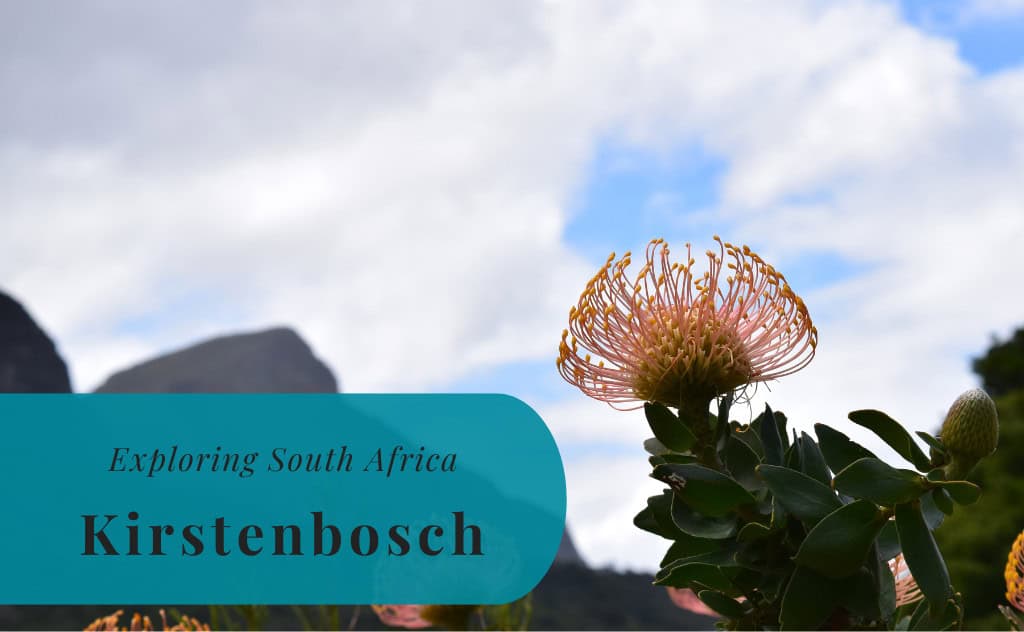
Kirstenbosch | Exploring South Africa
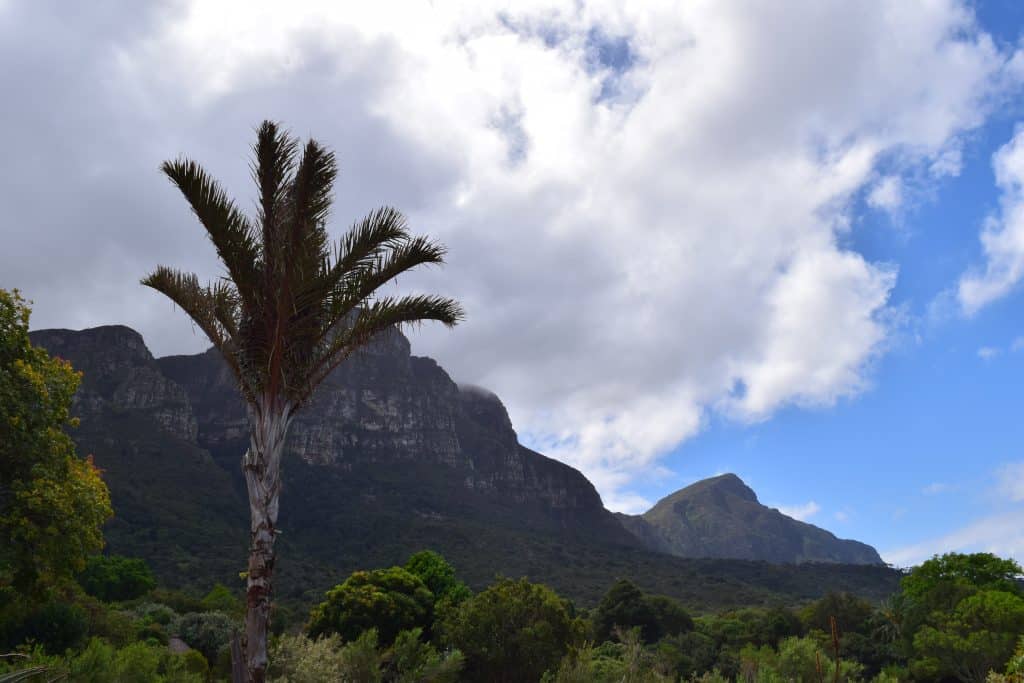
Kirstenbosch is a world-famous botanical garden located in Cape Town, South Africa. It is nestled on the eastern foot of Table Mountain, and it is one of 10 National Botanical Gardens in the country. Kirstenbosch is not a town but a vast, 528-hectare estate. It is acclaimed as one of the great botanic gardens of the world. Its setting on the slopes of the iconic mountain is a key part of its appeal.
The identity of Kirstenbosch is defined by its focus on the indigenous flora of Southern Africa. It was the first botanical garden in the world to be established with this ethos. The garden is a part of the Cape Floristic Region, a UNESCO World Heritage Site, and it showcases the incredible biodiversity of this unique floral kingdom. Today, Kirstenbosch is one of Cape Town’s most popular tourist attractions. It offers a unique combination of natural beauty, scientific importance, and recreational opportunities.
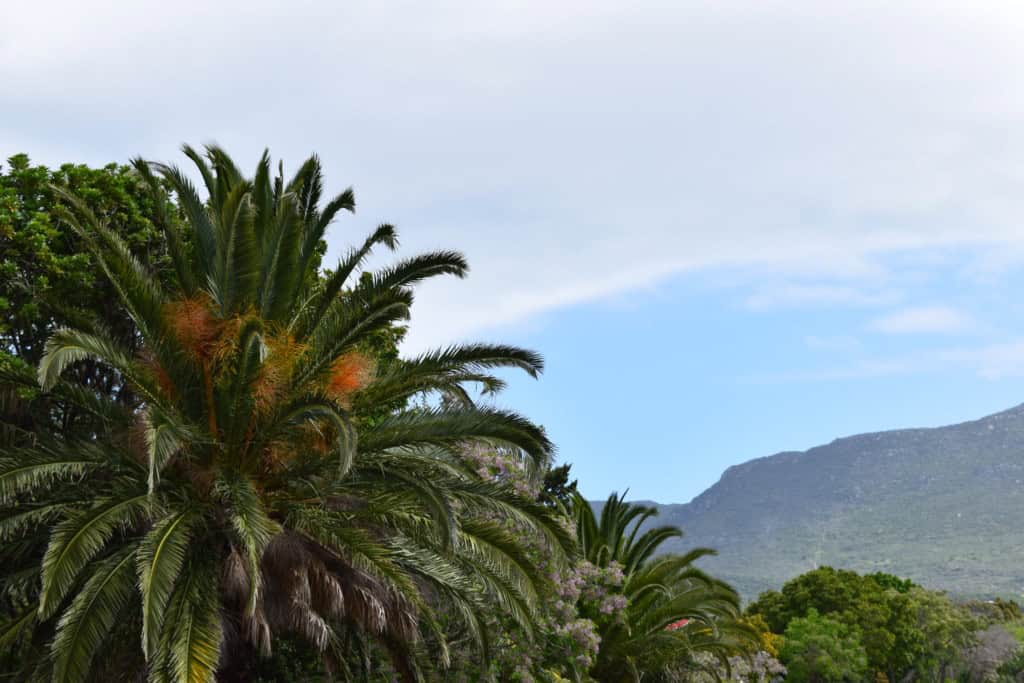
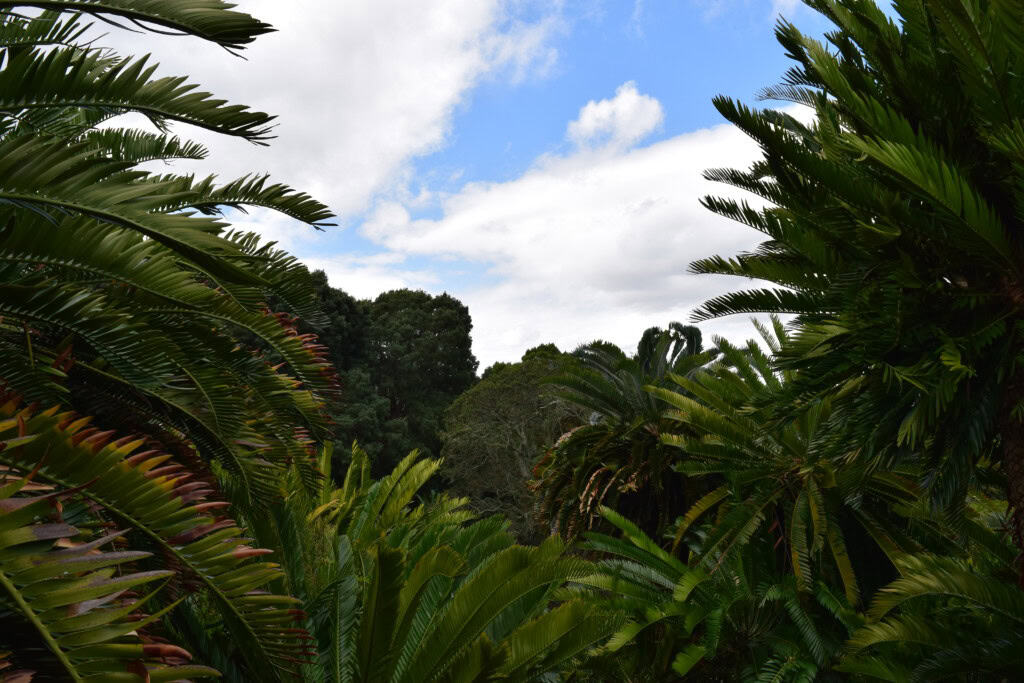
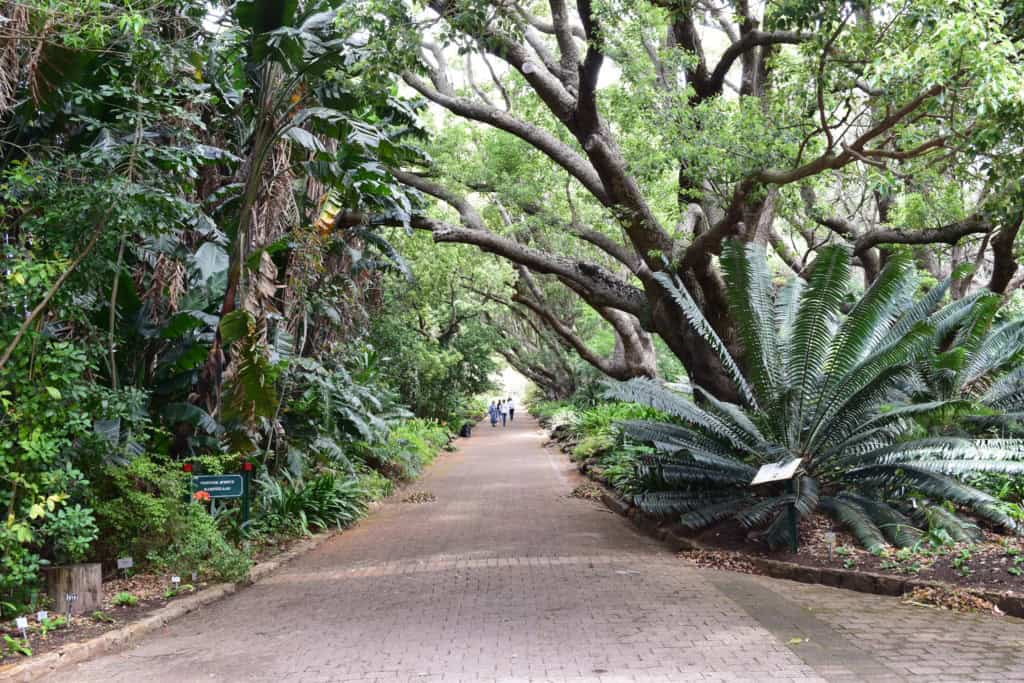

History of Kirstenbosch
The history of Kirstenbosch as a botanical garden began in the early 20th century, but the history of the land itself is much older. The area was inhabited by the indigenous Khoikhoi people for centuries. After the arrival of the Dutch, a part of the first colonial boundary hedge was planted here. The land was later owned by several different families before being purchased by Cecil Rhodes at the end of the 19th century. His bequest of the land to the nation paved the way for the creation of the magnificent garden we see today.
From Colonial Frontier to Private Estate
The area of Kirstenbosch lay on the frontier of the early Dutch settlement at the Cape. In 1660, by order of Jan van Riebeeck, a hedge of wild almond trees was planted here as part of a defensive barrier to protect the colony. A section of this historic hedge, known as Van Riebeeck’s Hedge, still survives in the garden today. In the 19th century, under British rule, the land was divided and sold. It was owned by several families, including the Cloete family, who farmed the land and planted oaks and fruit trees.
Cecil Rhodes and the Founding of the Garden
The pivotal moment in the history of Kirstenbosch came in 1895, when the influential and controversial British colonialist Cecil Rhodes purchased the estate. After his death in 1902, he bequeathed the land to the nation. A botanist from Cambridge University, Harold Pearson, had a vision to create a national botanic garden that would be dedicated to the preservation and cultivation of South Africa’s indigenous flora. In 1913, the government set aside the Kirstenbosch estate for this purpose, and the Kirstenbosch National Botanical Garden was officially founded, with Pearson as its first director.
A Modern Botanical Institution
In the modern era, Kirstenbosch has grown to become one of the most respected botanical gardens in the world. The garden is now managed by the South African National Biodiversity Institute (SANBI). It plays a vital role in scientific research, conservation, and education. The garden has also become a major cultural venue, and it is famous for its series of outdoor summer sunset concerts, which are a major highlight of the Cape Town social calendar. The garden continues to develop, with new features like the popular Centenary Tree Canopy Walkway being added.

Sights in Kirstenbosch
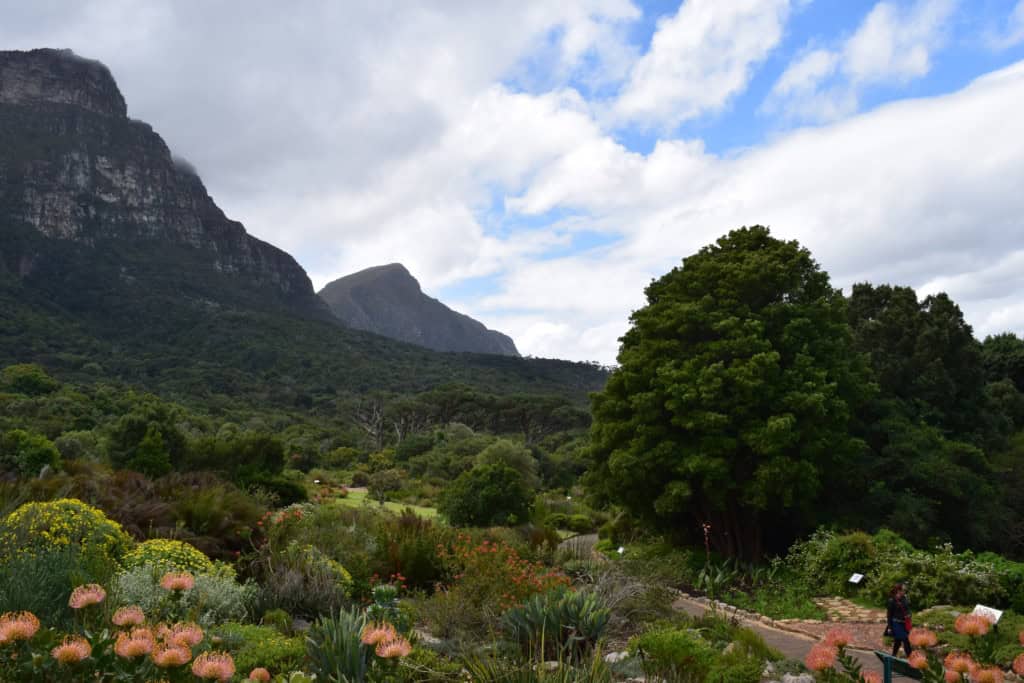
The sights at Kirstenbosch are a captivating blend of spectacular natural beauty, unique horticultural displays, and innovative architectural features. The main attraction is the garden’s incredible collection of indigenous South African plants, which are displayed in a variety of themed gardens. The magnificent Centenary Tree Canopy Walkway is another major highlight, offering a unique perspective of the forest. The large conservatory showcases plants from different biomes, while the sculpture garden adds an artistic dimension to the landscape.
Centenary Tree Canopy Walkway (“Boomslang”)
The Centenary Tree Canopy Walkway is one of the most famous and popular attractions at Kirstenbosch. It is an elevated, curving steel and timber bridge that winds its way through and over the trees of the arboretum. The walkway is nicknamed the “Boomslang,” which is the Afrikaans word for a tree snake, due to its snake-like shape. The walkway is 130 meters long and reaches a height of 12 meters above the ground, offering spectacular panoramic views of the garden, the city, and the surrounding mountains.
The Botanical Society Conservatory
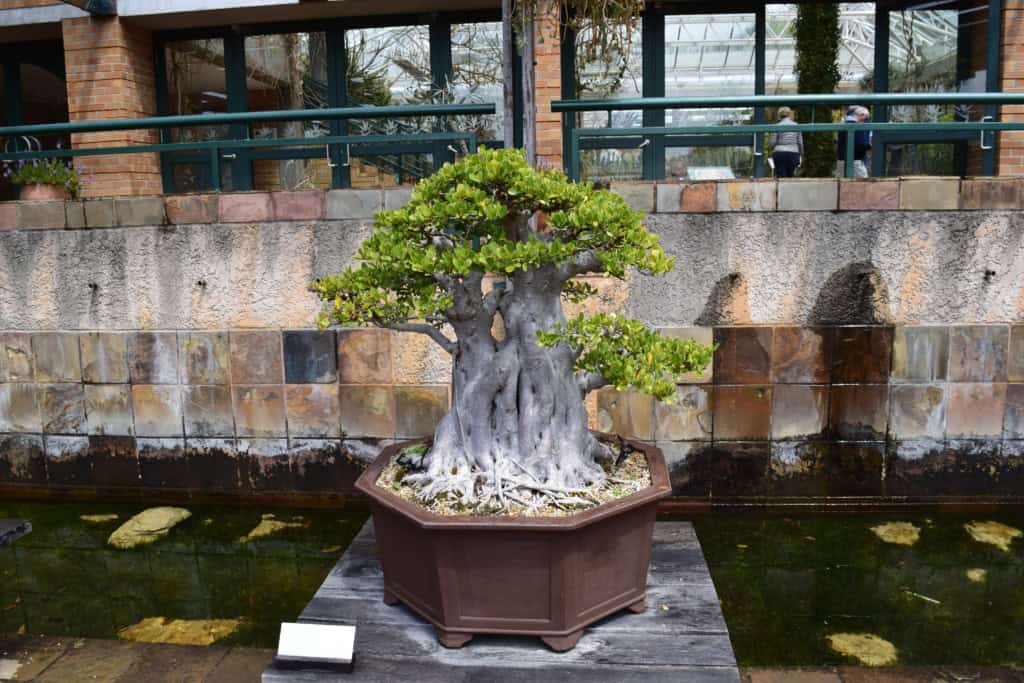
The Botanical Society Conservatory is a large, modern glasshouse that showcases plants from a number of different regions of Southern Africa. The main part of the conservatory is dedicated to succulent plants from the arid, desert regions of the country, such as the Karoo. The conservatory has a central baobab tree and a variety of unique and interesting plants, including the strange “halfmens” tree. It provides a fascinating look at the incredible diversity of plant life that is adapted to dry conditions.
The Fynbos Garden
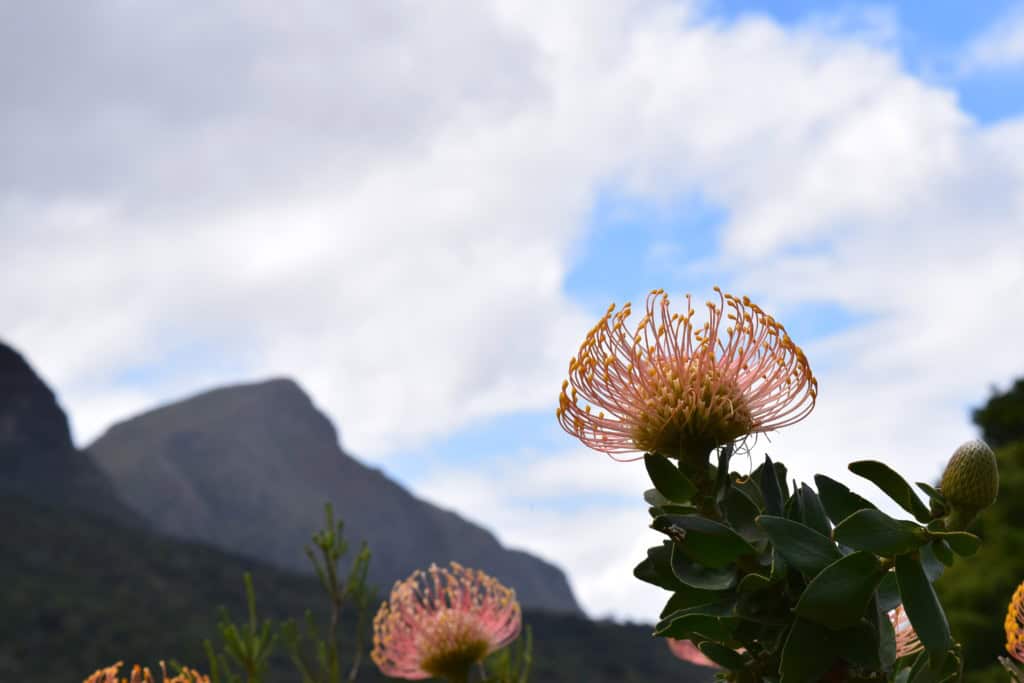
A key feature of Kirstenbosch is its extensive Fynbos Garden. This garden is dedicated to the cultivation of plants from the Cape Floral Kingdom, which is the smallest but richest of the world’s six floral kingdoms. The fynbos vegetation is a unique and beautiful type of shrubland. The garden showcases a huge variety of fynbos plants, including the spectacular proteas, which are South Africa’s national flower, and the diverse ericas (heaths). The garden is a riot of color, especially in the spring.
The Dell
The Dell is one of the oldest and most beautiful parts of the garden. It is a shady and tranquil area that is centered around a natural spring. A key feature of this area is Colonel Bird’s Bath, a bird-shaped pool that was built in 1811. The Dell is planted with ferns and other shade-loving plants, and it is dominated by towering forest trees. The historic Van Riebeeck’s Hedge, which was planted in 1660, can also be seen in this part of the garden.


Getting Around in Kirstenbosch
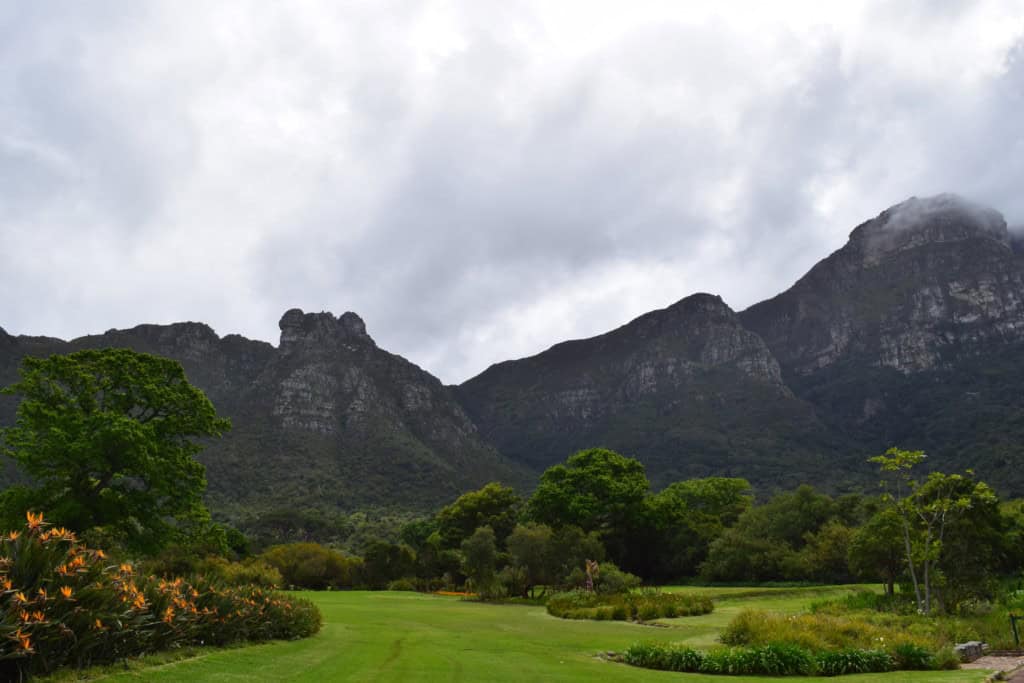
The Kirstenbosch National Botanical Garden is a very large estate, and the only way to get around is on foot. The garden has an extensive network of well-maintained paths and trails that wind their way through the various sections. To reach the garden, which is located in a residential suburb of Cape Town, a car or the City Sightseeing hop-on-hop-off bus are the most convenient options. Public transport to the garden is also available.
Exploring by Foot
Walking is the only way to explore the beautiful and diverse landscapes of Kirstenbosch. The garden has a network of paths of varying lengths and difficulty levels, from easy, paved paths that are suitable for wheelchairs and strollers to more rugged hiking trails that lead up the mountain. A free guided tour of the garden is also offered on most days, which is a great way to learn more about the plants and the history of the garden.
Using Local Buses
The Golden Arrow bus company operates a public bus service that runs from the main bus station in the center of Cape Town to an area near Kirstenbosch. However, the service is not very direct or frequent. A more convenient option for tourists is the red City Sightseeing hop-on-hop-off bus. The Blue Mini Peninsula Tour route has a dedicated stop directly at the main entrance to the Kirstenbosch garden, making it a very easy and popular way for visitors to reach the site.


How to Get to Kirstenbosch?
Kirstenbosch is located in the suburb of Newlands, about 13 kilometers from the city center of Cape Town. The main gateway for international visitors is Cape Town International Airport (CPT). From the airport and the central city, Kirstenbosch is easily accessible by various means, including car, public bus, the City Sightseeing tourist bus, and ride-sharing services. Its location on the suburban edge of the city makes it a very accessible major attraction.
Arriving by Air
The main airport for the region is Cape Town International Airport (CPT). It is the second-busiest airport in South Africa. From the airport, the easiest way to reach Kirstenbosch is to rent a car or to take a taxi or a ride-sharing service. The drive from the airport to the garden takes about 20-30 minutes, depending on traffic. There are no direct public bus services from the airport to Kirstenbosch, so a transfer in the city’s southern suburbs would be required.
Driving to the Garden
Driving to Kirstenbosch is very straightforward. From the city center of Cape Town, you would take the De Waal Drive (M3) highway in the direction of Muizenberg. You then take the turn-off for Rhodes Drive (M63) and follow the signs for Kirstenbosch. The roads are well-maintained and clearly signposted. There is a large, free parking area located at the main entrance to the garden, but it can fill up on weekends and during major events like the summer concerts.
Connecting by Public Bus
The Golden Arrow bus company operates a public bus service that runs from the main bus station in the center of Cape Town towards the southern suburbs. You can take a bus to the nearby towns of Claremont or Wynberg. From there, you would need to take a short taxi or ride-sharing service for the final few kilometers to the garden. This is the most economical option, but it requires a transfer and is less direct than other methods.
Using the City Sightseeing Bus
A very convenient and popular option for tourists is the red City Sightseeing hop-on-hop-off bus. The Blue Mini Peninsula Tour route has a dedicated stop directly at the main entrance to the Kirstenbosch garden. The bus provides an audio guide with information about the city’s sights along the way. This is a very easy and direct way for visitors to reach the site without needing their own transport.
Using Ride-Sharing or Taxis
Ride-sharing services like Uber and Bolt are widely available in Cape Town and are a very convenient way to get to Kirstenbosch. A trip from the city center is relatively short and affordable. Traditional taxis are also available and can be hailed or booked in advance. This option provides a direct, door-to-door service, which can be very practical for families or small groups.
Driving Distances
The driving distance from 20 regional cities, according to Google Maps:
- Cape Town, South Africa – 13 kilometers (0 h 20 min)
- Stellenbosch, South Africa – 45 kilometers (0 h 40 min)
- Paarl, South Africa – 65 kilometers (0 h 50 min)
- Hermanus, South Africa – 120 kilometers (1 h 30 min)
- Swellendam, South Africa – 215 kilometers (2 h 20 min)
- Cape Agulhas, South Africa – 220 kilometers (2 h 40 min)
- Mossel Bay, South Africa – 390 kilometers (4 h 00 min)
- Oudtshoorn, South Africa – 420 kilometers (4 h 30 min)
- George, South Africa – 430 kilometers (4 h 30 min)
- Beaufort West, South Africa – 460 kilometers (4 h 45 min)
- Plettenberg Bay, South Africa – 520 kilometers (5 h 20 min)
- Springbok, South Africa – 560 kilometers (5 h 30 min)
- Graaff-Reinet, South Africa – 670 kilometers (6 h 45 min)
- Gqeberha, South Africa – 750 kilometers (7 h 30 min)
- Upington, South Africa – 800 kilometers (8 h 00 min)
- Kimberley, South Africa – 950 kilometers (9 h 30 min)
- Bloemfontein, South Africa – 1000 kilometers (10 h 00 min)
- East London, South Africa – 1050 kilometers (10 h 30 min)
- Johannesburg, South Africa – 1400 kilometers (13 h 30 min)
- Pretoria, South Africa – 1450 kilometers (14 h 00 min)
Looking to Explore more of South Africa and Africa?