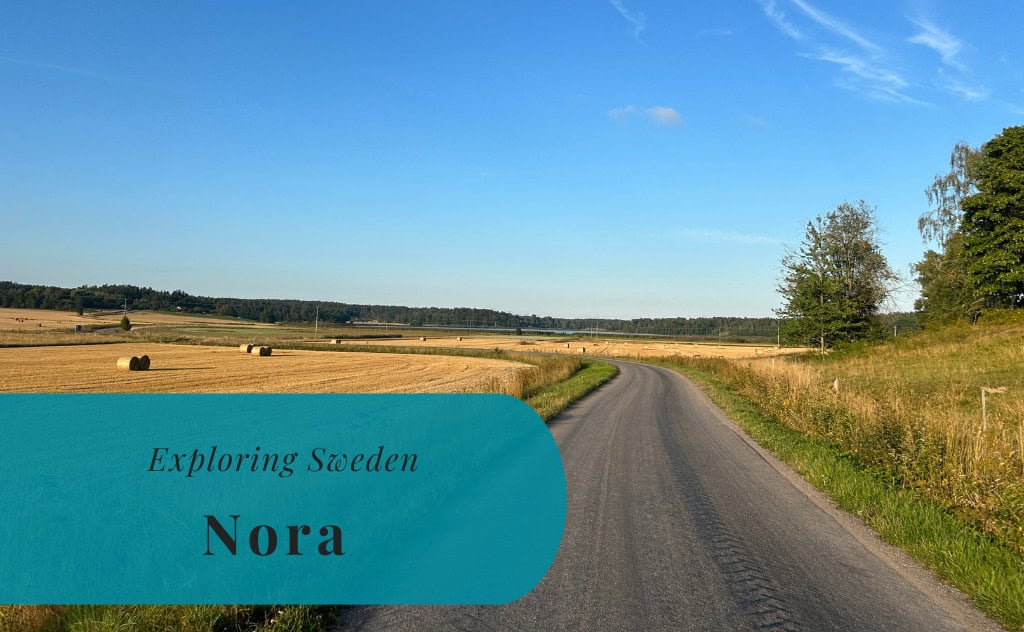
Nora, Södermanland | Exploring Sweden
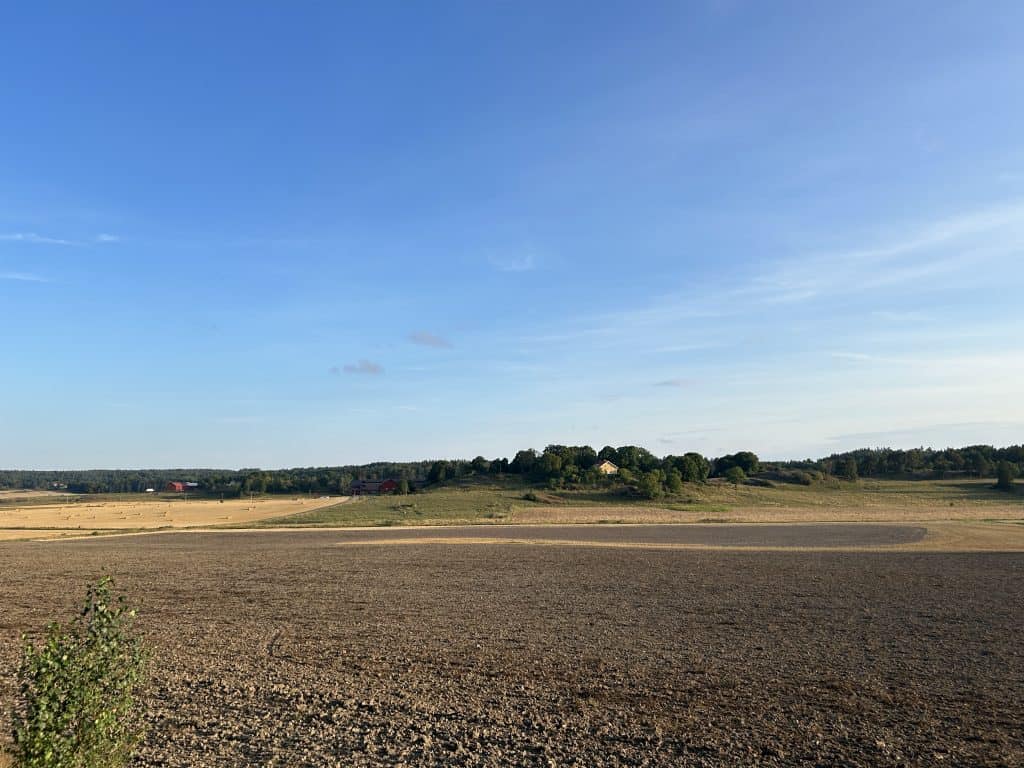
Nora is a historic farm located in the area of Vagnhärad, within the municipality of Trosa, Sweden. The farm is situated in the scenic province of Södermanland, a region that is exceptionally rich in ancient remains and cultural history. Nora Gård is a well-known local landmark, and it occupies a landscape characterized by its lush greenery and its proximity to the Trosaån river. It stands as a testament to the area’s long agricultural heritage.
The identity of Nora Gård is defined by its deep historical roots and its setting within a tranquil, rural oasis. The road that passes the farm has ancient origins, as it was once a path used by Vikings, and several important runestones can still be found in the immediate vicinity. The farm itself has roots dating back to the Iron Age and, along with its neighboring farm Hallsta, was historically part of the royal Tullgarn Estate. Today, Nora Gård and its surroundings offer visitors a direct connection to the long and varied history of the Sörmland region, showcasing traditional Swedish rural life.

A Short History of Nora
The history of the area around Nora Gård is a story that stretches back over a thousand years, from the Viking Age to the present day. The name itself, which is derived from the Old Norse word “nor” meaning a narrow strait, reflects the ancient geography of the landscape. For centuries, this was a significant passage and settlement area, a fact that is attested to by the numerous runestones that dot the surroundings. The farm has been a consistent feature of this historic landscape for centuries, playing a key role in the region’s agricultural life as part of a royal estate.
Viking Age and Royal Lands
The land around Nora Gård has been a site of human activity since at least the Iron Age, and its roots are deeply intertwined with the Viking era. The road passing the farm, which was formerly known as “Tjudr-stigr” or “The People’s Path,” was a vital route for the Vikings. Several nearby runestones bear witness to this history, including the Norastenen, which tells of a bridge built in memory of a son named Stenkil. This historic route was also used by royalty, as Duke Karl rested here in 1568. For many centuries, Nora Gård and the neighboring Hallsta farm were part of the vast lands belonging to the royal Tullgarn Estate.
A Historic Farmstead
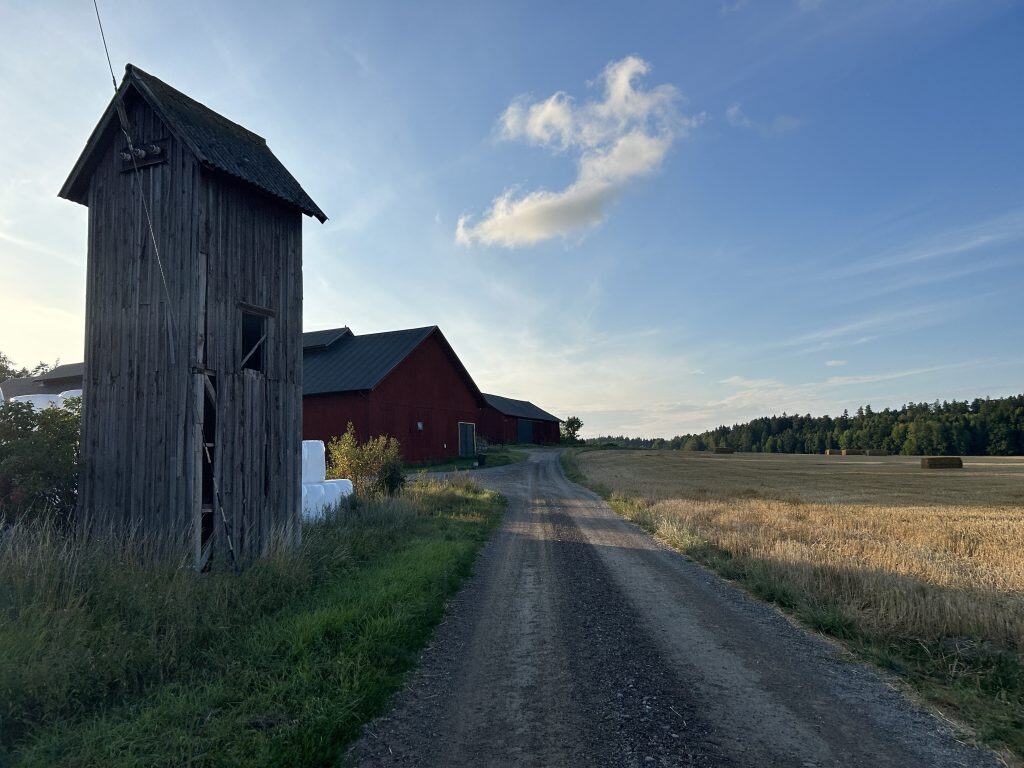
Nora Gård is recorded on maps as early as 1679, although its origins as a settlement date back much further to the Iron Age. The farm has been part of a rich agricultural landscape that has defined the region for centuries. As part of the Tullgarn Estate, it played a role in supplying the royal court and the surrounding region. It has operated continuously as a farm, contributing to the local production of food and goods and representing the long tradition of agriculture in the Sörmland countryside.
Things to Do and See
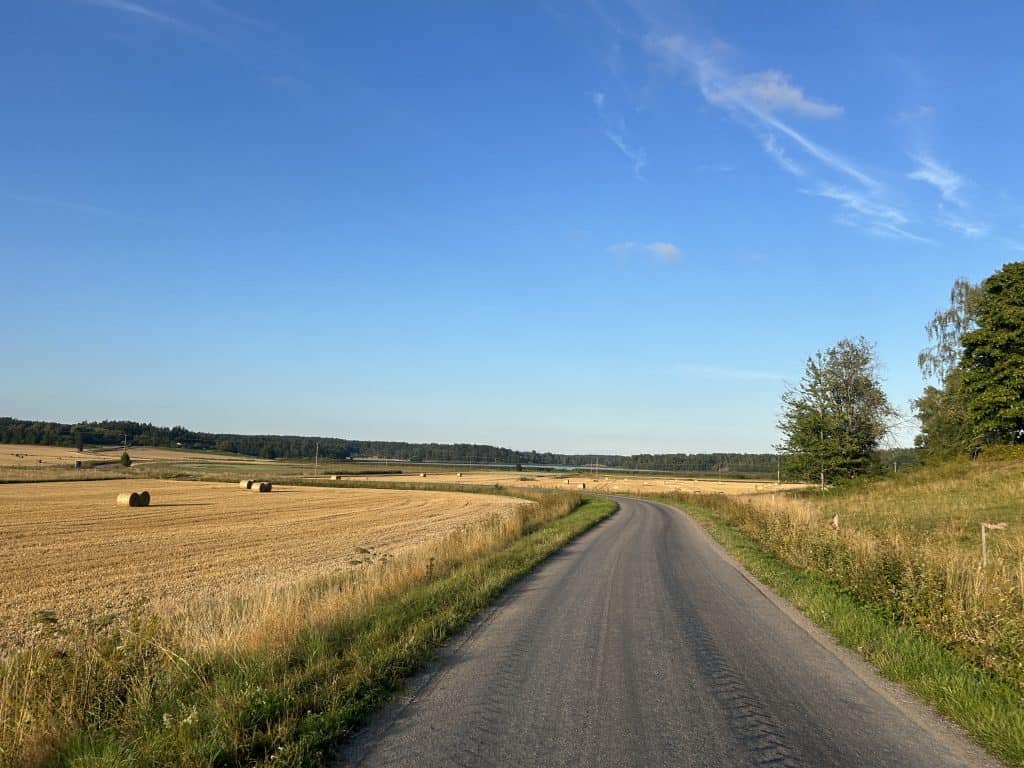
The sights in the Nora Gård area are centered around the beautiful historic landscape and the ancient relics that are found within it. The main attraction is the serene, pastoral scenery of the Sörmland countryside, which is characterized by rolling hills, open fields, and historic farms. This landscape is steeped in history. For those interested in the ancient past, the nearby Viking Age runestones provide a direct and powerful link to the area’s earliest recorded history.
The Historic Agricultural Landscape
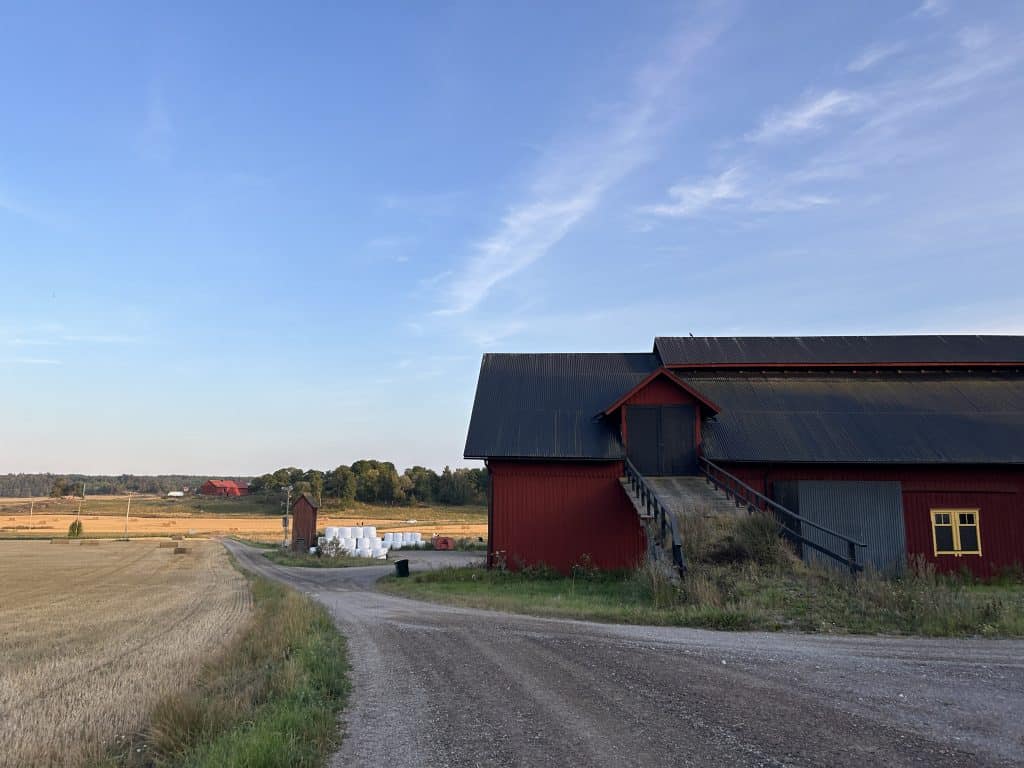
The area surrounding Nora Gård is a classic example of a Sörmland agricultural landscape. It is a mosaic of cultivated fields, meadows, and patches of forest, which is interspersed with traditional red-painted farm buildings. The Trosaån river meanders through the landscape, adding to its picturesque beauty. A walk or a drive through this area is a journey through a landscape that has been shaped by centuries of farming. The sense of peace and the connection to the historical land use are the main draws for visitors seeking a tranquil, rural experience.
The Runestones
The area around Nora Gård is rich in history, and several important Viking Age runestones can be seen nearby. The most significant of these is the Norastenen (the Nora Stone), which is located right by the main road. This beautifully carved runestone dates from the 11th century. Its inscription tells the story of two parents, Ingemar and Arny, who raised the stone and built a bridge in memory of their son, Stenkil. These ancient monuments are a powerful and direct link to the Viking history of the Södermanland region.


How to Get to Nora
Nora Gård is located in the area of Vagnhärad, in the Trosa municipality of Sweden. The main gateway for international visitors is Stockholm Arlanda Airport (ARN). From the capital city of Stockholm, the journey to Vagnhärad is a short and easy one. The town is very well-connected by the main E4 motorway, and it is also served by frequent train and bus services, making it an accessible destination for a day trip or a longer stay in the Sörmland countryside.
Driving out of Town
Driving to Vagnhärad is very straightforward, for the town is located directly on the main E4 motorway. This is the primary highway that runs south from Stockholm towards Helsingborg. The drive from the southern parts of Stockholm takes approximately 45-60 minutes, depending on traffic conditions. The Nora Gård area is located a short distance from the main motorway exit for Vagnhärad. The roads in the region are well-maintained and clearly signposted, making for a pleasant journey through the scenic landscape.
Connecting by Train
The train is a very convenient and fast way to get to Vagnhärad, especially from the capital. The regional train service, Mälartåg, operates a frequent schedule from Stockholm Central Station. The journey to Vagnhärad station is comfortable and typically takes approximately 40 minutes, making it a popular choice for commuters and visitors alike. From the train station in Vagnhärad, it is a short taxi ride or a longer, pleasant walk of a few kilometers to the Nora Gård area.
Using the Regional Buses
The regional public transport authority, Sörmlandstrafiken, operates the bus services that connect Vagnhärad with other towns and villages in the region. These buses provide an affordable and reliable way to travel to nearby destinations such as Trosa, Nyköping, and Södertälje. This network is essential for exploring the wider Sörmland area without a private car. Tickets for these services can be conveniently purchased through the Sörmlandstrafiken app, on their website, or directly on the bus using a credit card, as the buses are cash-free.
Taking the Direct Bus from Stockholm
For a direct connection from the capital, there is also a commercial coach service called the Trosabussen. This bus runs from the Liljeholmen bus terminal in southern Stockholm directly to Vagnhärad and then continues on to the coastal town of Trosa. This service is a popular and comfortable option for both commuters and tourists. The journey by bus from Stockholm to Vagnhärad takes approximately one hour. This makes it another convenient and affordable option for reaching the area by public transport.
Driving Distances
The driving distance from 20 major regional cities, according to Google Maps:
- Trosa, Sweden – 8 kilometers (0 h 10 min)
- Gnesta, Sweden – 20 kilometers (0 h 20 min)
- Södertälje, Sweden – 30 kilometers (0 h 25 min)
- Nyköping, Sweden – 40 kilometers (0 h 30 min)
- Stockholm, Sweden – 65 kilometers (0 h 50 min)
- Eskilstuna, Sweden – 90 kilometers (1 h 15 min)
- Norrköping, Sweden – 100 kilometers (1 h 10 min)
- Uppsala, Sweden – 135 kilometers (1 h 30 min)
- Linköping, Sweden – 140 kilometers (1 h 30 min)
- Västerås, Sweden – 145 kilometers (1 h 40 min)
- Örebro, Sweden – 165 kilometers (1 h 50 min)
- Gävle, Sweden – 235 kilometers (2 h 20 min)
- Jönköping, Sweden – 270 kilometers (2 h 45 min)
- Karlstad, Sweden – 270 kilometers (3 h 00 min)
- Kalmar, Sweden – 340 kilometers (3 h 40 min)
- Gothenburg, Sweden – 400 kilometers (4 h 00 min)
- Sundsvall, Sweden – 450 kilometers (4 h 20 min)
- Helsingborg, Sweden – 500 kilometers (4 h 50 min)
- Malmö, Sweden – 560 kilometers (5 h 20 min)
- Umeå, Sweden – 700 kilometers (7 h 00 min)
Explore More of Södermanland and Sweden