Lahti (Lahtis) | Exploring Finland
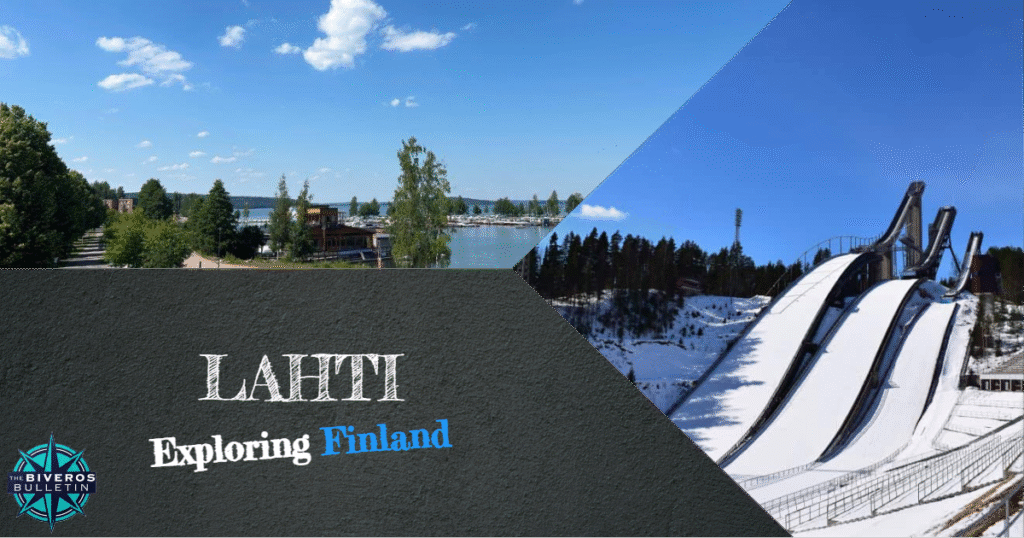
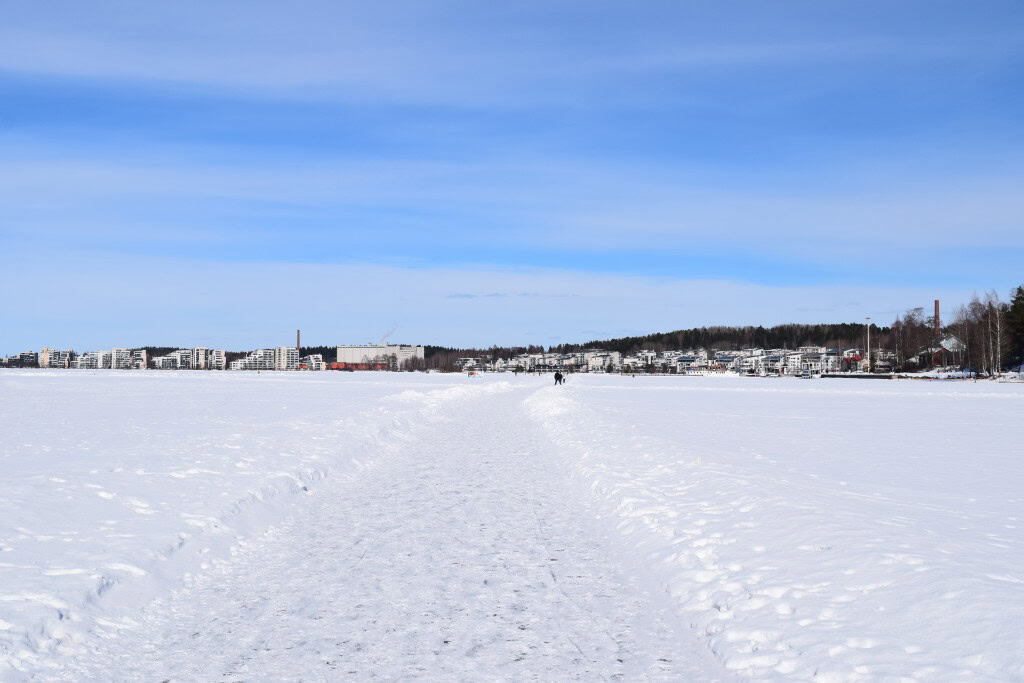
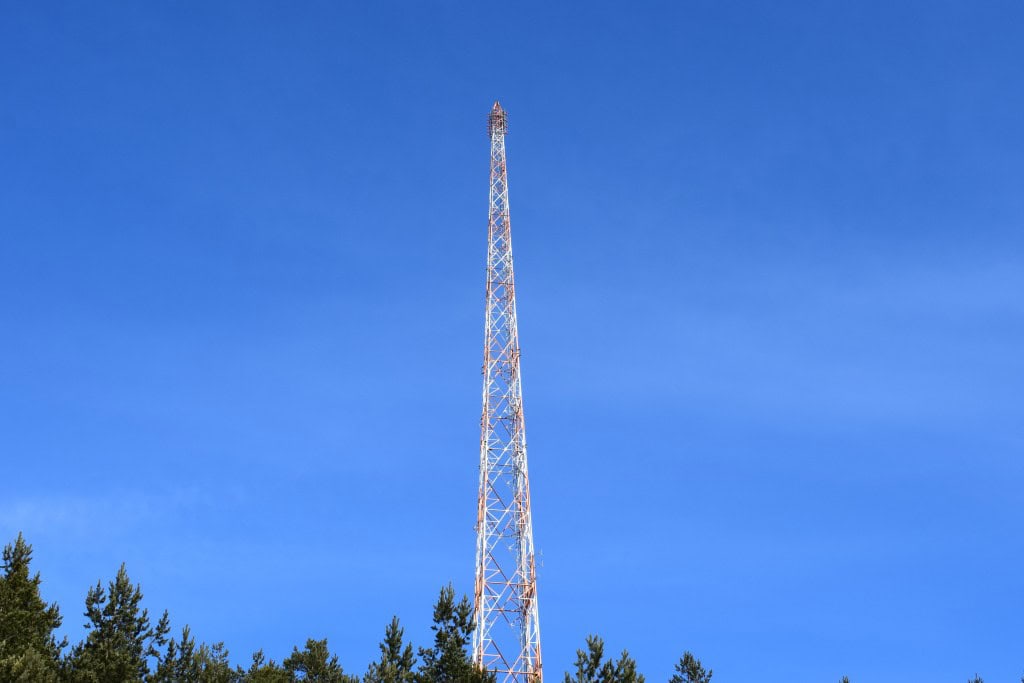
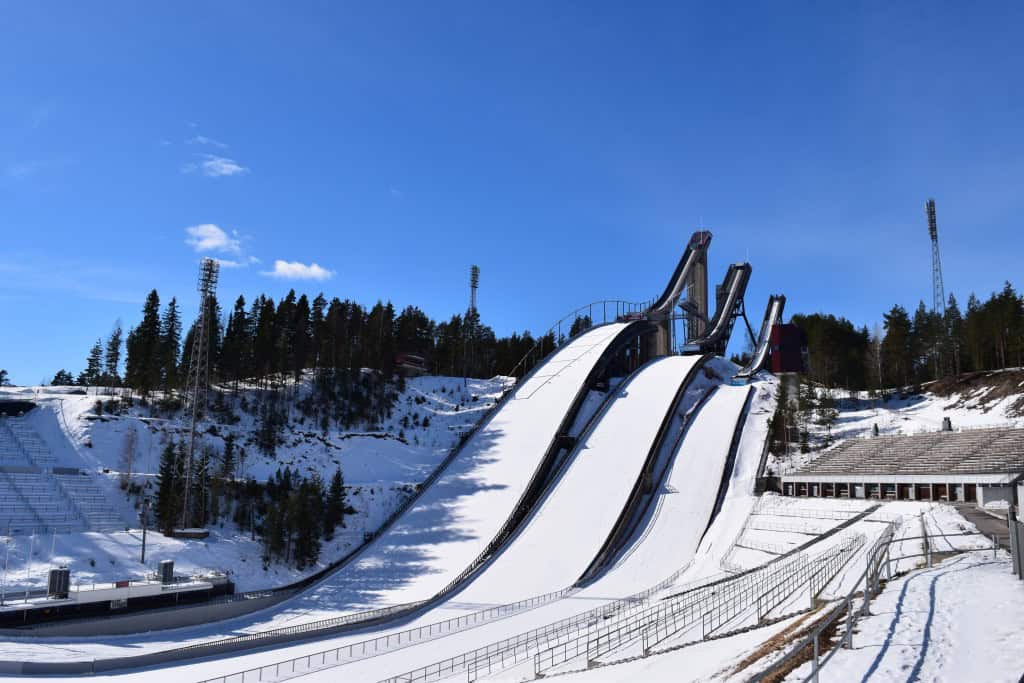
Lahti, or Lahtis in Swedish, is a city in southern Finland. It is the seat of the region of Päijät-Häme and, with around 121.000 inhabitants, is the ninth largest city in Finland. This monolingual Finnish-speaking city is along the shores of Lake Vesijärvi. Lahti is famous for its winter sports, especially cross-country skiing and ski jumping. The massive ski-jumping towers are a prominent feature of the city. With the two 150-meter-high radio masts from 1927 they form the main landmarks in the city.
Located about an hour’s drive northeast of Helsinki the city has a long industrial heritage. Lahti lies at the intersection of several larger roads and railways. It is home to companies like Hartwall, Isku, and Oululainen. You will also find sport teams representing the city in several different sports. To mention a few, there is the Pelicans in ice hockey, FC Lahti in soccer, and Sbandy in floorball.
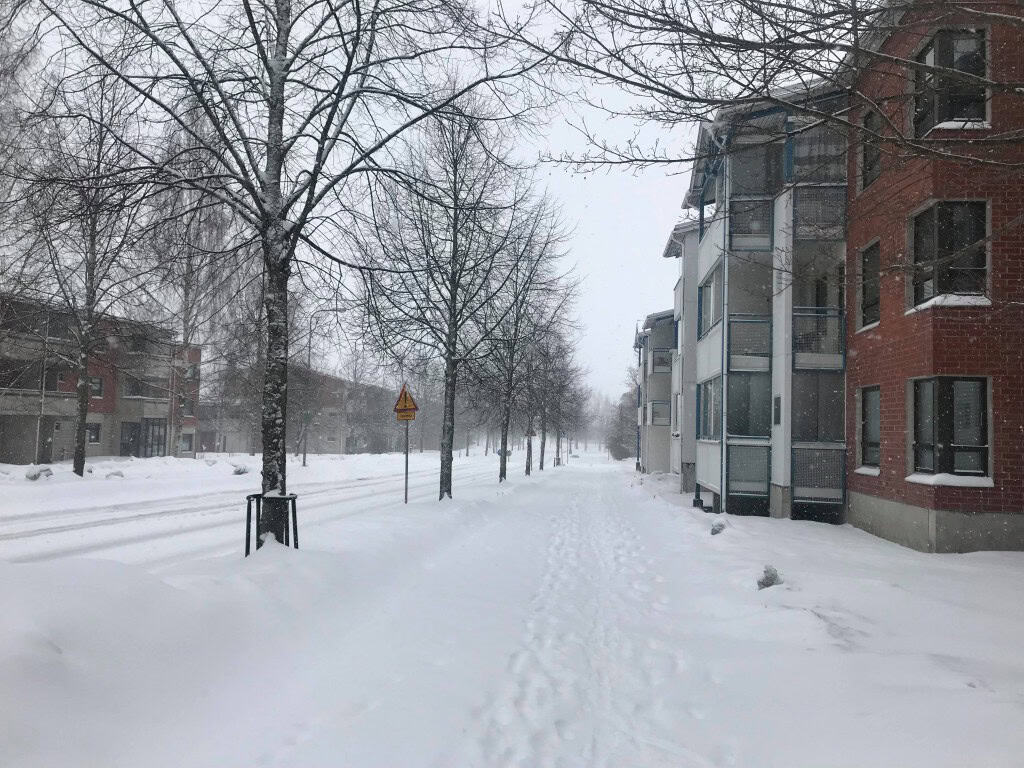
Susann has several relatives in and around Lahti. This has meant that we have visited the city multiple times in recent years. Winter as well as summer, there is always something happening here.





A Short History of Lahti
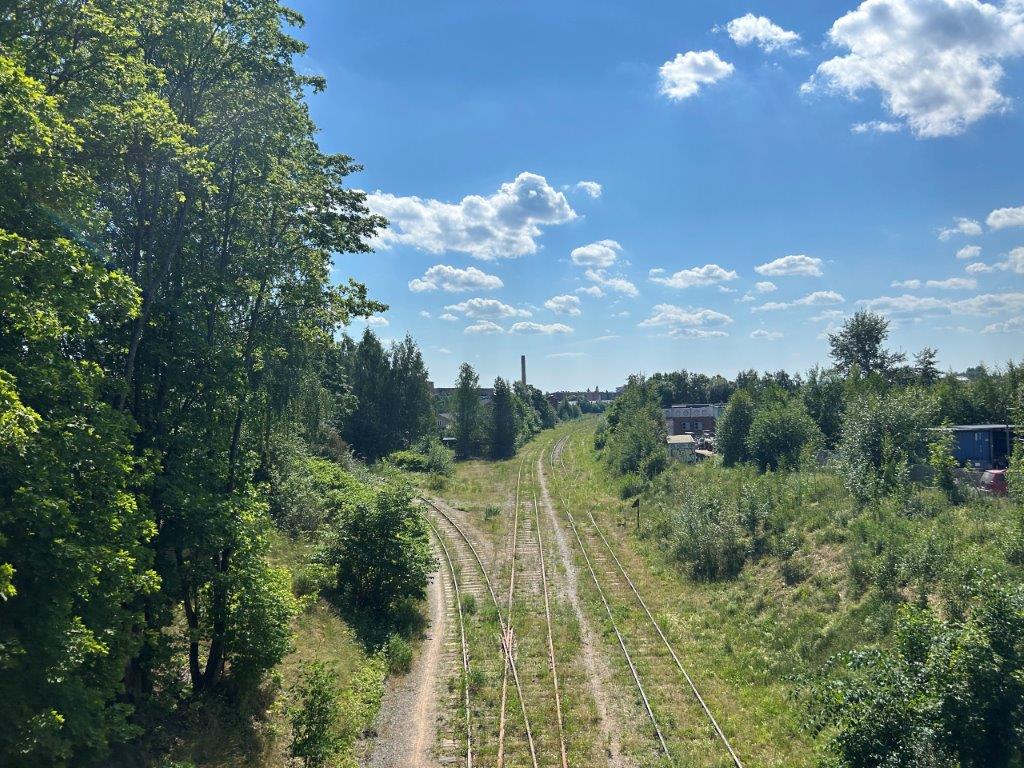
Lahti was up until the 1870 a small village within the Hollola Parish. That changed when the railway between Riihimäki and Saint Petersburg opened. The railway led to Lahti developing into an important junction. Something that was highlighted by Russian Tsar Alexander II granted it the rights as a market town in 1878. The full city rights were granted first in 1905 by Tsar Nicholas I.
The industrialization of the city was initially centered around the furniture production with companies like Asko, Isku, and Sotka. The city was known for its carpenters at the time. It started with the establishment of Asko in 1918. Other industries included the manufacturing companies of Upo and Raute as well as the brewery of Mallasjuomas. Industrialization sped up and the city had grown from around 8000 people in 1905 to almost 30.000 at the end of the 1930s.
The population increase was even more significant after the Second World War. The city welcomed around 10,000 evacuees from the areas of Karelia. From the areas that had been ceded to the Soviet Union. The continuous urbanization brought even more people to Lahti in the following decades. In the 1990s, declining trade with the Soviet Union and later Russia caused a decline in Lahti’s industrial production. This led to a large increase in unemployment. In more recent decades the development has mostly been within the service industries.








Things to Do and See
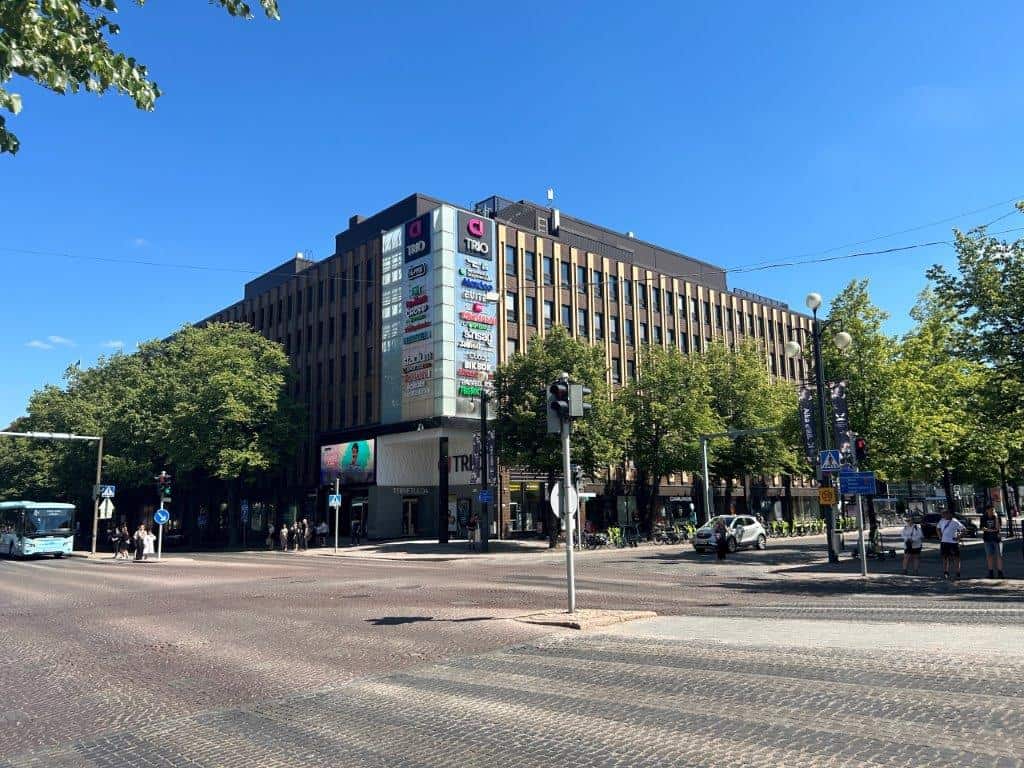
Lahti is a city that attracts at all times of the year. In winter the winter sports offer activities for amateurs and professionals alike. While in the summer months the lake Vesijärvi and the cities many parks offer plenty of outdoor activities. There is a lot to explore in the 9th largest city in Finland.
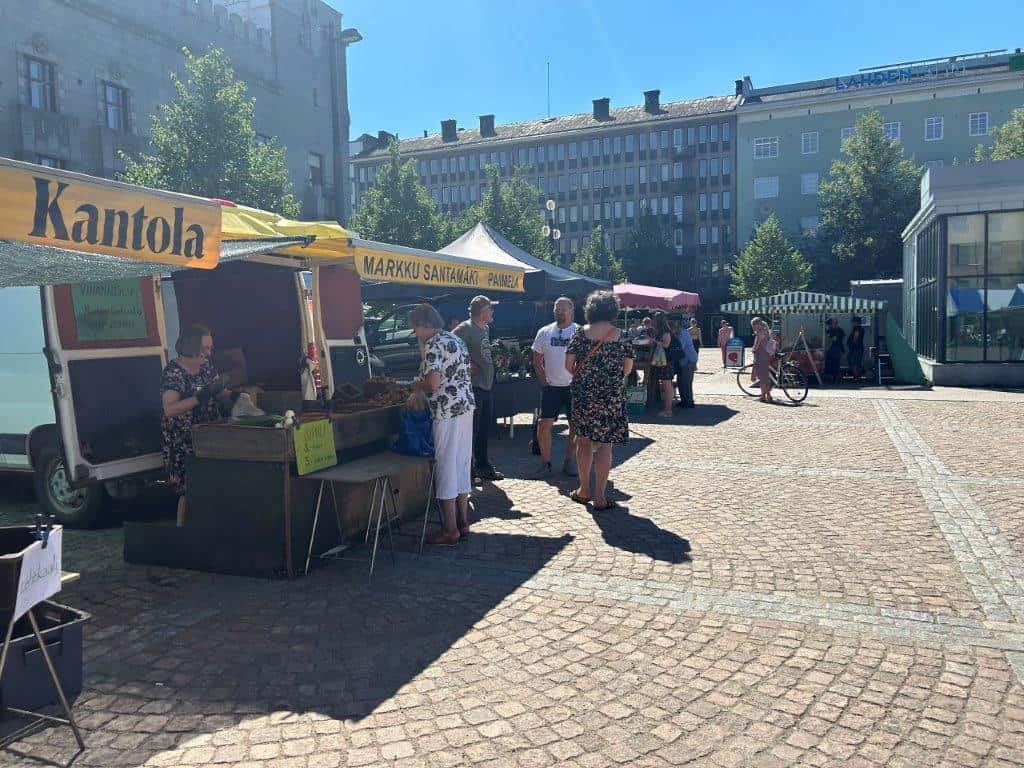
Lahti Market Square
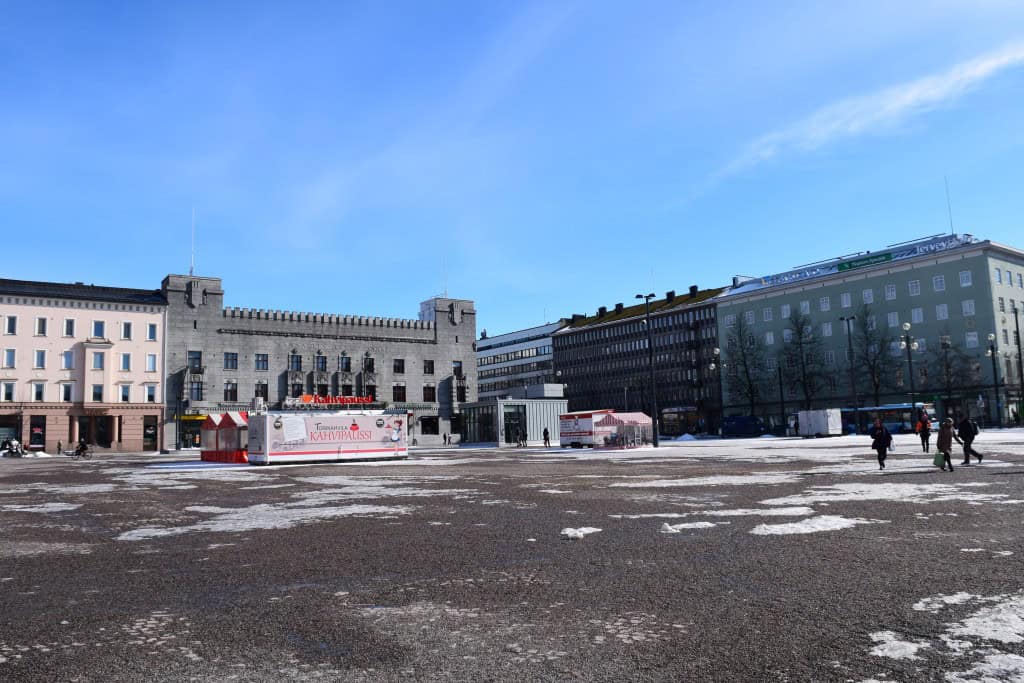
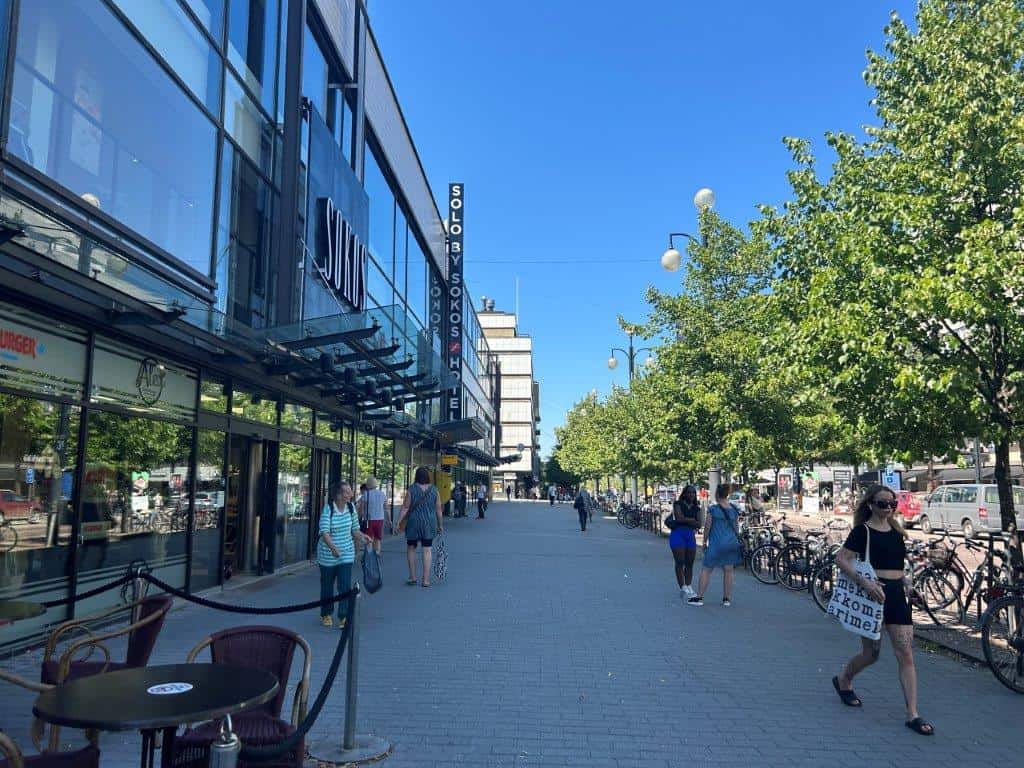
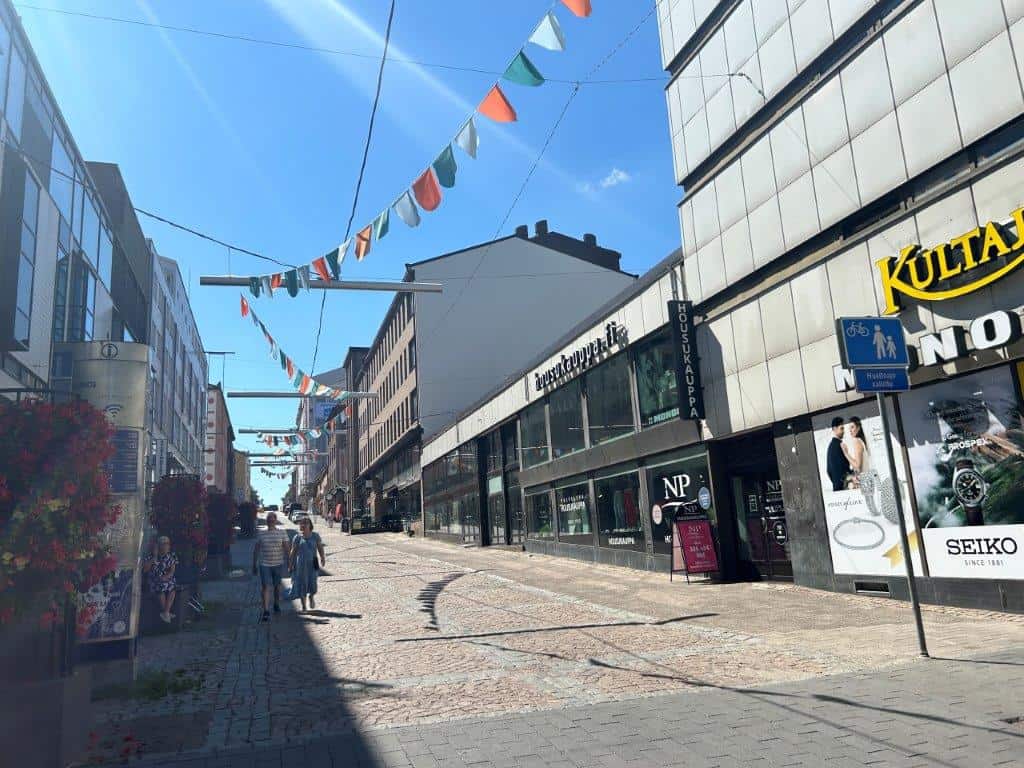
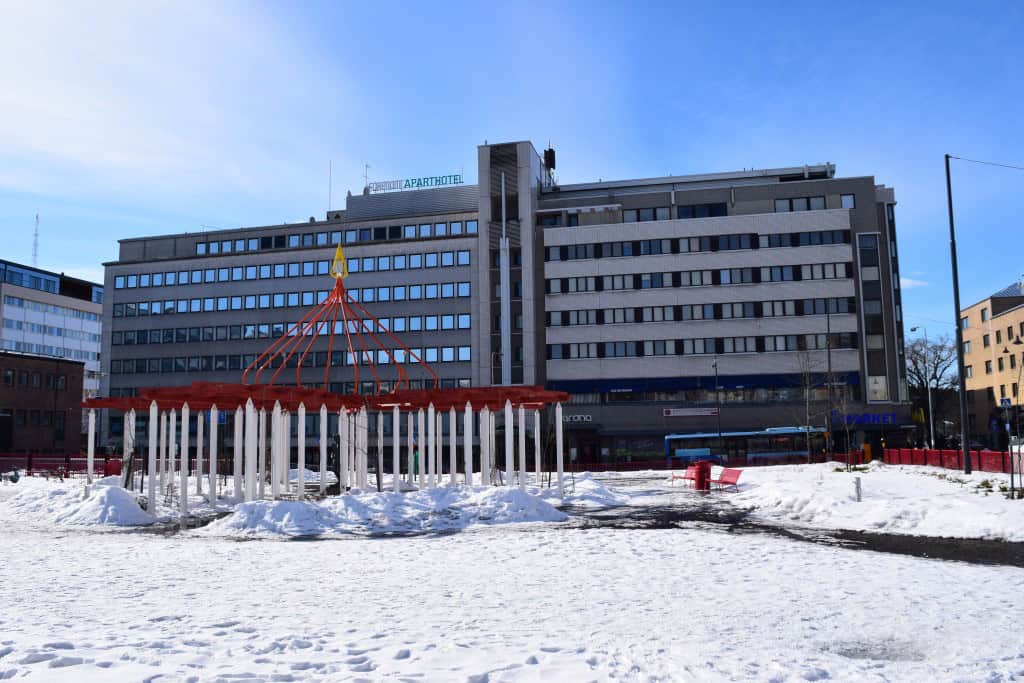
Lahti Market Square, the Lahden Kauppatori, is at the center of the city. The square is home to many of the local events. Additionally, in the near the square, you will find many restaurants and shops.
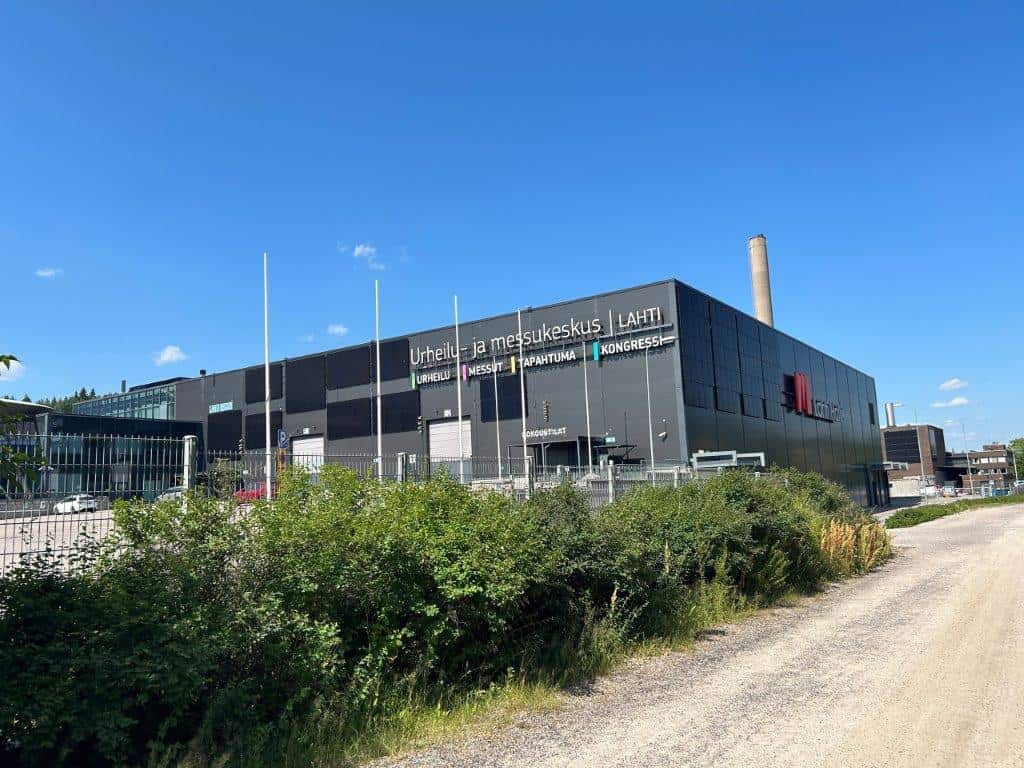
Lahti Sports Centre
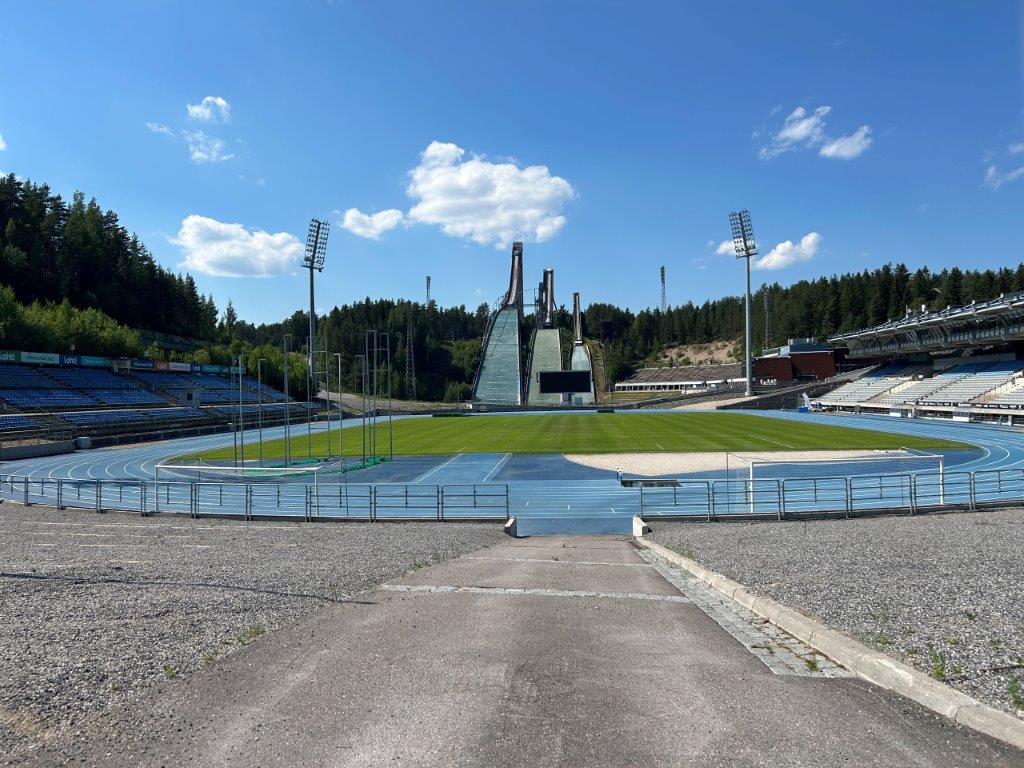
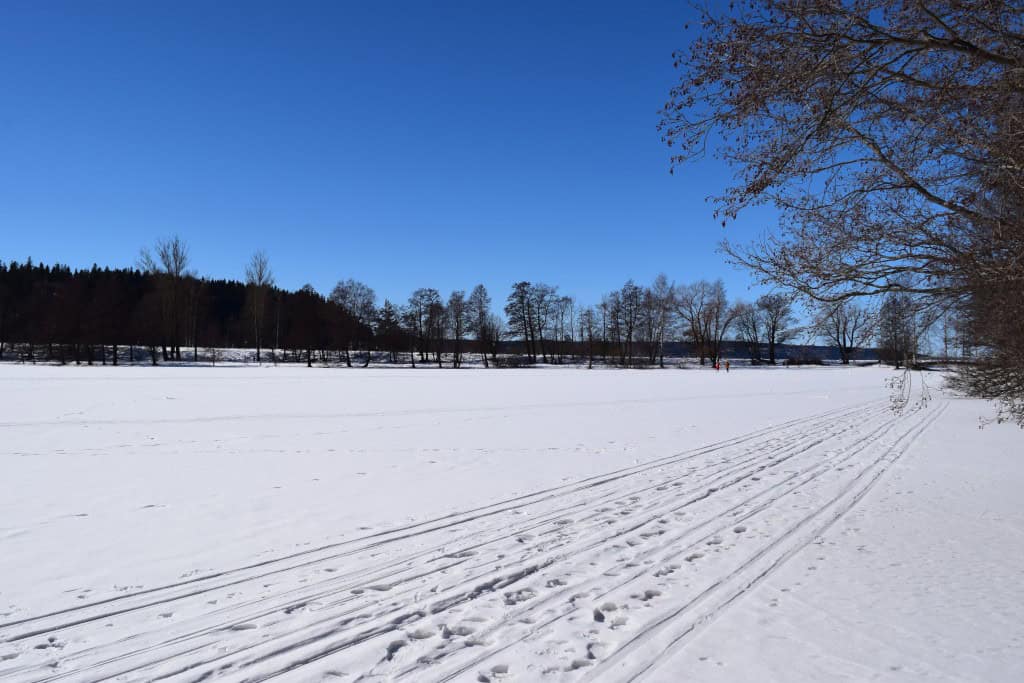
Lahti Sports Centre is the heart of the city’s winter activities. It is, however, not limited to winter sports. The ski-jumping towers you find here are one of the city’s main landmarks. The hills, together with the surrounding cross-country ski area, have been the venue for many international competitions. The ski trails are used not only for competitions, but also for local recreational activities.
During the summer the ski trails are instead used for hiking, while the ski jumping towers offer an observation deck.
Sports venues here include the ice hockey arena, Isku Areena. It is home to the Pelicans. There is also the sports complex Lahden Suurhalli, with space for basketball, floorball, and other indoor sports. At the base of the ski jumping tower is the Lahti Stadium. It is used not only for the skiing events but also for football and athletics.
Radiomäki
Radiomäki is the hill that is home to the two 150-meter-high radio towers. The towers are part of the Lahti Longwave Transmitter which was completed in 1927. The towers were in use until 1993. The control building, or radio station, is today the Radio and TV Museum. This is a place where kids and adults can learn about the history of radio and television. For example by can explore practical examples of different production techniques.
Vesijärvi
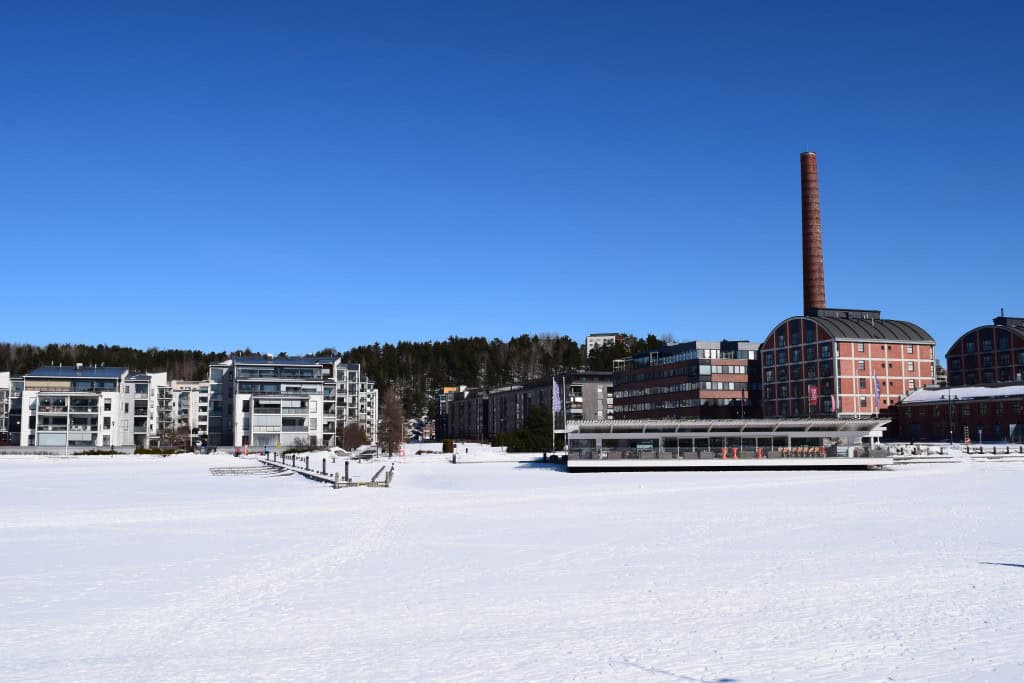
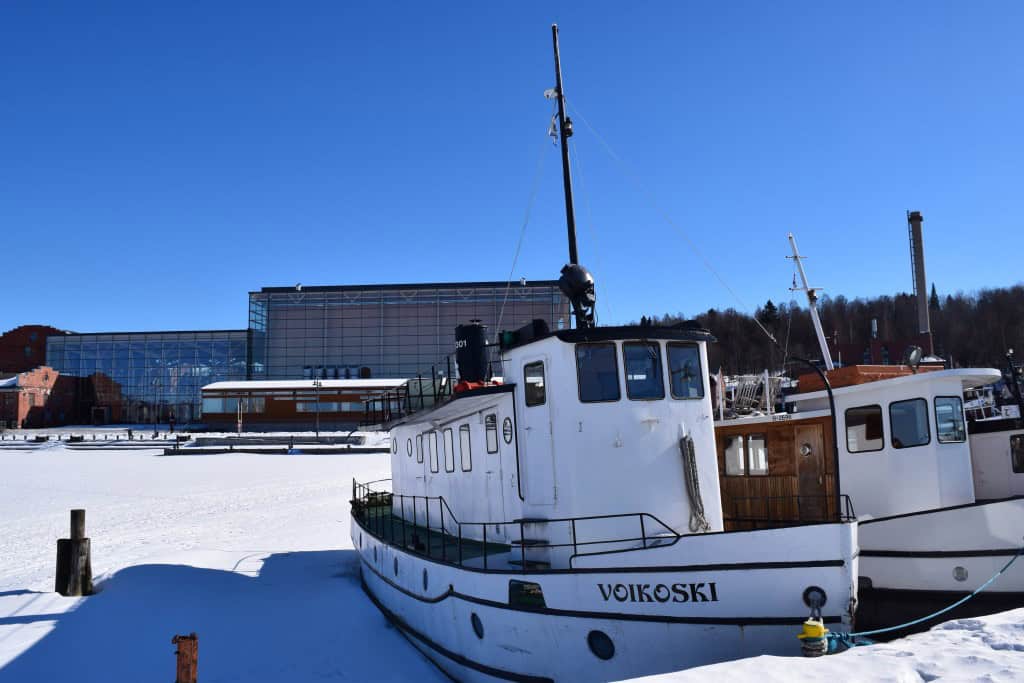
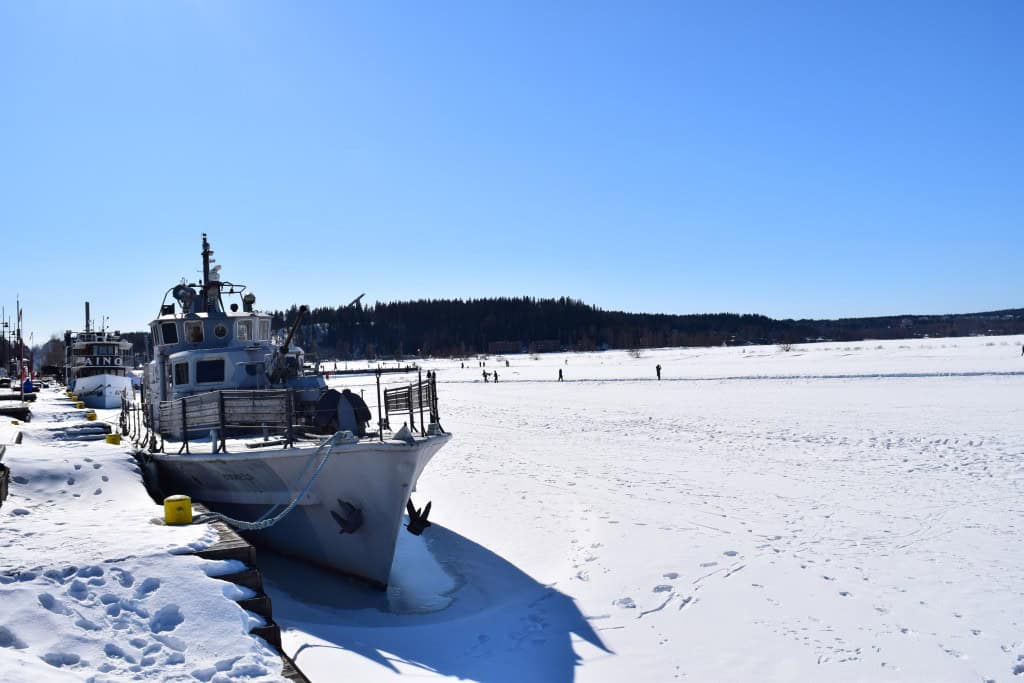
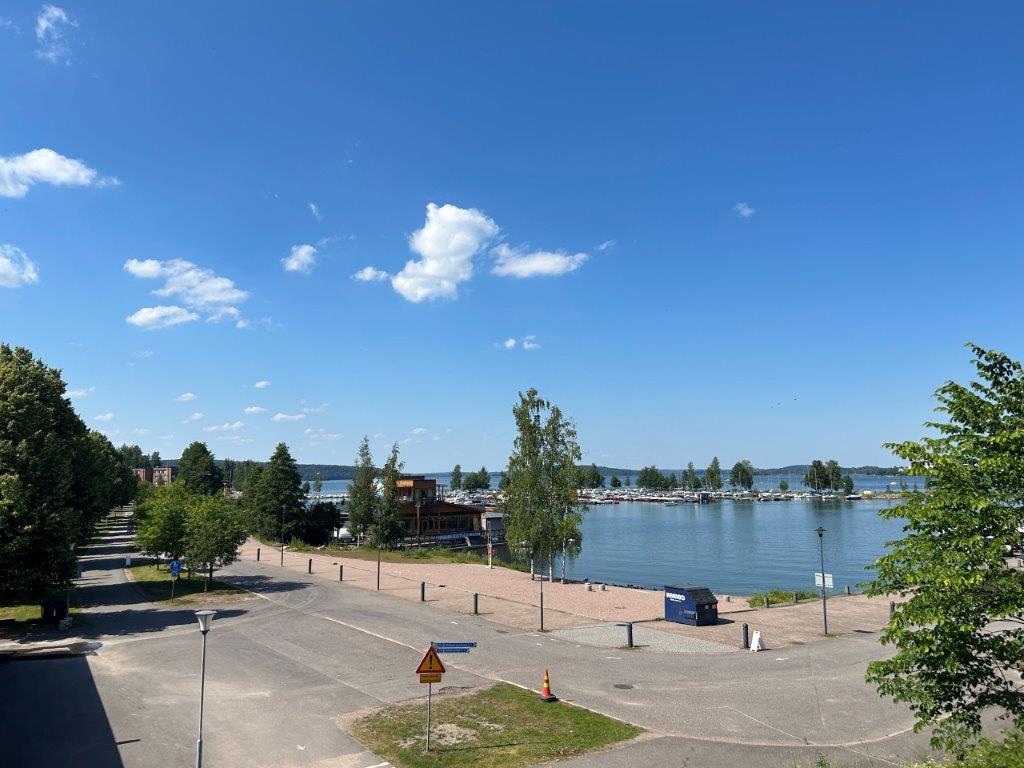
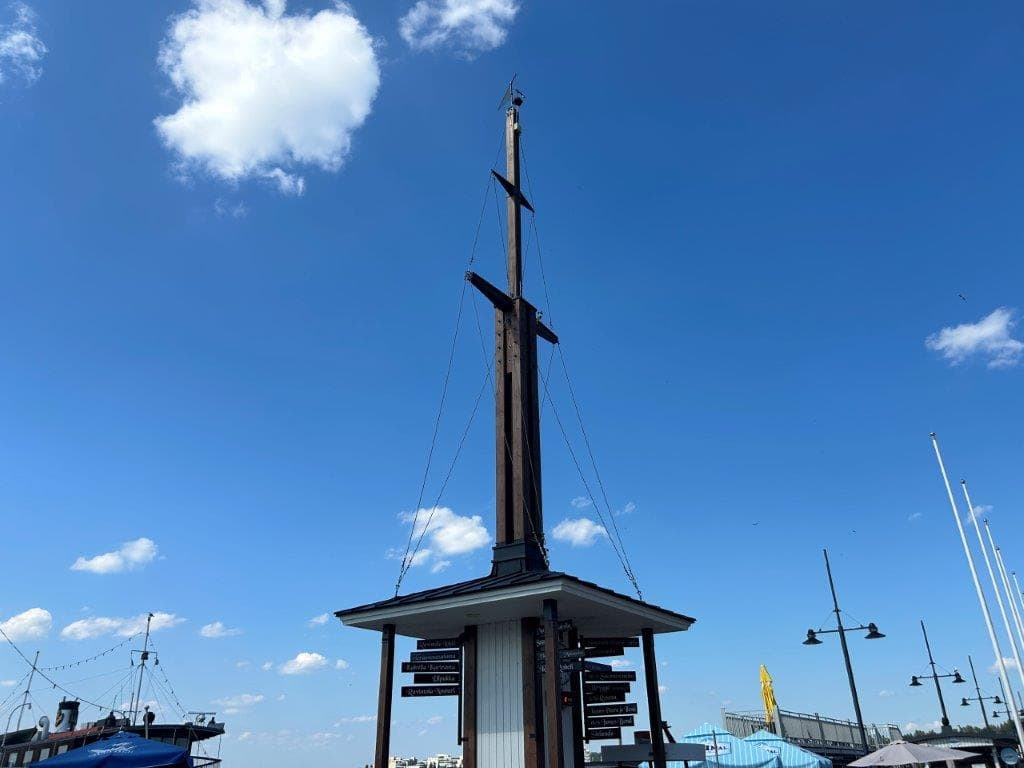
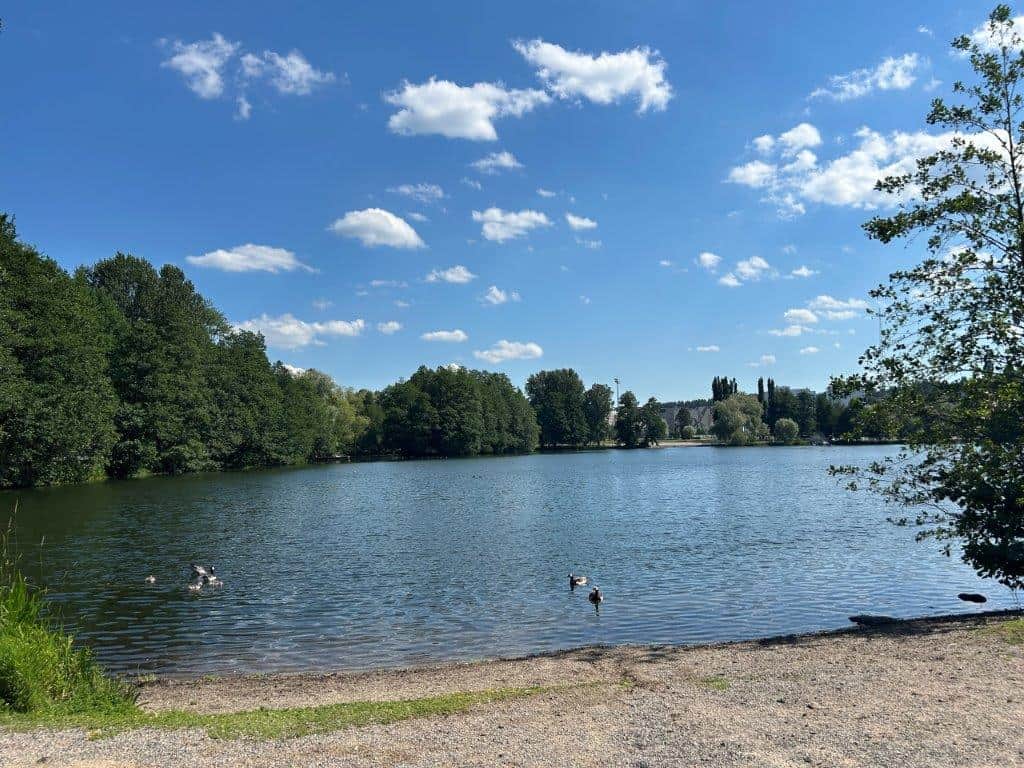
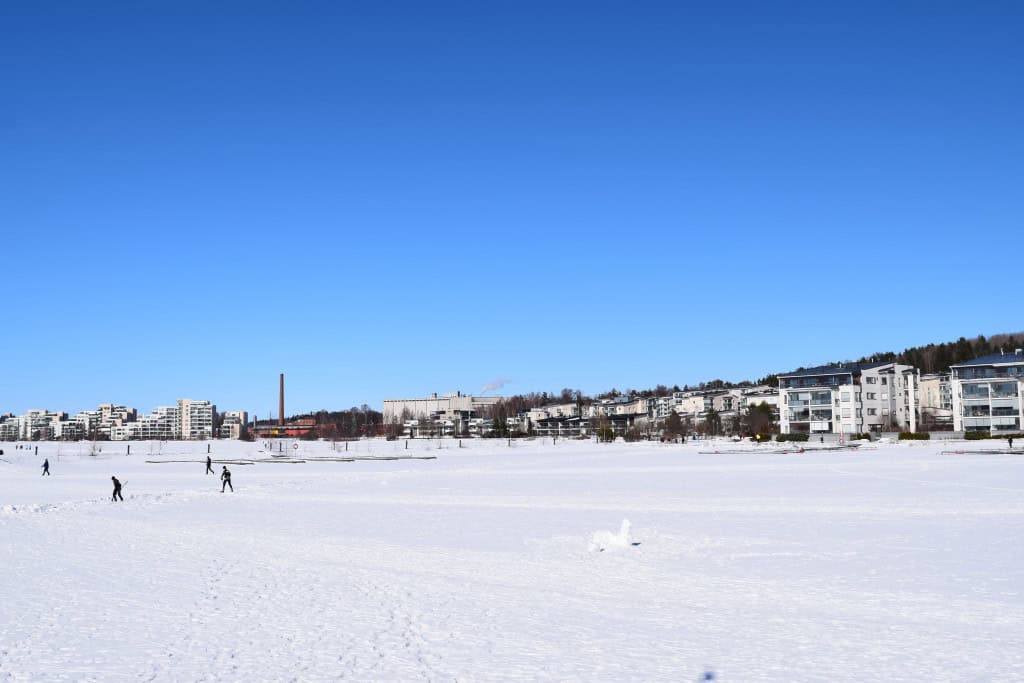
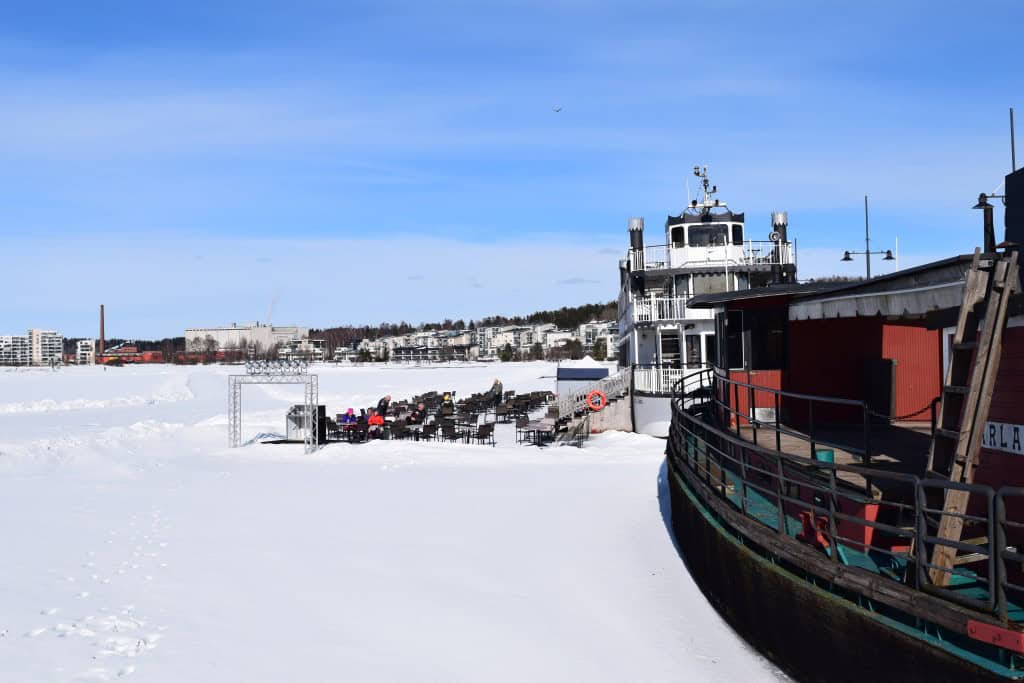
Vesijärvi is the larger lake just to the northwest of the city center. Along the shores of the lake is several walking paths, as well as smaller parks. There is a smaller marina, but most activity is at the harbor. There is regular traffic to Enonsaari and Messilä, but also shorter cruises on the lake. The harbor area also has a few cafes and shops. It really comes to life during the summer months when the ice cream stands attracts customers during sunny days.
In regards to the name Vesijärvi. Translated this is the “Water Lake”.
Others
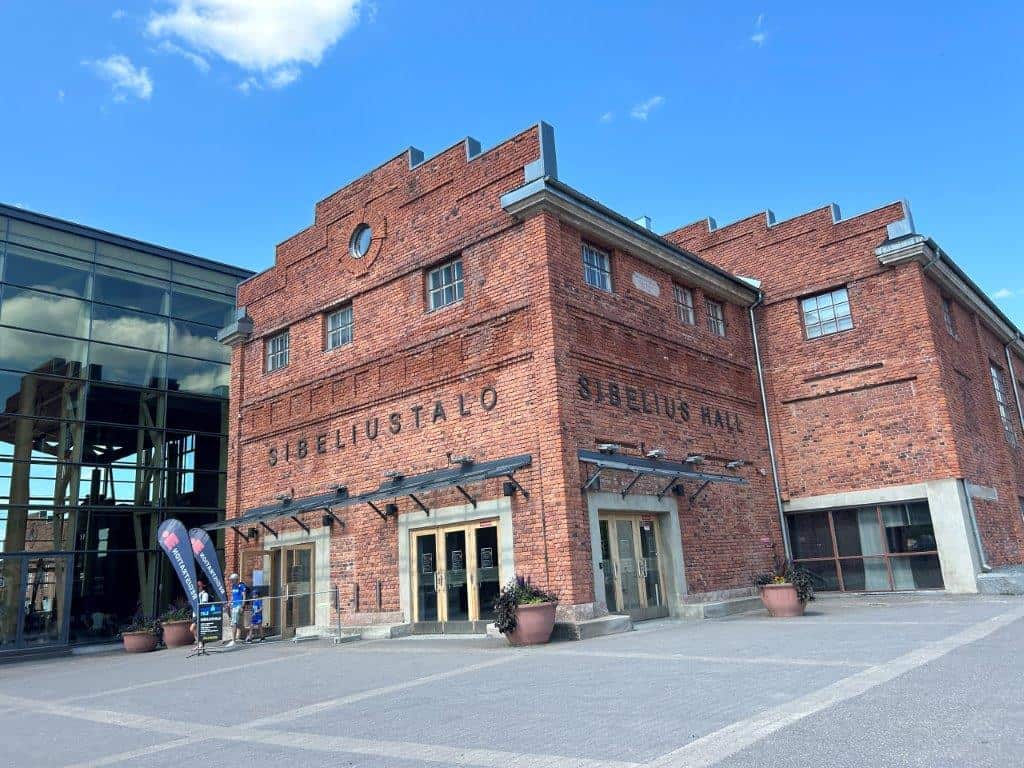
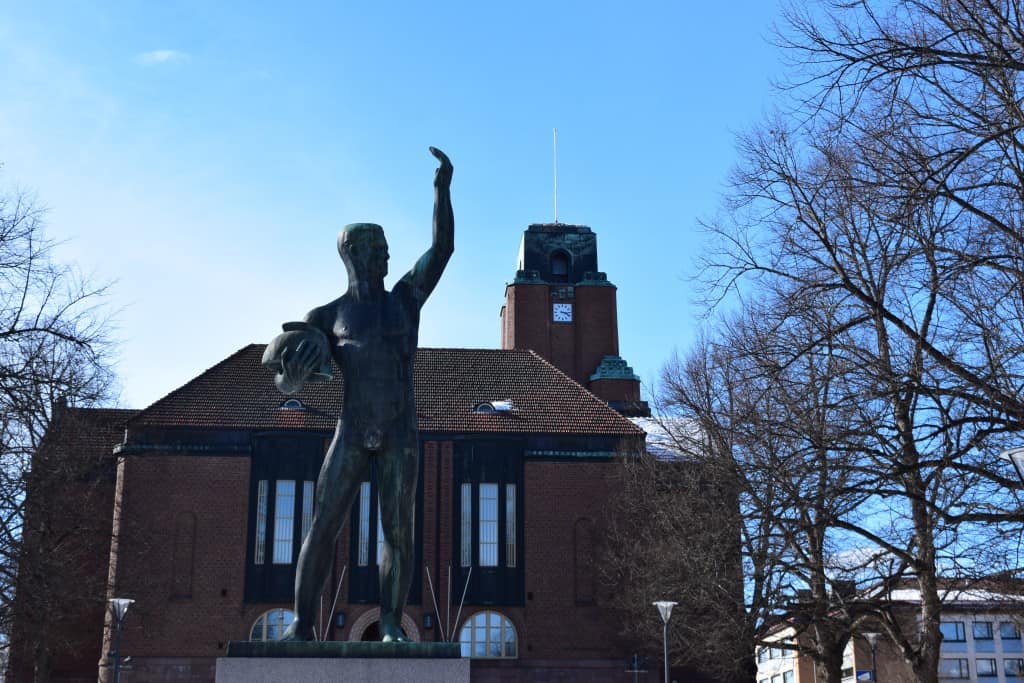
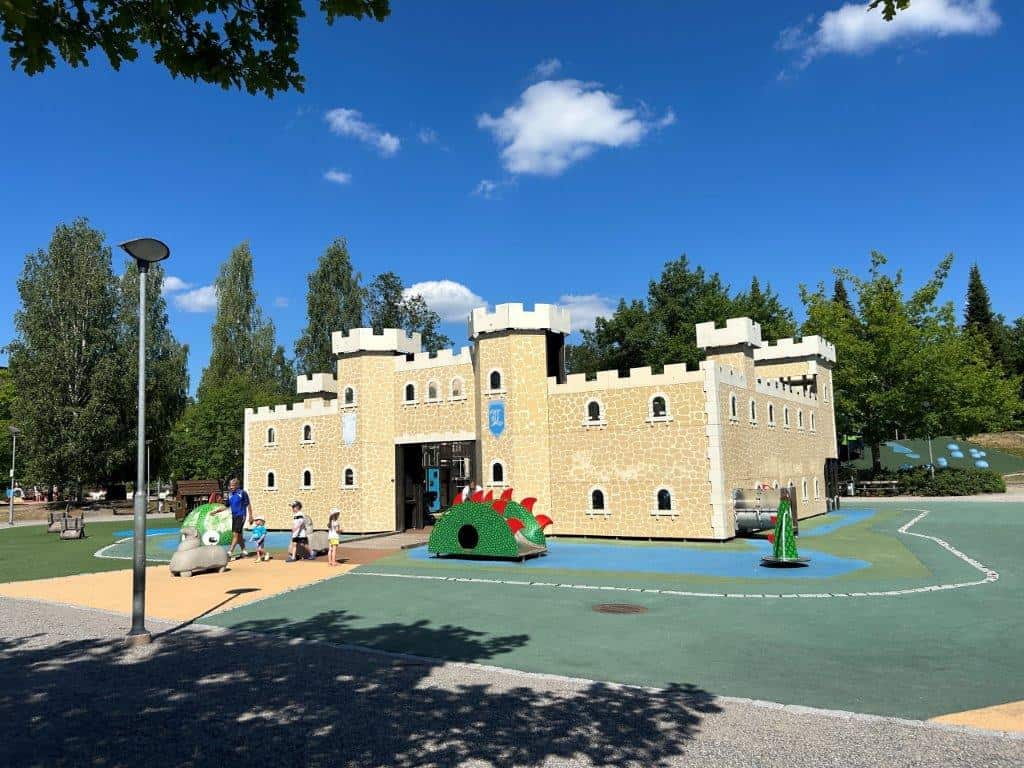
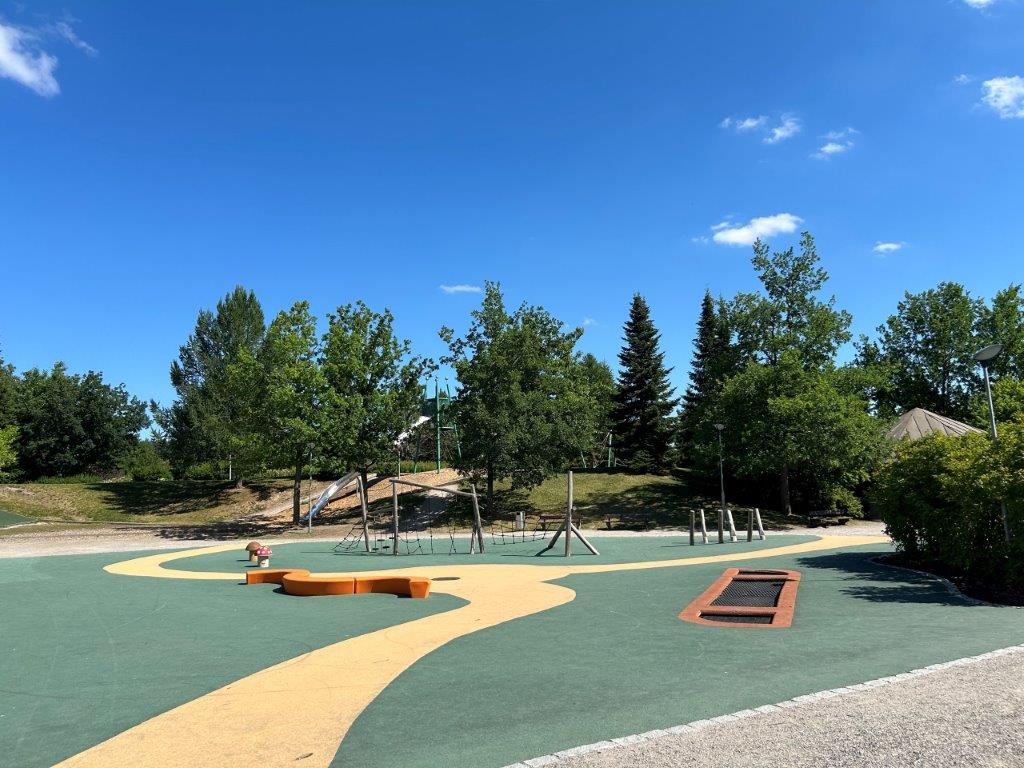
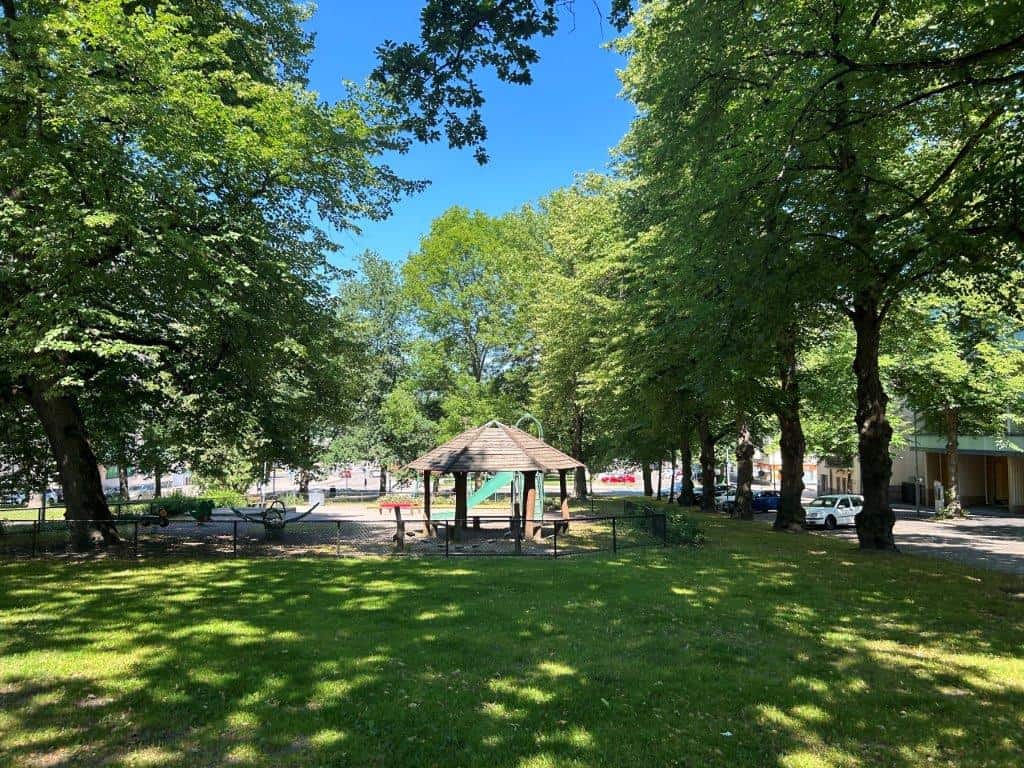
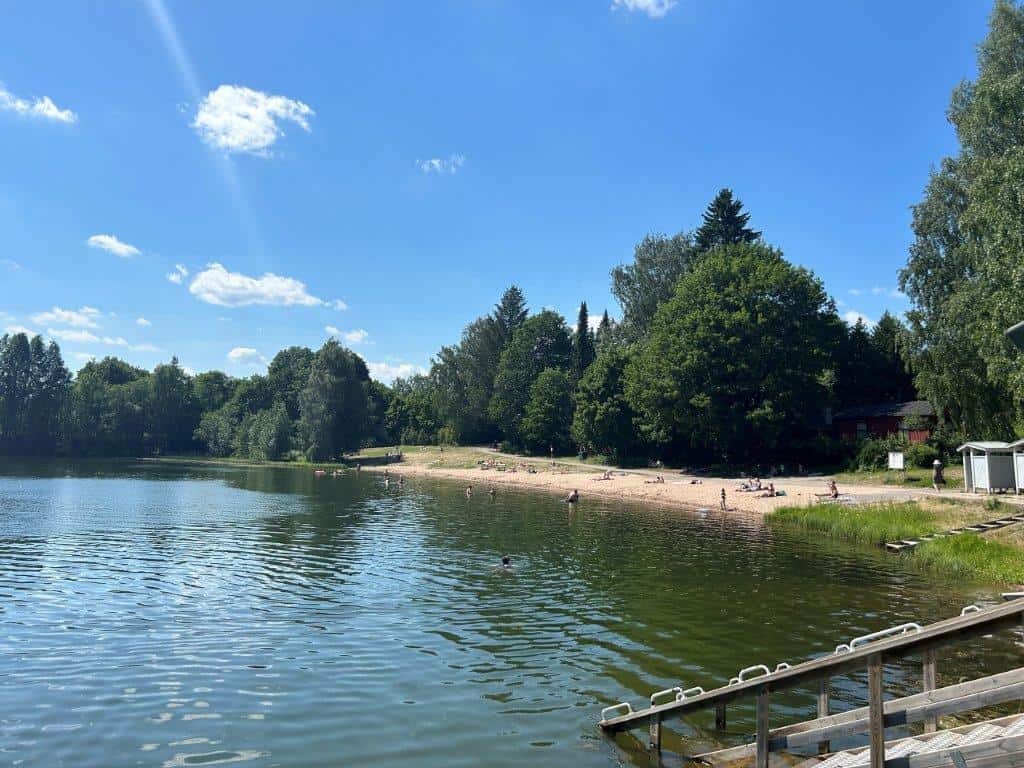
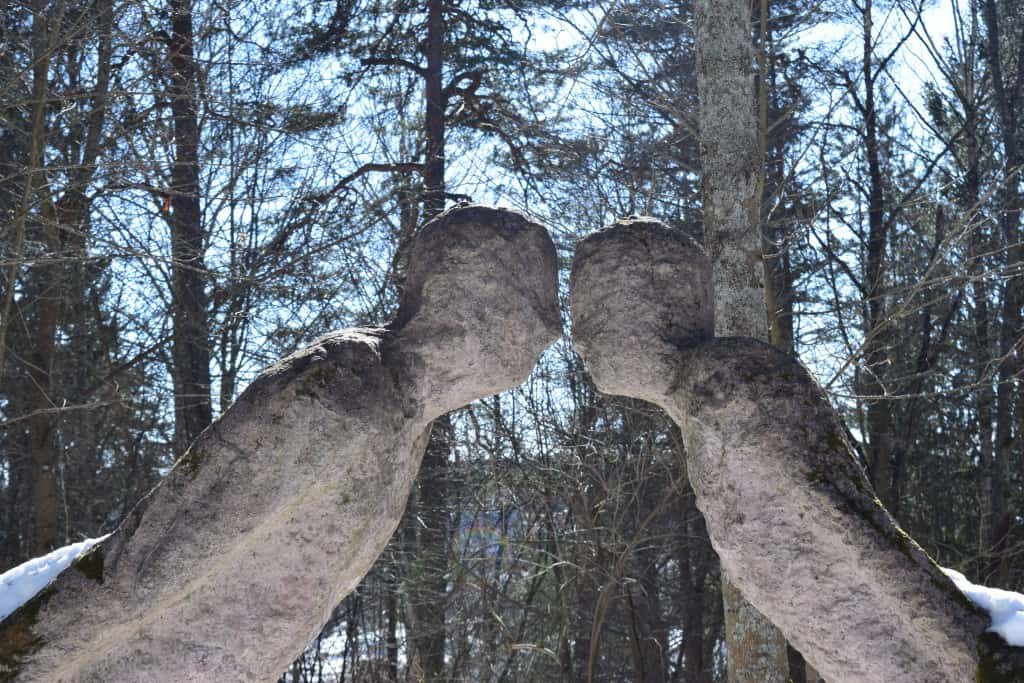
There are several more sights to explore in the city. There is the the church Ristinkirkko, built in 1978 and designed by Alvar Aalto. You have the sculpture park of Lanupuisto. If you want to go swimming during a hot summer day there is the small lake of Mytäjärvi. Traveling with kids? Don’t miss the family park of Launeen Perhepuisto. At the shores of Vesijärvi you will also find the concert hall Sibeliustalo, named after the Finnish composer Jean Sibelius. Another impressive building in the city is the Lahti Town Hall, Lahden Kaupungintalo, dating back to 1912.






How to Get to Lahti
- Flights: The closest airport is the Lahti-Vesivehmaa Airport, a regional airport to the north. For regular flights, the best option is Helsinki Airport (HEL), about an hour to the southwest. Helsinki Airport is served by both domestic and international routes and is the main airport for Finland.
- Car: Lahti lies at the intersection of several larger roads. For example there is the E75 with Helsinki to the southwest and Jyväskylä to the north. There is also road 12 with Tampere to the northwest and Kouvola to the east.
- Train: Lahti is an important railway junction with several lines available. Destinations include places like Helsinki, Kuopio, Riihimäki, and Oulu.
The driving distance from 5 major Finnish cities, according to Google Maps:
- Helsinki – 104 kilometers (1 h 15 min)
- Turku – 240 kilometers (2 h 40 min)
- Vaasa – 380 kilometers (4 h 30 min)
- Oulu – 507 kilometers (5 h 40 min)
- Joensuu – 337 kilometers (3 h 50 min)
Looking to Explore more of Finland and Europe?