Istanbul | Exploring Turkey
Istanbul is the largest city in Turkey, and it serves as the country’s primary economic, cultural, and historic hub. The city straddles the Bosphorus Strait, which separates the continents of Europe and Asia, making it a transcontinental metropolis. With a population of over 15 million inhabitants, Istanbul is one of the most populous cities in the world. Its historic peninsula was formerly known by other significant names, including Byzantium in antiquity and later Constantinople, which was the capital of both the Byzantine and Ottoman Empires. The medieval Norsemen, particularly the Vikings who served in the Varangian Guard, knew the city as Miklagard, meaning “the Great City.”
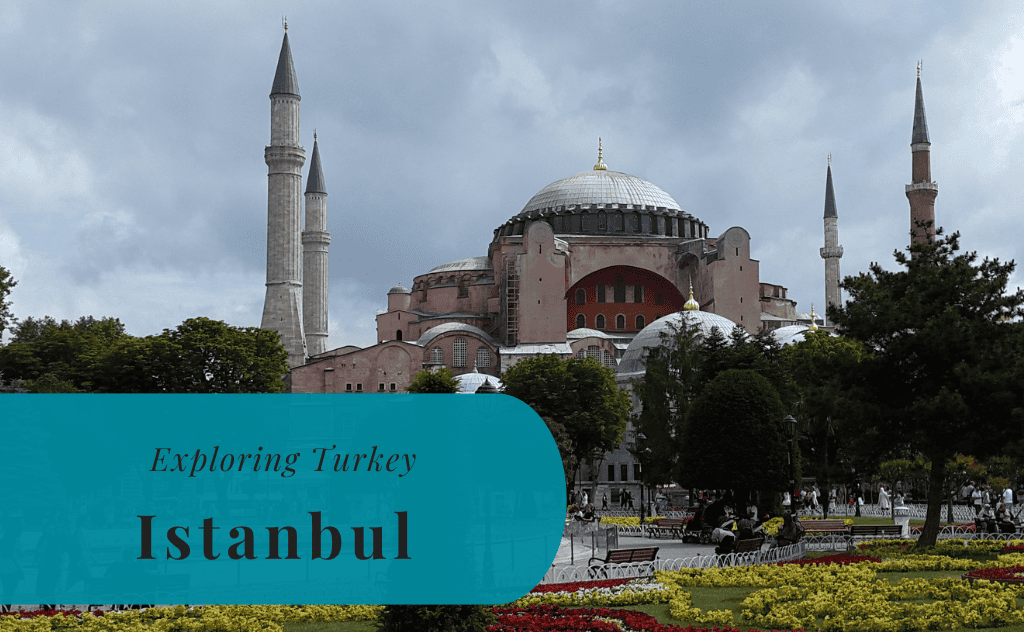
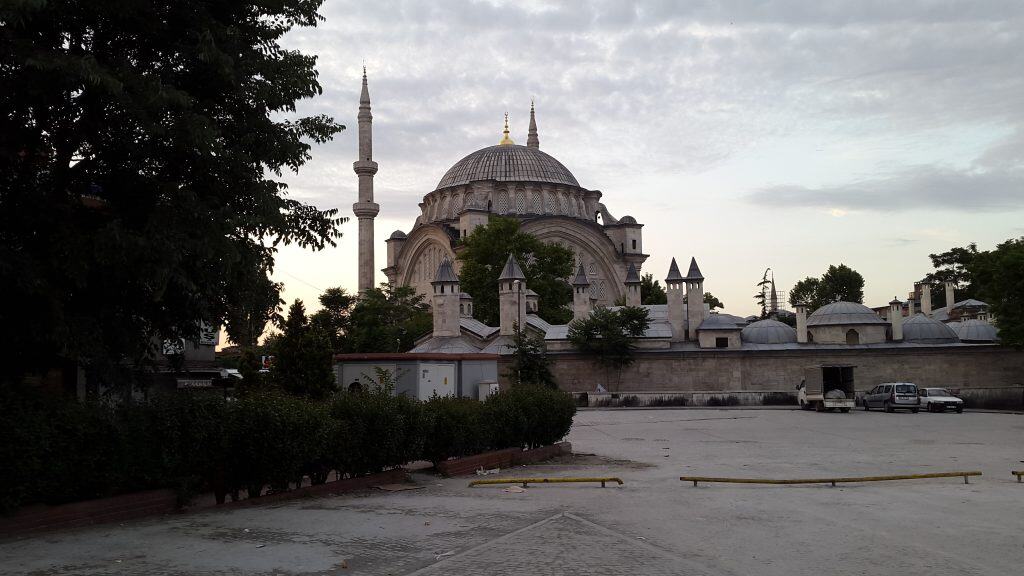
The city is famous for its incredible concentration of world-renowned historical and architectural landmarks. The Historic Areas of Istanbul are a designated UNESCO World Heritage Site, and they attract millions of visitors each year. The city’s skyline is defined by the domes and minarets of its great imperial mosques, including the iconic Hagia Sophia and the Blue Mosque. Another of its most famous sights is the sprawling Topkapi Palace, which was the residence of the Ottoman sultans for centuries. The city is also famous for its bustling historic markets, such as the vast and labyrinthine Grand Bazaar and the aromatic Spice Bazaar.
The identity of Istanbul is also shaped by its role as a vibrant and dynamic modern city. It is a major center for international finance and commerce, and its modern skyline includes numerous skyscrapers that stand in contrast to its historic monuments. The city has a rich contemporary cultural life, with a thriving arts scene, numerous music festivals, and a world-class culinary landscape. The unique geography of the city, with the Bosphorus Strait running through its heart, is a constant presence in daily life. This blend of profound history, a dynamic present, and a unique geographical setting makes Istanbul one of the world’s most significant urban destinations.



Good to Know When Visiting Istanbul
To fully appreciate a visit to Istanbul, it is useful to understand some of the unique cultural traditions that are an integral part of daily life in the city. A key part of the local social fabric is the ritual of preparing and drinking Turkish coffee, a practice that is recognized by UNESCO. Another essential taste of the city is lokum, more commonly known as Turkish delight, a historic confection with numerous varieties. Finally, a visit to a traditional hammam, or Turkish bath, offers a unique cultural experience of cleansing and relaxation that has been practiced for centuries.
The Turkish Coffee Tradition
Turkish coffee represents a significant cultural heritage that involves a special preparation method and a rich communal tradition. The process begins with freshly roasted Arabica beans, which are ground into a very fine powder. This powder, along with cold water and sugar to taste, is then added to a special small pot with a long handle called a cezve. The mixture is brewed slowly over a heat source to produce a thick foam on top, which is a crucial element of a well-made coffee. This method of brewing, which does not involve filtering, results in a strong and flavorful beverage that is served in small cups known as “fincan.” The coffee is always served with a glass of water, which is meant to be drunk first to cleanse the palate.
Turkish coffee is more than just a drink, for it is a symbol of hospitality and friendship that is central to social occasions like engagement ceremonies and holidays. It is traditionally enjoyed in coffee houses where people gather to converse and share news. The rituals and knowledge of its preparation are typically passed down informally within families. After the coffee is finished, the grounds left in the bottom of the cup are often used for fortune-telling, a popular social custom.
The Delight of Lokum
Lokum, widely known as Turkish delight, is a traditional confection that has been a part of Turkish culture for centuries. The sweet is made from a gel of starch and sugar, and it is most commonly flavored with rosewater, lemon, or mastic. Premium varieties are often chopped and include ingredients like pistachios, hazelnuts, or walnuts bound by the gel.
The origins of lokum date back to the Ottoman Empire, and it became widely popular in the 18th century. It was introduced to the Western world by an English traveler in the 19th century, who shipped it back under the name “Turkish Delight”. There are numerous varieties of this confection available throughout Istanbul, and it is a staple product in the city’s bazaars and sweet shops. It is traditionally cut into small cubes, which are then dusted with powdered sugar or copra to prevent them from sticking together. Turkish delight is often served as a sweet treat alongside Turkish coffee or tea, where its sweetness provides a balance to the strong flavor of the coffee. It is a symbol of hospitality, and it is a very popular gift to bring back from a trip to the city.
The Hammam Experience
A hammam, or Turkish bath, is a traditional public bath that has been a central part of social and cultural life in Istanbul for centuries. The practice is descended from Roman bath culture, and it was adapted by the Ottomans as a ritual of both physical and spiritual cleansing. A traditional hammam experience is a multi-stage process that takes place in a series of heated, humid rooms. The main room of the hammam is a large, domed space with a central heated marble platform, known as the “göbektaşı.” The experience typically begins with a period of relaxation in a warm room to prepare the body by sweating, which helps to open the pores. This is followed by a vigorous scrubbing with a coarse mitt called a “kese” to exfoliate the skin. After the scrubbing, there is a full-body soap massage with a cloud of foam, which is a key part of the cleansing ritual. The process concludes with rinsing in cooler water and a period of relaxation in a cooling room, where guests are often served tea. It is a unique and rejuvenating experience that offers an authentic insight into a long-standing Turkish tradition.


History of Istanbul
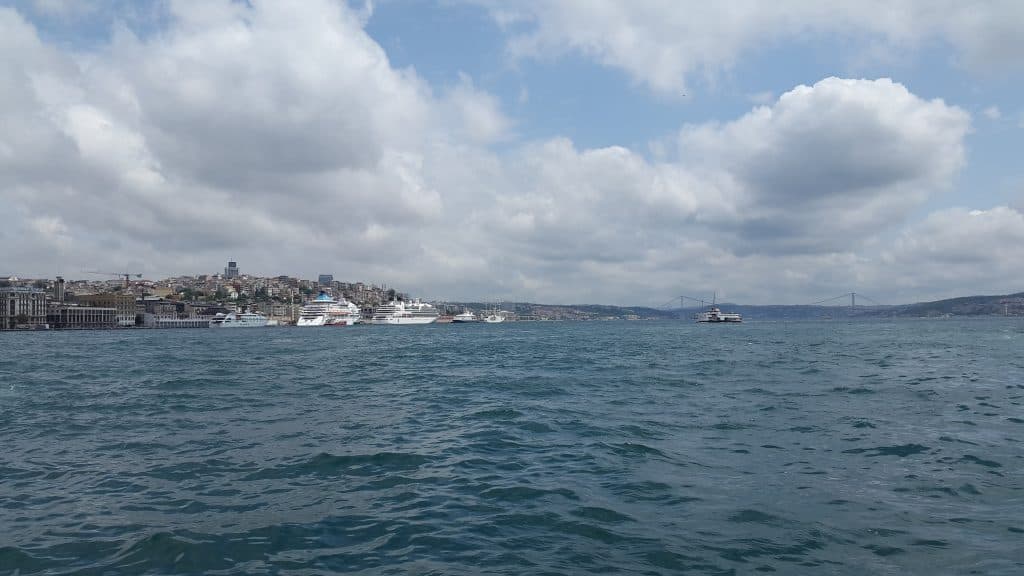
The history of Istanbul is a story of a city that has served as the capital of three of the world’s most powerful empires: the Roman, the Byzantine, and the Ottoman. For over 1,600 years, it was one of the most important political, religious, and commercial centers in the world. Its strategic location on the Bosphorus Strait has made it a site of immense historical significance. The city’s history is divided into three major eras, each of which has left an indelible mark on its urban fabric, its architecture, and its cultural identity. From its origins as a small Greek colony to its modern status as a megacity, Istanbul’s past is one of the richest and most complex in the world.
Byzantium and Constantinople
The city was first founded as a Greek colony under the name Byzantion, or Byzantium, in the 7th century BC. Its strategic location on the Bosphorus Strait gave it control over the trade routes between the Black Sea and the Mediterranean. In the year 330 AD, the Roman Emperor Constantine the Great made a momentous decision to refound the city as the new capital of the Roman Empire. The city was renamed Nova Roma, or “New Rome,” but it soon became known as Constantinople, the “City of Constantine.”
As the capital of the Eastern Roman, or Byzantine Empire, Constantinople grew to become the largest and wealthiest city in Europe. It was a major center of Orthodox Christianity, and it was home to magnificent churches, most notably the Hagia Sophia, which was the largest cathedral in the world for nearly a thousand years. The city was protected by a formidable set of defensive walls, which made it one of the most well-defended cities in the world. For over a millennium, Constantinople was a beacon of civilization, preserving the classical knowledge of Greece and Rome throughout the Middle Ages.
The Ottoman Capital
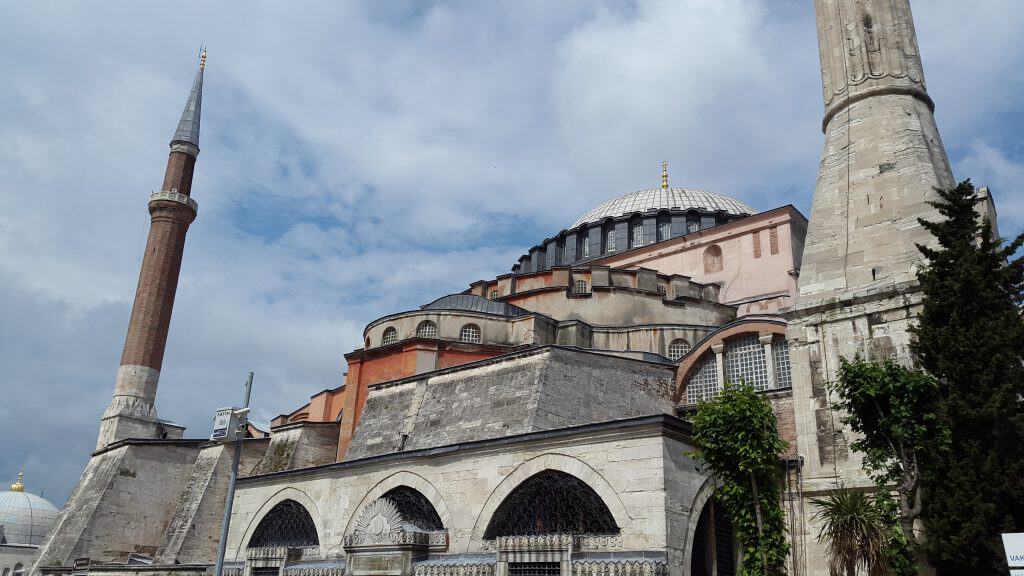
A new and decisive chapter in the city’s history began on May 29, 1453. On this date, the city was conquered by the Ottoman Sultan Mehmed II, an event that marked the final end of the Byzantine Empire. The city, which was still known as Constantinople, became the new capital of the powerful Ottoman Empire. Sultan Mehmed II immediately began a major program of rebuilding and repopulating the city. The magnificent Hagia Sophia was converted into an imperial mosque, and this set a precedent for the city’s new Ottoman and Islamic character.
For the next four and a half centuries, Constantinople served as the glorious capital of a vast empire that stretched across three continents. The Ottoman sultans adorned the city with magnificent architectural masterpieces, including the Topkapi Palace, the Süleymaniye Mosque, and the Blue Mosque. The city once again became a major center of global trade and culture. It was a cosmopolitan metropolis, and it was home to large communities of Muslims, Christians, and Jews who lived and worked together. The city’s many bazaars, such as the Grand Bazaar and the Spice Bazaar, were famous throughout the world.
The Modern Republic
The Ottoman Empire collapsed at the end of World War I, and the modern Republic of Turkey was founded in 1923 under the leadership of Mustafa Kemal Atatürk. A key decision of the new republic was to move the capital of the country from Constantinople to the city of Ankara in central Anatolia. In 1930, the city was officially renamed Istanbul, which is a name that had been in common use for centuries. While it was no longer the political capital, Istanbul remained the country’s largest and most important city, and it continued to be the main center of commerce, finance, and culture.
In the second half of the 20th century, Istanbul experienced a period of explosive population growth, as millions of people from all over Turkey migrated to the city in search of work. This rapid urbanization led to the development of vast new suburban areas. In the modern era, the city has undergone a major program of modernization and infrastructure development, which has included the construction of new bridges over the Bosphorus, a modern metro system, and a new international airport. Today, Istanbul is a global megacity that successfully blends its rich historical heritage with the dynamism of a major modern metropolis.

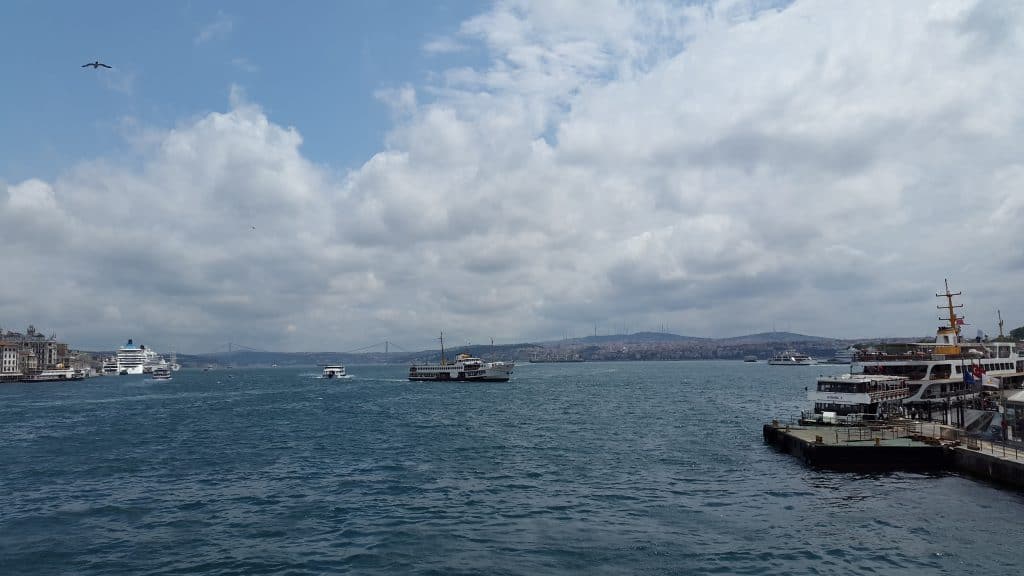

Sights in Istanbul
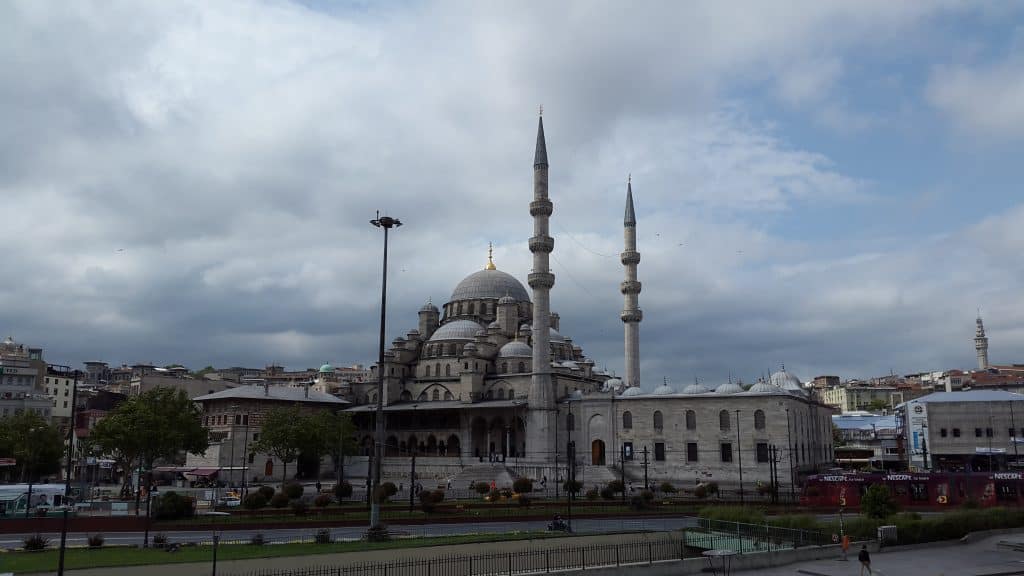
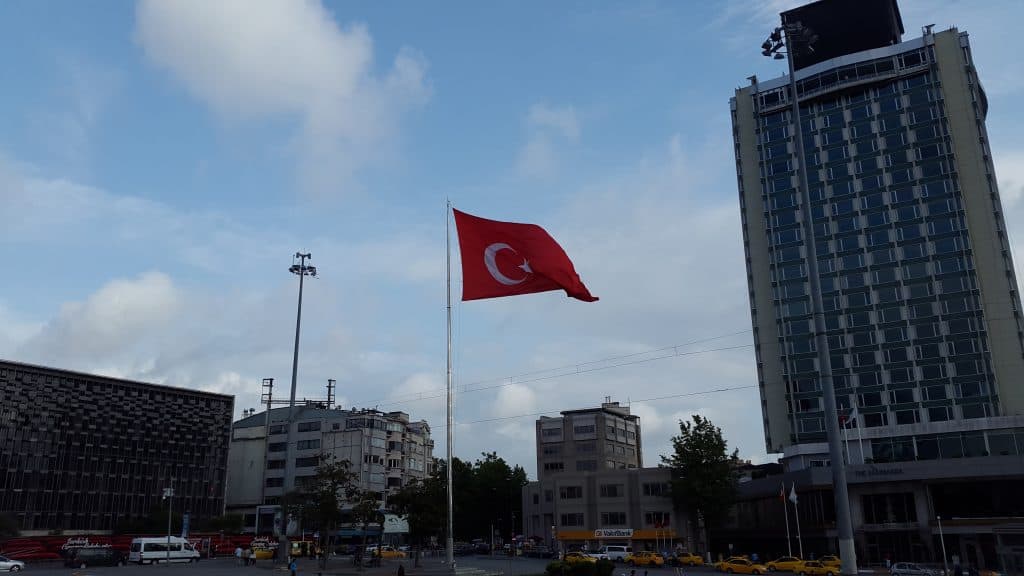
The sights in Istanbul are a spectacular showcase of the city’s long and multi-layered history. The main area of interest is the historic peninsula, which is a UNESCO World Heritage Site. This area is home to an incredible concentration of world-famous landmarks from the Roman, Byzantine, and Ottoman eras. The magnificent Hagia Sophia and the beautiful Blue Mosque are the two most iconic sights, and they stand opposite each other on the historic Sultanahmet Square. The sprawling Topkapi Palace offers a fascinating glimpse into the lives of the Ottoman sultans.
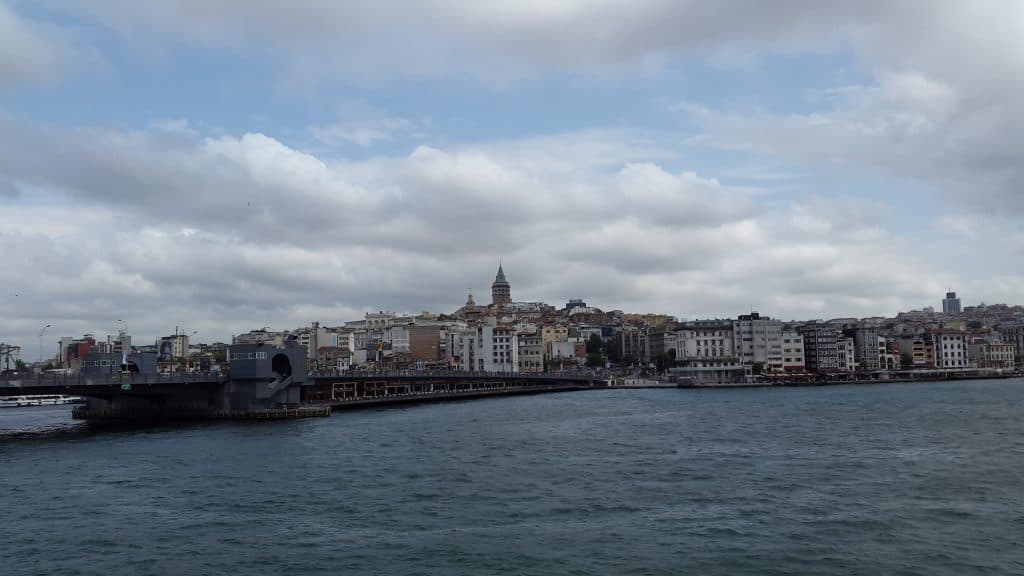
A journey through Istanbul is a journey through a city of magnificent mosques, historic churches, grand palaces, and bustling bazaars. The vast and labyrinthine Grand Bazaar and the aromatic Spice Bazaar are essential experiences for any visitor. The mysterious and beautiful Basilica Cistern takes you into the subterranean world of the Byzantine city. A walk across the Galata Bridge and a climb up the historic Galata Tower offer some of the most iconic views of the city’s unique skyline. This incredible density of world-class sights makes Istanbul one of the most compelling and rewarding cities to explore in the entire world.
Hagia Sophia
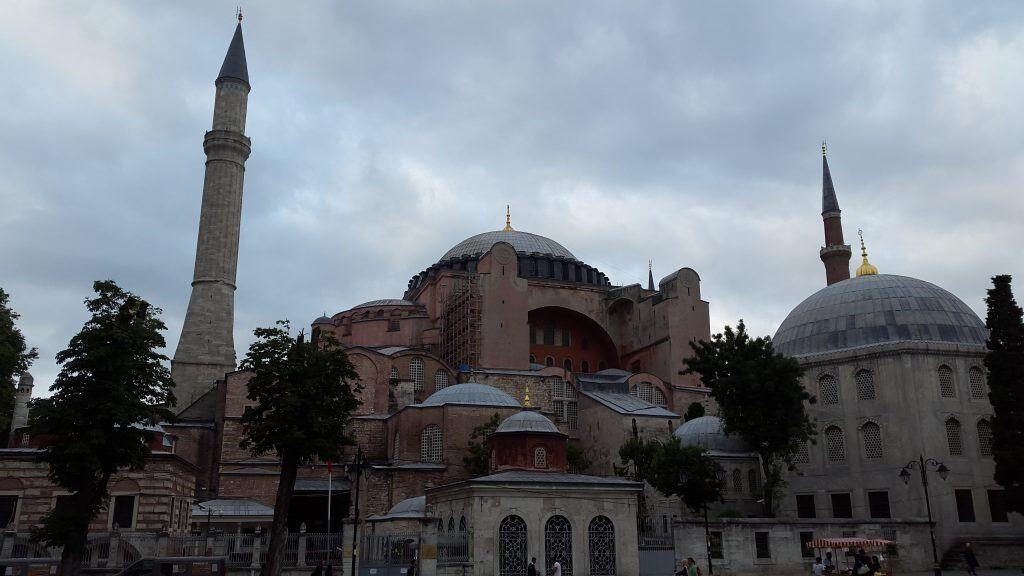
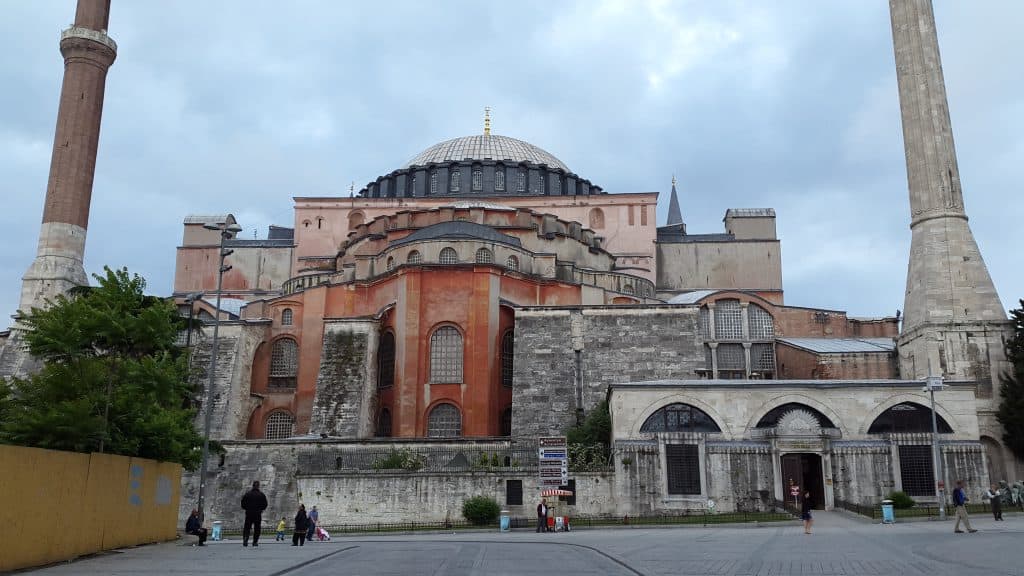
The Hagia Sophia is one of the most important and famous architectural monuments in the world. The magnificent building that stands today was originally built as the main cathedral of the Byzantine Empire in the 6th century under the rule of Emperor Justinian I. For nearly a thousand years, it was the largest cathedral in all of Christendom. The building is most famous for its massive and revolutionary central dome, which was a major feat of engineering for its time. After the Ottoman conquest of Constantinople in 1453, the cathedral was converted into an imperial mosque, and the four large minarets were added. In 1935, under the secular republic of Turkey, it was converted into a museum, and in 2020, it was reconverted back into a functioning mosque.
A visit to the interior of the Hagia Sophia is an awe-inspiring experience. The vast, open space under the massive dome is breathtaking. The building is famous for its magnificent collection of Byzantine mosaics, many of which were uncovered and restored during the building’s time as a museum. These beautiful golden mosaics depict various Christian scenes and figures. The interior also features magnificent Islamic calligraphy and other elements that were added during its time as a mosque. The building’s unique history as both a major church and a major mosque makes it a powerful symbol of the city’s rich and complex religious and cultural heritage.
Blue Mosque (Sultan Ahmed Mosque)
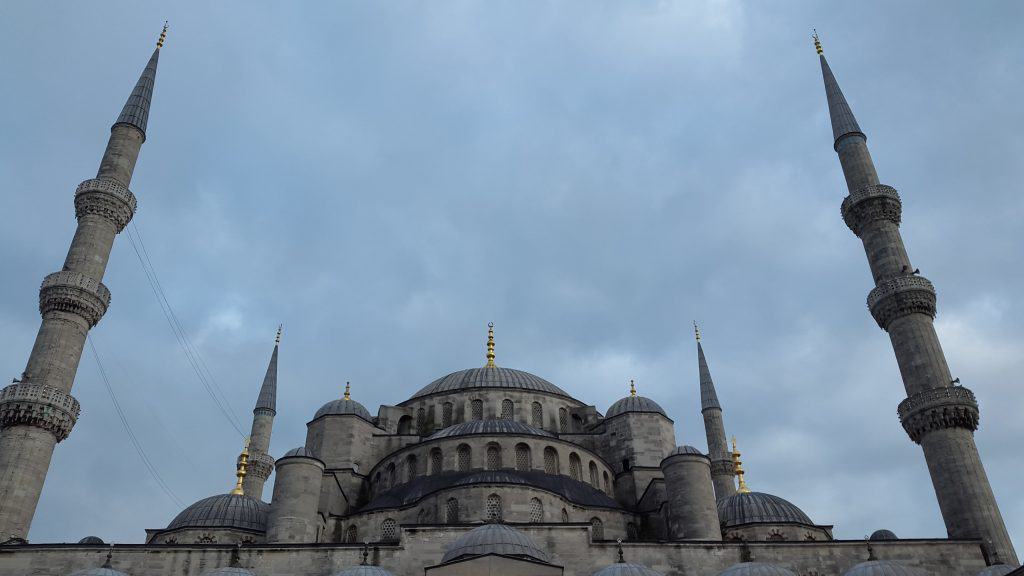
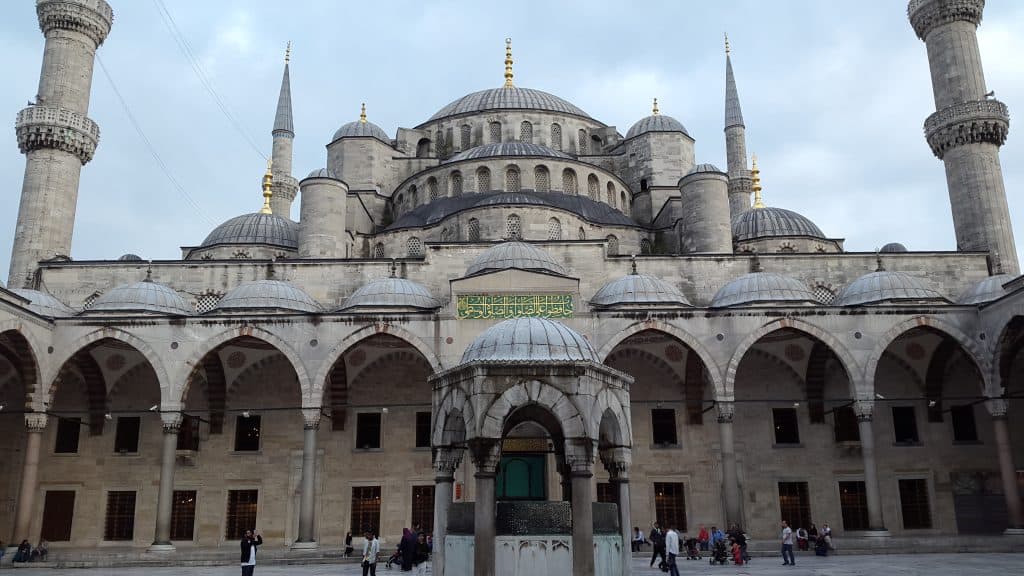
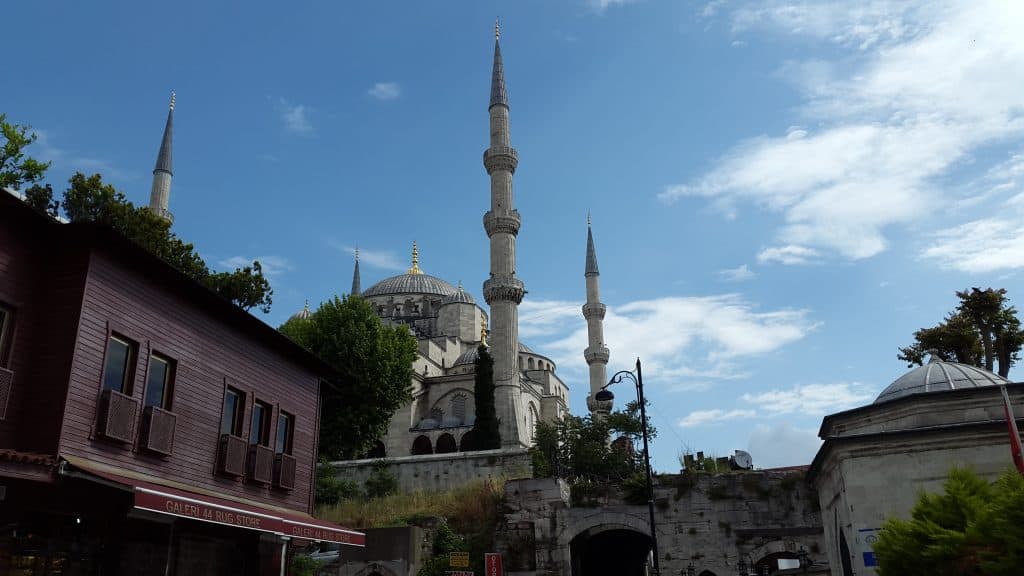
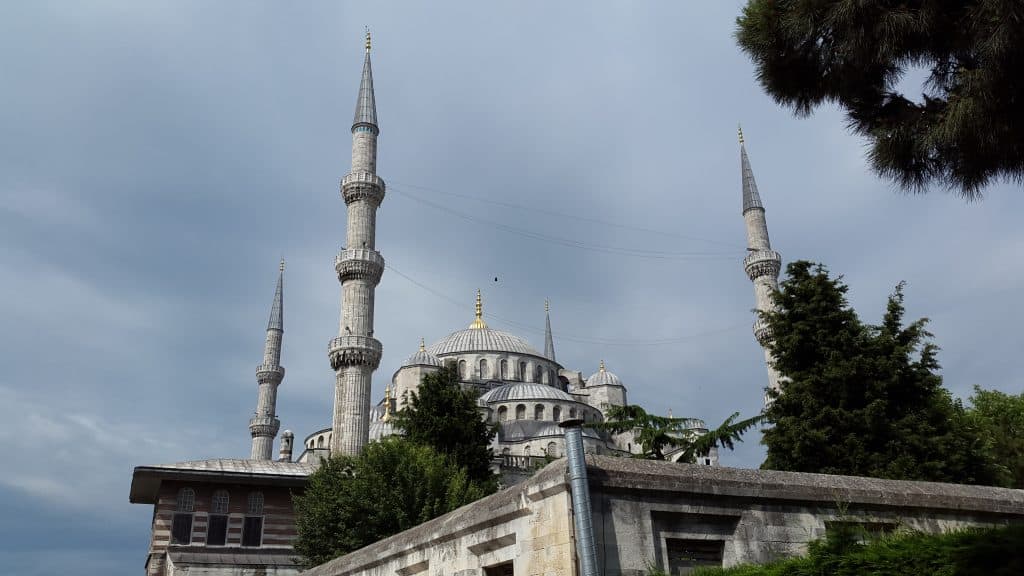
The Sultan Ahmed Mosque, more famously known as the Blue Mosque, is one of the most beautiful and iconic landmarks in Istanbul. The mosque was built between 1609 and 1616 during the rule of Sultan Ahmed I. It is located on the historic Sultanahmet Square, directly opposite the Hagia Sophia. The mosque is famous for its magnificent and elegant exterior, with its beautiful series of cascading domes and its six slender minarets, a unique feature at the time of its construction. The mosque gets its popular nickname from the tens of thousands of handmade İznik ceramic tiles that decorate its interior, which are predominantly blue in color.
The interior of the Blue Mosque is a masterpiece of Ottoman architecture and design. The vast, open prayer hall is illuminated by the light from over 260 stained-glass windows. The magnificent dome and the walls are covered in intricate patterns of blue tiles, which create a beautiful and serene atmosphere. The mosque is a functioning place of worship, and it is closed to visitors during the five daily prayer times. Visitors are required to dress modestly, and women must cover their heads. A visit to the Blue Mosque is an essential part of the Istanbul experience.
Topkapi Palace
The Topkapi Palace was the main residence and the political headquarters of the Ottoman sultans for nearly 400 years. The vast palace complex is located on the beautiful Seraglio Point, a promontory that overlooks the Golden Horn and the Bosphorus Strait. The palace was built by Sultan Mehmed II in the 15th century, shortly after his conquest of Constantinople. The palace is not a single building but a large complex of pavilions, courtyards, kiosks, and gardens. It is divided into four main courtyards, each with its own distinct function. Today, the palace is a major museum that showcases the incredible wealth and the fascinating history of the Ottoman Empire.
A visit to the Topkapi Palace is a journey into the heart of the Ottoman world. The palace museum houses an incredible collection of treasures, including magnificent jewels, such as the famous Topkapi Dagger, a vast collection of Chinese porcelain, and important holy relics of the Muslim world. One of the most popular parts of the palace is the Harem, which was the private and secluded residential quarters of the sultan, his family, and his concubines. A separate ticket is required to visit the Harem, and it offers a fascinating glimpse into the secret and complex world of the Ottoman imperial court.
Grand Bazaar (Kapalıçarşı)
The Grand Bazaar, or Kapalıçarşı, is one of the oldest and largest covered markets in the entire world. The bazaar is located in the heart of the old city of Istanbul. The construction of the bazaar began in the 15th century under the rule of Sultan Mehmed II. The bazaar grew over the centuries, and it is now a vast labyrinth of 61 covered streets that are lined with over 4,000 shops. The bazaar is a city within a city, and it also contains mosques, fountains, and traditional inns, known as “hans.” It is a major commercial and cultural institution in Istanbul.
A visit to the Grand Bazaar is a vibrant and chaotic experience for the senses. The bazaar is a paradise for shoppers, and you can find an incredible variety of goods here, from beautiful hand-woven carpets and colorful lanterns to intricate jewelry, leather goods, and traditional Turkish sweets. The bazaar is also a great place to experience the traditional art of bargaining. Even if you are not planning to buy anything, a walk through the bustling and atmospheric streets of the Grand Bazaar is an essential part of the Istanbul experience. It is a journey into the commercial heart of the old Ottoman capital.
Spice Bazaar (Mısır Çarşısı)
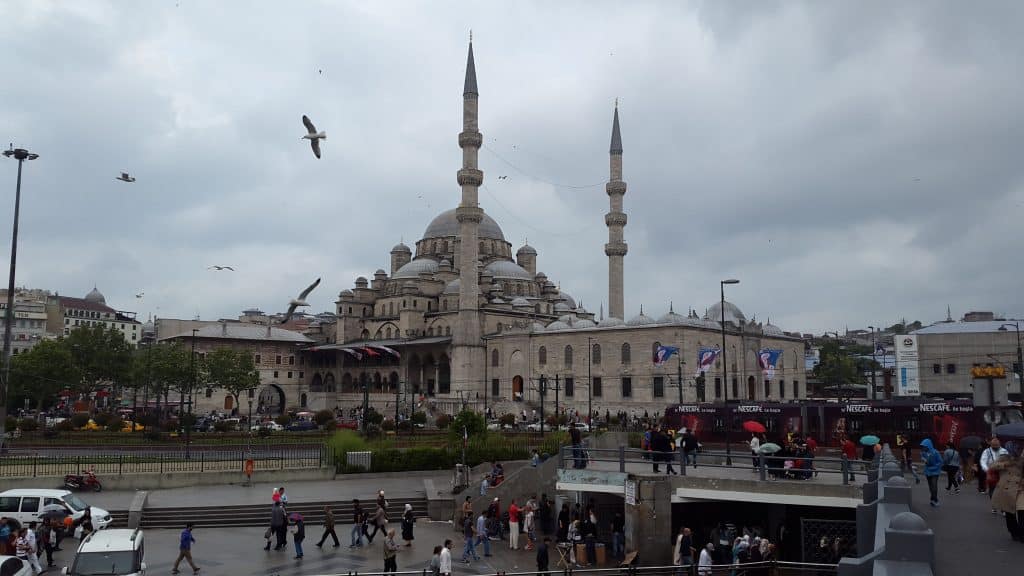
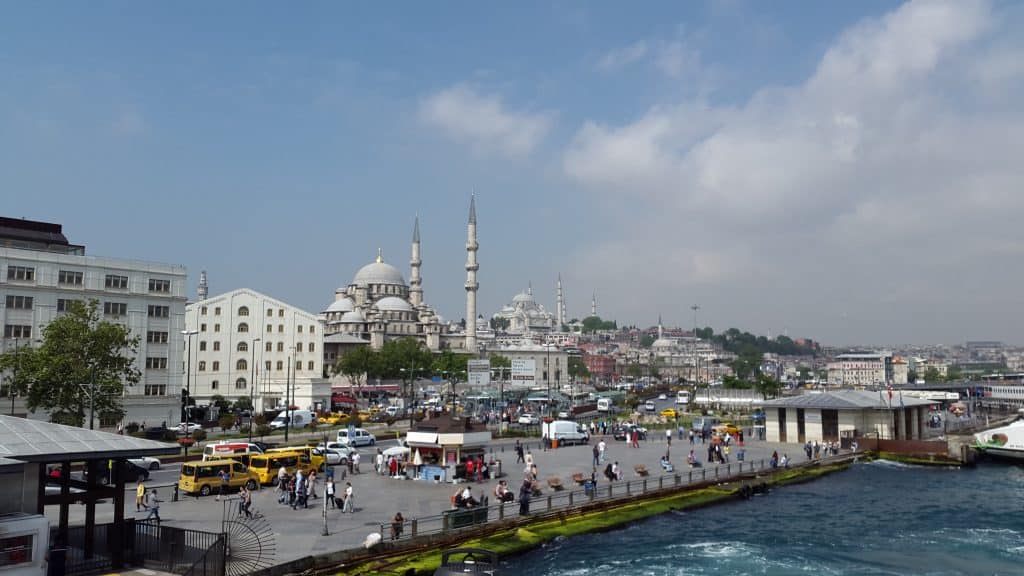
The Spice Bazaar, also known as the Egyptian Bazaar (Mısır Çarşısı), is another of Istanbul’s famous covered markets. The bazaar is located in the Eminönü quarter of the city, at the southern end of the Galata Bridge. It was built in the 17th century, and the revenue from the market was used to help finance the construction of the nearby New Mosque. The bazaar gets its popular name from the fact that it was historically the main center for the spice trade in the city, and many of the spices were imported from Egypt.
A walk through the Spice Bazaar is a feast for the senses, and it is an experience that is filled with exotic aromas and vibrant colors. The stalls in the bazaar are piled high with a huge variety of spices, herbs, and teas. You can also find a wide selection of other traditional Turkish products, such as Turkish delight, dried fruits, nuts, and a variety of local cheeses. The Spice Bazaar is a smaller and often less crowded alternative to the Grand Bazaar, and it is a wonderful place to experience the traditional market culture of Istanbul.
Basilica Cistern (Yerebatan Sarnıcı)
The Basilica Cistern, or Yerebatan Sarnıcı, is the largest of the several hundred ancient cisterns that lie beneath the city of Istanbul. This magnificent subterranean chamber was built by the Byzantine Emperor Justinian I in the 6th century. The main purpose of the cistern was to provide a water supply for the Great Palace of Constantinople. The vast, underground chamber is a spectacular and very atmospheric space. The ceiling is supported by a forest of 336 marble columns, each of which is 9 meters high.
A visit to the Basilica Cistern is a journey into the subterranean world of the ancient Byzantine city. A series of walkways have been built over the shallow water that now covers the floor, allowing visitors to walk among the magnificent columns. The cistern is particularly famous for two of its columns, which have bases that are carved with the head of Medusa, the Gorgon from Greek mythology. The cistern is a cool and mysterious place, and the beautiful lighting and the classical music that is often played here create a very unique and memorable atmosphere.
Galata Tower
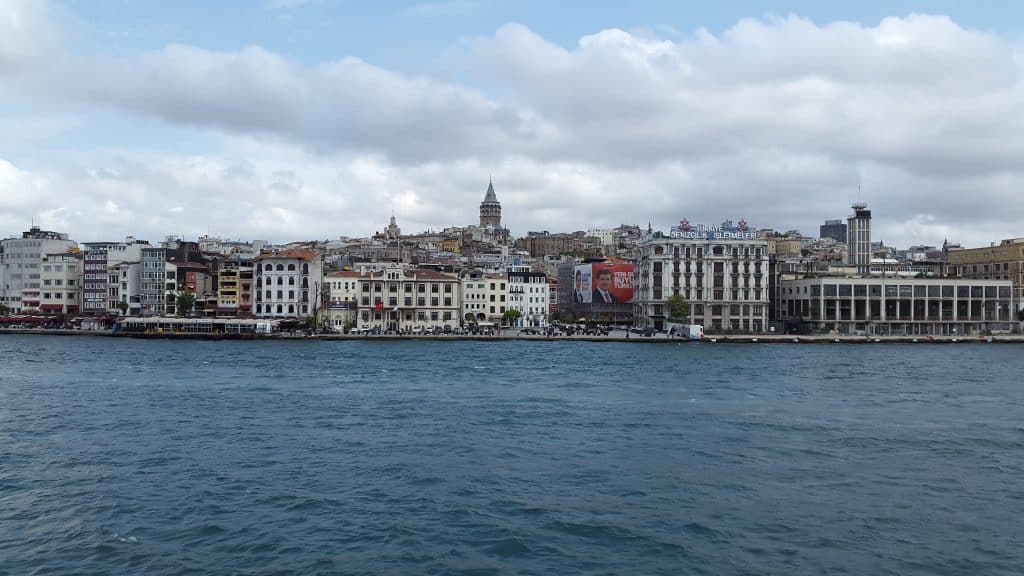
The Galata Tower is a medieval stone tower that is located in the Galata quarter of Istanbul, on the northern side of the Golden Horn. The tower was built by the Genoese colony in Constantinople in 1348. It was the highest point of the fortifications that surrounded the Genoese settlement. The tower is a cylindrical stone structure with a conical roof, and it is one of the most famous and recognizable landmarks on the Istanbul skyline. Throughout its long history, the tower has been used as a watchtower, a prison, and a fire lookout tower.
Today, the Galata Tower is one of the most popular tourist attractions in the city. An elevator takes you up to the top of the tower, where there is an observation deck. From this deck, you have a spectacular 360-degree panoramic view of the entire city of Istanbul. The view takes in the historic peninsula with all its famous mosques, the Golden Horn, the Bosphorus Strait, and the modern city on the Asian side. It is a fantastic place to get an overview of the city’s unique geography and its magnificent skyline.
Dolmabahçe Palace
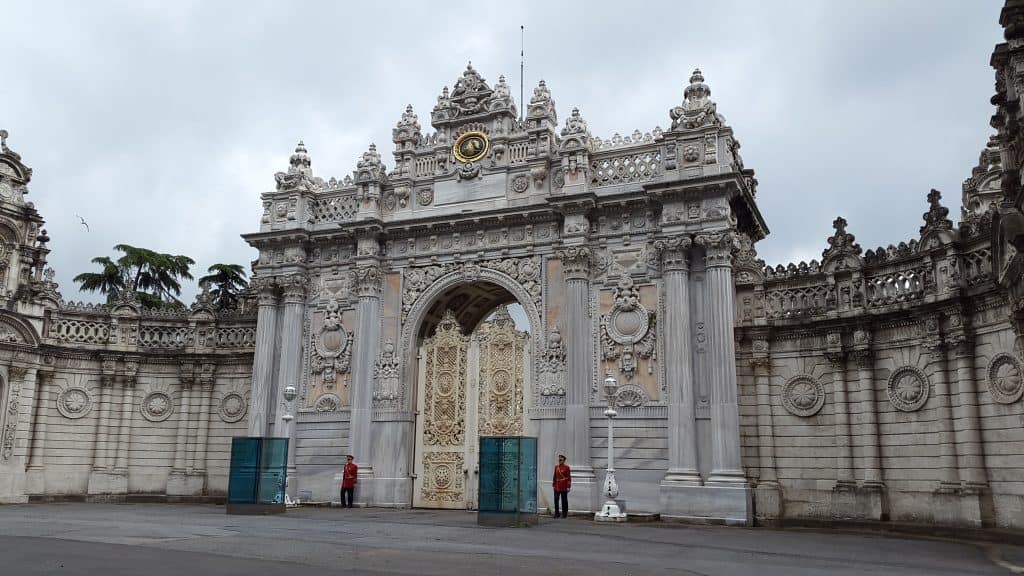
The Dolmabahçe Palace is a magnificent and opulent palace that is located on the European shore of the Bosphorus Strait. The palace was built in the mid-19th century by Sultan Abdülmecid I. It served as the main administrative center of the Ottoman Empire from 1856 to 1922. The palace is a spectacular example of the Ottoman Baroque and Neoclassical architectural styles. It was designed to be a grand and modern European-style palace, and its interior is incredibly lavish and ornate.
A visit to the Dolmabahçe Palace is a journey into the world of the late Ottoman sultans. The palace is divided into two main sections: the official state apartments (Selamlık) and the private residential quarters of the sultan and his family (Harem). The interior of the palace is filled with incredible treasures, including magnificent crystal chandeliers, beautiful furniture, and priceless works of art. The palace is also the place where the founder of the modern Turkish Republic, Mustafa Kemal Atatürk, died in 1938.
Süleymaniye Mosque
The Süleymaniye Mosque is an magnificent Ottoman imperial mosque that is located on the Third Hill of Istanbul. The mosque was commissioned by the most famous of all the Ottoman sultans, Suleiman the Magnificent. It was designed by the greatest of all the Ottoman architects, Mimar Sinan. The mosque was built between 1550 and 1557, and it is considered to be one of the greatest masterpieces of Ottoman architecture. The mosque is part of a larger complex, or “külliye,” that also includes a hospital, a school, and the tombs of Suleiman the Magnificent and his wife, Hürrem Sultan.
The Süleymaniye Mosque is one of the grandest and most beautiful mosques in all of Istanbul. Its magnificent exterior, with its large central dome and its four tall, slender minarets, is a major landmark on the city’s skyline. The interior of the mosque is a beautiful and very elegant space, and it is known for its sense of harmony and its beautiful, restrained decoration. The mosque is located on a hill that offers spectacular panoramic views of the Golden Horn and the Bosphorus. A visit to this magnificent mosque is a must for any visitor to the city.
Chora Church (Kariye Mosque)
The Chora Church, which is now officially known as the Kariye Mosque, is a former Byzantine church that is located in the Edirnekapı district of Istanbul. The church is world-famous for its magnificent and incredibly well-preserved collection of late Byzantine mosaics and frescoes. These magnificent works of art date from the early 14th century, and they are considered to be some of the most important and beautiful examples of Byzantine art in the world. The mosaics and frescoes depict a wide variety of scenes from the life of Jesus Christ and the Virgin Mary.
The church was originally built outside the main walls of Constantinople, and its name “Chora” means “in the country.” The interior of the church is a true jewel box of Byzantine art. The mosaics and frescoes are renowned for their incredible detail, their vibrant colors, and their emotional power. They represent a key moment in the late flowering of Byzantine art, just before the fall of the empire. The church was converted into a mosque after the Ottoman conquest, then became a museum in the 20th century, and was recently converted back into a mosque.


Sports in Istanbul
The sports landscape in Istanbul is dominated by football, a sport that inspires a city-wide passion and forms a significant part of the local identity. The city is home to the “Big Three” of Turkish football, Galatasaray S.K., Fenerbahçe S.K., and Beşiktaş J.K., whose intense and historic rivalries are a central feature of the national sporting calendar. These clubs have a massive following both domestically and internationally. The main venues for major sporting events in the city include the Atatürk Olympic Stadium, which has hosted a UEFA Champions League final, and the modern, club-owned stadiums such as the RAMS Park and the Şükrü Saracoğlu Stadium.
While football holds the preeminent position, basketball has also grown to become an extremely popular sport in the city, with two of Europe’s most successful clubs, Anadolu Efes S.K. and Fenerbahçe Beko, based in Istanbul. The city’s sports infrastructure is extensive, and it includes several large, modern indoor arenas that host major international basketball games and other events. In addition to the major team sports, Istanbul is also a host city for major international athletic events, such as the annual Istanbul Marathon, which is the only marathon in the world to be run across two continents. This diverse sporting culture makes Istanbul one of the most important sporting capitals in the region.
Football
Football is the most popular and widely followed sport in Istanbul, and it is a central part of the city’s social and cultural fabric. The city is home to some of the oldest and most successful football clubs in all of Turkey. The intense rivalry between the “Big Three” clubs of Istanbul is one of the most famous and passionate in the world of football. These clubs have a long and storied history, and their matches are major events that captivate the entire city. The main venues for top-level football in the city are the modern, club-owned stadiums that are located in different parts of the city.
Galatasaray S.K.
Galatasaray Spor Kulübü is one of the most successful and well-known football clubs in Turkey, and it is based on the European side of Istanbul. The club was founded in 1905 by students of the prestigious Galatasaray High School. Galatasaray has won the Turkish Süper Lig championship more than 20 times, and it has also won the Turkish Cup and the Turkish Super Cup on numerous occasions. The club’s greatest achievement came in the year 2000, when it won the UEFA Cup and the UEFA Super Cup, becoming the first and only Turkish club to win a major European trophy. The team plays its home matches at the modern RAMS Park, and its passionate fans are famous for creating an intimidating atmosphere.
Fenerbahçe S.K.
Fenerbahçe Spor Kulübü is another of the most successful and popular football clubs in Turkey, and it is based on the Asian side of Istanbul. The club was founded in 1907 in the Kadıköy district. Fenerbahçe has a long and fierce rivalry with its city rivals, Galatasaray, and the matches between the two teams are known as the “Intercontinental Derby.” The club has won the Turkish Süper Lig championship numerous times, and it has also won the Turkish Cup and the Turkish Super Cup. Fenerbahçe plays its home matches at the Şükrü Saracoğlu Stadium, which was the first modern football stadium to be built in Turkey. The club has a massive and very dedicated fanbase that is spread all over the country.
Beşiktaş J.K.
Beşiktaş Jimnastik Kulübü is the third member of Istanbul’s “Big Three” football clubs, and it is the oldest sports club in all of Turkey. The club was founded in 1903, initially as a gymnastics club, with the football section being added later. Beşiktaş has won the Turkish Süper Lig championship multiple times, and it is famous for being the only team to have won the title without a single defeat, which it achieved in the 1991–92 season. The club plays its home matches at the modern Tüpraş Stadyumu, a state-of-the-art stadium that is located on the site of its historic former home, the BJK İnönü Stadium, on the shores of the Bosphorus. The club’s supporters are known for their passionate and vocal support.
Basketball
Basketball is the second most popular sport in Istanbul, and the city is a major powerhouse in European basketball. The city is home to two of the most successful and wealthiest basketball clubs in Europe, both of which compete in the prestigious EuroLeague. The local derby between these two teams has become one of the most intense and anticipated fixtures in European basketball. The city’s main venues for top-level basketball are the Sinan Erdem Dome and the Ülker Sports and Event Hall.
Anadolu Efes S.K.
Anadolu Efes Spor Kulübü is one of the most successful basketball clubs in the history of Turkey. The club was founded in 1976. Based on the European side of the city, Anadolu Efes has won the Turkish Basketball Super League championship a record number of times. The club has also achieved great success on the European stage, and it has won the EuroLeague, the top-tier European professional basketball club competition, on multiple occasions, including back-to-back titles in 2021 and 2022. The team plays its home matches at the magnificent Sinan Erdem Dome, which is the largest multi-purpose indoor arena in Turkey.
Fenerbahçe Beko
Fenerbahçe Beko is the men’s professional basketball department of the larger Fenerbahçe S.K. multi-sport club. The team is based on the Asian side of the city. Fenerbahçe has become a major force in both Turkish and European basketball in the 21st century. The club won its first EuroLeague championship in 2017, becoming the first and only Turkish team to do so at the time. The team has also won the Turkish Basketball Super League championship numerous times. Fenerbahçe plays its home matches at the modern Ülker Sports and Event Hall, and the passionate support of its fans creates an incredible atmosphere.
Volleyball
Volleyball is a very popular sport in Istanbul, particularly in the women’s professional leagues. The city is a global powerhouse in the sport, and it is home to two of the most successful and famous women’s volleyball clubs in the entire world. These clubs consistently compete for the highest honors, both domestically in the Turkish Women’s Volleyball League and internationally in the top European and world club competitions. The intense rivalry between these two city-based teams is one of the highlights of the international volleyball calendar.
Eczacıbaşı Dynavit
Eczacıbaşı Dynavit is a professional women’s volleyball team based in Istanbul, and it is one of the most successful in the world. The club was founded in 1966. It has won the Turkish Women’s Volleyball League a record number of times. The team has also achieved incredible success on the international stage, and it has won the CEV Champions League, the top official competition for women’s volleyball clubs in Europe, multiple times. The club has also won the FIVB Volleyball Women’s Club World Championship on multiple occasions, cementing its status as a global powerhouse of the sport.
VakıfBank S.K.
VakıfBank Spor Kulübü is another of the most successful women’s volleyball teams in the world, and it is also based in Istanbul. The club has a long and intense rivalry with its city rival, Eczacıbaşı Dynavit. VakıfBank has also won the CEV Champions League and the FIVB Volleyball Women’s Club World Championship multiple times, and it is recognized as one of the most dominant forces in modern volleyball. The matches between VakıfBank and Eczacıbaşı are major events in the world of women’s volleyball, and they often feature many of the best players from around the globe.
Running
Running is a very popular recreational activity in Istanbul, and the city also hosts a major international long-distance running event each year. The city’s long waterfront promenades, particularly along the Bosphorus, are very popular routes for local runners. The annual marathon is the single largest mass-participation sporting event in the country.
Istanbul Marathon
The Istanbul Marathon is a major international athletics event that is held in the city every year in November. The race was first held in 1979. It is famous for being the only marathon in the world where the course spans two continents. The race starts on the Asian side of the city, and the runners cross the 15 July Martyrs Bridge over the Bosphorus Strait to the European side. The race finishes in the historic Sultanahmet Square, between the Blue Mosque and the Hagia Sophia. The marathon attracts thousands of runners from all over the world.

Getting Around in Istanbul
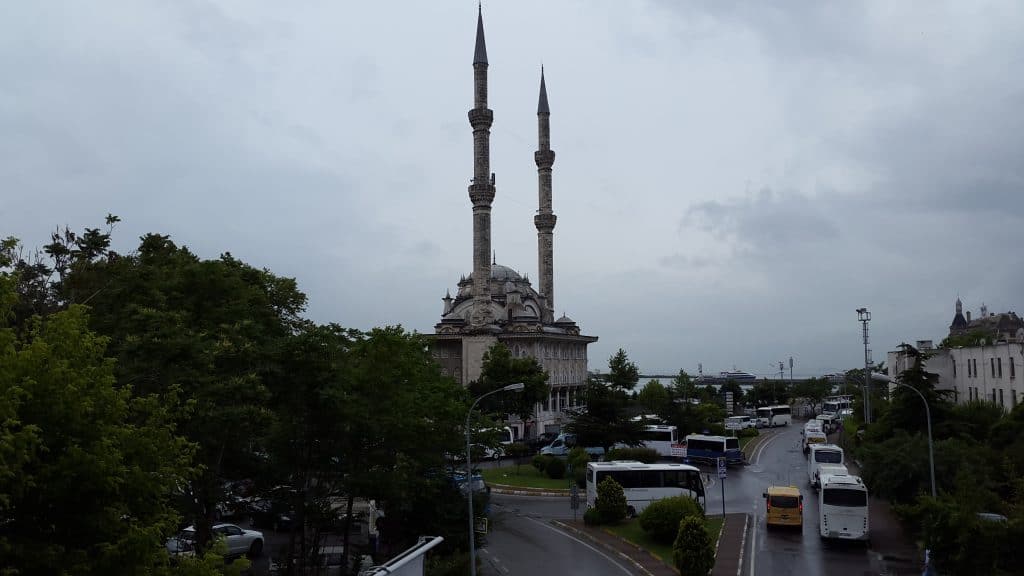
Navigating the vast and bustling metropolis of Istanbul is an experience that involves a diverse and integrated network of modern and historic public transportation systems. The city’s unique geography, which spans two continents, necessitates a multi-faceted approach to travel, and the system is designed to connect the European and Asian sides efficiently. For visitors, the most practical way to travel is by using the Istanbulkart, which is a rechargeable electronic smart card that provides access to almost all modes of public transport, including the metro, trams, buses, and ferries. The system is extensive, and it is generally efficient, although the city’s significant traffic congestion can affect travel times, especially for road-based transport.
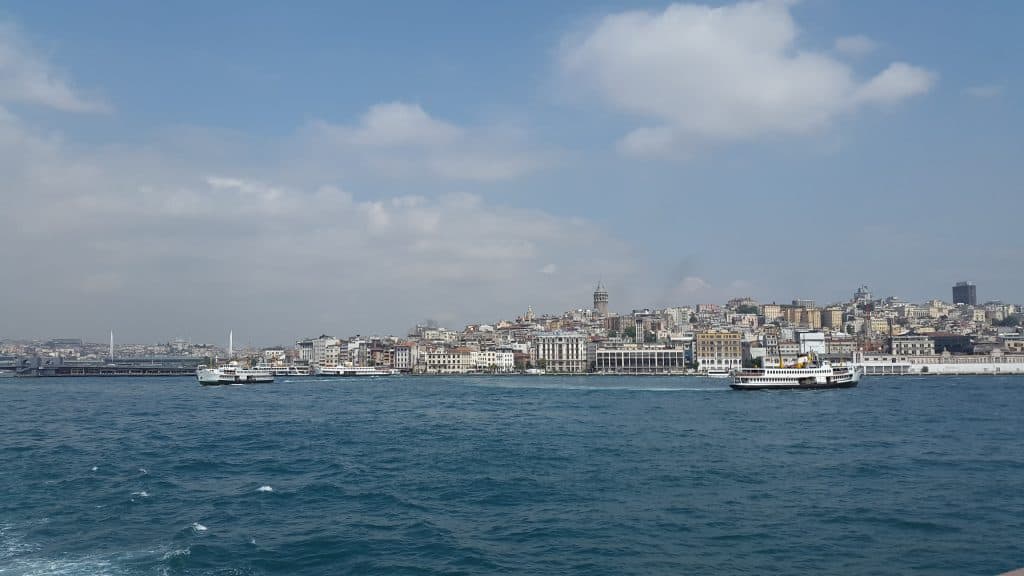
Understanding the different modes of transport is key to navigating the city effectively. The modern metro and tram lines are often the fastest way to travel between the main tourist areas and commercial districts, and they avoid the city’s notorious traffic. The iconic public ferries, or “vapurs,” provide a scenic and essential link across the Bosphorus Strait, and they offer some of the most memorable views of the city’s historic skyline. An extensive network of city buses and the unique Metrobus system provide comprehensive coverage, and they reach almost every corner of this sprawling metropolis. This combination of rail, sea, and road transport creates a complex but functional network that serves millions of passengers every day.
The Urban Rail Network
The backbone of Istanbul’s modern public transport system is its extensive and ever-expanding network of metro and tram lines. The Istanbul Metro is a fast and efficient rapid transit system that serves many parts of the city. The M1 line is particularly useful for travelers, as it connects the Yenikapı transport hub with the former Atatürk Airport. The M2 line is another crucial artery, and it runs from Yenikapı, through the main business district of Levent, to Hacıosman. The modern tram network is also very efficient. The T1 tram line is the most useful for tourists, for it runs through the historic peninsula and connects all the main sights, including Sultanahmet, the Grand Bazaar, and the Spice Bazaar.
The Vapurs of the Bosphorus
The public ferry system, which is operated by the company Şehir Hatları, is an integral and iconic part of public transport in Istanbul. The traditional passenger ferries, known as “vapurs,” provide frequent and scenic services across the Bosphorus Strait, which connects the European and Asian sides of the city. The main ferry terminals on the European side are located at Eminönü, Karaköy, and Beşiktaş. On the Asian side, the main terminals are at Kadıköy and Üsküdar. A journey on one of these historic ferries is not just a mode of transport, but it is also one of the best ways to experience the beauty of the city’s skyline from the water. The ferries also serve the Princes’ Islands, a popular destination for a day trip.
The City’s Bus Fleet
The city of Istanbul is served by a vast and comprehensive network of public buses. The buses are operated by the company İETT, and they reach almost every corner of the vast metropolitan area. This makes them an essential part of the public transport system, especially for reaching destinations that are not served by the metro or tram lines. A unique feature of the city’s transport system is the Metrobus. This is a bus rapid transit system that runs on its own dedicated busway, which allows it to avoid the city’s heavy traffic. The Metrobus line is very long, and it connects the western suburbs of the European side with the Asian side of the city via the Bosphorus Bridge.
Nostalgic Tramways
In addition to its modern tram network, Istanbul also has two charming and historic tram lines that are a major tourist attraction in themselves. The most famous of these is the T2 tram, which is a historic, red-painted tram that runs along the entire length of the famous pedestrianized İstiklal Avenue, from Taksim Square to Tünel Square. The other historic line is the T3 tram, which operates in a circular route through the historic and fashionable district of Kadıköy on the Asian side of the city. A ride on one of these nostalgic trams is a journey back in time, and it offers a unique and memorable way to experience these two vibrant neighborhoods.
Taxis and Dolmuş
Taxis are a very common and widely available mode of transport in Istanbul. The city’s official taxis are bright yellow, and they are all required to use a meter. Hailing a taxi on the street is usually easy, but it can be more difficult during peak hours or in heavy rain. Another popular form of road transport is the dolmuş, which is a shared taxi that operates on fixed routes. These are typically yellow minibuses, and they are a very fast and affordable way to travel, as they only depart when they are full. Ride-sharing services, such as Uber and the local app BiTaksi, are also very popular and widely used in the city.

How to Get to Istanbul?
Istanbul is one of the world’s most significant transportation hubs, and it serves as a primary gateway between Europe and Asia. The city is exceptionally well-connected and is easily accessible by a variety of modern transport methods. The main points of entry for international visitors are the two large international airports, Istanbul Airport (IST) on the European side and Sabiha Gökçen Airport (SAW) on the Asian side. The city is also a central hub for the national road and rail networks. It is situated at the crossroads of major international highways, and its historic port remains a key destination for maritime travel.
This extensive transport infrastructure makes Istanbul a very convenient destination to reach from all over the world. Whether you are arriving by air from a major global capital, driving from a neighboring country in Europe or Asia, or taking a modern high-speed train from another Turkish city, the journey to this transcontinental metropolis is a straightforward one. This accessibility is a key part of the city’s status as a major global center for tourism, business, and culture. The variety of transport options ensures that travelers can choose the most convenient and efficient way to begin their exploration of the city.
Aerial Gateways to the City
Istanbul Airport (IST) is the main international airport serving the city, and it is one of the largest and busiest airports in the world. It is located on the European side of the city, in the Arnavutköy district, approximately 40 kilometers from the city center. The airport is a major global hub for Turkish Airlines, the national flag carrier, and it offers direct flights to hundreds of destinations across six continents. The modern and vast terminal complex is equipped with extensive facilities. Efficient public transport options, including the M11 metro line and the Havaist airport shuttle buses, provide a direct and reliable connection from the airport to various central locations in the city, such as Taksim Square and Sultanahmet.
The city’s second major international airport is Sabiha Gökçen International Airport (SAW). This airport is located on the Asian side of the city, approximately 32 kilometers southeast of the city center. It is a major hub for low-cost airlines, particularly Pegasus Airlines, and it serves a large number of domestic and international destinations. The airport is a very popular and convenient gateway for those staying on the Asian side of the city or for those seeking more budget-friendly flight options. Sabiha Gökçen is also well-connected to the city’s public transport network. The M4 metro line provides a direct and fast connection from the airport to the Kadıköy ferry terminal, and the Havabus shuttle service offers direct connections to Taksim Square and other central locations.
Navigating by Road
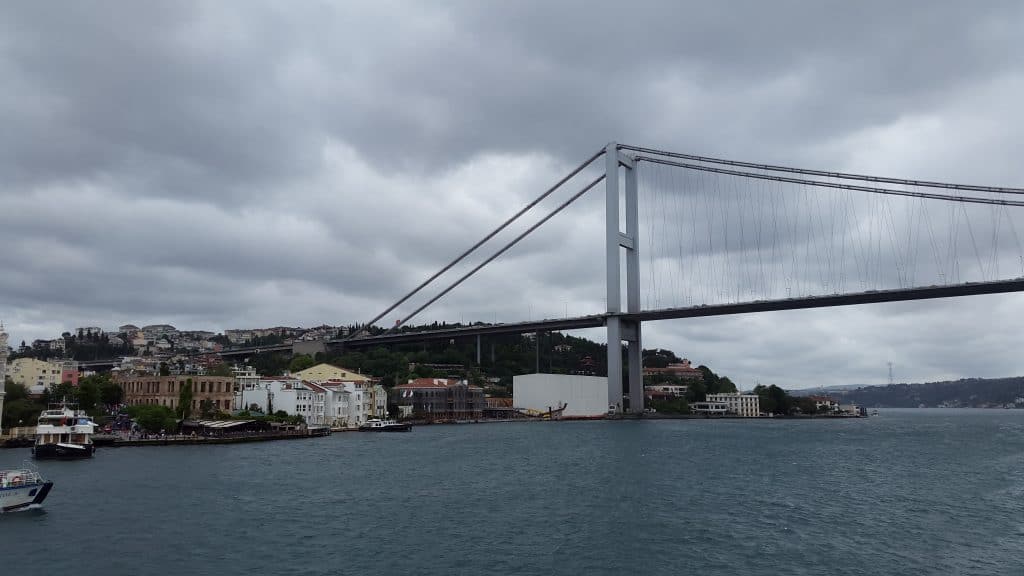
Driving to Istanbul is a popular option for visitors from Europe and the surrounding region, as the city is located at the intersection of several major international road corridors. The main highway from Europe is the E80, also known as the Trans-European Motorway, which connects Lisbon in Portugal with the Turkish-Iranian border. This route passes directly through Istanbul. Another key route is the D100 state road, which is a major east-west artery that runs through the heart of the city. The city is encircled by a modern motorway network, including the O-7, which includes the magnificent Yavuz Sultan Selim Bridge over the Bosphorus. Driving within the city itself can be very challenging due to the heavy traffic and the complex road network.
Connecting by Coach
The Esenler Otogar, or the Grand Istanbul Bus Terminal, is the main intercity and international bus terminal in Istanbul, and it is one of the largest in all of Europe. The bus station is located on the European side of the city. It is a major hub for a vast network of bus routes that connect Istanbul with every major city and town in Turkey. The bus is a very popular and affordable mode of long-distance travel within the country. There are also numerous international bus services that operate from the station. Several different companies offer direct and frequent connections to cities in neighboring countries, including Greece, Bulgaria, Georgia, and Iran, as well as to other destinations in the Balkans and Europe.
The Iron Horse Across Continents
The Turkish State Railways (TCDD) operates a modern and growing network of train services that connect Istanbul with other parts of Turkey and with Europe. The city has two main historic railway stations: Sirkeci Station on the European side, which was the historic terminus of the famous Orient Express, and Haydarpaşa Station on the Asian side. Today, the main hub for long-distance and high-speed trains is the modern Söğütlüçeşme station on the Asian side. The high-speed train service, or YHT (Yüksek Hızlı Tren), provides a fast and comfortable connection to the capital city of Ankara and to the city of Konya. There is also an international train service that connects Istanbul with Sofia in Bulgaria and Bucharest in Romania.
Voyages Across the Marmara and Beyond
The Port of Istanbul, also known as Galataport, is the main passenger and cruise port for the city. The port is located in the historic Karaköy (Galata) district on the European shore of the Bosphorus. It is a major port of call for international cruise ships on Mediterranean and Black Sea itineraries. The modern cruise terminal is a state-of-the-art facility. In addition to cruise ships, there are also international ferry services that connect Istanbul with other countries. A less frequent car ferry service connects the port of Haydarpaşa with the port of Chornomorsk in Ukraine. The city’s main domestic ferry terminal for long-distance car ferries is located at Yenikapı, and it offers services to other cities on the Sea of Marmara, such as Bursa and Bandırma.
Driving Distances
The driving distance from 50 regional cities, according to Google Maps:
- Gebze, Turkey – 65 kilometers (0 h 50 min)
- Çorlu, Turkey – 125 kilometers (1 h 30 min)
- Bursa, Turkey – 155 kilometers (1 h 40 min)
- Edirne, Turkey – 240 kilometers (2 h 30 min)
- Eskişehir, Turkey – 330 kilometers (3 h 20 min)
- Plovdiv, Bulgaria – 400 kilometers (4 h 10 min)
- Ankara, Turkey – 450 kilometers (4 h 30 min)
- Izmir, Turkey – 480 kilometers (4 h 40 min)
- Sofia, Bulgaria – 550 kilometers (5 h 40 min)
- Thessaloniki, Greece – 600 kilometers (6 h 10 min)
- Denizli, Turkey – 620 kilometers (6 h 10 min)
- Bucharest, Romania – 640 kilometers (8 h 30 min)
- Konya, Turkey – 715 kilometers (7 h 20 min)
- Antalya, Turkey – 725 kilometers (7 h 50 min)
- Samsun, Turkey – 735 kilometers (7 h 50 min)
- Kayseri, Turkey – 780 kilometers (8 h 00 min)
- Skopje, North Macedonia – 815 kilometers (8 h 20 min)
- Adana, Turkey – 940 kilometers (9 h 20 min)
- Pristina, Kosovo – 950 kilometers (10 h 00 min)
- Belgrade, Serbia – 960 kilometers (9 h 40 min)
- Tirana, Albania – 1050 kilometers (11 h 30 min)
- Trabzon, Turkey – 1065 kilometers (12 h 20 min)
- Athens, Greece – 1100 kilometers (11 h 10 min)
- Gaziantep, Turkey – 1125 kilometers (11 h 00 min)
- Sarajevo, Bosnia – 1150 kilometers (12 h 00 min)
- Aleppo, Syria – 1200 kilometers (12 h 30 min)
- Erzurum, Turkey – 1235 kilometers (13 h 10 min)
- Budapest, Hungary – 1350 kilometers (13 h 00 min)
- Diyarbakır, Turkey – 1360 kilometers (13 h 40 min)
- Beirut, Lebanon – 1400 kilometers (15 h 00 min)
- Damascus, Syria – 1500 kilometers (16 h 00 min)
- Bratislava, Slovakia – 1550 kilometers (15 h 00 min)
- Ljubljana, Slovenia – 1600 kilometers (15 h 30 min)
- Vienna, Austria – 1600 kilometers (15 h 30 min)
- Tbilisi, Georgia – 1650 kilometers (21 h 00 min)
- Amman, Jordan – 1700 kilometers (18 h 00 min)
- Jerusalem – 1820 kilometers (19 h 30 min)
- Prague, Czech Republic – 1900 kilometers (18 h 30 min)
- Yerevan, Armenia – 1950 kilometers (24 h 00 min)
- Munich, Germany – 2000 kilometers (19 h 30 min)
- Baghdad, Iraq – 2100 kilometers (22 h 00 min)
- Berlin, Germany – 2200 kilometers (21 h 30 min)
- Rome, Italy – 2250 kilometers (22 h 30 min)
- Tehran, Iran – 2450 kilometers (29 h 00 min)
- Baku, Azerbaijan – 2500 kilometers (30 h 00 min)
- Hamburg, Germany – 2650 kilometers (25 h 30 min)
- Paris, France – 2750 kilometers (27 h 00 min)
- Brussels, Belgium – 2900 kilometers (28 h 30 min)
- Amsterdam, Netherlands – 3050 kilometers (30 h 00 min)
- Riyadh, Saudi Arabia – 3150 kilometers (31 h 00 min)
Looking to Explore more of Turkey and Europe?