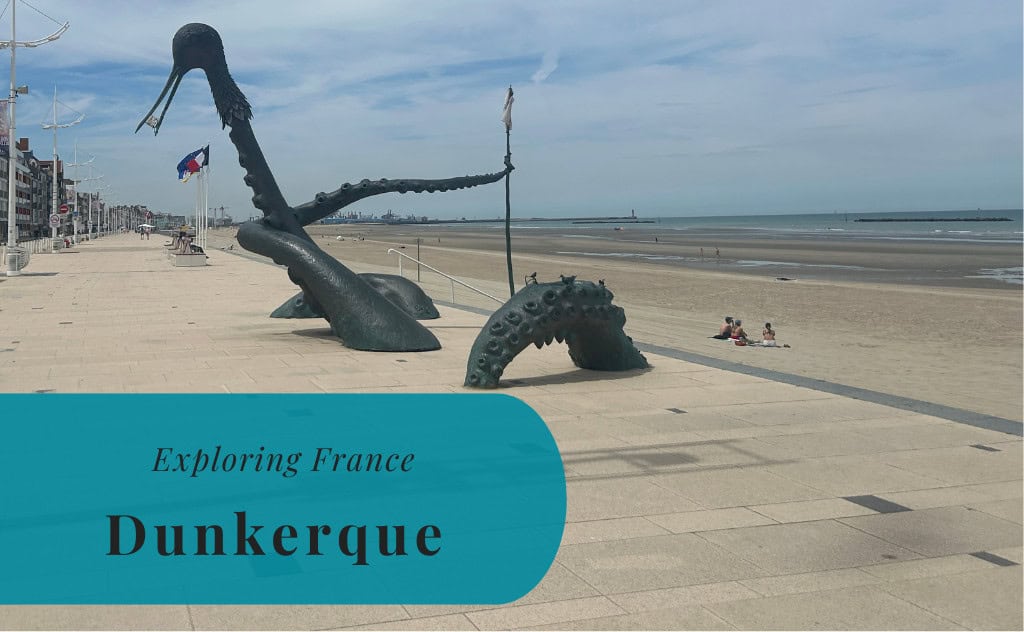
Dunkerque, French Flanders | Exploring France
Dunkerque, known in English as Dunkirk, is a historic port city in the Nord department of northern France. The city’s official Dutch name is Duinkerke. It is located in the Hauts-de-France region, on the coast of the North Sea, approximately 10 kilometers from the Belgian border. With a population of around 86,000 residents in the city proper, the wider metropolitan area is home to over 250,000 people. As the third-largest harbor in France, Dunkerque is a major industrial and commercial center.
The character of Dunkerque is defined by its extensive port, its industrial landscape, and its profound World War II history. The city was almost entirely destroyed during the war and was subsequently rebuilt, giving it a largely modern architectural appearance. Its identity is inextricably linked to the Dunkirk Evacuation of 1940, a pivotal event in modern history that has made the city a major site of historical remembrance. This history exists alongside the city’s strong Flemish cultural roots, which are celebrated in its famous annual Carnival.
As a key economic hub, Dunkerque is home to major industries, including steel production, food processing, and petrochemicals. The city also serves as a major cross-channel ferry port, providing a vital transport link between continental Europe and the United Kingdom. Its long, sandy beaches, particularly at the adjacent resort of Malo-les-Bains, are also a key feature. This combination of a major industrial port, a site of significant historical memory, and a coastal resort gives the city its specific character.


Good to Know When Visiting Dunkerque
To help with planning a visit, here are several practical points covering daily essentials, timing, and efficient exploration of the city. Understanding these details can make a trip to Dunkerque more convenient. This information is intended to provide a general overview for travelers preparing to visit this major French port city.
The Daily Essentials
The official currency used in Dunkerque is the Euro (EUR). Credit and debit cards are widely accepted in most hotels, restaurants, and shops. The official language is French. Due to its history and location in French Flanders, some older residents may speak a local dialect with Flemish influences, but French is the language of daily life. English is commonly spoken in tourist areas, hotels, and at the ferry terminal. Tipping is not obligatory, as a service charge (service compris) is included in bills, but rounding up or leaving a small tip for good service is common. The tap water in Dunkerque is safe to drink. The electrical system uses Type E sockets at a standard voltage of 230V. As a large port city, general safety precautions should be taken, particularly in the areas around the train station at night.
Planning Your Calendar
Dunkerque is a year-round destination, but the experience varies by season. The summer months (June-August) are the most popular time to visit, with the warmest weather for enjoying the beaches at Malo-les-Bains. The spring and autumn offer cooler but often pleasant weather for exploring the city’s historical sites. The main event on the city’s calendar is the Carnival of Dunkirk, which is one of the largest and most famous carnivals in France. It takes place over several weeks in February and March and is known for its unique traditions, including the “herring throw” from the balcony of the City Hall. For a first visit focused on the city’s WWII history and museums, two to three full days is generally sufficient.
A Tourist’s Toolkit for Exploration
The city center of Dunkerque and the adjacent beach area of Malo-les-Bains can be explored on foot. For traveling longer distances or between different parts of the city, the local public transport system is a key tool. A unique and significant feature of Dunkerque is that its entire city bus network, operated by DK’Bus, is completely free of charge for all users. This makes getting around the city exceptionally easy and economical. It is advisable to book accommodation in advance, especially if visiting during the Carnival period. For those interested in the WWII history, a map of the Operation Dynamo sites can be obtained from the local tourist office.


A Short History of Dunkerque
The history of Dunkerque is that of a strategic port that has been fought over for centuries and has been shaped by its relationship with the sea. Its story is one of a small fishing village that grew into a fortified naval base, became a center for privateers, and later played a pivotal role in one of the most significant events of World War II. The city’s near-total destruction during the war and its subsequent reconstruction are the defining events of its modern history. This has created a city that is both a symbol of a long maritime past and of modern resilience.
A Strategic Port and the Privateers
The history of Dunkerque began in the 7th century as a small fishing village. Its name is derived from the West Flemish for “church in the dunes.” Due to its strategic location on the North Sea coast, it became a fortified town and was contested for centuries by the Counts of Flanders, Spain, England, the Netherlands, and France. The city was officially acquired by King Louis XIV of France in 1662.
In the 17th century, under French rule, Dunkerque entered a golden age as a major naval base and the home of the corsaires, or privateers. These were state-sanctioned pirates who attacked the ships of enemy nations. The most famous of these was Jean Bart, who became a French national hero for his naval victories against the Dutch and English. This period brought great wealth and prestige to the city, although its fortifications were later dismantled as part of the Treaty of Utrecht.
The World Wars
Dunkerque played a major role in both World Wars. During World War I, it was a key port for the Allied forces and suffered heavy bombing. However, its most significant historical moment came in World War II. In May-June 1940, after the rapid German advance through France and Belgium, the British Expeditionary Force and other Allied troops were trapped in a pocket around the city. The subsequent evacuation, known as Operation Dynamo, was a massive and improvised rescue effort.
A flotilla of over 800 vessels, including Royal Navy destroyers and a large number of civilian “little ships” such as fishing boats and private yachts, crossed the English Channel to rescue the soldiers from the beaches and the harbor mole. Over 338,000 Allied soldiers were evacuated to Britain. This event, often called the “Miracle of Dunkirk,” was a pivotal moment in the war. The city itself, which was the scene of a fierce rearguard action to protect the evacuation, was almost completely destroyed in the process.
Post-War Reconstruction and Industrial Growth
By the end of World War II, over 90% of the city of Dunkerque had been destroyed. The city faced a massive task of reconstruction. The post-war rebuilding effort was undertaken with a focus on modern urban planning. This created the largely modern city that is seen today, with a new street plan and functionalist architecture. Very few of the pre-war historic buildings in the city center survived.
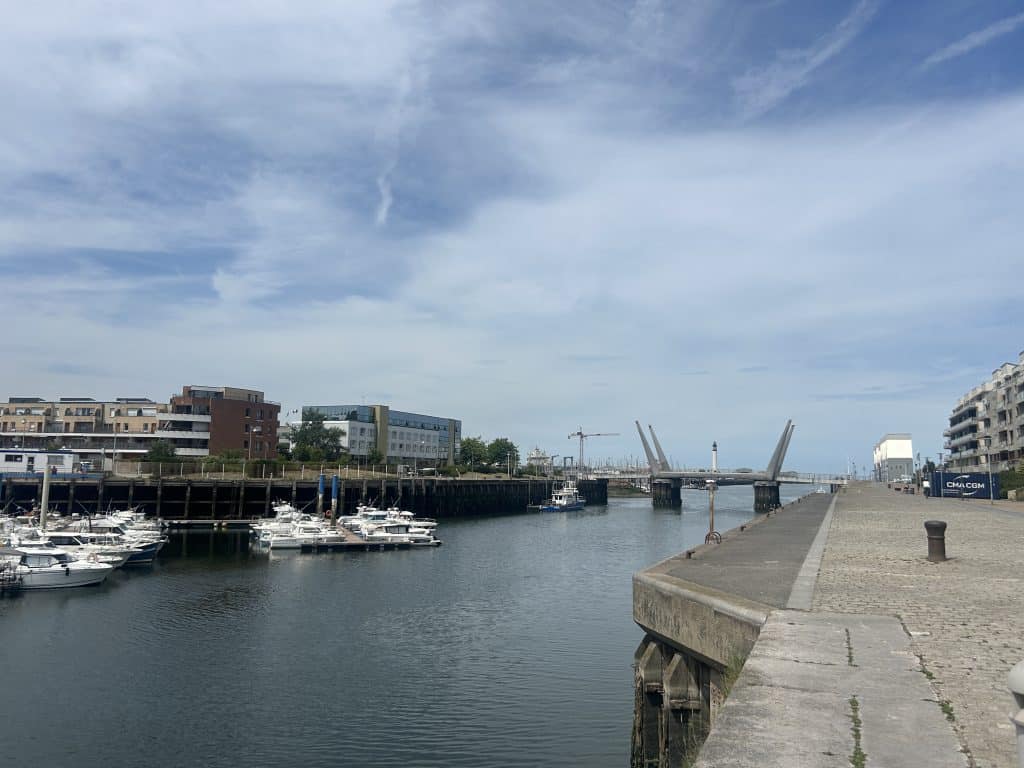
In the post-war decades, Dunkerque also underwent massive industrial expansion. The port was rebuilt and significantly enlarged. The Port of Dunkerque has grown to become the third-largest port in France. It is a major hub for the import and export of goods. A large industrial zone was developed around the port, which includes a major steelworks, petrochemical plants, and food processing industries. This has cemented the city’s modern identity as a key industrial and maritime center.


Things to Do and See
The sights in Dunkerque are a reflection of its maritime heritage, its profound World War II history, and its post-war reconstruction. The main attractions are focused on the city’s port, its museums, and the beaches that were the stage for the famous 1940 evacuation. The city’s two belfries are key architectural landmarks that have survived the centuries.
A visit to Dunkerque provides a journey through different layers of history. The Port Museum showcases its long history as a commercial harbor. The Dunkirk 1940 Museum details the events of Operation Dynamo. The city’s contemporary art museums provide a look into modern artistic expression. The long, sandy beaches of Malo-les-Bains are also a major attraction, serving as both a historical site and a modern seaside resort.
Dunkirk 1940 Museum
The Dunkirk 1940 Museum (Mémorial du Souvenir) is dedicated to the history of the Battle of Dunkirk and Operation Dynamo. The museum is housed in Bastion 32, which was the headquarters for the French and Allied forces during the battle in 1940. The museum’s collection includes a large number of historical artifacts, such as weapons, uniforms, and photographs. It uses maps and scale models to explain the military operations of the battle and the evacuation. The museum provides a comprehensive and detailed account of this pivotal event in World War II history.
The Belfry of Saint-Éloi Church
The Belfry of Saint-Éloi Church is the most prominent historical landmark in the center of Dunkerque. This belfry is a UNESCO World Heritage site, as part of the group of Belfries of Belgium and France. The original structure dates to the 15th century. It was part of the main Saint-Éloi church, but was separated from it by a fire. The belfry stands 58 meters tall. Visitors can climb to the top for panoramic views of the city, the port, and the North Sea. It houses a carillon with 50 bells.
The Port Museum
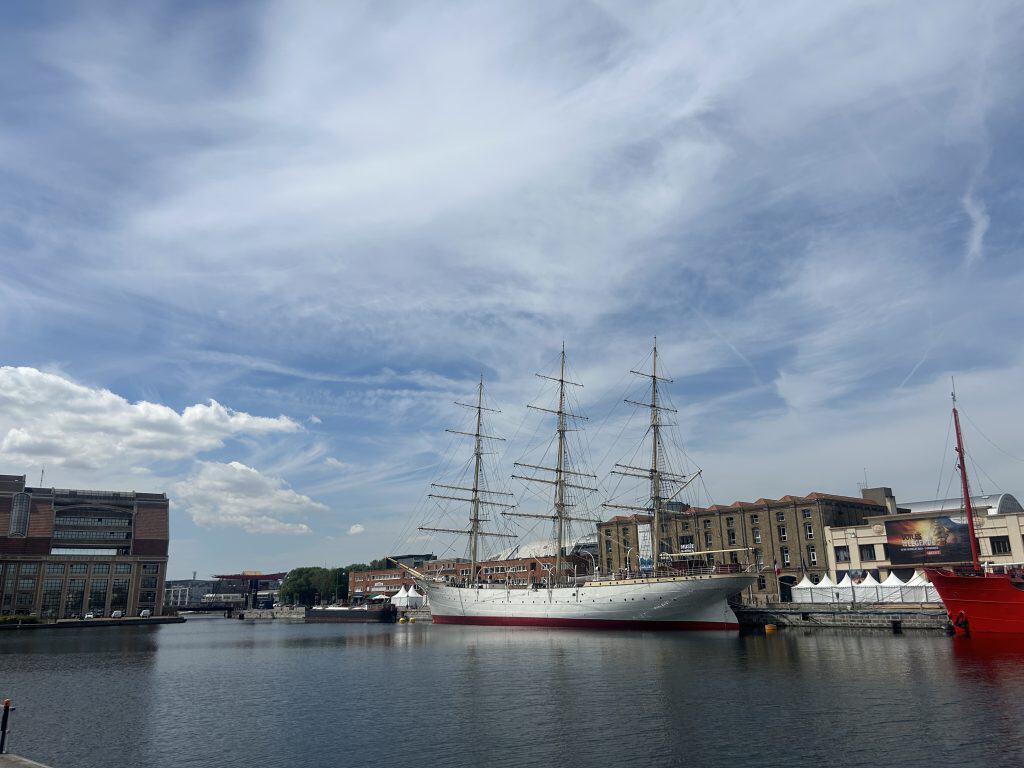
The Port Museum (Musée Portuaire) is located in a former tobacco warehouse from the 19th century. The museum is dedicated to the maritime history of Dunkerque, from the era of the privateers to the modern industrial port. Its collections include ship models, paintings, and artifacts related to the life of sailors and dockworkers. The museum also has a floating collection of three historic ships moored in the harbor opposite. These include the three-masted sailing ship, the Duchesse Anne, and a lightship.
The Beaches of Malo-les-Bains
The district of Malo-les-Bains is the seaside resort of Dunkerque. It is known for its long, wide, sandy beach. This beach was the primary site of the Dunkirk Evacuation in 1940. Today, the beach is a popular destination for swimming and beach activities. The long seafront promenade is lined with restaurants and cafes. The beach provides a direct connection to the city’s most famous historical event, while also serving as a modern recreational area.
LAAC – Lieu d’Art et Action Contemporaine
The LAAC is Dunkerque’s main museum of modern and contemporary art. The museum is located in a sculpture garden next to the sea. The building itself is a unique piece of 1980s architecture, covered in white ceramic tiles. The museum’s collection features over 1,500 works of art from the 1940s to the 1980s. This includes paintings, sculptures, and drawings. Key artists in the collection include Andy Warhol and Karel Appel.
FRAC Grand Large – Hauts-de-France
The FRAC Grand Large is the regional collection of contemporary art for the Hauts-de-France region. It is housed in a striking modern building located in the port area. The building is known as “The Cathedral” and is a translucent structure built next to a large, historic shipyard hall. The FRAC hosts a regular program of temporary exhibitions of contemporary art from its collection of over 1,500 works. The building’s design, by the architects Lacaton & Vassal, is a major work of modern architecture.
The Statue of Jean Bart
The Statue of Jean Bart is located on the main public square of the city, the Place Jean Bart. This statue is a large bronze monument dedicated to the city’s most famous historical figure. Jean Bart was a 17th-century privateer who became a naval commander for King Louis XIV and a national hero. The statue was created by the sculptor David d’Angers and was inaugurated in 1845. It is a key symbol of the city and a central point for the annual Carnival of Dunkirk celebrations.




Sports in Dunkerque
The sporting life in Dunkerque is focused on its professional football and handball clubs, which command a loyal local following. The city’s location on the coast also makes it a center for water sports, particularly sailing. The city is also the host of a major international professional cycling race. These sports are a key part of the city’s social and cultural life. The city has modern facilities that can host national and international level competitions.
Football
Football is a popular sport in Dunkerque. The city’s primary professional football club has a long history and a strong local following. The club represents the city in the French national league system. Home games are important local events that draw dedicated supporters. The club is a key part of the city’s identity and provides a focus for local pride.
USL Dunkerque
The city’s main professional football club is USL Dunkerque (Union Sportive du Littoral de Dunkerque). The club was founded in 1909. They have a history of competing in the top tiers of French football and are currently competing in Ligue 2, the second tier of the French football league system. They play their home matches at the Stade Marcel-Tribut. The club’s colors are blue and white. They have a strong local fanbase that supports the team with passion.
Handball
Handball has an exceptionally strong and successful presence in Dunkerque. The city is home to a top-tier professional men’s handball team that is one of the best in France. The sport has a very dedicated following in the city. Home games are major events that draw large and enthusiastic crowds to the main indoor arena.
Dunkerque Handball Grand Littoral
The professional men’s handball team is Dunkerque Handball Grand Littoral (USDK). The club competes in the LNH Division 1 (Starligue), the top professional handball league in France. They have a history of major success, having won the French Championship title in 2014 and they have also won the French Cup and the League Cup. They play their home games at the Stades de Flandres, an indoor arena known for its great atmosphere.
Cycling
The region of Hauts-de-France is a major center for professional cycling, and Dunkerque plays a key role in the sport. The city hosts the start and finish of a major professional stage race every year. This event is a key part of the international cycling calendar. It brings the world’s top cycling teams to the city each spring.
Four Days of Dunkirk
The Four Days of Dunkirk (Quatre Jours de Dunkerque) is a major professional cycling stage race. Despite its name, the race is now typically held over five or six days in May. The race is part of the UCI ProSeries, the second tier of international professional cycling. The race starts and finishes in Dunkerque and the various stages take the riders through the surrounding Hauts-de-France region. It is a major sporting event in the city.
Sailing
As a major port city on the North Sea, Dunkerque has a strong tradition in sailing and other water sports. The city has several large marinas that are home to numerous sailing clubs and pleasure boats. The local clubs organize regattas and provide training for sailors of all ages. The city has also been a host port for major international sailing events, such as the Tour de France à la Voile.


Getting Around in Dunkerque
Navigating Dunkerque is straightforward due to its comprehensive and completely free public transport system. The city center is also relatively compact and can be explored on foot. For travel to the wider port area or the surrounding districts, the bus network is the primary mode of transport. The city’s focus on providing free public transport makes it very easy and economical for visitors to get around.
A unique and significant feature of Dunkerque is that its entire city bus network, operated by DK’Bus Marine, is completely free of charge for all users. This policy was introduced in 2018 to improve mobility and reduce car use. There is no need to buy a ticket to use the city buses. The network is modern and extensive, with several high-frequency lines that connect all parts of the city and its suburbs. This makes getting around the city exceptionally easy and accessible for both residents and visitors.
On Foot: The City Center and Malo-les-Bains
Walking is a good way to explore the central part of Dunkerque. The area around the Place Jean Bart, the belfry, and the Port Museum are all within a short walking distance of each other. The long seafront promenade at Malo-les-Bains is also ideal for a walk. This allows visitors to see the beach and the historic sites related to the evacuation. Comfortable shoes are recommended for exploring the different parts of the city.
Riding the Free Buses
The free city bus network is the primary mode of public transport in Dunkerque. The network is operated by DK’Bus Marine. The buses are modern and run on frequent schedules. Several high-frequency “Chrono” lines connect the key parts of the city, including the train station, the city center, and the beach at Malo-les-Bains. The buses are free for everyone, so there is no need to purchase a ticket. This makes it very easy for visitors to move between the different sights.
On Two Wheels: Cycling
Cycling is a popular way to get around Dunkerque and the surrounding coastal area. The region is very flat, which makes it ideal for cycling. The city has a network of dedicated cycle paths. A public bike-sharing scheme, known as dk-vélo, is also available. This allows for short-term rentals from docking stations located throughout the city. Cycling is a good way to explore the long seafront promenade and the port area.


How to Get to Dunkerque
Reaching Dunkerque is convenient by road, rail, and sea. Its location on the North Sea coast of France, very close to the Belgian border, makes it a major transport hub. It is a key gateway between the United Kingdom and continental Europe. This makes it highly accessible from several countries.
The North Sea Route: Arriving by Ferry
The most direct way for many international travelers to arrive in Dunkerque is by ferry. The Port of Dunkerque is a major cross-channel ferry port. The company DFDS Seaways operates a frequent and popular ferry service between Dunkerque and Dover in the United Kingdom. This route is used by both freight and passenger traffic, including those traveling with vehicles. The ferry terminal is located just east of the city center and is well-connected to the motorway network.
The Open Road: Driving the Motorways
Driving to Dunkerque is very efficient. The city is located at the junction of two major motorways (autoroutes). The A25 motorway connects Dunkerque directly with the major city of Lille. The A16 motorway is a key coastal route that connects the city with Calais and the Channel Tunnel to the west, and with the Belgian border to the east. This provides direct road links to Paris, Brussels, and other major European cities.
On Track: A Journey by Rail
Traveling to Dunkerque by train is a convenient option. The Gare de Dunkerque is the city’s main railway station. It is served by both high-speed TGV trains and regional TER trains. The TGV service provides a direct connection to Paris Gare du Nord in about 2 hours. Regional TER trains provide frequent connections to the major regional hub of Lille, as well as to Calais. The station is located in the city center.
Arriving by Air: Nearby Gateways
The closest major international airport is Lille Airport (LIL), located approximately 80 kilometers away. For more extensive global connections, Brussels Airport (BRU) in Belgium is another major option, about 150 kilometers away. Paris Charles de Gaulle Airport (CDG) is also accessible. From any of these airports, the journey to Dunkerque must be completed by a combination of train, bus, or rental car.
Connecting by Coach
Long-distance bus services from companies like FlixBus and BlaBlaCar Bus connect Dunkerque with many cities across France and Europe. The main long-distance bus stop is located near the city’s train station. This provides an economical option for reaching the city. Direct services are available from major hubs like Paris and Lille.
Driving Distances
The driving distance from 10 regional cities, according to Google Maps:
- Lille, France – 77 kilometers (1 h 00 min)
- Bruges, Belgium – 72 kilometers (1 h 00 min)
- Ghent, Belgium – 78 kilometers (1 h 10 min)
- Antwerp, Belgium – 131 kilometers (1 h 40 min)
- Brussels, Belgium – 152 kilometers (1 h 50 min)
- London, UK – 203 kilometers (3 h 40 min, includes ferry/tunnel)
- Paris, France – 299 kilometers (3 h 30 min)
- Amsterdam, Netherlands – 301 kilometers (3 h 40 min)
- Luxembourg City, Luxembourg – 370 kilometers (4 h 00 min)
- Cologne, Germany – 380 kilometers (4 h 00 min)
Looking to Explore more of France and Europe?