Kullerstad, Östergötland | Exploring Sweden
Kullerstad is a historical parish, or socken, located in the province of Östergötland, Sweden. It is administratively a part of Norrköping Municipality. The area that constitutes the old parish lies directly adjacent to the locality of Skärblacka, bordered by the river Motala ström to the south and the large lake Glan to the north. The parish’s identity is not defined by a central town but rather by its ancient church and the surrounding agricultural landscape. Its name, Kullerstad, is of ancient origin and tied to the church that has been the center of this community for centuries.
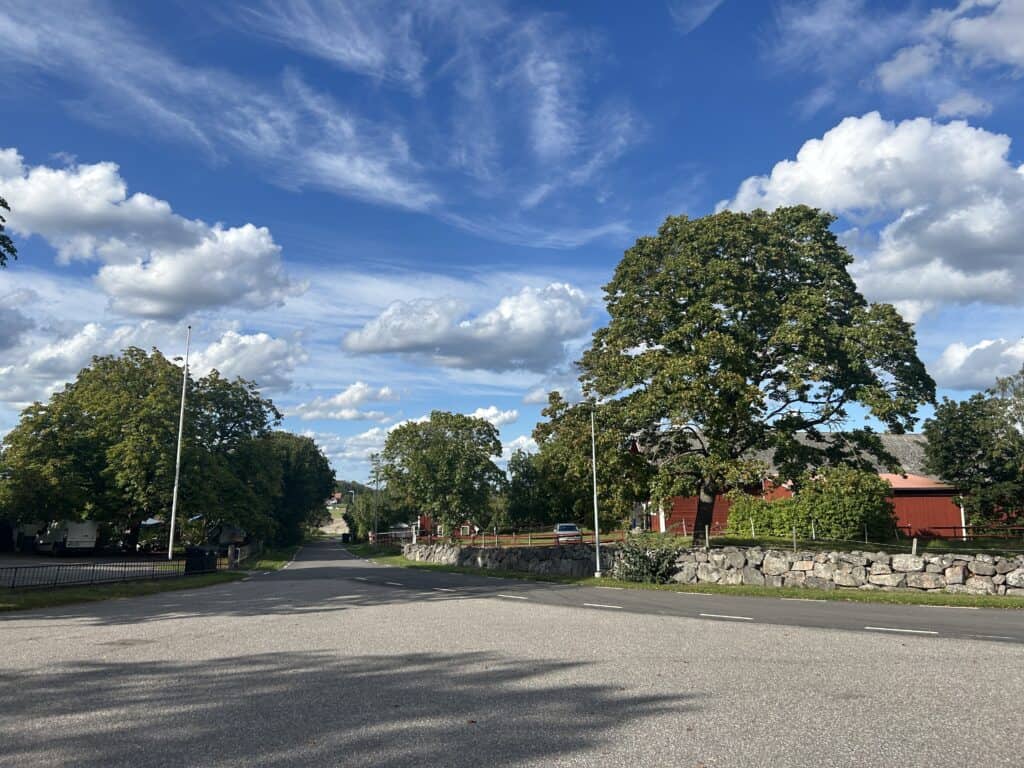
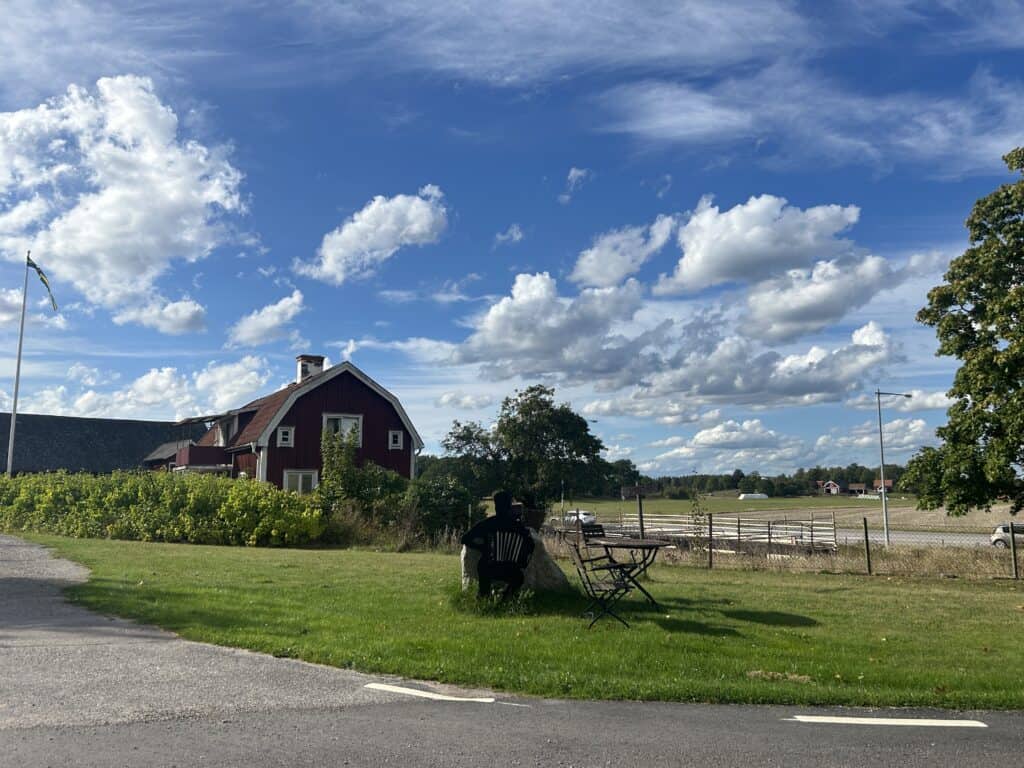
The character of Kullerstad today is that of a quiet, rural area with a deep and visible history. While the nearby industrial town of Skärblacka grew rapidly in the modern era, Kullerstad has retained its countryside feel, with open fields and scattered farmsteads. The parish represents the historical foundation upon which the modern communities in the area were built. For residents and visitors, it offers a distinct contrast to the industrial nature of its neighbor. It provides insight into the region’s long agricultural past and serves as a peaceful residential area with strong connections to the surrounding nature.
History of Kullerstad
The history of Kullerstad parish is long, stretching back to the early medieval period of Sweden. Its development is a story of a stable agricultural community centered around its church, which served as the spiritual, administrative, and social hub for centuries. Unlike the surrounding towns that were born from 19th-century industrialization, Kullerstad’s history is measured in the changing seasons of farming, parish records, and the lives of the people who worked the land. The area was eventually impacted by the growth of nearby Skärblacka, which drew labor from the countryside and shifted the region’s economic focus. The formal administrative role of the parish was phased out in the 20th century as it was incorporated into larger municipalities.
Medieval Origins
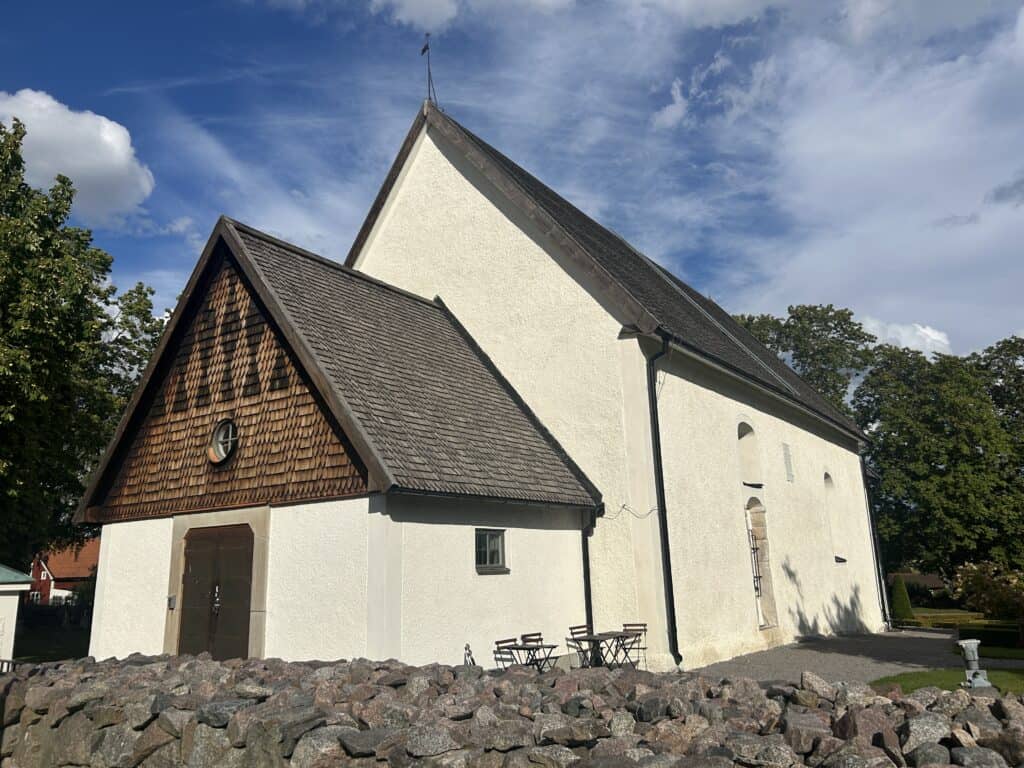
The origins of Kullerstad are rooted in the Middle Ages, with the first stone church being constructed in the late 12th century. This indicates that a well-established and organized agricultural community already existed in the area at that time. The parish was strategically located along the Motala ström, an important waterway, and its fertile land was suitable for farming. For hundreds of years, life revolved around the church and the major farms or manors in the parish. Kullerstad was an administrative unit for both the church and the state, responsible for tax collection, record-keeping, and local governance long before modern municipalities existed.
Parish Life Through the Centuries
From the medieval period through to the 19th century, Kullerstad remained a classic Swedish agricultural parish. The population consisted mainly of farmers, farmhands, and craftsmen who supported the agrarian economy. Several large manors, such as Ringstad Gård, were significant local powers, owning much of the land and employing many of the residents. Parish meetings, held at the church, were the primary form of local government where community matters were discussed and decided. This way of life remained relatively unchanged for centuries, defined by the cycles of planting and harvest, and the social structure of the church and the large estates.
Integration into Modern Municipalities
The great societal changes of the late 19th and 20th centuries significantly altered Kullerstad’s role. The establishment of the Skärblacka paper mill nearby created a massive demand for labor, drawing people away from farm work and into industrial employment. In 1862, the old parish system was reformed, and Kullerstad became a rural municipality (landskommun). This administrative entity existed until 1971, when it was merged into Norrköping Municipality as part of a nationwide reform to create larger and more efficient local governments. Although it no longer serves an administrative function, Kullerstad lives on as a historical parish and a church congregation.
Sights in Kullerstad
The sights in Kullerstad are deeply connected to its history and its natural environment. The area does not offer commercial tourist attractions but instead provides a look into the region’s long heritage and scenic landscapes. The primary point of interest is the ancient church, which stands as a testament to the parish’s medieval origins. The surrounding area is characterized by the major waterways that have defined life here for centuries, as well as the historical manors that dot the countryside. For visitors, exploring Kullerstad is an opportunity to experience a peaceful, rural part of Östergötland.
Kullerstad Church
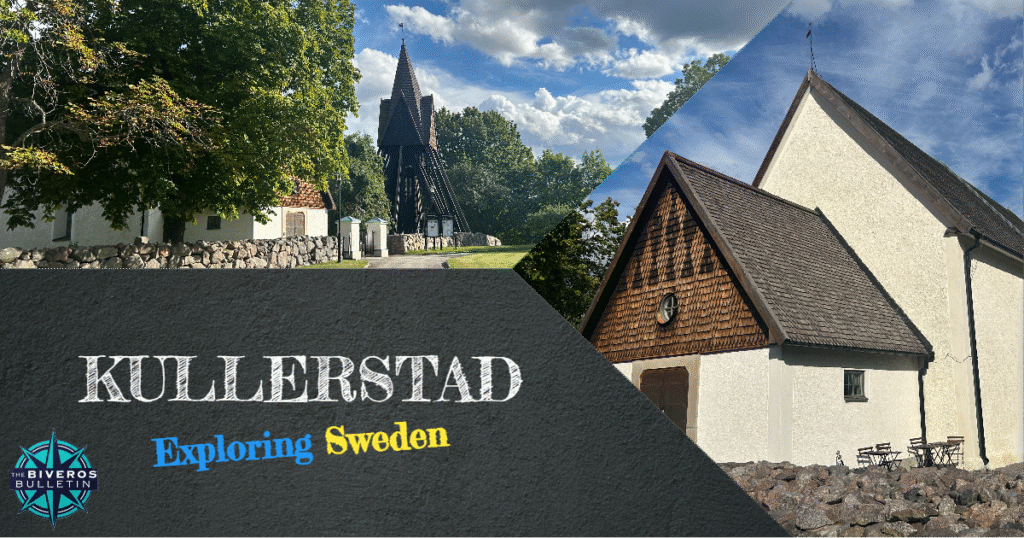
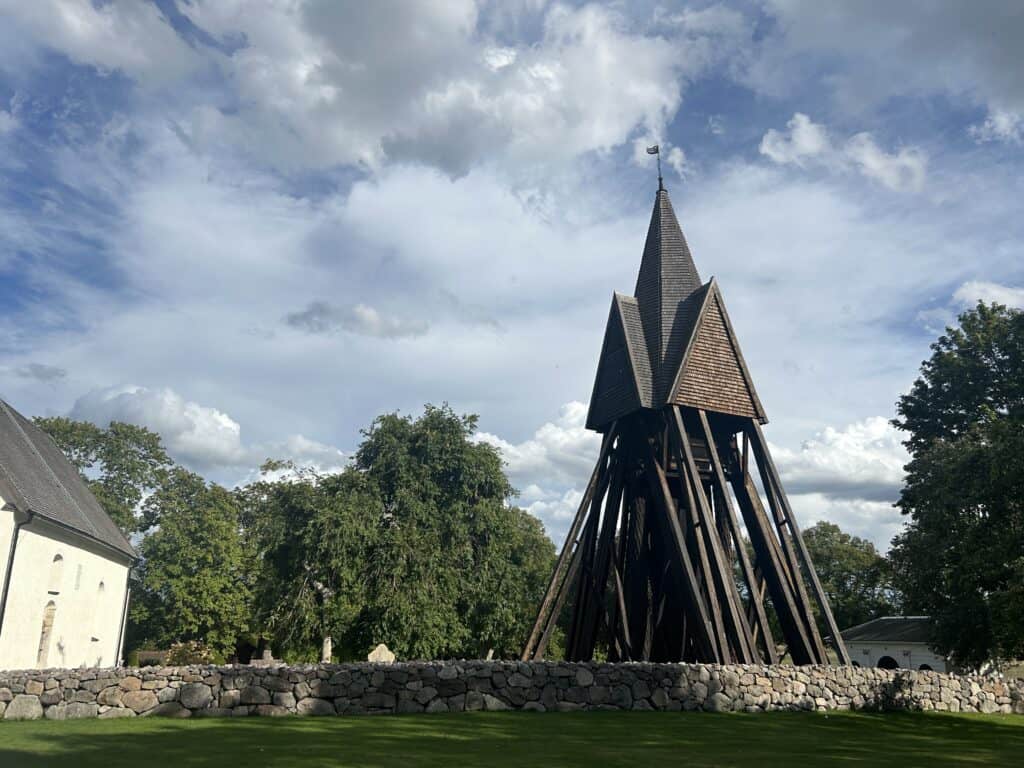
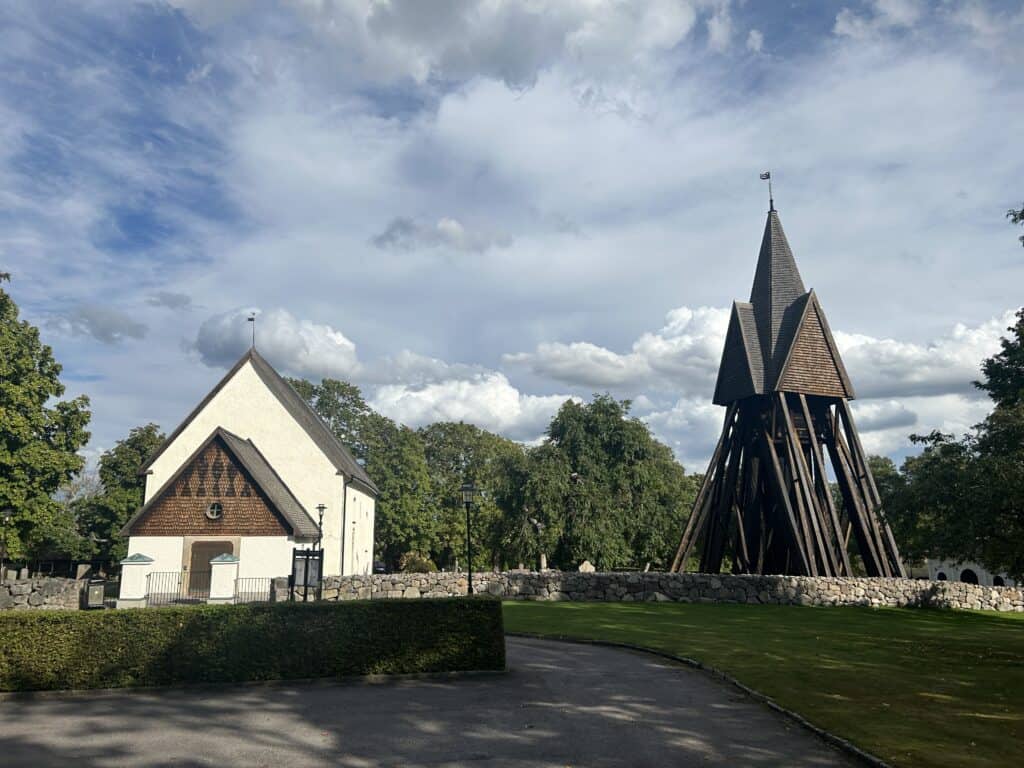
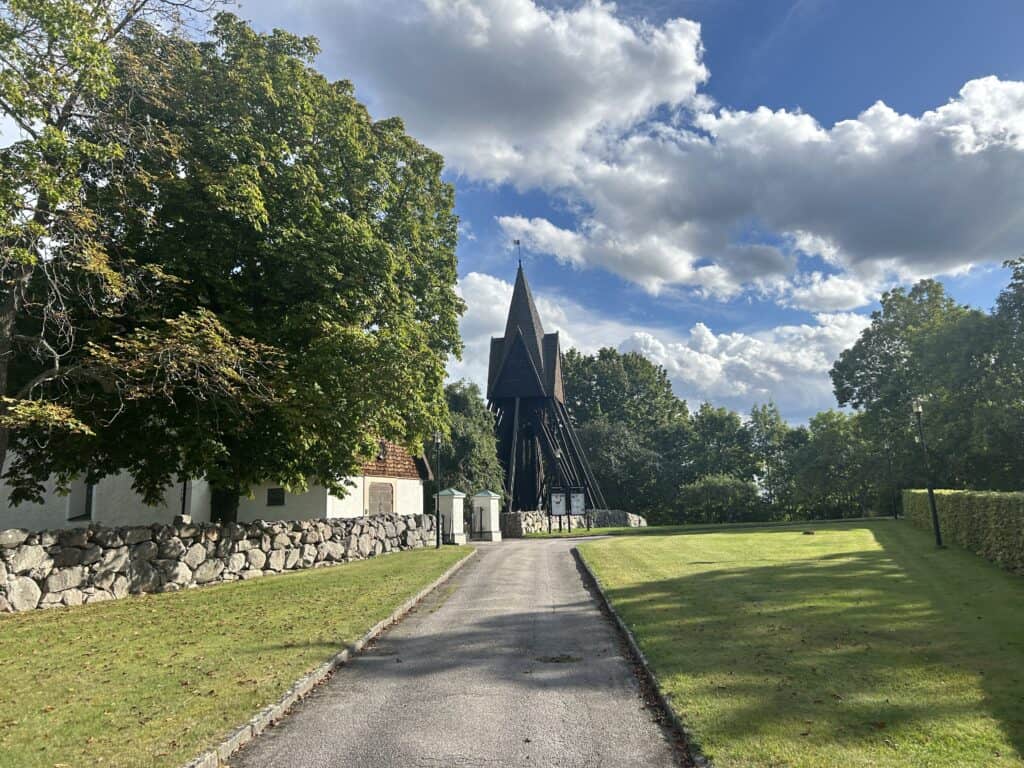
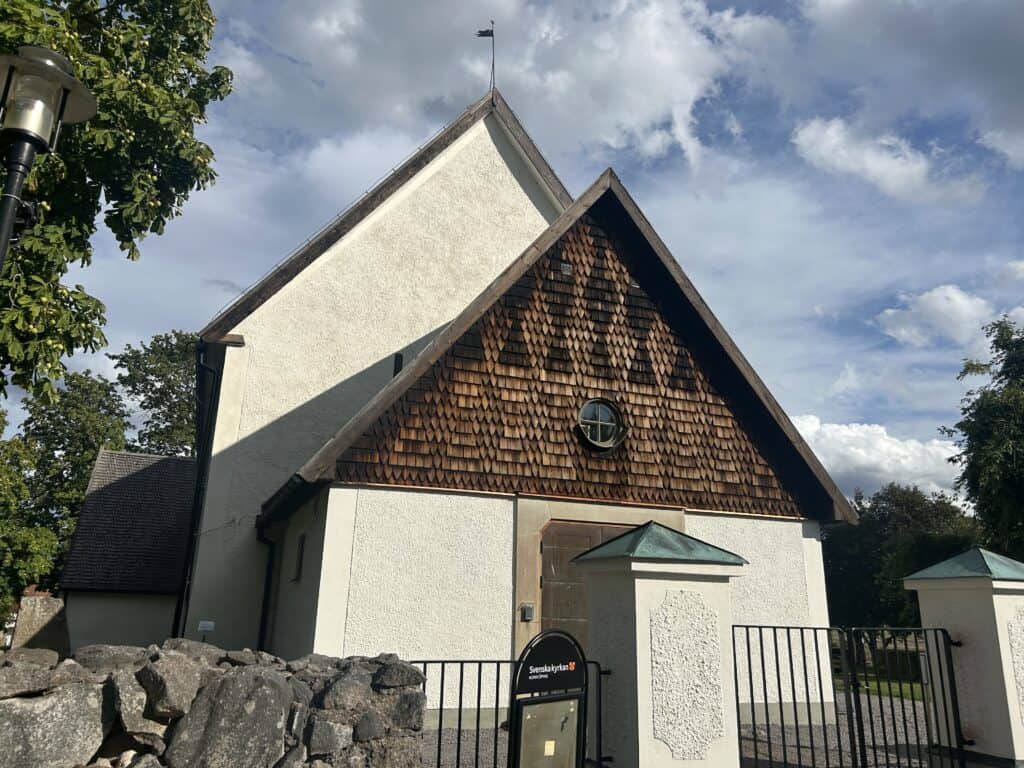
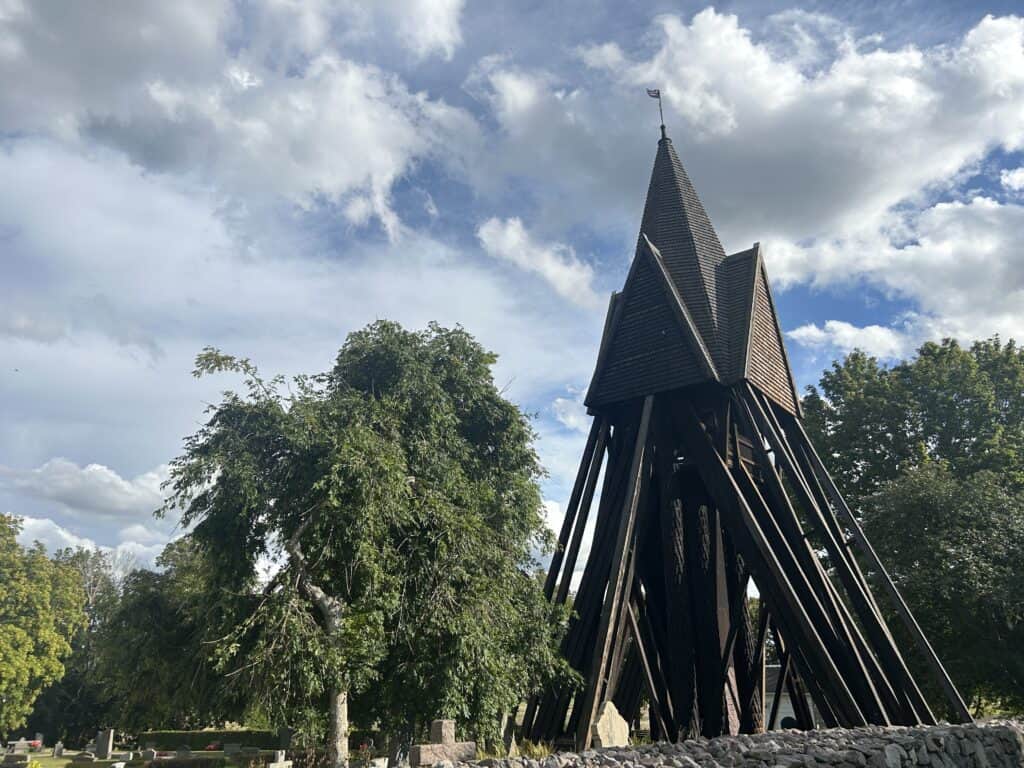
Kullerstad Church is the historical and spiritual heart of the parish. Its oldest parts date back to the late 12th century, though it has been expanded and altered over the centuries. The church is a well-preserved example of a medieval country church, built in the Romanesque style with a distinct whitewashed exterior and a separate bell tower. Inside, it contains significant historical artifacts, including medieval frescoes and a remarkable 15th-century triptych. The church is surrounded by a beautiful and well-kept cemetery, which includes many historic gravestones that tell the story of the families who have lived in the parish for generations.
Lake Glan
The northern boundary of Kullerstad parish is formed by the expansive Lake Glan. This large lake is a dominant feature of the local landscape and a major area for recreation. Its waters are popular for boating, fishing, and kayaking during the summer months. The shoreline within the Kullerstad area is mostly rural, with a mix of farmland and forests that reach down to the water’s edge. There are several small, unofficial swimming spots that locals use. The lake provides a sense of openness and natural beauty to the parish.
Motala Ström
The river Motala ström marks the southern boundary of Kullerstad and is the most significant waterway in Östergötland. This powerful river was historically important for transportation and for powering mills. In the Kullerstad area, the river is wide and flows calmly towards its outlet in the bay of Bråviken. The riverbanks offer scenic views and are popular for fishing. The presence of this major river has been a fundamental factor in the settlement and agricultural development of the parish throughout its history.
Ringstad Gård
Ringstad Gård is one of the most significant historical manors within Kullerstad parish. The estate has roots that go back to the medieval period and has been a central economic and social entity in the area for centuries. While the manor itself is a private residence and not open to the public, its impressive main building and the surrounding agricultural landscape are visible from local roads. The manor is a clear reminder of the old social structure of the parish, where large landowners held significant influence. The lands of Ringstad still constitute a large part of the open farmland that characterizes Kullerstad.
Tåsta Fritidsområde
Located near the shore of Lake Glan, Tåsta Fritidsområde is a local recreation area that serves the communities of Kullerstad and Skärblacka. The area includes a designated public swimming spot with a small sandy beach and a jetty, which is very popular with families during the summer. There are also walking trails and green spaces for picnics and outdoor activities. This recreation area is an important local amenity that allows residents to fully enjoy the natural beauty of the lakeside environment. It is a focus point for community life during the warmer months of the year.
How to Get to Kullerstad?
Reaching Kullerstad requires traveling to a rural destination that is not directly served by major transport hubs. Its location adjacent to the town of Skärblacka means that the final part of any journey will be made on local roads. The area is easily accessible for those with a car, but reaching it via public transport requires planning and usually involves a final bus journey to Skärblacka, followed by a walk or taxi ride. The journey to Kullerstad is a journey into the quiet countryside of Östergötland, away from the main highways and railway lines of the region.
The most common way to approach Kullerstad is by first heading towards the city of Norrköping, which is the main transport node for this part of Sweden. Norrköping has a major train station, an airport, and is situated on the E4 motorway. From Norrköping, travelers proceed towards Skärblacka, and Kullerstad is located just before it. This final leg of the journey takes you off the main routes and onto the smaller country roads that characterize the area. This transition from major infrastructure to local roads is part of the experience of visiting this historical parish.
Driving to Kullerstad
A car is the most direct way to get to Kullerstad. From the E4 motorway, drivers should take the exit for Norrköping and then follow signs for Skärblacka. Kullerstad Church is located on the main road just east of Skärblacka and is well-signposted. The journey from the E4 exit to the church takes approximately 20 minutes. Having a car is highly recommended, as it makes exploring the different parts of the geographically spread-out parish much easier upon arrival.
Reaching Kullerstad by Train
Travelers arriving by train have two main options, depending on their point of origin. For those coming from major cities like Stockholm, Malmö, or Copenhagen, the destination is Norrköping Central Station. This is the region’s primary hub for high-speed SJ trains. Upon arriving in Norrköping, travelers can transfer to a local bus for the final journey to Kullerstad. For regional travelers, however, the closest station is Kimstad station, located about 8 kilometers away. Kimstad is a stop on the Östgötapendeln commuter train line, making it an excellent alternative for those already in the area.
Traveling to Kullerstad by Bus
There is no direct bus service to Kullerstad Church itself. However, the regional buses operated by Östgötatrafiken that run between Norrköping and Skärblacka pass directly by the church. Travelers can ask the bus driver to stop at the nearest stop, “Kullerstad kyrka,” which is located right by the church. This makes it possible to reach the central point of the parish using public transport, although further exploration of the area would require walking or cycling.
Flights and Airports near Kullerstad
The nearest airport is Norrköping Airport (NRK), though it has limited connections. A more common option for international travelers is Stockholm Skavsta Airport (NYO), near Nyköping. From either of these airports, one would need to travel to Norrköping by bus and then take the local bus towards Kullerstad. The largest airport, Stockholm Arlanda (ARN), offers a direct train connection to Norrköping, from where the journey can be completed by bus.
Cycling to Kullerstad
For those in the region, cycling to Kullerstad is a very pleasant option. The parish is connected by a network of country roads that are part of the regional cycling routes. A journey from Norrköping or Linköping by bike would take a few hours and would pass through scenic Östgöta countryside. This mode of arrival is best suited for recreational cyclists and allows for a slow-paced and immersive travel experience.
Driving Distances
The driving distance from 20 regional cities, according to Google Maps:
- Norrköping, Sweden – 17 kilometers (0 h 20 min)
- Linköping, Sweden – 32 kilometers (0 h 32 min)
- Söderköping, Sweden – 32 kilometers (0 h 31 min)
- Finspång, Sweden – 34 kilometers (0 h 34 min)
- Nyköping, Sweden – 78 kilometers (0 h 56 min)
- Örebro, Sweden – 129 kilometers (1 h 46 min)
- Västerås, Sweden – 162 kilometers (2 h 5 min)
- Jönköping, Sweden – 164 kilometers (1 h 52 min)
- Stockholm, Sweden – 179 kilometers (1 h 57 min)
- Uppsala, Sweden – 213 kilometers (2 h 28 min)
- Kalmar, Sweden – 222 kilometers (2 h 46 min)
- Växjö, Sweden – 231 kilometers (2 h 48 min)
- Karlstad, Sweden – 253 kilometers (3 h 7 min)
- Gothenburg, Sweden – 298 kilometers (3 h 17 min)
- Gävle, Sweden – 323 kilometers (3 h 23 min)
- Oslo, Norway – 381 kilometers (4 h 32 min)
- Helsingborg, Sweden – 391 kilometers (3 h 53 min)
- Malmö, Sweden – 421 kilometers (4 h 13 min)
- Copenhagen, Denmark – 463 kilometers (4 h 53 min)
- Sundsvall, Sweden – 524 kilometers (5 h 13 min)
Explore More of Östergötland and Sweden