Exploring Värmland

Exploring Värmland
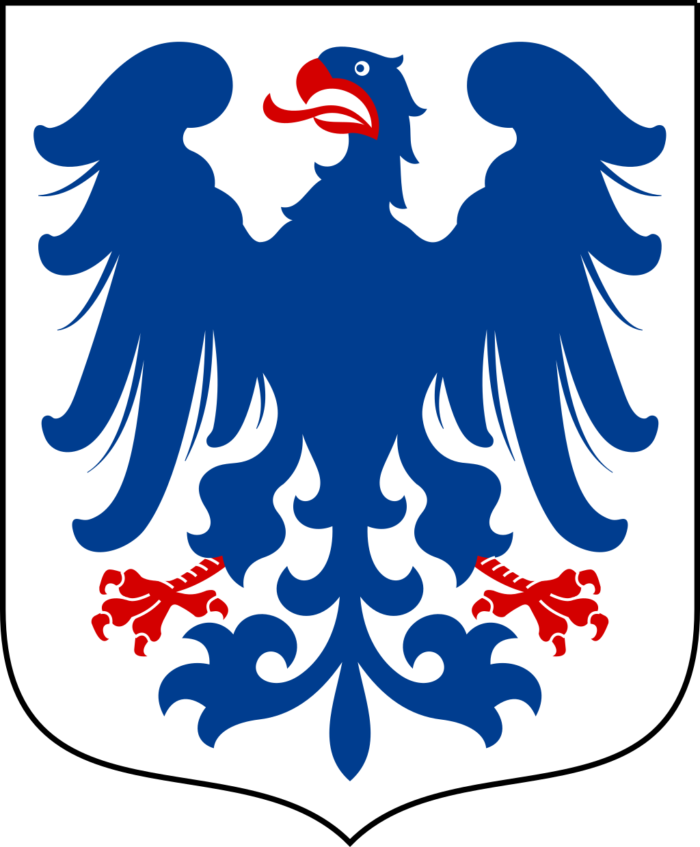
Värmland, a captivating historical province in western Sweden, is often celebrated as the heart of Swedish romanticism. It was forever immortalized by its Nobel laureate writer Selma Lagerlöf. This region is a stunning tapestry of deep, silent forests, and it boasts countless sparkling lakes. Uniquely for an inland province, fjord-like inlets stretch from Lake Vänern. Historically, Värmland’s identity was shaped by its vast natural resources, particularly iron ore and timber. These fueled numerous small ironworks and sawmills. Its strategic location bordering Norway also made it a significant trade and cultural crossroads. Värmland truly embodies a blend of rugged nature, artistic heritage, and a warm, welcoming spirit. Did you know its provincial flower is the delicate Arctic Starflower (Skogsstjärna), a white bloom common in its woodlands, and its provincial animal is the majestic Wolf (Varg)? These symbols perfectly capture Värmland’s serene beauty and its wild heart.
Population
Värmland has a population of approximately 322,000 people, and this makes it one of Sweden’s moderately populated provinces. Residents are primarily concentrated in its larger urban centers. They also gather along the shores of Lake Vänern. Its vast forests and numerous lakes contribute to a lower population density in rural areas.
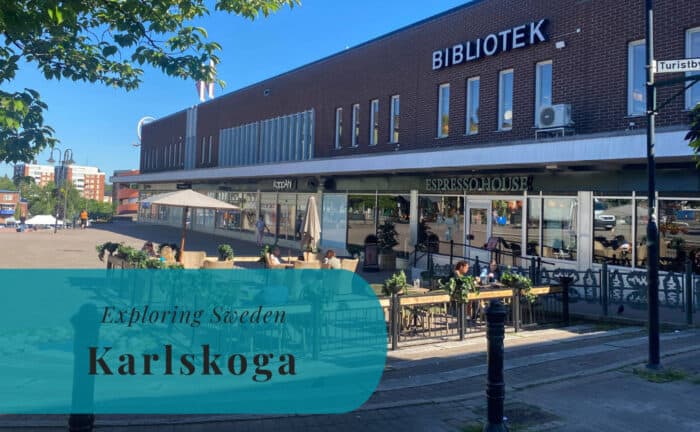
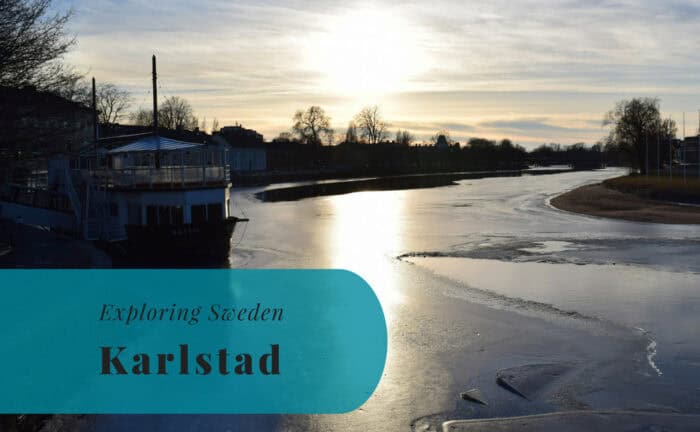
- Karlstad: This is Värmland’s largest city, and it’s also the county seat of Värmland County. Karlstad is beautifully situated on the delta of the Klarälven river, where it flows into Lake Vänern. It’s known for its sunny disposition, often called “the city of sun,” and it boasts a vibrant university. Karlstad is a major regional hub for commerce, education, and culture.
- Kristinehamn: Located on the northeastern shore of Lake Vänern, Kristinehamn is a historic port city with a strong industrial heritage. It features a prominent Picasso sculpture by the lake, and it serves as a vital transport hub for both rail and road. The city offers access to the beautiful Vänern archipelago.
- Arvika: Situated in western Värmland, Arvika is known for its strong artistic and musical traditions. It hosts a renowned summer music festival. The town is surrounded by forests and lakes, making it popular for outdoor activities, particularly canoeing and fishing.
- Filipstad: Located in eastern Värmland, Filipstad is a historical mining town. Its past is deeply connected to iron ore extraction and metallurgy. Today, it remains an important industrial community, known for its crispbread factory (Wasabröd).
- Hagfors: This town in northern Värmland is another significant industrial center. It historically focused on steel production. It’s surrounded by vast forests and lakes, offering a gateway to the region’s wilderness and outdoor pursuits.
Location
Värmland is located in western Sweden, and it forms a crucial inland connection. It borders Dalarna and Västmanland to the east, while Närke and Västergötland lie to the south. Dalsland is to the southwest. To the west, it shares a long and rugged border with Norway, marked by its mountainous terrain. To the south, a significant portion of its border lies along Lake Vänern, Sweden’s largest lake. This inland position, combined with its large lake access, defines its unique character.
Geography
Värmland’s geography is remarkably diverse and picturesque. It’s often described as a “green heartland.” It is characterized by vast, dense forests, predominantly coniferous, which cover much of the province. Numerous lakes dot the landscape, ranging from small forest tarns to large bodies of water. The most prominent feature is the mighty Klarälven river, one of Sweden’s longest. It flows south through the province, creating a broad, fertile valley before emptying into Lake Vänern. The southern part of Värmland is defined by its extensive shoreline along Lake Vänern. This features a beautiful freshwater archipelago and fjord-like bays. Towards the west and north, the terrain becomes more hilly and rugged, approaching the Scandinavian Mountains. The highest point in Värmland is Granberget, at 701 meters above sea level. This varied landscape offers abundant opportunities for outdoor recreation.
Entry Points to Värmland
Värmland is well-connected by air and land, and it benefits from its access to Lake Vänern.
By Air
The primary airport serving Värmland is Karlstad Airport (KSD). It is located just outside Karlstad. This airport offers regular domestic flights to Stockholm Arlanda Airport (ARN). These connections provide convenient access for international travelers. Karlstad Airport also handles international charter flights, particularly during holiday seasons. From KSD, taxis, rental cars, and local bus services are readily available for transport into Karlstad and other areas of Värmland.
By Sea
As an inland province, Värmland has no direct access to the ocean. However, its significant shoreline along Lake Vänern, Sweden’s largest lake, provides a form of “sea” access. Karlstad Port is a large inland port on Lake Vänern, primarily handling cargo traffic. While there are no regular international passenger ferry services on Lake Vänern, numerous local passenger boats and recreational vessels operate during the warmer months. These offer scenic tours across the lake and through its beautiful archipelago. Lake Vänern is connected to the Göta Canal system, allowing leisure boats to travel to the Baltic Sea or the North Sea.
By Land
Land travel is the most common and convenient way to reach and explore Värmland, thanks to Sweden’s excellent road and rail infrastructure.
- By Car: Major national highways provide excellent access. The E18 highway runs east-west through southern Värmland. It connects Karlstad to Stockholm (about a 3-3.5 hour drive) and further into Norway. The E45 highway (Inlandsvägen) also passes through, connecting to regions north and south. Driving offers superb flexibility for exploring Värmland’s extensive forests, lakes, and scattered attractions.
- By Train: SJ (Swedish Railways) operates frequent and reliable long-distance train services to Värmland. Karlstad Central Station is a major railway hub, with direct connections to Stockholm, Gothenburg, Oslo (Norway), and other key cities across Sweden. Regional trains also operate efficiently within the province, connecting smaller towns.
- By Bus: Various long-distance bus companies offer comprehensive services to Värmland. These connect major towns like Karlstad, Kristinehamn, and Arvika to Stockholm and other regions across Sweden. Regional bus networks (Värmlandstrafik) also provide good coverage within the province, facilitating travel between smaller communities and attractions.
Places to Explore in Värmland


Explore more of Sweden and Europe