Exploring Halland
Exploring Halland
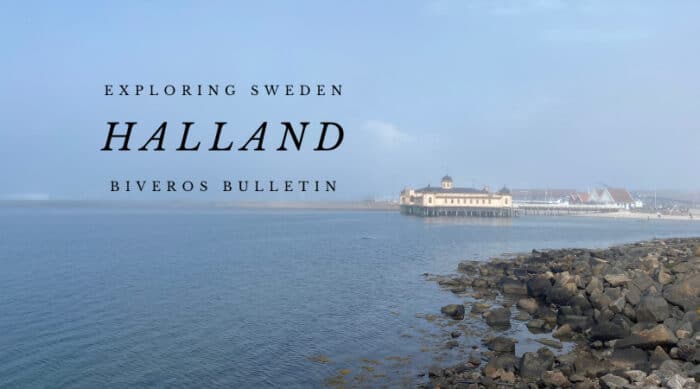
Halland, a vibrant historical province on Sweden’s southwestern coast, is a true summer paradise. It’s famous for its long sandy beaches and lively seaside resorts. Its history is a fascinating tapestry. It’s woven with shifting allegiances between Sweden and Denmark. It only became definitively Swedish in 1645. This was with the Treaty of Brömsebro. This past left Halland with a distinct charm. It blends Nordic traditions with a touch of Danish influence. Beyond its sun-drenched shores, Halland is known for its fertile plains. It also has charming rural landscapes. This offers a balance of coastal excitement and inland tranquility. Did you know its provincial flower is the beautiful Hairy Greenweed (Hårginst)? And its provincial animal is the adaptable Atlantic Salmon (Lax)? These symbols perfectly represent Halland’s natural beauty. They also show its strong connection to rivers and the sea. Join Us Exploring Halland!

Population
Halland has a population of approximately 340,000 people. This makes it one of Sweden’s more densely populated provinces. A significant portion of residents live in bustling coastal cities. The population swells considerably in summer due to tourism.
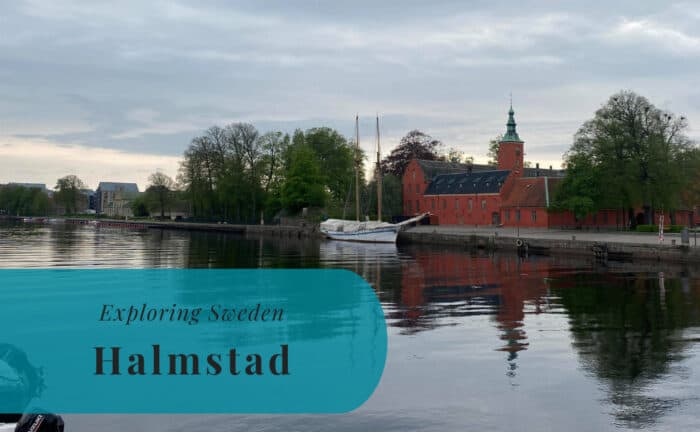
- Halmstad: This is Halland’s largest city and the county seat. Halmstad is a popular seaside resort. It’s renowned for its long, sandy beaches, particularly Tylösand. The city boasts a lively summer atmosphere. It has a rich art scene, including a famous Picasso sculpture. It’s also a vibrant commercial hub.
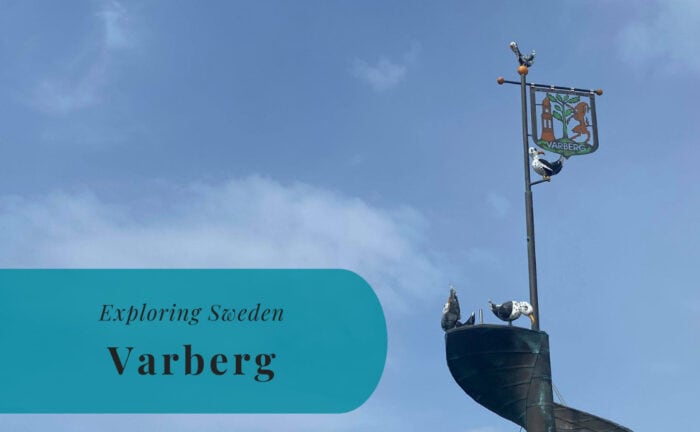
- Varberg: This coastal city is known for its impressive medieval Varberg Fortress. It blends historical significance with modern appeal. Varberg is also a prominent hub for surfing. This is due to its favorable winds. It’s famous for its unique cold bathhouse. It also has a strong entrepreneurial spirit.
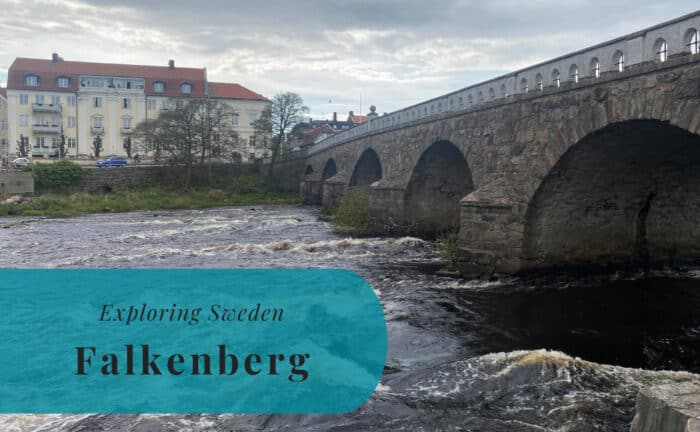
- Falkenberg: Situated along the Ätran river, Falkenberg is another charming coastal town. It has a long history of fishing and trade. It offers beautiful sandy beaches and a picturesque old town. It also has a lively market. The town is popular for families.
- Kungsbacka: This rapidly growing municipality is in northern Halland. It’s close to Gothenburg. Kungsbacka serves as a residential hub for commuters. The town combines modern shopping facilities. It’s also close to nature and coastal areas.
Location
Halland is strategically located on Sweden’s southwestern coast. It forms part of the Götaland region. The province borders Västergötland to the north. Småland lies to the east, and Skåne to the south. To the west, its extensive coastline meets the Kattegat. This is a strait of the North Sea. This prime coastal position, facing Denmark, made it a significant maritime region historically.
Geography
Halland’s geography is characterized by its distinct long, sandy beaches. These are unique in Sweden. Inland, the landscape gently rolls. It’s dominated by fertile plains in the south and central parts. This transitions into more forested terrain towards the east and north. Several major rivers flow through the province. These include the Ätran, Nissan, Lagan, and Viskan. They empty into the Kattegat. These rivers are vital for salmon fishing. They also create picturesque valleys. The province’s highest point is nearby Hällabjär, at 230 meters above sea level. The flat, open coastal areas eventually give way to a more rugged interior.
Entry Points to Halland
Halland is easily accessible from various parts of Sweden. It’s primarily reached by land.
By Air
There are no major international airports directly within Halland. The closest and most convenient is Gothenburg Landvetter Airport (GOT). It’s just north of Halland, about 50-100 km away. Landvetter offers extensive domestic and international flights. From GOT, you can rent a car. Or take an airport bus to Gothenburg Central Station. Then, continue by train or bus to Halland cities. For southern Halland, Malmö Airport (MMX) in Skåne is another option.
By Sea
Halland’s coastal cities, especially Varberg and Halmstad, have significant ports. Halmstad offers regular ferry services to Grenå, Denmark. Stena Line operates this route. It’s popular for passengers and vehicles. This provides a direct link across the Kattegat. Smaller harbors along the coast cater to leisure boats. They also serve local fishing vessels.
By Land
Land travel is the most common way to reach Halland. It’s also the most convenient.
- By Car: The E6 highway, Sweden’s primary north-south artery, runs directly through Halland. It connects all its major coastal cities. This provides excellent road access from Malmö in the south (about 1.5-2 hours to Halmstad). It also connects from Gothenburg in the north (about 1 hour). Driving offers the best flexibility for visiting beaches.
- By Train: SJ (Swedish Railways) operates frequent train services. The Västkustbanan (West Coast Line) runs through Halland. It connects its main cities to Gothenburg and Malmö. Regional train services are also efficient within the province. This offers a comfortable way to travel along the coast.
- By Bus: Extensive regional and long-distance bus networks serve Halland. Hallandstrafiken operates local and regional buses. Long-distance companies connect major towns to Gothenburg and Malmö. Buses offer a flexible and cost-effective way to travel.
Join Us Exploring Halland!

Explore more of Sweden and Europe