Buenos Aires | Exploring Argentina
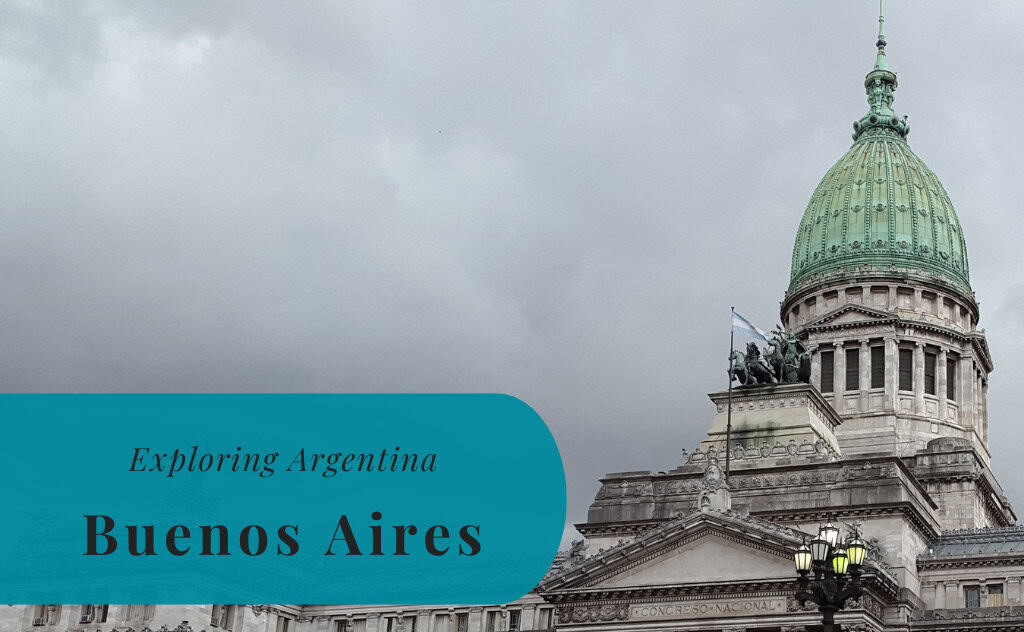
Buenos Aires is the capital and largest city of Argentina. It is a vast metropolis located on the western shore of the Río de la Plata, on the southeastern coast of the South American continent. The city proper has a population of approximately 3 million people, but the greater metropolitan area is home to over 15 million inhabitants. This makes it one of the most populous urban centers in the world. Buenos Aires is the political, financial, commercial, and cultural heart of Argentina. It is a major global city and a key destination in South America.
The city’s identity is shaped by its history as a major port and its role as a primary destination for millions of European immigrants in the late 19th and early 20th centuries. This has created a rich cultural landscape with a strong European influence. This is visible in its grand architecture, its tree-lined avenues, and its sophisticated arts scene. The city is famous for its passionate culture, and it is the birthplace of the tango, the iconic dance and music that is a symbol of the city’s soul.
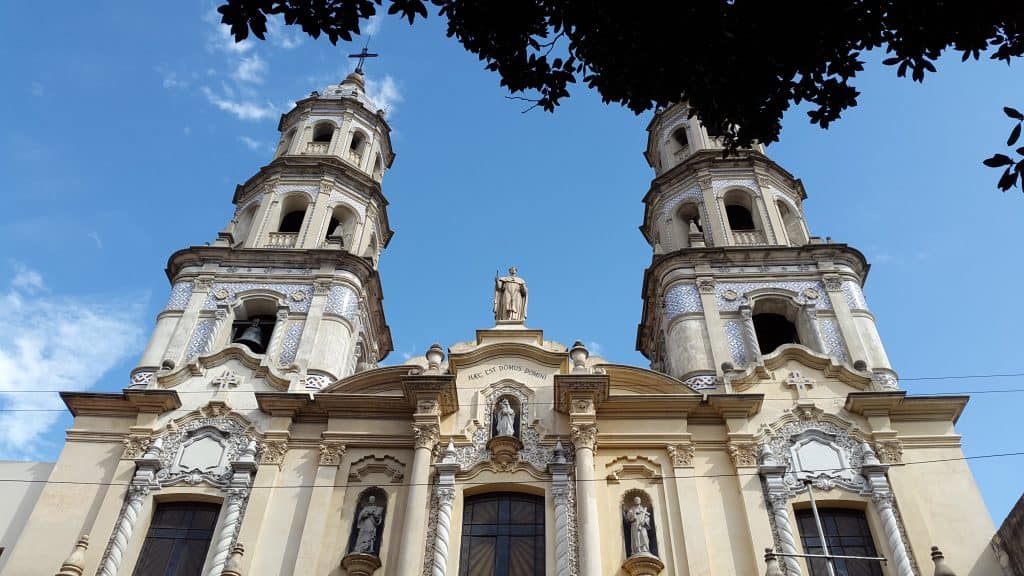
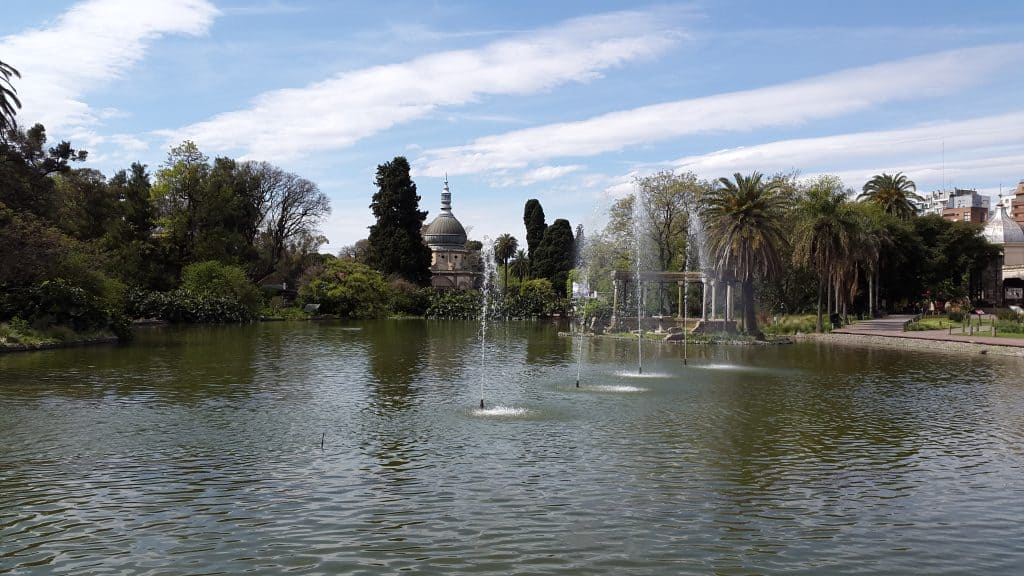
Today, Buenos Aires is a city of distinct neighborhoods, or “barrios.” Each has its own unique character. From the colorful streets of La Boca to the elegant Parisian-style buildings of Recoleta, the city offers a diverse range of experiences. It is a city of grand theaters and historic cafes, of bustling markets and tranquil parks. This blend of European elegance and Latin American passion gives Buenos Aires a unique and captivating identity. It is a city that is both nostalgic and forward-looking.



Good to Know When Visiting Buenos Aires
To fully appreciate a visit to Buenos Aires, it is useful to understand some of the unique cultural elements that define life in the city. The city’s soul is expressed through the passionate music and dance of the tango, which can be experienced in many forms throughout the city. Another key part of the local culture is the deep-rooted tradition of drinking mate, a caffeinated herbal infusion that is a constant presence in daily life. Finally, a visit to a “parrilla” offers a delicious introduction to Argentina’s famous barbecue tradition, the “asado.”
The Culture of Tango
Tango is more than a dance in Buenos Aires; it is the cultural soul of the city. The music and dance originated in the working-class port neighborhoods of the city in the late 19th century. It was a product of the fusion of influences from European immigrants and African and criollo traditions. Today, you can experience tango in many ways. You can watch professional dancers perform in spectacular tango shows. You can also visit a “milonga,” which is a traditional dance hall where locals go to dance the tango. In neighborhoods like San Telmo and La Boca, you can often see tango dancers performing in the streets.
The Social Ritual of Mate
Mate is a traditional caffeinated herbal drink that is a central part of daily life and social culture in Argentina, and this is very evident in Buenos Aires. It is very common to see people walking down the street or sitting in parks carrying a mate gourd and a thermos of hot water. The drink is prepared by steeping dried leaves of the yerba mate plant. It is traditionally drunk from a hollowed-out gourd through a metal straw called a “bombilla.” Sharing mate is a social ritual, and it is a symbol of friendship and community. It is an integral part of the social fabric of the city.
The Asado Tradition
The asado, or barbecue, is a culinary ritual and a major social event in Argentina. It is much more than just a meal; it is a long and relaxed gathering of family and friends. The asado is centered around the grilling of high-quality meats, particularly beef, for which Argentina is famous. The grilling is done slowly over wood coals on a special grill called a “parrilla.” A traditional asado includes a variety of cuts of meat, as well as sausages (chorizo) and blood sausage (morcilla). Attending or eating at a parrilla is an essential part of experiencing the local culture.

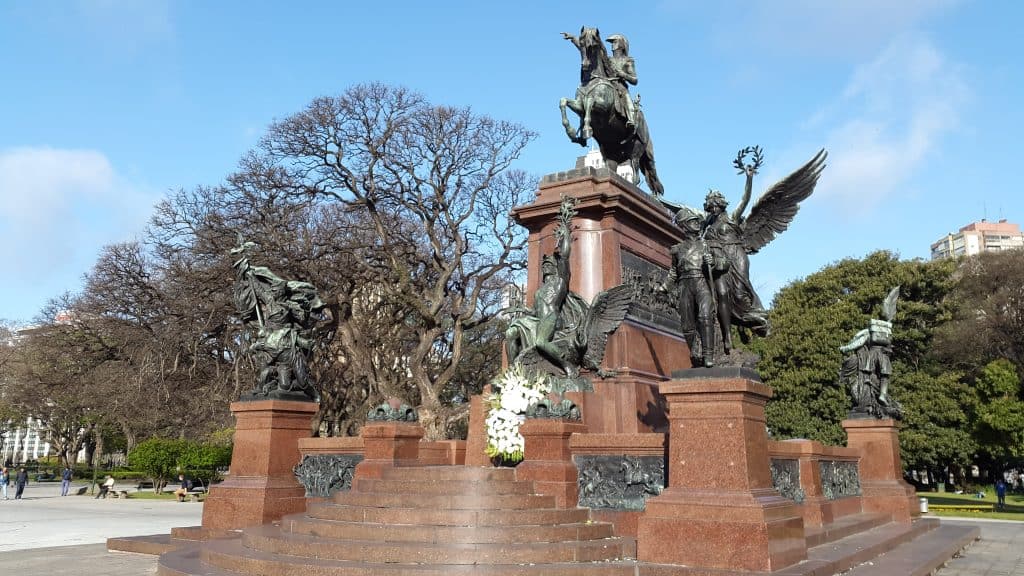


History of Buenos Aires
The history of Buenos Aires is a story of a remote colonial outpost that grew to become one of the great cosmopolitan capitals of the world. The city was founded twice, and its early history was marked by conflict and neglect. In the late 19th and early 20th centuries, the city was transformed by a massive wave of European immigration, and this period of great prosperity is known as its “Belle Époque.” The 20th century brought political instability and economic challenges, including the famous era of Eva Perón. The city has re-emerged in the modern era as a vibrant and dynamic cultural capital.
The Two Foundings and Colonial Era
The city of Buenos Aires was first founded by the Spanish explorer Pedro de Mendoza in 1536. The settlement was named Nuestra Señora Santa María del Buen Ayre. This first settlement was located in what is now the San Telmo district. However, due to attacks by the indigenous Querandí people and a lack of resources, the settlement was abandoned just a few years later, in 1541. The city was founded for a second and final time in 1580 by Juan de Garay. This time, the settlement was more successful, and it began to grow as a small port town.
For most of the colonial period, Buenos Aires was a relatively minor and remote outpost of the Spanish Empire. It was a part of the Viceroyalty of Peru, and all trade was required to go through Lima. This led to the growth of a large contraband trade in the city. In 1776, the city’s fortunes changed dramatically. The Spanish created the Viceroyalty of the Río de la Plata, and Buenos Aires was made its capital. This new status, combined with the opening of free trade, led to a period of rapid growth and prosperity for the city.
The Golden Age of Immigration
The late 19th and early 20th centuries were the golden age of Buenos Aires. The city grew at an incredible pace, and this was fueled by a massive wave of immigration from Europe. Millions of immigrants, primarily from Italy and Spain, arrived in the city, seeking a new life. This wave of immigration transformed the city’s demographic and cultural landscape, and it gave Buenos Aires its distinctly European character. The city became known as the “Paris of South America.” It was during this period that many of the city’s grand avenues, palaces, and theaters, including the famous Teatro Colón, were built.
This era of prosperity was based on the export of agricultural products from the fertile Pampas region. Buenos Aires became one of the wealthiest cities in the world. The city’s elite looked to Europe for cultural inspiration, and this is reflected in the magnificent Beaux-Arts architecture of neighborhoods like Recoleta. The city also developed a vibrant popular culture during this period. The tango was born in the working-class neighborhoods, and football became a major passion. This period shaped the modern identity of the city.
The 20th Century and Beyond
The second half of the 20th century was a more turbulent period for the city. It was marked by political instability, military coups, and economic challenges. A key figure from this era was Eva Perón (“Evita”), the wife of President Juan Perón. She became a powerful political figure and a champion of the working class. Her death in 1952 was a major national event, and she remains a powerful and controversial symbol in Argentine history. The period from 1976 to 1983 was a dark time of military dictatorship, known as the “Dirty War,” during which thousands of people were “disappeared.”
With the return of democracy in 1983, the city began a process of cultural and urban revitalization. In the modern era, Buenos Aires has re-established itself as a major cultural and economic hub in South America. It continues to be a city of great energy and creativity. It has also become an increasingly popular destination for international tourists. They are drawn by its rich history, its vibrant arts scene, its world-class cuisine, and its passionate culture. The city continues to be a dynamic and evolving metropolis.



Sights in Buenos Aires
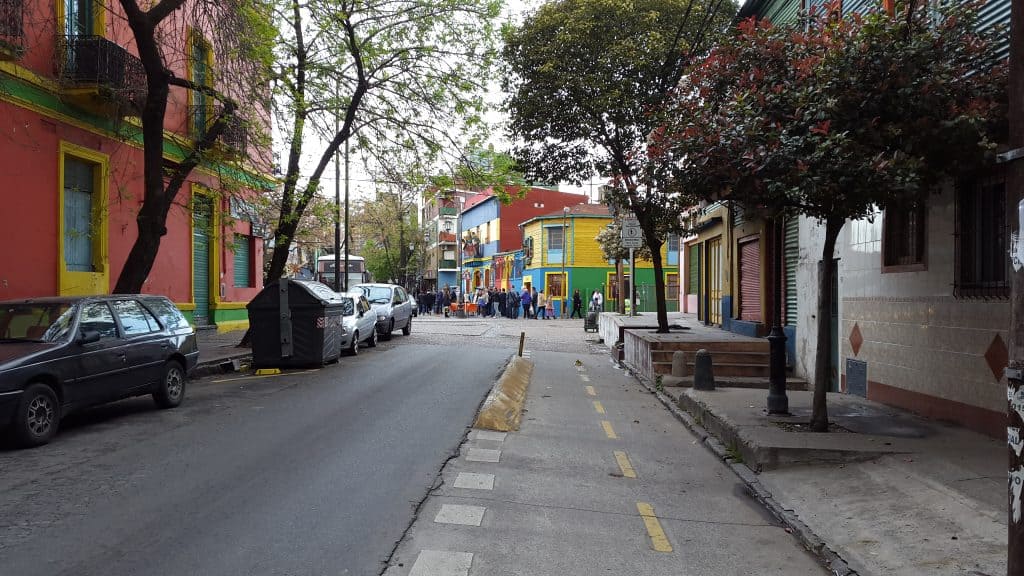
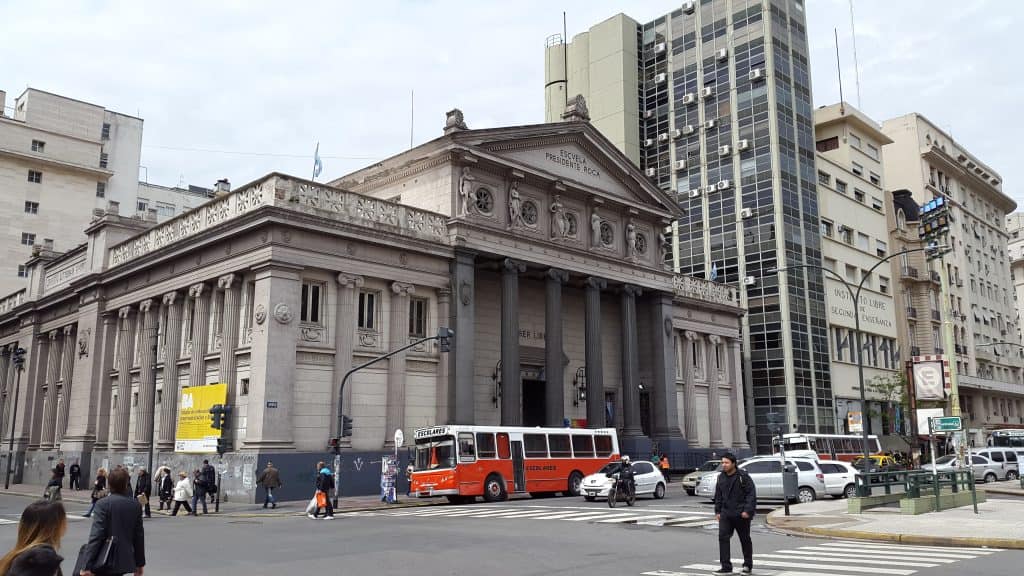
The sights in Buenos Aires are a captivating mix of grand European-style architecture, colorful historic neighborhoods, and world-class cultural institutions. The main political and historical heart of the city is the Plaza de Mayo. This square is surrounded by some of the most important buildings in the country. For a different kind of experience, the famous Recoleta Cemetery is a stunning “city of the dead,” with its elaborate mausoleums. The neighborhood of La Boca, with its colorful Caminito street, offers a glimpse into the city’s immigrant and tango history.
The city is also a major center for the arts, and the magnificent Teatro Colón is one of the world’s great opera houses. The MALBA museum showcases a superb collection of Latin American art. For a taste of the city’s traditional culture, the San Telmo neighborhood is famous for its antique market and its tango performances. This incredible diversity of sights, from historic plazas to modern art museums and colorful streetscapes, makes Buenos Aires a truly world-class destination.
Plaza de Mayo
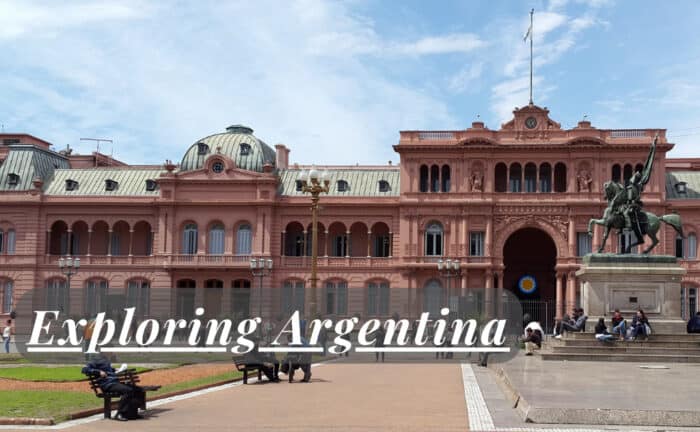
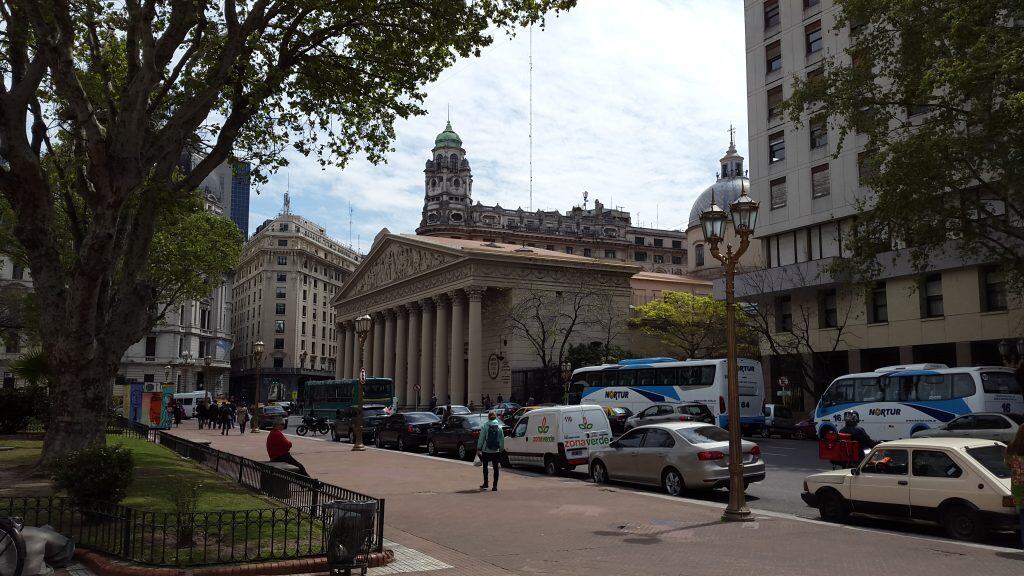
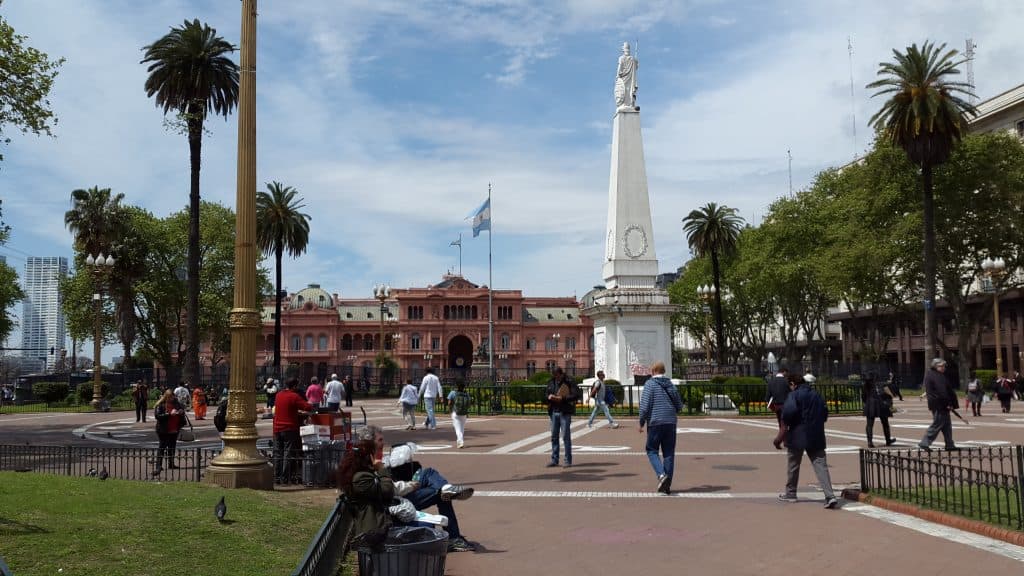
The Plaza de Mayo is the main square of Buenos Aires, and it is the historical and political heart of the nation. The square has been the site of many of the most important events in Argentine history, from the May Revolution of 1810 to the famous protests of the Mothers of the Plaza de Mayo. The square is surrounded by several of the country’s most important buildings. These include the Casa Rosada (the presidential palace), the Metropolitan Cathedral, and the historic Cabildo. The May Pyramid stands at the center of the square, and it commemorates the revolution.
Teatro Colón
The Teatro Colón is the main opera house of Buenos Aires, and it is considered one of the ten best opera houses in the world. The magnificent building was opened in 1908, and its eclectic architectural style is a mix of Italian Renaissance and French Baroque. The theater is famous for its grand and opulent interior. Its main auditorium is renowned for having some of the best acoustics in the world. The theater hosts a world-class program of opera, ballet, and classical music. It is possible to take a guided tour of the historic building to see its magnificent architecture and to learn about its history.
Recoleta Cemetery
The Recoleta Cemetery is one of the most famous and beautiful cemeteries in the world. It is located in the elegant Recoleta neighborhood. The cemetery is like a city in itself, and its “streets” are lined with over 6,400 elaborate and ornate mausoleums. These are built in a wide variety of architectural styles. The cemetery is the final resting place for many of Argentina’s most famous and wealthy figures. This includes several presidents, military leaders, and artists. The most famous tomb is that of Eva Perón (“Evita”), which is a major site of pilgrimage.
La Boca and Caminito
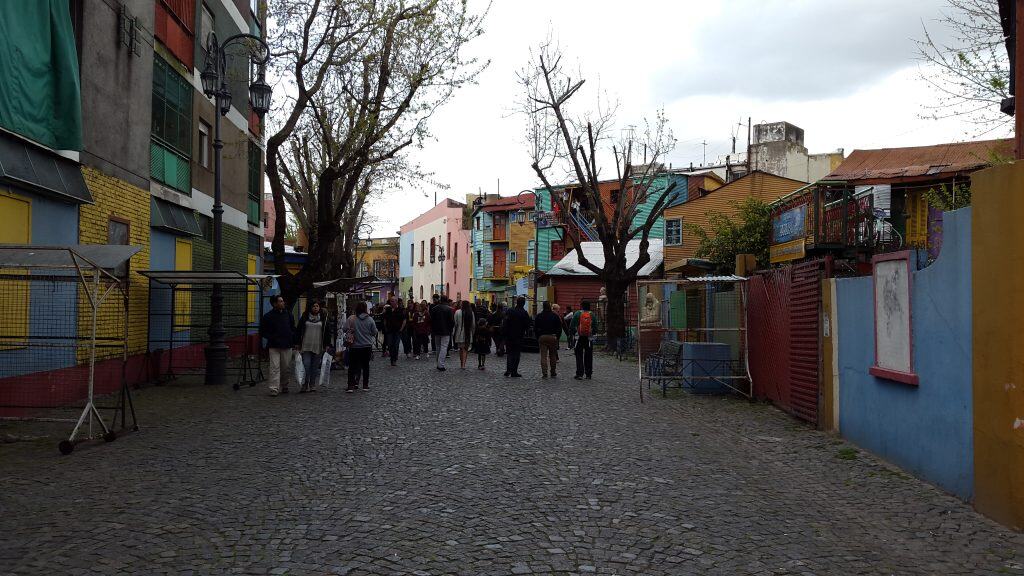
The neighborhood of La Boca, located at the mouth of the Riachuelo river, is one of the most famous and picturesque in Buenos Aires. The neighborhood was originally settled by Italian immigrants from Genoa. The most famous street in La Boca is the Caminito, which is a vibrant and colorful street museum. The houses here are built from wood and corrugated iron, and they are painted in a variety of bright colors. The street is filled with artists selling their work, tango dancers performing, and souvenir shops. It is a very lively and popular tourist destination.
MALBA (Museum of Latin American Art of Buenos Aires)
The MALBA is one of the most important art museums in Latin America. It is located in the Palermo neighborhood. The museum showcases a superb collection of 20th-century and contemporary Latin American art. The collection includes works by famous artists such as Frida Kahlo, Diego Rivera, and Fernando Botero. The museum is housed in a modern and beautiful building. It also hosts a dynamic program of temporary exhibitions, film screenings, and cultural events. It is an essential visit for anyone interested in the art of the region.
San Telmo
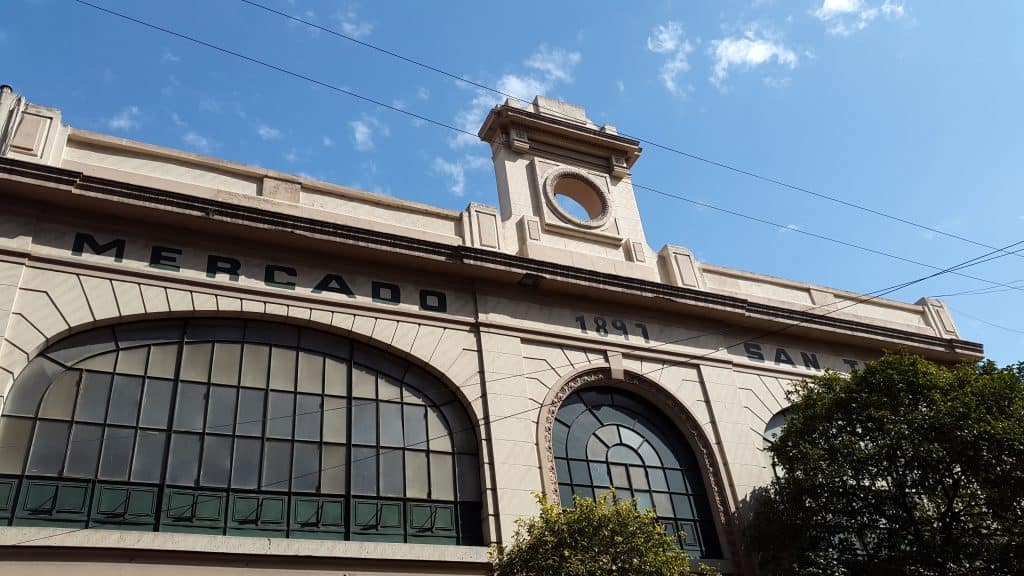
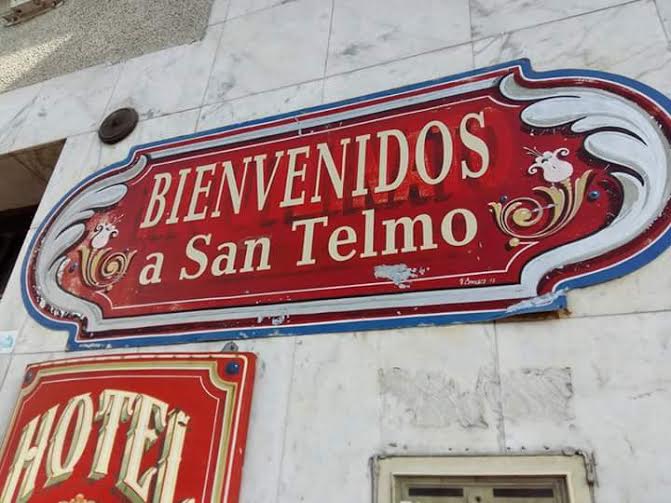
The neighborhood of San Telmo is the oldest and one of the most charming in Buenos Aires. The neighborhood is known for its well-preserved colonial-era architecture and its cobblestone streets. It has a bohemian and artistic atmosphere. San Telmo is most famous for its massive and bustling antique market, the Feria de San Telmo, which takes place every Sunday in the main square, Plaza Dorrego. The market is a fantastic place to browse for antiques, and the square is filled with street performers and tango dancers.
Palacio Barolo
The Palacio Barolo is a magnificent and highly unique office building located on the Avenida de Mayo. The building was completed in 1923. Its eclectic design is a mix of Art Nouveau and Art Deco styles, and it is filled with symbolism related to Dante Alighieri’s famous poem, the Divine Comedy. The building’s 22 floors are divided into three sections that represent Hell, Purgatory, and Heaven. It is possible to take a guided tour of the building, and this tour culminates in a visit to the lighthouse at the top, which offers spectacular panoramic views of the city.
El Ateneo Grand Splendid
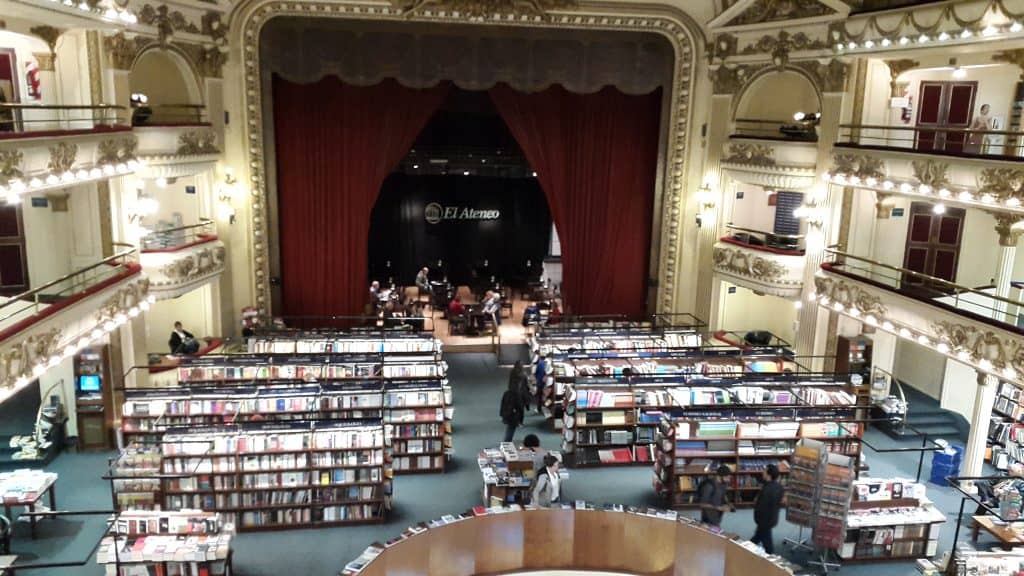
The El Ateneo Grand Splendid is widely considered to be one of the most beautiful bookstores in the world. The bookstore is located in a magnificent former theater that was built in 1919. The historic Grand Splendid theater was converted into a bookstore in the early 2000s. The grand interior of the theater has been beautifully preserved. The former theater boxes are now used as reading nooks, and the former stage is now a cafe. A visit to this unique and stunning bookstore is a must for any book lover.
The Obelisco
The Obelisco is the most famous and iconic monument of Buenos Aires. This massive obelisk is located in the middle of the wide Avenida 9 de Julio, which is one of the widest avenues in the world. The monument was built in 1936 to commemorate the 400th anniversary of the first founding of the city. It is located at the intersection of two of the city’s most important avenues. The Obelisco is a major landmark and a central meeting point for public celebrations, especially for football victories.
Puente de la Mujer
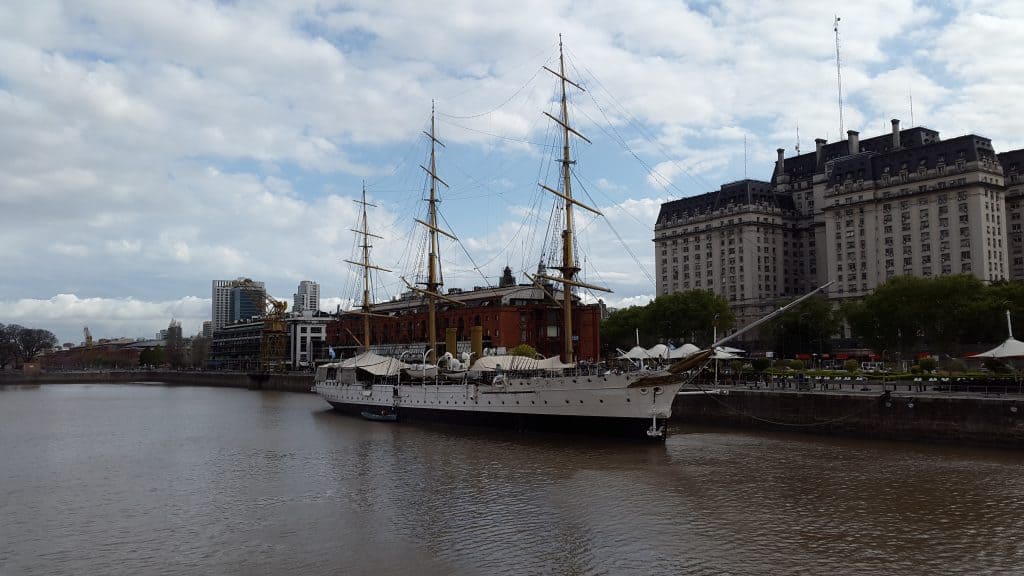
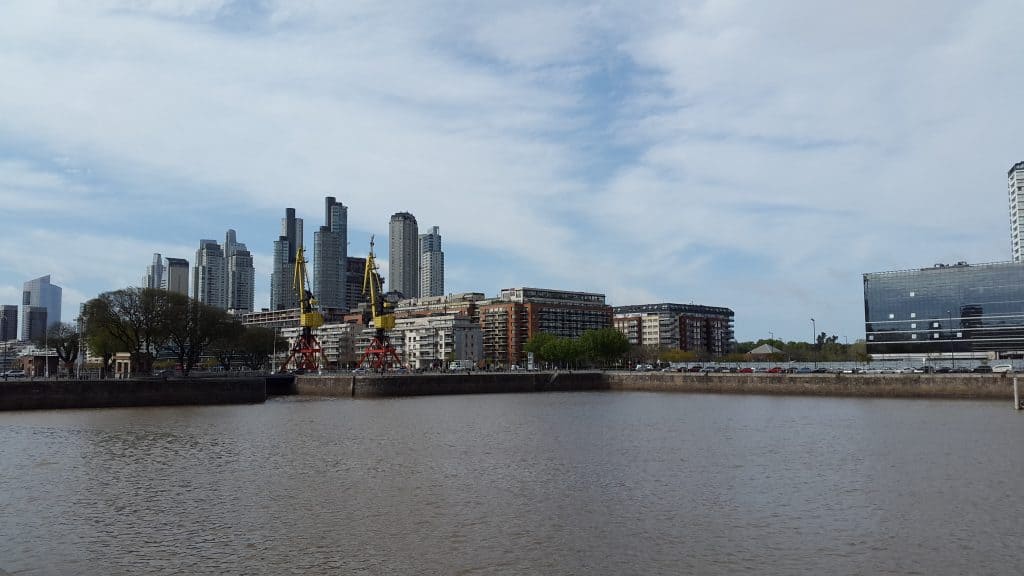
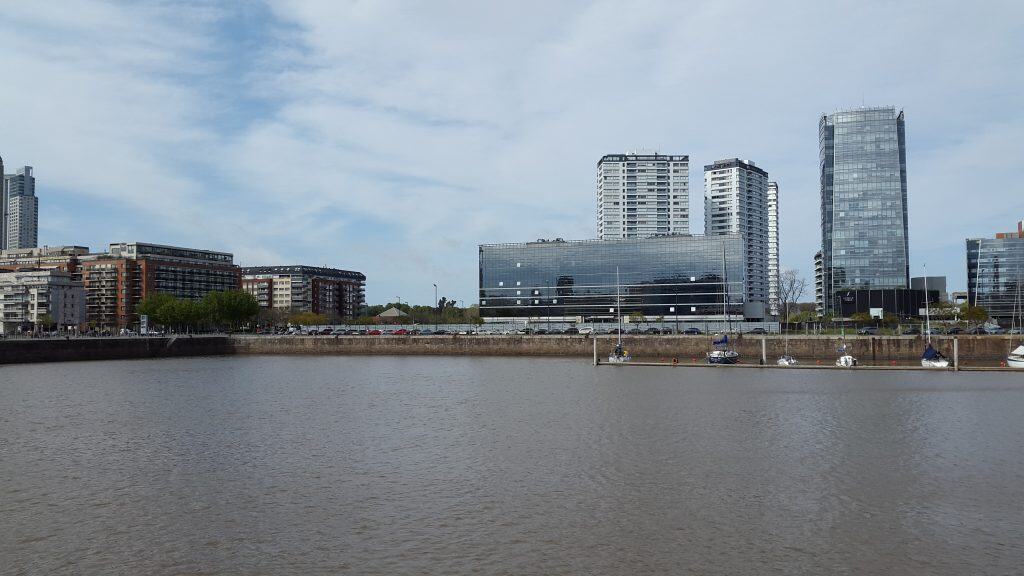
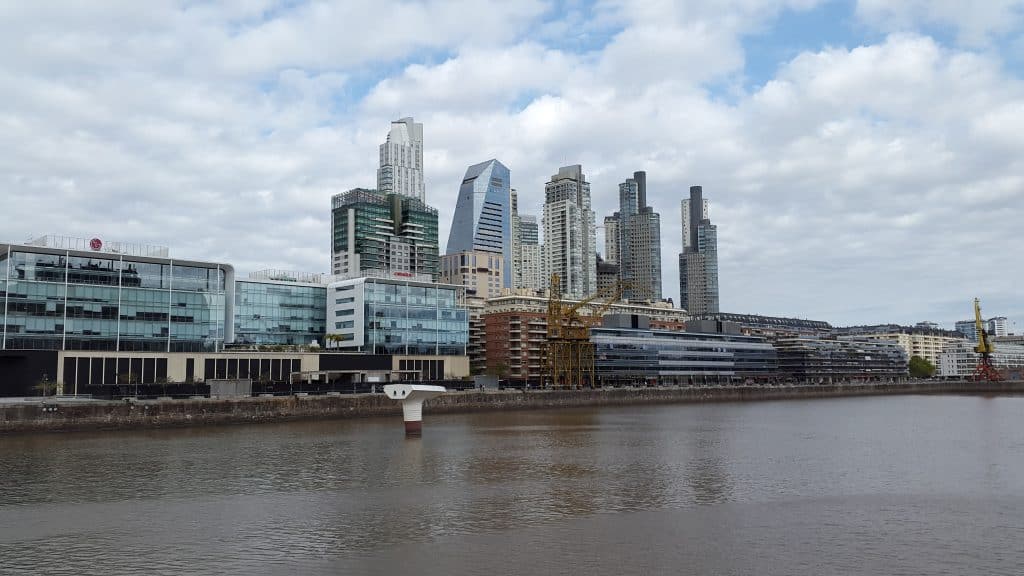
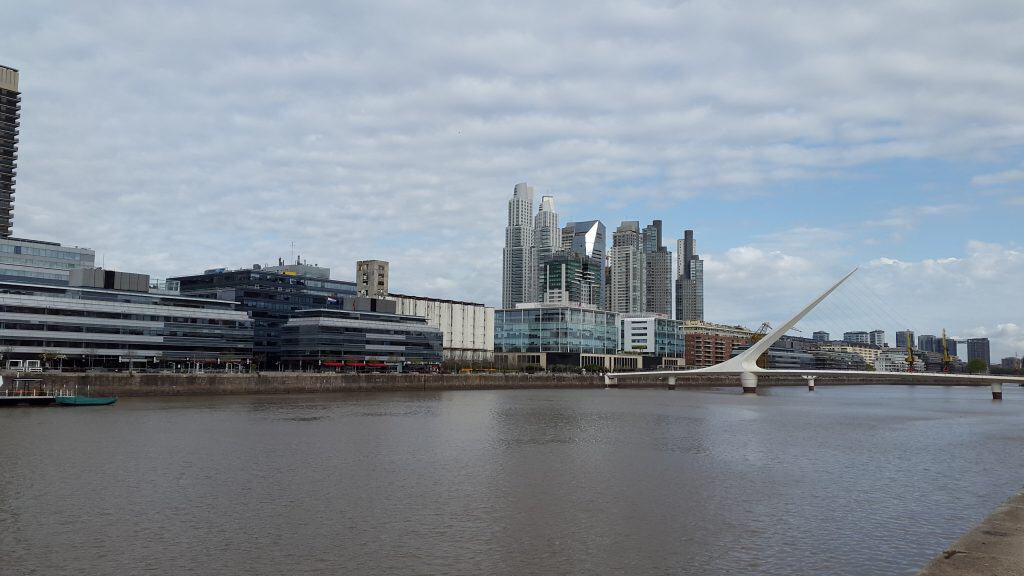
The Puente de la Mujer, or the Woman’s Bridge, is a modern and elegant pedestrian bridge located in the redeveloped Puerto Madero district. The bridge was designed by the famous Spanish architect Santiago Calatrava. It has a unique and futuristic design that is said to represent a couple dancing the tango. The bridge is a swing bridge, and its central mast is on a pivot, allowing the bridge to rotate to allow ships to pass. At night, the bridge is beautifully illuminated, and it has become a new and iconic symbol of modern Buenos Aires.

Sports in Buenos Aires
Buenos Aires has an incredibly rich and passionate sports scene, and football is by far the most popular and intensely followed sport. The city is the undisputed heart of Argentine football, and it is home to a huge number of professional clubs. This includes the country’s two most famous and successful clubs, Boca Juniors and River Plate. The rivalry between these two teams is one of the most famous and intense in the entire world. The city is also a place of great historical significance for international football, as it was the host of the 1978 FIFA World Cup Final.
Football
Football is more than a sport in Buenos Aires; it is a way of life. The city has more professional football stadiums than any other city in the world. The “Superclásico” between Boca Juniors and River Plate is the biggest sporting event in the country, and it brings the entire city to a standstill.
Club Atlético Boca Juniors
Club Atlético Boca Juniors is one of the most famous and successful football clubs in the world. The club was founded in 1905 in the working-class neighborhood of La Boca. They have won the Argentine Primera División numerous times, and they have also won the Copa Libertadores six times. They play their home matches at the legendary Estadio Alberto J. Armando, which is more famously known as La Bombonera (The Chocolate Box). The stadium is famous for its unique shape and its incredibly passionate and intimidating atmosphere.
Club Atlético River Plate
Club Atlético River Plate is the other major football club in the city and the great rival of Boca Juniors. Founded in 1901, River Plate is also one of the most successful clubs in the history of the sport. They have won the Argentine Primera División a record number of times. At the international level, they have won the Copa Libertadores four times. They play their home matches at the magnificent Estadio Monumental, which is the largest stadium in Argentina. The rivalry between River Plate and Boca Juniors divides the entire city.
Polo
Polo is a very popular sport among the upper classes in Argentina, and the country is considered to be the best in the world at the sport. The city of Buenos Aires is the main center for polo in the country, and it hosts the most prestigious tournament in the world.
Campeonato Argentino Abierto de Polo
The Campeonato Argentino Abierto de Polo, or the Argentine Open, is the most important and prestigious polo tournament in the world. The tournament is held annually in November and December at the Campo Argentino de Polo in the Palermo neighborhood of Buenos Aires. The tournament features the best polo players and teams in the world. A day at the polo is a classic and glamorous social event in the city. It is a fantastic opportunity to see this high-speed and skillful sport at its very highest level.
Horse Racing
Horse racing has a long and proud tradition in Buenos Aires, and the city is home to one of the most beautiful and historic racetracks in South America. The sport is a popular social event, and it attracts large crowds for its major race days. The track is an important part of the city’s cultural and sporting heritage.
Hipódromo Argentino de Palermo
The Hipódromo Argentino de Palermo is the main horse racing track in Buenos Aires. The beautiful historic racetrack was opened in 1876. It is the home of Argentina’s most important horse race, the Gran Premio Nacional. A day at the races at the Hipódromo de Palermo is a classic and popular social event in the city. The magnificent grandstand and the beautiful park-like setting provide a glamorous backdrop for the sport.
Basketball
Basketball is another popular sport in the city. The professional league is competitive, and Buenos Aires is home to several of the country’s top teams. The games are well-attended and provide an exciting atmosphere for sports fans.
San Lorenzo de Almagro
While primarily famous for its football team, the multi-sport club San Lorenzo de Almagro also has a very successful professional basketball team. The team competes in the Liga Nacional de Básquet, the top tier of basketball in Argentina. They have won the national championship multiple times in recent years, establishing themselves as a new powerhouse in the sport. They play their home games at a modern indoor arena in the city.
Rugby
Rugby is a growing sport in Argentina, and the national team, known as Los Pumas, has achieved significant international success, reaching the semi-finals of the Rugby World Cup on several occasions. The city of Buenos Aires is the main center for rugby in the country, and it is home to many of the top clubs.
Hindú Club
The Hindú Club is one of the most famous and successful rugby clubs in Argentina. The club is based in a suburb of Buenos Aires. They compete in the Torneo de la URBA, which is the premier domestic club competition in the country. They have won the championship a record number of times. The club is a major institution in Argentine rugby, and it has produced many players for the national team.


Getting Around in Buenos Aires
Navigating Buenos Aires and its vast metropolitan area is facilitated by an extensive and affordable public transportation system. The backbone of this system is the Subte, which is the oldest subway system in Latin America. This is complemented by a massive network of city buses, known as colectivos. For exploring the historic heart of the city, walking is often the best option. Ride-sharing services and taxis are also widely available and provide a convenient way to get around.
The Subte (Metro)
The Subte is the subway system of Buenos Aires, and it is the fastest and most efficient way to get around the city. The system consists of six lines, which are identified by letters and colors. The metro connects most of the main neighborhoods and tourist attractions in the city. Many of the stations on the historic Line A are beautifully decorated with original tiles and murals from the early 20th century. To use the system, you need to purchase a rechargeable SUBE card.
Buses (Colectivos)
Buenos Aires has a massive and somewhat chaotic network of public buses, which are known as colectivos. There are hundreds of different bus lines that cover the entire city and its suburbs, running 24 hours a day. The buses are a very affordable and authentic way to get around, and they are the primary mode of transport for most of the city’s residents. Figuring out the routes can be a challenge, but modern navigation apps have made the system much easier for visitors to use.
Exploring by Foot
The central parts of Buenos Aires are very walkable, and exploring on foot is the best way to experience the unique character of the different neighborhoods. The historic Ciudad Vieja is a largely pedestrianized area with a grid of narrow streets that is perfect for a leisurely stroll. The grand Avenida de Mayo and the commercial street of Florida are also major pedestrian thoroughfares. Walking is the most immersive way to discover the city’s magnificent architecture, its charming cafes, and its vibrant street life.



How to Get to Buenos Aires?
As the capital and largest city of Argentina, Buenos Aires is the country’s primary transportation hub and is exceptionally well-connected. The city is served by two major airports, including a large international airport with connections to cities all over the world. The city is also a major hub for long-distance buses, which connect it with all other parts of Argentina and with neighboring countries. For those traveling by sea, the port of Buenos Aires serves as a major hub for ferries and cruise ships.
Arriving by Air
Buenos Aires is served by two main airports. The main international airport is Ministro Pistarini International Airport (EZE), which is commonly known as Ezeiza. It is located about 22 kilometers south of the city center. Ezeiza handles most of the long-haul international flights and is served by major airlines from North America, Europe, and other parts of South America. The second airport is Aeroparque Jorge Newbery (AEP). This airport is located much closer to the city center and handles most of the domestic flights and some regional international flights, particularly to Uruguay and Brazil.
Arriving by Sea
The Port of Buenos Aires is a major hub for passenger ferries, and this is a very popular way to travel between Buenos Aires and Uruguay. Two main companies, Buquebus and Colonia Express, operate frequent fast ferry services across the Río de la Plata. The services connect Buenos Aires with the Uruguayan cities of Montevideo and Colonia del Sacramento. The main ferry terminal is located in the modern Puerto Madero district, close to the city center. The port is also a major destination for international cruise ships.
Journey by Bus
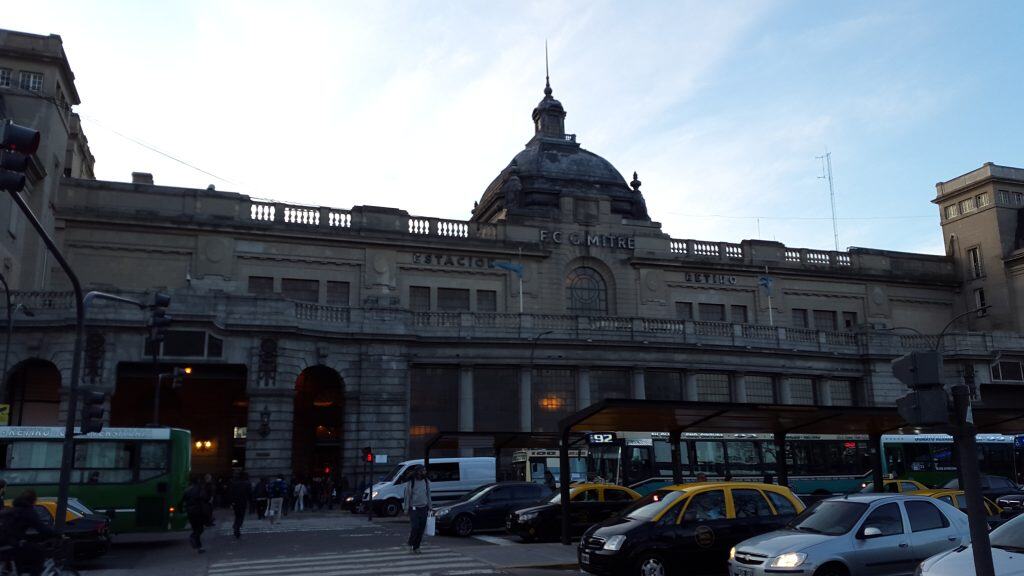
Long-distance buses are the primary way to travel overland to Buenos Aires from other parts of Argentina and from neighboring countries. The city’s main long-distance bus terminal is the massive Terminal de Ómnibus de Retiro. Numerous companies operate frequent and comfortable bus services that connect the capital with cities all across the continent. Bus travel is a very common and affordable option for regional travel.
Driving Distances
The driving distance from 50 regional cities, according to Google Maps:
- Rosario, Argentina – 300 kilometers (3 h 30 min)
- Santa Fe, Argentina – 470 kilometers (5 h 00 min)
- Mar del Plata, Argentina – 415 kilometers (4 h 30 min)
- Montevideo, Uruguay – 575 kilometers (6 h 30 min)
- Bahía Blanca, Argentina – 640 kilometers (7 h 00 min)
- Córdoba, Argentina – 700 kilometers (7 h 30 min)
- Paysandú, Uruguay – 480 kilometers (5 h 30 min)
- Salto, Uruguay – 490 kilometers (5 h 45 min)
- Corrientes, Argentina – 930 kilometers (10 h 30 min)
- Resistencia, Argentina – 950 kilometers (11 h 00 min)
- Porto Alegre, Brazil – 1050 kilometers (12 h 30 min)
- Mendoza, Argentina – 1050 kilometers (12 h 00 min)
- Neuquén, Argentina – 1140 kilometers (12 h 30 min)
- Posadas, Argentina – 1000 kilometers (11 h 30 min)
- Asunción, Paraguay – 1250 kilometers (15 h 00 min)
- San Miguel, Argentina – 1200 kilometers (13 h 30 min)
- Santiago, Chile – 1400 kilometers (16 h 00 min)
- Pelotas, Brazil – 1100 kilometers (13 h 00 min)
- Uruguaiana, Brazil – 750 kilometers (8 h 30 min)
- Ciudad del Este, Paraguay – 1300 kilometers (15 h 00 min)
- Foz do Iguaçu, Brazil – 1300 kilometers (15 h 00 min)
- Puerto Iguazú, Argentina – 1300 kilometers (15 h 00 min)
- Salta, Argentina – 1500 kilometers (18 h 00 min)
- Florianópolis, Brazil – 1550 kilometers (18 h 00 min)
- San Carlos, Argentina – 1600 kilometers (19 h 00 min)
- Curitiba, Brazil – 1850 kilometers (21 h 00 min)
- Campo Grande, Brazil – 1850 kilometers (22 h 00 min)
- La Serena, Chile – 1850 kilometers (22 h 00 min)
- Tarija, Bolivia – 2000 kilometers (24 h 00 min)
- São Paulo, Brazil – 2250 kilometers (26 h 00 min)
- Antofagasta, Chile – 2450 kilometers (29 h 00 min)
- Sucre, Bolivia – 2450 kilometers (31 h 00 min)
- Santa Cruz, Bolivia – 2500 kilometers (32 h 00 min)
- Cuiabá, Brazil – 2550 kilometers (31 h 00 min)
- Potosí, Bolivia – 2600 kilometers (33 h 00 min)
- Rio de Janeiro, Brazil – 2650 kilometers (31 h 00 min)
- Belo Horizonte, Brazil – 2650 kilometers (32 h 00 min)
- Goiânia, Brazil – 2650 kilometers (32 h 00 min)
- Brasília, Brazil – 2850 kilometers (34 h 00 min)
- Calama, Chile – 2650 kilometers (32 h 00 min)
- Cochabamba, Bolivia – 2950 kilometers (38 h 00 min)
- La Paz, Bolivia – 3000 kilometers (38 h 00 min)
- Iquique, Chile – 2900 kilometers (36 h 00 min)
- Arica, Chile – 3100 kilometers (40 h 00 min)
- Arequipa, Peru – 3500 kilometers (45 h 00 min)
- Salvador, Brazil – 3750 kilometers (45 h 00 min)
- Cusco, Peru – 3800 kilometers (50 h 00 min)
- Lima, Peru – 4300 kilometers (55 h 00 min)
- Recife, Brazil – 4550 kilometers (55 h 00 min)
- Belém, Brazil – 5000 kilometers (65 h 00 min)
Looking to Explore more of Argentina and South America?