
Funchal, Madeira | Exploring Portugal
Funchal is the capital and largest city of the autonomous region of Madeira, Portugal. The city is located on the southern coast of the main island of Madeira, and it is set in a natural geological amphitheater. With a population of over 105,000 inhabitants, Funchal is the sixth-largest city in Portugal. It is the primary economic, cultural, and political center of the archipelago. The city’s name is derived from the Portuguese word for fennel, “funcho,” which was found growing in abundance by the first settlers.
The identity of Funchal is shaped by its history as an important port of call on the Atlantic trade routes. This history also includes its development as a world-renowned tourism destination. The city was founded in the 15th century, and its wealth grew from the cultivation of sugarcane and, later, from the export of its famous fortified wine. Today, Funchal is a city that combines its rich historical and cultural heritage with the vibrant atmosphere of a modern European city. Its beautiful setting, its mild year-round climate, and its lush gardens make it a unique and popular destination.
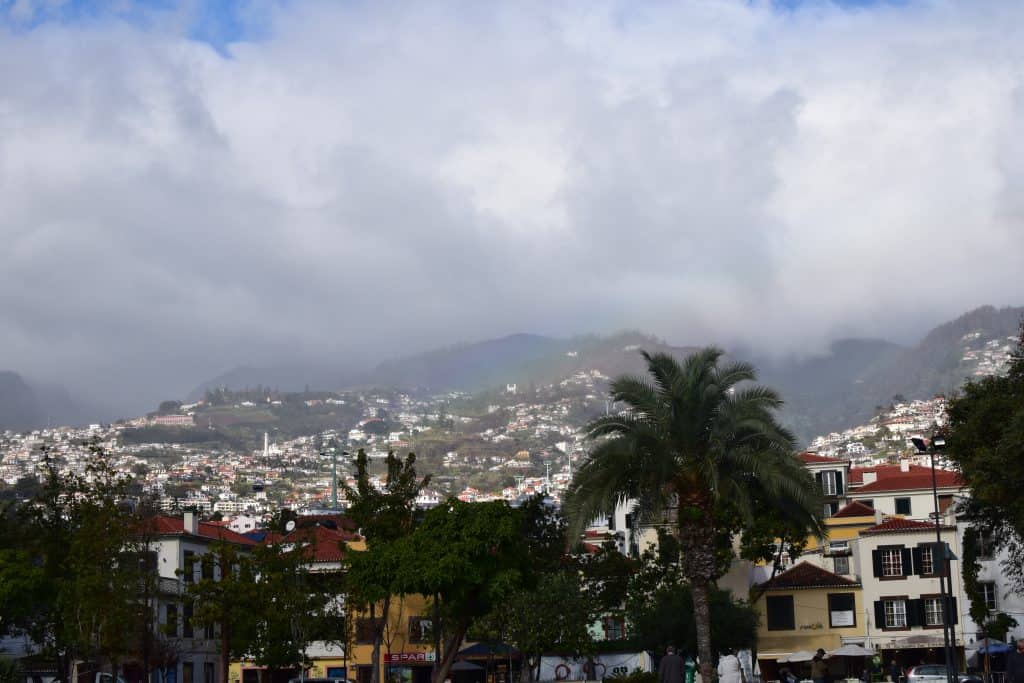
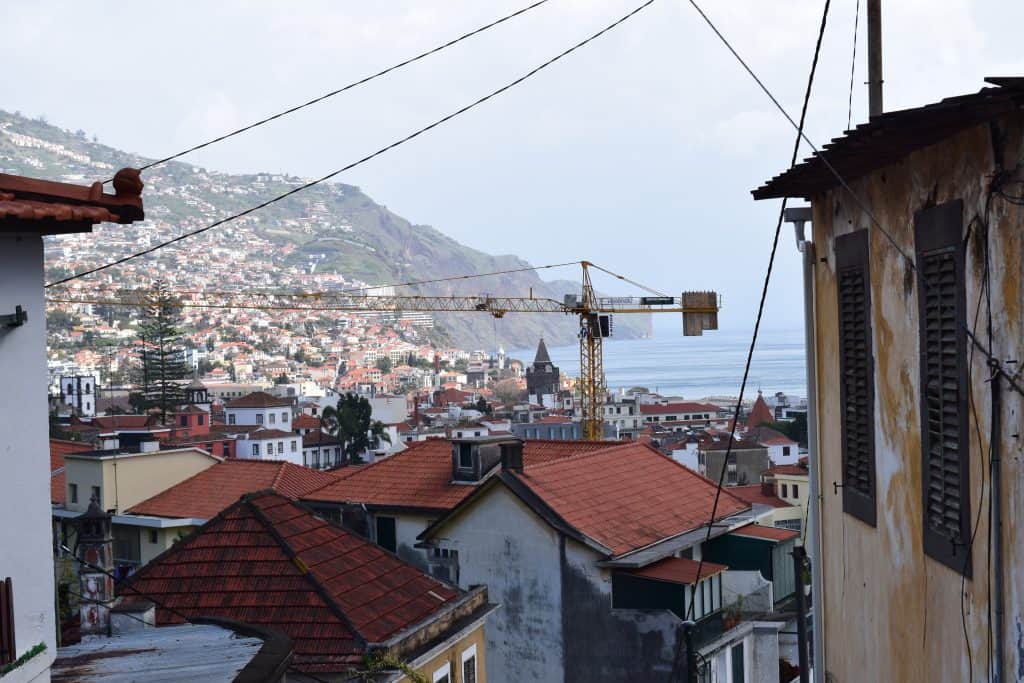
The city is a place of contrasts, where the narrow, cobblestone streets of the Zona Velha (Old Town) meet the grand, tree-lined avenues of the modern city. Its beautiful bay is a constant presence, and the steep green mountains provide a spectacular backdrop. Funchal is a city of historic forts and magnificent botanical gardens. It is also a major port of call for cruise ships. This blend of natural beauty, a rich history, and a sophisticated tourism infrastructure gives Funchal a unique and captivating character.


Good to Know When Visiting Funchal
To fully appreciate a visit to Funchal, it is useful to understand some of the unique cultural elements that define life on the island of Madeira. A key part of the local gastronomy is the famous espetada, a traditional beef skewer that is a centerpiece of social gatherings. Another essential taste of the island is poncha, a traditional alcoholic drink with a long history. Finally, a visit to the bustling Mercado dos Lavradores offers a vibrant introduction to the island’s incredible variety of fresh, local produce.
The Espetada Tradition
The espetada is the most famous and traditional dish of Madeiran cuisine. It is a simple but delicious preparation of large chunks of beef that are seasoned with garlic and salt. The meat is then skewered onto a long stick taken from a bay laurel tree. This laurel stick infuses the meat with a unique, aromatic flavor as it cooks. The espetada is traditionally cooked over hot wood coals. It is a very social dish that is often enjoyed at large gatherings of family and friends, and it is a staple at the many “arraiais,” or traditional festivals, that take place on the island.
The Culture of Poncha
Poncha is the most traditional and emblematic alcoholic drink of Madeira. The drink is made with “aguardente de cana,” which is a potent spirit distilled from sugarcane juice, and it is mixed with honey, sugar, and fresh lemon or orange juice. According to tradition, the drink was invented by the fishermen of the village of Câmara de Lobos as a way to keep warm at sea. Today, poncha is a very popular drink all over the island, and there are many specialized “poncha bars.” The drink is traditionally mixed with a special wooden tool called a “mexelote.”
Mercado dos Lavradores
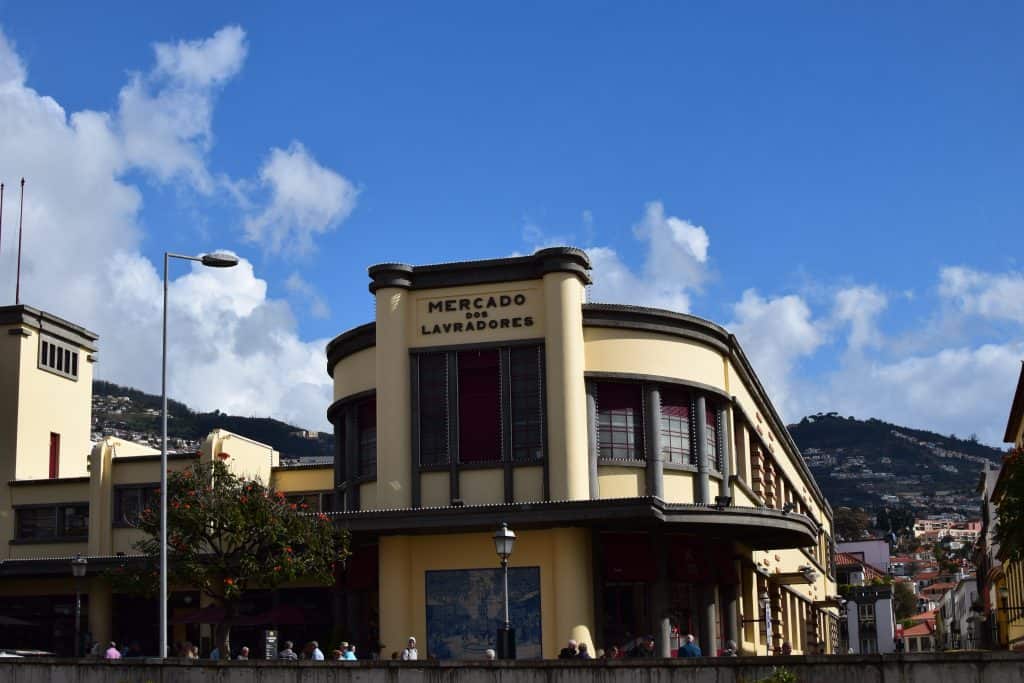
The Mercado dos Lavradores, or the Farmers’ Market, is the main public market in Funchal. The market is housed in a magnificent historic building from the 1940s, which is decorated with beautiful “azulejo” tile panels. The market is a vibrant and bustling place, and it is a feast for the senses. Here, you can find an incredible variety of exotic and colorful fruits, vegetables, and flowers that are grown on the island. The lower level of the market is dedicated to the fish market, where you can see the famous black scabbardfish (espada), a local delicacy.


History of Funchal
The history of Funchal is a story of a small, colonial settlement that grew to become a major international trading hub and a world-famous tourist destination. The city was founded in the 15th century by the first Portuguese settlers, and its early prosperity was built on the lucrative sugar trade. In the centuries that followed, the city became a crucial port of call for ships sailing the Atlantic. It also developed its famous wine industry. In the 19th century, it became a popular health resort for the European aristocracy, a role that laid the foundations for its modern tourism industry.
The Foundation and the Sugar Trade
The city of Funchal was founded in 1424 by the Portuguese navigator João Gonçalves Zarco, who was one of the discoverers of the island of Madeira. The settlement was established in a natural bay on the sunny south coast of the island. The name “Funchal” was given to it due to the abundance of wild fennel (funcho) that was found growing in the valley. In the 15th and 16th centuries, the city grew rapidly and became very wealthy due to the cultivation of sugarcane. Madeira’s sugar, known as “white gold,” was a highly prized commodity in Europe, and it drove the early economy of the settlement.
This era of prosperity is reflected in the magnificent Sé Cathedral, which was built during this period. The city was granted its city charter in 1508 by King Manuel I of Portugal, officially recognizing its importance. The sugar trade brought great wealth to the city, which in turn attracted merchants from all over Europe. The city became a major commercial and maritime center, serving as a key hub in the network of trade between Portugal, Africa, and the Americas. This established its long-standing role as a vital Atlantic port.
The Age of Wine and Tourism
After the sugar trade declined, due to competition from Brazil, the economy of Funchal shifted towards the production of Madeira wine. This fortified wine became very famous and popular, especially in England and in the American colonies. The wine trade brought a new era of prosperity to the city in the 17th and 18th centuries, and many of the historic wine lodges that can still be found in the city today were established during this period. The unique taste and longevity of Madeira wine made it a valuable export product that was in high demand across the world.
In the 19th century, Funchal developed a new reputation as a high-class health resort. The island’s mild, year-round climate was believed to be beneficial for the treatment of tuberculosis and other respiratory ailments. Many wealthy European aristocrats and nobles, including several members of royal families, came to spend the winter months in Funchal. This led to the construction of magnificent “quintas” (manor houses) and grand hotels, such as the famous Reid’s Palace Hotel, which was opened in 1891. This early tourism laid the foundation for the city’s modern identity as a major international holiday destination.
The 20th Century and Modern Era
The 20th century saw Funchal continue its development into a major tourist destination, although the period was also marked by political changes. The city solidified its reputation as a premier destination for European travelers seeking a mild winter climate. The port was expanded to accommodate the growing number of cruise ships that were making transatlantic voyages. The city’s infrastructure was modernized, and its beautiful gardens and parks were further developed, adding to its appeal as a “Garden City.”
In the modern era, Funchal has fully embraced its role as the vibrant capital of the Autonomous Region of Madeira. It has become an even more popular year-round destination, attracting visitors with its combination of historical charm, cultural attractions, and outdoor activities. The city has invested in modern tourism facilities while also working to preserve its unique heritage, such as the painted doors project in the Zona Velha. Today, Funchal stands as a dynamic and cosmopolitan city that successfully blends its rich history with the amenities of a modern European destination.


Sights in Funchal
The sights in Funchal are a captivating mix of historic colonial architecture, magnificent gardens, and spectacular viewpoints. The historic heart of the city is the Zona Velha (Old Town), with its narrow, cobblestone streets and its famous painted doors. The magnificent Sé Cathedral, from the 15th century, is a key historical landmark. For a taste of the local culture, the bustling Mercado dos Lavradores is an essential visit. A key experience is the journey up to the suburb of Monte on the dramatic Funchal Cable Car, which offers breathtaking panoramic views.
The suburb of Monte is a destination in itself. It is home to the magnificent Monte Palace Tropical Garden and the historic Church of Our Lady of Monte. For a unique and thrilling descent back down to the city, the famous Monte Toboggan ride is a must-do experience. The city’s beautiful waterfront promenade and its many excellent museums, such as the CR7 Museum, dedicated to the famous footballer Cristiano Ronaldo, are other major attractions. We have always felt that this incredible diversity of sights makes Funchal a world-class destination with something for everyone.
Old Town (Zona Velha)
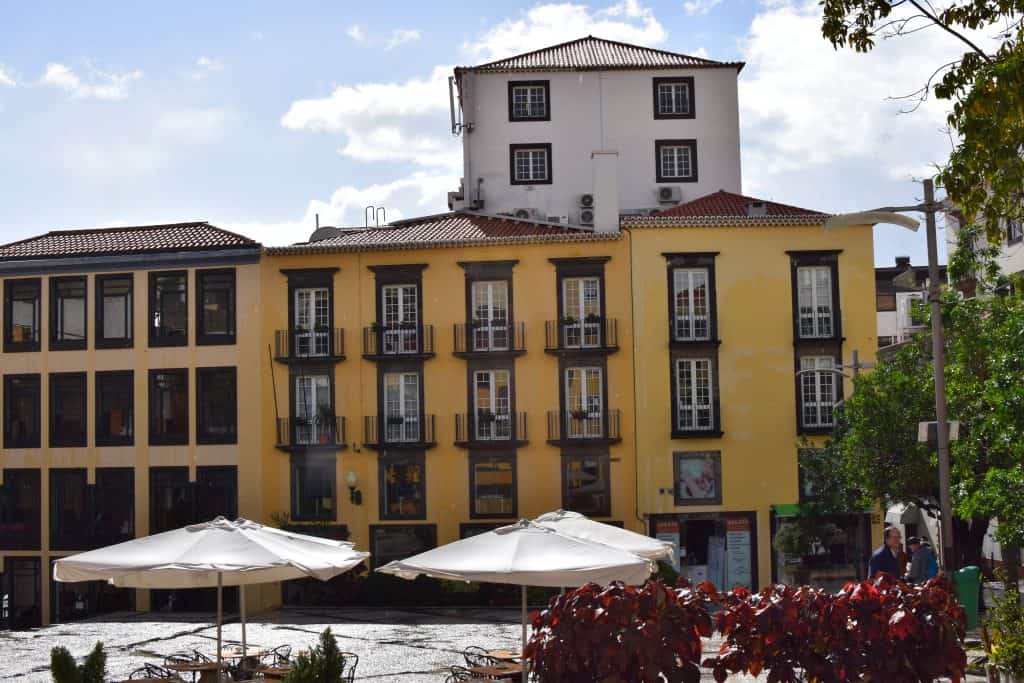
The Zona Velha, or Old Town, is the historic heart of Funchal. It is a charming neighborhood of narrow, cobblestone streets that is filled with historic buildings, small chapels, and traditional restaurants. The main street in this area is the Rua de Santa Maria, which is famous for its “Painted Doors Project.” This is an open-air art gallery where local artists have painted the doors of the old houses with a variety of colorful and creative designs. The Old Town is a very atmospheric and lively area to explore, especially in the evening when the many restaurants set up their tables outside.
We have spent many evenings strolling through the narrow lanes of the Zona Velha, and it always feels like stepping back in time. The vibrant colors of the painted doors bring a modern, creative energy to the historic streets, and there is always a new piece of art to discover. The atmosphere is incredibly lively, with the sounds of music and conversation spilling out from the many small restaurants and bars. It is a perfect place to enjoy a traditional Madeiran meal, and the fresh seafood served at the local tavernas is always a highlight for us.
Mercado dos Lavradores
The Mercado dos Lavradores, or the Farmers’ Market, is the main public market in Funchal. The market is housed in a magnificent historic building from the 1940s, which is decorated with beautiful “azulejo” tile panels. The market is a vibrant and bustling place, and it is a feast for the senses. Here, you can find an incredible variety of exotic and colorful fruits, vegetables, and flowers that are grown on the island. The lower level of the market is dedicated to the fish market, where you can see the famous black scabbardfish (espada), a local delicacy.
We always make a point of visiting the Mercado dos Lavradores on every trip to Funchal. The sheer variety of produce is incredible, and the vendors, often dressed in traditional Madeiran costumes, are always friendly and eager to offer a taste of a new and exotic fruit. The energy of the market is infectious, and it is a fantastic place to experience the daily life of the city. We love to buy some fresh passion fruit or some local cheese and bread for a picnic. A visit to the fish market on the lower level is also a must for the lively atmosphere.
Funchal Cable Car to Monte
The Funchal Cable Car (Teleférico Funchal-Monte) is one of the most popular attractions in the city. The cable car takes you on a spectacular 15-minute journey from the Zona Velha in the lower part of the city up to the high suburb of Monte. The ride offers breathtaking panoramic views of the entire city of Funchal, its beautiful bay, and the surrounding mountains. The cable car is the easiest and most scenic way to reach the many attractions that are located in the hills of Monte.
We have taken the cable car ride many times, and the view never fails to impress. As you glide silently up the steep mountainside, the city unfolds below you like a map. The sight of the red-tiled roofs, the cruise ships in the harbor, and the deep blue of the Atlantic is truly unforgettable. It is a peaceful and almost meditative experience, and it provides a wonderful sense of the city’s unique geography. We always recommend doing this trip on a clear day to get the best possible views.
Monte Palace Tropical Garden
The Monte Palace Tropical Garden is a magnificent and vast botanical garden located in the suburb of Monte. The garden surrounds a historic palace, and it is one of the most beautiful in the world. It is famous for its huge and diverse collection of exotic plants from all over the globe, as well as for its large collection of cycads. The garden also features a beautiful oriental garden, with pagodas and koi ponds, and an important collection of African sculptures. A visit to this garden is a truly magical and unforgettable experience.
We could easily spend an entire day exploring the many hidden corners of the Monte Palace Tropical Garden. The sheer scale and the beauty of the place are incredible. We particularly love the oriental garden, with its peaceful atmosphere and its beautiful bridges and lanterns. The museum with its collection of minerals is another fascinating part of the experience. It is a place of great tranquility and beauty, and it provides a perfect escape from the hustle and bustle of the city below.
Sé Cathedral
The Sé Cathedral of Funchal is the main church of the city and one of its most important historical landmarks. The cathedral was built in the late 15th century, and it is a fine example of the Manueline architectural style, which is a unique Portuguese form of late Gothic. The cathedral is particularly famous for its magnificent ceiling, which is made from local cedar wood and is inlaid with ivory. It is one of the most beautiful and well-preserved ceilings of its kind in all of Portugal. The cathedral’s simple, white-washed exterior is also very striking.
We have always found the Sé Cathedral to be a place of great peace and historical resonance right in the heart of the bustling city. The contrast between the simple exterior and the incredibly ornate and beautiful wooden ceiling inside is very powerful. It is a testament to the wealth and the artistry of the early colonial period in Madeira. A visit provides a direct connection to the long and important history of the city, and we always take a moment to sit and admire the craftsmanship.
CR7 Museum (Museu CR7)
The CR7 Museum is a modern museum dedicated to the life and career of the world-famous footballer Cristiano Ronaldo, who was born in Funchal. The museum is located on the main waterfront promenade, next to the cruise ship terminal. It showcases a vast collection of the many trophies and awards that Ronaldo has won throughout his illustrious career, including his five Ballon d’Or awards. The museum also features interactive exhibits, wax statues, and a variety of memorabilia.
Even if you are not a major football fan, a visit to the CR7 Museum is an interesting experience. It provides a look into the life of one of the most famous and successful athletes in the world, who is also Madeira’s most famous son. We have found that the museum is very well-designed and is particularly popular with children and teenagers. The large bronze statue of Ronaldo that stands outside the museum has become a major landmark and a very popular spot for photos.
Fortaleza de São Tiago
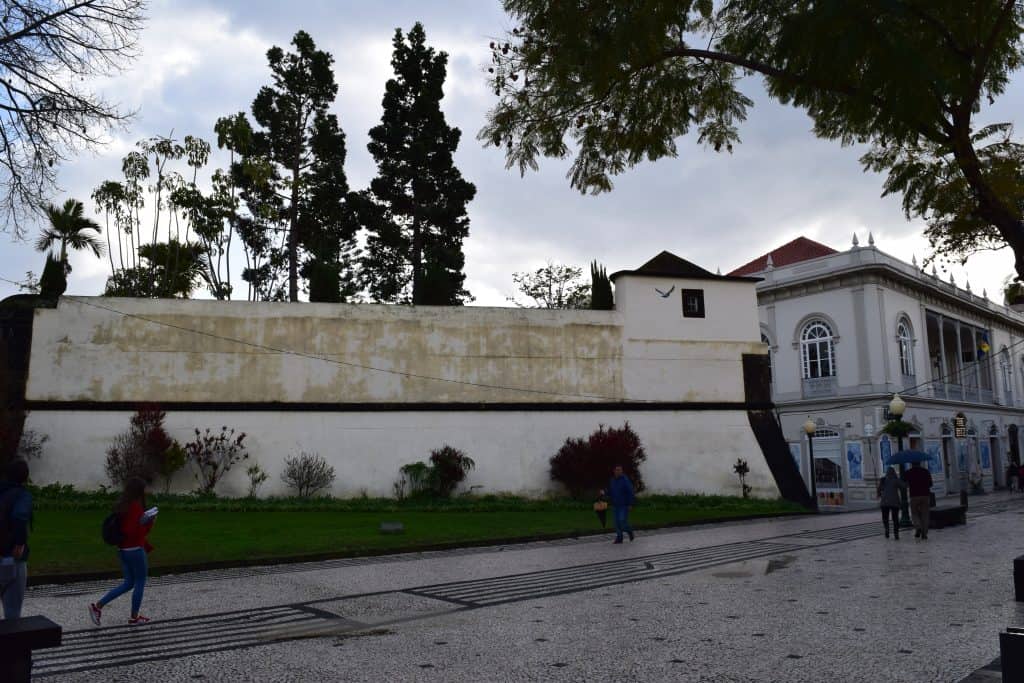
The Fortaleza de São Tiago is a historic fort located at the eastern end of the Zona Velha. The small, yellow-painted fortress was built in the early 17th century to defend the city of Funchal from pirate attacks. The fort has a beautiful location, right on the edge of the sea. For many years, the fort housed the Museum of Contemporary Art, but it is now used for other purposes. It is a beautiful and very picturesque historic landmark.
We love to take a walk to the Fortaleza de São Tiago when we are exploring the Old Town. The bright yellow color of the fort stands in beautiful contrast to the deep blue of the ocean. While you may not always be able to go inside, the exterior of the fort and its beautiful seaside setting are well worth the visit. There is a popular restaurant located within the fort’s walls, which offers a unique dining experience with beautiful views of the sea.
Madeira Botanical Garden (Jardim Botânico)
The Madeira Botanical Garden is another of the magnificent gardens located in the hills above Funchal. The garden is located on the grounds of the historic Quinta do Bom Sucesso. It is home to a vast collection of over 2,000 different species of plants from all over the world. The garden is famous for its beautiful geometric flowerbeds, which create a colorful mosaic on the hillside. The garden also has a section dedicated to the indigenous flora of Madeira and a popular “Loiro Park” with exotic birds.
To reach the Botanical Garden, we recommend taking a second cable car that connects the suburb of Monte with the garden. This provides a spectacular journey high above a deep, green valley. The views from this cable car are just as impressive as the main one from the city. The garden itself is a paradise for plant lovers, and it offers some of the most beautiful panoramic views of the city of Funchal and its bay.
St. John the Evangelist Church (Igreja do Colégio)
The Igreja do Colégio de São João Evangelista is a magnificent Jesuit church located in the center of Funchal. It is one of the most beautiful and richly decorated churches on the entire island of Madeira. The church was built in the 17th century, and its simple, mannerist exterior hides an incredibly ornate and breathtaking Baroque interior. The inside of the church is a masterpiece of gilded woodwork, with a magnificent altarpiece and beautiful tile panels.
We were truly amazed the first time we stepped inside this church. The sheer amount of gold and the incredible detail of the wood carvings are overwhelming. It is a testament to the wealth and the power of the Jesuit order in the 17th century. The church is a must-see for anyone who appreciates Baroque art and architecture. It is a hidden gem that is often overlooked by visitors, but it is one of the most impressive sights in the city.
Madeira Film Experience
The Madeira Film Experience is a modern attraction located in the Marina Shopping Centre. It is a 30-minute audiovisual journey that tells the story of the 600 years of the history and culture of the island of Madeira. The film is shown in a comfortable, modern cinema, and it is available in several different languages. It is a very well-made and informative presentation that covers everything from the discovery of the island to its modern-day traditions.
We have found that a visit to the Madeira Film Experience is a fantastic way to start a trip to the island. It provides a great overview of the history and the culture of Madeira in a very short and entertaining format. It is a perfect activity for a rainy day or for when you need a break from the sun. The film gives you a deeper appreciation for the many other sights that you will see on the island.
Palácio de São Lourenço
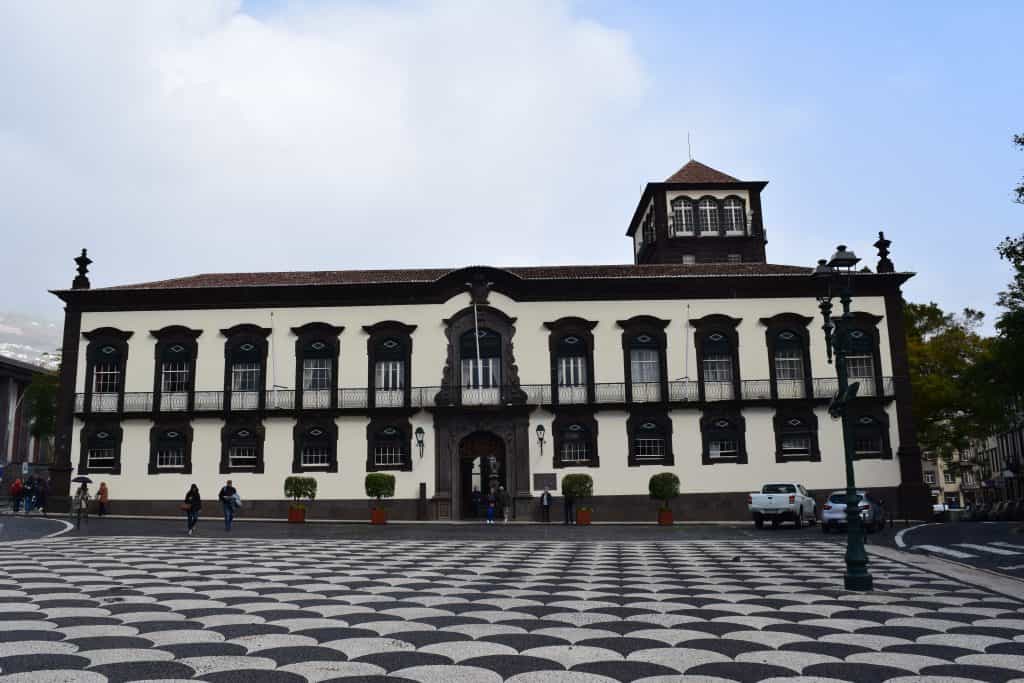
The Palácio de São Lourenço is an imposing historic fortress and palace located on the main waterfront avenue of Funchal. Construction of the fortress began in the early 16th century, and it is one of the best-preserved examples of military architecture from that period on the island. The structure combines military, Manueline, and Mannerist architectural styles, reflecting the various modifications it has undergone over the centuries. A part of the complex serves as the official residence of the Representative of the Republic for Madeira.
We were very impressed by the dual nature of this magnificent building, which is both a formidable fortress and an elegant palace. It is a key landmark on the Funchal waterfront, and its history is deeply intertwined with the defense and governance of the island. The palace also houses a museum section with an interesting collection related to its military history. We found a visit here to be a fascinating journey through the different historical eras of Madeira, from the age of pirates to its modern role in the Portuguese Republic.
Forte de São Tiago
The Forte de São Tiago is a historic fort located at the eastern end of the Zona Velha. The small, yellow-painted fortress was built in the early 17th century to defend the city of Funchal from pirate attacks. The fort has a beautiful location, right on the edge of the sea. For many years, the fort housed the Museum of Contemporary Art, but it is now used for other purposes. It is a beautiful and very picturesque historic landmark.
We love to take a walk to the Forte de São Tiago when we are exploring the Old Town. The bright yellow color of the fort stands in beautiful contrast to the deep blue of the ocean. While you may not always be able to go inside, the exterior of the fort and its beautiful seaside setting are well worth the visit. There is a popular restaurant located within the fort’s walls, which offers a unique dining experience with beautiful views of the sea.
Fortaleza de São João Baptista do Pico
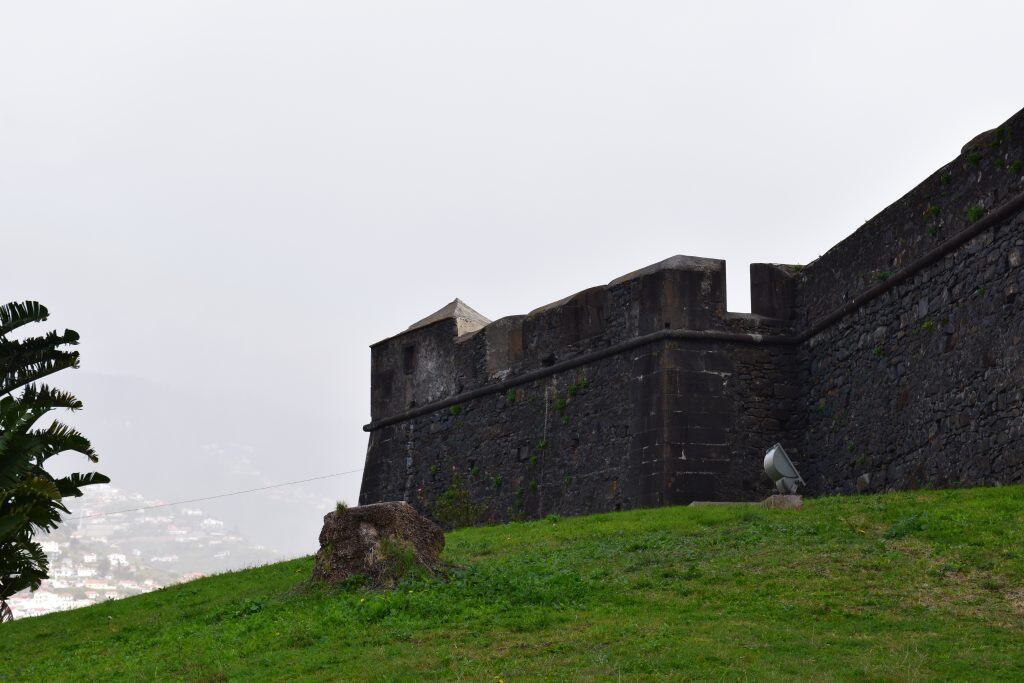
The Fortaleza de São João Baptista do Pico, often just called the Fortaleza do Pico, is a magnificent historic fortress that is perched on a hill overlooking the entire city and bay of Funchal. The construction of the fort began in the early 17th century, and it was a key part of the city’s defensive system against pirate attacks. The fort’s strategic, high-altitude location provided a commanding view of the sea approaches to the city.
We have always found that the steep climb up to the Fortaleza do Pico is well worth the effort. The panoramic views from its walls are absolutely spectacular and are arguably the best in the entire city. It is a less-visited sight than some of the others in Funchal, so it offers a more peaceful and authentic experience. The fort is still a military installation, but it is open to the public, and a visit here is a journey into the rich military history of the island.


Traveling with Kids
Funchal is a fantastic destination for a family holiday. The city offers a wide variety of activities and attractions that are highly engaging for children of all ages. The main highlight for most families is the thrilling ride on the Funchal Cable Car up to the suburb of Monte. This is followed by the even more exciting descent on the famous Monte Toboggan wicker sleds. The city’s many beautiful parks, such as Santa Catarina Park, also provide plenty of open space for children to play.
The city is very well-equipped for family tourism. It has numerous family-friendly restaurants, hotels, and a safe and welcoming atmosphere. For a unique and educational experience, the Madeira Whale Museum in the nearby town of Caniçal is a must-visit. The boat trips from Funchal to see the dolphins and whales are also a guaranteed hit with kids. This combination of unique attractions, beautiful natural scenery, and a family-friendly environment makes Funchal a premier destination for a family vacation.



Sports in Funchal
The sports scene in Funchal is dominated by football, which is the most popular sport on the island of Madeira. The city is home to the island’s two main professional football clubs, Marítimo and Nacional. These two teams have a long and intense rivalry. The city is also famously the birthplace of one of the world’s greatest footballers, Cristiano Ronaldo. In addition to football, a variety of water sports are very popular in the bay of Funchal. The surrounding mountains are a paradise for hiking and trail running.
Football
Football is a major passion in Funchal. The city’s two main clubs have a long history of competing in the top tier of Portuguese football, and the derby between them is the biggest sporting event on the island.
C.S. Marítimo
Club Sport Marítimo is one of the oldest and most famous football clubs in Portugal. Founded in 1910, the club has a large and passionate fanbase on the island. They have a long and successful history in the Primeira Liga, the top division of Portuguese football. They play their home matches at the Estádio do Marítimo, which is located in the hills above Funchal. The stadium is known for its beautiful views of the city and the sea.
C.D. Nacional
Clube Desportivo Nacional, often referred to as Nacional da Madeira, is the other major football club in the city and the great rival of Marítimo. Founded in 1910, Nacional also has a long history of success in Portuguese football. The club is famously the first professional club of the legendary footballer Cristiano Ronaldo, who played for their youth team. They play their home matches at the Estádio da Madeira, a modern stadium that is also located in the hills above the city.
Running
The city of Funchal hosts a number of major annual running events. The most famous of these is the Funchal Marathon, which is held every January. The city also hosts the oldest New Year’s Eve race in Portugal, the Volta à Cidade do Funchal, which is a major international event.
Funchal Marathon
The Funchal Marathon is the main long-distance running event on the island. The race is held annually in January, and it attracts both local and international runners. The event includes a full marathon, a half-marathon, and a mini-marathon, making it accessible to runners of all abilities. The course is very scenic, and it takes runners along the beautiful waterfront promenade of Funchal.


Getting Around in Funchal
Navigating the city of Funchal is best done with a combination of walking and using the excellent local bus system. The historic center of the city is very compact and is perfect for exploring on foot. For travel to the higher parts of the city, such as the suburb of Monte, and to the main tourist area of Lido, the local buses are very frequent and efficient. Taxis and ride-sharing services are also widely available.
Exploring by Foot
The historic center of Funchal, including the Zona Velha and the area around the Sé Cathedral, is a perfect area for a leisurely stroll. A walk along the magnificent main waterfront promenade, the Avenida do Mar, is also a must. Walking is the best way to discover the city’s charming, narrow streets, its beautiful parks, and its many historic buildings.
Using Local Buses
The public bus system in Funchal is very extensive and is operated by several different companies. The main company for the city buses is Horários do Funchal, and their yellow buses are a common sight. The buses are a very affordable and practical way to get around the city and to reach the main tourist attractions that are located outside the main center, such as the Botanical Gardens and the suburb of Monte.
The Funchal Cable Car
For travel between the city center and the suburb of Monte, the Funchal Cable Car is not just a mode of transport but a major tourist attraction in itself. The 15-minute journey offers breathtaking panoramic views of the city. It is the most scenic and spectacular way to reach the many attractions that are located in the hills of Monte, including the famous tropical garden and the toboggan ride.

How to Get to Funchal?
Funchal is the capital city of the island of Madeira and is the main entry point for all international visitors. The city is served by a large and modern international airport, which has direct connections to many cities in Europe. The city’s port is also a major hub for cruise ships and has a ferry connection with the mainland of Portugal and the neighboring island of Porto Santo.
Arriving by Air
The main airport on the island is Cristiano Ronaldo Madeira International Airport (FNC). The airport is located in the nearby town of Santa Cruz. It is served by numerous airlines, with direct scheduled and charter flights from many cities all over Europe. From the airport, the drive to Funchal is very short, taking only about 20-25 minutes along the main VR1 motorway. There is also a frequent and convenient express bus service, the Aerobus, that connects the airport with the center of Funchal.
Arriving by Sea
The Port of Funchal is the main passenger and cruise port for the island. The port is a major port of call for international cruise ships on transatlantic and European itineraries. There is also a regular ferry service that connects Funchal with the neighboring island of Porto Santo. A less frequent ferry service also connects Funchal with the port of Portimão in the Algarve region of mainland Portugal. The port is located very conveniently, within walking distance of the city center.
Driving Distances
The driving distance from 20 regional places, according to Google Maps:
- Câmara de Lobos, Madeira – 8 kilometers (0 h 15 min)
- Garajau, Madeira – 10 kilometers (0 h 15 min)
- Caniço, Madeira – 12 kilometers (0 h 15 min)
- Santa Cruz, Madeira – 18 kilometers (0 h 20 min)
- Ribeira Brava, Madeira – 18 kilometers (0 h 25 min)
- Madeira Airport (FNC) – 20 kilometers (0 h 25 min)
- Curral das Freiras, Madeira – 20 kilometers (0 h 35 min)
- Ponta do Sol, Madeira – 23 kilometers (0 h 25 min)
- Machico, Madeira – 25 kilometers (0 h 25 min)
- São Vicente, Madeira – 30 kilometers (0 h 35 min)
- Calheta, Madeira – 35 kilometers (0 h 35 min)
- Porto da Cruz, Madeira – 35 kilometers (0 h 40 min)
- Ponta Delgada, Madeira – 38 kilometers (0 h 40 min)
- Santana, Madeira – 40 kilometers (0 h 45 min)
- Boaventura, Madeira – 40 kilometers (0 h 50 min)
- Faial, Madeira – 40 kilometers (0 h 45 min)
- Seixal, Madeira – 45 kilometers (0 h 50 min)
- Paul do Mar, Madeira – 50 kilometers (0 h 55 min)
- Porto Moniz, Madeira – 50 kilometers (1 h 00 min)
- Ponta do Pargo, Madeira – 55 kilometers (1 h 05 min)
Looking to Explore more of Portugal and Europe?