Agadir | Exploring Morocco
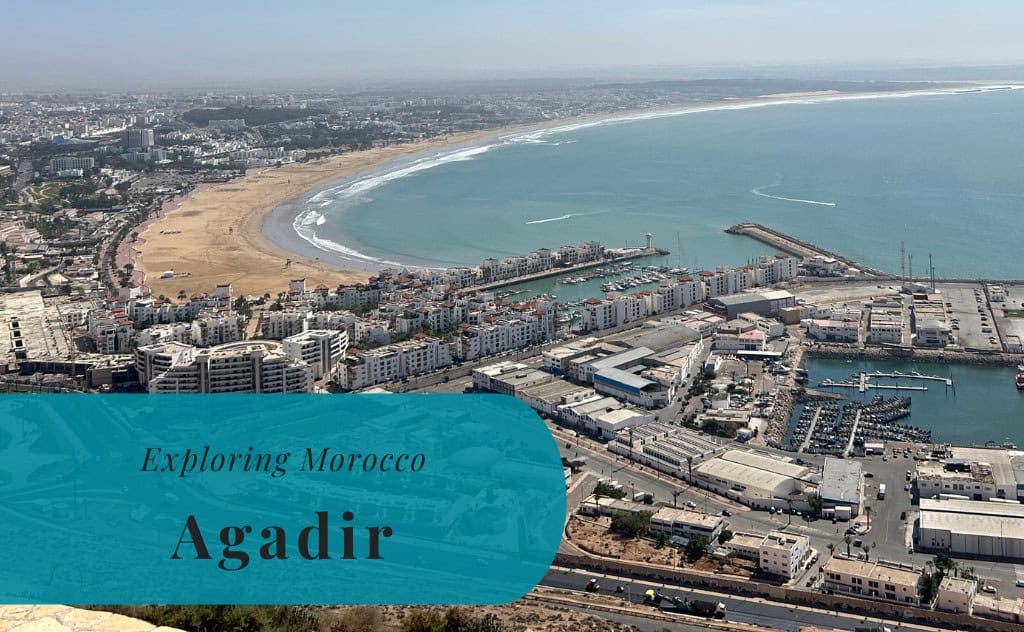
Agadir is a major city on the coast of the Atlantic Ocean in the southwestern part of Morocco. It is the capital of the Agadir-Ida Ou Tanane prefecture and the Souss-Massa region. The city is situated at the foot of the Anti-Atlas Mountains. With a population of over 700,000 in its metropolitan area, Agadir is one of the country’s main urban centers. Its location on a large, sheltered bay has made it an important port and tourist destination.
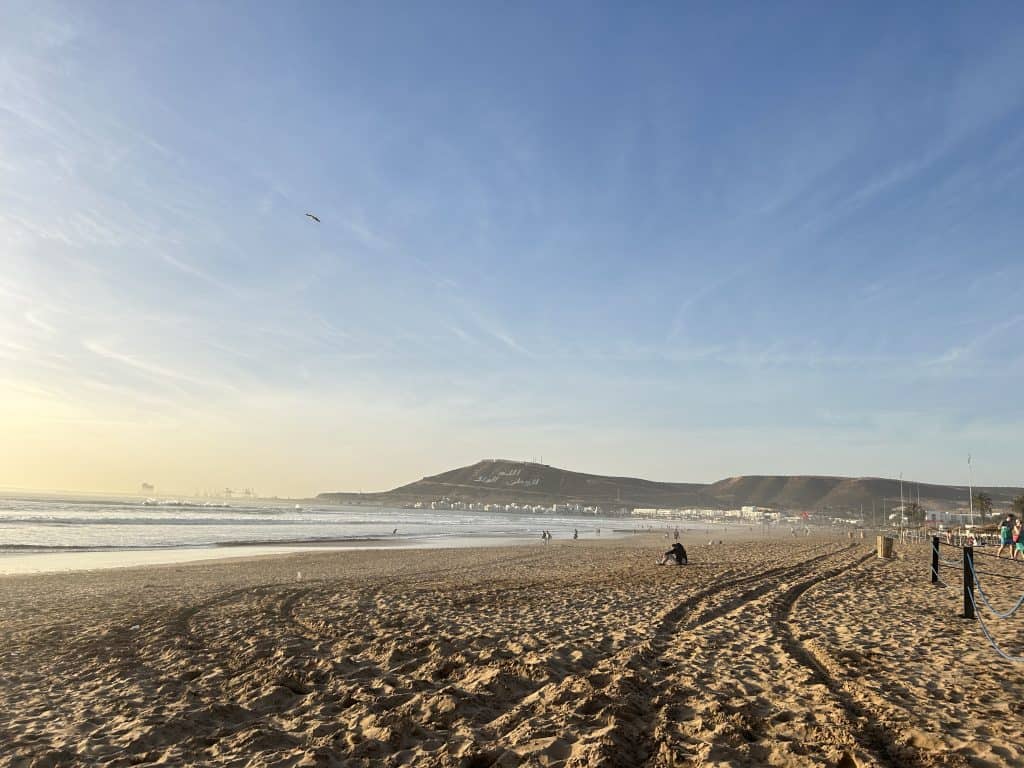
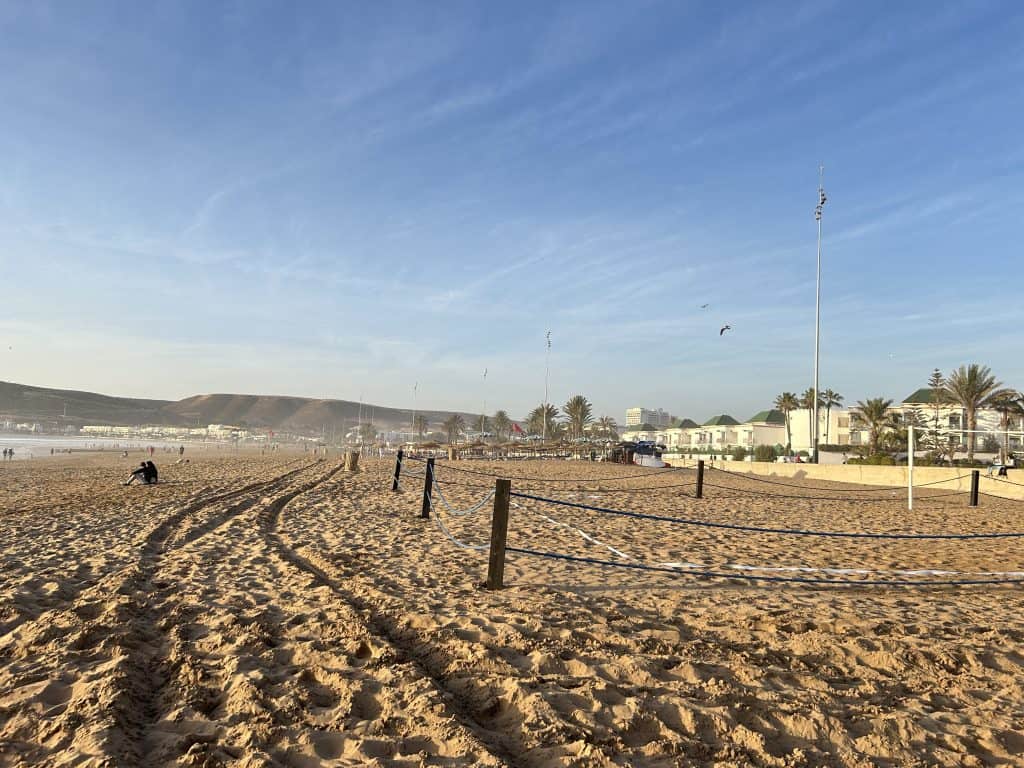
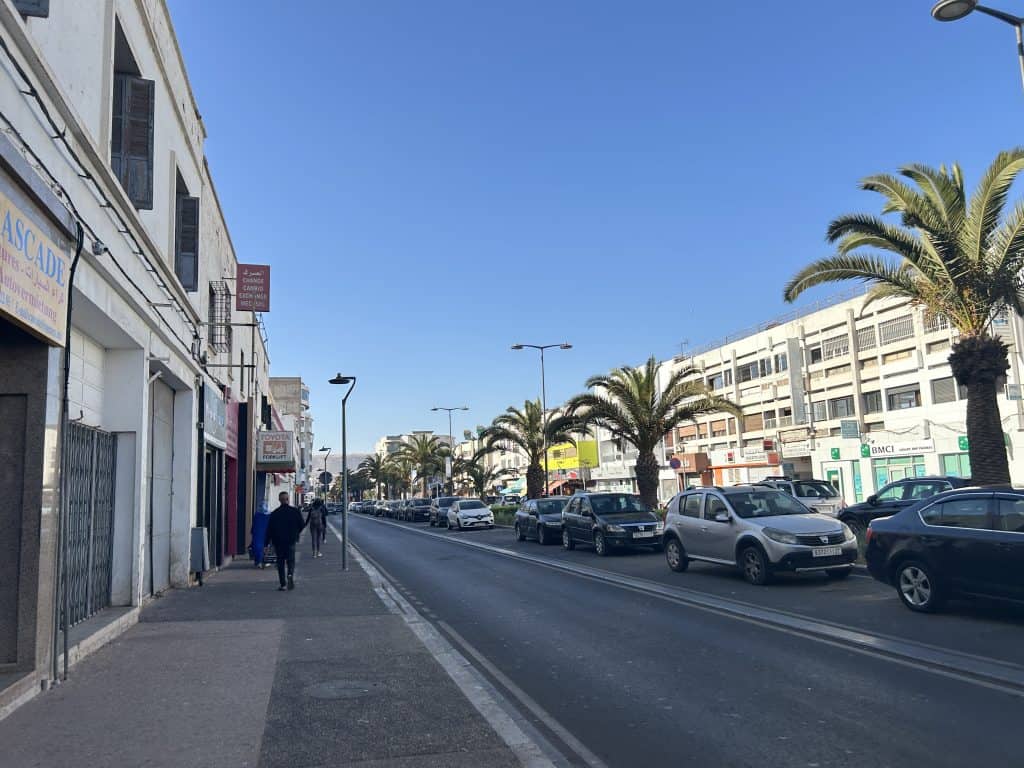
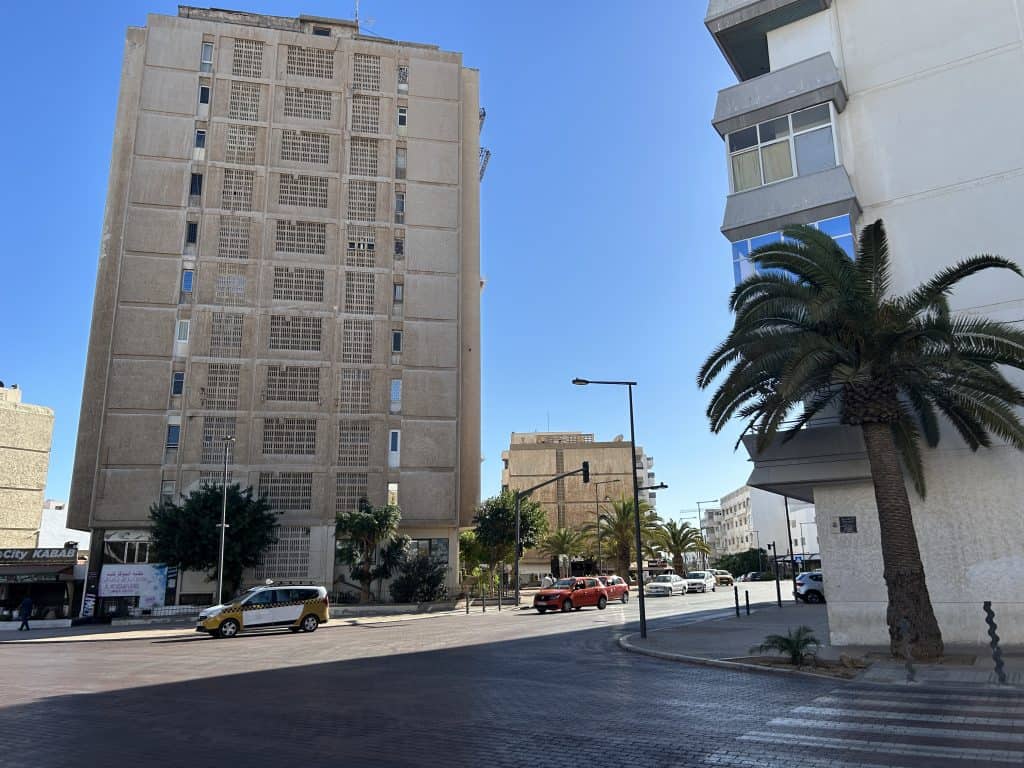
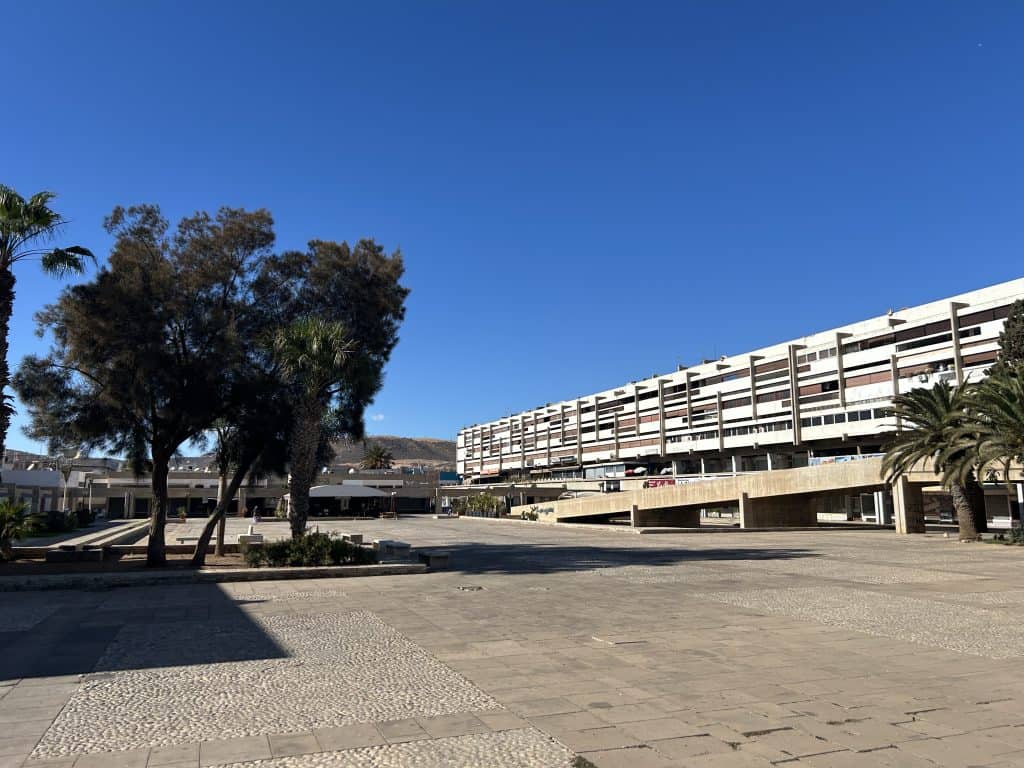
The character of Agadir is that of a modern city, which is a direct result of a devastating earthquake that destroyed the original town in the 20th century. Unlike other major Moroccan cities, Agadir does not have an ancient, walled medina. Instead, its urban landscape is characterized by wide boulevards, open spaces, and modern, low-rise architecture designed with seismic standards in mind. The city’s primary feature is its long, sandy beach and the seaside promenade that runs alongside it.
As a key economic hub for the region, Agadir has a large commercial port and is a center for fishing and agriculture. It is also one of Morocco’s most important tourist destinations, attracting visitors from across Europe to its resorts and beaches. The city has a strong Amazigh (Berber) cultural identity, which is a key part of its heritage. This blend of modern resort city, commercial port, and Berber culture gives Agadir its specific character.


Good to Known When Visiting Agadir
To help with planning a visit, here are several practical points covering daily essentials, timing, and efficient exploration of the city. Understanding these details can make a trip to Agadir more convenient. This information is intended to provide a general overview for travelers preparing to visit this major Moroccan city.
The Daily Essentials
The official currency used in Agadir is the Moroccan Dirham (MAD). While credit and debit cards are accepted in most hotels, larger restaurants, and modern shops, cash is essential for smaller establishments, local markets like Souk El Had, and for paying for petit taxis. The official languages are Arabic and Amazigh (Berber). French is also very widely spoken and is used in business and tourism. English is commonly spoken in tourist areas and hotels. Tipping is a standard practice; a tip of around 10% is customary in restaurants, and it is also common to round up fares for taxi drivers. The tap water in Agadir is generally not recommended for drinking by tourists; bottled water is widely available and should be used instead. The electrical system uses Type C and E sockets with a standard voltage of 220V.
Planning Your Calendar
Agadir has a mild, subtropical desert climate, which makes it a year-round destination. The city is known for its consistent, temperate weather. The summer months are warm but are often moderated by coastal fog in the mornings. The winter months (October to April) are the peak tourist season, as the weather is very mild and sunny, attracting many visitors from colder European climates. A key local event is the Timitar Festival of Amazigh and world music, which takes place in the summer. For a first visit focused on the city and its immediate surroundings, three to four days is generally sufficient. A longer stay would allow for day trips to nearby surf spots like Taghazout or the city of Taroudant.
A Tourist’s Toolkit for Exploration
The main tourist area along the beach and the marina is compact and can be explored on foot. For traveling longer distances, such as to the Souk El Had or other districts, the city’s petit taxis are the most common and convenient mode of transport. These small, red taxis are metered and are intended for travel within the city limits. It is important to ensure the driver uses the meter. The local bus network, operated by ALSA, is also an option for getting around. For visiting the souk, it is important to remember that haggling over prices for non-food items is a standard part of the culture. It is also advisable to book accommodation and any specific tours or activities in advance, especially during the peak winter tourist season.



A Short History of Agadir
The history of Agadir is one of a strategic port that has been shaped by different cultures, international incidents, and, most profoundly, by a natural disaster that led to its complete rebirth. For centuries, it was a small but important harbor on the Atlantic coast. Its modern story is one of destruction and reconstruction, which has created the city that exists today. This journey from a Portuguese fortress to a modern Moroccan metropolis defines its past.
Early History and Portuguese Fort
The history of settlement in the Agadir area dates back to at least the medieval period, when it was a small fishing village. Its formal history began in the early 16th century. In 1505, a Portuguese nobleman established a trading post and fortress here, which he named Santa Cruz do Cabo de Gué. The Portuguese recognized its strategic value as a protected harbor on the Atlantic coast. The fortress was built on the hill overlooking the bay, where the Kasbah is located today.
This Portuguese presence was short-lived. In 1541, the fortress was captured by the forces of the Moroccan Saadian dynasty. The capture of the fort was a major victory and helped to consolidate Saadian power in the region. Under Moroccan rule, the city, now known as Agadir, continued to function as a port, though its importance fluctuated over the centuries depending on the policies of the ruling dynasties.
A Quiet Port and the Agadir Crisis
For several centuries, Agadir remained a relatively small port town. Its economy was based on local fishing and trade with the surrounding Souss valley. It was overshadowed by other Moroccan ports like Essaouira. However, the city was thrust onto the international stage in the early 20th century. In 1911, the Agadir Crisis erupted when Germany sent a gunboat, the SMS Panther, to the port of Agadir.
This was a challenge to French influence in Morocco and a key moment in the lead-up to World War I. The crisis was eventually resolved through diplomacy, with France establishing a full protectorate over most of Morocco in 1912. Under French rule, Agadir began to develop as a modern port and a small resort town. The city grew slowly, with a mix of Moroccan and European residents.
The 1960 Earthquake and Modern Rebirth
The defining event in Agadir’s history occurred on February 29, 1960. A powerful and shallow earthquake struck the city, lasting only 15 seconds. The earthquake, combined with the subsequent fires, completely destroyed the ancient Kasbah, the old town, and most of the modern city. The disaster was one of the most devastating in modern Moroccan history, with an estimated 15,000 people losing their lives.
Following the disaster, King Mohammed V made the decision to rebuild the city. The new city of Agadir was constructed a few kilometers to the south of the original site. It was built using modern, earthquake-resistant architectural designs. This massive reconstruction project created the city that is seen today, with its wide boulevards, open spaces, and functionalist architecture. This has given Agadir a character that is completely different from the traditional walled medinas of other Moroccan cities.



Things to Do and See
The sights in Agadir are a reflection of its modern identity as a rebuilt city and its natural setting on the Atlantic coast. Unlike other Moroccan cities, its attractions are not ancient monuments but rather modern landmarks, large public spaces, and natural reserves. The main points of interest are concentrated along the long beachfront, at the modern marina, and in the large central market. The ruins of the old Kasbah on the hill provide the only direct link to the pre-earthquake city.
A visit to Agadir allows for an exploration of modern Moroccan urban planning and its function as a major international tourist resort. The wide, sandy beach is the city’s primary public space. The large Souk El Had is a center for local commerce. The city also serves as a base for exploring the wider Souss-Massa region, including its natural parks and wildlife.
Agadir Kasbah (Agadir Oufella)
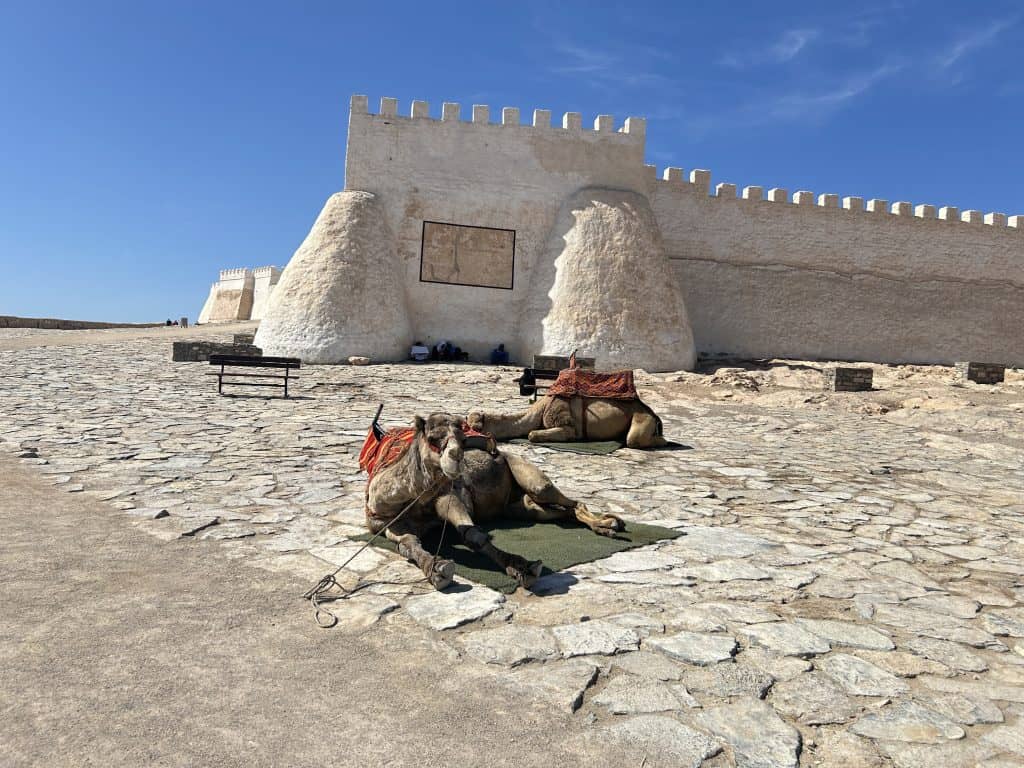
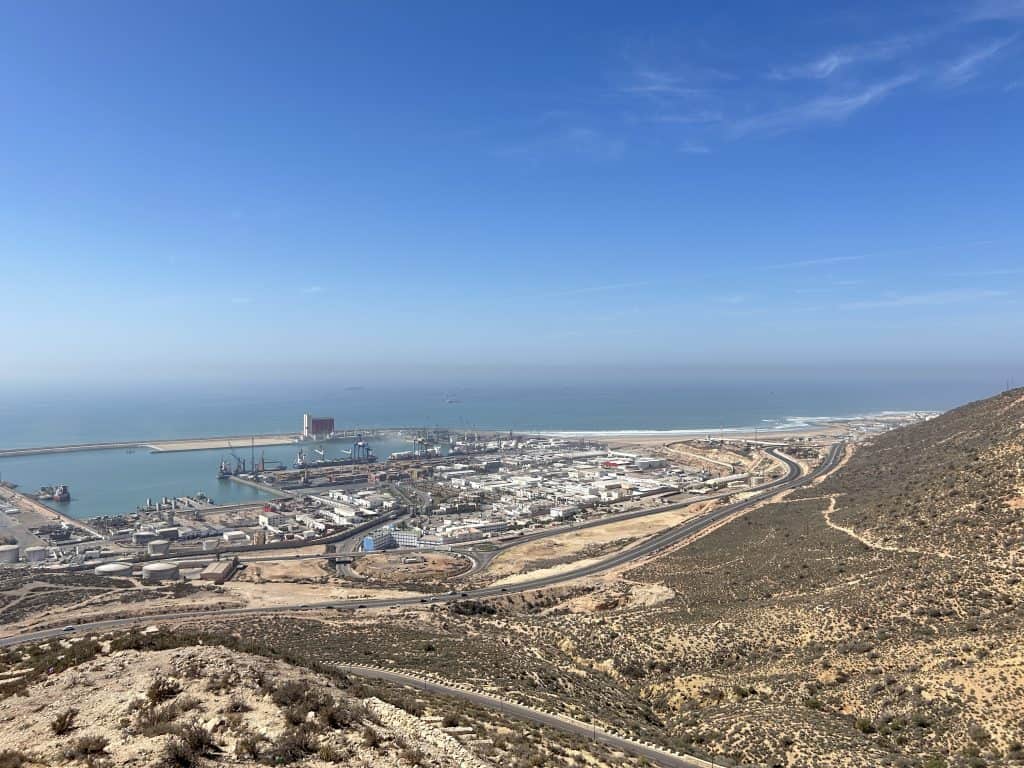
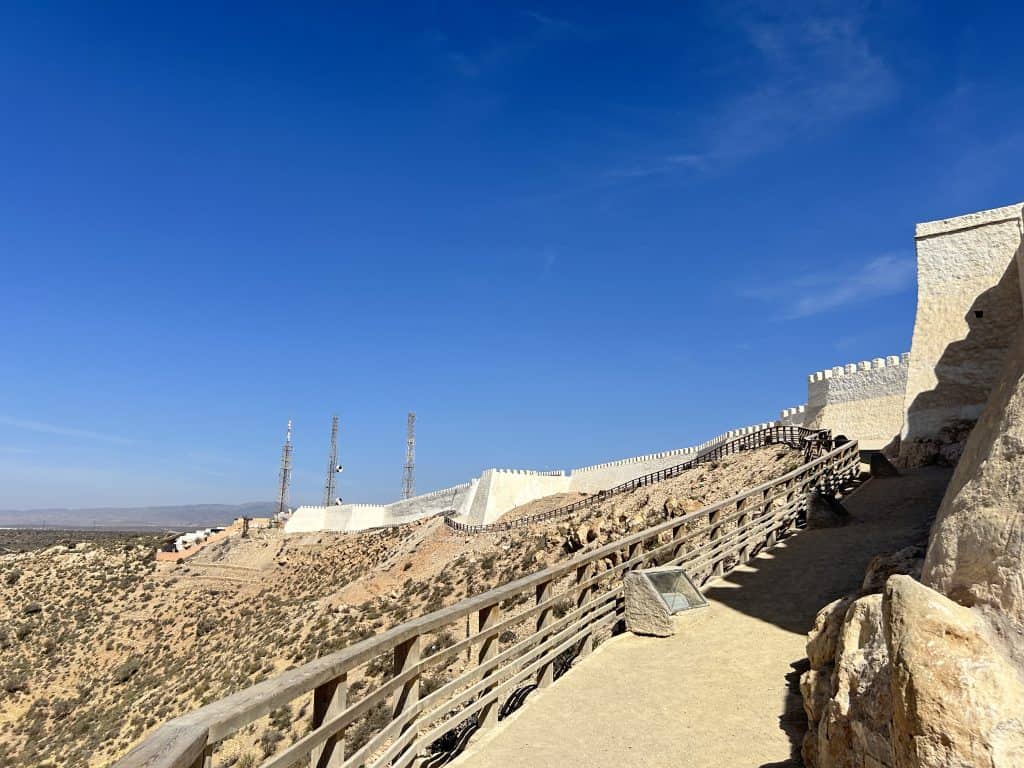
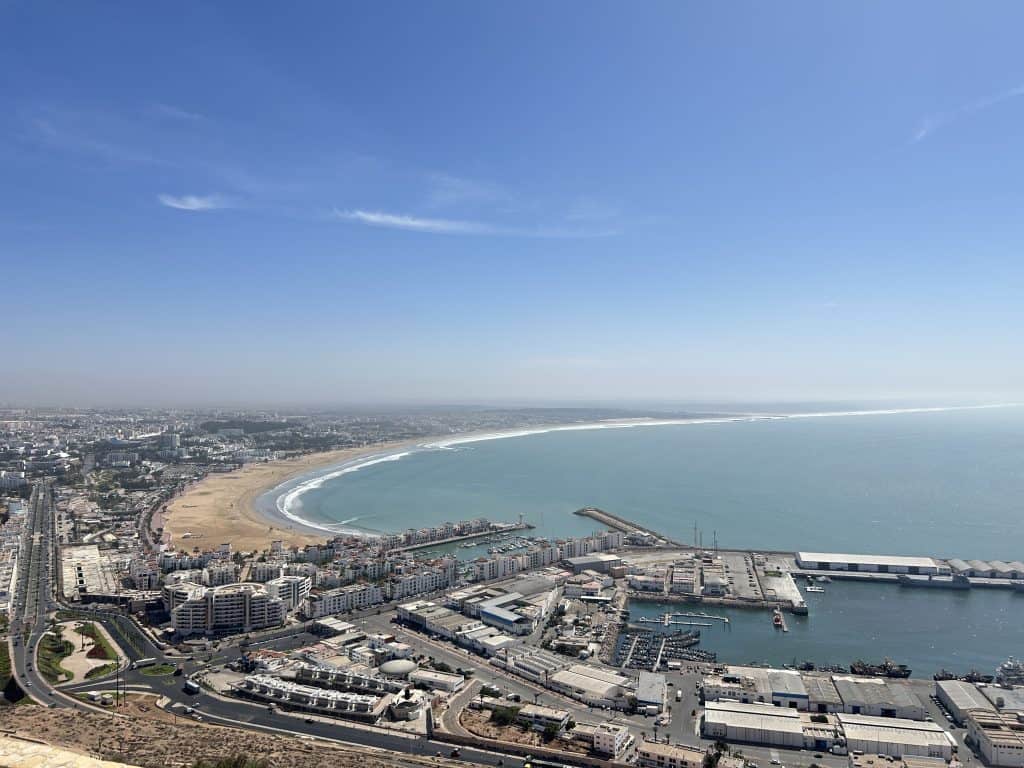
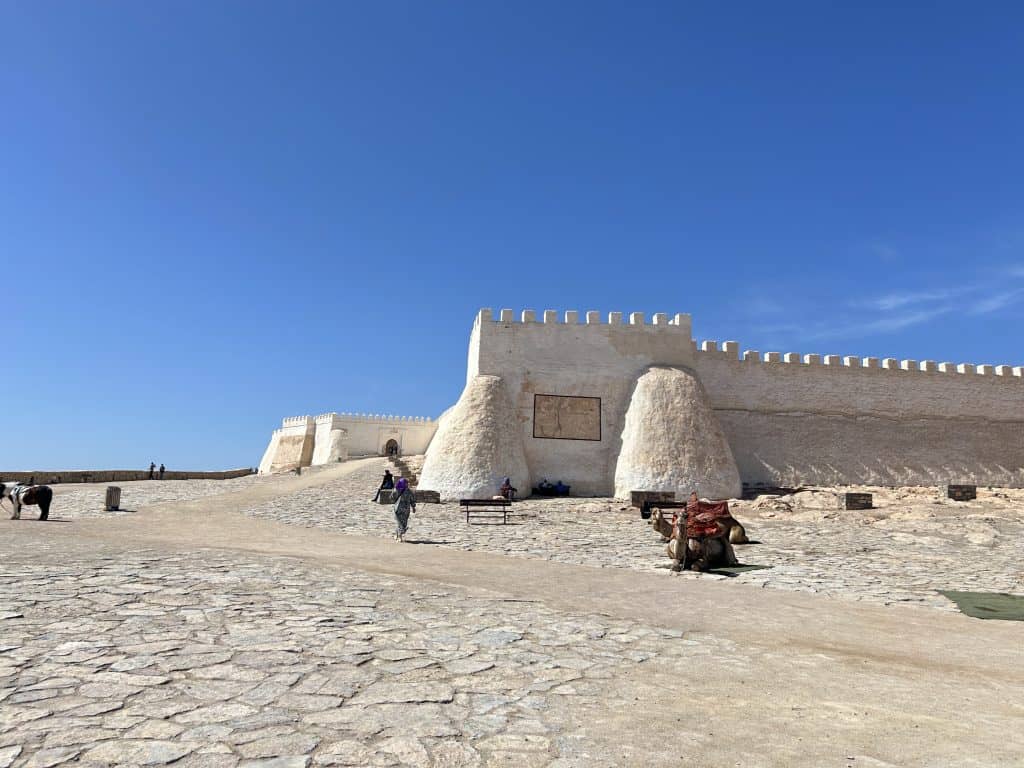
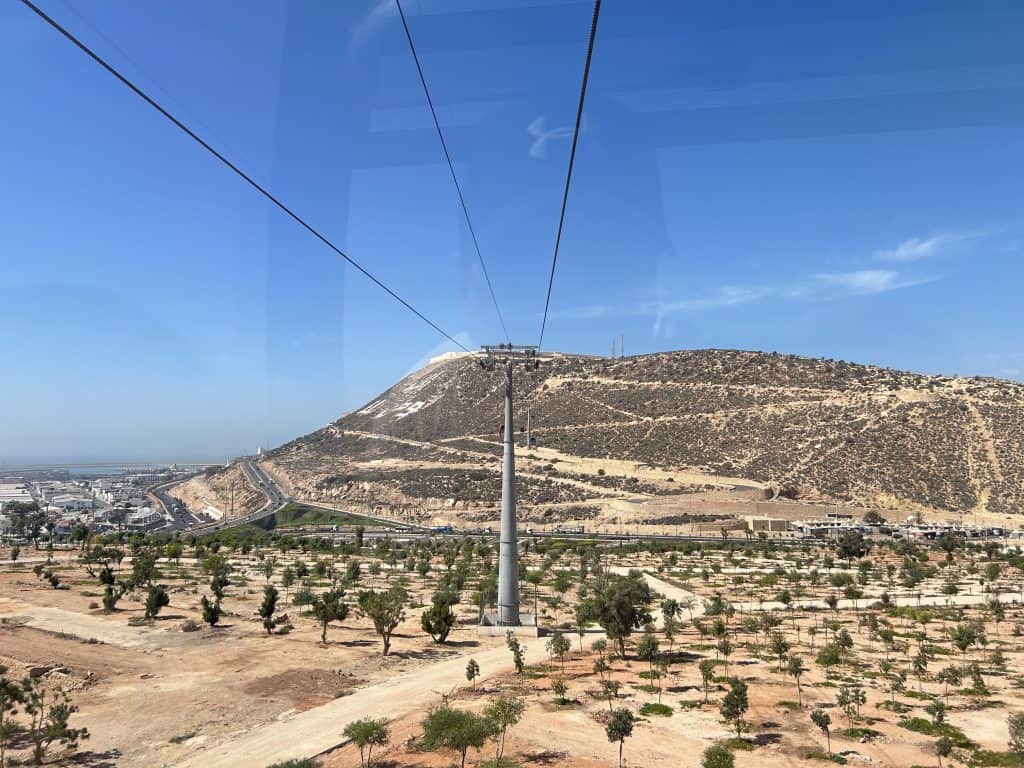
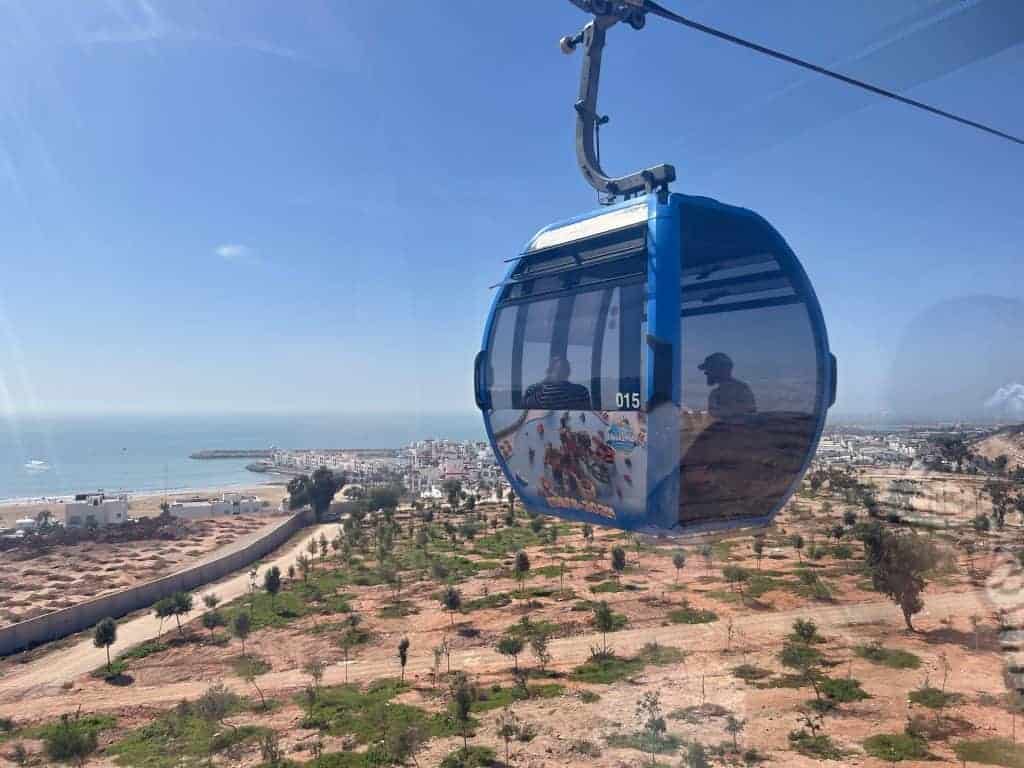
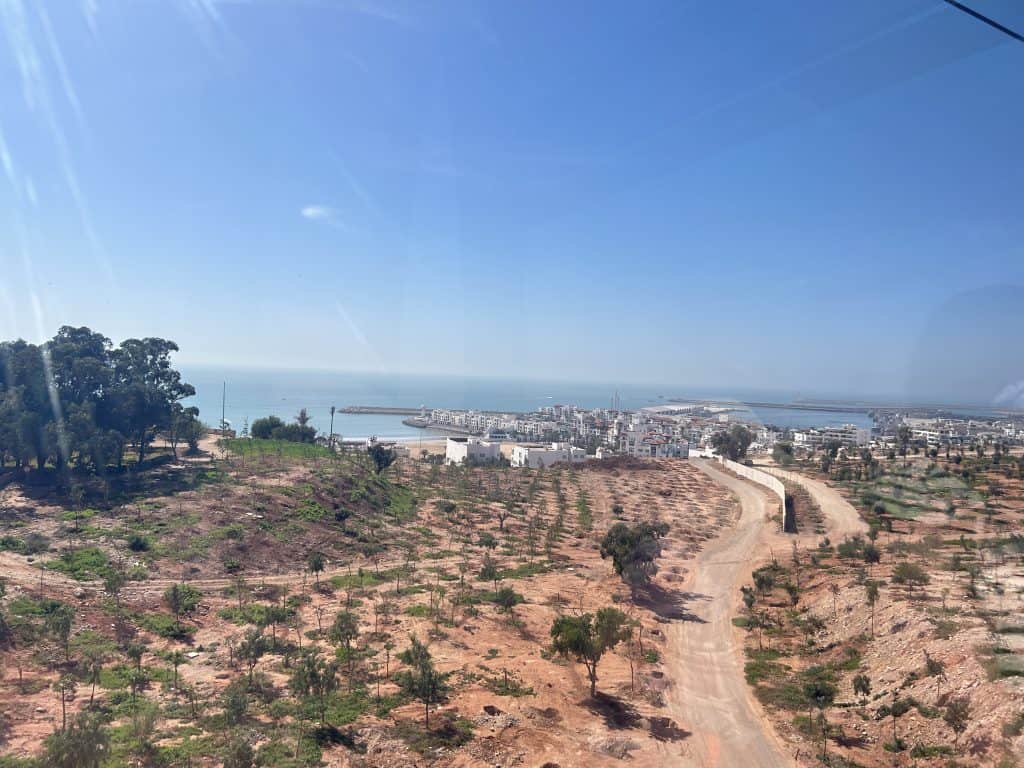
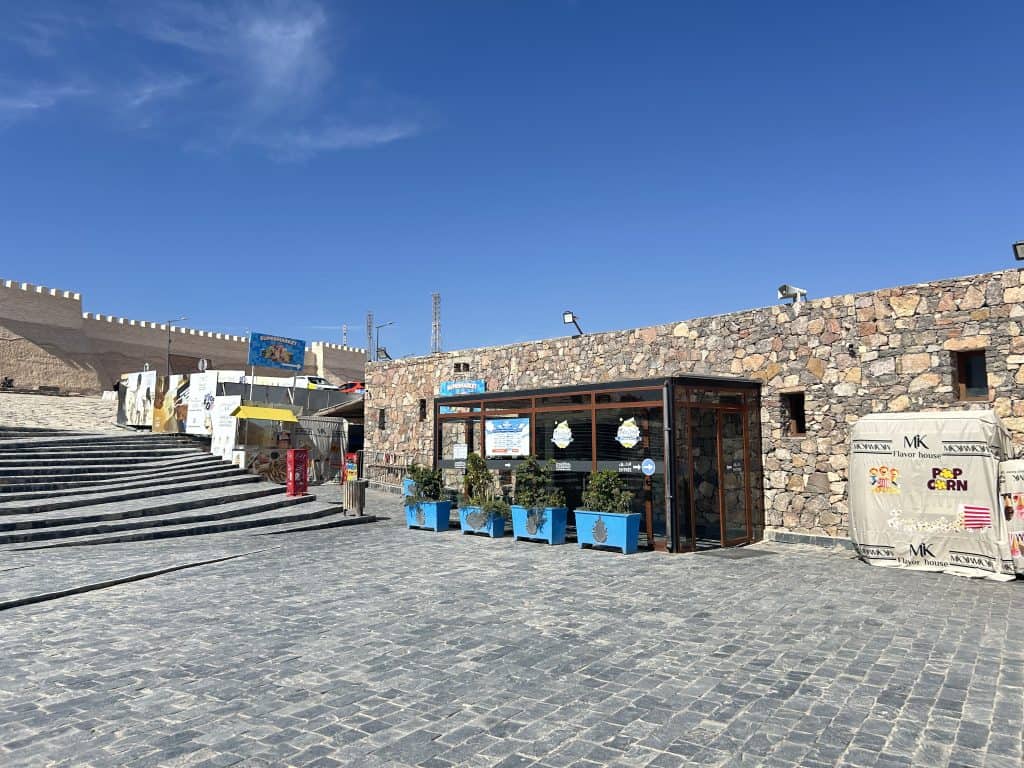
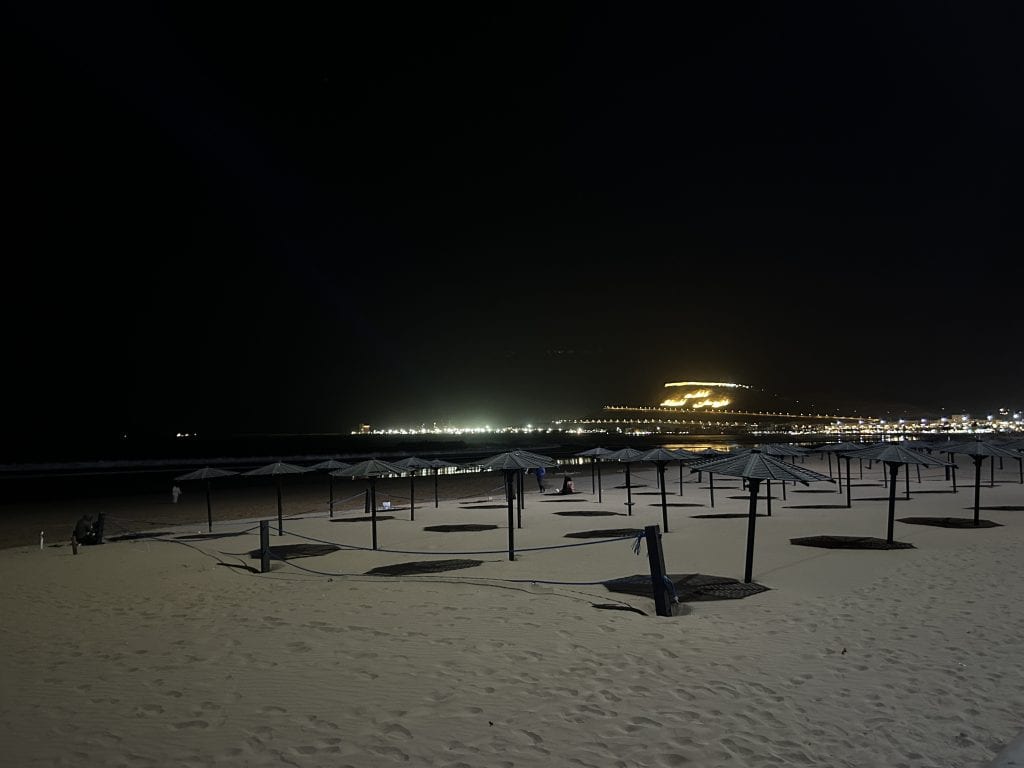
The Agadir Kasbah, or Agadir Oufella, consists of the ruins of the city’s original fortress. The Kasbah is located on a hill that overlooks the port and the modern city. The original fortress was built in the 16th century. It once contained houses, alleyways, and mosques. The entire Kasbah was destroyed by the 1960 earthquake. Today, only the restored outer wall of the fortress remains. The site is a memorial to the old city and offers panoramic views of the bay and the new city below. A cable car now connects the base of the hill with the Kasbah.
Agadir Beach and Promenade
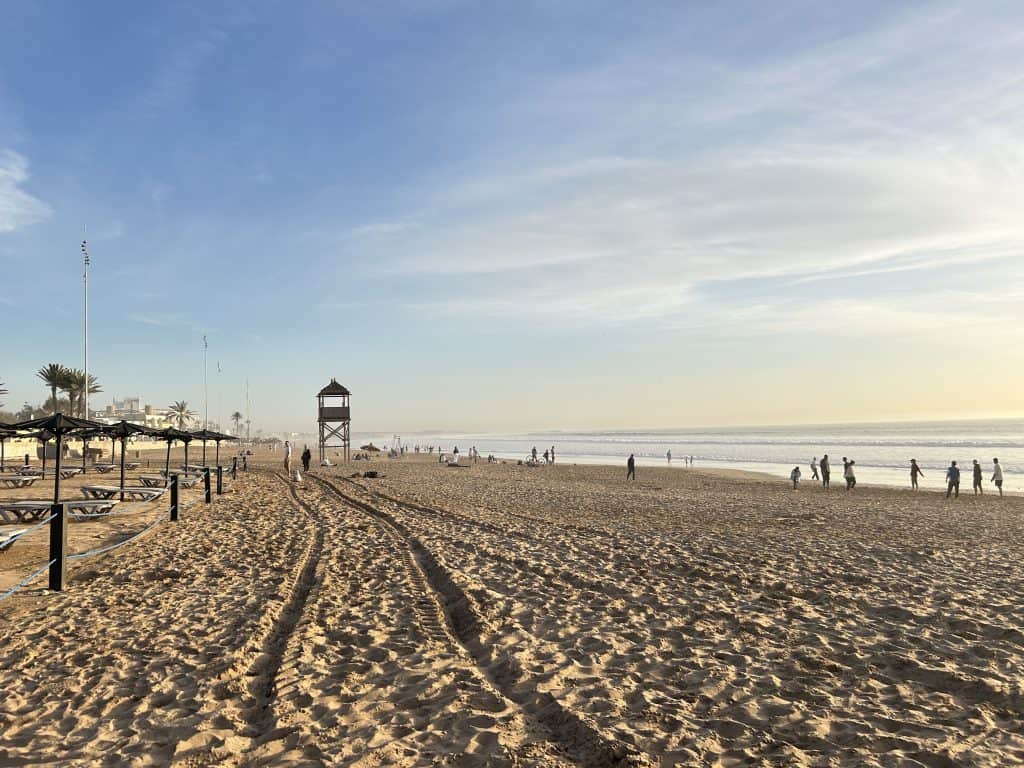
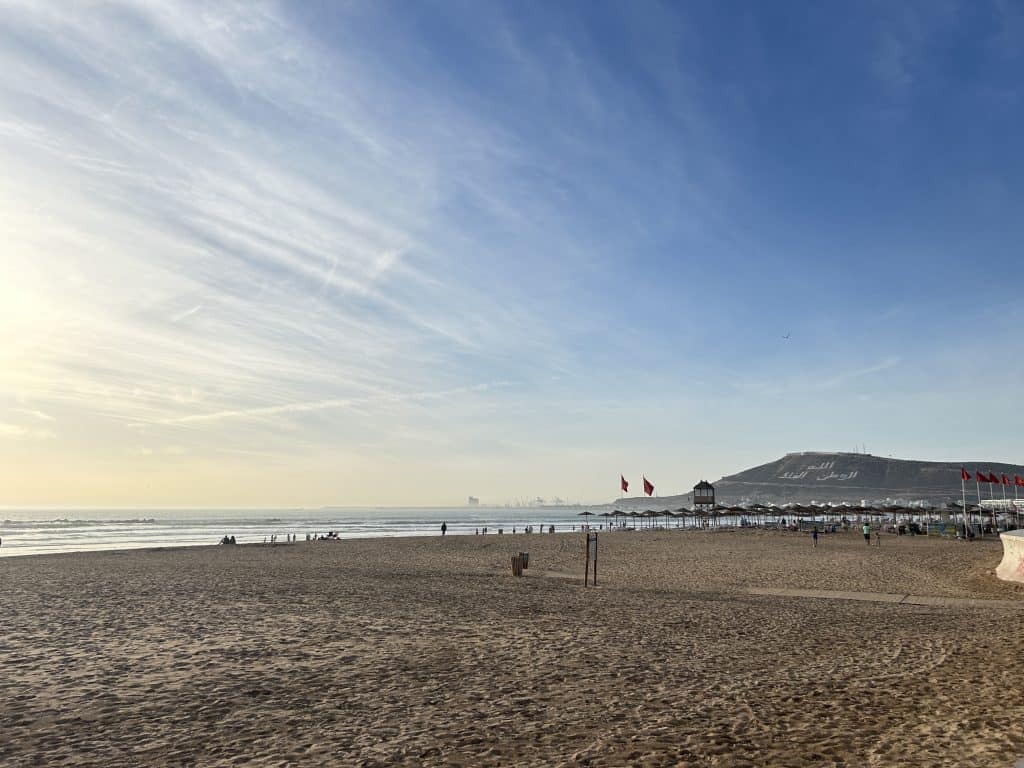
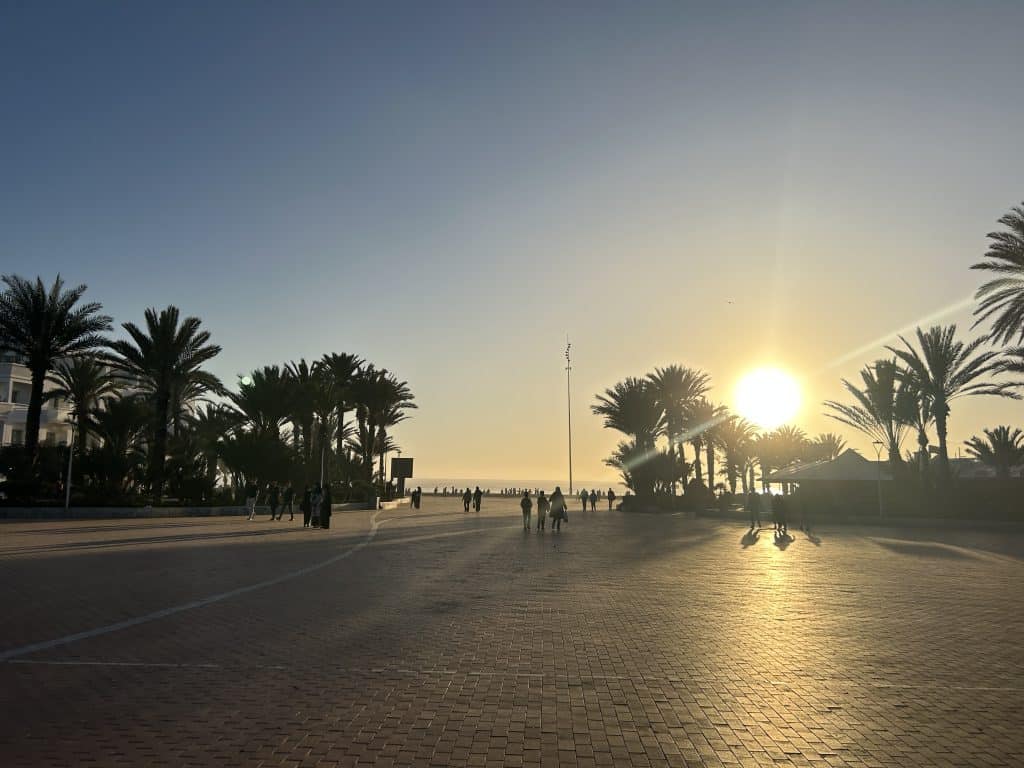
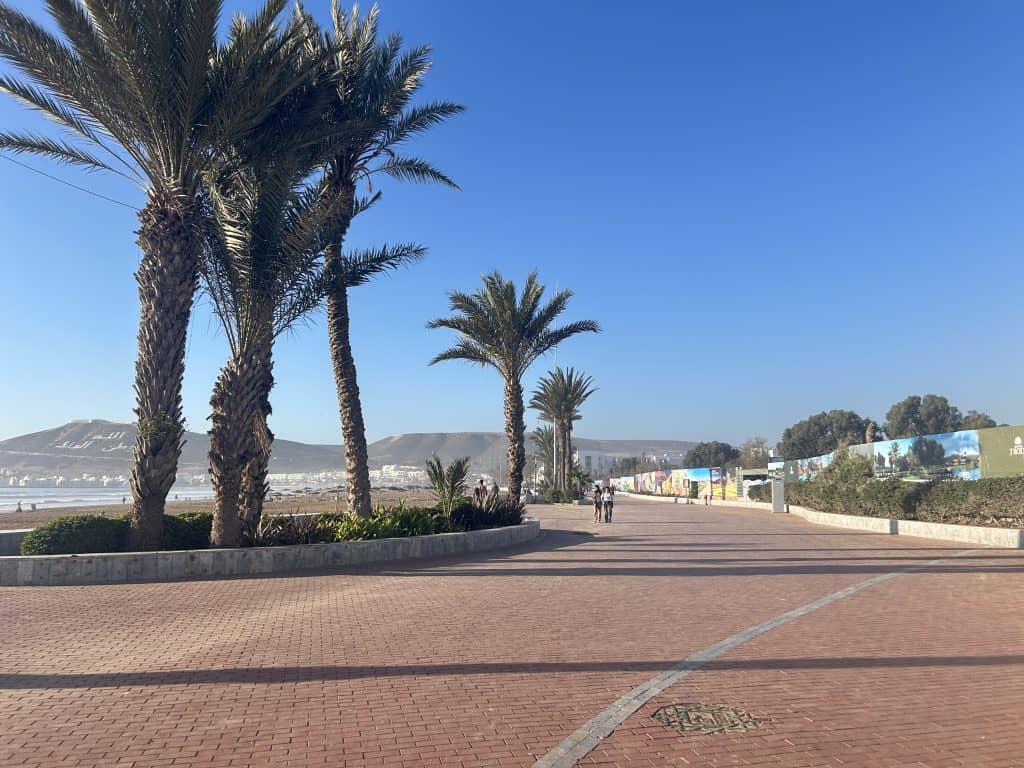
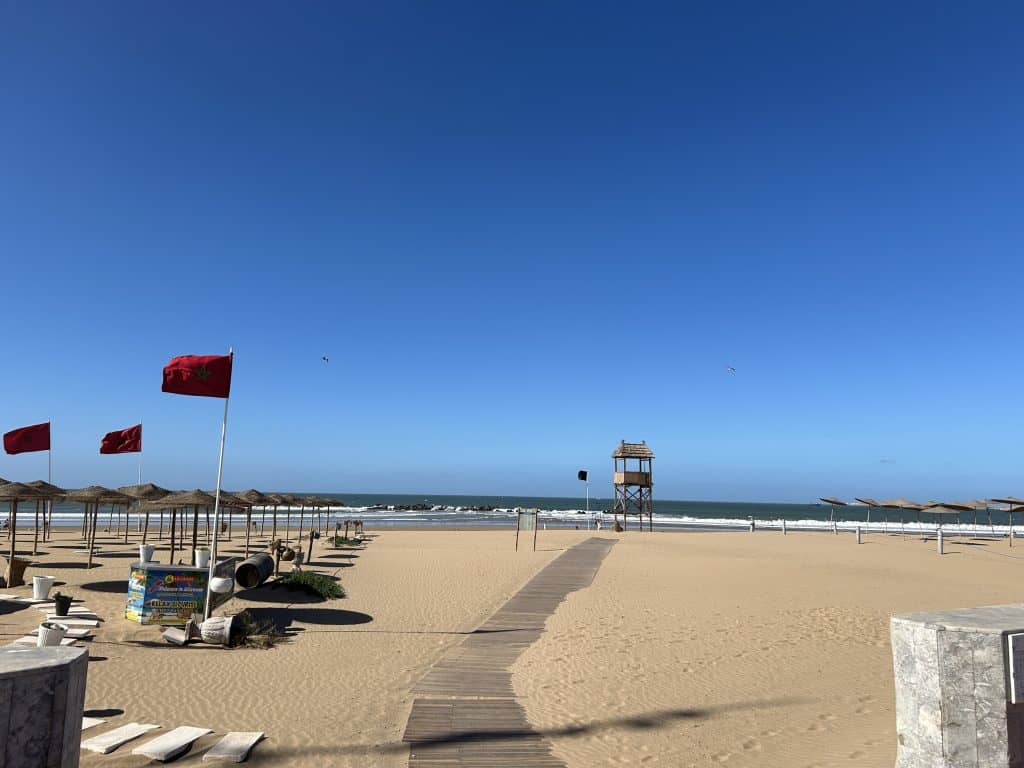
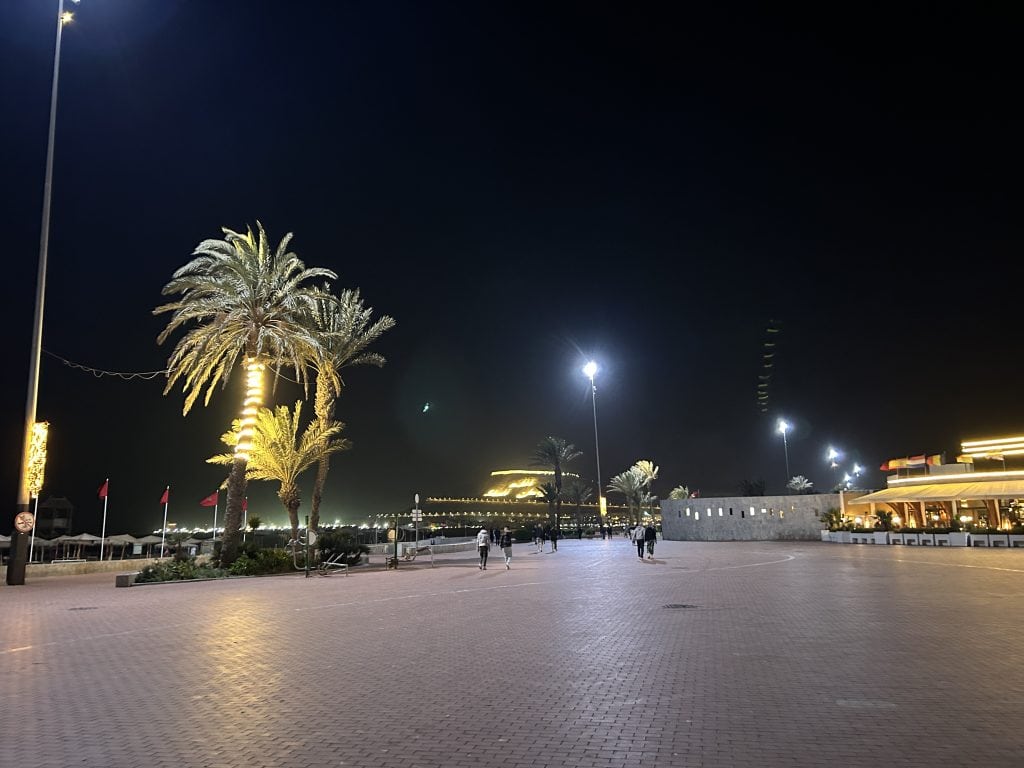
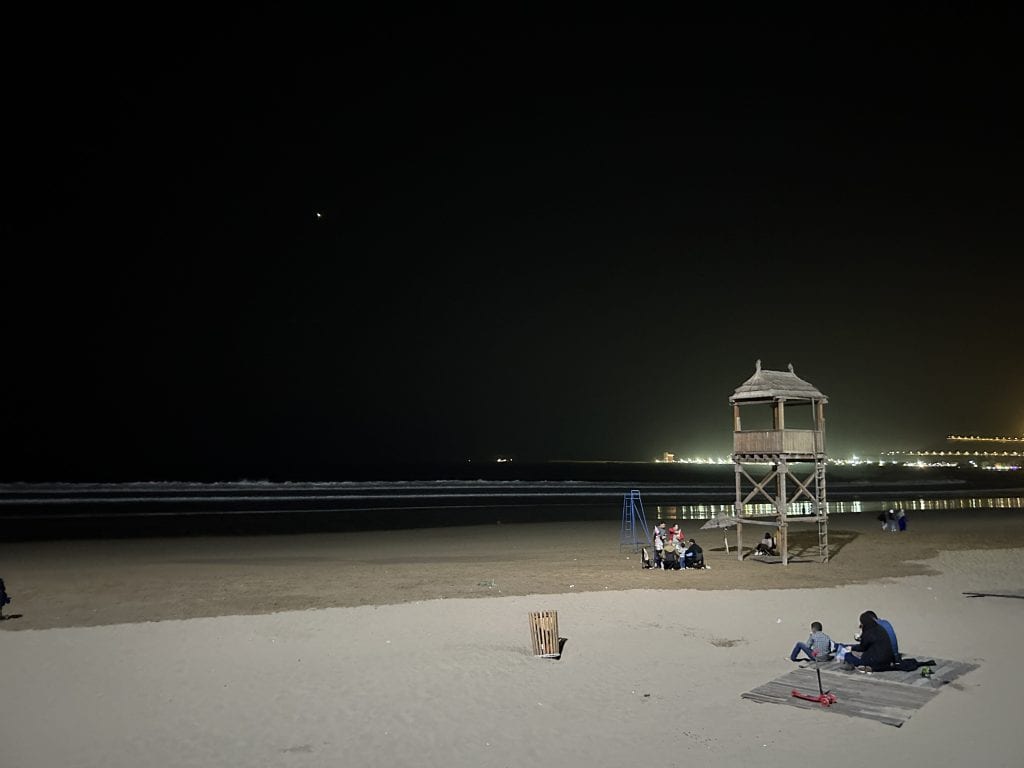
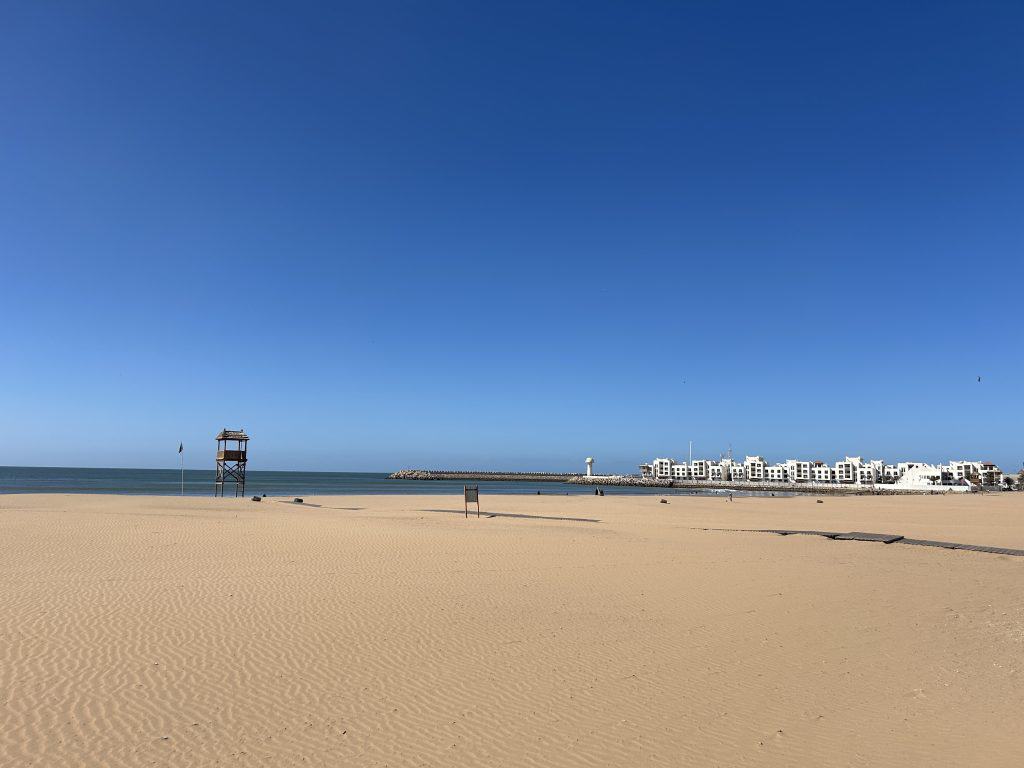
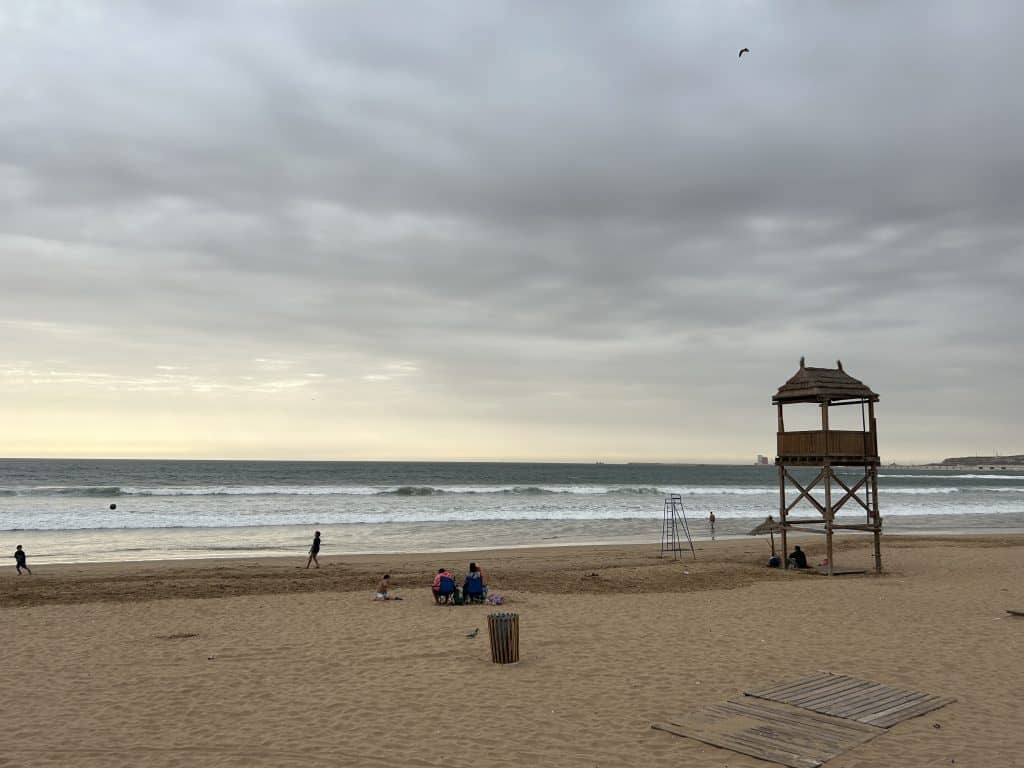
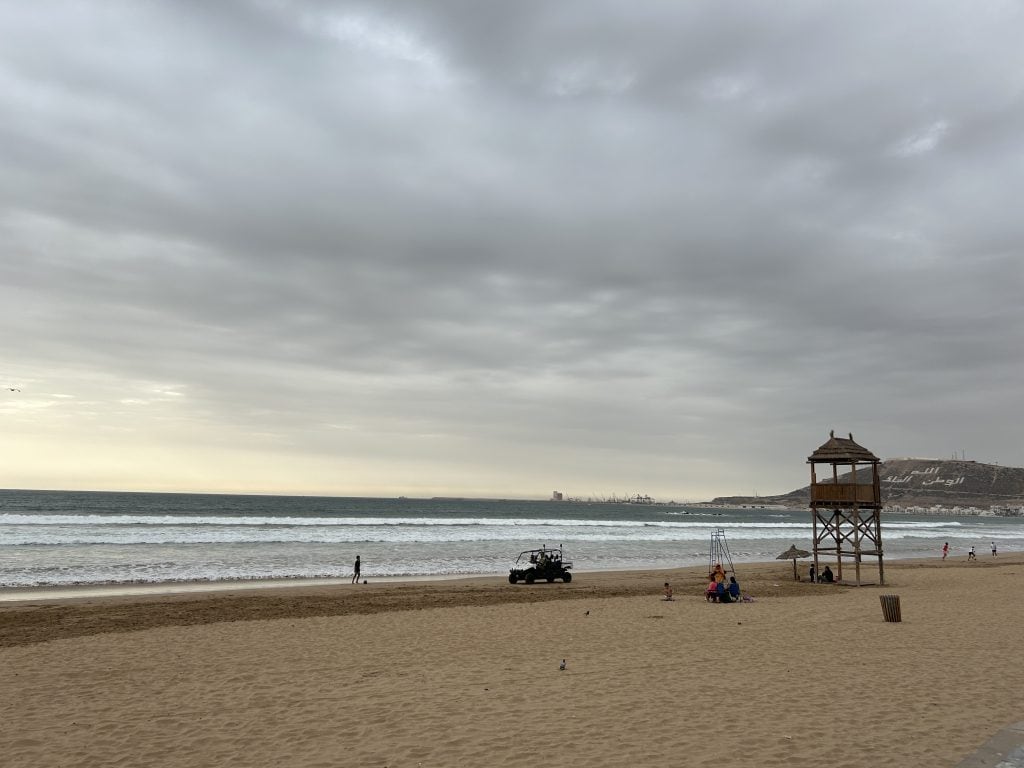
Agadir Beach is a long, wide stretch of golden sand that runs for several kilometers along a sheltered bay. The beach is the primary attraction for the city’s tourism industry. It is known for its calm waters, which are suitable for swimming. The beach is lined by a modern seaside promenade. This wide boulevard is popular for walking, jogging, and cycling. The promenade is lined with numerous hotels, restaurants, and cafes. It is a central hub of activity for both tourists and local residents.
Souk El Had
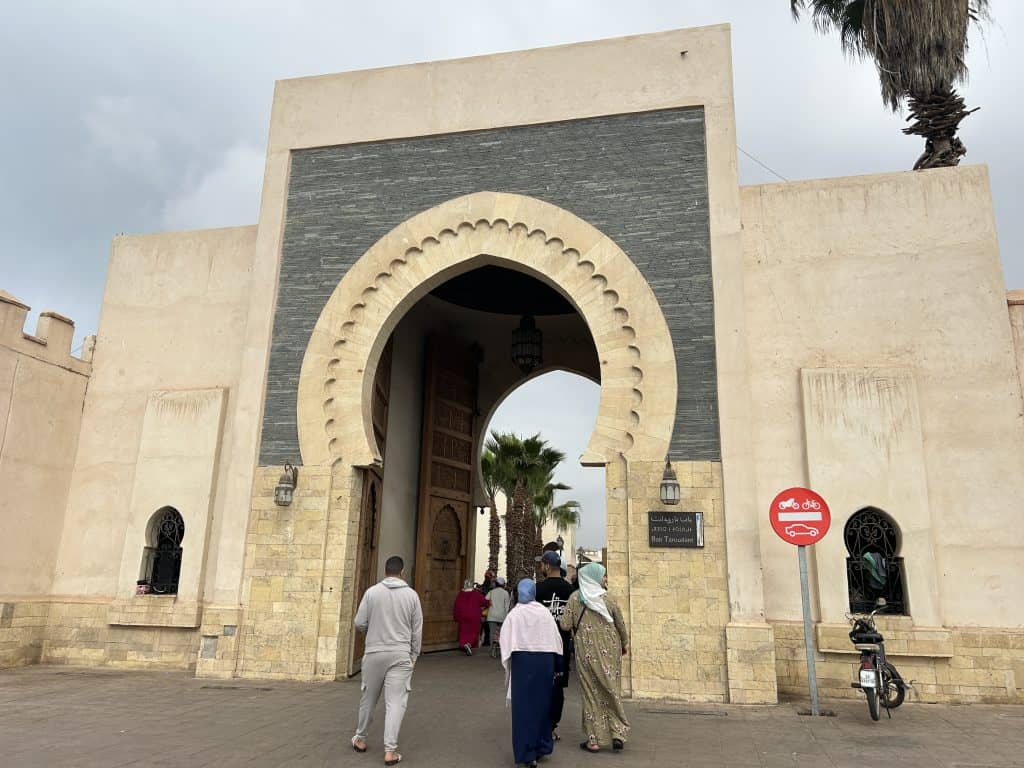
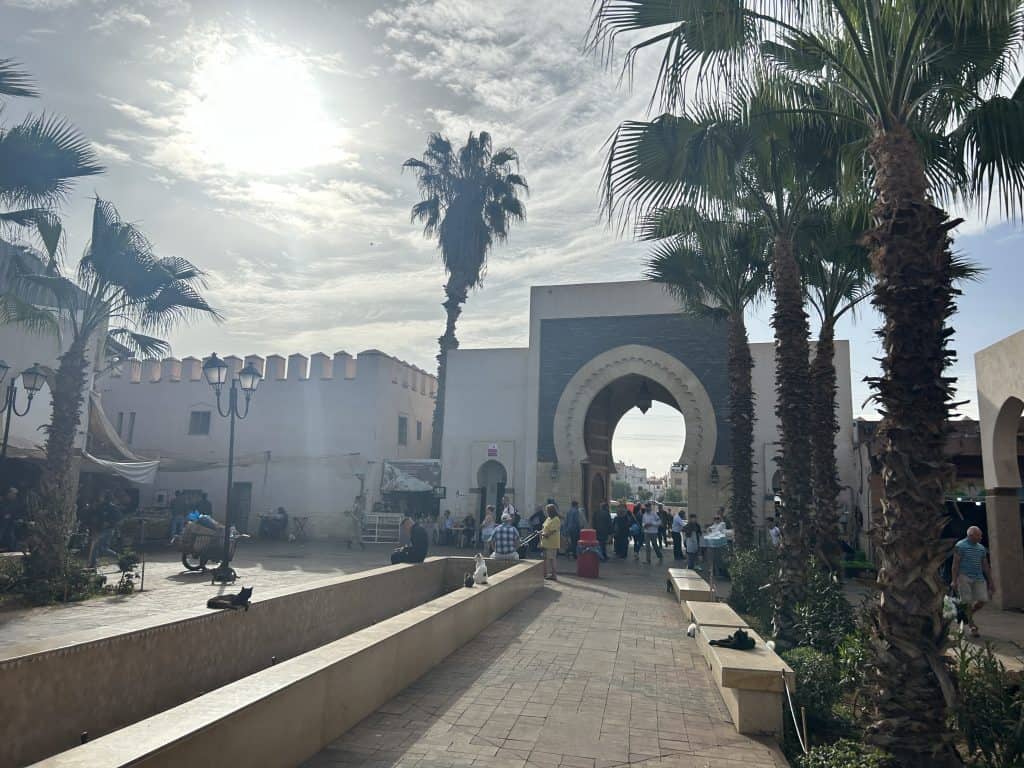
Souk El Had is the large, central market of Agadir. It is one of the largest markets in the region. The souk is enclosed by high walls and has several entrance gates. Inside, a vast network of alleys contains thousands of stalls. The market is divided into different sections. These include areas for fresh produce, spices, textiles, leather goods, and traditional Moroccan crafts. It is a major center of daily life and commerce for the residents of the city. Visiting the souk provides an insight into local culture and trade.
Marina d’Agadir
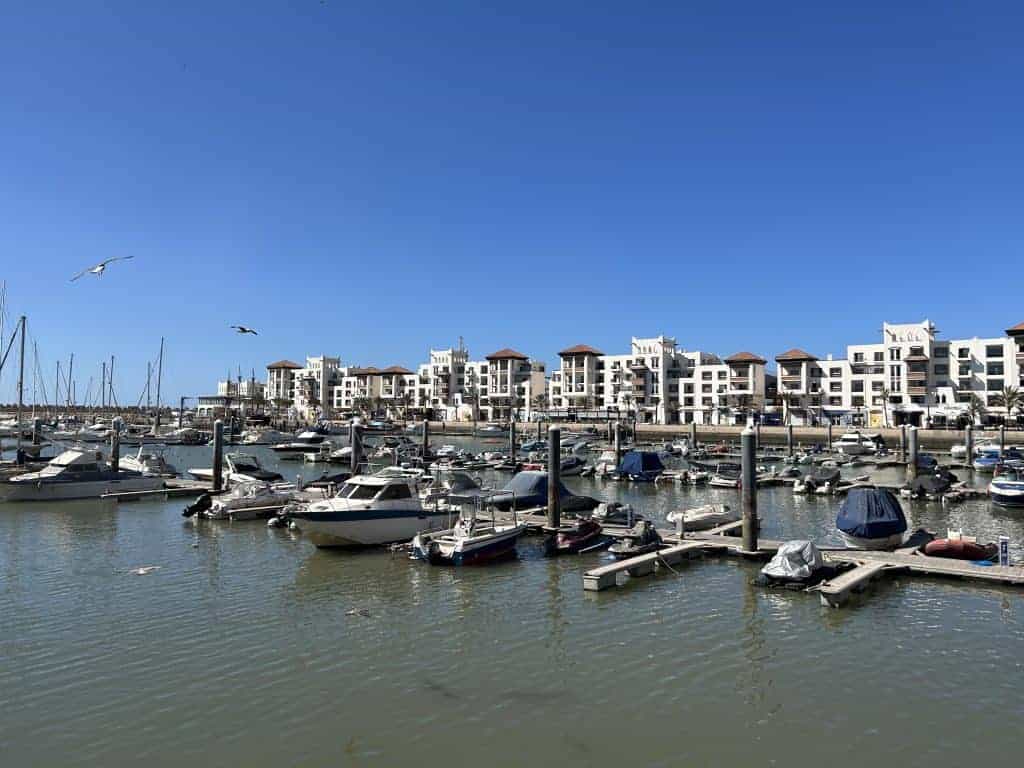
The Marina d’Agadir is a modern marina located at the northern end of the main beach, near the commercial port. The marina provides mooring for hundreds of private yachts and pleasure boats. It is surrounded by a complex of high-end apartments, shops, and restaurants. The marina is a popular area for a walk and is a center for boating and water sports activities. It represents the modern, upscale development of Agadir’s tourism sector.
Crocoparc
Located just outside the main city is Crocoparc. This is a large zoological park that is dedicated to Nile crocodiles. The park is set within a botanical garden with a wide variety of plants. The main feature is the large population of over 300 Nile crocodiles, which can be observed in a series of pools and enclosures. The park has a strong focus on conservation and education. It provides information on the biology and behavior of crocodiles. It is a popular attraction, especially for families.
Amazigh Heritage Museum
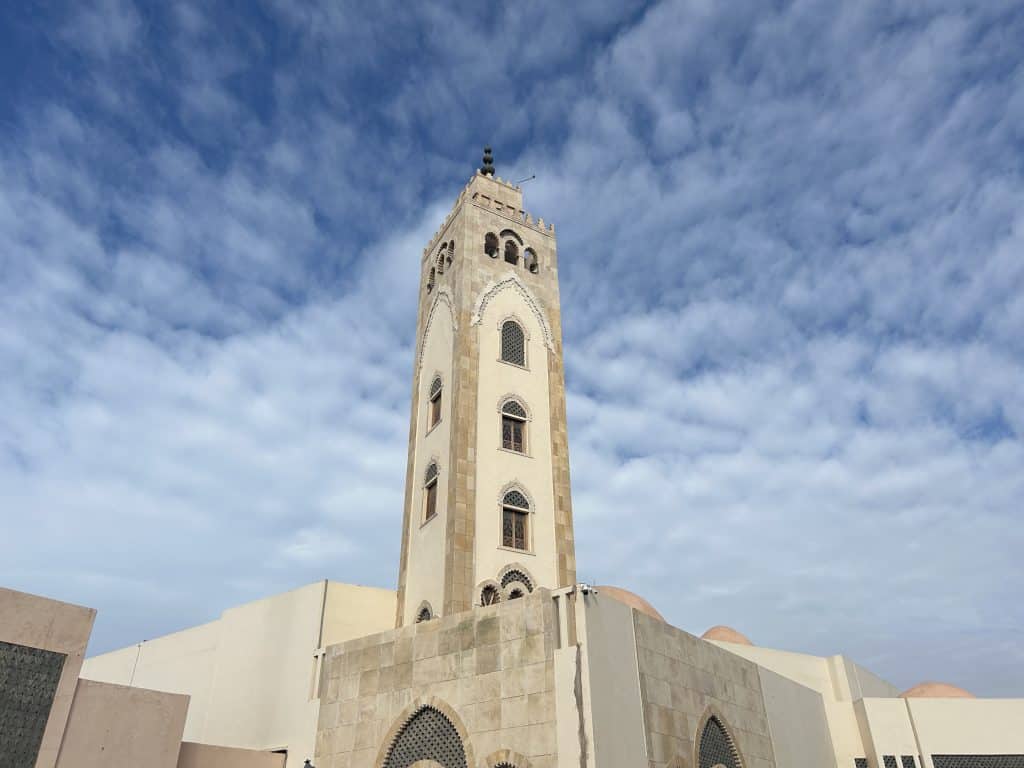
The Amazigh Heritage Museum (Musée du Patrimoine Amazigh) is dedicated to the culture and heritage of the Amazigh (Berber) people of the Souss-Massa region. The museum is located in the city center. Its collection features traditional Berber jewelry, carpets, clothing, and other artifacts. The exhibits showcase the craftsmanship and artistic traditions of the local culture. The museum provides a key insight into the indigenous heritage of the region, which is an important part of Agadir’s identity.
Medina d’Agadir (Polizzi)
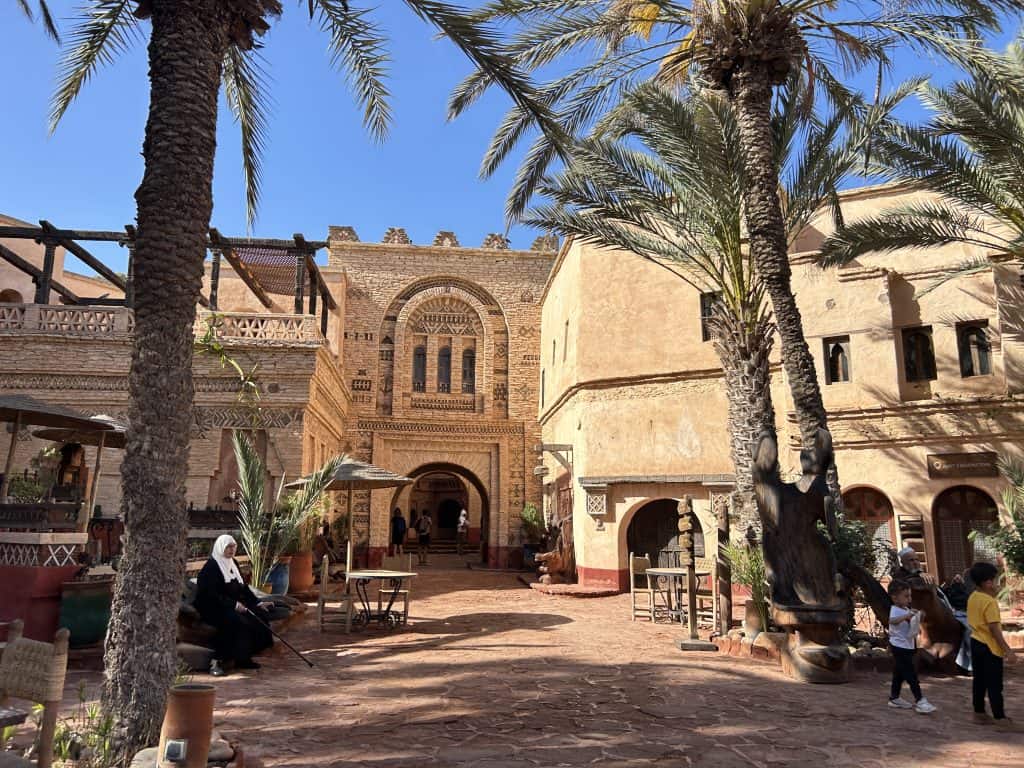
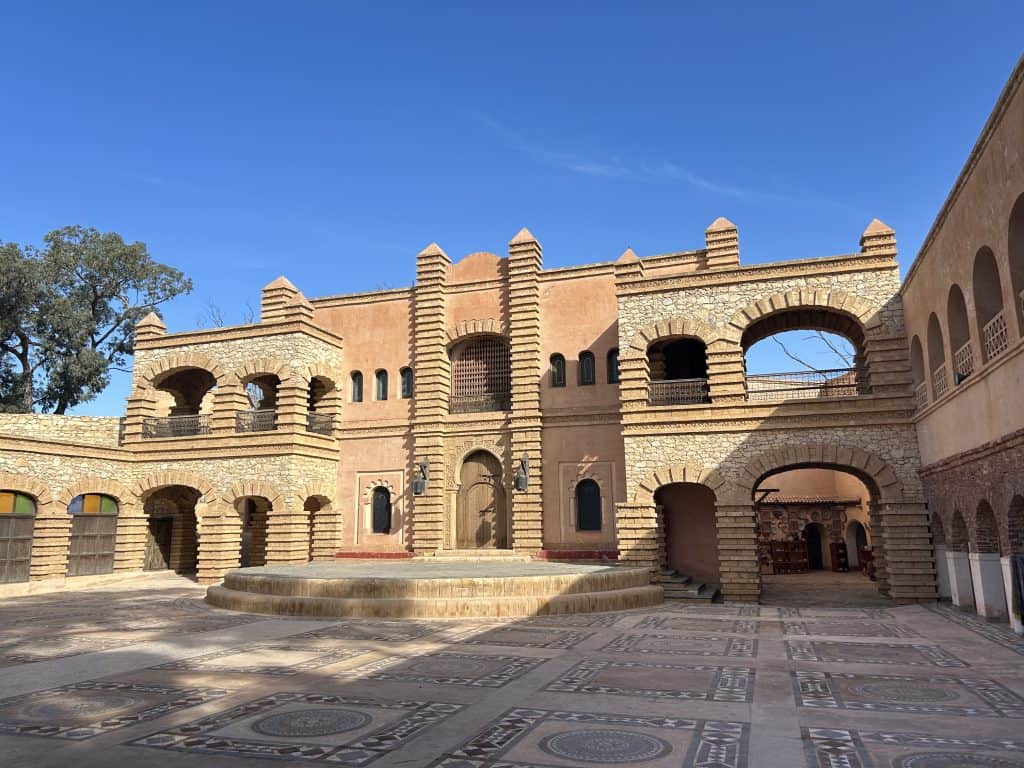
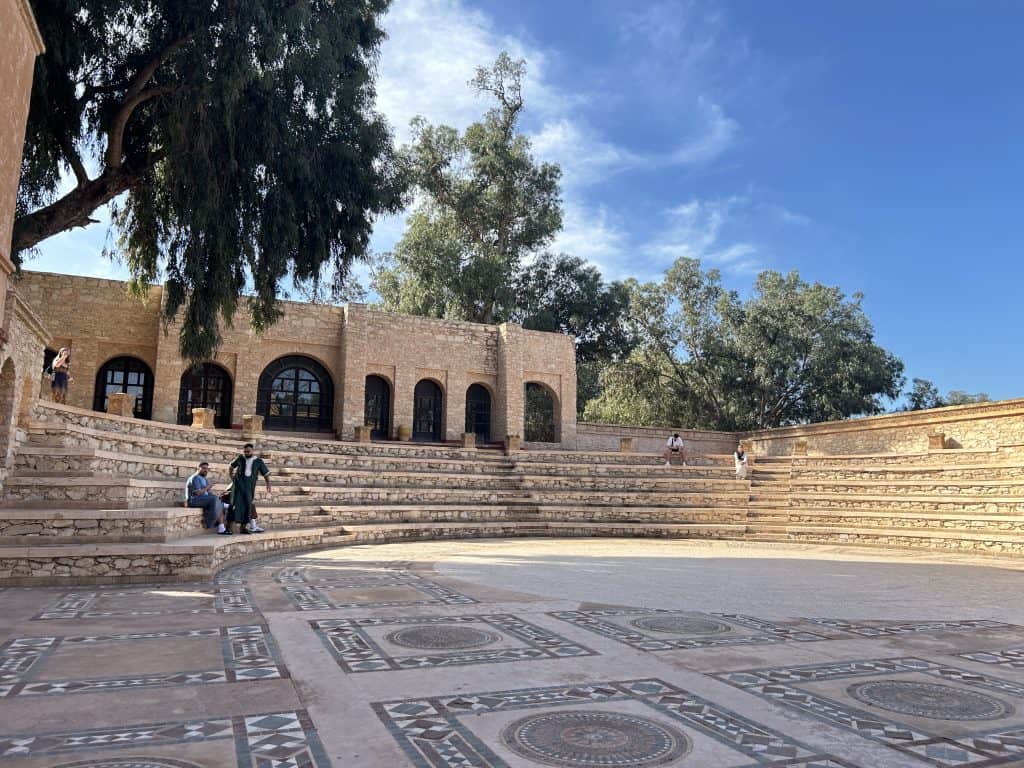
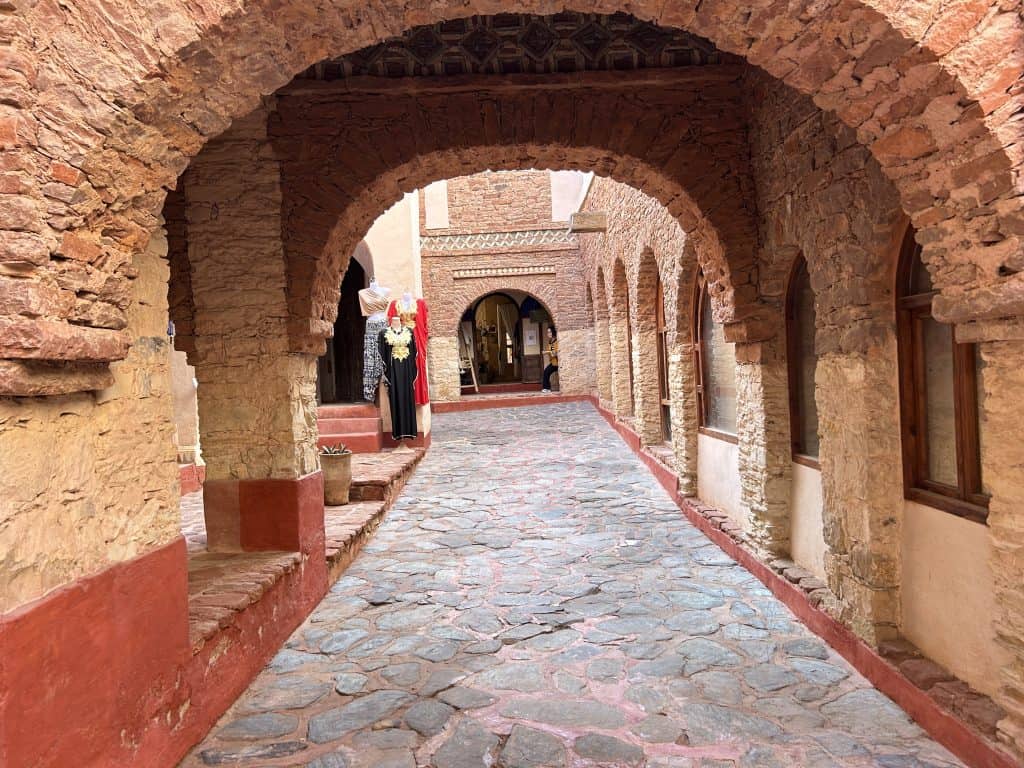
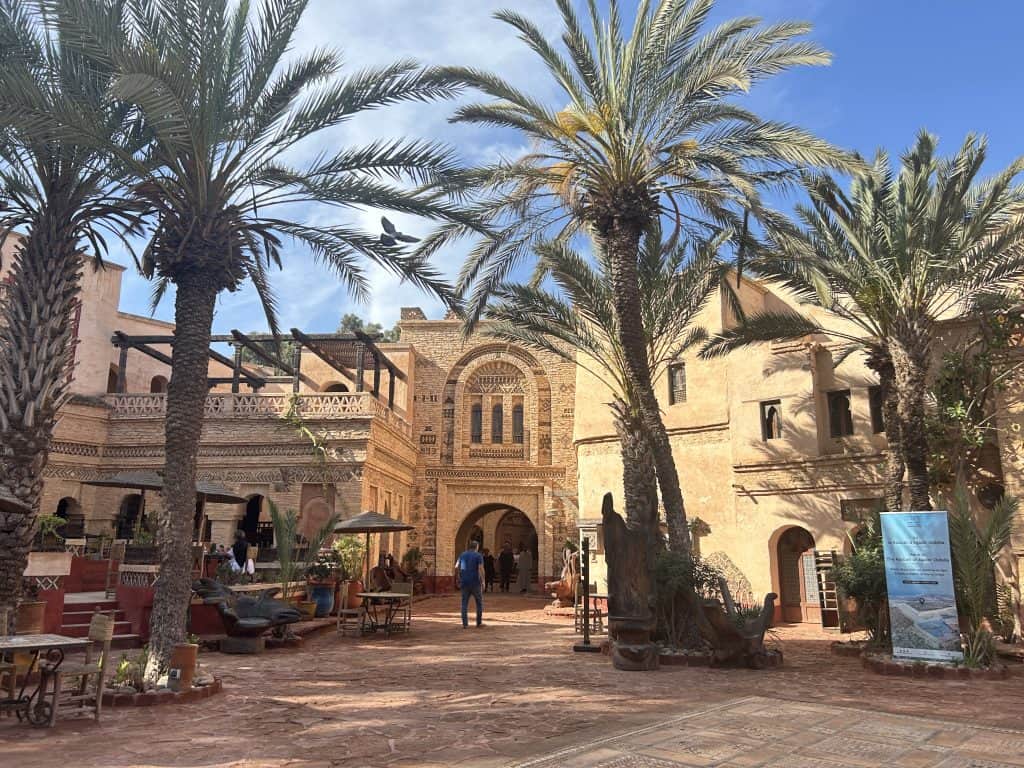
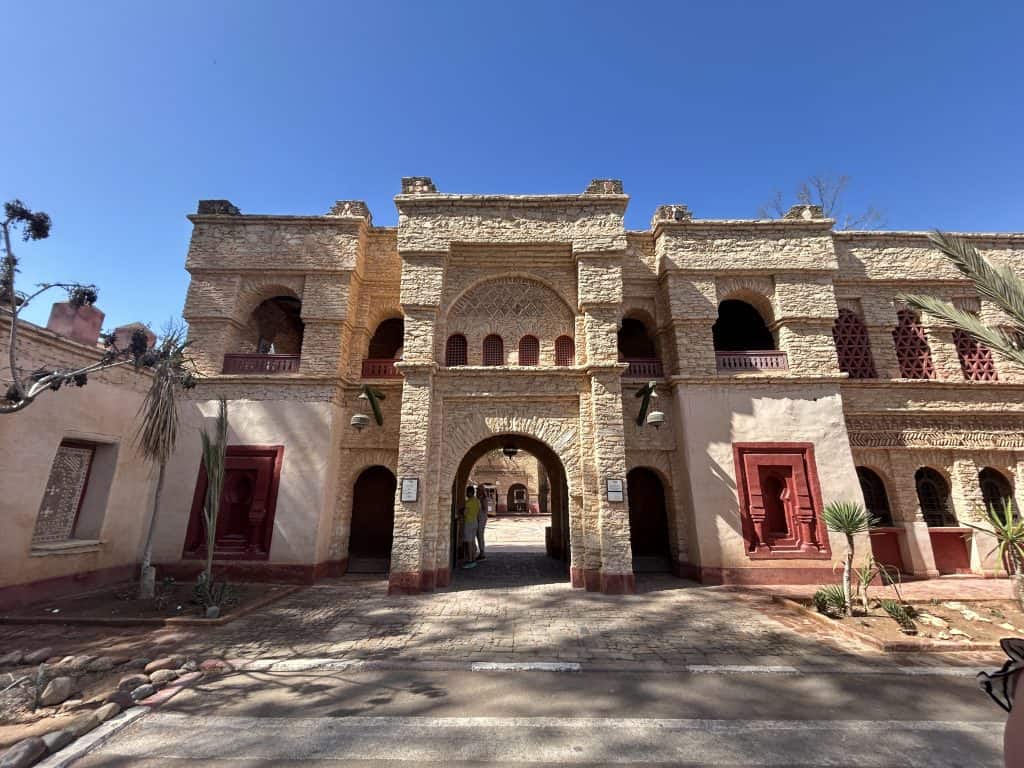
The Medina d’Agadir is a modern reconstruction of a traditional Moroccan medina. It is located in the southern part of the city. It was built in the 1990s by the Italian artist Coco Polizzi. The complex was constructed using traditional building techniques and materials. It features narrow alleyways, courtyards, and artisanal workshops. While it is not a historic medina, it was designed to give visitors a sense of what the old city might have looked like. It functions as a craft village and an open-air museum.
Vallée des Oiseaux
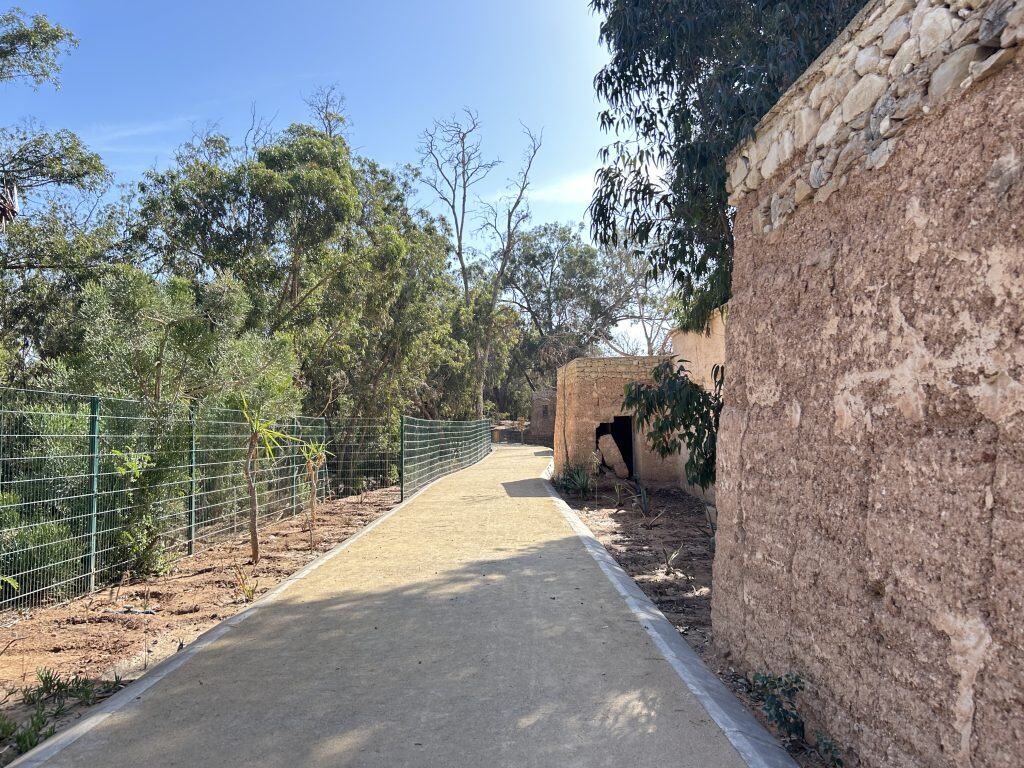
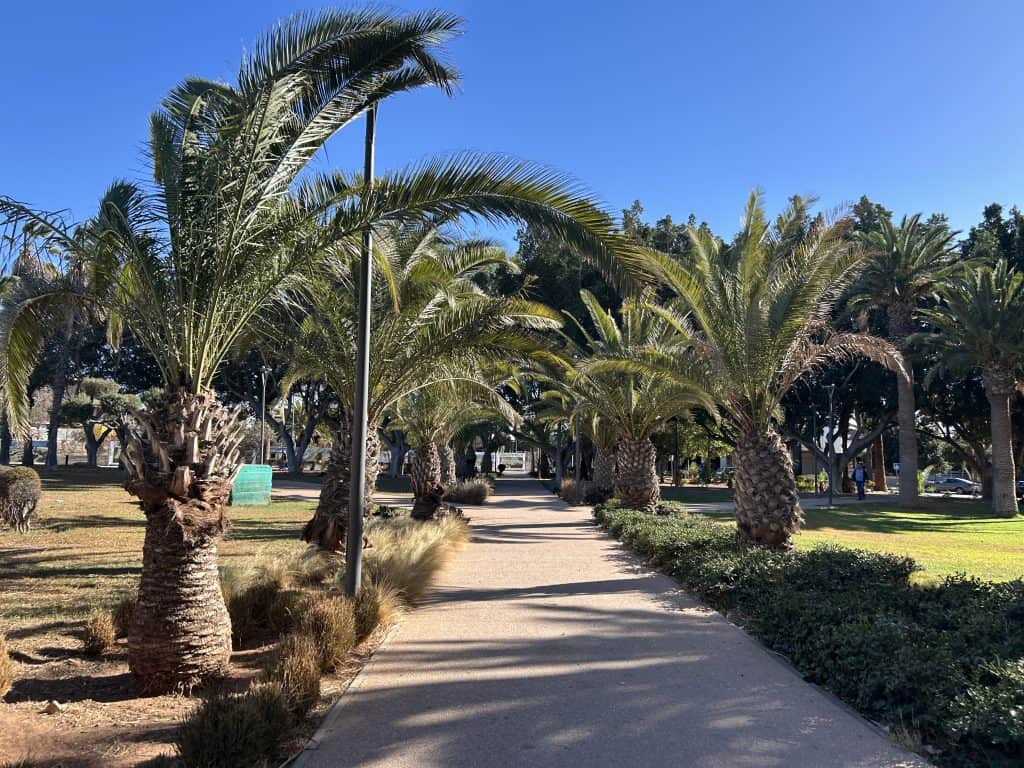
The Vallée des Oiseaux (“Valley of the Birds”) is a small zoological park located in the center of Agadir. The park is a long, narrow green space that runs through a valley in the city. It contains a collection of various bird species from around the world, as well as some other animals like mountain goats. The park provides a shaded and pleasant area for a walk. It is a popular and easily accessible attraction for families in the city center.



Sports in Agadir
Agadir has an active sports culture with a strong focus on football and a wide range of outdoor and water sports. The city’s location on the Atlantic coast and its year-round mild climate make it a major destination for activities like surfing and golf, attracting enthusiasts from across Europe. The city has invested in modern sporting infrastructure, including a large stadium capable of hosting international matches, which serves as the home for its main professional football club. This combination of professional team sports and extensive recreational opportunities defines the city’s sporting landscape.
The support for the local football team, Hassania Agadir, is a key part of the city’s social fabric, with matches drawing dedicated crowds. Beyond team sports, the city has leveraged its natural assets to become a world-renowned hub for surfing, with famous surf spots located just to the north of the city. Similarly, its golf courses are a major draw for sports tourism, particularly during the European winter months. This focus on outdoor and lifestyle sports, combined with a traditional passion for football, gives Agadir a diverse and active character.
Football
Football is the most followed sport in Agadir, as it is throughout Morocco. The city is home to a professional football club that has a long history and represents the city and the wider Souss region in the national league. The club has a dedicated local following, and its matches are important community events. The sport is played at all levels, from amateur and youth leagues to the professional team. The city’s main stadium is a modern facility that has also hosted matches for the Moroccan national team, further cementing football’s importance in the region.
Hassania Agadir
The city’s main professional football club is Hassania Union Sport d’Agadir (HUSA). Founded in 1946, the club competes in the Botola Pro, the top tier of Moroccan football. They have won the league championship twice, in the 2001-02 and 2002-03 seasons, which remains the most successful period in the club’s history. They play their home games at the Adrar Stadium, a modern multi-purpose stadium that was opened in 2013. The stadium has a capacity of 45,000 and is one of the premier sporting venues in the country. The team, known for its red and white colors, is a key institution in the city and a source of regional pride.
Surfing
Agadir is the undisputed hub of surfing in Morocco and is considered a world-class destination for the sport. The region’s coastline is exposed to the Atlantic Ocean’s swells, which creates a wide variety of waves suitable for all skill levels, from beginners to professional surfers. The area benefits from consistent waves, particularly during the autumn and winter months, from September to April. The local culture is deeply intertwined with surfing, with numerous surf camps, schools, and rental shops located along the coast. This has made the region a primary destination for surf tourism from across Europe and the world.
Taghazout and Anchor Point
The village of Taghazout, located just north of Agadir, is the epicenter of the region’s surfing scene. This former fishing village has been transformed into a major surf town. It is famous for its numerous surf spots, the most well-known of which is Anchor Point, a world-renowned right-hand point break that can produce long, powerful waves. Other famous spots in the area include Killer Point and Boilers. The variety of breaks in a small area makes Taghazout a destination for surfers of all abilities. The town has a laid-back atmosphere centered entirely around surf culture.
Golf
The mild, sunny, year-round climate of Agadir has made it a premier destination for golf in Morocco. The city and its immediate surroundings are home to several high-quality golf courses that attract visitors, particularly from Europe, during the winter months. These courses are often part of larger resort complexes and feature modern designs by well-known architects. They are set within landscaped grounds, often with views of the surrounding landscape. Golf is a key part of the city’s sports tourism industry.
Golf du Soleil
The Golf du Soleil is one of the most well-known golf complexes in Agadir. It features two 18-hole championship courses, the “Championship Course” and the “Tikida Course.” The courses are set within a landscape of eucalyptus trees and water features. The facility was designed by the golf course architect Fernando Mueller. It has hosted several professional tournaments, including events on the Ladies European Tour. The complex also includes a driving range and a golf academy.
Golf de l’Océan
The Golf de l’Océan is another major golf facility in Agadir. The complex features a 27-hole course designed by the architect Belt Collins. The course is divided into three 9-hole loops named Desert, Garden, and Sea. This allows for three different 18-hole combinations. The course is situated in a natural setting of sand dunes and eucalyptus trees, with four lakes integrated into the layout. The facility also has a large driving range and a clubhouse with views of the course.
Royal Golf Agadir
The Royal Golf Agadir is one of the older golf courses in the region. It is a 9-hole course located in a serene, park-like setting. The course is known for its mature trees and natural feel. While it is not a long championship course, it offers a different kind of golfing experience. Its location within a lush, green environment provides a contrast to the more modern desert-style courses in the area. It is a key part of the history of golf in Agadir.






Getting Around in Agadir
Navigating Agadir is relatively straightforward due to its modern layout and grid street plan. The main tourist area along the beach is highly walkable. For longer distances, the city has a local bus network and two types of taxis. The wide boulevards and flat terrain also make it suitable for cycling.
On Foot: The Beachfront and City Center
Walking is the best way to explore the central tourist area of Agadir. The long seaside promenade runs the length of the beach and connects the marina with the main hotel district. This is a wide, pedestrian-friendly zone. The main commercial avenues in the city center are also walkable. Comfortable footwear is recommended for exploring the different parts of the city on foot.
Local Buses
The public transport in Agadir is operated by the company ALSA. A comprehensive network of modern city buses serves all parts of Agadir and connects it with nearby towns and villages like Taghazout. The buses are an economical way to travel around the city. Tickets can be purchased on board. The network is a key mode of transport for local residents.
A Quick Ride: Petits and Grands Taxis
Taxis are a very common and convenient way to get around Agadir. There are two types of taxis. The petits taxis (small taxis) are typically red and are licensed to operate only within the city limits. They are metered, and it is standard practice to ensure the meter is used. For travel outside the city, such as to the airport or other towns, you must use a grand taxi. These are larger, shared taxis that operate on set routes for a fixed price per seat.


How to Get to Agadir
Reaching Agadir is convenient, as it is served by a major international airport and is well-connected to the Moroccan road network. As a primary tourist destination, it is highly accessible from Europe.
Arriving by Air: Agadir–Al Massira Airport
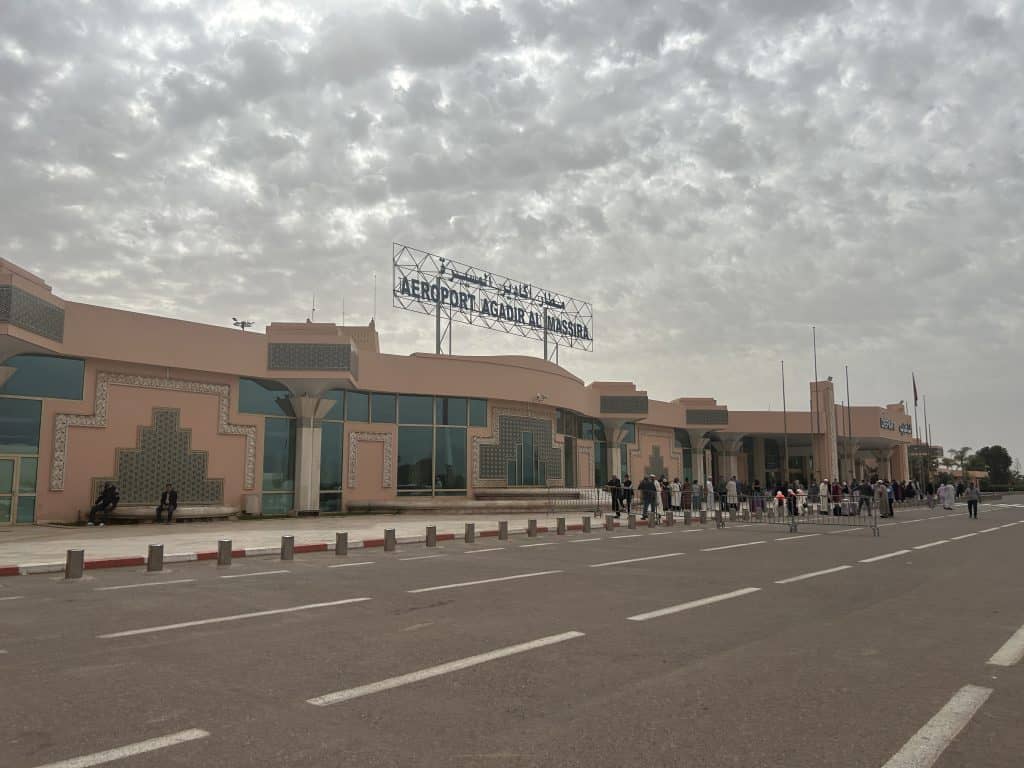
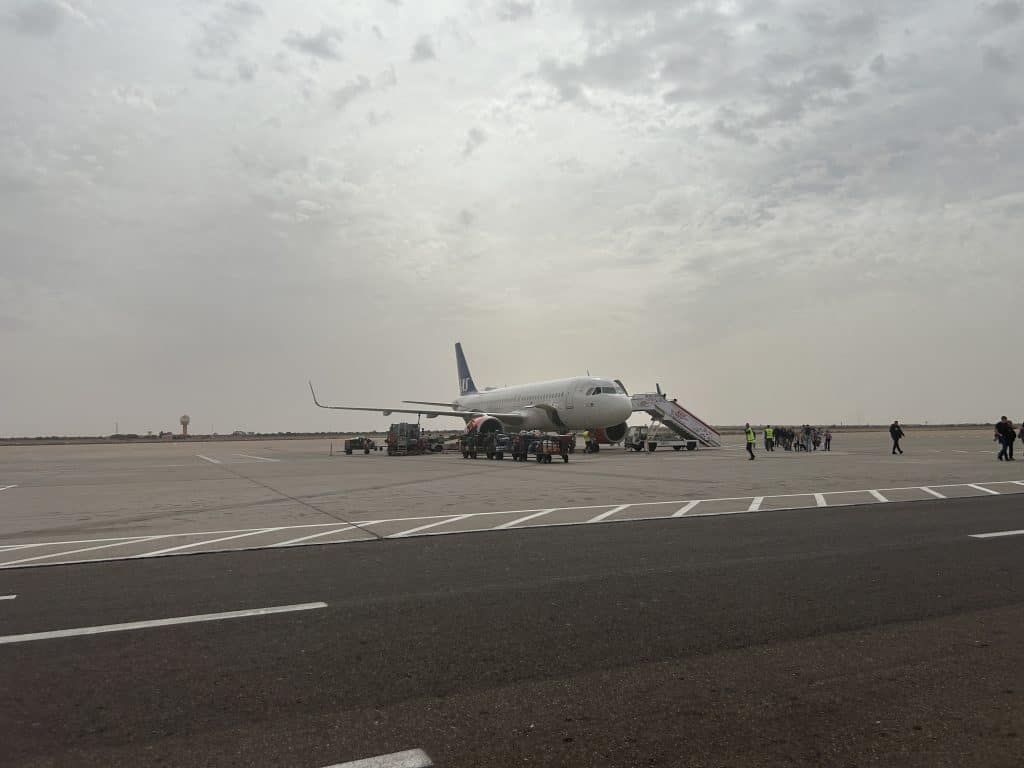
The primary gateway to the city is Agadir–Al Massira Airport (AGA). It is located approximately 25 kilometers southeast of the city center. The airport is one of the busiest in Morocco. It handles numerous international flights, particularly from France, Germany, and the United Kingdom. Many low-cost carriers, such as Ryanair and easyJet, operate routes to Agadir, especially during the European winter season. From the airport, taxis and airport shuttle buses provide transfers to the city.
The Open Road: Driving to Agadir
Driving to Agadir offers flexibility for exploring the Souss-Massa region. The city is connected to Morocco’s modern motorway network. The A3 motorway connects Agadir with the major city of Marrakech. The drive from Marrakech takes approximately 3 hours. The main N1 national road runs along the Atlantic coast, connecting Agadir with Essaouira to the north and with the Western Sahara to the south.
Connecting by Coach
Long-distance bus travel is a very popular and economical way to reach Agadir from other parts of Morocco. The city’s main bus terminal is the Gare Routière d’Agadir. Major Moroccan bus companies like CTM and Supratours operate frequent and comfortable services. Direct routes connect Agadir with all major cities, including Marrakech, Casablanca, and Essaouira. These services are used by both locals and tourists.
On Track: The Absence of Rail
There is no train service to Agadir. The Moroccan national railway network, operated by ONCF, does not extend to the city. The closest major train station is located in Marrakech. Travelers wishing to use the train for part of their journey would need to take a train to Marrakech. From there, they would have to transfer to a long-distance bus service for the final leg of the journey to Agadir.
The Atlantic Route: Arriving by Sea
The Port of Agadir is a major commercial and fishing port. However, it does not have regular international passenger ferry services. The port is a regular port of call for international cruise ships. For these ships, the port provides a gateway for passengers to visit the city and the surrounding region for the day. There are no ferry connections to the nearby Canary Islands or to Europe.
Driving Distances
The driving distance from 10 regional cities, according to Google Maps:
- Marrakech, Morocco – 250 kilometers (3 h 10 min)
- Essaouira, Morocco – 175 kilometers (3 h 00 min)
- Casablanca, Morocco – 470 kilometers (4 h 50 min)
- Rabat, Morocco – 558 kilometers (5 h 40 min)
- Tangier, Morocco – 810 kilometers (8 h 00 min)
- Seville, Spain – 860 kilometers (11 h 30 min, includes ferry)
- Lisbon, Portugal – 1,080 kilometers (13 h 20 min, includes ferry)
- Madrid, Spain – 1,390 kilometers (17 h 20 min, includes ferry)
- Algiers, Algeria – 1,590 kilometers (20 h 30 min)
- Paris, France – 2,860 kilometers (1 d 8 h 00 min, includes ferry)
Looking to Explore more of Morocco and Africa?