
Aabenraa | Exploring Denmark
Aabenraa is a port town in the region of Southern Jutland (Sønderjylland), Denmark. The city is situated at the head of the Aabenraa Fjord, a long, deep inlet of the Little Belt strait. With a population of approximately 16,500 residents, Aabenraa is a key commercial and administrative center within the larger Aabenraa Municipality. The town has a long and significant history as a maritime center. Its location near the Danish-German border has also given it a unique cultural character.
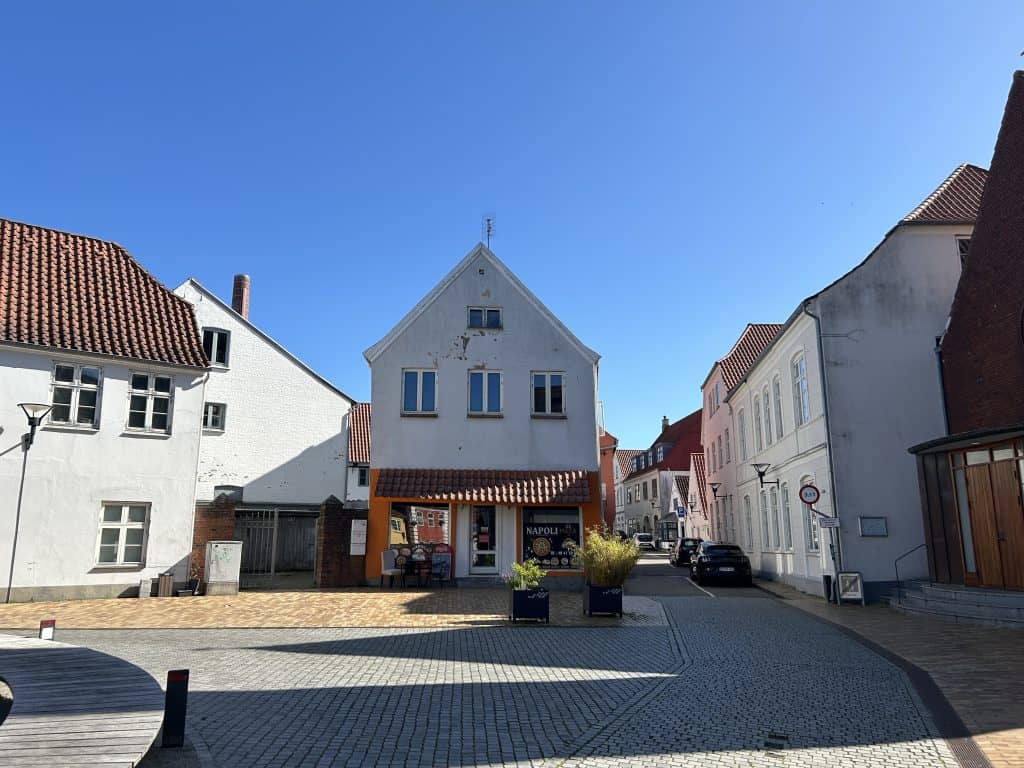
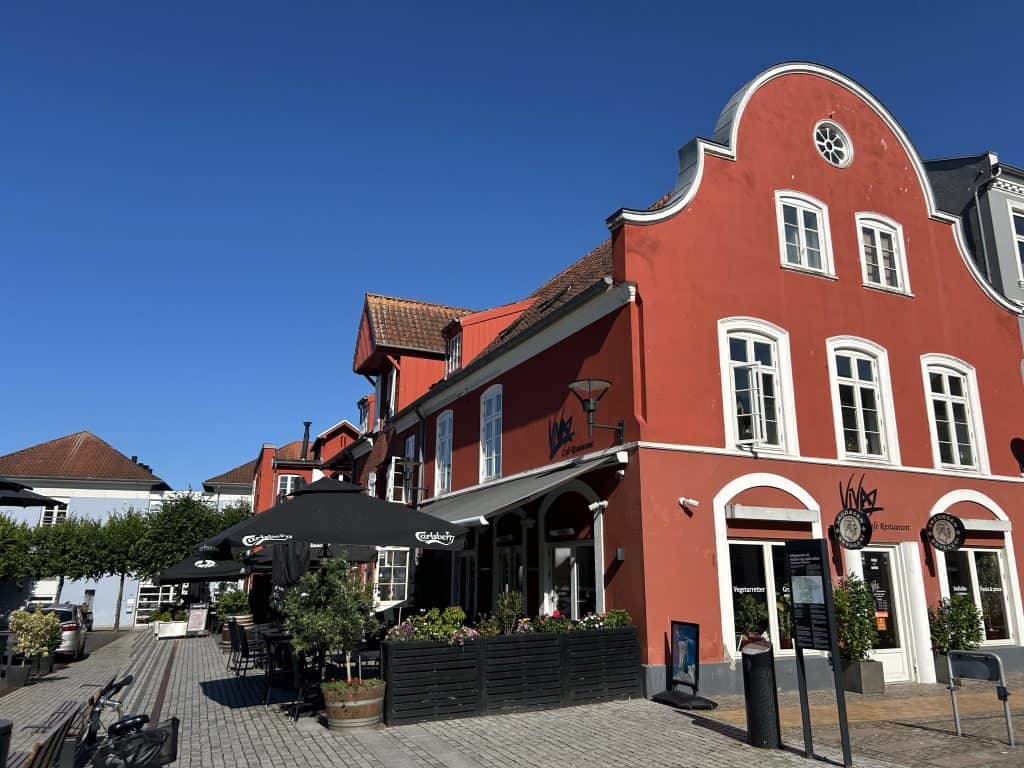
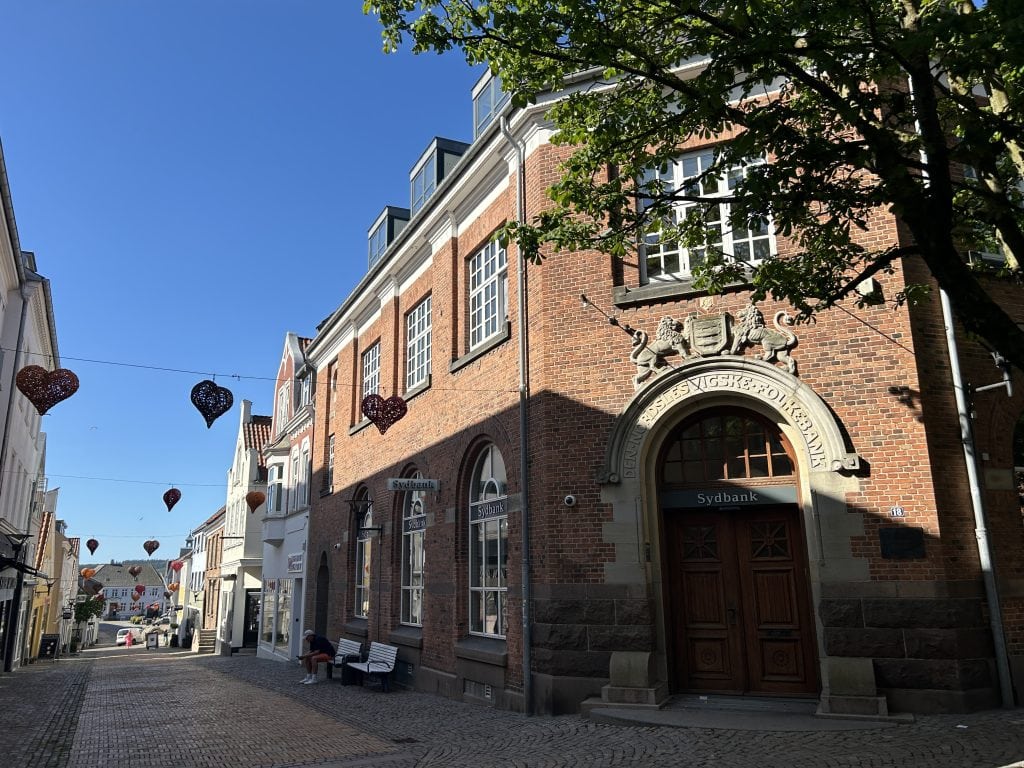
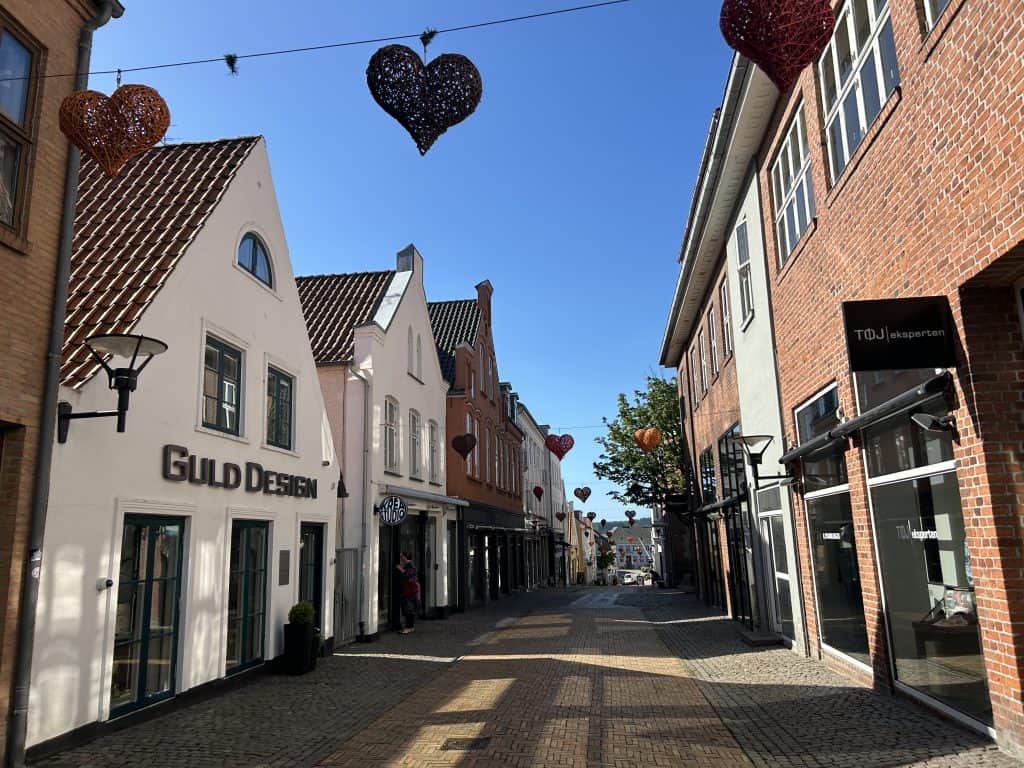
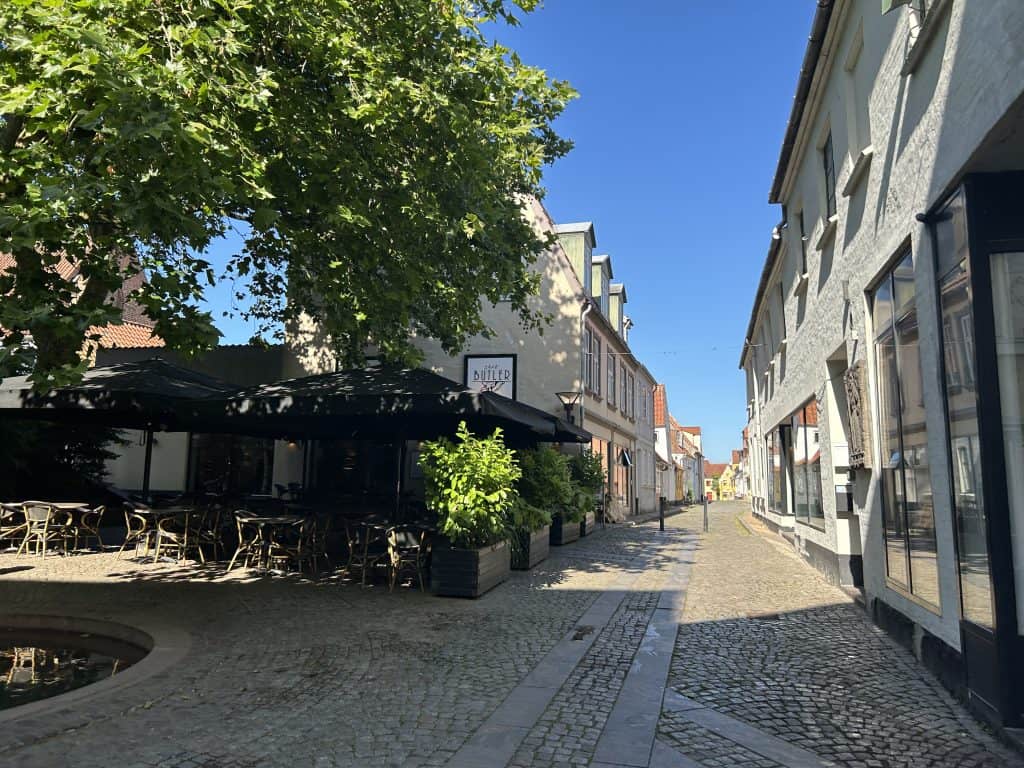
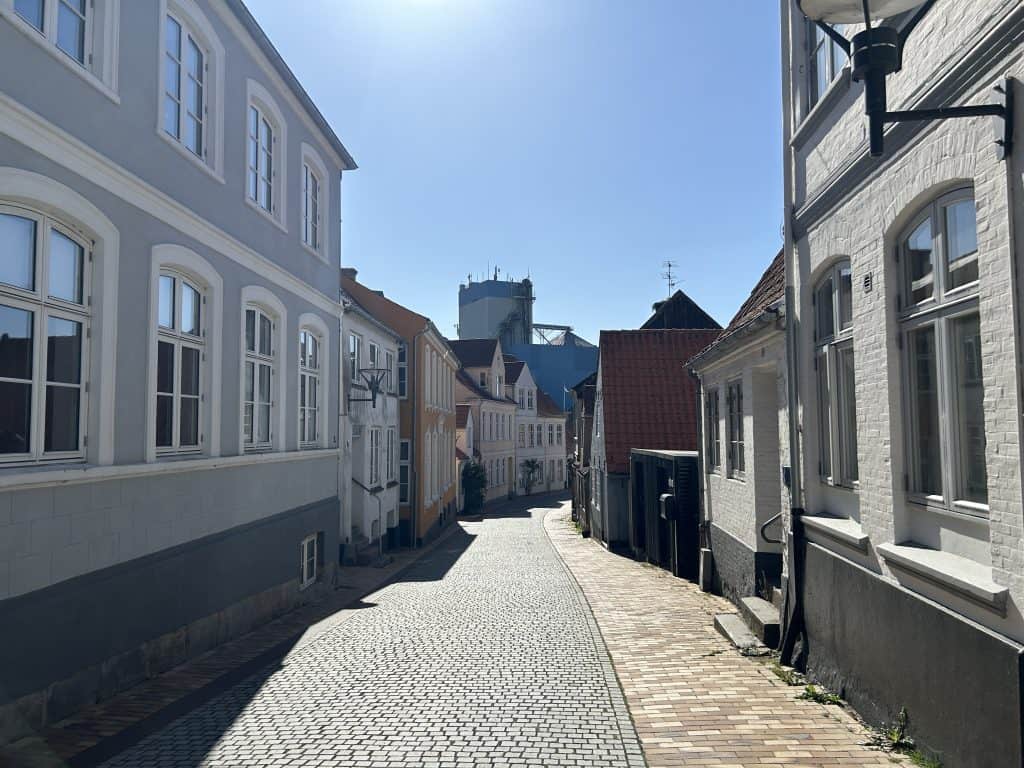
The character of Aabenraa is defined by its well-preserved old town and its active harbor. The historic center features a network of cobblestone streets and numerous 18th-century houses, many of which are known for their distinctive, colorful front doors. This historic core sits alongside a modern commercial port, which is one of the most important in the region. The town is also the center for the German minority in Denmark, with a German-language school, library, and newspaper.

A Short History of Aabenraa
The history of Aabenraa is that of a major medieval seaport that became a center for global shipping in the 18th century. Its development has been profoundly shaped by its location within the historically contested Duchy of Schleswig. For centuries, the town’s allegiance shifted between Danish and German rule. This complex past, culminating in its reunification with Denmark in 1920, is a key part of its identity. This history is reflected in the town’s architecture and its cultural institutions.
Medieval Origins and the Duchy of Schleswig
The history of settlement in the Aabenraa area dates back to the early Middle Ages. The town, originally named Opnør, emerged around the 12th and 13th centuries. It grew around a castle and received market town privileges. For centuries, its history was tied to the Duchy of Schleswig, a territory that was a fief of the Danish crown but had strong historical connections to the German county of Holstein. This dual identity shaped the town’s development and its political allegiances.
The Golden Age of Shipping
The 18th and early 19th centuries were the golden age for Aabenraa. The town became one of Denmark’s leading shipping centers, second only to Copenhagen. Its merchant fleet was one of the largest in the kingdom. The shipyards of Aabenraa were renowned for building high-quality sailing ships. These ships traded across the globe, with routes to the Mediterranean, China, and South America. This period of great prosperity saw the construction of many of the fine burgher houses that still characterize the old town today.
Prussian Rule and Reunification
In 1864, following the Second Schleswig War, the Duchy of Schleswig was incorporated into the Kingdom of Prussia, and Aabenraa came under German rule. This period lasted until the end of World War I. After the war, the Schleswig Plebiscites of 1920 were held to determine the future of the region based on the principle of self-determination. The northern part of Schleswig, including Aabenraa, voted to rejoin Denmark. The reunification in 1920 is a defining moment in the town’s modern history and is still commemorated locally.

Things to Do and See
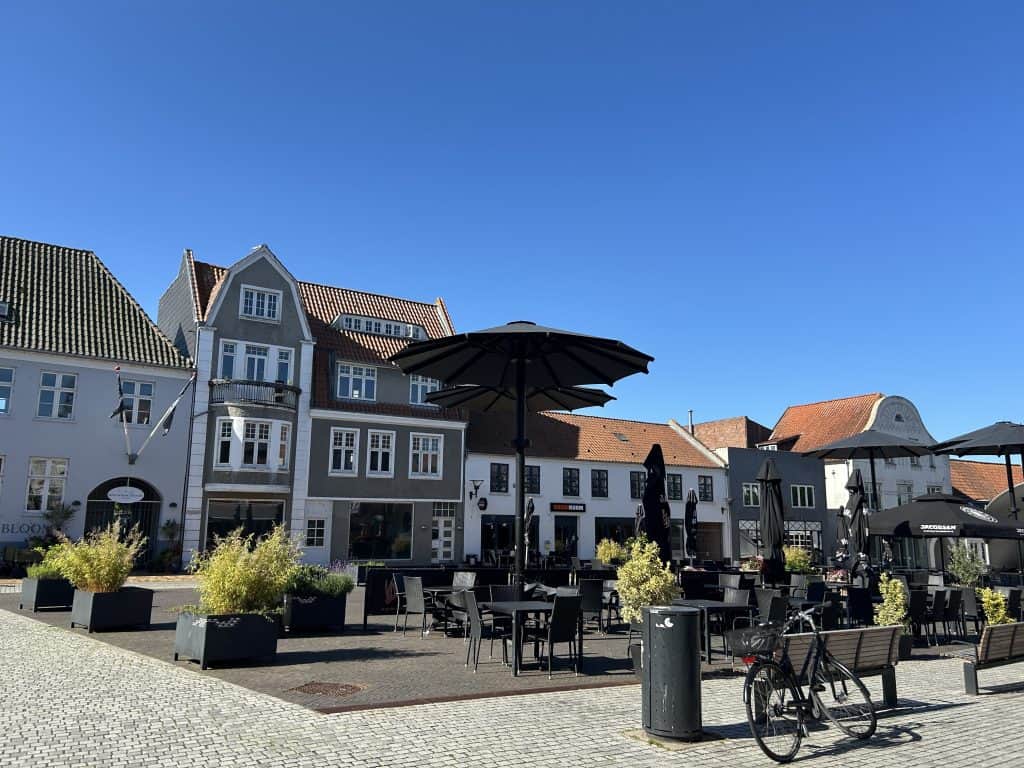
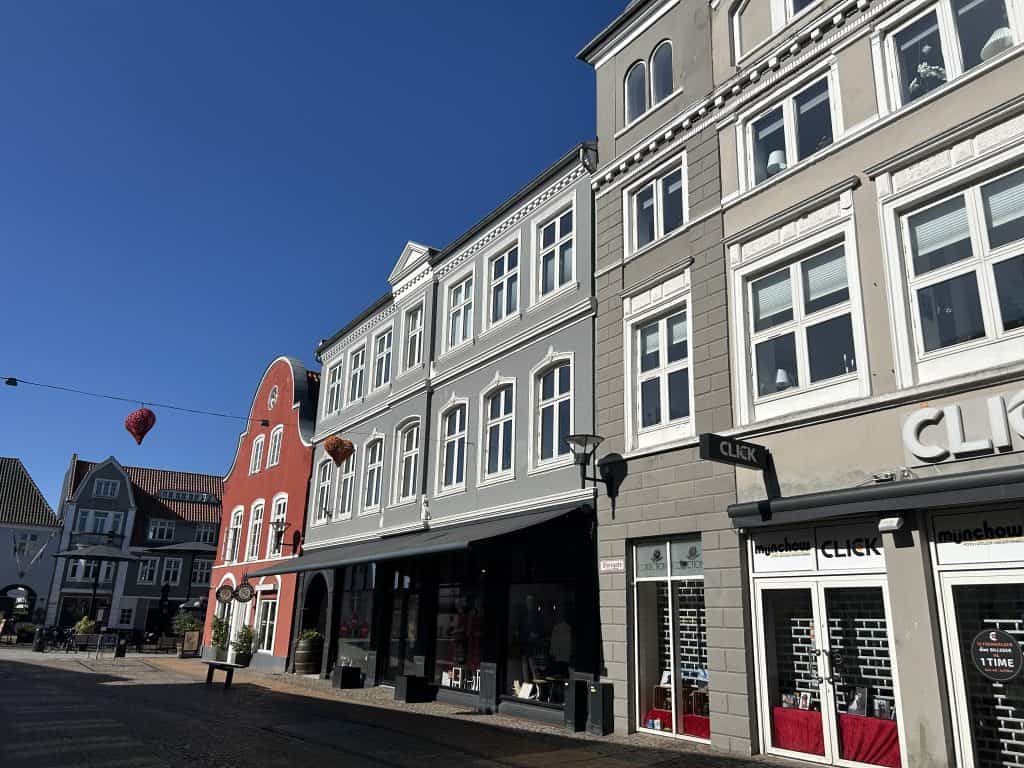
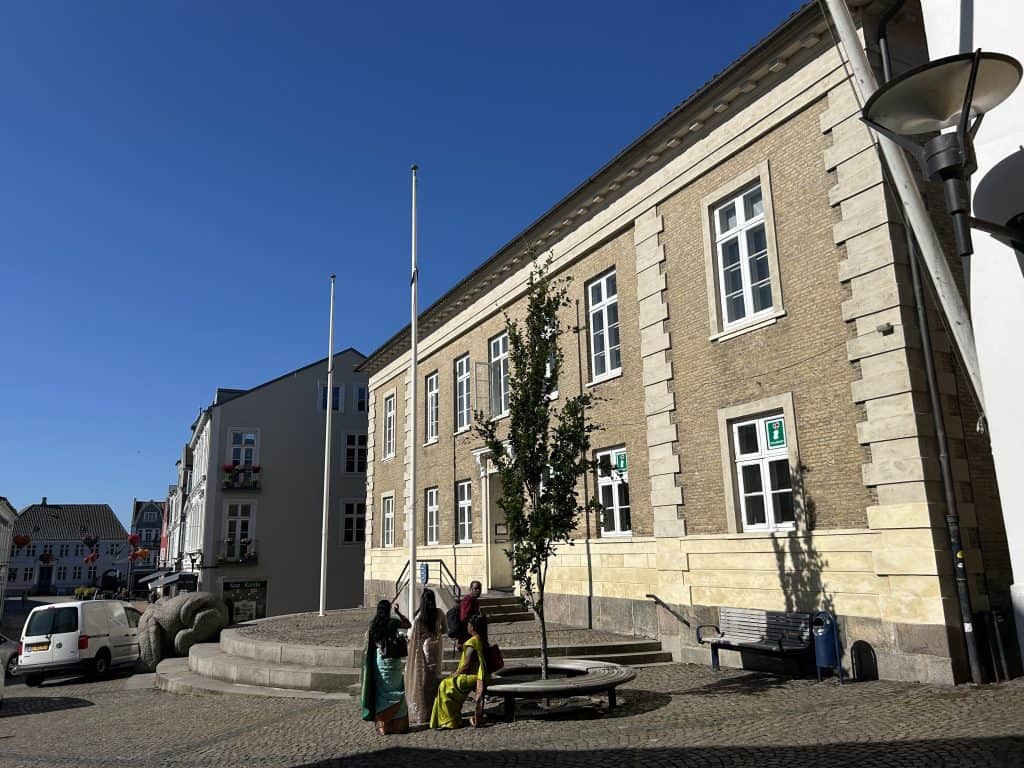
The sights in Aabenraa are concentrated in its historic old town and around its harbor. The main points of interest include the town’s historic castle, several museums dedicated to its art and maritime history, and its medieval church. The preserved streets of the old town are an attraction in their own right.
The Old Town
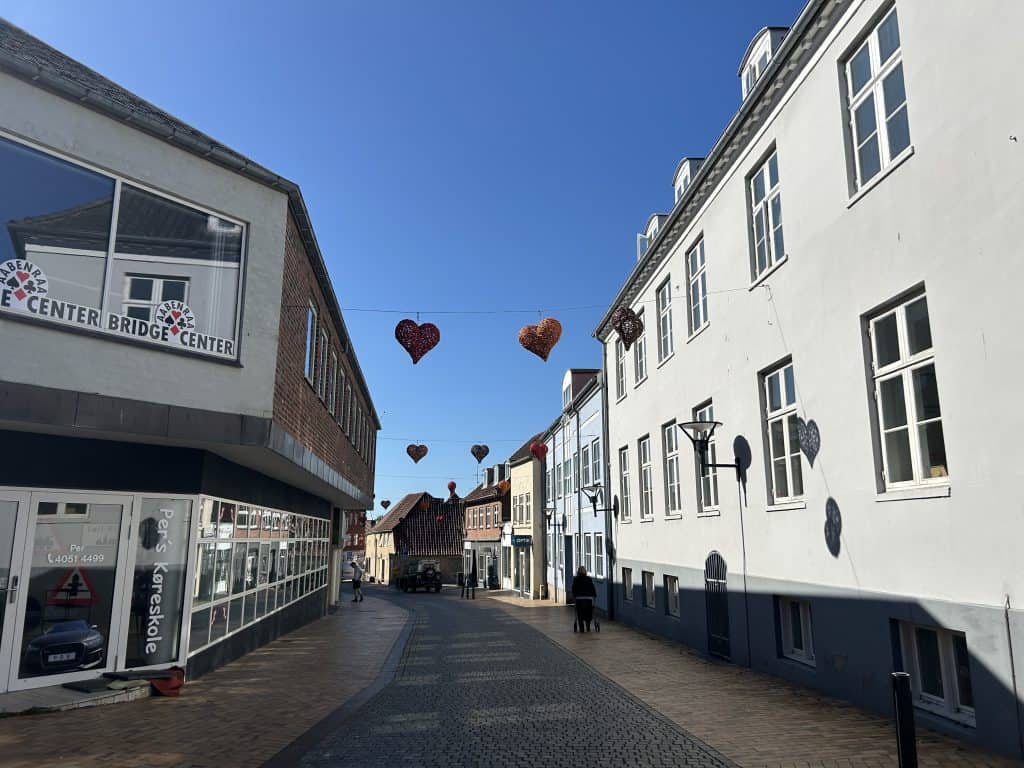
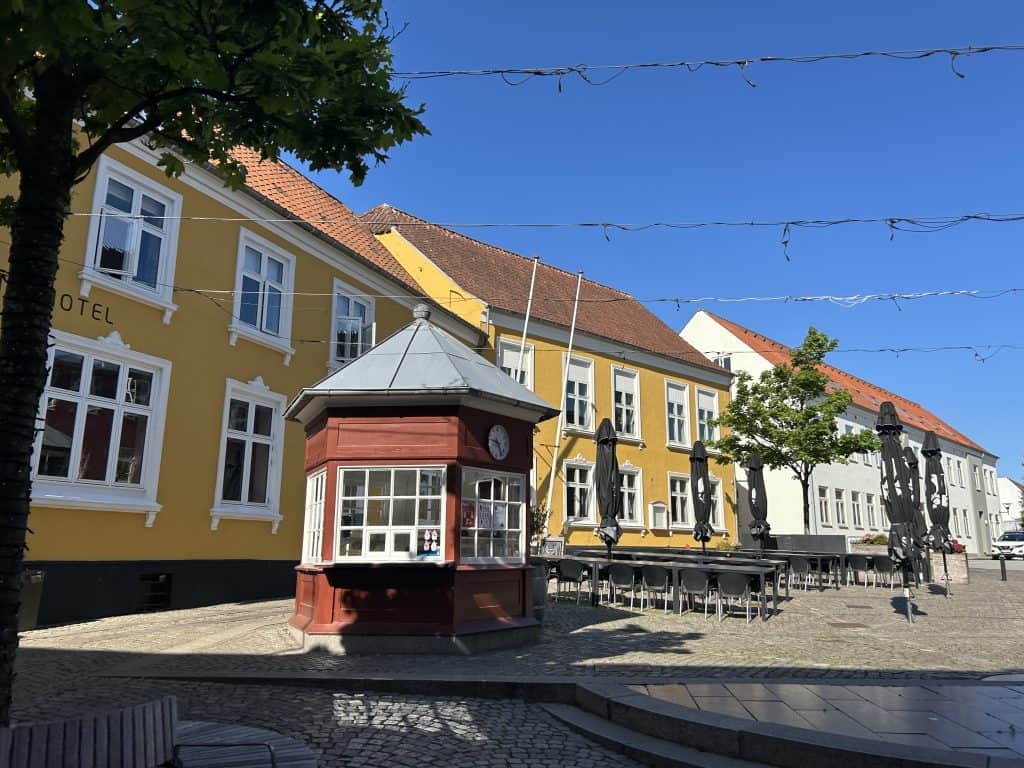
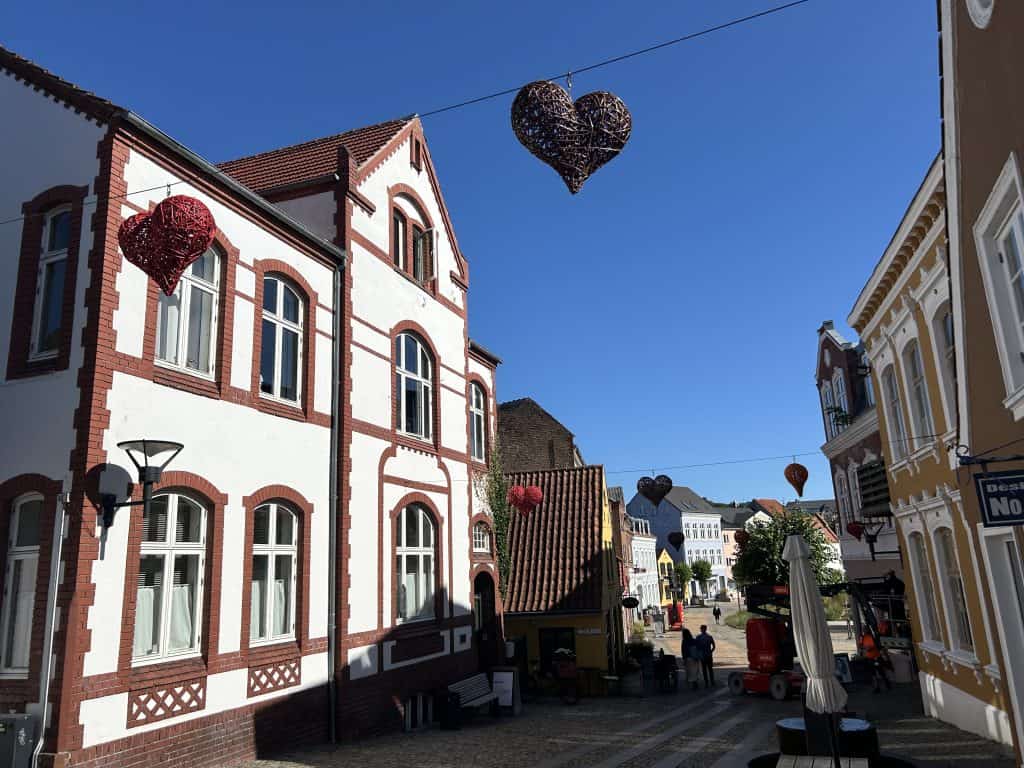
The Old Town (Gamle By) of Aabenraa is known for its well-preserved historic character. The area features a network of cobblestone streets and numerous burgher houses dating from the 18th century. A distinctive feature of the old town is the large number of houses with unique, often brightly colored, front doors. A walk through streets like Store Pottergade and Lille Pottergade provides a look at the architecture from the town’s golden age of shipping.
Brundlund Castle
Brundlund Castle (Brundlund Slot) is the town’s historic castle. The current structure has its origins in the 15th century and was built by Queen Margaret I. It is located on a small island in the castle’s mill stream. For centuries, it served as the residence of the local governor. Today, the castle houses the main branch of the Museum Sønderjylland, serving as an art museum. The collection focuses on Danish art from the 20th century to the present day. The castle is surrounded by a public park.
Aabenraa Museum
The Aabenraa Museum (Museum Sønderjylland – Kulturhistorie Aabenraa) is the local cultural history museum. It is housed in a historic building in the town center. The museum’s exhibitions detail the history of Aabenraa and the surrounding Southern Jutland region. It provides context on the town’s development, its multicultural history, and the daily life of its residents. The museum is another branch of the larger Museum Sønderjylland organization.
Maritime Museum Aabenraa
The Maritime Museum Aabenraa (Søfartsmuseet i Aabenraa) is dedicated to the town’s significant shipping history. The museum is located in a historic building near the harbor. Its collections showcase the period from the 18th to the 20th century when Aabenraa was a major maritime power. The exhibits include ship models, paintings of ships, navigational instruments, and artifacts brought back by sailors from around the world. It provides a detailed look into the golden age of shipping that defined the town.
St. Nicolai Church
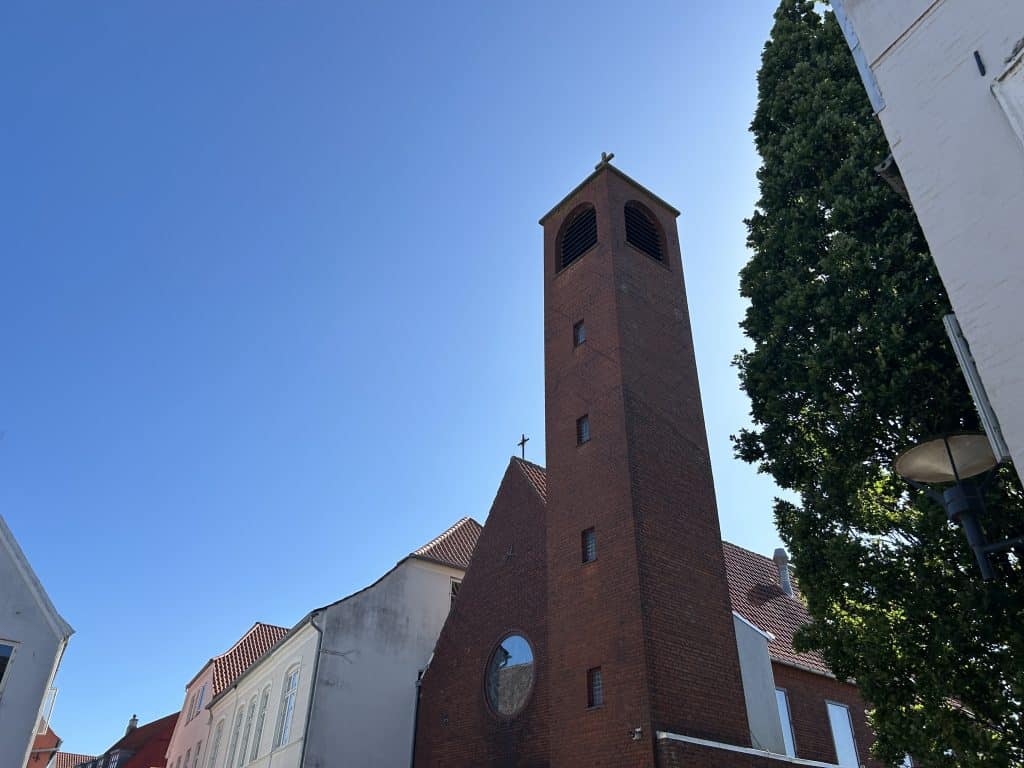
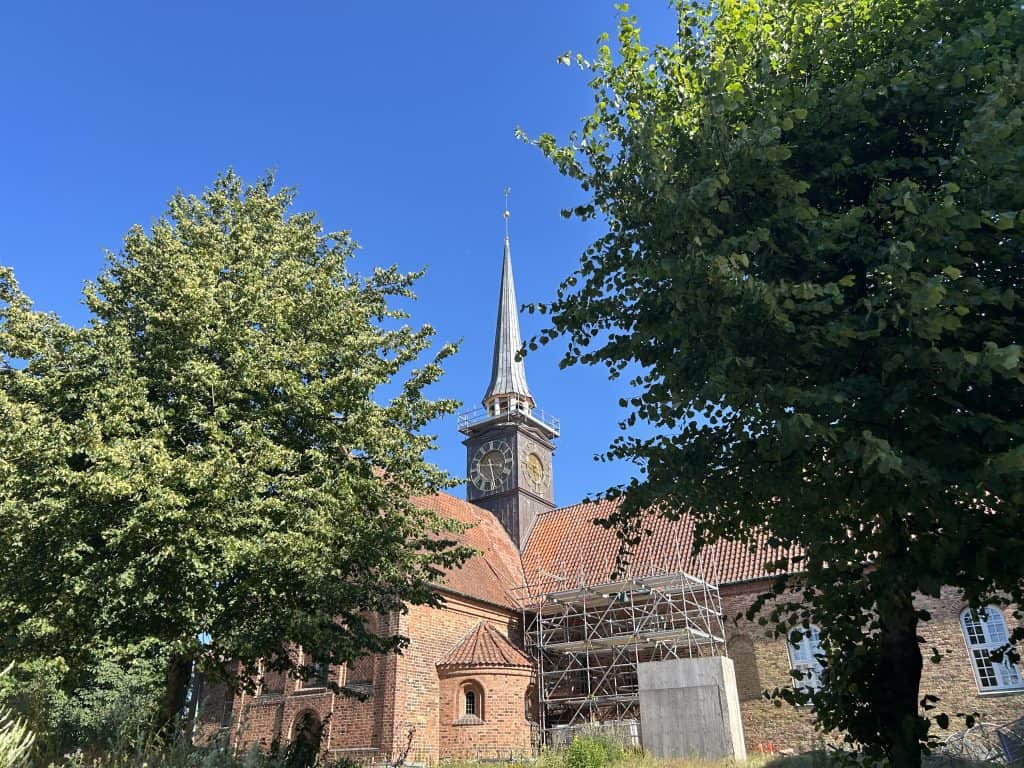
St. Nicolai Church (Sankt Nicolai Kirke) is the main church in Aabenraa’s historic center. The church is a large brick church that was built in the 13th century. It is dedicated to Saint Nicholas, the patron saint of seafarers, which reflects the town’s long maritime history. The church’s architecture is a mix of Romanesque and Gothic styles. The interior features historic furnishings, including a Baroque altarpiece and pulpit from the 17th century.



Sports in Aabenraa
The sporting life in Aabenraa is centered on the successful regional sports project, SønderjyskE. This elite sports collaboration brings together several clubs from across the Southern Jutland region under a single banner. The town is a key center for the project’s handball team. Its location on a deep fjord also makes it a hub for water sports like sailing.
Handball
Handball has a strong and successful presence in Aabenraa. The city is the home base for the men’s handball team of the SønderjyskE project. The team competes at the highest level of Danish handball, which is one of the strongest leagues in the world. The sport has a dedicated local following, with home games drawing large and enthusiastic crowds to the main arena in the city.
SønderjyskE Herrehåndbold
The professional men’s handball team is SønderjyskE Herrehåndbold. They compete in the Herre Håndbold Ligaen, the top division of men’s handball in Denmark. The team plays its home games at the Arena Aabenraa. The club is a consistent presence in the top league and competes for national honors. The success of the team has made Aabenraa a key location for professional handball in Denmark.
Sailing
The Aabenraa Fjord provides an ideal venue for sailing. The long, deep, and protected fjord is a popular destination for recreational sailors. The Aabenraa Sejl Club is the main local yacht club. The club has a large marina that can accommodate numerous pleasure boats and sailing yachts. It organizes regattas and provides training for sailors of all ages.


Getting Around in Aabenraa
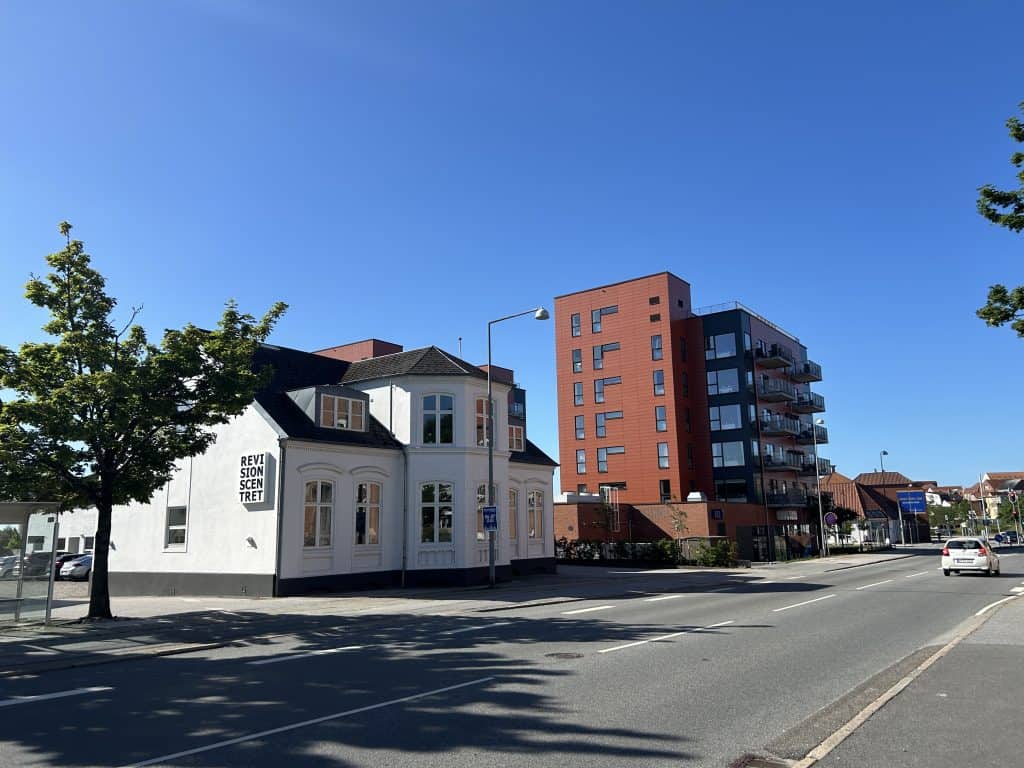
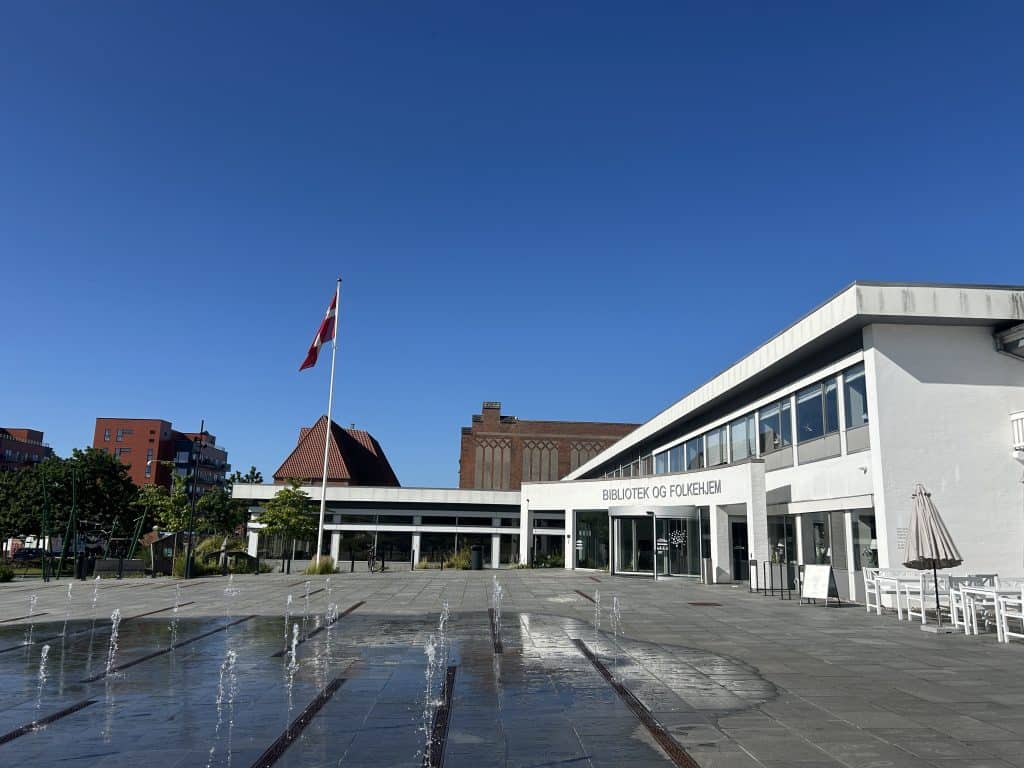
Navigating the town of Aabenraa is straightforward. The historic old town and the city center are compact and best explored on foot. For travel to the wider parts of the town and the surrounding region, a local bus network is available.
On Foot: The Town Center
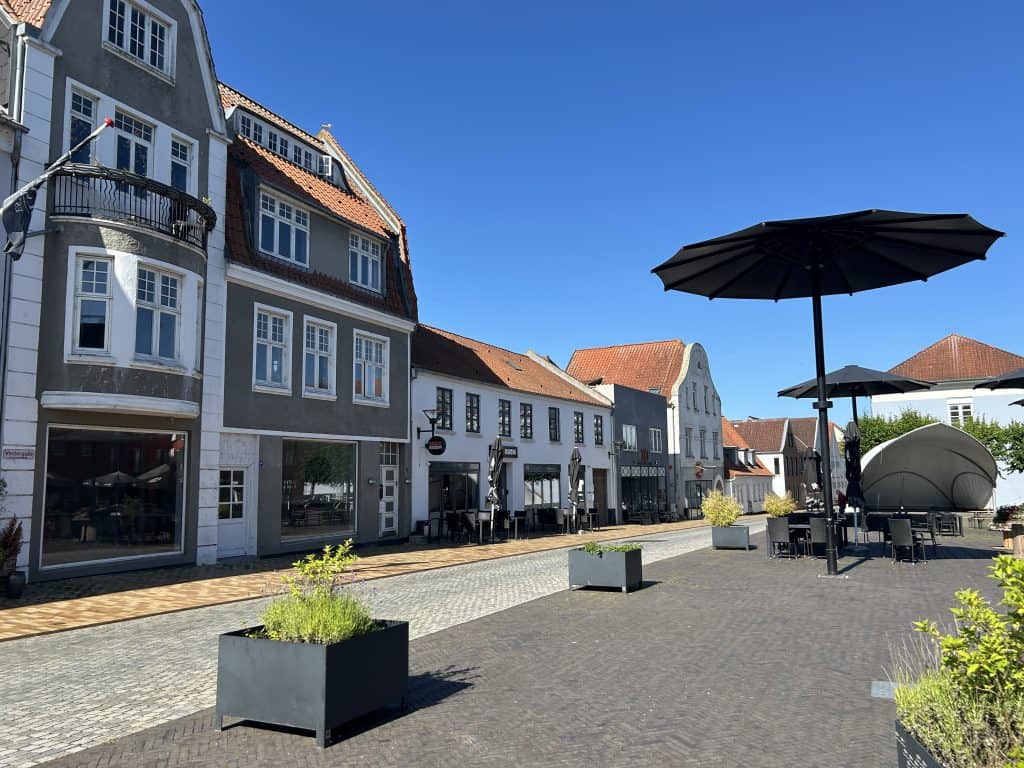
Walking is the best way to explore the central part of Aabenraa. The main pedestrian shopping street, the historic old town with its cobblestone streets, and the harbor area are all within a short walking distance of each other. This allows visitors to see the architecture and access local shops and cafes on foot.
Local Buses
The public transport in Aabenraa and the wider Southern Jutland region is operated by Sydtrafik. A network of local city buses serves all parts of Aabenraa and its suburbs. The main bus station is a key hub for these services. Regional buses also provide connections to other towns in the region, such as Haderslev and Sønderborg.
How to Get to Aabenraa
Reaching Aabenraa is convenient due to its location on Denmark’s primary motorway and near the German border. It is well-connected to the Danish and European road networks. The closest major transport hubs for rail and air travel are located in nearby cities.
The Open Road: Driving the E45
Driving to Aabenraa is very efficient. The town is located directly on the E45 motorway. This is Denmark’s main north-south highway, running the length of the Jutland peninsula from Frederikshavn in the north to the German border in the south. This makes the city highly accessible by car from all parts of Denmark and from Germany. The drive from the German border at Flensburg is very short.
Arriving by Air: Nearby Gateways
The closest major international airport is Billund Airport (BLL), located approximately 80 kilometers away. Billund offers numerous connections to European cities. The smaller Sønderborg Airport (SGD) is closer but has very limited connections. From either airport, a rental car or a combination of bus services is required to complete the journey to Aabenraa.
Connecting by Coach
The Aabenraa bus station is a stop for some long-distance bus services. Companies like FlixBus operate routes that connect Aabenraa with cities in Germany and other parts of Denmark. Regional buses also provide frequent connections to larger nearby hubs like Kolding and Flensburg (Germany), where more extensive long-distance bus services are available.
On Track: A Journey by Rail and Bus
Aabenraa does not have its own train station. The closest major train station is located in the nearby town of Rødekro, approximately 6 kilometers away. The Rødekro station is a major stop on the main railway line in Jutland. DSB (Danish State Railways) operates frequent InterCity train services that connect Rødekro with Copenhagen, Aarhus, and the German border. From the Rødekro station, a frequent local bus service connects to the Aabenraa town center.
The Sea Route: Arriving by Ferry
While Aabenraa is a major commercial port, it does not have regular international passenger ferry services. The closest major ferry ports are located in Esbjerg on the west coast, with connections to the Faroe Islands, and in northern Jutland. From Germany, the Puttgarden-Rødby ferry provides a common route to Denmark. From any of these ferry ports, the final journey to Aabenraa must be completed by train or car.
Driving Distances
The driving distance from 10 regional cities, according to Google Maps:
- Flensburg, Germany – 30 kilometers (0 h 30 min)
- Kolding, Denmark – 58 kilometers (0 h 40 min)
- Odense, Denmark – 113 kilometers (1 h 20 min)
- Kiel, Germany – 119 kilometers (1 h 20 min)
- Aarhus, Denmark – 155 kilometers (1 h 40 min)
- Hamburg, Germany – 191 kilometers (2 h 00 min)
- Aalborg, Denmark – 270 kilometers (2 h 40 min)
- Copenhagen, Denmark – 280 kilometers (3 h 00 min)
- Bremen, Germany – 304 kilometers (3 h 00 min)
- Berlin, Germany – 486 kilometers (5 h 10 min)
Looking to Explore more of Denmark and Europe?