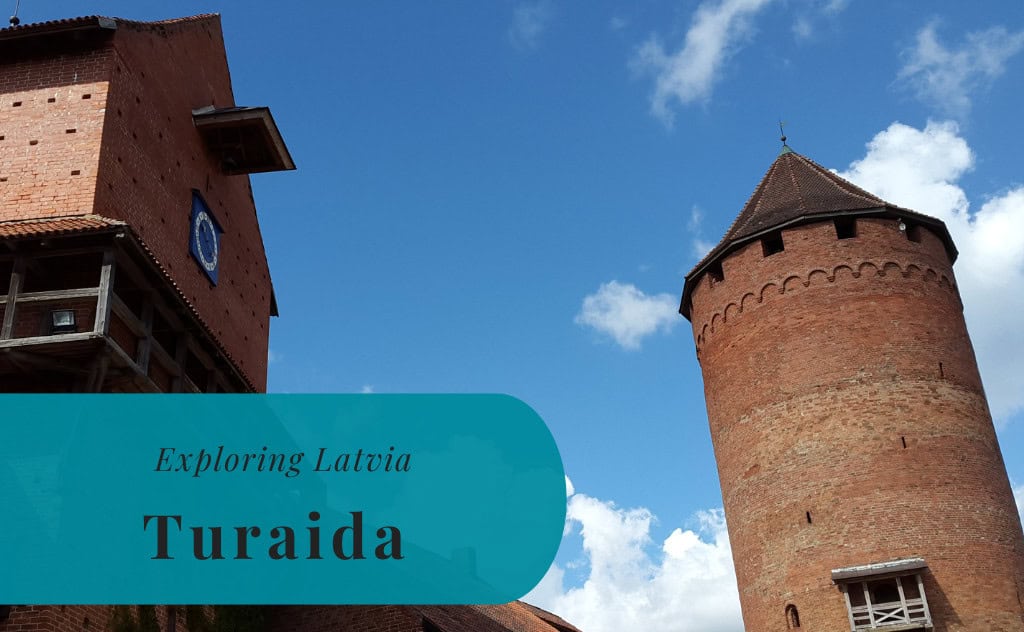
Turaida | Exploring Latvia
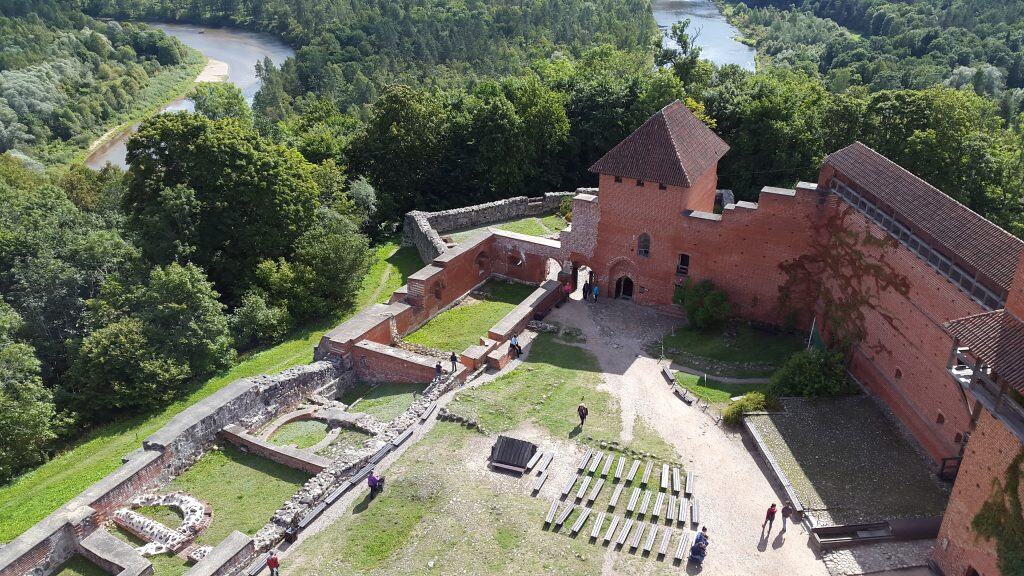
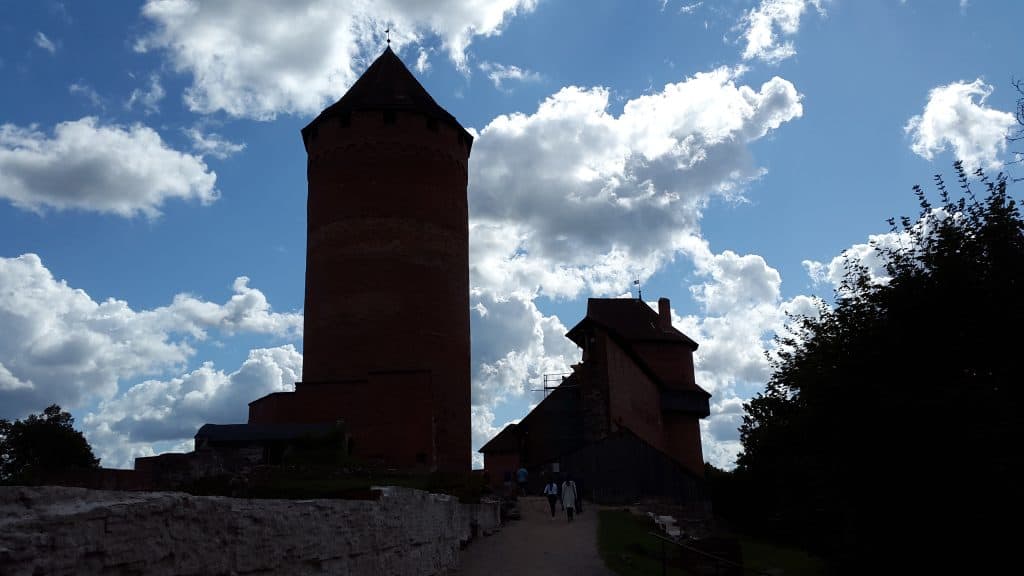
Turaida is a historic area located in the Vidzeme Region of Latvia. It is a part of the town of Sigulda, situated on the opposite bank of the Gauja River. The name “Turaida” is of Livonian origin and can be poetically translated as “Thor’s Garden” or “God’s Garden,” reflecting the area’s ancient roots and natural beauty. The area is most famous for its magnificent red-brick Turaida Castle, a recently reconstructed medieval fortress that dominates the landscape.
Today, Turaida is not a separate town but the home of the Turaida Museum Reserve, a vast historical and archaeological park that covers 43 hectares. This reserve is one of the most visited tourist destinations in Latvia, attracting visitors with its combination of historical monuments, archaeological sites, and stunning natural scenery within the Gauja National Park. The area’s identity is defined by this rich tapestry of history, from the ancient Livonian tribes and the medieval crusades to its romantic legends and folk traditions.

History of Turaida
The history of Turaida stretches back over a thousand years and is deeply intertwined with the story of the indigenous Livonian people and the arrival of the German crusaders in the Baltic region. The area was a significant center for the Gauja Livonians, with a wooden castle that stood on the same hill as the later stone fortress. The construction of the brick castle in the 13th century marked a new era of foreign rule that would last for centuries. The site was abandoned after a fire in the 18th century, but its restoration in the 20th century has made it a national symbol.
The Livonian Era and the Crusades
Before the arrival of the German crusaders, Turaida was a significant center for the Gauja Livonians. A wooden castle, belonging to the Livonian leader Kaupo, stood on the castle mound in the 11th century. Kaupo was one of the first Livonian leaders to be christened. After his wooden castle burned down, the Livonian Brothers of the Sword, a crusading military order, began the construction of a new stone fortress on the same site in 1214. This was done on the orders of Albert, the Archbishop of Riga. The new castle was named Fredeland, meaning “Land of Peace,” but the local Livonian name, Turaida, is the one that has survived.
The Castle of the Archbishop of Riga
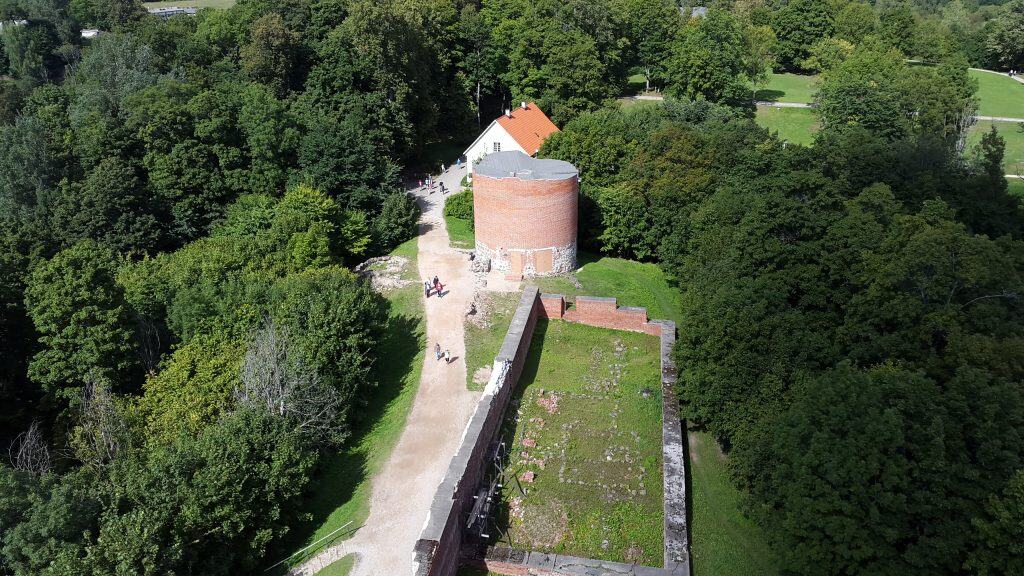
The stone castle of Turaida became the residence and stronghold for the powerful Archbishops of Riga. For several centuries, it served as a key administrative and military center for the Archbishop’s extensive territories. The castle’s defensive systems were continually improved over the centuries. In the 14th century, a tower-shaped southern section was built. In the 15th century, with the advent of firearms, the semi-rounded western tower was constructed. The castle played a role in many conflicts, including battles between the Archbishop and the Teutonic Order.
Decline and Modern Restoration
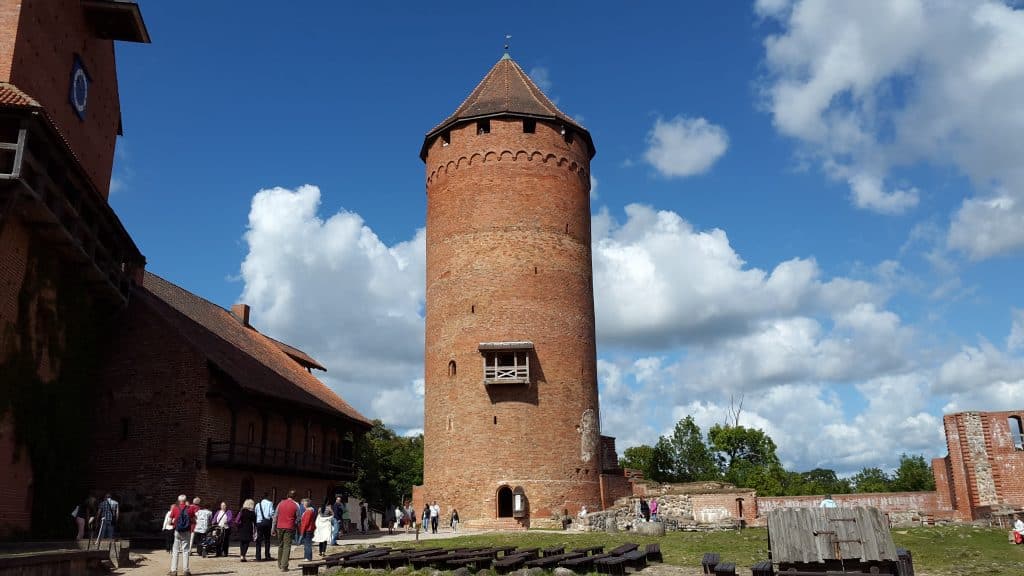
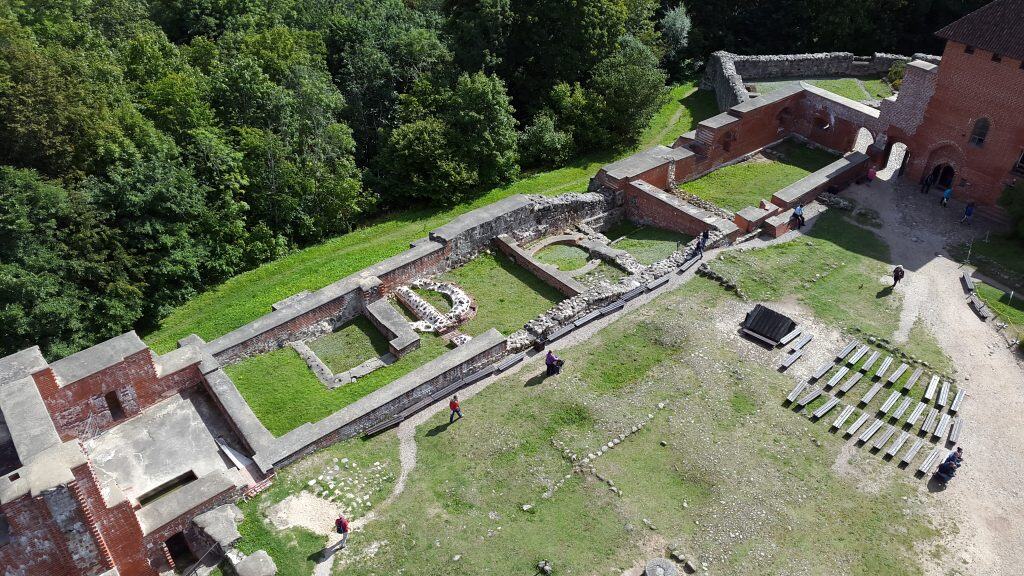
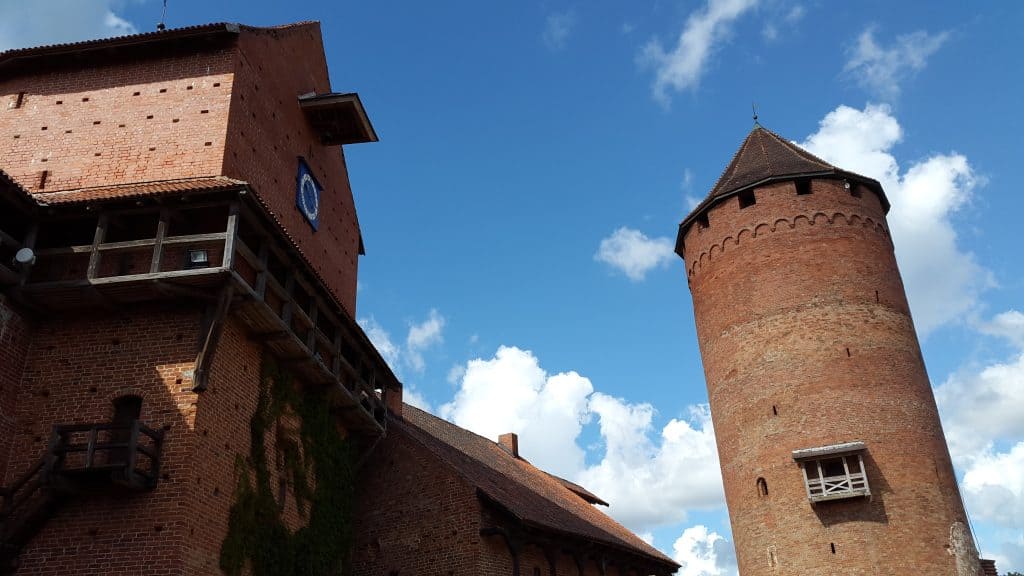
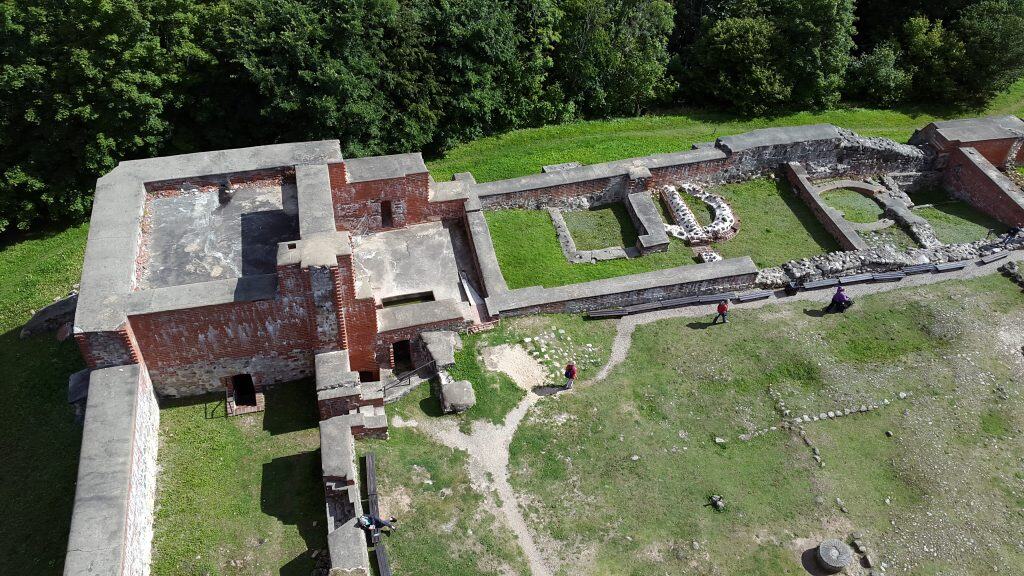
The castle’s strategic importance began to decline in the 17th century. After a fire accidentally destroyed much of the fortress in 1776, it was abandoned and was not rebuilt. For the next two centuries, the castle was left to fall into ruin. Its revival began in the 20th century. Regular archaeological excavations and restoration works started in 1976. These efforts, which continued for decades, have led to the reconstruction of large parts of the castle, including its impressive main tower. Today, the restored castle is the centerpiece of the Turaida Museum Reserve.


Sights in Turaida
The sights in Turaida are all contained within the magnificent Turaida Museum Reserve. This large open-air museum is a complex of historical and archaeological monuments that together tell the story of the region over a thousand years. The main attraction is the restored red-brick Turaida Castle, which rises above the trees of the Gauja River valley. The reserve also includes one of the oldest wooden churches in Latvia, a memorial site to a legendary local heroine, and a unique sculpture garden dedicated to Latvian folklore.
Turaida Castle
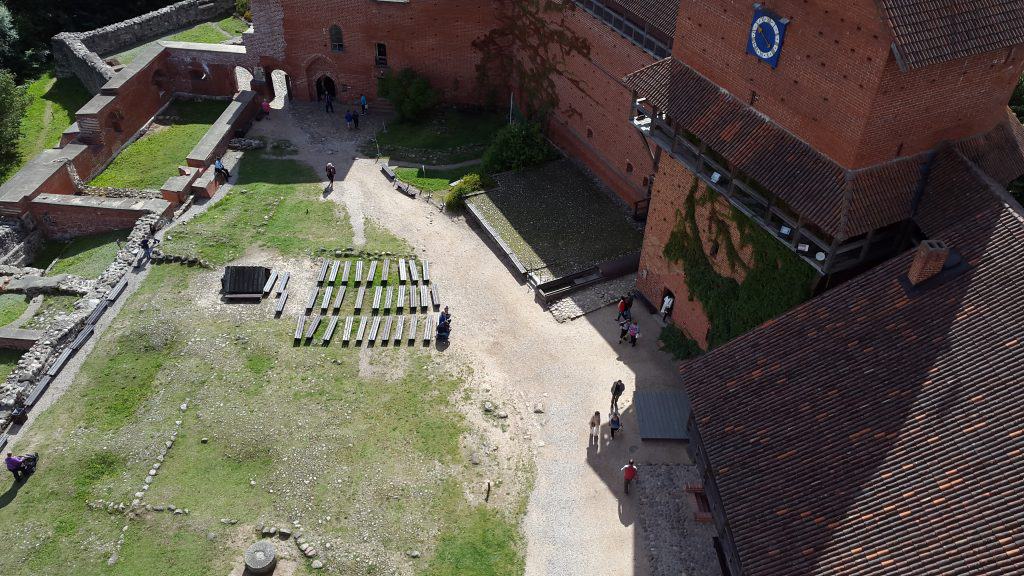
The Turaida Castle is the most visually impressive element of the museum reserve. Its red-brick walls and towers have been recently reconstructed, giving visitors a clear idea of what a medieval crusader castle looked like. The main tower, or donjon, is the highest and most prominent part of the castle. Visitors can climb the 139 brick steps of the tower for a breathtaking panoramic view of the picturesque Gauja River valley. The restored buildings within the castle walls house exhibitions about the history of the castle and the Gauja Livonians.
Turaida Church
Next to the stone castle, on a hill known as Baznīckalns, you will see a beautiful wooden church. The Turaida Church was built in 1750 for the needs of the local Lutheran parish. It is one of the oldest and best-preserved wooden churches in Latvia. The church has a simple, log-cabin style of construction, and its interior has been preserved through the centuries. The Baroque-style altar, the pulpit, and the painted decorations are all original. The church is still used for services and is a beautiful and peaceful place.
The Rose of Turaida Memorial
At the foot of the hill near the church, visitors will find a memorial place dedicated to Maija, who is known as the Rose of Turaida. She was a young woman who lived in the early 17th century, and her life story and tragic death have grown into a romantic legend about love, courage, and confidence. According to the legend, she was murdered in the nearby Gutman’s Cave after sacrificing her life to protect her honor. The memorial site at her supposed grave has become something of a pilgrimage place, and it is a key part of the local folklore.
Folk Song Garden and Dainu Hill
The Folk Song Garden and Dainu Hill (Dainu kalns) is a unique sculpture park dedicated to Latvian folklore and its rich tradition of folk songs, or “dainas.” The park is located on a scenic hill within the museum reserve. It features 26 large granite sculptures created by the sculptor Indulis Ranka. Each sculpture symbolically reflects the wisdom and values that are encoded in the traditional folk songs. The special aura of the Dainu Hill makes it a popular place for visitors to take a poetic walk and connect with Latvian culture.
Turaida Manor
An important part of the Turaida story is the household construction of the Turaida Manor. This collection of 21 buildings was the economic center of the estate. In some of these buildings, you can see expositions that tell about the life, development, and work of the manor in the 19th and 20th centuries. The manor included a blacksmith’s workshop, a fish cellar, and various other agricultural and administrative buildings. A smith still works in the historic smithy, and visitors can try their hand at the craft.
Getting Around in Turaida
The Turaida Museum Reserve is a large, park-like area, and exploring it is done entirely on foot. The nearby town of Sigulda, located on the opposite bank of the Gauja River, is the main transportation hub for the region. A local bus service connects Sigulda with Turaida. For travel between the two sides of the river valley, a cable car provides a unique and scenic option. A car is convenient for exploring the wider Gauja National Park, but the core area can be easily managed with a combination of walking and public transport.
Exploring by Foot
The Turaida Museum Reserve itself is a large area, and walking is the only way to get between its various sights, such as the Turaida Castle, the church, and the Dainu Hill. The reserve has a network of well-maintained paths. The wider Gauja National Park is also a paradise for hikers, with a vast network of marked trails. It is possible to take a long and scenic walk from the center of Sigulda, down into the river valley, and up to Turaida, a journey of about 5 kilometers.
Using Local Buses
A local bus service connects the town of Sigulda with Turaida. The bus departs from the main bus station in Sigulda, which is located next to the train station. The bus stop for Turaida is located right outside the main entrance to the museum reserve. The buses run regularly throughout the day, and the journey is short, taking only about 10-15 minutes. This is the most convenient public transport option for getting directly to the Turaida site.
The Sigulda Cable Car
A unique and popular way to travel between the two sides of the Gauja River valley is the Sigulda Cable Car. The cable car connects the town of Sigulda with the area of Krimulda, which is located near Turaida. The ride offers breathtaking panoramic views of the entire river valley, including the Turaida Castle and the Sigulda Castle. From the Krimulda station, it is a pleasant walk of about one kilometer to the entrance of the Turaida Museum Reserve.
How to Get to Turaida?
Turaida is located in the Vidzeme Region of Latvia and is a part of the town of Sigulda. Sigulda is the main gateway to the Gauja National Park and is easily accessible from the capital city, Riga. The primary way to get to the area is by train or bus from Riga. The journey is short and scenic. For international visitors, Riga International Airport is the main entry point to the country, and from there, it is a straightforward journey to Sigulda and then on to Turaida.
Arriving by Air
The closest and most convenient airport is Riga International Airport (RIX), which is the largest airport in the Baltic States. The airport is located just outside the capital city, Riga. It offers a vast network of flights to destinations all over Europe and beyond, served by the national carrier airBaltic and numerous other airlines. From the airport, you would first need to travel to the Riga city center, and from there, you can take a train or bus for the final leg of the journey to Sigulda.
Journey by Rail
The train is one of the easiest and most popular ways to get to Sigulda from Riga. The trains depart regularly from Riga’s central train station. The journey is very scenic, especially as the train approaches the Gauja River valley. The trip takes approximately one hour and 15 minutes. From the train station in Sigulda, you can then take a local bus or a taxi for the short trip across the river to Turaida, or you can choose to walk.
Connecting by Bus
Buses are another very convenient option for traveling from Riga to Sigulda. The buses are frequent and depart from Riga’s main international bus station. The journey time is similar to the train, about one hour and 10 minutes. Once in Sigulda, you can connect to the local bus that runs to Turaida. There is also a direct bus service from Riga that stops directly at the Turaida museum reserve, which is the most direct public transport option.
Driving into the Area
Driving to Turaida is also a straightforward option. The area is located about 55 kilometers northeast of Riga. The main road is the A2 highway, which is a well-maintained road that leads directly to Sigulda. From Sigulda, you follow the local road P8 across the Gauja River and then the road P7 to the entrance of the Turaida Museum Reserve. Having a car provides the most flexibility for exploring the different sights within the vast Gauja National Park.
Driving Distances
The driving distance from 20 regional cities, according to Google Maps:
- Sigulda, Latvia – 5 kilometers (0 h 10 min)
- Cēsis, Latvia – 40 kilometers (0 h 40 min)
- Valmiera, Latvia – 50 kilometers (0 h 50 min)
- Riga, Latvia – 55 kilometers (1 h 00 min)
- Pärnu, Estonia – 130 kilometers (1 h 50 min)
- Šiauliai, Lithuania – 180 kilometers (2 h 30 min)
- Panevėžys, Lithuania – 190 kilometers (2 h 40 min)
- Tartu, Estonia – 200 kilometers (2 h 40 min)
- Tallinn, Estonia – 280 kilometers (3 h 50 min)
- Kaunas, Lithuania – 280 kilometers (3 h 40 min)
- Vilnius, Lithuania – 340 kilometers (4 h 20 min)
- Klaipėda, Lithuania – 350 kilometers (4 h 30 min)
- Kaliningrad, Russia – 380 kilometers (5 h 20 min)
- Helsinki, Finland – 385 kilometers (plus ferry)
- Minsk, Belarus – 520 kilometers (6 h 30 min)
- Stockholm, Sweden – 580 kilometers (plus ferry)
- Warsaw, Poland – 640 kilometers (8 h 00 min)
- Gdańsk, Poland – 650 kilometers (8 h 00 min)
- Berlin, Germany – 1000 kilometers (10 h 30 min)
- Prague, Czech Republic – 1000 kilometers (10 h 40 min)
Looking to Explore more of Latvia and Europe?