Terramelar, Paterna | Exploring Spain
Terramelar is a residential neighborhood located within the municipality of Paterna, Spain. It sits in the immediate metropolitan area of Valencia, directly adjacent to the city’s main trade fair complex. The neighborhood was developed as a planned community in the late 20th century. Terramelar is positioned between the Feria Valencia and the CV-35 motorway, providing direct access to Valencia’s road network.
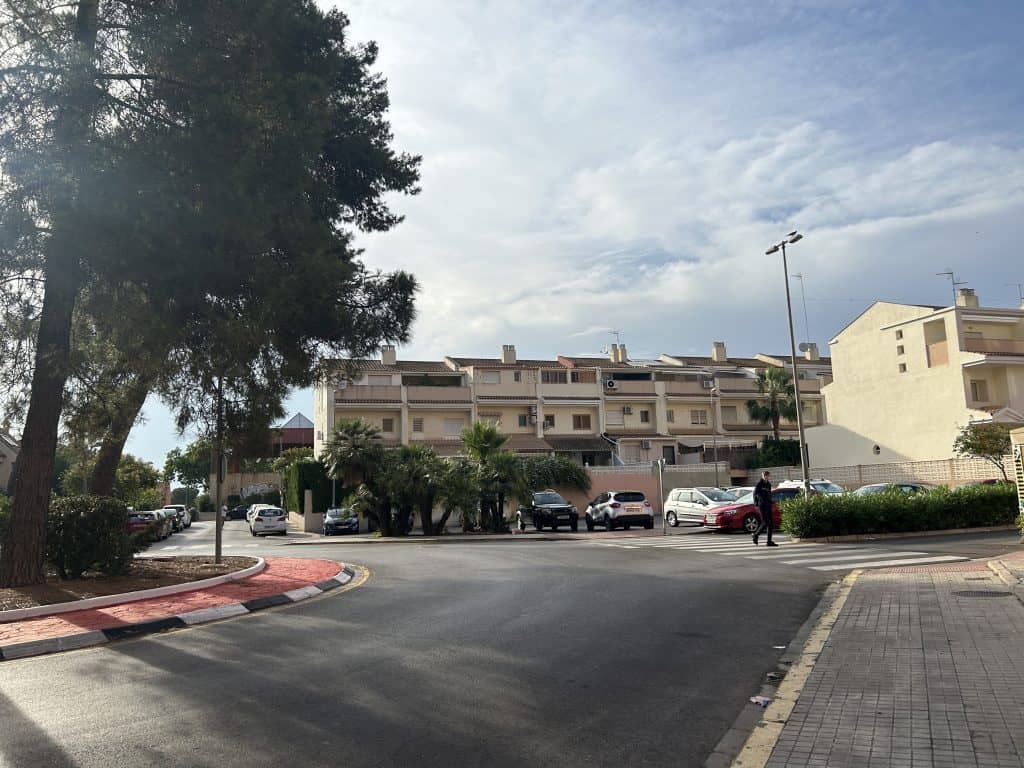
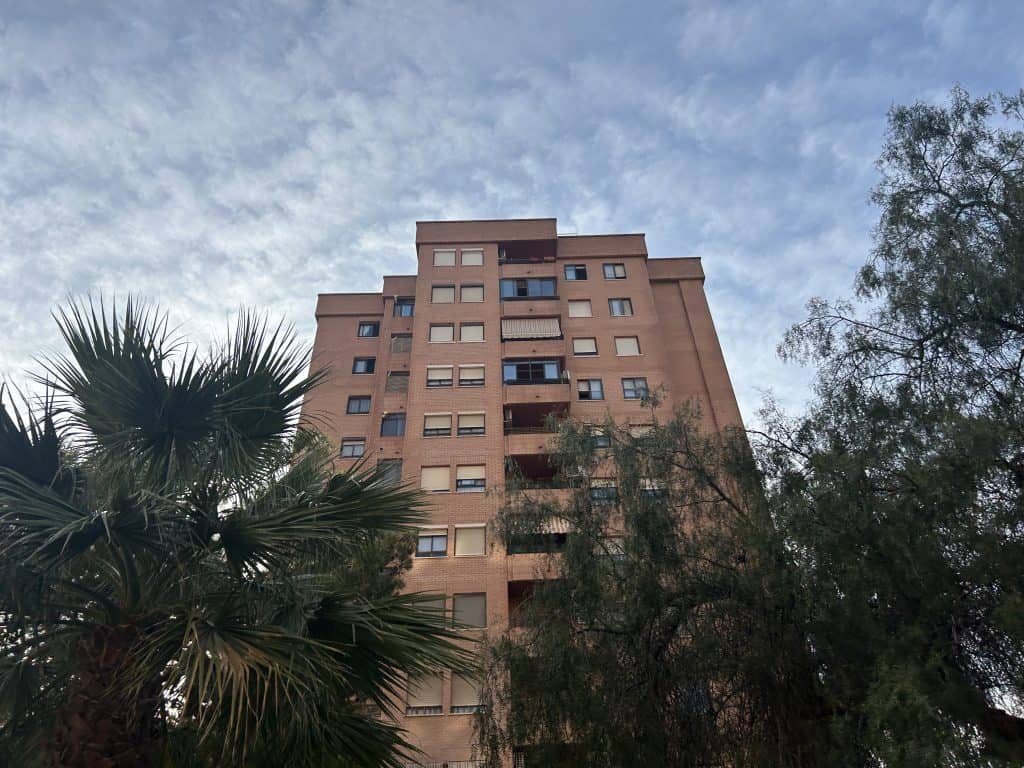
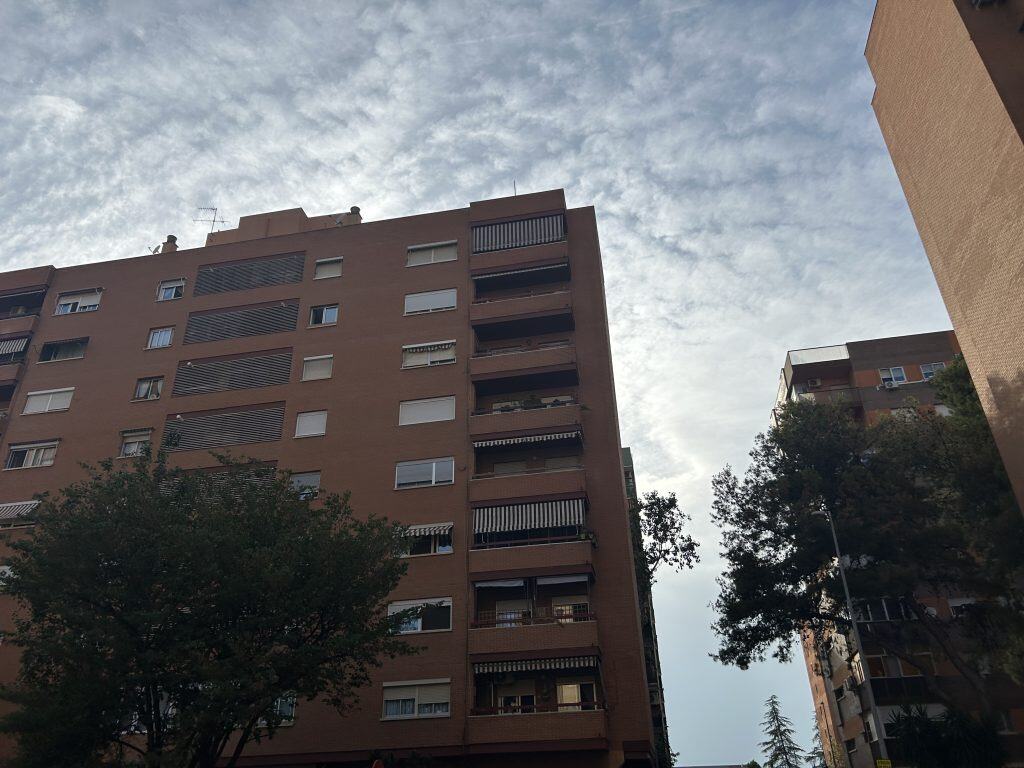
The character of Terramelar is that of a modern, self-contained residential area. The neighborhood is composed almost entirely of uniform apartment blocks, many of which share communal facilities like swimming pools and gardens. It was designed with a focus on community living, separate from the historic core of Paterna. Its proximity to major commercial and entertainment centers, as well as its direct transport links to Valencia city, defines its function as a modern suburb.

A Short History of Terramelar
The history of Terramelar is not one of ancient settlements, but of modern urban planning. The neighborhood is a 20th-century creation, built on land that was once part of the traditional Valencian agricultural plain. Its story is one of rapid development, reflecting the expansion of Valencia’s metropolitan area in the 1970s and 80s. The establishment of major commercial centers nearby was a key driver of its growth.
The Land Before Development
Before the construction of the neighborhood, the land where Terramelar now stands was part of the fertile Valencian huerta. This extensive agricultural plain surrounding the city was characterized by its network of irrigation channels, known as acequias, which have origins dating back to the Roman and Moorish periods. The area was primarily used for cultivating crops to supply the nearby city. Its transformation from rural farmland to a high-density residential area was a key part of the region’s 20th-century urbanization.
A Planned Community of the 1970s
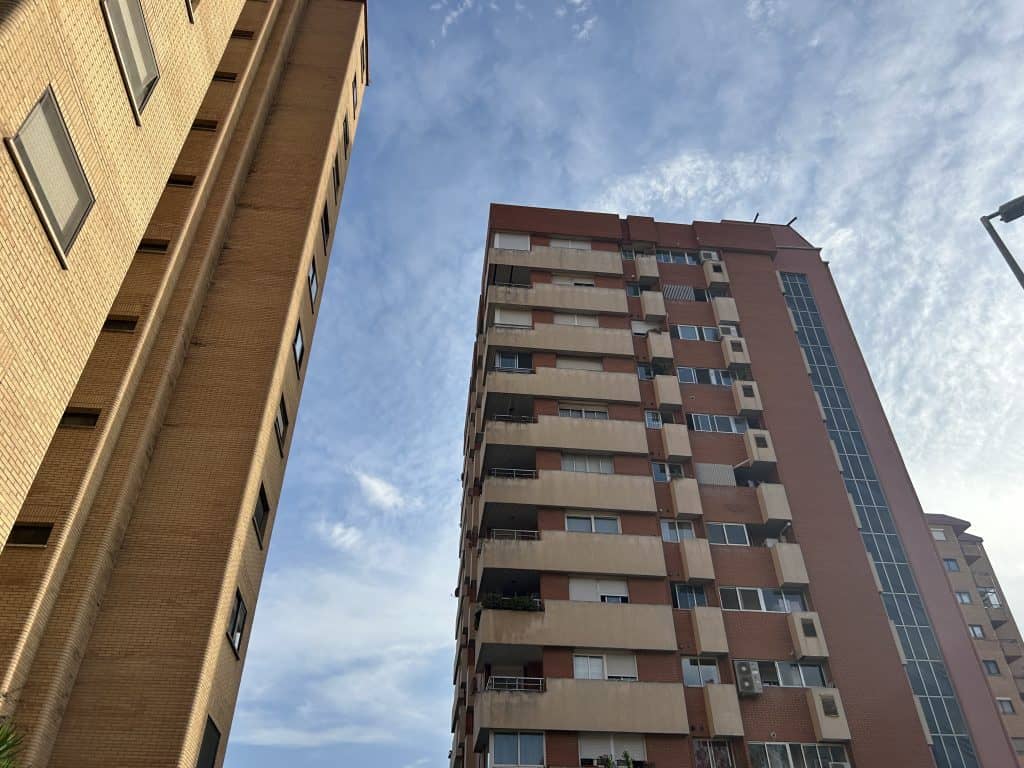
The development of Terramelar began in the 1970s. It was conceived as a large, planned residential community to accommodate the growing population of the Valencia metropolitan area. The urban design was based on creating a self-contained neighborhood with its own services and amenities. The architectural style of the apartment blocks is characteristic of the period, with a focus on functional design and the inclusion of communal spaces. This model of suburban development was common in Spain during this era of rapid economic growth.
Growth and Integration
The growth of Terramelar has been closely linked to the expansion of the nearby Feria Valencia and the development of the Heron City leisure complex. These major commercial centers provided an economic anchor for the area and spurred further residential construction. The neighborhood became fully integrated into the metropolitan area with the expansion of the road network and the arrival of public transport links. Today, it is an established and populated part of the Paterna municipality.


Things to Do and See
The points of interest in Terramelar are related to its modern design and its function as a residential and commercial hub. Unlike historic neighborhoods, the “sights” here are not ancient monuments but rather examples of late 20th-century urban planning and major modern facilities.
The Urban Planning and Architecture
The primary point of interest in Terramelar is the neighborhood itself. Its urban plan is a key example of Spanish residential development from the late 20th century. The layout is based on large superblocks of uniform apartment buildings, known as fincas. These buildings are often arranged around large, shared communal areas that typically include swimming pools, gardens, and sports courts. A walk through Terramelar provides a direct look at this specific model of suburban urban planning.
Feria Valencia
Located directly adjacent to Terramelar is the Feria Valencia (Valencia Trade Fair). This is one of the largest exhibition centers in Spain. The sprawling complex hosts numerous national and international trade fairs, conventions, and events throughout the year. Its large, modern pavilions and distinctive architectural elements are a major landmark on the edge of the neighborhood. The activity at the trade fair is a key part of the local economic environment.
Parque de la Pinada
The Parque de la Pinada is the main green space within the Terramelar neighborhood. The park is a large, public area planted with pine trees, reflecting the type of woodland that once covered parts of the region. It contains walking paths, playgrounds for children, and open spaces for recreation. The park serves as an important green lung for the high-density residential neighborhood, providing a space for residents to relax and engage in outdoor activities.


How to Get to Terramelar
As part of the Valencia metropolitan area, Terramelar is well-connected to the city’s transport network. It is easily accessible by bus and car from Valencia city center and the airport. Its location next to the Feria Valencia ensures that transport links are well-established.
Connecting via the Bus Network
The most direct public transport to Terramelar is the bus. The local EMT Valencia bus network serves the area. Bus line 62 runs from the center of Valencia directly to Terramelar and the adjacent Feria Valencia. This route provides a frequent and reliable connection for residents and visitors. Regional buses also stop at the trade fair complex during major events.
An Excursion by Car
Terramelar is located at a key junction of Valencia’s main ring roads and motorways, making it very accessible by car. The CV-30 (Ronda Nord) ring road runs directly alongside the neighborhood. The CV-35 motorway (Pista de Ademuz) also provides a primary access route from the city center. This makes driving a convenient option for reaching the area. Parking is generally available on the streets within the residential blocks.
From the Airport and Main Stations
Terramelar is located very close to Valencia Airport (VLC), which is only about 6 kilometers away. A taxi ride from the airport is very short. From the main train stations of Valencia, Estació del Nord and Joaquín Sorolla, one can take the metro to a nearby station like Empalme or Canterería and then walk or take a short bus ride to reach the neighborhood.
On Track: The Nearby Tram
While there is no metro or tram stop directly inside Terramelar, the neighborhood is served by nearby stations. The “Fira València” stop on Tram line 4 of the Metrovalencia network is located at the trade fair complex, a short walk from the neighborhood. This tram line provides a direct connection to the city center and the beach.
The Mediterranean Route: Arriving by Ferry
There is no direct ferry access to the inland neighborhood of Terramelar. International travelers arriving by ferry would dock at the Port of Valencia. From the port, travelers would need to use the city’s public transport network, such as the metro or bus, to reach Terramelar. This journey would typically take around 40-50 minutes.
Driving Distances
The driving distance from 10 major regional cities, according to Google Maps:
- Zaragoza, Spain – 340 kilometers (3 h 30 min)
- Barcelona, Spain – 350 kilometers (3 h 40 min)
- Madrid, Spain – 352 kilometers (3 h 40 min)
- Bilbao, Spain – 618 kilometers (6 h 10 min)
- Seville, Spain – 654 kilometers (6 h 40 min)
- Toulouse, France – 706 kilometers (6 h 40 min)
- Lisbon, Portugal – 893 kilometers (8 h 30 min)
- Geneva, Switzerland – 1,021 kilometers (10 h 00 min)
- Paris, France – 1,355 kilometers (13 h 00 min)
- Rome, Italy – 1,489 kilometers (14 h 50 min)
Looking to Explore more of Spain and Europe?