
Liptovský Hrádok | Exploring Slovakia
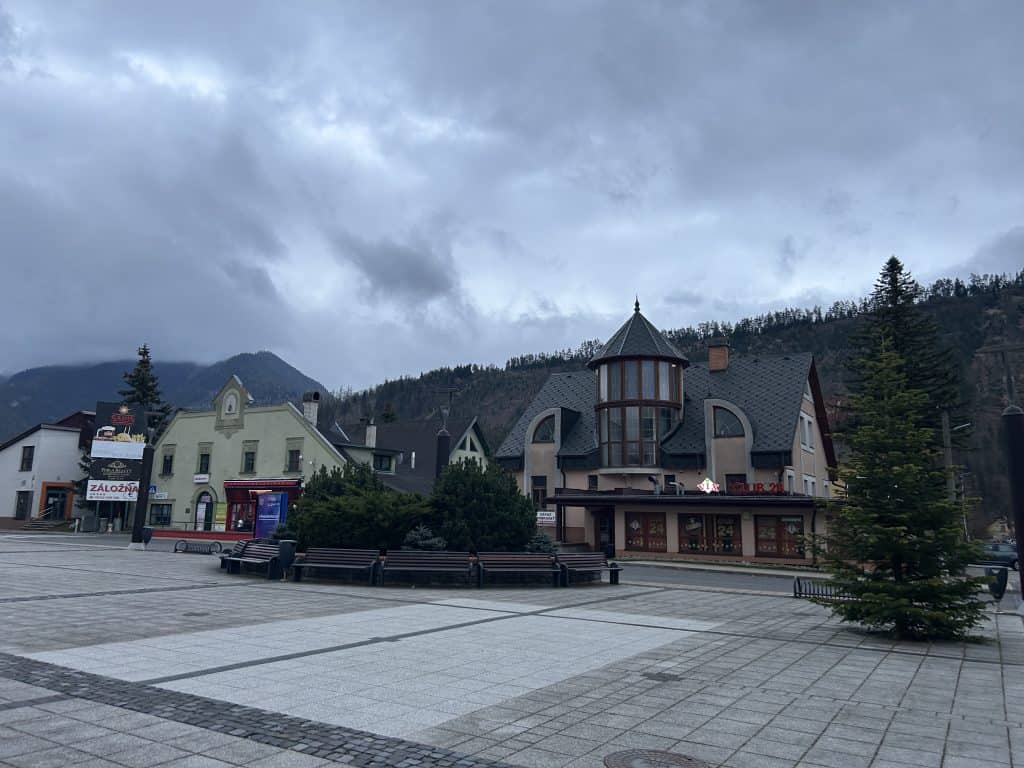
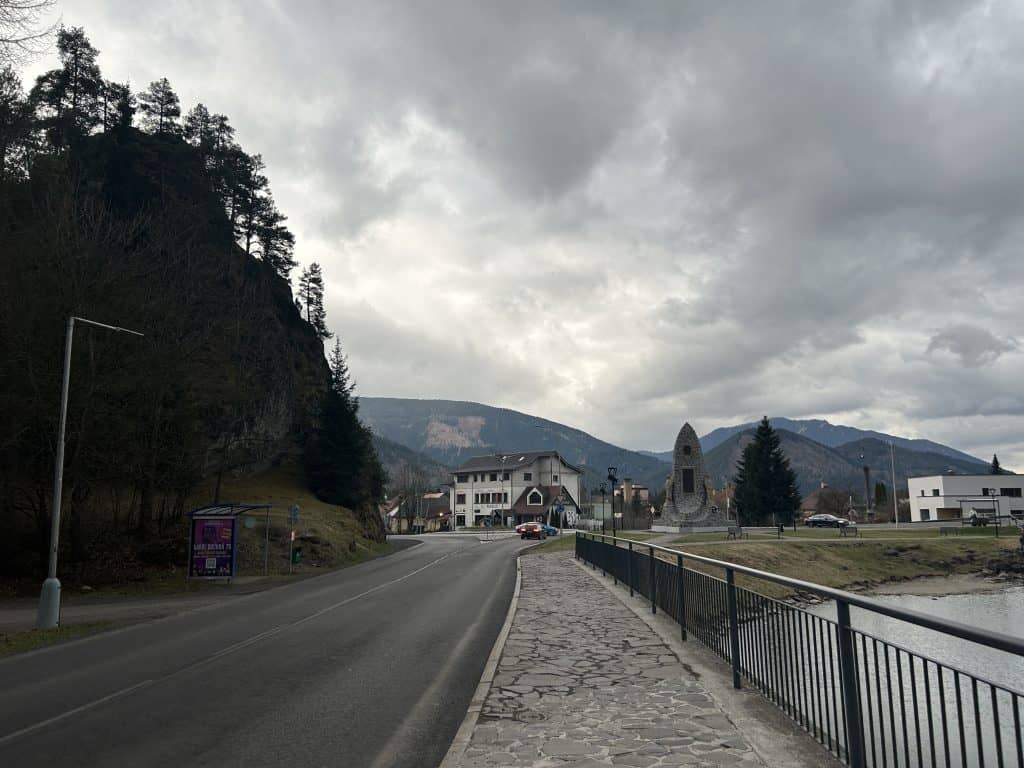
Liptovský Hrádok is a town in the Liptov region of northern Slovakia. It is located at the confluence of the Belá and Váh rivers. The town is situated at the foothills of both the High Tatras and the Low Tatras mountain ranges. With a population of approximately 7,200 residents, it is a key regional center. The town is known for its historic castle and its long-standing connection to the timber industry.
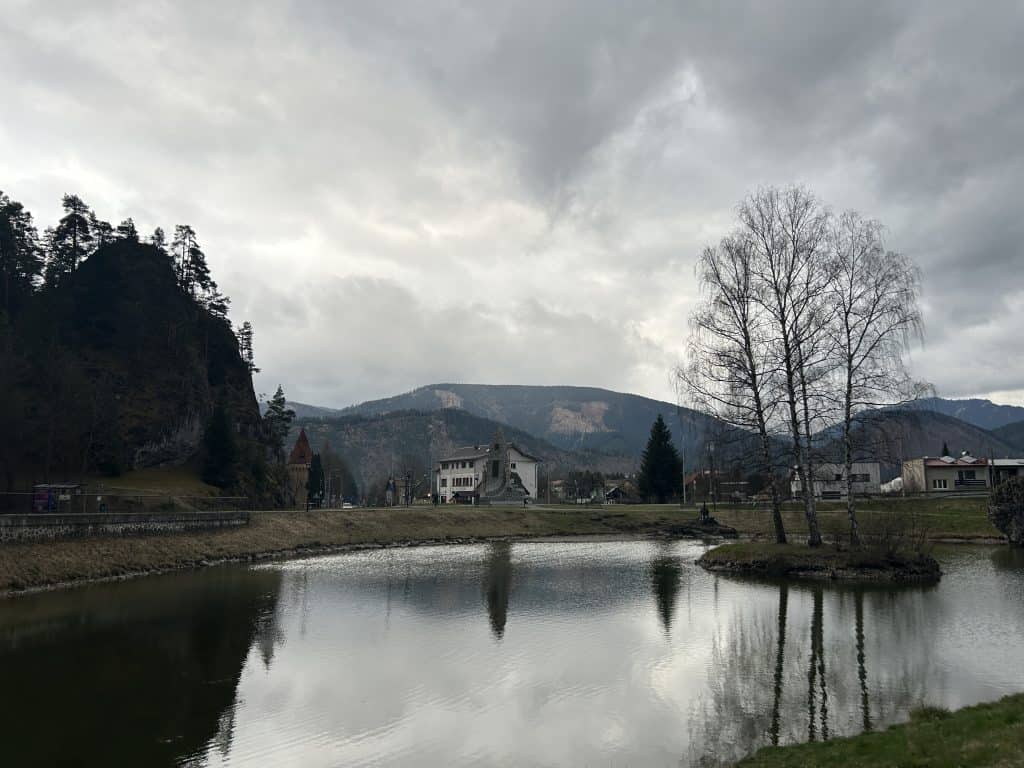
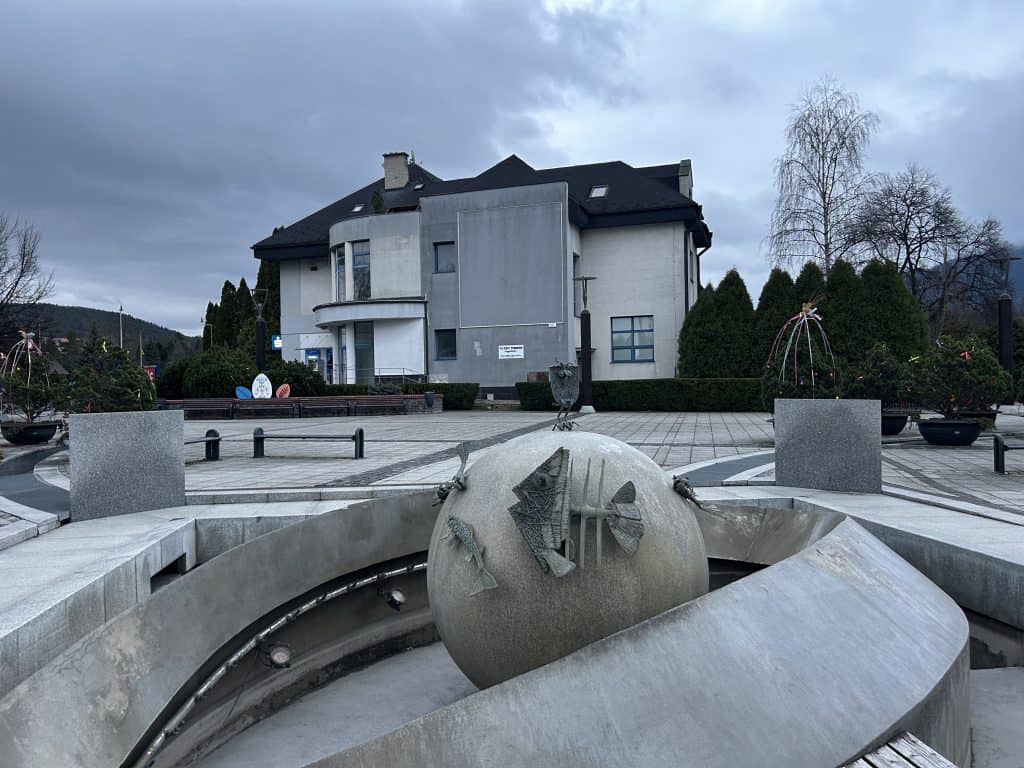
The character of Liptovský Hrádok is defined by its natural setting and its history as an administrative and industrial center. The town’s layout is centered around its historic castle and manor house complex. The presence of the fast-flowing Belá River shaped its industrial past. Today, the town serves as a gateway to the surrounding national parks, making it a base for outdoor tourism in both summer and winter.



A Short History of Liptovský Hrádok
The history of Liptovský Hrádok is centered on its strategic castle, which for centuries controlled access to the upper Liptov region and its valuable resources. The town developed from a small settlement under the castle’s protection into an important center for the administration of forests and the timber industry. Its story reflects the intersection of royal power, aristocratic ownership, and the economic importance of the surrounding mountains. The town’s development was directly linked to the fortunes of its castle and the industries it supported. This created a lasting legacy that is still visible today.
Foundation of the Royal Castle
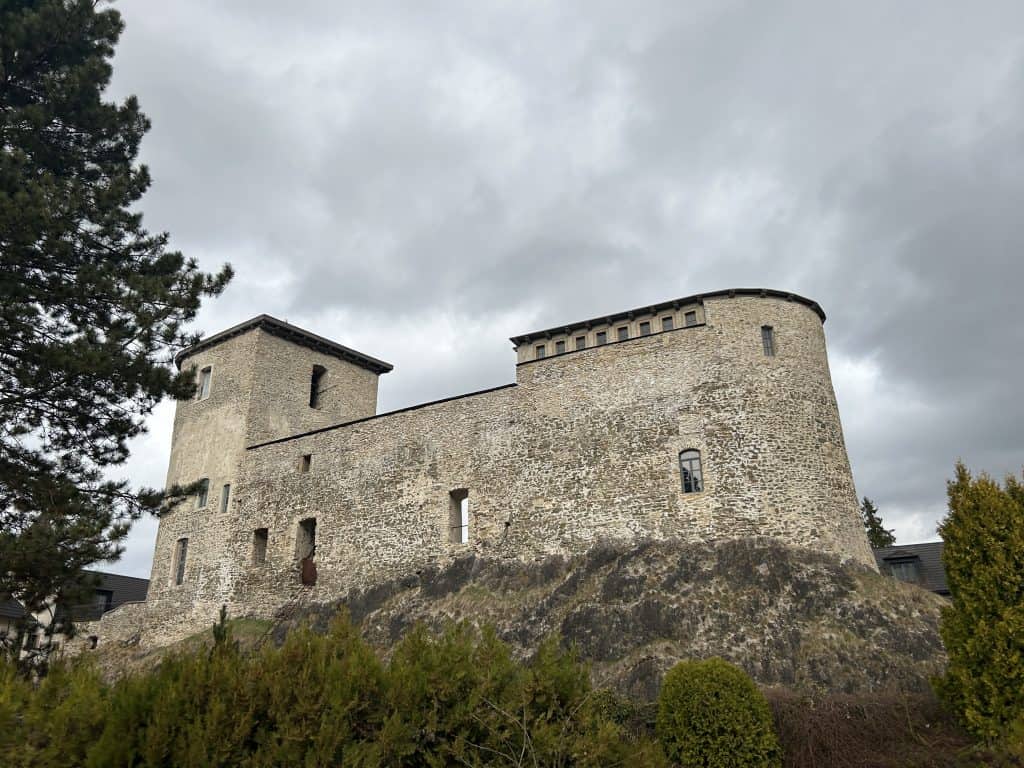
The history of Liptovský Hrádok began with the construction of a castle in the late 13th and early 14th centuries. The first written mention of the stone castle dates to 1341. It was built on a small limestone hill and originally served as a royal stronghold. Its purpose was to protect a major trade route, the Via Magna, that ran through the region. The castle also controlled access to the valuable timber forests and mineral resources of the nearby Tatra mountains.
The Timber Industry and Forest Court
During the 17th and 18th centuries, the castle was rebuilt into a Renaissance chateau and its economic importance grew. Liptovský Hrádok became a major center for logging and timber processing. It was the administrative headquarters for the vast Hrádok-Likava royal estates. The town even had a unique “timber court” (horný súd). This institution regulated disputes related to forest use and the timber trade in the region, highlighting the industry’s central role.
Fire, Decline, and Modern Preservation
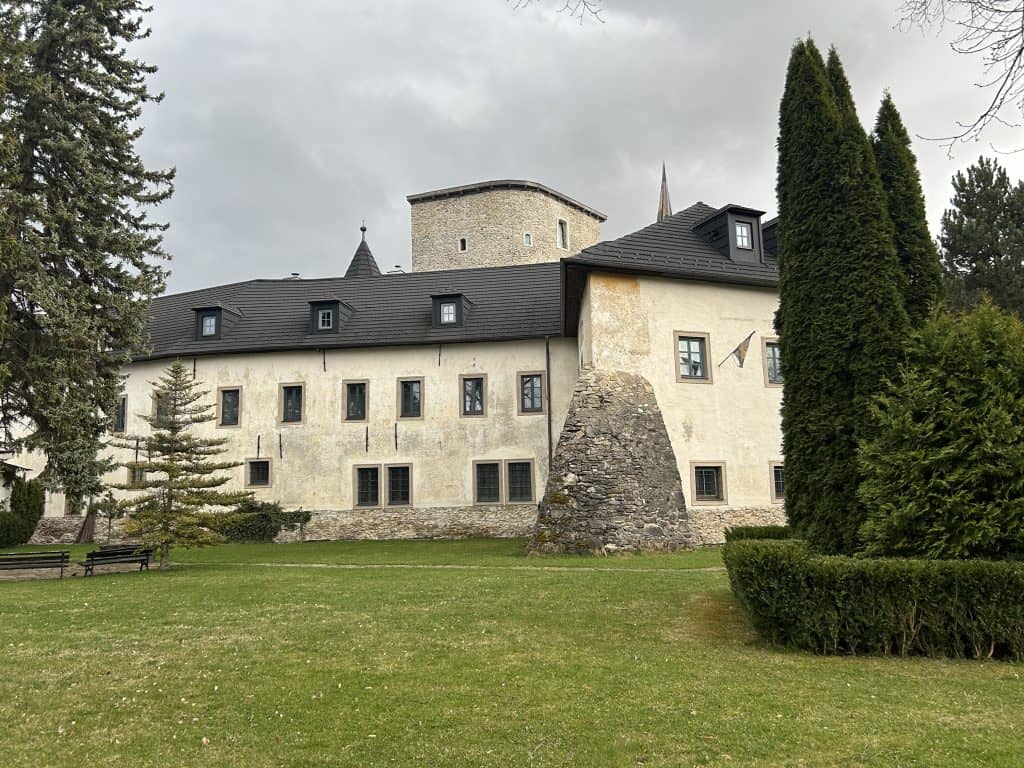
The castle and manor house suffered significant damage from a major fire in 1803. Following the fire, the medieval castle section was largely abandoned and fell into disrepair. The manor house, however, was eventually repaired. In the 20th century, parts of the complex were restored and used for various purposes, including a museum. Today, the preserved manor house and the adjacent castle ruins stand as a symbol of the town’s past.




Things to Do and See
The sights in Liptovský Hrádok and its immediate vicinity showcase the town’s history as a center for forestry and its connection to the natural environment. The main points of interest include the historic castle complex, several specialized museums, a botanical garden, and a major open-air museum located just a few kilometers away. These attractions provide a comprehensive look at the cultural and natural heritage of the Upper Liptov region. The town itself serves as a convenient base for exploring these varied sites.
Liptovský Hrádok Castle and Manor House
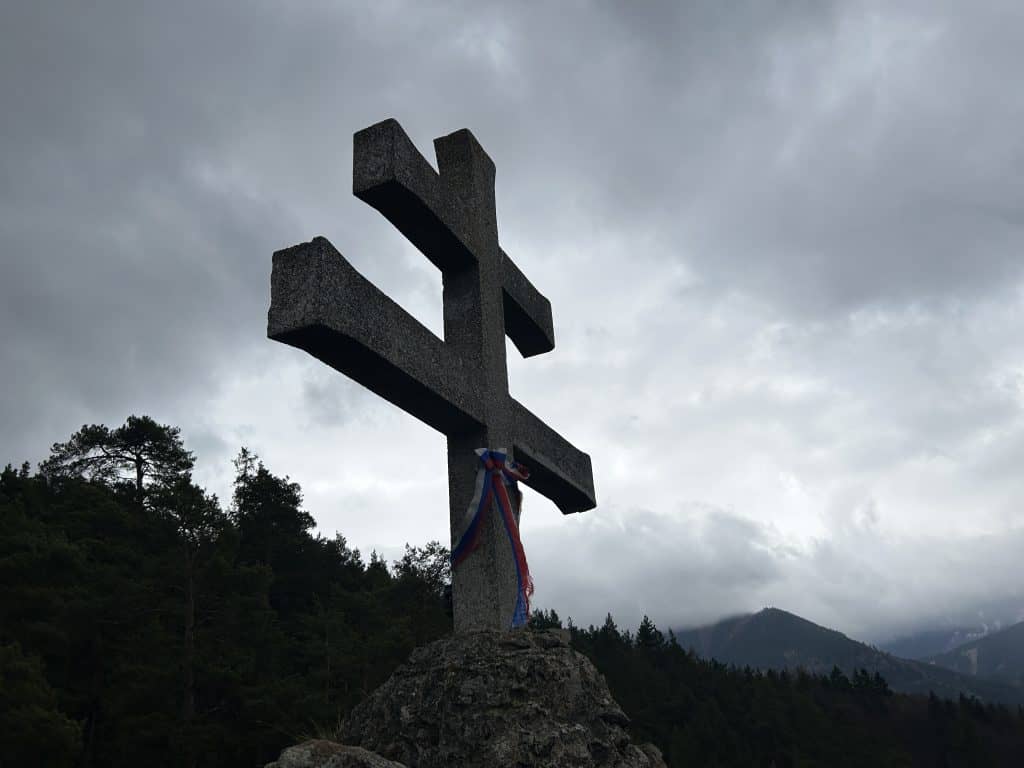
The Liptovský Hrádok Castle and Manor House (Hrad a kaštieľ Liptovský Hrádok) are the town’s most prominent historical sites. The castle ruins, perched on a rock, showcase its medieval origins as a defensive fortress whose construction began in the 14th century. Visitors can see the remnants of its stone walls and imagine its former defensive strength. Adjacent to these ancient remains stands the reconstructed Manor House. This building now houses a hotel, blending history with modern functions. Visitors can explore the maintained grounds and take in the views from the castle hill, overlooking the town and the Váh River.
Museum of Timber Rafting on the Váh River
Near the bank of the Belá River, visitors can find the Exposition of Timber Rafting (Expozícia pltíctva a lodníctva na Váhu). This small outdoor exhibition focuses on the historical timber industry and the daring rafting traditions that once defined the region. It vividly showcases authentic tools used by raftsmen and detailed models of the rafts themselves. The exhibit tells the stories of the individuals who navigated the powerful Váh River. This museum highlights a truly crucial aspect of the town’s economic and cultural history.
Forestry and Timber Museum
Situated within a historic building in the town is the Forestry and Timber Museum (Múzeum lesníctva a drevárstva). The museum is housed in a building that was originally the Royal Forestry and Hunting School, founded in 1796. Its exhibitions detail the history of forestry management, timber processing techniques, and the tradition of hunting in the wider Liptov region. It features a diverse collection of artifacts, including antique tools, logging equipment, and hunting displays. These items are all directly related to the industry that profoundly shaped the town’s development.
Arborétum Liptovský Hrádok
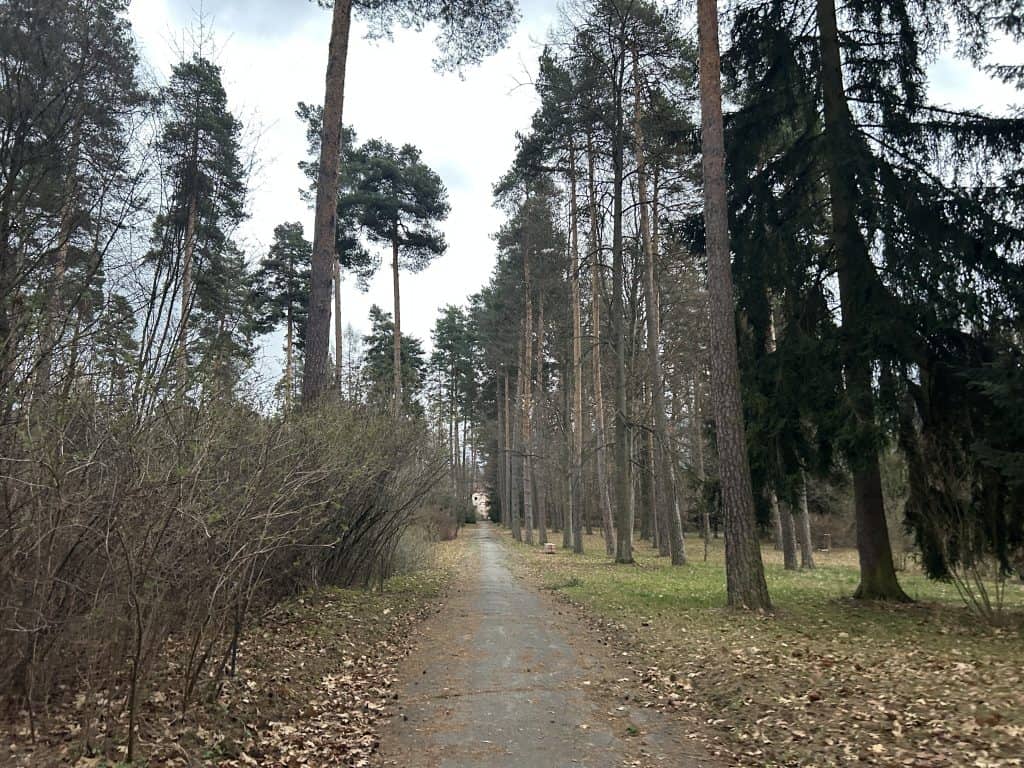
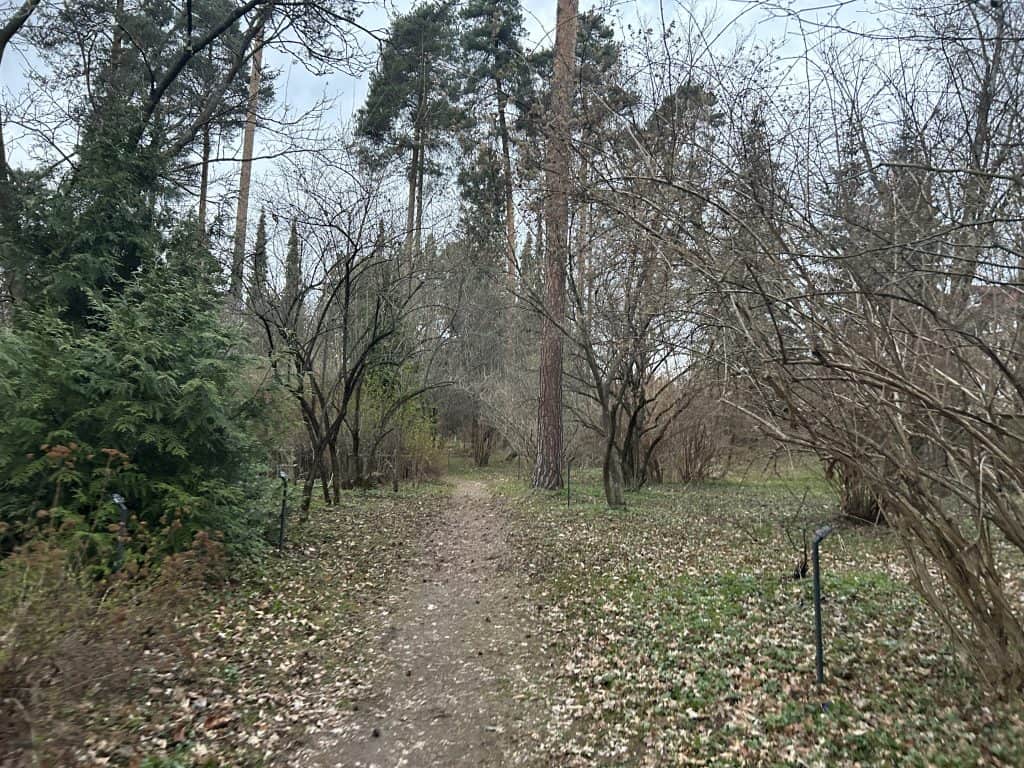
The Arboretum Liptovský Hrádok is a significant botanical garden located in the town. Established in 1886, it is the highest-altitude arboretum in Central Europe. The arboretum showcases a wide variety of tree species, with a particular focus on those native to the breathtaking Tatra region. It contains over 700 different types of woody plants from around the world. The arboretum provides a peaceful place for a leisurely walk, with labels that identify various trees, making it educational for those interested in botany.
Ethnographic Open-Air Museum Pribylina
Located just a short drive away in the village of Pribylina is the Museum of the Liptov Village (Múzeum liptovskej dediny Pribylina). This extensive open-air museum preserves traditional Liptov village architecture. It features numerous relocated wooden houses, a historic wooden church, and even a traditional school building. These structures were moved from villages that were flooded during the construction of the Liptovská Mara reservoir. Exploring this reconstructed village offers deep and tangible insight into traditional Slovak rural life, customs, and self-sufficiency.
Sports in Liptovský Hrádok
Liptovský Hrádok’s location makes it a primary center for outdoor sports and recreation. It serves as a direct gateway for hiking in both the High and Low Tatras. The Belá River is one of Slovakia’s most popular rivers for white-water rafting. The area also offers extensive routes for cycling, as well as access to major ski resorts.
Hiking and Mountaineering
The town is a gateway to the High Tatras and Low Tatras mountain ranges. Numerous well-marked hiking trails start in the valleys near the town. These include the entrances to the Tichá dolina and Kôprová dolina, two of the longest valleys in the Tatras. The surrounding national parks offer diverse terrain for all levels of hikers, from easy walks to challenging climbs to high peaks.
Water Rafting and Canoeing
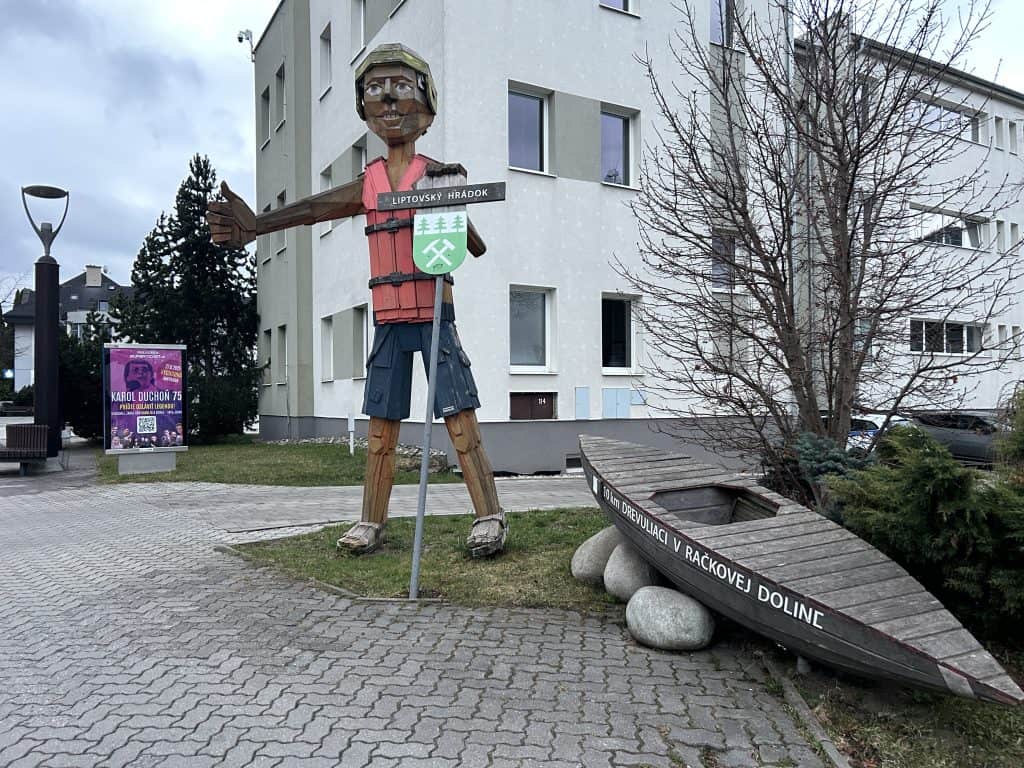
The Belá River, which flows through Liptovský Hrádok, is famous for its fast-flowing and clean water. It is one of Slovakia’s most popular rivers for white-water rafting and canoeing. The season for these activities is typically in the spring and early summer when the water levels are highest from snowmelt in the Tatras. Organized trips are available from local outfitters in the region.
Cycling
The region around Liptovský Hrádok offers extensive cycling routes. These cater to various skill levels, from paved paths along the Váh and Belá rivers to more demanding mountain biking trails. The routes lead into the lower slopes of the Tatras. The varied terrain makes the area suitable for both recreational family cycling and for more serious mountain bikers.
Skiing and Snowboarding
While Liptovský Hrádok does not have its own ski slopes, it is located very close to several major ski resorts. The largest ski resort in Slovakia, Jasná Nízke Tatry, in the Low Tatras, is easily accessible by car or ski bus. Resorts in the High Tatras, such as Štrbské Pleso, are also within a short driving distance. These offer extensive winter sports opportunities for skiers and snowboarders of all levels.


Getting Around in Liptovský Hrádok
The town of Liptovský Hrádok is small and its central area is easily navigable on foot. A car is useful for exploring the wider Liptov region and reaching the nearby mountain valleys and attractions.
On Foot: The Town Center
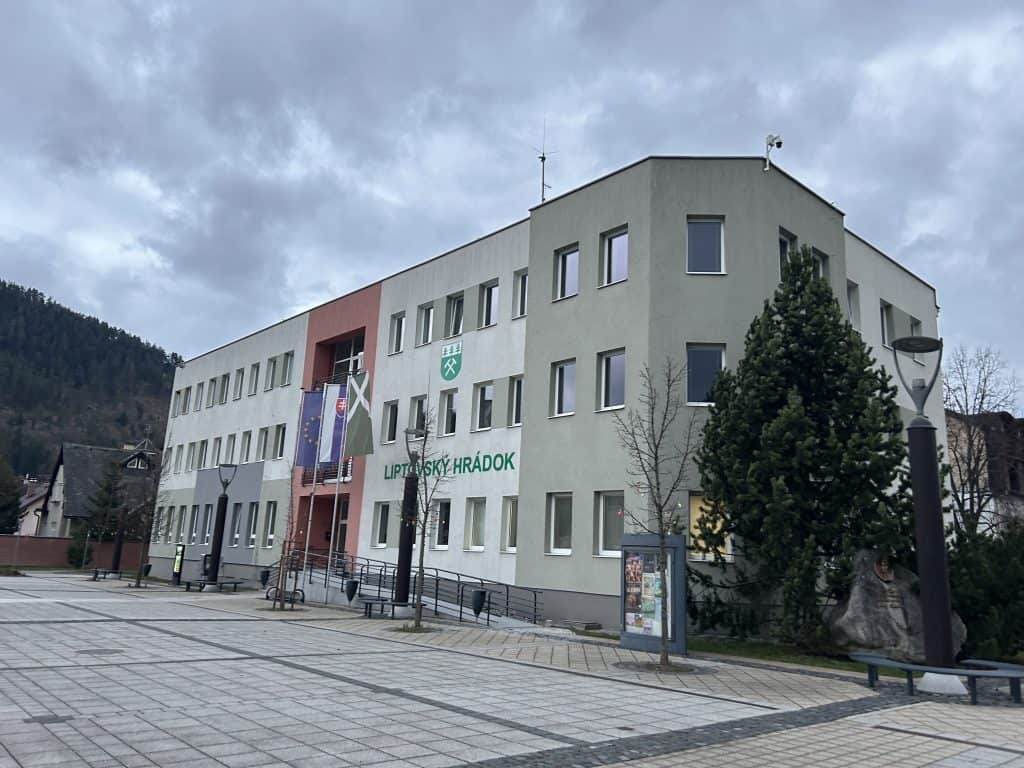
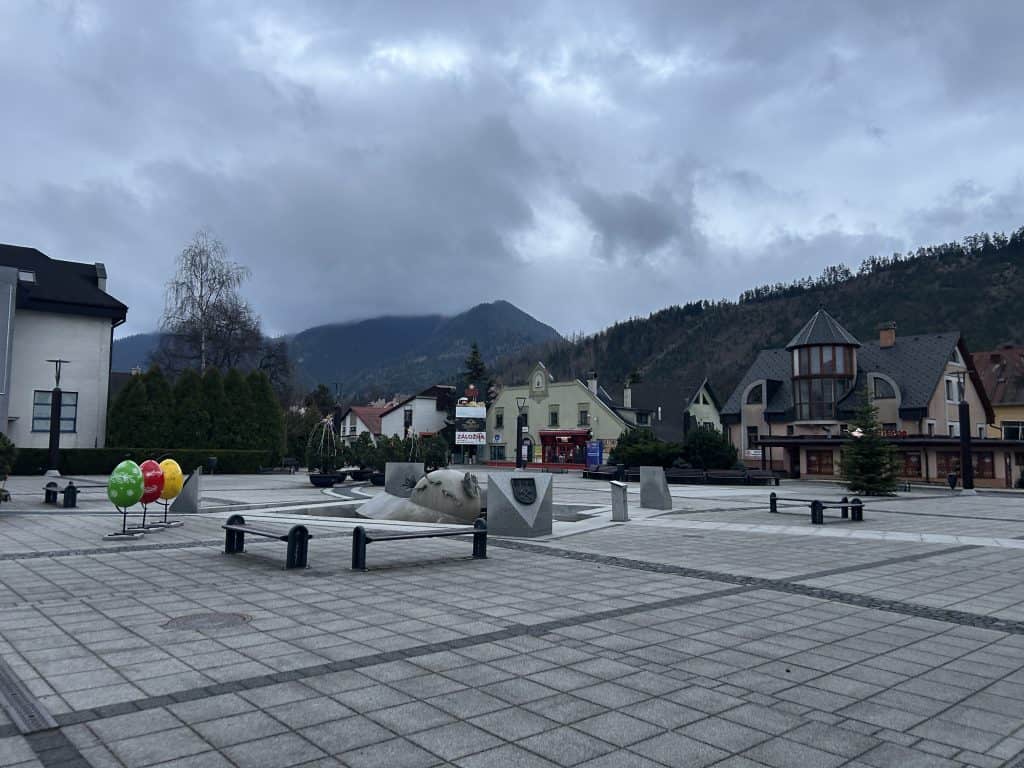
Walking is the best way to explore the historic center of Liptovský Hrádok. The Liptovský Hrádok Castle and Manor House, the Arboretum, and the main town square are all within a short walking distance of each other. This allows visitors to see the main sights of the town at a relaxed pace.
Local Buses
For journeys to nearby villages like Pribylina or to the larger town of Liptovský Mikuláš, there is a regional bus network. These buses are operated by Arriva Liorbus. The bus station in Liptovský Hrádok is the main hub for these services. The buses are the primary mode of public transport for connecting the different towns and villages within the Liptov region.
How to Get to Liptovský Hrádok
Reaching Liptovský Hrádok is straightforward due to its location on Slovakia’s main motorway and railway line. This makes it accessible from all major cities in the country and from neighboring states.
Arriving by Air: Nearby Gateways
The closest airport to Liptovský Hrádok is Poprad-Tatry Airport (TAT). It is located about 45 kilometers to the east and offers some seasonal and charter flights. A more common option for international travelers is Krakow John Paul II International Airport (KRK) in Poland, approximately 170 kilometers to the north. The airports in Bratislava (BTS) and Vienna (VIE) are further to the southwest but also provide access. From any of these airports, the journey must be completed by train, bus, or car.
The Open Road: Driving the D1 Motorway
Driving to Liptovský Hrádok is very efficient. The town is located directly on the D1 motorway (diaľnica D1). This is Slovakia’s primary east-west highway. It connects Liptovský Hrádok to major Slovak cities like Poprad, Žilina, Trenčín, and Bratislava. A digital motorway vignette is required to use Slovak motorways.
Connecting by Coach
Liptovský Hrádok has a bus station (Autobusová stanica Liptovský Hrádok) that offers local and national bus connections. You can find frequent direct bus services from major Slovak cities, including Bratislava, Košice, and Poprad. Regional buses also connect it to nearby towns like Liptovský Mikuláš. These services are often operated by Arriva and other carriers.
On Track: The Main Railway Line
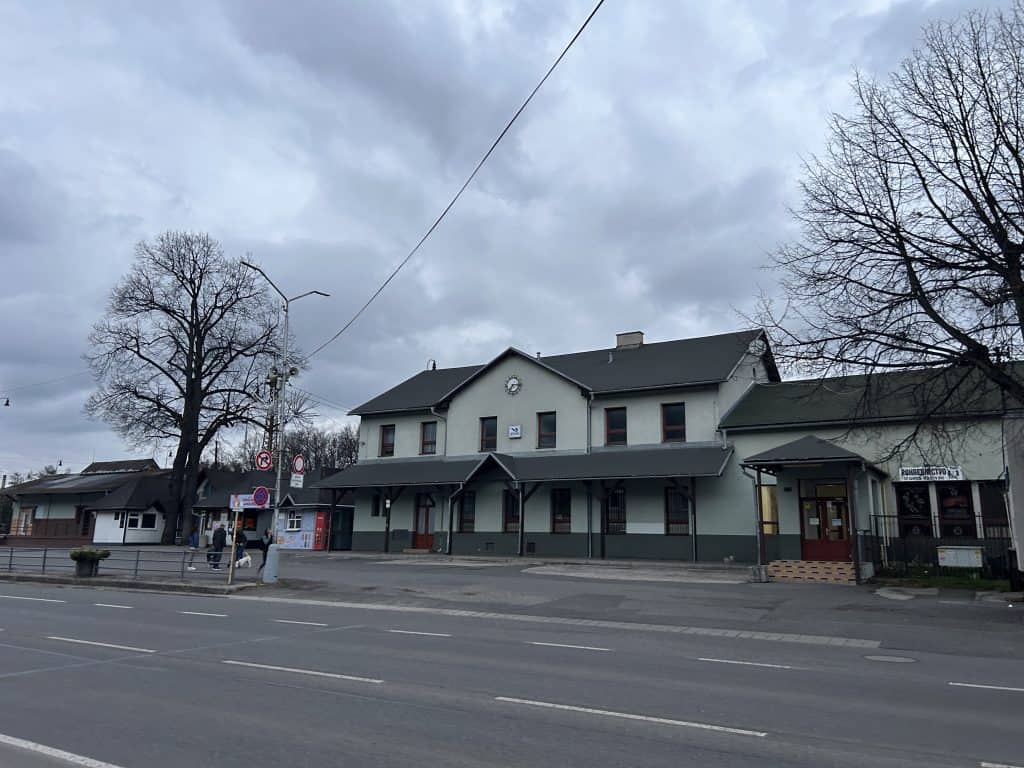
Liptovský Hrádok has its own train station (Železničná stanica Liptovský Hrádok). It is situated on Slovakia’s main railway line connecting Bratislava and Košice. The national rail operator ZSSK operates frequent regional and long-distance train services. Direct connections are available from most major Slovak cities. Train travel offers views of the surrounding mountains.
Driving Distances
The driving distance to Liptovský Hrádok from 3 major Slovak cities, according to Google Maps:
- Banská Bystrica, Slovakia – 75 kilometers (1 h 00 min)
- Žilina, Slovakia – 101 kilometers (1 h 20 min)
- Košice, Slovakia – 156 kilometers (1 h 40 min)
- Ostrava, Czech Republic – 173 kilometers (2 h 40 min)
- Krakow, Poland – 174 kilometers (3 h 00 min)
- Katowice, Poland – 200 kilometers (2 h 50 min)
- Budapest, Hungary – 247 kilometers (3 h 40 min)
- Bratislava, Slovakia – 291 kilometers (3 h 00 min)
- Brno, Czech Republic – 301 kilometers (3 h 30 min)
- Vienna, Austria – 373 kilometers (3 h 50 min)
Looking to Explore more of Slovakia and Europe?