
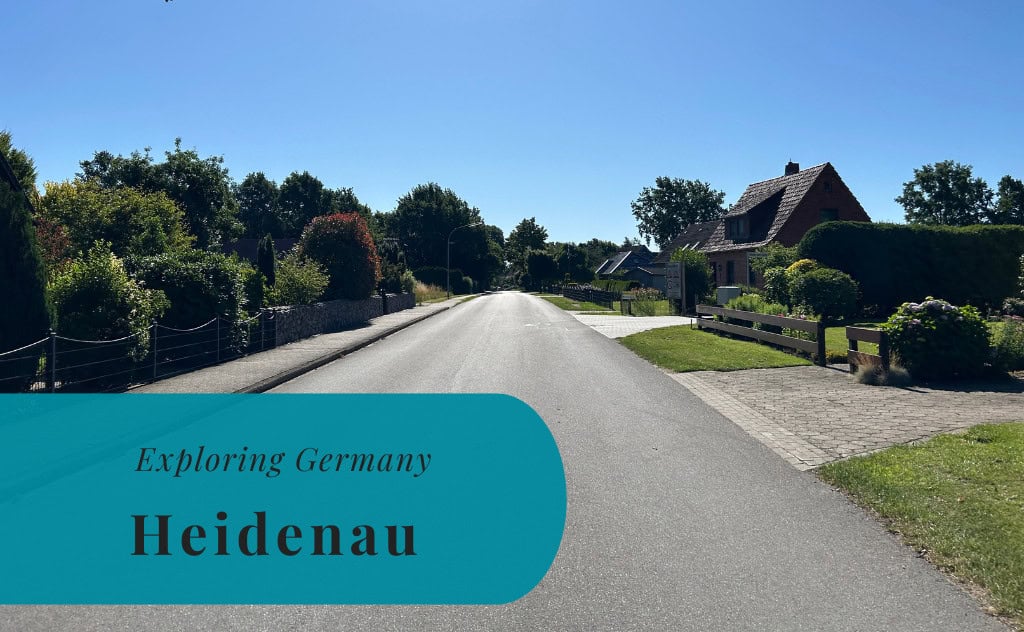
Heidenau, Lower Saxony | Exploring Germany
Heidenau is a municipality in the district of Harburg, located in the state of Lower Saxony, Germany. The village is part of the Samtgemeinde (collective municipality) of Tostedt. It is situated approximately 35 kilometers south of the major city of Hamburg. With a population of approximately 2,400 residents, Heidenau is a small, rural community. It is located in the northern part of the Lüneburg Heath (Lüneburger Heide), a large area of heath, geest, and woodland.
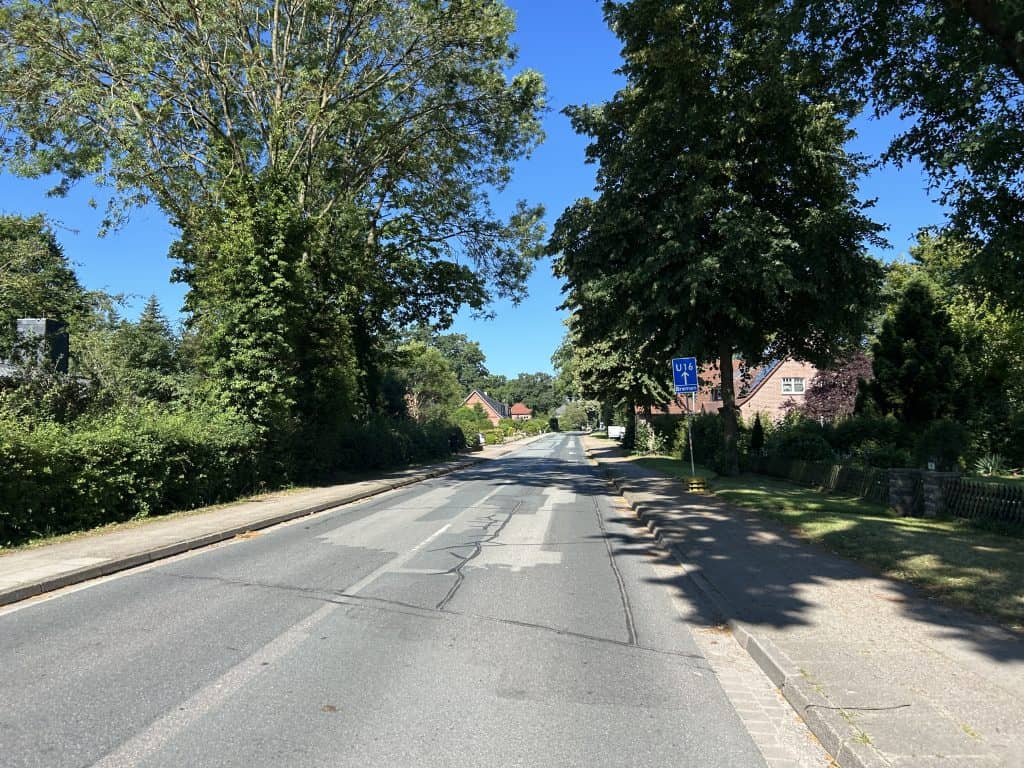
The character of Heidenau is that of a traditional heathland village that has grown into a modern residential community. Its identity is closely tied to its natural surroundings, with large forests and nature reserves defining the local landscape. The village serves primarily as a residential area for people seeking a quiet, rural lifestyle while remaining within commuting distance of the Hamburg Metropolitan Region. Its location makes it a starting point for exploring the natural attractions of the northern Lüneburg Heath.

A Short History of Heidenau
The history of Heidenau is that of a small agricultural village that has maintained its rural character for centuries. Its development reflects the history of the Lüneburg Heath region, from its early settlement to its modern role as a residential and recreational area. The town’s story is one of a quiet, stable community that was later shaped by the administrative reforms of the 20th century. This has allowed it to preserve its connection to its natural surroundings.
Agrarian Origins
The history of settlement in the Heidenau area is long, with evidence of prehistoric burial mounds in the surrounding region. The village itself developed as a small agricultural community within the Duchy of Brunswick and Lüneburg. For centuries, its economy was based on farming and the use of the surrounding heathland and forests. The village was centered around its church and a collection of traditional farmhouses. Its name, Heidenau, is derived from the German word Heide, meaning heath.
Modern Development and Municipal Reforms
The 19th and 20th centuries saw gradual growth in the village, but it largely retained its rural character. A key moment in its modern history came in 1972 with the municipal reforms in Lower Saxony. During this process, Heidenau became part of the newly formed Samtgemeinde Tostedt, a collective municipality that joined several smaller villages into a single administrative unit. In the late 20th and early 21st centuries, the village has grown as a residential community, attracting new residents from the Hamburg area.


Things to Do and See
The sights in and around the small village of Heidenau are primarily focused on its historic church and the natural landscapes of the Lüneburg Heath. The main points of interest offer a look into the history of the parish and provide access to the region’s well-known natural attractions.
Heidenau Church
The Heidenau Church (Kirche Heidenau) is the most prominent landmark in the locality. The historic fieldstone church is located in the center of the village. The current building has parts that date back to the 14th century, though it has been expanded and renovated several times over its long history. Its wooden bell tower stands separately from the main church building, which is a common feature of churches in this region. The church is the spiritual and historical heart of the community.
The Village Center
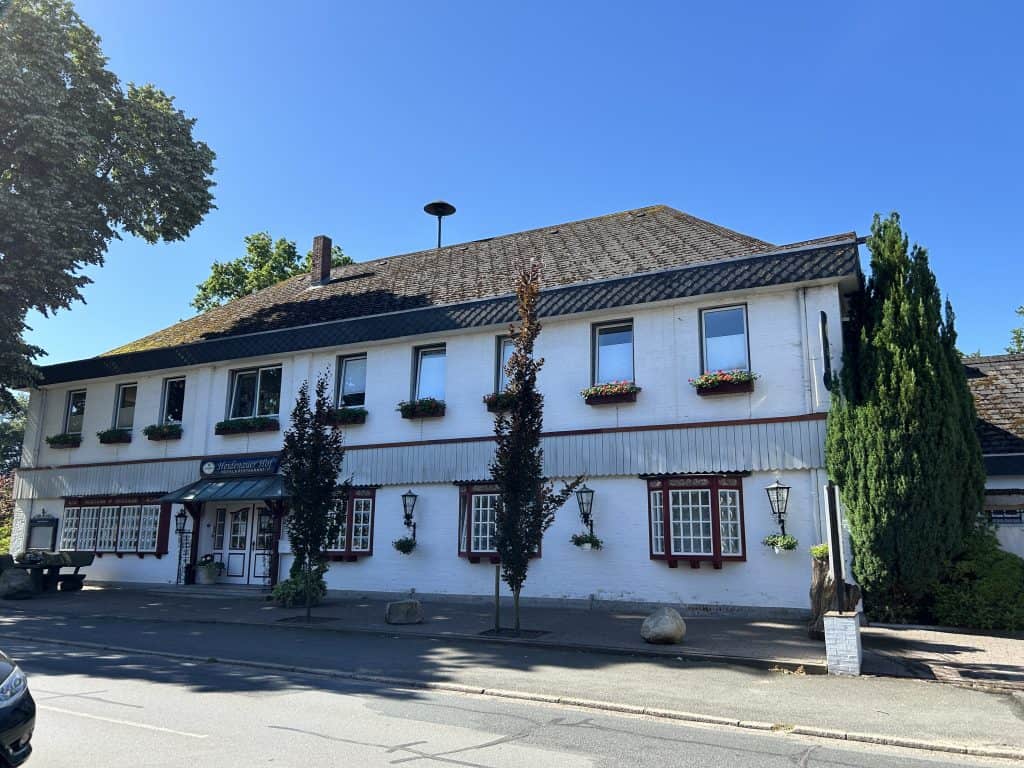
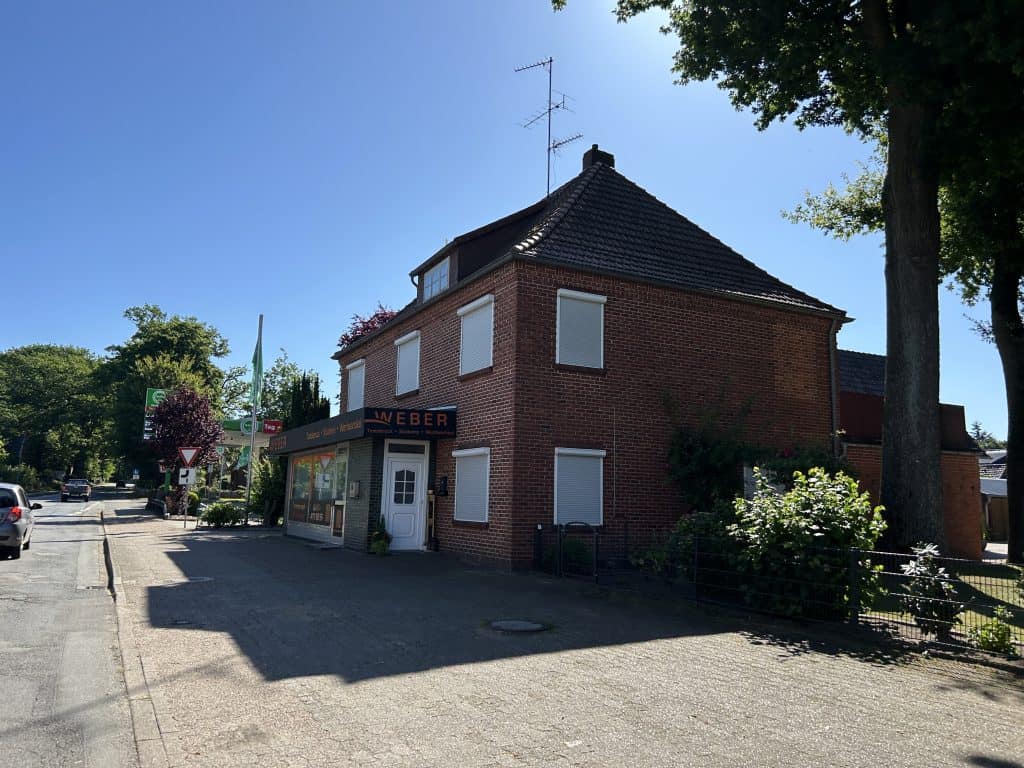
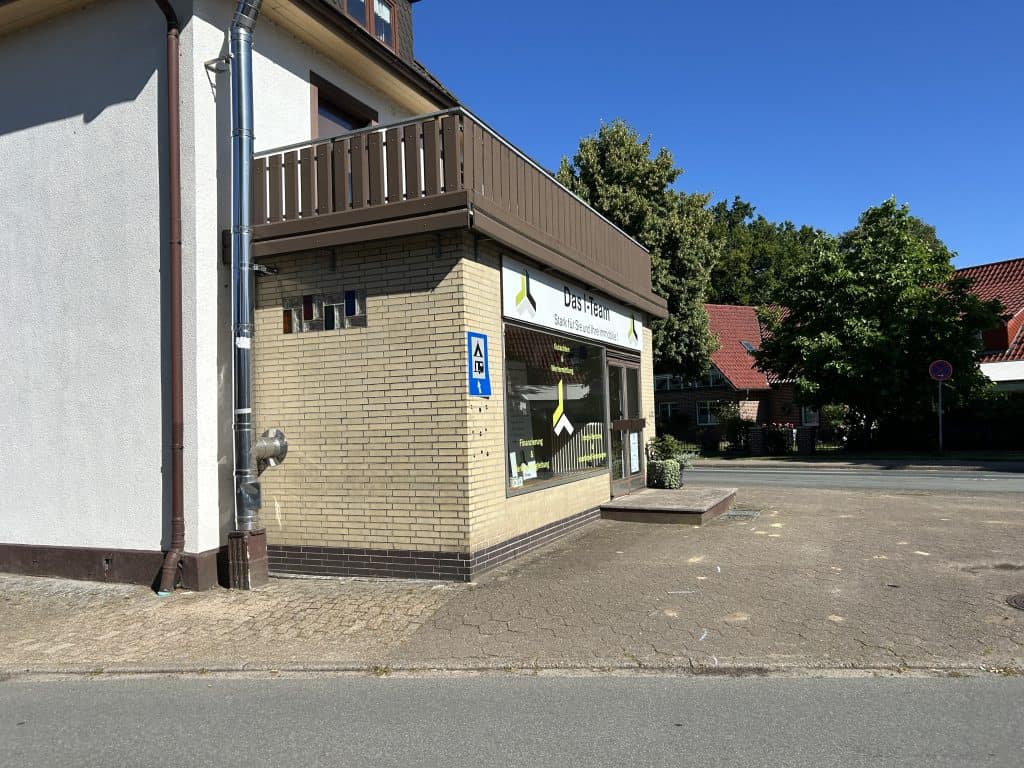
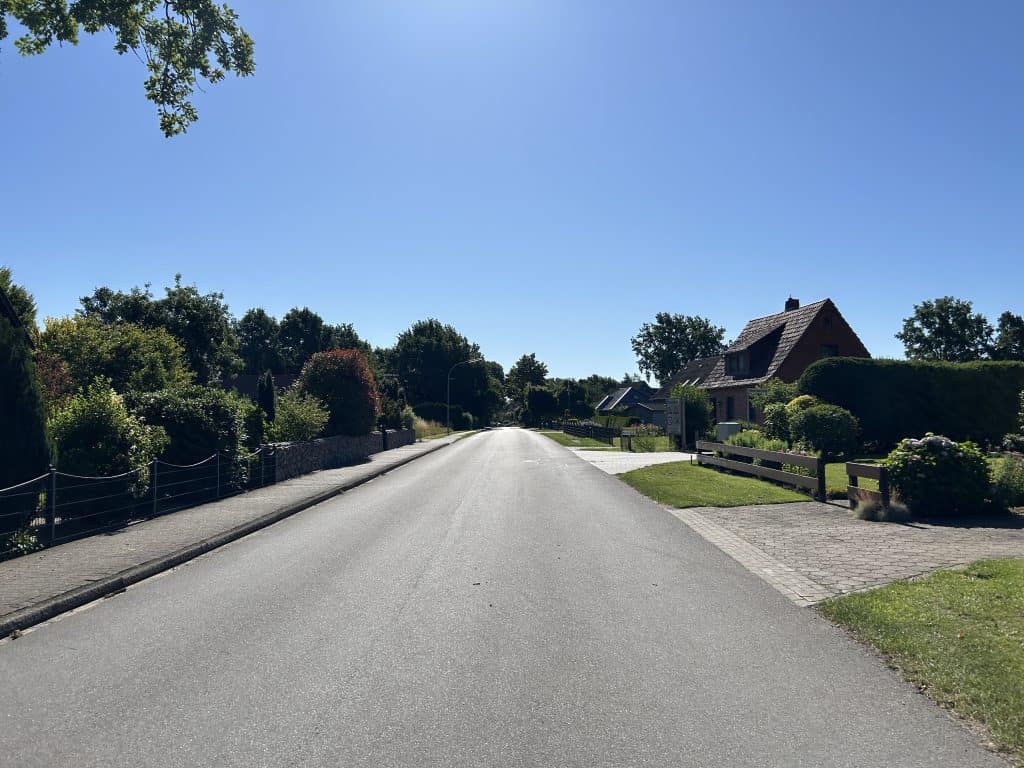
The village center of Heidenau retains some of the character of a traditional heathland village. The area around the church contains several historic buildings, including some traditional half-timbered farmhouses. A walk through the central part of the village provides a look at the layout of a typical North German rural settlement. The center also includes local services such as a small shop and a restaurant.
Heidenauer Aue Nature Reserve
The Heidenauer Aue Nature Reserve is a protected area located near the village. The reserve follows the course of the Aue stream, a small tributary of the Oste River. It consists of a landscape of wet meadows, alder forests, and the natural stream valley. The reserve is a habitat for a variety of plant and animal species. It offers opportunities for walking and nature observation in a protected environment.
The Lüneburg Heath
Heidenau is located in the northern part of the Lüneburg Heath (Lüneburger Heide). This large and famous nature region is one of the most important tourist destinations in northern Germany. The heath is known for its vast expanses of heather, which bloom in late summer. It also contains forests of pine and birch. The area is a major destination for hiking, cycling, and experiencing nature.
Heidschnuckenweg
The Heidschnuckenweg is a famous long-distance hiking trail that runs for over 220 kilometers through the heart of the Lüneburg Heath. The trail is named after the Heidschnucke, a local breed of sheep that grazes on the heath. While the main trail passes to the east of Heidenau, the village is located within the wider network of trails that connect to it. It is a key attraction for hikers visiting the region.


How to Get to Heidenau
Reaching the village of Heidenau requires travel to the rural area south of Hamburg. A car is the most practical means of transport for visiting the village and exploring the surrounding Lüneburg Heath. Public transport options are available but require connecting through the nearby town of Tostedt.
The Open Road: Driving the Autobahn
Driving is the most straightforward way to reach Heidenau. The village is located just a few kilometers from the A1 motorway (Autobahn), which is the main highway connecting Hamburg and Bremen. From the motorway exit at Hollenstedt or Heidenau, a short drive on local roads leads to the village. The drive from central Hamburg is approximately 45 kilometers and takes about 40-50 minutes.
Arriving by Air: Hamburg Airport
The closest and most convenient major airport is Hamburg Airport (HAM). It is located approximately 50 kilometers to the north of Heidenau. HAM is a major international airport with extensive connections. From the airport, a rental car is the most practical option for completing the journey to Heidenau. It is also possible to take the S-Bahn from the airport to the Hamburg main station and then connect to a regional train.
On Track: A Journey by Rail and Bus
Heidenau does not have its own train station. The closest train station is located in the nearby town of Tostedt, about 8 kilometers away. Tostedt is a major stop on the main railway line between Hamburg and Bremen. It is served by frequent Metronom regional express trains. From the Tostedt train station, a connecting regional bus service, operated as part of the HVV (Hamburg Transport Association), runs to Heidenau.
Connecting by Coach
There are no direct long-distance bus services to the small village of Heidenau. Travel by coach would typically involve taking a service from a company like FlixBus to the main bus station (ZOB) in Hamburg. From Hamburg, travelers would then need to transfer to a regional train to Tostedt, followed by a local bus to Heidenau.
Driving Distances
The driving distance from 10 regional cities, according to Google Maps:
- Hamburg, Germany – 45 kilometers (0 h 50 min)
- Bremen, Germany – 84 kilometers (1 h 00 min)
- Hanover, Germany – 122 kilometers (1 h 20 min)
- Kiel, Germany – 134 kilometers (1 h 40 min)
- Berlin, Germany – 327 kilometers (3 h 20 min)
- Copenhagen, Denmark – 380 kilometers (5 h 00 min, includes ferry)
- Amsterdam, Netherlands – 419 kilometers (4 h 10 min)
- Aarhus, Denmark – 434 kilometers (4 h 40 min, includes ferry)
- Szczecin, Poland – 442 kilometers (4 h 40 min)
- Gothenburg, Sweden – 618 kilometers (8 h 20 min, includes ferry)
Looking to Explore more of Germany and Europe?