Ifjord, Øst-Finnmark | Exploring Norway
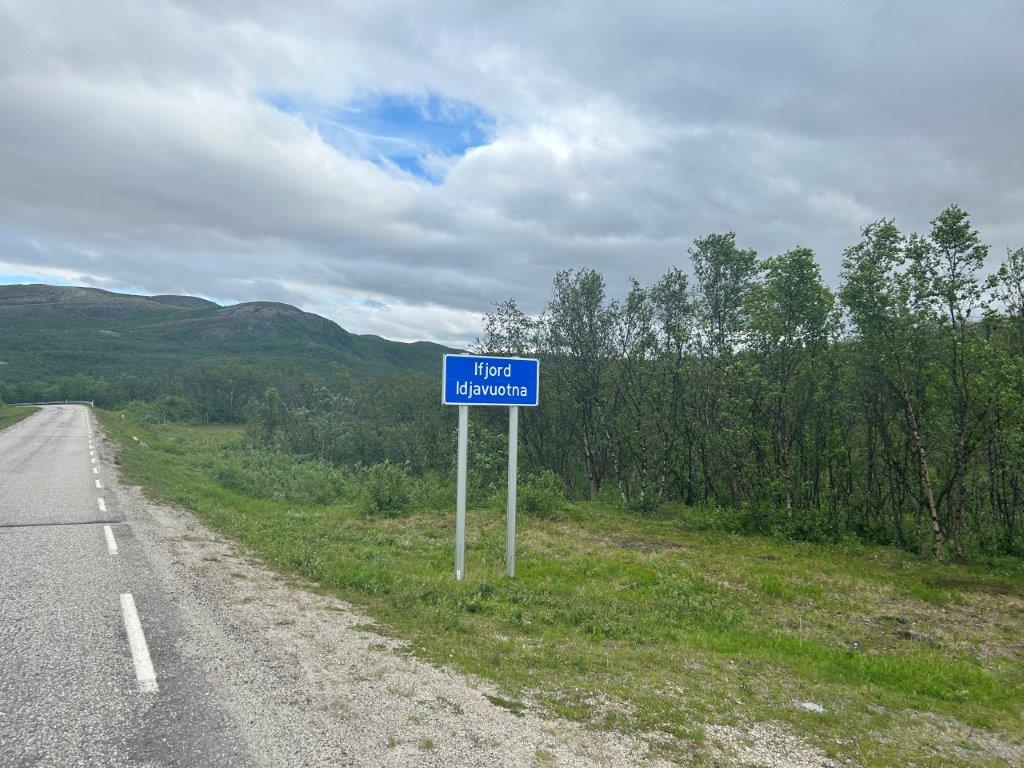
Ifjord is a village located in Lebesby Municipality in Finnmark county, northern Norway. Its Northern Sámi name is Idjavuotna. The village is situated at the head of the Ifjorden, a branch of the larger Laksefjorden. With a population of under 200 residents, Ifjord is a small settlement that functions as a key service and communication hub for this remote part of the region. Its location at a junction of regional roads connecting to the E6 highway is a primary feature.
The character of Ifjord is defined by its position within the Arctic landscape of Finnmark. The village serves as a base for accessing the surrounding natural environment, including the tundra of the Ifjordfjellet mountains and the adjacent fjord system. It is a center for traditional Sámi culture and reindeer herding, which coexist with the modern infrastructure of roads and communication. The area’s identity is shaped by the seasons, from the continuous daylight of the Midnight Sun in summer to the Polar Night and Northern Lights in winter.
A Short History of Ifjord
The history of Ifjord is that of a small, resilient Arctic settlement shaped by its Sámi heritage, its strategic location, and the profound impact of World War II. Its development reflects the challenges and adaptations of life in the far north of Norway. The village that exists today is a product of post-war reconstruction and modern infrastructure development, which transformed it into a key crossroads in the region.
Sámi Heritage and Traditional Livelihoods
The area around Ifjord and the Laksefjorden has been a part of the Sámi cultural region for centuries. The indigenous Sámi people have a long history here, with a traditional economy based on fishing, hunting, and semi-nomadic reindeer herding. The fjord’s natural resources and the surrounding inland plateau provided sustenance and a livelihood for generations. The village’s Sámi name, Idjavuotna, means “Night Fjord,” which reflects this deep historical connection to the landscape.
World War II and Reconstruction
During the German occupation of Norway in World War II, the Finnmark region was a key strategic area. In late 1944, as German forces retreated, they applied a scorched-earth policy across the entire region. Nearly all buildings in Ifjord and the surrounding settlements were systematically burned down to prevent their use by advancing Allied forces. After the war, the community faced the daunting task of rebuilding from almost nothing, a period that shaped much of modern Ifjord.
A Modern Road Junction
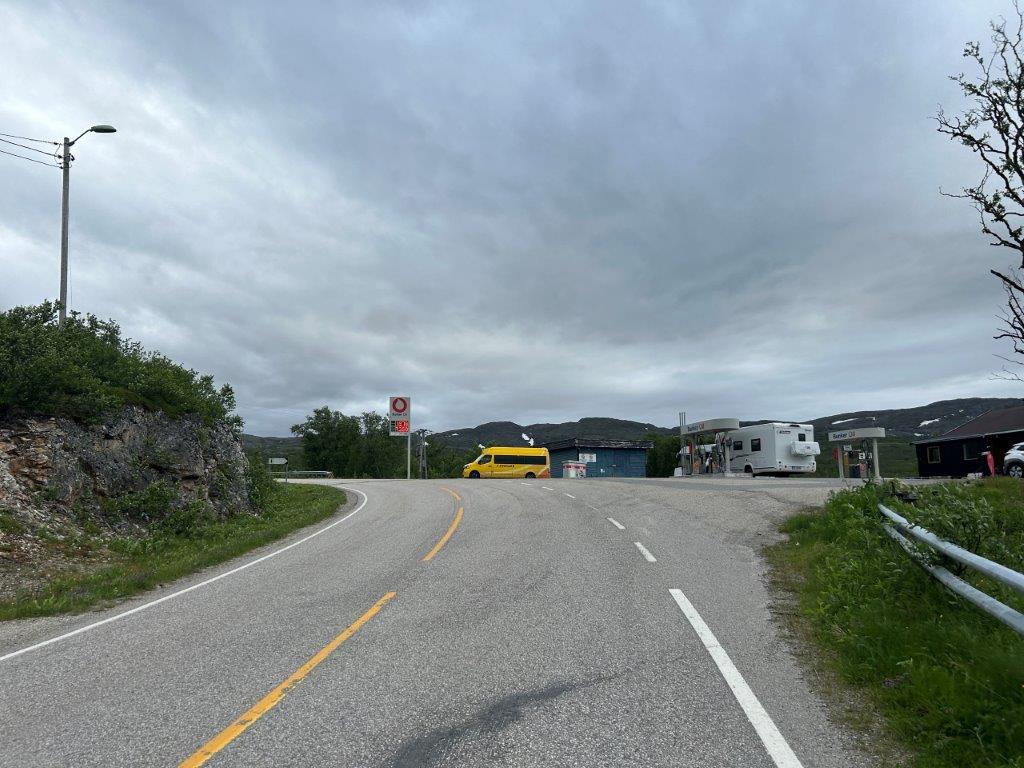
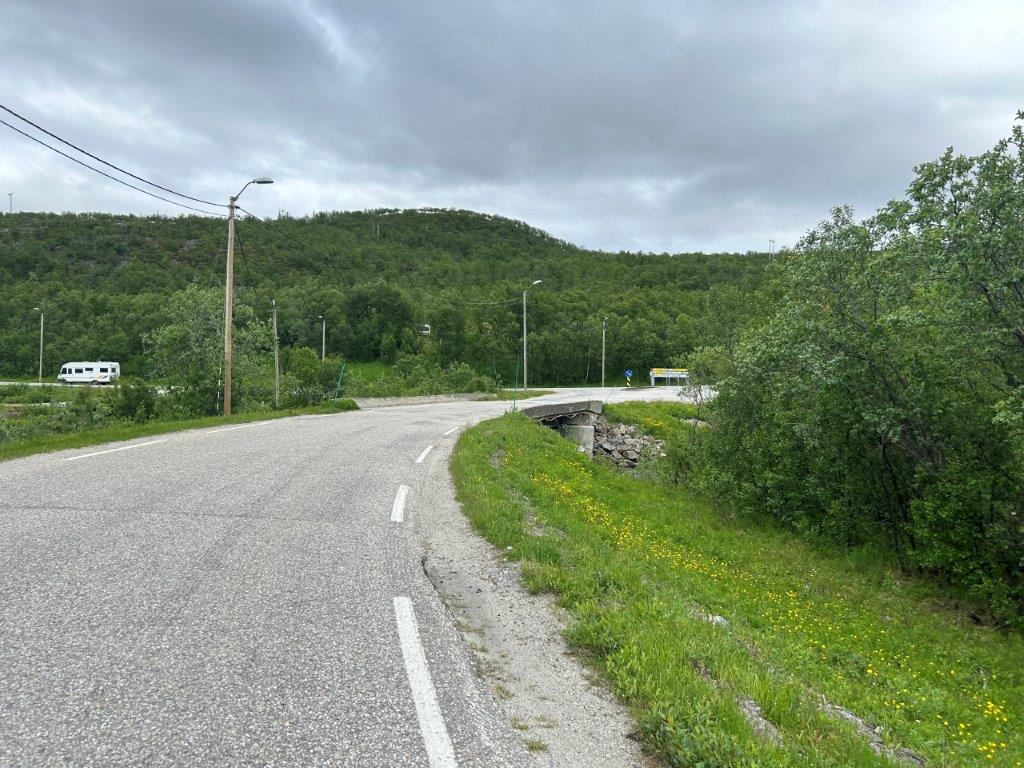
Ifjord’s modern importance is primarily due to its strategic location at a crossroads of regional transportation routes. It is located on Norwegian County Road 98, which connects the eastern part of Finnmark with the E6 highway. The village serves as a vital link between towns like Lakselv, Tana Bru, and communities on the Nordkinn Peninsula. This has made it an important service point for travelers and for the transport of goods in this vast and sparsely populated region.
Things to Do and See
The sights in and around Ifjord are centered on its natural environment and its role as a community hub in the Arctic. The primary attractions are the surrounding mountains and fjords, the local church, and the natural phenomena characteristic of its high latitude. These sights offer a look into both the natural landscape and the human culture of the Finnmark region.
The Ifjord River and Fjord
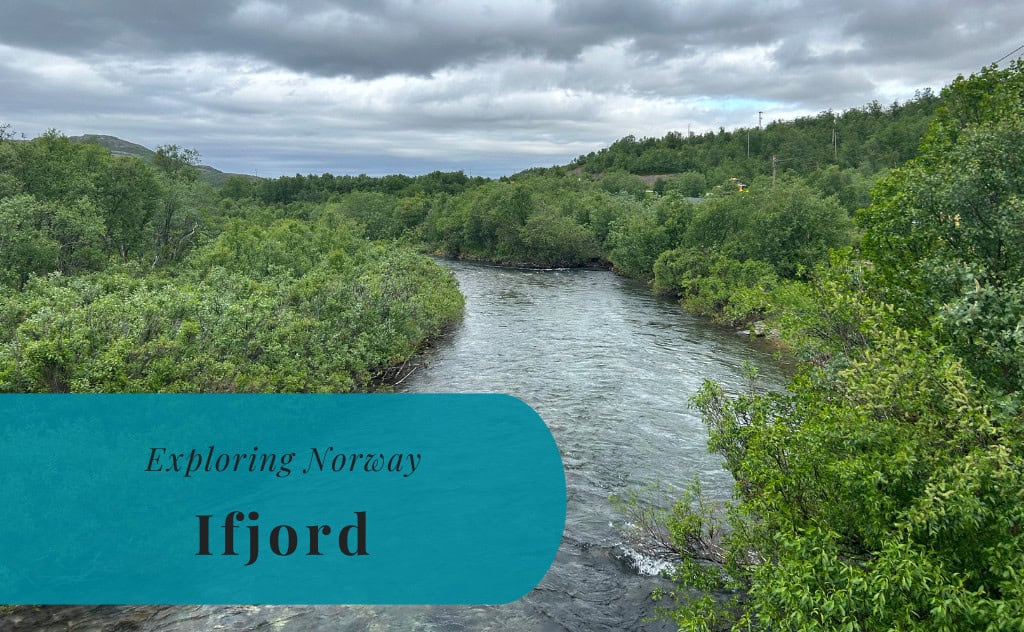
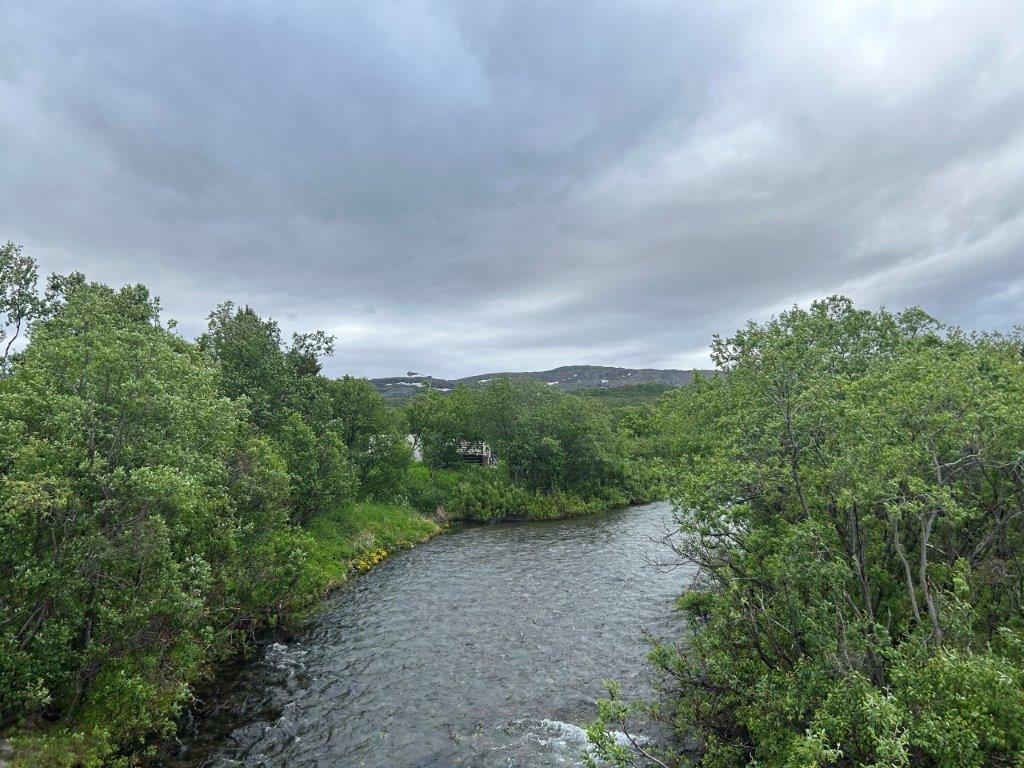
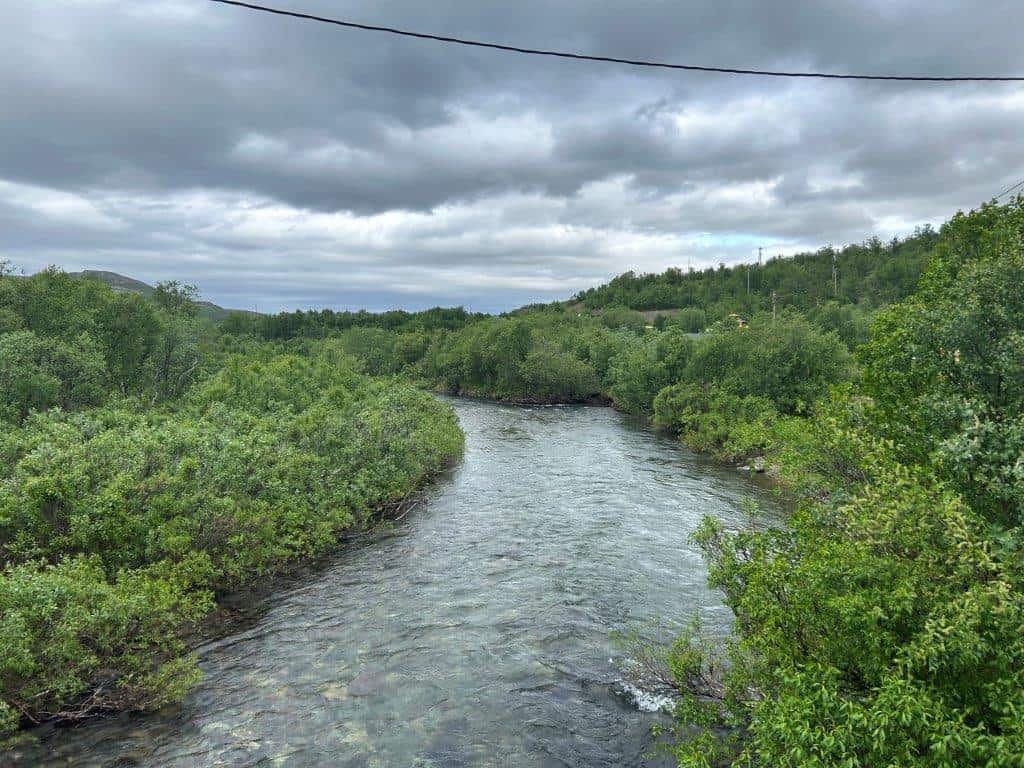
The Ifjord River (Ifjordelva) is a small river that flows through the valley and empties into the Ifjorden. The fjord itself is an arm of the larger Laksefjorden. This river and fjord system is important for local fishing, particularly for salmon and sea trout. The calm waters of the inner fjord also provide a habitat for various forms of marine life and sea birds.
Ifjord Chapel
The Ifjord Chapel (Ifjord kapell) is the local church that serves the village and surrounding area. It is a simple, white wooden church that was built in 1969. The chapel is a key landmark in the small village and serves as the center for religious and community gatherings. Its functional, modern design is characteristic of many of the churches that were rebuilt across Finnmark in the post-war period.
Ifjordfjellet Mountains
The Ifjord River (Ifjordelva) is a small river that flows through the valley and empties into the Ifjorden. The fjord itself is an arm of the larger Laksefjorden. This river and fjord system is important for local fishing, particularly for salmon and sea trout. The calm waters of the inner fjord also provide a habitat for various forms of marine life and sea birds.
Natural Phenomena
Depending on the season, two major natural phenomena are primary attractions. From mid-May to late July, the Midnight Sun is visible. This means the sun does not set below the horizon, providing 24 hours of continuous daylight. Conversely, in winter, from late September to late March, the Northern Lights (Aurora Borealis) can often be seen in the sky. Ifjord’s remote location with low light pollution makes it a suitable viewing location for both.
Recreational Activities
The recreational life in Ifjord is focused on outdoor activities that take advantage of its Arctic environment. The main pursuits are fishing, hiking, and winter sports like cross-country skiing and snowmobiling, which are central to the local culture.
River and Fjord Fishing
The Ifjord River and the wider Laksefjord system are known for their fishing opportunities. The rivers in the region are destinations for Atlantic salmon and sea trout fishing during the summer months. A national fishing license and a local permit are typically required. The fjord itself offers opportunities for sea fishing from the shore or from a boat.
Hiking and Trekking
The Ifjordfjellet mountain plateau and the surrounding wilderness provide extensive terrain for hiking and trekking. There are both unmarked routes across the open tundra and some marked local trails. Hiking in this region offers a chance to experience the vast, open spaces of the Arctic landscape. The area is suitable for day hikes or longer, multi-day treks for experienced outdoorspeople.
Winter Sports
During the long winter season, cross-country skiing and snowmobiling are popular local activities. There are many opportunities for skiing in the backcountry terrain of the Ifjordfjellet. The snowmobile is also a common mode of transport for residents in the winter. There is a large network of marked snowmobile trails that connect Ifjord with other towns and communities across Finnmark.


How to Get to Ifjord
Reaching Ifjord requires travel to the remote Finnmark region of northern Norway. The village is located on the regional road network, and the journey is most often completed by car or regional bus, often connecting from a nearby airport.
The Arctic Road Trip: Driving
Driving is a common method for reaching Ifjord, especially for those exploring the region by car. The village is located on Norwegian County Road 98. This road connects to the European Route E6 highway at Lakselv to the west and at Tana Bru to the east. The E6 is Norway’s main north-south highway. The drive across the Ifjordfjellet mountain pass can be subject to closures during severe winter weather.
Arriving by Air: Nearby Gateways
The closest airports to Ifjord are Lakselv Airport (LKL), approximately 70 kilometers away, and Kirkenes Airport (KKN), approximately 160 kilometers away. Both airports have daily connections to Tromsø and Oslo, operated by Widerøe and SAS. From either of these airports, the journey to Ifjord must be completed by rental car or by a connecting regional bus service.
Connecting by Coach
Regional bus services connect Ifjord with neighboring towns in Finnmark. The regional public transport company, Snelandia, operates these routes. You can find bus connections to places like Lakselv, Tana Bru, and Mehamn. These buses are a key transport link for local residents. It is important to check schedules carefully, as services can be infrequent.
A Coastal Voyage: The Ferry Connection
Ifjord itself is not a direct stop for major ferry services like the Hurtigruten coastal steamer. The Hurtigruten stops at several coastal towns on the Nordkinn Peninsula, with the closest ports being Kjøllefjord and Mehamn. From either of these ports, you would need to take a connecting bus or car journey south on County Road 98 to reach Ifjord.
Driving Distances
The driving distance from 10 regional cities, according to Google Maps:
- Kirkenes, Norway – 227 kilometers (3 h 20 min)
- Tromsø, Norway – 501 kilometers (7 h 00 min)
- Rovaniemi, Finland – 502 kilometers (6 h 20 min)
- Luleå, Sweden – 752 kilometers (9 h 30 min)
- Narvik, Norway – 818 kilometers (11 h 00 min)
- Helsinki, Finland – 1281 kilometers (15 h 40 min)
- Trondheim, Norway – 1590 kilometers (20 h 40 min)
- Stockholm, Sweden – 1669 kilometers (19 h 50 min)
- Oslo, Norway – 1925 kilometers (23 h 40 min)
- Copenhagen, Denmark – 2274 kilometers (26 h 20 min)
Looking to Explore more of Norway and Europe?