
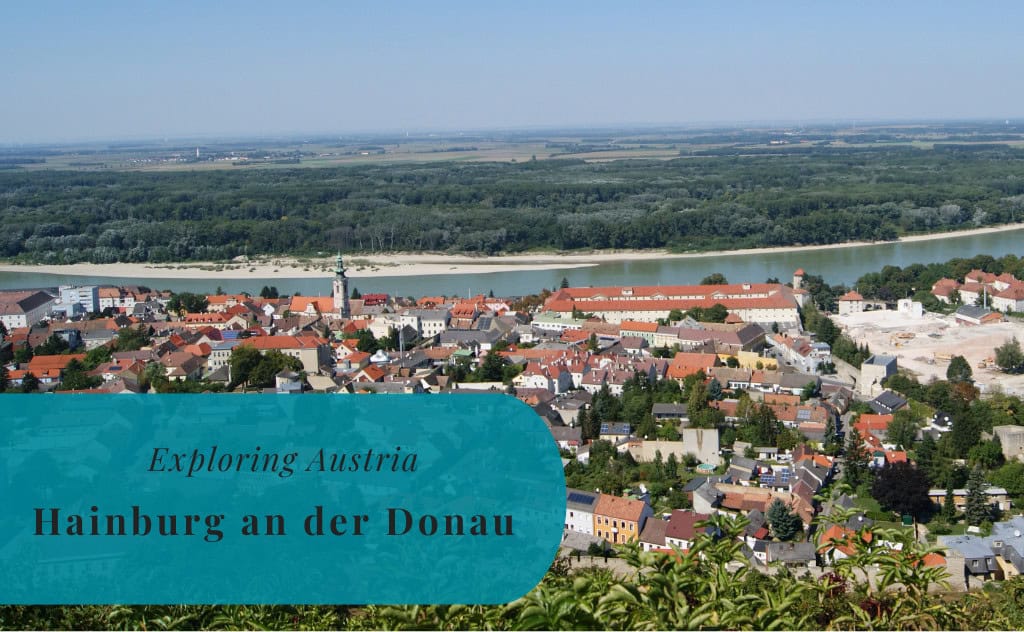
Hainburg an der Donau | Exloring Austria
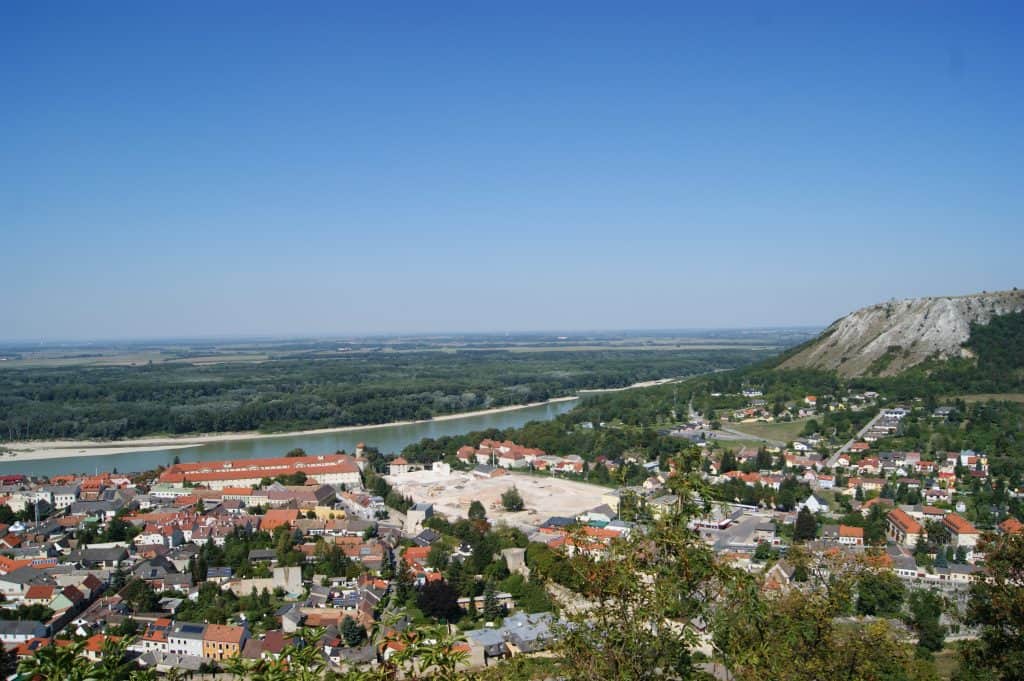
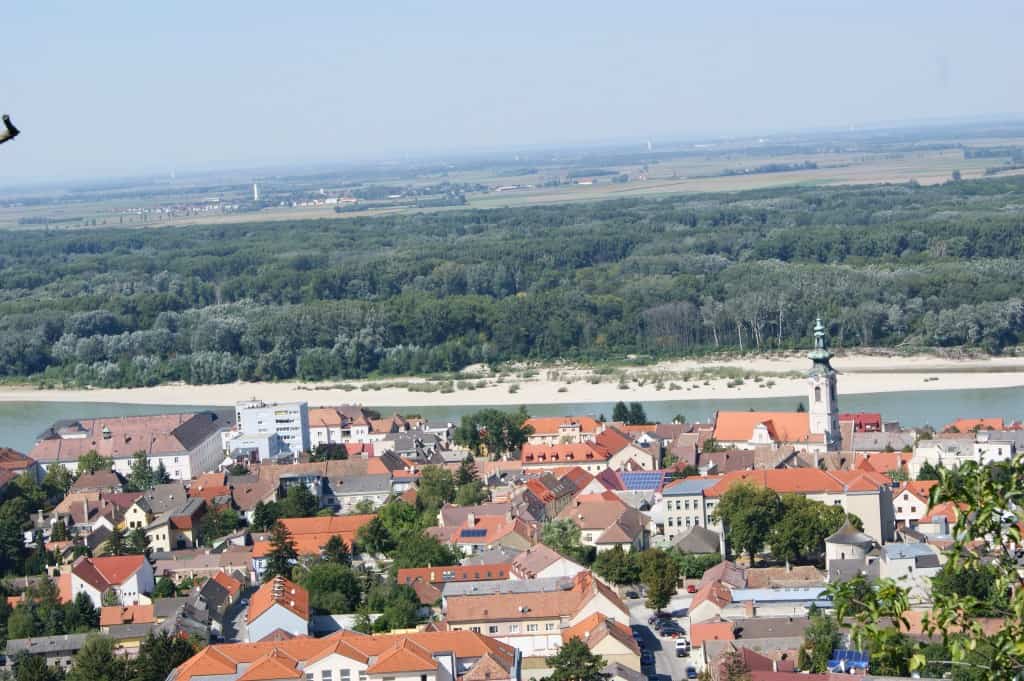
Hainburg an der Donau is a town in eastern Austria, located in the state of Lower Austria. It lies directly on the southern bank of the Danube River, which at this point forms the border with Slovakia. With a population of around 7,000 inhabitants, the town is known for its remarkably well-preserved medieval fortifications, including massive town walls, gates, and towers. Its strategic location, situated halfway between the capitals of Vienna and Bratislava, has shaped its long and often turbulent history.
The town’s identity is defined by this history as a strategic border fortress. For centuries, it was a key defensive outpost for the Habsburg lands against threats from the east. This legacy is visible everywhere, from the imposing castle ruins on the Schlossberg hill to the historic town center. Today, Hainburg is also a part of the Danube-Auen National Park, a vast floodplain forest that provides a beautiful natural setting. The town offers a unique combination of rich medieval history, impressive architecture, and accessible nature, making it a significant destination on the Austrian Danube.


History of Hainburg an der Donau
The history of Hainburg is a story of a strategic border fortress that has stood for nearly a thousand years. Its location was chosen for its ability to control movement along the Danube River. The town’s development began in the 11th century with the construction of a massive castle. It grew into a fortified town that played a crucial role in the defense of the Habsburg lands, especially during the wars with the Ottoman Empire. Although its military importance waned in later centuries, the town experienced a pivotal moment in the 20th century when it became the center of Austria’s first major environmental protest.
The Medieval Fortress
The history of Hainburg began in the 11th century when Emperor Henry III ordered the construction of a large stone castle on the Schlossberg hill. This fortress, Heimenburg, was built to control the region and to serve as a key defensive outpost on the eastern frontier of the Holy Roman Empire. The town that developed at the base of the castle hill was itself heavily fortified in the 13th century. The massive town walls, with their 15 towers and three gates, were built during this period, turning Hainburg into one of the most formidable fortresses on the Danube.
Centuries of Conflict
Due to its strategic location, Hainburg was frequently at the center of military conflicts. The town was besieged and conquered by the Hungarian King Ottokar in the 13th century. Its most difficult period, however, came during the wars with the Ottoman Empire. The town was besieged by the Turks in 1529 during the First Siege of Vienna. It suffered its greatest catastrophe in 1683, during the Second Siege of Vienna, when the Ottoman army captured the town and massacred a large part of its population. The event is known as the “Bratislava Slaughter,” and the town was left in ruins.
The Occupation of the Hainburger Au
In the modern era, Hainburg’s military importance declined. However, the town once again became the center of national attention in the winter of 1984. The Austrian government had planned to build a major hydroelectric power plant in the Hainburger Au, the beautiful floodplain forests next to the town. This plan sparked a massive environmental protest. Thousands of citizens occupied the forest to prevent the clearing of the trees. The “Occupation of the Hainburger Au” was a pivotal moment in Austrian history. It led to the cancellation of the power plant and the creation of the Danube-Auen National Park.


Sights in Hainburg an der Donau
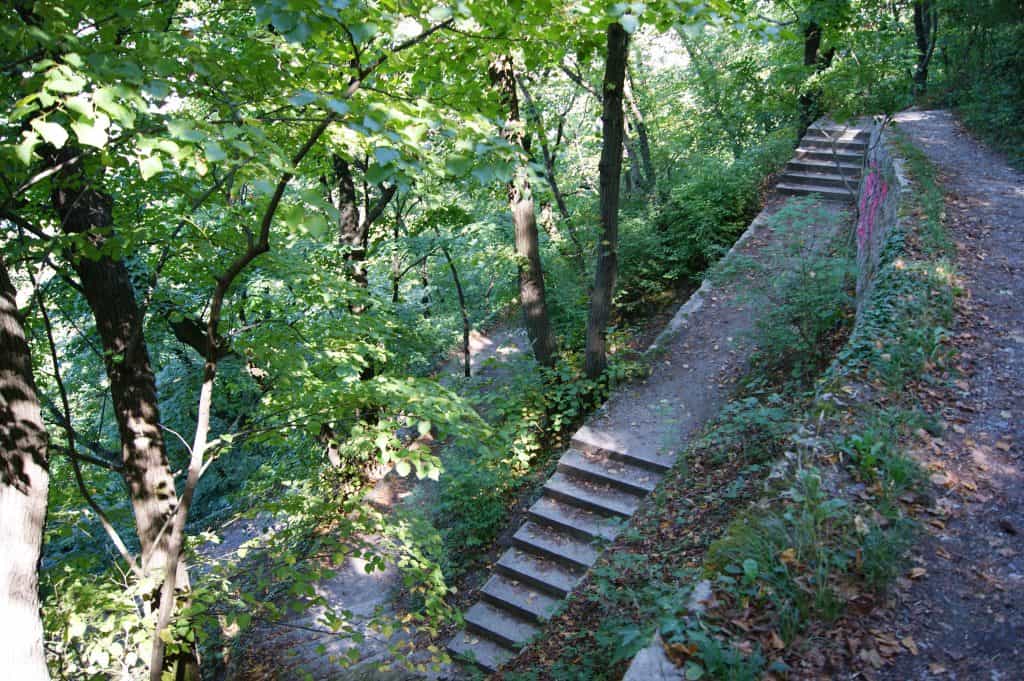
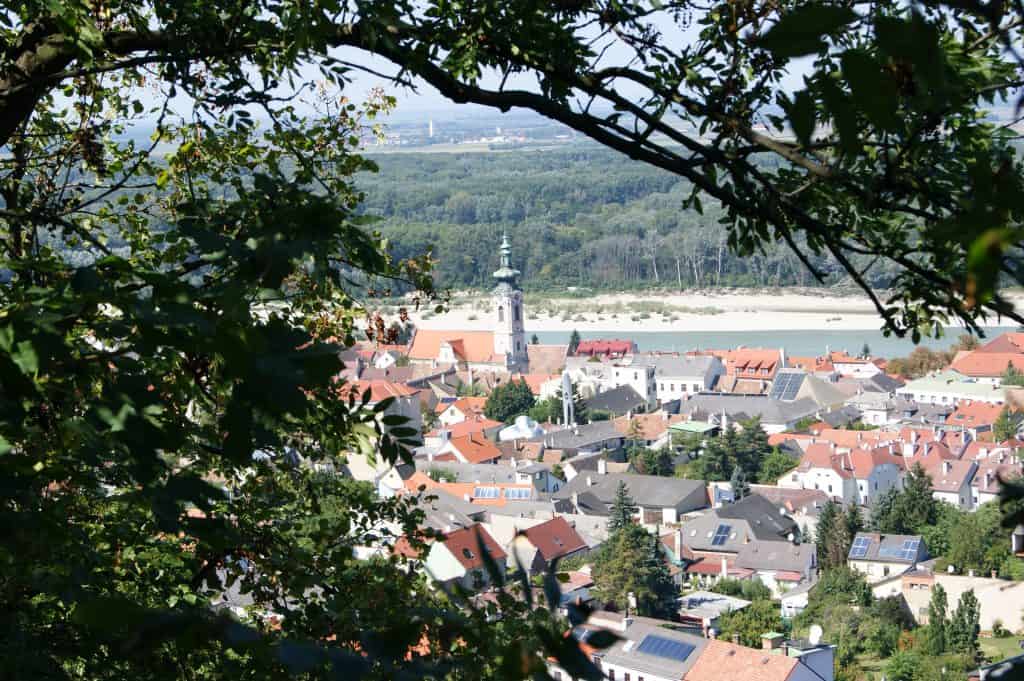
The sights in Hainburg are centered around its magnificent medieval fortifications and its beautiful location on the Danube River. The main attraction is the extensive and remarkably well-preserved town wall, which is one of the most complete in all of Europe. Visitors can walk along large sections of the wall and explore its impressive gates and towers. The ruins of the medieval castle on the Schlossberg provide another key historical sight with spectacular views. For those interested in nature, the nearby Braunsberg hill offers a unique combination of ancient history and panoramic vistas.
Town Walls and Gates
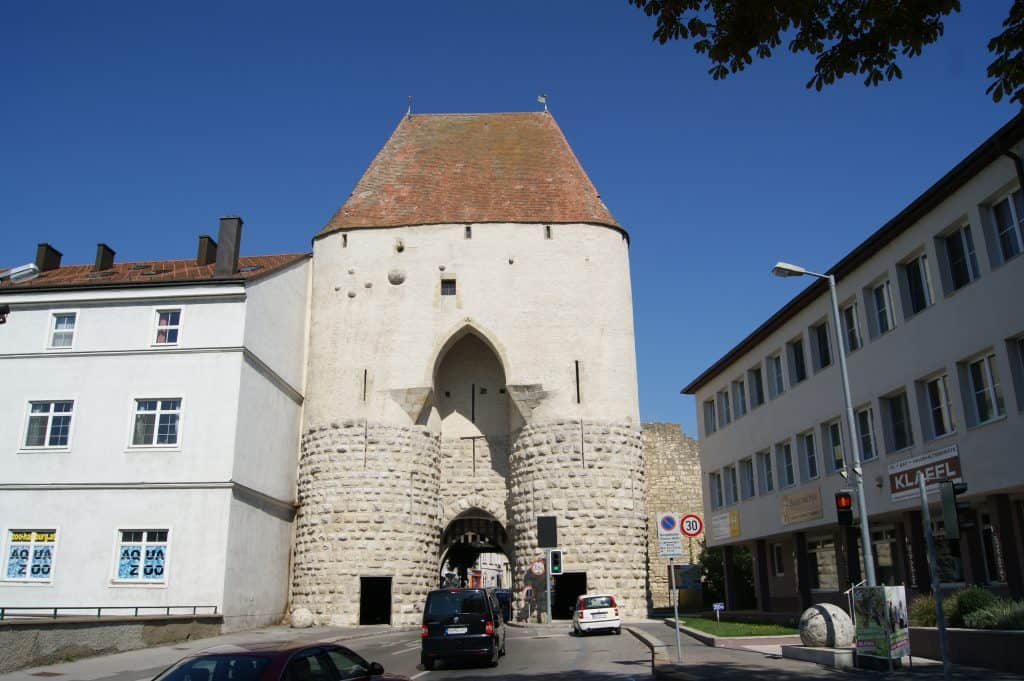
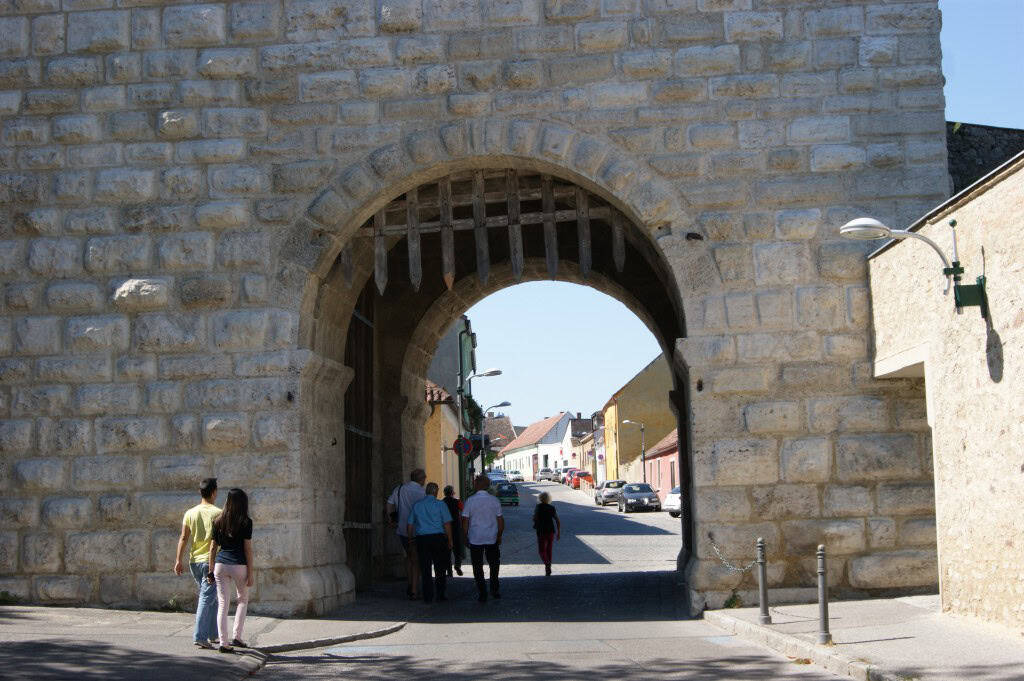
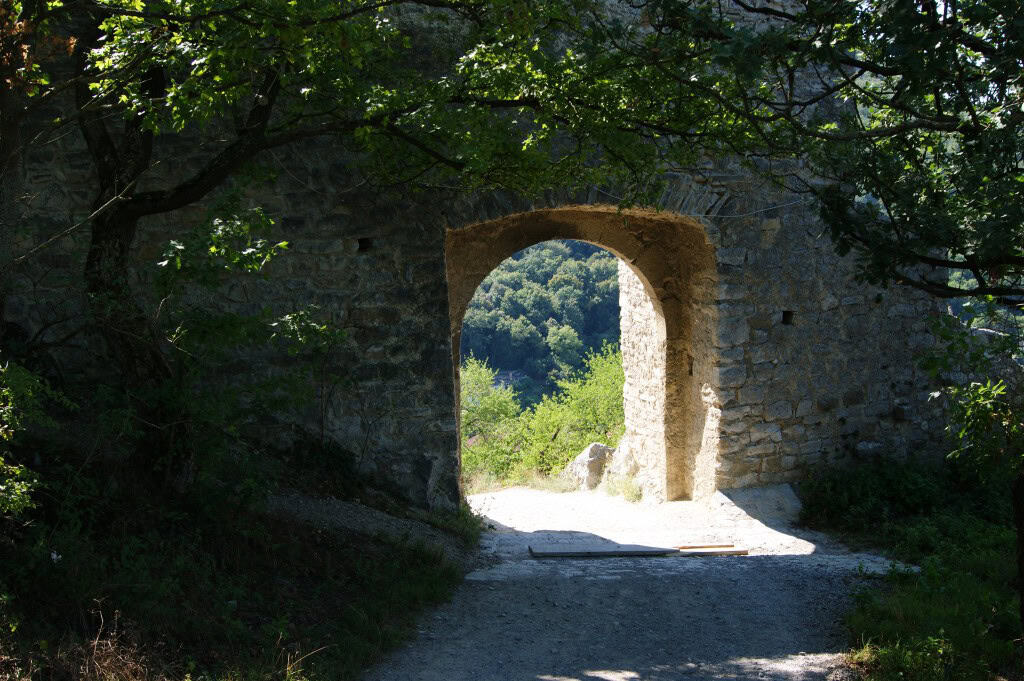
The medieval town walls of Hainburg are the town’s most impressive feature. The walls stretch for 2.5 kilometers and are almost completely preserved. They feature 15 defensive towers and three large medieval town gates. The two most famous gates are the Wienertor (Vienna Gate) on the western side and the Ungarntor (Hungarian Gate) on the eastern side. The Wienertor is the largest medieval town gate in Europe. Visitors can walk along the top of the walls in some sections, which offers excellent views of the historic town.
Hainburg Castle (Schlossberg)
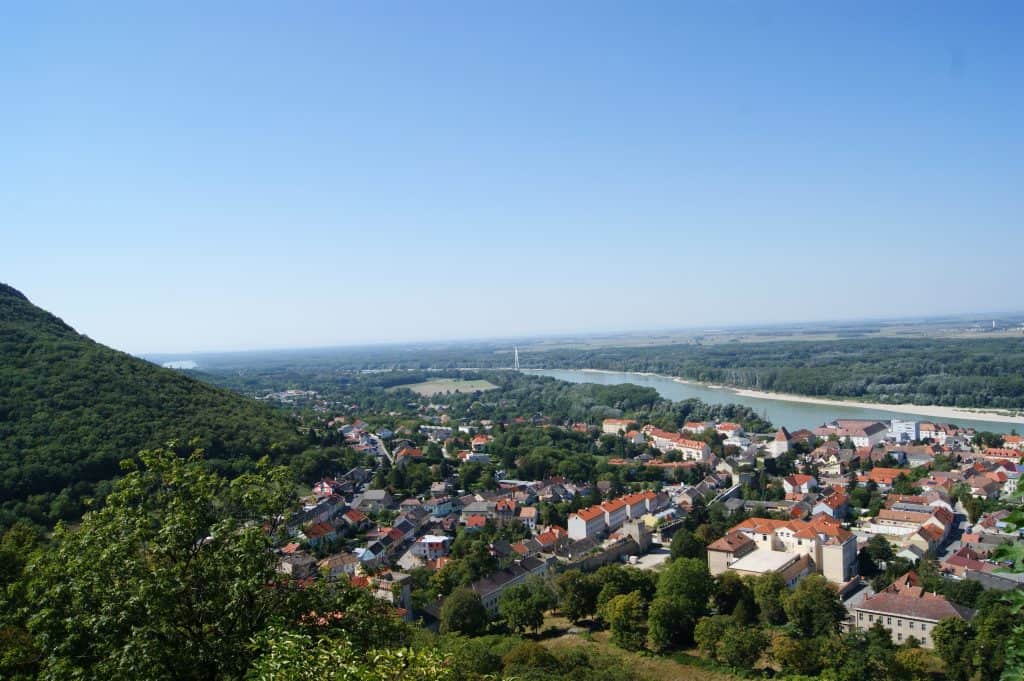
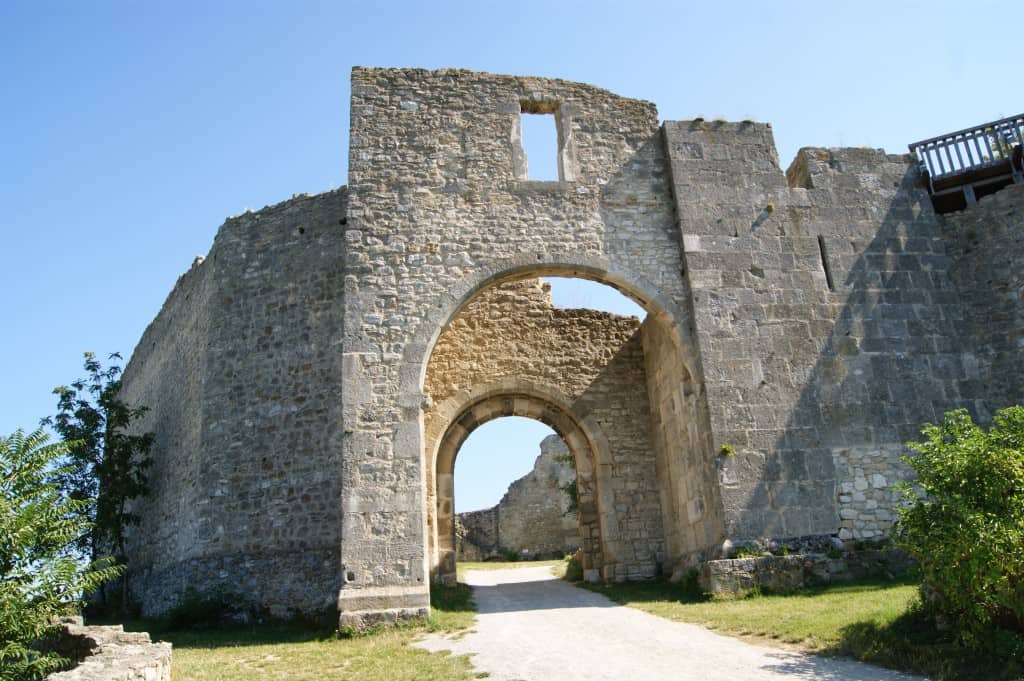
The ruins of Hainburg Castle stand on the Schlossberg, a hill directly above the town. The castle was first built in the 11th century and was the original heart of the settlement. Although it was destroyed and rebuilt several times, its massive walls are still impressive. A hiking trail leads from the town up to the ruins. From the top, there are spectacular panoramic views of the town, the Danube River, and the plains of both Austria and Slovakia. The castle grounds are a popular spot for a walk and a picnic.
Braunsberg Hill
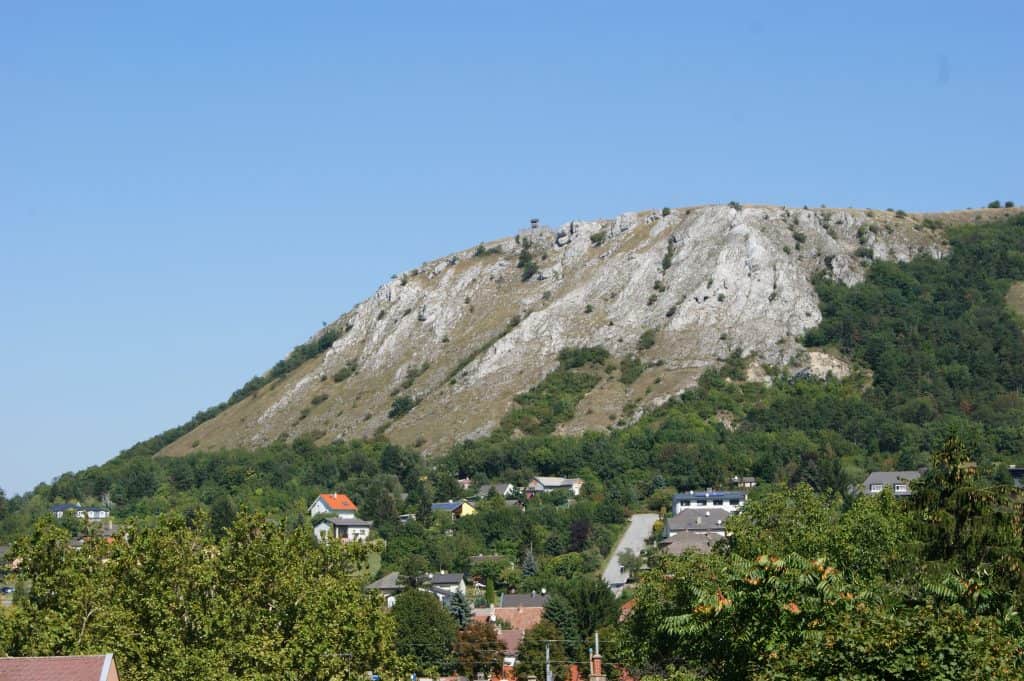
Braunsberg is a prominent hill located just east of Hainburg, directly on the bank of the Danube. The hill offers one of the best panoramic views in the entire region, with a sweeping vista that includes the town of Hainburg, the Danube, the city of Bratislava, and the Devín Castle. The hill is also a significant archaeological site, with the remains of a large Celtic oppidum, or fortified settlement, on its summit. A road leads to the top, making it easily accessible.
Wienertor (Vienna Gate)
The Wienertor, or Vienna Gate, is the largest and most impressive of the town’s three medieval gates. It was built in the 13th century and served as the main entrance to the town from the west, on the road from Vienna. The massive gate is a powerful example of medieval defensive architecture. Today, it houses a part of the town museum, with exhibitions about the history of Hainburg. Its size and excellent state of preservation make it one of the most significant medieval gates in all of Europe.
Kulturfabrik Hainburg
The Kulturfabrik Hainburg is the town’s main cultural center. It is housed in a beautifully restored former tobacco factory from the 19th century. The historic industrial building provides a unique and atmospheric setting for a variety of cultural events, including concerts, theatre performances, art exhibitions, and markets. The Kulturfabrik is a symbol of the town’s modern cultural life and its ability to repurpose its historic buildings for new uses. It is a vibrant hub for the local arts scene.
Marien- und Dreifaltigkeitssäule
The Marien- und Dreifaltigkeitssäule is a beautiful Baroque plague column located on the town’s main square, the Hauptplatz. The column was erected in 1749 to give thanks for the end of a plague epidemic. It is a richly decorated monument with statues of saints, and it is topped by a statue of the Virgin Mary. The plague column is a fine example of Baroque art and is a common feature in many towns in this part of Central Europe. It is the centerpiece of the historic main square.
Parish Church of St. Philip and St. James
The main church in Hainburg is the Parish Church of St. Philip and St. James. The church is located in the center of the town. Its origins are medieval, but the current structure is primarily a result of a Baroque reconstruction in the early 18th century after the town was destroyed by the Ottomans. The church has a beautiful interior and a prominent tower that is a key feature of the town’s skyline. It is the main center for the local Roman Catholic community.
Haydn Fountain
The Haydn Fountain on the main square is a monument to the famous composer Joseph Haydn. Haydn spent some of his childhood in Hainburg, where he lived with a relative and received his first formal musical training. The fountain was erected in his honor. It is a beautiful piece of public art and a reminder of the town’s connection to one of the great figures of classical music. It adds to the charm of the historic Hauptplatz.
Danube-Auen National Park
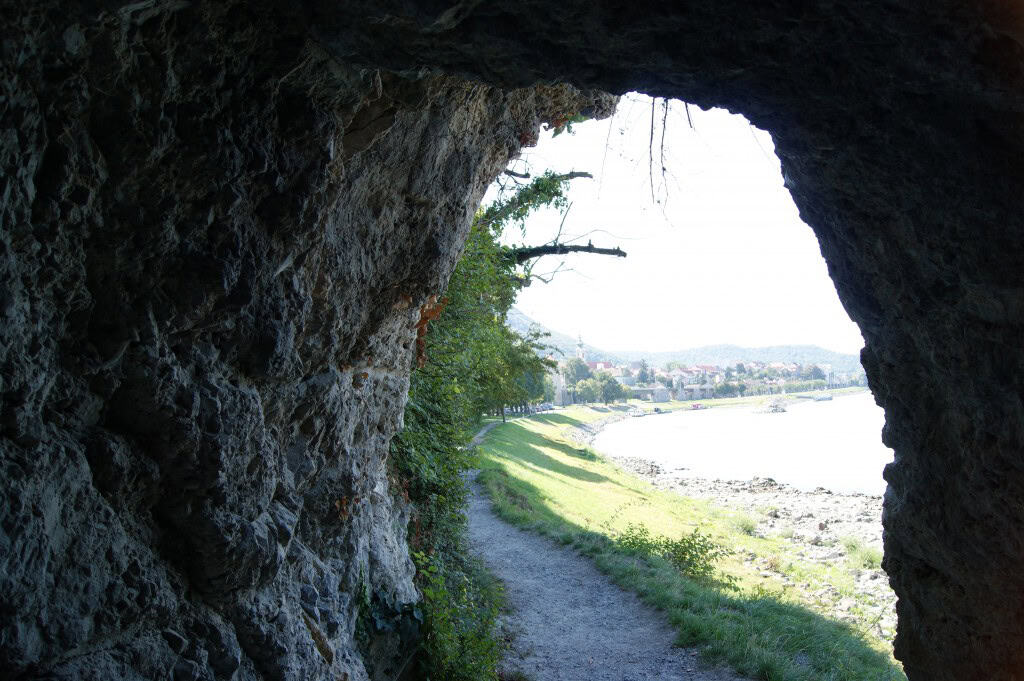
Hainburg is located directly on the edge of the Danube-Auen National Park. This national park protects one of the last remaining large, intact floodplain forests in Central Europe. The park stretches from Vienna to the Slovak border. The area around Hainburg offers numerous hiking and cycling trails that lead into the beautiful and wild landscape of the floodplain forest. It is a paradise for nature lovers and birdwatchers, with a rich diversity of flora and fauna.
Roman City of Carnuntum
Just a short drive west of Hainburg are the impressive ruins of the Roman city of Carnuntum. This was a major Roman legionary fortress and the capital of the province of Pannonia Superior. The archaeological park at Carnuntum is one of the most important in Central Europe. Visitors can explore the remains of the military camp and the civilian town, including two amphitheaters. The park also features a unique reconstructed Roman quarter, where several buildings have been rebuilt to show what Roman life was like.

Traveling with Kids
Hainburg is a great destination for families with children who enjoy history and being outdoors. The town’s massive medieval walls and the ruins of the castle on the Schlossberg can feel like a giant adventure playground, sparking a child’s imagination about knights and fortresses. The town is small and safe, making it easy to walk around with children. The proximity of the Danube-Auen National Park also provides endless opportunities for family walks and bike rides in a beautiful natural setting.
The town itself and the nearby attractions offer a good balance of educational and recreational activities. Families can combine a historical exploration of the town with a relaxing swim at the local outdoor pool or a boat trip on the Danube. This focus on accessible history and outdoor fun makes for a well-rounded and enjoyable family visit.
Activities for Kids in Hainburg
For families seeking memorable outings, Hainburg offers unique experiences that blend nature with history. A hike up to the Braunsberg hill offers an adventurous goal with a spectacular reward, while a trip to the nearby Roman city of Carnuntum provides a hands-on history lesson.
A Hike to the Braunsberg Hill
A family hike up to the top of Braunsberg hill is a fantastic activity. The trail is not too demanding and is suitable for children. At the top, families are rewarded with one of the most spectacular panoramic views in the region. Kids will enjoy seeing the castles of Hainburg and Devín, the city of Bratislava, and the vast wind farms, all from a single viewpoint. The top of the hill is also a great place for a family picnic.
Exploring the Roman City of Carnuntum
A day trip to the archaeological park at Carnuntum is a must for families. The park is very well-designed for a family audience. The highlight is the reconstructed Roman quarter, where children can walk into real Roman houses and see how people lived 2,000 years ago. The park also has a museum with many interactive exhibits. It is a fun and engaging way to learn about Roman history, and it brings the ancient world to life in a way that is much more exciting than a traditional museum.
Playgrounds in Hainburg
Hainburg provides public playgrounds where children can enjoy free play in safe environments. These play areas are important social spots for local families and offer a welcoming space for visiting children to have some fun.
Playground on the Danube Riverbank
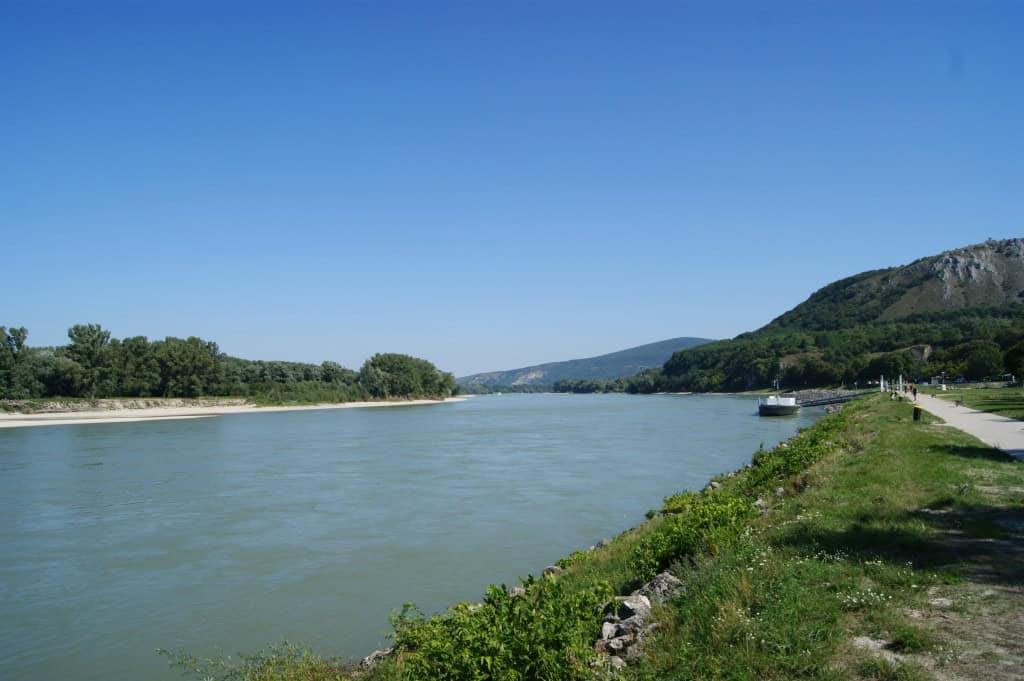
There is a large and modern public playground located on the banks of the Danube River, just below the main town promenade. This playground has a fantastic location with beautiful views of the river and the passing ships. The playground is well-equipped with a variety of modern play structures, including a large climbing frame and a zip line. It is a very popular spot for local families and a perfect place for a play break while enjoying a walk along the river.
Playground at the Bergbad
The local outdoor swimming pool, the Bergbad, also features a playground within its grounds. The pool itself is a major attraction for families during the summer, and the playground provides an additional activity for children who need a break from the water. The playground is located in a pleasant grassy area. The combination of a swimming pool and a playground makes the Bergbad a top destination for a full day of family fun.
Sports in Hainburg an der Donau
The sports scene in Hainburg is centered around outdoor and recreational activities that take advantage of its location on the Danube River and at the edge of the Danube-Auen National Park. The river itself is a major venue for water sports like rowing and kayaking. The surrounding landscape offers an extensive network of trails for cycling and hiking. The town also has local clubs for some of Austria’s most popular sports, including football and tennis.
FK Hainburg (Football)
Football is a popular sport in the town, and the main local club is FK Hainburg. The club was founded in 1921 and has a long history in the regional leagues of Lower Austria. The men’s team competes in these leagues, and their matches at the local sports ground are popular community events. The club also has a strong focus on youth development, providing opportunities for children from the town to play the sport in an organized environment.
Tennisclub Hainburg
Tennis is another popular sport in the town, with the Tennisclub Hainburg being a key institution. The club has several outdoor clay courts that are located in a beautiful setting near the Danube. The club provides opportunities for both recreational and competitive players. It organizes local tournaments and provides training for youth players. It is an important part of the town’s sporting infrastructure and contributes to the active lifestyle of the community.
Ruderverein Alemannia (Rowing)
Given its location, it is no surprise that rowing is a traditional sport in Hainburg. The local rowing club, Ruderverein Alemannia, is one of the oldest sports clubs in the town. The club is located directly on the banks of the Danube River. It has a long and successful history, and its members participate in regattas throughout Austria. The river provides a perfect natural venue for the sport, and the sight of rowers on the Danube is a common one.
Danube Cycle Path (Donauradweg)
The area around Hainburg is a paradise for cyclists. The famous Danube Cycle Path (Donauradweg), one of the most popular long-distance cycling routes in Europe, passes directly through the town. This well-maintained and mostly flat cycle path follows the course of the river from Germany to the Black Sea. The section between Vienna and Bratislava is particularly popular. The path provides a safe and scenic route for cycling, and it attracts thousands of touring cyclists to the town each year.
Danube-Auen National Park Trails (Hiking)
The Danube-Auen National Park, which begins at Hainburg, offers an extensive network of marked hiking trails. These trails lead through the unique and beautiful landscape of the floodplain forest. Hiking is a very popular activity for both locals and visitors. The trails offer a chance to experience the wild and pristine nature of one of the last large, intact floodplains in Central Europe. The trails are generally flat and easy, making them suitable for all ages.

Getting Around in Hainburg an der Donau
Navigating the historic town of Hainburg is best done on foot. The medieval town center is compact and largely pedestrian-friendly, with all the main sights located within a short and pleasant walking distance of each other. For travel to the surrounding areas, such as the Braunsberg hill or the nearby city of Bratislava, a car or public transport is necessary. The town is well-served by both regional buses and a train line, making it easy to explore the wider region.
Exploring by Foot
The best way to experience the unique atmosphere of Hainburg is by walking. The historic Old Town is a maze of charming streets and squares. A walk along the magnificent medieval town walls is a must for any visitor. The hike up to the ruins of the Schlossberg is also a key part of the experience. All the main sights within the town center, including the Wienertor and the main square, are easily accessible on foot. Comfortable shoes are recommended for navigating the cobblestone streets.
Using Local Buses
A regional bus system, operated by VOR (Verkehrsverbund Ost-Region), provides public transportation in and around Hainburg. The buses connect the town with the surrounding villages and with the nearby city of Bratislava. The bus is a convenient way to travel between the two cities, with frequent services running throughout the day. The local buses are the primary mode of public transport for reaching destinations that are not directly on the train line.
Navigating by Train
Hainburg has a main train station, Hainburg an der Donau Hauptbahnhof, that is located just outside the historic town walls. The station is on the S-Bahn line S7, which is part of the Vienna suburban rail network. This train line provides a direct, frequent, and fast connection from Hainburg to the center of Vienna, including a stop at Vienna International Airport (VIE). The train is the most convenient way to travel between the Austrian capital and Hainburg.
How to Get to Hainburg an der Donau?
Hainburg an der Donau is located in a very accessible part of Central Europe, situated directly between the two capital cities of Vienna and Bratislava. The town is easily reached by car, as it is located near a major motorway. The train provides a direct and frequent link from Vienna. For international visitors, both Vienna and Bratislava have major international airports that are very close by. This excellent connectivity makes Hainburg a convenient destination for a day trip or a longer stay.
Arriving by Air
Hainburg is conveniently located between two major international airports. Vienna International Airport (VIE) is the closest, located just a 20-minute drive away. The S-Bahn train line S7 provides a direct and fast connection from the airport to Hainburg. Bratislava Airport (BTS) is also very close, just a 15-minute drive away on the other side of the border. From Bratislava Airport, you can take a regional bus for the short journey to Hainburg.
Driving into the Town
Driving to Hainburg is very straightforward. The town is located just a few kilometers from the A4 motorway, which is the main highway that connects Vienna with Budapest. To reach the town, you take the exit for Fischamend and then follow the national road B9 directly to Hainburg. The road is well-maintained and scenic, following the course of the Danube River. A car is very useful for exploring the many other attractions in the region, such as the Roman city of Carnuntum.
Journey by Rail
The train is one of the easiest and most popular ways to get to Hainburg from Vienna. The S-Bahn line S7 runs from stations in central Vienna, makes a stop at Vienna International Airport, and then continues on to Hainburg. The trains are frequent and the journey is fast and comfortable. The train station in Hainburg is located just outside the historic town walls, within easy walking distance of the town center. This makes the train an ideal option for a day trip from the Austrian capital.
Connecting by Bus
Regional bus services connect Hainburg with the surrounding towns and villages in Lower Austria. A key bus connection for international visitors is the route to the nearby Slovak capital, Bratislava. A frequent regional bus service runs from Bratislava’s main bus station, or from a stop under the Most SNP bridge, directly to Hainburg. The bus journey is short and scenic, crossing the border and providing a direct link between the two historic Danube towns.
Driving Distances
The driving distance from 20 regional cities, according to Google Maps:
- Bratislava, Slovakia – 16 kilometers (0 h 20 min)
- Vienna, Austria – 50 kilometers (0 h 45 min)
- Brno, Czech Republic – 145 kilometers (1 h 40 min)
- Budapest, Hungary – 215 kilometers (2 h 10 min)
- Prague, Czech Republic – 345 kilometers (3 h 30 min)
- Ostrava, Czech Republic – 365 kilometers (3 h 40 min)
- Zagreb, Croatia – 410 kilometers (4 h 00 min)
- Ljubljana, Slovenia – 430 kilometers (4 h 10 min)
- Katowice, Poland – 435 kilometers (4 h 20 min)
- Košice, Slovakia – 450 kilometers (4 h 30 min)
- Munich, Germany – 455 kilometers (4 h 30 min)
- Kraków, Poland – 525 kilometers (5 h 10 min)
- Wrocław, Poland – 525 kilometers (5 h 10 min)
- Belgrade, Serbia – 600 kilometers (5 h 50 min)
- Berlin, Germany – 690 kilometers (6 h 50 min)
- Lviv, Ukraine – 700 kilometers (8 h 10 min)
- Warsaw, Poland – 725 kilometers (7 h 00 min)
- Sarajevo, Bosnia and Herzegovina – 740 kilometers (7 h 20 min)
- Podgorica, Montenegro – 855 kilometers (9 h 00 min)
- Skopje, North Macedonia – 950 kilometers (9 h 20 min)
Looking to Explore more of Austria and Europe?



Thank you for this very detailed and helpful guide. My wife and I had just started thinking about our next trip. We talked about Switzerland, but now we may also visit Austria and Hainburg au der Donau.