Sopron | Exploring Hungary
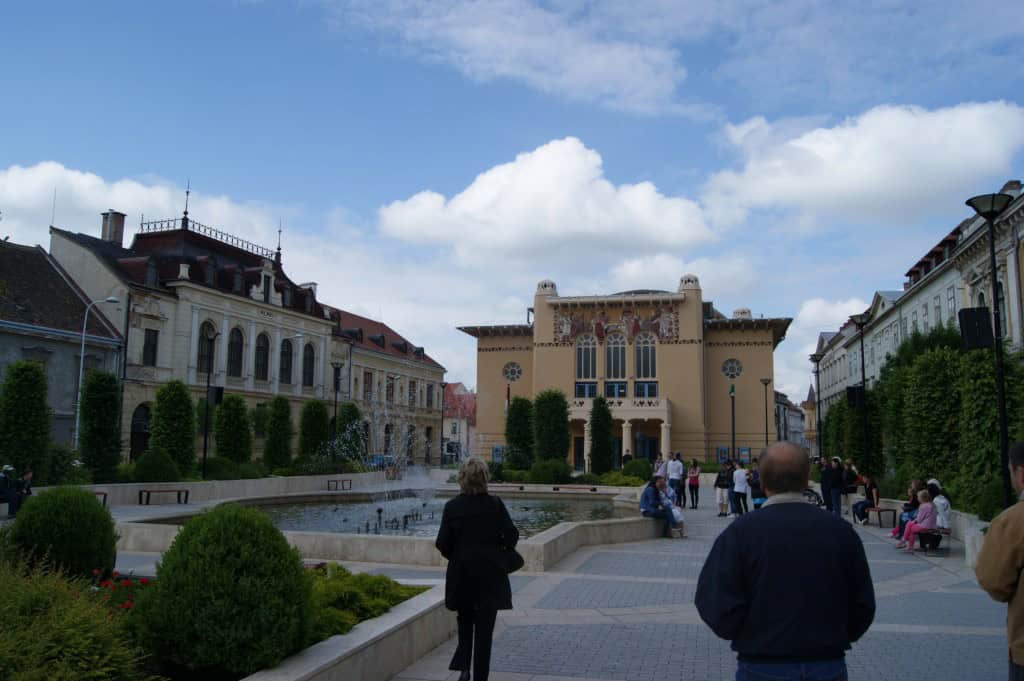
Sopron, a historic city in western Hungary, offers a captivating blend of Central European cultures. Known as “Civitas Fidelissima” (City of Loyalty), it sits near Lake Fertő (Lake Neusiedl), a UNESCO World Heritage site. The city is nestled at the foothills of the Alps, surrounded by the 300-400 meter high Sopron Hills. As of 2022, Sopron has a population of approximately 101,000 residents. It is a crucial cultural and economic center in Győr-Moson-Sopron County. Sopron is positioned on the Austrian border, about 60 kilometers from Vienna and 96 kilometers from Győr. It is also a significant wine-producing region.


A Short History of Sopron
Sopron’s history stretches back to Roman times. It was founded as Scarbantia on the important Amber Road. Its forum was located where Sopron’s main square is today. Remnants of Roman walls and buildings unearthed by WWII bombings are still visible. By the 9th to 11th centuries, Hungarians strengthened the old Roman city walls and built a castle. Sopron earned free royal city rights in 1277 from King Ladislaus IV, honoring its loyalty to the Hungarian Crown. It became one of the “seven principal cities” of the kingdom in the 15th century.
During the Ottoman occupation of Central Europe (16th-19th centuries), Sopron remained part of Habsburg-ruled Hungary. In 1676, a major fire largely destroyed the city. Its beautiful Baroque center was rebuilt in the decades that followed. A pivotal moment occurred after World War I. Predominantly German-speaking, Sopron was initially assigned to Austria by the Treaty of Saint-Germain. However, a plebiscite on December 14-16, 1921, saw residents vote to remain part of Hungary. This act of loyalty earned it the title “Civitas Fidelissima.” In 1989, the Pan-European Picnic near Sopron played a key role in the fall of the Iron Curtain.

Things to Do and See
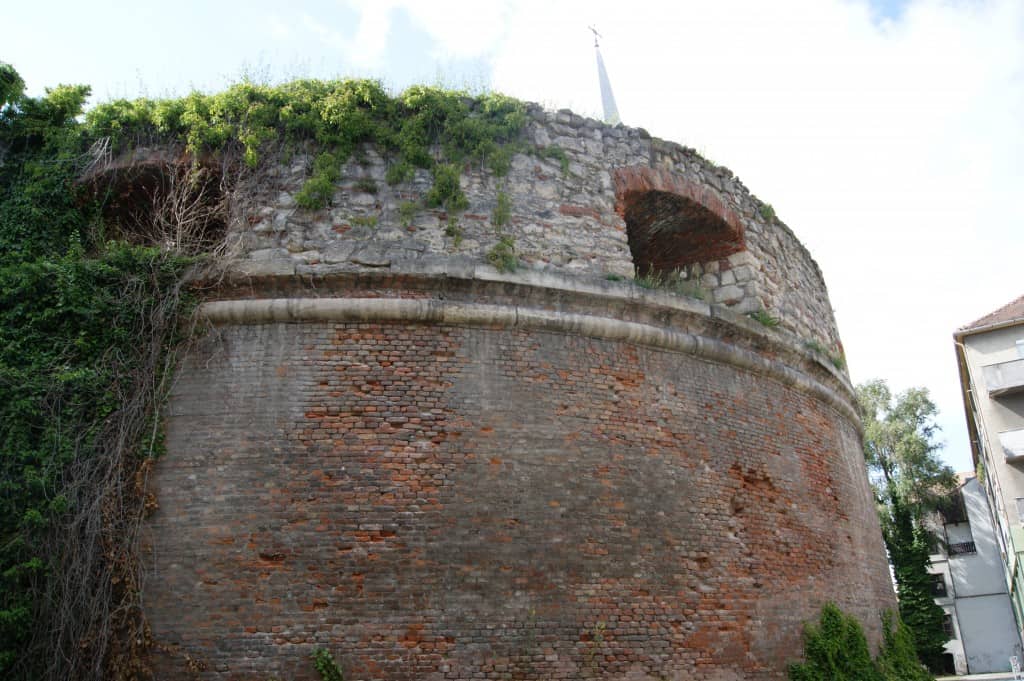
Sopron offers a wealth of diverse attractions, showcasing its layered history, Baroque architecture, and unique cultural fusion. Visitors can ascend the iconic Fire Tower for panoramic views or wander through the historic Main Square. Explore fascinating museums like the Fabricius House and Storno House. Ancient churches and a medieval synagogue also invite discovery, providing a rich tapestry of experiences.
Fire Tower (Tűztorony)
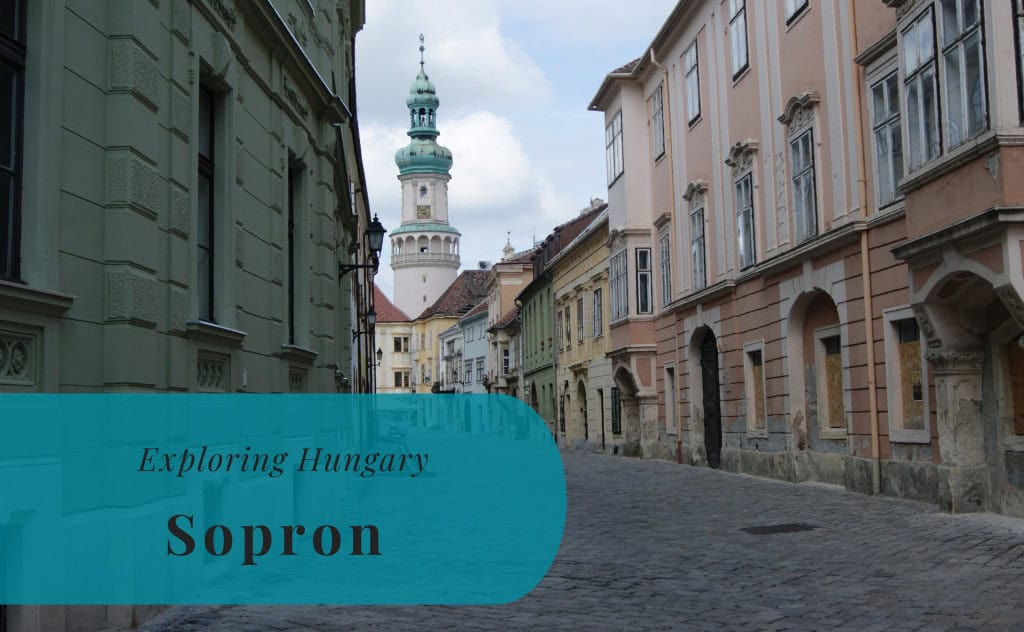
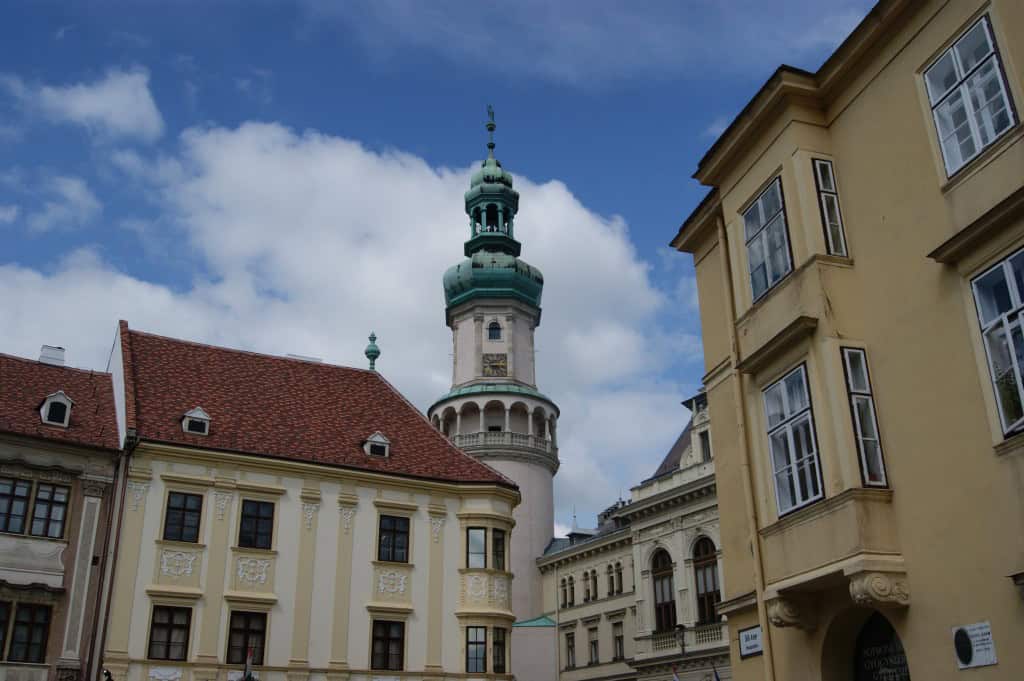
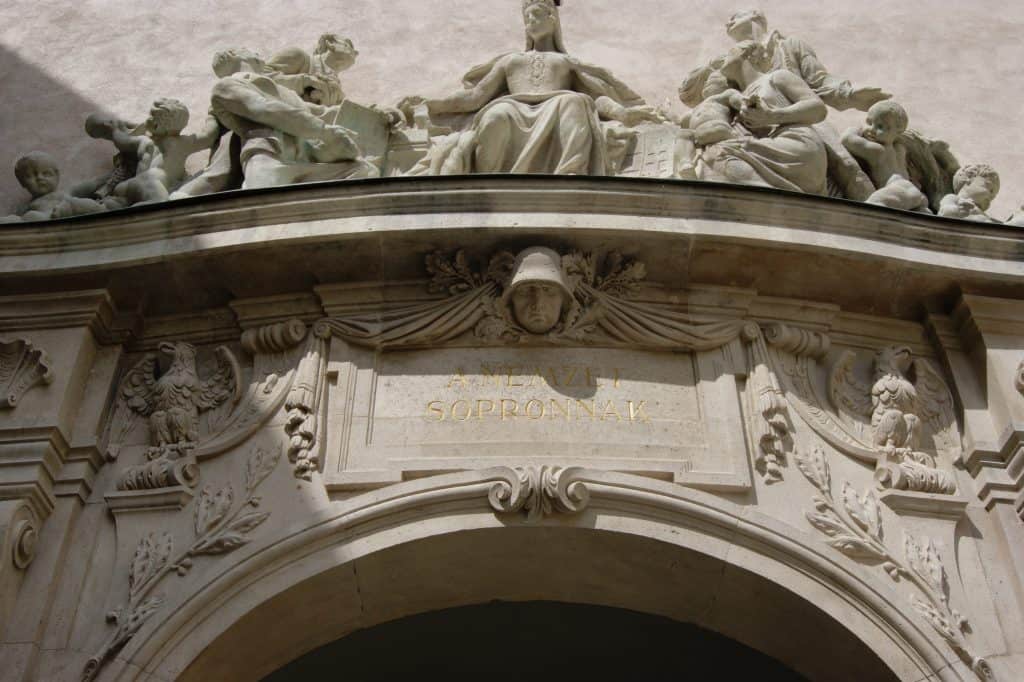
The Fire Tower is the undisputed symbol of Sopron. This 60-meter high tower stands at the heart of the city’s main square. Its base incorporates an ancient Roman gate and 12th-century foundations. The cylindrical middle section and arcaded balcony date from the 16th century. A Baroque spire was added in 1681 after the great fire. Historically, trumpeters would warn of fires, mark the hour, and even watch for wine smugglers. Climbing its 116 spiral steps rewards visitors with panoramic views. The Fidelity Gate at its base commemorates the 1921 plebiscite.
Main Square (Fő Tér)
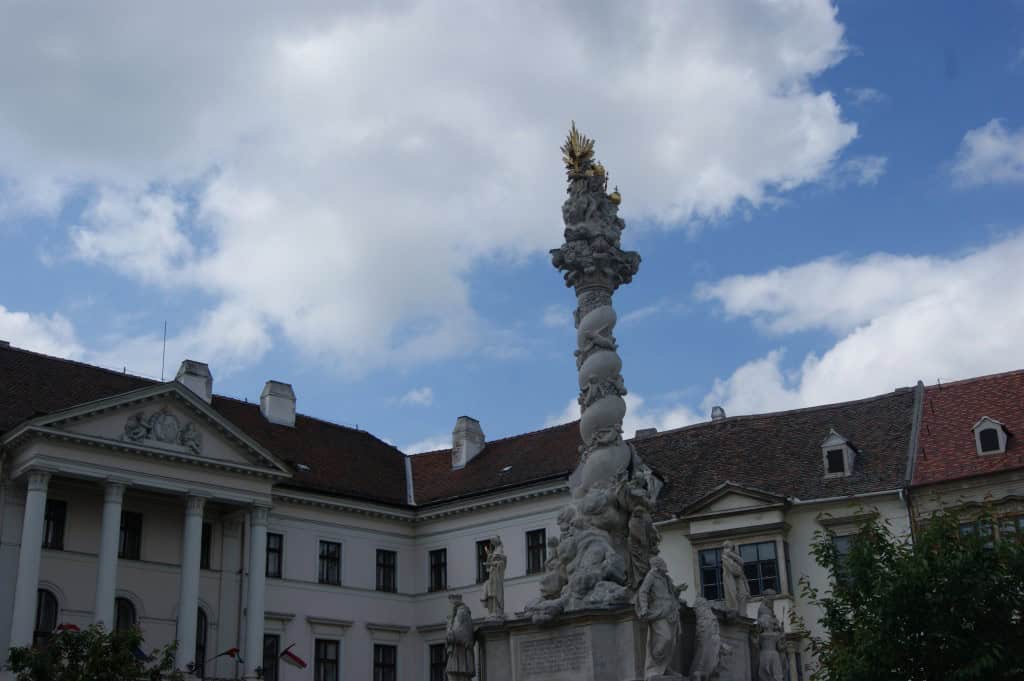
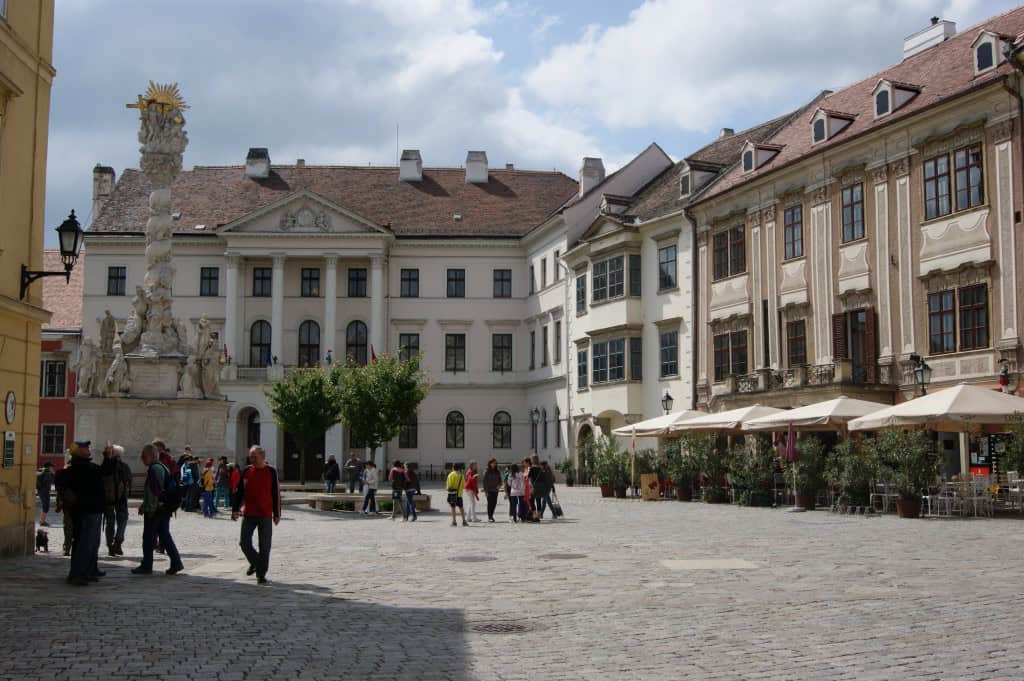
The Main Square (Fő Tér) is the vibrant heart of Sopron’s historic center. This oddly shaped square is surrounded by a collection of colorful Baroque buildings. It sits directly atop the former Roman forum of Scarbantia. The Holy Trinity Column, an elaborate 18th-century plague pillar, graces its center. The Fire Tower, Fabricius House, and Goat Church all stand on or adjacent to the square. It serves as a bustling hub for locals and visitors alike.
Fabricius House
Fabricius House is a magnificent Baroque mansion on the Main Square. Named after a former mayor, Endre Fabricius, it houses several museum sections. Its archaeological exhibition covers Celtic, Roman, and Hungarian periods. Highlights include the 1200-year-old Cunpald Goblet. The basement features excavated Roman baths and impressive Roman sarcophagi. Upstairs, period urban flats display 17th and 18th-century furnishings. The house provides a unique glimpse into Sopron’s ancient past and noble life.
Storno House & Collection
Storno House, built in 1417, is another iconic building on the Main Square. It boasts an illustrious history. King Matthias Corvinus stayed here in 1482-83 and the famous composer Franz Liszt played several concerts here in the mid-19th century. The house later belonged to the Storno family, renowned art restorers. Their extensive collection of medieval weaponry, ornate furniture, and unique curiosities is displayed. The building itself is a beautiful example of Sopron’s Baroque architecture.
Goat Church (Bencés templom)
The Goat Church, officially the Benedictine (Goat) Church, is one of Sopron’s most famous and oldest churches. Its Gothic origins date back to the 13th century, built by Franciscan monks. Legend says it was built with treasure found by a goat. More likely, its name derives from the Geissel family (Geissel means goat), who funded its 14th-century tower as penance for a murder. Five Hungarian parliament meetings were held within its walls and two Hungarian queens were crowned here.
Old Synagogue
The Old Synagogue, dating from the 14th century, offers insights into Sopron’s historical Jewish community. Located on Új utca (formerly “Jewish Street”), it is one of Europe’s greatest Jewish Gothic monuments. The synagogue features separate sections for men and women, with women’s windows along the west wall. Its main room contains a medieval “holy of holies” with geometric and tree carvings. A reconstructed mikvah (ritual bath) is in the courtyard. The synagogue was restored and now serves as a museum.

How to Get to Sopron
Reaching Sopron, a historic city in western Hungary, is quite straightforward. Known for its charming Old Town and strong ties to Austria, Sopron offers a captivating blend of cultures. It is located near Lake Fertő (Lake Neusiedl). Whether you prefer flying, driving, or public transport, Sopron is well-connected.
By Plane
Sopron does not have its own airport. However, several international airports are conveniently nearby. Vienna International Airport (VIE) in Austria is the closest, approximately 60-70 kilometers away. It offers extensive global connections. Budapest Ferenc Liszt International Airport (BUD) is another major hub, around 220 kilometers distant. Bratislava Airport (BTS) in Slovakia is also an option. From these airports, onward travel to Sopron typically involves a combination of train or bus services. For instance, direct bus connections link Vienna Airport to Sopron.
By Car
Driving to Sopron offers excellent flexibility, ideal for exploring the surrounding Fertő-Hanság National Park and nearby Austrian Burgenland. Hungary boasts a good motorway network. Sopron is easily accessible via major highways. The M85 motorway provides a direct link from Győr and the M1 motorway from Budapest. From Budapest, the drive is about 217 kilometers, taking around 2 hours 20 minutes. From Vienna, it’s a shorter journey of about 60-70 kilometers. Parking facilities are available in and around the city center.
By Bus
Bus services provide an economical way to reach Sopron. The main bus station is centrally located near the train station. Volánbusz is Hungary’s national bus operator, providing frequent routes. These connect Sopron with major Hungarian cities like Budapest and Győr. For example, direct bus connections from Budapest take around 3 hours. International services by companies like FlixBus also connect Sopron to Vienna and other European cities. This offers a comfortable travel option for visitors.
By Train
Traveling to Sopron by train is highly efficient and popular. Sopron railway station is well-connected to both Hungarian and Austrian rail networks. Hungarian State Railways (MÁV-START) operate frequent services. Direct trains run from Budapest Keleti railway station, taking approximately 2.5 to 3 hours. Austrian Federal Railways (ÖBB) also provide direct regional train connections from Vienna Hauptbahnhof, with journeys taking around 1 hour 15 minutes. This makes Sopron a popular day-trip destination from Vienna. The station is well-equipped with amenities.
Driving Distances
The driving distance from 5 major Hungarian cities, according to Google Maps:
- Budapest – 217 kilometers (2 h 20 min)
- Debrecen – 473 kilometers (4 h 50 min)
- Szeged – 385 kilometers (4 h 00 min)
- Pécs – 400 kilometers (4 h 10 min)
- Győr – 96 kilometers (1 h 10 min)
Looking to Explore more of Hungary and Europe?