
Białystok, Podlaskie | Exploring Poland
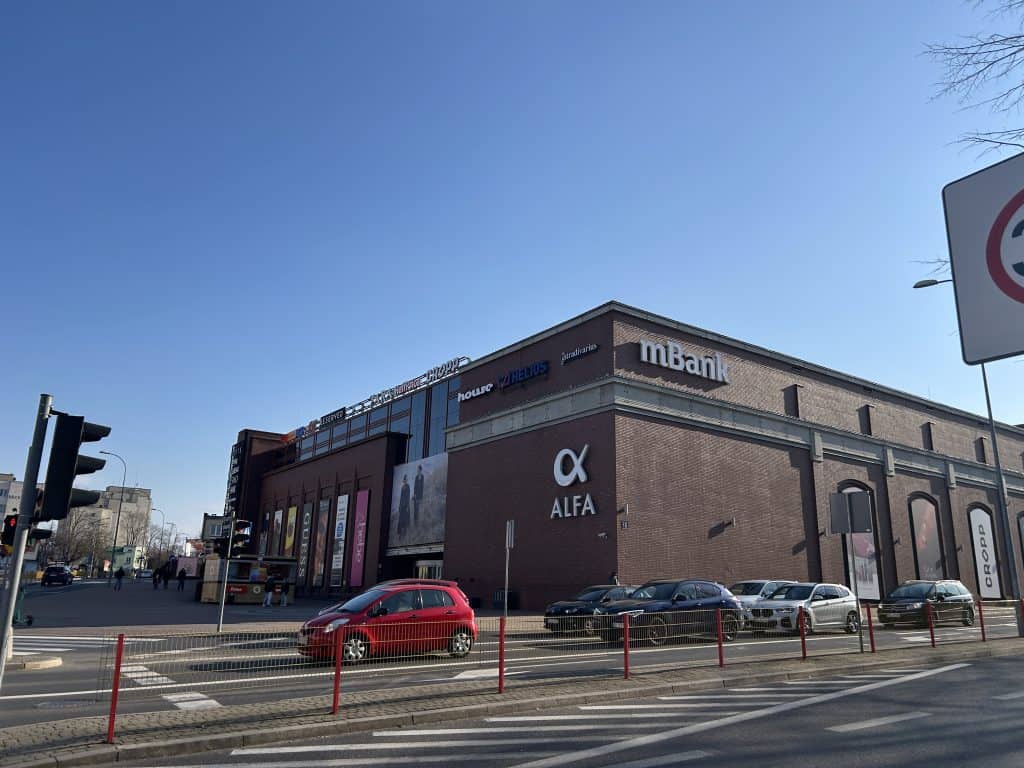
Białystok is a city in northeastern Poland and the capital of the Podlaskie Voivodeship. With a population of around 295,000 inhabitants, it is the 10th largest city in Poland. The city is closely associated with the nearby Białowieża Forest, which is home to one of the world’s largest populations of free-roaming European Bison. This connection to nature is a key part of the region’s identity. Białystok serves as the main economic, administrative, and cultural hub for this part of the country.
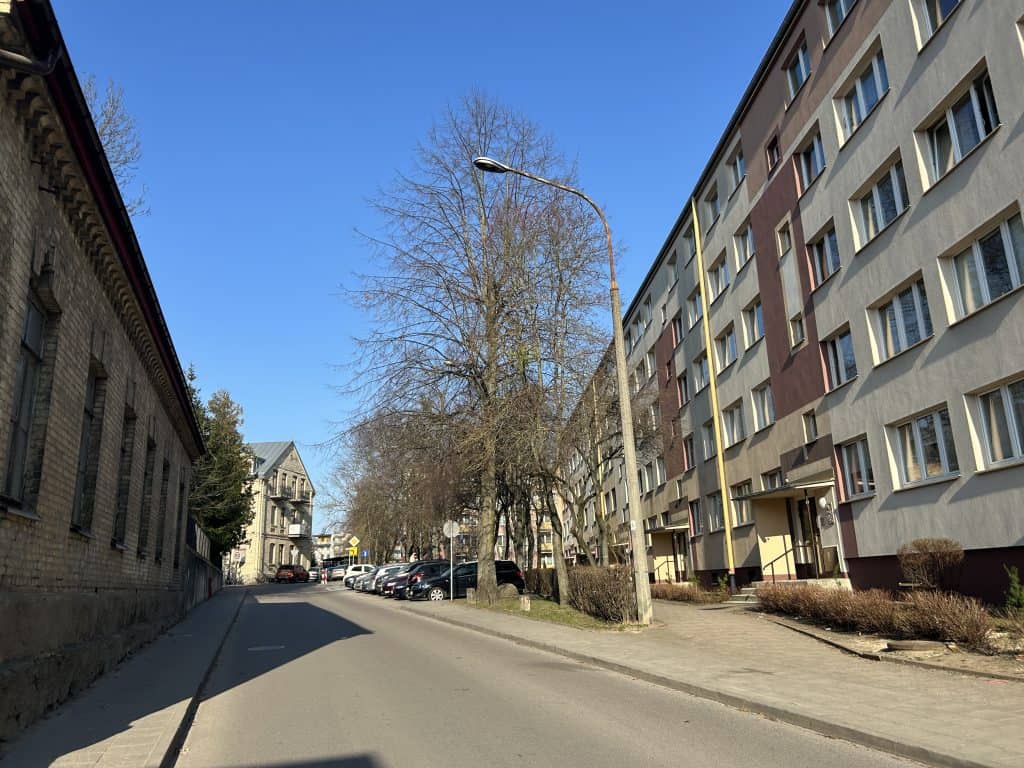
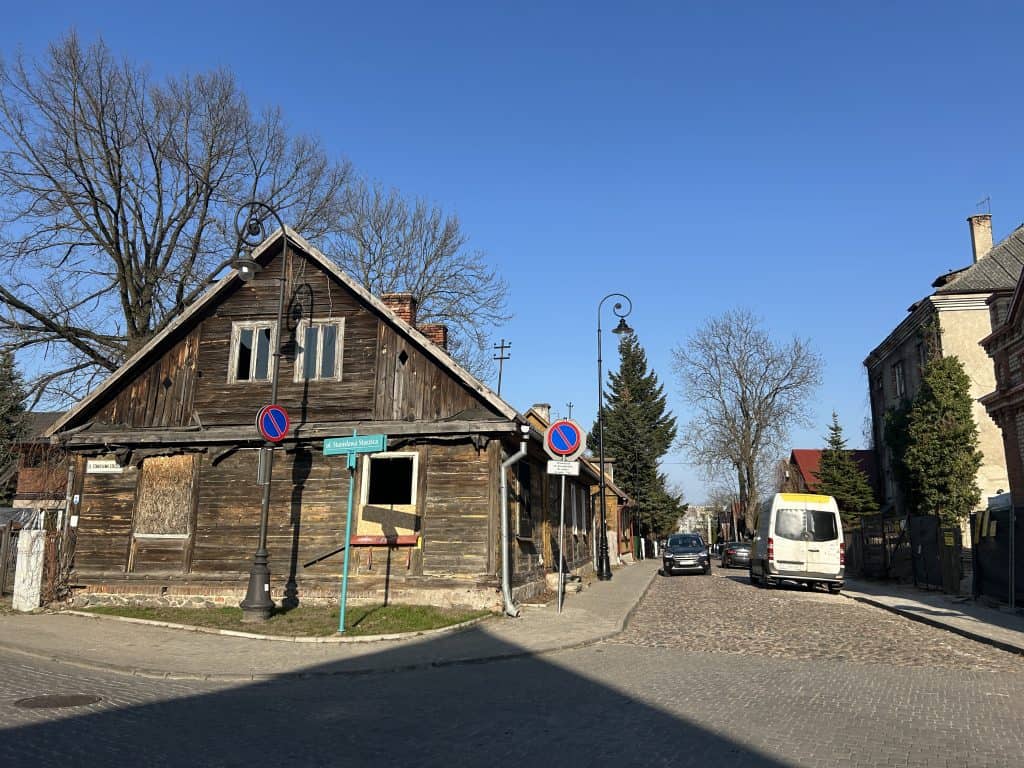
The city’s history is marked by its position as a cultural crossroads. Its development was significantly shaped by the Branicki family, who transformed it into a grand center of art and science. Later, under Russian rule, it became a major center for the textile industry, attracting a diverse, multicultural population. This heritage is still visible in the city’s architecture and cultural institutions. Today, Białystok is a major academic center with a large student population that contributes to its character.



History of Białystok
The history of Białystok dates back to the 15th century, but its true rise to prominence began in the 17th and 18th centuries under the patronage of the noble Branicki family. Jan Klemens Branicki transformed the town into a grand cultural center, earning it the nickname “the Polish Versailles.” After the Partitions of Poland, the city became part of the Russian Empire in 1807 and developed into a major industrial hub. The 20th century brought immense hardship, including severe damage during two world wars and the annihilation of its large Jewish population during the Holocaust.
The Era of the Branicki Family
The golden age of Białystok began in the mid-17th century when it became the property of the powerful Branicki family. The most influential figure in the city’s history was Hetman Jan Klemens Branicki. He was a wealthy and ambitious patron of the arts and sciences. He envisioned transforming Białystok into a major cultural and political center. To this end, he commissioned the construction of the magnificent Branicki Palace, a Baroque residence designed to rival the grandest in Europe. During his time, the town flourished, attracting artists, scientists, and nobles.
Industrialization Under Russian Rule
In 1807, Białystok became a part of the Russian Empire. During the 19th century, under Russian rule, the city underwent a second major transformation, becoming a major center for the textile industry. This industrial boom earned it the nickname “Manchester of the North.” The development of numerous factories drew workers from across the empire, solidifying the city’s multicultural character with significant Polish, Jewish, and Russian communities. The Jewish community grew especially large, reaching over 60% of the city’s population by the end of the century.
The 20th Century and Beyond
The city once more became a part of Poland in 1918 after World War I, though the war had left it severely damaged. The hardship of the 20th century did not end there. World War II brought devastation to the city. The Holocaust led to the annihilation of its large and historic Jewish population. After the war, Białystok remained a part of Poland and was rebuilt. It continued to develop as an important regional capital and academic center under communist rule. Today, it stands as a major city in eastern Poland.

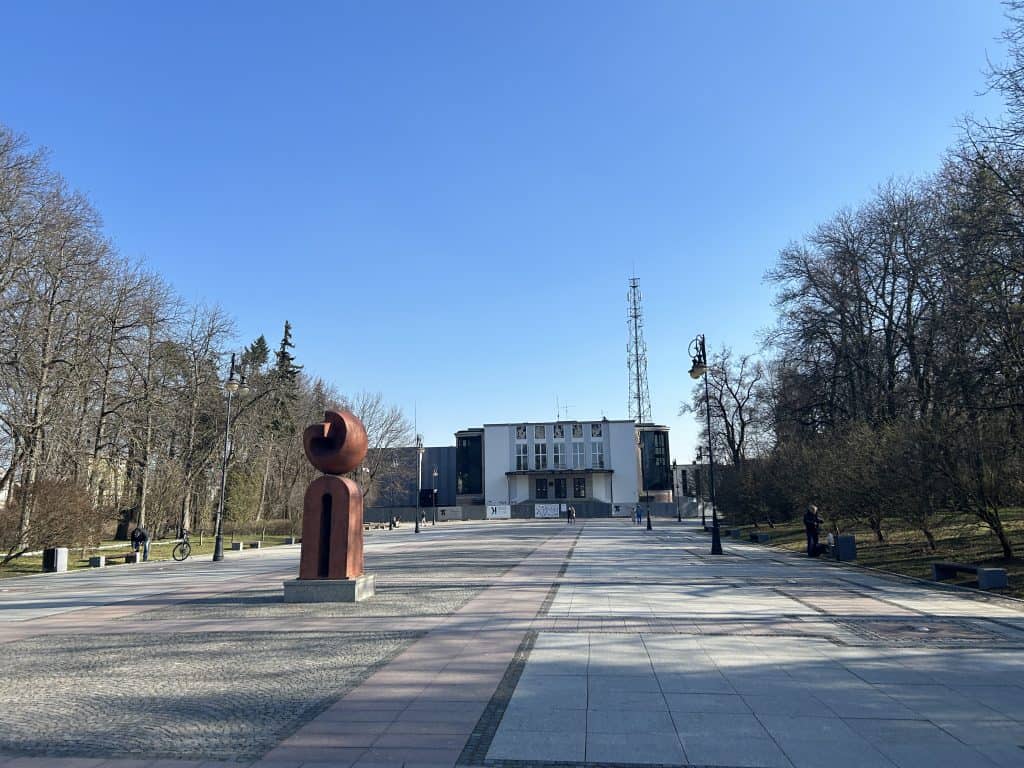

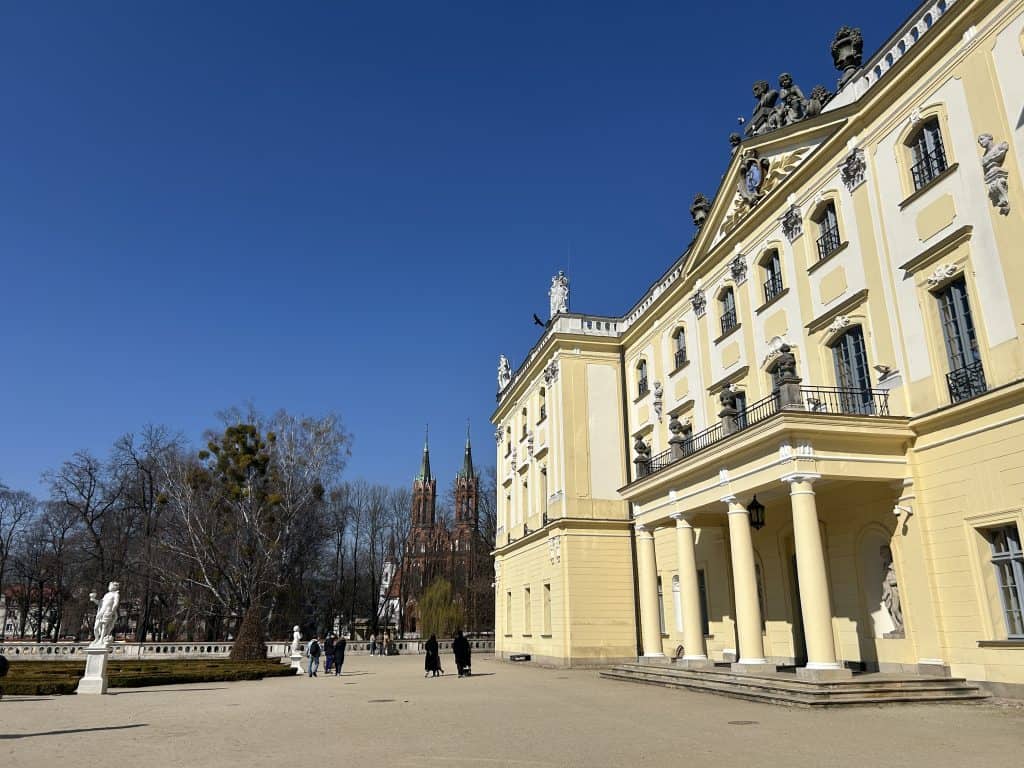
Sights in Białystok
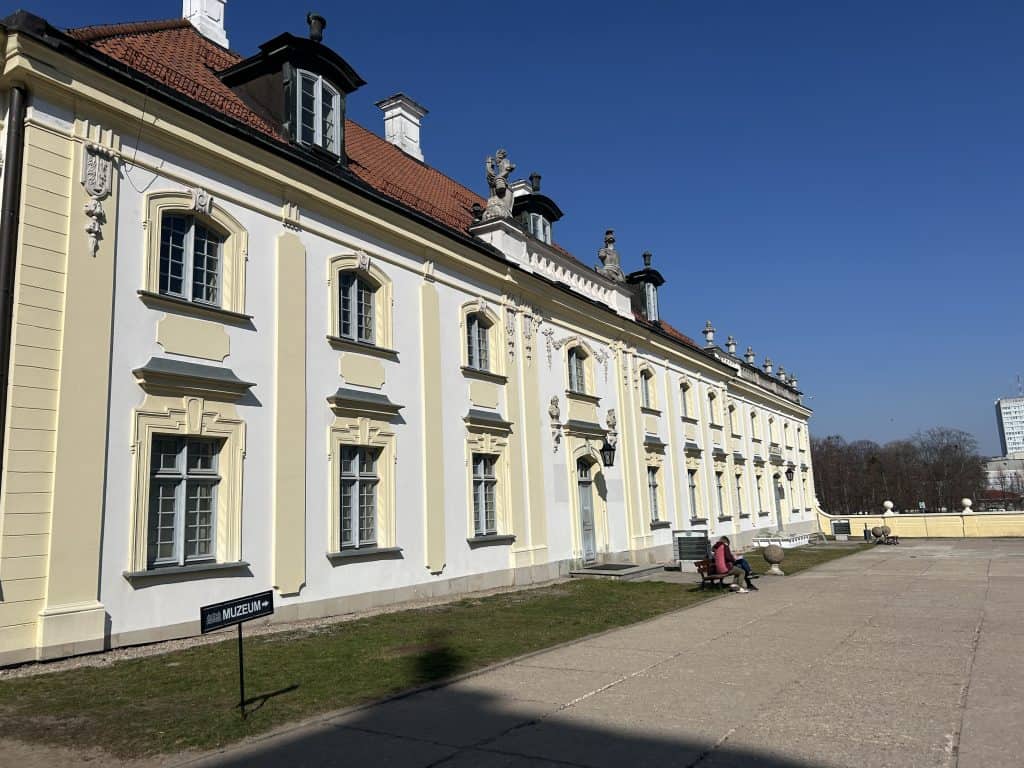
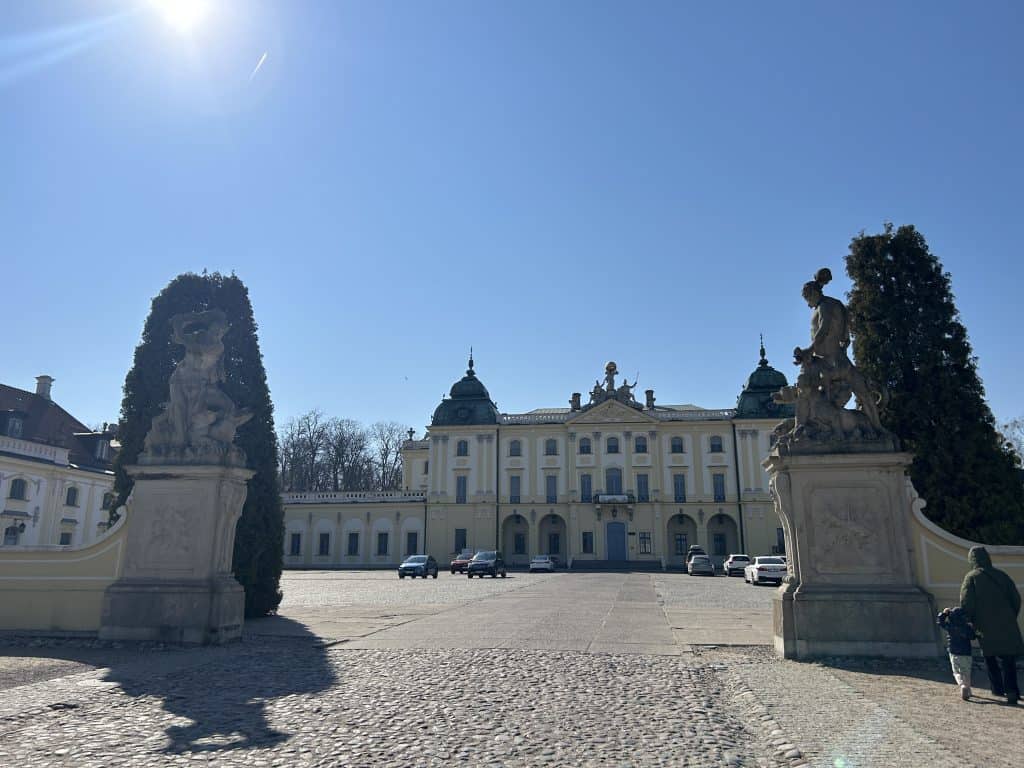
The sights in Białystok reflect its rich history as a noble residence, a multicultural hub, and a regional capital. The city’s compact and well-kept central district makes it possible to explore many of its main attractions on foot. The undisputed centerpiece of the city is the magnificent Branicki Palace, often called the “Polish Versailles,” with its stunning architecture and meticulously maintained gardens. This single landmark provides a glimpse into the city’s aristocratic past and its ambitions as a major cultural center.
The heart of modern city life is Kościuszko Market Square, a large and open space surrounded by cafes and restaurants, with the historic Town Hall at its center. The city’s spiritual life is represented by several impressive churches, including the main Catholic cathedral and the modernist St. Roch’s Church. Białystok also honors its most famous residents, such as Ludwik Zamenhof, the creator of Esperanto. For a break from the urban environment, the city’s many parks offer green oases for relaxation.
Branicki Palace
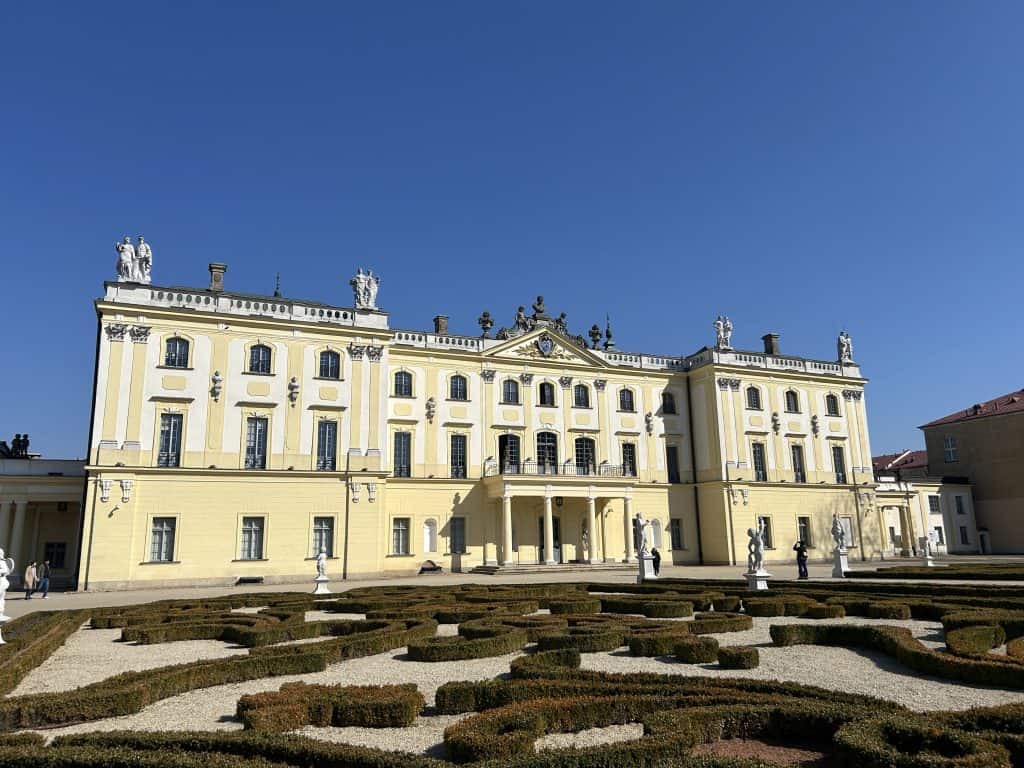
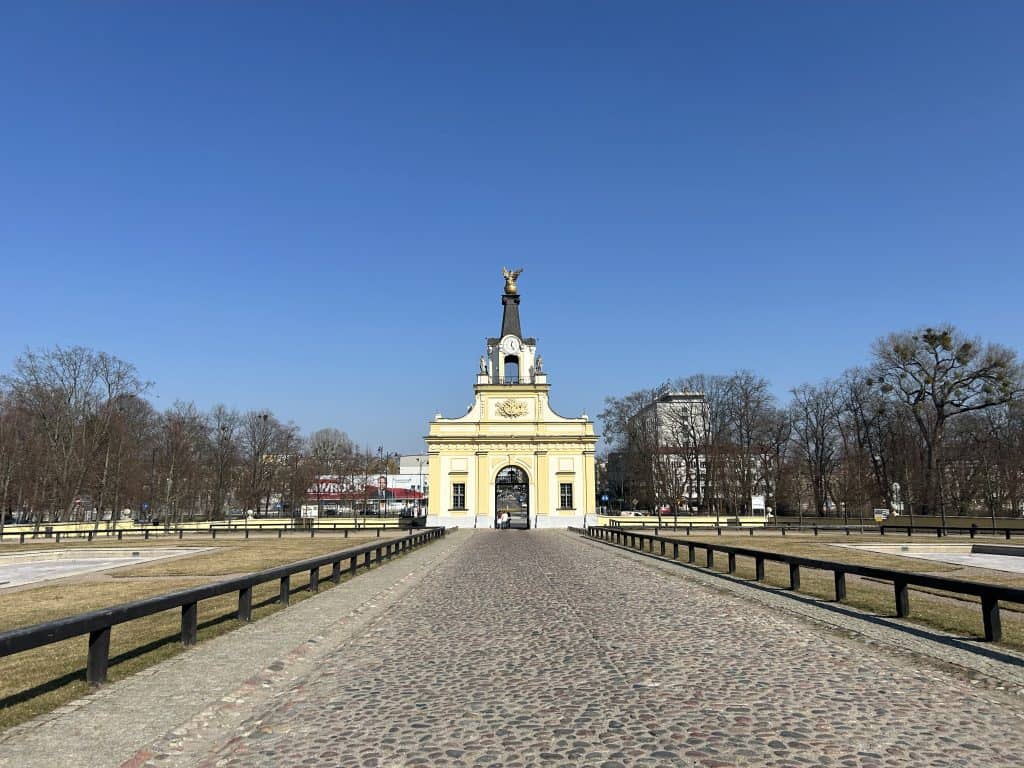
The Pałac Branickich, or Branicki Palace, is the most important historic landmark in Białystok. This magnificent Baroque residence was built in the 18th century by Hetman Jan Klemens Branicki. It is often called the “Polish Versailles” due to its opulent architecture and the expansive, meticulously maintained gardens that surround it. The formal gardens are designed in the French style, with fountains, statues, and manicured hedges. While some parts of the palace now house the Medical University of Białystok, guided tours allow visitors to explore the restored representative rooms. The gardens are free to roam and are a popular spot for locals and tourists.
Kościuszko Market Square
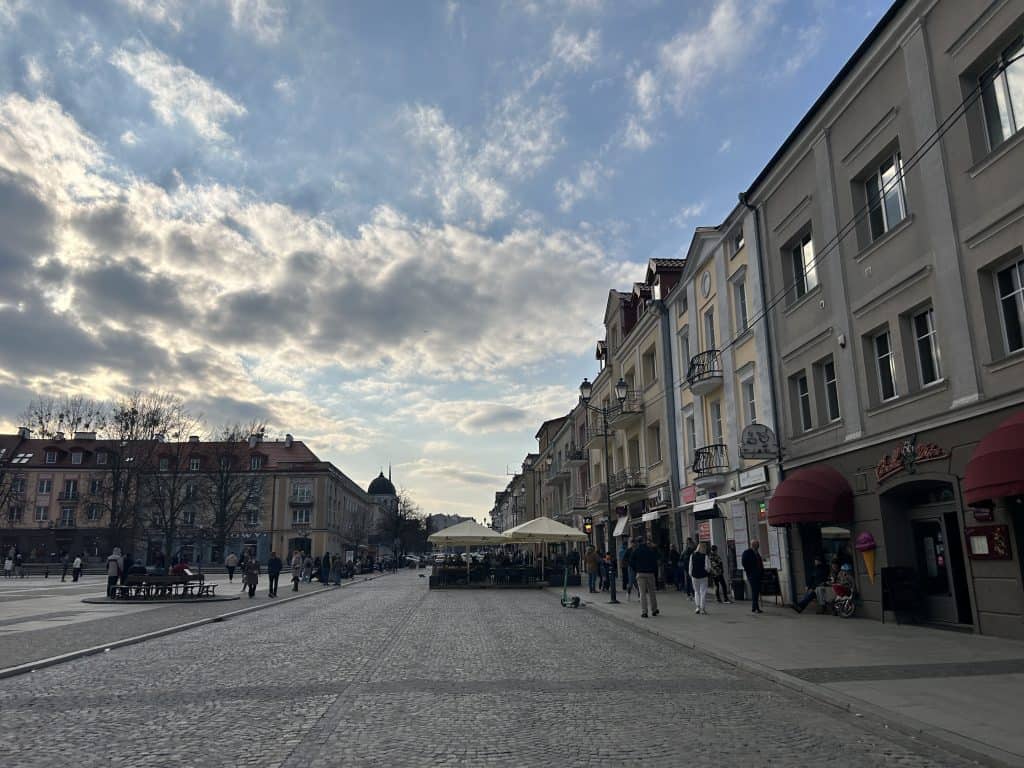
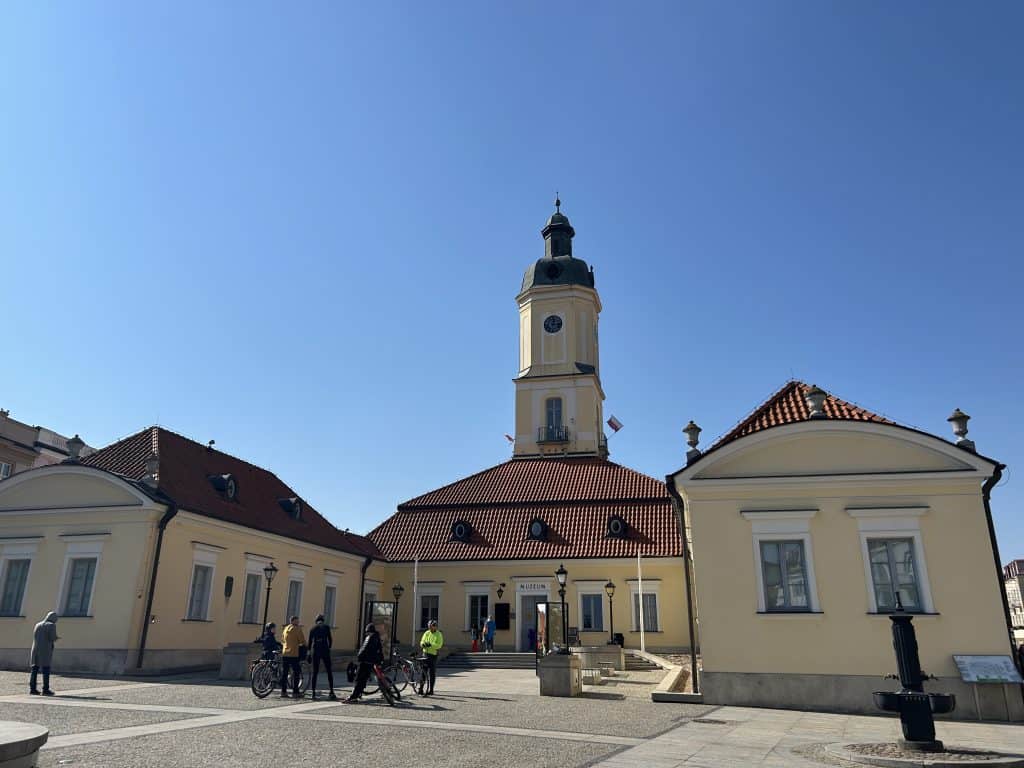
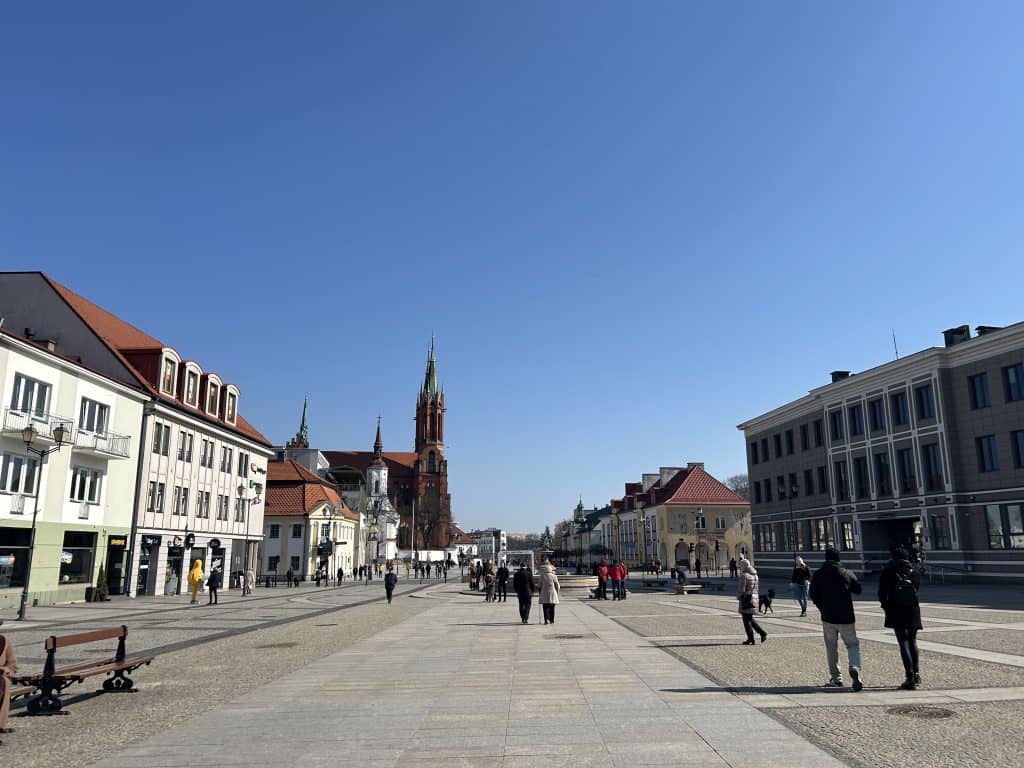
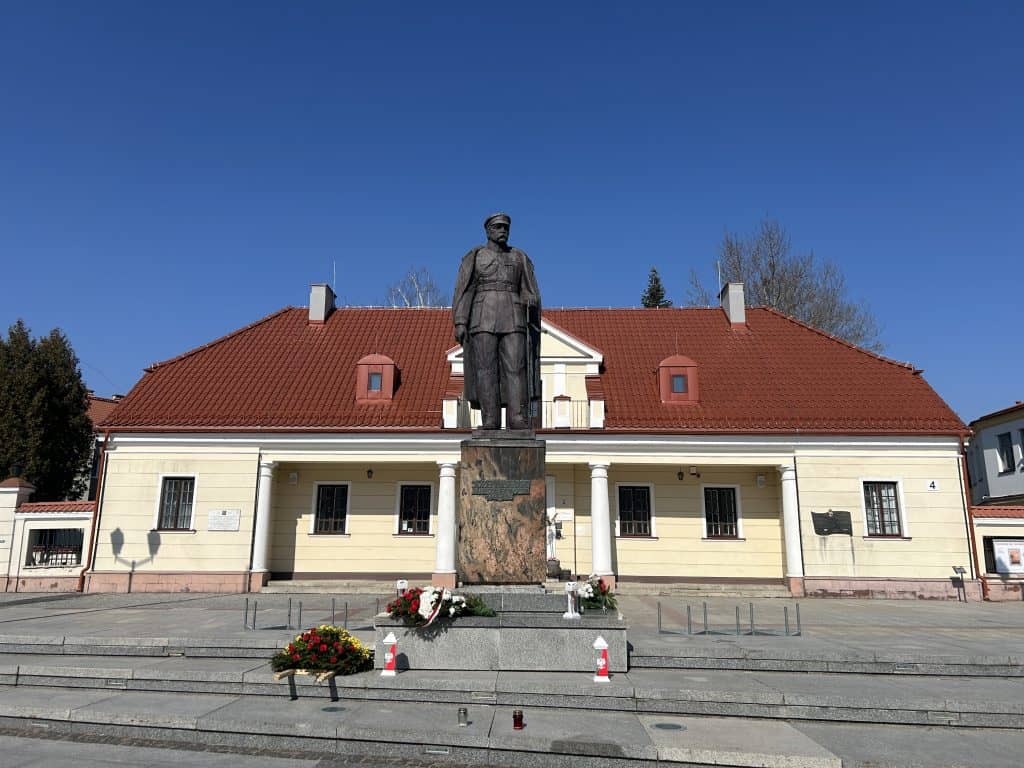
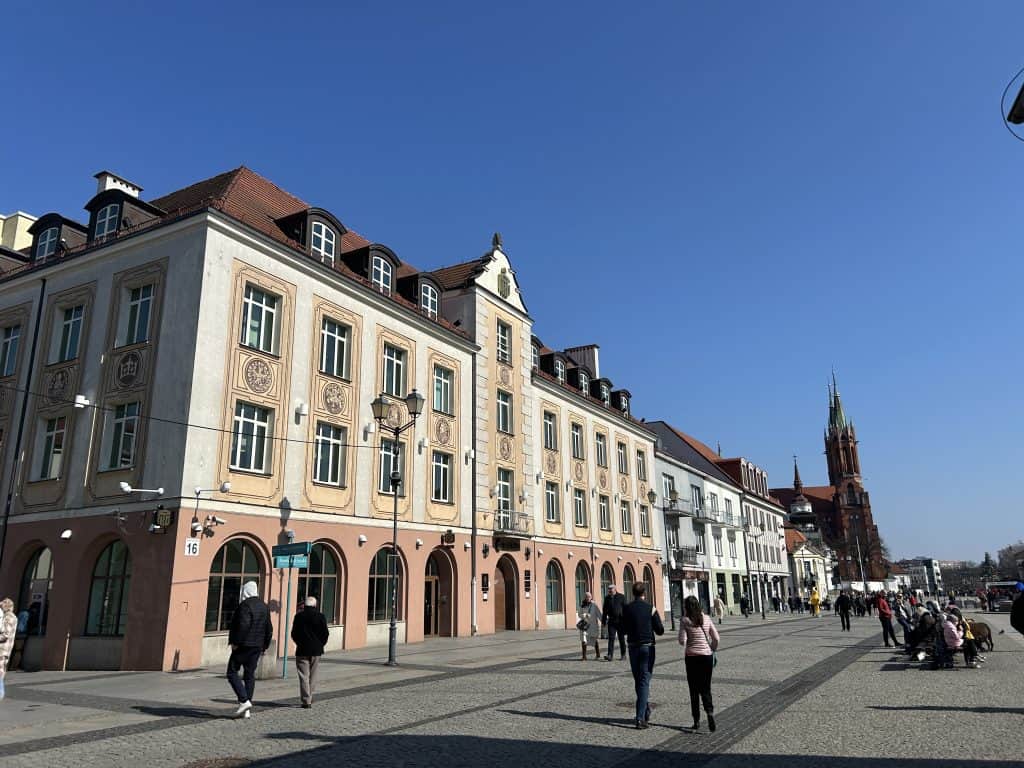
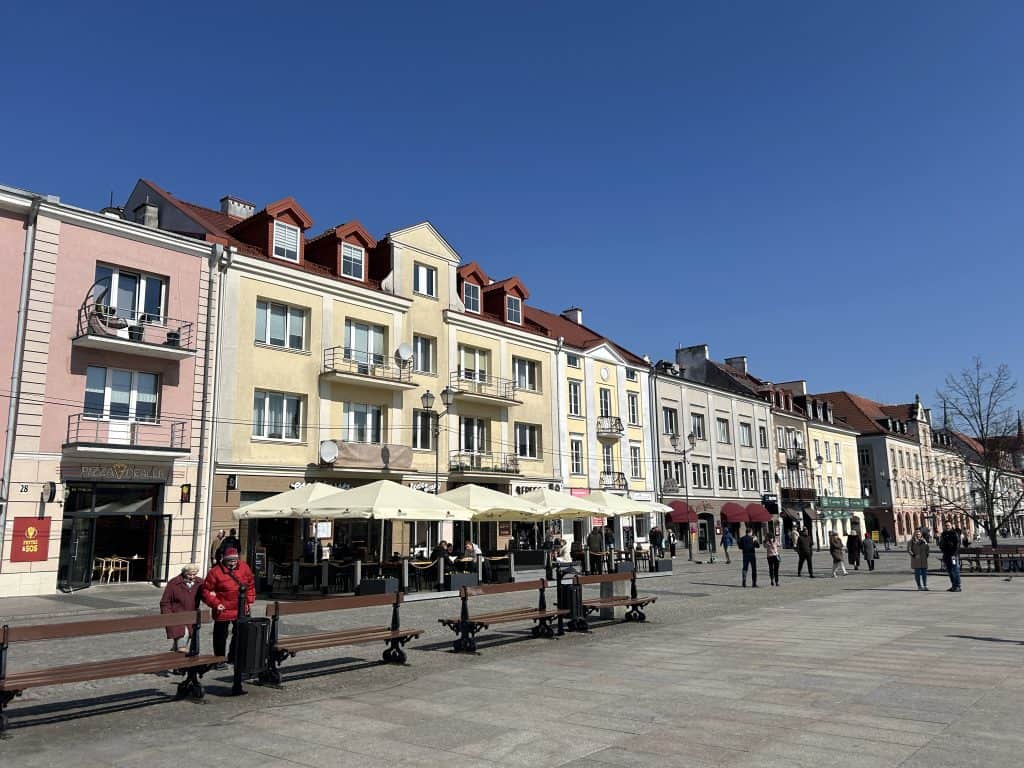
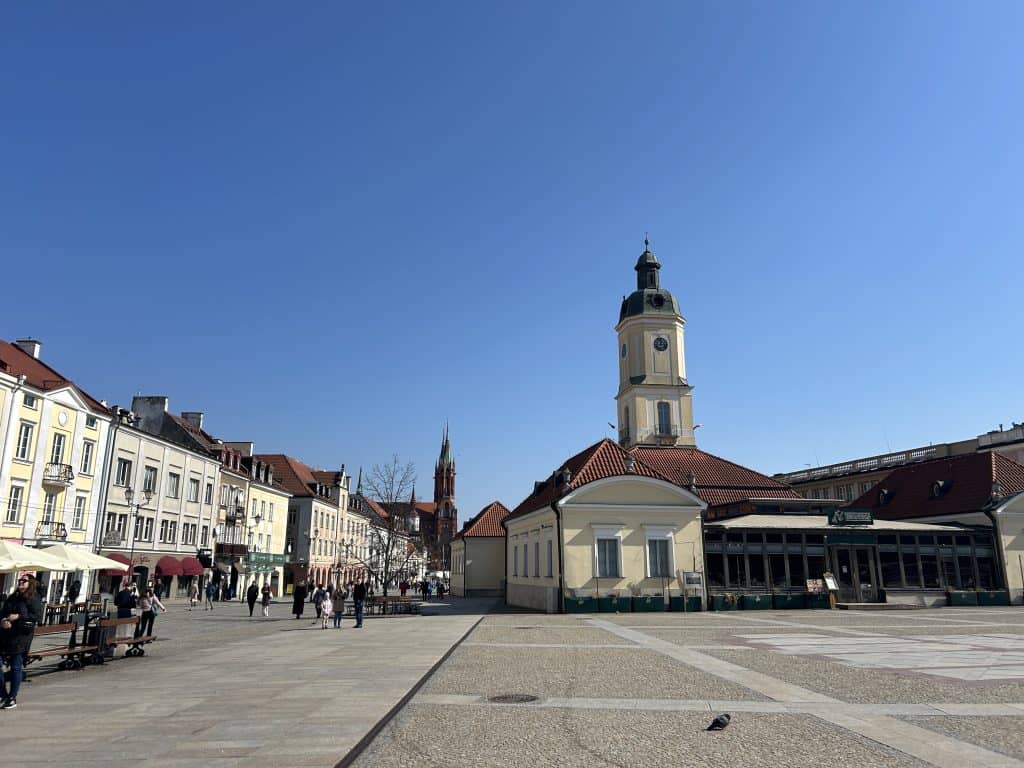
The Rynek Kościuszki, or Kościuszko Market Square, is the vibrant heart of the city. This lively, sprawling square is the main commercial and social hub of Białystok. It is surrounded by charming cafes, restaurants, pubs, and shops, many with outdoor seating in the summer. At the center of the square stands the historic Town Hall, which now houses the Museum of Podlasie. The square is a great place to soak in the local atmosphere, observe daily life, and attend the various events and festivals that are held here throughout the year.
Cathedral Basilica of the Assumption
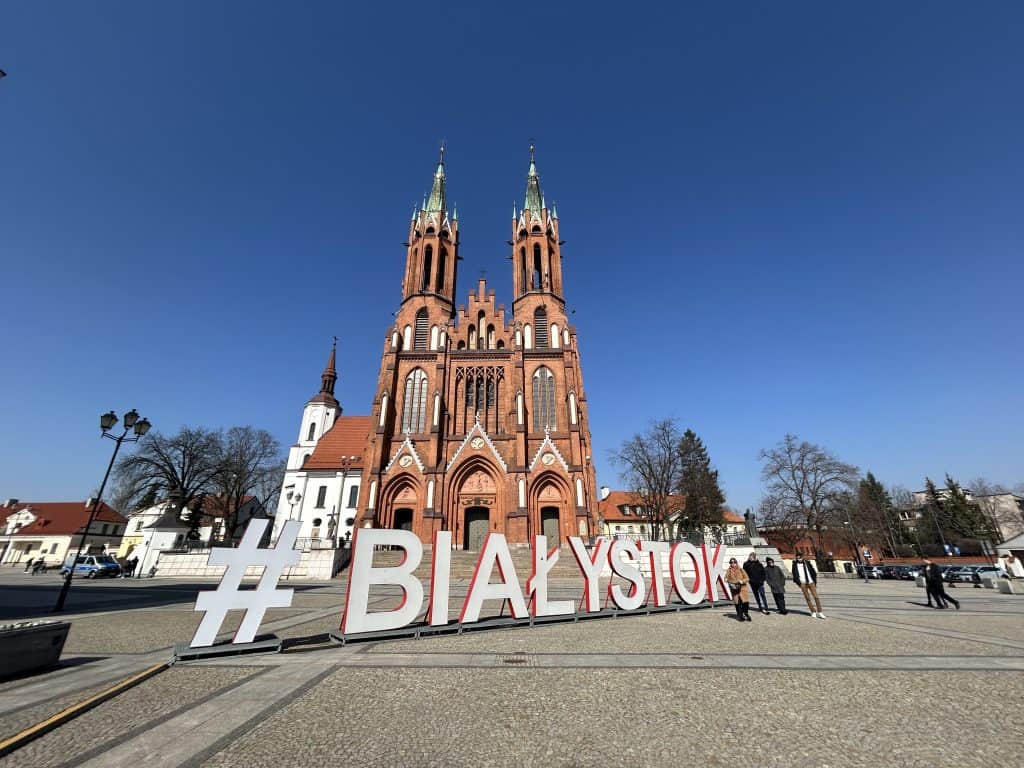
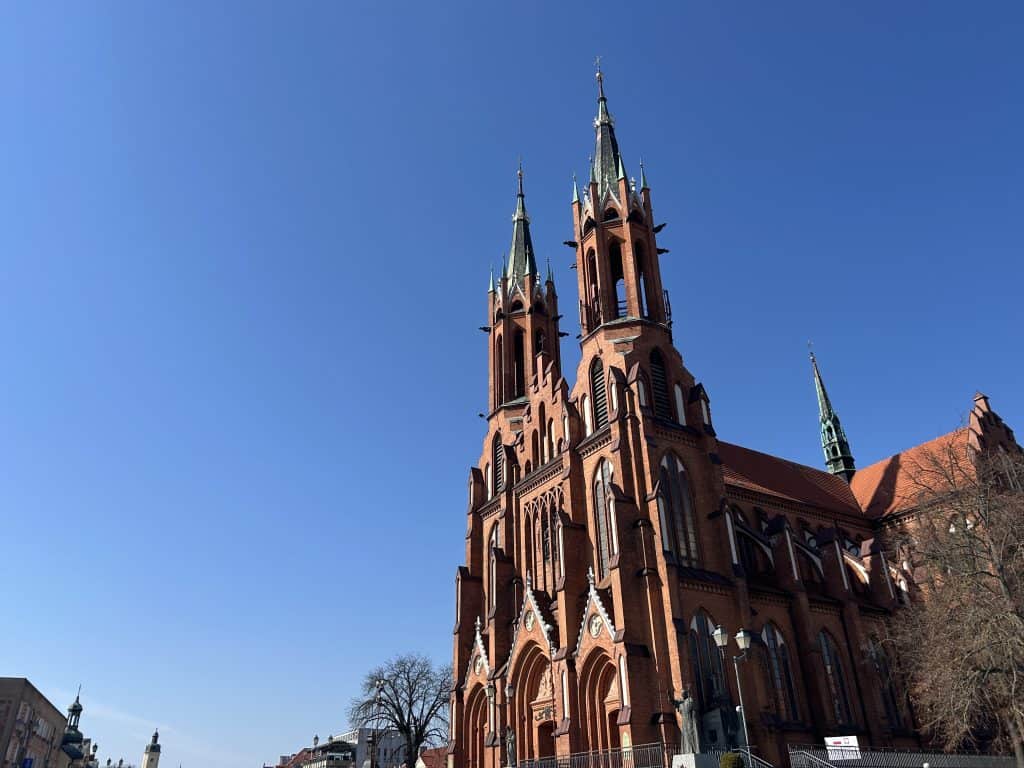
The Cathedral Basilica of the Assumption of the Blessed Virgin Mary is the main Roman Catholic church in Białystok. It is a unique complex consisting of two interconnected churches. The older part is a small, late Renaissance church from the early 17th century. Attached to it is a much larger, monumental neo-Gothic cathedral that was built in the early 20th century. The impressive red-brick facade and tall towers of the neo-Gothic part make it a dominant feature of the city’s skyline. Inside, visitors can see the richly decorated interiors of both structures.
St. Roch’s Basilica
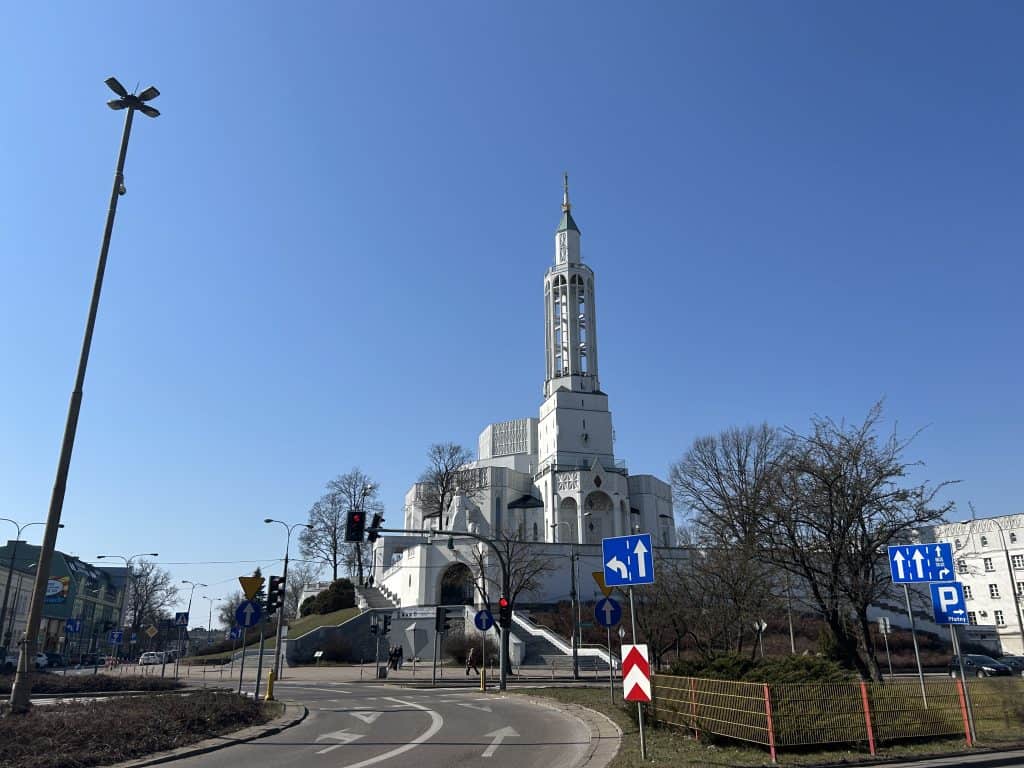
St. Roch’s Church is an impressive Catholic church that is also known as the Church-Monument of Poland’s Regained Independence. It is a prominent modernist architectural landmark in the city. The church was built between 1927 and 1946 and stands on a hill overlooking the city. Its most striking feature is its 83-meter-high octagonal tower, which is topped with a statue of St. Roch. The church was designed by the renowned architect Oskar Sosnowski. It is considered one of the most important examples of modernist church architecture in the world.
Ludwik Zamenhof Centre
Ludwik Zamenhof, the creator of the international language Esperanto, was born in Białystok in 1859. The Ludwik Zamenhof Centre is a modern cultural institution dedicated to his life and work. It is located in the city center. The center offers a permanent exhibition about the life of Zamenhof, the history of the Esperanto language, and the multicultural heritage of Białystok. It also hosts various temporary exhibitions, concerts, and educational workshops. The center is an important part of the Esperanto Trail, which connects several sites in the city related to Zamenhof’s life.
Sybir Memorial Museum
The Sybir Memorial Museum is a major new museum in Białystok, opened in 2021. It is dedicated to the memory of the thousands of Polish citizens who were deported to Siberia and other remote parts of the Soviet Union from the 18th century through the Soviet occupation of eastern Poland in World War II. The museum is housed in a former military warehouse complex near the old railway tracks. Its powerful and immersive exhibitions tell the stories of the deportees through personal artifacts, testimonies, and reconstructions. It is a modern and important institution of national memory.
Historical Museum
The Historical Museum in Białystok is the main branch of the Museum of Podlasie. It is located in the historic Town Hall on the Kościuszko Market Square. The museum’s collections focus on the rich history of Białystok and the surrounding Podlasie region. The exhibits include archaeological findings from the early settlements in the area, historical documents, and artifacts related to the city’s multicultural past. A highlight is a large, detailed model of the city as it looked in the 18th century during its golden age under the Branicki family.
Planty Park
Planty Park is a large and popular public park located between the city center and the train station. The park was created in the 1930s and is designed in a modernist style. It is a beloved green space for locals, with extensive walking paths, flowerbeds, and a large ornamental pond with fountains. The park also contains several interesting sculptures and monuments. It is a perfect place for a leisurely stroll, relaxation, and recreation. During the summer, it is a hub of activity, with many people enjoying the green surroundings.
Akcent ZOO
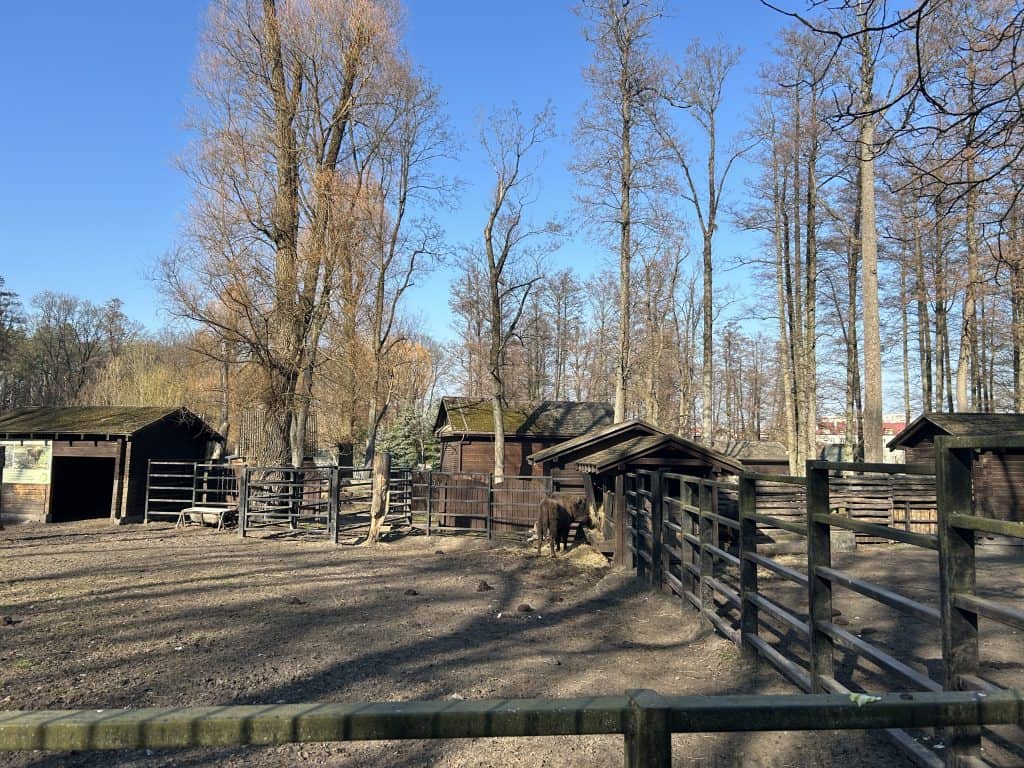
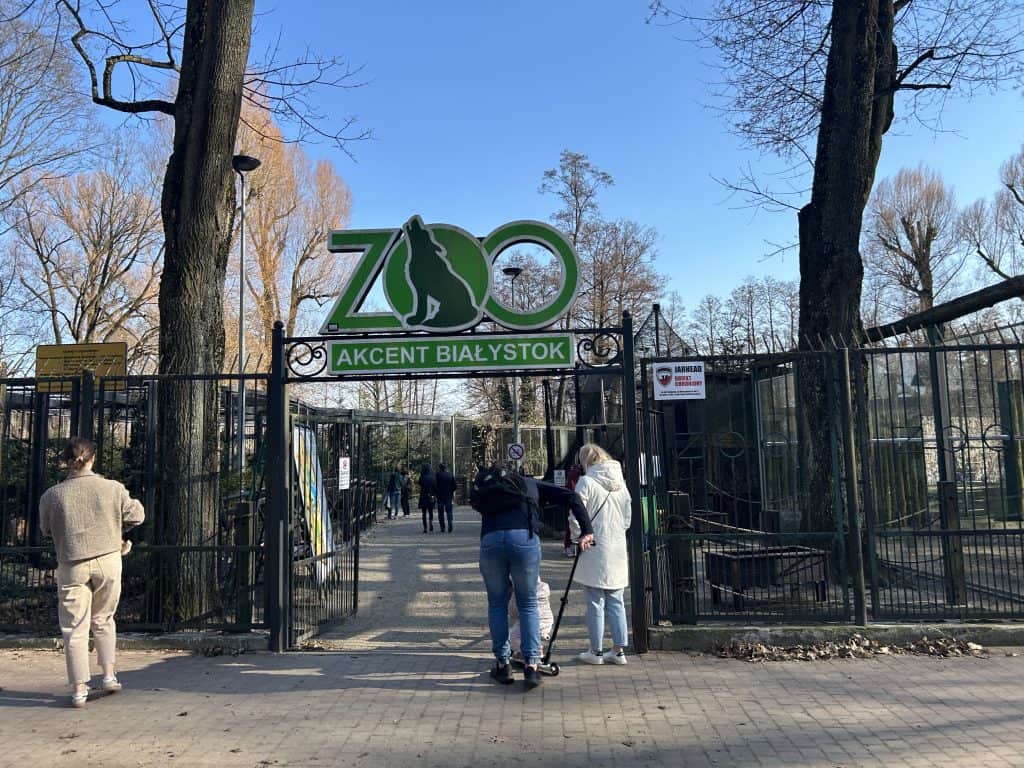
The Akcent ZOO is a mini zoo located in the Constitution of 3 May Park, a short walk from the city center. While not a large zoological garden, it is a popular attraction for families. The zoo features a collection of animals that are mostly native to the local wildlife of the Podlasie region. For those who do not have the time to travel to the Białowieża Forest, this is a place where you can see European Bison in captivity. The zoo also has bears, wolves, deer, and various bird species.
Białowieża Forest
The Białowieża Forest is a vast, primeval forest located at the border with Belarus, a short drive from Białystok. It is a UNESCO World Heritage Site and one of the last and largest remaining parts of the immense primeval forest that once stretched across the European Plain. The forest is most famous for its population of European Bison, which were reintroduced to the wild here in 1929 after being hunted to extinction. Today, there are more than 800 bison roaming free in the Polish part of the forest. A guided tour is the best way to see the bison and explore this unique ecosystem.
Traveling with Kids
Białystok is a family-friendly city with a good selection of activities that can engage children. The city’s numerous parks are a major asset for visitors with children, providing ample space for play and relaxation. These green spaces, such as Planty Park and the Constitution of 3 May Park, are perfect for a break from sightseeing, allowing kids to run around and enjoy the outdoors. The latter also contains the city’s mini zoo, which is a popular attraction for families.
Beyond the parks, Białystok has several cultural institutions that are well-suited for a family audience. The city’s renowned puppet theatre offers performances that can delight younger visitors, while the new Sybir Memorial Museum can be a powerful educational experience for older children and teenagers. The combination of outdoor recreational spaces and engaging cultural activities makes Białystok a comfortable and enjoyable destination for a family trip.
Activities for Kids in Białystok
For families seeking memorable outings, Białystok offers experiences that are both fun and educational. The city’s mini zoo provides a chance to see the famous European Bison up close, while the celebrated puppet theatre offers world-class artistic entertainment. These activities provide great opportunities for families to enjoy their time together in the city.
A Visit to the Akcent ZOO
The Akcent ZOO, located in the Constitution of 3 May Park, is a perfect activity for a family with children. This mini zoo is a compact and easily manageable attraction. Its main highlight is the enclosure for the European Bison, the symbol of the region. This provides a guaranteed opportunity to see these magnificent animals without having to travel to the Białowieża Forest. The zoo also features other animals native to the region, including bears, wolves, and lynx. Its location within a large city park makes it easy to combine a visit to the zoo with some playtime.
Białystok Puppet Theatre
The Białostocki Teatr Lalek, or Białystok Puppet Theatre, is one of the oldest and most respected professional puppet theatres in Poland. It offers a rich and diverse program of performances, many of which are designed specifically for children and families. The theatre is famous for its artistic innovation and has won numerous awards at international festivals. Attending a performance is a magical experience for children, with beautiful puppets and imaginative storytelling. Even for non-Polish speakers, the visual nature of puppetry often transcends language barriers, making it an enjoyable cultural outing.
Playgrounds in Białystok
Białystok features numerous public playgrounds located throughout the city, providing essential spaces for children’s recreation. These play areas are typically found within city parks and offer safe and well-equipped environments for fun. A stop at a playground is a simple and effective way to break up a day of sightseeing.
Playground in Planty Park
The playground located inside Planty Park is one of the largest and most popular in the city. Its central location, between the main square and the train station, makes it a convenient spot for families. The playground is modern and extensive, featuring a wide variety of play structures suitable for different age groups. It includes swings, slides, sandpits, and large climbing frames with rope bridges. The area is enclosed, providing a safe environment for children to play freely. The beautiful park setting makes it a top choice for a family outing.
Playground at the Branicki Palace Gardens
Within the vast and beautiful gardens of the Branicki Palace, there is also a well-equipped public playground. This playground has a prime location, allowing families to combine a visit to the city’s most famous landmark with some dedicated playtime for the children. The playground features modern and safe equipment. Its setting is particularly special, as children can play in the shadow of the magnificent “Polish Versailles.” This allows for a perfect balance of culture and fun, making the palace grounds an even more family-friendly destination.
Sports in Białystok
Białystok has a passionate sports scene, with its most prominent club, Jagiellonia Białystok, having a major presence in Poland’s top football league. The city rallies behind its football team, and match days are major community events that draw large crowds to the modern city stadium. Beyond football, the city is home to a diverse range of other sports clubs that compete at national levels, including American football, basketball, athletics, and handball. The city’s athletic facilities support both professional competition and grassroots participation, fostering a strong sporting culture. For visitors, attending a sporting event can be an excellent way to experience the local passion and community spirit.
Jagiellonia Białystok (Football)
Football is the most popular sport in the city, and Jagiellonia Białystok is the premier professional club. Founded in 1920, the club has a long history and a very passionate fanbase. They compete in the Ekstraklasa, the highest professional football league in Poland. The team has achieved significant success, winning the Polish Cup and finishing as runners-up in the league on multiple occasions. They play their home matches at the Białystok City Stadium, a modern facility with a capacity of over 22,000 spectators, which creates an electric atmosphere on match days.
Lowlanders Białystok (American Football)
American football is a growing sport in Poland, and Białystok is home to one of the country’s top teams, the Lowlanders Białystok. The team competes in the Polish Football League (PFL), the premier league for American football in the country. The Lowlanders have been very successful, winning the national championship multiple times, including in 2018, 2020, and 2021. They represent the modern and dynamic side of the city’s sports scene. The team helps to grow the popularity of the sport in eastern Poland and provides a different and exciting type of sporting event for local fans.
Żubry Białystok (Basketball)
Basketball also has a presence in the city, represented by the club Żubry Białystok. The name “Żubry” means “Bison” in Polish, linking the team with the famous symbol of the region. The team competes in the 2nd Liga, the third tier of the national league system of Polish basketball. They play an important role in the local sports community, providing a platform for basketball players in the city to compete at a competitive level. The club also has youth teams, which contribute to the development of the sport among the younger generation in Białystok.
KS Podlasie Białystok (Athletics)
KS Podlasie Białystok is the city’s premier athletics (track and field) club and one of the most successful in all of Poland. Founded in 1957, the club is renowned for its excellence in a wide range of athletic disciplines. KS Podlasie has produced numerous Polish champions, European champions, and Olympians, including stars like javelin thrower Maria Andrejczyk. The club’s athletes regularly win the national club championships, cementing its status as a powerhouse in Polish athletics. They train and compete at the Białystok City Stadium, which has full track and field facilities.
MOKS Słoneczny Stok Białystok (Handball)
Handball is another popular sport in Poland, and the city is represented by MOKS Słoneczny Stok Białystok. The club’s men’s team competes in the Liga Centralna, which is the second tier of the Polish handball league system. The club was founded in 1996 and has a strong focus on youth development, with numerous junior teams participating in regional and national competitions. They play their home matches at a local sports hall, providing an opportunity for local fans to watch high-level handball. The club is a key part of the city’s diverse sporting landscape.
BAS Białystok (Women’s Volleyball)
Women’s volleyball is represented in the city by the club BAS Białystok. The team competes in the I Liga, which is the second-highest professional volleyball league for women in Poland. The club provides a platform for female athletes in the city to compete at a high national level. They play their home matches at the sports hall of the local technical college on Wiejska Street. The team has a dedicated following and contributes to the strong tradition of volleyball in the Podlaskie region, aspiring to reach the top-tier Tauron Liga.
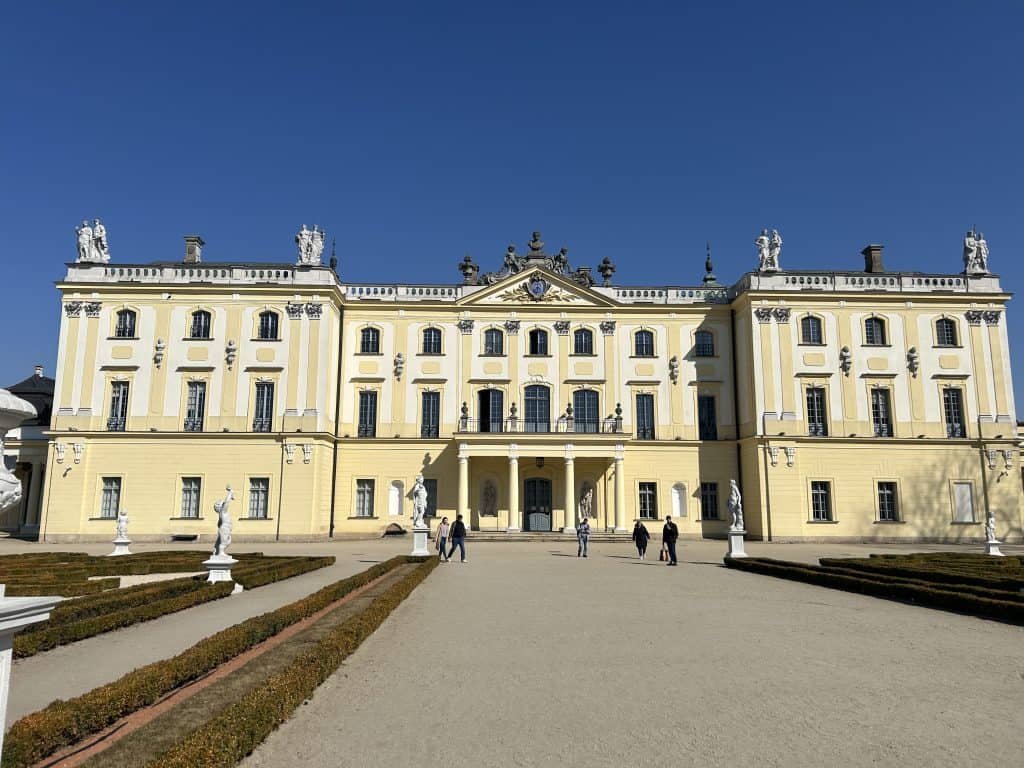
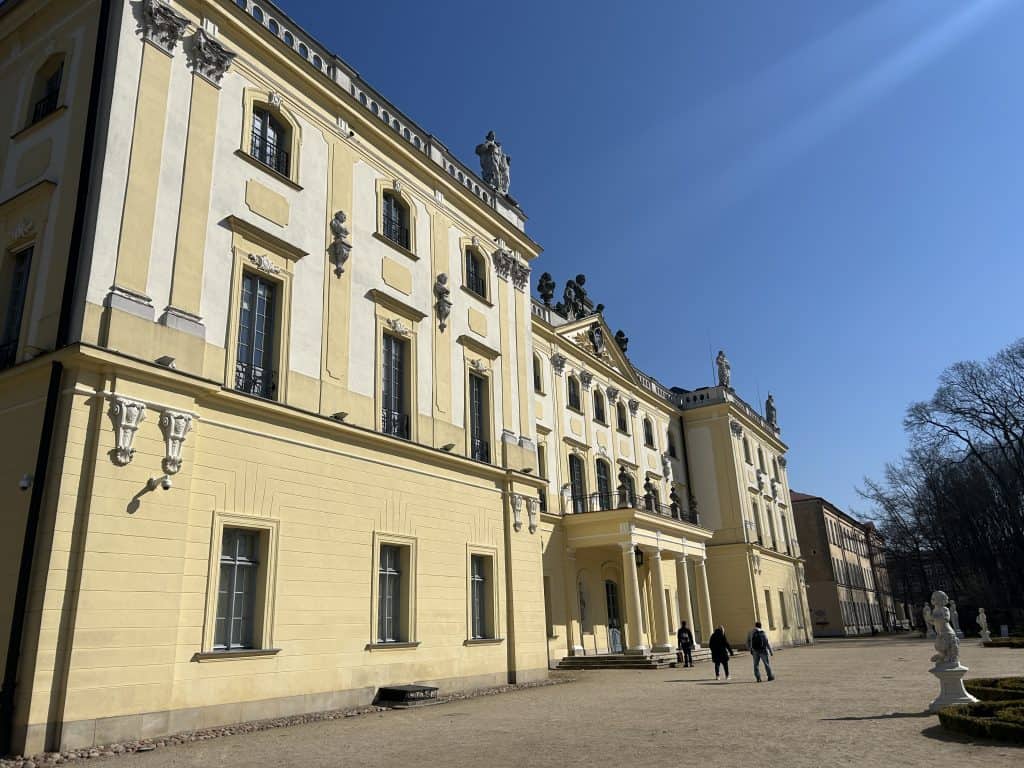





Getting Around in Białystok
Navigating Białystok is facilitated by a comprehensive public transport system and a city center that is very conducive to walking. The primary mode of public transportation within the city is an extensive network of buses, which are managed by the municipal authority BKM. These services connect the city center with all of the residential districts and suburban areas. For exploring the historic city center, including the Branicki Palace and the Kościuszko Market Square, walking is by far the best option. The city also has a popular public bike-sharing system, BiKeR, which is another great way to get around.
Using City Buses
The public transport system is the backbone of transportation in Białystok. The network is operated by BKM (Białostocka Komunikacja Miejska) and consists of a large fleet of modern buses. The system is efficient and covers the entire city with an extensive network of routes. This makes it easy to travel from the main train and bus stations to key destinations and residential areas. Tickets can be purchased at kiosks, from ticket machines, or through mobile apps. The bus system is an affordable and reliable way for visitors to navigate the city without a car.
Exploring by Foot
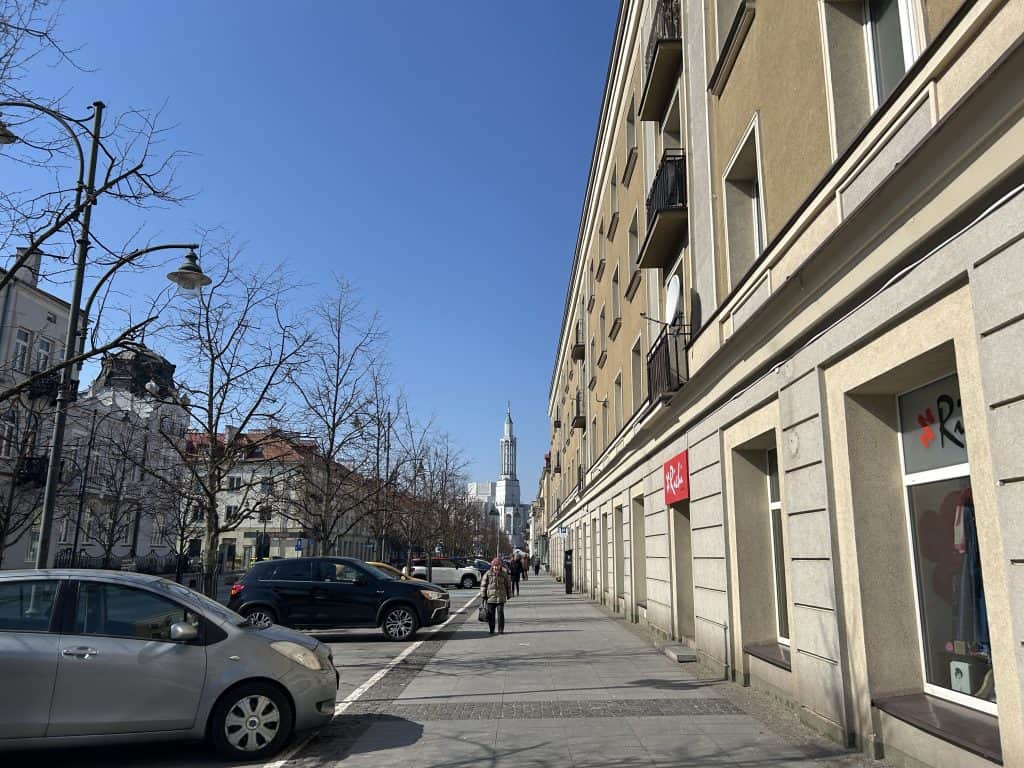
The historical and commercial heart of Białystok is best explored on foot. The central area, which includes the Branicki Palace with its vast gardens and the main Kościuszko Market Square, is relatively compact. Walking is the most immersive way to experience the city’s atmosphere and architecture. A pleasant walk connects the palace grounds with the market square and the main cathedral. This pedestrian-friendly central zone allows for a leisurely exploration of the city’s most important sights, cafes, and restaurants.
Cycling with BiKeR
The BiKeR is the city’s public bike-sharing system, offering a convenient and eco-friendly way to get around. The system includes hundreds of bicycles and numerous rental stations located throughout the city, making it easy to pick up and drop off a bike. This is a great option for medium-distance journeys or for exploring the city’s many parks and green spaces. Białystok is continually improving its cycling infrastructure with new bike lanes. Using a city bike is a popular choice for both locals and students, especially during the warmer months.
How to Get to Białystok?
Białystok, located in northeastern Poland, is a well-connected city that serves as a major transportation hub for the region. While the city does not have its own passenger airport, it is accessible via larger airports in nearby cities like Warsaw. The city lies at the intersection of several major national roads, making it easy to reach by car. The train is another excellent option, as Białystok is a key stop on both domestic and international railway lines, including a direct connection to Lithuania. Long-distance buses also provide extensive connections.
Arriving by Air
The closest major international airport to Białystok is Warsaw Chopin Airport (WAW). It is located approximately 200 kilometers southwest of the city. As Poland’s largest airport, it offers a vast network of flights to destinations all over the world. From the airport, there are frequent and direct bus services that travel to Białystok, with a journey time of about two-and-a-half to three hours. Another option is the smaller Warsaw Modlin Airport (WMI), which is a hub for low-cost airlines. Other regional airports include Olsztyn-Mazury Airport (SZY).
Driving into the City
Driving to Białystok is straightforward as the city lies at the intersection of several major national roads. The most important of these is the S8 expressway (E67), which provides a high-speed connection to Warsaw. National Road 19 is another key route, connecting Białystok with Lublin and Rzeszów to the south. This route is part of the international Via Carpathia project. National Road 65 provides a connection to the border with Belarus. The road network makes the city easily accessible by car from all directions.
Journey by Rail
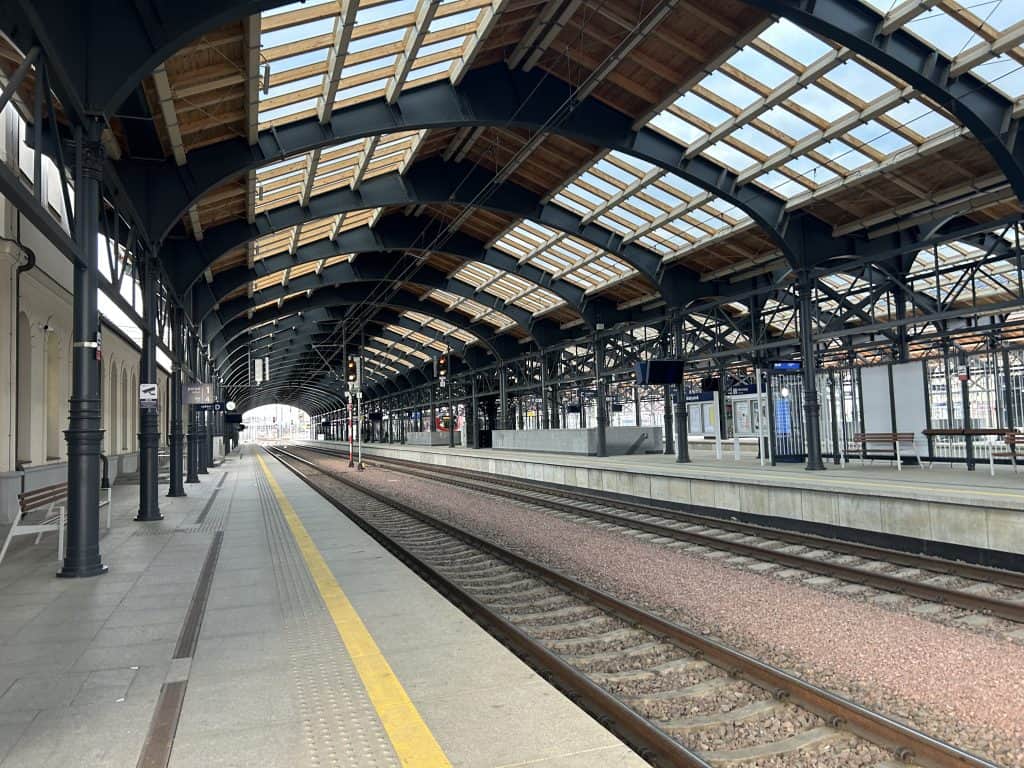
The train is a very convenient way to reach Białystok. The city’s main station is a key stop on several long-distance domestic lines. There are frequent services operated by PKP Intercity that connect Białystok with major Polish cities like Warsaw, Gdańsk, Kraków, and Szczecin. Białystok is also an important station for international rail travel. There are direct international trains that run from Białystok to Vilnius, the capital of Lithuania, making it a key gateway to the Baltic states by rail.
Connecting by Bus
Białystok has a large bus station that serves as a hub for numerous long-distance and regional bus routes. Many different companies operate services that connect the city with most other major cities in Poland. The bus is often an economical alternative to the train. In addition to domestic routes, there are extensive international bus connections. Due to its location in northeastern Poland, Białystok has very frequent services to cities in neighboring countries, especially Lithuania, Belarus, and Ukraine.
From Warsaw
For most international visitors, the journey to Białystok will begin in Warsaw. The connection between the two cities is excellent and offers several options. The fastest and most convenient method is often by train. Frequent intercity trains depart from Warsaw’s main stations and reach Białystok in just over two hours. Alternatively, numerous long-distance bus companies run very frequent services between the two cities, which can be slightly cheaper but may take longer depending on traffic. Driving via the S8 expressway is also a direct and fast option.
Driving Distances
The driving distance from 20 regional cities, according to Google Maps:
- Grodno, Belarus – 85 kilometers (1 h 40 min)
- Warsaw, Poland – 198 kilometers (2 h 10 min)
- Lublin, Poland – 245 kilometers (3 h 00 min)
- Vilnius, Lithuania – 280 kilometers (4 h 00 min)
- Kaliningrad, Russia – 320 kilometers (4 h 30 min)
- Łódź, Poland – 325 kilometers (3 h 20 min)
- Minsk, Belarus – 345 kilometers (4 h 30 min)
- Rzeszów, Poland – 370 kilometers (4 h 10 min)
- Gdańsk, Poland – 391 kilometers (4 h 20 min)
- Katowice, Poland – 470 kilometers (4 h 40 min)
- Lviv, Ukraine – 480 kilometers (6 h 40 min)
- Riga, Latvia – 490 kilometers (6 h 20 min)
- Kraków, Poland – 499 kilometers (5 h 00 min)
- Poznań, Poland – 505 kilometers (4 h 50 min)
- Wrocław, Poland – 535 kilometers (5 h 10 min)
- Szczecin, Poland – 700 kilometers (6 h 50 min)
- Berlin, Germany – 770 kilometers (7 h 40 min)
- Prague, Czech Republic – 860 kilometers (9 h 00 min)
- Vienna, Austria – 950 kilometers (9 h 30 min)
- Copenhagen, Denmark – 1160 kilometers (12 h 30 min)
Looking to Explore more of Poland and Europe?

This post was first published 2025-06-01 and was updated 2025-07-29