Helsinki (Helsingfors) | Exploring Finland
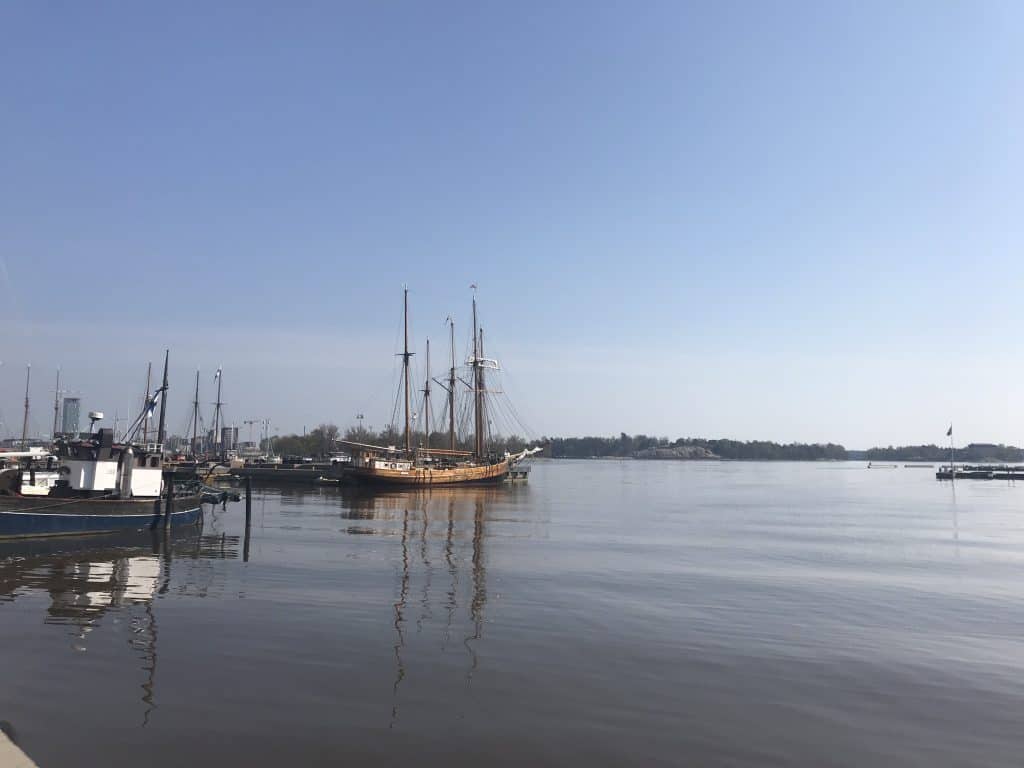
Helsinki is the capital and largest city of Finland. It is located on the southern coast of the country, on a peninsula that juts into the Gulf of Finland. The Helsinki metropolitan area, which includes the neighboring cities of Espoo and Vantaa, has a population of approximately 1.5 million residents, making it Finland’s largest urban center. As a key Nordic hub, Helsinki is known for its functional design, its proximity to nature, and its high quality of life.
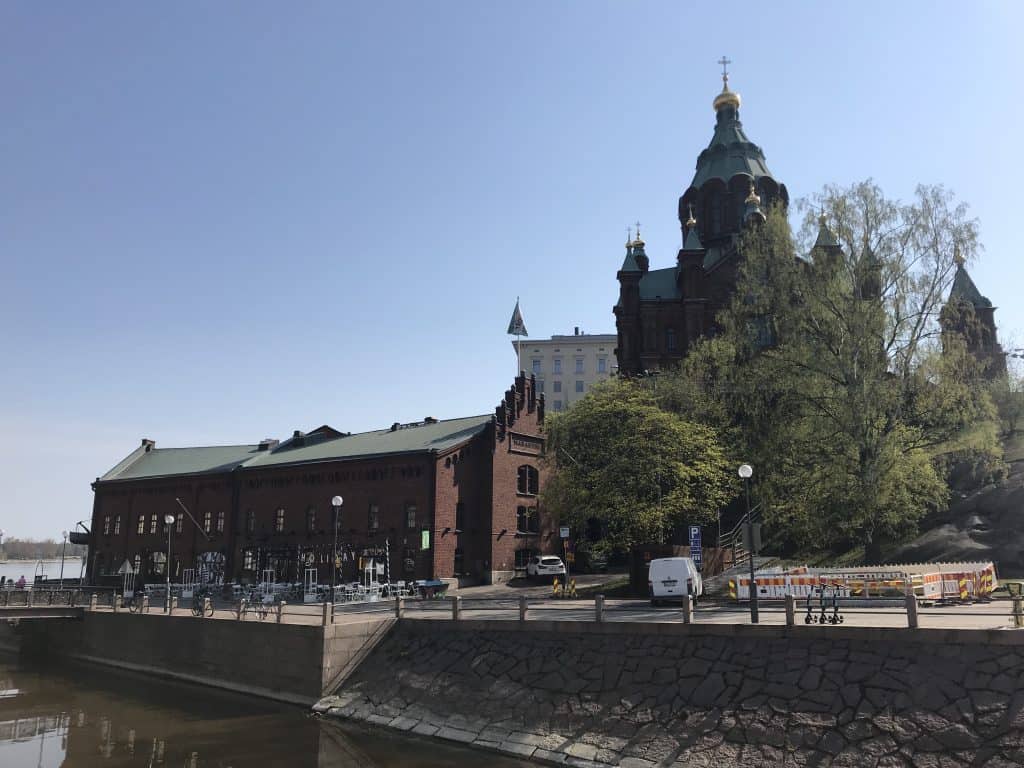
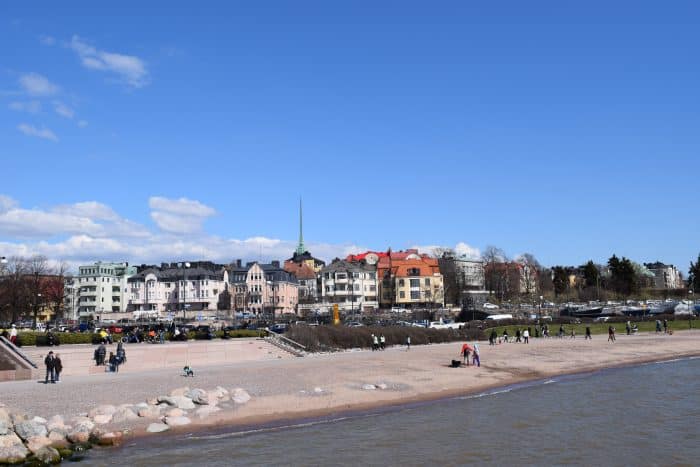
The city’s character is defined by a blend of architectural styles and its close relationship with the sea. The urban landscape features a large, neoclassical center built in the 19th century, which exists alongside extensive examples of Art Nouveau (Jugendstil) and modern functionalist architecture. Helsinki is surrounded by a vast archipelago of over 300 islands, which plays a central role in the city’s recreational and cultural life. This combination of urban sophistication and accessible nature gives the city its specific identity.
As the political, economic, and cultural heart of Finland, Helsinki is home to the country’s main governmental, educational, and commercial institutions. Its location on the Baltic Sea has made it a major port city with strong connections to other regional capitals like Tallinn, Stockholm, and St. Petersburg. The city was recognized as a World Design Capital in 2012, highlighting its long history of innovation in design and urban planning.


Good to Know When Visiting Helsinki
To help with planning a visit, here are several practical points covering daily essentials, timing, and efficient exploration of the city. Understanding these details can make a trip to Helsinki more convenient. This information is intended to provide a general overview for travelers preparing to visit this major Nordic capital.
The Daily Essentials
The official currency used in Helsinki is the Euro (EUR). Credit and debit cards are overwhelmingly the preferred method of payment and are accepted almost everywhere. The official languages are Finnish and Swedish, and all street signs and public information are in both languages. English is widely and fluently spoken, especially in tourist areas and by younger generations. Tipping is not customary or expected in Finland, as service charges are included in the bill in restaurants and for taxi fares. The tap water in Helsinki is of exceptionally high quality and is safe to drink. The electrical system uses Type F sockets with a standard voltage of 230V. Helsinki is considered a very safe city with low crime rates.
Planning Your Calendar
Helsinki experiences four distinct seasons, each offering a different experience. The summer months (June-August) are the most popular time to visit, with long daylight hours, mild to warm temperatures, and numerous outdoor events and festivals. The autumn brings colorful foliage but also cooler and wetter weather. The winter is cold, dark, and often snowy, providing opportunities for winter sports. Spring is a time of transition as the city emerges from winter. Key public holidays include May 1st (Vappu), a major student and labor celebration, and Midsummer in late June. For a first visit, three to four full days is generally sufficient to see the main sights.
A Tourist’s Toolkit for Exploration
The historic center of Helsinki is compact and best explored on foot. For longer distances, the city has an efficient and integrated public transport system operated by HSL. The Helsinki Card is a popular option for tourists. It offers unlimited travel on public transport within selected zones, as well as free entry to many major museums and sights, and discounts on tours and restaurants. Tickets for public transport can be purchased from HSL ticket machines, R-kiosks, or via the HSL mobile app. It is advisable to book tickets for the ferry to Suomenlinna in advance during the peak summer season to avoid long queues. Most museums are open year-round but may have reduced hours in the winter, and many are closed on Mondays.


A Short History of Helsinki
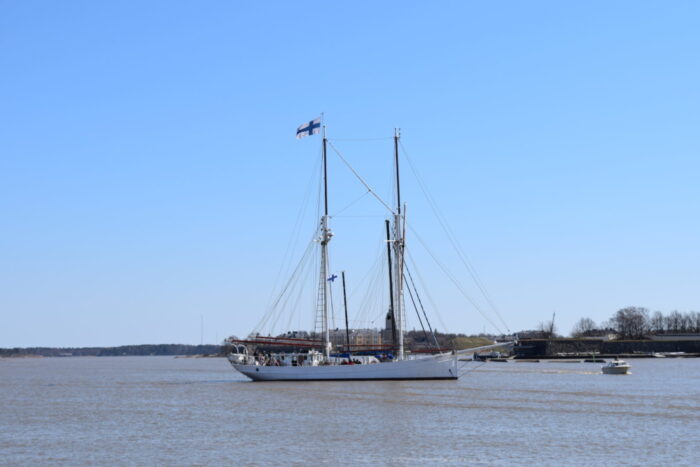
The history of Helsinki is that of a small trading post that was transformed into a grand capital city. Its development was shaped by the political ambitions of both Sweden and Russia. For centuries, the city was a minor player on the Baltic Sea. The decision to make it the capital of the Grand Duchy of Finland in the 19th century was the single most important event in its history. This spurred a period of monumental construction that created the neoclassical center seen today. This unique blend of Nordic and Russian architectural influences tells the story of its past.
Swedish Foundation and Early History
Helsinki was founded on June 12, 1550, by King Gustav I of Sweden. His goal was to create a new trading post to compete with the Hanseatic city of Tallinn, which was located on the other side of the Gulf of Finland. The original settlement was located at the mouth of the Vantaa River. However, for centuries, Helsinki remained a small, often overlooked, town. Its development was hindered by wars between Sweden and Russia, as well as by plagues and fires.
In the 18th century, Sweden began to recognize the strategic importance of the city’s location. This led to the construction of the massive Suomenlinna Sea Fortress on the islands at the entrance to Helsinki’s harbor. This fortress was intended to protect the city and serve as a major naval base for the Swedish fleet in the Baltic Sea. Despite the new fortress, the city itself remained a small wooden town.
The Russian Grand Duchy and a New Capital
The city’s destiny was fundamentally changed after the Finnish War in 1809. Sweden was forced to cede Finland to Russia, and Finland became an autonomous Grand Duchy of the Russian Empire. In 1812, Tsar Alexander I made the decision to move the capital of the Grand Duchy from Turku to Helsinki. The primary reasons for this were to lessen the historical Swedish influence on the country and to bring the capital closer to the Russian imperial capital, St. Petersburg.
Following this decision, Helsinki underwent a massive redevelopment. A fire had destroyed much of the old wooden town. A new city plan was created, and the city was largely rebuilt in the neoclassical style, led by the German-born architect Carl Ludvig Engel. This transformation created many of its iconic buildings around Senate Square, giving the city the nickname “the St. Petersburg of the North.” The University was also moved from Turku to Helsinki during this period.
Independence and Modern Growth
In 1917, following the Russian Revolution, Finland declared its independence, with Helsinki remaining its capital. The city suffered damage during the Finnish Civil War that followed. It also endured bombing raids during World War II. After the war, the city experienced a period of rapid growth and modernization. A key moment in its modern history was hosting the 1952 Summer Olympics. This event showcased the city’s post-war resilience and its modern functionalist architecture.
In the late 20th and early 21st centuries, Helsinki has continued to grow into a modern, cosmopolitan city. It is recognized as a center for technology, education, and design. The city was named a World Design Capital in 2012, a testament to its long history of innovation in design and urban planning. The Helsinki metropolitan area has also expanded significantly, with the neighboring cities of Espoo and Vantaa becoming major residential and business hubs.

Things to Do and See
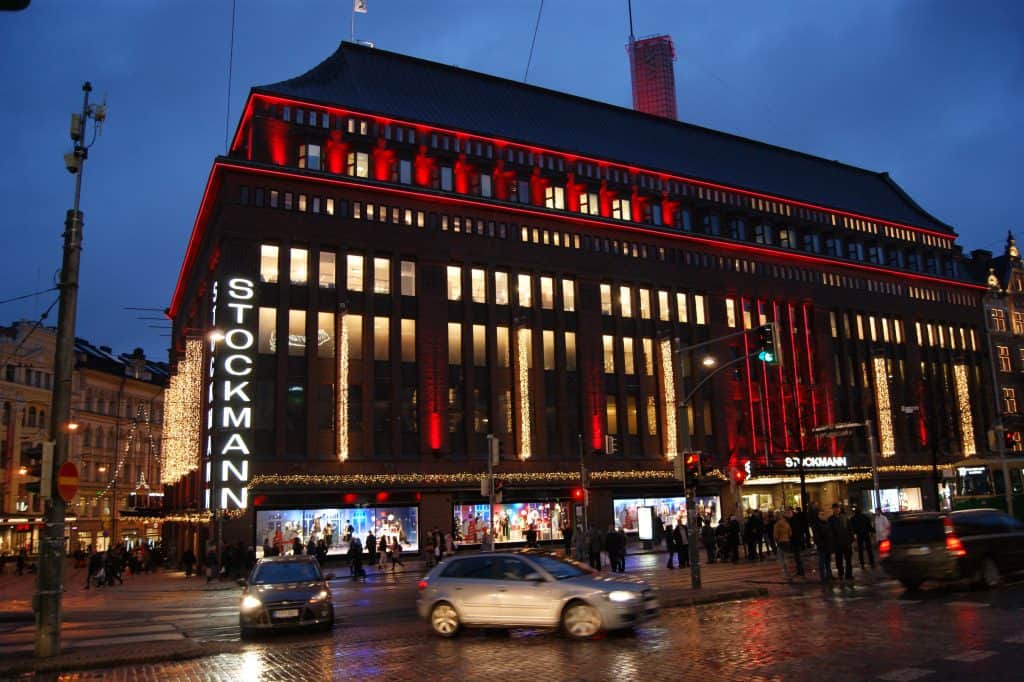
Helsinki offers a range of attractions that showcase its history, unique architecture, and connection to the sea. The city’s main landmarks are concentrated in the historic center around Senate Square, on the islands of the archipelago, and in its design-focused districts. These sights reflect the city’s past as a Swedish fortress, a Russian Grand Duchy capital, and a modern Finnish center for art and design.
The city’s public squares, cathedrals, and museums are key points of interest. The Suomenlinna Sea Fortress is a major historical landscape that is one of Finland’s most popular attractions. The city’s design heritage is visible in both its historic buildings and its modern architectural masterpieces, such as the Temppeliaukio Church. The surrounding archipelago and parks also provide access to nature directly from the city center.
Suomenlinna Sea Fortress
The Suomenlinna Sea Fortress is a UNESCO World Heritage Site and one of Helsinki’s most popular attractions. This large sea fortress was built by Sweden in the mid-18th century on a group of islands at the entrance to Helsinki’s harbor. It served as a vital defensive bastion against Russian expansion in the Baltic. The fortress covers several islands and features extensive defensive walls, cannons, and underground tunnels. Today, it is a living district of the city, with museums, historical buildings, artist studios, and residential housing. It is accessible by a short ferry ride from the Market Square.
Helsinki Cathedral
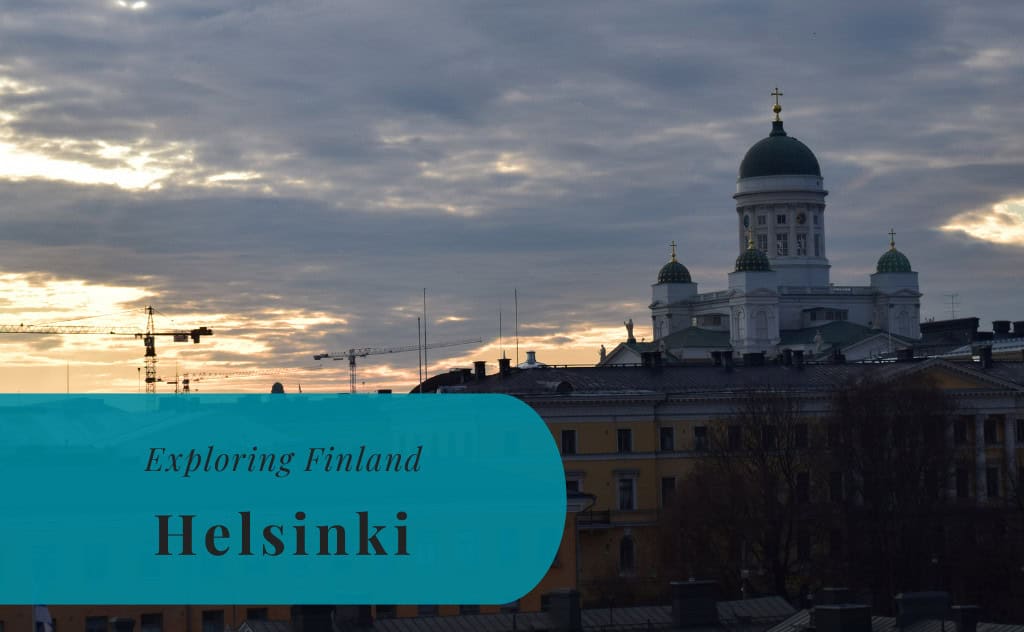
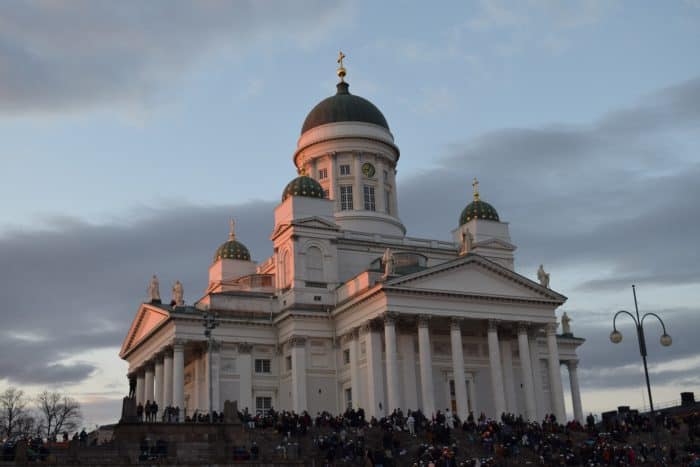
The Helsinki Cathedral (Helsingin tuomiokirkko) is a dominant landmark in the city and a symbol of neoclassical architecture. It stands overlooking Senate Square. The building was designed by Carl Ludvig Engel as part of his plan for the new capital and was completed in 1852. The brilliant white cathedral features a large green central dome and four smaller domes, as well as statues of the twelve apostles on the roof. It is the main church of the Evangelical Lutheran Diocese of Helsinki. Its monumental steps are a popular meeting point and a venue for events.
Senaatintori
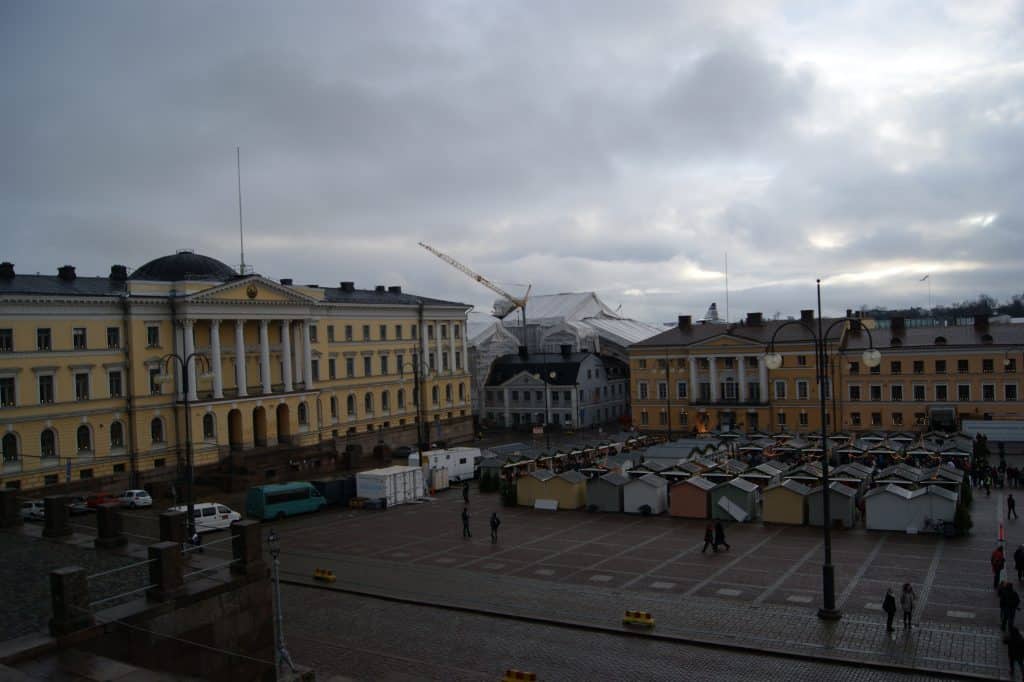
Senate Square (Senaatintori) is the historic heart of Helsinki and a key example of neoclassical architecture. The square is dominated by four buildings all designed by Carl Ludvig Engel: Helsinki Cathedral on the north side, the Government Palace on the east, the University of Helsinki’s main building on the west, and the Sederholm House on the south. The square’s harmonious design reflects the city’s status as a capital during the Russian Grand Duchy era. A central statue of Emperor Alexander II from 1894 stands as a reminder of his role in promoting Finnish autonomy.
Temppeliaukio Church (Rock Church)
The Temppeliaukio Church (Temppeliaukion kirkko), widely known as the “Rock Church,” is a unique architectural site. It was designed by architects Timo and Tuomo Suomalainen and completed in 1969. The church is excavated directly into solid granite rock. Its interior features rough, exposed rock walls and is topped by a stunning copper dome. Natural light filters in through a large, circular skylight that connects the dome to the rock walls. The church is famous for its exceptional acoustics, making it a popular venue for concerts. Its innovative design attracts over half a million visitors annually.
Kauppatori
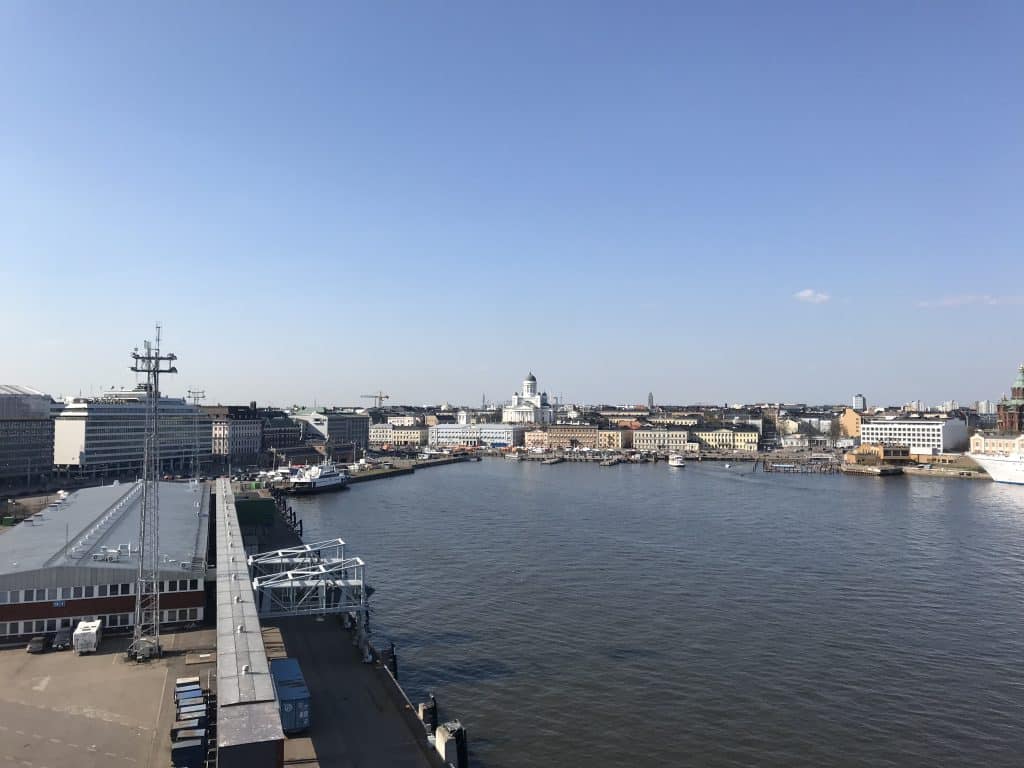
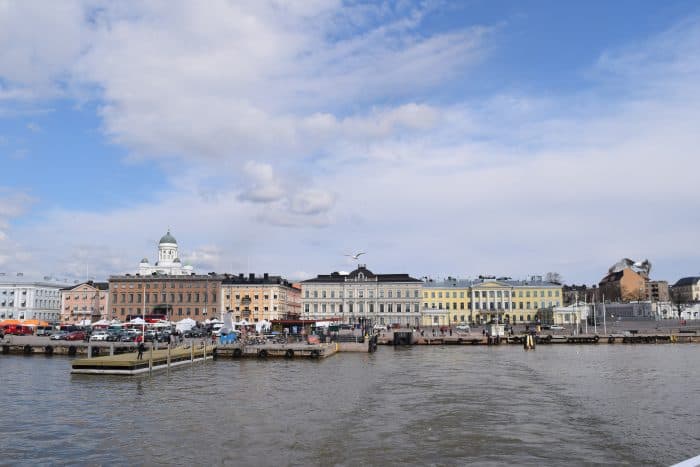
The Market Square (Kauppatori) is an outdoor market in central Helsinki. Located at the South Harbour, it is a hub of activity, especially during the summer months. Vendors in open-air stalls sell fresh produce from across Finland, local delicacies like fried vendace (muikku), and souvenirs. The historic Old Market Hall is also located here, offering more food stalls in an indoor setting. The square offers views of the Baltic Sea and the Presidential Palace. It is also the departure point for ferry trips to Suomenlinna and other local islands.
Design District Helsinki
The Design District Helsinki is a concentration of design shops, fashion boutiques, antique stores, art galleries, and museums. Spanning several blocks in the Punavuori, Kaartinkaupunki, and Kamppi neighborhoods, it highlights Helsinki’s status as a design capital. The district encompasses 25 streets and includes around 200 members, from small design studios to major museums like the Design Museum. It is a key area for creativity and shopping, showcasing Finnish design excellence. Visitors can follow a map to explore the different venues within the district.
Ateneum Art Museum
The Ateneum Art Museum is Finland’s national gallery of classical art. It is housed in an impressive 19th-century building opposite the Helsinki Central Railway Station. The museum is part of the Finnish National Gallery, along with the Kiasma museum of contemporary art. The Ateneum’s collection spans Finnish art from the mid-18th century to the 1960s. It also features a significant collection of international art. Works by famous Finnish artists like Akseli Gallen-Kallela and Helene Schjerfbeck are displayed here. The museum also hosts major temporary exhibitions.
Korkeasaari Zoo
Korkeasaari Zoo, also known as Helsinki Zoo, is one of the oldest zoos in the world, having opened in 1889. It is located on the island of Korkeasaari, a short distance from the city center. The zoo is home to around 150 animal species and almost 1,000 plant species, with a focus on animals from arctic and mountainous regions. Endangered species, such as the snow leopard and the Amur tiger, are bred here as part of international conservation programs. The zoo is open daily year-round. In summer, a ferry operates from the Market Square to the island. It can also be reached by bus.



Sports in Helsinki
Helsinki has an active sports culture with a strong tradition in ice hockey and football. The city is home to several professional clubs with long histories and dedicated fanbases. The rivalry between the city’s two main ice hockey clubs is a key feature of the national league. Helsinki also has a strong Olympic heritage, having hosted the 1952 Summer Olympics. This event left the city with several major sporting venues that are still in use today.
The city’s location on the Baltic Sea and its cold winters also provide extensive opportunities for a wide range of recreational sports. Sailing and kayaking are popular in the summer, while cross-country skiing and ice skating are common in the winter. The city also hosts major annual running events, including a marathon. This combination of professional team sports and public recreation creates a dynamic sporting environment.
Ice Hockey
Ice hockey is Finland’s most popular sport, and Helsinki is a major hub for the professional game. The city has a passionate fanbase. The rivalry between its two main clubs, HIFK and Jokerit, is one of the most famous in Finnish sport. This “Stadin Derby” (Helsinki Derby) creates an intense atmosphere at games. The city’s main indoor arenas are the Helsinki Ice Hall and the Helsinki Halli. These venues host league games and international matches.
HIFK (Helsingin IFK)
HIFK is one of the oldest and most successful ice hockey clubs in Finland. Founded in 1897, they compete in the Liiga, Finland’s top professional ice hockey league. HIFK plays their home games at the Helsinki Ice Hall (Jäähalli), which has a capacity of around 8,200 spectators. The club has won the Finnish championship seven times. They are known for their physical style of play and their dedicated and vocal fanbase, which is a key part of the club’s identity.
Jokerit
Jokerit is another prominent Helsinki-based ice hockey club with a passionate following. Historically, Jokerit has been very successful, having won the Finnish championship six times. They traditionally played at the Helsinki Halli (formerly Hartwall Arena), a large multi-purpose indoor arena. After a period competing in the Russian-based KHL, Jokerit is currently working to re-establish itself in the top tiers of Finnish ice hockey. Their historic rivalry with HIFK is a central part of the city’s sporting fabric.
Football
Football also holds a significant place in Helsinki’s sporting culture. The city’s primary club, HJK, is the most dominant force in the history of Finnish football. The club’s consistent success has elevated the profile of the sport in the capital. The Finnish national football team also plays its most important home matches in Helsinki.
HJK Helsinki
HJK Helsinki (Helsingin Jalkapalloklubi) is Finland’s most successful football club by a wide margin. Founded in 1907, they play their home matches at the Bolt Arena, which has a capacity of approximately 10,770 spectators. HJK has won the Veikkausliiga (Finnish top-tier league) a record number of times, consistently dominating the domestic scene. They are also Finland’s most successful club in European competitions. They are the only Finnish club to have reached the group stages of the UEFA Champions League.
Floorball
Floorball, known as salibandy in Finnish, is one of Finland’s most popular participation sports, with a very strong presence in Helsinki. The sport is known for being a fast-paced indoor game that is accessible to many age groups. The capital region is home to numerous amateur leagues and youth clubs. Several Helsinki-based clubs also compete at the highest professional level in the F-liiga, the top floorball league in the country. The rivalries between these local clubs are a key feature of the league.
EräViikingit
EräViikingit is one of the major floorball clubs in Helsinki and in all of Finland. The club was formed in 2016 through a major merger of two previously successful clubs, SSV (Salibandyseura Viikingit) and Tapanilan Erä. This merger created a new powerhouse in Finnish floorball. The club competes in the men’s F-liiga, the top tier of the sport. While the new club is seeking its first title, its predecessor SSV won multiple national championships. The club has one of the largest youth programs in the world and plays its home games at the Energia Areena in Vantaa.
Running
Running is a very popular activity in Helsinki, benefiting from its extensive green spaces and scenic coastal paths. The city’s network of parks and waterfront promenades provides ideal routes for joggers and serious runners alike. The city hosts several major annual road races, which attract thousands of participants from across Finland and from other countries. These events are a key part of the city’s summer sporting calendar.
Helsinki City Marathon
The Helsinki City Marathon is a major fixture in the Finnish running calendar. The annual event is usually held in August. It draws thousands of participants from around the world. The Helsinki City Marathon covers a full marathon distance of 42.195 kilometers. Its route often includes scenic sections through the city center, along the coastline, and past major landmarks. It is an AIMS (Association of International Marathons and Distance Races) certified course.
Helsinki City Run
The Helsinki City Run is another highly popular annual event, typically held in May. It features a half-marathon distance (21.0975 kilometers). This race often attracts a very large number of participants, from elite runners to recreational joggers, making it one of the largest running events in Finland. The route is designed to showcase different parts of the city. The event is often combined with other shorter races to create a large running festival.



Getting Around in Helsinki
Navigating Helsinki is remarkably easy due to its functional design and efficient urban planning. Its comprehensive public transport network connects every district. Whether you prefer swift metro rides or scenic tram journeys, effective options are available. Helsinki’s public transport operates under the HSL (Helsinki Region Transport) system. A single ticket covers travel by bus, tram, metro, local train, and even the Suomenlinna ferry.
You can purchase tickets via the HSL app, from ticket machines, or from R-kiosks. For visitors, day tickets or the Helsinki Card offer unlimited travel for a set period, providing excellent value. The HSL network is divided into zones (A, B, C, D), and your ticket must cover the zones you travel in. The city center is in zone A, while the airport is in zone C. Remember to always have a valid ticket for your journey.
On Foot: The Compact City Center
Walking is often the best way to experience Helsinki’s compact city center. Many famous landmarks are within easy reach of each other. Areas like the Design District, Esplanadi Park, and the Market Square are highly walkable. This allows you to discover hidden gems and architectural details. The city center is relatively flat, making it easy to navigate on foot. Wear comfortable shoes, as you will cover significant distances exploring the different neighborhoods.
Riding the Tram
Helsinki’s iconic green and yellow trams are an excellent way to see the city. The extensive tram network covers most central areas and popular districts. Trams are frequent and reliable, typically operating from early morning until late evening. They offer a unique perspective, passing through historic streets and alongside major attractions. Tram lines 2 and 3 form a figure-eight loop that passes by many of the city’s key sights, making them a good option for a self-guided sightseeing tour.
The Helsinki Metro
The Helsinki Metro is the world’s northernmost subway system. It features a single main line that splits into two branches in the east, and a second line that serves the western suburbs. The metro provides a fast and efficient way to travel east-west. It connects major residential areas with the city center. Trains run frequently, typically from early morning until late evening. The metro stations are often examples of modern Finnish design themselves. The Central Railway Station (Rautatientori) is a key interchange hub.
A Network Above Ground: Buses and Commuter Trains
Helsinki boasts a comprehensive bus network, operated by HSL. These buses serve all parts of the city, reaching areas not covered by the metro or tram. They are essential for connecting suburban areas. Night buses (marked with an ‘N’) operate on numerous routes after midnight. HSL’s commuter rail network connects Helsinki to its wider metropolitan area. Two key lines, the I and P trains, form a ring line that connects Helsinki Central Station to Helsinki Airport (HEL). The journey takes about 30 minutes.
Two Wheels in the City: Cycling
Cycling in Helsinki is a popular and eco-friendly option. The city has an extensive network of cycle lanes and routes. The HSL City Bikes are the public bike-sharing scheme. You can rent bikes from numerous docking stations across the city. They are available from April to October. This provides a flexible option for short trips. Cycling is excellent for exploring coastal paths, parks like Central Park (Keskuspuisto), and the numerous islands connected by bridges.


How to Get to Helsinki
Reaching Helsinki, the capital of Finland, is straightforward. The modern city sits on the shores of the Gulf of Finland and is a major hub for travel in the Baltic Sea region. Whether you prefer flying, taking a ferry, or using ground transport, Helsinki is exceptionally well-connected. Its strategic location makes it easily accessible from across Europe and Asia.
Arriving by Air: Helsinki Airport
Helsinki’s main international airport is Helsinki Airport (HEL), located in the neighboring city of Vantaa, about 17 kilometers north of the city center. HEL is a major hub for travel between Europe and Asia. It is the primary base for the national carrier, Finnair. Numerous other airlines also offer extensive connections to major European cities and other global destinations. The airport is well-connected to the city center by commuter trains (the P and I lines), which take approximately 30 minutes. Buses and taxis are also readily available.
The Open Road: Driving to the Capital
Driving to Helsinki offers flexibility, especially for exploring the wider Uusimaa region and Finland’s lake district. Finland boasts a well-maintained road network. Helsinki is easily accessible via major highways. The E18 motorway connects Helsinki with Turku to the west and the Russian border to the east. The E12 leads to Tampere, and the E75 runs north towards Oulu. From Turku, the drive is about 170 kilometers, taking around 2 hours. Parking facilities are available in the city, though it can be expensive in the center.
Connecting by Coach
The main long-distance bus terminal is at the Kamppi Centre in downtown Helsinki. Companies like OnniBus and Matkahuolto operate frequent routes that connect Helsinki with all major Finnish cities, including Tampere, Turku, and Oulu. For example, direct bus connections from Turku take around 2.5 hours. Bus travel is often an economical option for traveling within Finland. The Kamppi Centre is a modern transport hub that is integrated with the metro system.
On Track: A Journey by Rail
Traveling to Helsinki by train is highly efficient and popular within Finland. The Helsinki Central Railway Station is the city’s main railway station and a major architectural landmark itself. The Finnish national rail operator, VR, operates frequent services. Direct InterCity and Pendolino trains connect Helsinki to all major cities in the country. These include Turku (a journey of about 2 hours), Tampere, and Oulu. The station is located in the heart of the city center.
The Baltic Sea Route: Arriving by Ferry
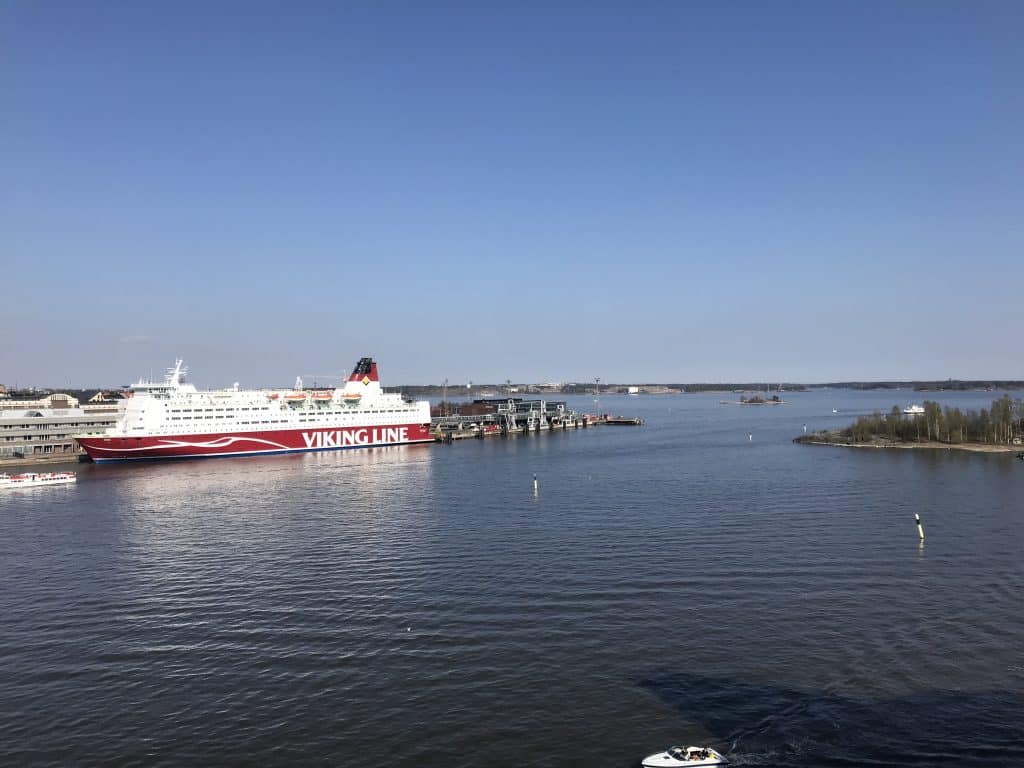
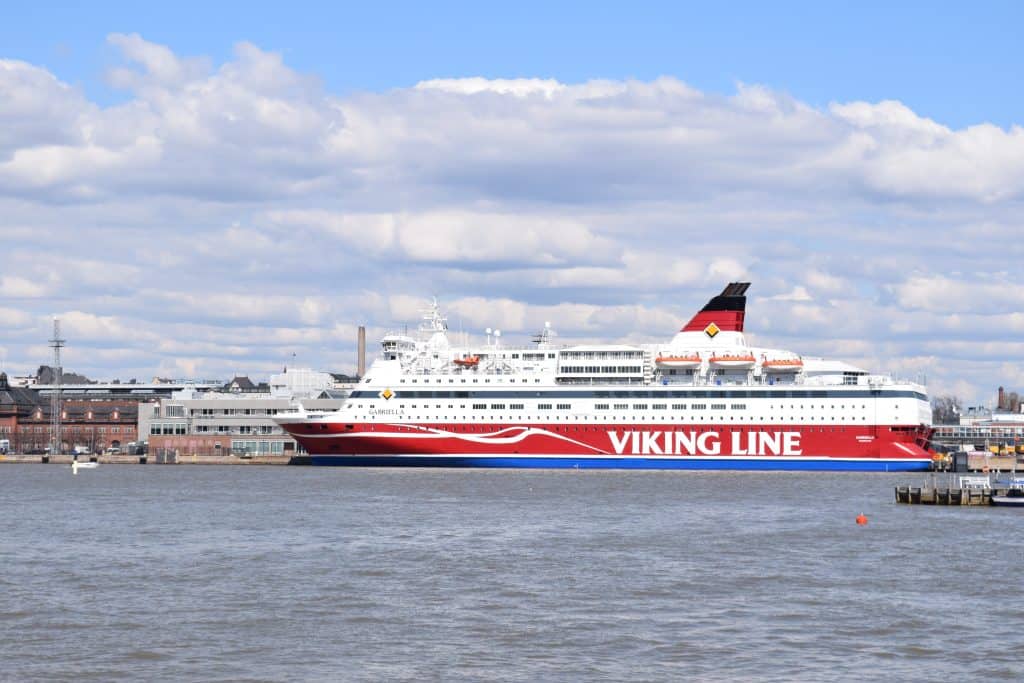
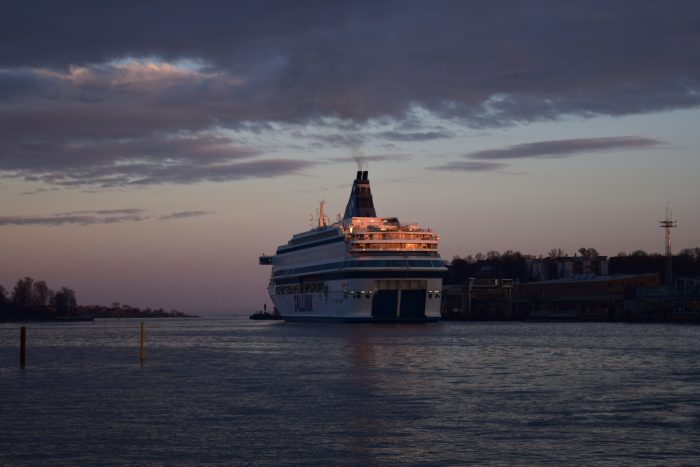
Helsinki is a major ferry hub in the Baltic Sea, offering extensive connections. Three main passenger terminals serve the city: West Terminal 2, Olympia Terminal, and Katajanokka Terminal. Companies like Tallink Silja Line offer daily routes to Tallinn, Estonia (a journey of about 2 hours) and Stockholm, Sweden (an overnight journey). Viking Line also connects to Tallinn and Stockholm. Eckerö Line operates services to Tallinn. Finnlines offers routes to Travemünde, Germany. These ferry routes provide a popular way to arrive from neighboring countries.
Driving Distances
The driving distance from 10 other regional cities, according to Google Maps:
- Turku, Finland – 168 kilometers (2 h 00 min)
- Tampere, Finland – 179 kilometers (2 h 10 min)
- Joensuu, Finland – 437 kilometers (5 h 10 min)
- Vaasa, Finland – 420 kilometers (4 h 50 min)
- Oulu, Finland – 607 kilometers (7 h 00 min)
- Tallinn, Estonia – 88 kilometers (3 h 00 min, includes ferry)
- Stockholm, Sweden – 528 kilometers (17 h 20 min, includes ferry)
- Riga, Latvia – 380 kilometers (12 h 00 min, includes ferry)
- Copenhagen, Denmark – 1139 kilometers (25 h 00 min, includes ferry)
- Berlin, Germany – 1106 kilometers (29 h 00 min, includes ferry)
Looking to Explore more of Finland and Europe?