
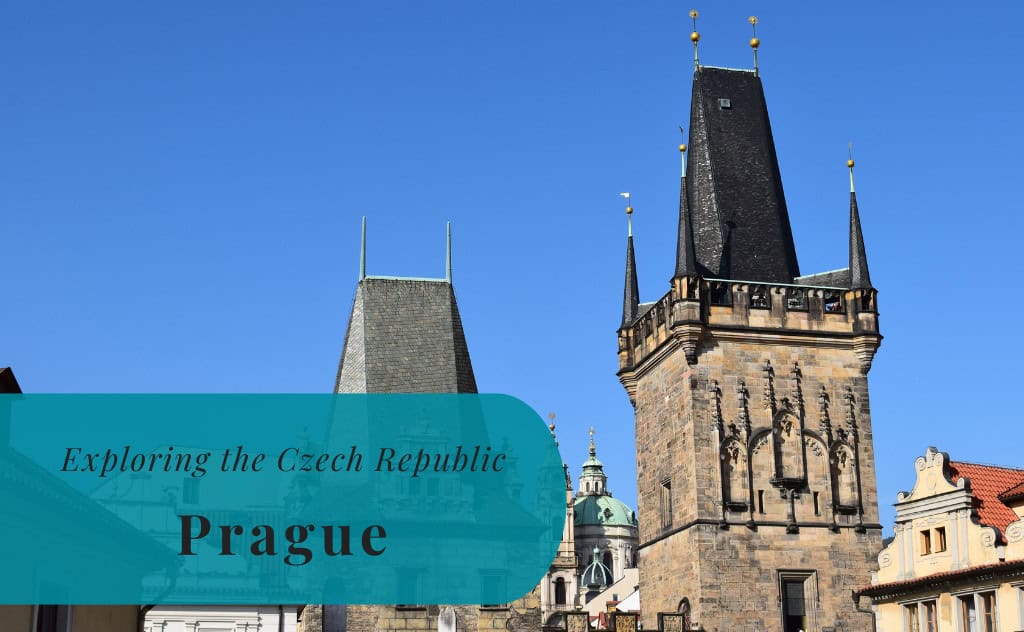
Prague | Exploring the Czech Republic
Prague, the captivating capital of Czechia, stands as a central European crossroads. It is located on the Vltava River, which winds through the city. This historic metropolis is surrounded by the Central Bohemia region, characterized by its diverse landscapes. As of 2024, Prague boasts a population of approximately 1.38 million residents, making it the most populous city in the Czech Republic. It is a vital economic, cultural, and political force in Central Europe.
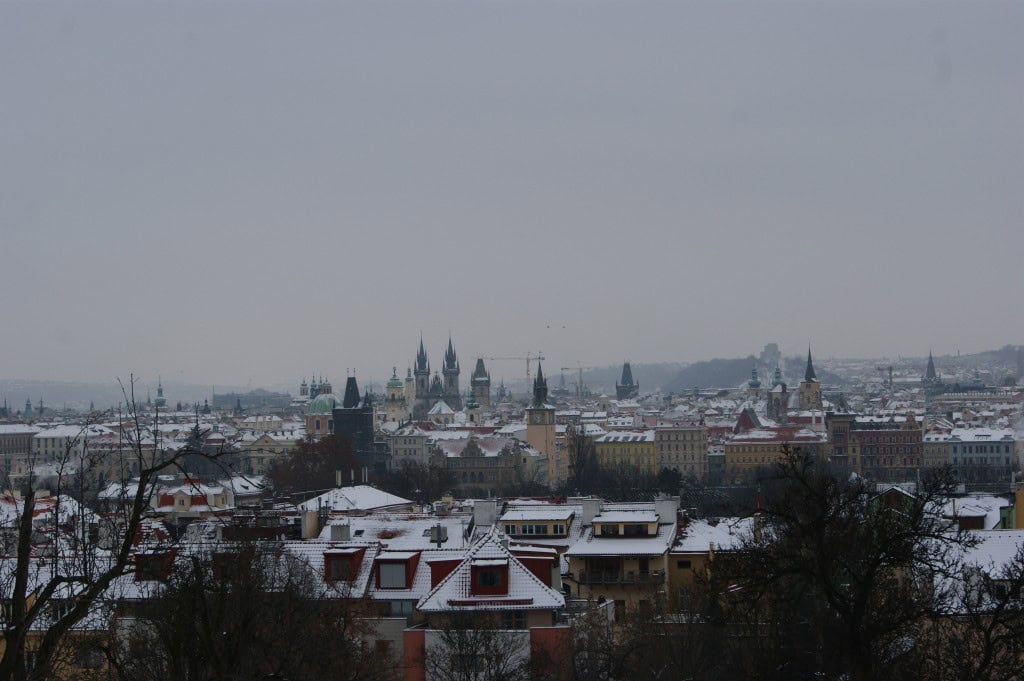
Often called the “City of a Hundred Spires,” Prague is renowned for its architectural beauty and rich historical layers. Its unique urban fabric showcases styles from Romanesque to Baroque and Cubism. It is a major tourism destination, attracting millions of visitors annually. Prague maintains strong connections to neighboring countries like Germany, Austria, Poland, and Slovakia, positioning it as an accessible European hub. This makes it a fascinating blend of old-world charm and modern vibrancy.

A Short History of Prague
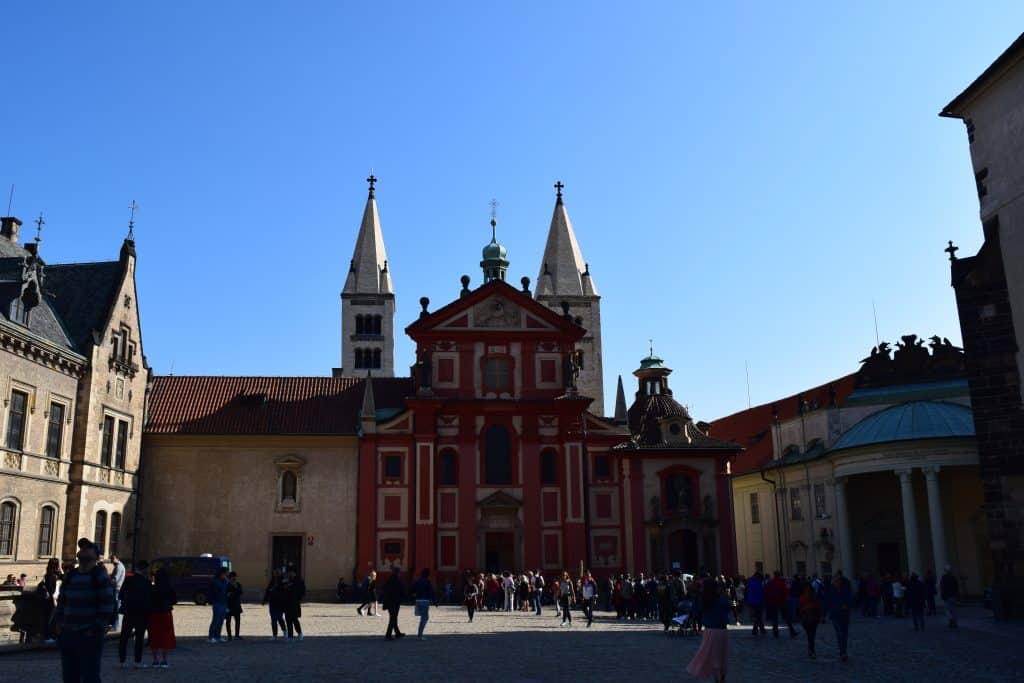
Prague’s roots trace back to the 9th century. A settlement began around the future site of Prague Castle. The city quickly grew in importance. It became the seat of Bohemian dukes and later kings. The 14th century, under the reign of King Charles IV, marked Prague’s “Golden Age.” Charles, who also became Holy Roman Emperor, transformed the city. He commissioned the iconic Charles Bridge and founded Charles University in 1348, one of the oldest universities in Central Europe. This era solidified Prague’s position as a major European capital.
The city’s history is marked by periods of intense conflict and profound resilience. The Hussite Wars in the 15th century, sparked by the reformist ideas of Jan Hus, devastated much of the city. Later, the Battle of White Mountain in 1620 during the Thirty Years’ War resulted in a major defeat for Bohemian Protestants. This led to centuries of Habsburg rule and forced re-Catholicization. Prague saw a period of cultural suppression, with German often replacing Czech in official use. Despite this, the city maintained its unique character and strategic importance within the Habsburg Empire.
The 19th century brought a powerful Czech National Revival. This movement emphasized Czech language and culture. After World War I, Prague became the capital of the newly independent Czechoslovakia in 1918. The city endured German occupation during World War II, though much of its historic core miraculously survived. The Prague Uprising in May 1945 led to its liberation. Following the communist takeover in 1948, Prague became the center of a planned economy. The Prague Spring of 1968 was a brief period of liberalization, brutally crushed by Soviet tanks. Finally, the Velvet Revolution in 1989 peacefully ended communist rule. In 1993, Prague became the capital of the independent Czech Republic.

Things to Do and See
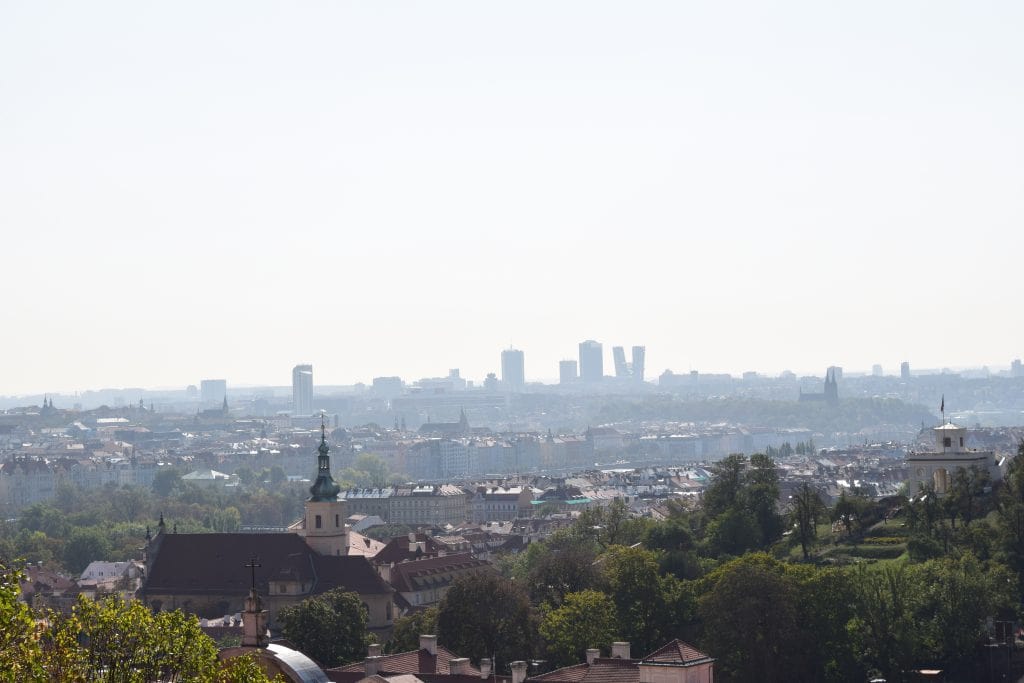
Prague presents a wealth of sights to discover. From the vast Prague Castle complex to the iconic Charles Bridge adorned with statues, history is palpable. The vibrant Old Town Square hosts the medieval Astronomical Clock. Unique architectural marvels like the Dancing House and the Žižkov Television Tower stand alongside the historic Jewish Quarter and numerous grand churches and museums.
Prague Castle (Pražský hrad)
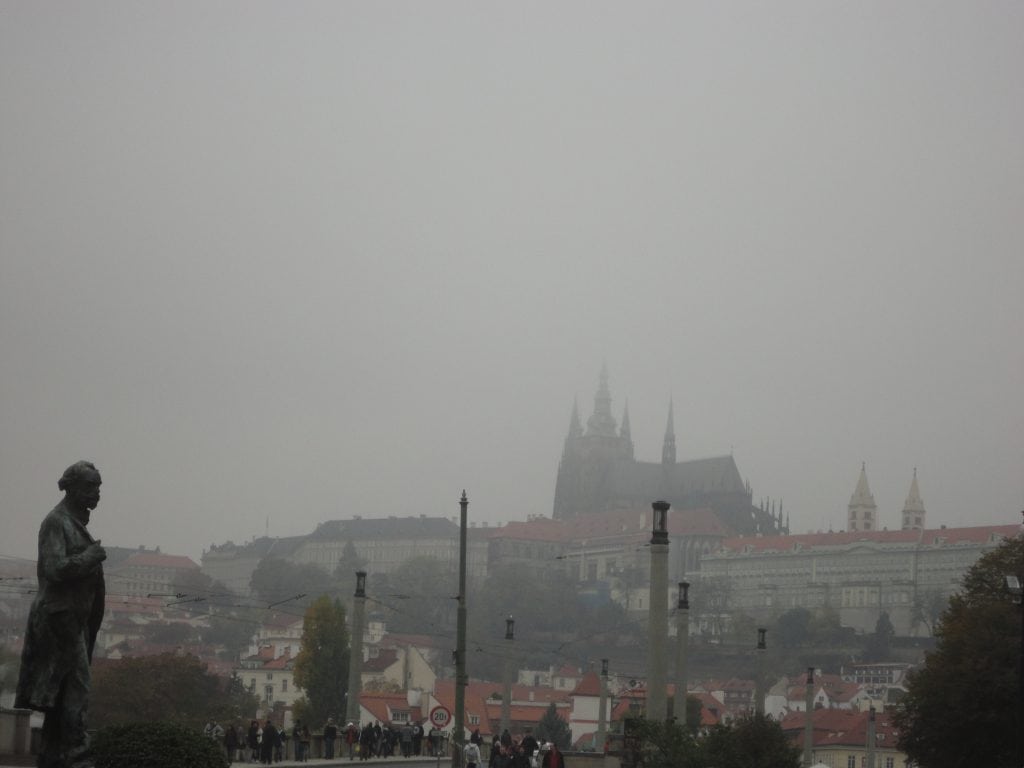
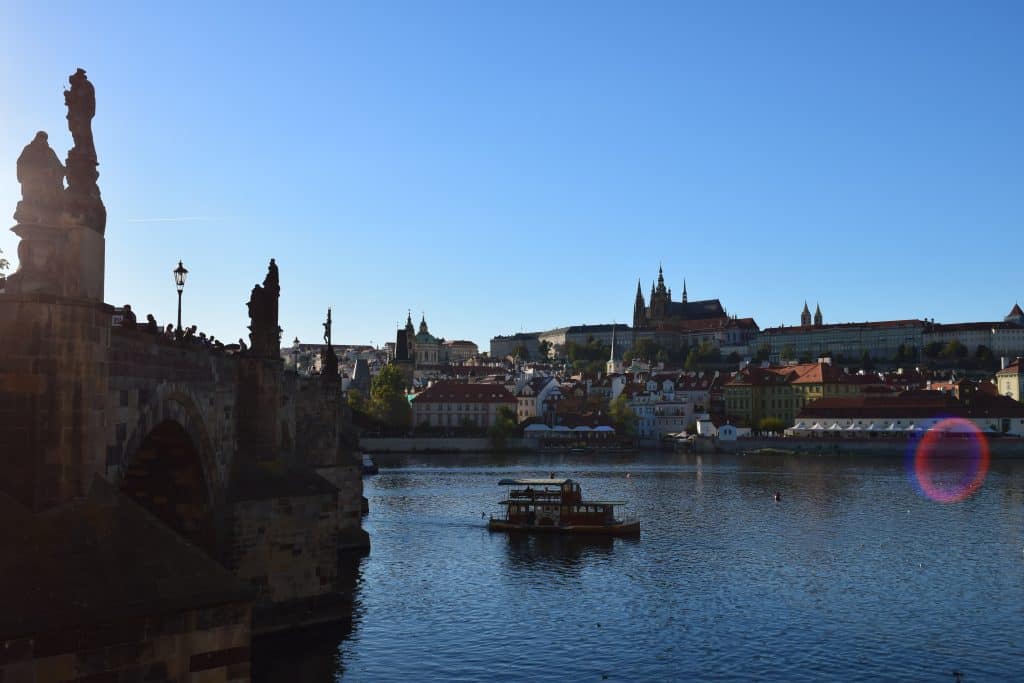
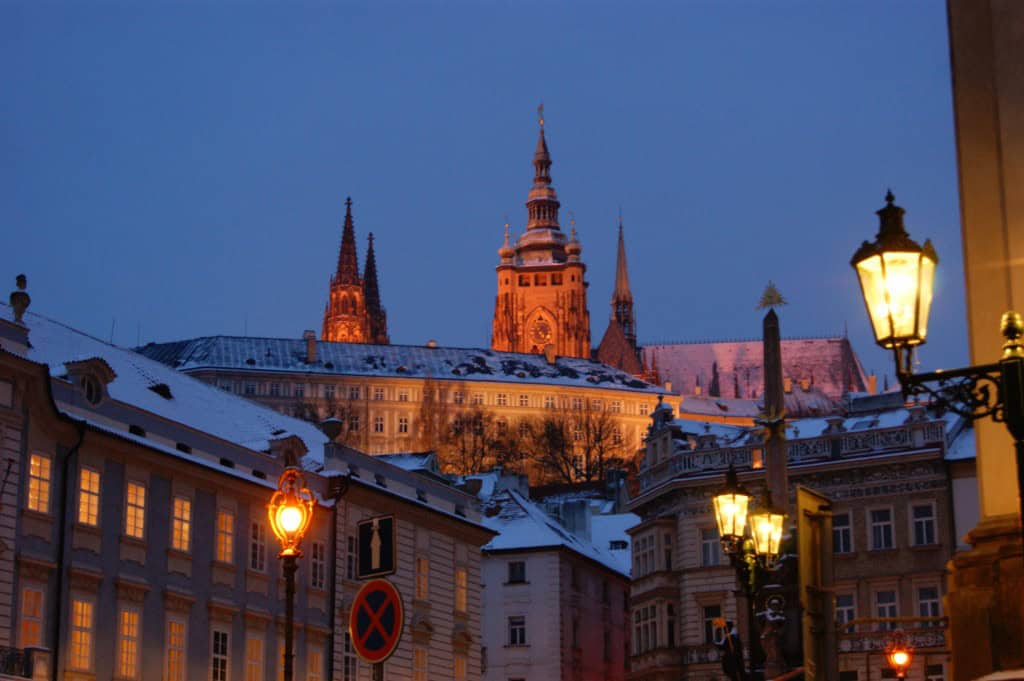
Prague Castle is a vast complex. It is the largest ancient castle complex in the world. It spans nearly 70,000 square meters. Founded around 880 AD, it has been the seat of Bohemian kings, Holy Roman Emperors, and Czechoslovak and Czech presidents. The complex includes royal palaces, churches, gardens, and defense towers. Visitors can explore various courtyards and historical buildings. The views of Prague from its ramparts are spectacular. Guided tours offer insights into centuries of Bohemian history.
Charles Bridge (Karlův most)
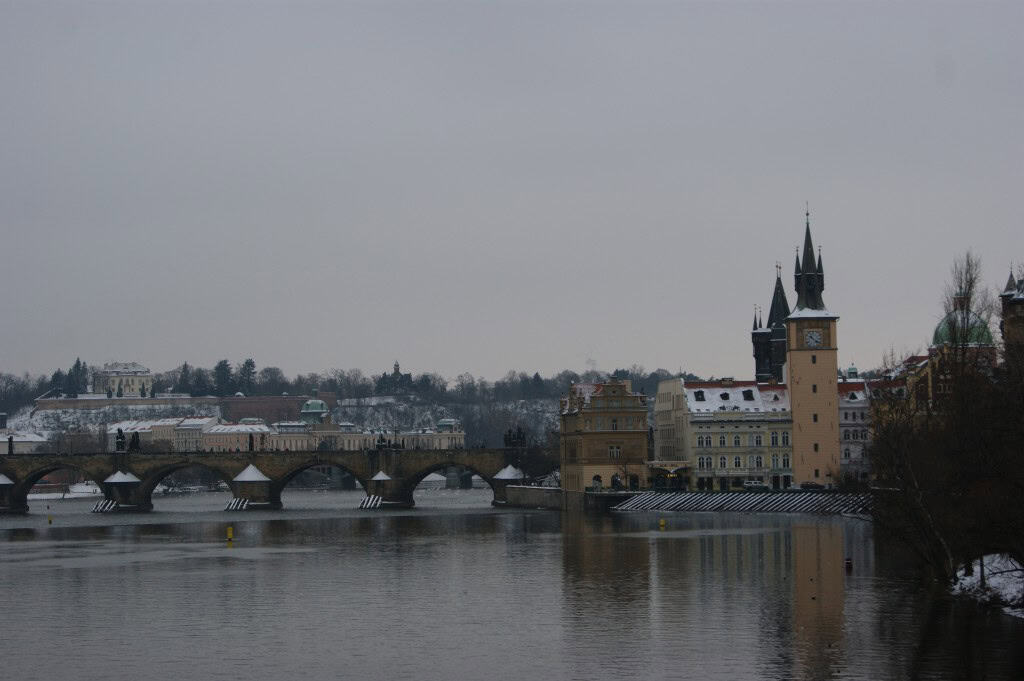
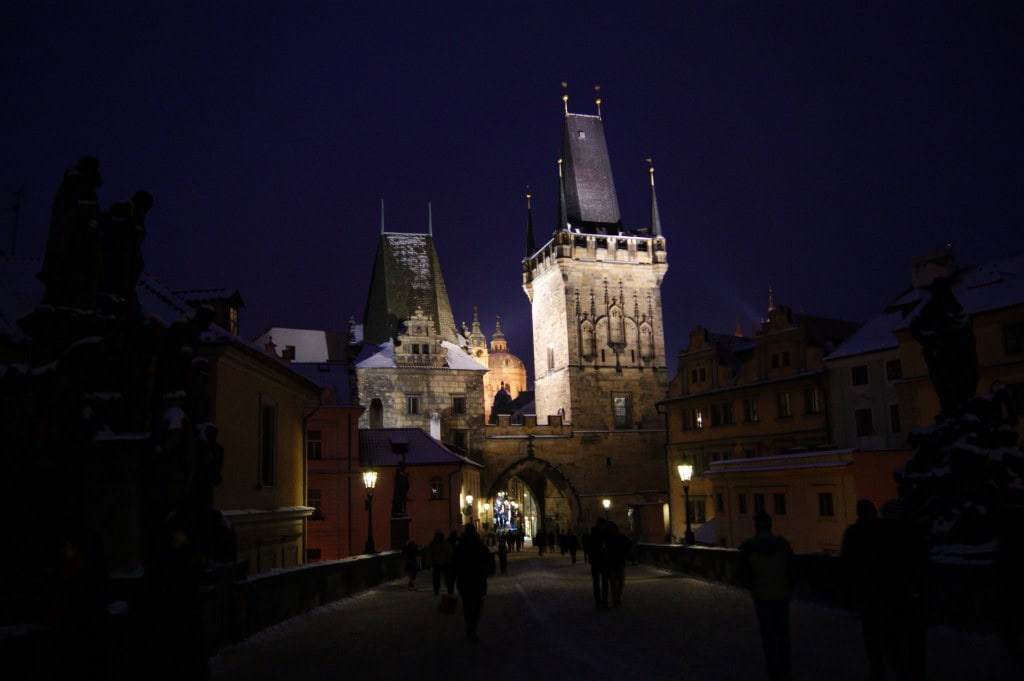
Charles Bridge is an iconic medieval stone arch bridge. King Charles IV commissioned its construction in 1357. It was completed in the early 15th century. The bridge connects the Old Town with Lesser Town (Malá Strana). It is adorned with 30 Baroque statues of saints, mostly erected in the early 18th century. The statue of St. John of Nepomuk is particularly famous. Artists, musicians, and vendors line the bridge daily. It offers panoramic views of Prague Castle and the Vltava River. It is a symbol of Prague.
Old Town Square (Staroměstské náměstí)
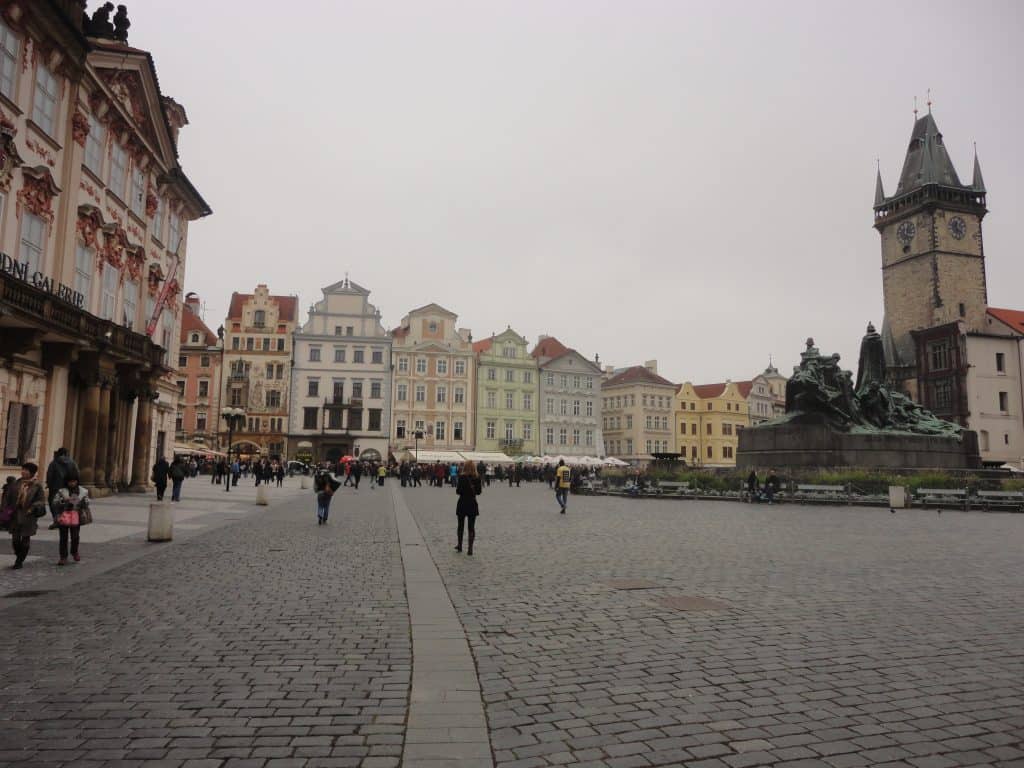
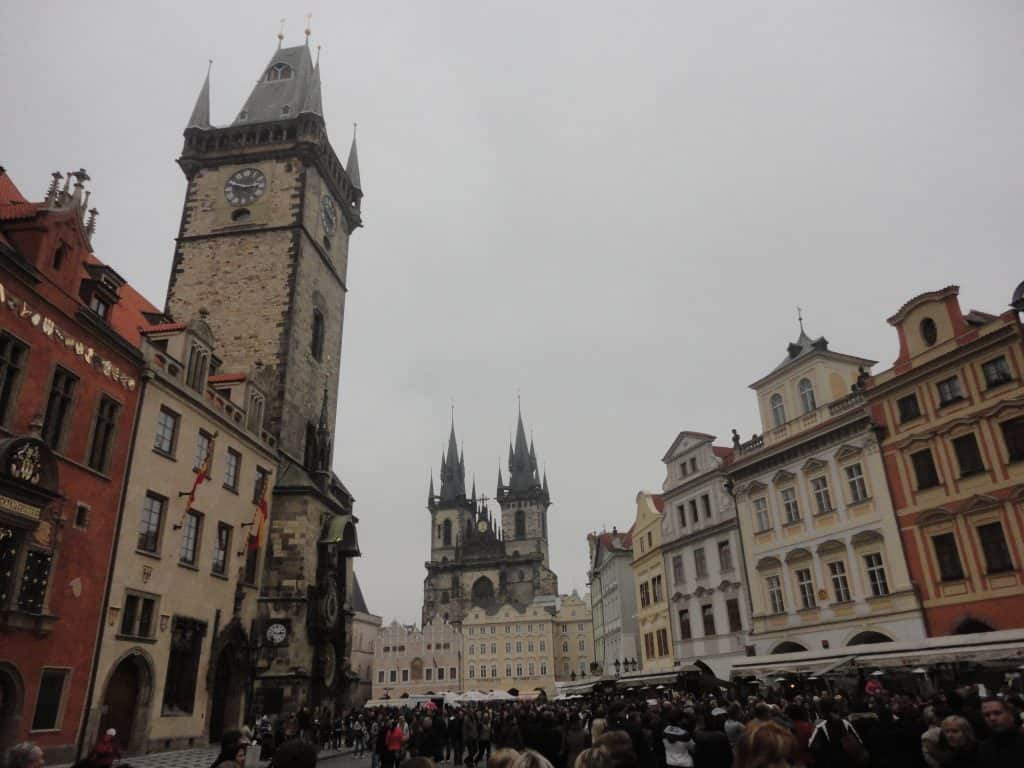
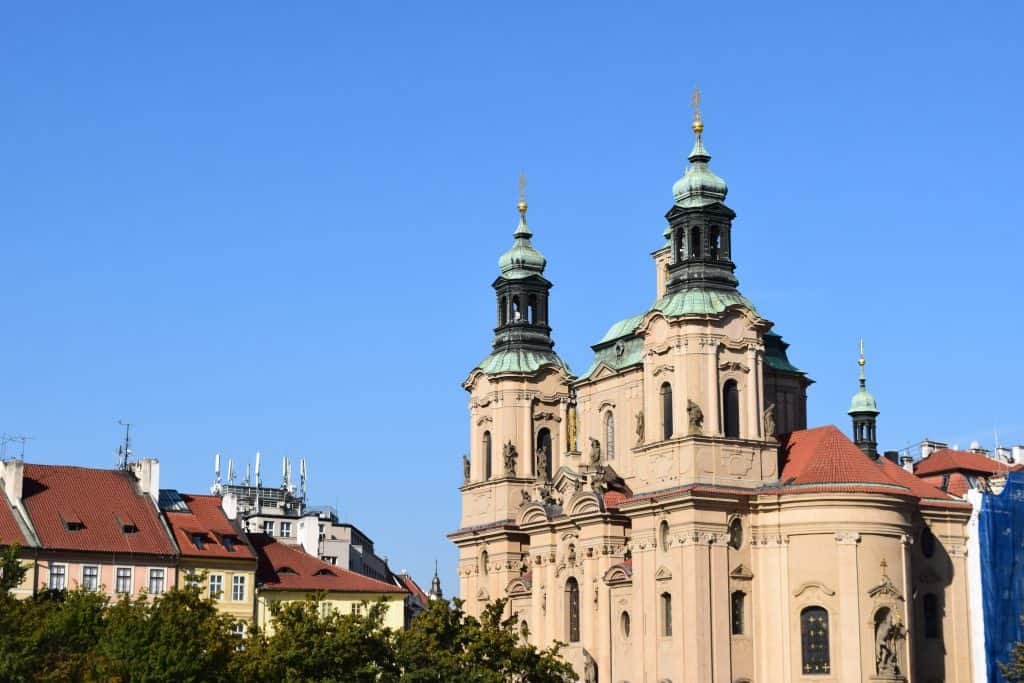
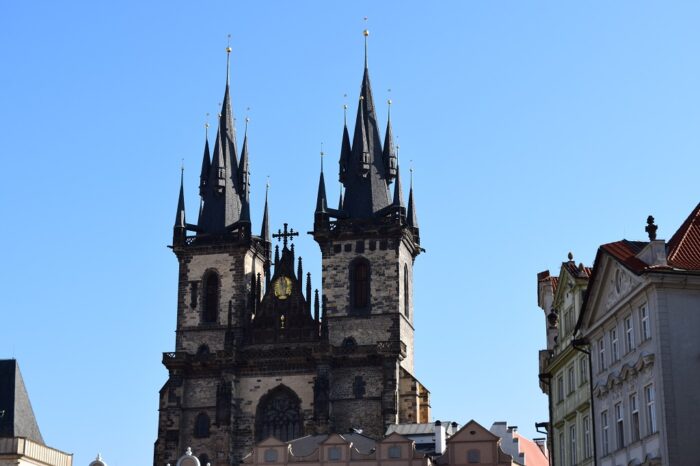
Old Town Square is the vibrant heart of Prague. It dates back to the 9th century. Once a major marketplace, the square is surrounded by stunning architecture. These include the Gothic Church of Our Lady before Týn and the Baroque St. Nicholas Church. The square has witnessed many historical events, including medieval markets and executions. Today, it hosts numerous festivals, concerts, and the famous Christmas markets. It serves as a central gathering place for locals and tourists.
Prague Astronomical Clock (Pražský orloj)
The Prague Astronomical Clock is a medieval marvel. It is mounted on the Old Town Hall. Installed in 1410, it is the world’s third-oldest astronomical clock and it is the oldest one still operating. Every hour, on the hour, from 9 AM to 11 PM, mechanical figures, including the Twelve Apostles, perform a “Walk of the Apostles.” The clock has three main components: the Astronomical Dial (showing sun, moon, constellations), the Calendar Dial (representing the months), and “The Walk of the Apostles” mechanical show. It is a masterwork of medieval engineering and art.
St. Vitus Cathedral (Katedrála sv. Víta)
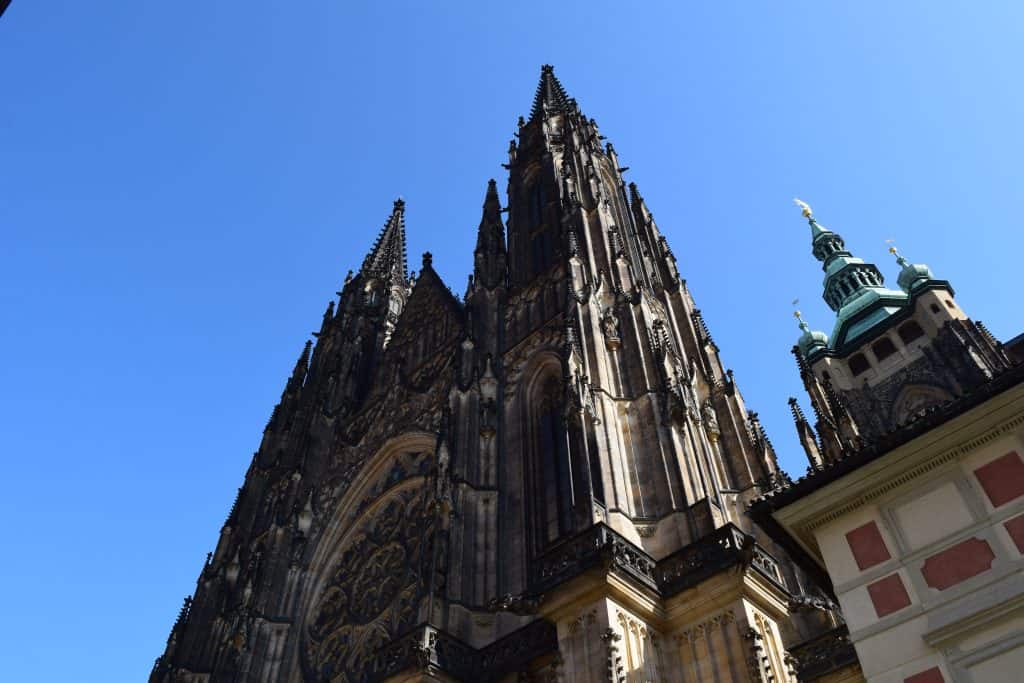
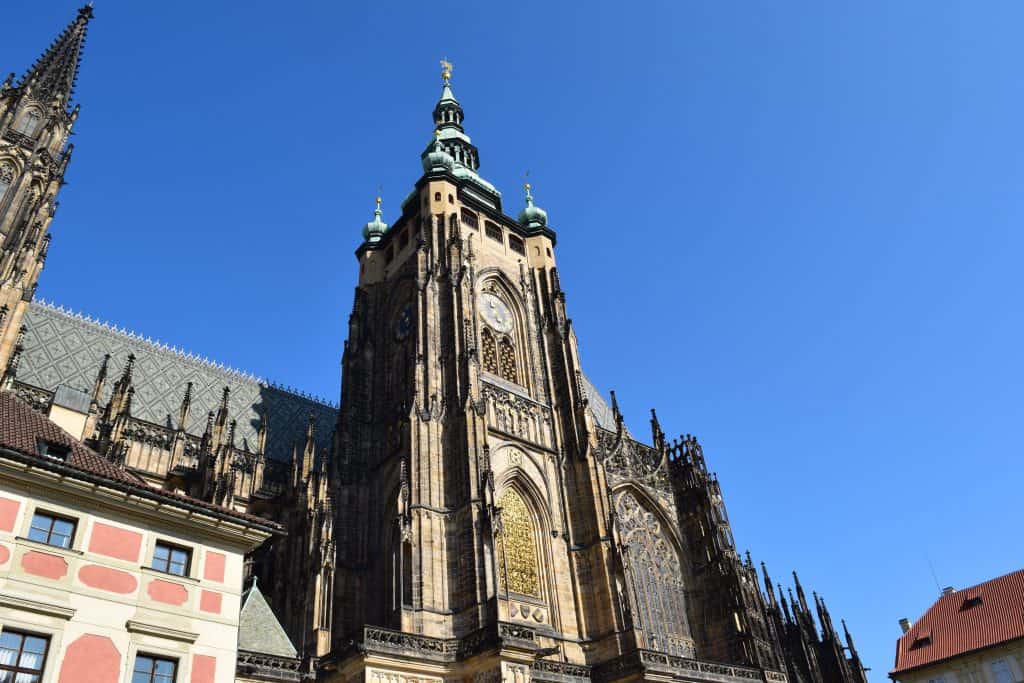
St. Vitus Cathedral is a magnificent Gothic cathedral located within Prague Castle. Its construction began in 1344 by Matthias of Arras and it was continued by Peter Parler. The cathedral was only fully completed in 1929. It serves as the seat of the Archbishop of Prague and it contains the tombs of Bohemian kings and Holy Roman Emperors. The St. Wenceslas Chapel is a richly decorated part of the cathedral, housing the relics of the patron saint. Its stained-glass windows are impressive. The large main tower is 96.5 meters high.
Jewish Quarter (Josefov)
The Jewish Quarter (Josefov) is the historic Jewish Ghetto of Prague. It is one of Europe’s best-preserved Jewish ghettos. Unlike many others, it was mostly spared from Nazi destruction. The quarter is a UNESCO World Heritage Site and it includes several historic synagogues. The Old-New Synagogue, built in the 13th century, is Europe’s oldest active synagogue. The Old Jewish Cemetery is another poignant site. It contains layers of graves compacted over centuries. The Jewish Museum’s various sites tell the rich history of the community.
National Museum (Národní muzeum)
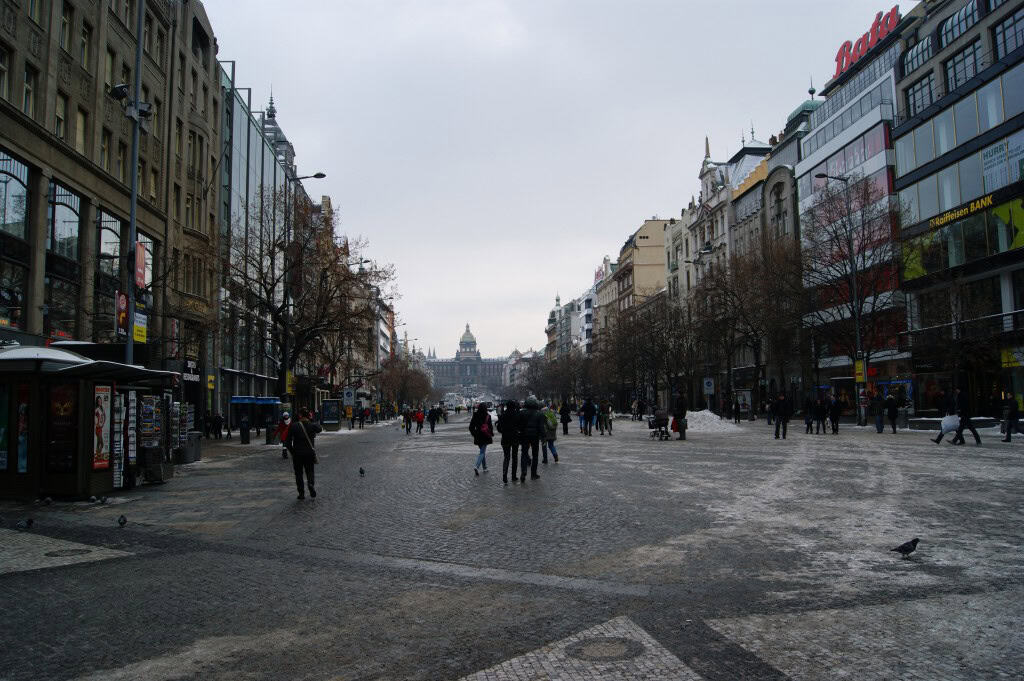
The National Museum is the largest museum in the Czech Republic. Its main building is a grand neo-Renaissance palace. It dominates the top of Wenceslas Square. Designed by Josef Schulz, it opened in 1891. The museum’s vast collections span natural history, history, art, and music. It covers over 13 million items across various buildings. Its main hall features monumental staircase and sculptures. The museum offers a comprehensive overview of Czech and Central European heritage.
Lesser Town (Malá Strana)
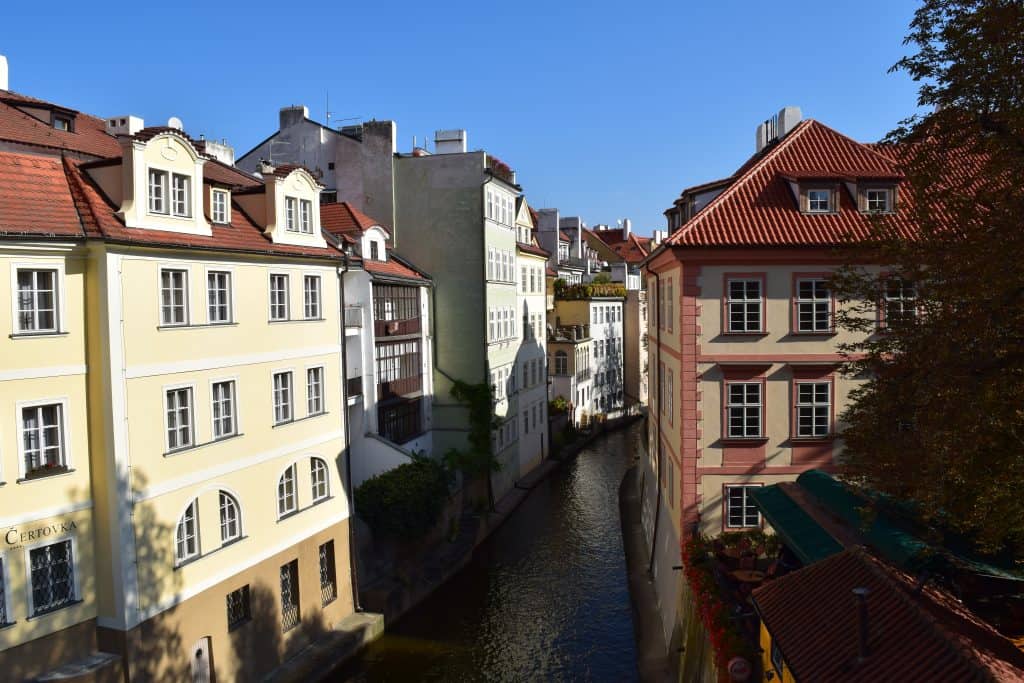
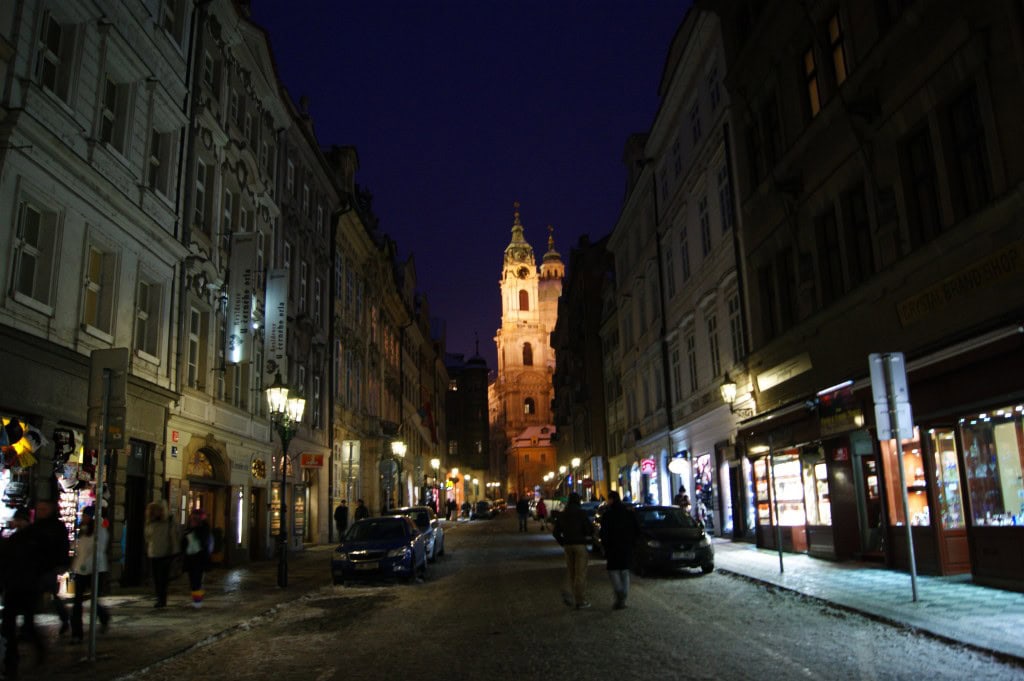
Lesser Town (Malá Strana) is a picturesque historic district. It lies on the left bank of the Vltava River, at the foot of Prague Castle. This area is renowned for its beautiful Baroque palaces and charming narrow streets. Highlights include the magnificent Church of St. Nicholas, a masterpiece of Baroque architecture. Kampa Island, a tranquil oasis, is also located here. Numerous bridges connect parts of the district. It offers a romantic and atmospheric setting.
Petřín Lookout Tower
The Petřín Lookout Tower offers spectacular panoramic views of Prague. It stands on Petřín Hill, accessible by a funicular. The tower is a steel framework tower, 63.5 meters (208 feet) high. It was built in 1891 for the Jubilee Exhibition, inspired by the Eiffel Tower. Visitors can climb 299 steps to its highest observation platform. A nearby Mirror Maze provides a fun diversion. The tower and park are popular for leisurely strolls and picnics.
Dancing House (Tančící dům)
The Dancing House (Tančící dům) is a striking example of modern architecture in Prague. It stands on the Rašínovo nábřeží (Rašín Embankment) by the Vltava River. Designed by Croatian-Czech architect Vlado Milunić and Canadian-American architect Frank Gehry, it was completed in 1996. Its distinctive deconstructivist design features two main parts resembling dancers. It was nicknamed “Fred and Ginger” after Fred Astaire and Ginger Rogers. It houses offices, a hotel, and a rooftop restaurant with panoramic city views.
Žižkov Television Tower
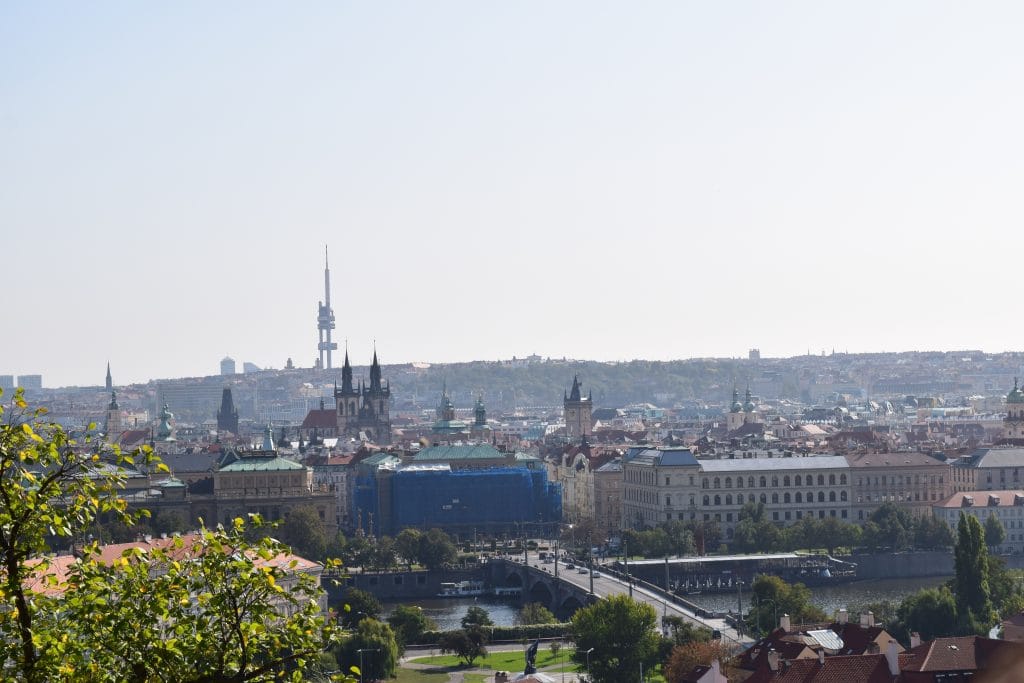
The Žižkov Television Tower is Prague’s tallest structure. It stands at 216 meters (709 feet) high. Built between 1985 and 1992, it is a prominent, if somewhat controversial, landmark. Its design features three pillars supporting observation decks and a restaurant. The tower is adorned with sculptures of giant babies by Czech artist David Černý. These “Babies” sculptures crawl up the tower’s exterior. The tower offers panoramic views of Prague. It also houses a luxury one-room hotel.


Sports in Prague
Prague boasts a dynamic sporting culture, deeply ingrained in its urban fabric and national identity. The city offers a vibrant array of athletic pursuits, from top-tier professional leagues to widespread recreational activities. Sports foster strong community ties across all districts. Prague’s commitment to active living is evident in its numerous facilities and green spaces. Both participants and fervent supporters contribute to this lively scene. The passion for competition runs deep within the city. This creates an engaging environment for athletes and fans alike.
Ice Hockey
Ice hockey is immensely popular in Czechia, holding a special place in the national psyche. Prague serves as a major hub for professional ice hockey. The city has a passionate fanbase for its top clubs, who consistently compete for national honors. The high standard of play in the domestic league draws significant crowds. Ice hockey is a source of immense national pride. Young aspiring players often dream of representing Prague’s storied teams. The sport’s fast pace and physical nature resonate strongly with local fans.
HC Sparta Praha
Hokejový Klub Sparta Praha is one of Czechia’s most storied ice hockey clubs. Founded in 1903, they compete in the Czech Extraliga, the nation’s top professional ice hockey league. The Czech Extraliga is the highest-level ice hockey league in the Czech Republic, featuring 14 teams competing for the national championship. Sparta plays home games primarily at the Tipsport Arena, a large indoor venue with a capacity of over 13,000 spectators. The club has won numerous Czech Extraliga titles and consistently competes for top honors, making them a dominant force in Czech hockey. Their rivalry with Slavia extends to ice hockey, creating intense derby matches that pack the arenas.
HC Slavia Praha
Hokejový Klub Slavia Praha also has a rich history in Czech ice hockey. While they currently compete in the Chance Liga (the second-highest tier of Czech hockey), they have historically been a prominent top-tier club, winning Czech Extraliga titles in the past. The Chance Liga is a 16-team league where teams vie for promotion to the Extraliga. Slavia often plays its home games at the Eden Arena (or nearby smaller venues). Their historical presence and dedicated fanbase contribute significantly to Prague’s ice hockey culture, even as they strive to return to the top flight.
Lev Praha (Former KHL Team)
Prague also had a brief but impactful representation in the Kontinental Hockey League (KHL). Lev Praha was a professional ice hockey club that participated in the KHL from 2012 to 2014. They played their home games at the O2 Arena, a major multi-purpose arena in Prague. In their second KHL season (2013-14), Lev Praha made a remarkable run, reaching the Gagarin Cup Finals. This achievement showcased high-level hockey to Prague fans. The club unfortunately dissolved in 2014 due to financial difficulties.
Football
Football holds an unparalleled significance in Prague’s community. It is the most popular team sport. The city’s two major clubs embody deep historical rivalries. Matches are vital social events, uniting generations of fans across the city. This fierce competition fosters intense local loyalty among supporters. The outcome of the Prague Derby often influences the city’s collective mood. Football is more than just a game here; it is a cultural phenomenon that binds people together.
SK Slavia Praha
Sportovní klub Slavia Praha is one of the oldest and most successful football clubs in Czechia. Founded in 1892, they play their home matches at the modern Fortuna Arena, which has a capacity of 20,800 spectators. Slavia has won numerous Czech First League titles and Czech Cups, showcasing their dominance in domestic football. They have also achieved notable success in European competitions, including reaching the quarterfinals of the UEFA Europa League and the UEFA Europa Conference League. Their matches against Sparta are legendary for their intensity and passionate fan support, creating a captivating atmosphere.
AC Sparta Praha
Athletic Club Sparta Praha is the most successful football club in Czechia by a significant margin. Founded in 1893, they play their home matches at the epet ARENA (formerly Generali Arena/Letná Stadium), which has a capacity of 18,887 spectators. Sparta has won a record number of Czech First League titles and Czech Cups, solidifying their status as a powerhouse. They also have a proud history in European club competitions, regularly participating in the UEFA Champions League and Europa League. Their long-standing rivalry with Slavia Prague is a central part of Prague’s sporting identity, driving intense competition and fervent fan engagement.
Basketball
Basketball contributes significantly to Prague’s diverse sports scene. It provides a platform for top national talent. The sport offers both competitive professional leagues and widespread recreational opportunities. It attracts a dedicated following among local fans. Basketball clinics and youth programs are also active. This helps develop future generations of players. Its indoor nature ensures year-round play.
USK Praha
Uniho Sportovní Klub Praha (USK Praha) is a prominent professional basketball club based in Prague. Both their men’s and women’s teams are highly regarded. The men’s team competes in the National Basketball League (NBL), the top tier of Czech men’s basketball. The NBL features 12 teams competing for the national title. The women’s team, ZVVZ USK Praha, is particularly successful, having won multiple EuroLeague Women titles, making them one of Europe’s elite women’s basketball teams. They play home games at the Královka Arena (capacity 2,300), a modern venue for indoor sports. USK Praha has a long history in Czech basketball and continues to develop local talent.
Floorball
Floorball has experienced rapid growth in Prague and across Czechia. It is now one of the most popular sports, especially among youth, often surpassing traditional sports in participation numbers. The sport is highly accessible and dynamic. Prague is a significant center for professional floorball.
Tatran Střešovice
Tatran Střešovice is one of Czechia’s most dominant and historic floorball clubs. Founded in 1991, they play in the Livesport Superliga (Superliga florbalu), the top professional men’s floorball league in Czechia. The club has won an incredible 18 national championship titles, establishing itself as a powerhouse in Czech floorball. In 2024, Tatran made history by becoming the first Czech team to win the Men’s Floorball Champions Cup, Europe’s premier club competition. Their women’s team also competes at a high level in the Extraliga žen ve florbale.
Florbal Chodov
Florbal Chodov is another strong professional floorball club based in Prague. They also compete in the Livesport Superliga, challenging for national honors. The men’s team has won two national titles (2016, 2017), while their women’s team won one title (2015). They are known for their strong youth development program. Chodov maintains a fierce rivalry with Tatran.
Running
Running is a very popular activity in Prague, benefiting from its extensive green spaces and scenic riverbanks. The city’s network of parks and waterfront promenades provides ideal routes for joggers and serious runners alike. Prague has established itself as a recognized destination for road races, drawing international participants. The flat sections along the Vltava River are particularly appealing for runners. This allows for both leisurely jogs and intense training sessions. The vibrant running community participates in various events year-round.
Prague Marathon
This annual event is a major fixture in the international running calendar, typically held in May. It attracts thousands of participants from around the world. The Prague Marathon covers a full marathon distance of 42.195 kilometers. Its route is renowned for being flat and fast, winding through Prague’s historic center and along the Vltava River, showcasing many UNESCO World Heritage sites. It is part of the prestigious RunCzech series of races, drawing elite athletes.
Prague Half Marathon
Also part of the RunCzech series, the Prague Half Marathon is another highly popular annual event, usually held in April. It covers a distance of 21.0975 kilometers. This race attracts a large number of participants, from elite runners to recreational joggers, making it one of the largest half marathons in Central Europe. Its flat course and stunning scenery through the city are major draws.


Getting Around in Prague?
Navigating Prague, Czechia’s historic capital, is efficient and enjoyable. Its comprehensive public transport system connects historical landmarks with vibrant neighborhoods. Whether you prefer swift metro journeys or charming tram rides, various options exist. Understanding Prague’s transport helps you explore its iconic sites and picturesque streets with ease.
Prague’s public transport operates under the PID (Prague Integrated Transport) system. A single ticket covers travel across all modes (metro, tram, bus, funicular). Various ticket types are available. These include time-based tickets (e.g., 30-minute, 90-minute), 24-hour, and 72-hour passes. You can buy tickets from yellow vending machines at metro stations and some tram/bus stops. Mobile app tickets and SMS tickets are also convenient. Remember to validate your ticket only once at the start of your first journey.
Remember to always check official sources for the most up-to-date information.
Prague on Foot
Walking is often the best way to experience Prague’s charming historic core. The Old Town Square (Staroměstské náměstí), Charles Bridge (Karlův most), and Lesser Town (Malá Strana) are largely pedestrian-friendly. Wear comfortable shoes. Walking allows you to discover hidden alleys, unique courtyards, and vibrant street art.
Prague Metro
The Prague Metro is the quickest way to travel longer distances. It has three main lines: Line A (green), Line B (yellow), and Line C (red). Line A serves major historical sites like Old Town Square (Staroměstská) and Prague Castle (Malostranská, then tram). Line B connects the city center to shopping areas. While Line C links the main train station (Hlavní nádraží). Metro trains run frequently, typically from 5:00 AM until midnight.
Trams in Prague
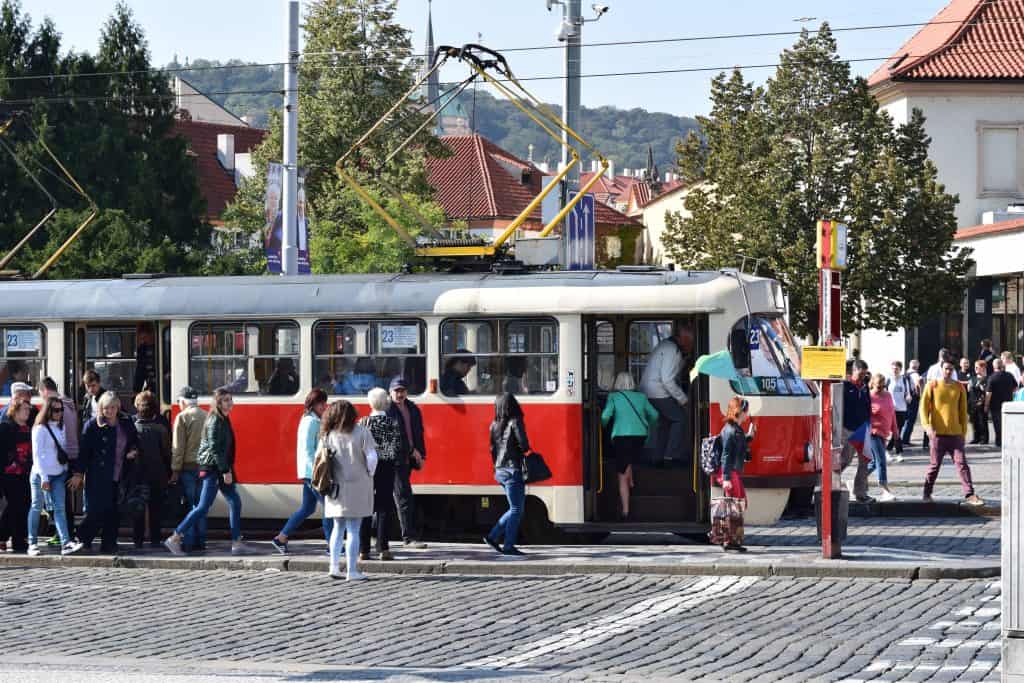
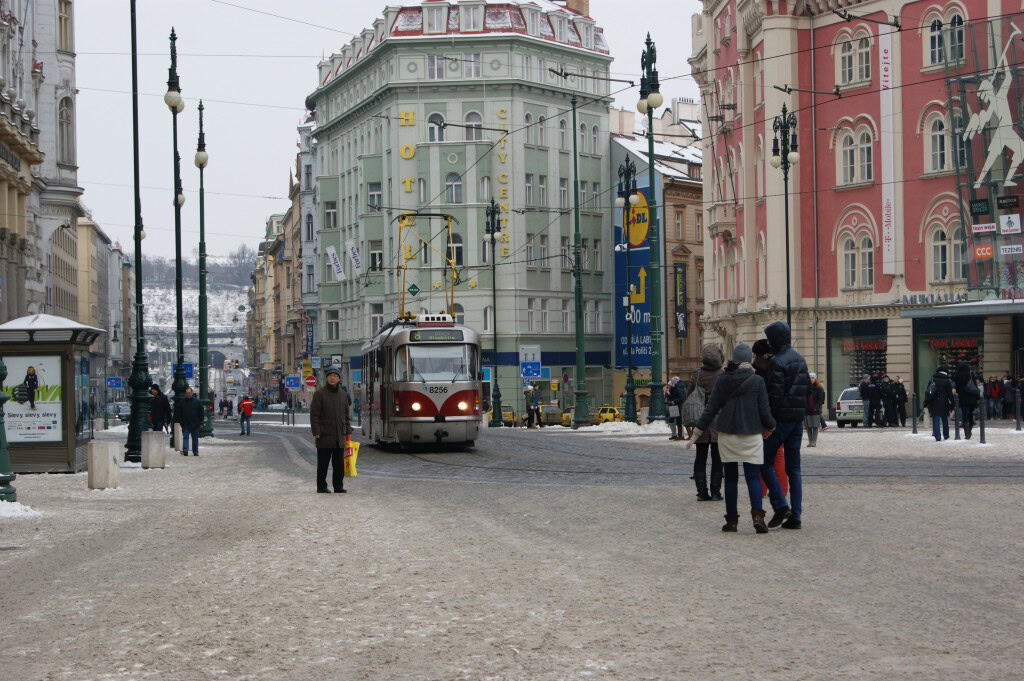
Prague’s extensive tram network is both practical and scenic. Trams cover many areas not reached by the Metro. They offer a great way to see the city above ground. Lines like Tram 22 pass many major attractions. Trams operate frequently from early morning until late evening. Night trams (lines 91-99) operate on a limited network after midnight. They run every 30 minutes.
Buses in Prague
Buses complement Prague’s tram and metro systems. They serve suburban areas and connect to destinations further out. You can use the same PID tickets as for trams and metro. Night buses also operate after the regular daytime services. They provide connections to more remote areas during off-peak hours. Bus stops are clearly marked with route information.
Petřín Funicular
For a unique and scenic ride, take the Petřín Funicular. This historic funicular connects Lesser Town (Újezd street) to the top of Petřín Hill. The ride takes just a few minutes. It offers charming views. At the summit, you’ll find the Petřín Lookout Tower and Mirror Maze. Standard PID tickets are valid for the funicular.
Taxis and Ride-sharing
Official taxis are widely available in Prague. They are typically yellow or white. You can hail them on the street or find them at taxi stands. Ensure the meter is running. Ride-sharing apps like Bolt and Uber also operate widely throughout Prague. These provide convenient alternatives. Liftago is another local option. They are often booked via smartphone apps.
Cycling in Prague
Cycling in Prague is growing in popularity. The city has been expanding its network of cycle lanes. Rekola and Nextbike are popular bike-sharing schemes. They offer bikes for rent via apps from numerous docking stations. The Vltava River banks offer scenic, flat cycling routes. Prague’s hilly terrain in some areas can be challenging. Electric bikes are recommended for these parts.




How to Get to Prague?
Prague, the captivating capital of Czechia, stands as a central European crossroads. It is located on the Vltava River, a defining geographical feature. Its historical significance and vibrant culture attract millions of visitors annually. Prague is a vital hub for air, road, and rail travel across Central Europe. It maintains strong connections to neighboring countries like Germany, Austria, Poland, and Slovakia. This makes it an accessible destination from various starting points. Planning your trip to this extraordinary city is straightforward with diverse transport options available.
Flights to Prague
Václav Havel Airport Prague (PRG) is your primary aerial gateway. It is located approximately 17 kilometers (11 miles) west of the city center. PRG is Czechia’s busiest airport, serving over 13 million passengers annually. Numerous international airlines offer direct flights to Prague from major European cities, North America, and beyond. From the airport, efficient public transport options connect directly to the city. The Airport Express (AE) bus offers a direct link to Praha Hlavní nádraží (main train station). Public buses (e.g., lines 119, 100) connect to metro stations, providing quick access to central Prague. Taxis and ride-sharing services are also readily available for convenience.
Car Travel to Prague
Driving to Prague is a viable option for flexibility and scenic detours across Czechia. The city is well-connected by Czechia’s extensive motorway network. Major highways like the D1 motorway link Prague to Brno and Ostrava. The D5 connects to Plzeň and Germany. The D8 leads north to Ústí nad Labem and Dresden. Remember, a vignette (toll sticker) is mandatory for using Czech highways; purchase it online or at border crossings. Parking in Prague can be challenging, especially in the historic center. Blue zones are for residents. Look for underground public car parks (e.g., at Palladium shopping center or near the National Theatre).
Bus Services to Prague
Long-distance bus travel offers an economical and flexible option to reach Prague. Praha Florenc Central Bus Station is the city’s main hub for domestic and international routes. It is conveniently located near the city center, directly on Metro Lines B and C. Major international bus companies like FlixBus and RegioJet operate extensive networks. They connect Prague from various European cities such as Berlin, Vienna, Munich, and Bratislava. Bus journeys can be longer than trains but are generally more affordable, often providing amenities like Wi-Fi. Booking tickets in advance is recommended, especially for popular routes.
Train Journeys to Prague
Traveling by train offers a comfortable and often scenic way to arrive in Prague. Praha Hlavní nádraží (Prague Main Station) is the city’s central railway hub. It is a grand Art Nouveau building. It is centrally located with direct Metro Line C access. České dráhy (Czech Railways) operates domestic services. International high-speed EuroCity (EC) and Railjet trains connect Prague to major European capitals. Direct services run from Berlin, Vienna, Bratislava, Budapest, and Hamburg. The journey from Berlin takes around 4 hours 10 minutes. From Vienna, it’s about 4 hours. Booking in advance is highly recommended for international routes.
Driving Distances
The driving distance from 4 other major Czech cities, according to Google Maps:
- Brno – 208 kilometers (2 h)
- Ostrava – 337 kilometers (3 h 40 min)
- Plzeň – 91 kilometers (1 h)
- Liberec – 107 kilometers (1 h 10 min)
Looking to Explore more of the Czech Republic and Europe?




A most beautiful city.