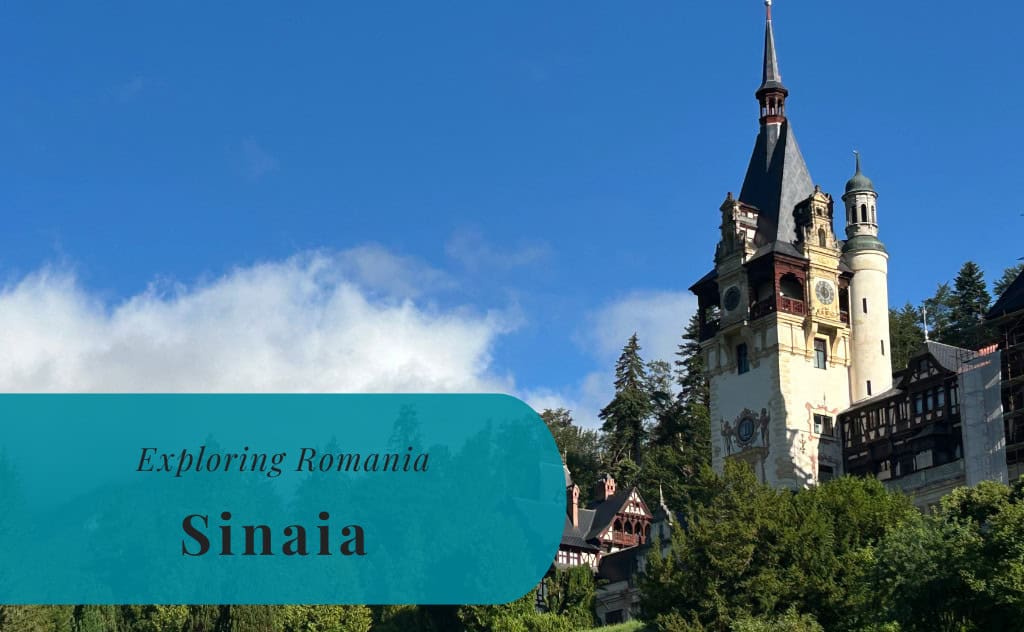
Sinaia | Exploring Romania
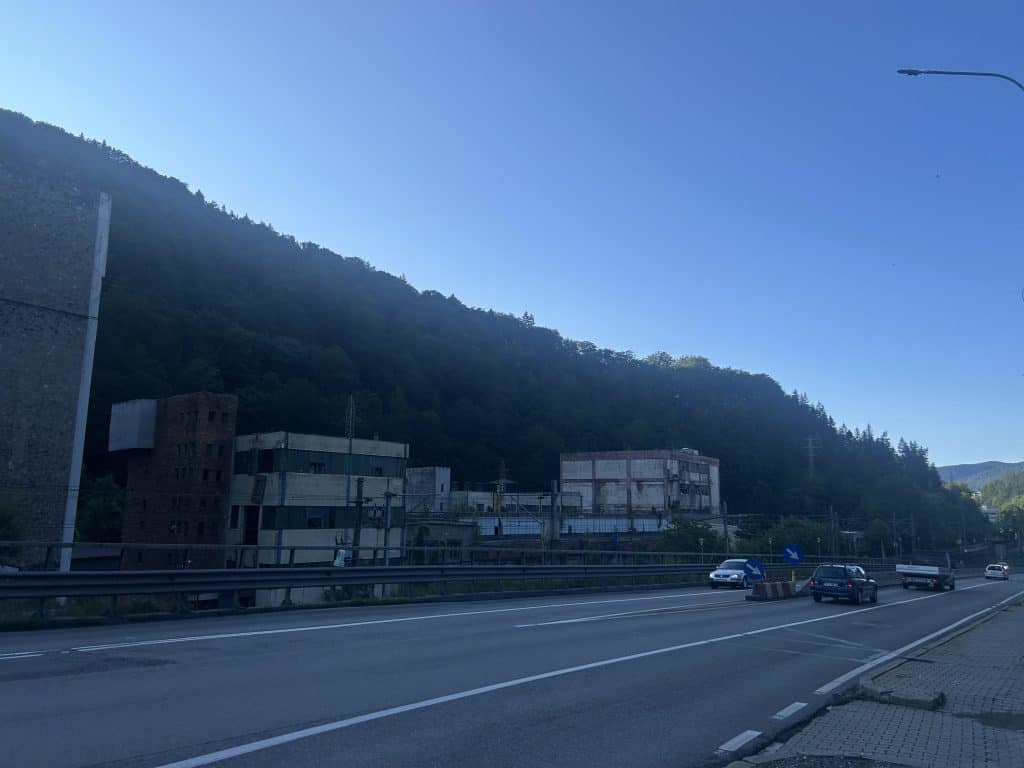
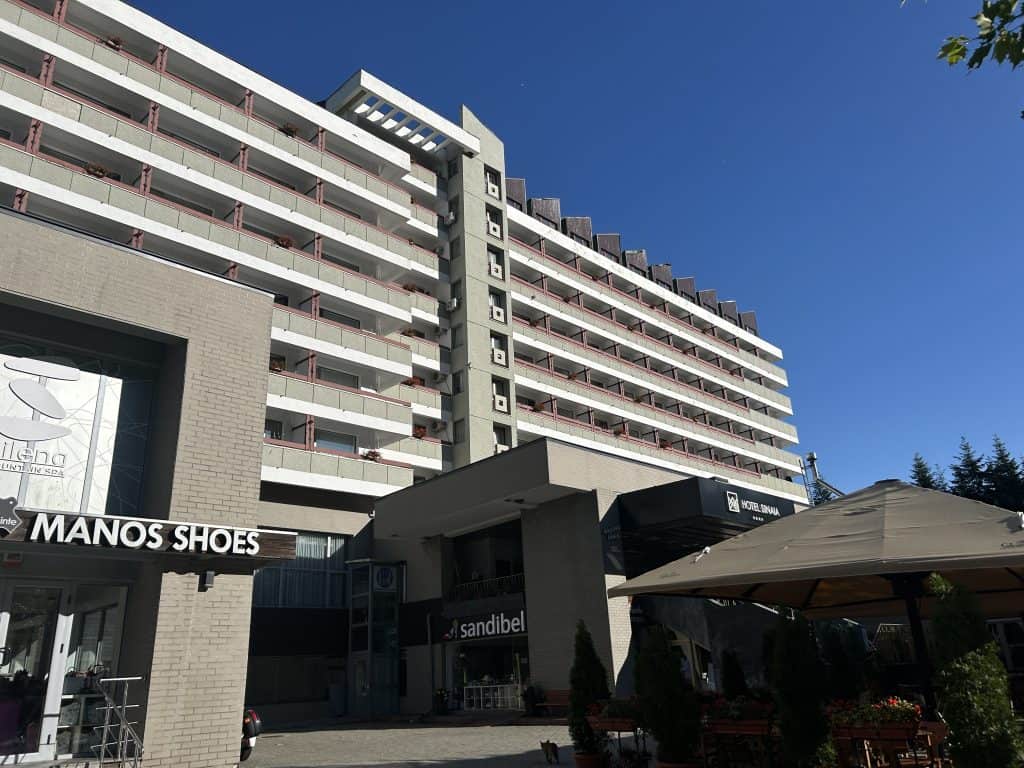
Sinaia is a mountain resort town in the Prahova County of Romania. It is located in the historical region of Wallachia, but is situated on the border with Transylvania. The town is nestled in the Prahova River Valley at the foot of the Bucegi Mountains. With a population of approximately 9,000 residents, Sinaia is a key tourist destination. It is often referred to as the “Pearl of the Carpathians” due to its mountain setting and its collection of royal palaces.
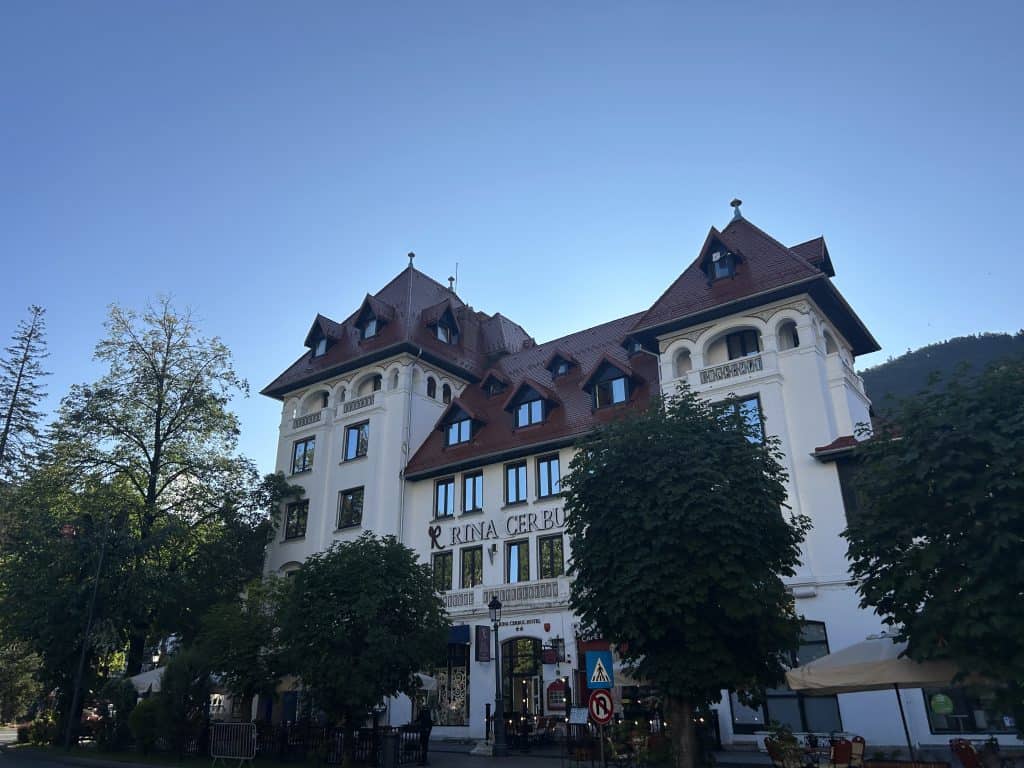
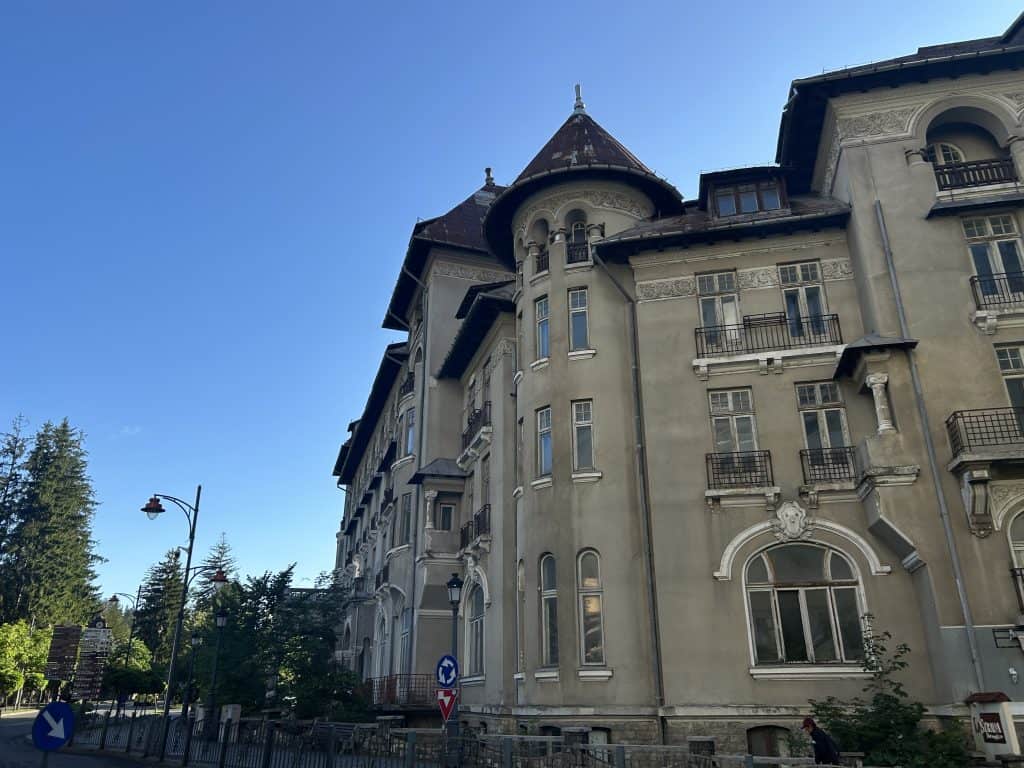
The character of Sinaia is defined by its history as the summer residence of the Romanian royal family. The town’s architecture is a blend of traditional Romanian styles and the German Neo-Renaissance of its most famous landmark, Peleș Castle. This royal heritage gives the town a distinct atmosphere compared to other mountain resorts in the country. The surrounding Carpathian Mountains provide a dramatic backdrop and are a central part of the town’s identity. Today, Sinaia is a year-round destination, popular for its historical sights, its hiking opportunities in the summer, and its ski slopes in the winter.


A Short History of Sinaia
The history of Sinaia is that of a small monastic settlement that was transformed into the premier aristocratic resort of Romania by the country’s first king. Its development was almost entirely driven by the decision of the royal family to build their summer palace here in the late 19th century. This royal patronage turned a quiet corner of the Prahova Valley into a fashionable and architecturally significant town. The story of Sinaia is therefore inextricably linked with the history of the Romanian monarchy and the golden age of the Kingdom of Romania.
The Monastery and a New Name
The history of settlement in the area began in the late 17th century with the founding of the Sinaia Monastery in 1695. The monastery was established by the Wallachian nobleman Mihail Cantacuzino. He named it “Sinaia” after his journey to Mount Sinai in Egypt. The small settlement that grew around the monastery took its name. For a century and a half, Sinaia remained a small, isolated monastic community and a stopping point for shepherds and travelers crossing the mountains between Wallachia and Transylvania.
The Royal Summer Residence
The defining era in the town’s history began in the latter half of the 19th century. Prince Carol I of Romania, who would become the country’s first king, visited the area and was taken by its natural beauty. He decided to build his summer residence here. The construction of the magnificent Peleș Castle began in 1873 and was completed in 1914. The presence of the royal family transformed the small settlement into an aristocratic resort town. The Romanian nobility and political elite began to build large villas and holiday homes here, and the town’s infrastructure was developed to accommodate them.
20th Century and Modern Resort
Sinaia continued to serve as the unofficial summer capital of Romania until the end of the monarchy. After World War II, the communist regime took power in Romania. The royal family was forced to abdicate, and all their properties, including the castles in Sinaia, were nationalized and seized by the state. The castles were eventually opened as museums. During the communist era, the town was developed as a health resort for the public. After the Romanian Revolution of 1989, Sinaia re-established itself as a major tourist destination. The castles were eventually returned to the ownership of the royal family and are now leased back to the state to continue as museums.


Things to Do and See
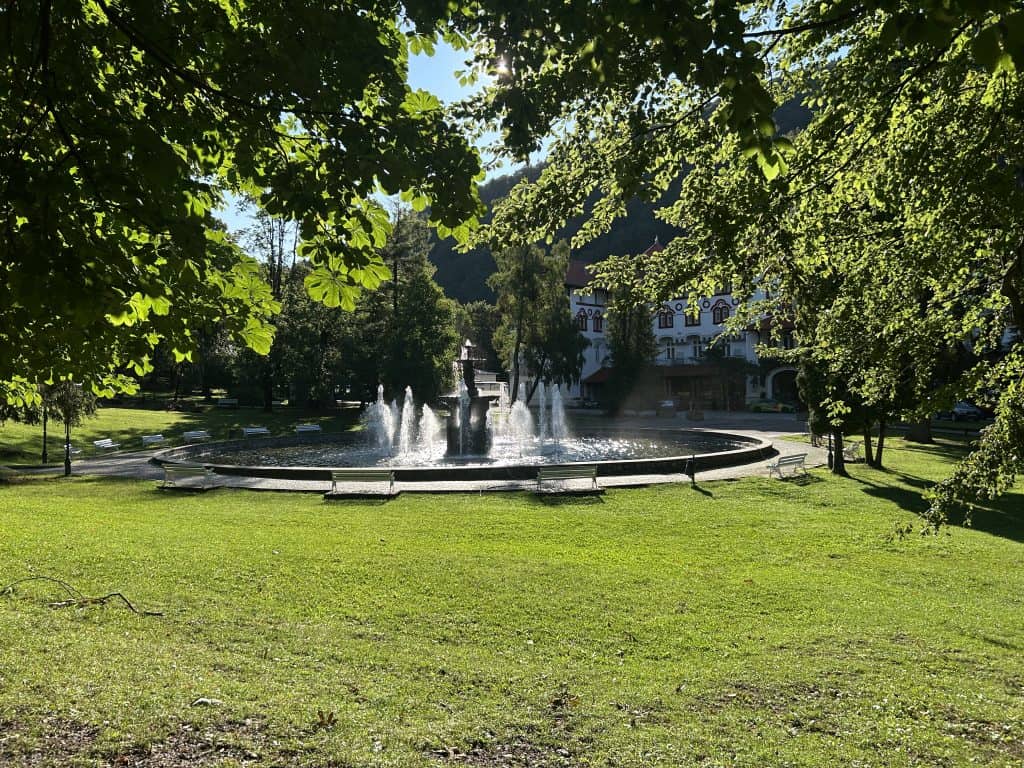
The sights in Sinaia are dominated by its two royal castles, which are among the most important historical and architectural landmarks in Romania. The town’s historic monastery, which gave the town its name, is another key attraction. The surrounding Bucegi Mountains provide a scenic natural backdrop and are accessible via a network of cable cars. These sights collectively offer a journey through the history of the Romanian royal family and the natural environment of the Carpathian Mountains. The town itself, with its historic villas and central park, also adds to the experience for visitors.
Peleș Castle
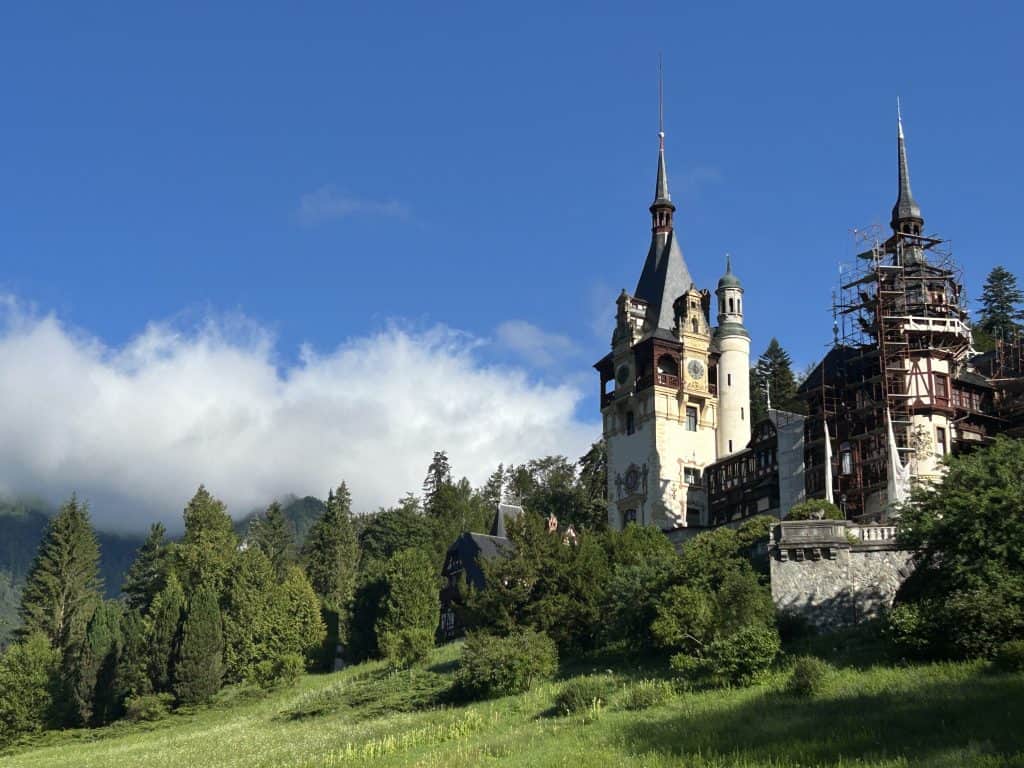
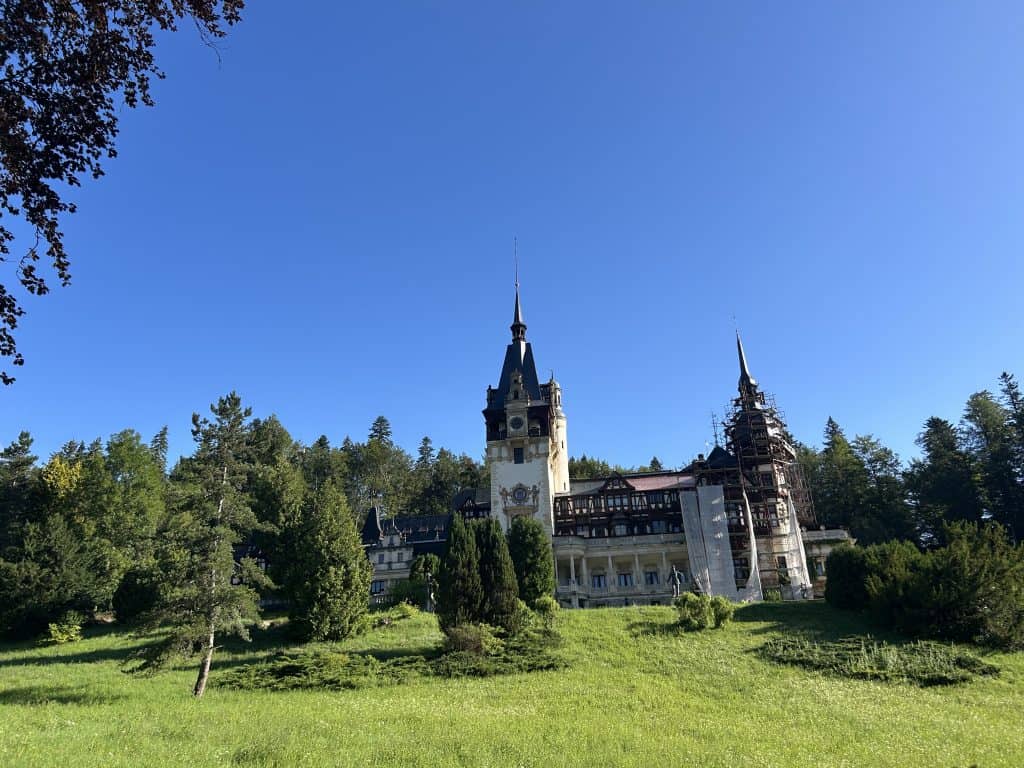
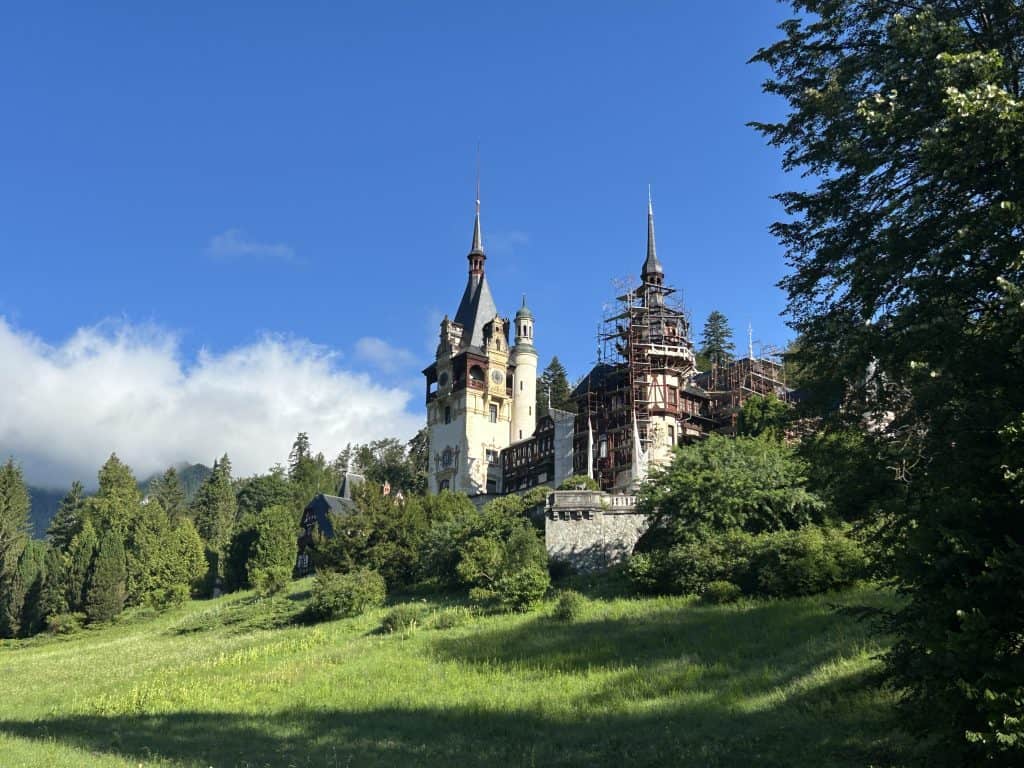
Peleș Castle (Castelul Peleș) is the primary sight in Sinaia and one of the most significant historical buildings in Romania. The castle was built as the summer residence for King Carol I. Construction took place between 1873 and 1914. The building is a masterpiece of German Neo-Renaissance architecture, with a richly decorated facade of half-timbered work, turrets, and murals. The interior is equally impressive, with over 160 rooms furnished with valuable collections of art, armor, and furniture from around the world. Peleș Castle was the first castle in Europe to be fully powered by electricity from its own power plant, and it also featured central heating. It served as a major cultural center for the Romanian elite.
Pelișor Castle
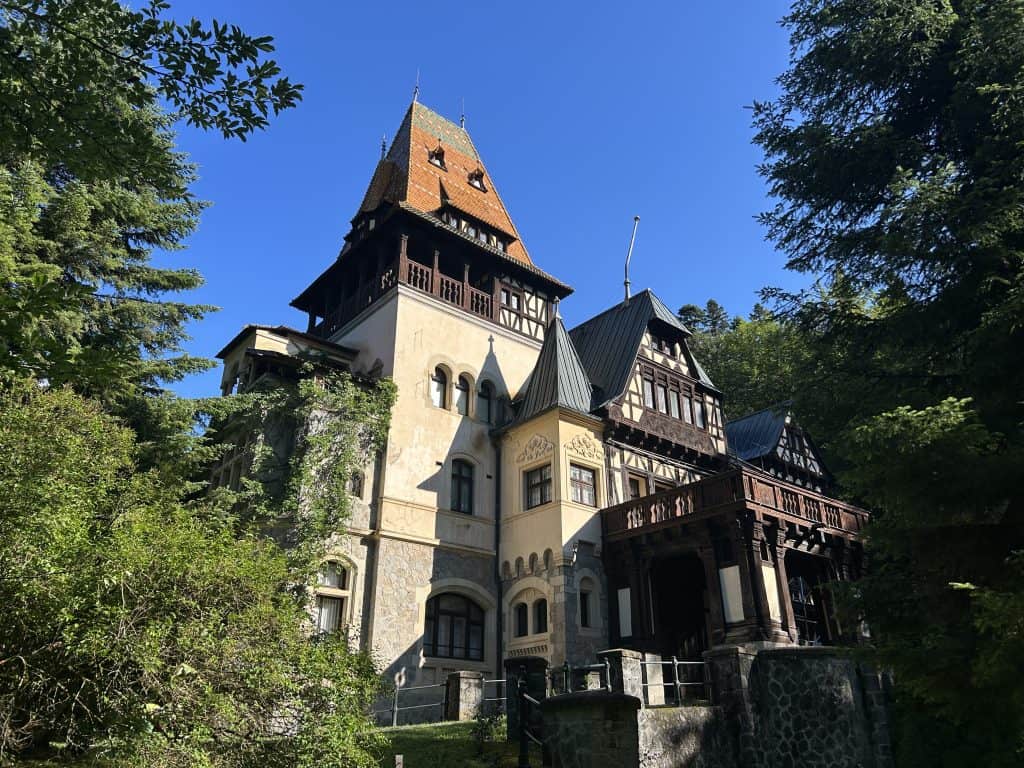
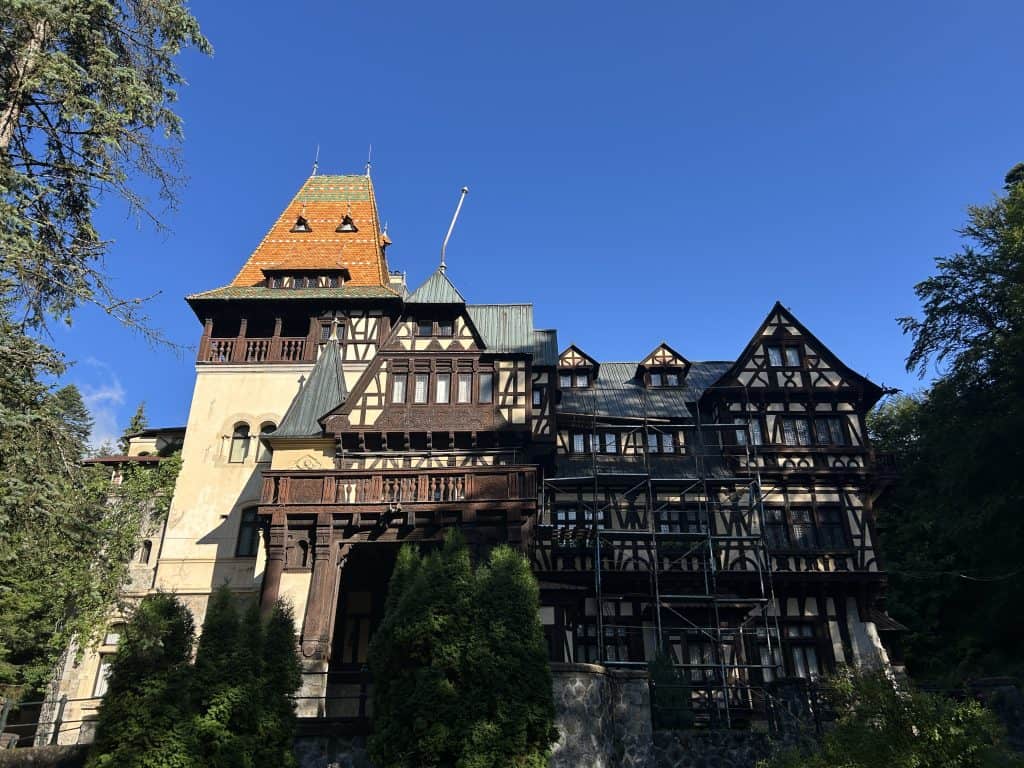
Located a short walk from the main Peleș Castle is the smaller Pelișor Castle (Castelul Pelișor). This castle was built between 1899 and 1902. It was commissioned by King Carol I to be the residence of his heir, the future King Ferdinand, and his wife, Queen Marie. Pelișor was designed in the Art Nouveau style by the Czech architect Karel Liman, with significant interior design contributions from Queen Marie herself. The castle has 99 rooms, and its most famous is the “Golden Room,” which has gilded walls decorated with Celtic and Byzantine motifs. It is now a museum that showcases the Art Nouveau style and the life of the royal family.
Sinaia Monastery
The Sinaia Monastery (Mănăstirea Sinaia) is the historic monastery that gave the town its name. It was founded in 1695 by the nobleman Mihail Cantacuzino. The monastery complex consists of two main courtyards, each with a church at its center. The “Old Church” is the original church from the 17th century, known for its Brâncovenesc style of architecture and its original frescoes. The “Great Church” was built in the 19th century to accommodate the growing monastic community. The monastery is still an active religious center and is home to a community of Orthodox monks. It also contains a museum with a collection of religious icons and artifacts.
Sinaia Casino
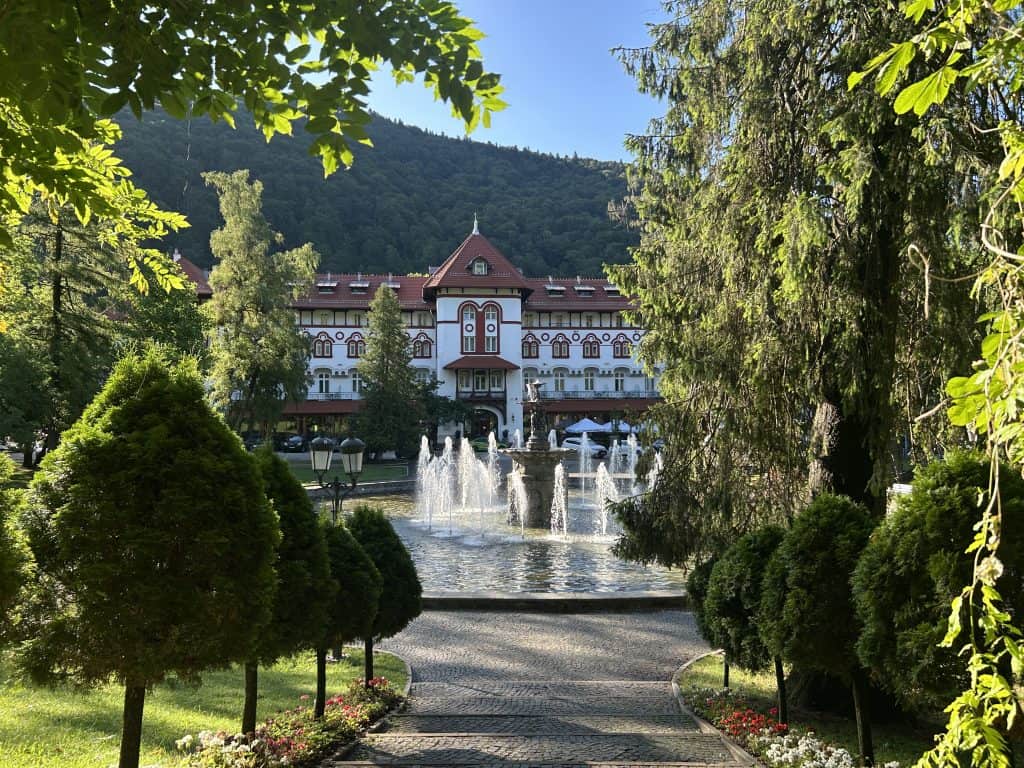
The Sinaia Casino (Cazinoul Sinaia) is a historic landmark located in the central Dimitrie Ghica Park. The casino was built between 1912 and 1913 at the initiative of King Carol I. It was designed by the architect Petre Antonescu, who drew inspiration from French casinos of the era. The building was a major center of social life for the aristocracy who vacationed in Sinaia. Today, it is no longer a functioning casino but serves as an international conference and event center. The historic building, with its elegant architecture and well-preserved interior rooms, can be visited on a guided tour.
Hiking in the Bucegi Mountains
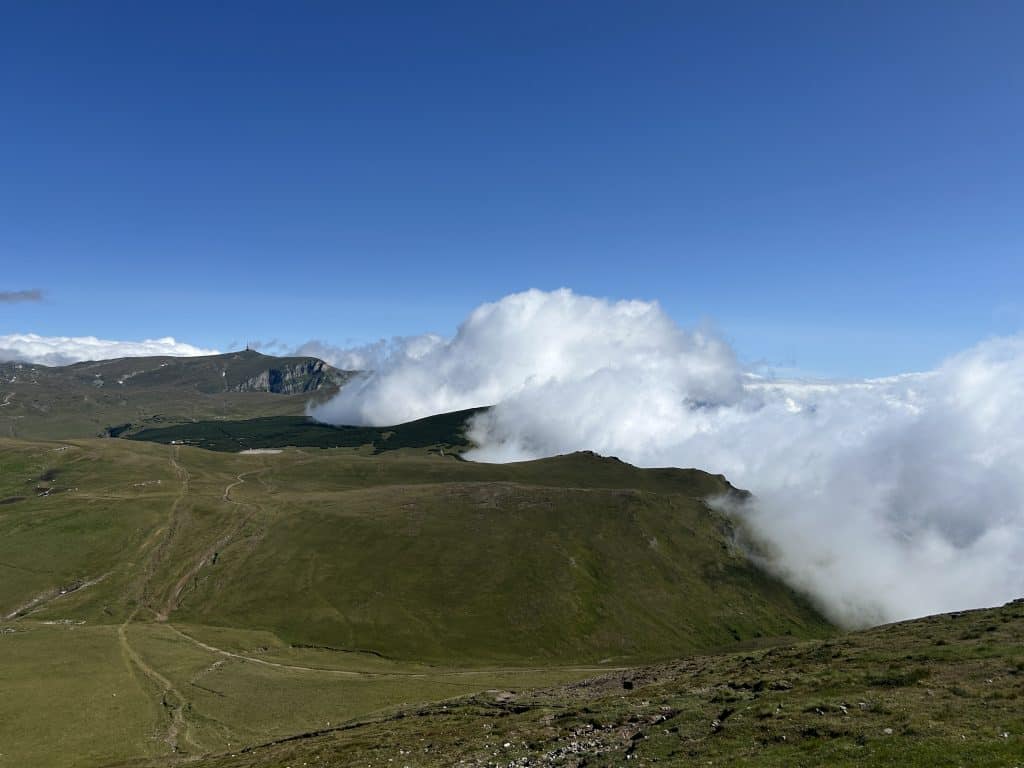
The Bucegi Natural Park offers an extensive network of marked hiking trails that are accessible directly from Sinaia. These trails range from easy walks in the lower forests of the Prahova Valley to challenging alpine treks on the high Bucegi Plateau. A key sight for hikers is the collection of wind-sculpted rock formations on the plateau, including the famous Sphinx and Babele. The cable car system in Sinaia allows hikers to easily access these high-altitude trails. The mountains are known for their dramatic landscapes, rich biodiversity, and stunning views of the surrounding region.

Sports in Sinaia
The sporting life in Sinaia is almost entirely focused on outdoor and mountain-based activities, which are central to its identity as a major resort town. The surrounding Bucegi Mountains provide a year-round venue for sports, with skiing and other winter sports being the primary focus in the winter, and hiking and mountain biking in the summer. While the town is too small to support major professional sports teams, it has a local football club and modern facilities that cater to both recreational and competitive sports.
Winter Sports
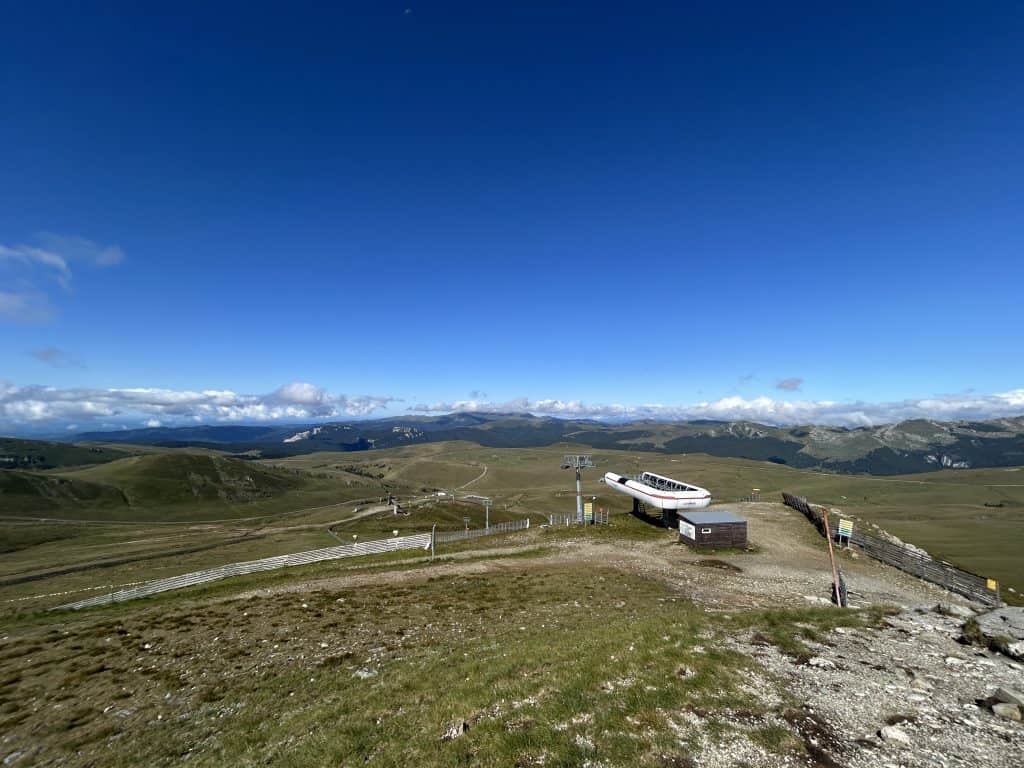
Sinaia is one of Romania’s most important ski resorts. The ski area is located high on the slopes of the Bucegi Mountains, making it one of the highest-altitude resorts in the country. The resort offers over 20 kilometers of slopes for all skill levels, from beginners to advanced skiers. The main ski area is located at Cota 2000 (an altitude of 2,000 meters), which is accessible by a series of cable cars and gondolas from the town. The high altitude generally ensures a long ski season with good snow conditions from December to April. The resort is a major destination for winter sports enthusiasts from across Romania and other parts of Europe.
Football
Football is a popular sport in Sinaia at the community level. The local club provides opportunities for residents, particularly youth, to participate in the sport. The club is a key part of the local social life, representing the town in the regional football leagues. While not a professional team, the club is an important institution for local sporting development.
CSO Sinaia
The local sports club is CSO Sinaia (Clubul Sportiv Orășenesc Sinaia). The club’s football section is the most prominent. The senior team competes in the lower tiers of the Romanian football league system, such as the county leagues of Prahova County. They play their home games at a local stadium in the town. The club is primarily focused on youth development and community participation, providing a platform for local players to engage in organized sport.

Getting Around in Sinaia
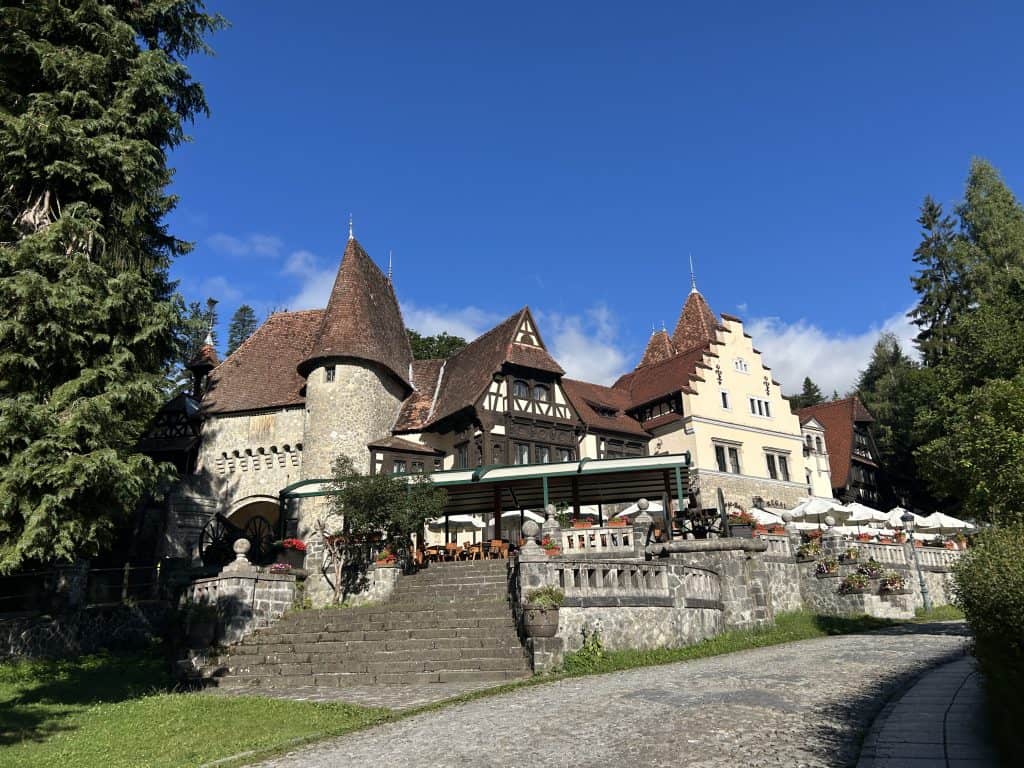
Navigating the town of Sinaia requires an understanding of its hilly terrain. The town is built on the steep slopes of the Prahova Valley. While the central part of the town is walkable, reaching the main attractions like the castles often involves a significant uphill walk. A local bus network is available and is a useful way to travel between the different parts of the town. The cable car system is also a key mode of transport for reaching the mountain plateau. The town’s layout can be confusing for drivers due to its winding, narrow streets.
On Foot: The Town Center
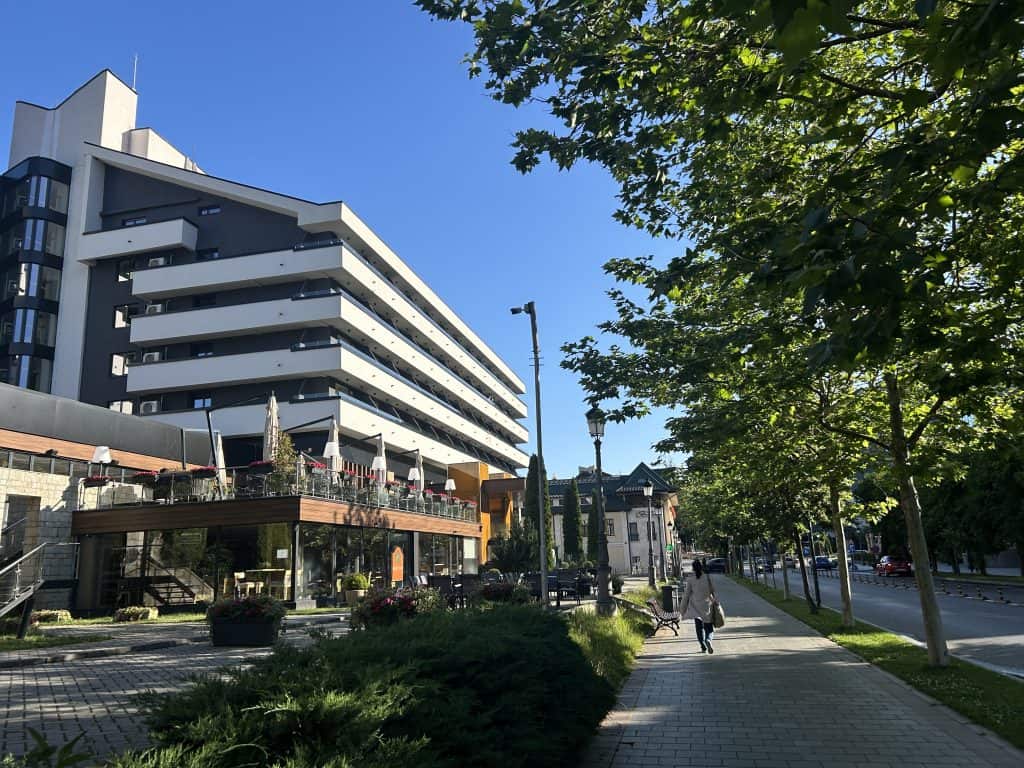
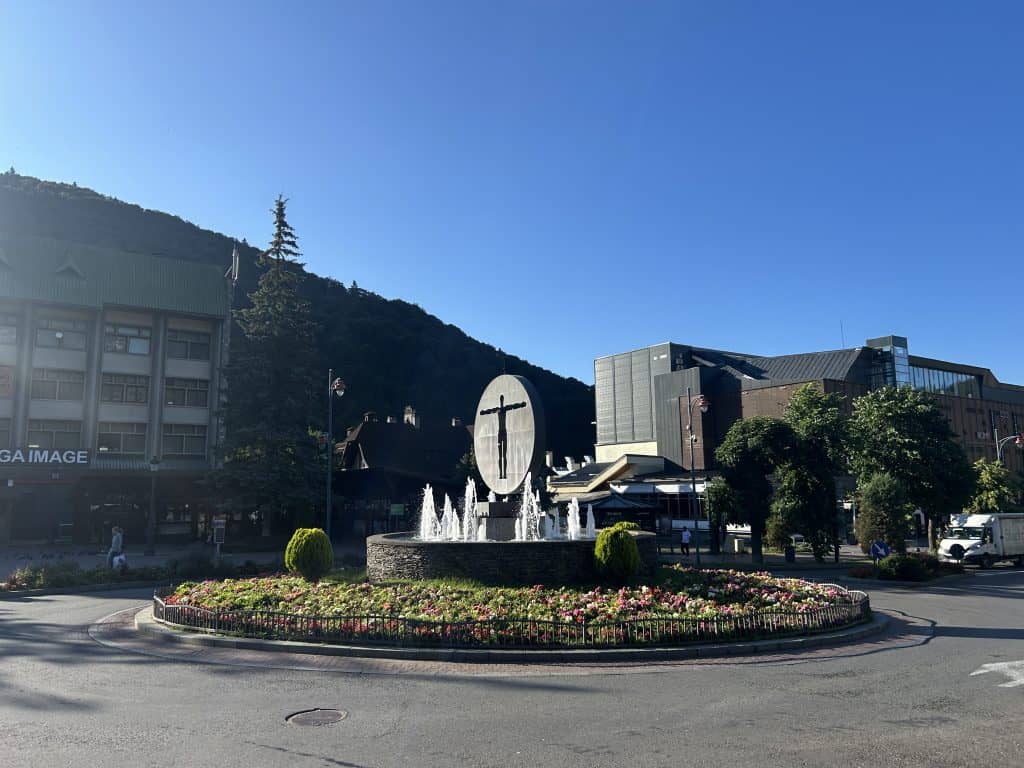
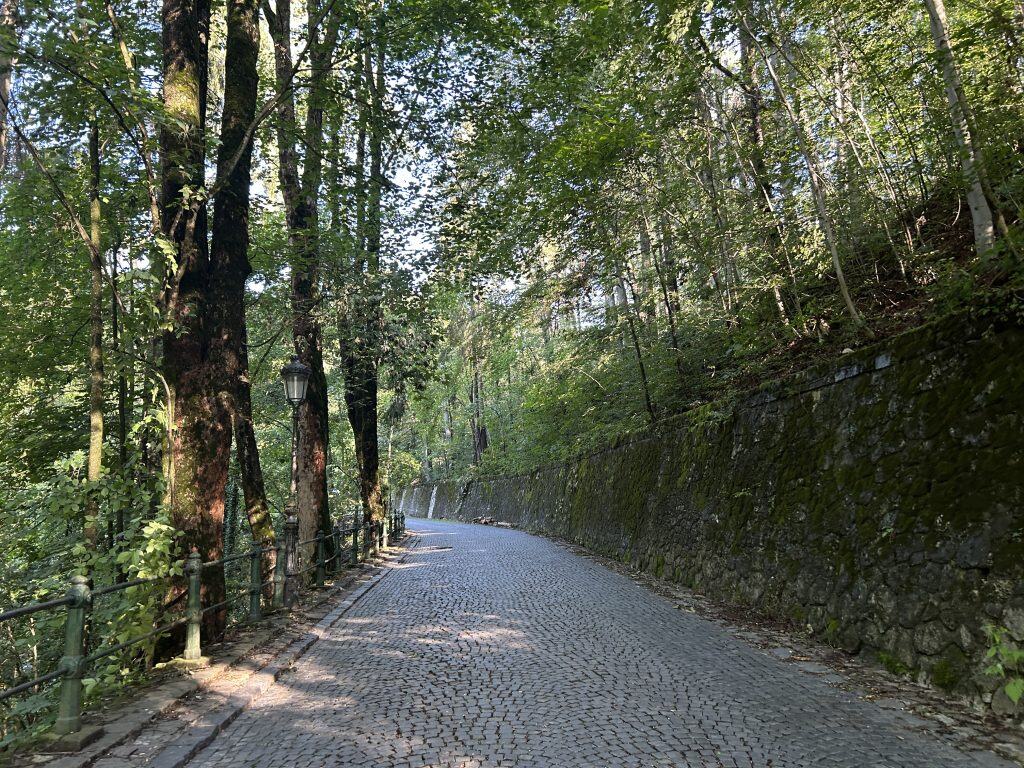
Walking is a good way to explore the central part of Sinaia. The main street, Bulevardul Carol I, contains many of the shops, restaurants, and historic hotels. The Dimitrie Ghica Park and the Sinaia Monastery are also located in the central area. The walk from the town center up the hill to the Peleș Castle complex is scenic but can be steep and takes about 20-30 minutes. Comfortable shoes are essential for exploring the hilly town and its cobblestone paths.
Local Buses
A network of local buses serves Sinaia. These buses, operated by Transport Urban Sinaia, connect the town center with the train station, the residential districts, and the main tourist attractions. The buses are a convenient way to travel up the hill to the Peleș Castle complex, which can save a long walk. They also provide transport to the base station of the Cota 1400 cable car. Tickets can usually be purchased from kiosks or directly on the bus.
Cable Cars
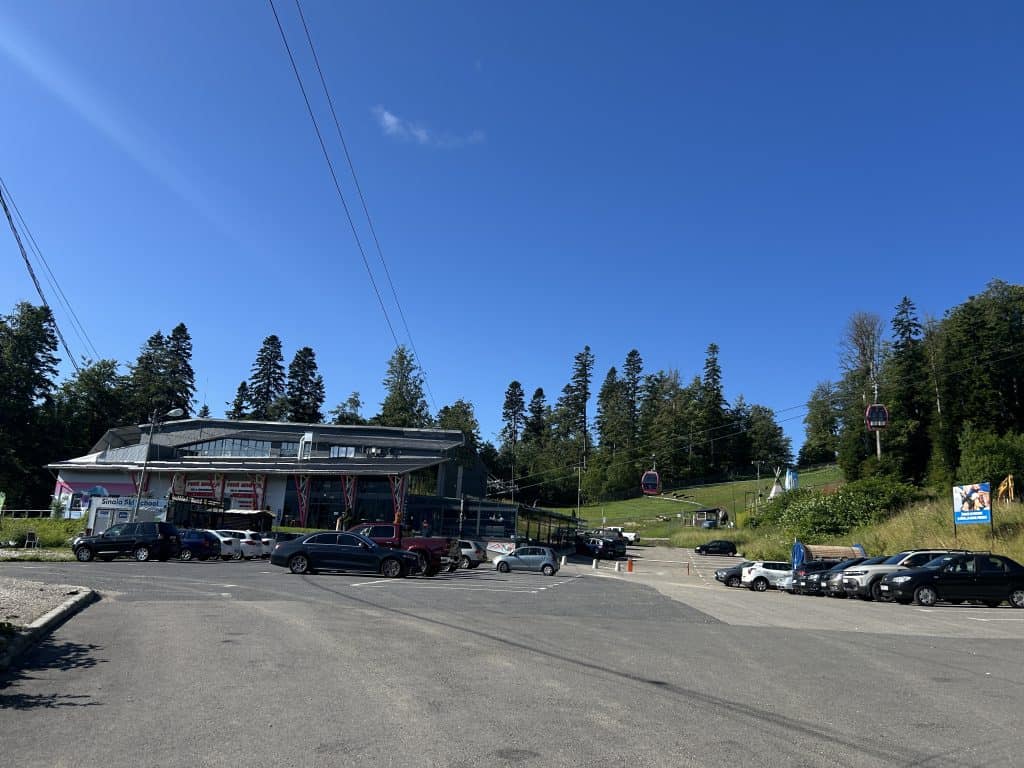
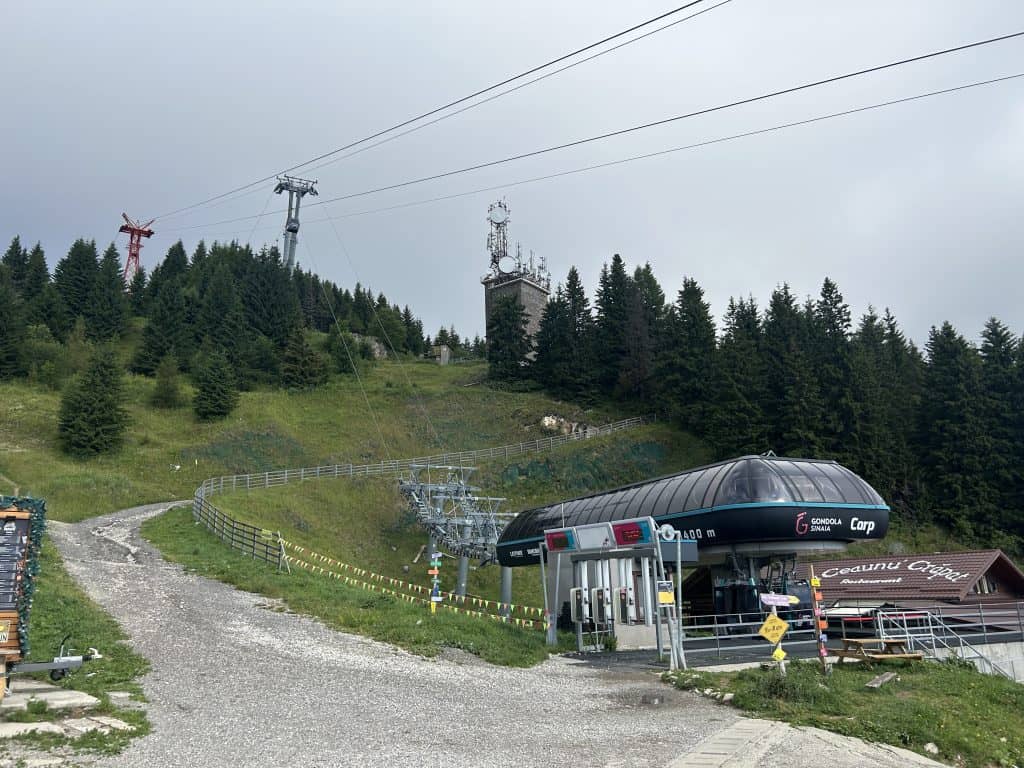
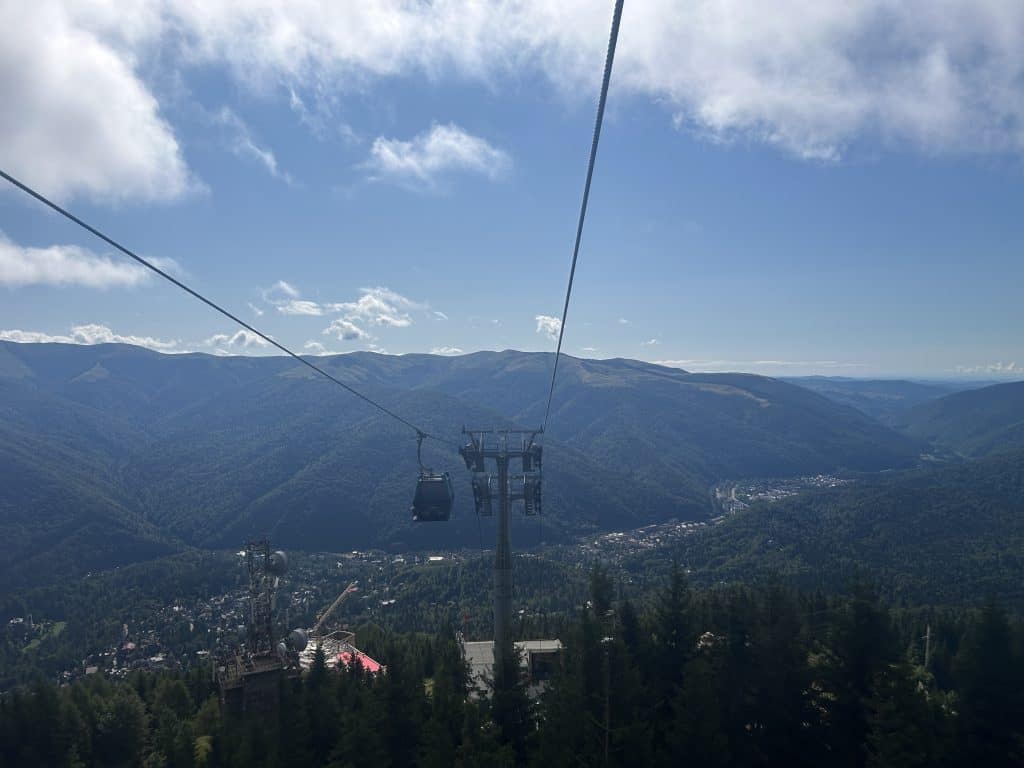
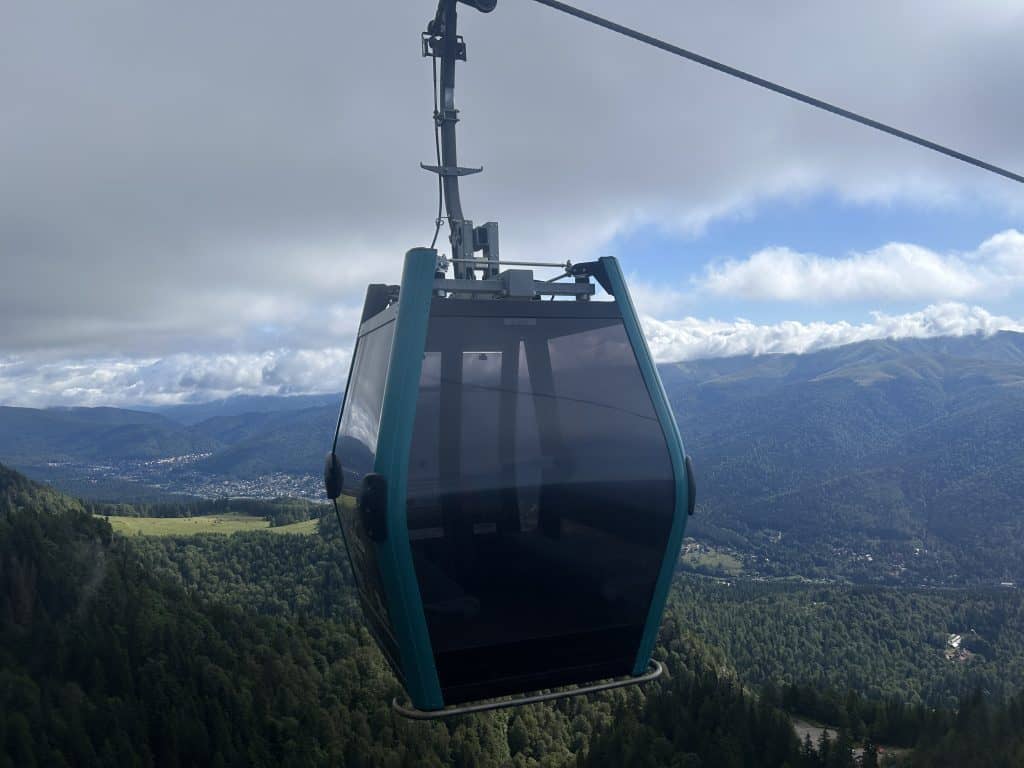
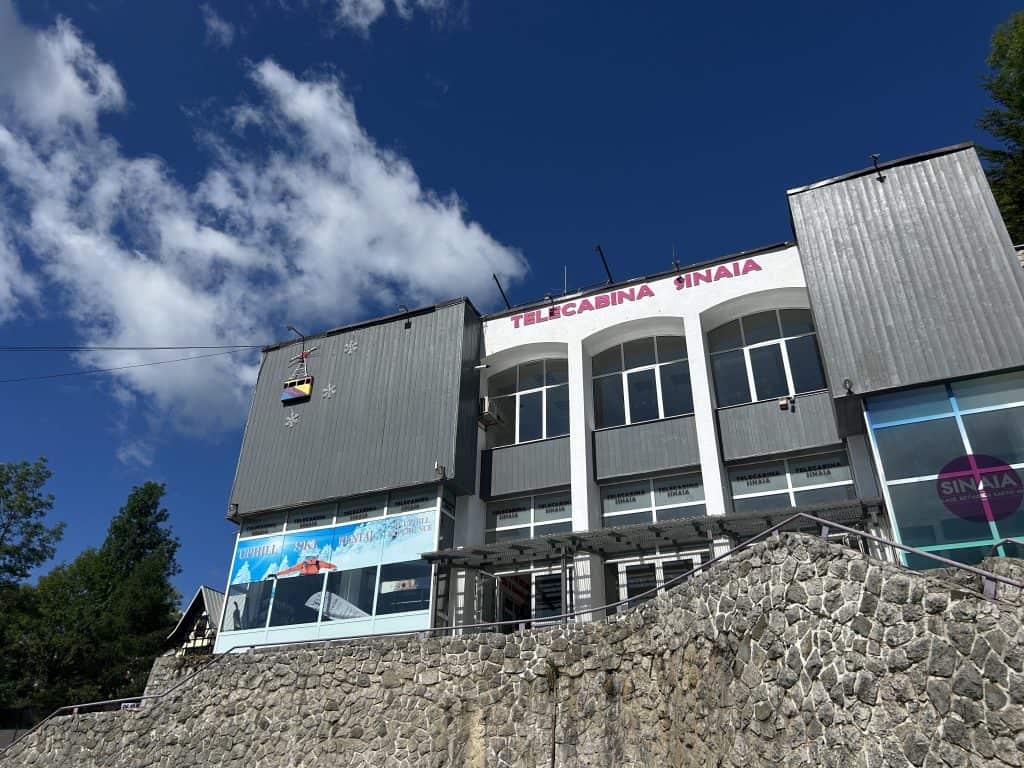
The cable car (telecabină) and gondola system is a key mode of transport for reaching the high-altitude areas of the Bucegi Mountains. The system operates in two main sections. The first section runs from the town up to Cota 1400 (an altitude of 1,400 meters). From there, a second section continues up to Cota 2000. The journey offers panoramic views of the Prahova Valley. The cable car is used by both tourists and by skiers in the winter to access the main ski slopes.


How to Get to Sinaia
Reaching Sinaia is convenient by road and rail, as it is located on the main transport corridor that connects the capital, Bucharest, with the Transylvania region. Its status as a major tourist destination ensures that transport links are frequent and well-developed. The town is one of the most accessible mountain resorts in Romania. The scenic journey through the Prahova Valley is part of the experience of visiting the region.
The Open Road: Driving the DN1
Driving is the most common way to reach Sinaia. The town is located directly on the DN1, which is the main national road connecting Bucharest with Brașov. The road runs through the scenic Prahova Valley, passing by several other mountain resorts. The drive from Bucharest is approximately 125 kilometers and takes about 2 to 2.5 hours. Be aware that traffic on the DN1 can be very heavy, especially on weekends and during holiday periods. A digital vignette (rovinieta) is required to use the national roads in Romania.
Arriving by Air: Bucharest and Brașov
The closest airport to Sinaia is the new Brașov-Ghimbav International Airport (BRV), located approximately 45 kilometers to the north. For more extensive global connections, the main international airport for the country is Henri Coandă International Airport (OTP) in Bucharest, which is about 110 kilometers to the south. From either of these airports, the journey to Sinaia can be completed by train, bus, or rental car. The train connection from Bucharest is particularly convenient.
On Track: A Major Railway Line
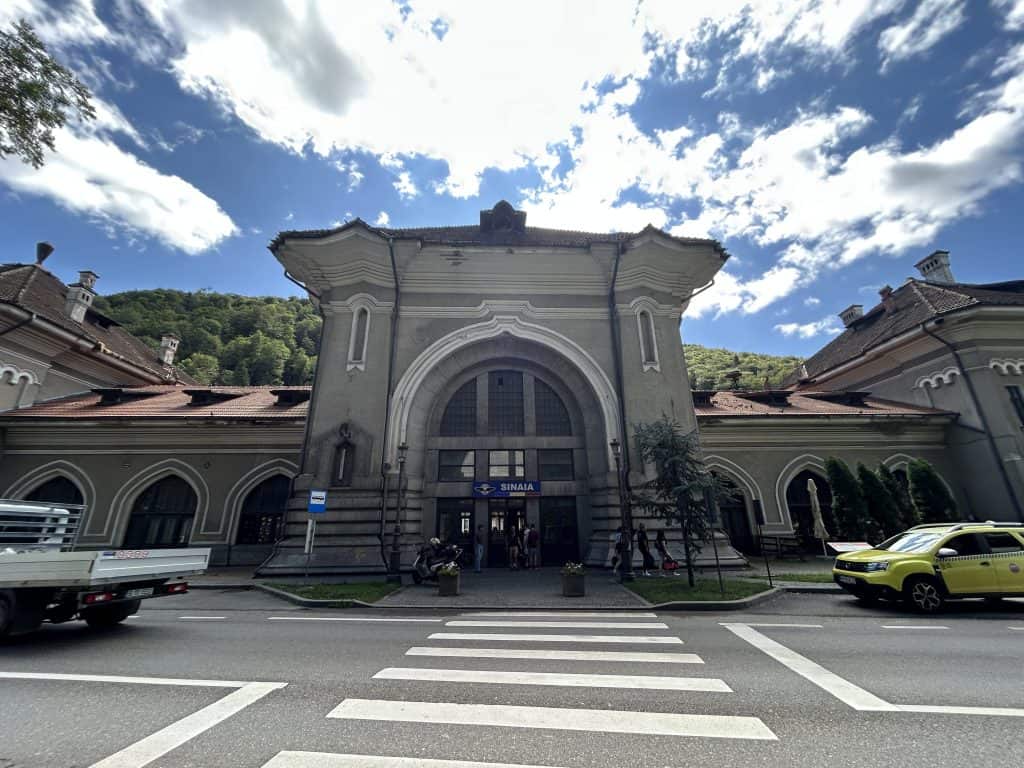
Traveling to Sinaia by train is a highly efficient and popular option. The Sinaia train station is a major hub on the main railway line that connects Bucharest and Brașov. The Romanian Railways (CFR) operate frequent InterRegio train services that stop here. The journey from Bucharest’s Gara de Nord takes approximately 1.5 to 2 hours. The train journey through the Prahova Valley is known for being very scenic. The station is located in the center of the town, within walking distance of many hotels.
Connecting by Coach
Long-distance bus and minibus services provide another way to reach Sinaia. The city has a bus terminal (autogara) that is served by numerous private companies. There are frequent bus services that connect Sinaia with Bucharest and Brașov. Bus travel can often be more economical than the train. However, it is more susceptible to the frequent traffic delays on the busy DN1 road, especially during peak travel times.
Driving Distances
The driving distance from 10 regional cities, according to Google Maps:
- Brașov, Romania – 45 kilometers (1 h 00 min)
- Bucharest, Romania – 123 kilometers (2 h 20 min)
- Sibiu, Romania – 187 kilometers (3 h 20 min)
- Cluj-Napoca, Romania – 343 kilometers (5 h 00 min)
- Iași, Romania – 370 kilometers (6 h 10 min)
- Chișinău, Moldova – 513 kilometers (9 h 10 min)
- Sofia, Bulgaria – 518 kilometers (7 h 50 min)
- Belgrade, Serbia – 593 kilometers (8 h 00 min)
- Budapest, Hungary – 743 kilometers (8 h 10 min)
- Kyiv, Ukraine – 1,029 kilometers (15 h 20 min)
Looking to Explore more of Romania and Europe?